Open Access
ISSN: 3008-0932 (Online)
3008-0924 (Print)
Tianjin University of Technology, Tianjin, China
Department of Naval Architecture, Ocean and Marine Engineering, University of Strathclyde, Glasgow, UK
The objective of this study is to conduct a review of recycled-carbon-fibre (rCF) wind turbine blades’ feasibility, through a comparison of global and Australian wind sector waste, and a comparison of virgin-carbon-fibre (vCF) with rCF wind turbine blades’ greenhouse-gas GHG-emissions, and, recommend an approach for carbon-fibre CF-use in the fledgling Australian offshore wind industry, based on global-warning-potential GWP. This study assesses the life-cycle GHG-emissions of virgin-carbon-fibre wind turbine blades versus recycled-carbon-fibre wind turbine blades, in both non-structural and structural configurations. All production, use and recycling is assessed in terms of a West Australian context, in which the functional unit is three turbine blades used on an onshore wind farm, towards potential applicability for (as yet, non-existent) offshore WA fields. An approach incorporating a GaBi/Sphera database-study provides a timely screening/preliminary study, in which it was found that non-structural recycled carbon fibre wind turbine blades had very similar GHG emission levels compared to standard virgin carbon fibre blades, with sensitivity analysis revealing that in worst-case scenarios, non-structural carbon fibre has higher GHG emissions. Structurally recycled carbon fibre blades performed significantly better than standard virgin carbon fibre wind turbine blades with a 56% reduction in GHG emissions; savings were not affected significantly by parameter changes during sensitivity analysis. It is evident that recycled-carbon-fibre can significantly reduce wind turbine blades’ GWP and contribute to the circular economy in the fledgling West Australian offshore-wind-turbine sector.
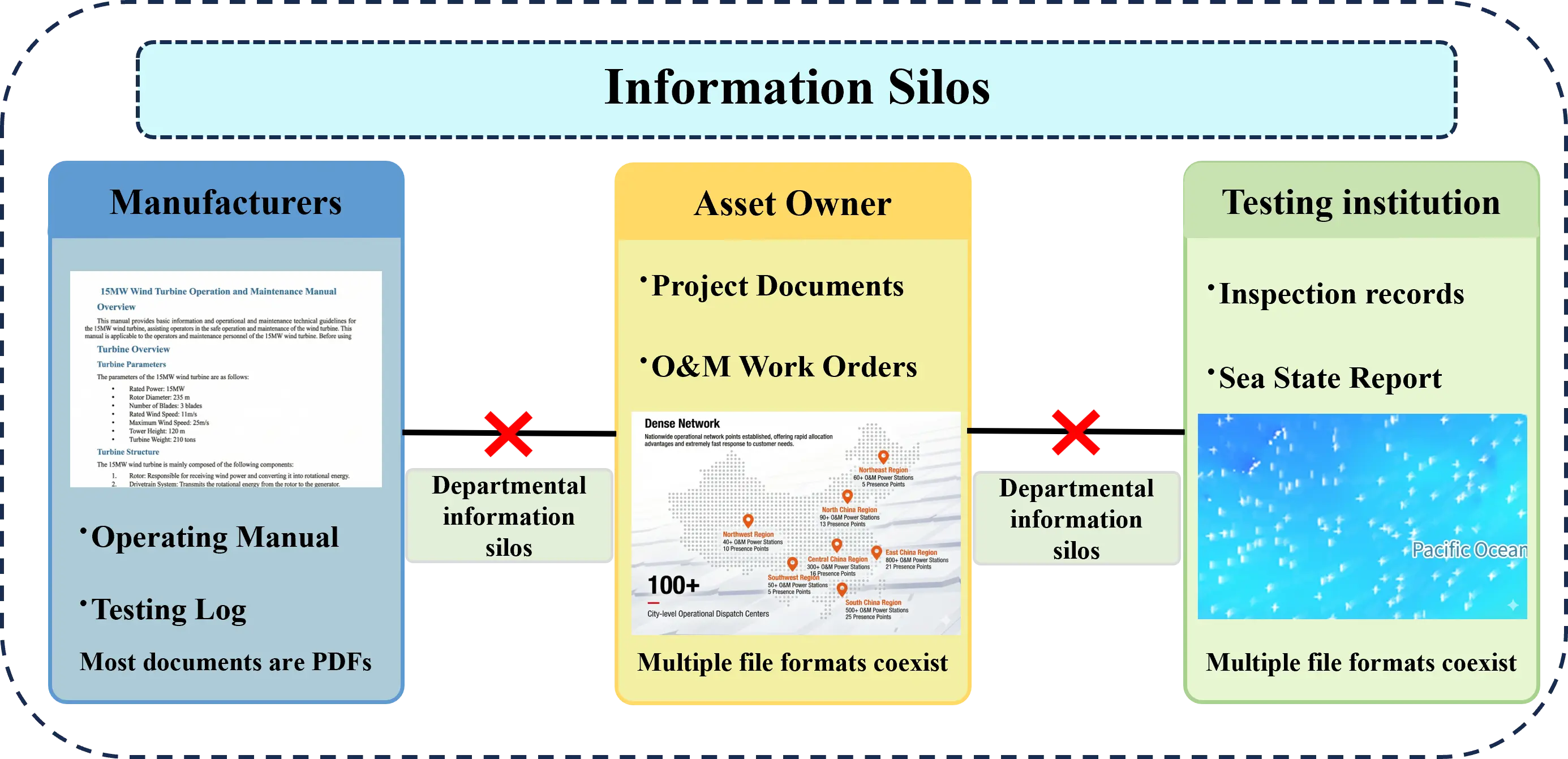
Marine renewable energy systems, particularly offshore wind and photovoltaic (PV) installations, generate large volumes of heterogeneous maintenance texts. However, the resulting knowledge remains fragmented due to dispersed sources, diverse formats, and domain-specific terminology. To address these challenges, this study proposes a large-scale language model assisted methodology for constructing a multi-source heterogeneous knowledge graph for intelligent operation and maintenance (O&M). The method integrates unified document preprocessing, domain-oriented prompt engineering, large-scale language model–based entity and relation extraction, and multi-level entity normalization. It systematically transforms unstructured documents (e.g., standards, procedures, manuals, inspection records, and environmental reports) into structured triples, enabling the construction of a dynamically evolving O&M knowledge graph. A rigorous ablation study on real-world offshore wind and PV datasets demonstrates that the proposed workflow exhibits exceptional robustness against OCR noise (e.g., scanned artifacts, stamps, and signatures) and substantially improves extraction volume, accuracy, and coverage compared with traditional methods. In particular, combining high-quality preprocessing and optimized prompts yields the most reliable and semantically coherent results. The study provides a practical technical pathway for automated knowledge management in marine renewable energy and offers a foundation for future applications in intelligent diagnostics, predictive maintenance, and digital-twin systems.
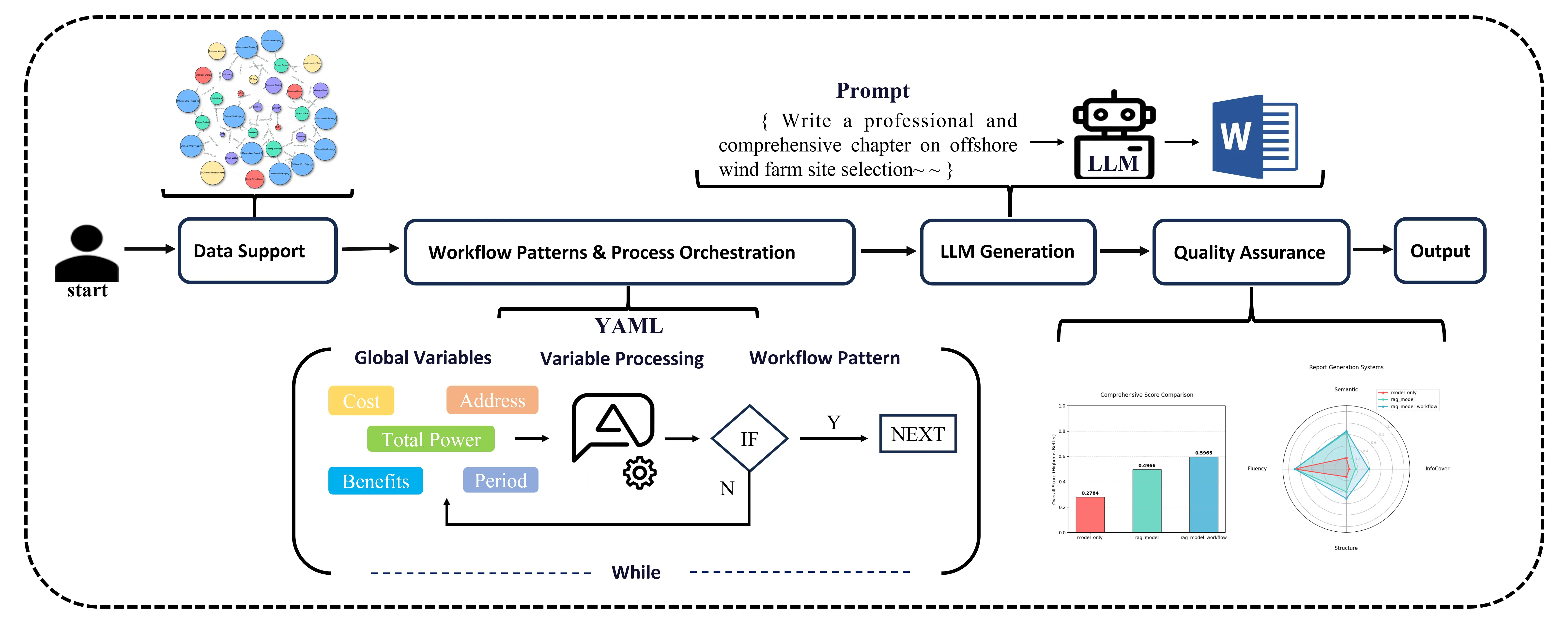
Driven by global energy transition goals, the large-scale development of offshore wind power imposes rigid requirements for professionalism, standardization, and timeliness on feasibility study reports (FSR). Traditional manual compilation and existing automated methods fail to meet these requirements due to interdisciplinary complexity, poor process controllability, and insufficient domain adaptation. To address these challenges, this paper proposes a configurable and interpretable offshore wind FSR generation system built on a three-tier framework that encompasses “data support, process orchestration, and quality assurance”. The system integrates a YAML-based workflow architecture, multi-level prompt engineering, and a comprehensive evaluation system. Notably, the introduced “Cyclic Aggregation Mode” enables the iterative generation and logical summarization of multi-subproject data, effectively distinguishing this system from traditional linear text generation models. Experimental results demonstrate that the proposed “Retrieval-Augmented Generation (RAG) + Large-scale Language Model (LLM) + Workflow” system outperforms baseline models with key metrics including semantic consistency (0.6592), information coverage (0.3908), structural compliance (0.5123), and an overall score (0.5965). Ablation studies validate the independent contributions of the RAG and Workflow components, thereby establishing the “RAG + LLM + Workflow” paradigm for intelligent professional document generation. This work addresses core challenges related to controllability, accuracy, and interpretability in high-stakes decision-making scenarios while providing a reusable technical pathway for the automated feasibility demonstration of offshore wind power projects.
Tidal turbines are often subjected to complex flow conditions that can affect their power output and the risk of failure. In this article, an experimental study on a vertical axis tidal turbine with twin counter-rotating rotors is carried out at 1/20 scale, submitted to a sheared turbulent (ST) flow and a sheared weakly turbulent (SWT) flow. The performance and wake development comparison indicates that the turbine behaves differently depending on the shear rate considered. A 7% decrease in performance is observed at the turbine’s nominal operating point between uniform and ST conditions. The asymmetry of the flow along the vertical axis is reflected in the angular and frequency distributions of the rotor torque, indicating a production asymmetry between the lower and the upper rotors. Analysis of wake development reveals that transport terms constitute the main mechanism of wake dissipation. In the case of SWT and uniform flow, vertical advection largely dominates the other terms, whereas in ST flow, transverse advection is initially predominant. This results in a higher average wake height and a lower average wake width in the ST case compared to the other flow conditions, and a faster wake recovery.
Bolted connections are being considered as an assembly method for the foundations of floating offshore wind turbines. A clear benefit of this method is the short assembly time of these foundations compared to welding. However, some concerns around corrosion, fatigue, and the ability of bolted connections to maintain preload remain. This review found that conventional ring flanges may not be suitable for the assembly of floating foundations, mainly due to the risk of bolt loosening and reduced fatigue life. However, the C1 Wedge Connection is an innovative bolted connection that has shown its ability to retain bolt preload during tests. Likewise, the Compact Flange Connection has shown its ability to retain preload without requiring maintenance during operational stages and furthermore, has a long and successful track record in offshore oil and gas applications. This review revealed several research gaps related to the use of bolted connections for the assembly of floating wind turbine foundations. These include: a lack of research on the effects of bolt loosening; dynamic loads and shear forces on bolted connections and their effect on fatigue life; structural health monitoring methods of bolted connections; and the health and safety of technicians in confined spaces with difficult accessibility. The Compact Flange Connection is perhaps the best suited bolted connection for the assembly of floating foundations. However, more research, and crucially, successful offshore demonstrations will be essential to increase confidence in the suitability of bolted connections for the floating offshore wind industry.
Tidal flow often contains large-scale turbulent flow structures mainly caused by bathymetric variations or offshore marine structures. Understanding how waves interact with these structures is crucial for ocean sciences, as they influence vertical mixing, energy transfer, and dissipation. In this work, two flow configurations with current and waves are studied in a flume tank using Particle Image Velocimetry measurements: waves propagate either following or opposing the current and interact with convected flow structures. Compared to current-only cases, the mean velocity is slightly impacted, but the mean velocity gradient increases for waves propagating with the current. Turbulent Kinetic Energy increases regardless of wave direction and its production is also affected by the wave’s propagation direction. The integral length scale and flow Gaussianity are the most affected flow parameters. For waves propagating against the current, the Probability Density Functions of fluctuating velocity fields exhibit a bimodal representation, largely deviating from a Gaussian curve. Preliminary quadrant analysis reveals that waves significantly influence flow organisation, especially when they propagate against the current. These observations are valuable for applications such as defining tidal turbine farm areas, improving turbine performance estimation, and assessing structural fatigue.
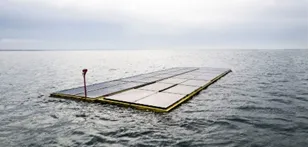
Driven by the global goal of carbon neutrality, offshore floating photovoltaic (OFPV) technology has become a primary focus of photovoltaic research. In particular, flexible thin-film structures have become a central focus of research in sustainable energy development. It offers numerous advantages, including light weight, low cost, and strong adaptability to the marine environment. However, traditional experimental methods still face challenges in accurately capturing the motion response of flexible thin films. To address this issue, this study proposes a motion measurement and monitoring framework based on binocular vision. The framework is validated using gyroscope data, and the results demonstrate its high accuracy and real-time performance. The research team conducted experiments on a flexible floating photovoltaic structure in a wave flume, applying the proposed framework to monitor its motion response under wave excitation. The experimental results show that wave height and wave period have significant effects on the acceleration response of the thin film: higher wave heights lead to notably greater accelerations, whereas longer wave periods result in a gradual decrease in acceleration. Overall, the proposed framework provides reliable technical support for the design optimization and safety assessment of flexible thin-film FPV structures.
Floating offshore wind turbines (FOWTs) offer great potential for harnessing deep-sea wind energy. This study examines the effects of six-degree-of-freedom (6-DOF) platform motions on the dynamic structural responses of a FOWT blade by comparing its performance with a fixed-bottom system. Integrated aero-hydro-servo-elastic simulations for a 5-MW spar-type FOWT were conducted under various design load cases. Results indicate that the floating tower’s first-order natural frequency was about 29% higher than that of the fixed-bottom tower. Platform motions markedly influenced blade flapwise and torsional responses, with the effect intensifying under larger waves. For instance, as the significant wave height increased from 1.70 m to 9.90 m, the differences in peak response between the floating and fixed-bottom systems grew from 0.104 m to 0.363 m for blade-tip flapwise deflection, from 528.1 kN·m to 1817.4 kN·m for the root flapwise bending moment, and from 5.02 kN·m to 18.73 kN·m for the root torsional moment. In contrast, blade edgewise responses showed negligible changes, with peak deflection differences below 0.05 m. Blade loads were more sensitive to wave conditions, while platform motion magnitudes were more affected by wind. These findings offer insights into the load characteristics and structural design of FOWT blades.
Optimizing aerodynamic performance with low loads is a core objective in high-power wind turbine blade design. This study develops a blade aerodynamic optimization design platform based on the performance of a wind turbine. By applying automated design principles, the platform rapidly iterates to obtain blade profiles that meet turbine development requirements, significantly improving design efficiency and reliability. Key findings include That Optimizing chord length and relative thickness distributions substantially contribute to enhancing power generation while reducing load levels. Relative thickness and twist angle distributions are critical parameters influencing stall characteristics during blade operation. Superior aerodynamic performance notably increases annual rated power generation hours but simultaneously elevates blade thrust and root loads. Among the evaluated designs meeting turbine specifications, the #436 blade achieves a maximum power coefficient of 0.4679 while maintaining low ultimate and fatigue loads. Furthermore, when paired with the wind turbine, its rated wind speed reaches 10.9 m/s, and its annual rated power generation hours under various inflow wind speed conditions all meet the turbine system’s development requirements. Consequently, the #436 blade demonstrates exceptional system compatibility, making the 8.5 MW turbine equipped with this blade highly competitive in the market.
Offshore wind turbines (OWTs) in cold climate regions have become increasingly significant due to the abundant wind resources with the development of renewable energy. These areas offer considerable potential for the development of OWTs. Generating energy for communities in cold climate regions involves overcoming significant challenges posed by the remote and harsh environmental conditions. This review presents the state-of-the-art research regarding prediction models for ice accretion on wind turbine components. Furthermore, this review summarizes advanced mitigation solutions, such as cold-weather packages and ice protection systems, designed to address icing issues. The present study identifies critical knowledge gaps in OWT deployment in cold climate regions and proposes future research directions.
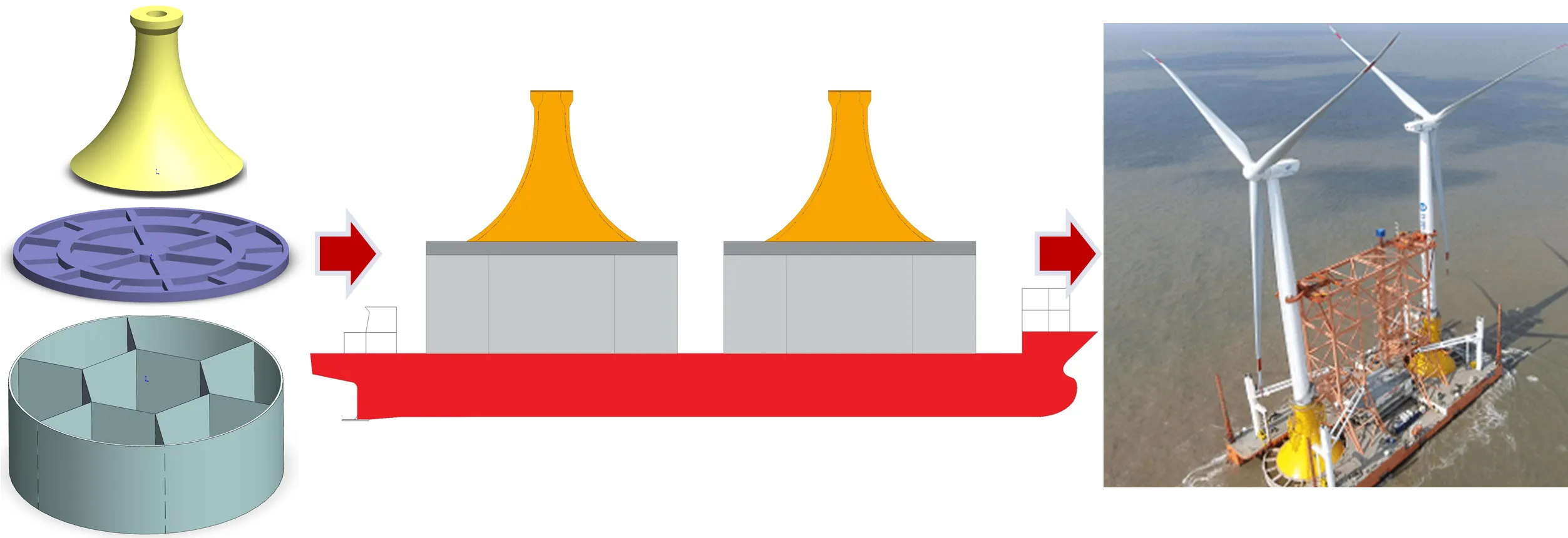
Offshore wind power, as an important component of renewable energy, has gradually become one of the key technologies in global energy transition. The development of offshore wind power faces complex technical challenges, including strong wind, waves, currents, foundation bearing capacity, and installation technologies for wind turbines, among other issues. In recent years, with technological advancements, significant breakthroughs have been made in the design of offshore wind power foundation structures, installation technologies, and equipment. This paper provides a comprehensive review of the recent progress in offshore wind power technologies, deeply exploring innovative technologies in areas such as the overall development trends, foundation structures, installation technologies, and equipment of offshore wind power. Special attention is given to the design and safety analysis of wind turbine foundation structures under different foundation conditions, as well as installation technologies for wind power in complex sea conditions and deep-water areas. The paper argues that the applicable depth of fixed foundations is expected to extend beyond 50 m. The jacket foundation remains the mainstream choice for future large-scale wind turbines, with the potential to increase its applicable water depth to 100 m. Furthermore, floating foundations have significant potential for cost reduction and efficiency improvements. Developing entirely new foundation structures and installation technologies suitable for deep-water environments is also a key direction for future development.
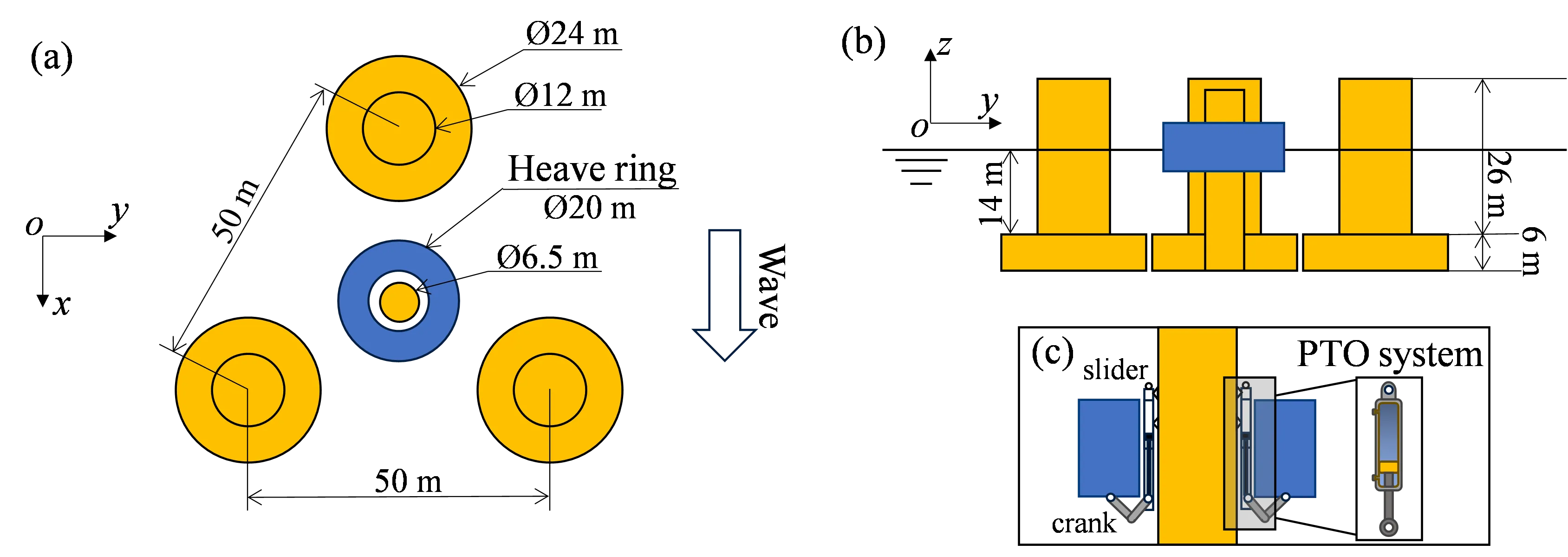
Mitigating wave-induced motions in floating multi-body systems is a critical challenge in ocean engineering. For single floating structures, such as floating platforms or vessels, applying active control requires considerable energy. It is also a common solution to add auxiliary structures and a power take-off (PTO) device, thereby forming a multi-body system that utilises passive control. However, the effectiveness of this method is limited due to varying phase differences between control forces and motions, which change across different wave frequencies. The present work proposes a novel semi-active structural control method, which can effectively provide optimised control force to the main body within a multi-body system. The key point of this method is tuning the phases between the forces and motions of floating bodies. Proper tuning can neutralise the main floating body’s wave-induced motion by utilising the wave-induced motion of the auxiliary structure. The controller is developed under an optimal declutching control framework, adjusting the damping coefficients of the PTO system to provide discrete resistance to the target body. A floating semi-submersible (SS) platform equipped with a heave ring as an auxiliary structure is selected and analysed as the case study. The results demonstrate the method’s efficacy in reducing motion for floating wind turbine (FWT) platforms and its applicability to various types of multiple floating bodies. Interestingly, our optimal declutching control can “kill two birds with one stone”. It can simultaneously enhance motion reduction and increase power capture. In the current study, the proposed controller achieved a maximum motion reduction of 30% for the platform.
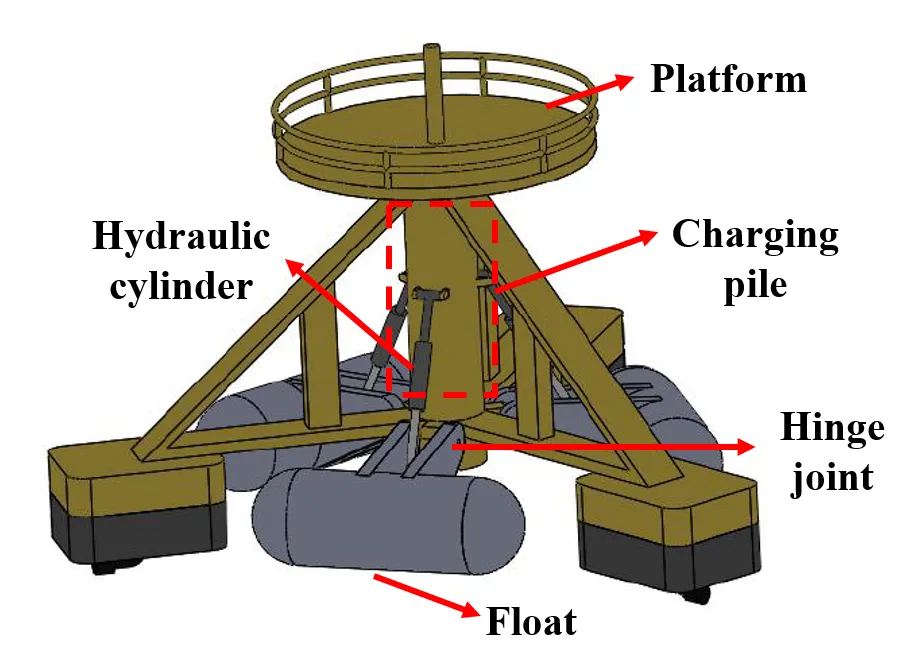
This paper reviews the advancements in wave energy converter technologies in China, covering device design, performance evaluation, and system control techniques. It highlights power control technologies in wave energy conversion, including adaptive control, model predictive control, clutch control, clamp control, resistive load control, approximate optimal speed control, nonlinear control, and intelligent control methods. Through an analysis of these technologies, the study outlines the future directions and challenges in wave energy development in China, while also proposing potential pathways for optimizing the performance of wave energy conversion devices.
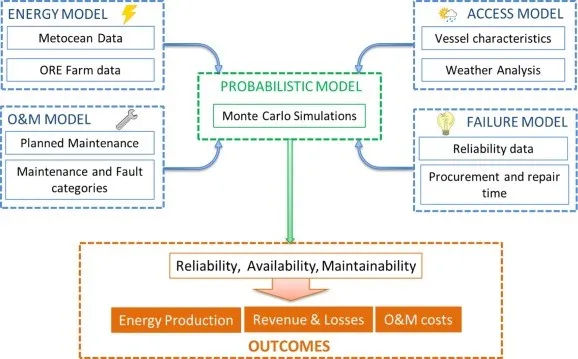
This research explores the optimization of Operations and Maintenance (O&M) strategies for offshore wind farms using a sophisticated O&M simulator built on the Markov Chain Monte Carlo method. By integrating real-world constraints such as vessel availability and weather conditions, the study assesses O&M logistics’ impacts on wind farm availability, energy production, and overall costs across different scenarios in the Celtic Sea. Through comparative analysis of eight case studies involving various combinations of Crew Transfer Vessels (CTV) and Service Operation Vessels (SOV), the research highlights the critical role of strategic vessel deployment and the potential of permanent SOV stationing to enhance operational efficiency, reduce downtime, and lower O&M costs. In this study, the permanent SOV can increase up to 20% availability of the whole wind farm. The findings underscore the importance of adaptive O&M planning in improving the sustainability and financial viability of offshore wind energy projects.
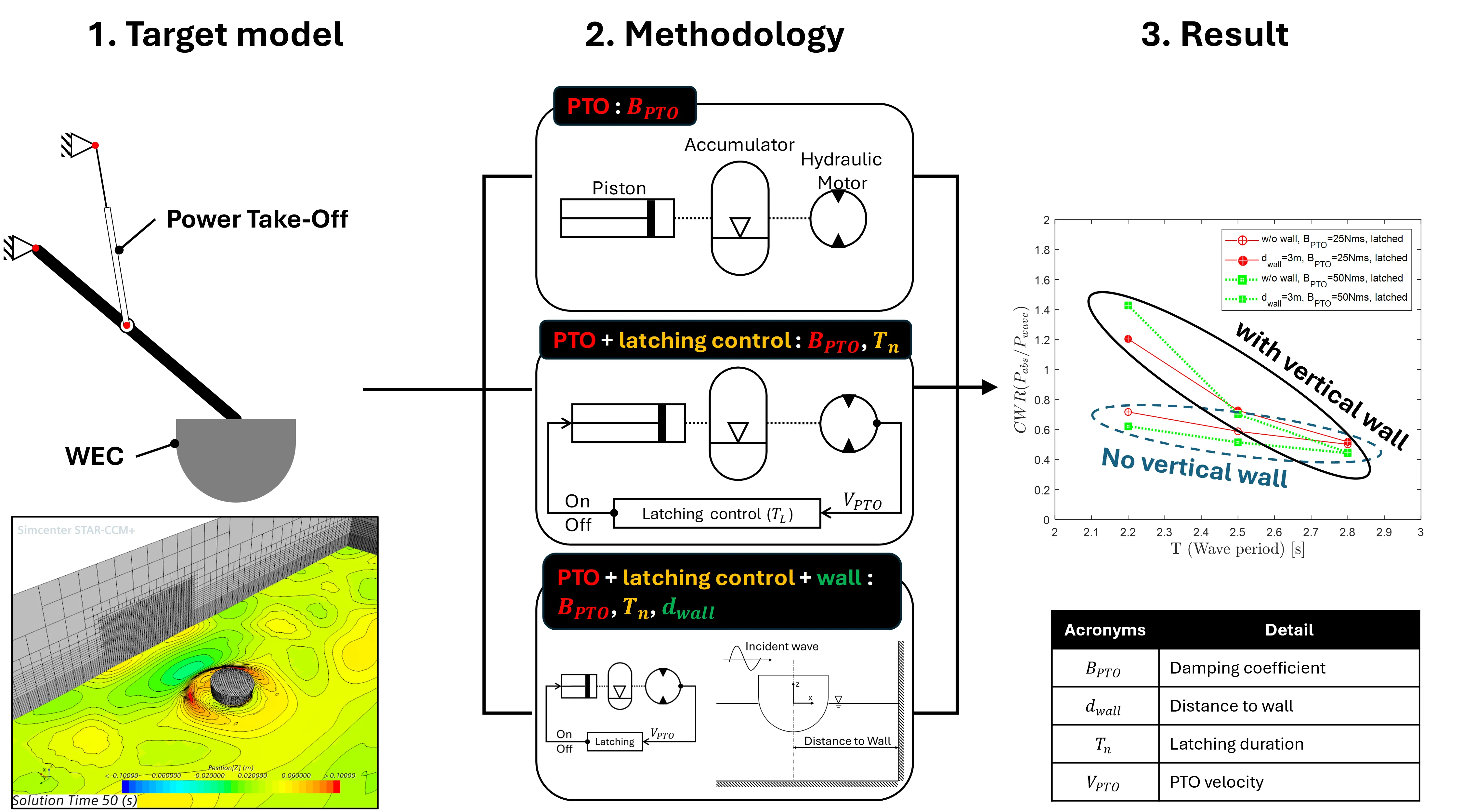
This study presents a numerical investigation of a point absorber wave energy converter (WEC) with a focus on improving its performance through the utilization of a vertical wall and latching control in the power take-off (PTO) system. Prior to numerical evaluations, experimental data incorporating PTO considerations and numerical simulation results were examined to validate the accuracy of the numerical methodology employed in this research. This study introduces a numerical PTO model and latching control for a further investigation. Comparative analyses were carried out on the displacement, velocity, and force of the PTO, absorbed power, and capture width ratio (CWR), considering the incorporation of a vertical wall and latching control. The results confirm that the introduction of both vertical wall and latching control significantly improves the CWR of the WEC, showing the effectiveness of incorporating a vertical wall and latching control in enhancing power extraction.
Offshore Renewable Energy Advance
Offshore renewable energy generation has become an important means to address the energy crisis and climate change, which has gained widespread attention in recent years. This article presents classic domestic and international cases that introduce the development and industrial transformation of generation technologies for offshore wind, offshore photovoltaics, ocean wave energy, tidal energy and temperature difference energy. Offshore power generation projects face challenges in design, safety, long-term operation and economic feasibility. Offshore renewable energy generation is gradually moving towards industrialization, and is expected to become a key component of global energy supply in the future with technological advancements and policy support, providing strong support for tackling climate change and achieving sustainable development goals.
Under the guidance of the dual carbon goals, the development and utilization scale of new energy in China, including photovoltaics and wind power, has steadily increased. Particularly, the floating photovoltaic technology in inland waters has been developing quickly over the past decade because it could compensate for certain shortcomings of traditional terrestrial photovoltaics. The offshore floating photovoltaic (FPV) pilot projects are also continuously emerging due to the advantages of longer daylight hours, higher radiation levels, and enhanced efficiency of light utilization in marine environments compared to terrestrial settings under identical solar irradiance conditions. To comprehensively understand the development prospects of offshore FPV systems, the development progress of FPV systems was traced, and an analysis was conducted on the forms of various types of floating structures, their technical characteristics, and their applicability in the marine environment. Summarization was carried out on the floating photovoltaic mooring system in terms of the classification of the mooring, the chain deployment mode, the form of the mooring foundation, etc., and a few new types of mooring systems were put forward. Finally, the development trend of the offshore FPV system was predicted.
The research focuses on the flow-induced motion (FIM) and energy harness of “Cir-Tri-Att” oscillators (CTAO). The wake was photographed by particle image velocimetry (PIV) to explore wake structures. With the increase of the aspect ratios: the ability of oscillators to galloping under self-excitation or external excitation is enhanced. When ζ = 0.033, Ur = 12.5, the maximum amplitude ratio A* = 2.408 for oscillators with α = 1:1. Moreover, oscillators with higher aspect ratios can bear larger loads, which is conducive to energy utilization and conversion. The maximum power output Pharn = 16.588 W and the optimal efficiency ηharn = 24.706% appear in oscillators with α = 1.5:1. Additionally, In the soft galloping (SG), the wake mode is 4P or 3P. The wake vortex is more broken and its scale increases, but the force effect of the oscillators is better and the oscillation is more stable. The pressure difference makes for a longer oscillation period. This paper summarizes the FIM, energy harness and wake structures of the CTAO under different working conditions, which provides theoretical and data support for the optimization oscillators of flow-induced motion tidal energy conversion system.
Offshore wind power, as an important component of renewable energy, has gradually become one of the key technologies in global energy transition. The development of offshore wind power faces complex technical challenges, including strong wind, waves, currents, foundation bearing capacity, and installation technologies for wind turbines, among other issues. In recent years, with technological advancements, significant breakthroughs have been made in the design of offshore wind power foundation structures, installation technologies, and equipment. This paper provides a comprehensive review of the recent progress in offshore wind power technologies, deeply exploring innovative technologies in areas such as the overall development trends, foundation structures, installation technologies, and equipment of offshore wind power. Special attention is given to the design and safety analysis of wind turbine foundation structures under different foundation conditions, as well as installation technologies for wind power in complex sea conditions and deep-water areas. The paper argues that the applicable depth of fixed foundations is expected to extend beyond 50 m. The jacket foundation remains the mainstream choice for future large-scale wind turbines, with the potential to increase its applicable water depth to 100 m. Furthermore, floating foundations have significant potential for cost reduction and efficiency improvements. Developing entirely new foundation structures and installation technologies suitable for deep-water environments is also a key direction for future development.utf-8
This paper reviews the advancements in wave energy converter technologies in China, covering device design, performance evaluation, and system control techniques. It highlights power control technologies in wave energy conversion, including adaptive control, model predictive control, clutch control, clamp control, resistive load control, approximate optimal speed control, nonlinear control, and intelligent control methods. Through an analysis of these technologies, the study outlines the future directions and challenges in wave energy development in China, while also proposing potential pathways for optimizing the performance of wave energy conversion devices.utf-8
Under the guidance of the dual carbon goals, the development and utilization scale of new energy in China, including photovoltaics and wind power, has steadily increased. Particularly, the floating photovoltaic technology in inland waters has been developing quickly over the past decade because it could compensate for certain shortcomings of traditional terrestrial photovoltaics. The offshore floating photovoltaic (FPV) pilot projects are also continuously emerging due to the advantages of longer daylight hours, higher radiation levels, and enhanced efficiency of light utilization in marine environments compared to terrestrial settings under identical solar irradiance conditions. To comprehensively understand the development prospects of offshore FPV systems, the development progress of FPV systems was traced, and an analysis was conducted on the forms of various types of floating structures, their technical characteristics, and their applicability in the marine environment. Summarization was carried out on the floating photovoltaic mooring system in terms of the classification of the mooring, the chain deployment mode, the form of the mooring foundation, etc., and a few new types of mooring systems were put forward. Finally, the development trend of the offshore FPV system was predicted.utf-8
This research explores the optimization of Operations and Maintenance (O&M) strategies for offshore wind farms using a sophisticated O&M simulator built on the Markov Chain Monte Carlo method. By integrating real-world constraints such as vessel availability and weather conditions, the study assesses O&M logistics’ impacts on wind farm availability, energy production, and overall costs across different scenarios in the Celtic Sea. Through comparative analysis of eight case studies involving various combinations of Crew Transfer Vessels (CTV) and Service Operation Vessels (SOV), the research highlights the critical role of strategic vessel deployment and the potential of permanent SOV stationing to enhance operational efficiency, reduce downtime, and lower O&M costs. In this study, the permanent SOV can increase up to 20% availability of the whole wind farm. The findings underscore the importance of adaptive O&M planning in improving the sustainability and financial viability of offshore wind energy projects.utf-8
Offshore Renewable Energy Advance
Offshore renewable energy generation has become an important means to address the energy crisis and climate change, which has gained widespread attention in recent years. This article presents classic domestic and international cases that introduce the development and industrial transformation of generation technologies for offshore wind, offshore photovoltaics, ocean wave energy, tidal energy and temperature difference energy. Offshore power generation projects face challenges in design, safety, long-term operation and economic feasibility. Offshore renewable energy generation is gradually moving towards industrialization, and is expected to become a key component of global energy supply in the future with technological advancements and policy support, providing strong support for tackling climate change and achieving sustainable development goals.utf-8
Mitigating wave-induced motions in floating multi-body systems is a critical challenge in ocean engineering. For single floating structures, such as floating platforms or vessels, applying active control requires considerable energy. It is also a common solution to add auxiliary structures and a power take-off (PTO) device, thereby forming a multi-body system that utilises passive control. However, the effectiveness of this method is limited due to varying phase differences between control forces and motions, which change across different wave frequencies. The present work proposes a novel semi-active structural control method, which can effectively provide optimised control force to the main body within a multi-body system. The key point of this method is tuning the phases between the forces and motions of floating bodies. Proper tuning can neutralise the main floating body’s wave-induced motion by utilising the wave-induced motion of the auxiliary structure. The controller is developed under an optimal declutching control framework, adjusting the damping coefficients of the PTO system to provide discrete resistance to the target body. A floating semi-submersible (SS) platform equipped with a heave ring as an auxiliary structure is selected and analysed as the case study. The results demonstrate the method’s efficacy in reducing motion for floating wind turbine (FWT) platforms and its applicability to various types of multiple floating bodies. Interestingly, our optimal declutching control can “kill two birds with one stone”. It can simultaneously enhance motion reduction and increase power capture. In the current study, the proposed controller achieved a maximum motion reduction of 30% for the platform.utf-8
Offshore wind turbines (OWTs) in cold climate regions have become increasingly significant due to the abundant wind resources with the development of renewable energy. These areas offer considerable potential for the development of OWTs. Generating energy for communities in cold climate regions involves overcoming significant challenges posed by the remote and harsh environmental conditions. This review presents the state-of-the-art research regarding prediction models for ice accretion on wind turbine components. Furthermore, this review summarizes advanced mitigation solutions, such as cold-weather packages and ice protection systems, designed to address icing issues. The present study identifies critical knowledge gaps in OWT deployment in cold climate regions and proposes future research directions.utf-8
The development of efficient wave energy converters (WECs) is essential for harnessing marine renewable energy, particularly in regions with low wave energy flux. This study investigates a floating WEC with an internal eccentric rotor designed to enhance energy capture efficiency. The device consists of a floating body for wave energy absorption, an internal rotor for mechanical-to-hydraulic energy conversion, and a mooring system for stability. A numerical model was developed and validated against wave tank experiments, showing good agreement in peak values and amplitudes. Frequency-domain analysis examined the effects of structural parameters, draft, and center of gravity offset on hydrodynamic characteristics, while time-domain analysis evaluated the impact of rotor mass and power take-off (PTO) damping on energy capture. Multi-parameter optimization led to an improved structural design, increasing instantaneous power output by 150% and total power output by 108%. These findings provide a basis for further optimization of WECs in low-energy wave environments.utf-8
This study presents a numerical investigation of a point absorber wave energy converter (WEC) with a focus on improving its performance through the utilization of a vertical wall and latching control in the power take-off (PTO) system. Prior to numerical evaluations, experimental data incorporating PTO considerations and numerical simulation results were examined to validate the accuracy of the numerical methodology employed in this research. This study introduces a numerical PTO model and latching control for a further investigation. Comparative analyses were carried out on the displacement, velocity, and force of the PTO, absorbed power, and capture width ratio (CWR), considering the incorporation of a vertical wall and latching control. The results confirm that the introduction of both vertical wall and latching control significantly improves the CWR of the WEC, showing the effectiveness of incorporating a vertical wall and latching control in enhancing power extraction.utf-8
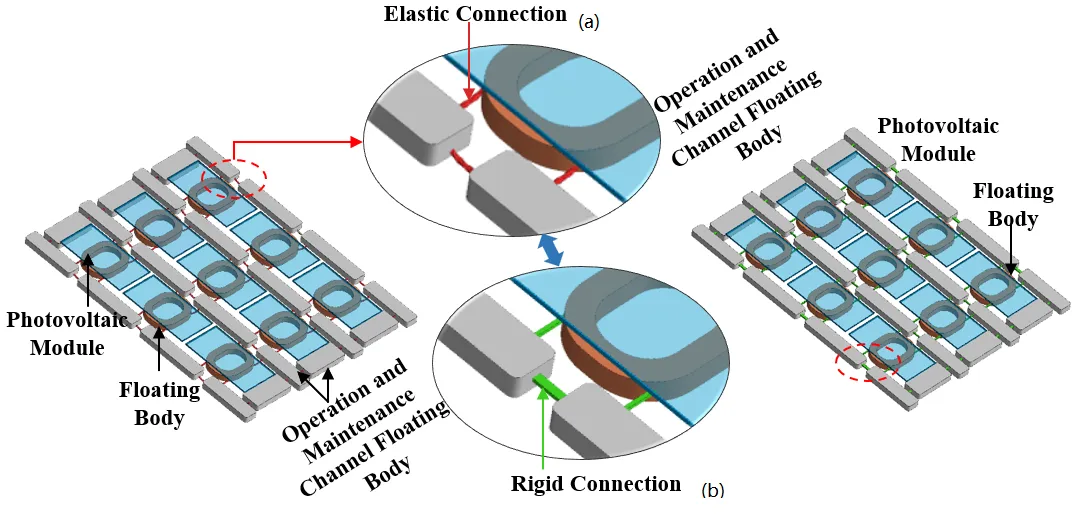
Offshore Floating Photovoltaic structure (OFPV) represents a promising solar energy technology characterized by high conversion efficiency and suitability for large-scale deployment. However, the safety and economic synergy problems of floating structures restrict the industrialization and large-scale development of OFPV. We propose a novel OFPV with elastic connection and modularizable HDPE float blocks. The numerical wave tank is established by the turbulence model in FLOE-3D, based on the Navier-Stokes equations. Hydrodynamic analysis of the OFPV is conducted by using the Generalized Mode-Order (GMO) approach. Furthermore, the dynamic responses and mooring loads of the OFPV with elastic and rigid connections are compared. The results show that the average pressure of the photovoltaic support structure with the elastic connection is positively correlated with the wave height. The tension value of the elastic cable is higher at the outermost peak tension. The OFPV with the elastic connection structure has more obvious advantages in extreme wave state conditions than the rigid connection. This study provides theoretical support for the design and engineering application of OFPV.utf-8
Online ISSN: 3008-0932
Print ISSN: 3008-0924