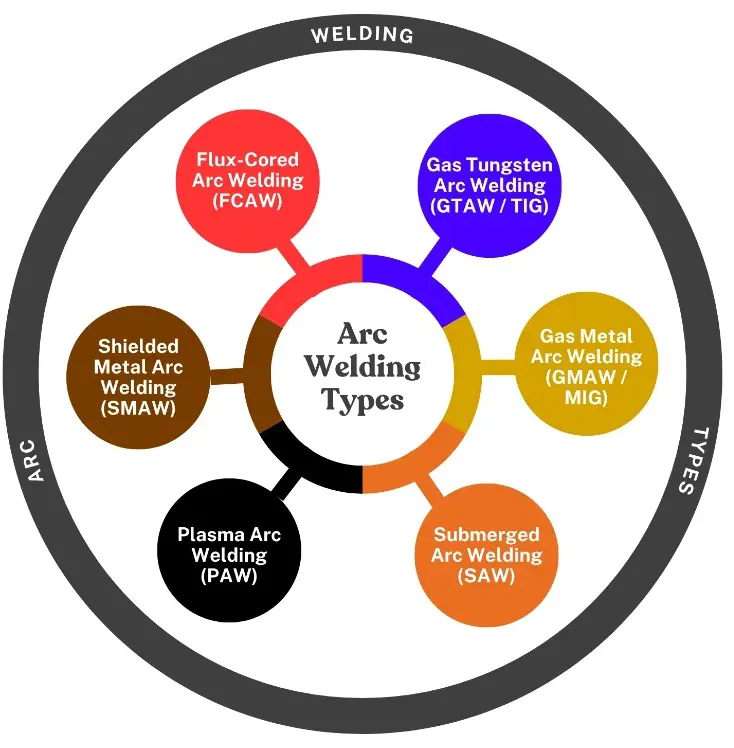
In this paper, the effect of filler metal and type of welding on the strength and ductility of dissimilar welding of two different grades of stainless steel was investigated. One of the benefits of stainless steel is its corrosion resistance, which is often necessary for equipment longevity in these facilities. During shipbuilding, as required, stainless steel 316L needs to be welded to the shipbuilding-grade carbon steel A131. In these applications, welding between the two should demonstrate superior strength during vessel construction. To provide a clear illustration, experimental work was needed to allow a careful selection of the joining procedure and filler metal or electrode. The current research work includes a comparative experimental analysis of dissimilar-metal welding (SS-316L & A131 steel). The reasons for choosing these two materials are their greater corrosion resistance and high strength in humid environments. Furthermore, two different welding methods (SMAW & TIG) with varying filler metals were employed in the experiment. The ultimate tensile strength and yield strength of the SMAW welds using E308-16 filler metal were the highest among all, while the TIG welds with ER308L showed superior bending strength. Observations suggest that SMAW with the E308-16 electrode exhibits superior tensile strength, while TIG joints with ER 308L filler provide better bending strength for the welding of SS-316L and shipbuilding (SB) grade A131 steels.
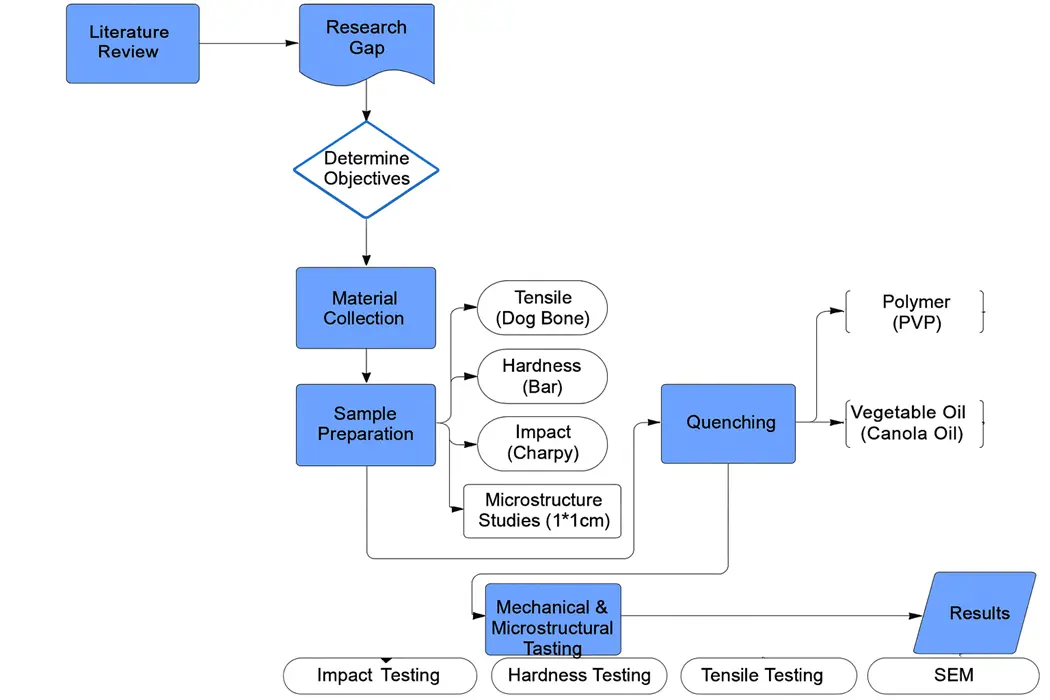
Steel is an essential component used to build marine vessels due to its endurance of the sea’s harsh conditions, including corrosion and dynamic stresses, therefore, different grades of mild steel are used in shipbuilding. It provides the strength, ductility, and weldability necessary for structural integrity, consisting of carbon, manganese, etc., as alloying elements. In this research, different quenching media were employed to assess variations in mechanical properties. This process ultimately triggered alterations in the microstructure of the steel. Two types of media, such as vegetable oil (Canola) and Polyvinylpyrrolidone polymer (PVP), were studied in comparison with simple heat-treated steel. Mechanical characterization comprised of tensile testing, hardness and impact testing to evaluate major changes in strength and ductility. Furthermore, a microscope was used to interpret the microstructure. To guarantee consistency in testing, samples were prepared in accordance with ASTM guidelines. The yield strength of as-received steel was increased from 298 MPa to 358 MPa and 370 MPa because of rapid cooling action in PVP and oil, respectively. A significant increase in Ultimate tensile strength was achieved due to the variety of quenching media; however, ductility was seriously compromised because of the excessive hardness of the material. Impact energy analysis revealed a notable reduction, which is linked with degradation in toughness.
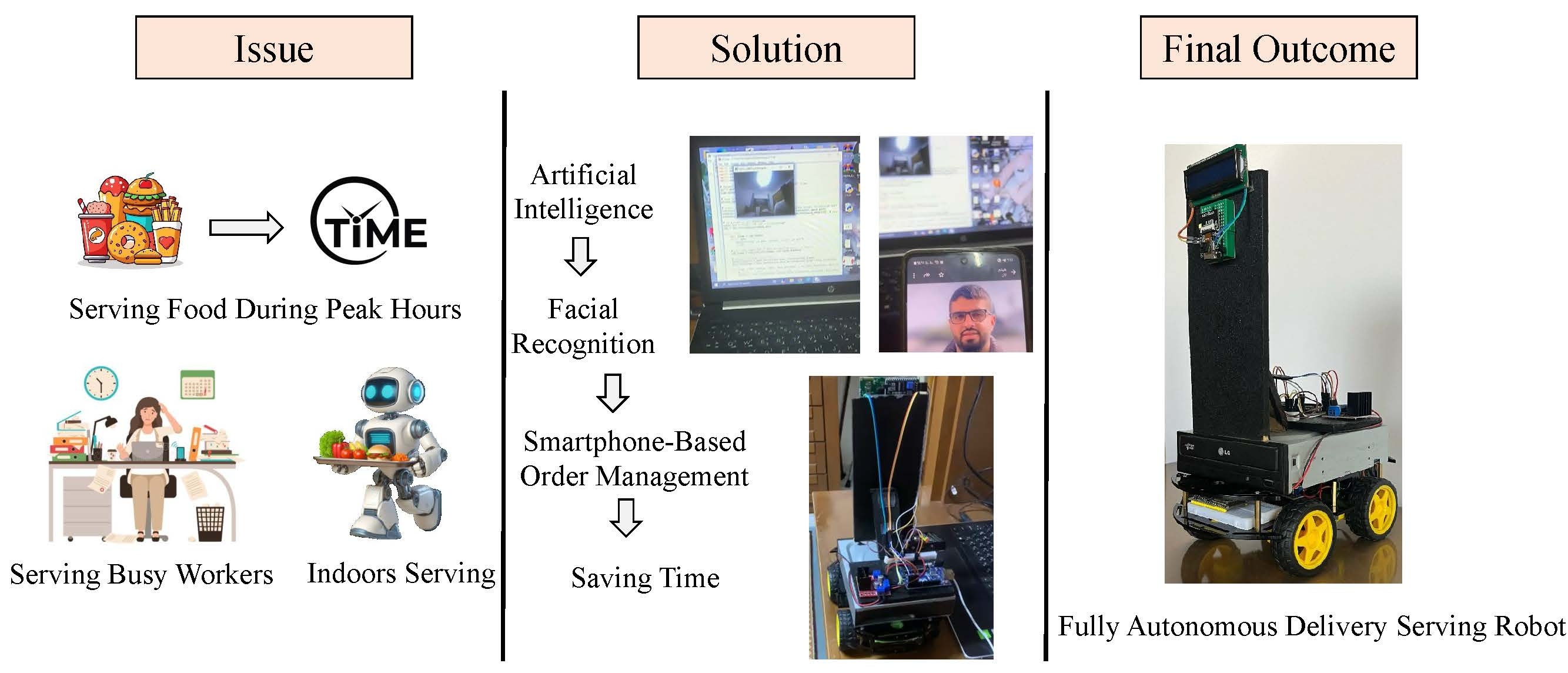
The integration of robotics into service environments is transforming how labor-intensive tasks are managed, particularly during peak hours with staff shortages and long wait times. This research presents a fully autonomous, modular food-delivery robot designed to enhance operational efficiency and improve service experience. The system combines artificial intelligence, facial recognition, smartphone-based order management, Arduino, ESP32, ESP32-CAM, and Python to navigate indoor environments and deliver food directly to recipients, supported by a secure handover mechanism. Experimental results indicate that the robot performs waiter-like delivery reliably, maintaining mobility and structural integrity across various surfaces by using lightweight materials and motors that have been optimized. Through the use of a motion coordination algorithm, responsive navigation can be achieved, while a simple user interface can be operated by anyone with minimal training. According to these results, automation reduces the need for manual labor, increases the speed of service, and ensures consistency in the delivery process. Additionally, the system provides a practical framework for future research and potential applications beyond food delivery, such as surveillance, environmental monitoring, and disaster response. Future work will focus on scaling for real-world deployment and integration advanced AI navigation to enhance autonomy, adaptability, and overall operational performance.
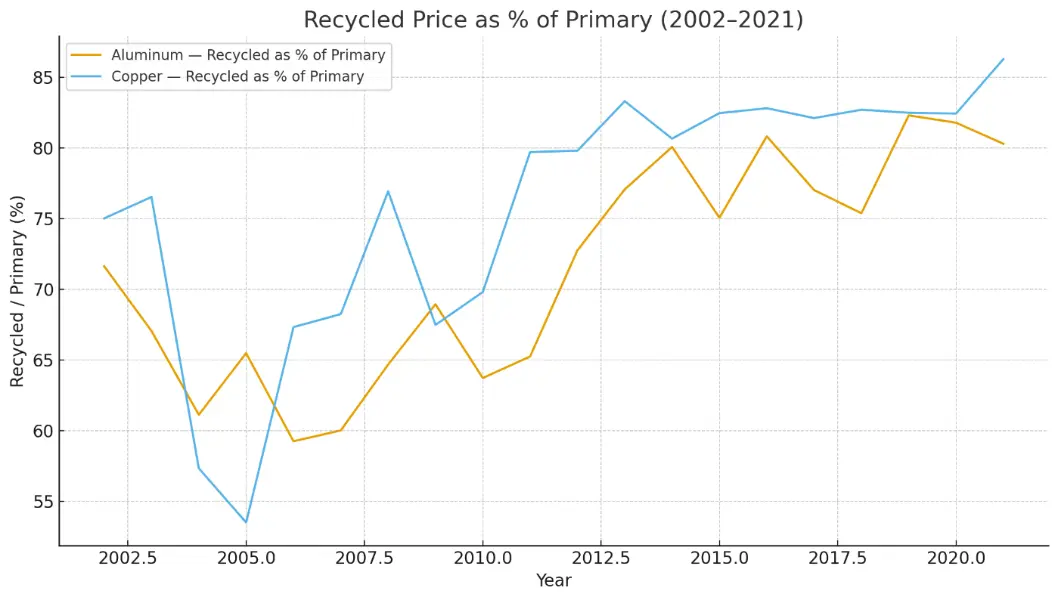
This study examines how efficiency improvements associated with Jevons’ Paradox and product-system maturation, as described by Vernon’s Product Life Cycle (PLC), jointly influence the long-term pricing relationship between primary and recycled copper and aluminium. Using author-provided nominal annual USD price series for 2002–2021, the analysis derives descriptive indicators most notably the recycled-to-primary (R/P) price ratio to characterize structural shifts consistent with PLC-driven secondary integration. Recent market conditions in 2024–2025, including tight physical availability, low inventories, regional premia, and recurrent episodes of backwardation, are incorporated as qualitative context without merging with the historical dataset. Results indicate a sustained narrowing of R/P discounts for both metals by 2021. The combined Jevons–PLC interpretation suggests that efficiency-driven service expansion and supply-side tightness increase the relative value of secondary material, supporting long-term convergence between primary and recycled streams.
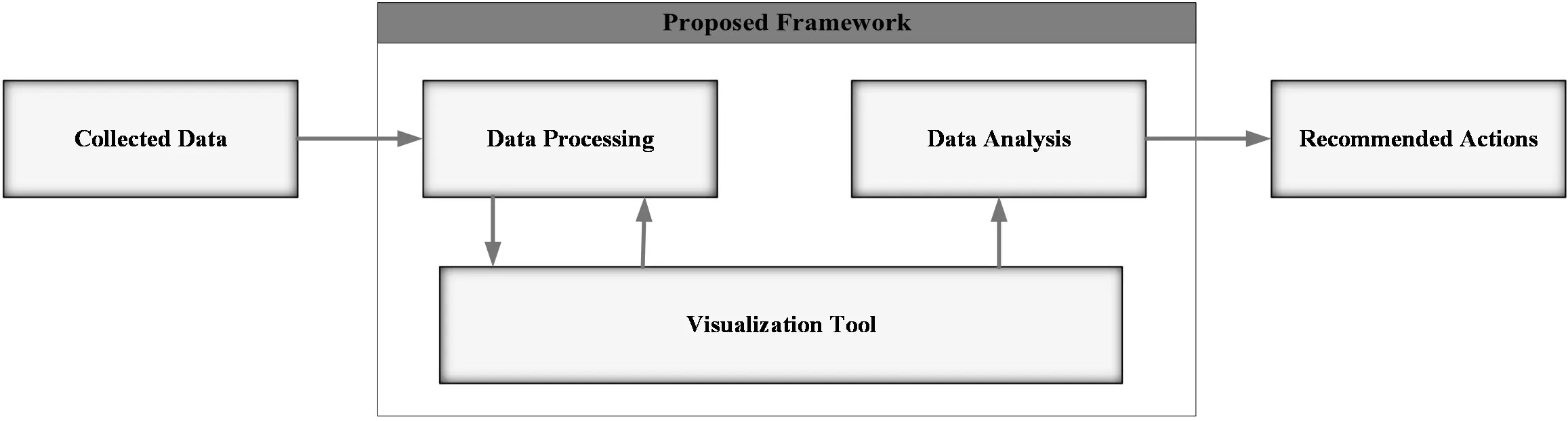
The proliferation of Industry 4.0 technologies in manufacturing has created an unprecedented opportunity to leverage Big Data for process optimization and efficiency improvements. However, the sheer volume of data can also lead to critical information being overlooked, potentially hindering productivity and competitiveness. This paper presents a straightforward Industry 4.0-based data visualization framework designed to transform raw manufacturing data into actionable insights. Specifically, this work focuses on the analysis of Overall Equipment Effectiveness (OEE) data. The framework utilizes a practical dashboard tool to enable manufacturers to perform in-depth data analysis and identify areas for improvement in real-time. Such a framework enables prompt intervention when corrective actions are needed, ultimately increasing efficiency and reducing production downtime. The framework was successfully implemented at a tire manufacturing company on a single machine within a short period of time. The results highlighted the effectiveness of data visualization in identifying specific operational losses and informing strategic decision-making. This work emphasizes the critical role of technology and proper policies in leveraging data to optimize production processes and drive continuous improvement in Industry 4.0 environments.
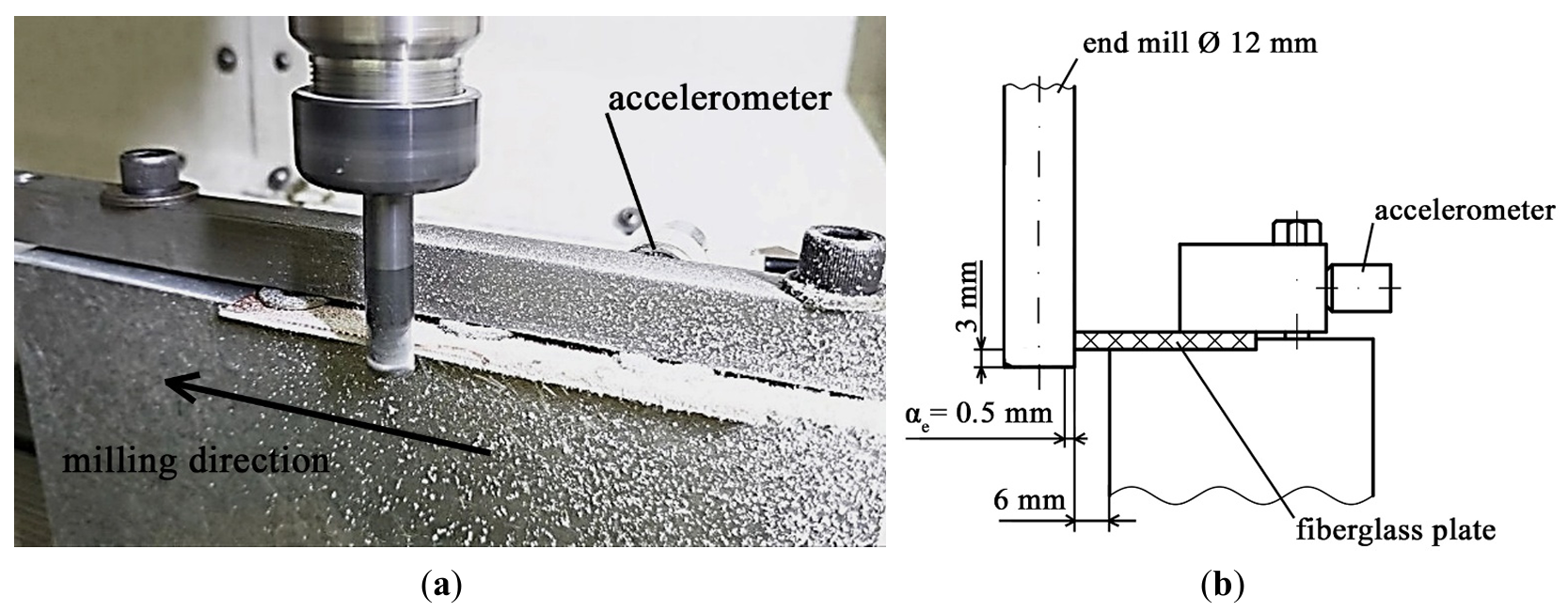
The study focuses on identifying the specific mechanisms of the FR4 fiberglass composite milling process using tungsten carbide end mills with wear-resistant diamond-like and diamond coatings. The processing was carried out at cutting speeds from 115 to 300 m/min and feed of 0.075 and 0.15 mm/tooth. At the same time, the vibroacoustic signal was recorded in three formats: changes in the RMS value and the amplitude of the acoustic emission in the low-frequency and high-frequency ranges, as well as the parameter Kf, which is the ratio of the RMS amplitudes of the signals in the low-frequency and high-frequency ranges. It is shown that the coating material has a predominant effect on the surface roughness. The minimum roughness value was RA = 0.2 µm for the case of a diamond-coated tool. In addition, the coating improves processing performance by increasing the cutting speed for tools with DLC by 1.3 times and for tools with diamond coating by 1.7 times, provided that the RA increases slightly but does not exceed 0.36 µm. When processed with an uncoated instrument, the mill captures the fiber, bends it and breaks it into bundles, creating grooves. The mechanism of glass fiber destruction by a DLC mill is similar, with the difference that the length of the fragmented fiber sections is noticeably reduced due to reduced friction. The mechanism of cutting fiberglass with a diamond-coated milling cutter is significantly different. There are characteristic scratches on the worn sections of the fiber, and there are no signs of destruction of the composite between the matrix and the fiber. Studies of vibration signals have shown that frequency ranges up to 20 kHz and from 33 to 48 kHz are informative enough to diagnose the fiberglass milling process. The most significant values of the Kf parameter were observed at large amplitudes of low-frequency vibrations, typical for processing with uncoated and DLC milling cutters. The lowest Kf values were obtained using diamond-coated milling cutters. A correlation was found between the values of the Kf parameter and the roughness values of the treated end surface of the fiberglass plate.
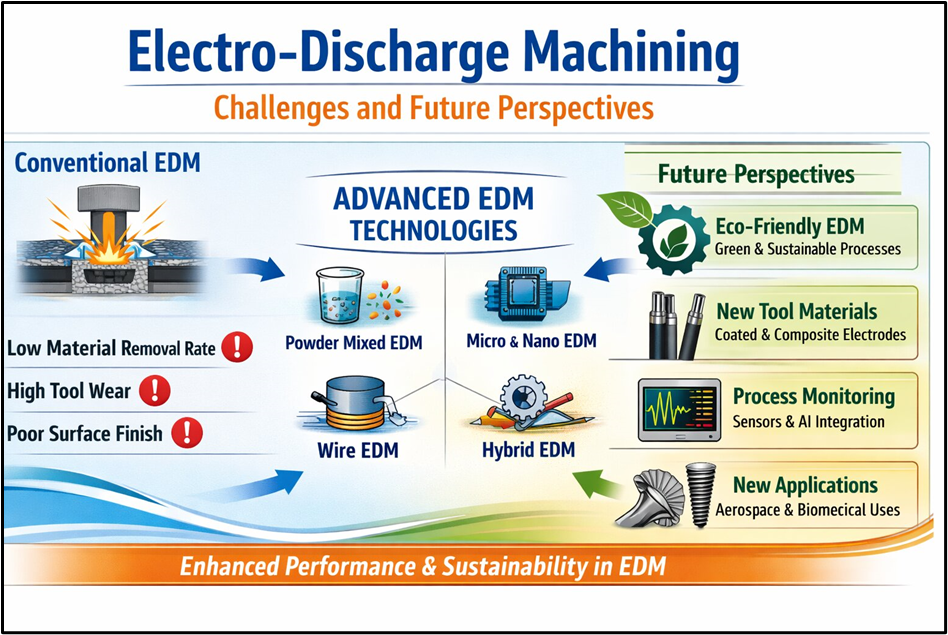
Electrical discharge machining (EDM) remains indispensable for high-precision machining of advanced and hard-to-machine materials; however, its broader industrial adoption is constrained by high energy consumption, unstable discharge behavior, dielectric degradation, and limited integration of sustainable and intelligent manufacturing strategies. Although existing reviews address micro-EDM and environmentally benign EDM individually, a consolidated and critical synthesis linking discharge physics, sustainability bottlenecks, and intelligent process control has remained limited. This review systematically analyzes highly cited and recent studies (2020–2024) indexed in Scopus and Web of Science, focusing on micro-EDM, green dielectric systems, hybrid-assisted EDM, and intelligent EDM technologies. The synthesized literature identifies key bottlenecks, including deterioration of the inter-electrode environment, inefficient debris evacuation, dielectric decomposition, and the absence of standardized sustainability performance metrics. The analysis reveals a clear convergence toward hybrid-assisted, sustainability-driven EDM strategies, in which coupled plasma–thermal–chemical interactions govern material removal and surface integrity rather than purely thermal effects. Comparative findings indicate that ultrasonic assistance is most effective for micro-scale and brittle materials, magnetic field assistance enhances plasma stability in conductive metallic systems, and biodegradable or water-based dielectrics significantly reduce environmental impact while maintaining acceptable machining performance. Furthermore, intelligent EDM approaches integrating sensor-based monitoring, AI-assisted optimization, and digital-twin frameworks show strong potential for adaptive control, although industrial deployment remains limited by sensing robustness and system integration challenges. Overall, this review proposes a structured roadmap for transitioning EDM toward intelligent, energy-efficient, and sustainable industrial manufacturing.
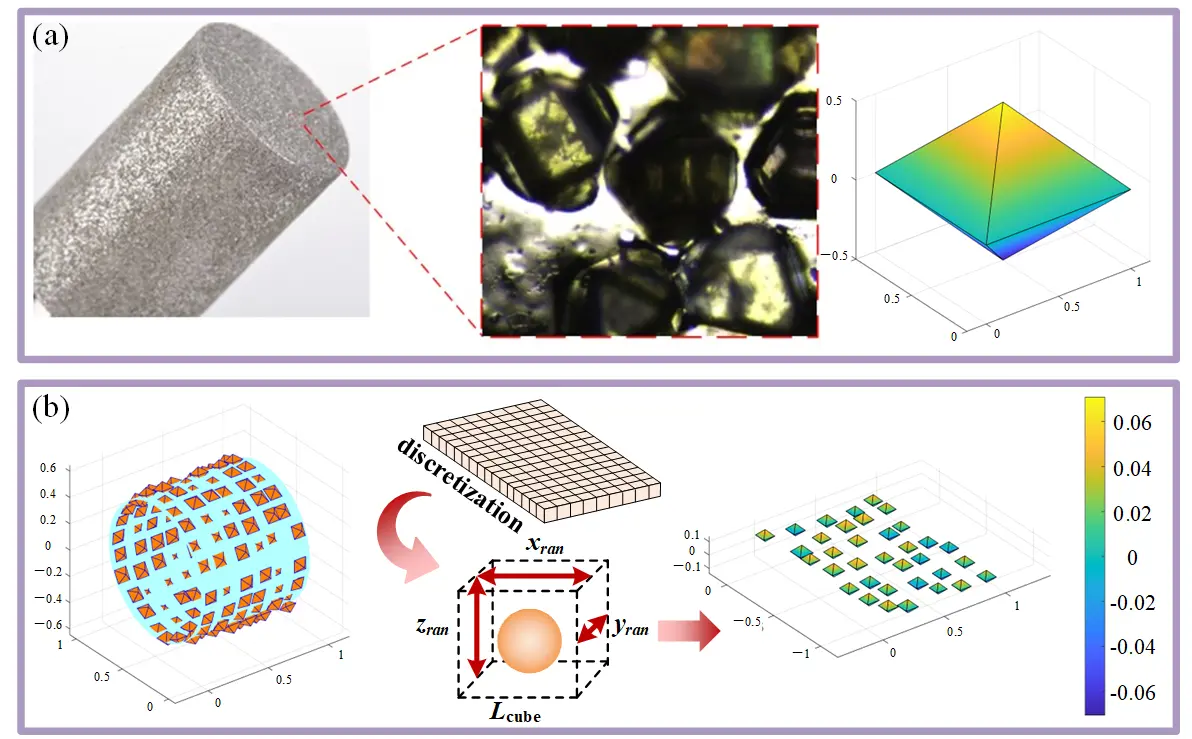
Grinding is a key precision machining method for achieving high surface quality and dimensional accuracy in carbon fiber reinforced silicon carbide ceramic matrix composites (Cf/SiC). Ultrasonic vibration-assisted grinding (UVAG), with its high-frequency intermittent loading characteristics, offers a novel approach to regulating the dynamic removal behavior of heterogeneous materials. This study firstly analyzed the material removal mechanism of abrasive particles based on abrasive geometry and kinematics. On this basis, mechanical models are developed for a single abrasive grain across three removal stages: ductile removal, ductile-to-brittle transition, and brittle removal. These are further extended into a grinding force prediction model by integrating the effects of multiple abrasive grains and process correction factors during ultrasonic-assisted grinding. Finally, the model is validated through UVAG experiments. Results show that under an ultrasonic frequency of 20 kHz and amplitude of 5 μm, the predicted grinding forces match the experimental values with a high degree of accuracy (98.98%). This grinding force model provides theoretical support and process guidance for high-performance, low-damage precision machining of Cf/SiC composites.
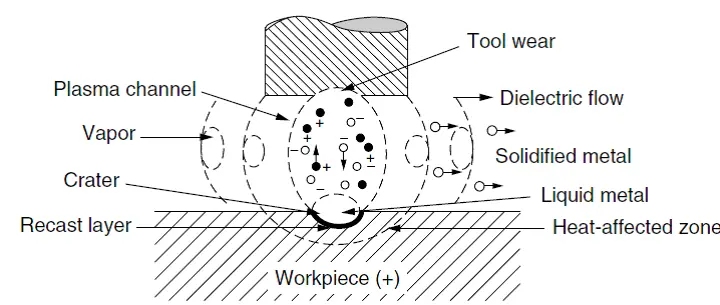
The material removal in Electro-Discharge Machining (EDM) occurs through the generation of high temperatures caused by intense electrical discharges, leading to the melting and vaporization of the workpiece and tool electrode. The ejected molten material solidifies in the dielectric liquid, forming debris that can significantly affect process accuracy, efficiency, productivity, and machinability if not effectively removed from the machining zone. The utilization of Low Frequency (LF) vibration (typically <1 kHz) to assist debris evacuation during Micro-EDM (µEDM) and EDM processes has emerged as a feasible solution. Moreover, the integration of powder into the dielectric medium (Powder mixed EDM, PMEDM) along with LF vibration presents an interactive approach to further enhance process performance. Despite its promise, the field lacks a unified understanding of LFV-EDM’s underlying mechanisms, systematic optimization frameworks, and clear pathways for industrial integration. This paper presents a comprehensive overview of research focusing on the influence of process parameters on key performance indicators such as Material Removal Rate (MRR), Electrode Wear Rate (EWR), surface roughness (Ra), and geometric accuracy in LF vibration-assisted µEDM and EDM. Various optimization methodologies, including statistical modeling, finite element analysis (FEA), computational fluid dynamics (CFD), and advanced techniques like Taguchi and artificial neural networks (ANN) employed in this field are extensively reviewed. Critical analysis of contradictory findings and material-specific responses is included. The review concludes with identified research gaps and prioritized future directions, including hybrid processes, advanced powder materials, and AI-driven optimization for LF- assisted µEDM and EDM processes. This work provides researchers with a consolidated knowledge base, a critical perspective on current limitations, and a prioritized agenda for future innovation, ultimately bridging the gap between laboratory research and scalable industrial application.
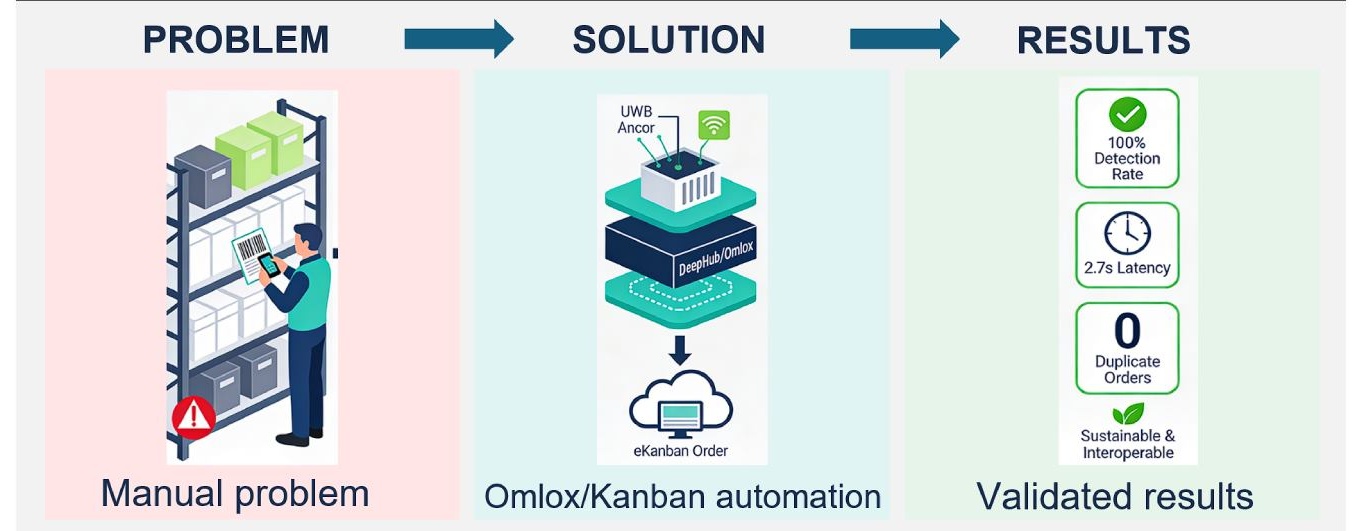
Traditional electronic Kanban (eKanban) systems depend on manual scans and offer only discrete material visibility, limiting responsiveness and automation in lean manufacturing environments. These operational bottlenecks are magnified in high-mix contexts, where delayed replenishment signals degrade flow stability, increase work-in-progress, and hinder sustainable material handling. Furthermore, vendor-specific systems lack interoperability for scalable automation, constraining the development of intelligent manufacturing solutions. This work investigates whether zone-based replenishment automation can be enabled through real-time locating systems (RTLS) using open interoperability standards, addressing a gap in empirical validation of such approaches. A middleware architecture was developed that integrates ultra-wideband (UWB) positioning, an Omlox-compliant location middleware (DeepHub), and a cloud-based eKanban system to replace manual triggers with geofence-driven order creation. The novelty of this study lies in demonstrating a fully automated Kanban signaling loop built on the open Omlox standard, providing vendor-independent RTLS interoperability and eliminating human intervention in replenishment signaling. This contributes new knowledge on how continuous location data can be converted into actionable replenishment events in a standards-based, modular manner, enabling more intelligent and autonomous material-flow control. A controlled proof-of-concept experiment simulating shop-floor conditions showed that the system achieved a 100% detection success rate, zero duplicate orders, and an average trigger-to-action latency of 2.7 s, while automatically recovering from authentication and WebSocket failures. These results provide the first empirical evidence that Omlox-compliant RTLS middleware can reliably support zone-based eKanban automation. The findings have direct implications for intelligent and sustainable manufacturing by demonstrating a scalable pathway toward interoperable, real-time material-flow systems that reduce manual intervention, avoid unnecessary handling, and lower work-in-progress. More broadly, the work addresses the current lack of empirical validation of open-standard RTLS integration within lean and sustainable production environments.
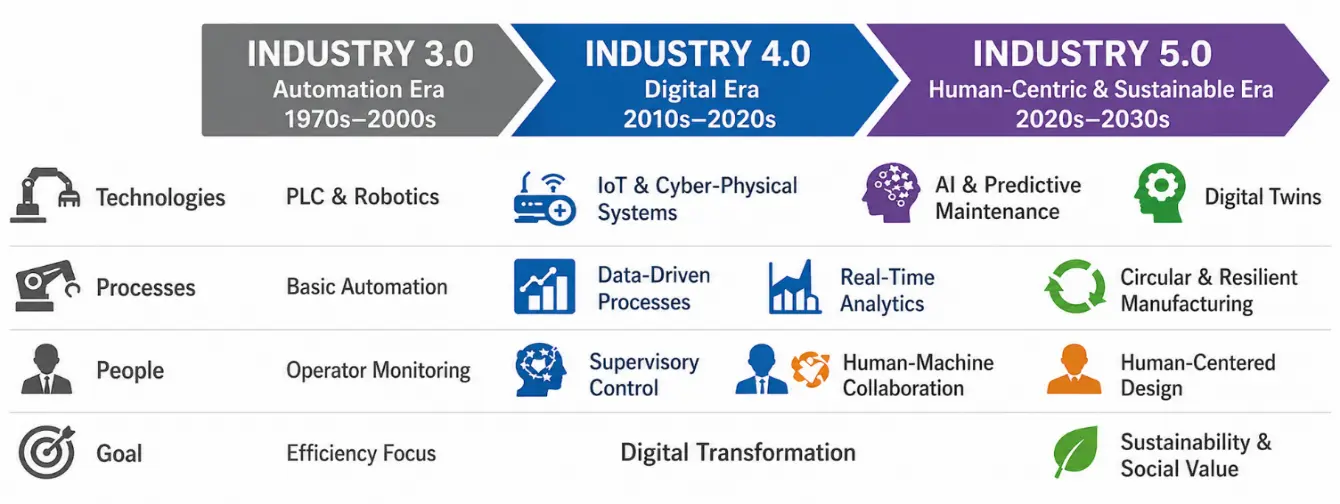
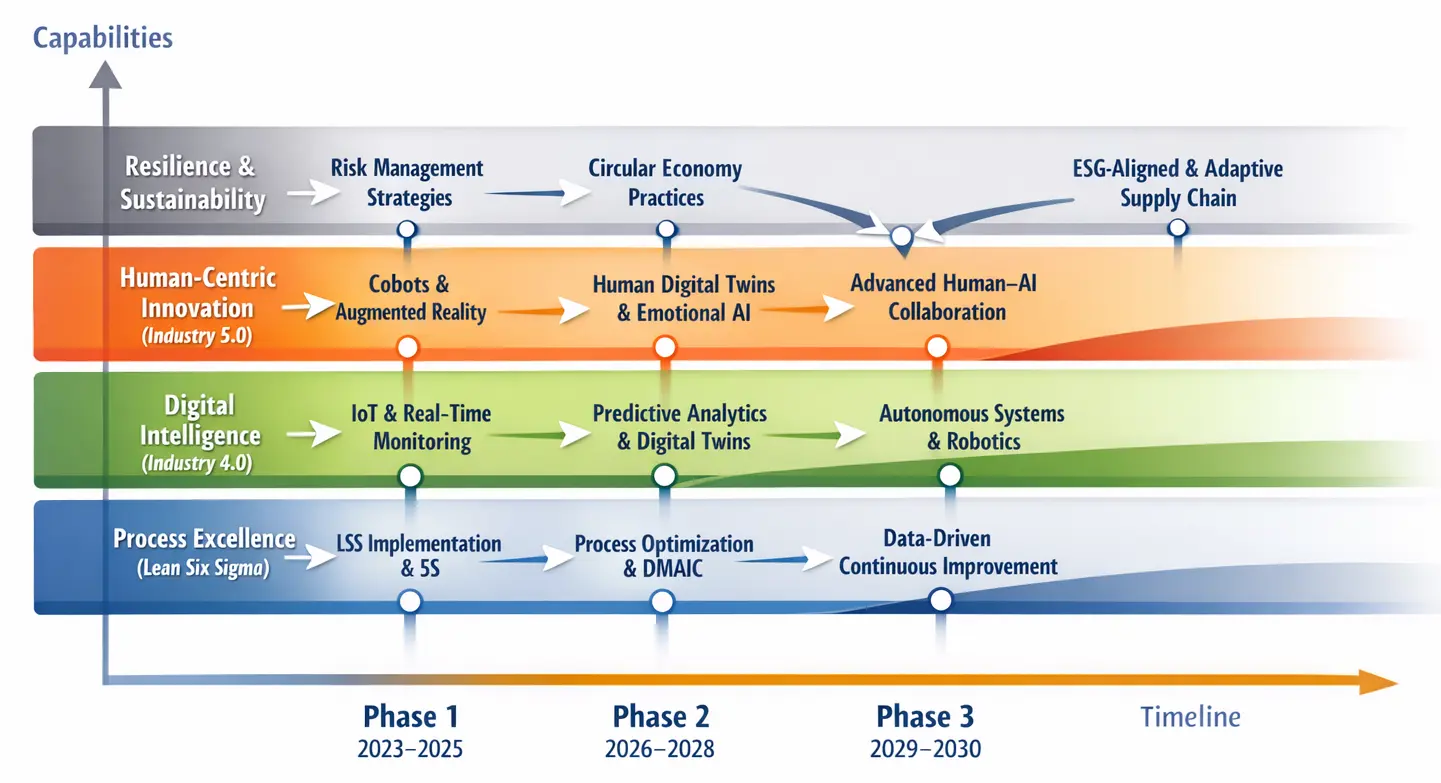
Despite rapid digital transformation, modern supply chains remain vulnerable, facing demand volatility, supply disruptions, operational inefficiencies, fragmented digital adoption, limited human–AI collaboration, and growing sustainability pressures. Conventional strategies focused on cost reduction and process standardization are no longer sufficient to ensure resilience, adaptability, and long-term value creation. This study presents a Smart Supply Chain Management (SSCM) framework that integrates Lean Six Sigma (LSS) with Industry 4.0 (I4.0) digital technologies and Industry 5.0 (I5.0) human-centric innovations. Implemented through the DMAIC (Define–Measure–Analyze–Improve–Control) methodology, the framework enables predictive, data-driven decision-making, operational excellence, ESG-aligned performance, and enhanced human–AI collaboration. It leverages I4.0 technologies—including AI, IoT, big data analytics, digital twins, and robotics—for real-time visibility, automation, and predictive insights, while embedding I5.0 innovations—such as collaborative robots, AR/VR, human digital twins, and emotional AI—to enhance workforce engagement, creativity, ethical decision-making, and ergonomic safety. Sustainability and social responsibility are integrated across operations, fostering resilient, adaptable, and socially responsible supply chains. By addressing critical digital, human, and operational bottlenecks, this framework delivers novel theoretical insights, actionable guidance for practitioners, and a foundation for future empirical research, offering organizations a roadmap to achieve long-term competitiveness while aligning technology adoption with human-centric and sustainable practices.
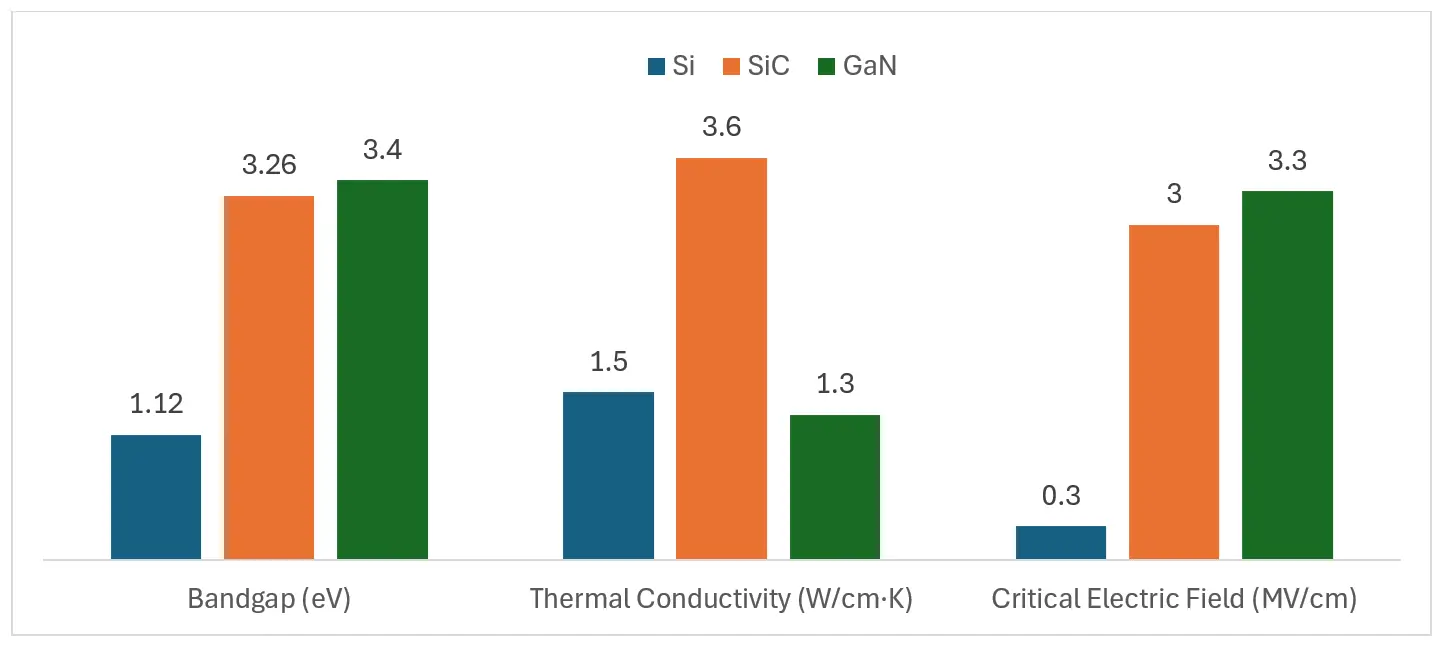
Wide Bandgap (WBG) semiconductors, particularly Silicon Carbide (SiC), have become pivotal in advancing high-efficiency, high-power-density systems. Cascode configurations, combining a high-voltage SiC JFET with a low-voltage Si MOSFET, enable Normally-OFF operation while leveraging SiC’s superior switching and thermal properties. However, co-packaging these devices introduces critical design challenges related to parasitic inductance, thermal management, and reliability. This study investigates the impact of bonding configuration and die-attach material selection on dynamic and thermal performance in SiC-based modules. Double Pulse Test (DPT) results reveal that direct bonding provides a better tradeoff between switching losses and dynamic operation stability, mitigating VDS overshoot, gate oscillation, and EMI risk, thereby improving switching stability under system-level stress. Conversely, indirect bonding increases inductance, amplifying oscillations and dynamic stress during turn-off events. Thermal analysis demonstrates that while system-level cooling dominates Rthja, the adoption of sintered silver (Ag) as a die-attach material achieves ~20% reduction in Rthjc, lowering junction temperatures and enhancing reliability for high-power applications. These findings underscore the importance of interconnect design and attach material optimization in achieving robust, high-efficiency operation of wide-bandgap devices.
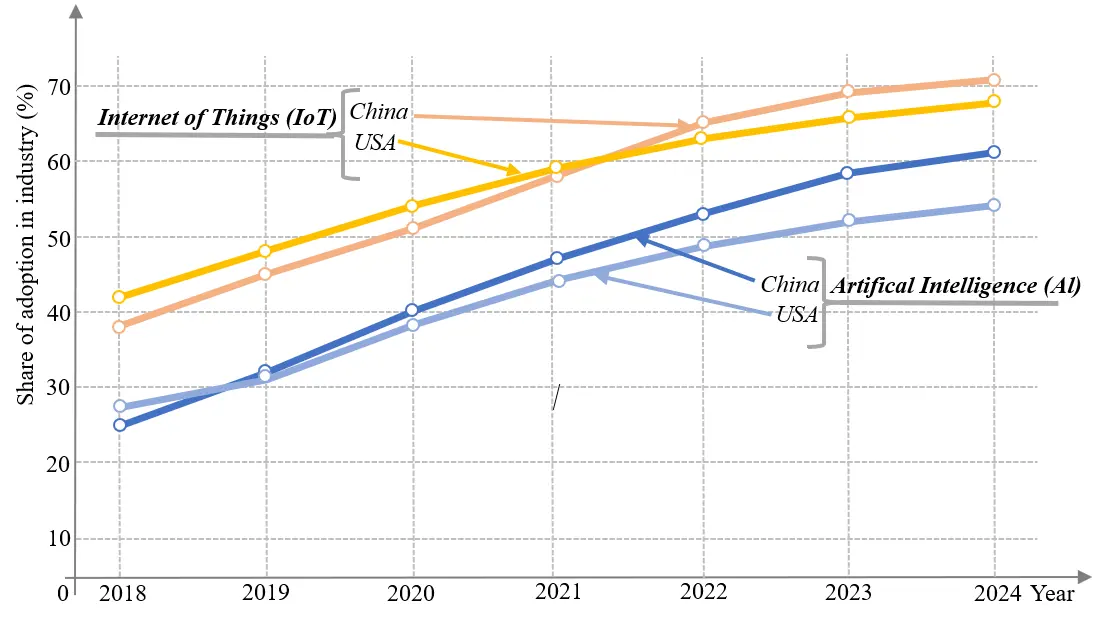
Industry 4.0 technologies represent one of the key drivers of the contemporary transformation of the automotive industry, with manufacturing digitalization, advanced automation, and robotics significantly influencing the sector’s innovation capacity and global competitiveness. This paper analyzes the extent and characteristics of Industry 4.0 technology implementation in two technologically and industrially leading countries—China and the United States. Using a comparative analytical approach, the study examines the relationship among annual vehicle production volumes, the intensity of industrial robot adoption, and the level of integration of smart manufacturing systems. Particular emphasis is placed on robotics, including industrial and collaborative robots, as central enablers of efficiency, flexibility, and innovation in modern production processes. The analysis also encompasses the core components of Industry 4.0, such as cyber-physical systems, the Internet of Things (IoT), digital factories, artificial intelligence (AI), and digital twins, which together enable the real-time integration of humans, machines, and data. Furthermore, current trends in robotization and digital integration of manufacturing facilities are discussed through a comparison of national industrial policies, development strategies, and investment priorities. The research results indicate that China maintains an advantage in terms of absolute production volume and the number of installed robots, while the United States leads in the development of highly automated, flexible, and intelligently networked manufacturing systems. It is concluded that different approaches to the implementation of Industry 4.0 technologies shape distinct models of technological competitiveness, innovation, and long-term sustainable development in the automotive industry.
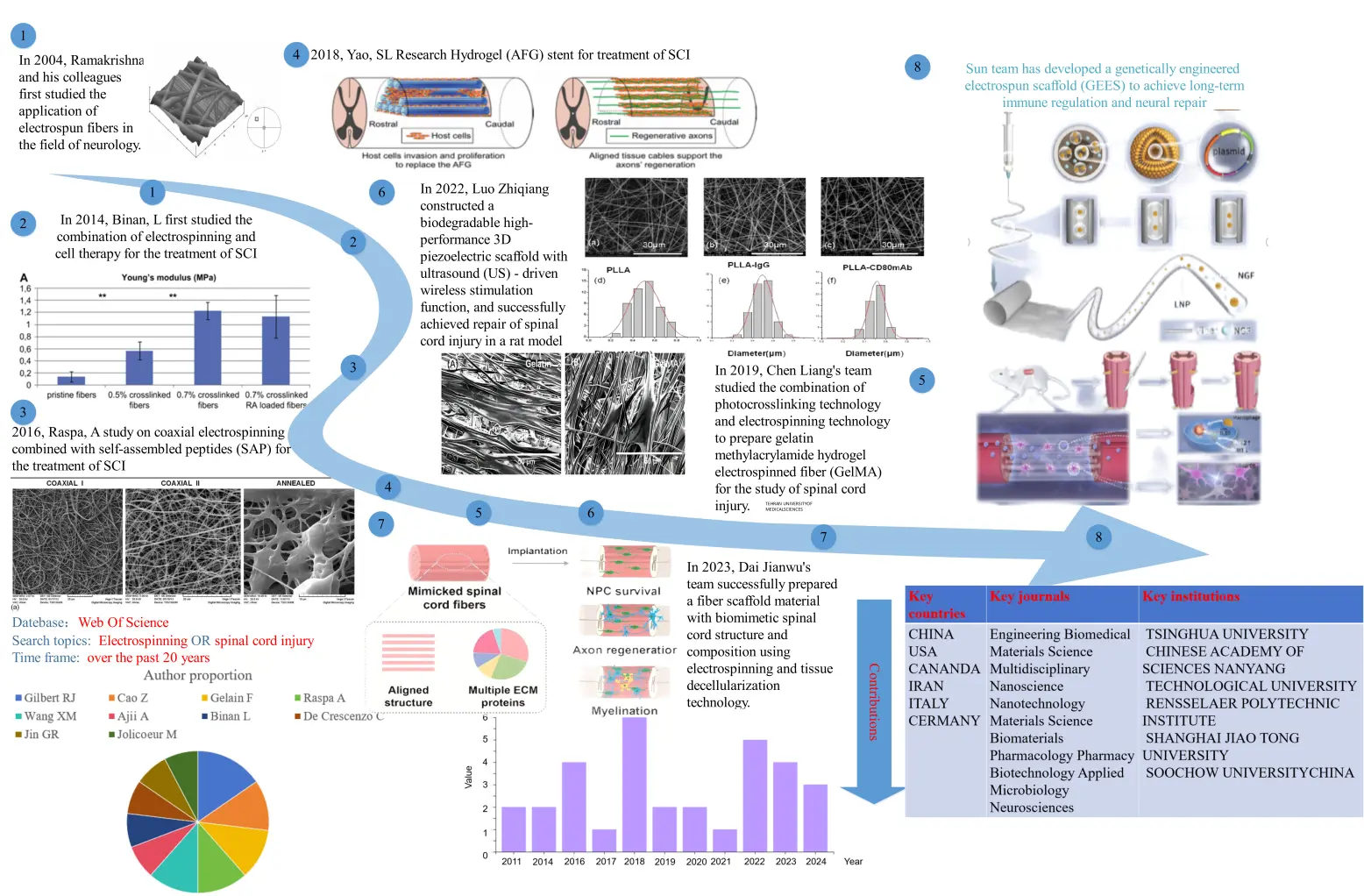
Spinal cord injury (SCI) is a devastating and irreversible damage to the central nervous system that can result in permanent disability or even death. Electrospinning technology, as a specialized fiber preparation method, possesses unique advantages such as high porosity, adjustable pore size, and an extremely high surface area-to-volume ratio. Despite the widespread attention this technology has garnered for its potential application in the treatment of SCI, there is still a lack of comprehensive and up-to-date reviews in the existing literature, and specific clinical treatment guidelines are also scarce. As a result, researchers and clinicians lack targeted guidance for practical implementation. To address this gap, the present article systematically summarizes the mechanisms by which electrospun scaffolds facilitate SCI repair and their current therapeutic applications. First, this review provides an in-depth analysis of the five core mechanisms underlying electrospinning therapy for SCI, including extracellular matrix (ECM) mimicry, axonal-extension guidance, multimodal signal regulation, drug loading and sustained release, and physical support and protection. Next, this review examines how key electrospinning parameters (fiber diameter, alignment, surface chemistry, biodegradation rate, and nanomorphology) influence these therapeutic mechanisms. Finally, this review explores the state-of-the-art applications of electrospun scaffolds in SCI treatment, including purely structural conduits, biochemical functionalization (drug loading and controlled release, immunomodulation and anti-inflammation, and coaxial electrospinning), and multi-component composite materials (hydrogel–electrospun hybrids, cell- and growth-factor co-delivery systems, and cell electrospinning).
This study deals with optimizing material selection for hydrogen storage tanks using Finite Element Analysis (FEA) for sustainable energy applications. A cylindrical tank with hemispherical ends was modelled in Fusion 360 and evaluated in ANSYS 2024 R1 under a uniform internal pressure of 70 MPa. Four candidate materials (carbon fibre, titanium alloy, stainless steel, and aluminum alloy) were comparatively assessed through structural, thermal, and modal analyses. Results show that carbon fibre exhibited the lowest von Mises stress of 85 MPa with moderate deformation of 1.2 mm, indicating high stress efficiency but limited stiffness. Titanium alloy demonstrated a balanced response of 201 MPa stress and 1.8 mm deformation, while stainless steel recorded the highest stress of 320 MPa with controlled deformation of 2.1 mm. Aluminum alloy showed the largest deformation of 2.8 mm, reducing its suitability for standalone high-pressure use. Thermal analysis confirmed carbon fibre’s superior insulation performance, whereas metallic materials exhibited higher heat flux. Overall, titanium alloy emerged as the most structurally reliable material, while carbon fibre is better suited for insulation or hybrid reinforcement. The findings provide a comparative design framework for safe and sustainable hydrogen storage applications.

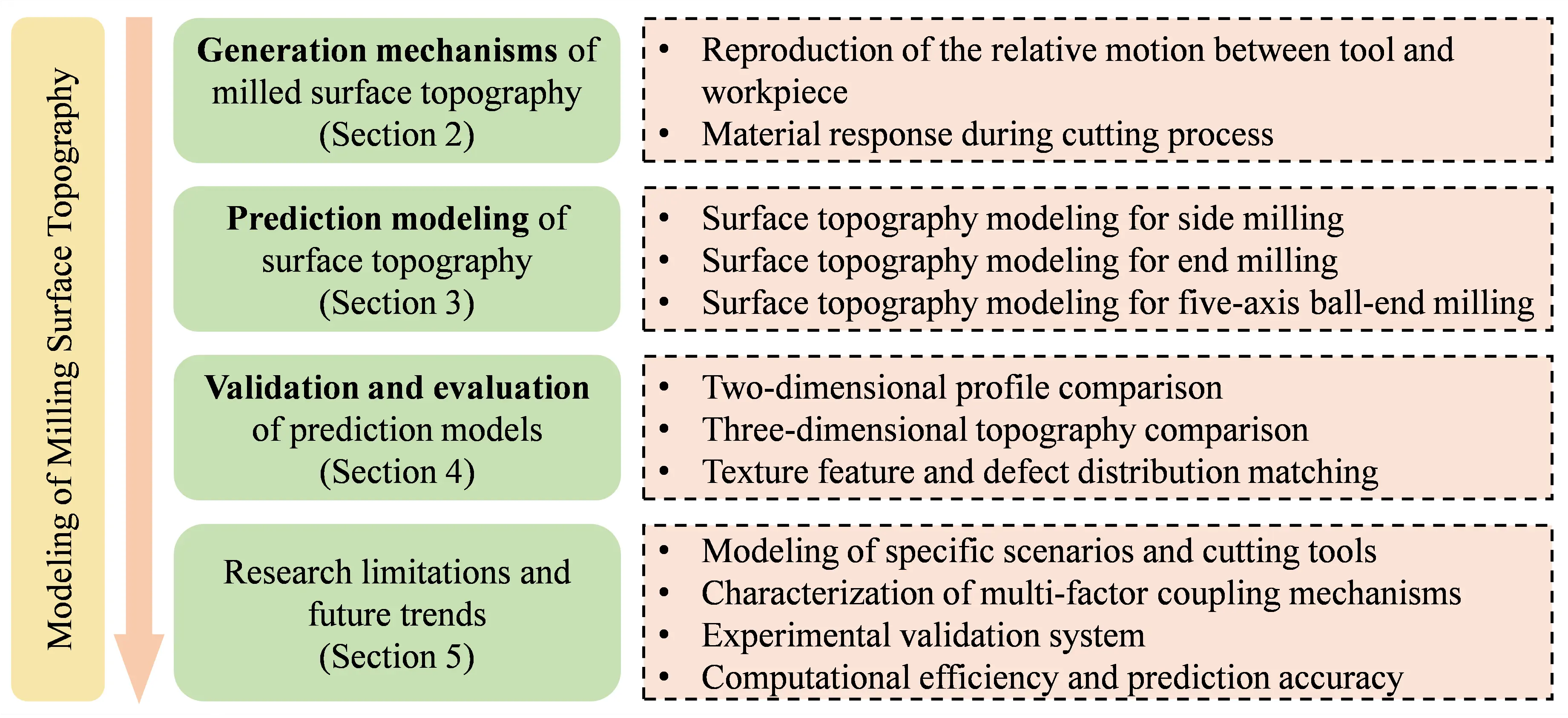
Milling serves as the core manufacturing process for medical, difficult-to-process materials. The three-dimensional topography of machined surface directly determines the service performance, biocompatibility, and service life of medical implants. This work targets unclear formation mechanism, incomplete modeling factors, and insufficient verification methods of three-dimensional topography in milling medical difficult-to-process materials. It systematically reviews the research progress of three-dimensional topography modeling and prediction. The core generation mechanism is analyzed by coupling the tool-workpiece relative motion with the material dynamic response, with a focus on the deformation features of difficult-to-process medical materials. The three-dimensional topography modeling methods of side milling, end milling, and five-axis ball-end milling are elaborated. Model characteristics considering material properties, cutting conditions, and dynamic factors are compared. Validation and evaluation methods are summarized from two-dimensional contour, three-dimensional topography, and texture fractal features. Limitations of existing models in adaptability, multi-factor coupling, and accuracy-efficiency balance are pointed out. Future research directions of hybrid modeling driven by physics and data for medical, difficult-to-process materials are prospected. This review offers a theoretical framework for precision machining and quality control of medical key components.
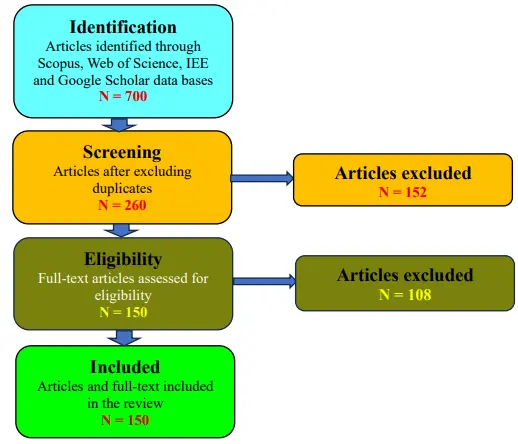
Production collapse in brewery operations is a major industrial challenge marked by sustained declines in output, efficiency, and capacity utilization due to interacting technical, operational, managerial, and external constraints. This systematic review synthesizes existing literature on the root causes of production decline in the brewery and beverage industry, with emphasis on developing economies. Guided by the PRISMA framework and drawing from major scientific databases, the study examines empirical evidence on critical production bottlenecks. The review compares traditional mathematical models with advanced Machine Learning (ML) techniques for root cause identification, highlighting their complementary strengths in interpretability and predictive accuracy. It further evaluates optimization and what-if scenario analysis as decision-support tools for translating predictive insights into practical production improvements. Evidence shows that scenario-based optimization can enhance output, reduce downtime, and improve resource allocation in brewery systems. Despite progress, gaps remain, particularly the absence of integrated root-cause, ML, and optimization frameworks and limited validation rigor. By consolidating fragmented findings and outlining future research directions, this review provides a structured foundation for developing robust, data-driven productivity recovery strategies and strengthening sustainable performance in brewery operations.
Smart manufacturing has emerged as a key enabler of industrial digital transformation, fostering intelligent, interconnected, and adaptive production systems. At the same time, production flexibility has become a strategic imperative for managing demand volatility, supply chain disruptions, and mass customization requirements. Despite substantial advances in Industry 4.0 and the transition toward Industry 5.0, the literature remains conceptually fragmented and largely technology-driven, with limited integration of organizational, human-centric, and sustainability perspectives. This study presents a systematic literature review of smart manufacturing for production flexibility, synthesizing existing research across major enabling technologies and industrial application domains. The review identifies three critical gaps in the current body of knowledge: (i) the lack of a unified and multidimensional conceptualization of production flexibility, (ii) insufficient integration between cyber–physical infrastructures and socio-technical systems, and (iii) the limited incorporation of human-centricity and sustainability as core design principles. The findings demonstrate that production flexibility should be viewed not as a direct technological outcome, but as an emergent system-level capability arising from the dynamic interaction of digital technologies, organizational structures, and human intelligence. To address these gaps, the study proposes a seven-stage Smart Manufacturing–Production Flexibility (SM–PF) transformation framework encompassing digital connectivity, system integration, intelligent analytics, adaptive automation, autonomous systems, human–AI collaboration, and ecosystem integration. The framework conceptualizes the evolution of flexibility from conventional operational adaptability toward anticipatory, reconfigurable, cognitive, and ecosystem-level capabilities. This study contributes an integrated theoretical foundation and a structured roadmap for future research and industrial transformation in smart manufacturing.