Found 492 results
Open Access
Article
14 July 2025Correlation between Adsorption and Photocatalysis in the Aqueous System Cr(VI)-TiO2
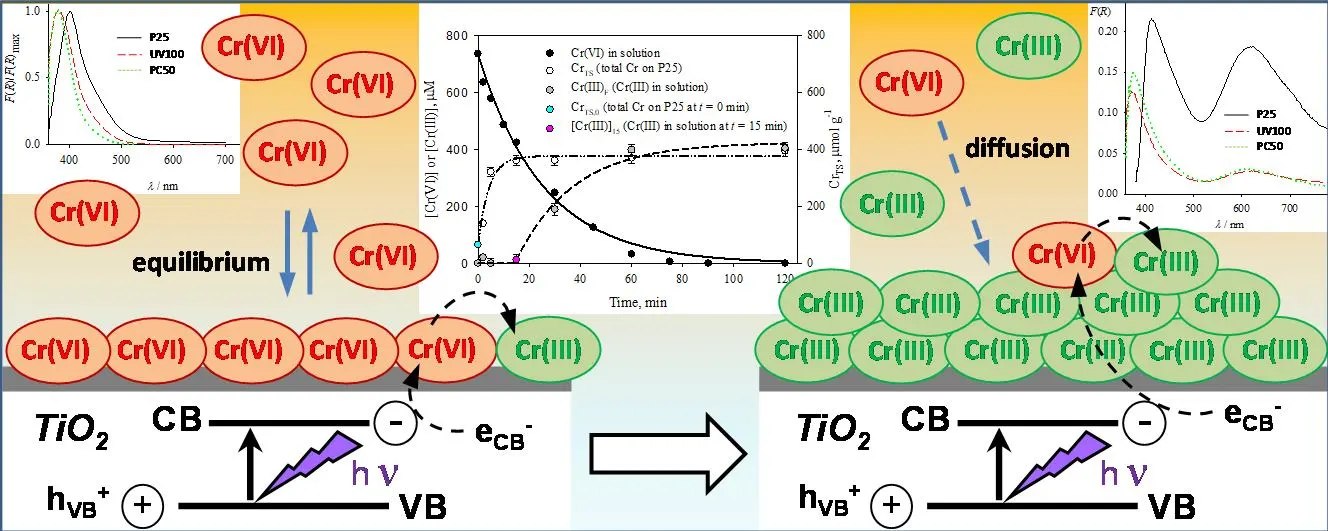
The photocatalytic removal of Cr(VI) (0.80 mM, pH 2) using various commercially available photocatalysts (P25, UV100, PC50) was revisited, with particular attention given to Cr(VI) adsorption (as a Cr(VI)-TiO2 surface complex) and the formation of a Cr(III) hydroxide layer during the photocatalytic reduction. Cr(VI) adsorption followed a quasi-Langmuir-type isotherm, and the spectra of the Cr(VI)-TiO2 surface complex were deconvoluted into two Gaussian peaks, red-shifted when a rutile phase was present. Cr(VI) photoreduction exhibited nearly pseudo first-order kinetics, with P25 showing the highest reaction rate. Adsorbed Cr(VI) was reduced by eCB−, and the formed Cr(III) was retained over the TiO2 surface under non-equilibrium conditions, acting as a new adsorption site for Cr(VI). At longer reaction times, partial dissolution of the Cr(III) layer was observed. These findings suggest that the photoreduction kinetics are primarily governed by the slow adsorption of Cr(VI) onto the Cr(III) deposition layer. As an important conclusion, three consecutive processes never mentioned before take place: (1) reduction of adsorbed Cr(VI), (2) formation of Cr(III) over the photocatalyst and (3) adsorption of Cr(VI) over the deposited Cr(III) layer, together with partial Cr(III) redissolution. This insight provides a deeper understanding of the underlying photocatalytic mechanism.
Open Access
Review
09 July 2025Muti-Energy Field-Assisted Grinding of Hard and Brittle Materials: Tools, Equipment and Mechanisms
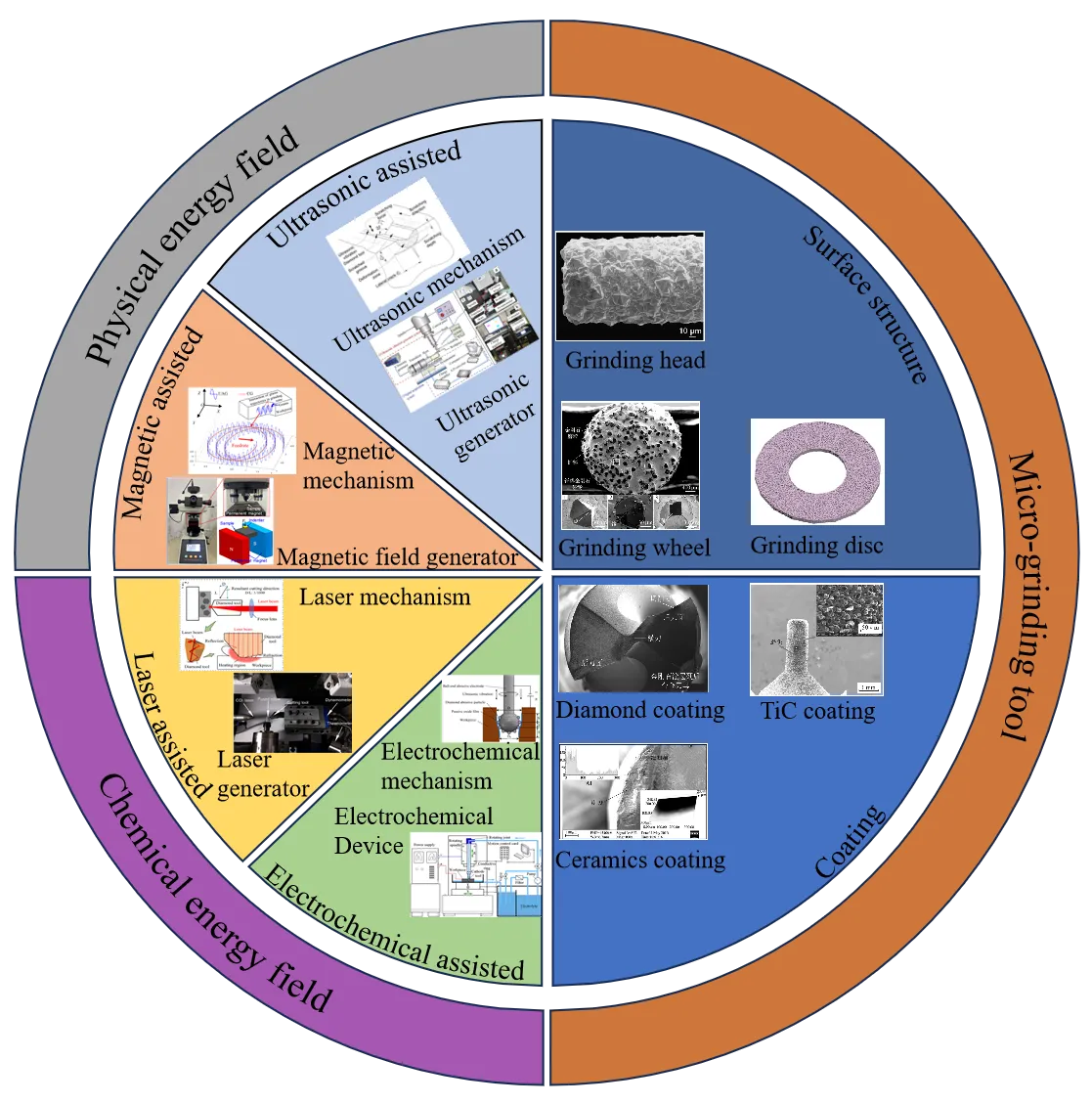
Hard, brittle and difficult-to-machine materials are prone to surface cracks, subsurface damage and other defects in the traditional grinding process, accompanied by low processing efficiency and severe tool wear. As a new type of processing technology, energy field-assisted grinding provides a new approach for the efficient and high-quality processing of hard and brittle materials. This paper reviews the latest research progress of muti-energy field-assisted grinding from aspects such as the types and selection of grinding tools, processing equipment and physical-chemical coupled mechanisms. Firstly, micro-grinding tools are classified based on different surface structures and coating materials, with the aim to enhance processing efficiency, improve the surface quality and geometric accuracy of workpieces, and reduce tool wear. Secondly, the processing mechanisms, parameter selection and current difficulties faced by four energy field-assisted grinding methods, including laser-assisted grinding, electrochemical-assisted grinding, magnetic-assisted grinding and ultrasonic field-assisted grinding, are discussed under both chemical and physical effects. Thirdly, different equipment and auxiliary devices developed for energy field-assisted grinding have been introduced, providing reliable platforms for the distribution design and efficient regulation of the energy field. Finally, the cutting-edge progress, main challenges and development trends of energy field-assisted grinding are prospected, illustrating the great potential of this technology in fields such as aerospace, electronics, and optical components.
Open Access
Article
01 July 2025Experimental and Numerical Study of Formation Mechanism of Dual-Phase (AlCoCrFeNi)X HEAs Brazed Joints by Reactive Ni/Al Nano-Multilayers
The FCC + BCC dual-phase solid solution structure was obtained in the Al0.1CoCrFeNi/304SS brazed joints using Ni/Al reactive multilayer nano-foils, which was proved by combining experiments with simulation. In this study, Finite Element Analysis was achieved to analyze the diffusion behavior across brazing joints, which were subsequently interrelated with the formation mechanism of the brazed micro-structures during the brazing process. During brazing, the joint interface is tightly bonded, and the atoms are diffused sufficiently to form the solid solution zone. The representative microstructure of the joint mainly comprised hard BCC (Al-Ni) + ductile FCC (Co-Fe-Cr) dual-phase. The successful use of nano-multilayer foils as a HEAs filler design can broaden the application range of HEAs and provide a novel procedure for brazing 304SS and Al0.1CoCrFeNi HEAs, and developing a novel field in the manufacture of HEAs-related joints.

Open Access
Review
30 June 2025The Immunopathogenesis of Autoimmune Encephalitis-Related Psychosis, A Comprehensive Review of Humoral and Cellular Mechanisms
Autoimmune encephalitis has reshaped the understanding of neuropsychiatric disorders by highlighting the role of autoantibodies in psychosis symptoms, which often mimic primary psychosis conditions. This review synthesizes recent research on autoimmune encephalitis-related psychosis, broadening the focus from humoral immunity to T cell autoimmunity and the communication between the peripheral and central nervous systems. We discuss the identification of neuronal antigen targets, particularly the N-methyl-D-aspartate receptor (NMDAR), and their involvement in disease pathogenesis. Current treatments, such as plasma exchange and intravenous immunoglobulin, primarily target the pathogenicity of autoantibodies. However, emerging evidence suggests a crucial role for T cells, glia cell, and B cell in the immunopathogenesis of autoimmune encephalitis-related psychosis diseases. Autoimmune factors, including T and B cells, can either infiltrate the brain from the periphery or propagate via interacting with other cells, like glia, within the brain itself. This review advocates for a comprehensive approach to studying and treating these conditions, integrating both humoral and cellular mechanisms.

Open Access
Review
27 June 2025Fibroblast Migration in Fibrosis
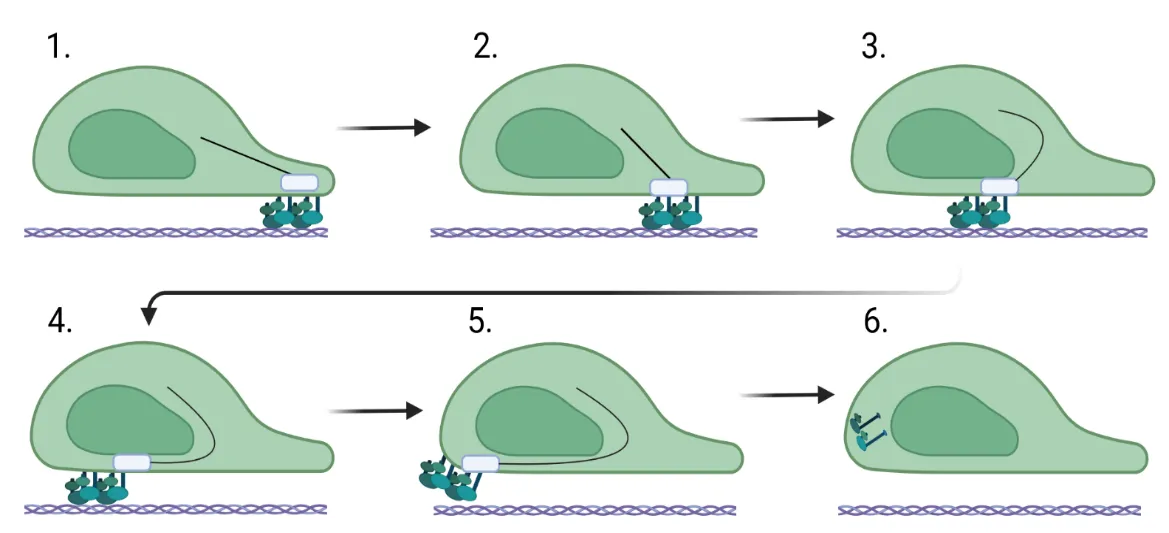
Fibroblast migration is a critical factor in wound healing, but also plays a fundamental role in fibrosis. For a fibroblast to migrate, the cell must be able to assemble factors that help it crawl across the extracellular matrix. Most of this movement is facilitated through the assembly and stability of the cytoskeleton that connects focal adhesion engagement with the extracellular matrix to intracellular stress fibers that wrap around the nucleus. These intracellular stress fibers help to polarize the fibroblast and orient the nucleus in the direction it is traveling. Changes in intracellular signaling for the fibroblast to move are also required, and this is necessitated by downstream signaling mediated by sonic hedgehog, WNT/β-catenin, ROCK/Rho, and PI3K/AKT. These changes regulate the stability of the cytoskeleton and, in addition, increase the expression of genes involved in cell migration. This review assimilates what is known about the function of the cytoskeleton in migration and the role of intracellular signaling pathways in fibrosis.
Open Access
Article
27 June 2025Non-Invasive Evaluation by the HEMOTAGTM Recording Device to Tailor Treatment of Acutely Decompensated Heart Failure
This study evaluated the clinical utility of the HEMOTAG™ recording device—A non-invasive, wearable system that measures cardiac time intervals (CTIs)—in managing patients with acutely decompensated heart failure (ADHF). The prospective, single-center study enrolled 105 patients, including those hospitalized with ADHF and a control group with non-HF-related conditions. Daily measurements of isovolumetric contraction time (IVCT), a key CTI marker, were collected using the HEMOTAG device and compared with NT-proBNP levels obtained on admission and day 3. Among ADHF patients, IVCT decreased in parallel with NT-proBNP levels, indicating volume status improvement with therapy. In contrast, the control group showed no significant change in IVCT or NT-proBNP. An IVCT ≥ 40 ms demonstrated strong sensitivity and specificity to detect ADHF (NT-proBNP ≥ 1800 pg/mL). These findings suggest that IVCT trends measured by HEMOTAG correlate with short-term treatment response in ADHF and could offer a non-invasive method to guide heart failure management. The technology demonstrated feasibility, safety, and clinical relevance, supporting its potential role in future remote management strategies.

Open Access
Review
27 June 2025Targeting Collagen Secretion as a Potential Therapeutic Strategy to Modulate Fibrosis
Fibrotic diseases are driven by the excessive accumulation of extracellular matrix (ECM), particularly collagens, leading to progressive tissue stiffness and organ dysfunction. While many factors contribute to fibrosis—including cytokine signaling, integrin-mediated mechanotransduction, and altered ECM degradation—the synthesis and secretion of collagen remain central bottlenecks. Collagen biosynthesis is a complex process involving extensive post-translational modification and intracellular trafficking. The export of procollagen from the endoplasmic reticulum (ER) requires Transport and Golgi Organisation 1 (TANGO1), a transmembrane organizer of ER exit sites that coordinates cargo selection, membrane remodeling, and connectivity between the ER and the ER-Golgi-Intermediate-Comaprtment (ERGIC). By assembling into ring-like structures at ER exit sites, TANGO1 builds a secretory route for bulky cargoes that bypasses conventional vesicle constraints. Loss of TANGO1 disrupts collagen secretion and causes developmental defects across various species. In fibrotic tissues, TANGO1 expression is upregulated, linking secretory machinery to pathological matrix deposition. Recent work has identified specific interfaces within the complex of TANGO1 with its vertebrate paralogue Cutaneous T-cell lymphoma-associated antigen 5 (cTAGE5) as targets for cell-permeant peptide inhibitors. Inhibitors that selectively and specifically block TANGO1 complex formation reduce collagen secretion in fibroblasts and scar formation in vivo, offering a new strategy to modulate fibrotic processes.

Open Access
Article
27 June 2025Dynamic Oxidation Behavior and Exceptional High-Temperature Resistance of Nano Particle-Strengthened Superalloy (MA 754) under Cyclic Temperature Conditions
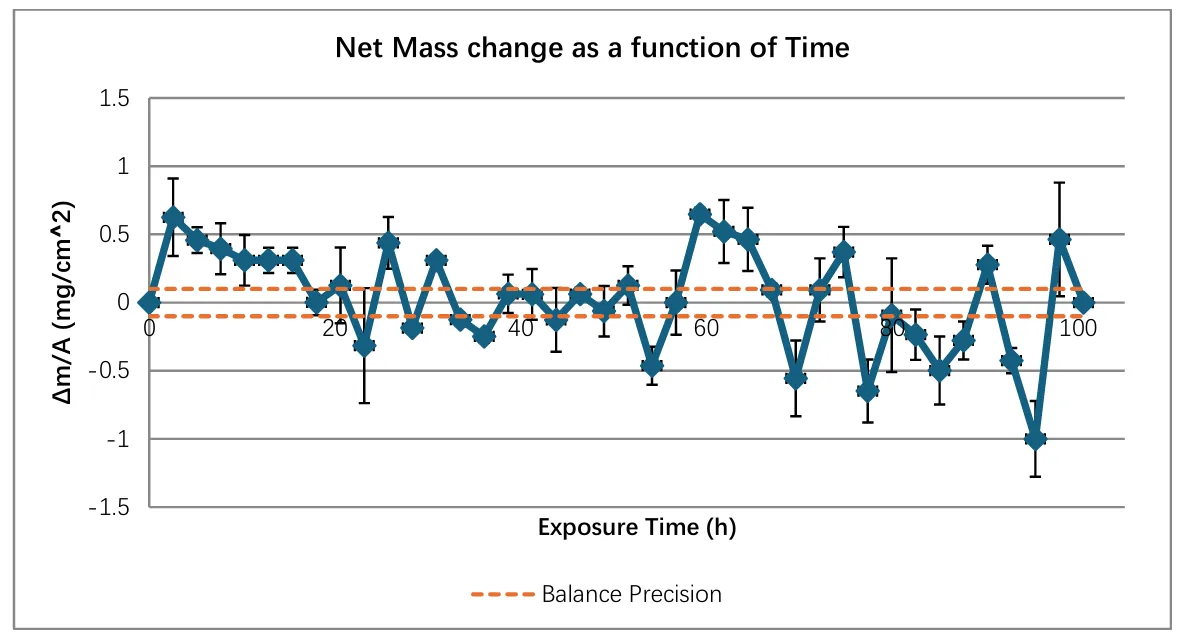
The degradation of industrial components due to high-temperature oxidation poses a significant challenge. This study highlights the excellent oxidation resistance of the MA 754 superalloy under cyclic high-temperature conditions at 1100 °C. The weight change during thermal cycles was measured to assess the kinetics of oxidation. Optical microscopy, scanning electron microscopy, X-ray diffraction, and energy dispersive spectroscopy were used to characterize the oxide scales’ microstructure, morphology, phases, and composition. The results revealed that the MA 754 superalloy demonstrated excellent resistance to oxidation, with a mean net mass change of 0.032 mg/cm2 over the oxidation time. The oxidation products identified were NiO and NiCr2O4. A small peak suggests the possible formation of Al2O3. The oxide scales’ morphology changed from pyramidal to granular type during the oxidation test. The oxidation steps of the MA 754 superalloy were determined by comparing the microstructures of the alloy surface next to the oxide layer.
Open Access
Article
26 June 2025Analysis of Rainfall Trend in Australia
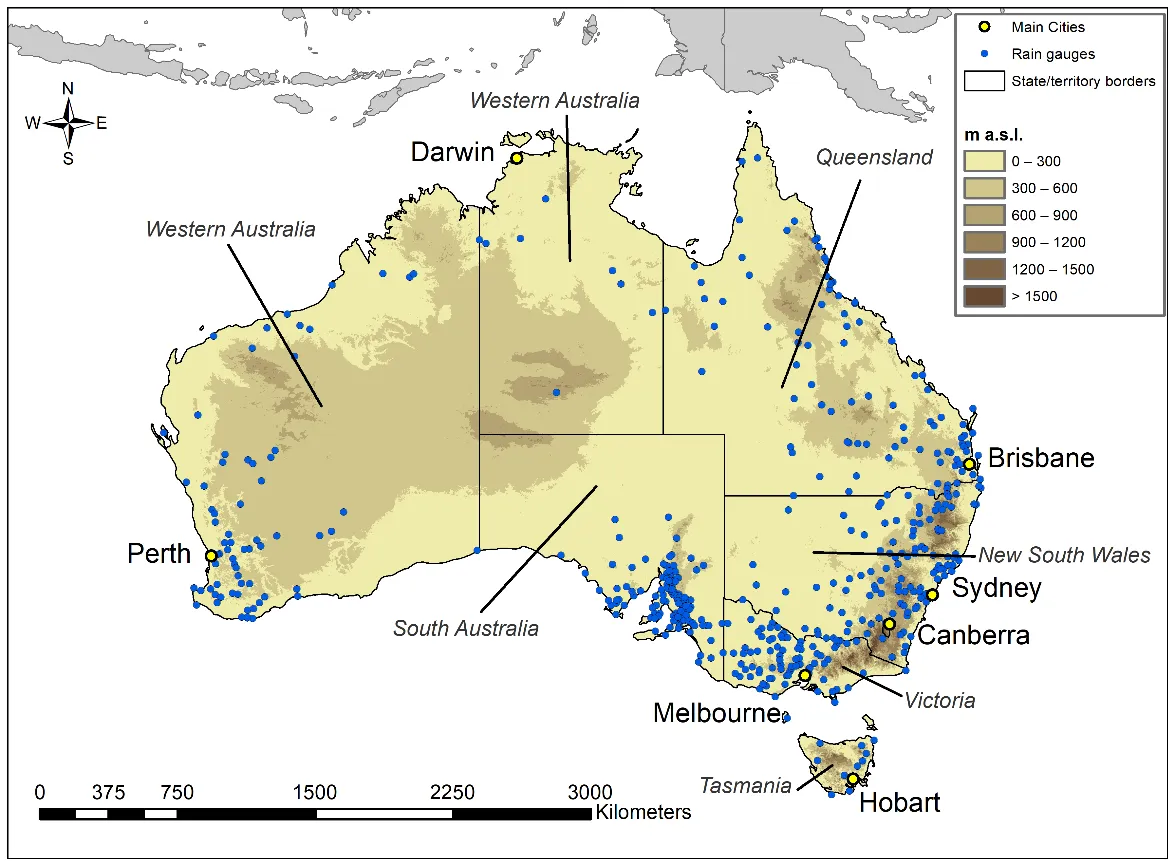
Australia is renowned for its highly variable rainfall patterns, which make it a continent marked by both droughts and flooding rains. With global warming driving atmospheric warming and altering weather systems, this variability is projected to intensify. Despite this, the specific trends and extent of rainfall changes across the country remain uncertain. Within this context, in this study, the temporal variability of rainfall in Australia was examined at annual, seasonal, and monthly scales using rainfall data spanning 1920 to 2020. Specifically, non-parametric tests were employed to assess the magnitude and significance of rainfall trends across 505 rainfall series within the Australian region. Results showed a widespread increase in rainfall in summer and spring throughout the study area. By contrast, autumn and winter showed a marked decrease in rainfall, with the greatest evidence along the Queensland coast and in southern Western Australia. If these trends are confirmed in the coming years, these deficits could limit water resources, affecting agricultural areas, the conservation of natural areas, and national parks. In addition, these changes in rainfall could increase the risk of droughts and wildfires, which could also have socio-economic impacts.
Open Access
Article
26 June 2025Assessment and Spatialization of the Potential of Marine Renewable Energies in the Gulf of Guinea: Case of the Cameroonian Coast
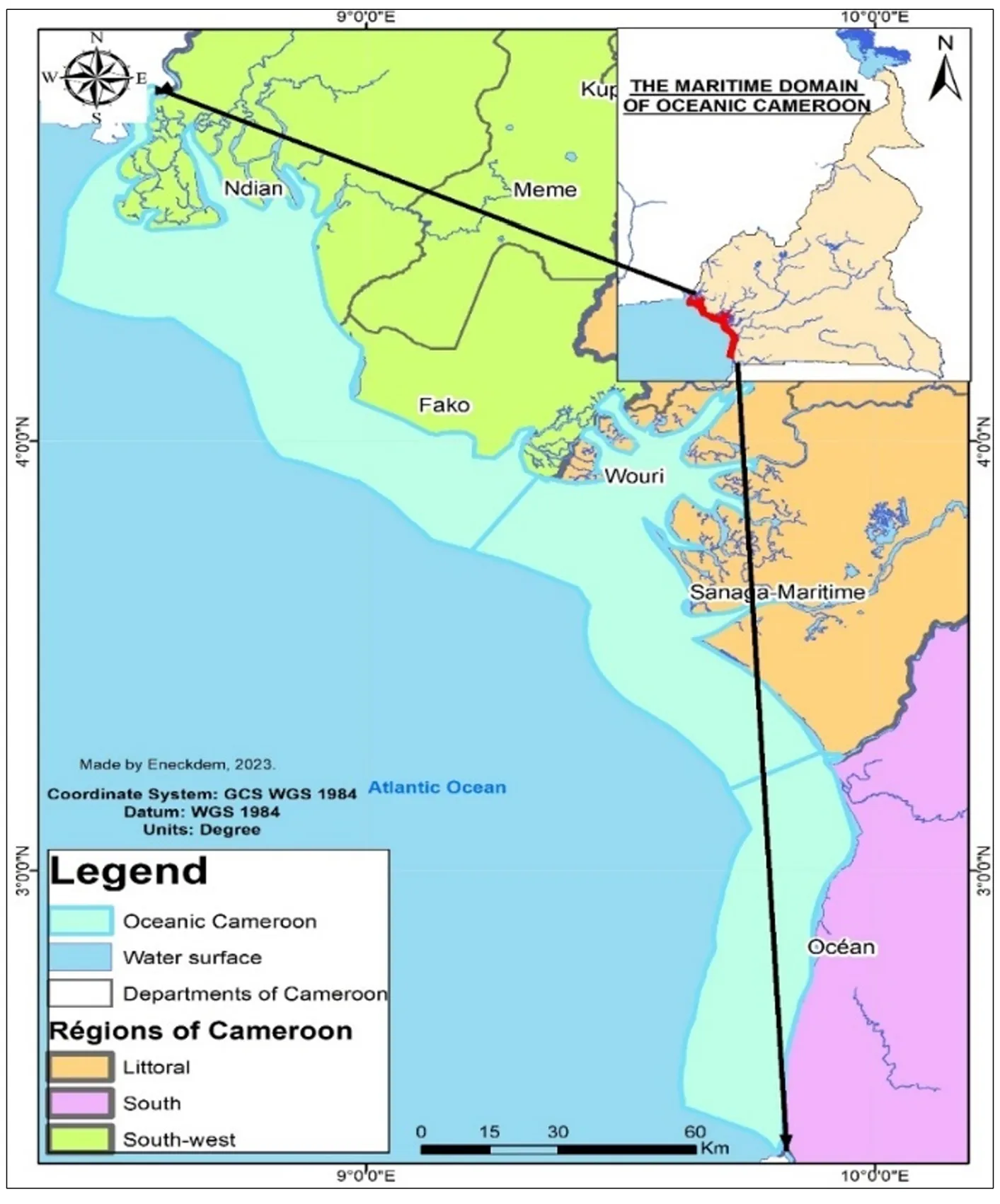
This study explores, through mathematical simulation and Geographic Information Systems, the electricity production potential of Marine Renewable Energies (MRE) on the Cameroonian coast. The study uses data from the National Institute of Cartography and, in the absence of in situ oceanographic observation, data from the National Oceanic and Atmospheric Administration and those of Copernicus Marine Services, to determine and identify, after calculations on Excel and spatial representation on ArcGIS 10.2.2, areas with high MRE potential. The analyses carried out show that the Cameroonian coastline is full of significant potential for the development of MRE. Indeed, with a potential of approximately 6 kW at sea and approximately 1 kW on the coast, current energy constitutes a capitalizable opportunity. Concerning wave energy, the average production potential of the Cameroonian marine area is approximately 3.37 kW/m. However, it is much higher on the Kribi coast (between 4 and 7 kW/m). Furthermore, significant potential for tidal energy can be identified in the Wouri estuary, as well as in other sectors such as marine thermal energy and osmotic energy, although this requires further analysis to be better understood. These results would help promote research on these energies in Cameroon.