Found 492 results
Open Access
Article
26 November 2025Machine Learning in Forensic Anthropology: Sex Classification of Fingerprints
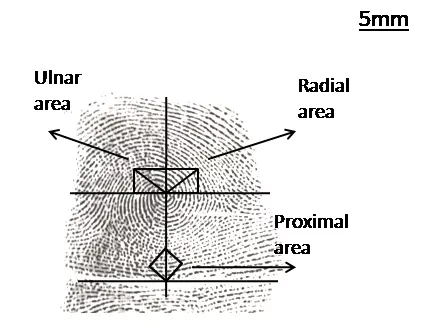
A Fingerprint plays an important role in identifying an individual in forensic and criminal investigations. Fingerprint ridge density is considered one of the most important features for sex classification. The present study intends to classify sex using fingerprint ridge density through a machine learning model, i.e., Random Forest. A total of 2040 fingerprints of 204 participants (102 males and 102 females) were collected from the north Indian population using a standard methodology. Ridge density in the three topological areas of fingerprints,i.e., radial, ulnar, and proximal areas, was assessed. Taking all the areas into consideration, the data of fingerprint ridge density was used to train the Random forest algorithm. The training and testing of the model data were taken in a ratio of 70:30, respectively (training dataset = 1428; testing dataset = 612). Random forest provided an accuracy of 81.53% in sex classification using fingerprint ridge density. The paper discusses the evaluation report of the accuracy of the parameters of the Random forest in detail. The study concludes that the machine learning models, such as Random forest can be utilized for sex classification from fingerprint ridge density. The study proposes its direct application in forensic examinations, especially when there is no clue about the perpetrator, and the sex of the perpetrator can be predicted from fingerprints recovered from the crime scene using the present customized model.
Open Access
Article
25 November 2025Dissimilar Joining of 316L and A131 Steel by Shield Metal Arc and Tungsten Inert Gas Welding to Evaluate Bending and Tensile Behavior
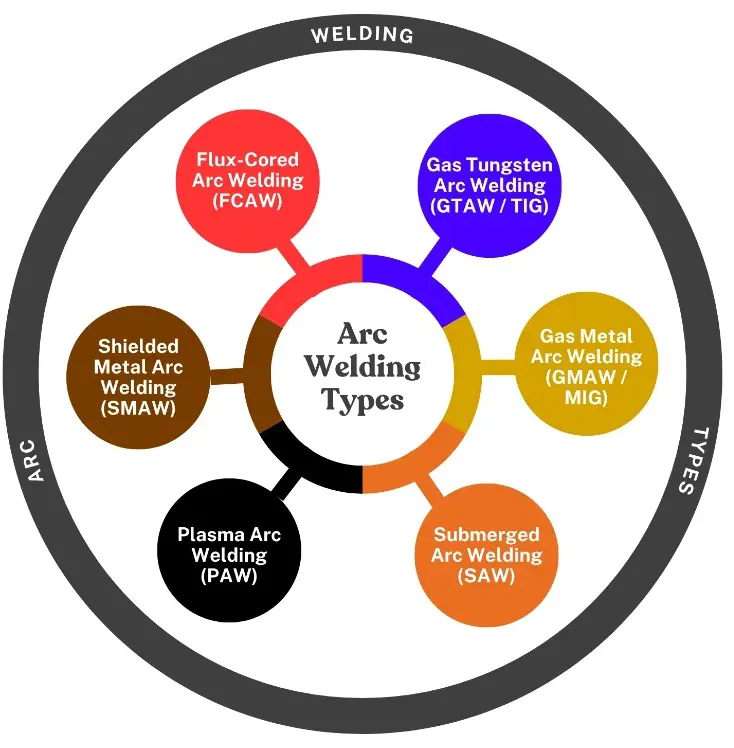
In this paper, the effect of filler metal and type of welding on the strength and ductility of dissimilar welding of two different grades of stainless steel was investigated. One of the benefits of stainless steel is its corrosion resistance, which is often necessary for equipment longevity in these facilities. During shipbuilding, as required, stainless steel 316L needs to be welded to the shipbuilding-grade carbon steel A131. In these applications, welding between the two should demonstrate superior strength during vessel construction. To provide a clear illustration, experimental work was needed to allow a careful selection of the joining procedure and filler metal or electrode. The current research work includes a comparative experimental analysis of dissimilar-metal welding (SS-316L & A131 steel). The reasons for choosing these two materials are their greater corrosion resistance and high strength in humid environments. Furthermore, two different welding methods (SMAW & TIG) with varying filler metals were employed in the experiment. The ultimate tensile strength and yield strength of the SMAW welds using E308-16 filler metal were the highest among all, while the TIG welds with ER308L showed superior bending strength. Observations suggest that SMAW with the E308-16 electrode exhibits superior tensile strength, while TIG joints with ER 308L filler provide better bending strength for the welding of SS-316L and shipbuilding (SB) grade A131 steels.
Open Access
Article
24 November 2025Bridging the Urban-Rural Divide: How Urban Agriculture Enhances Food Security in High-Urbanized Regions in Guangdong, China
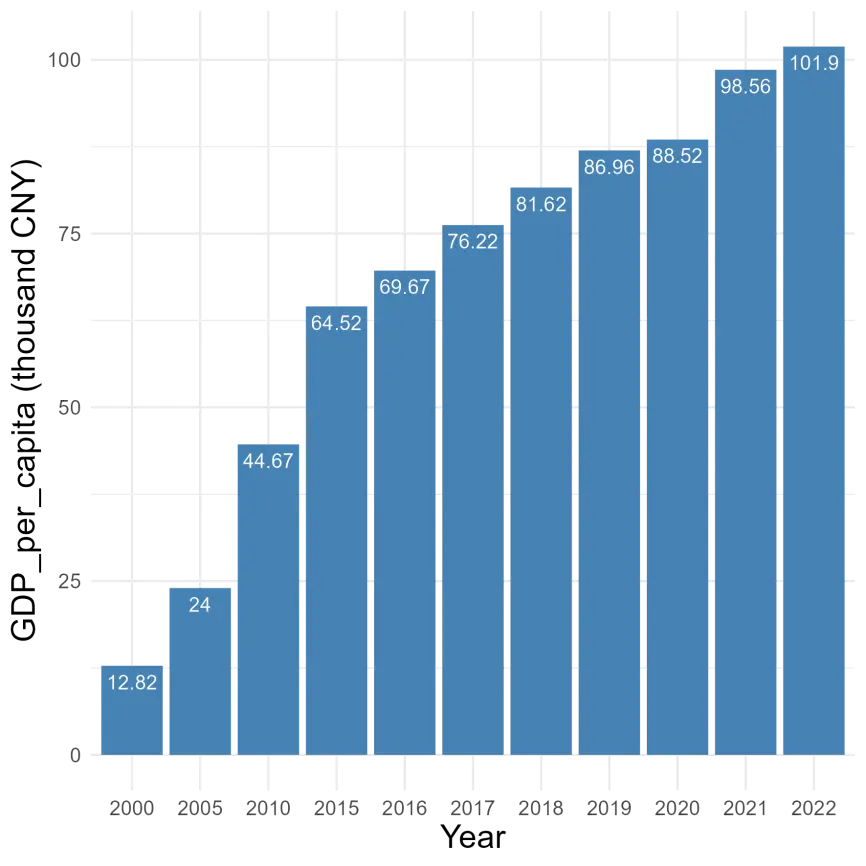
The COVID-19 pandemic starkly exposed vulnerabilities in global food supply chains, highlighting the critical need for resilient, localized alternatives to ensure urban food security. Urban agriculture (UA), which we define as all agricultural output occurring in cities with an urbanization rate exceeding 85%, emerges as a pivotal strategy to mitigate such risks by shortening supply chains, particularly for perishable goods like vegetables and fruits. This study investigates the underexplored role of UA in Guangdong Province, China—a region characterized by rapid urbanization, high population density, and economic dynamism- to assess its contribution to food self-sufficiency. Leveraging a novel classification framework, we categorize Guangdong’s 21 prefecture-level cities into two groups based on an 85% urbanization threshold (2017–2022), distinguishing high-degree urbanized cities (e.g., Shenzhen, Guangzhou) from others. Using panel data, we analyze spatial-temporal patterns in grain, vegetable, and fruit self-sufficiency through geospatial and statistical methods. Key findings reveal pronounced disparities: high-degree urbanized cities exhibit critically low grain self-sufficiency, relying heavily on external supplies, while non-urbanized regions achieve exceptional surpluses. Conversely, vegetables and fruits demonstrate a center-periphery gradient, with peri-urban zones bridging the gap between urban cores and rural surplus hubs. Despite incremental gains in UA productivity, urban yields lag behind non-urban areas for grains and vegetables, though fruit production shows convergence, underscoring UA’s niche potential. These results highlight the indispensability of non-urban regions in sustaining provincial food security while emphasizing UA’s role in fresher, faster urban supply chains. We propose actionable policies, including: (1) integrating farmland protection redlines with UA incentives (e.g., vertical farming subsidies, peri-urban logistics optimization); (2) scaling technology-driven UA (controlled-environment agriculture, digital platforms); and (3) reducing post-harvest losses through urban-centric infrastructure. Our findings advance the discourse on crisis-resilient food systems, offering a replicable framework for high-density regions globally.
Open Access
Article
21 November 2025Effect of Support Preparation Method on the Performance of Ni/SrTiO3 Catalysts for Dry Reforming of Methane
Dry reforming of methane (DRM) offers an efficient route to simultaneously convert CH4 and CO2 into synthesis gas (H2/CO), a key intermediate to produce fuels and valuable chemicals. Ni-based catalysts are regarded as the most promising candidates due to their high activity and low cost; however, their stability remains a major obstacle under the DRM conditions. Perovskite-type oxides such as SrTiO3 possess high thermal stability, tunable composition, and strong metal-support interactions, making them ideal to enhance the dispersion and durability of Ni species. In this study, Ni/SrTiO3 catalysts were synthesized via co-precipitation (CP), hydrothermal (HT), and sol-gel (SG) methods, and were comprehensively characterized before and after the reaction. The characterizations revealed that all samples preserved the perovskite framework after reduction and reaction. Among them, Ni/HT-STO and Ni/SG-STO exhibited larger surface areas (18.8 and 13.9 m2·g−1) and higher initial CH4 conversions (66.3% and 68.9%) than Ni/CP-STO (44.8%). However, Ni/HT-STO underwent rapid deactivation, with CH4 conversion decreasing to 21.2% after 60 h due to severe carbon accumulation (12.4 wt%) and notable Ni particle growth. In contrast, the sol-gel derived Ni/SG-STO maintained a higher activity (25.6% after 60 h) with moderate carbon deposition (9.2 wt%) and showed the smallest Ni particle growth of only 2.64 nm (from 14.91 to 17.55 nm), compared with 4.29 nm for Ni/CP-STO (25.83 to 30.12 nm) and 6.08 nm for Ni/HT-STO (27.12 to 33.20 nm). Temperature-programmed surface reaction (TPSR) analysis further revealed that Ni/SG-STO exhibited a more balanced CH4 activation and CO2 dissociation, enabling efficient carbon-oxygen coupling and inhibiting graphitic carbon formation. Overall, these results demonstrate that the sol-gel method effectively enhances the anti-sintering and anti-coking performance of Ni/SrTiO3 catalysts.

Open Access
Article
19 November 2025Hydrogenative Depolymerization of Polyesters Catalyzed by a PN3-Ruthenium Complex Using Both H2 and EtOH as Hydrogen Sources
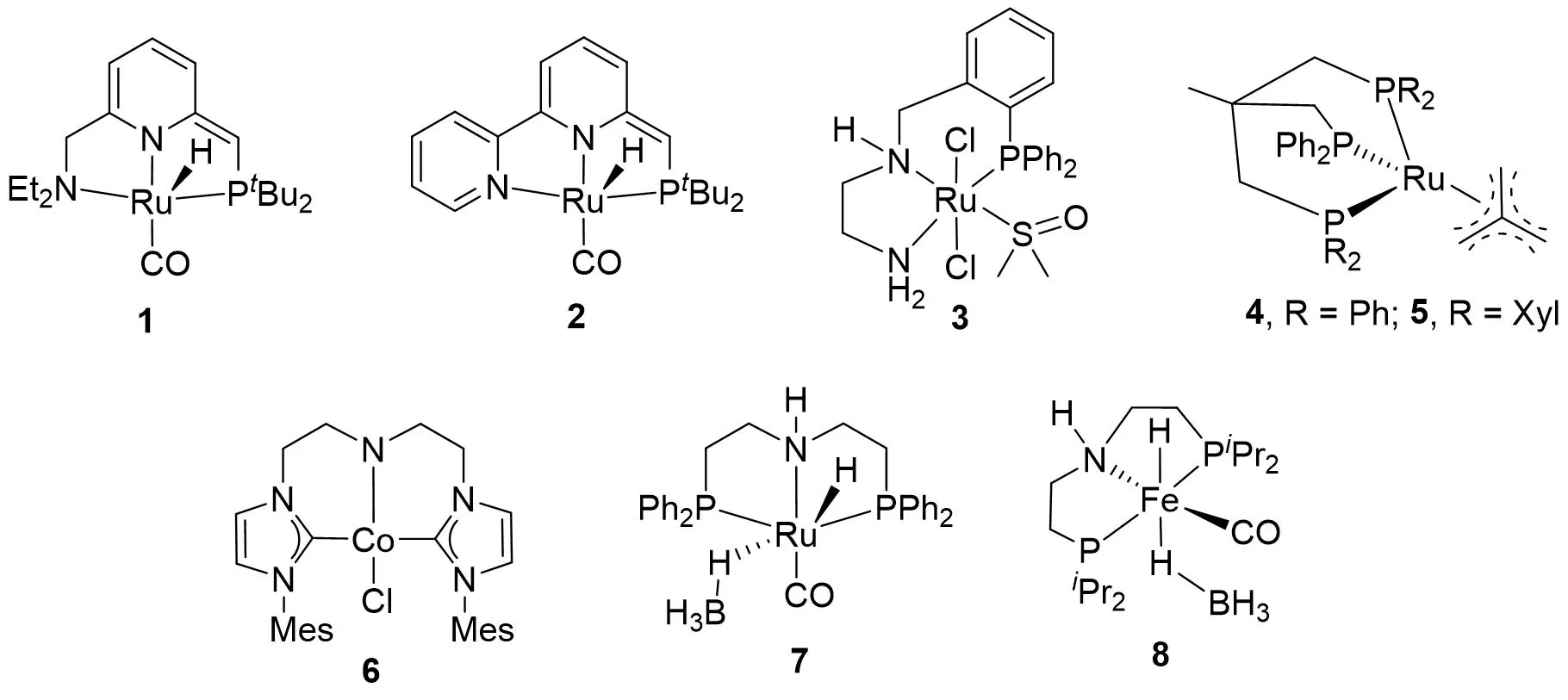
Selective hydrogenative depolymerization of polyesters to diols is regarded as a promising strategy for plastics upcycling. However, many catalysts documented in literature still involve harsh reaction conditions, such as high temperature and high H2 pressure. In this work, we present a PN3-ruthenium complex catalyzed polyesters upcycling into various highly value-added diols under mild reaction conditions using H2 as a hydrogen source. It is worth noting that PLA depolymerizes into 1,2-propanediol under 1 MPa hydrogen pressure at ambient temperature within 2 h; the conditions are much milder than those of previous reports. Aromatic polyester PET degradation needs harsher reaction conditions (80 °C, 4 MPa, 3 h). The different reaction conditions enable direct separation of the degradation products of PLA and PET mixture via sequential depolymerization, as well as mixing them with polyolefins (PE, PP, PS). More strikingly, this catalyst is also effective for the catalytic hydrogenation of polyesters in the presence of ethanol to afford various diols, avoiding the use of harsh reaction conditions and an expensive autoclave.
Open Access
Article
18 November 2025Effects of Changing the Specific Surface Area in the Ceramic Matrix of CAC-Containing Refractory Castables on the Rheology and Processing
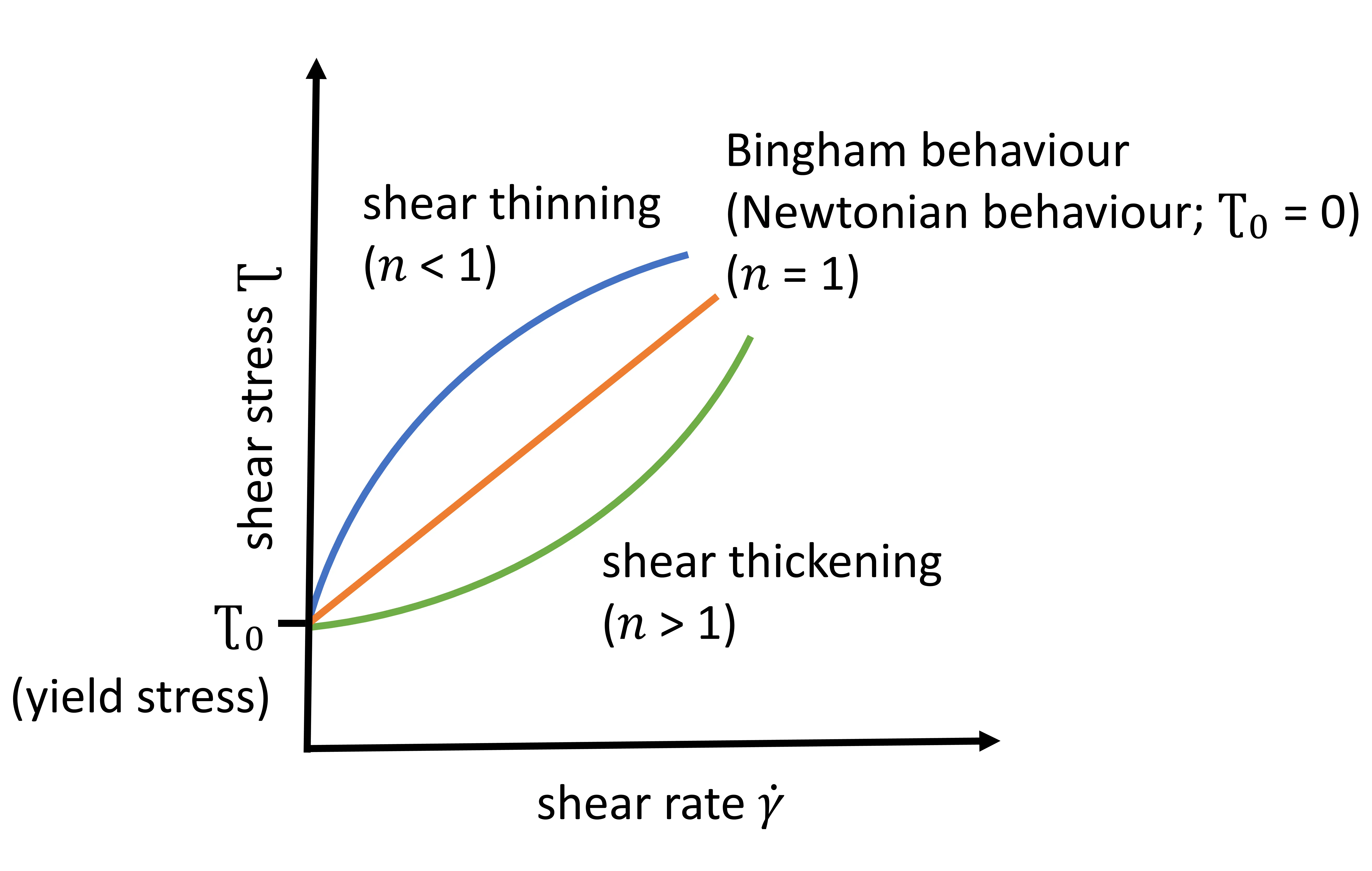
Besides the coarse and medium grain size distribution, the matrix components play a central role in the performance of refractory castables. Practical experience shows that the particle size distribution (PSD) and the specific surface area (SSA) of the ceramic matrix significantly influence processing, setting, and sintering behaviour. However, there is a lack of systematic studies on how changes in PSD or SSA affect castable properties. This study aims to address this gap by varying ceramic matrices to create model refractory castables with different matrix surface areas. Three dispersing agents with different mechanisms (electrosteric and steric) were used at graded concentrations. Results show that the SSA of the ceramic matrix has a significant influence on the rheological behaviour of refractory castables. A low SSA leads to shear thickening behaviour, a (very) low relative yield stress, and a high slump‑flow. Castables with an intermediate SSA and a multimodal composition show Bingham behaviour with a moderate relative yield stress and low relative viscosity, whereas a high SSA leads to shear thinning behaviour with a (very) high relative yield stress, (very) high relative viscosity, and a low slump-flow. Measurements of the dynamic viscosity of matrix suspensions at very low shear rates correlate with the rheological behaviour of fully composed refractory castables. Regression analysis using the Herschel‑Bulkley model successfully captures the observed qualitative relationships.
Open Access
Review
17 November 2025Enzyme-Mediated Carbon Dioxide Fixation: Catalytic Mechanisms and Computational Insights
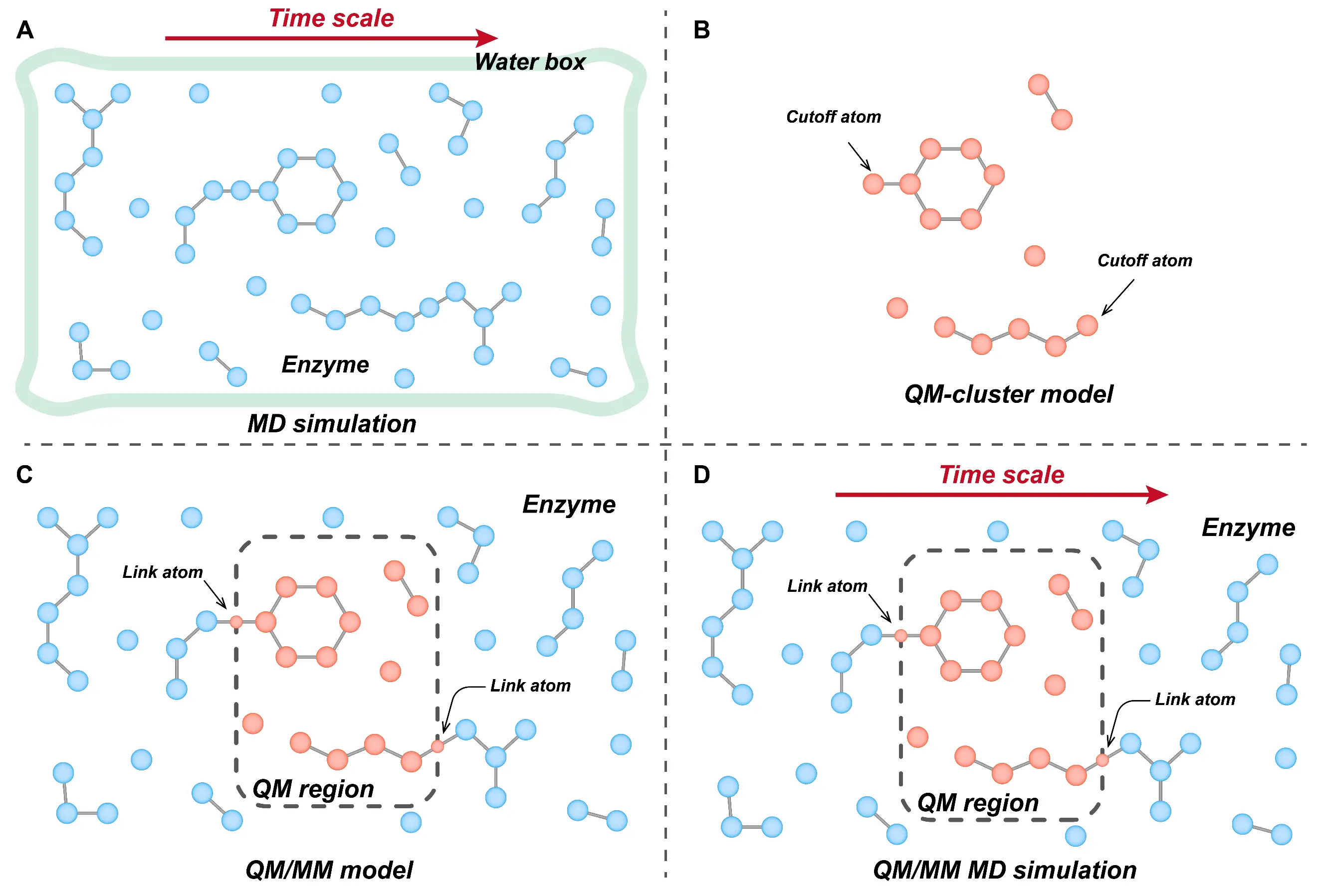
Carbon conversion technologies that transform carbon dioxide (CO2) into high-value chemicals are pivotal for achieving sustainability. Among these, enzyme-mediated CO2 fixation has recently gained increasing attention as a more sustainable and environmentally friendly alternative to traditional chemical methods, which typically require harsh conditions and impose significant environmental costs. Recent advances in computer-aided techniques have greatly facilitated the mechanistic understanding of CO2-fixing enzymes and accelerated the development of enzyme-catalyzed carboxylation strategies. This review highlights recent progress in enzyme-mediated CO2 fixation by categorizing key enzymes into four classes based on their cofactor or metal ion requirements: cofactor-independent enzymes, metal-dependent enzymes, nicotinamide adenine dinucleotide phosphate (NAD(P)H)-dependent enzymes, and prenylated flavin mononucleotide (prFMN)-dependent enzymes. We outline the basic principles and applications of molecular dynamics (MD) simulations and quantum mechanical (QM) calculations, which serve as essential tools for investigating enzyme conformational dynamics and reaction mechanisms. Through representative case studies, we demonstrate how computational analyses uncover catalytic features that enhance CO2 conversion efficiency. These insights underscore the critical role of computer-aided approaches in guiding the rational design and optimization of biocatalysts, thereby advancing the application of enzyme-based systems for CO2 fixation.
Open Access
Review
17 November 2025Self-Directed Learning Across the Lifespan Regarding Psychological Flow—A Topical Assessment of Recent Publications with High Recall and High Precision
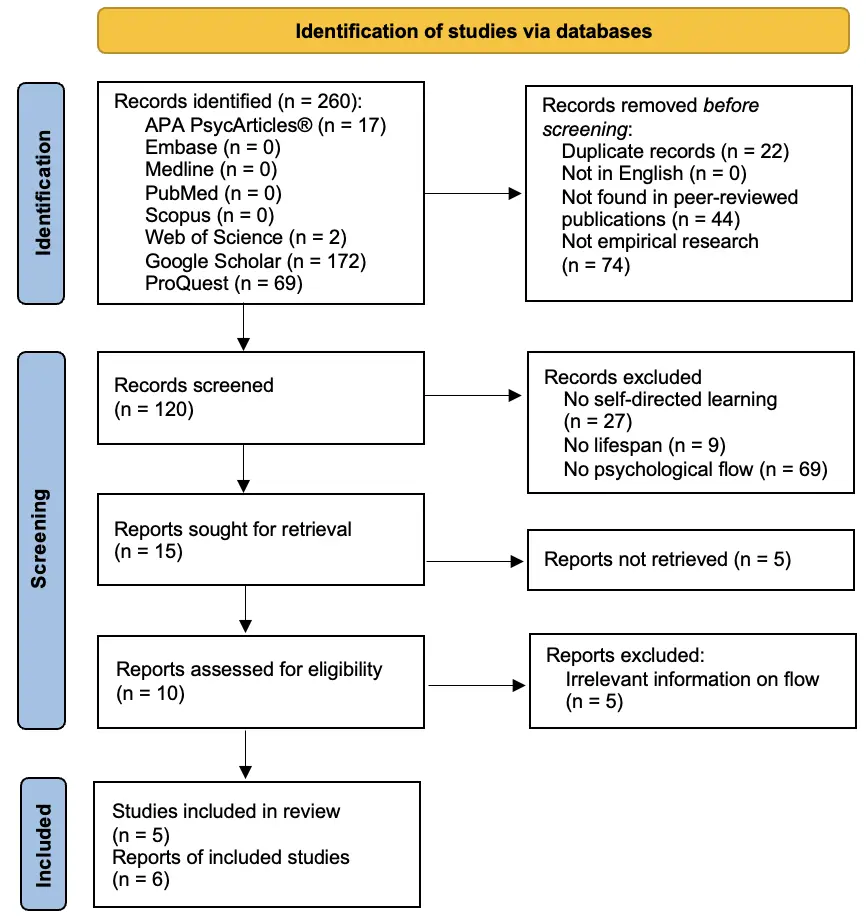
Csikszentmihalyi’s psychological flow and self-directed learning have a well-researched and direct connection. Lacking is an investigation of this relationship across the lifespan—the aim of this review. A search of seven primary databases and one supplementary database (searched eight different ways) with the keywords “self-directed learning, lifespan, psychological flow”—for English-language empirical research studies in peer-reviewed publications—provides this assessment of recent publications with high recall and high precision. The hypothesis is that distinct topics are recognizable, concerning the relationships among self-directed learning, lifespan, and psychological flow, regarding how self-directed learning promotes psychological flow throughout the lifespan. As a quasi-scoping review, the standardized PRISMA-ScR is the methodology. The supplementary database search, without Boolean functions, and yielding the highest returns, produced the five results included. Corroborating the hypothesis, three Csikszentmihalyi-inspired topics synthesize the results: (1) feeling better in the moment, (2) body and mind are in harmony, and (3) improving the quality of life. Based on the synthesis, the level of meaning the learner ascribes to their work determines the relationship among the three keywords. The conclusion is that the relevance of flow to self-directed learning throughout the lifespan depends on learner engagement in supporting their work-related purpose and meaning regarding the learning material.
Open Access
Review
14 November 2025Advancements in Hybrid Abrasive Flow Finishing: Fundamentals, Technological Developments, and Industrial Applications in Precision Manufacturing
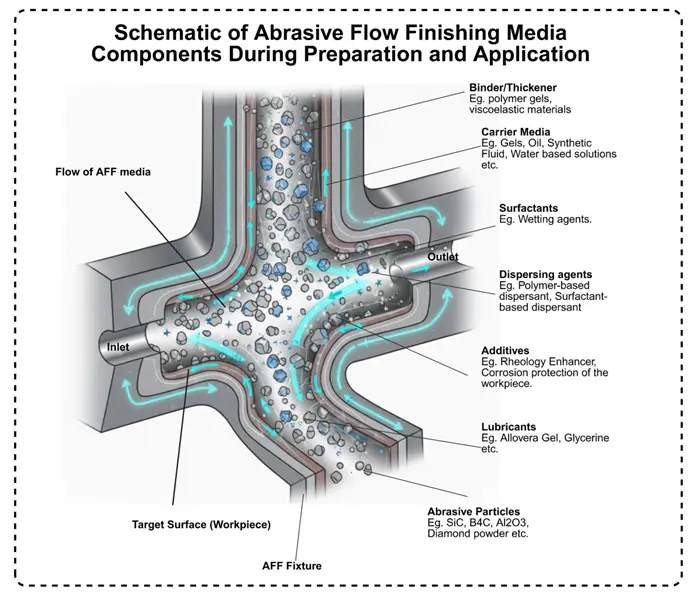
Hybrid-Based Abrasive Flow Finishing (HAFF) represents a significant evolution in precision manufacturing, particularly in addressing the inherent limitations of traditional finishing techniques when dealing with complex geometries and challenging materials. HAFF achieves remarkable precision in managing particle motion by blending state-of-the-art energy inputs and mechanical reinforcements, including sonic vibrations, electromagnetic influences, and beam-guided supports, which accelerate the pace of material extraction and elevate the overall finish of surfaces. This paper comprehensively reviews various HAFF approaches, including energy-assisted methods (e.g., electrochemical, ultrasonic, and laser), force-assisted techniques (e.g., magnetic, hydrodynamic, and vibration), and hybrid energy-force integrated systems. Recent advancements, such as cryogenic-assisted, rotational-assisted, and magnetorheological-assisted AFF, are also discussed in this review. Recent studies from 2023 to 2025 highlight improvements in material removal rates of up to 80% and reductions in surface roughness of over 90% across various HAFF variants, underscoring the timeliness of these developments. Incorporating diverse power sources and mechanical aids into HAFF allows for exact oversight of particle interactions, speeding up the removal of excess material, refining the exterior finish, and broadening its utility across detailed designs and tough-to-process substances. Despite significant progress, challenges persist in scaling HAFF processes for industrial applications, improving cost efficiency, and implementing effective real-time monitoring systems. The future trajectory of HAFF research will focus on the development of innovative abrasive media, advanced automation technologies, artificial Intelligence techniques, and sustainable manufacturing practices. This study examines all existing HAFF technology solutions and evaluates product applications for aerospace, automotive, medical equipment, and micro-manufactured devices. The discussion highlights the industries that require more advanced technological investigations.
Open Access
Article
12 November 2025Topological Optimization for Environmental Sustainability in Civil Engineering Structures Design
The increasing demand for sustainable and cost-efficient construction highlights the need to minimize material consumption in civil engineering structures without compromising safety or performance. This study investigates the optimization of steel purlin cross-sections in metal buildings as a means to enhance structural efficiency and environmental sustainability. Finite Element Analysis (FEA) and the Solid Isotropic Material with Penalization (SIMP) method were employed to identify optimal material distributions and evaluate the effects of varying cross-section geometries. Both rectangular and IPE purlin sections were analyzed under realistic loading conditions to compare stress, deformation, and weight performance before and after optimization. The results demonstrate that substantial reductions in material mass, up to approximately 25–30%, can be achieved while maintaining nearly identical stress and displacement responses. These findings confirm that structural optimization effectively reduces both construction costs and environmental impact. The study concludes by recommending the adoption of topology and cross-section optimization techniques in the design of steel structures, particularly in public projects, to promote resource efficiency and sustainable construction practices.
