Found 492 results
Open Access
Article
09 December 2025Mechanical Characterization of Ship Building Grade A Steel by Rapid Cooling in Different Liquid Media
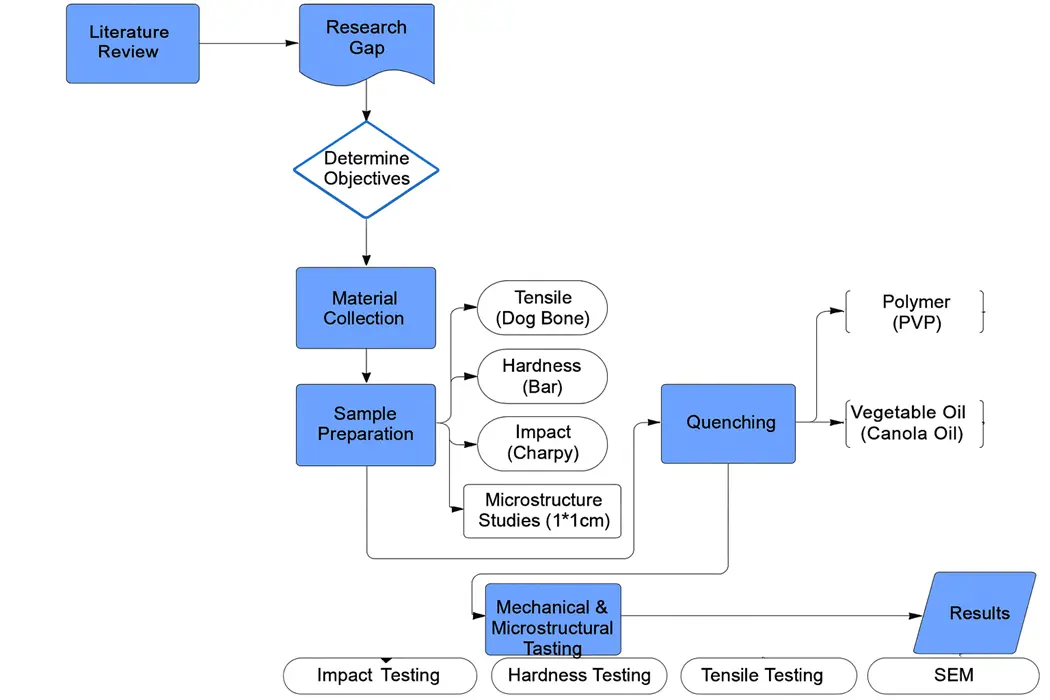
Steel is an essential component used to build marine vessels due to its endurance of the sea’s harsh conditions, including corrosion and dynamic stresses, therefore, different grades of mild steel are used in shipbuilding. It provides the strength, ductility, and weldability necessary for structural integrity, consisting of carbon, manganese, etc., as alloying elements. In this research, different quenching media were employed to assess variations in mechanical properties. This process ultimately triggered alterations in the microstructure of the steel. Two types of media, such as vegetable oil (Canola) and Polyvinylpyrrolidone polymer (PVP), were studied in comparison with simple heat-treated steel. Mechanical characterization comprised of tensile testing, hardness and impact testing to evaluate major changes in strength and ductility. Furthermore, a microscope was used to interpret the microstructure. To guarantee consistency in testing, samples were prepared in accordance with ASTM guidelines. The yield strength of as-received steel was increased from 298 MPa to 358 MPa and 370 MPa because of rapid cooling action in PVP and oil, respectively. A significant increase in Ultimate tensile strength was achieved due to the variety of quenching media; however, ductility was seriously compromised because of the excessive hardness of the material. Impact energy analysis revealed a notable reduction, which is linked with degradation in toughness.
Open Access
Article
09 December 2025Demethylation of Lignin from Rice-Straw Biorefinery: An Integrated Chemical and Biochemical Approach
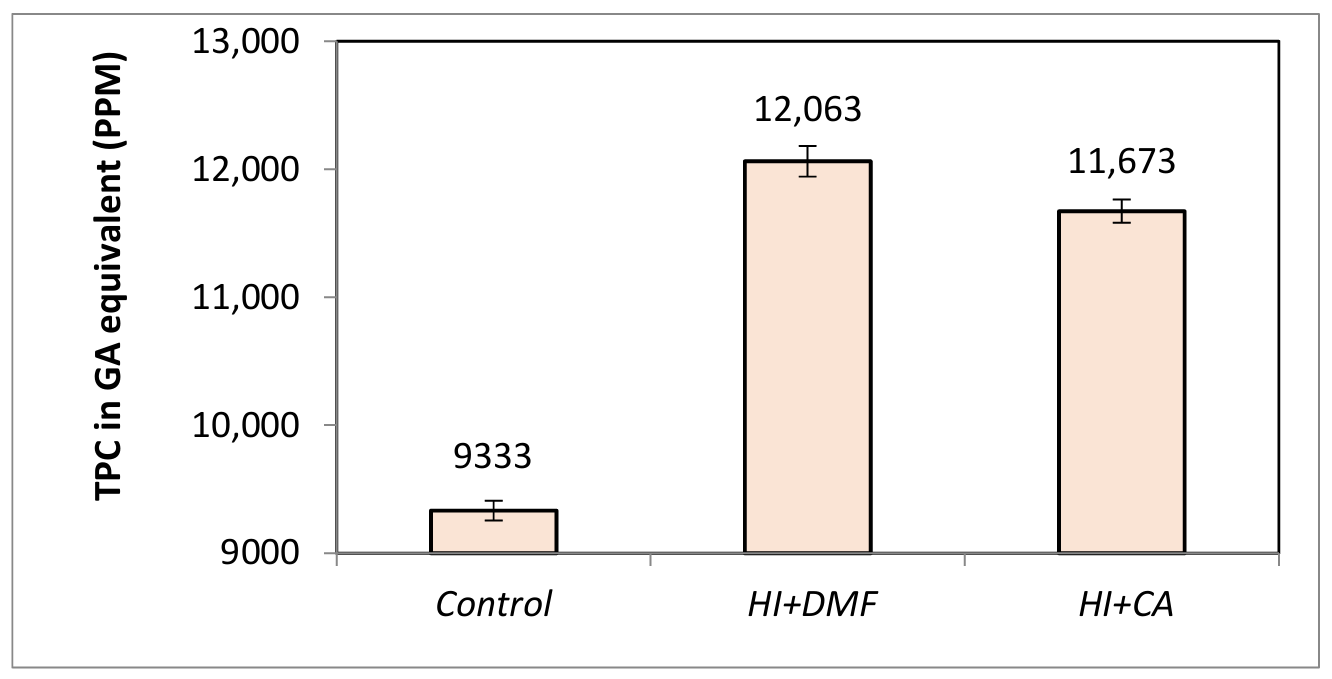
The efficiency of lignocellulosic biorefineries is limited because of the high recalcitrance and low reactivity of lignin. The reactivity of lignin can be enhanced through various chemical and biochemical approaches. Demethylation is one of the methods that improve the availability of phenolic hydroxyl groups in lignin, thereby enhancing its reactivity and application in sustainable adhesives. The goal of this study is to integrate microbial and chemical approaches to aid in the demethylation of lignin. Towards that end, lignin was first extracted and purified from the rice straw biorefinery solid residue obtained post ethanol fermentation. This rice straw lignin was then subjected to chemical and microbial demethylation. For microbial demethylation under alkaline conditions, Pseudomonas putida and Pseudomonas fluorescens were employed, while demethylation under neutral conditions was conducted using Trametes versicolor. Integrated treatment using Pseudomonas putida followed by hydrogen iodide yielded an increase in the phenolic hydroxyl content by approximately 39–43%. Demethylation using chemical methods and biological methods alone provided approximately 18–27% increases in phenolic hydroxyl content, respectively. Furthermore, to assess the physical and chemical properties of demethylated lignin, FT-IR, TGA, and morphological analytical tools were employed.
Open Access
Article
09 December 2025Defiant Doctorates: Reshaping the Social, Cultural and Intellectual Value of the Doctorate in Regional Universities
Universities are ranked and clustered into ‘like-minded’ institutions. Regional universities—as an adjective and noun or a compound noun—are defined via location, rather than academic standards, teaching innovation, research rigour, or the use of innovative technology. Through the ‘regional’ labelling, they are marked and separated as different from, and implicitly less than, urban and metropolitan institutions, which carry the excitement of urbanity, encompassing Virilian speed and prestigious alumni. This differentiation has consequences for grants, funding, academic staff attrition, and leadership. But what happens to PhD students at regional universities? Where is their voice? How are their views recognized, codified, and understood? Written between an experienced supervisor and a PhD student, this paper offers a different pathway through the regional graduate programme, offering a different lens to re-vision regional higher education, beyond cliches of partnerships and collaborations. As a theoretical and conceptual paper, it creates and holds space for PhD students in a revisioning of regional universities.
Open Access
Article
08 December 2025Short-Form Video Application Use and Self-Rated Health among Older Adults: The Mediating Role of Perceived Social Support and the Moderating Role of Media Literacy
Although short-form video applications (apps) are increasingly popular among older adults, little research has investigated the relationship between their use of such apps and health outcomes. The present study aims to investigate this relationship while examining the mediating role of perceived social support and the moderating role of media literacy. Three hundred and nineteen older adults completed our questionnaire. The results showed that short-form video app use was positively associated with self-rated health among older adults, and this association was mediated by perceived social support. Moreover, the positive association between short-form video app use and perceived social support was observed in older adults with lower (but not higher) levels of media literacy. Future interventions aimed at promoting the health and well-being of older adults (especially those with lower media literacy) should consider teaching participants to use short-form video apps appropriately.

Open Access
Article
05 December 2025Stopping Rules for Two-Sigma Structural Monophyly in Morphology-Based High-Resolution Phylogenetics
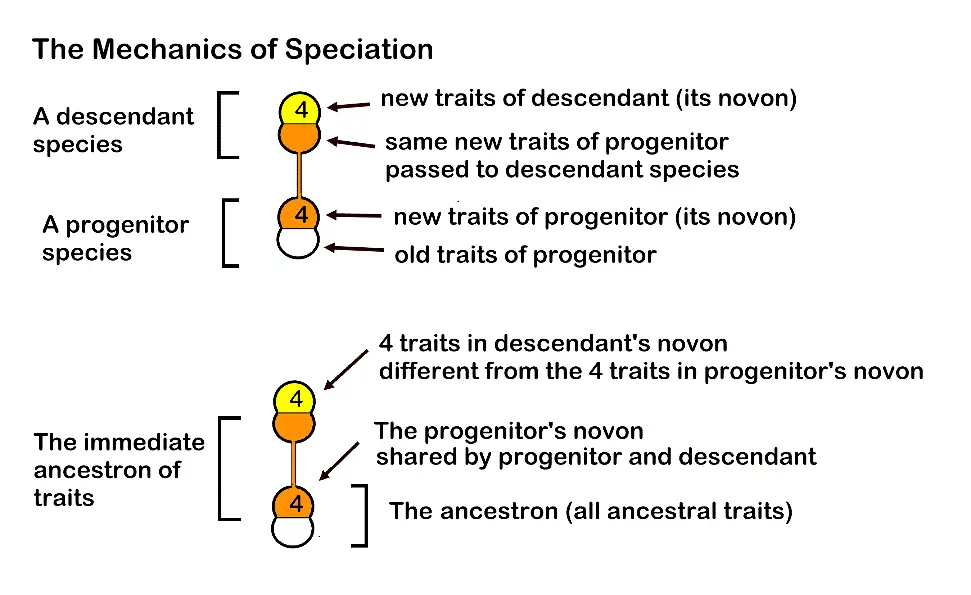
Stopping rules for sampling designs are critical for limiting the effort needed to obtain adequate or significant data, and in many cases for conservation of the species sampled. Such rules are commonly based on pre-determined criteria or a lack of new information as sampling continues. Structural monophyly analysis of minimally monophyletic groups of one ancestral species and a few immediate ancestral species uses a series of steps, each step with a statistical evaluation that helps produce a concise model. Demonstration of two-sigma exclusion of uncertainty is a new stopping rule requirement. The full series of analytic steps has not previously been consolidated in one publication.
Open Access
Article
04 December 2025Stakeholder Mental Models for Sustainable Management of the Invasive Pearl Oyster Pinctada radiata in the Eastern Mediterranean
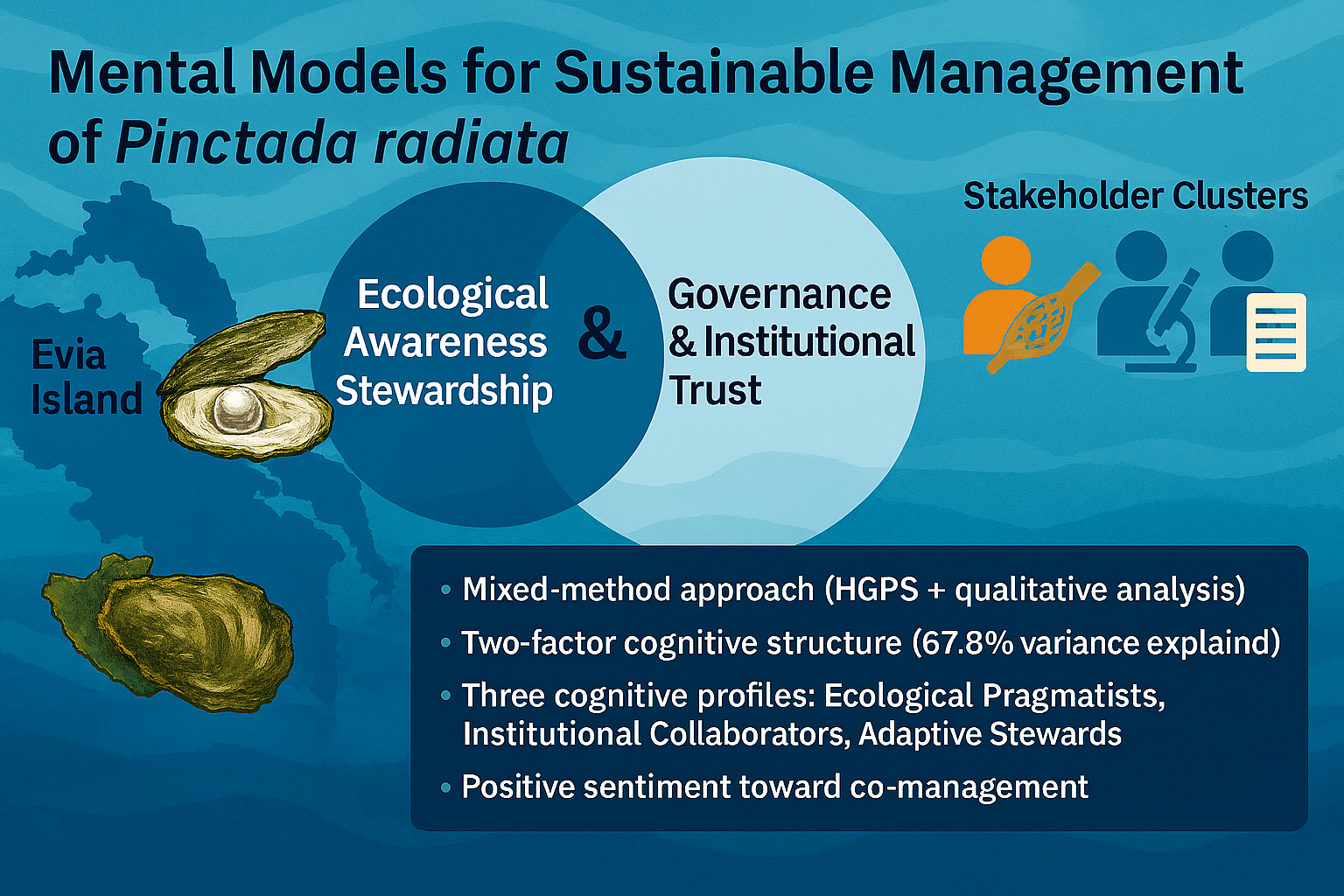
Sustainable management of marine and coastal systems depends not only on ecological dynamics but also on the ways stakeholders perceive and interpret them. This study investigates how fishers, scientists, and government officials understand and frame the management of the Indo-Pacific pearl oyster Pinctada radiata, a non-native yet economically valuable species established around Evia Island, Greece. Using a mixed-methods approach (N = 80), we combined an eleven-item Hydro-ecological Governance Perception Scale (HGPS) with open-ended responses to explore cognitive patterns and governance perspectives. Sampling adequacy was satisfactory (KMO = 0.74; Bartlett’s χ2(55) = 350.41, p < 0.001) and factor analysis revealed two interrelated dimensions explaining 67.8% of total variance (α = 0.84; ω = 0.86; CR = 0.82). Although Kruskal–Wallis tests showed no statistically significant differences among groups (p > 0.05), hierarchical clustering distinguished three partially overlapping cognitive profiles: Ecological Pragmatists, Institutional Collaborators, and Adaptive Stewards (Silhouette = 0.45; CH = 150.23; DBI = 0.75). Thematic and sentiment analyses underscored the importance of collaboration, transparency, and education (mean sentiment = 0.58). The findings demonstrate how cognitive diversity can improve hydro-ecological resilience and the sustainability of coastal governance when it is mobilized through co-management and participatory monitoring.
Open Access
Article
01 December 2025Preparation, Characterization and Performance Assessment of Metal Complexes of Curcuma longa Extract as Sensitizers for Dye-Sensitized Solar Cells
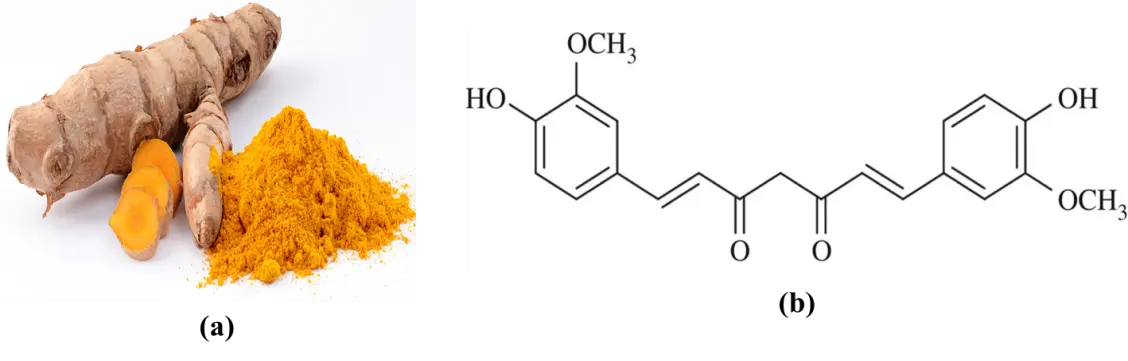
The dye extract of Curcuma longa (turmeric), which is very rich in curcumin, was chemically modified by complexation reaction with Zn2+, Cu2+, and Fe3+ ions to enhance its stability, electron transfer and photovoltaic performance. The dye and complexes were characterized by Ultraviolet-Visible (UV-Vis) absorption and Fourier Transform Infra-Red (FTIR) spectroscopy of potential chromophores and functional groups. The spectral data obtained indicated that the curcuminoid ligands were successfully coordinated with the metal centers, resulting in red-shifted absorption bands from beyond 460 nm and C=O vibrational frequency decreasing below 1650 cm−1. Complexation reaction resulted in improved photochemical response and enhanced light-harvesting potential. When compared, the solar cells fabricated with titanium dioxide (TiO2) photoanodes sensitized by the complexes afforded improvement in the magnitude of short-circuit current density as well as power conversion efficiency compared to the devices sensitized with the crude extract. Among the three complexes, the Zn-complex afforded the highest efficiency (1.20%), attributed to favourable electronic coupling and reduced recombination losses. Computational studies conducted through quantum chemical calculations based on the curcumin structure supported the experimental findings. The findings from this study demonstrate that metal ions-natural dye complexes have potential for application as low-cost, eco-friendly and sustainable sensitizers, thereby opening a novel horizon in green photovoltaic technologies.
Open Access
Article
28 November 2025Sustainable Bioplastic Using Lignin Extracted from Neolamarckia cadamba Bark by Deep Eutectic Solvent
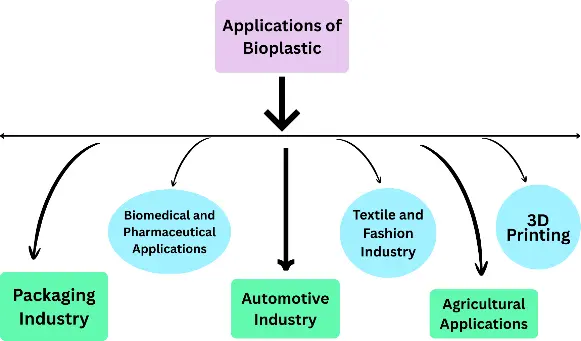
Lignin, a highly complex and abundant biopolymer, forms an integral part of plant cell walls and represents a promising resource for sustainable industrial applications. Lignin has recently gained attention due to its potential use in biofuels, bioplastics, adhesives, and antioxidant formulations. This paper focuses on lignin extraction from Neolamarckia cadamba bark by deep eutectic solvent (DES) composed of thymol and menthol. Extracted lignin and starch (extracted from Colocasia esculenta roots) were used for the synthesis of bioplastic. The extracted lignin was characterized through multiple analytical techniques, including UV-V is spectroscopy, FTIR, and visual staining with safranin. Bioplastic was characterized for thermal resistance, absorbance, and solubility. The moisture content was obtained as 29.59%, water solubility as 72.61% with almost completely (98%) biodegradable. The work contributes to valorising environmental biomass and enhancing the industrial relevance of lignin. Furthermore, it aligns with the sustainable development goals by transforming bio-waste into valuable bioproducts, such as bioplastics, biochemicals, bioadsorbents, etc. The outcomes of this research may serve as a foundation for future studies in lignin-based material innovation and biorefinery integration.
Open Access
Article
28 November 2025Binocular Camera-Based Depth Recognition for Motion Monitoring and Response Analysis of Flexible Floating Structures for Offshore Photovoltaics
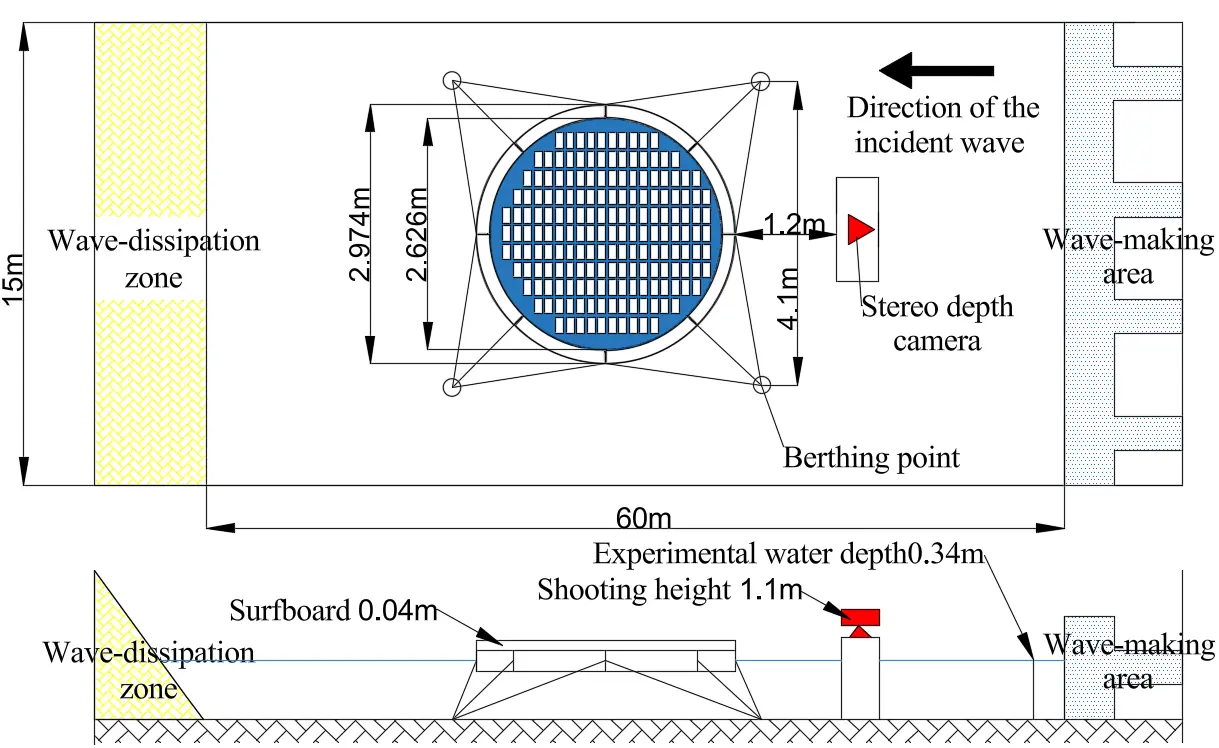
Driven by the global goal of carbon neutrality, offshore floating photovoltaic (OFPV) technology has become a primary focus of photovoltaic research. In particular, flexible thin-film structures have become a central focus of research in sustainable energy development. It offers numerous advantages, including light weight, low cost, and strong adaptability to the marine environment. However, traditional experimental methods still face challenges in accurately capturing the motion response of flexible thin films. To address this issue, this study proposes a motion measurement and monitoring framework based on binocular vision. The framework is validated using gyroscope data, and the results demonstrate its high accuracy and real-time performance. The research team conducted experiments on a flexible floating photovoltaic structure in a wave flume, applying the proposed framework to monitor its motion response under wave excitation. The experimental results show that wave height and wave period have significant effects on the acceleration response of the thin film: higher wave heights lead to notably greater accelerations, whereas longer wave periods result in a gradual decrease in acceleration. Overall, the proposed framework provides reliable technical support for the design optimization and safety assessment of flexible thin-film FPV structures.
Open Access
Article
27 November 2025The Limits of RGB-Based Vegetation Indexes under Canopy Degradation: Insights from UAV Monitoring of Harvested Cereal Fields
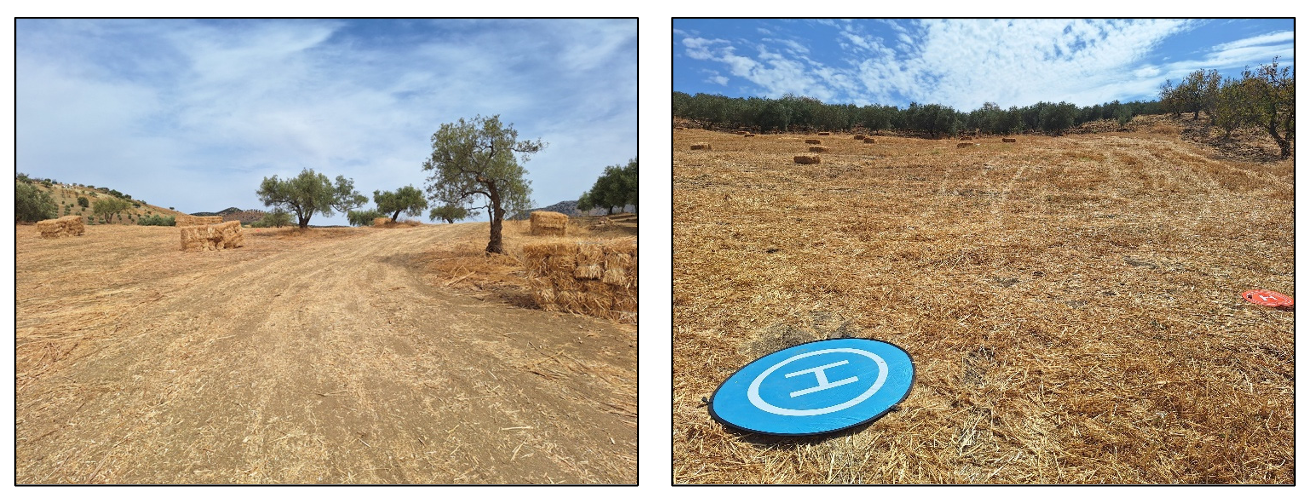
Unmanned Aerial Vehicles (UAVs) equipped with RGB cameras are increasingly used as low-cost tools for crop monitoring, offering a range of vegetation indexes in the visible spectral range. These indexes have often been reported to correlate with other multispectral indexes such as the Normalized Difference Vegetation Index (NDVI) during active growth stages. However, still efforts should be done about their performance under conditions of canopy degradation. In this study, UAV flights were conducted over a cereal field immediately after harvest, when the canopy consisted mostly of bare soil and dry residues. RGB-based indexes were calculated from the orthomosaic, normalized to a [0–1] scale, and compared to NDVI derived from a multispectral sensor. Data preprocessing included ground control point (GCP) georeferencing, removal of NoData pixels, and raster alignment. Results revealed very weak correlations between RGB indexes and NDVI (Pearson r < 0.15), with Visible Atmospherically Resistant Index (VARI) showing almost no variability across the field. Although the Leaf Index (GLI), yielded the lowest error values, all RGB indexes failed to reproduce the variability of NDVI under post-harvest conditions. These findings highlight a critical methodological limitation: RGB indexes are unsuitable for vegetation monitoring when canopy cover is severely reduced. While they remain useful during active growth, their reliability diminishes in degraded or post-harvest scenarios, thereby limiting their application in assessing abiotic stress in cereals.