Found 492 results
Open Access
Article
31 December 2025Comparative Transcriptome Analyses Highlight Distinct Pathogenetic Mechanisms for Pleuropulmonary Blastoma and Congenital Pulmonary Airway Malformations
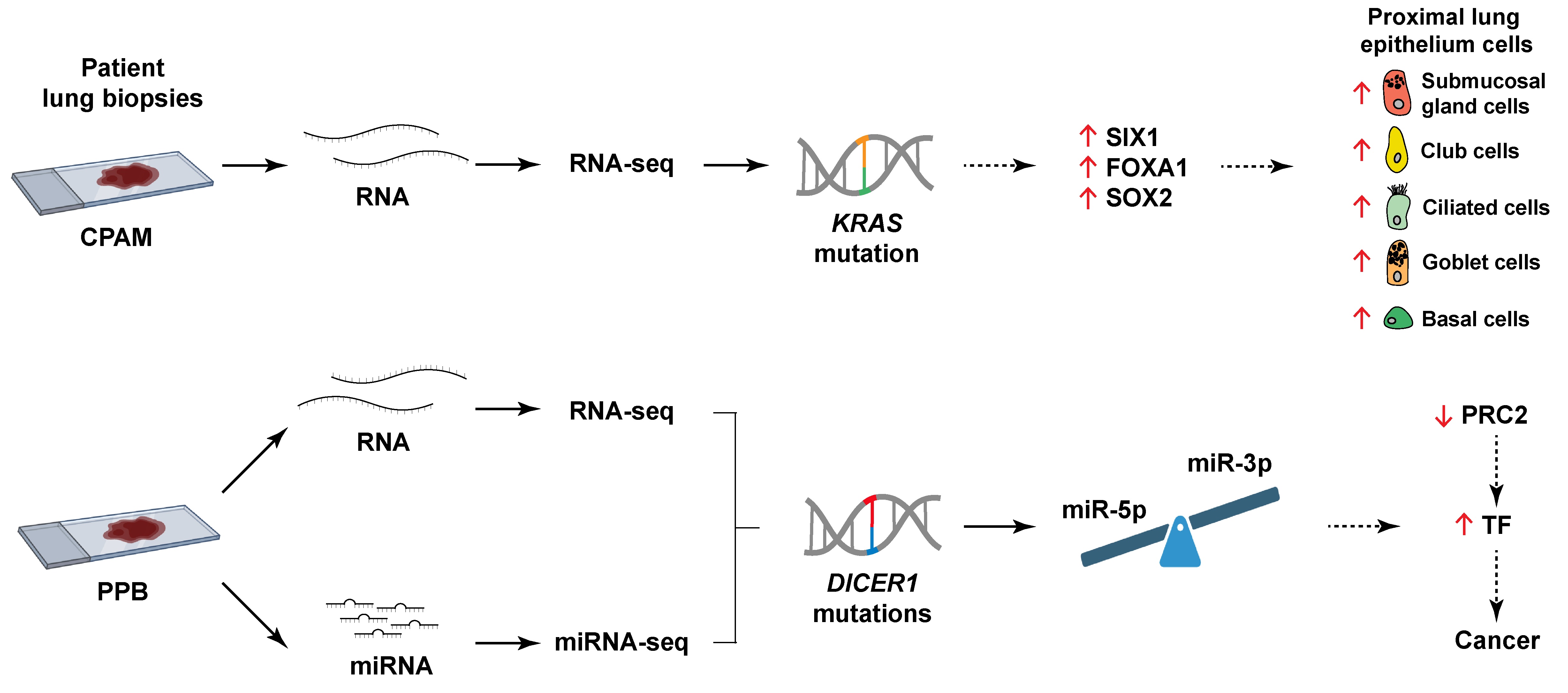
Pleuropulmonary blastoma (PPB) and congenital pulmonary airway malformations (CPAM) are two rare cystic lung diseases occurring in childhood. PPB can evolve from a low-grade epithelial cyst lesion to a high-grade sarcoma with a poor prognosis, whereas CPAM usually has a favorable non-tumorous outcome. Clinical similarities complicate diagnosis and may delay appropriate care. PPB is associated with DICER1 mutations that disturb miRNA biogenesis, altering the miRNA repertoire. Conversely, KRAS mutations are detected in CPAM, but their implication remains unclear. To decipher the mechanisms underlying these diseases, we undertook a comprehensive analysis of molecular variations in CPAM and PPB lung lesions using genome-wide RNA-seq and miRNA-seq assays. Each pathology displayed a distinct expression profile revealing a unique etiology. CPAM presented misexpression of bronchial epithelial markers correlating with KRAS mutation, while changes in expression of distal lung epithelial and mesenchymal markers were PPB-specific. PPB also exhibited abnormal gain of expression of developmental transcription factors, likely due to perturbed Polycomb Repressive Complex 2 (PRC2) activity. Overexpression of miR-323a-3p, which targets the PRC2 subunit EED, correlated with decreased EED expression. Together, these observations propose a PPB pathogenetic mechanism connecting DICER1 mutations and altered miRNA profile to defective PRC2 activity, misexpression of developmental transcription factors, and cancer.
Open Access
Editorial
30 December 2025Immune Escape Mechanisms in Non-Small Cell Lung Cancer: From Biological Complexity to Actionable Targets
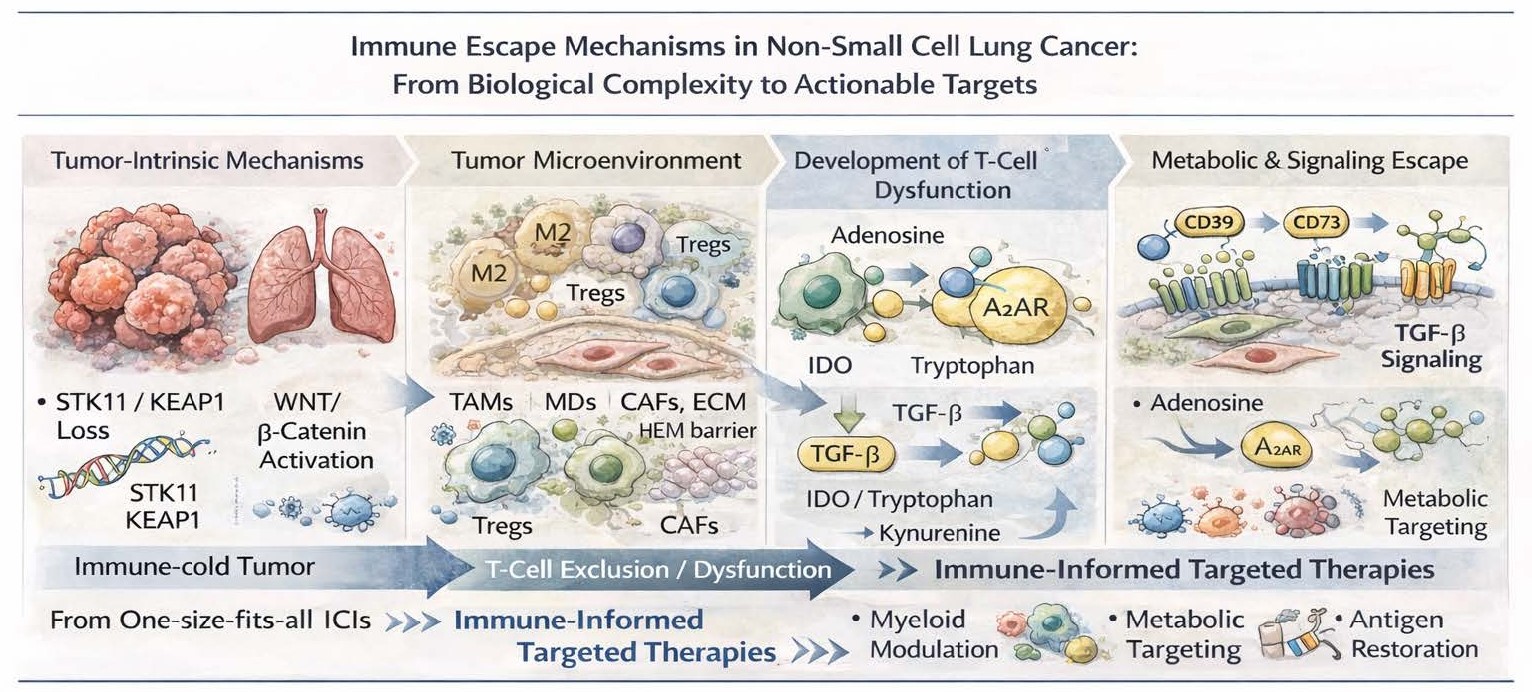
Despite significant progress in immune checkpoint inhibitors (ICIs) and targeted therapies, non-small cell lung cancer (NSCLC) continues to be associated with high rates of primary and acquired resistance. Although PD-1/PD-L1 blockade has revolutionized treatment, its clinical development has largely followed a one-size-fits-all approach, relying on limited biomarkers such as PD-L1 expression or tumor mutational burden. It is now increasingly clear that immune escape in NSCLC is orchestrated by a multifaceted, multilayered network of both tumor-intrinsic alterations and TME (tumor microenvironment)–driven mechanisms. The challenge has been to understand and to therapeutically exploit these immune escape pathways and this knowledge is now needed so that rather than embark on empirical combinations we can advance to rational, immune-informed targeted therapies.
Open Access
Article
30 December 2025Fabrication, Properties of Dense CA6 Refractory and Its Reaction Behavior with Titanium Aluminum Alloy
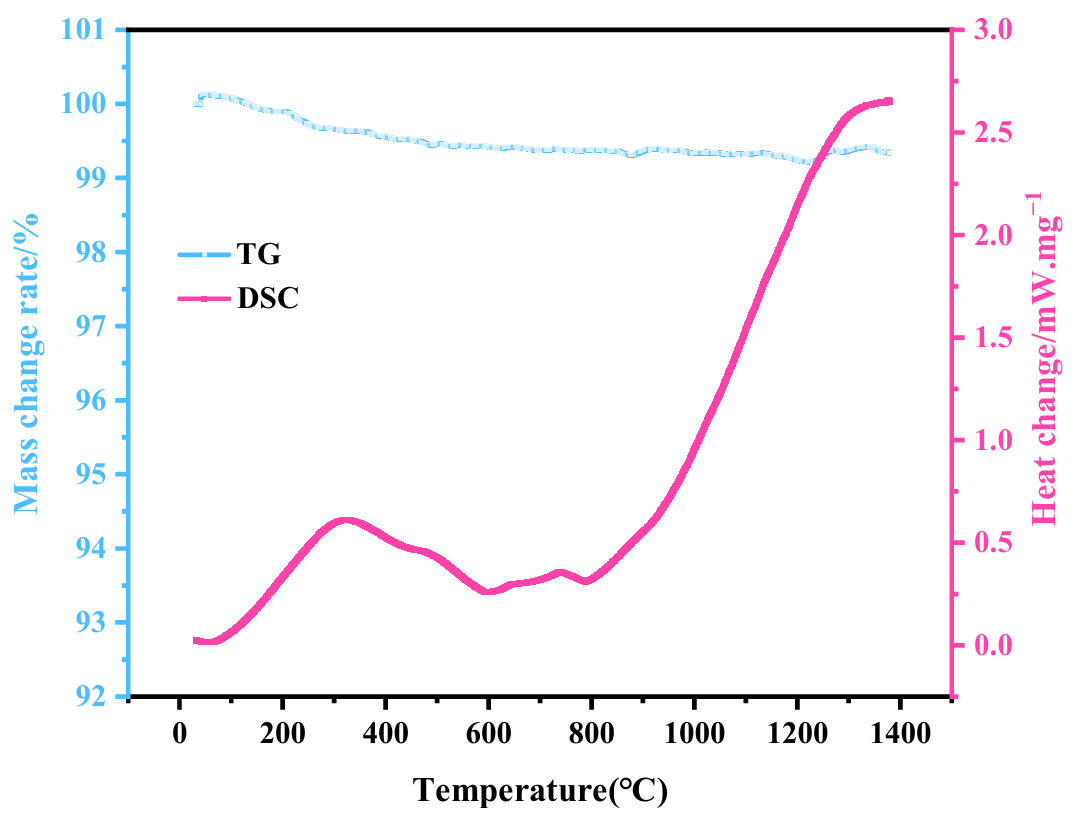
The key objective in the production of titanium-aluminum alloys by vacuum induction melting technology is to develop crucible materials with excellent thermal stability and thermal shock resistance. In this work, a dense CA6 (calcium hexaluminate) refractory material was successfully prepared by a two-step sintering method using industrial Al2O3 and CaCO3 as raw materials. The properties of CA6 refractory and its refaction behavior with Ti6Al4V alloy were investigated, by setting Al2O3 and CA6-Al2O3 materials as control groups. The CA6 refractory showed the highest flexural strength and medium thermal shock resistance. By comparing the reaction behavior of different crucibles with Ti6Al4V alloy, the pure CA6 crucible showed the best resistance to alloy corrosion. It was almost not eroded after melting (only ~100 μm of penetration was observed), and the alloy was the least polluted. Based on the excellent chemical stability and thermal shock resistance of CA6, it could be a potential titanium aluminum alloy smelting material.
Open Access
Article
29 December 2025Vertical Axis Tidal Turbine Behaviour under Sheared Flow Effects
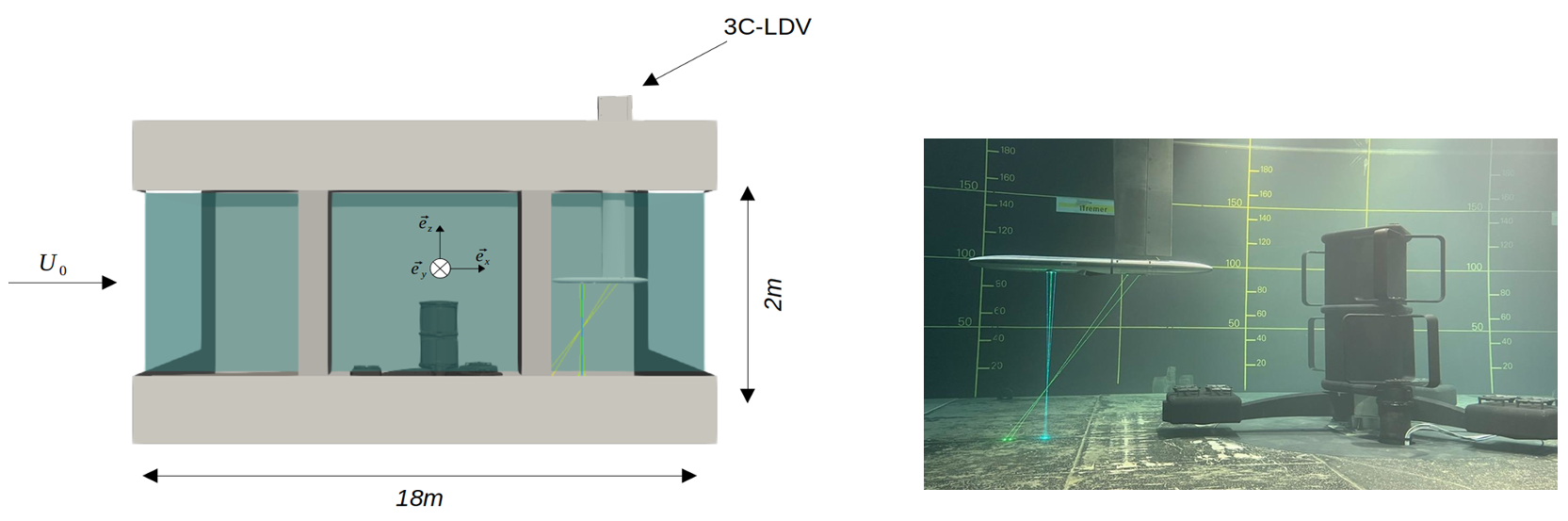
Tidal turbines are often subjected to complex flow conditions that can affect their power output and the risk of failure. In this article, an experimental study on a vertical axis tidal turbine with twin counter-rotating rotors is carried out at 1/20 scale, submitted to a sheared turbulent (ST) flow and a sheared weakly turbulent (SWT) flow. The performance and wake development comparison indicates that the turbine behaves differently depending on the shear rate considered. A 7% decrease in performance is observed at the turbine’s nominal operating point between uniform and ST conditions. The asymmetry of the flow along the vertical axis is reflected in the angular and frequency distributions of the rotor torque, indicating a production asymmetry between the lower and the upper rotors. Analysis of wake development reveals that transport terms constitute the main mechanism of wake dissipation. In the case of SWT and uniform flow, vertical advection largely dominates the other terms, whereas in ST flow, transverse advection is initially predominant. This results in a higher average wake height and a lower average wake width in the ST case compared to the other flow conditions, and a faster wake recovery.
Open Access
Review
29 December 2025Porous Framework Materials for C1 Biotransformation
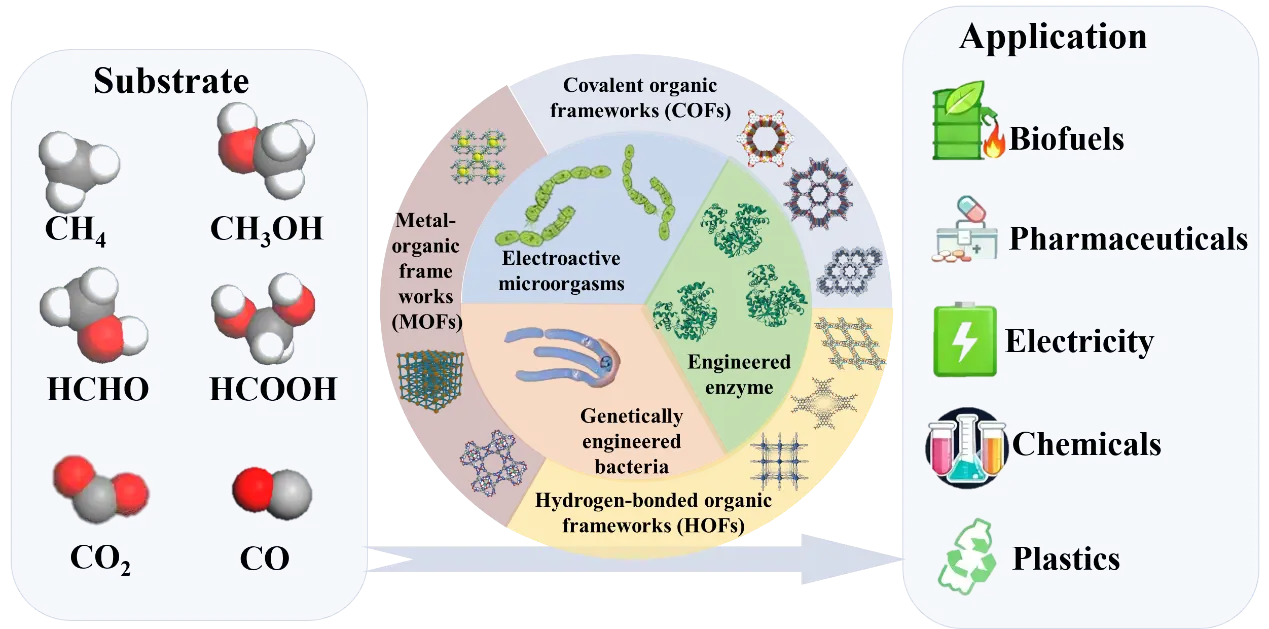
The bioconversion of C1 compounds (CO2, methane, methanol, etc.) constitutes a crucial pathway for green biomanufacturing. However, the process efficiency is constrained by several challenges, including the difficult capture of gaseous substrates, instability of biocatalysts, and the high cost as well as operational complexity of cofactor regeneration. Porous framework materials offer promising solutions due to their high specific surface area, tunable pore structures, and ease of functionalization. This review provides a systematic and forward-looking analysis that moves beyond the conventional view of porous frameworks as simple immobilization matrices. We distinctly highlight their emerging multifunctional and integrative roles in C1 bioconversion, emphasizing several novel strategic contributions: (1) Serving as intelligent immobilization carriers that not only enhance biocatalyst stability and recyclability but also concurrently enable efficient C1 substrate enrichment and localized concentration; (2) Facilitating synergistic energy conversion by interfacing with photocatalysis or electrocatalysis to enable in-situ and sustainable cofactor regeneration, thereby addressing a key economic bottleneck; (3) Actively regulating microbial metabolism and community dynamics through tailored material-microbe interactions, optimizing carbon flux and system resilience; and (4) Mimicking natural enzymes to create robust and tunable biomimetic catalysts for C1 conversion under non-physiological conditions. Remaining challenges, such as mass transfer limitations, the scalability of material synthesis, and the integration of hybrid systems, are analyzed through the lens of these advanced functionalities. We conclude that the synergistic and rational integration of synthetic biology-designed biocatalysts with engineered multifunctional frameworks represents a paradigm shift, paving the way for efficient, stable, and high-value utilization of C1 resources.
Open Access
Article
26 December 2025A Multiplex Flow Cytometric Approach to Define Molecularly Distinct Extracellular Vesicle Subsets
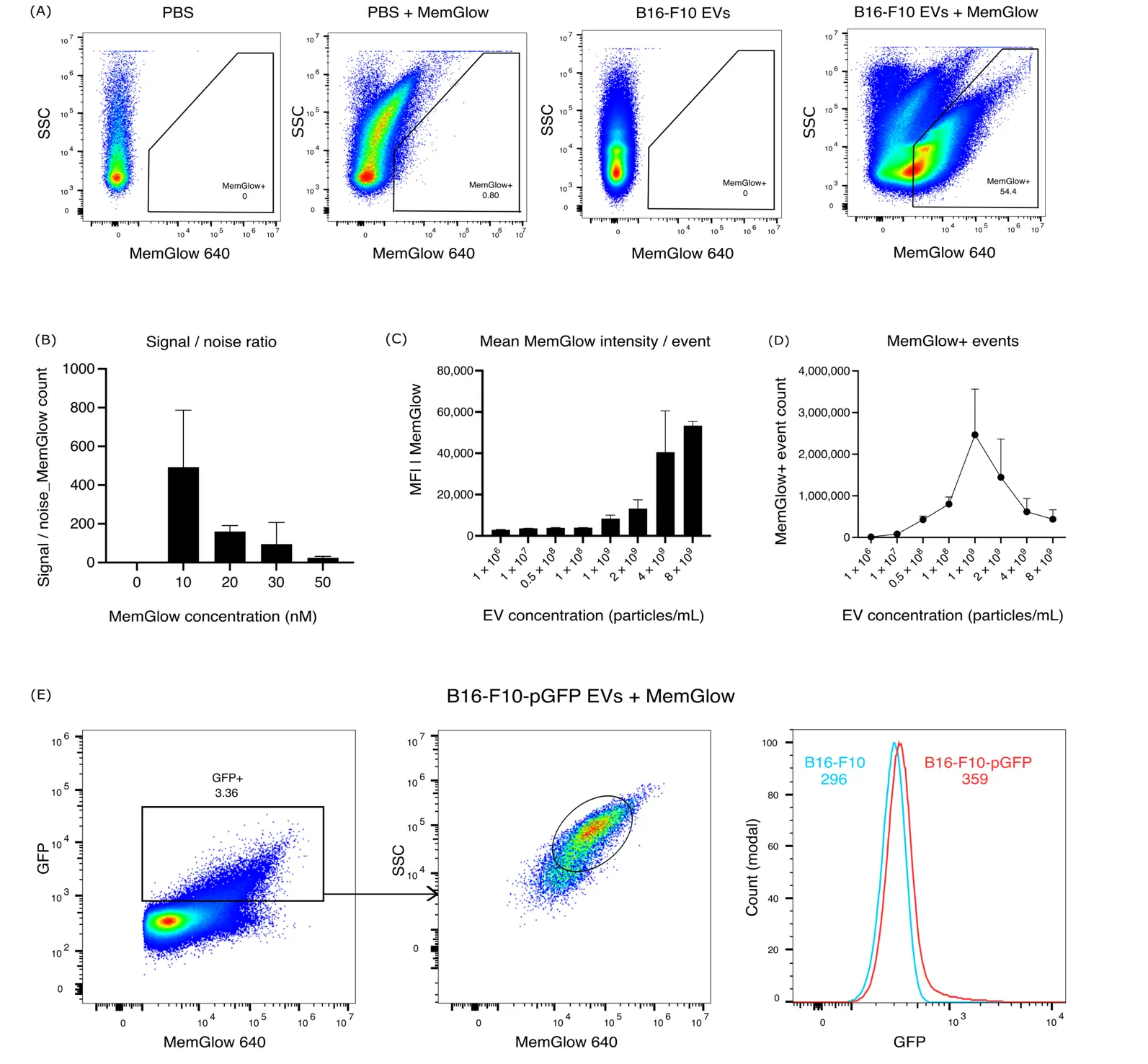
Extracellular vesicles (EVs) are molecularly very heterogeneous, and their characterization at the single-particle level is technically challenging. Existing approaches, such as nanoparticle tracking analysis, fluorescence microscopy, and nano-flow cytometry, provide important insights but often lack the flexibility to detect multiple molecular markers simultaneously. Here, we describe an optimized workflow for multiparametric EV phenotyping using a spectral flow cytometry instrument with enhanced small particle detection capacity. EVs were isolated from murine melanoma and melanocyte cell lines via size-exclusion chromatography and labeled with a fluorogenic membrane probe that enables robust, single EV detection. In this study, we systematically optimized staining conditions, EV concentrations, and fluorophore combinations for a 5-color antibody panel on single EVs. We show that single-particle flow cytometry can reliably detect and resolve multiple EV surface markers simultaneously. Data analysis by unsupervised clustering further enabled unbiased identification of distinct EV subsets, providing a practical approach for EV phenotyping in both research and clinical contexts.
Open Access
Perspective
24 December 2025Revisiting the Conservation Challenges of Wild Argali (Ovis ammon ammon L.) in the Altai Mountain-Steppe under Climate and Anthropogenic Pressures
The high-mountain steppes of South-eastern Altai are a valuable resource for pastoralism—almost the only possible type of economic activity in these places—and the conservation of near threatened species, such as the argali. Argali are the largest and most vulnerable wild sheep (Ovis ammon ammon L.), and are listed in the Red Data Book of the Russian Federation and on the IUCN Red List. The argali is also important in the food chain of another rare and protected species, the snow leopard. This paper presents the results of research into the productivity of argali’s high-mountain steppes habitation in various parts of the Sailugem Ridge, and assesses their pasture degradation. We predict how observed declining pasture productivity due to anthropogenic and climate pressure, as well as argali grazing, will threaten their survival. We propose special measures to reduce the impact of the argali population on the degradation of current pastures, while improving argali conservation in other areas of South-eastern Altai and adjacent territories where the species previously existed.

Open Access
Review
24 December 2025Antiviral Pharmaceuticals as Emerging Environmental Contaminants: Occurrence, Ecotoxicological Risks, and Photocatalytic Remediation Pathways
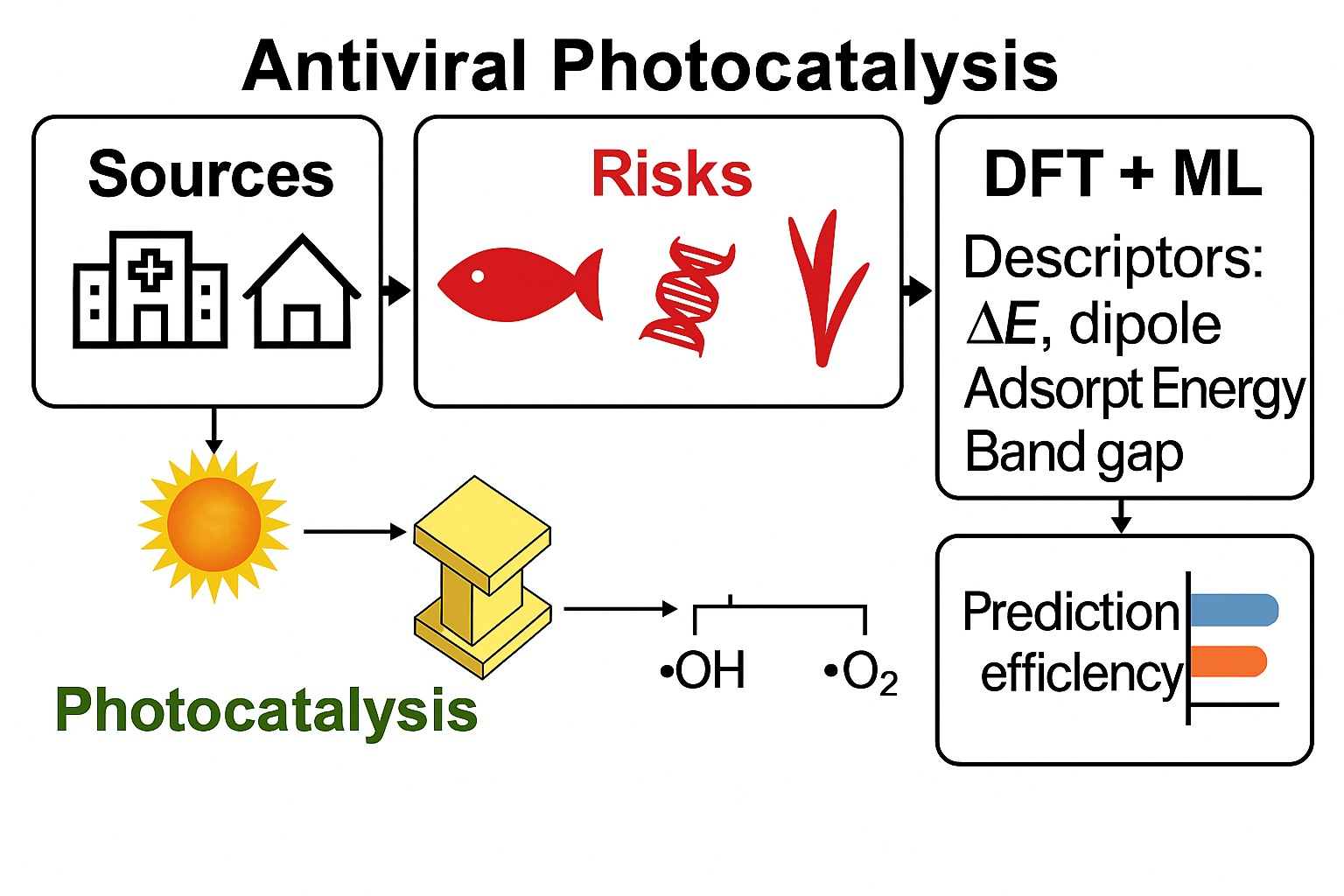
The widespread use of antiviral pharmaceuticals during and after the COVID-19 pandemic has raised growing concerns about their role as emerging environmental contaminants. These compounds, including favipiravir, remdesivir, molnupiravir, and oseltamivir carboxylate, are frequently detected in hospital effluents, municipal wastewater, and surface waters. Unlike many previous reviews that treat pharmaceuticals as a broad and undifferentiated class, this article focuses specifically on antiviral drugs as a distinct group of emerging contaminants and provides an integrated perspective that is still largely missing from the literature. As a review article, this work offers a critical and comprehensive synthesis that brings together environmental monitoring data, ecotoxicological and resistance-related risks, and advanced remediation strategies within a single framework. Particular emphasis is placed on recent advances in semiconductor-based photocatalytic degradation (TiO2, ZnO, g-C3N4, and their hybrids) and on mechanistic insights supported by density functional theory (DFT) and machine-learning (ML) approaches, which are used to link molecular-level properties to degradation efficiency and pathway selectivity. By systematically combining occurrence patterns, risk assessment, and DFT/ML-informed photocatalysis—specifically for antiviral pharmaceuticals—this review is among the first to delineate design principles and knowledge gaps unique to this drug class. The article highlights critical research needs and outlines future directions toward reproducible, computationally guided, and scalable treatment technologies for antiviral pollutants.
Open Access
Review
22 December 2025Text Mining Approaches for Protein Function Annotation: Challenges and Opportunities
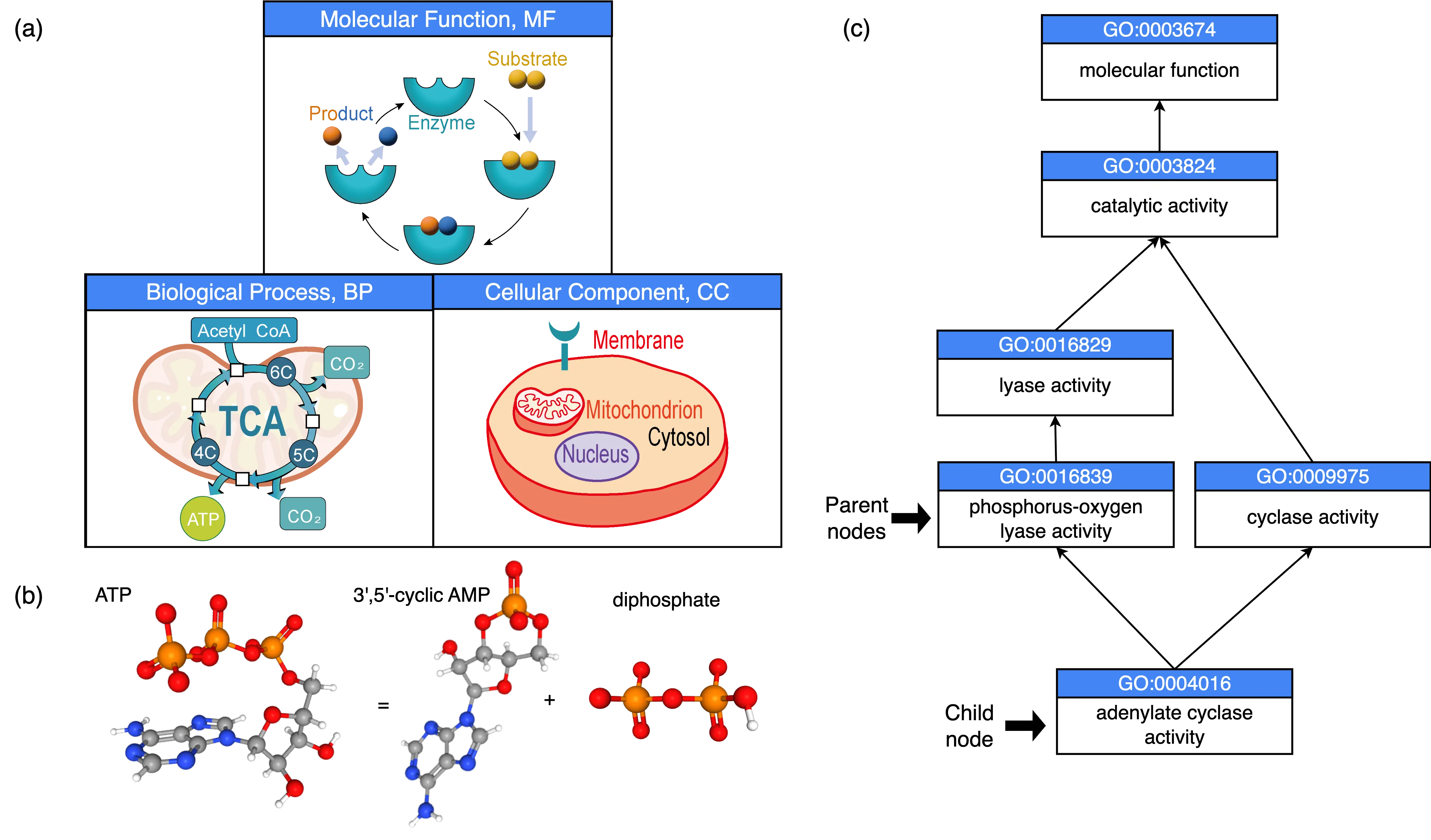
Understanding protein functions is essential for advancing quantitative synthetic biology, which applies quantitative and systems approaches to understand how biological functions emerge from building blocks, thereby guiding the rational design of complex living systems. Apart from a few model organisms, most species contain many proteins with unverified functions, highlighting the need for accurate, automated protein function annotation methods. Recent advances in protein bioinformatics, particularly in predicting structures and functions, have been driven by artificial intelligence (AI), especially deep learning models. Top-performing methods in the Critical Assessment of Function Annotation (CAFA) challenge have leveraged large language models to perform text mining-based protein function prediction, extracting features from scientific literature or using template proteins with similar descriptions in the literature. Despite these advances, several challenges remain. Current predictors often depend on PubMed abstracts curated by UniProt, leading to redundancy with manual annotations and to the overlooking of uncurated or full-text literature that contains richer functional evidence. Few systems automatically classify literature types or assess their relevance, limiting precision and interpretability. Benchmarking remains difficult due to the absence of unbiased gold standards, making it hard to evaluate true predictive capability. Furthermore, integrating heterogeneous evidence—from text, sequences, and structural or network data—presents additional challenges for model harmonization. This review not only summarizes current methods and limitations but also highlights strategies to improve text mining-based protein function annotation using recent AI developments. Overall, this work aims to guide the development of next-generation tools for more accurate and comprehensive protein function predictions.
Open Access
Review
19 December 2025Contemporary Multimodality Imaging Evaluation in Native Aortic Stenosis
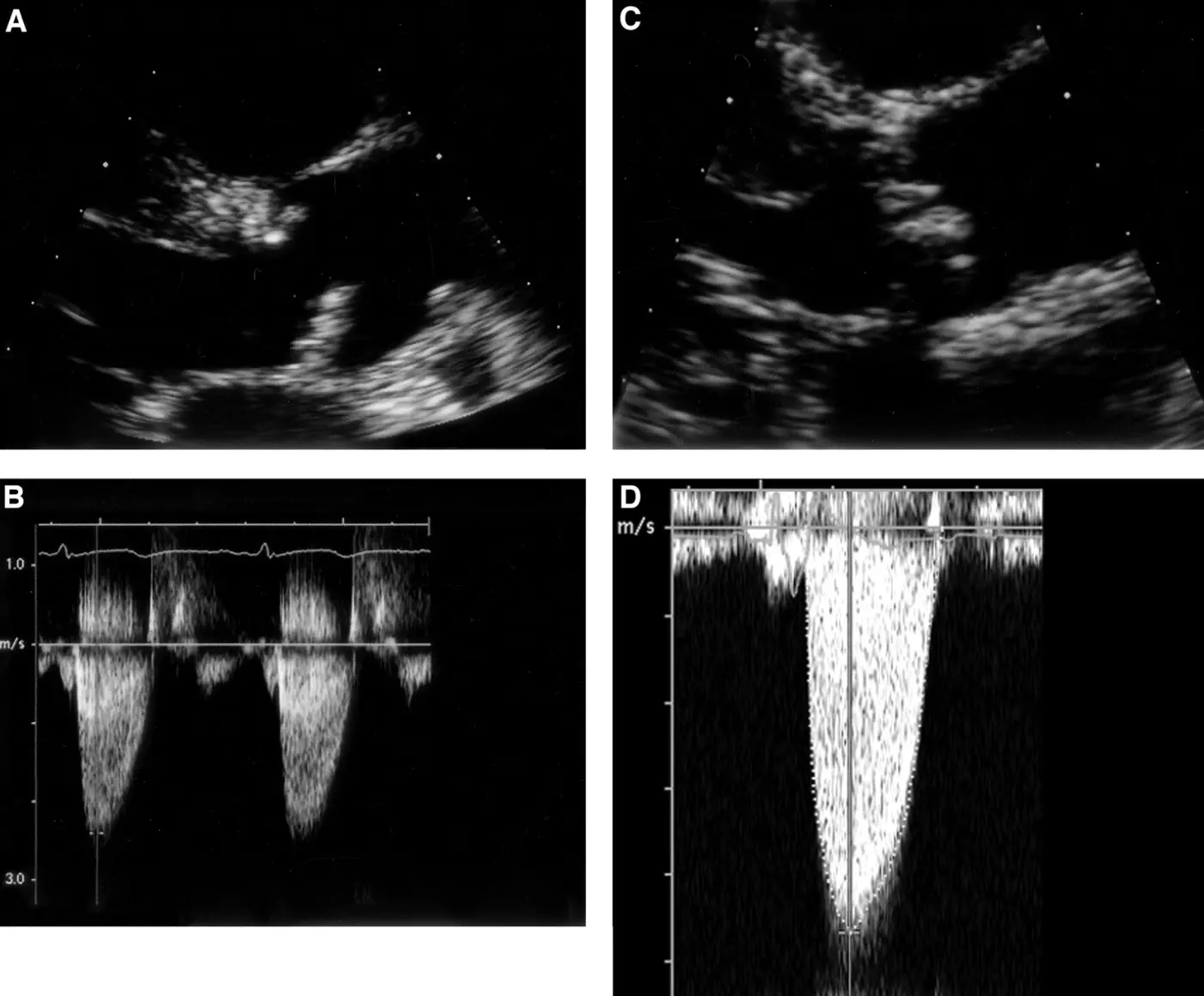
Aortic stenosis (AS) is the most prevalent valvular heart disease in developed nations, with increasing incidence driven by population aging. Early and accurate diagnosis is crucial, as timely intervention significantly improves outcomes. Contemporary imaging plays a central role in the assessment of AS, enabling precise evaluation of valve anatomy, disease severity, left ventricular remodeling, and procedural planning. Transthoracic echocardiography remains the first-line modality, providing essential hemodynamic and structural data. However, limitations in cases of low-flow states, discordant grading, and atypical presentations necessitate adjunctive tools. Transesophageal echocardiography enhances visualization of valve morphology and annular dimensions, particularly for pre-procedural assessment. Cardiac computed tomography (CT) has emerged as a cornerstone in transcatheter aortic valve replacement (TAVR) planning, offering unparalleled spatial resolution for annular sizing, coronary height measurement, and vascular access evaluation. Meanwhile, cardiac magnetic resonance (CMR) provides robust quantification of ventricular volumes, fibrosis, and myocardial strain, serving as a prognostic marker in asymptomatic and borderline cases. The integration of multimodality imaging offers a comprehensive framework, addressing diagnostic ambiguities and guiding individualized management strategies. This review highlights current advances, clinical applications, and future directions in multimodality imaging for AS, emphasizing its pivotal role in optimizing patient selection, risk stratification, and procedural outcomes.