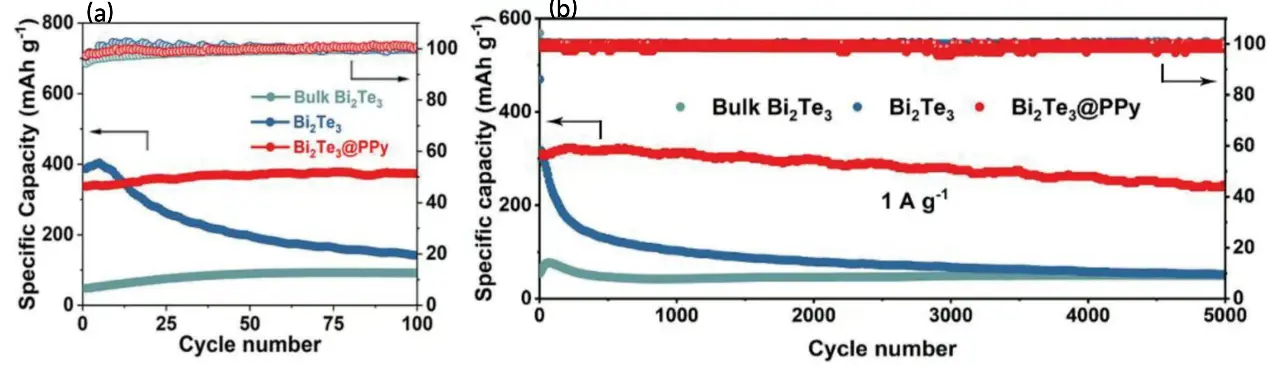
Wearable devices play a crucial role in real-time health monitoring by continuously tracking important physiological indicators such as heart rate, blood oxygen saturation, and body temperature. This not only helps achieve personalized health management but also enables early disease warning. However, traditional rigid power sources (such as lithium-ion batteries) are difficult to adapt to the dynamic deformations of wearable devices in use, such as bending and stretching, and also pose certain safety risks. Therefore, developing flexible energy storage systems that combine high safety, good mechanical flexibility, and high energy density has become an important research direction. Flexible zinc-ion batteries are regarded as a promising solution due to their use of non-flammable aqueous electrolytes, abundant resources, low cost, and good mechanical adaptability. This article systematically reviews the latest progress of flexible zinc-ion batteries, covering key components (electrodes, electrolytes, packaging), device structure design, integration solutions with wearable sensors, and their applications in scenarios such as electrocardiogram monitoring, body temperature tracking, and motion monitoring. The article also explores the current challenges that still exist in terms of energy density, cycle life, mechanical-electrochemical stability, and biocompatibility. Finally, the development directions of future practical applications were prospected, with a focus on innovative material design, structural optimization, intelligent system integration, and the promotion of related standardization.
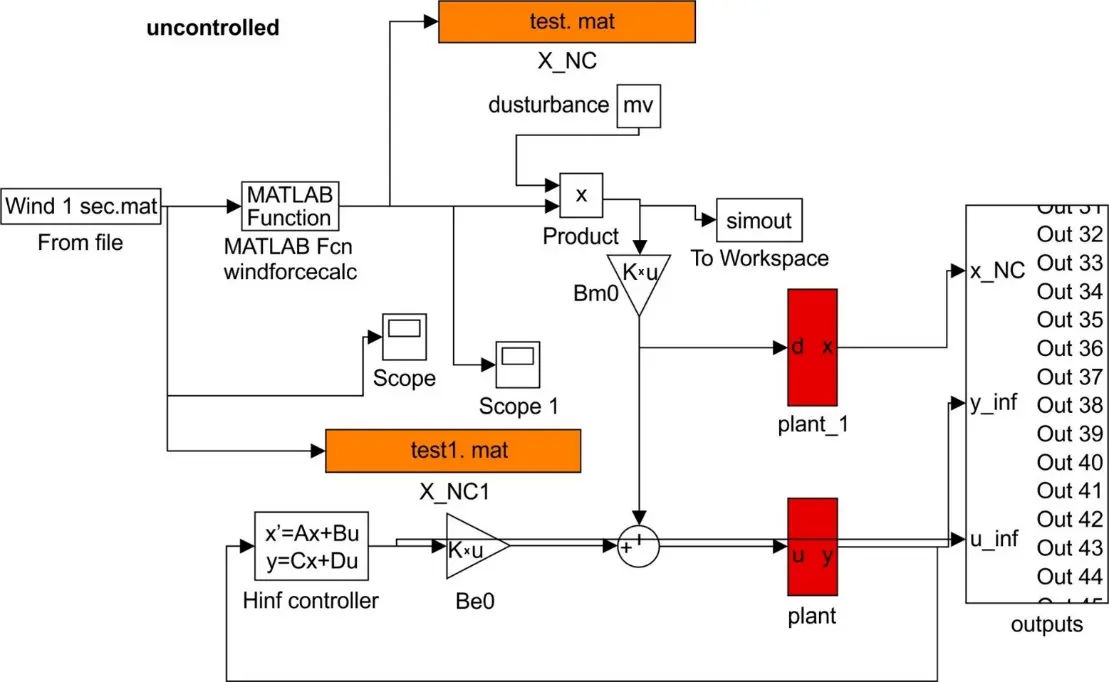
This paper presents developments in the intelligent control of smart structures for sustainable manufacturing. This study aimed to develop advanced control approaches for the intelligent control of piezoelectric structures and suppression of oscillations. A significant achievement is the development of advanced-control algorithms. Robust control techniques, such as H-infinity control, guarantee system performance and stability in the face of uncertainties and disruptions. The addition of white noise and uncertainty to advanced finite element models is a novel aspect of this study. The outcomes of the analysis were used to present the advances made using this method. This approach is innovative because it employs intelligent control strategies that consider construction optimization by reducing the oscillations and measurement noise. By accounting for modeling uncertainty, these methods optimize construction. Optimizing smart structures makes them more sustainable and ideal for practical applications. The proposed construction is sustainable and creates an innovative design for civil and mechanical engineering applications.
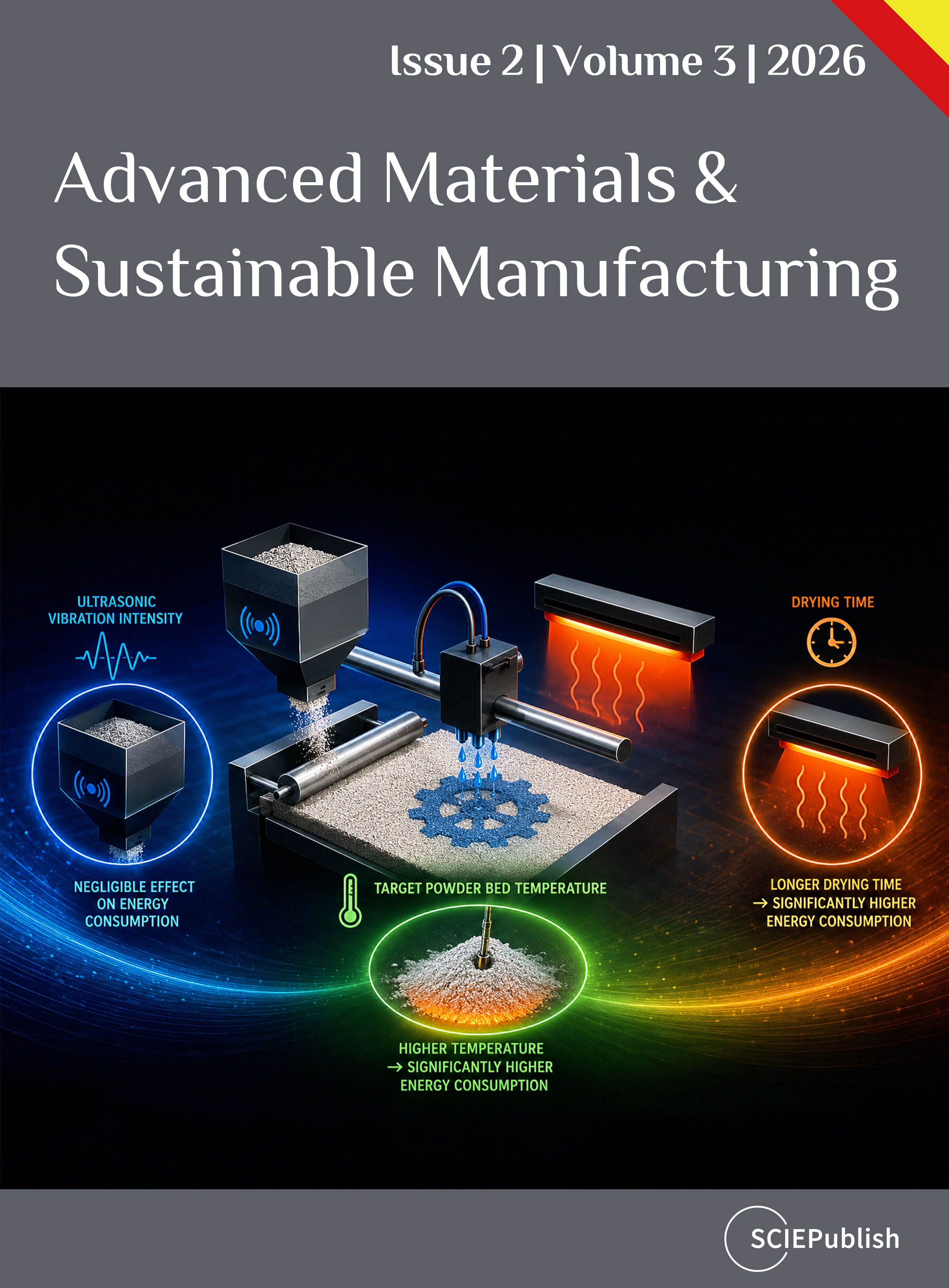
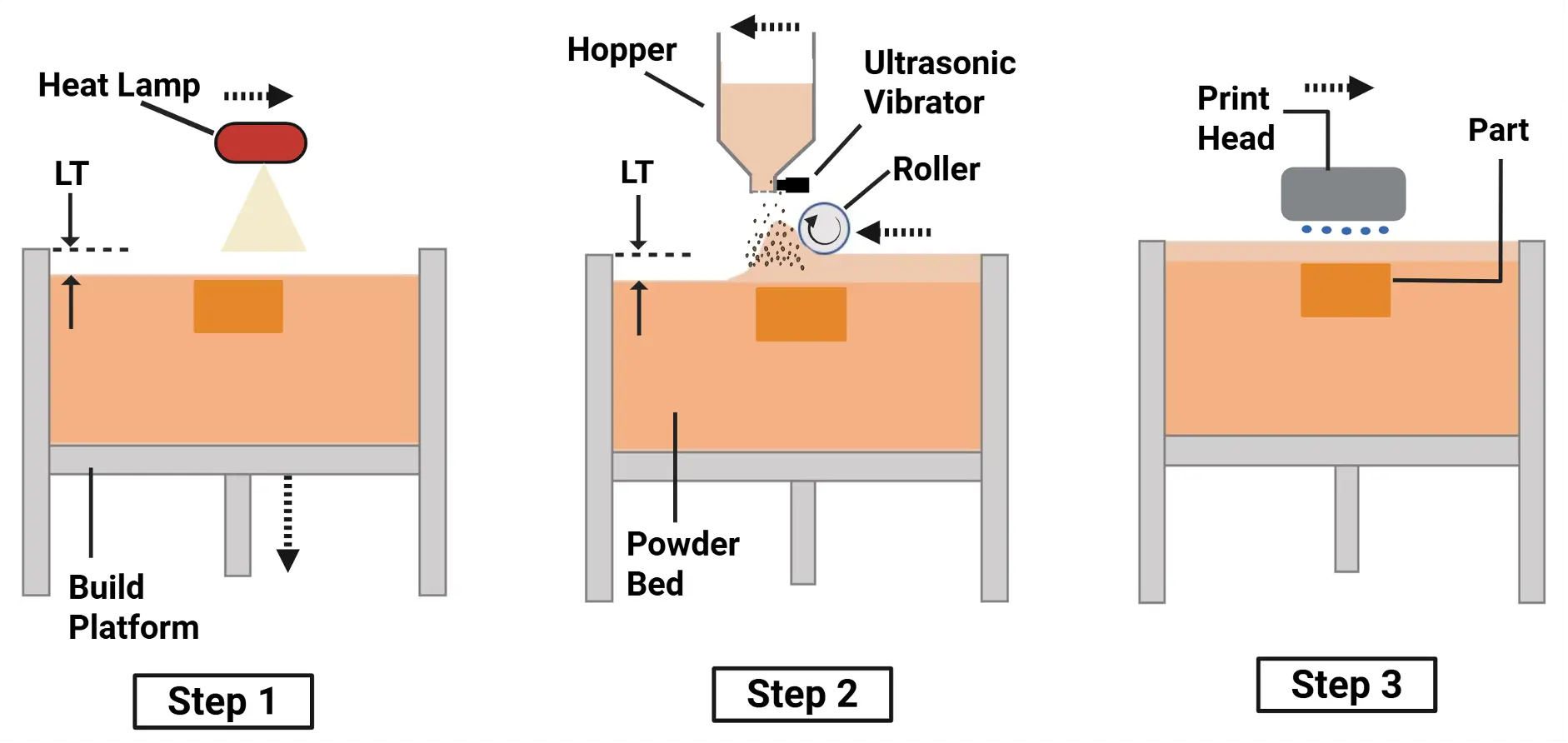
Reported studies regarding binder jetting additive manufacturing have investigated the effects of process parameters (e.g., drying time and ultrasonic vibration intensity) on a range of response variables. However, the effects of these process parameters on the energy consumption of binder jetting printers remain largely unexplored. This study investigates the energy consumption of a binder jetting printer experimentally, focusing on three parameters: drying time, ultrasonic vibration intensity, and target powder bed temperature. Experiments were conducted under controlled conditions designed to isolate subsystem contributions to power consumption, including drying tests without powder and ultrasonic vibration tests without powder dispensing or hopper traversal. Energy consumption was calculated based on the real-time measurements of the electric current drawn by the binder jetting printer during experiments at different drying times (1, 15, 30, 45, and 60 s), ultrasonic vibration intensities (25%, 50%, 75%, and 100%), and target powder bed temperatures (40, 60, and 80 °C). Results showed that longer drying times and higher target powder bed temperatures significantly increased energy consumption, while ultrasonic vibration intensity had a negligible effect on energy consumption. These results provide a basis for understanding energy consumption at the subsystem level, supporting future studies on subsystem-level energy optimization.
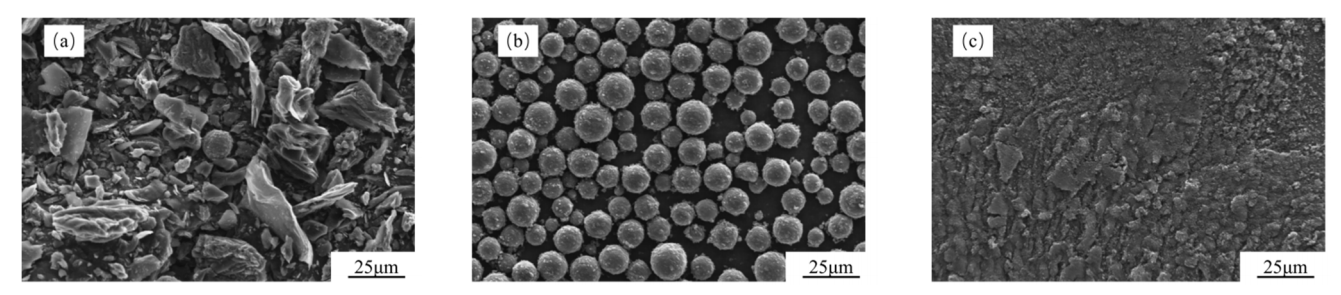
Reaction-bonded silicon carbide (RBSC) ceramics prepared by gel casting and two-step sintering were investigated. Three active carbon sources of petroleum coke (PC), carbon microspheres (MC), and nano-carbon black (CB) were compared in terms of slurry rheology, preform characteristics, sintered microstructure, and mechanical properties. With the active powders of PC and MC, the large particle size resulted in low density of the preform and un-uniform distribution of active carbon. CB addition yielded the highest slurry viscosity, the highest preform density, and the highest carbon density of 1.00 g·cm−3. The higher carbon density and more uniform active carbon translated into the highest SiC phase content and the lowest residual Si after sintering, attributed to the uniform active carbon distribution. A high-performance RBSC ceramic with a density of 3.12 g·cm−3, bending strength of 512 MPa, and Vickers hardness of 2386.6 HV was achieved. The corresponding phase composition was 94.28 vol.% SiC, only 2.22 vol.% residual Si, which is significantly lower than that of conventional RBSC. These results highlight the critical role of active carbon source selection in optimizing RBSC performance through microstructural refinement and residual phase control.
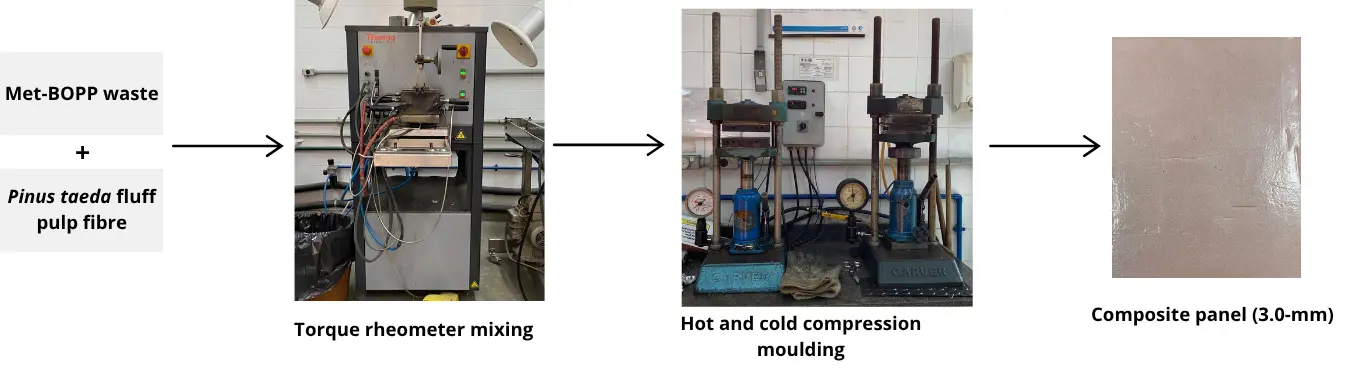
Metallized biaxially oriented polypropylene (met-BOPP) is a flexible packaging material whose aluminium layer hinders mechanical recycling. This study presents a life cycle assessment (LCA) of a met-BOPP composite reinforced with cellulosic fibers, comparing its environmental performance to that of gypsum plasterboard, a conventional material widely used in drywall systems. The functional unit was defined as the production of 1 m2 of board. Primary data were obtained experimentally, and secondary data were sourced from the Ecoinvent 3.6 database, using OpenLCA 2.5 software and the ReCiPe 2016 Midpoint (H) impact assessment method. The results revealed substantially lower potential environmental impacts for the composite board compared to the gypsum plasterboard across several categories, with net environmental credits equivalent to 208% of the gypsum impact in Global Warming Potential, 460% in Marine Ecotoxicity, and 207% in Non-carcinogenic Human Toxicity. The environmental gains of the composite alternative result from the recycling of the post-consumer plastic waste used. A sensitivity analysis using a pure cut-off modelling, in which the met-BOPP waste enters the system burden-free and no valorization credits are granted, confirmed the environmental advantage of the composite in terms of GWP, showing a 90.8% reduction in GWP compared with gypsum plasterboard. These findings support met-BOPP composite panels as a promising low-carbon alternative for the construction sector, aligned with circular economy principles.