Found 26 results
Open Access
Article
24 March 2026Comparing Drone and Satellite DEMs for Hydrodynamic Flood Modeling in a Rural Brazilian Catchment
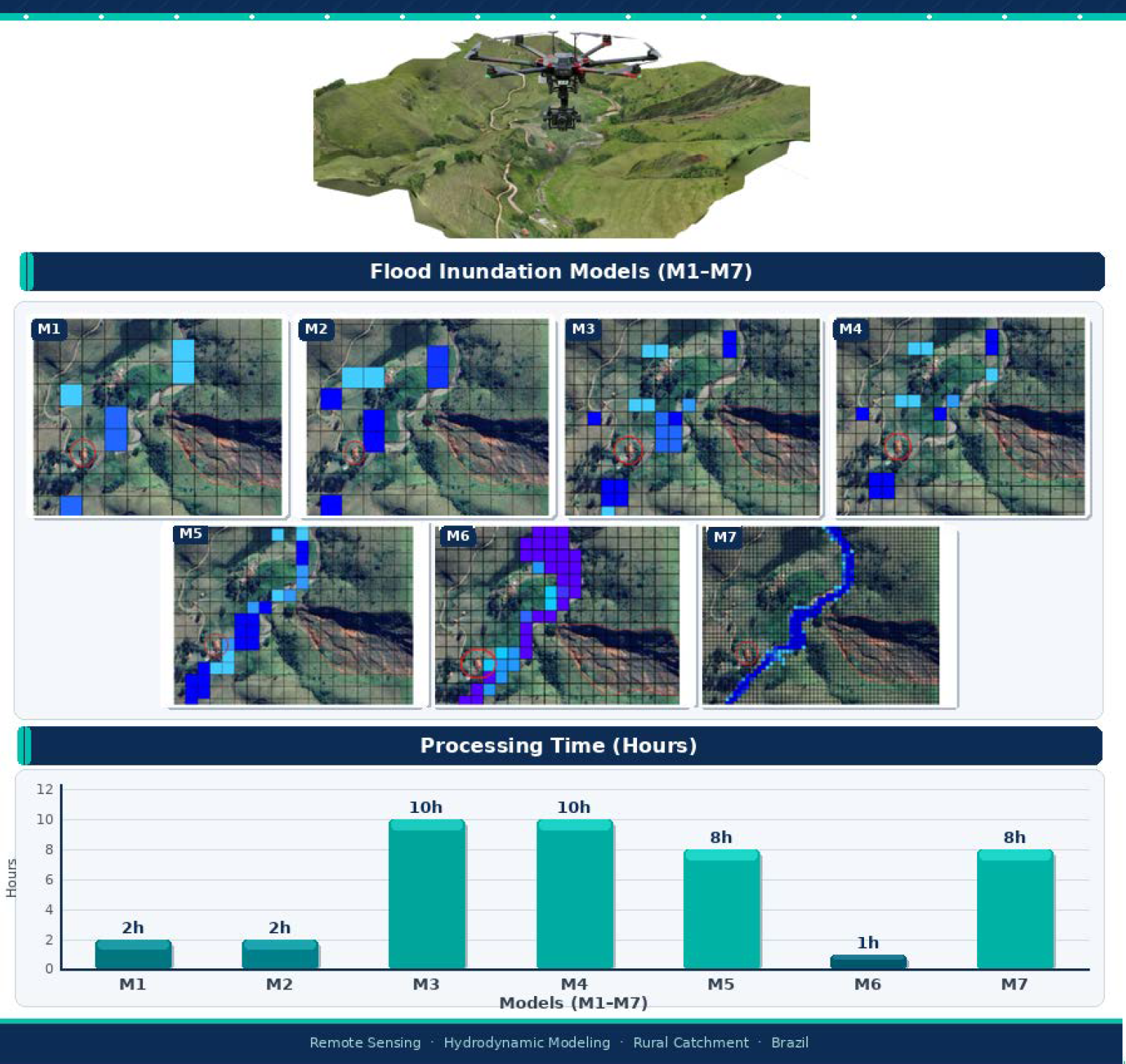
The rural region of the municipality of Bananal (SP, Brazil) experiences recurrent flooding events associated with rising water levels in tributaries of the Bananal River, especially during periods of intense rainfall. This study aimed to compare the performance of different Digital Elevation Models (DEMs), one derived from NASA orbital data and another generated from drone-based aerophotogrammetric surveys, in identifying and mapping flood-prone areas. The objective was to assess whether drone field campaigns are essential for this type of analysis or whether orbital DEMs are sufficient for the hydrodynamic characterization of the area. Hydrodynamic models were developed using the software QGIS, HidroFlu—for watershed parametrization and inflow estimation, and MODCEL—for hydrodynamic simulation, with spatial resolutions of 10 m, 30 m, and 50 m, in order to analyze the impact of topographic detail on simulation results. Two approaches were tested for defining boundary conditions: one based on precipitation data with a 25-year return period, and another based on the Bananal River discharge estimated from the watershed. The results indicated that the model based on the drone-derived DEM, with 10 m resolution and boundary conditions defined by river discharge, showed the best performance in representing floodable areas. However, the findings also highlight that high-resolution DEMs entail higher operational costs, due to the need for field activities and greater computational capacity to run the simulations.
Open Access
Article
23 March 2026Integrating Copernicus Earth Observation and Artificial Intelligence for Habitat Suitability Modeling of Pinctada radiata in Semi-Enclosed Coastal Watersheds of Central Greece
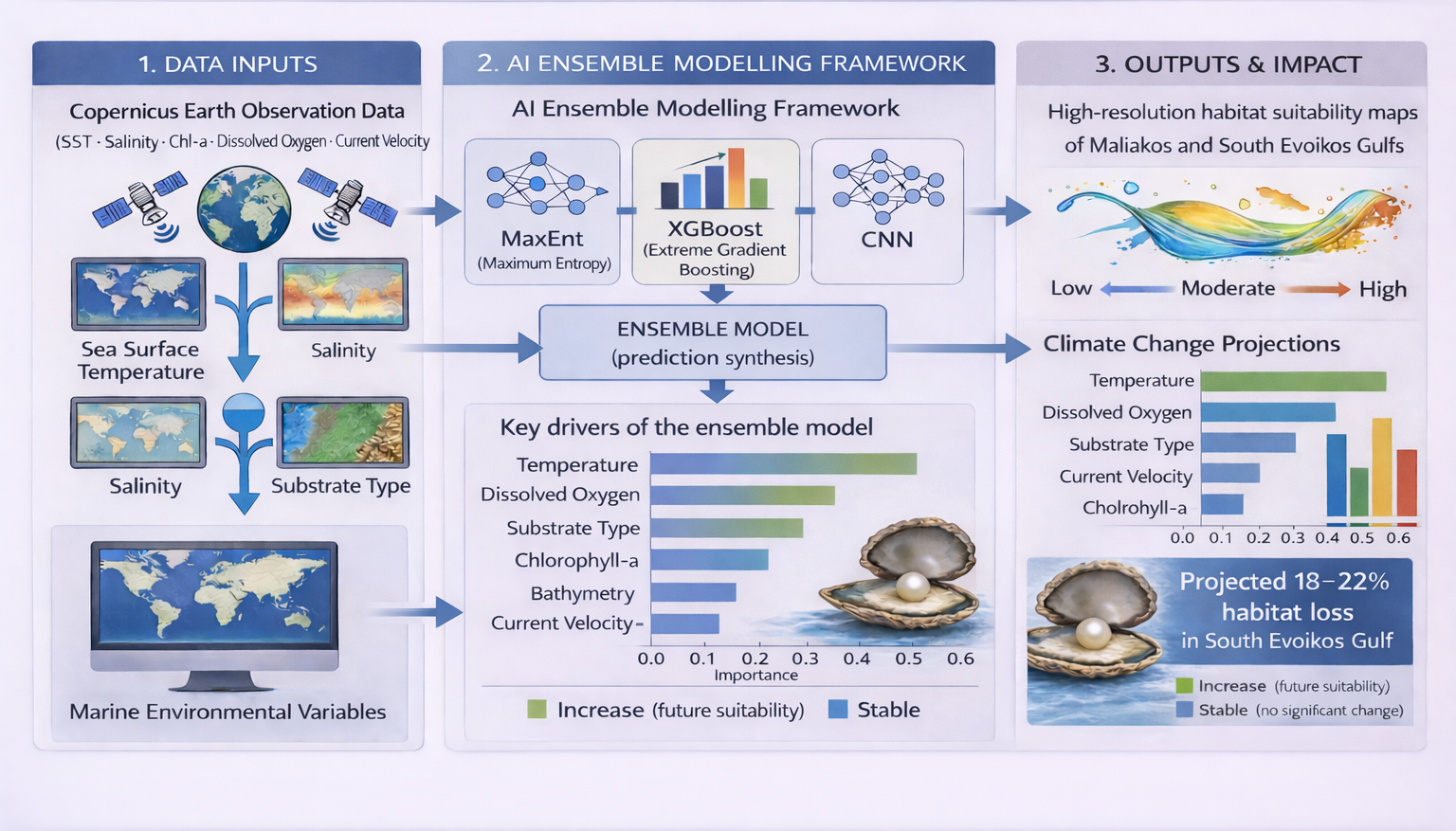
Semi-enclosed coastal systems are highly dynamic environments where benthic organisms are exposed to strong hydrographic gradients and increasing anthropogenic pressures. This study assessed the habitat suitability of the pearl oyster Pinctada radiata in two contrasting Mediterranean gulfs of Central Greece, the Maliakos and the South Evoikos, by integrating Copernicus Earth Observation (EO) products with an Artificial Intelligence (AI) modeling framework. Environmental variables, including sea surface temperature, salinity, chlorophyll-a concentration, current velocity, and dissolved oxygen, were derived from satellite and marine datasets and used to train a multi-algorithm ensemble combining Maximum Entropy (MaxEnt), Extreme Gradient Boosting (XGBoost), and a Convolutional Neural Network (CNN). The ensemble model showed strong predictive skill (AUC = 0.94; TSS = 0.80) and identified temperature, dissolved oxygen, and substrate type as the main drivers of habitat suitability. Spatial projections indicated that roughly two-thirds of the study area currently supports favorable conditions for P. radiata, particularly in shallow, low-energy, mesotrophic zones. Under a simulated +2 °C warming scenario, highly suitable habitats declined by about 20%, highlighting the species’ sensitivity to future thermal stress and subsequent oxygen depletion, demonstrating the value of EO-driven AI approaches for anticipating ecological change in vulnerable coastal systems.
Open Access
Review
26 February 2026Electro-Discharge Machining Advanced Materials under Low Frequency Vibrations: Modeling, Application, and Outlook
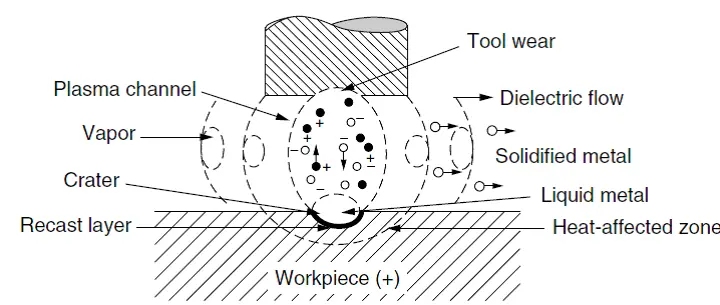
The material removal in Electro-Discharge Machining (EDM) occurs through the generation of high temperatures caused by intense electrical discharges, leading to the melting and vaporization of the workpiece and tool electrode. The ejected molten material solidifies in the dielectric liquid, forming debris that can significantly affect process accuracy, efficiency, productivity, and machinability if not effectively removed from the machining zone. The utilization of Low Frequency (LF) vibration (typically <1 kHz) to assist debris evacuation during Micro-EDM (µEDM) and EDM processes has emerged as a feasible solution. Moreover, the integration of powder into the dielectric medium (Powder mixed EDM, PMEDM) along with LF vibration presents an interactive approach to further enhance process performance. Despite its promise, the field lacks a unified understanding of LFV-EDM’s underlying mechanisms, systematic optimization frameworks, and clear pathways for industrial integration. This paper presents a comprehensive overview of research focusing on the influence of process parameters on key performance indicators such as Material Removal Rate (MRR), Electrode Wear Rate (EWR), surface roughness (Ra), and geometric accuracy in LF vibration-assisted µEDM and EDM. Various optimization methodologies, including statistical modeling, finite element analysis (FEA), computational fluid dynamics (CFD), and advanced techniques like Taguchi and artificial neural networks (ANN) employed in this field are extensively reviewed. Critical analysis of contradictory findings and material-specific responses is included. The review concludes with identified research gaps and prioritized future directions, including hybrid processes, advanced powder materials, and AI-driven optimization for LF- assisted µEDM and EDM processes. This work provides researchers with a consolidated knowledge base, a critical perspective on current limitations, and a prioritized agenda for future innovation, ultimately bridging the gap between laboratory research and scalable industrial application.
Open Access
Communication
06 February 2026Buckling and Post-Buckling Behavior of the Delaminated Composite Plates
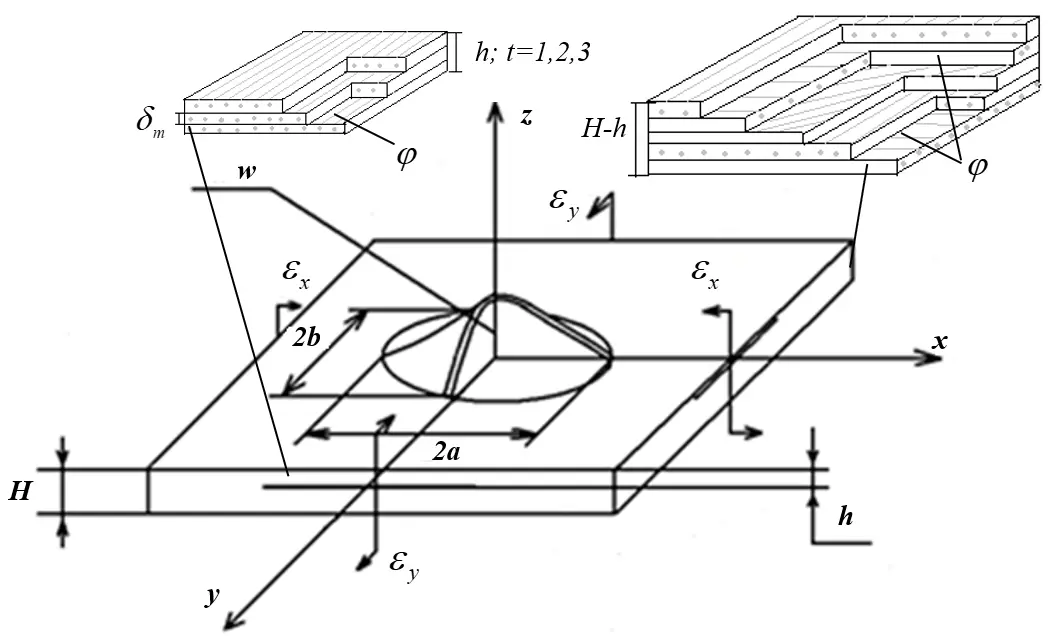
Multilayer composite materials, having high specific strength and rigidity, are sensitive to interlayer defects. The problem of interlayer laminations in a composite plate subjected to a plane compressive load is studied using a new analytical structure previously developed by the authors. Elastic characteristics of a multilayer package of thin lamination, including the elastic characteristics of separate layers, depending on modulus of elasticity, shear modulus, Poisson’s ratio, and angle of orientation of fibers of the unidirectional layer, are determined. Ratios are obtained for the unidirectional composite material that reflect the contribution of each component (fiber, matrix) in proportion to its volume fraction, according to the so-called “mixture rule”. This work examines the behavior after the loss of stability of an elliptical defect in a composite plate. Only the local bulging of the delamination type defect was considered. The difference between this work and others lies in the fact that the application of the developed method, based on the energy approach, makes it possible to obtain explicit analytical expressions for quantities characterizing the critical load and describing the supercritical behavior of the detached part. The energy method is generalized to the case of analyzing the stability of defects in a non-linear formulation. The value of the critical load was obtained, and the analysis of the supercritical deformation of the defect was made.
Open Access
Article
02 February 2026Topology Optimization for Drone Structure: Comprehensive Workflow Including Conceptual Modeling, Components Preparation and Additive Manufacturing
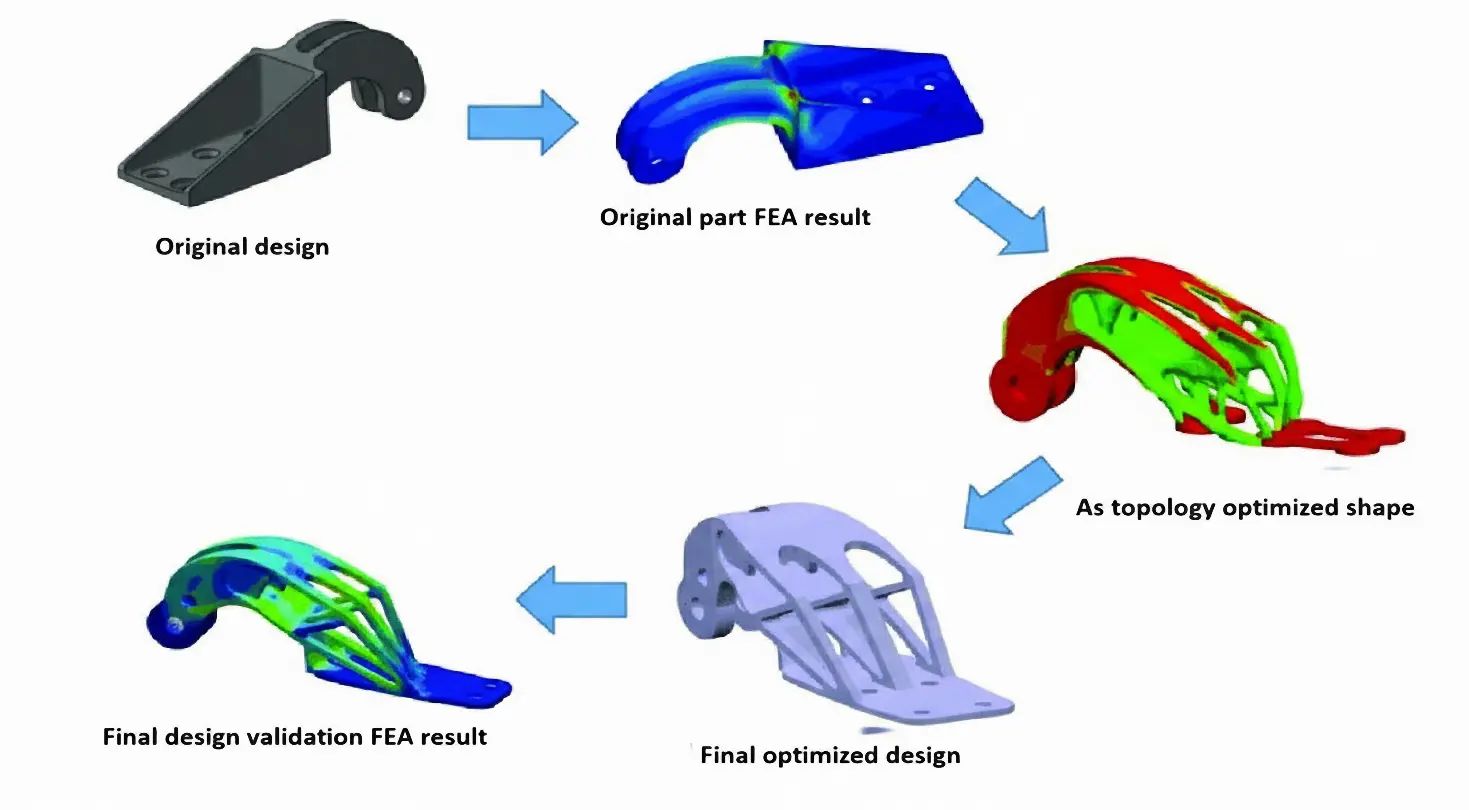
Payload drones are often limited more by frame weight than by motor power. This work aims to design, optimize, and validate a flat octocopter frame with eight independently driven rotors arranged symmetrically on separate arms. The drone frame design in SOLIDWORKS uses Finite Element Analysis (FEA) and topology optimization to remove material from low-stress regions while keeping the main load paths intact. The final design cuts the frame mass by 37.3% compared to the baseline model and reduces the 3D printing time by about five hours using a Creality K1C printer with Polylactic Acid (PLA) filament. These changes increase the available thrust-to-weight margin for payload without exceeding the allowable stress or deformation limits of the material. The electronic components also identified compatible flight controllers, ESCs, motors, and radio systems to show that the proposed frame can be integrated into a complete multirotor platform. Overall, this work demonstrates a practical approach to designing lighter octocopter frames that are easier to 3D print and can be used more effectively for delivery and inspection missions.
Open Access
Review
30 December 2025Advances in Hydrology of Irrigation Districts in Cold Regions
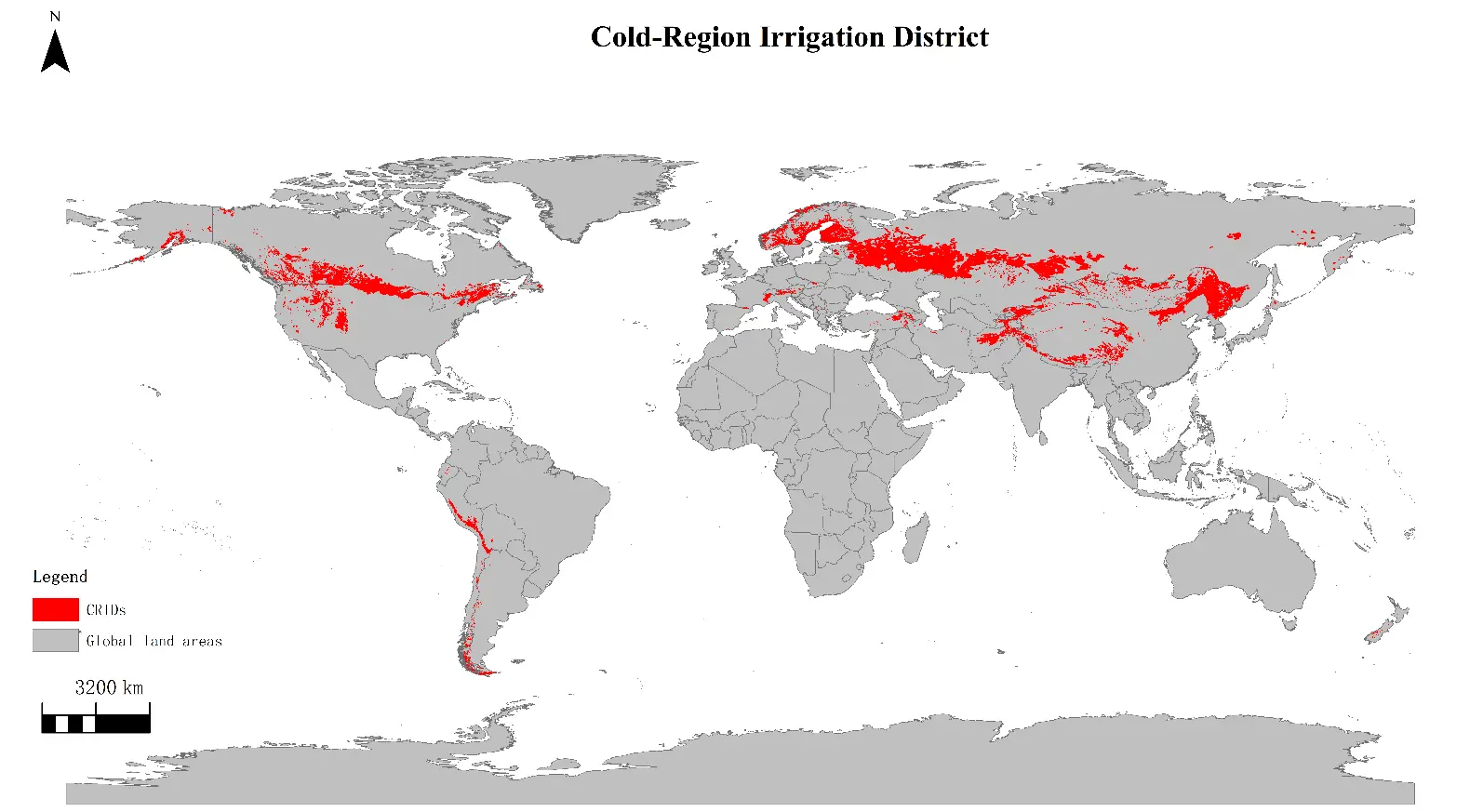
Given the extreme complexity of systems, the strategic importance of water resources, and the high ecological vulnerability in cold-region irrigation districts (CRIDs), research on the hydrological processes in these areas represents not only an interdisciplinary scientific endeavor, but also a critical practical challenge with direct implications for food security, water security, ecological safety, and sustainable regional development in high-altitude and high-latitude regions. The evolution of this field has progressed from early phenomenon identification to mechanistic analysis and, more recently, to multi-process and multi-scale simulation frameworks. This paper provides a systematic review of hydrological processes in CRIDs. It first examines fundamental components such as precipitation, evaporation, snowmelt, and groundwater recharge, highlighting their distinct behaviors under the combined influence of freeze–thaw cycles and irrigation practices, and further discusses the interactions and coupling mechanisms among these processes. Irrigation not only alters soil moisture distribution and freeze–thaw dynamics but also, together with freeze–thaw processes, shapes the transient hydrological dynamics characteristics of water and energy transfer, thereby influencing system stability and agricultural productivity. Hydrological modeling has advanced from simplified empirical approaches to mechanistic frameworks that integrate multiple processes and scales, yet challenges remain in the representation of nonlinear freeze–thaw, the integration of irrigation management, and cross-scale consistency. Moreover, cold-region irrigation districts exhibit heightened sensitivity to extreme events, such as rapid snowmelt, severe droughts or heavy rainfall. Future research should deepen the integration of freeze–thaw mechanisms with crop models, advance multi-scale coupled simulations, enhance long-term monitoring and scenario analysis, and systematically incorporate water–carbon balance and ecological effects into hydrological assessments. These efforts will support sustainable management and precision regulation of water resources in cold-region irrigation districts.
Open Access
Review
17 November 2025Enzyme-Mediated Carbon Dioxide Fixation: Catalytic Mechanisms and Computational Insights
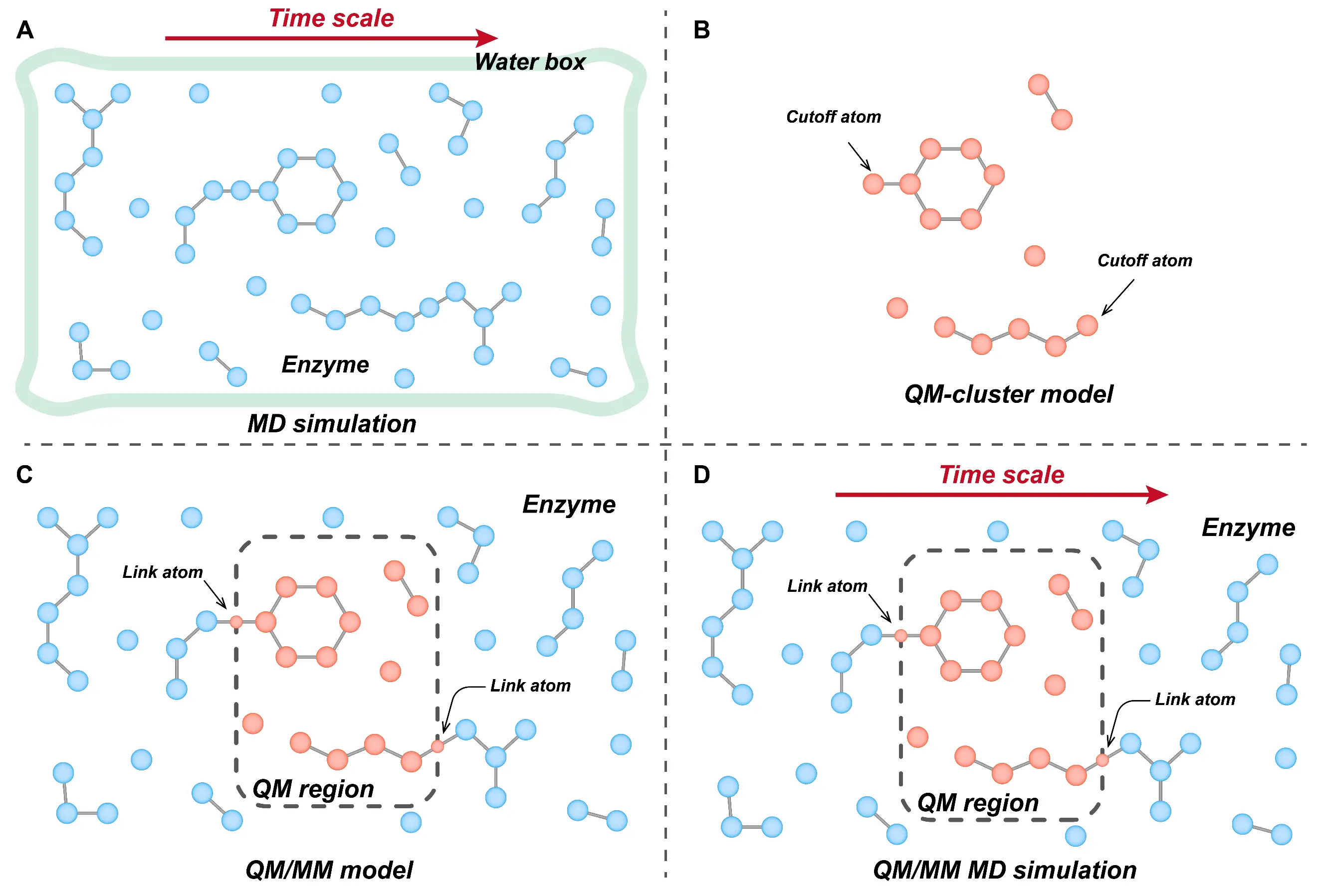
Carbon conversion technologies that transform carbon dioxide (CO2) into high-value chemicals are pivotal for achieving sustainability. Among these, enzyme-mediated CO2 fixation has recently gained increasing attention as a more sustainable and environmentally friendly alternative to traditional chemical methods, which typically require harsh conditions and impose significant environmental costs. Recent advances in computer-aided techniques have greatly facilitated the mechanistic understanding of CO2-fixing enzymes and accelerated the development of enzyme-catalyzed carboxylation strategies. This review highlights recent progress in enzyme-mediated CO2 fixation by categorizing key enzymes into four classes based on their cofactor or metal ion requirements: cofactor-independent enzymes, metal-dependent enzymes, nicotinamide adenine dinucleotide phosphate (NAD(P)H)-dependent enzymes, and prenylated flavin mononucleotide (prFMN)-dependent enzymes. We outline the basic principles and applications of molecular dynamics (MD) simulations and quantum mechanical (QM) calculations, which serve as essential tools for investigating enzyme conformational dynamics and reaction mechanisms. Through representative case studies, we demonstrate how computational analyses uncover catalytic features that enhance CO2 conversion efficiency. These insights underscore the critical role of computer-aided approaches in guiding the rational design and optimization of biocatalysts, thereby advancing the application of enzyme-based systems for CO2 fixation.
Open Access
Article
31 October 2025Performance Evaluation of Machine Learning Algorithms for Predicting Organic Photovoltaic Efficiency
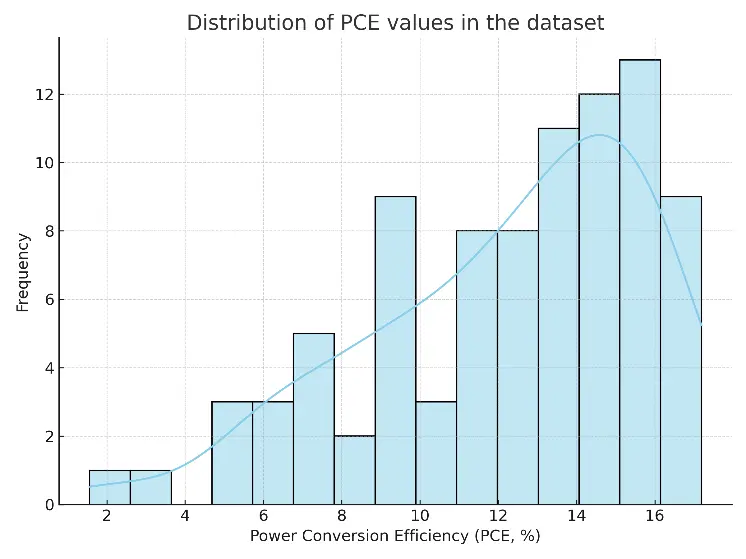
This study forecasts the power conversion efficiency (PCE) of organic solar cells using data from experiments with donors and non-fullerene acceptor materials. We built a dataset that includes both numerical and categorical features by using standard scaling and one-hot encoding. We developed and compared several machine learning (ML) models, including multilayer perceptron, random forest, XGBoost, multiple linear regression, and partial least squares. The modified XGBoost model performed best, achieving a root mean squared error (RMSE) of 0.564, a mean absolute error (MAE) of 0.446, and a coefficient of determination (R2) of 0.980 on the test set. We also assessed the model’s ability to generalize and its reliability by examining learning curve trends, calibration curve analysis, and residual distribution. Plots of feature correlation and permutation importance showed that ionization potential and electron affinity were key predictors. The results demonstrate that with proper tuning, gradient boosting methods can provide highly accurate and easy-to-understand predictions of organic solar cell efficiency. This work establishes a repeatable machine learning process to quickly screen and thoughtfully design high-efficiency photovoltaic materials.
Open Access
Article
23 October 2025New Model of Multicomponent Raw Materials and Its Use in Intensifying Hydrotreating Process of Diesel Fuel
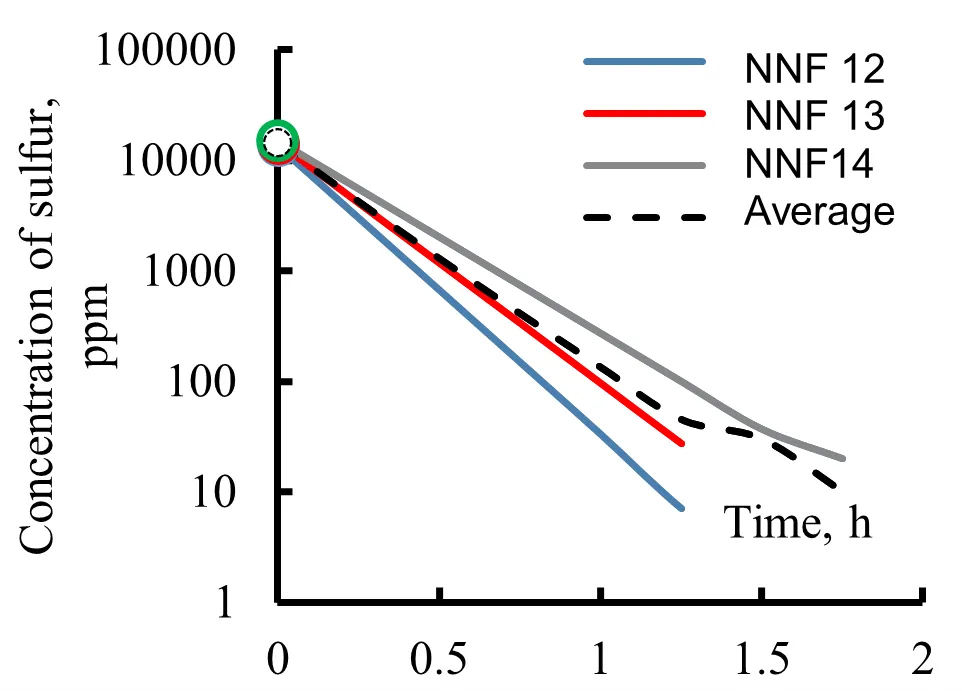
Hydrotreating of diesel fuel aims to reduce the sulfur content in the fuel to 10 ppm to meet environmental standards. However, this deep purification of diesel requires the use of expensive catalysts at hydrotreating plants with giant reactors with a capacity of 200–600 cubic meters. Such large volumes of reactors are associated with classical kinetic methods for chemical reactions, where the feedstock is in the reactor until the required conversion depth is reached. All known mathematical models for diesel hydrotreatment have a common drawback: they rely on approximations about the composition of multicomponent raw materials containing dozens of different organic sulfur compounds that react differently in hydrogenation reactions. This raw material is often presented in a mathematical model as a combination of two to six pseudo-components or lumps combining organosulfur impurities from one or more homologous groups. This theoretical basis allows us to simulate the current state of hydrotreating technology, but does not develop and promote it. We propose a new approach to mathematical modelling of diesel fuel hydrotreating, in which the structure of the mathematical model considers the composition of raw material as a set of 10–20 narrow fractions. The set of hydrogenated organosulfuric impurities within each fraction is treated as a single pseudocomponent. This allows us to integrate the system of differential equations of the model and adapt the rate constant to the concentration of hydrogenated organosulfur impurities at any given time during the process. The developed model has also allowed us to propose a new technology, hydrotreatment: separating the feedstock into two or three wide fractions, combining the corresponding narrow fractions, and then subjecting them to individual hydrogenation processes. As a new approach, this differential hydrotreatment technique will reduce the catalyst load in the hydrotreatment unit by approximately 50%, while maintaining efficiency of processing, or double efficiency while maintaining a similar catalyst load using traditional technology.
Open Access
Opinion
29 September 2025Modeling Cardiac Response to Transient Hemodynamic Changes: Beyond dp/dt Max and New Insights from IVCO and ES Point Analysis
Traditional indices such as dp/dt max remain widely used in assessing ventricular contractility, yet their load-dependence limits clinical precision, particularly during dynamic hemodynamic shifts. This letter to the Editor advocates for a more physiologically grounded approach using dual pressure catheters equipped with two high-fidelity sensors, one in the left ventricle (LV) and one in the aorta, to capture real-time pressure gradients and valve events with high temporal resolution. When combined with transient inferior vena cava occlusion (IVCO), this setup enables accurate identification of the true end-systolic (ES) point, typically marked by dp/dt min or the dicrotic notch on the aortic pressure waveform. This method allows for the construction of more physiologically valid end-systolic pressure-volume relationships (ESPVR). It introduces the novel peak pressure end-systolic pressure-volume relationship (PPESPVR) model, which links peak LV pressure to the ES point within a single cardiac cycle. The resulting volume intercept (Vint) and end-systolic fraction (ESF) offer new insights into myocardial performance under varying preload and afterload conditions, without requiring extensive hemodynamic manipulation. This dual-sensor approach not only enhances diagnostic accuracy but also opens the door to real-time, patient-specific contractility assessment in both research and clinical settings.