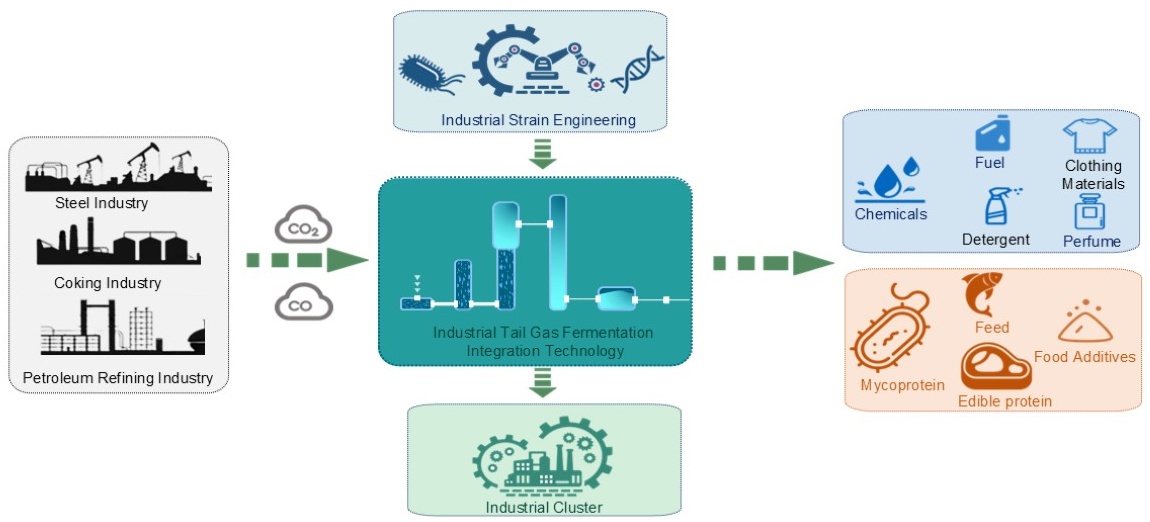
In the context of the global carbon neutrality strategy, syngas fermentation technology has emerged as a research hotspot in biomanufacturing because it can recover and convert industrial exhaust gas. Relying on the Wood-Ljungdahl pathway in acetogens, this technology converts gaseous substrates, such as CO and CO2, into high-value-added chemicals. However, bottlenecks including low gas-liquid mass-transfer efficiency and challenges with scale-up, severely limit its industrialization. The review focuses on core research-level topics, including the key enzymatic mechanisms of acetogens, metabolic regulation strategies, and high-throughput strain construction technologies; systematically analyzes the feed gas pretreatment process, design principles of large-scale reactors, fermentation process optimization, efficient product separation and purification technologies, and full-process integration at the process level; and summarizes techno-economic analysis and global policy support for industrial application. Finally, it thoroughly analyzes the core challenges of this technology across core mechanisms, engineering operations, economic markets, and industrial chain coordination, and outlines the future development direction of the technology. By systematically collating the syngas fermentation technology system and its industrialization bottlenecks, this review provides references for its industrialization. It is positioned to boost the economic viability and industrial appeal of the CCUS system, acting as a pivotal engine for advancing deep industrial decarbonization and fostering emerging green industries.
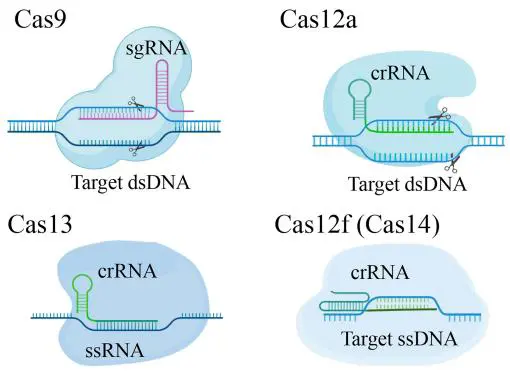
Rapid advances in CRISPR/Cas systems and the growing global demand for rapid, accurate diagnostics underscore the necessity of reviewing how these technologies are transforming molecular testing. Conventional diagnostic approaches are frequently constrained by prolonged turnaround times, complex instrumentation, and limited analytical sensitivity, and these limitations were starkly highlighted during the COVID-19 pandemic. In this context, we present a comprehensive and timely overview of CRISPR/Cas-based molecular diagnostics. We begin by summarizing the classification and molecular mechanisms of CRISPR/Cas types I–VI, followed by a detailed discussion of innovative detection strategies such as SHERLOCK, DETECTR, and amplification-free platforms that significantly enhance analytical sensitivity and specificity. We further explore clinical applications across infectious disease surveillance, antimicrobial resistance profiling, early cancer detection, genetic variant identification, and the emerging detection of non-nucleic acid biomarkers. Finally, we discuss future perspectives, including the development of miniaturized, high-throughput, and AI-assisted diagnostic platforms, their integration with microfluidics and portable readout systems for point-of-care applications, and highlight critical challenges such as standardization, automation, and cost-effectiveness that must be addressed to facilitate clinical translation.
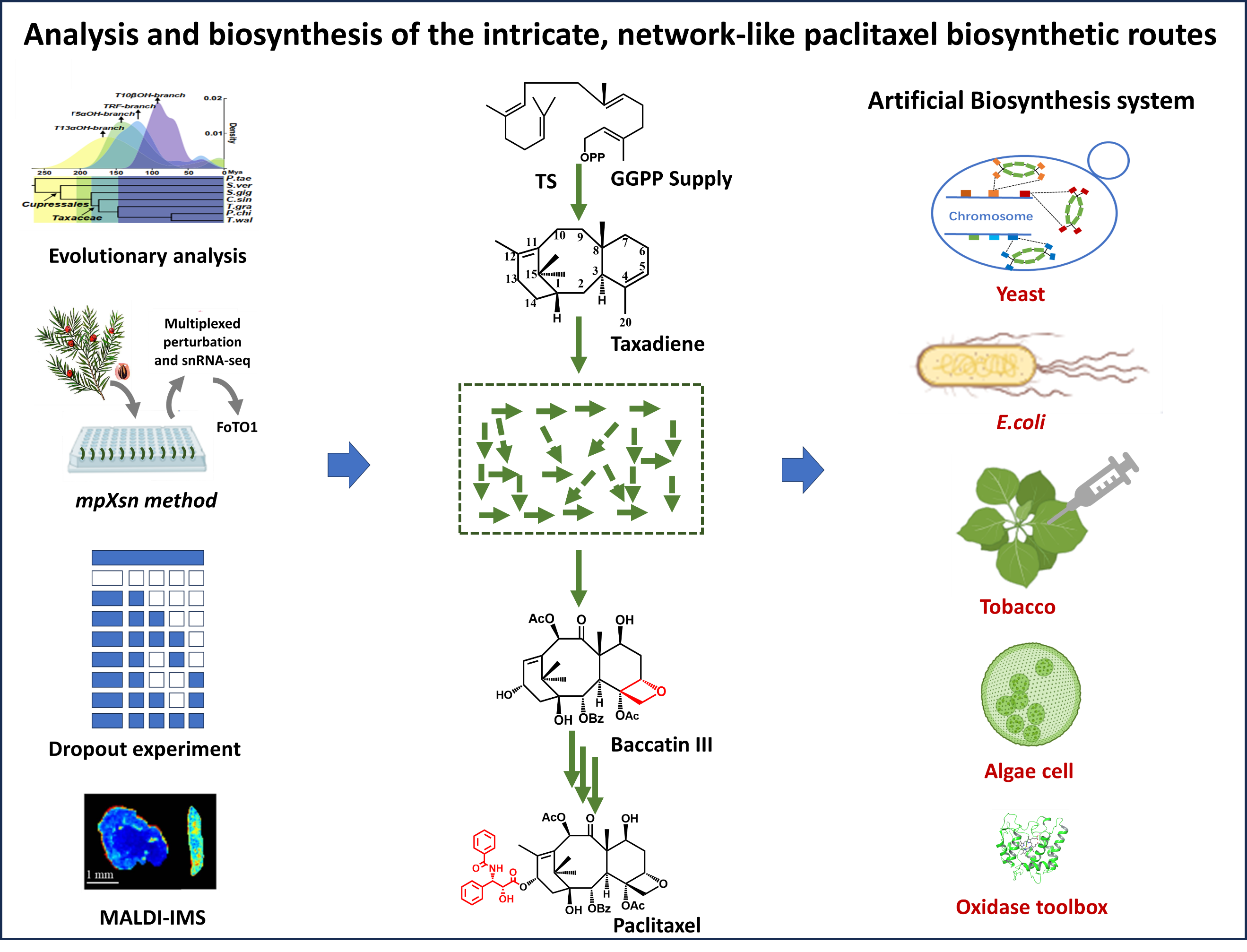
Paclitaxel (Taxol) is a clinically important diterpenoid anticancer drug whose industrial production remains constrained by limited Taxus resources and semi-synthetic routes. Driven by the rapid advancement of genome mining and synthetic biology technologies, the past two years have witnessed substantial breakthroughs in elucidating the biosynthetic pathway of paclitaxel. The pathway constitutes an exceptionally complex biosynthetic network comprising approximately 20 enzymatic steps, predominantly catalyzed by cytochrome P450 monooxygenases, 2-oxoglutarate-dependent dioxygenases (ODDs), and acyltransferases. Nevertheless, microbial production of paclitaxel remains highly obstructed, largely due to inefficient catalytic abilities, enzyme promiscuities, and complex metabolic fluxes. This review summarizes recent progress in elucidating the evolutionary origins and catalytic mechanistic basis of the paclitaxel biosynthetic pathway, with particular emphasis on the emerging technologies and catalytic mechanism studies. Furthermore, current challenges and perspectives for constructing efficient artificial biosynthetic pathways are discussed, providing insights into the future biotechnological production of paclitaxel.
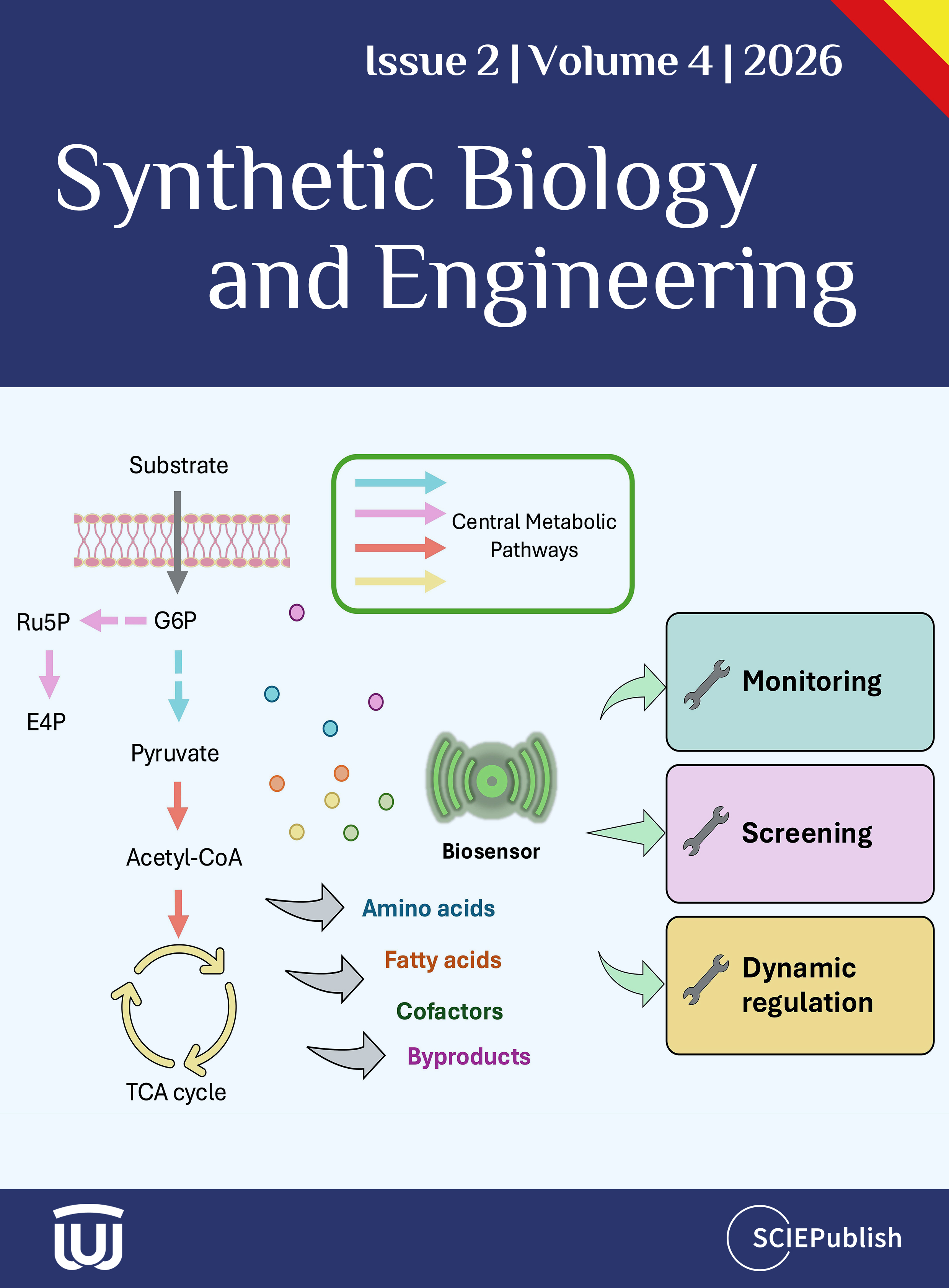
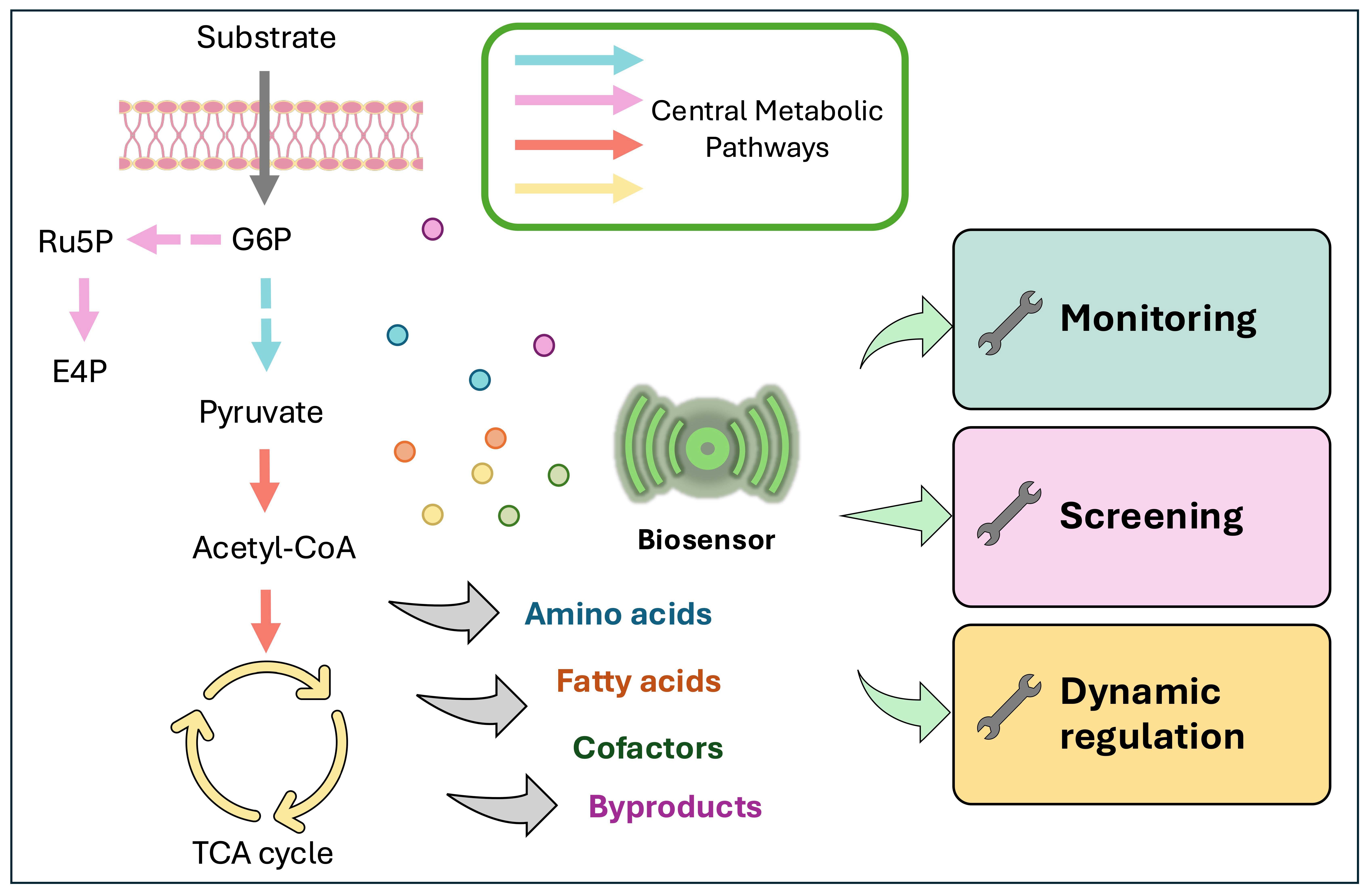
Central metabolism includes essential pathways such as glycolysis, the pentose phosphate pathway, and the tricarboxylic acid (TCA) cycle. Beyond the canonical pathways, it also involves byproduct formation, amino acid metabolism, fatty acid metabolism, and cofactor homeostasis, forming the metabolic backbone that supports cellular growth and biosynthesis. Conventional analytical methods often fail to provide real-time information in living cells, limiting their utility for guiding metabolic engineering. In this context, biosensor-assisted approaches have emerged as powerful tools for the real-time, non-destructive detection of intracellular metabolites and metabolic fluxes, while also enabling dynamic regulation of metabolic networks. In this review, we summarize recent advances in biosensors targeting key metabolites, cofactors, and regulatory nodes across central metabolism, with an emphasis on their design principles and applications in metabolic monitoring, high-throughput screening, and dynamic regulation for improved bioproduction. We also discuss current challenges related to sensor performance and implementation, and highlight the possibilities of integrating biosensors with omics, metabolic modules, and artificial intelligence (AI) to provide insights into future opportunities for biosensor development.
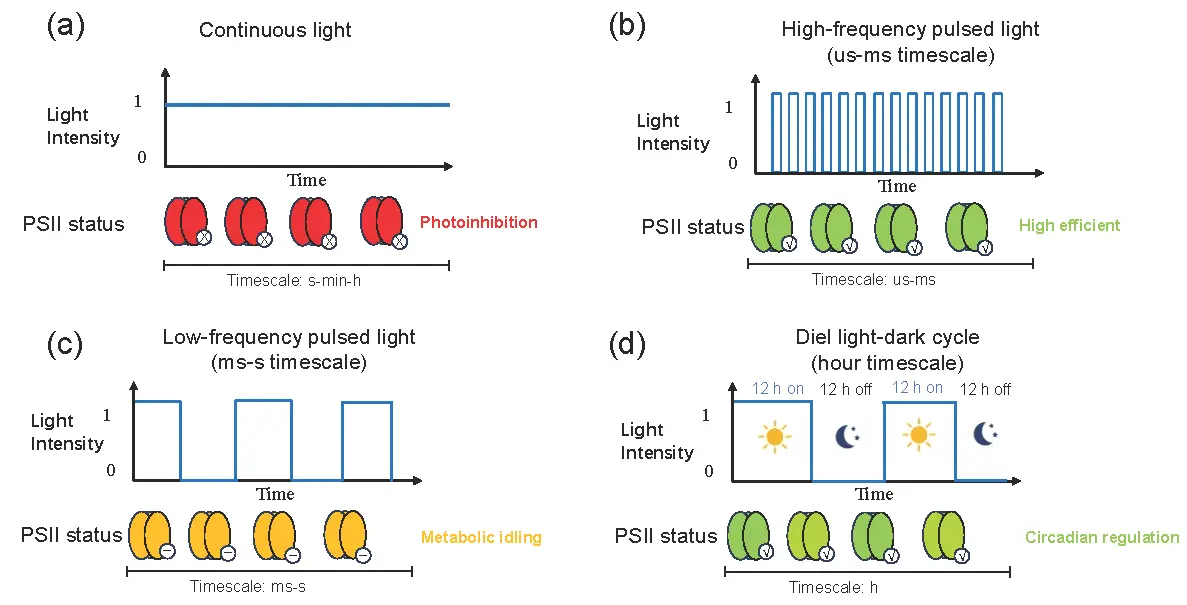
Microalgae serve as a cell factory for sustainable biomass and high-value compound production, yet their industrial-scale cultivation is often constrained by light energy utilization. The continuous illumination often limits photosynthetic efficiency and biomass and high-value compound productivity due to a kinetic mismatch between rapid photochemical reactions (picosecond-to-millisecond scale) and slower downstream biochemical processes (like Calvin-Benson cycle). Flashing/pulsed light strategies mitigate these by delivering intermittent photons, exploiting the biological effects to enhance quantum yield, biomass productivity, and targeted metabolites accumulation. This mini review emphasizes historical development of core concepts, molecular mechanisms, Photosystem II (PSII) dynamics, plastoquinone buffering, temporal decoupling, parameter optimization, the applications in autotrophic and mixotrophic modes, and photobioreactor innovations. An updated timeline to date highlights the emerging AI-driven adaptive lighting systems that promise real-time optimization of flashing regimes. This review summarizes current understanding, critical knowledge gaps and future directions, particularly in intelligent control for scalable, energy-efficient cultivation of microalgae by the rational design of advanced photobioreactors and cultivation strategies.
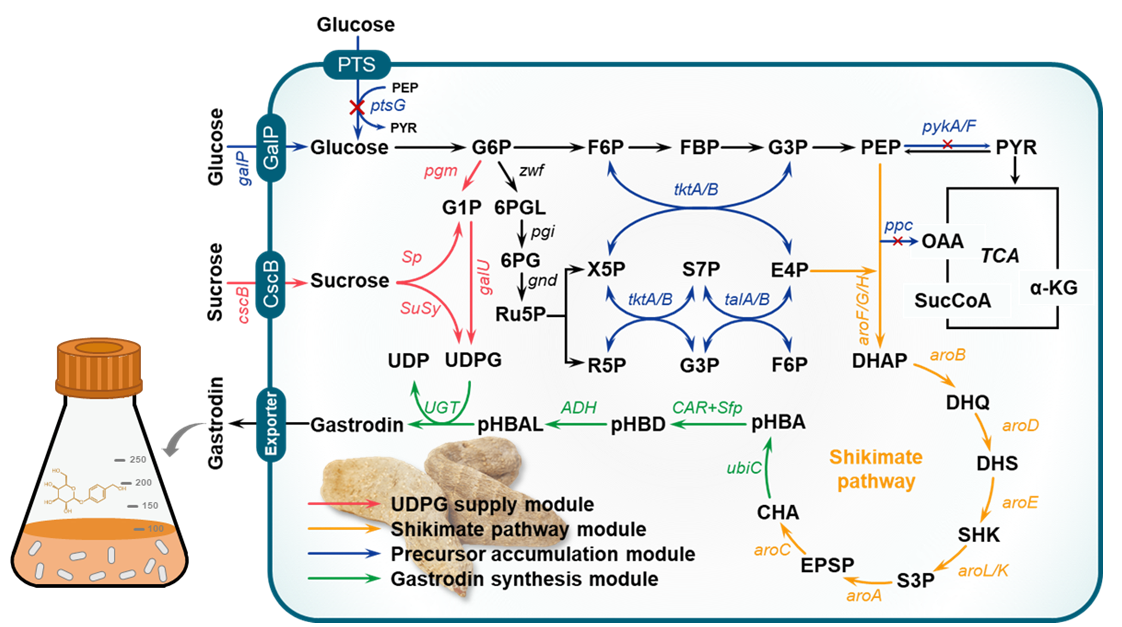
Gastrodin is a phenolic glycoside and the principal bioactive compound of Gastrodia elata. Owing to its potent neuroprotective, antioxidant, and therapeutic properties, gastrodin has attracted increasing attention and is now widely applied in the pharmaceutical, healthcare, and food industries. Traditional extraction of gastrodin is constrained by limited raw material availability and low yield, making it insufficient to meet the growing market demand. In recent years, microbial biosynthesis has become a preferred route for gastrodin production due to its sustainability, economic feasibility, and high safety. Therefore, developing metabolically engineered strains with enhanced genetic stability, high productivity, and efficient substrate utilization has become an urgent priority for achieving gastrodin biosynthesis. This review introduces the discovery and biosynthetic routes of gastrodin, summarizes its production methods, and discusses recent advances across various microbial chassis systems. It further highlights recent advances in pathway reconstruction and metabolic optimization, with an emphasis on strategies to enhance precursor flux, optimize UDP-glucose biosynthesis and regeneration, and improve glycosyltransferase catalytic activity through protein engineering. Overall, this review provides insights and future directions for developing efficient, genetically stable, and industrially scalable microbial cell factories for sustainable gastrodin production.