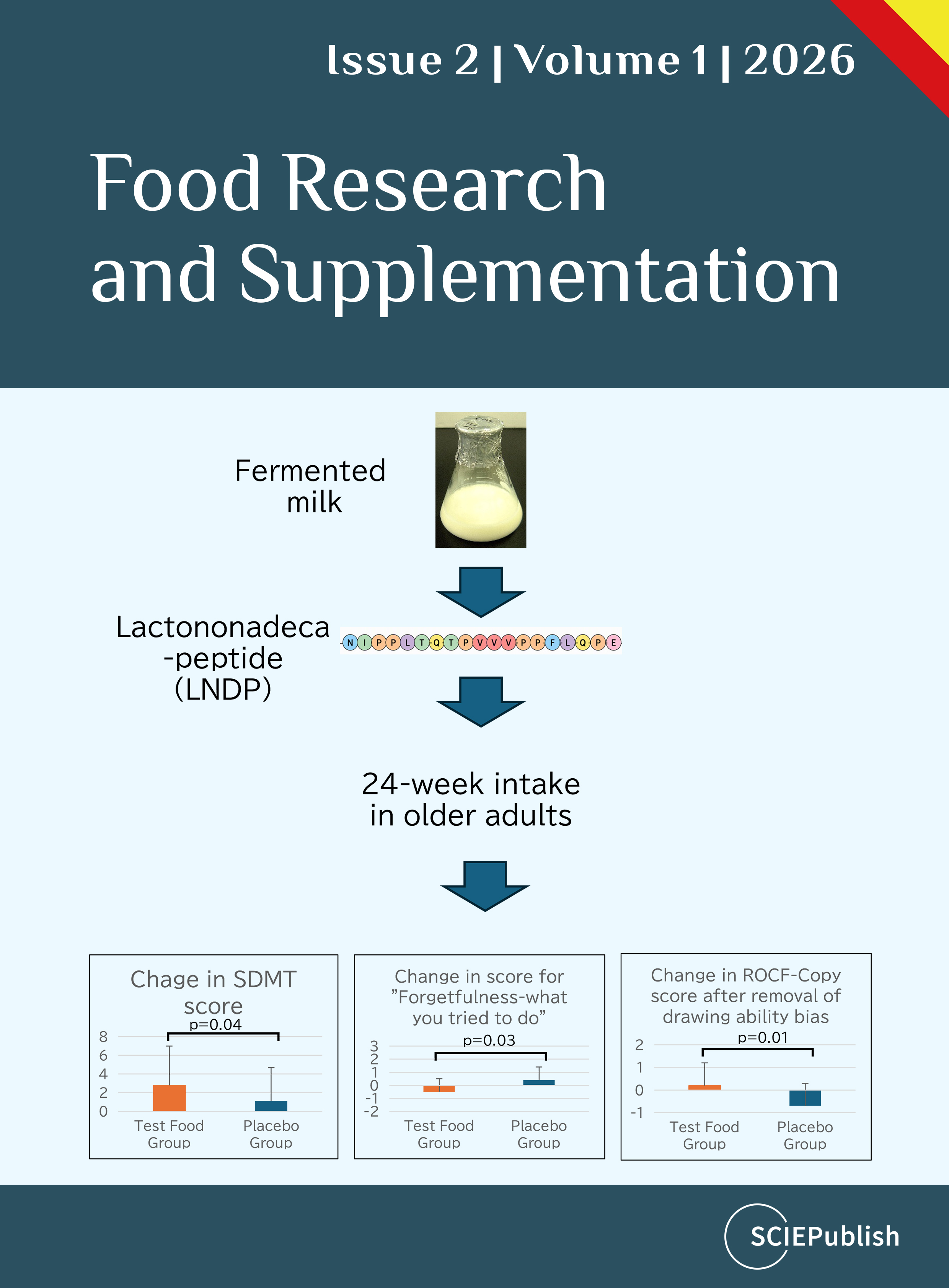
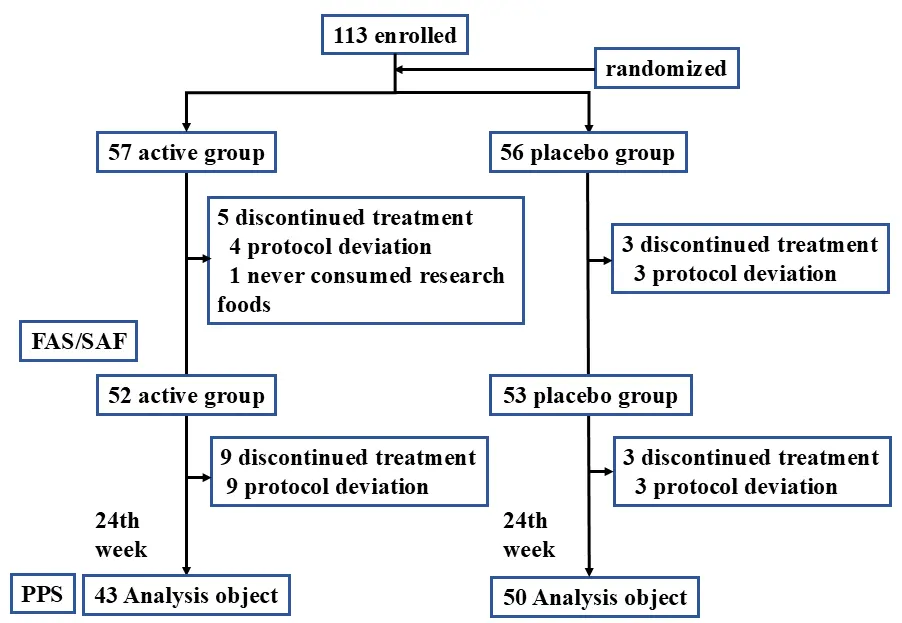
With the extension of average life expectancy, diseases accompanied by cognitive and memory impairments, such as dementia, are increasing. The risk of dementia has been suggested to decrease with an increase in the intake of milk and dairy products. Therefore, the present study investigated the effects of consuming test food containing lactononadecapeptide (LNDP) on memory and attention in healthy elderly Japanese subjects aged 65 years or older over 24 weeks. A placebo-controlled, double-blind, randomized trial was conducted, and memory function was evaluated using the Rey-Osterrieth Complex Figure (ROCF) test and the total score of the Symbol Digit Modalities Test (SDMT). Based on the results of the ROCF test and SDMT, the repeated intake of the test food significantly improved memory function in elderly subjects. Therefore, the repeated intake of test food containing LNDP may improve memory and attention in elderly Japanese individuals with mild cognitive decline.
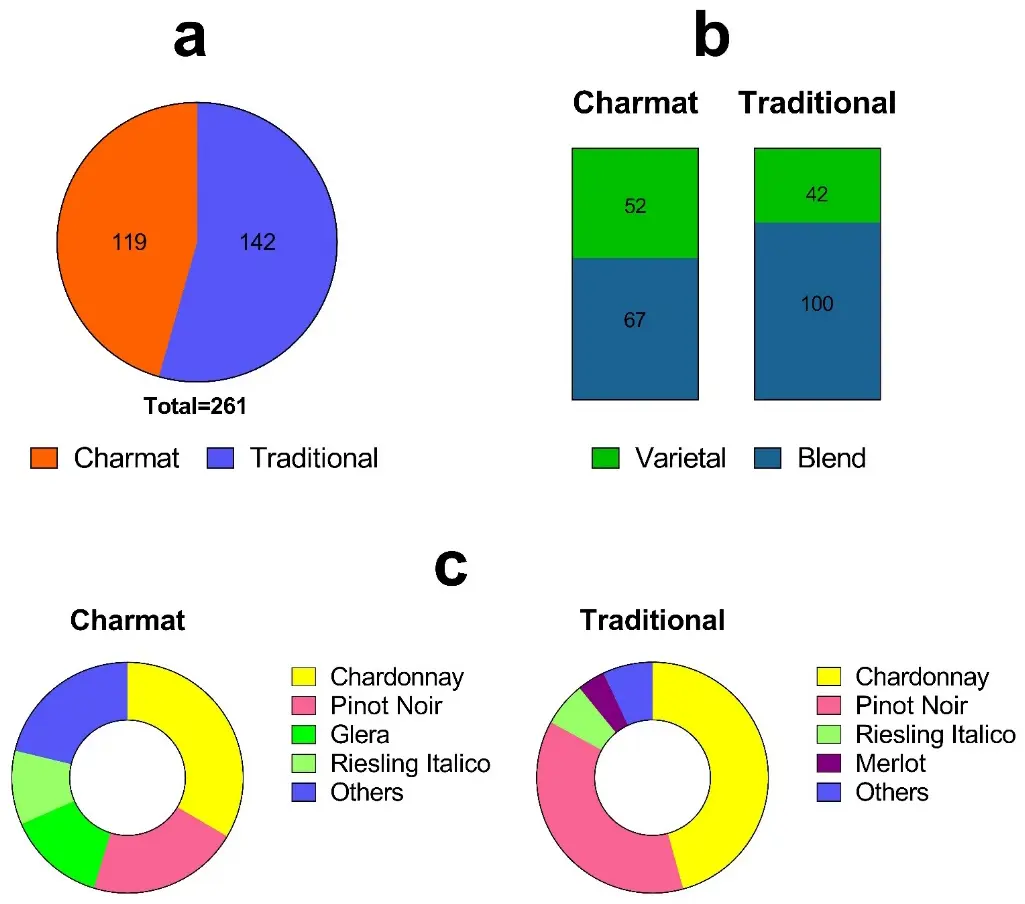
This study provides a physicochemical characterisation of commercial Brazilian sparkling wines, aiming to describe the typicity of products obtained using the Charmat and Traditional methods. A total of 261 wines were analysed, including 119 produced by the Charmat method and 142 by the Traditional method. The results show distinct compositional patterns across the analysed samples. Wines produced by the Traditional method, predominantly based on blends of Chardonnay and Pinot Noir, showed higher levels of lactic acid, volatile acidity, alcohol, and pressure, together with lower residual sugar contents. In contrast, Charmat sparkling wines displayed greater varietal diversity, including the widespread use of Glera, and higher levels of residual sugar, malic, and citric acids. A relatively high proportion of sparkling wines were identified as “Long Charmat”, with maturation periods of six months or more on lees in tanks, while a subset of Traditional method wines showed ageing times shorter than 12 months. In both production methods, Riesling Italico (Welschriesling) ranked among the four most frequently used grape varieties. Overall, the results highlight consistent compositional tendencies within a broad set of commercial wines. This study establishes a reference compositional dataset for Brazilian sparkling wines, contributing to the understanding of this expanding wine category by characterizing production practices and grape variety usage and identifying “Long Charmat” as a distinctive feature in the Brazilian context.
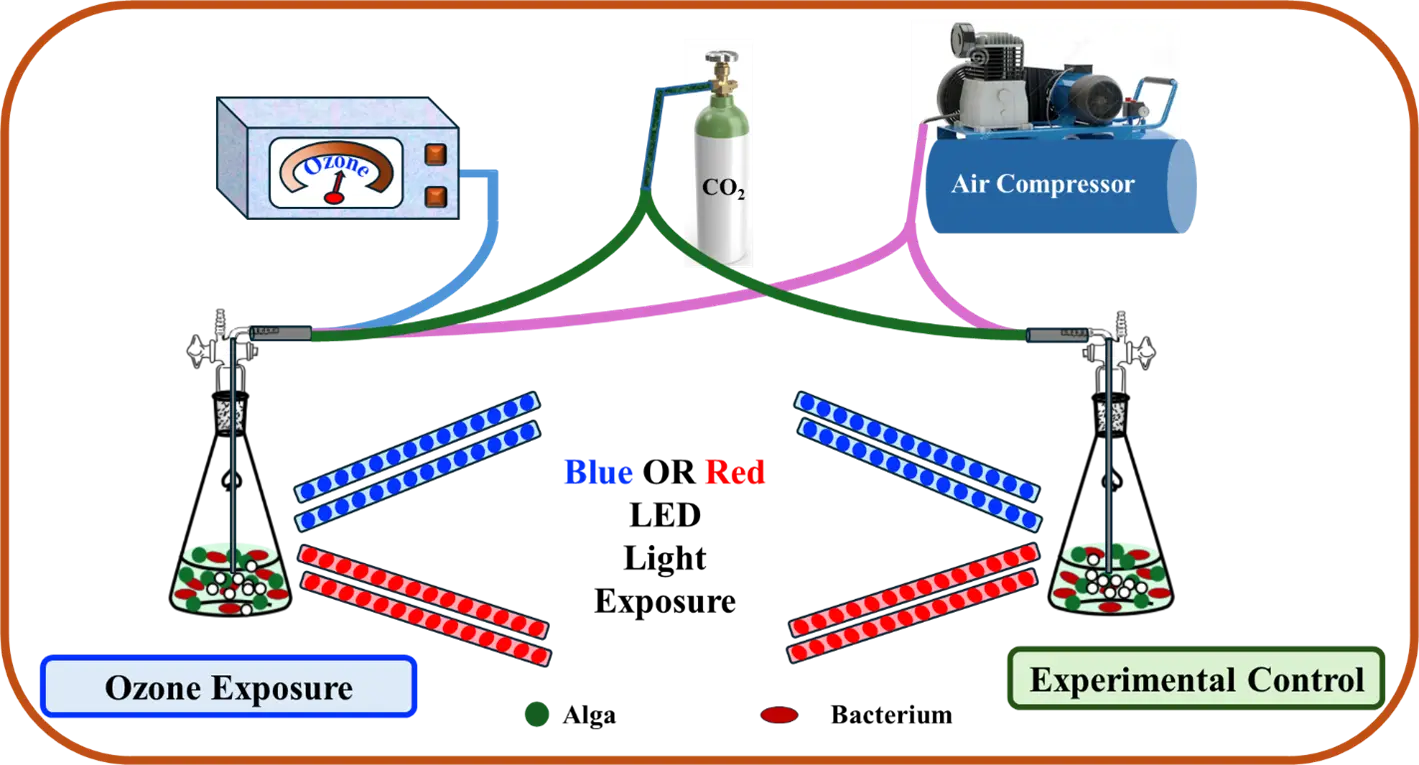
Mixotrophic culture can improve the growth of Haematococcus lacustris, an alga that can produce the high-value carotenoid astaxanthin. However, these conditions make the culture susceptible to bacterial contamination. Ozone gas was therefore investigated for its ability to inhibit the growth of heterotrophic bacteria during the mixotrophic cultivation of H. lacustris. The concentration and flow rate of ozone were then optimized. While the flow rate had no significant effect, an ozone concentration of 0.4 mg/L allowed algal growth but inhibited bacterial growth. Additionally, different wavelengths of light exposure were used to enhance algal growth and biomass production, and red light showed the highest increase, followed by blue light. The addition of 0.08 mg/L ozone to light exposure improved growth for both red and blue light. In mixotrophic culture using sodium acetate as a carbon source, the same concentration of ozone improved growth compared to untreated mixotrophic culture or to pure autotrophic culture.
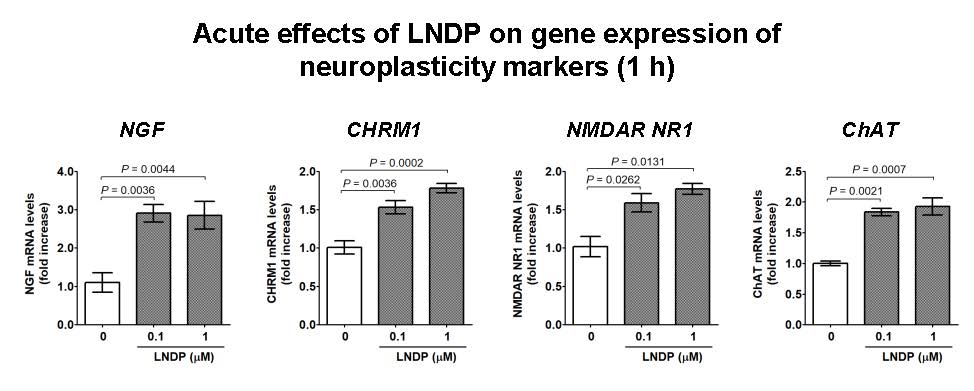
To clarify the underlying molecular mechanisms of lactononadecapeptide (LNDP), we examined its effects on the gene expression of memory-related neuroplasticity and cholinergic signaling in human induced pluripotent stem cell (hiPSC)-derived neurons, alongside a safety evaluation using PC12 cells. LNDP showed no cytotoxicity and significantly upregulated the expression of genes crucial for neuroplasticity (BDNF, TrkB, NGF) and cholinergic signaling (ChAT, CHRM1, NMDAR NR1) in hiPSC-derived neurons. These findings suggest that LNDP potentially modulates transcriptional pathways related to neural health, supporting its potential value as a functional food ingredient for cognitive decline.