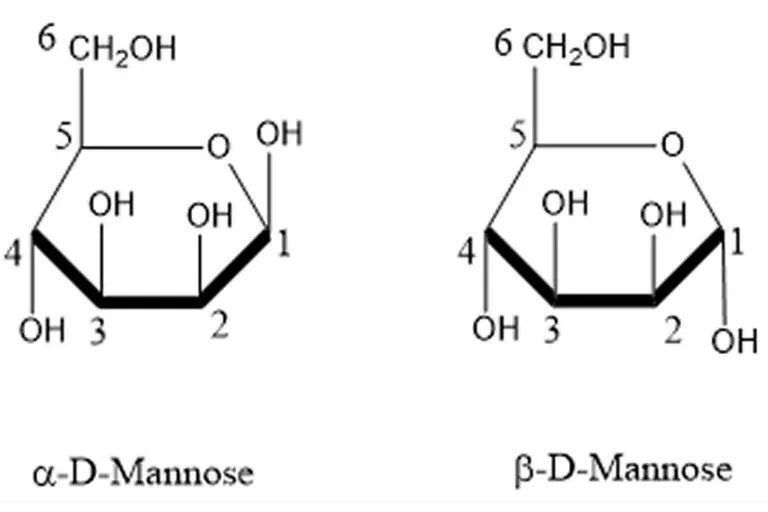
Although acceptable in some products and specialities, bitter flavors are a major issue in food-product development, e.g., in proteins of emergent sources. Many mushroom species have been known historically for their bitterness, which is perceived later than the other flavors, and whose perception lingers in the mouth. To date, the substances responsible for this taste could not be identified, possibly due to the extremely variable molecular structures of bitter compounds in nature. The growing sector of mycelium-derived foods is constantly including novel species into their development pipelines, and the need for ways to control off-flavors, particularly the bitter aftertastes, is becoming evident. Identifying the chemical groups responsible for these perceptions is the first step towards finding solutions. Reviewing the perception of bitterness, masking methodologies, and in particular, the occurrence of bitterness in mushrooms, we find that fungal bitterness is chemically diverse, mainly attributable to peptides, phenolics, terpenoids, and alkaloids, with direct receptor-level evidence so far restricted to a few metabolites such as oligoporins and infractopicrin, while most reported compounds remain inferred. Fungal bitterness is likely multicausal, so masking strategies will need to be developed on a species- or group-specific basis rather than universally.
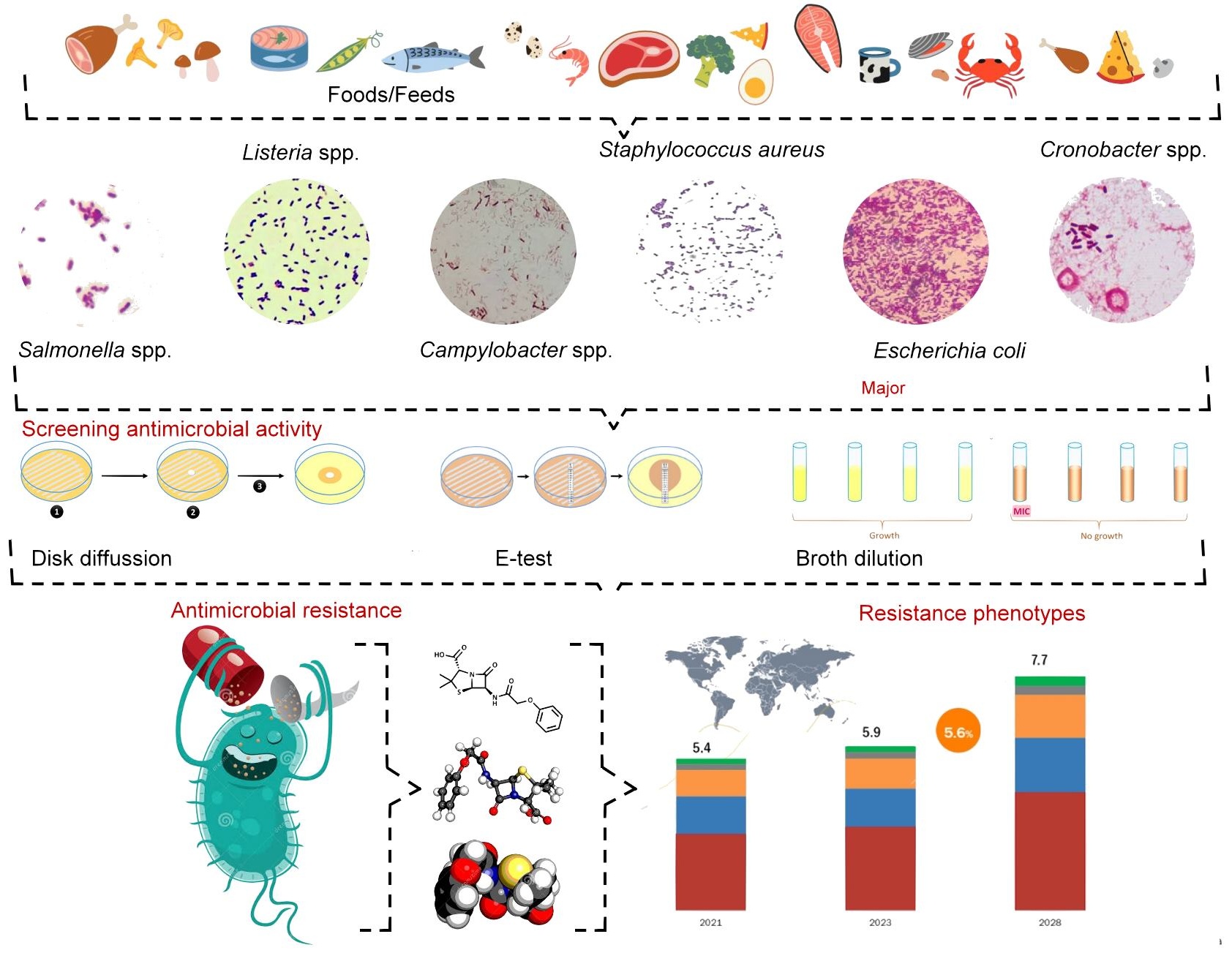
Bacterial pathogens still represent a serious public health issue. Special attention should be paid to bacteria that are usually transmitted through food. More relevantly, several isolates found in food exhibit (usually high) antibiotic resistance, which, in the case of human or animal infection, will reduce treatment efficacy. Hence, this review seeks to summarize and make available to researchers on the subject the most recent findings regarding antibiotic resistance profiles of common pathogens that are transferred into food. The bacterial pathogens responsible for most poisonings and illnesses include Salmonella spp., Listeria spp., Campylobacter spp., Staphylococcus spp., E. coli pathotypes, and Cronobacter spp. Therefore, we will focus this review on these pathogens. In this way, this writing will not only provide valuable information regarding which matrices are more susceptible to bacterial contamination, but in the end, the reader will be able to identify which antibiotics have been tested on these isolates and where the gaps are in the phenotypic determination of resistance to antibiotics, while highlighting several genotypic traits specific to some of these bacteria.
Despite the high prevalence of hypovitaminosis D among athletes and the proposed role of vitamin D in musculoskeletal health and performance, data on vitamin D status in soccer referees and its relationship with body composition and performance remain scarce. This cross-sectional study evaluated 25(OH)D concentrations and their associations with the sun exposure index (SEI), body composition, and performance in a sample of 21 male referees (30.6 ± 3.4 years) from the Brazilian Football Confederation. Serum 25(OH)D concentration was assessed from blood samples, SEI by questionnaire, body fat percentage (BF%), fat free mass, and bone mineral density (BMD) by dual-energy X-ray absorptiometry, calcium and carbohydrate intake by 24-h recall, and performance by the repeated sprint ability (RSA) test. Associations were examined using linear regression analysis adjusted for (1) age, (2) fat free mass, and (3) carbohydrate or calcium intake. 76% presented serum 25(OH)D concentrations < 30 ng/mL. 25(OH)D was positively associated with SEI (β = 1.17; p = 0.04, Cohen’s f2 = 0.19), whereas no significant associations were observed with BMD, BF% or RSA, even after adjustments. There is a high prevalence of hypovitaminosis D among the soccer referees evaluated. Although 25(OH)D was not significantly associated with body composition or performance, its positive association with SEI reinforces the importance of sun exposure.
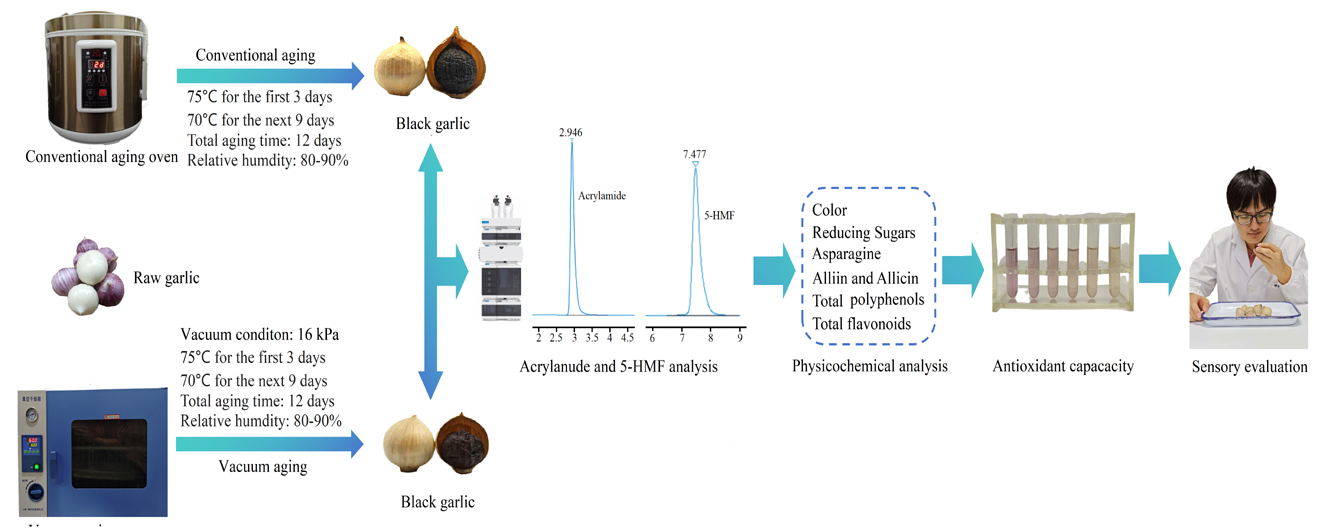
Acrylamide and 5-hydroxymethylfurfural (5-HMF) are chemical process contaminants generated in black garlic through the Maillard reaction. Vacuum aging (16 kPa, 70–75 °C for 12 days) was introduced as a new aging technology to mitigate acrylamide and 5-HMF in black garlic. Results showed that vacuum aging suppressed the formation of acrylamide (from 2.86 μg/g to below the detection limit, i.e., 100% reduction) and 5-HMF (from 173.26 μg/g to 7.90 μg/g, i.e., 95.4% reduction) in black garlic due to the reduced thermal exposure. Vacuum aging inhibited the Maillard reaction, and resulted in the higher lightness (L = 22.14) and the lower browning degree (ΔE = 62.76) of black garlic than those (L = 15.16, ΔE = 69.47) prepared by conventional aging. The reduced thermal exposure also restrained the hydrolytic release of fructose, glucose, total polyphenols, and total flavonoids in vacuum-aged black garlic. It reduced them by 95.0%, 100%, 89.9%, and 91.8%, respectively, which in turn diminished its antioxidant capacity by 58.4% and 79.1% based on the 2,2-Diphenyl-1-picrylhydrazyl (DPPH) and 2,2′-Azino-bis (3-ethylbenzothiazoline-6-sulfonic acid) (ABTS) assays. These limitations of vacuum aging, including decreased antioxidant capacity together with sensorial quality reduction, require further process refinement in future work before this technology can be implemented for industrial-scale production of black garlic.