Found 565 results
Open Access
Article
18 November 2025Effects of Changing the Specific Surface Area in the Ceramic Matrix of CAC-Containing Refractory Castables on the Rheology and Processing
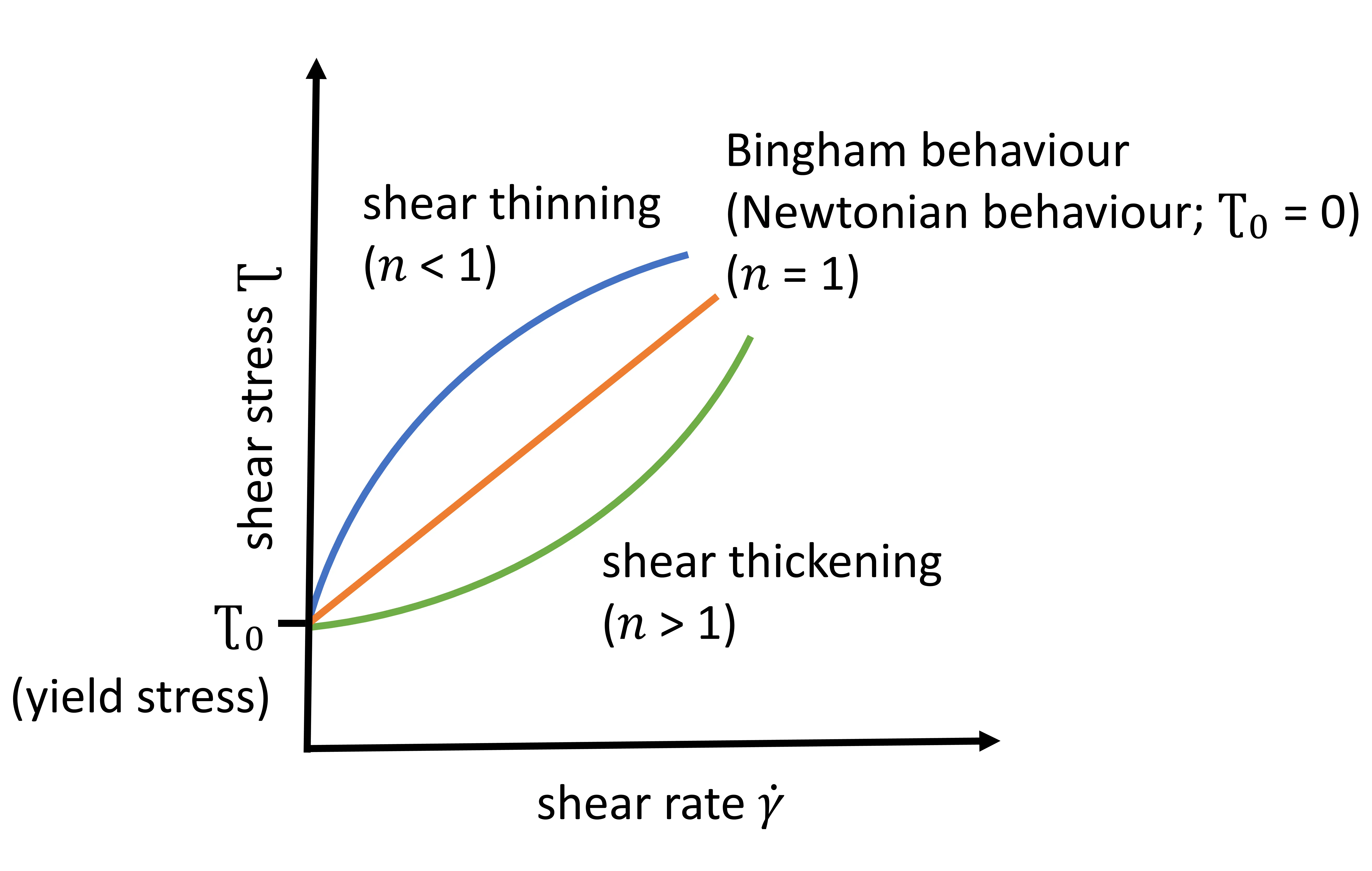
Besides the coarse and medium grain size distribution, the matrix components play a central role in the performance of refractory castables. Practical experience shows that the particle size distribution (PSD) and the specific surface area (SSA) of the ceramic matrix significantly influence processing, setting, and sintering behaviour. However, there is a lack of systematic studies on how changes in PSD or SSA affect castable properties. This study aims to address this gap by varying ceramic matrices to create model refractory castables with different matrix surface areas. Three dispersing agents with different mechanisms (electrosteric and steric) were used at graded concentrations. Results show that the SSA of the ceramic matrix has a significant influence on the rheological behaviour of refractory castables. A low SSA leads to shear thickening behaviour, a (very) low relative yield stress, and a high slump‑flow. Castables with an intermediate SSA and a multimodal composition show Bingham behaviour with a moderate relative yield stress and low relative viscosity, whereas a high SSA leads to shear thinning behaviour with a (very) high relative yield stress, (very) high relative viscosity, and a low slump-flow. Measurements of the dynamic viscosity of matrix suspensions at very low shear rates correlate with the rheological behaviour of fully composed refractory castables. Regression analysis using the Herschel‑Bulkley model successfully captures the observed qualitative relationships.
Open Access
Review
17 November 2025Enzyme-Mediated Carbon Dioxide Fixation: Catalytic Mechanisms and Computational Insights
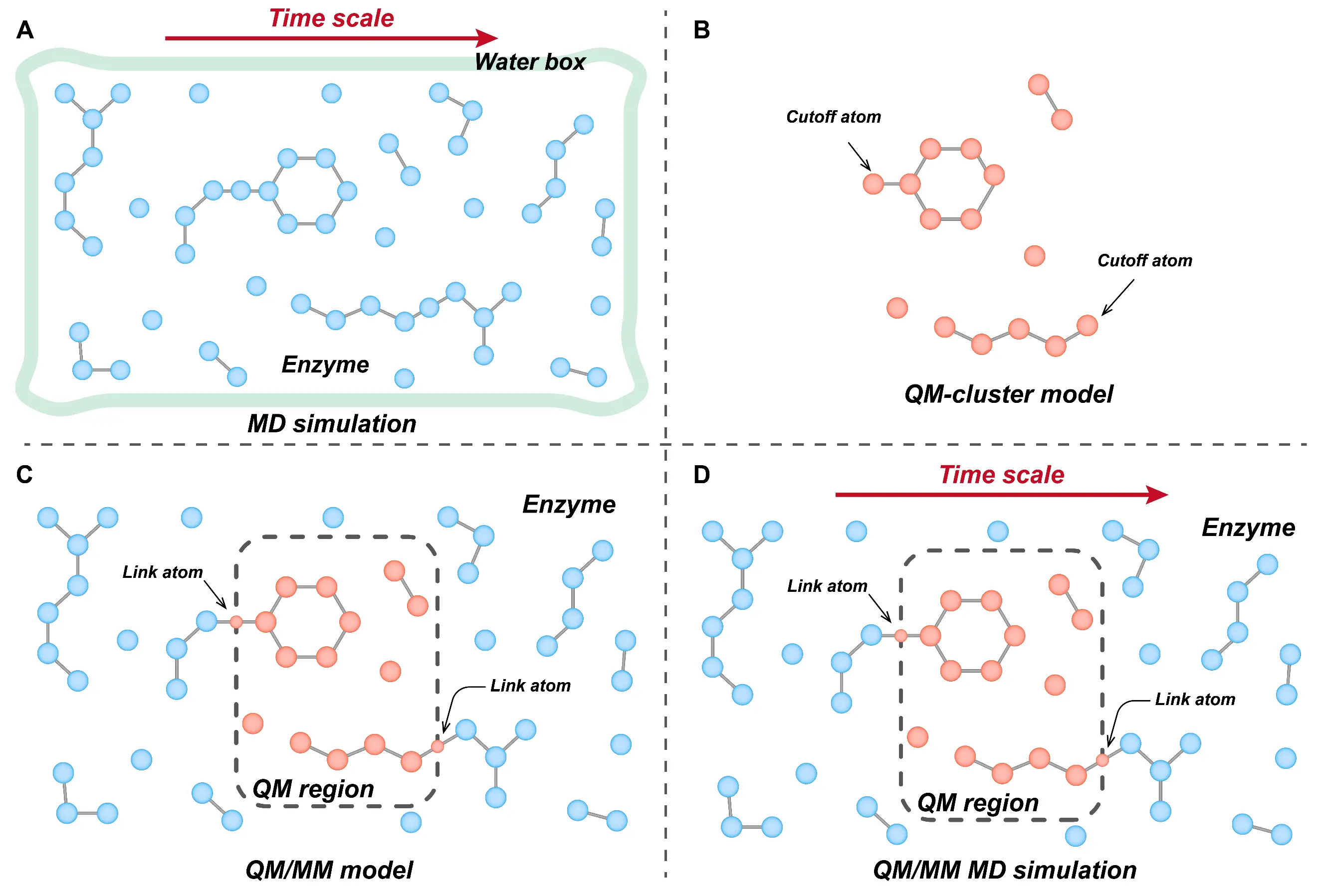
Carbon conversion technologies that transform carbon dioxide (CO2) into high-value chemicals are pivotal for achieving sustainability. Among these, enzyme-mediated CO2 fixation has recently gained increasing attention as a more sustainable and environmentally friendly alternative to traditional chemical methods, which typically require harsh conditions and impose significant environmental costs. Recent advances in computer-aided techniques have greatly facilitated the mechanistic understanding of CO2-fixing enzymes and accelerated the development of enzyme-catalyzed carboxylation strategies. This review highlights recent progress in enzyme-mediated CO2 fixation by categorizing key enzymes into four classes based on their cofactor or metal ion requirements: cofactor-independent enzymes, metal-dependent enzymes, nicotinamide adenine dinucleotide phosphate (NAD(P)H)-dependent enzymes, and prenylated flavin mononucleotide (prFMN)-dependent enzymes. We outline the basic principles and applications of molecular dynamics (MD) simulations and quantum mechanical (QM) calculations, which serve as essential tools for investigating enzyme conformational dynamics and reaction mechanisms. Through representative case studies, we demonstrate how computational analyses uncover catalytic features that enhance CO2 conversion efficiency. These insights underscore the critical role of computer-aided approaches in guiding the rational design and optimization of biocatalysts, thereby advancing the application of enzyme-based systems for CO2 fixation.
Open Access
Article
17 November 2025Implicit Social Comparison: An Effective Approach to Promote Positive Attitudes Toward Aging Among Older Adults
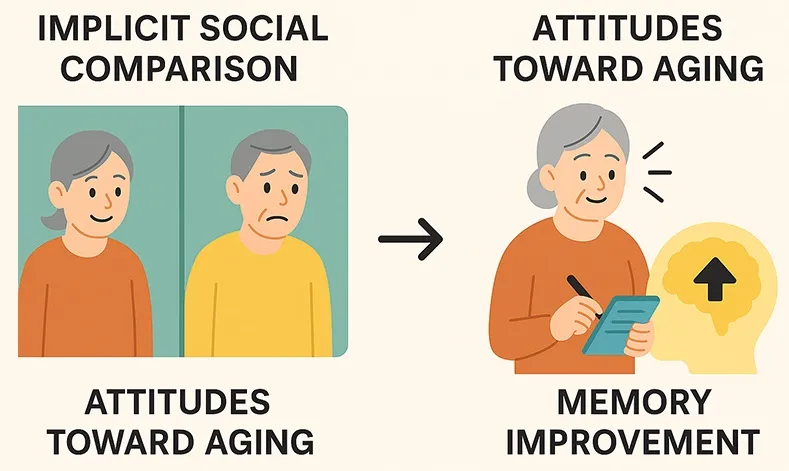
Previous studies have consistently demonstrated that positive attitudes toward aging are associated with better psychological well-being and cognitive performance among older adults. Building upon these findings, the present study focused on memory improvement as a direct indicator of cognitive benefit derived from more positive self-perceptions of aging. Specifically, we examined whether an implicit social comparison manipulation could enhance older adults’ memory performance by altering their attitudes toward aging. A total of 161 community-dwelling older adults (M = 66.88 years) were randomly assigned to one of five conditions: Better-self (downward comparison), Worse-self (upward comparison), Equal-good, Equal-bad, and Control. In four experimental conditions, an adopted directed-thinking task was used to activate attitudes toward one’s own and peers’ aging in different combinations, implicitly triggering upward or downward social comparisons. Attitude toward own aging (ATOA), attitude toward peers’ aging (ATPA), self-superiority (ATOA–ATPA), and memory performance were assessed before and after the manipulation. Results showed that significant changes in self-superiority were found only under the two contrast conditions. Specifically, self-superiority increased in the Better-self group and decreased in the Worse-self group. Moreover, the Better-self group demonstrated greater memory gains than the Control and Worse-self groups. These findings suggest that implicit downward comparison can serve as an effective, non-defensive strategy to strengthen older adults’ self-perceptions of aging and to produce short-term improvements in memory. The study extends prior research on social comparison in old age by linking its psychological and cognitive effects within a single experimental framework.
Open Access
Article
17 November 2025The Reconstruction of China’s Land-Based Marine Pollution Governance under the Concept of “Rights of Nature”
Under the concept of “Rights of Nature”, the governance of land-based marine pollution in China faces unprecedented opportunities and challenges. Traditional governance paradigms are predominantly anthropocentric, treating the ocean as a resource to be utilized. From this perspective, governance measures for the prevention and control of land-based marine pollution primarily rely on administrative management and end-of-pipe treatments. Within this context, “Rights of Nature” provide a new pathway for marine ecological protection. However, promoting a shift in land-based marine pollution governance from the traditional anthropocentric view to an eco-centrism under the “Rights of Nature” concept is by no means an instantaneous process, and it must proceed gradually and systematically. Currently, China’s institutional framework for preventing and controlling land-based marine pollution remains dominated by the anthropocentric paradigm. Furthermore, it encounters multiple difficulties across many key areas, including the legal system, law enforcement mechanisms, relief mechanisms, and public participation. Issues such as poor coordination within the legal framework, fragmented law enforcement, lagging legislation related to ecological restoration, and insufficient public participation significantly constrain the effectiveness of land-based marine pollution governance. Given the fundamental differences between anthropocentrism and “Rights of Nature”, directly introducing this concept would likely have a substantial impact on China’s existing legal framework. Therefore, at the current stage, China could first incorporate the proposition from the “Rights of Nature” concept that nature possesses “intrinsic value independent of human use or perception”. This involves weakening the perception of the ocean as a mere appendage to human activities, recognizing and respecting the unique value of the ocean as a living entity and ecosystem at a conceptual level, and gradually forming a set of nature-friendly governance paradigms for land-based marine pollution that respect the intrinsic value of nature. This approach can ultimately drive transformative practices in China’s land-based marine pollution governance.

Open Access
Article
12 November 2025Topological Optimization for Environmental Sustainability in Civil Engineering Structures Design
The increasing demand for sustainable and cost-efficient construction highlights the need to minimize material consumption in civil engineering structures without compromising safety or performance. This study investigates the optimization of steel purlin cross-sections in metal buildings as a means to enhance structural efficiency and environmental sustainability. Finite Element Analysis (FEA) and the Solid Isotropic Material with Penalization (SIMP) method were employed to identify optimal material distributions and evaluate the effects of varying cross-section geometries. Both rectangular and IPE purlin sections were analyzed under realistic loading conditions to compare stress, deformation, and weight performance before and after optimization. The results demonstrate that substantial reductions in material mass, up to approximately 25–30%, can be achieved while maintaining nearly identical stress and displacement responses. These findings confirm that structural optimization effectively reduces both construction costs and environmental impact. The study concludes by recommending the adoption of topology and cross-section optimization techniques in the design of steel structures, particularly in public projects, to promote resource efficiency and sustainable construction practices.

Open Access
Article
10 November 2025Gendered Mismatches in the Business Support System in Rural Sweden
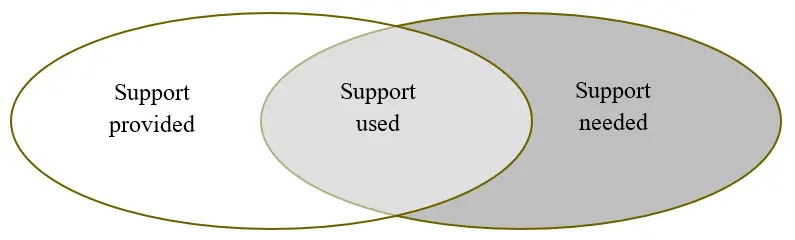
Rural women often start enterprises in sectors that are vital for long-term rural sustainability, but these organizations run the risk of not being properly recognized by public rural development support systems. In this paper, we ask whether existing business support measures meet the needs of rural women entrepreneurs, and if not, what can be improved? Our data consists of recorded interviews with twenty women entrepreneurs from the rural regions of southern Sweden. We asked how they perceive the business support that is provided, used, and needed. We found a gendered mismatch between the forms of public support provided and the support needed by women entrepreneurs in rural areas. The analysis reveals that current business support initiatives often overlook social, cultural, and environmental innovations and enterprises that do not prioritise economic growth as their primary objective, despite their importance for rural viability and development. We argue for a shift towards valuing alternative growth models, broadening eligibility criteria, and simplifying access to funding. As key players in this context, public funds should support long-term sustainability. By embracing the proposed changes, the business support system can be better aligned with the realities of rural entrepreneurship, contributing more meaningfully to rural development and gender equality.
Open Access
Case Report
10 November 2025Non-Fallot Absent Pulmonary Valve Syndrome in Fetuses: Key Insights for Prenatal Diagnosis and Postnatal Care
Absent pulmonary valve syndrome (APVS) is a rare cardiac malformation that is almost always associated with a Fallot-type ventricular septal defect (VSD). More rarely, it can occur with an intact ventricular septum or muscular VSD. The limited number of observations reported in the medical literature affects the quality of prenatal counselling given to the families concerned. We report 3 new cases of APVS without Fallot-type VSD, with 1 case associated with a muscular VSD, and have carried out a review of the literature on this rare malformation. Two of the fetuses had hydrops fetalis and one of these two had intra-uterine death. A 16p13.11 microduplication transmitted by the father was found in one fetus whose post-natal evolution was favorable following surgical ligation of an aneurysmal ductus arteriosus. A newborn with hydrops fetalis had a favorable outcome after spontaneous closure of the ductus arteriosus on the third day of life. Unlike Fallot-type APVS, non-Fallot type APVS is characterized antenatally by the constant presence of a large ductus arteriosus, the absence of aneurysmal pulmonary branches, a high frequency of chromosomal anomalies, but the absence of 22q11 micro deletion. After birth, early closure of the ductus may be indicated in cases of significant heart failure.

Open Access
Review
07 November 2025Value Engineering in the Era of Industry 4.0: From Gap Analysis to Research Methodologies and Strategic Framework
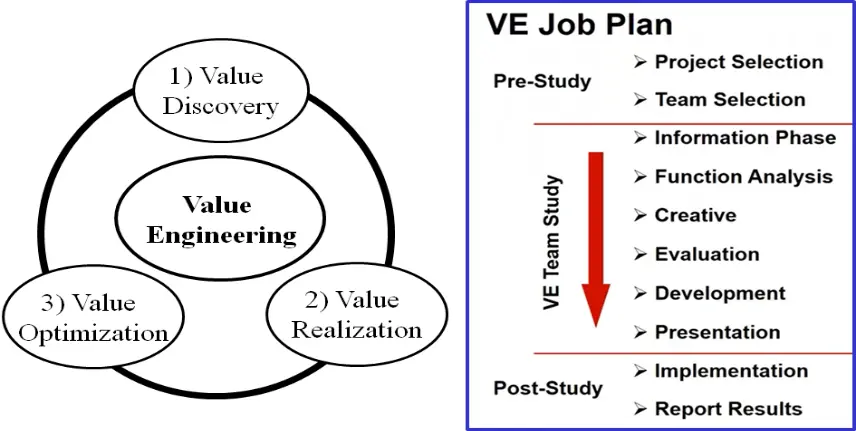
Traditional Value Engineering (VE) has long focused on optimizing the function-to-cost ratio but faces limitations in digitalized industrial contexts. Conventional VE lacks integration with advanced technologies, empirical validation in smart environments, and alignment with sustainability and circular economy objectives. The emergence of Industry 4.0—driven by cyber-physical systems, IoT, big data analytics, digital twins, and artificial intelligence—has transformed industrial ecosystems, necessitating a redefinition of VE practices. This study employs a systematic literature review and structured gap analysis to examine the evolution, applications, and challenges of VE across manufacturing, construction, supply chain, and service sectors. The analysis identifies three key deficiencies in conventional VE: (i) absence of integrated digital frameworks, (ii) limited empirical validation in smart environments, and (iii) weak incorporation of sustainability and circular economy principles. To address these gaps, Value Engineering 4.0 (VE 4.0) is proposed as a function-driven, data-intelligent, and human-centric methodology. It is structured around a six-component strategic framework: (1) digital foundations for technological readiness and organizational alignment; (2) smart VE processes leveraging AI, IoT, and advanced analytics for predictive, connected decision-making; (3) an enhanced Job Plan integrating AR/VR, NLP, and blockchain for improved speed, accuracy, and lifecycle alignment; (4) a phased implementation roadmap; (5) real-time DMAIC integration for continuous optimization; and (6) enablers covering leadership, skills, infrastructure, and cybersecurity. VE 4.0 provides both a research agenda and a practical roadmap, enabling organizations to innovate, enhance resilience, and achieve sustainable competitiveness in Industry 4.0 ecosystems.
Open Access
Article
07 November 2025Parking Space Detection Using a Machine Learning-Enhanced Unmanned Aerial Vehicle in a Virtual Environment
Unmanned aerial vehicles (UAVs) have increased in popularity for several diverse applications over the past few years. Parking, especially in crowded parking lots, can be very time-consuming, as a driver must manually search for vacant spaces among many occupied ones. In this work, reinforcement learning—a category of machine learning in which an agent receives inputs from the environment while outputting actions in order to maximize reward—was utilized in tandem with AirSim, a drone simulator developed by Microsoft, to automate a virtual UAV’s movement. A convolutional neural network (CNN) was then utilized to detect both vacant and filled parking spots, which achieved 98% recall and 93% accuracy. Unreal Engine was used to create a custom environment that resembled a parking lot, and the virtual drone was trained using a Deep Q-Network (DQN). The DQN achieved a mean reward of 394.5 in training and 460.4 in evaluation. A pre-trained CNN integrated with the DQN enables the real-time classification of vacant/occupied parking spaces from drone imagery. Results validate the effectiveness of combining reinforcement learning navigation with CNN image classification, demonstrating deployment-ready performance for real-world congested parking applications.

Open Access
Article
06 November 2025Application of Blades Aerodynamic Optimization Design Platform Based on the Performance of Offshore Wind Turbines
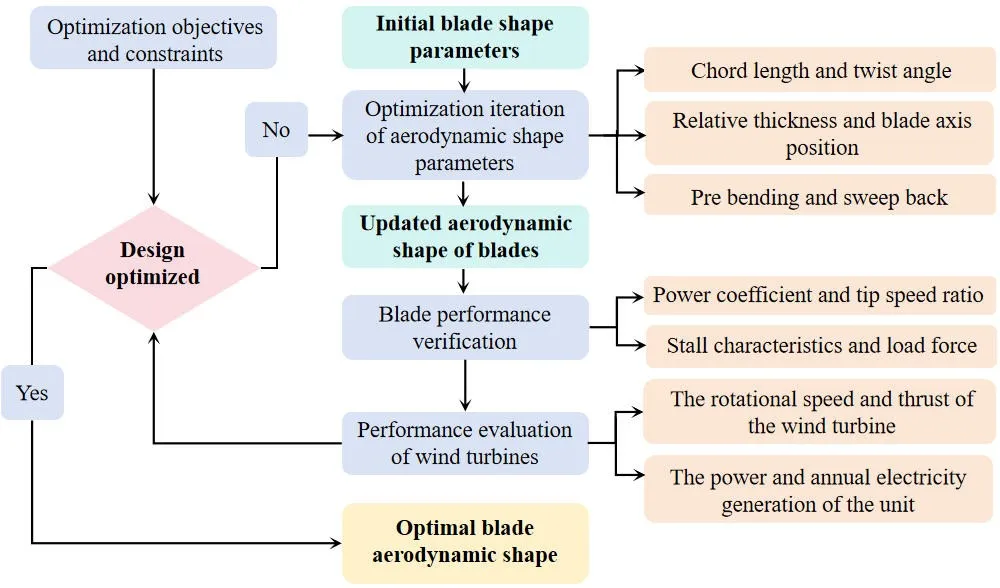
Optimizing aerodynamic performance with low loads is a core objective in high-power wind turbine blade design. This study develops a blade aerodynamic optimization design platform based on the performance of a wind turbine. By applying automated design principles, the platform rapidly iterates to obtain blade profiles that meet turbine development requirements, significantly improving design efficiency and reliability. Key findings include That Optimizing chord length and relative thickness distributions substantially contribute to enhancing power generation while reducing load levels. Relative thickness and twist angle distributions are critical parameters influencing stall characteristics during blade operation. Superior aerodynamic performance notably increases annual rated power generation hours but simultaneously elevates blade thrust and root loads. Among the evaluated designs meeting turbine specifications, the #436 blade achieves a maximum power coefficient of 0.4679 while maintaining low ultimate and fatigue loads. Furthermore, when paired with the wind turbine, its rated wind speed reaches 10.9 m/s, and its annual rated power generation hours under various inflow wind speed conditions all meet the turbine system’s development requirements. Consequently, the #436 blade demonstrates exceptional system compatibility, making the 8.5 MW turbine equipped with this blade highly competitive in the market.