Found 497 results
Open Access
Article
25 September 2023Depopulation Villages in Poland—Current Status and Possible Transition Scenarios
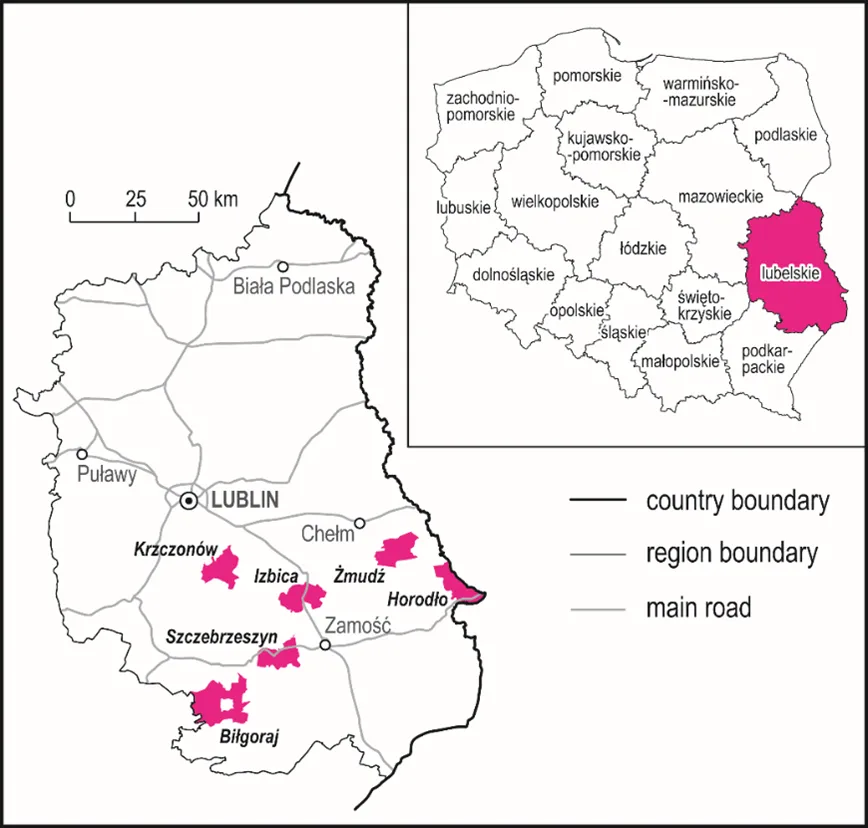
The picture of many localities undergoing depopulation will change in the coming years. A significant scale of migration and advanced ageing processes will result in an increase in the number of vacant buildings, or the removal of social infrastructure. The term ‘shrinkage’ tends to have negative connotations, but can lead to positive changes, e.g., an improvement in land structure under conditions of fragmented, dispersed agriculture. Depending on the quality of the natural environment and communication accessibility, other functions will develop there, including housing and recreation. However, a large part of the village may disappear completely.
Open Access
Article
25 September 2023Anion Exchange Membrane Reinforced with Polyethylene Substrate for Alkaline Fuel Cell Applications
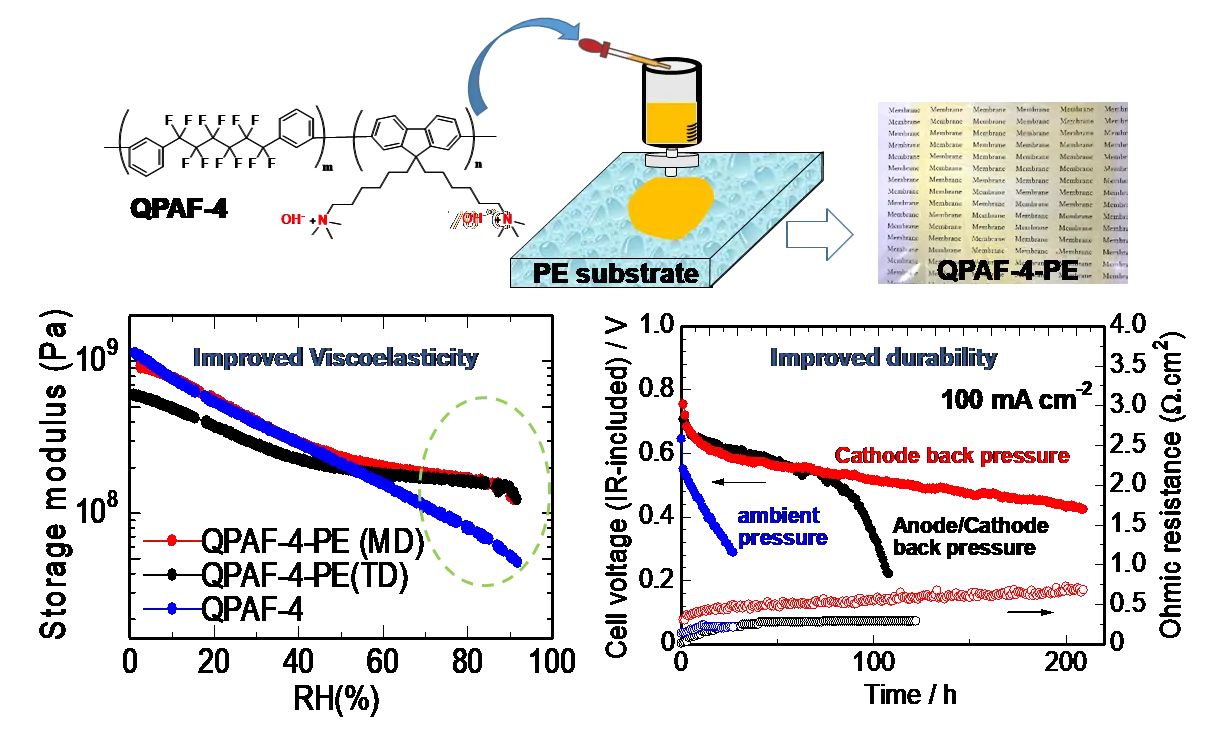
To enhance mechanical robustness of our in-house anion exchange membrane (QPAF-4), the reinforcement technique was applied using ozone-treated, porous polyethylene (PE) thin film (Toray SETELA) as a substrate. Homogenous and flexible reinforced membranes (QPAF-4-PE, 15–20 µm thick) were obtained by bar-coating method. The cross-sectional SEM image and EDS analysis revealed triple-layered (sandwich-like) structure without detectable pinholes. The QPAF-4-PE with ion exchange capacity (IEC) of 1.48 meq·g−1 exhibited lower water uptake (15 wt% at 90% relative humidity) and slightly lower hydroxide ion conductivity (71 mS·cm−1 at 80 ℃) than those of the pristine QPAF-4 (IEC = 1.84 meq·g−1, 25 wt% water uptake and 82 mS·cm−1 of the conductivity). The reinforced QPAF-4-PE exhibited slightly higher viscoelasticity (particularly, in MD direction) due to the suppressed water absorbability. Furthermore, the elongation at break increased by 9.8% in TD direction and 6.3% in MD direction. An H2/O2 fuel cell using QPAF-4-PE as membrane was investigated at different back-pressure, in which the cell with 100 kPa back-pressure onto the cathode side only achieved the maximum performance (176 mW·cm−2 at current density of 364 mA·cm−2) and the longest durability for (>200 h) at a constant current density of 100 mA·cm−2 maintaining 0.43 V of the cell voltage (67% remaining). The durability was eight times longer than that with ambient pressure and two times longer than that with back-pressure on both sides.
Open Access
Article
19 September 2023Advancing Green Hydrogen Production in Saudi Arabia: Harnessing Solar Energy and Seawater Electrolysis
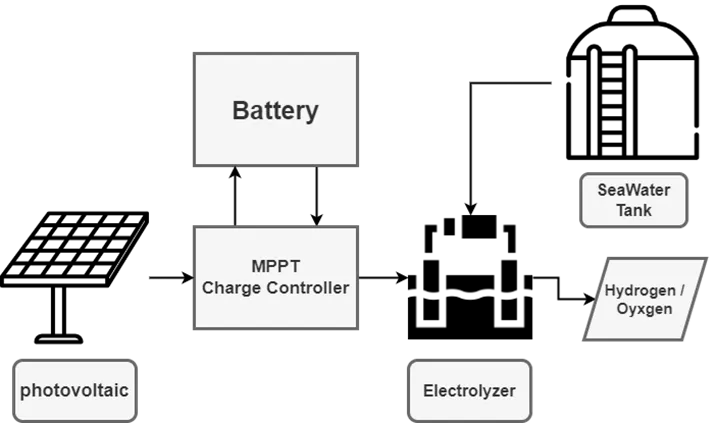
The transition to clean and sustainable energy sources is crucial for combating the challenges posed by climate change. Green hydrogen, produced through renewable energy-driven electrolysis, holds significant promise as a viable clean energy carrier. The study introduces a system that leverages abundant solar energy and utilizes seawater as the feedstock for electrolysis, potentially offering a cost-effective solution. A comprehensive mathematical model, implemented in MATLAB, is employed to simulate the design and operational efficiency of the proposed green hydrogen production system. The system’s core components include solar panels as a clean energy source, an advanced MPPT charge controller ensuring optimal power delivery to the electrolyzer, and a seawater tank serving as the electrolyte source. The model combines these elements, allowing for continuous operation and efficient hydrogen production, addressing concerns about energy losses and cost-effectiveness. Results demonstrate the influence of solar irradiance on the system’s performance, revealing the need to account for seasonal variations when designing green hydrogen production facilities. Theoretical experiments are conducted to evaluate the behavior of a lithium battery, essential for stabilizing the system’s output and ensuring continuous operation during periods of low solar radiation.
Open Access
Article
16 September 2023Hepatic Lysosomal Enzyme Activity in Primary Biliary Cholangitis
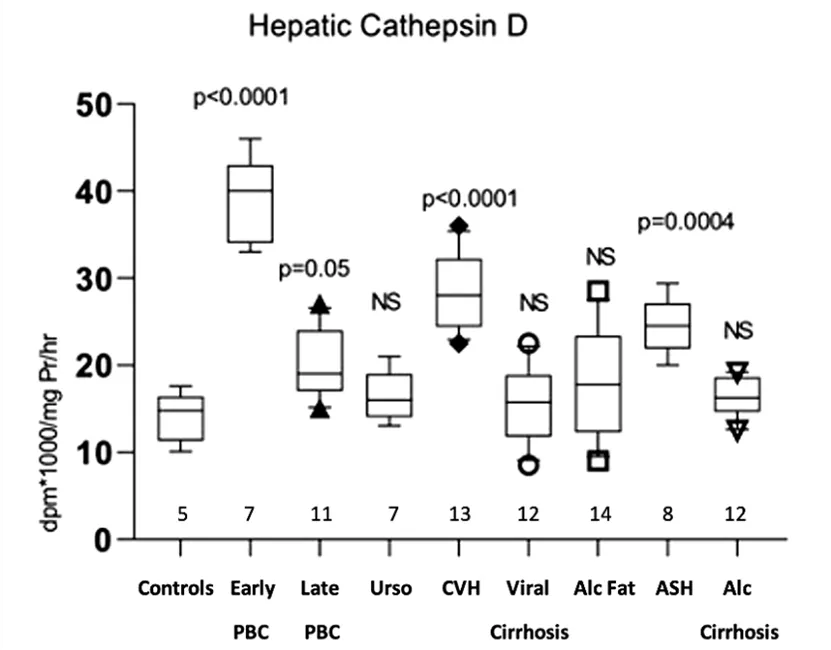
Lysosomal enzymes are implicated in autophagy and senescence. Hepatic lysosomal enzymes have not been studied in Primary Biliary Cholangitis (PBC). We therefore quantified the activities of lysosomal hydrolases in liver tissue of PBC patients. We compared enzyme activities in liver tissue from PBC patients with normal livers. Alcoholic liver disease and chronic viral disease served as disease controls. Cathepsin B1 was significantly increased in early PBC (225.1 ± 18.06 mean ± SD, p < 0.0001) and reduced in later stages (66.5 ± 9.7, p = 0.004, controls 130.4 ± 14.9). It was reduced in patients with extensive fibrosis such as alcoholic and viral cirrhosis (p < 0.01 and p = 0.004 respectively) but not in chronic hepatitis. Cathepsin D was increased in early PBC (39 × 103 ± 4.8 SD, p < 0.0001) and less so in later stages (20.1 × 10³ ± 3.9, p = 0.05, controls 14.1 × 10³ ± 2.9). It was also increased in the presence of histological necro-inflammation in hepatitis. Treatment with ursodeoxycholate (UDCA) restored the abnormal values of enzymes in PBC. Lipid hydrolases mostly paralleled the changes of Cathepsins. Sequential measurements in serum of patients with acute alcoholic hepatitis showed that cathepsin B1 gradually decreases, and esterases increase as aminotransferases improve. The increased activity of lysosomal enzymes in early PBC are possibly on line with increased senescence. Treatment with UDCA restores abnormal values. In chronic liver disease, Cathepsin B1 reduction is associated with fibrosis and increased cathepsin D with necro-inflammation. Abnormalities of lysosomal enzymes indicate impairment of the final stage of autophagy in chronic liver disease.
Open Access
Perspective
13 September 2023Estimate of Economic Impact of EVs Li-ion Batteries Recovery
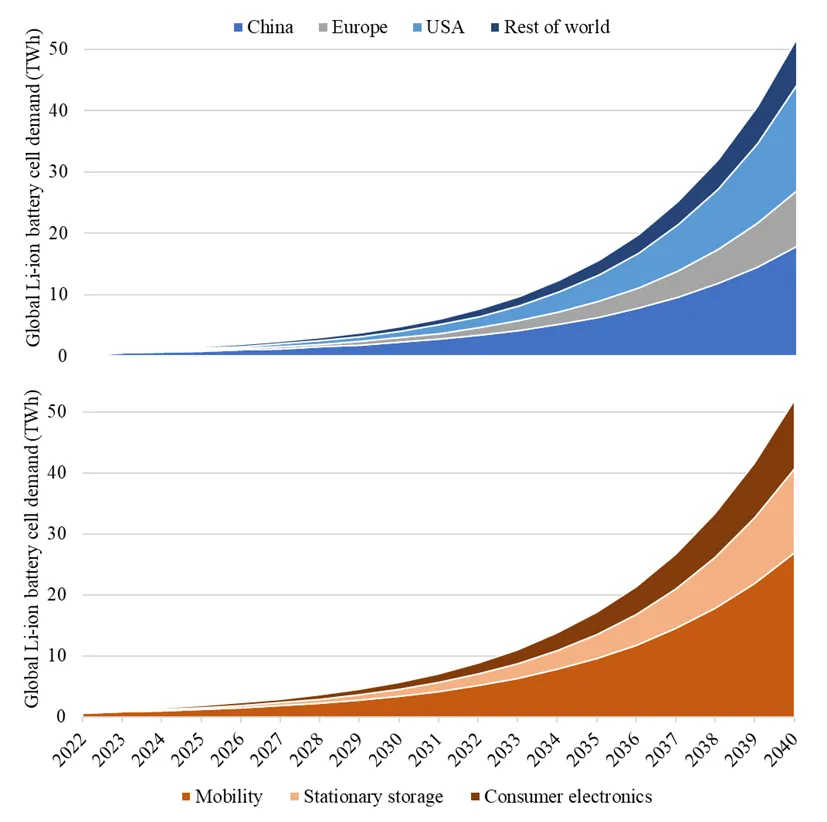
Nowadays, increasing attention is directed towards the sustainable use of raw materials. For a circular economy, recovery from spent devices represents a fundamental practice. With the transition to electric mobility, an increasing number of devices powered by lithium batteries are produced. Indeed, this is the fastest growing sector producing spent batteries, which are an important secondary source of critical raw materials, such as lithium, cobalt, graphite, and nickel. Therefore, this work aims to quantify the economic impact of recovering raw materials from lithium batteries used in the electric vehicles sector. Based on the chemical composition of the various lithium batteries and their market diffusion, the intrinsic economic value of this waste has been estimated to be around 6500 €/ton. Starting from the literature data on the global energy demand from lithium batteries and deriving the trend of their specific energy over time, the mass of material introduced into the market annually is estimated to reach 60 Mton/year by 2040. The annual amount of end-of-life lithium batteries was calculated by applying the Weibull distribution to describe the probability of failure, yielding 10 Mton/year by 2040. Finally, based on these results, the economic impact of the recovery market was assessed for two different scenarios.
Open Access
Article
08 September 2023Synthesis and Characterization of Cyclic Carbonate End-Functional Linear and Star Polyesters via Ring-Opening Polymerization
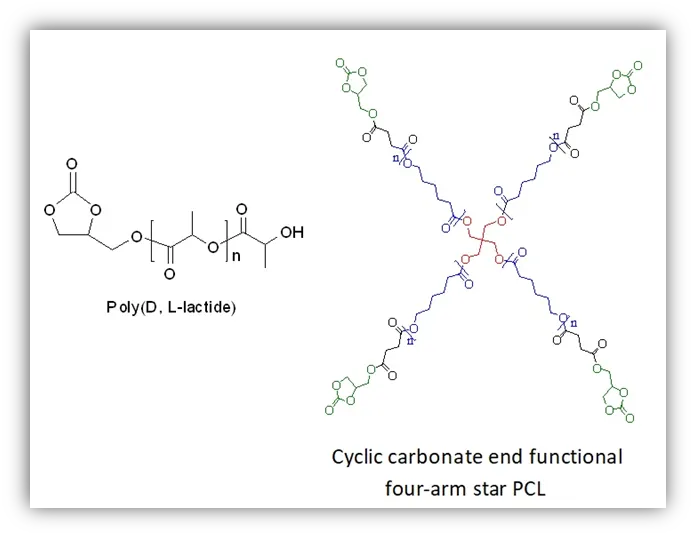
Well-defined α-(cyclic carbonate), ω-hydroxyl heterotelechelic poly (D,L-lactide)s (PDLLAs) were prepared with good end-group fidelity by ring-opening polymerization (ROP) of D,L-lactide catalyzed by organo catalyst namely, N,N′ dimethyl amino pyridine (DMAP) in conjunction with a renewable, functional bio-based initiator namely glycerol 1,2-carbonate (GC) in bulk at 135 °C with 82% yield. In the case of GC/DMAP catalyzed polymerizations, the HO-PDLLA-COOH series was not observed in MALDI TOF mass analysis unlike as obtained due to transesterification reactions when catalyzed by GC/Sn(Oct)2. Also, cyclic carbonate end-functional 4-arm star poly(ε-caprolactone) (PCL) was prepared via coupling of GC with (PCL-COOH)4 at room temperature in the presence of N,N′-dicyclohexylcarbodiimide (DCC) and DMAP. Quantitative conversion of hydroxyl functionality in (PCL-OH)4 to carboxylic acid and then to cyclic carbonate functionality was achieved with 90% yield for low molecular weight 4-arm star PCL confirmed by NMR, FT-IR, and MALDI TOF mass spectroscopy.
Open Access
Review
01 September 2023In Vitro BioTransformation (ivBT): Definitions, Opportunities, and Challenges
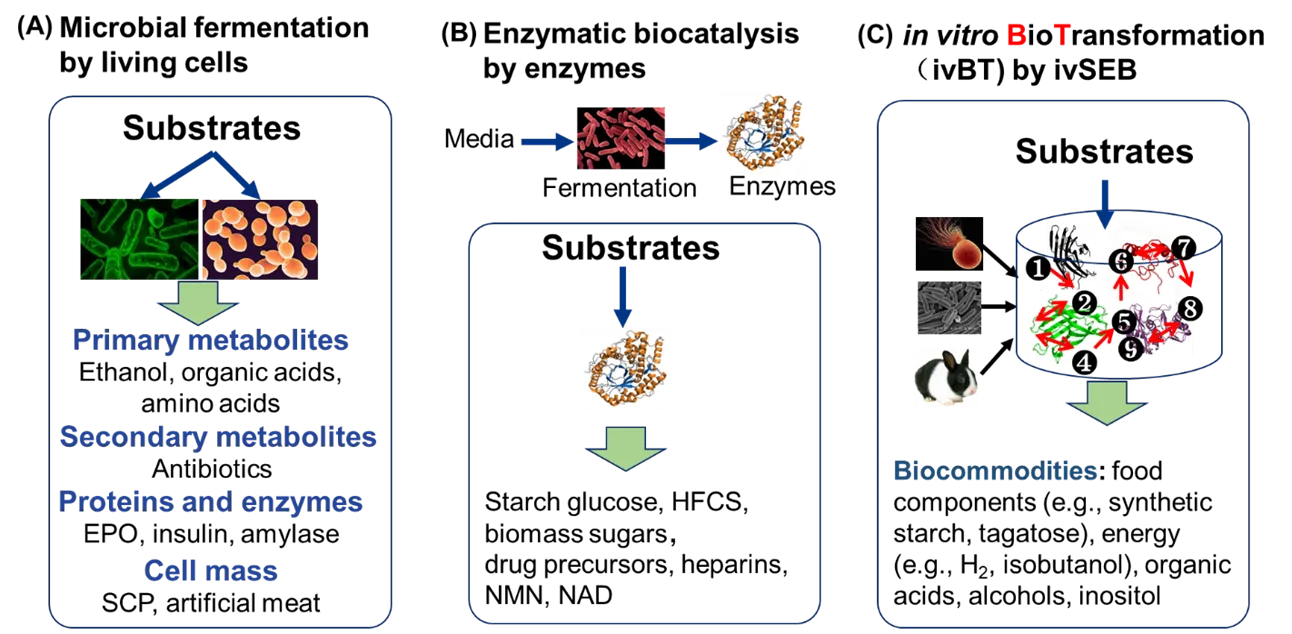
Great needs always motivate the birth and development of new disciplines and tools. Here we propose in vitro BioTransformation (ivBT) as a new biomanufacturing platform, between the two dominant platforms—microbial fermentation and enzymatic biocatalysis. ivBT mediated by in vitro synthetic enzymatic biosystems (ivSEBs) is an emerging biomanufacturing platform for the production of biocommodities (i.e., low-value and bulk biochemicals). ivSEB is the in vitro reconstruction of artificial (non-natural) enzymatic pathways with numerous natural enzymes, artificial enzymes, and/or (biomimetic or natural) coenzymes without living cell’s constraints, such as cell duplication, basic metabolisms, complicated regulation, bioenergetics, and so on. The two great needs (i.e., food security and the carbon-neutral renewable energy system) have motivated the birth and development of ivBT. Food security could be addressed by making artificial food from nonfood lignocellulose and artificial photosynthesis for starch synthesis from CO2. The carbon-neutral renewable energy system could be addressed by the construction of the electricity-hydrogen-carbohydrate cycle, where starch could be a high density of hydrogen carrier (up to 14.8% H2 wt/wt) and an electricity storage compound (greater than 3000 Wh/kg). Also, ivBT can make a number of biocommodities, such as inositol, healthy sweeteners (e.g., D-allulose, D-tagatose, D-mannose), advanced biofuels, polymer precursors, organic acids, and so on. The industrial biomanufacturing of the first several biocommodities (e.g., myo-inositol, D-tagatose, D-mannose, and cellulosic starch) would wipe off any prejudice and doubt on ivBT. Huge potential markets of biocommodities with more than tens of trillions of Chinese Yuan would motivate scientists and engineers to address the remaining technical challenges and develop new tools within the next decade.
Open Access
Perspective
06 July 2023An Extremely Long Span of the Sun-Earth Pattern in the History of China
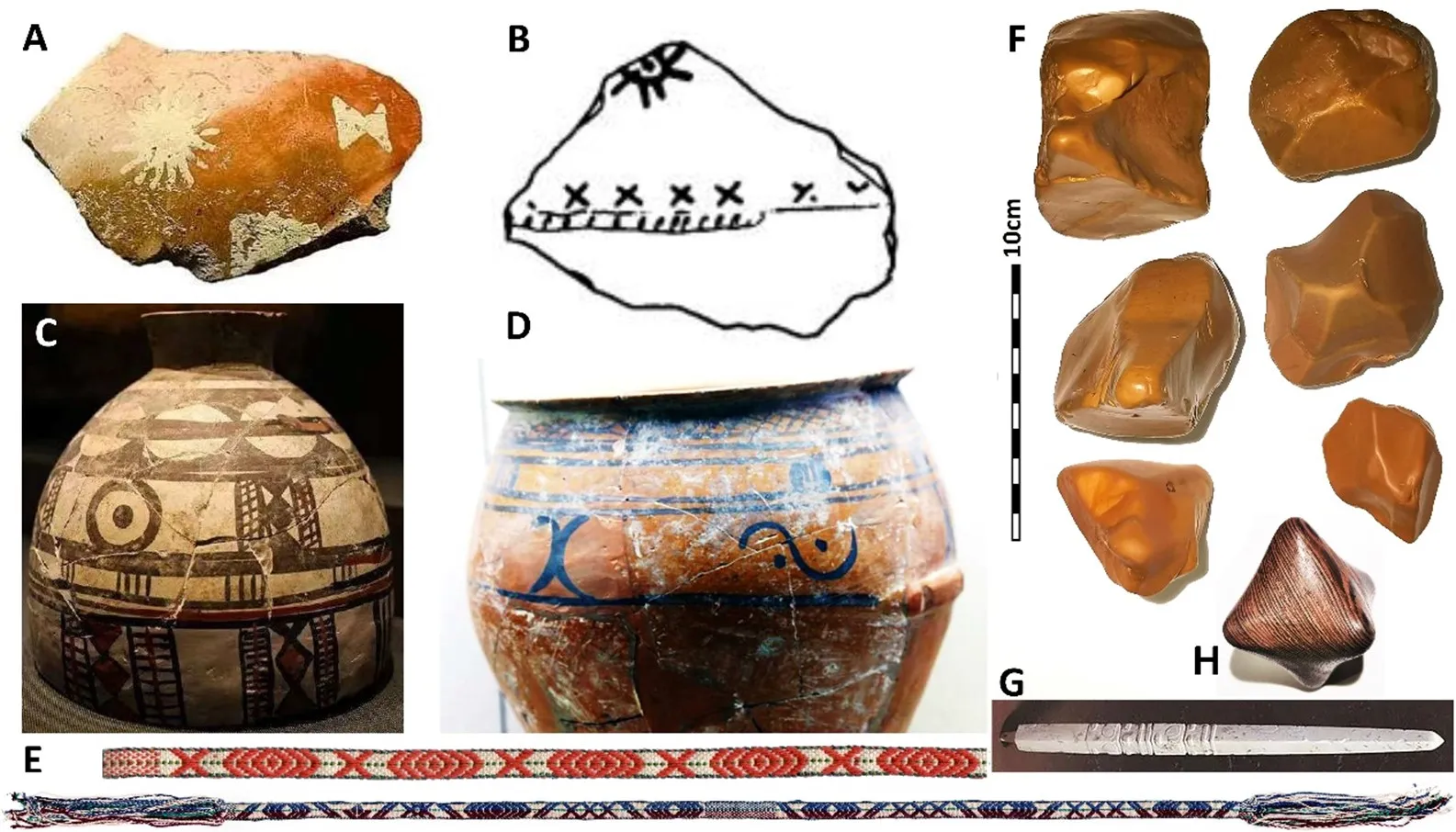
Chinese people believe that they are descendants of the prehistory Emperors Yan and Huang, while Yan (hot/red) and Huang (yellow) are the colors of the sun and earth. In the Dahecun style of Yangshao Culture archaeological culture of the legendary Yan and Huang’s period, the patterns of the sun and earth were frequently painted on the religious potteries, implying that the paired symbols might refer to the two emperors. However, the same paired pattern appeared in Shangshan Culture much earlier than Yangshao, indicating that the worship of Sun-Earth might have a quite long history prior to the two emperors. The pattern was inherited in the populations of China till today. The Jade Bi-Cong group of late Neolithic and early Bronze Age China also showed the same meanings and shapes. We found that the Sun-Earth pattern was quite common on the traditional brocade belts woven in the countryside around Shanghai. The origin of the sun shape was easy to understand, while that of the earth shape, a cross with or without an outline square, was hard to trace. Recent archaeological discovery in Shangshan Culture of a kind of yellow pyramid stone provided a new clue to the origin of earth symbol.
Open Access
Article
05 July 2023Photocatalytic Efficiency of Suspended and Immobilized TiO2 P25 for Removing Myclobutanil, Penconazole and Their Commercial Formulations
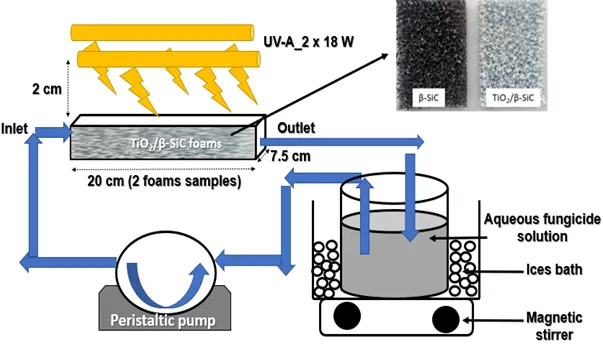
Fungicide application in viticulture is a major source of surface and groundwater contamination. It is therefore essential to find solutions to stop this environmental pollution. Heterogeneous photocatalysis is an advanced oxidation method for the degradation and mineralization of organic pollutants in water. TiO2 P25 photocatalyst in suspension has been used for removing the fungicides Myclobutanil and Penconazol, and their respective commercial formulations Systhane and Topas, in contaminated water. The apparent kinetic constants kapp of fungicides removal over 30 min batch treatment was higher for a mixture of pure molecules of Myclobutanil and Penconazol than for a mixture of their commercial formulations (17.5 × 10⁻³ by comparison with 10.3 × 10⁻³ min−1 for Myclobutanil, and 10.0 × 10⁻³ by comparison with 2.80 × 10⁻³ min−1 for Penconazol). TOC removal constants kTOC were similar for the two mixtures, due to the presence of mineral and organic additives in the commercial formulations. To easily recover the photocatalyst after fungicide removal, TiO2 P25 has been supported on β-SiC foam. Fungicides degradation was lower with supported photocatalysts than with the suspension of photocatalyst nanoparticles (NPs) because of a lower concentration of active sites on the supported photocatalyst than in the catalyst suspension. However, catalyst recovery and reuse after fungicide removal is obviously easier with TiO2/β-SiC material than with a suspension of TiO2 which requires long and expensive filtration operations.
Open Access
Article
31 May 2023Nitrogen-controlled Valorization of Xylose-derived Compounds by Metabolically Engineered Corynebacterium glutamicum
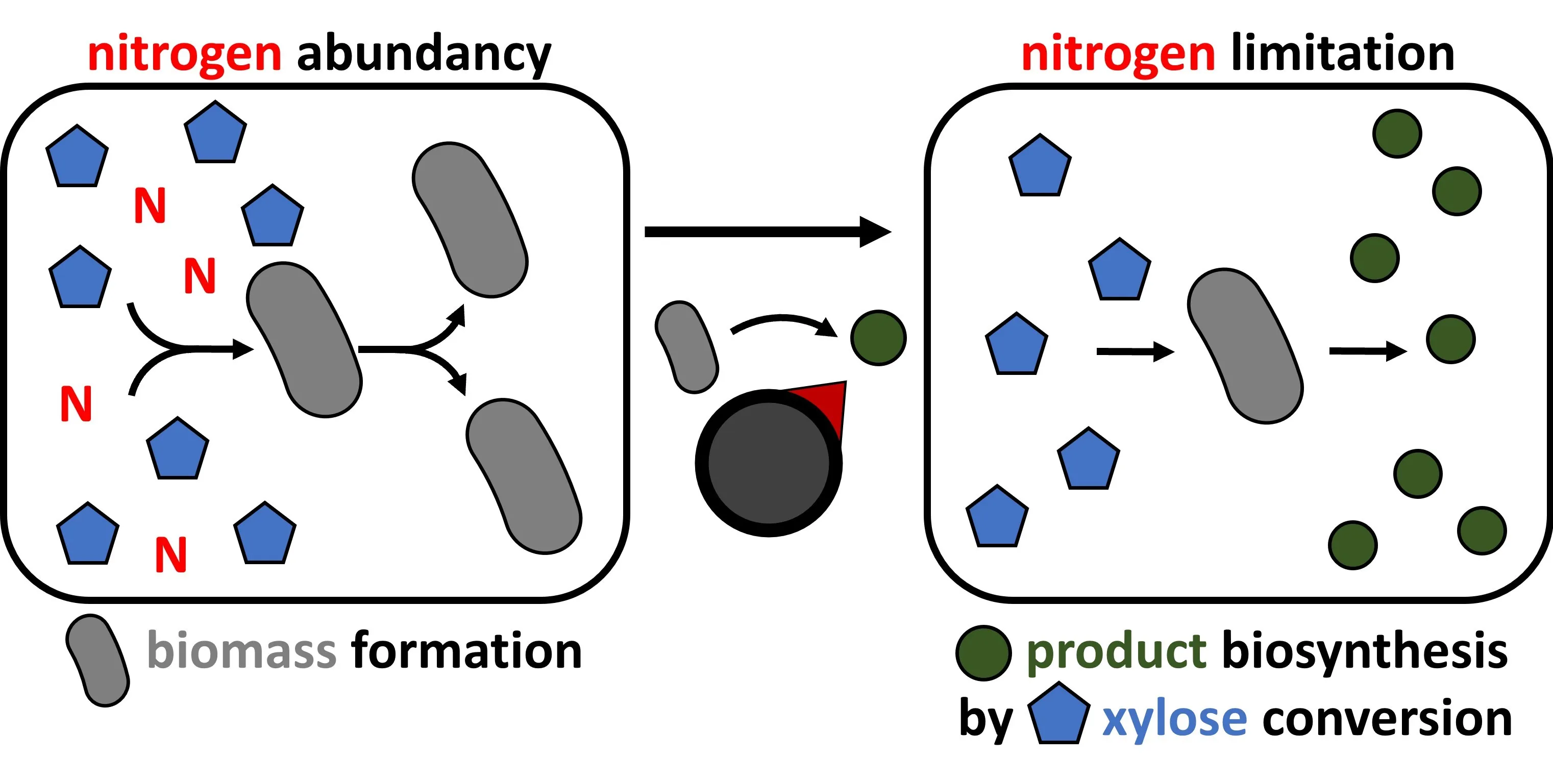
The implementation of bioprocesses in an economically feasible and industrial competitive manner requires the optimal allocation of resources for a balanced distribution between biomass formation and product synthesis. The decoupling of growth and production in two-stage bioprocesses, aiming to ensure sufficient growth before the onset of production, is particularly relevant when target products inhibit growth. In order to avoid expensive inducer molecules, continuing process monitoring, elaborate individual process optimization, and strain engineering, we developed and applied nitrogen deprivation-induced expression of genes for product biosynthesis. Two native nitrogen deprivation-inducible promoters were identified and shown to function for dynamic growth-decoupled gene expression or CRISPRi-mediated gene knockdown in C. glutamicum with superior induction factors than the standard IPTG-inducible Ptrc promoter. Valorization of xylose to produce either the sugar acid xylonic acid or the sugar alcohol xylitol from xylose as sole source of carbon and energy was demonstrated. Competitive titers of up to 34 g·L−1 xylonate and 13 g·L−1 xylitol were achieved in two-stage processes. We discussed that the transfer to bioprocesses with C. glutamicum using carbon sources other than xylose appears straightforward in particular regarding production of growth-inhibitory compounds by their growth-decoupled fermentative production.