Found 492 results
Open Access
Editorial
21 November 2023
Open Access
Review
08 November 2023Review on Drone-Assisted Air-Quality Monitoring Systems
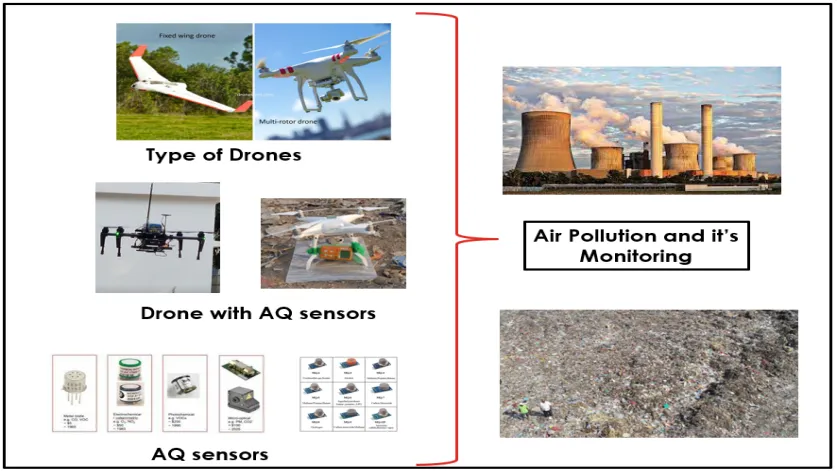
Drone-aided systems have gained popularity in the last few decades due to their stability in various commercial sectors and military applications. The conventional ambient air quality monitoring stations (AAQMS) are immovable and big. This drawback has been significantly overcome by drone-aided low-cost sensor (LCS) modules. As a result, much research work, media information, and technical notes have been released on drone-aided air quality and ecological monitoring and mapping applications. This work is a sincere effort to provide a comprehensive and structured review of commercial drone applications for air quality and environmental monitoring. The collected scientific and non-scientific information was divided according to the different drone models, sensor types, and payload weights. The payload component is very critical in stablility of the multirotor drones. Most study projects installed inexpensive sensors on drones according to the avilibility of the space on drone frame. After reviewing of multiple environmental applications the common payload range was 0 gm to 4000 gm. The crucial elements are addressed, including their relation to meteorological factors, air isokinetics, propeller-induced downwash, sensor mounting location, ramifications etc. As a result, technical recommendations for AQ monitoring assisted by drones are addressed in the debate part. This work will help researchers and environmentalists choose sensor-specific payloads for drones and mounting locations. Also, it enables advanced methods of monitoring parameters that help policymakers to frame advanced protocols and sensor databases for the environment and ecology.
Open Access
Review
31 October 2023Metabolic Engineering of Microorganisms Towards the Biomanufacturing of Non-Natural C5 and C6 Chemicals
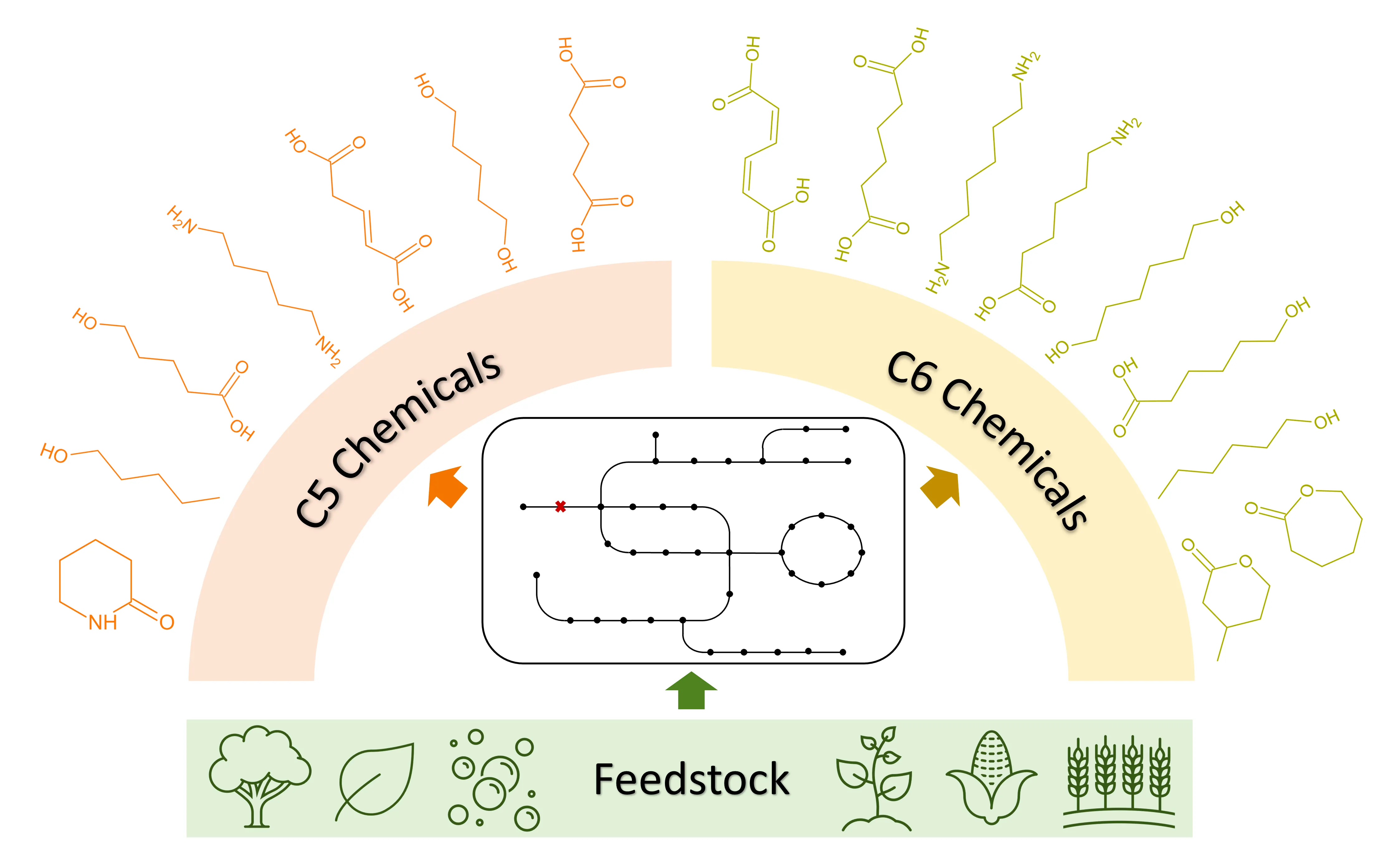
Five-carbon (C5) and six-carbon (C6) chemicals are essential components in the manufacturing of a variety of pharmaceuticals, fuels, polymers, and other materials. However, the predominant reliance on chemical synthesis methods and unsustainable feedstock sources has placed significant strain on Earth’s finite fossil resources and the environment. To address this challenge and promote sustainability, significant efforts have been undertaken to re-program microorganisms through metabolic engineering and synthetic biology approaches allowing for bio-based manufacturing of these compounds. This review provides a comprehensive overview of the advancements in microbial production of commercially significant non-natural C5 chemicals, including 1-pentanol, 1,5-pentanediol, cadaverine, δ-valerolactam, glutaric acid, glutaconic acid, and 5-hydroxyvaleric acid, as well as C6 chemicals, including cis, cis-muconic acid, adipic acid, 1,6-hexamethylenediamine, 6-aminocaproic acid, β-methyl-δ-valerolactone, 1-hexanol, ε-caprolactone, 6-hydroxyhexanoic acid, and 1,6-hexanediol.
Open Access
Article
12 October 2023Risk Analysis of Crisis Management on the Example of Rural Areas in Poland
The aim of this article is to analyze and assess the risk of crisis hazards and to introduce possible improvements on the example of the Municipality of Branice. The types of threats and the consequences associated with their occurrence are also described. The quality management method (FMEA) was used to develop the risk assessment, as well as an indication of the risk values presented by the risk matrix made. Thanks to the research part of the study, the most probable possible risks and their consequences were detected, and improvements were proposed to prevent the occurrence of such situations in the future. The main conclusions of the study are: (1) a properly prepared crisis management plan is the most important and effective method to deal with emergencies that threaten the life and health of citizens; (2) hazards have been, are, and will continue to accompany people, so adequate preparation is needed to minimize their effects or even eliminate them altogether; (3) during the occurrence of an emergency, the sphere of logistical action is very broad and determines the methods and actions of the relevant services in order to reduce the effects of the threats that occur; (4) the conducted analysis of threats possible to occur in the area of Branice Commune indicates that the highest probability of occurrence of a threat is floods and waterlogging as well as hurricanes and strong winds; (5) the conducted FMEA analysis indicates that a very important factor preventing the creation of the threats discussed in the point above are periodical inspections and cleaning or modernization works of the given threat areas. In summary, the FMEA analysis showed that in the analysed municipality, the most serious risks were flooding and flooding, as well as hurricanes and high winds. The following remedial actions are proposed in the analysis and to improve these areas in the rural areas: water surge in the riverbed (cleaning of the riverbed; repair of dikes; securing roads and communication bridges against possible damage; securing drinking water reservoirs against pollution; securing sewage treatment plants against possible leakage of faecal matter into flood waters); obstruction of field drainage (regular mowing and cleaning of ditches; checking the patency of ditches; roofs of residential and commercial buildings and fallen trees in villages close to houses (inspections and pruning of dangerous tree branches and possible removal of trees threatening danger of falling; inspection of roof structures by building supervision) and fallen trees in riverbeds (cleaning of banks and riverbeds; inspection of tree stands near rivers). The policy implications of this study may be far-reaching, not least because it may determine rural managers to change their management and attention to and response to crisis threats that may occur in such areas. Regarding the limitations of the study, it is important to remember that it was conducted on the author’s chosen terrain. In most cases, changes in the terrain, the population or its management have a determining influence on the shaping of emergency response principles. Therefore, the study conducted should provide an overview of the research issue undertaken. In the future, it is planned to extend the study area to equal rural areas occurring in the world, and it is also planned to verify the existing hazards on the ground on a continuous basis. In addition, it is intended to extend the deeper cooperation with both the rural authorities and the rescue units in order to imply the research results in the actual territorial units.

Open Access
Article
11 October 2023Fibrous SiC-based Mesoporous Solids for the Photocatalytic Degradation of Organic Pollutants under Artificial Light
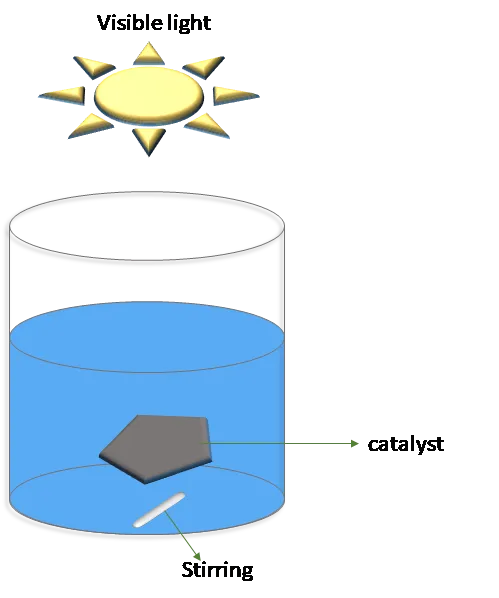
SiC-based mesoporous solids with fibrous nanostructure were prepared by impregnation of a polycarbosilane precursor on annealed polyacrylonitrile (PAN) fibers and subsequent pyrolysis. The obtained material exhibits a mesoporous structure and has a specific surface area of ~20 m2/g. It has a semiconducting electronic character with a bandgap of 2.65 eV, i.e., in the visible range. Adsorption tests of methylene blue were performed on the material under dark conditions, which showed an adsorption amount of 78 wt%. The photocatalytic activity of the material was then evaluated for the degradation of the dye under artificial daylight irradiation over a period of 7 h. A degradation of 94 wt% was achieved. Regeneration and reuse of the material was also tested and resulted in 97 wt% degradation after reuse, indicating potential interest of the material as a contactor in environmental remediation devices.
Open Access
Article
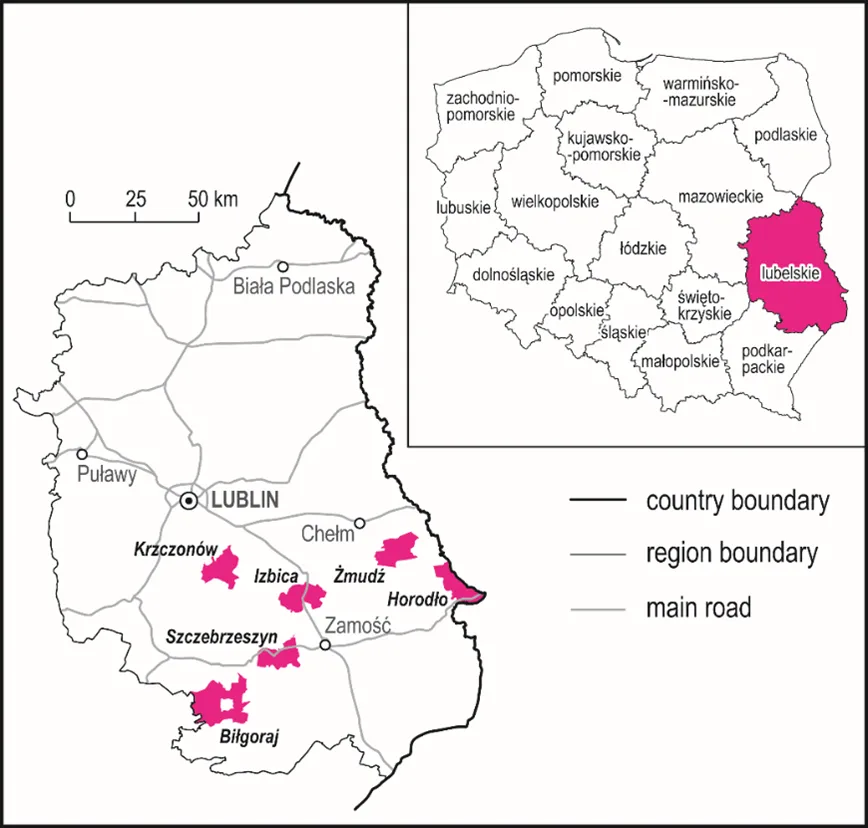
25 September 2023Depopulation Villages in Poland—Current Status and Possible Transition Scenarios
The picture of many localities undergoing depopulation will change in the coming years. A significant scale of migration and advanced ageing processes will result in an increase in the number of vacant buildings, or the removal of social infrastructure. The term ‘shrinkage’ tends to have negative connotations, but can lead to positive changes, e.g., an improvement in land structure under conditions of fragmented, dispersed agriculture. Depending on the quality of the natural environment and communication accessibility, other functions will develop there, including housing and recreation. However, a large part of the village may disappear completely.
Open Access
Article
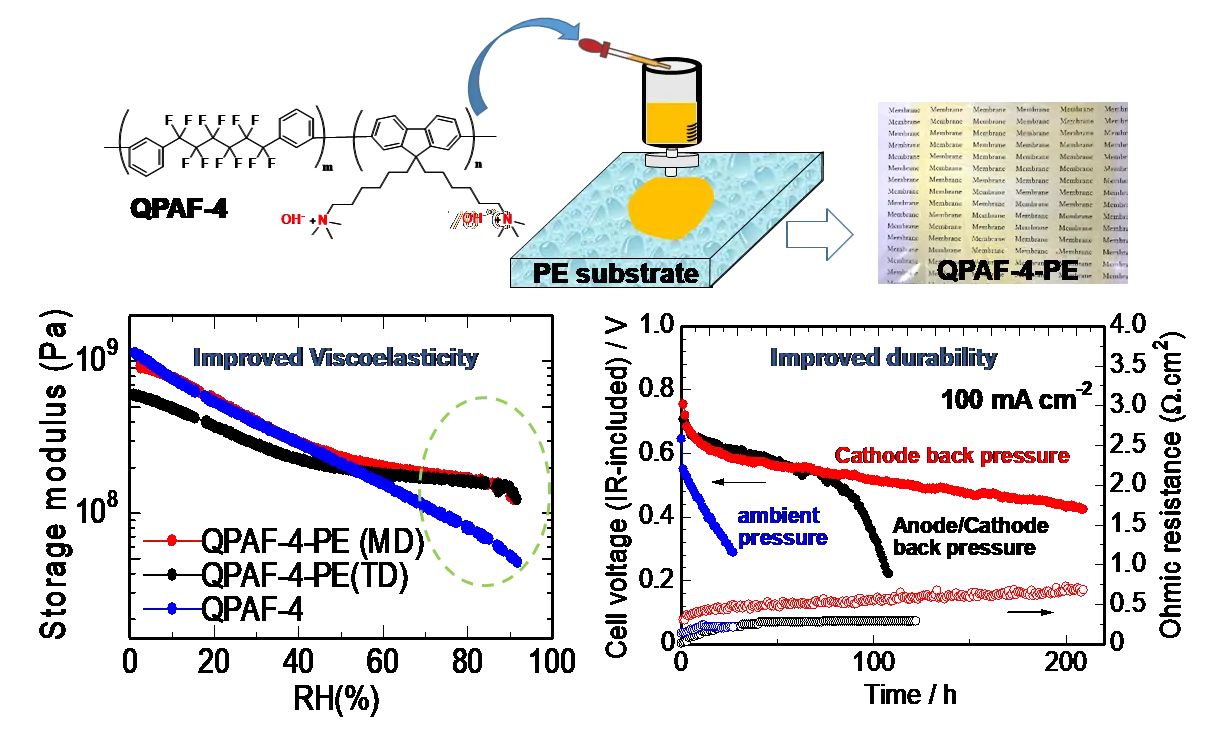
25 September 2023Anion Exchange Membrane Reinforced with Polyethylene Substrate for Alkaline Fuel Cell Applications
To enhance mechanical robustness of our in-house anion exchange membrane (QPAF-4), the reinforcement technique was applied using ozone-treated, porous polyethylene (PE) thin film (Toray SETELA) as a substrate. Homogenous and flexible reinforced membranes (QPAF-4-PE, 15–20 µm thick) were obtained by bar-coating method. The cross-sectional SEM image and EDS analysis revealed triple-layered (sandwich-like) structure without detectable pinholes. The QPAF-4-PE with ion exchange capacity (IEC) of 1.48 meq·g−1 exhibited lower water uptake (15 wt% at 90% relative humidity) and slightly lower hydroxide ion conductivity (71 mS·cm−1 at 80 ℃) than those of the pristine QPAF-4 (IEC = 1.84 meq·g−1, 25 wt% water uptake and 82 mS·cm−1 of the conductivity). The reinforced QPAF-4-PE exhibited slightly higher viscoelasticity (particularly, in MD direction) due to the suppressed water absorbability. Furthermore, the elongation at break increased by 9.8% in TD direction and 6.3% in MD direction. An H2/O2 fuel cell using QPAF-4-PE as membrane was investigated at different back-pressure, in which the cell with 100 kPa back-pressure onto the cathode side only achieved the maximum performance (176 mW·cm−2 at current density of 364 mA·cm−2) and the longest durability for (>200 h) at a constant current density of 100 mA·cm−2 maintaining 0.43 V of the cell voltage (67% remaining). The durability was eight times longer than that with ambient pressure and two times longer than that with back-pressure on both sides.
Open Access
Article
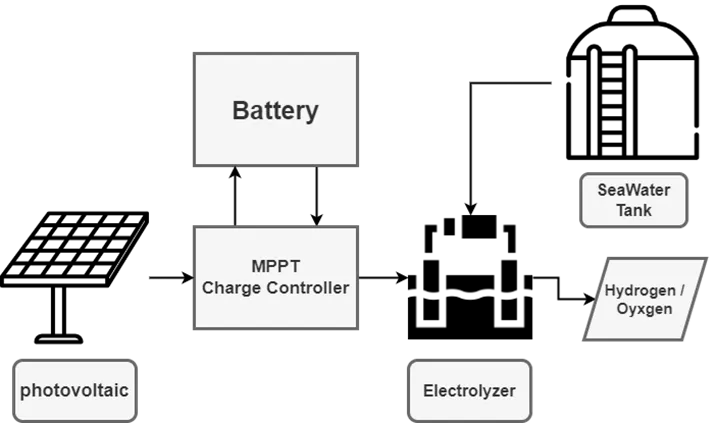
19 September 2023Advancing Green Hydrogen Production in Saudi Arabia: Harnessing Solar Energy and Seawater Electrolysis
The transition to clean and sustainable energy sources is crucial for combating the challenges posed by climate change. Green hydrogen, produced through renewable energy-driven electrolysis, holds significant promise as a viable clean energy carrier. The study introduces a system that leverages abundant solar energy and utilizes seawater as the feedstock for electrolysis, potentially offering a cost-effective solution. A comprehensive mathematical model, implemented in MATLAB, is employed to simulate the design and operational efficiency of the proposed green hydrogen production system. The system’s core components include solar panels as a clean energy source, an advanced MPPT charge controller ensuring optimal power delivery to the electrolyzer, and a seawater tank serving as the electrolyte source. The model combines these elements, allowing for continuous operation and efficient hydrogen production, addressing concerns about energy losses and cost-effectiveness. Results demonstrate the influence of solar irradiance on the system’s performance, revealing the need to account for seasonal variations when designing green hydrogen production facilities. Theoretical experiments are conducted to evaluate the behavior of a lithium battery, essential for stabilizing the system’s output and ensuring continuous operation during periods of low solar radiation.
Open Access
Article
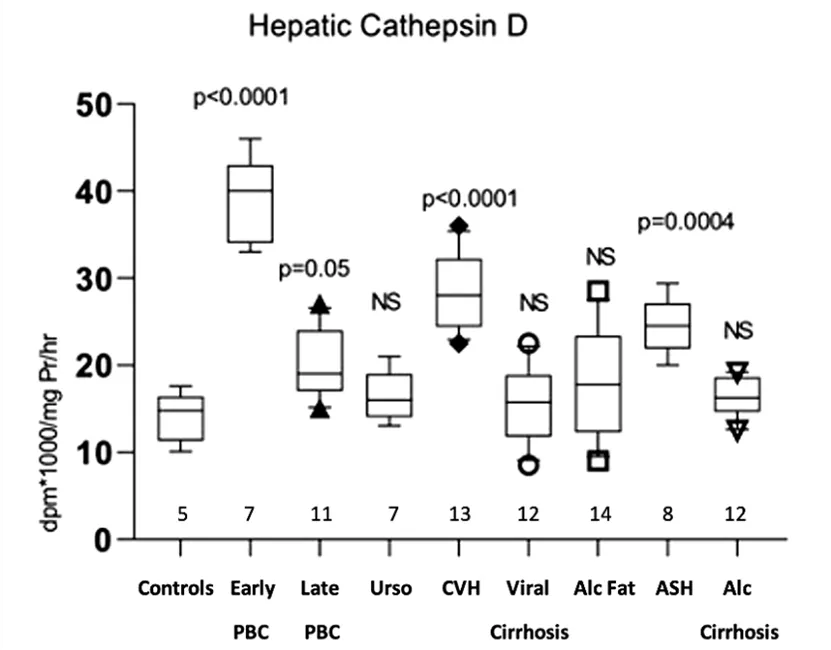
16 September 2023Hepatic Lysosomal Enzyme Activity in Primary Biliary Cholangitis
Lysosomal enzymes are implicated in autophagy and senescence. Hepatic lysosomal enzymes have not been studied in Primary Biliary Cholangitis (PBC). We therefore quantified the activities of lysosomal hydrolases in liver tissue of PBC patients. We compared enzyme activities in liver tissue from PBC patients with normal livers. Alcoholic liver disease and chronic viral disease served as disease controls. Cathepsin B1 was significantly increased in early PBC (225.1 ± 18.06 mean ± SD, p < 0.0001) and reduced in later stages (66.5 ± 9.7, p = 0.004, controls 130.4 ± 14.9). It was reduced in patients with extensive fibrosis such as alcoholic and viral cirrhosis (p < 0.01 and p = 0.004 respectively) but not in chronic hepatitis. Cathepsin D was increased in early PBC (39 × 103 ± 4.8 SD, p < 0.0001) and less so in later stages (20.1 × 10³ ± 3.9, p = 0.05, controls 14.1 × 10³ ± 2.9). It was also increased in the presence of histological necro-inflammation in hepatitis. Treatment with ursodeoxycholate (UDCA) restored the abnormal values of enzymes in PBC. Lipid hydrolases mostly paralleled the changes of Cathepsins. Sequential measurements in serum of patients with acute alcoholic hepatitis showed that cathepsin B1 gradually decreases, and esterases increase as aminotransferases improve. The increased activity of lysosomal enzymes in early PBC are possibly on line with increased senescence. Treatment with UDCA restores abnormal values. In chronic liver disease, Cathepsin B1 reduction is associated with fibrosis and increased cathepsin D with necro-inflammation. Abnormalities of lysosomal enzymes indicate impairment of the final stage of autophagy in chronic liver disease.
Open Access
Perspective
13 September 2023Estimate of Economic Impact of EVs Li-ion Batteries Recovery
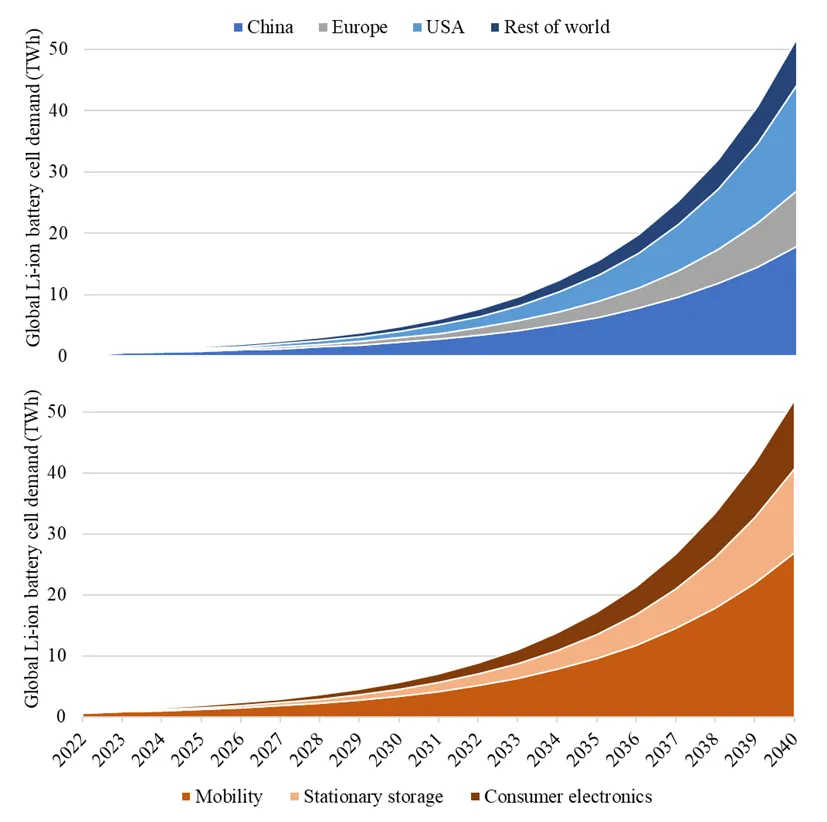
Nowadays, increasing attention is directed towards the sustainable use of raw materials. For a circular economy, recovery from spent devices represents a fundamental practice. With the transition to electric mobility, an increasing number of devices powered by lithium batteries are produced. Indeed, this is the fastest growing sector producing spent batteries, which are an important secondary source of critical raw materials, such as lithium, cobalt, graphite, and nickel. Therefore, this work aims to quantify the economic impact of recovering raw materials from lithium batteries used in the electric vehicles sector. Based on the chemical composition of the various lithium batteries and their market diffusion, the intrinsic economic value of this waste has been estimated to be around 6500 €/ton. Starting from the literature data on the global energy demand from lithium batteries and deriving the trend of their specific energy over time, the mass of material introduced into the market annually is estimated to reach 60 Mton/year by 2040. The annual amount of end-of-life lithium batteries was calculated by applying the Weibull distribution to describe the probability of failure, yielding 10 Mton/year by 2040. Finally, based on these results, the economic impact of the recovery market was assessed for two different scenarios.