Found 493 results
Open Access
Meeting Report
20 February 2024The Cellular and Metabolic Bases of Organ Fibrosis: UNIA Workshop 2023 in Baeza, Spain
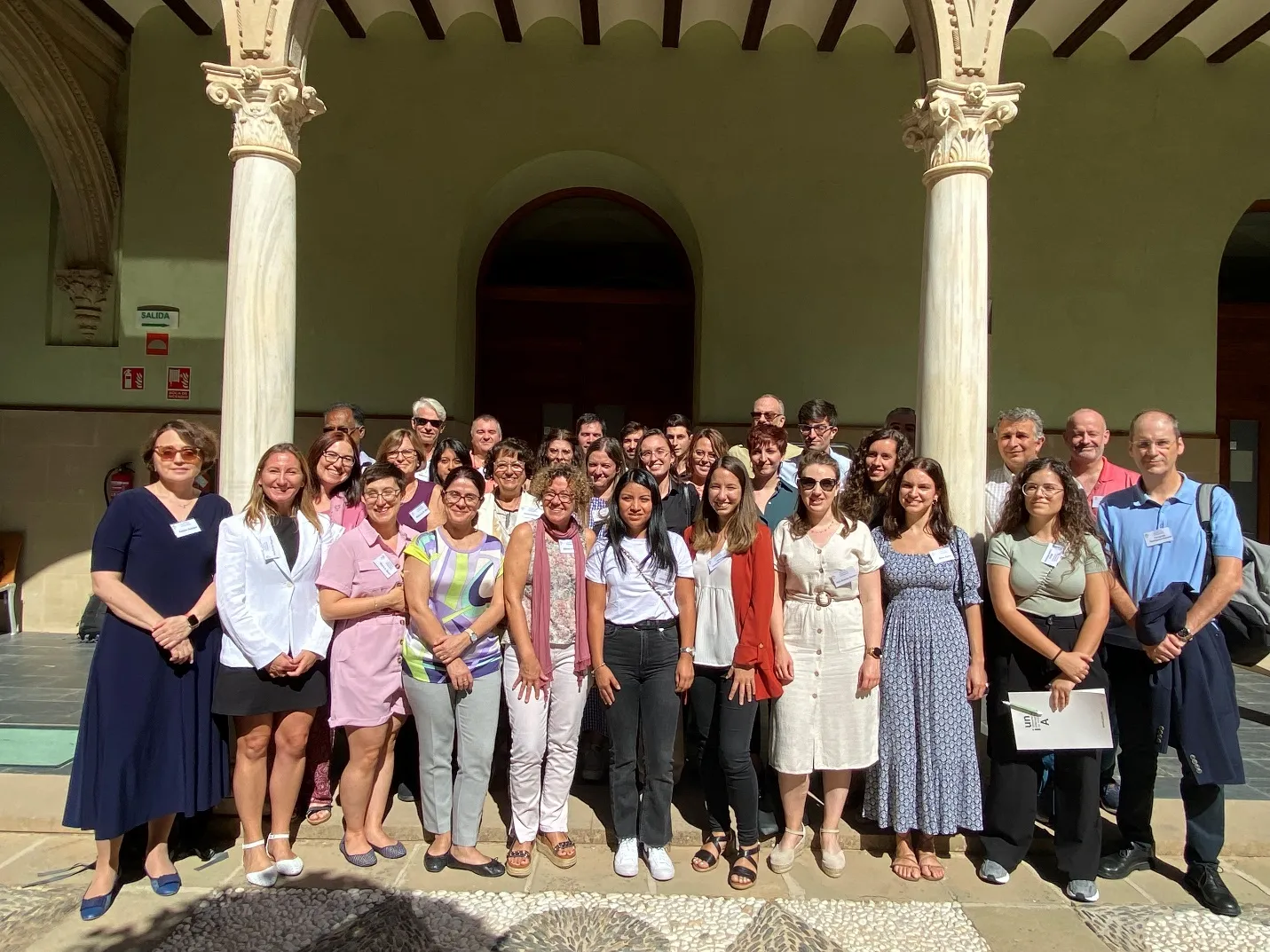
Fibrosis is defined by scarring and tissue hardening caused by excess deposition of extracellular matrix components, mainly collagens. A fibrotic response can occur in any tissue of the body and is the final outcome of an unbalanced reaction to inflammation and wound healing induced by a variety of insults, including persistent infections, autoimmune reactions, allergic responses, chemical exposure, radiation, and tissue injury. The accumulation of extracellular matrix proteins replaces the living tissue and disrupts the architecture leading to organ malfunction. Fibrosis remains a major clinical and therapeutic challenge and has been estimated to account for 45% of deaths in the developed world. While major advances regarding mechanistic knowledge on the underlying cell biology alterations in fibrosis have helped to characterize the main phases and mediators involved, this knowledge has not yielded significant progress in treatment. Only recently, the metabolic features associated to fibrosis have begun to emerge. This information, likely representing only the tip of the iceberg, suggests that metabolic derangement is a key culprit in the pathophysiology of fibrogenesis. The Workshop on The Cellular and Metabolic Bases of Organ Fibrosis, International University of Andalusia, Baeza, Spain, October 8–11, 2023 aimed to discuss the current knowledge and novel perspectives on the mechanisms contributing to the development of fibrosis in different organs and tissues, with particular focus on new methodological developments in metabolomics and therapeutic strategies.
Open Access
Article
20 February 2024Wind Influence on the Electrical Energy Production of Solar Plants
Solar energy, as a clean source of energy, plays a relevant role in this much desired (r)evolution. When talking about photovoltaics, despite the multiple studies on parameters that affect the panels operation, concrete knowledge on this matter is still in an incipient stage and precise data remains dispersed, given the mutability of outer factors beyond technology-related properties, hence the difficulties associated with exploration. Wind is one of them. Wind loads can affect the temperature of photovoltaics, whose efficiency is reduced when higher temperatures are reached. The viability of wind as natural cooling mechanism for solar plants and its influence on their electrical energy production is studied in this research work. Some appropriate results were achieved: depending on the module temperature prediction model used and on the photovoltaic technology in question, solar panels are foreseen to be up to approximately 3% more productive for average wind speeds and up to almost 7% more productive for higher speeds. Taking into consideration that wind speed values were collected in the close vicinity of the modules, these results can be proven to be even higher. That being said, this article contributes with accurate insights about wind influence on electrical energy production of solar plants.

Open Access
Article
18 February 2024The Sustainable Development Concept in the Polish Legal Space from a Legal-Dogmatic Perspective
The sustainable development concept is of crucial importance for the socioeconomic development processes, not only at the international community level, but also—or, perhaps, particularly—at the national or even local levels. The aim of the article is to demonstrate, from a legal-dogmatic perspective, the place, role and significance of the sustainable development concept in the Polish legal space. This perspective applies to both the state policy intended to formulate a strategy which provides a basis for law-making processes and to find normative solutions making it possible to reconcile legally protected values which sometimes compete with one another, with account taken of the needs of future generations. The sustainable development concept has been very broadly followed in Poland not only in the legal doctrine, but also in the doctrine of economic and social sciences. This term has turned out to be such an effective political catchword that it has been commonly abused and, therefore, it has lost a good deal of its social importance; this makes it substantially more difficult to apply a normative approach to the issues related to the implementation of the concept in legislative practice. In the Polish legal space, the sustainable development concept has become the leading theme of many documents and legal acts, particularly those concerned with environmental protection, but also, although to a much more modest extent, those addressing the issues of socioeconomic development.

Open Access
Article
06 February 2024Geographical Discrepancies in Higher Education in Sweden
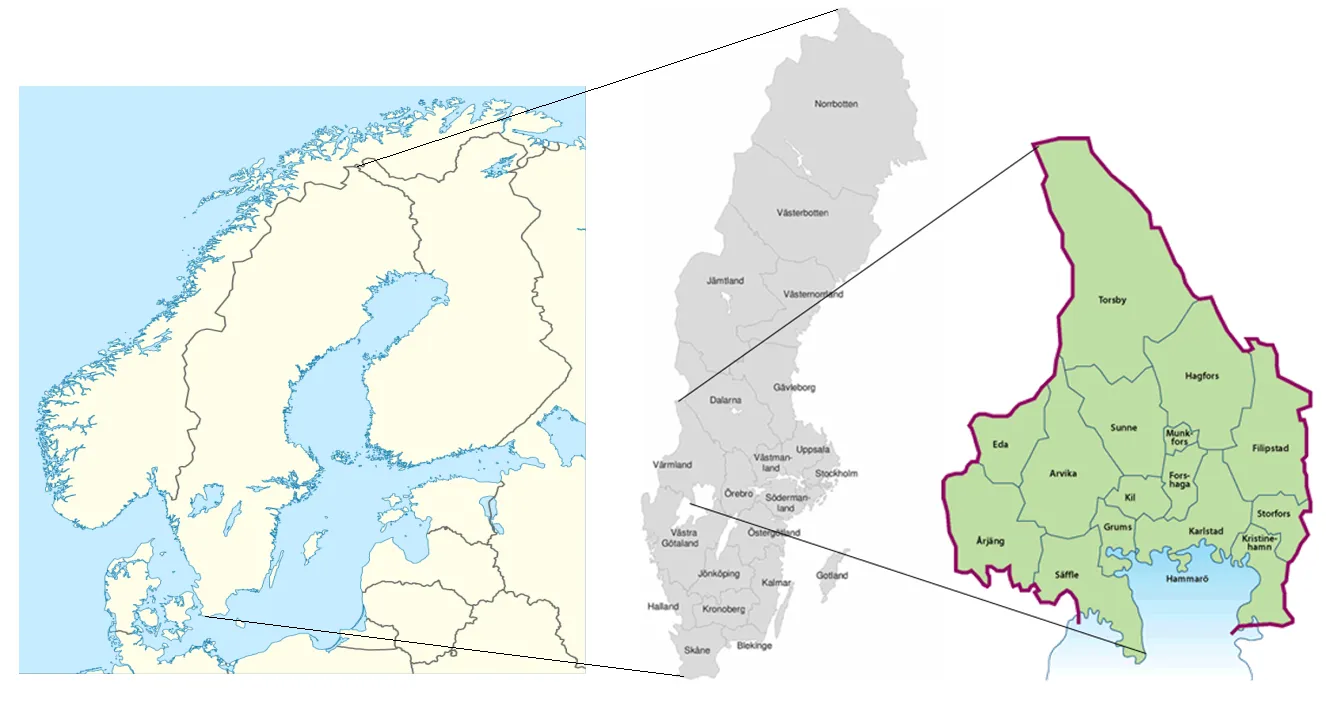
There is a growing awareness of the importance of higher education in Sweden to reduce social differences in society. There are also various mechanisms that individuals relate to that favour either the status quo or change based on an ideal of higher education. Individuals live in a geographical context with a number of ‘key actors’ who influence the perception of higher education with varying degrees of intensity. Paradoxically, despite several reforms to broaden recruitment, it can be seen that relative inequalities persist in terms of residents with higher education in Sweden, not least from a regional perspective. The purpose of this article is to shed light on geographical differences in the higher education level of the population over time from a Swedish perspective. The study shows that higher education has a geographical centre-periphery perspective, but not exclusively. There are thus additional influencing factors that in various ways relate to the social context in which the individual is located. We can conclude from our empirical data that the reforms implemented to broaden recruitment have not had the desired effect, especially for the group of men. We find it likely that what differentiates women and men is who their individual ‘key players’ are and how they interact. From an academic education perspective and as an intermediary of higher education, there is therefore a challenge to be able to identify who these “key players” are in order to be able to be an important actor in contributing to the desired broader recruitment that the government is striving to achieve.
Open Access
Article
01 February 2024Molecular Regulation of Transforming Growth Factor-β1-induced Thioredoxin-interacting Protein Ubiquitination and Proteasomal Degradation in Lung Fibroblasts: Implication in Pulmonary Fibrosis
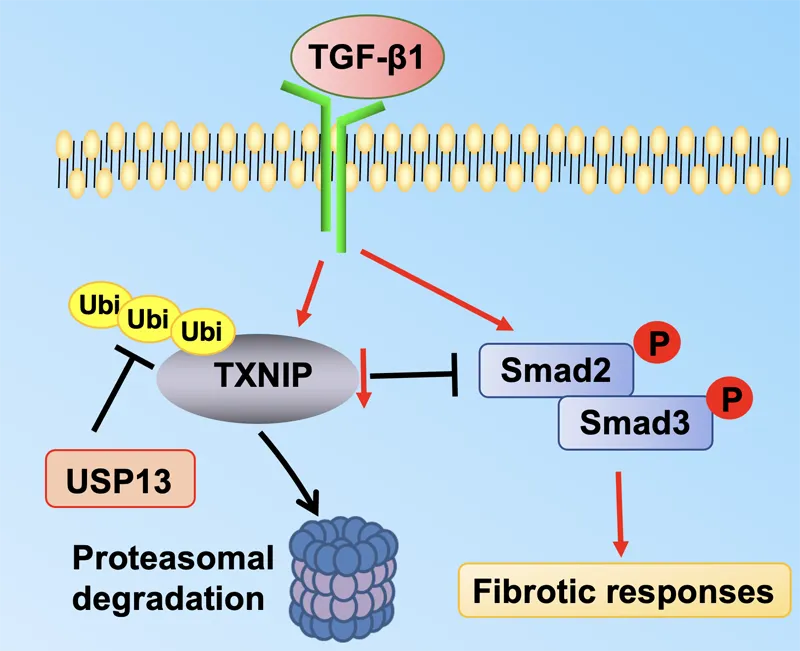
Thioredoxin-interacting protein (TXNIP) plays a critical role in regulation of cellular redox reactions and inflammatory responses by interacting with thioredoxin (TRX) or the inflammasome. The role of TXNIP in lung fibrosis and molecular regulation of its stability have not been well studied. Therefore, here we investigated the molecular regulation of TXNIP stability and its role in TGF-β1-mediated signaling in lung fibroblasts. TXNIP protein levels were significantly decreased in lung tissues from bleomycin-challenged mice. Overexpression of TXNIP attenuated transforming growth factor-β1 (TGF-β1)-induced phosphorylation of Smad2/3 and fibronectin expression in lung fibroblasts, suggesting that decrease in TXNIP may contribute to the pathogenesis of lung fibrosis. Further, we observed that TGF-β1 lowered TXNIP protein levels, while TXNIP mRNA levels were unaltered by TGF-β1 exposure. TGF-β1 induced TXNIP degradation via the ubiquitin-proteasome system. A serine residue mutant (TNXIP-S308A) was resistant to TGF-β1-induced degradation. Furthermore, downregulation of ubiquitin-specific protease-13 (USP13) promoted the TGF-β1-induced TXNIP ubiquitination and degradation. Mechanistic studies revealed that USP13 targeted and deubiquitinated TXNIP. The results of this study revealed that the decrease of TXNIP in lungs apparently contributes to the pathogenesis of pulmonary fibrosis and that USP13 can target TXNP for deubiquitination and regulate its stability.
Open Access
Article
31 January 2024Design of Intelligent and Sustainable Manufacturing Production Line for Automobile Wheel Hub
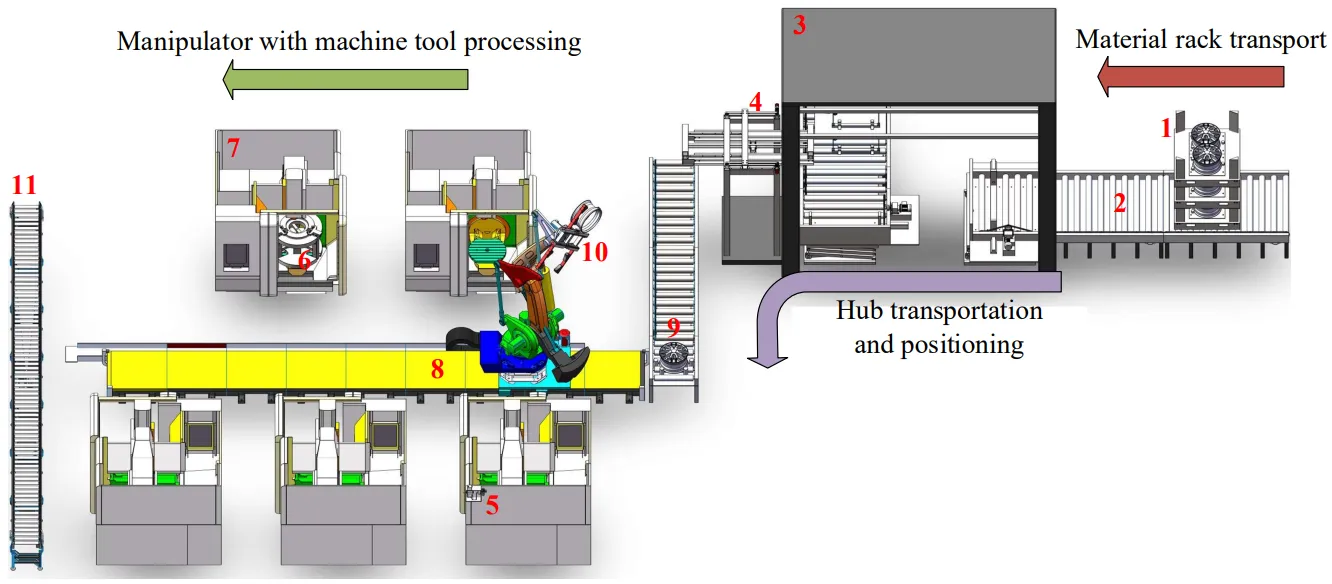
The wheel hub is an important part of the automobile, and machining affects its service life and driving safety. With the increasing demand for wheel productivity and machining accuracy in the automotive transport sector, automotive wheel production lines are gradually replacing human production. However, the technical difficulties of conventional automotive wheel production lines include insufficient intelligence, low machining precision, and large use of cutting fluid. This paper aims to address these research constraints. The intelligent, sustainable manufacturing production line for automobile wheel hub is designed. First, the machining of automotive wheel hubs is analyzed, and the overall layout of the production line is designed. Next, the process equipment system including the fixture and the minimum quantity lubrication (MQL) system are designed. The fixture achieves self-positioning and clamping functions through a linkage mechanism and a crank–slider mechanism, respectively, and the reliability of the mechanism is analyzed. Finally, the trajectory planning of the robot with dual clamping stations is performed by RobotStodio. Results show the machining parameters for a machining a wheel hub with a diameter of 580 mm are rotational speed of 2500 rpm, cutting depth of 4 mm, feed rate of 0.5 mm/r, and minimum clamping force of 10881.75 N. The average time to move the wheel hub between the roller table and each machine tool is 27 s, a reduction of 6 s compared with the manual handling time. The MQL system effectively reduces the use of cutting fluid. This production line can provide a basis and reference for actual production by reasonably planning the wheel hub production line.
Open Access
Article
29 January 2024A Novel High Step-up DC-DC Converter Using State Space Modelling Technique for Battery Storage Applications
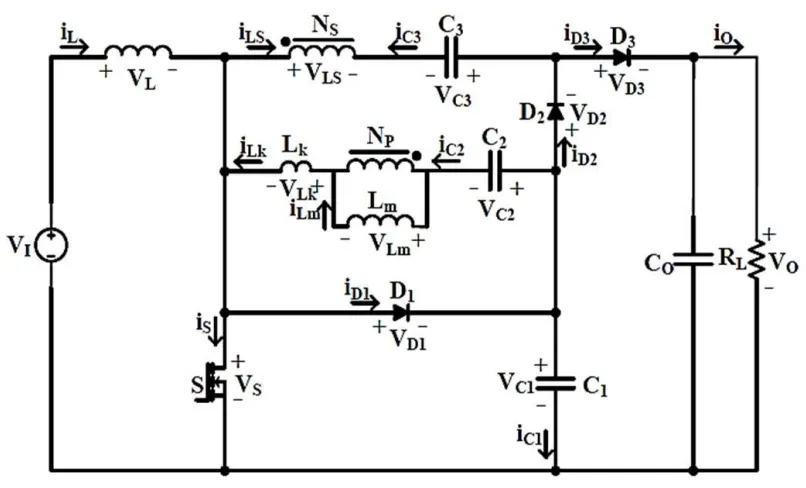
This paper focuses a novel non-isolated coupled inductor based DC-DC converter with excessive VG (voltage gain) is analyzed with a state-space modeling technique. It builds up of using three diodes, three capacitors, an inductor and CI (coupled inductor). The main switch S is turn on due to body diode and voltage stress is reduced at the switch S by using diode D1 and Capacitor C1. This paper focuses on design modelling, mathematical calculations and operation principle of DC-DC converter is discussed with state-space modelling technique. The performance has been presented for two different voltages for EV applications, i.e., 12 V, 48 V as input voltages with a high step-up outputs of 66 V and 831.7 V respectively. The converter stability is studied and determined the bode plot along with simulation performance results which are carried out using MATLAB R2022B.
Open Access
Article
29 January 2024Determining the Identity of Corpses Using Fingerprints: Results from Practice and Analysis of Process Used in the Republic of Serbia
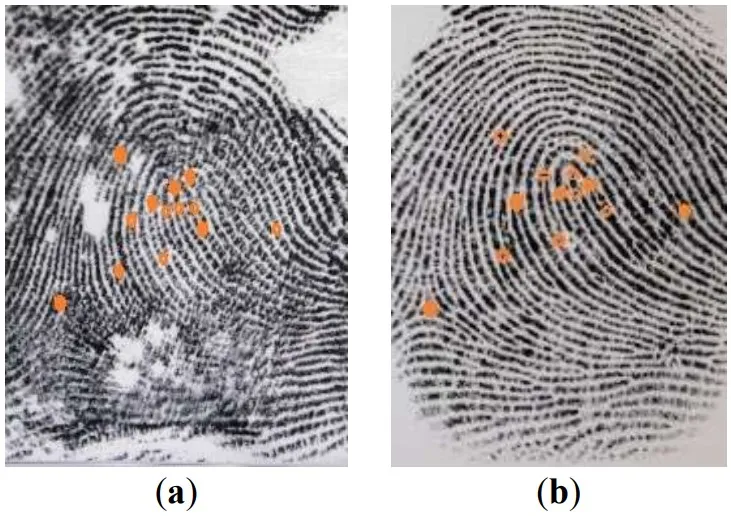
In today’s world, when there is a constant fight against organized crime and terrorism, when we have cases of mass accidents (plane crashes, train crashes, buses, etc.), the constant need for precise and quick identification of persons is evident in these cases. When we have situations with a large number of dead in various conditions, as well as complete or only parts of the body being on the spot, there is a need to use scientific and forensic methods in order to find out the reliable identity of these people. Furthermore, there is a need, in some cases, to identify persons who committed suicide, were killed, or died a natural death (accidental death) and who do not have documents according to which their identity can be determined. The aim of this paper will, however, be to identify a group of persons who need to be identified, known as unidentified corpses. Method. Describe and discuss the way of determining identity based on dactyloscopic data, which provides accurate and unambiguous identification, using fingerprints. Results. The identity was determined in 1271 cases of unidentified corpses by dactyloscopic comparison of fingerprints with a database containing fingerprints of about 8,000,000 indisputably identified persons. It was confirmed in 1139 cases. Conclusion. The high degree of identification in our research, as much as 89.6%, makes this method rightly represented as a standard method for confirming a person’s identity.
Open Access
Article
23 January 2024Analysis of a σ54 Transcription Factor L420P Mutation in Context of Increased Organic Nitrogen Tolerance of Photofermentative Hydrogen Production in Cereibacter sphaeroides Strain 2.4.1 Substrain H2
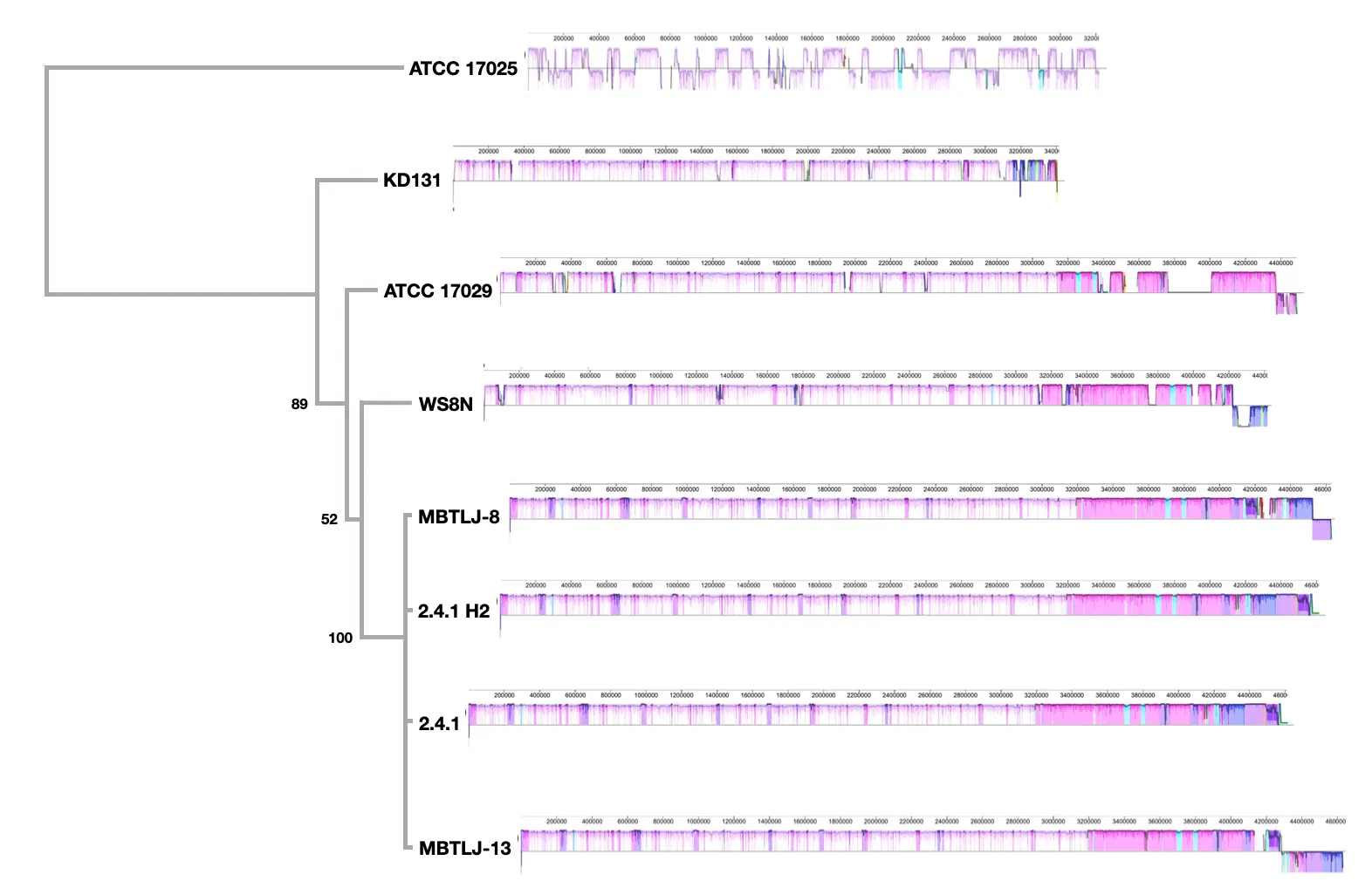
Photofermentative hydrogen production with non-sulfur purple bacteria like Cereibacter sphaeroides (formerly Rhodobacter sphaeroides) is a promising and sustainable process to convert organic waste into the energy carrier hydrogen gas. However, this conversion is inhibited by elevated organic nitrogen concentrations in the substrate, which limits its applicability to nitrogen-poor organic waste. We present genomic and transcriptomic insights into a substrain of Cereibacter sphaeroides strain 2.4.1 that shows unexpected high levels of photofermentative hydrogen evolution when fed with glutamate. Genome sequencing revealed 222 single nucleotide variances (SNVs) between the reference genome of C. sphaeroides strain 2.4.1 and the analyzed substrain H2. These affect 61 protein coding genes. A leucine-proline exchange is present in the σ54 factor (rpoN2 gene), a global hydrogen and nitrogen metabolism regulator. We propose a model how this mutation alters DNA-binding properties that explain the unexpected organic nitrogen tolerance of hydrogen production. Transcriptomic analyses under varying glutamate concentrations support this finding. Thus, we present the first thorough genomic and transcriptomic analysis of a Cereibacter strain that shows promising metabolic characteristics for biotechnological hydrogen gas production from organic waste. These results suggest a potential target for strain optimization. Possibly, our key finding can be transferred to other hydrogen producing microorganisms.
Open Access
Comment
19 January 2024New Geographical (Im)materialities in Rural Spaces for a Renewed Countryside in the Global North. Some Key Comments in the Rural Geography Debate
From the point of view of the new (im)materialities and the relevance of vernacular house in the process of rural change and restructuring, this contribution comments some possible innovative ways of research in rural studies. The objective of the study is to bring the attention about the relevance of vernacular houses in the process of global rural change and restructuring and their particular expressions in localities and vernacular houses. The methodology in qualitatively based on auto-biographical and ethnographical research based in three houses of study in a marginal rural area of central Spain. The main conclusions suggest a process of hybridization of people and vernacular houses with two different circuits: new comers and traditional populations.