Found 301 results
Open Access
Article
15 November 2023Local Production, Consumption, and Innovation: Enhancing Sustainability through SMEs in Japan
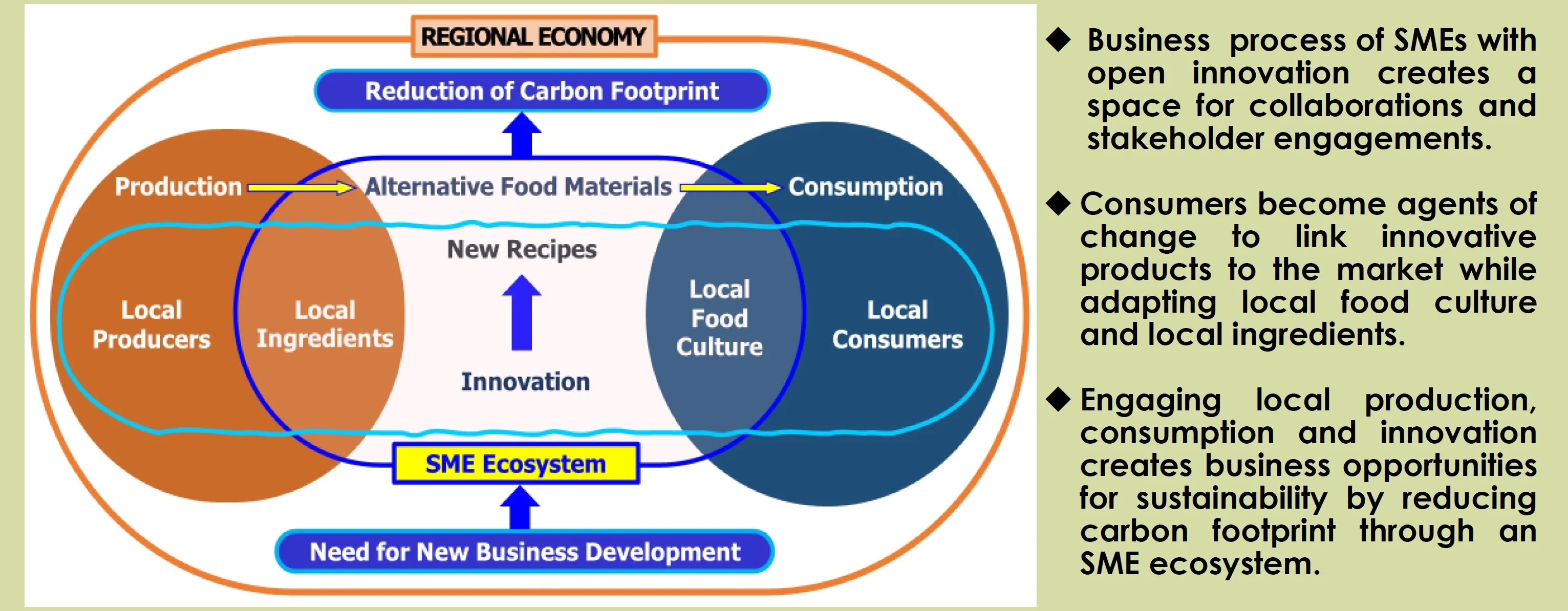
The study focuses on the process of business development with the use of food tech and open innovation by Small and Medium-sized Enterprises (SMEs) in Japan to create a sustainable ecosystem in the regional economy. Production of alternative food materials is introduced in the new business of SMEs with the hope to reduce carbon footprint. SMEs need to create an SME ecosystem that integrates consumers as vital partners in the process of introducing new alternative food items to the market as agents of change. Innovative ways of inventing new food products involve the processes of sourcing ingredients, creating new recipes for alternative food products, and incorporating local food culture and methods of food preparation. Therefore, it is crucial for SMEs to involve local producers as well as consumers as stakeholders in innovation. Some case examples of SMEs producing plant-based alternative meats in Japan are reviewed in this study to highlight key factors impacting the outcome of innovation in the products and processes of SMEs seeking sustainable solutions. The significance of the study lies in acknowledging catalytic roles of SMEs in regional settings and interactive roles of consumers as product buyers as well as active players who consciously opt for certain products and modes of consumption driven by their inclination to support sustainability. Based on the findings of the study, some policy suggestions are also made for enhancing sustainability and revitalizing the local economy through SMEs.
Open Access
Editorial
08 November 2023
Open Access
Review
08 November 2023Review on Drone-Assisted Air-Quality Monitoring Systems
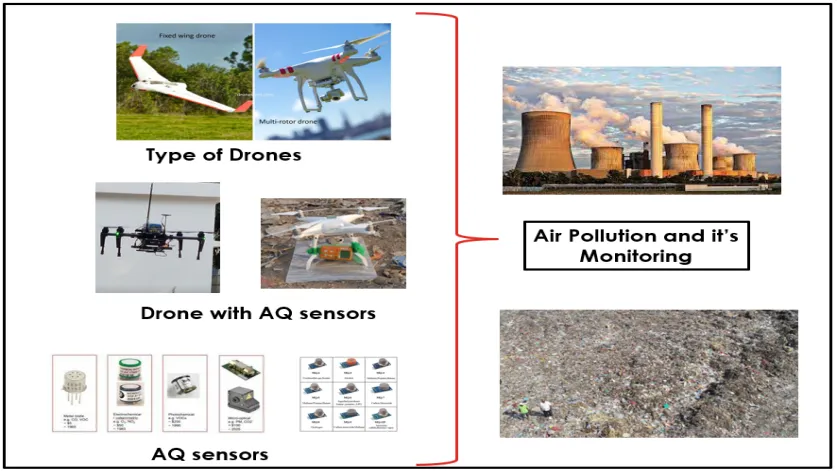
Drone-aided systems have gained popularity in the last few decades due to their stability in various commercial sectors and military applications. The conventional ambient air quality monitoring stations (AAQMS) are immovable and big. This drawback has been significantly overcome by drone-aided low-cost sensor (LCS) modules. As a result, much research work, media information, and technical notes have been released on drone-aided air quality and ecological monitoring and mapping applications. This work is a sincere effort to provide a comprehensive and structured review of commercial drone applications for air quality and environmental monitoring. The collected scientific and non-scientific information was divided according to the different drone models, sensor types, and payload weights. The payload component is very critical in stablility of the multirotor drones. Most study projects installed inexpensive sensors on drones according to the avilibility of the space on drone frame. After reviewing of multiple environmental applications the common payload range was 0 gm to 4000 gm. The crucial elements are addressed, including their relation to meteorological factors, air isokinetics, propeller-induced downwash, sensor mounting location, ramifications etc. As a result, technical recommendations for AQ monitoring assisted by drones are addressed in the debate part. This work will help researchers and environmentalists choose sensor-specific payloads for drones and mounting locations. Also, it enables advanced methods of monitoring parameters that help policymakers to frame advanced protocols and sensor databases for the environment and ecology.
Open Access
Article
17 October 2023The Severity of Isoproterenol-Induced Myocardial Fibrosis and Related Dysfunction in Mice Is Strain-Dependent
The isoproterenol (or isoprenaline; ISO)-induced model of myocardial injury provides a non-surgical means of establishing features of dilated cardiomyopathy (DCM) in various species, including left ventricular (LV) inflammation, cardiomyocyte hypertrophy, vascular rarefaction, fibrosis and related dysfunction. However, when established in mice, the progression and severity of the LV fibrosis that manifests in this model can be affected by the exposure time and/or dosing of ISO applied, and by strain when an equivalent exposure time and dose are administered. In this study, we measured the severity of LV fibrosis by biochemical and histological means in 129sv, C57BL/6J and FVB/N mice exposed to repeated ISO (25 mg/kg for 5 days) administration at 14-days post-injury. At the time-point studied, these strains of mice underwent a ~2-fold, ~0.7-fold and ~0.3-fold increase in LV collagen concentration, respectively, compared to their saline-injected controls; whilst 129sv and C57BL/6J mice underwent a corresponding ~7-fold and ~1-fold increase in picrosirius red-stained interstitial LV collagen deposition, respectively. C57BL/6J mice subjected to higher dosing of ISO (50 or 100 mg/kg for 5 days) underwent a ~1.4–1.6-fold increase in picrosirius red-stained interstitial LV collagen deposition and some LV systolic dysfunction at day-14 post-injury, but the fibrosis in these mice was still less severe than that measured in 129sv mice given a lower dose of ISO. These findings highlight that strain-dependent differences in ISO-induced LV fibrosis severity can impact on evaluating pathological features of DCM and the therapeutic effects of anti-fibrotic drugs/strategies in this model.

Open Access
Article
07 October 2023Comprehensive Evaluation of Sustainable Treatment Technology of Oily Sludge Based on AHP-FCE
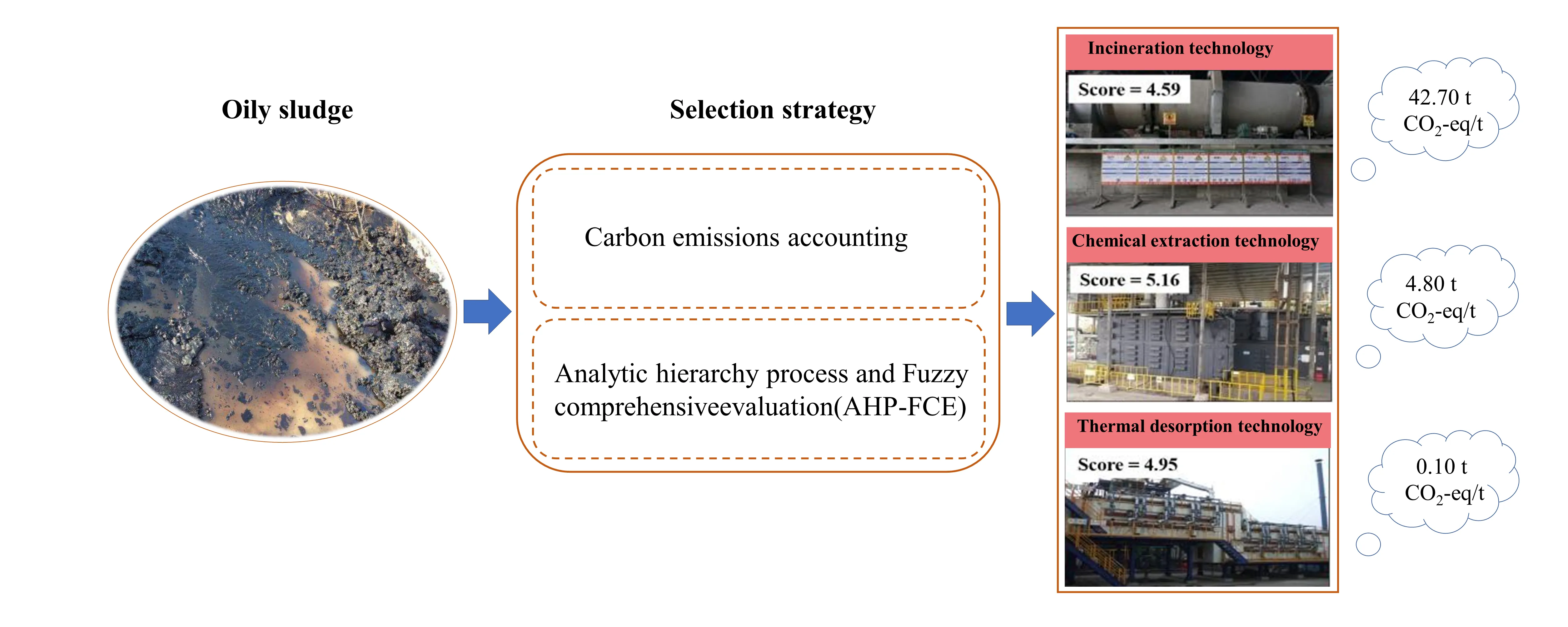
Oil is an unsustainable energy since it is non-renewable. However, oil may not be completely replaced in a short time, so the environmental problems caused by the oil development still require our attention. The oily sludge is a kind of hazardous waste produced during the oil development. To reduce the environmental impact caused by oily sludge, low-carbon and sustainable treatment technologies need to be selected. The incineration, chemical extraction and thermal desorption are common technologies for treatment of oily sludge. We calculated the carbon emissions of these technologies. Then the index evaluation system of oily sludge treatment technology was established with the environmental, economic, social, and technical factors. And the weight of evaluation index was determined by the analytic hierarchy process (AHP). Through the investigation of industry experts, we evaluated the treatment technologies by the fuzzy comprehensive evaluation method (FCE). The results showed that the carbon emissions of incineration are 42.70 t CO2-eq/t which is the highest. Meanwhile, it is 4.80 t CO2-eq/t and 0.10 t CO2-eq/t for chemical extraction and thermal desorption, respectively. The comprehensive scores of incineration, chemical extraction and thermal desorption were 4.59, 5.16 and 4.95, respectively. Therefore, the chemical extraction technology is an optimal treatment technology for oily sludge with the relatively low carbon emission and the highest comprehensive technical score. At the same time, the thermal desorption technology has strong application potential with the lowest carbon emissions. This result provides a reference for achieving clean and sustainable energy development processes.
Open Access
Article
16 September 2023Hepatic Lysosomal Enzyme Activity in Primary Biliary Cholangitis
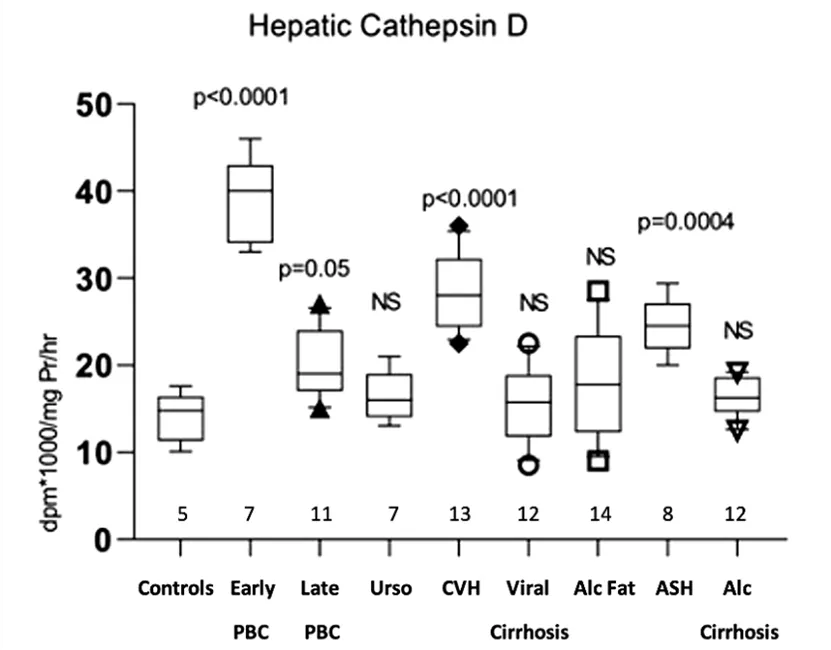
Lysosomal enzymes are implicated in autophagy and senescence. Hepatic lysosomal enzymes have not been studied in Primary Biliary Cholangitis (PBC). We therefore quantified the activities of lysosomal hydrolases in liver tissue of PBC patients. We compared enzyme activities in liver tissue from PBC patients with normal livers. Alcoholic liver disease and chronic viral disease served as disease controls. Cathepsin B1 was significantly increased in early PBC (225.1 ± 18.06 mean ± SD, p < 0.0001) and reduced in later stages (66.5 ± 9.7, p = 0.004, controls 130.4 ± 14.9). It was reduced in patients with extensive fibrosis such as alcoholic and viral cirrhosis (p < 0.01 and p = 0.004 respectively) but not in chronic hepatitis. Cathepsin D was increased in early PBC (39 × 103 ± 4.8 SD, p < 0.0001) and less so in later stages (20.1 × 10³ ± 3.9, p = 0.05, controls 14.1 × 10³ ± 2.9). It was also increased in the presence of histological necro-inflammation in hepatitis. Treatment with ursodeoxycholate (UDCA) restored the abnormal values of enzymes in PBC. Lipid hydrolases mostly paralleled the changes of Cathepsins. Sequential measurements in serum of patients with acute alcoholic hepatitis showed that cathepsin B1 gradually decreases, and esterases increase as aminotransferases improve. The increased activity of lysosomal enzymes in early PBC are possibly on line with increased senescence. Treatment with UDCA restores abnormal values. In chronic liver disease, Cathepsin B1 reduction is associated with fibrosis and increased cathepsin D with necro-inflammation. Abnormalities of lysosomal enzymes indicate impairment of the final stage of autophagy in chronic liver disease.
Open Access
Article
21 August 2023Role of Youth in Implementing SDGs Future City in Tosacho, Kochi, Japan
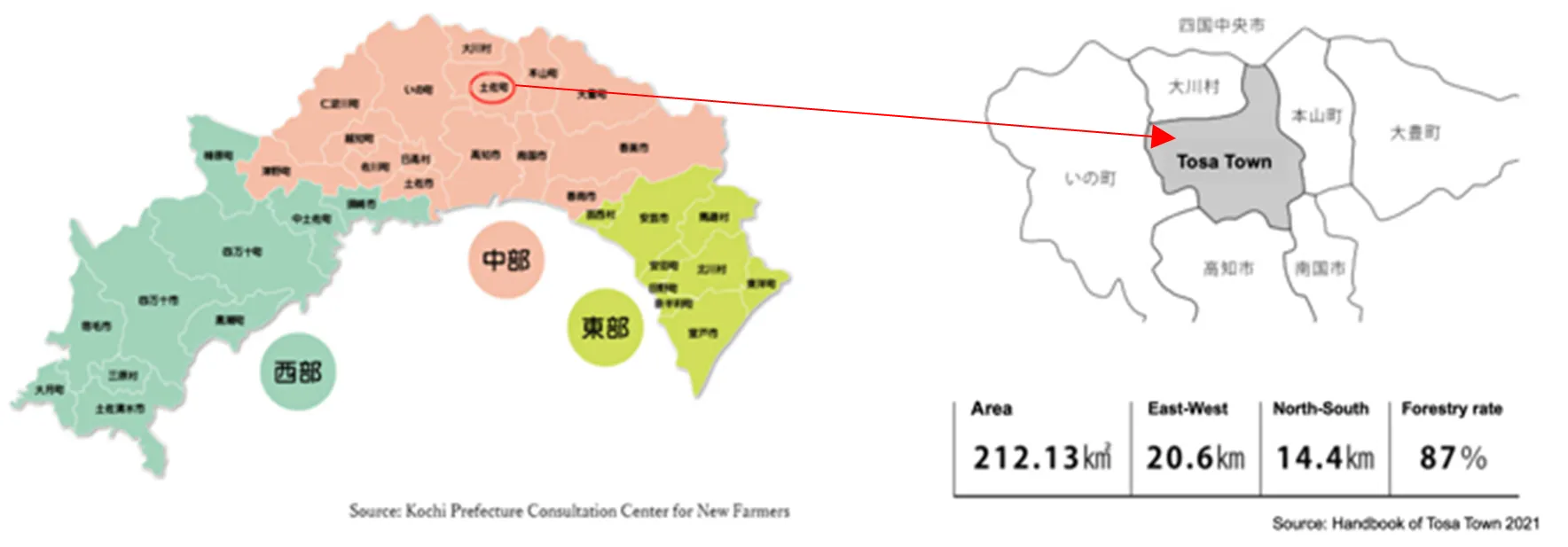
The “SDG Future Cities” established by the SDG (Sustainable Development Goals) Promotion Headquarters of Cabinet Office of Government of Japan, are being expanded to all municipalities in Japan through government support for the efforts of leading municipalities. Tosa town is a small town with less than 4000 people with high aging population and surrounded by mountains in Kochi Prefecture. The town was selected as one of the SDG Future City in 2020. In this paper, through a literature review, interviews with the Tosa Town Office, and a questionnaire survey and interview with residents of Tosa town, we considered what young people need to do to achieve SDG-11. Although Tosa Town has a variety of local government initiatives, the definition of a town where young people can continue to live, as revealed in the literature review, was found to be insufficient in terms of “economic resources,” “decision-making,” “data,” and “knowledge”. However, it was found that “community leaders,” “nature/topography,” and “community/people” are the most important factors for creating a town where people can continue to live. As for future issues, it is necessary to take measures for “decision-making,” “data,” and “knowledge,” as well as to solve issues specific to Tosa town.
Open Access
Review
15 August 2023Green Composites Using Naturally Occurring Fibers: A Comprehensive Review
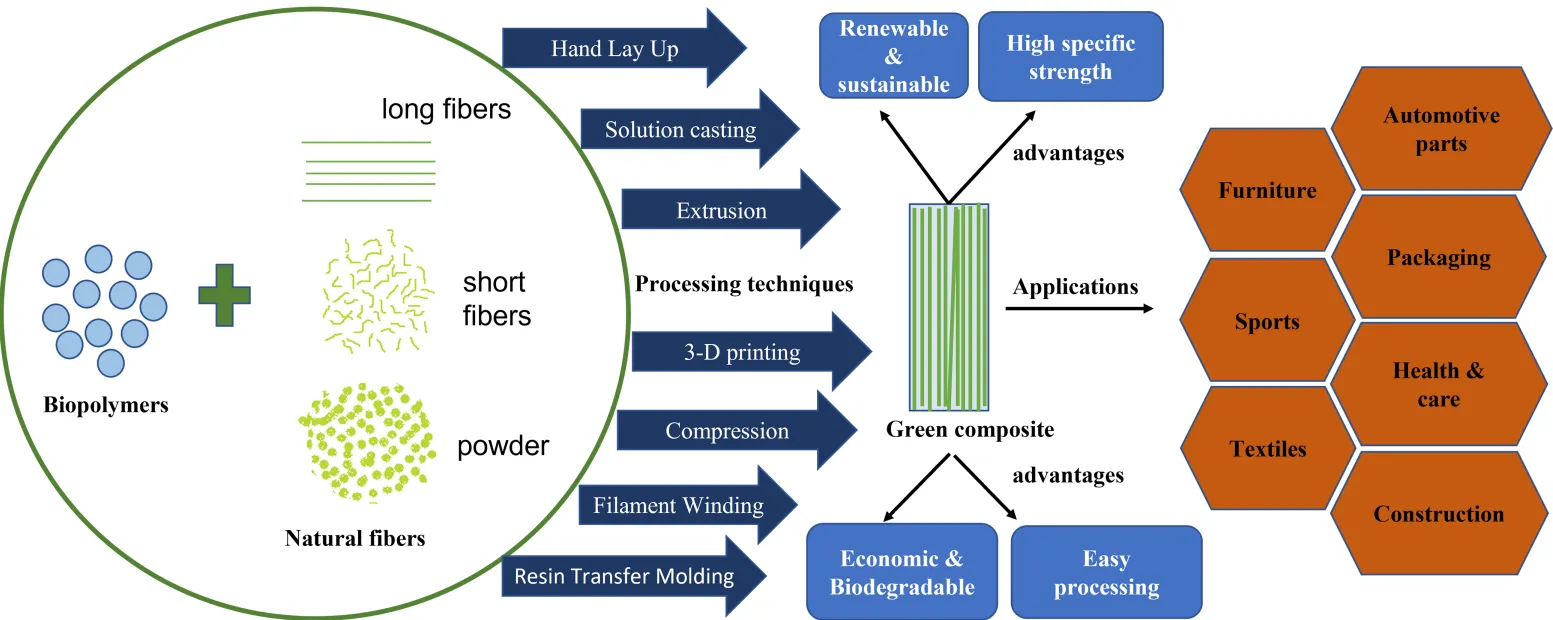
Depletion of non-renewable resources and health hazards of petroleum-based polymers and plastics has enforced the development of eco-friendly materials. The use of conventional plastics has to be minimized and can be replaced with environmentally friendly and sustainable bio-based polymers or biopolymers due to extensive environmental impact. A major share of petroleum-based polymers is used for polymeric composites with research focus on green composites and biocomposites containing renewable/bioderived matrix polymer and fillers from naturally occurring fibers. Biocomposites hold great promise to replace petroleum-based polymer composites owing to their lower cost, non-toxicity, abundance of raw material, renewability, and high specific strength. All these merits of biocomposites have led to an increment in the development of new biocomposites with enhanced properties, wide applicability and ever demanding criteria. The recently published review studies detailed the raw materials used, fabrication techniques, characterization, and applications including biodegradation and rheological studies performed in recent years. This review covers all the important properties of biocomposites along with detailed description of synthesis, properties, characterizations and applicability of these green composites in several areas. The review also focuses on their raw materials, types, recent biocomposites, processing techniques, characterizations, applications, and current challenges with future aspects.
Open Access
Article
15 August 2023Thermal and Economic Evaluations of a Drain Water Heat Recovery Device under Transient Conditions
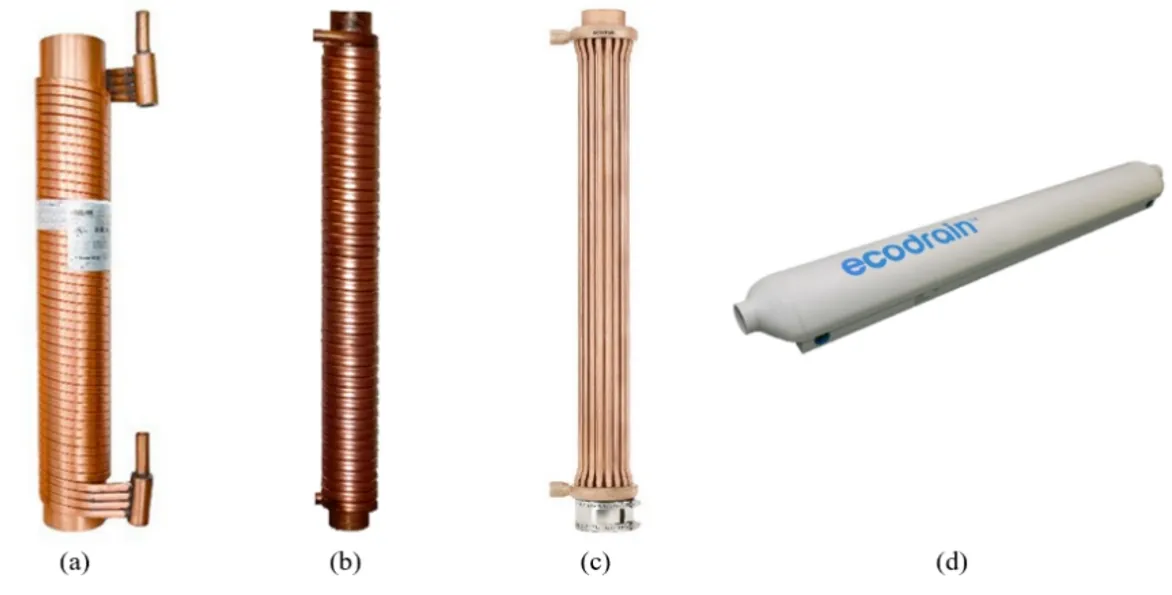
This study explores the transient characteristics of a drain water heat recovery (DWHR) device employed for heat recovery from warm grey water in buildings. Experimental measurements were conducted to investigate the response time of the DWHR device under various flow conditions. The thermal performance of the system was assessed using both transient and steady-state effectiveness analyses. The findings reveal that the response time is influenced by the water volume within the system, with an increase observed, and by the water flow rate, which leads to a decrease in response time. Additionally, a decrease in effectiveness is noted when hot water is used in short and frequent intervals. Furthermore, an economic analysis demonstrates that considering the transient behavior of the device results in a significant overall decrease of 37% in annual savings. Specifically, the usage of sinks exhibits a reduction in annual savings by 56%, while showers show a decrease of 13% in annual savings.
Open Access
Review
28 July 2023Challenging Post-translational Modifications in the Cell-free Protein Synthesis System
Post-translational modifications (PTMs) represent a cornerstone in the complexity of the proteome, significantly contributing to diversifying protein structure and function. PTMs can considerably influence protein function, stability, localization, and interactions with other molecules. Therefore, it is important when choosing a protein expression system to ensure the precise incorporation of PTMs during protein synthesis, which is paramount for producing biologically active proteins. The cell-free protein synthesis (CFPS) system has emerged as a powerful protein synthesis platform and research toolkit in synthetic biology. The open nature of the system allows the reaction environment to be tailored to any protein of interest to promote specific PTMs, thus allowing for the production of a protein with desired modifications. This review presents various PTMs achieved in the CFPS systems, providing insights into current challenges, successes, and future prospects.