Found 492 results
Open Access
Communication
26 June 2025Production and Calibration of a Lambertian Surface Based on Barium Sulfate (BaSO4) for the Calibration of Multispectral Cameras
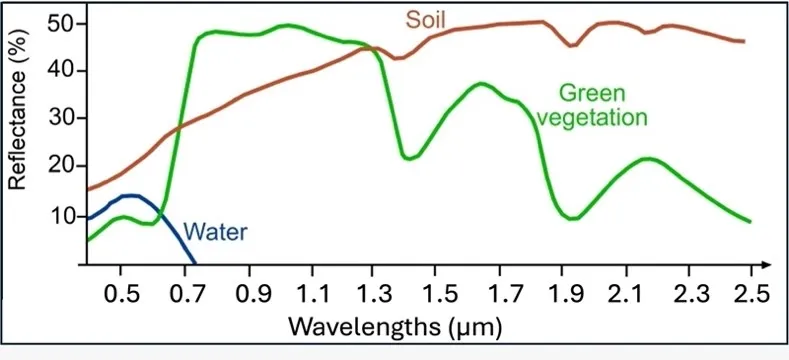
Drones, or unmanned aerial vehicles (UAVs), are increasingly utilized across diverse fields such as agriculture, environmental analysis, and engineering due to their ability to capture high-quality multispectral imagery. To ensure the accuracy of these images, radiometric calibration of onboard multispectral cameras is essential. This study aimed to develop and calibrate a low-cost Lambertian surface using barium sulfate (BaSO4) for radiometric calibration of UAV-mounted multispectral cameras. A stainless steel mold was designed to compact BaSO4, and the resulting surface was calibrated using an ASD FieldSpec HandHeld UV/NIR spectroradiometer and a Spectralon plate as the reference standard. Results showed a strong correlation (Pearson’s r = 0.9988) between the BaSO4 surface and the Spectralon plate, confirming that the BaSO4-based surface is a cost-effective alternative for producing diffuse Lambertian surfaces with performance comparable to the standard.
Open Access
Article
26 June 2025Testing Photogrammetry in Assessing Health of Houston Toads (Bufo [=Anaxyrus] houstonensis)
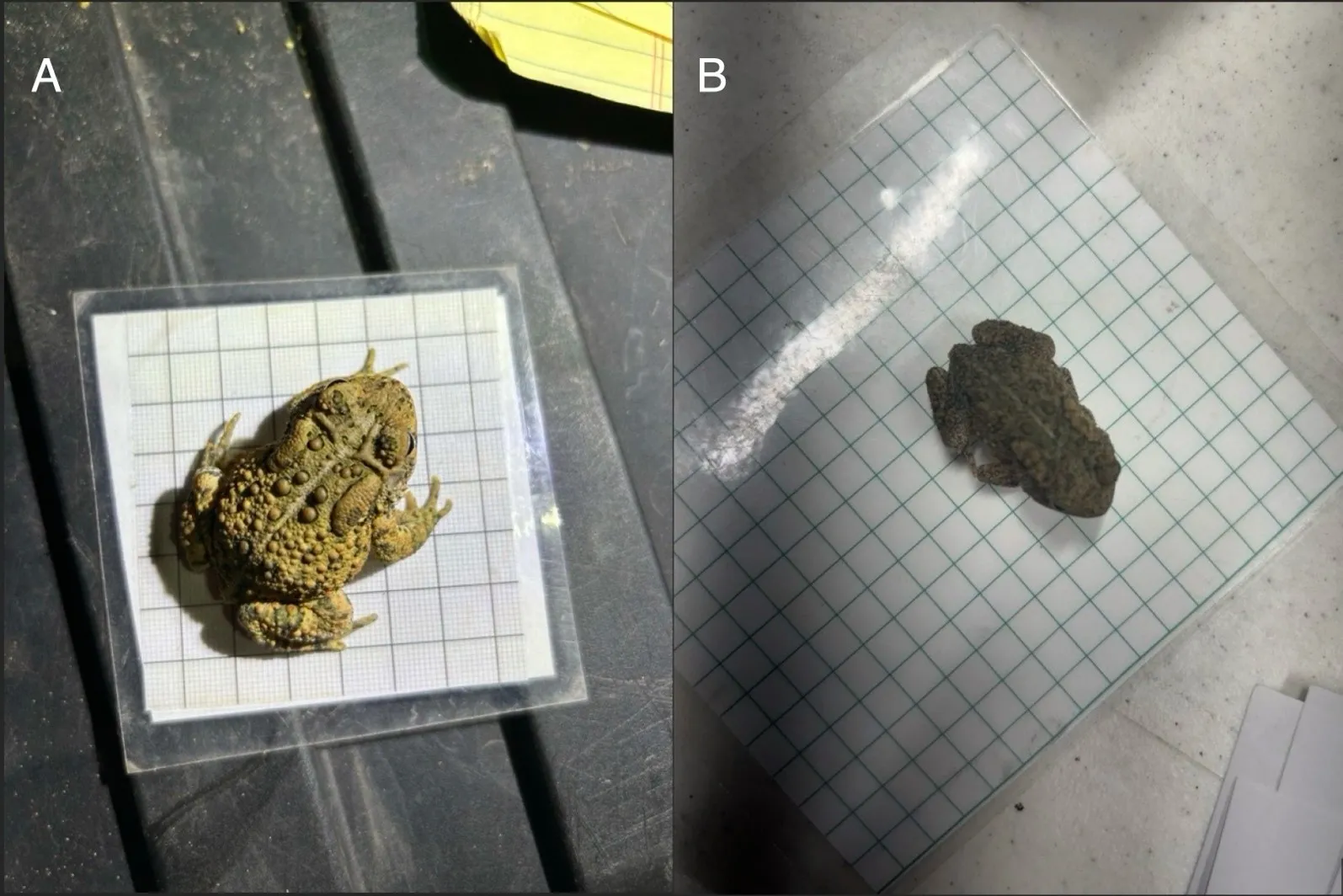
The Houston toad (Bufo [=Anaxyrus] houstonensis) is an endangered amphibian species that occupies a small range in Texas, USA. Despite recent increases in juvenile detections, obtaining data is limited by a narrow temporal window of juvenile emergence. This necessitates the rapid collection of ecological data. Because of this, we seek to test the quality of image-based measurements as an alternative to assessing the body condition of Houston toads. We used caliper- and image-based measurements of wild-caught adult toads and captive-bred juveniles, while recording handling time for each method with the juveniles. We compared scaled mass indices (SMI) and residuals from ordinary least squares regressions (OLS) between methods and life stages. Handling time of juvenile toads was significantly lower (p < 0.0001) for the image-based trial than the caliper-based trial. While SMI values violated key assumptions for a valid Condition index (CI), OLS condition index values did not. OLS condition values from the image-based trial were also not statistically significantly different to those from the caliper-based trial. These observations suggest that our image-based measurement technique is a valuable alternative to gaining morphometric data, and that applying this data to an OLS residual index is a more appropriate approach to monitoring individual- and population-level health in Houston toads.
Open Access
Article
25 June 2025Time Is Lung: Inpatient Transbronchial Lung Cryobiopsy Decreases Wait Time to Treatment Initiation for Newly Diagnosed Interstitial Lung Disease
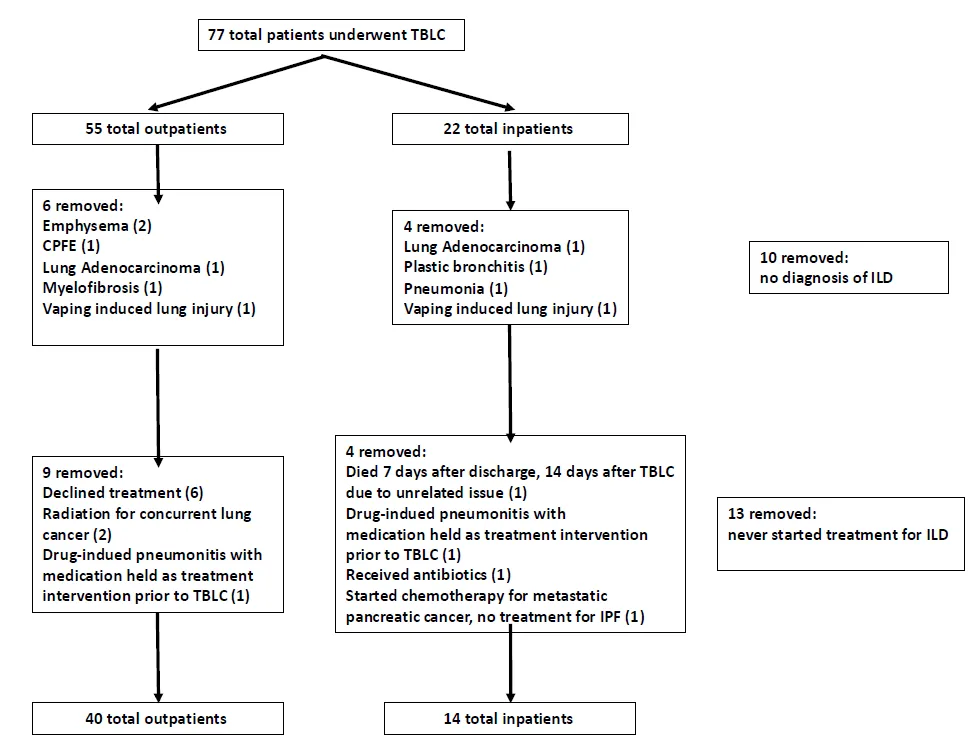
Although performing lung biopsies on hospitalized patients with interstitial lung disease (ILD) has risk, initial studies have shown transbronchial lung cryobiopsy (TBLC) may be safely performed in this patient group. Data evaluating the value of this intervention in establishing a diagnosis and impacting management is lacking. We present a comparison of TBLC for inpatients and outpatients and provide data on the impact on medical therapy initiation and wait times from consultation to biopsy and treatment. Demographic data, pulmonary function values, chest imaging patterns, procedural information, diagnosis, and medical therapy changes, defined as medication initiation, adjustment, or cessation guided by TBLC results, were recorded from enrolled patients with newly identified ILD. Changes in medical therapy were the primary outcome. Time from consultation to biopsy and treatment was the secondary outcome. Fifty-four (54) patients (40 outpatient, 14 inpatient) were included. Inpatients underwent biopsy 2.5 ± 4.4 days after consultation compared to 15.5 ± 16.1 days for outpatients (p < 0.001). Medical therapy changes occurred 10.3 ± 7.9 days after biopsy for inpatients compared to 34.6 ± 37.0 days for outpatients (p < 0.001). There were no significant differences in medical therapy changes between the groups (p = 0.45). Our initial study suggests that performing TBLC on inpatients with newly identified ILD decreases wait times to treatment initiation and diagnosis. Efforts to understand the impact of a decreased wait time on ILD prognosis, including the development of progressive disease or fibrosis, symptom evolution, and quality of life, require further evaluation.
Open Access
Article
25 June 2025Fermentation of Wild Hydrolytic Bacteria Isolated from Opuntia ficus-indica, and Its Effect on Flow Behavior of Cladodes Flour Culture Media
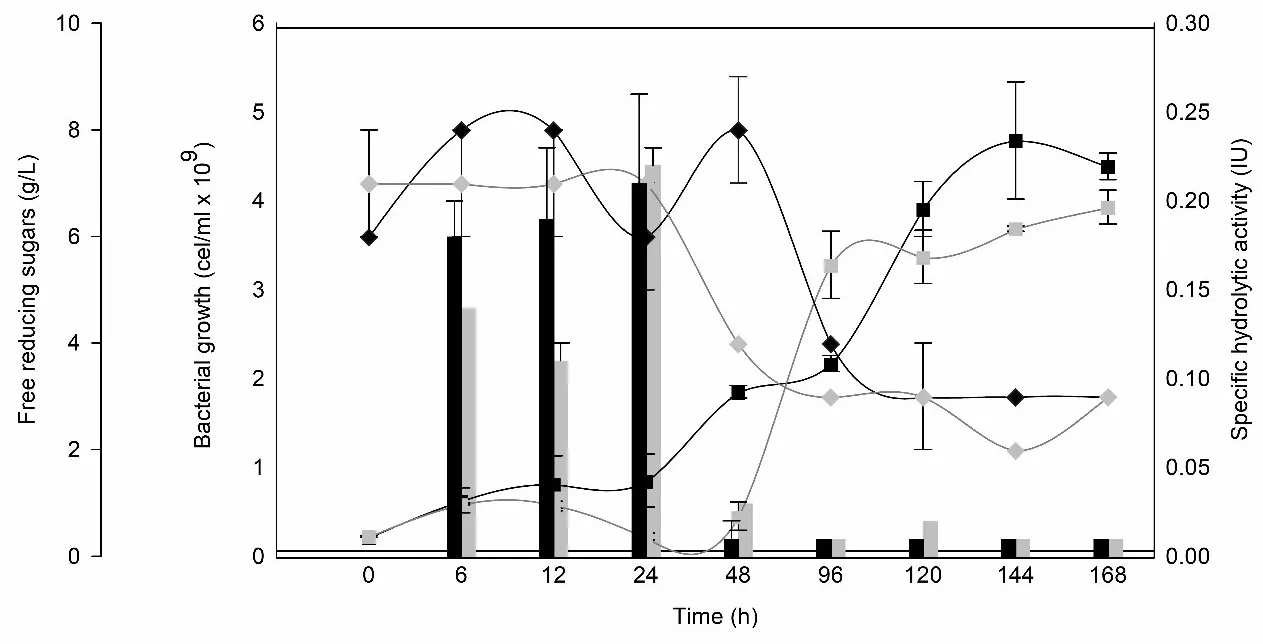
The aim of this study was to evaluate the fermentation dynamics of two wild hydrolytic microorganisms and their effect on the flow behavior of a culture medium formulated with Opuntia ficus-indica cladode flour. Identified Acinetobacter pitti and Bacillus subtilis presented maximum values of specific hydrolytic activity (SHA) at 24 h of growth (0.21 ± 0.05 and 0.22 ± 0.01 IU, respectively). The apparent viscosity of cladode flour medium (CFM) measured by applying shear rates (66.7 s−1–0.003 s−1) in suspensions (20%) showed a significant decrease (60%) as a function of bacterial growth progressed. After fermentation, the CFM exhibited pseudoplastic (shear-thinning) behavior, which was linked to the enzymatic degradation of polysaccharides. The use of crude extracellular enzyme extracts from these wild bacteria effectively reduced medium viscosity by breaking down the plant matrix. These findings highlight the hydrolytic potential of native strains in modifying the rheological properties of cactus-based culture media, offering a low-cost alternative for biomass pretreatment and valorization in future biotechnological applications.
Open Access
Review
24 June 2025Obesity-Associated Chronic Inflammation: A Protective Mechanism against Type 2 Diabetes
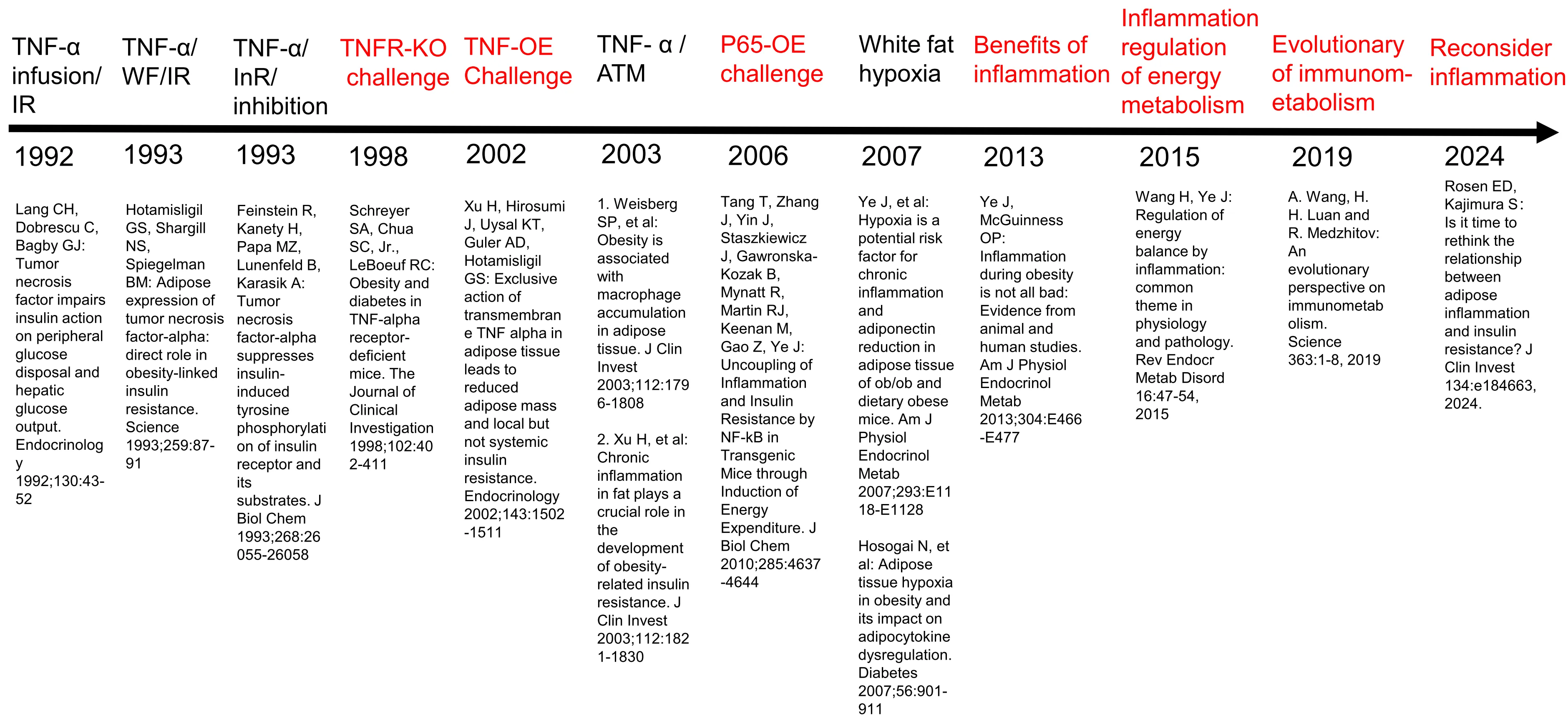
Chronic inflammation is widely considered a risk factor for T2DM by inducing insulin resistance, but all attempts to translate the concept into clinical therapies have failed in the past 30 years. Anti-inflammatory medicines, including anti-TNF-α antibody (Etanercept), anti-IL1 antibody (Anakinra), anti-IL6 (Ziltivekimab), and NLRP3 inflammasome inhibitor (Colchicine) have excellent activities in the control of inflammation in arthritis. They reduced inflammation in T2DM patients in the clinical trials, but none improved insulin sensitivity. Some of them exhibited a mild and transient activity in the control of blood glucose, but the activities were related to the improvement of insulin secretion by β-cells. The failure may be related to followings: over-interpretation of TNF-α activity; ignoring the role of anti-inflammatory cytokines; differences between mice and humans. However, the species difference cannot fully explain the failure as these therapies did not work in the animal models as well. Moreover, genome-wide association studies (GWAS) show that T2DM is not associated with proinflammatory cytokine genes, including TNF-α, IL-1β, IL-6, and CCL2(MCP1). More studies suggest that inflammation has beneficial activities in the mobilization of energy stores and promotion of energy expenditure to prevent energy surplus, a risk factor of obesity-associated T2DM. Inflammatory cytokines induce lipolysis, thermogenesis, and satiety. In this regard, the inflammatory response is a compensatory event to obesity-associated stress with beneficial effects on energy metabolism. It is time to reconsider inflammation activity in obesity for protective activities.
Open Access
Article
23 June 2025A Systematic Review of Clean Cooking and to Whom Does the Clean Cooking Agenda Belong? Empirical Evidence from East African Community
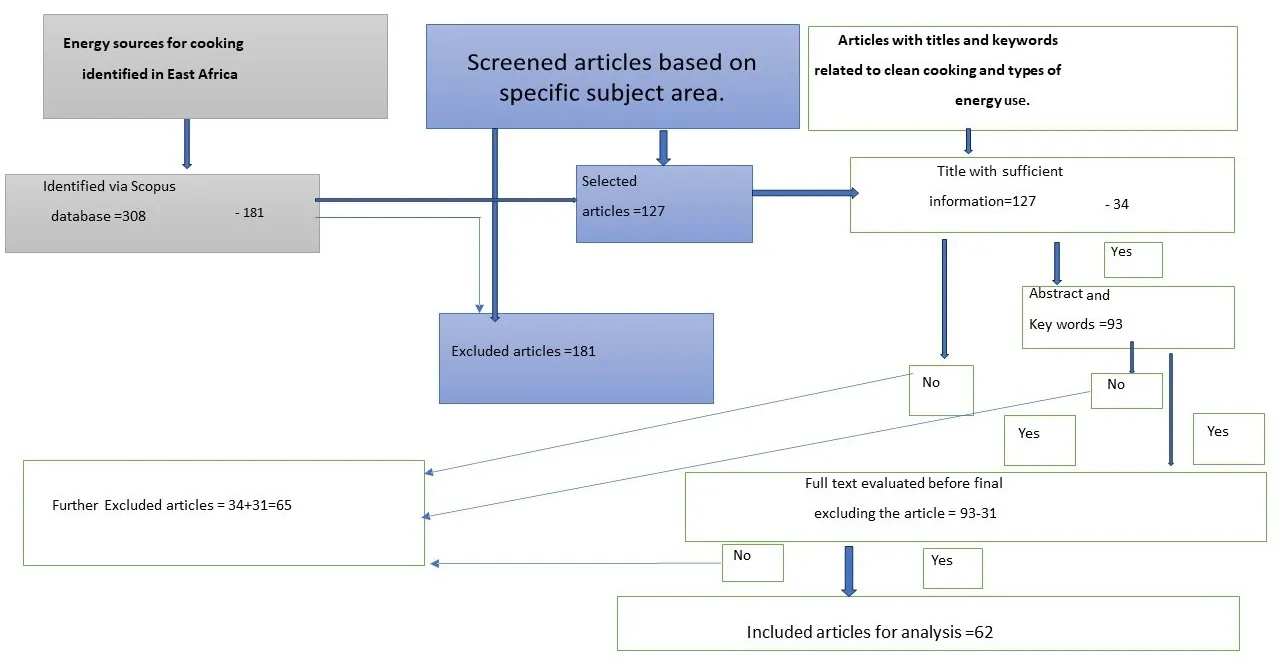
Today, about three billion people, including those in Tanzania, still cook using traditional methods and solid fuels. This practice, which primarily affects women and children who cook in many developing nations, contributes to serious health risks and forest degradation. Every year, household air pollution is responsible for over 34.4 million preventable deaths worldwide, with about 346,600 of those deaths occurring in East African Community and the Nile Basin. Even though switching to clean cooking technologies is a global health priority, adoption is still low in the East African community, and little is known about the factors influencing this change. To determine the factors driving East Africa’s energy transition to clean cooking, this study conducts a systematic review and looks at the history of the research agenda. A total of 308 articles were found using the Scopus database; 62 of these were chosen for analysis based on important search terms such as solar, biogas, firewood, charcoal, LPG, and electric stoves. Even though traditional fuels continue to be the most commonly used in the regions, the empirical analysis showed a focus on clean cooking technologies like electricity, improved cookstoves, and LPG. The clean cooking agenda appears to be primarily externally driven by European and USA researchers, which may have an impact on local adoption and relevance. It is noteworthy that authors from outside the region constituted 63.6 percent of publications on clean cooking in the East African Community.
Open Access
Review
19 June 2025Research Progress on High-Entropy Fibrous Materials
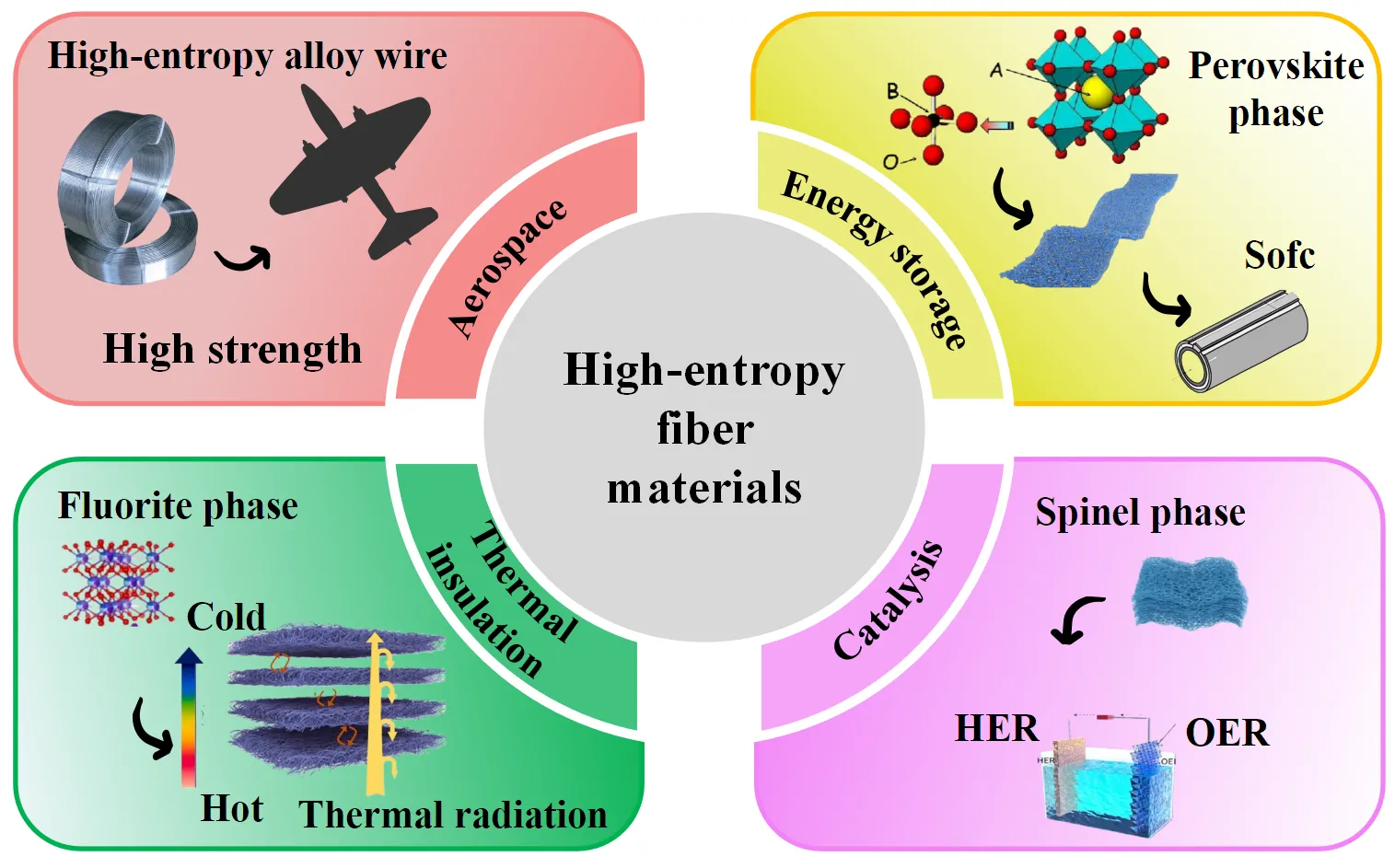
Due to their lightweight, high strength, and thermal resistance, HEFMs exhibited significant potential in aerospace, energy storage, environmental protection, and defense. This review systematically presented the research progress on high-entropy fibrous materials (HEFMs), covering their fundamental concepts, fabrication methods, crystal structure characteristics, performance advantages, and application fields. The different crystal structure types and fabrication techniques of high-entropy ceramic fibers and high-entropy alloy fibers were discussed. Additionally, the mechanical property advantages of HEFMs and their applications in thermal insulation materials, catalysis, and energy storage were analyzed. Finally, the current challenges in HEFM research and provide an outlook on future development directions.
Open Access
Book Review
19 June 2025
Open Access
Article
18 June 2025Orthoptera Colonising the Urban Landscape and Urban Lawns: A Case of a Middle-Russian City
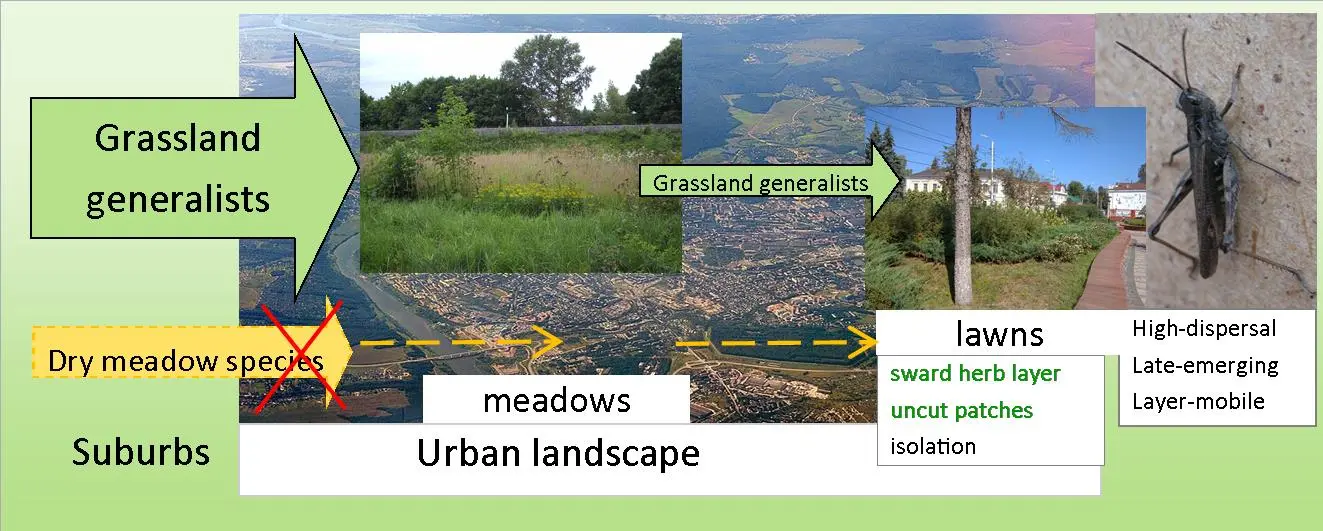
Orthoptera are often surveyed in research on urban environments, but results are ambiguous in different regions and cities. We studied the insects in a city located in the centre of the East-European plain, at the junction of the Continental and Boreal biogeoregions. We distinguished suburbs and the urban landscape and meadows and lawns within the urban landscape. To find orthopterans in grassland habitats, we used sweepnet, acoustic and visual observations, and pitfall traps. Urban habitats are colonised by 20 species of Orthoptera from 29 species observed in the suburbs. Only five species are as frequent in urban habitats as in suburban ones. The urban environment negatively affects both forest species, all three species of dry meadows and only one of ten grassland generalists. On lawns, we found 11 species. Total abundance and species numbers were lower in lawns than in meadows. Only three late-emerging and high-dispersing species were quite frequent in lawns. The occurrence of Conocephalus fuscus in lawns was positively influenced by the presence of uncut patches, Chorthippus dorsatus—by the density of the herb layer. Ch. mollis, which is native to dry meadows, preferred unshaded lawns. Chorthippus biguttulus is a single species inhabiting lawns of almost every quality.
Open Access
Article
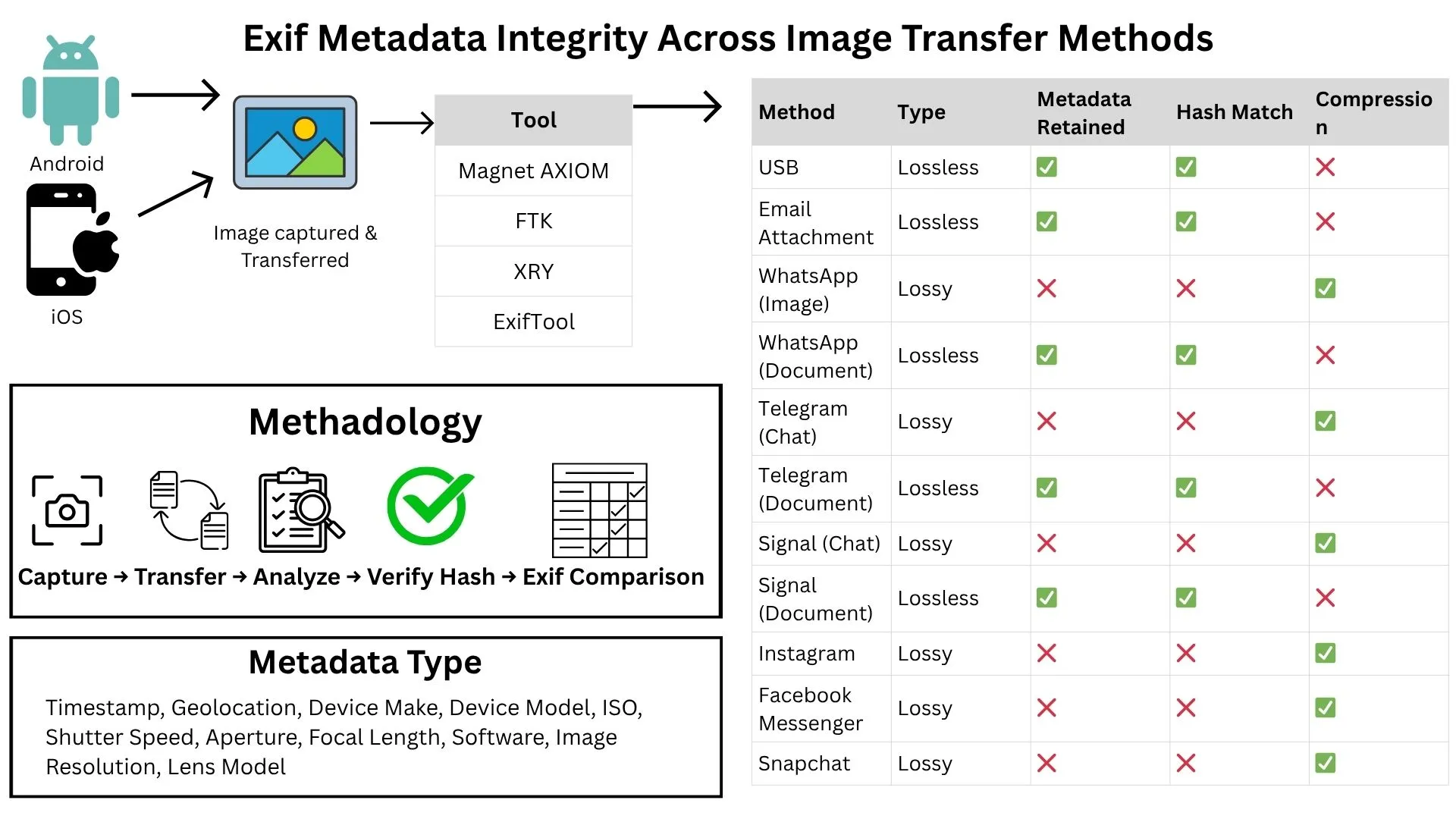
18 June 2025Forensic Value of Exif Data: An Analytical Evaluation of Metadata Integrity across Image Transfer Methods
Exif metadata contained in digital photographs is an important forensic resource, offering authentic information like timestamps, geolocation, and device identifiers. The research assesses the integrity of Exif information on various methods of image transmission, such as USB, email, and messaging platforms like WhatsApp, Telegram, Signal, Instagram, Facebook Messenger, and Snapchat. With the controlled image dataset of Android, iOS phones, and the Flickr Creative Commons collection, we examined metadata preservation using forensic software (Magnet AXIOM, FTK, XRY, ExifTool). Document-based modes and direct transfers (USB, email) maintained all Exif fields and file hashes, providing forensic integrity. Chat/image-based transfers, fueled by compression, effectively remove metadata, changing the file integrity. These results emphasize the necessity of platform-aware evidence handling in order to preserve metadata integrity during digital forensic examinations.