Found 74 results
Open Access
Review
12 January 2026The Anti-Fibrotic Potential of GLP-1 and GIP Receptor Agonists in Chronic Inflammatory Disorders: Mechanisms and Therapeutic Horizons
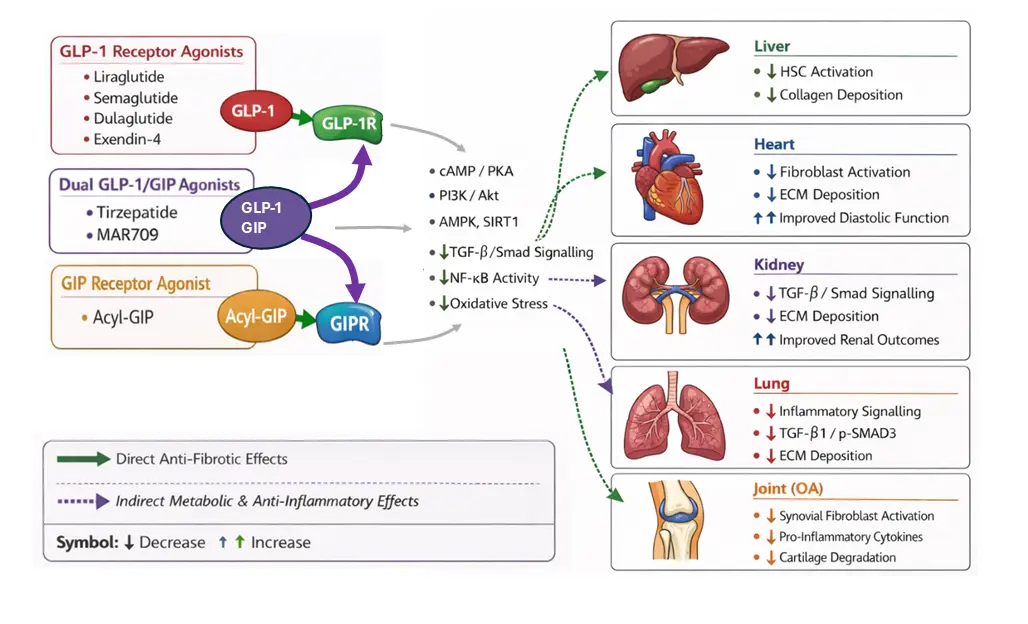
Fibrosis, characterised by the excessive deposition of extracellular matrix via activated fibroblasts, is a pathological feature of several chronic inflammatory disorders, which collectively contribute significantly to global morbidity and mortality. Despite this, current anti-fibrotic therapies are of limited efficacy. However, incretin-based therapies, primarily glucagon-like peptide-1 (GLP-1) receptor agonists, are now emerging as candidate drugs for modulating fibrotic signalling pathways. This review synthesises the growing body of preclinical and clinical evidence that incretin receptor agonists exert direct and indirect anti-fibrotic effects. We detail the molecular mechanisms and survey the promising data across hepatic, cardiac, renal, lung, and joint tissues, which underscore the potential for repurposing of this drug class as a therapeutic strategy for fibro-inflammatory conditions.
Open Access
Review
29 December 2025Porous Framework Materials for C1 Biotransformation
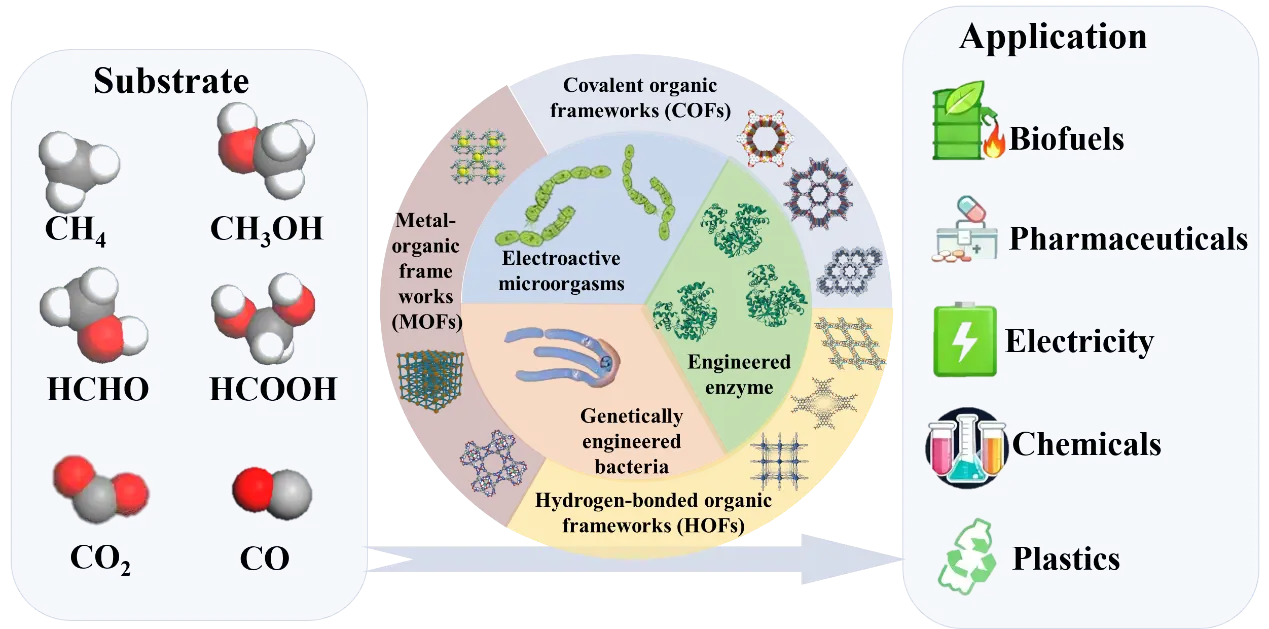
The bioconversion of C1 compounds (CO2, methane, methanol, etc.) constitutes a crucial pathway for green biomanufacturing. However, the process efficiency is constrained by several challenges, including the difficult capture of gaseous substrates, instability of biocatalysts, and the high cost as well as operational complexity of cofactor regeneration. Porous framework materials offer promising solutions due to their high specific surface area, tunable pore structures, and ease of functionalization. This review provides a systematic and forward-looking analysis that moves beyond the conventional view of porous frameworks as simple immobilization matrices. We distinctly highlight their emerging multifunctional and integrative roles in C1 bioconversion, emphasizing several novel strategic contributions: (1) Serving as intelligent immobilization carriers that not only enhance biocatalyst stability and recyclability but also concurrently enable efficient C1 substrate enrichment and localized concentration; (2) Facilitating synergistic energy conversion by interfacing with photocatalysis or electrocatalysis to enable in-situ and sustainable cofactor regeneration, thereby addressing a key economic bottleneck; (3) Actively regulating microbial metabolism and community dynamics through tailored material-microbe interactions, optimizing carbon flux and system resilience; and (4) Mimicking natural enzymes to create robust and tunable biomimetic catalysts for C1 conversion under non-physiological conditions. Remaining challenges, such as mass transfer limitations, the scalability of material synthesis, and the integration of hybrid systems, are analyzed through the lens of these advanced functionalities. We conclude that the synergistic and rational integration of synthetic biology-designed biocatalysts with engineered multifunctional frameworks represents a paradigm shift, paving the way for efficient, stable, and high-value utilization of C1 resources.
Open Access
Article
16 December 2025The Jevons Paradox and Vernon’s Product Life Cycle: Evidence from Primary–Secondary Price Differentials in Copper and Aluminium (2002–2021) with 2024–2025 Market Context
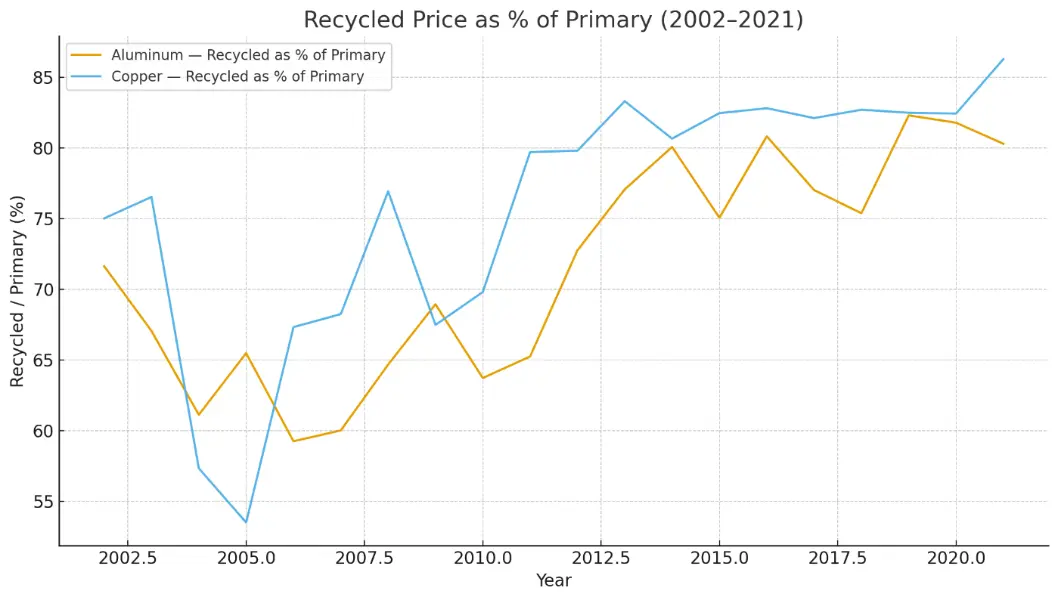
This study examines how efficiency improvements associated with Jevons’ Paradox and product-system maturation, as described by Vernon’s Product Life Cycle (PLC), jointly influence the long-term pricing relationship between primary and recycled copper and aluminium. Using author-provided nominal annual USD price series for 2002–2021, the analysis derives descriptive indicators most notably the recycled-to-primary (R/P) price ratio to characterize structural shifts consistent with PLC-driven secondary integration. Recent market conditions in 2024–2025, including tight physical availability, low inventories, regional premia, and recurrent episodes of backwardation, are incorporated as qualitative context without merging with the historical dataset. Results indicate a sustained narrowing of R/P discounts for both metals by 2021. The combined Jevons–PLC interpretation suggests that efficiency-driven service expansion and supply-side tightness increase the relative value of secondary material, supporting long-term convergence between primary and recycled streams.
Open Access
Article
27 November 2025Lyz1-Expressing Alveolar Type II Cells Contribute to Lung Regeneration
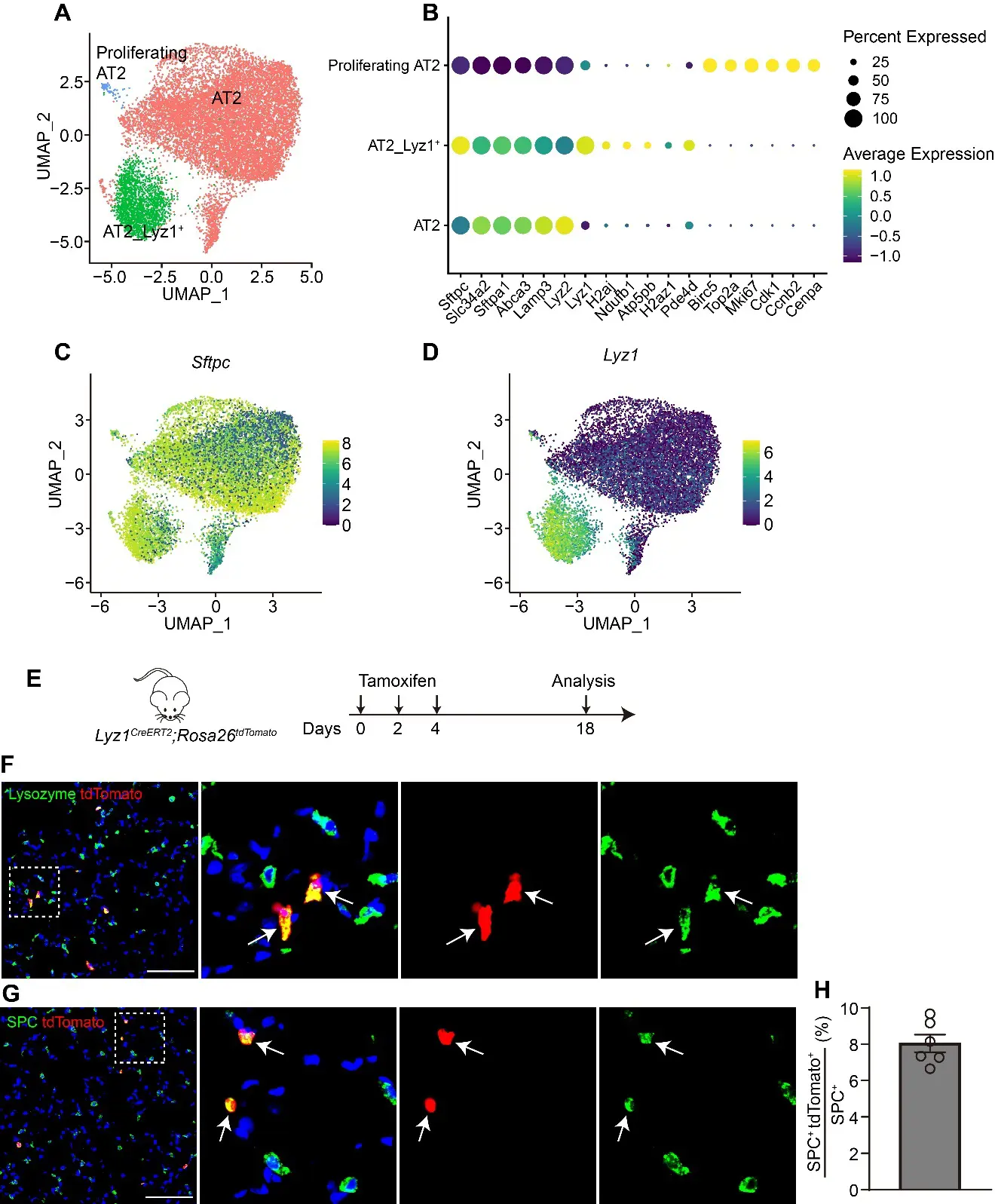
The alveolar units, composed of alveolar epithelial type II cells (AT2) and type I cells (AT1), are essential for efficient gas exchange. While AT2 cells are known to play critical roles in alveolar homeostasis and regeneration, the contribution of heterogeneous AT2 cells to lung repair remains poorly understood. Here, we identified a distinct AT2 subpopulation that exclusively expressed Lysozyme 1 (Lyz1) through single-cell RNA sequencing (scRNA-seq) analyses. Cell fate mapping revealed that the Lyz1CreERT2 mouse strain specifically labeled Lyz1-expressing AT2 cells in vivo at homeostasis. Following lung injury, Lyz1+ AT2 cells expanded and contributed to alveolar regeneration by generating both self-renewing AT2 cells and differentiating AT1 cells. We further observed the emergence of de novo Lyz1-expressing cells in the airways after lung injury. Additionally, Lyz1+ AT2 cells displayed significantly enhanced proliferative capacity compared with general bulk AT2 cells in 3D organoid cultures. These findings define Lyz1+ AT2 cells as a previously unrecognized progenitor population, expanding the paradigm of alveolar regeneration and providing insight into how epithelial diversity supports lung regeneration.
Open Access
Article
25 November 2025Dissimilar Joining of 316L and A131 Steel by Shield Metal Arc and Tungsten Inert Gas Welding to Evaluate Bending and Tensile Behavior
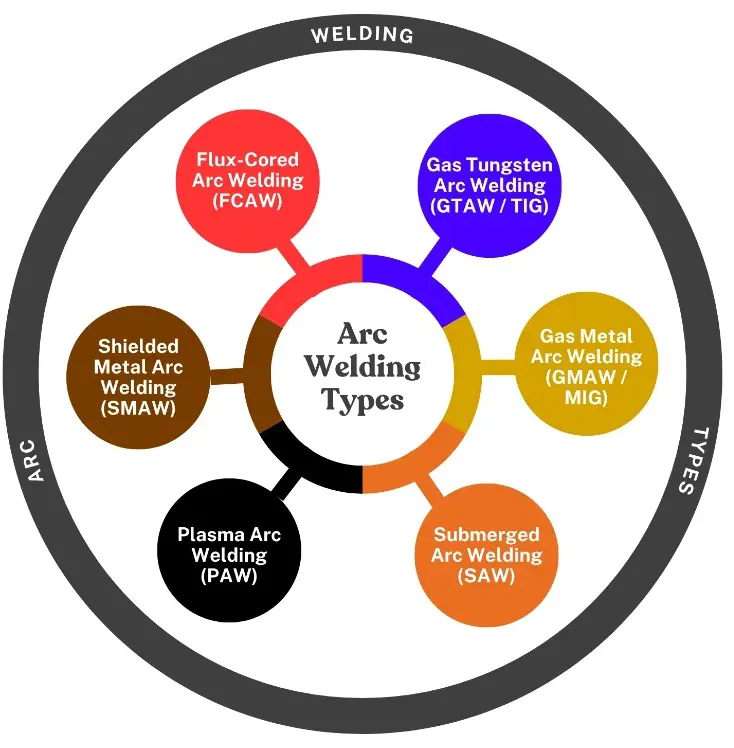
In this paper, the effect of filler metal and type of welding on the strength and ductility of dissimilar welding of two different grades of stainless steel was investigated. One of the benefits of stainless steel is its corrosion resistance, which is often necessary for equipment longevity in these facilities. During shipbuilding, as required, stainless steel 316L needs to be welded to the shipbuilding-grade carbon steel A131. In these applications, welding between the two should demonstrate superior strength during vessel construction. To provide a clear illustration, experimental work was needed to allow a careful selection of the joining procedure and filler metal or electrode. The current research work includes a comparative experimental analysis of dissimilar-metal welding (SS-316L & A131 steel). The reasons for choosing these two materials are their greater corrosion resistance and high strength in humid environments. Furthermore, two different welding methods (SMAW & TIG) with varying filler metals were employed in the experiment. The ultimate tensile strength and yield strength of the SMAW welds using E308-16 filler metal were the highest among all, while the TIG welds with ER308L showed superior bending strength. Observations suggest that SMAW with the E308-16 electrode exhibits superior tensile strength, while TIG joints with ER 308L filler provide better bending strength for the welding of SS-316L and shipbuilding (SB) grade A131 steels.
Open Access
Case Report
10 November 2025Non-Fallot Absent Pulmonary Valve Syndrome in Fetuses: Key Insights for Prenatal Diagnosis and Postnatal Care
Absent pulmonary valve syndrome (APVS) is a rare cardiac malformation that is almost always associated with a Fallot-type ventricular septal defect (VSD). More rarely, it can occur with an intact ventricular septum or muscular VSD. The limited number of observations reported in the medical literature affects the quality of prenatal counselling given to the families concerned. We report 3 new cases of APVS without Fallot-type VSD, with 1 case associated with a muscular VSD, and have carried out a review of the literature on this rare malformation. Two of the fetuses had hydrops fetalis and one of these two had intra-uterine death. A 16p13.11 microduplication transmitted by the father was found in one fetus whose post-natal evolution was favorable following surgical ligation of an aneurysmal ductus arteriosus. A newborn with hydrops fetalis had a favorable outcome after spontaneous closure of the ductus arteriosus on the third day of life. Unlike Fallot-type APVS, non-Fallot type APVS is characterized antenatally by the constant presence of a large ductus arteriosus, the absence of aneurysmal pulmonary branches, a high frequency of chromosomal anomalies, but the absence of 22q11 micro deletion. After birth, early closure of the ductus may be indicated in cases of significant heart failure.

Open Access
Meeting Report
16 October 2025
Open Access
Editorial
11 October 2025
Open Access
Article
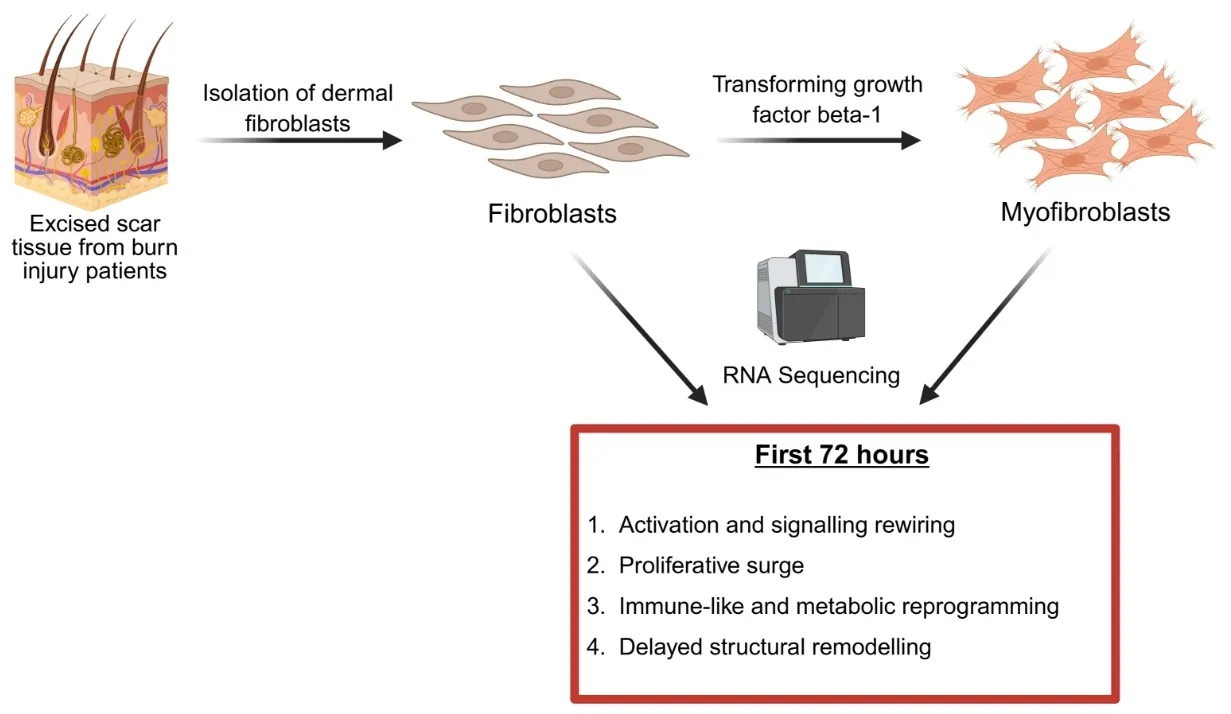
09 October 2025Identification of Pathways That Drive Myofibroblast Transformation in Hypertrophic Scars
Hypertrophic scars (HTS) are a common complication of burn injuries and are characterized by excessive dermal fibrosis driven by the transformation of resident dermal fibroblasts to profibrotic myofibroblasts. Although single cell and bulk RNA transcriptomics analysis of HTS and normal skin tissue samples were performed previously, transcriptomics of the transformation of fibroblasts to myofibroblasts has not been studied. Here, we report the data obtained from RNA sequencing of fibroblasts before and after exposure to transforming growth factor beta 1 (TGF-β1) and highlight the pathways that are up- and down-regulated during myofibroblast transformation. Our results suggest increased cellular signalling and rewiring, proliferative surge, immune-like and metabolic reprogramming, and delayed structural remodelling as four groups of events during the transformation of human primary dermal fibroblasts to myofibroblasts.
Open Access
Article
28 September 2025Enhancing the Performance of Sr2Fe1.3Ni0.2Mo0.5O6−δ as Methane-Fueled SOFC Anode via In-Situ Exsolution of Ni-Fe Nano-Catalyst
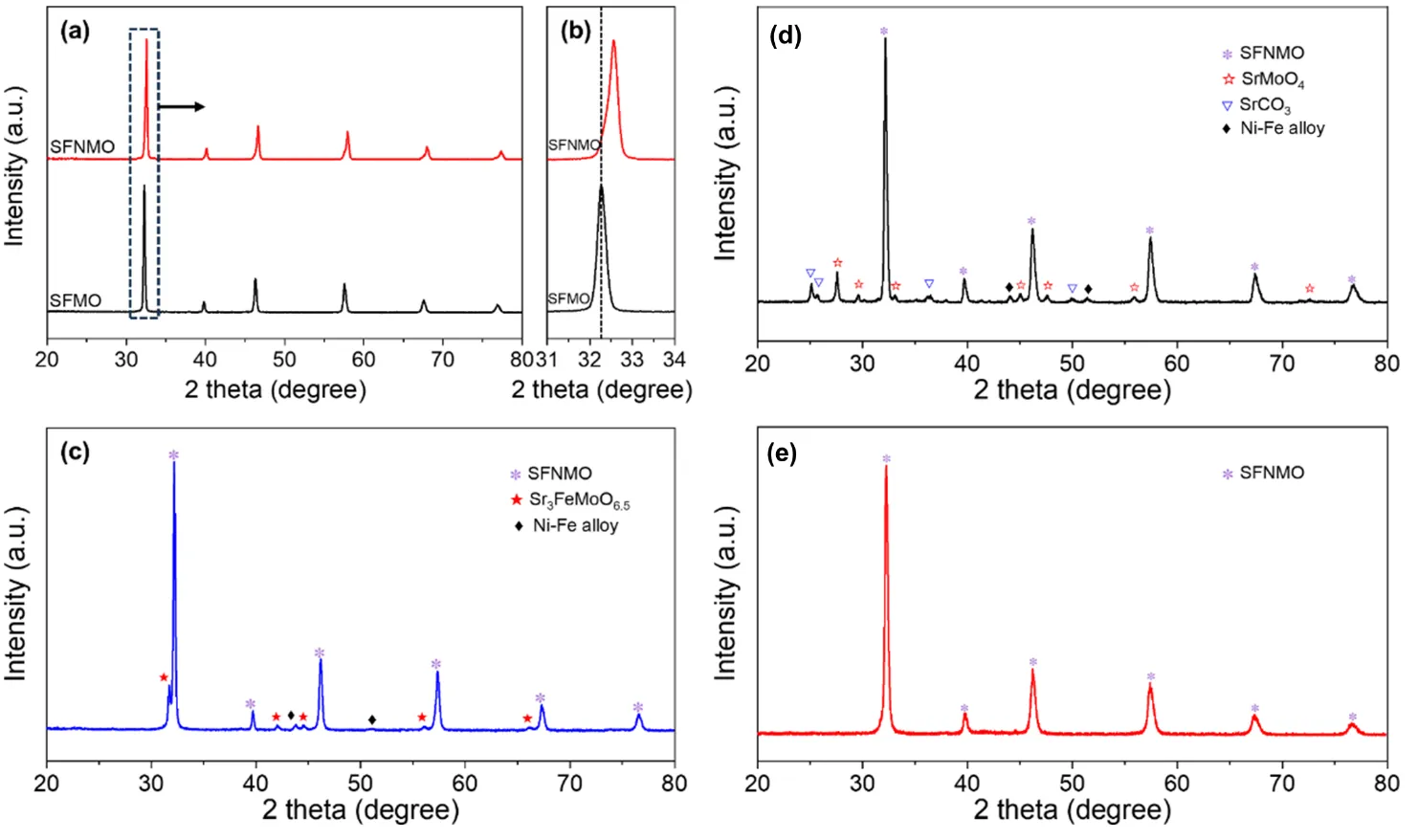
The Sr2Fe1.5Mo0.5O6−δ (SFMO) perovskite exhibits promising performance as a solid oxide fuel cell (SOFC) anode for hydrogen fuel but demonstrates limited catalytic activity with hydrocarbon fuels. To address this limitation, a Sr2Fe1.3Ni0.2Mo0.5O6−δ (SFNMO) perovskite was developed via B-site Ni substitution, and its in-situ exsolution behavior and methane electrooxidation performance were systematically investigated. Combined XRD, SEM, and TEM-EDS analyses reveal the in-situ exsolution of Ni-rich Ni-Fe alloy nanoparticles from the SFNMO matrix under a hydrogen atmosphere. A symmetrical SOFC employing Gd0.1Ce0.9O2−δ (GDC) electrolyte and SFNMO electrodes achieved an initial maximum power density of 82 mW cm−2 in wet methane fuel at 800 °C, which represents an approximately 33% improvement over the symmetrical cell with SFMO electrode (61 mW cm−2). Remarkably, the cell maintained stable operation under constant current for 50 h in methane fuel, with the peak power density further increasing to 113 mW cm−2, demonstrating the excellent catalytic activity of the in-situ exsolved Ni-Fe nanoparticles for methane conversion.