Found 492 results
Open Access
Article
23 September 2025Techno-Economic Evaluation of Vegetated Swales for Urban Stormwater Management in South Australia
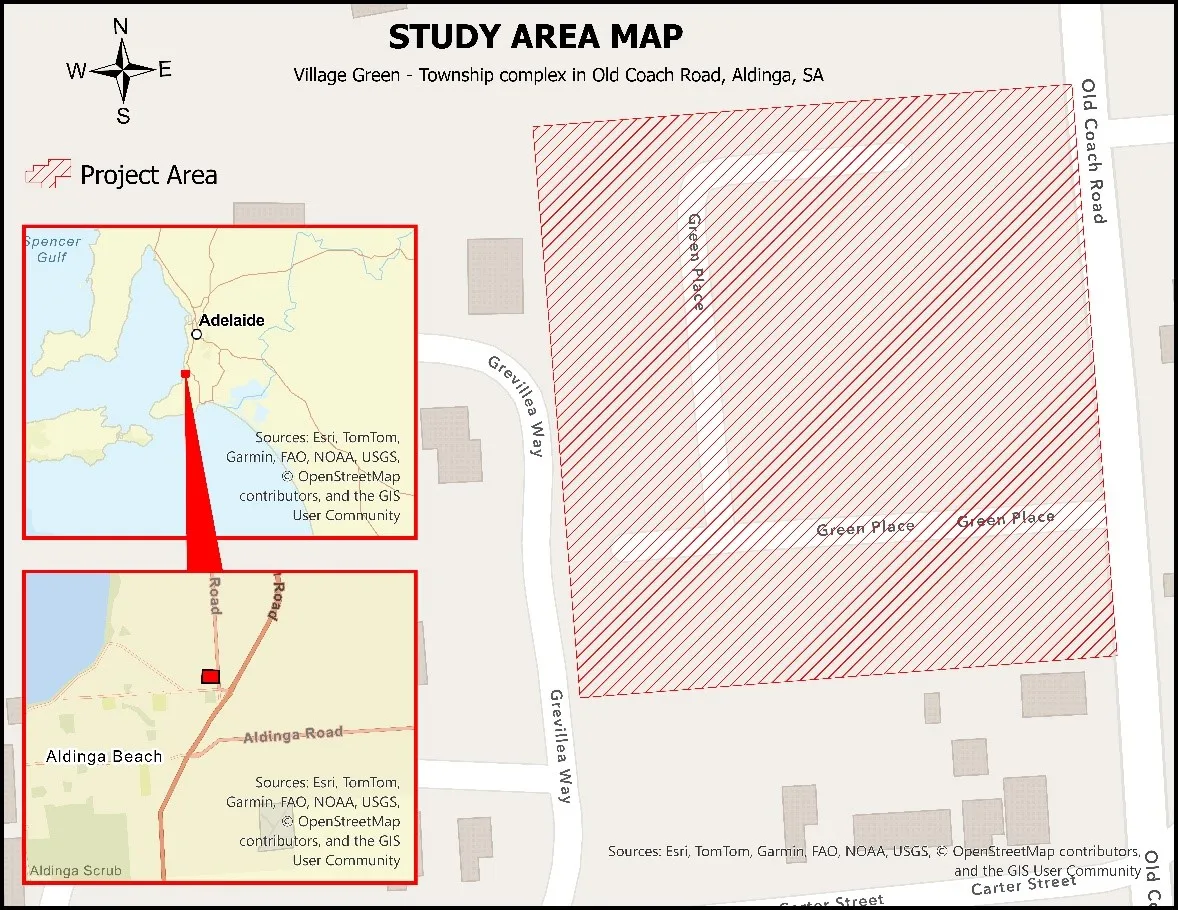
Urban stormwater runoff continues to challenge cities worldwide due to increasing impervious surfaces and intensified rainfall from climate change. Swales—vegetated conveyance channels designed to manage runoff volume and quality—offer a nature-based solution that integrates hydrological function, ecological enhancement, and cost-effectiveness. This study investigates the performance and lifecycle economics of swale systems using a case study in South Australia. A MUSICX model simulation was conducted to quantify pollutant removal and flow reduction, and lifecycle costing was performed to evaluate construction and annual maintenance requirements. Results indicate exceptionally high treatment efficiencies, with over 99% removal of total suspended solids, nitrogen, phosphorus, and gross pollutants, and a 99.09% reduction in runoff volume. The total capital cost of the swale network was estimated at $19,726.50, with annual maintenance at $6157.49. Economic benefits from pollutant removal and avoided downstream treatment were valued at $14,874 per year, demonstrating a favorable benefit-cost profile. The findings underscore the potential of well-designed swales to function as cost-effective, modular components of decentralized stormwater management systems. These results contribute evidence supporting the broader integration of swales into urban planning, particularly in water-sensitive design frameworks seeking to achieve sustainability, climate adaptation, and SDG-aligned outcomes.
Open Access
Review
22 September 2025Advances in Recycling and Reuse Technologies for Textile Fiber Material Products
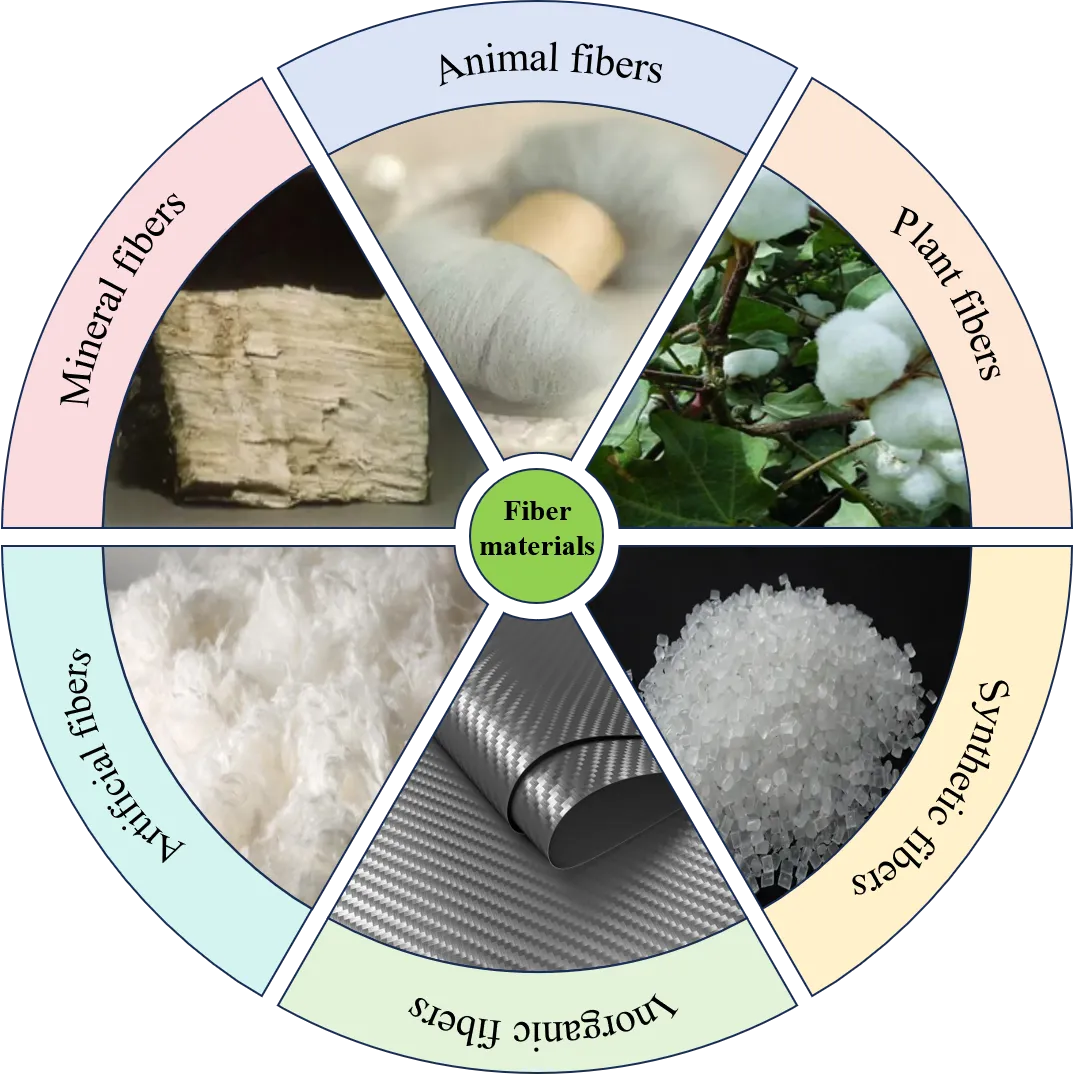
Global industrialization and rising living standards have driven widespread adoption of fiber materials. However, the rapid growth of the textile industry has also caused substantial resource depletion and environmental pollution. Each year, over 92 million tons of textile waste are generated worldwide, most of which is landfilled or incinerated, while only a small proportion is recycled. This paper systematically reviews the latest advancements in the recycling and reuse of fiber-based products, focusing on mechanical, chemical, and biological recycling technologies and the reapplication of recycled fibers. Mechanical recycling is a mature and cost-effective process, but it results in reduced fiber quality. Chemical recycling can produce high-purity raw materials, yielding regenerated fibers with properties close to virgin fibers, but the process is complex and energy-intensive. Biological recycling operates under mild conditions with low energy consumption but is limited by low efficiency and long reaction times. This paper also explores the applications of recycled fibers in regenerated apparel, automotive textiles, construction materials, medical supplies, and eco-friendly filtration materials. Fiber recycling technologies should advance toward greener, more innovative, and circular economy-oriented approaches. Technological innovation, industrial collaboration, and policy guidance can significantly enhance the resource utilization of textile waste.
Open Access
Article
19 September 2025The Relationship between Resilience and Disruptive Behaviour among In-School Adolescents in Lagos State
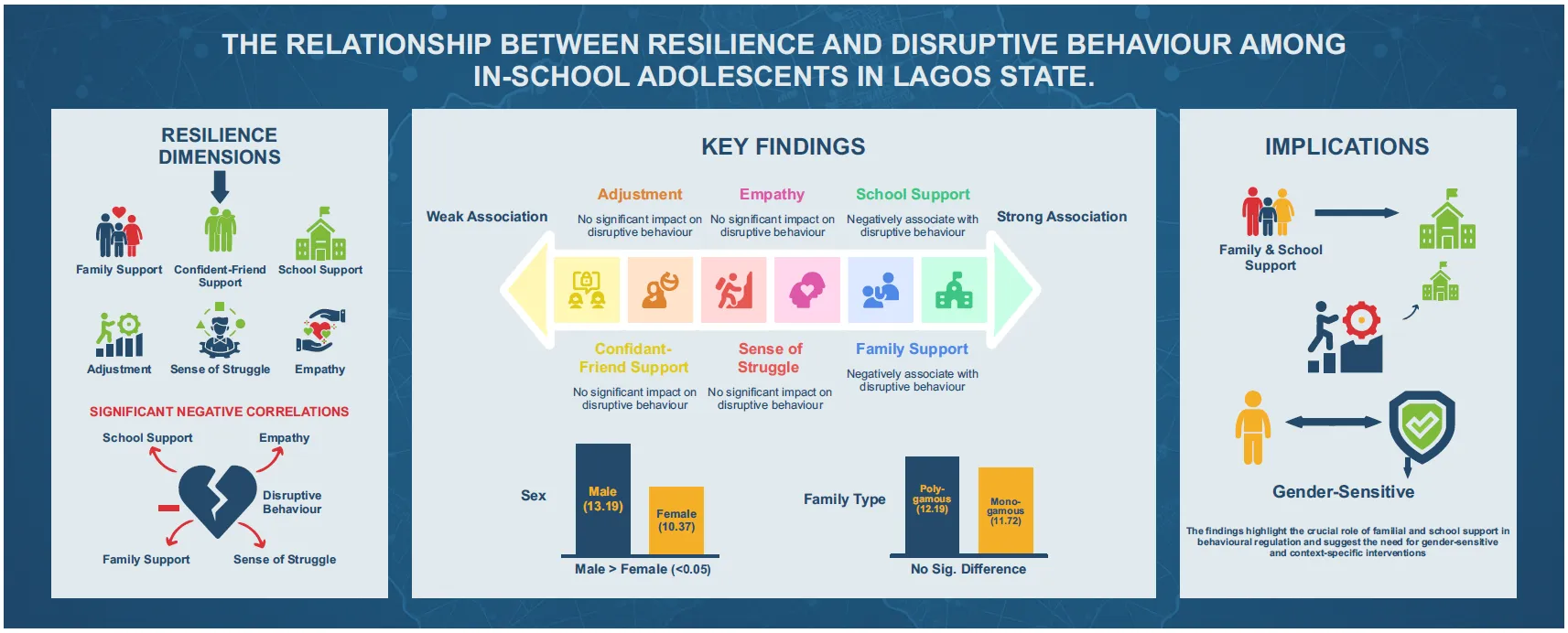
This study investigated the relationship between resilience and disruptive behaviour among in-school adolescents in Lagos State, Nigeria. The objectives were to examine: the association between six resilience dimensions (family support, confidant-friend support, school support, adjustment, sense of struggle, and empathy) and disruptive behaviour; the differences between sex and family type on disruptive behaviour. A cross-sectional design was employed, sampling 897 adolescents (M = 14.8 years; 50.8% male) from selected secondary schools using a multi-stage sampling technique. Data were collected using validated psychological resilience and disruptive behaviour scales. Results revealed a significant negative correlation between disruptive behaviour and four resilience dimensions: family support, school support, sense of struggle, and empathy. Regression analysis showed that these resilience dimensions jointly accounted for 6.6% of the variance in disruptive behaviour, with only family and school support emerging as significant predictors. Male adolescents exhibited significantly higher disruptive behaviour than females, while no significant differences were found based on family type. The findings highlight the crucial role of familial and school support in behavioural regulation and suggest the need for gender-sensitive and context-specific interventions.
Open Access
Article
19 September 2025Cutting Power Model for Material Identification during Helical Milling of Aerospace Stacks
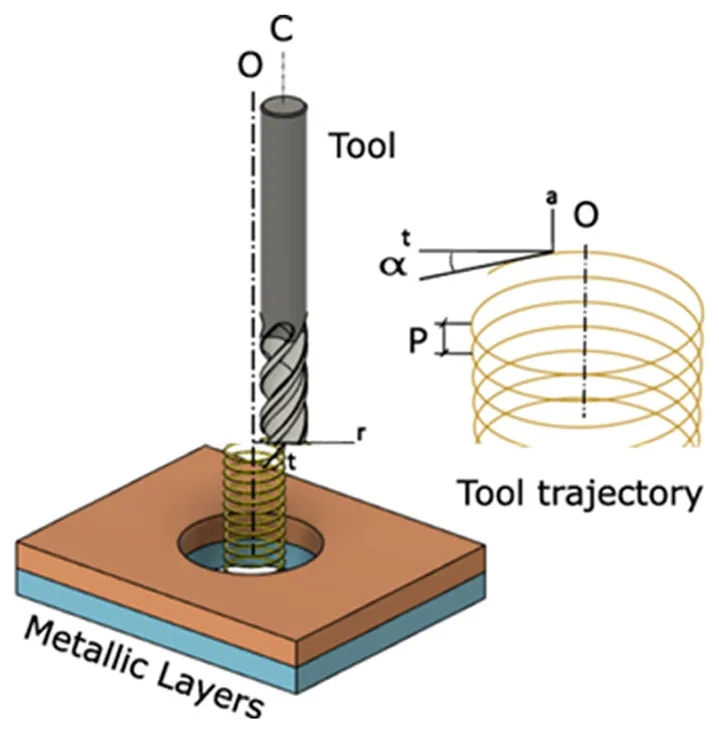
Smart factories increasingly rely on real-time data to optimize manufacturing, yet machining operations, particularly in aerospace stack drilling, still face challenges such as low productivity and accelerated tool wear. While advanced CNC machines already capture rich process data, its full potential for real-time decision-making remains underexplored. This work introduces a novel approach that leverages machine learning (ML) to identify material layers and optimize cutting conditions during drilling (helical milling) of aluminum–titanium stacks. Unlike prior methods that require additional sensors or complex instrumentation, our approach uniquely utilizes only spindle power signals from the CNC machine. Data maps consisting of cutting coefficients are used to train ML models to reliably predict material transitions across multiple layers under a range of cutting conditions. The results demonstrate appropriate material identification in comparison to experiments, enabling significant improvements in the hole-making of aerospace stacks. This study contributes a scalable, sensor-free, and non-intrusive framework for smart machining, establishing a practical pathway for process optimization in aerospace manufacturing without disrupting existing shop-floor setups.
Open Access
Article
17 September 2025A Quadrotor Simulation and Research Platform
The quadrotor is an underactuated, nonlinear system that presents significant challenges in both modeling and control design. This work develops a decoupled control framework based on the translational (Newtonian) and rotational (Eulerian) dynamics of the quadrotor. A Linear Quadratic Gaussian (LQG) regulator is implemented for control, with two extended Kalman filters employed for state estimation in the respective dynamic subsystems. The full design process, from dynamic modeling to flight simulation presented in detail. Key elements include nonlinear simulation, model linearization, state-space representation, feedforward compensation, Linear Quadratic Regulator (LQR) gain tuning, actuator dynamics, sensor noise, LQG design, and extended Kalman filter. The limitations of applying linear control to a nonlinear system are also presented.

Open Access
Article
17 September 2025An Approach to Simulation & Navigation of Autonomous Unmanned Aerial Vehicle in 3D
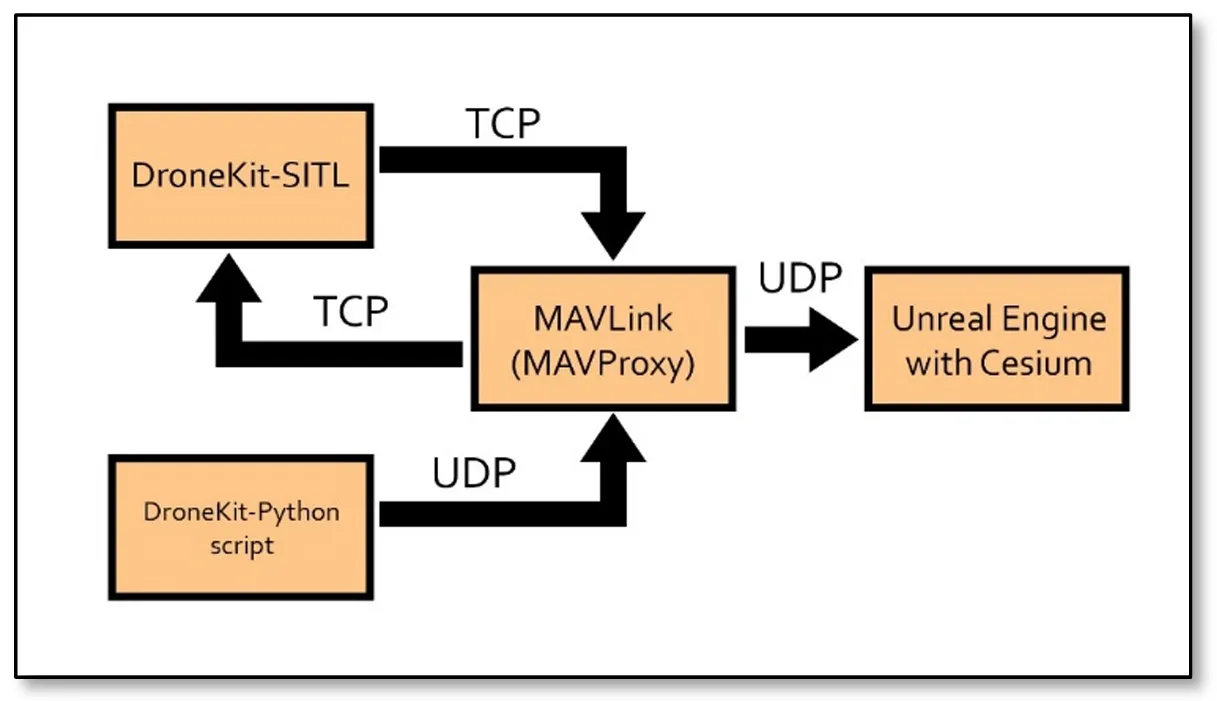
Drone simulation refers to the emulation of Unmanned Aerial Vehicles (UAVs) in a virtual environment, replicating real-world conditions to study and test the behavior, performance, and functionalities of drones. This paper explores the simulation of UAVs in the Unreal Engine environment using MAVProxy (Micro Air Vehicle Proxy) and the Python library DroneKit. By leveraging the computational capabilities of computers, this approach enables precise visualization and control of UAV flight dynamics in three dimensions. The use of Blueprints in Unreal Engine facilitates a cost-effective and accessible simulation process, allowing engineers and scientists to refine their UAV designs before real-world deployment. Results show the applicability of this approach vs. different environments, where an alternative approach also emerges as a viable option for visualizing textured buildings. This approach shows the power of open-source collaboration in advancing innovative solutions in the dynamic field of science and technology.
Open Access
Commentary
17 September 2025Shades of Grey: A Continuum of Biodiversity Understanding from Dark to Bright Diversity
This commentary introduces a conceptual framework that reinterprets biodiversity assessment as a continuum, spanning from Dark diversity, representing the unobserved or uncolonized potential of species ecologically suited to a system, to Bright diversity, conceived as an aspirational, fully integrated upper bound of biodiversity knowledge. Bright diversity encompasses not only observed components and their intricate interactions, but also a profound understanding of the reasons for species' presence or absence, including the inferred insights from Dark diversity across taxonomic, functional, phylogenetic, and genetic facets. Situated in between is Grey diversity, which characterizes the predominant state of partial knowledge and inherent uncertainty in real-world ecological assessments as an epistemic gradient. By delineating this epistemological gradient, the framework offers a heuristic tool for ecologists and conservationists to critically evaluate the clarity, completeness, and uncertainty embedded in biodiversity data, and an operational basis for “epistemic cartography”, i.e., the spatial mapping of knowledge sufficiency and uncertainty. It facilitates the identification of knowledge gaps, guides research priorities, and informs conservation actions, especially under conditions of incomplete information, through a compact workflow and transparent indicators. This conceptual spectrum serves as both an epistemological reflection and a practical guide for advancing biodiversity science, while outlining a forward-looking agenda that leverages multi-faceted “bands of biodiversity knowledge” to support robust biodiversity planning.

Open Access
Article
16 September 2025The Relationship between Quarter-Life Crisis and Psychological Well-Being among Undergraduates in Nigeria: Gender as a Moderator and Perceived Stress as a Mediator
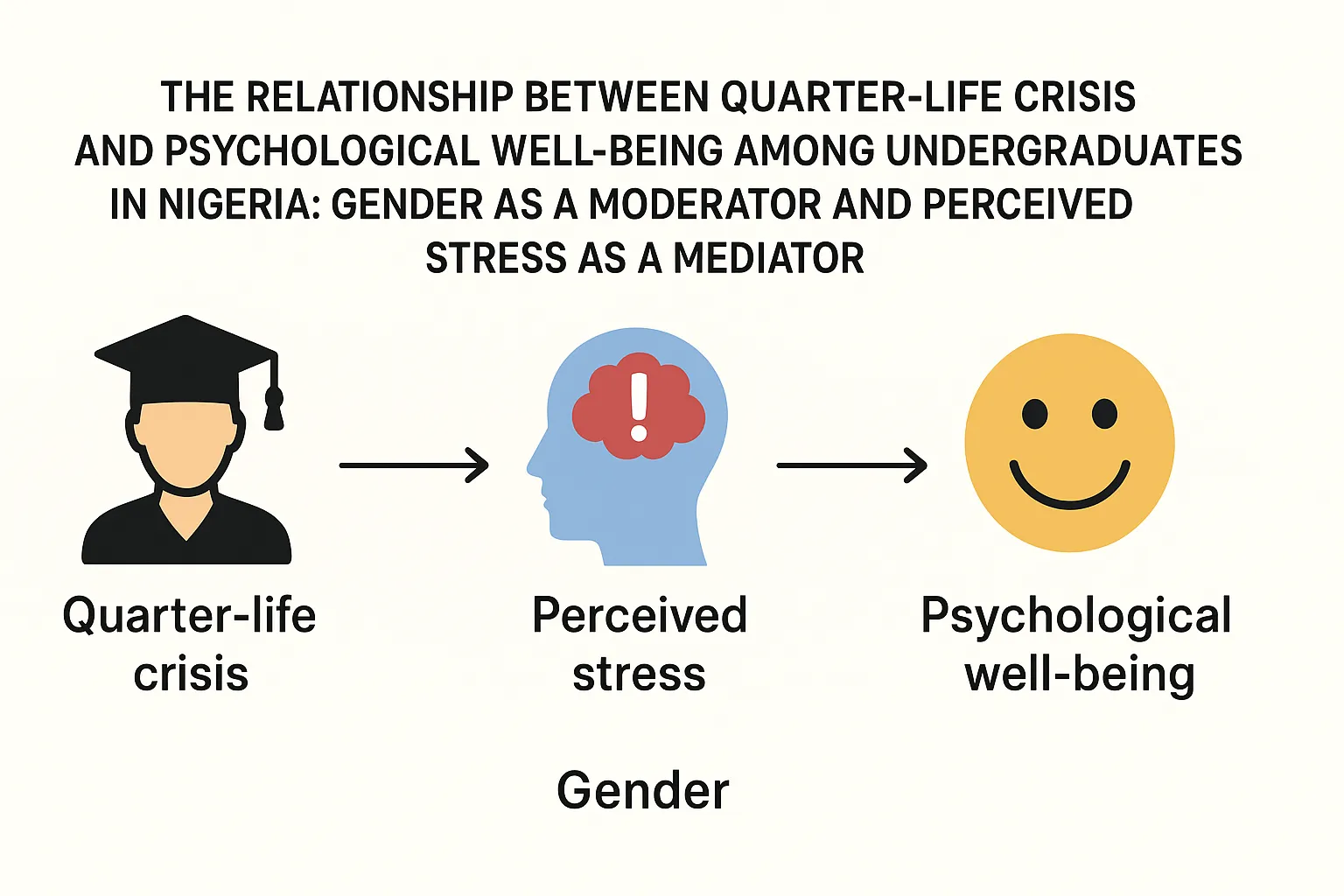
The transition to adulthood is often marked by identity struggles, commonly conceptualised as a quarter-life crisis (QLC), leading to poorer psychological well-being. This study examined the mediating role of perceived stress in the relationship between QLC and psychological well-being, and whether this indirect effect is moderated by gender. A cross-sectional survey of 301 Nigerian university students (158 males, 141 females) completed the self-report Developmental Crisis Questionnaire, Psychological well-being Scale and Perceived Stress Scale. Data was analysed using Hayes’ PROCESS macro (Models 4 and 7). Results showed that QLC negatively predicted Psychological wellbeing (β = –0.34, p < 0.01) and positively predicted perceived stress (β = 0.21, p < 0.01). While there was no significant direct effect of QLC on PWB, there was a significant indirect effect through perceived stress (β = −0.07, 95% CI [−0.308, −0.051]), supporting evidence for mediation. Gender moderated the QLC–stress path (β = 0.10, p = 0.03). QLC predicted higher stress in females (β = 0.16, p < 0.001) but not in males (β = 0.06, p = 0.11). These findings highlight the gendered dynamics of QLC and underscore the importance of stress management, particularly among female students, in promoting psychological well-being during early adulthood.
Open Access
Review
16 September 2025The Central Role of Cytokines in PTSD and Major Depressive Disorder: Mechanisms and Clinical Implications
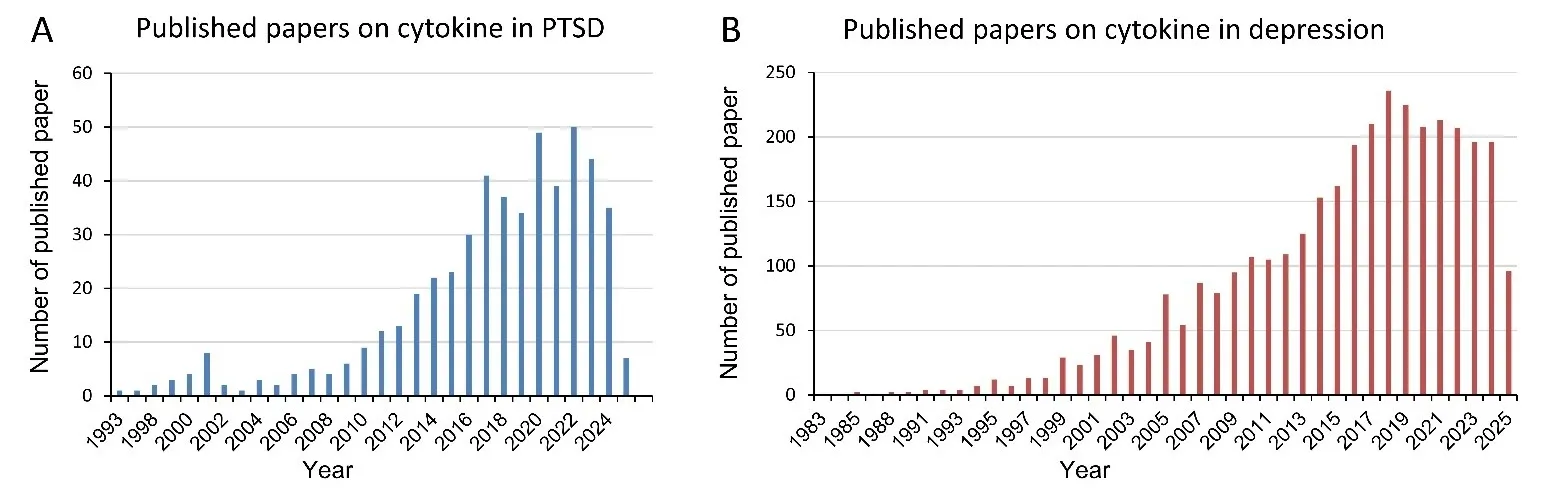
Post-traumatic stress disorder (PTSD) and major depressive disorder (MDD) are debilitating psychiatric conditions that are frequently comorbid and linked to chronic immune dysregulation. Increasing evidence implicates cytokine-mediated inflammation in the pathophysiology of these disorders. Cytokines, key signaling molecules of the immune system, influence central nervous system (CNS) function by crossing the blood-brain barrier or signaling via neural routes, thereby affecting neuronal circuits involved in mood regulation and cognition. Elevated levels of pro-inflammatory cytokines—such as interleukin-1β (IL-1β), interleukin-6 (IL-6), tumor necrosis factor-alpha (TNF-α), and interferon-gamma (IFN-γ)—have been observed in both peripheral and central compartments of individuals with PTSD and MDD. These molecules contribute to microglial activation, synaptic remodeling, hippocampal atrophy, and altered neurotransmission. Furthermore, chemokines such as CXCL12 and CCL2 are implicated in stress-induced neuroplasticity impairments. Moderating factors, including genetic polymorphisms (e.g, FKBP5, CRP), early-life adversity, sex differences, and exposure type, influence individual vulnerability to immune-related neuropsychiatric outcomes. This review synthesizes current molecular and clinical evidence, highlighting how cytokine dysregulation bridges peripheral inflammation and CNS pathology. It also explores emerging therapeutic strategies targeting inflammatory pathways and discusses the promise of biomarker-based approaches and machine learning for patient stratification and personalized treatment.
Open Access
Article
15 September 2025Heat Resistance of Centrifugally Cast Tubes Made of 32%Cr-43%Ni Refractory Alloy and Its Welded Joints at Temperatures up to 1150 °C
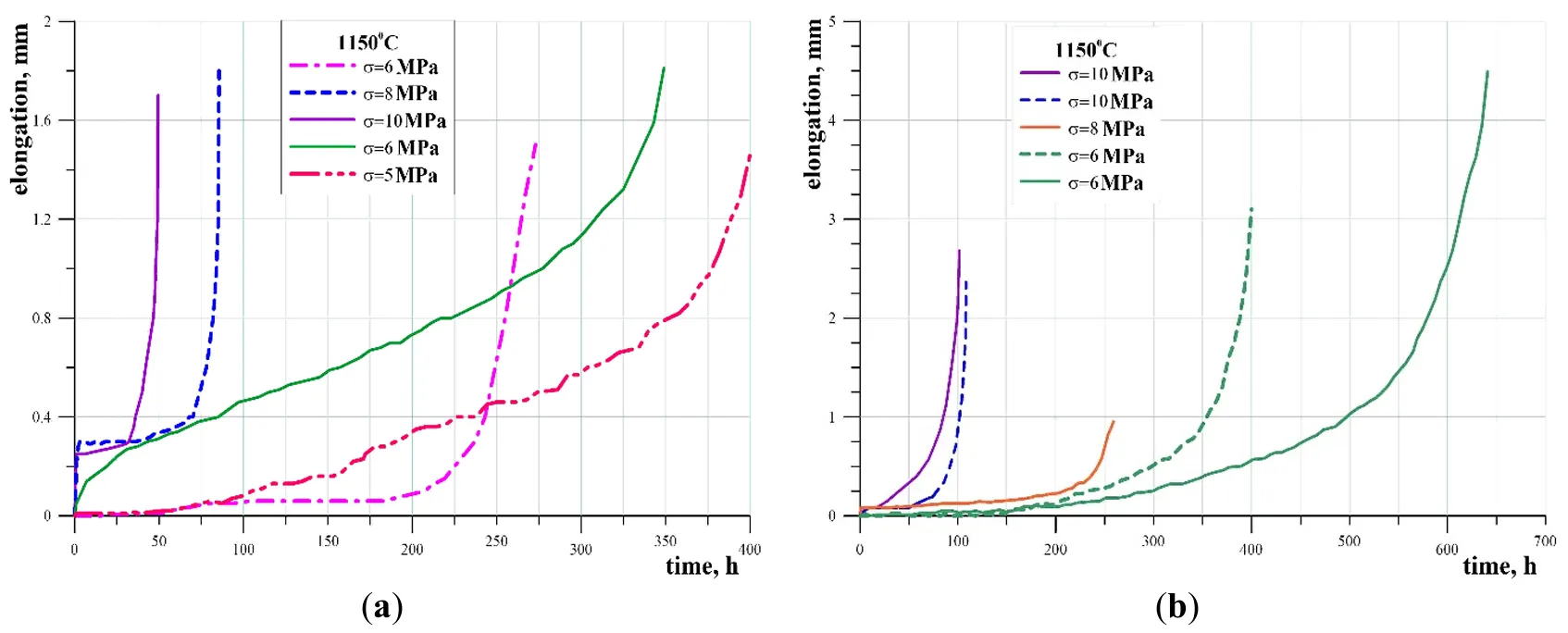
The results of microstructura l analysis, short-term and long-term strength tests of modified sparingly alloyed refractory alloy of 32%Cr-43%Ni and its welded joints are presented. A quantitative analysis of the dispersed phases in the initial state and after long-term strength tests has been carried out. It is shown that the network of carbide-intermetallic precipitates persists after long-term strength tests at a temperature of 1150 °C. This ensures the ability of the developed alloy and its welded joints to withstand high-temperature creep for a long time. It has been established that after long-term strength tests at a temperature of 1150 °C, niobium carbide particles present in the base metal and weld metal are almost completely transformed into an intermetallic phase based on Cr-Ni-Si-Nb-N. The penetration of atmospheric nitrogen into the metal stimulates this process.