Found 492 results
Open Access
Meeting Report
16 October 2025
Open Access
Review
11 October 2025Evolutionary Game Theory for Sustainable Energy Systems: Strategic Bidding, Carbon Pricing, and Policy Optimization for Clean Energy Development
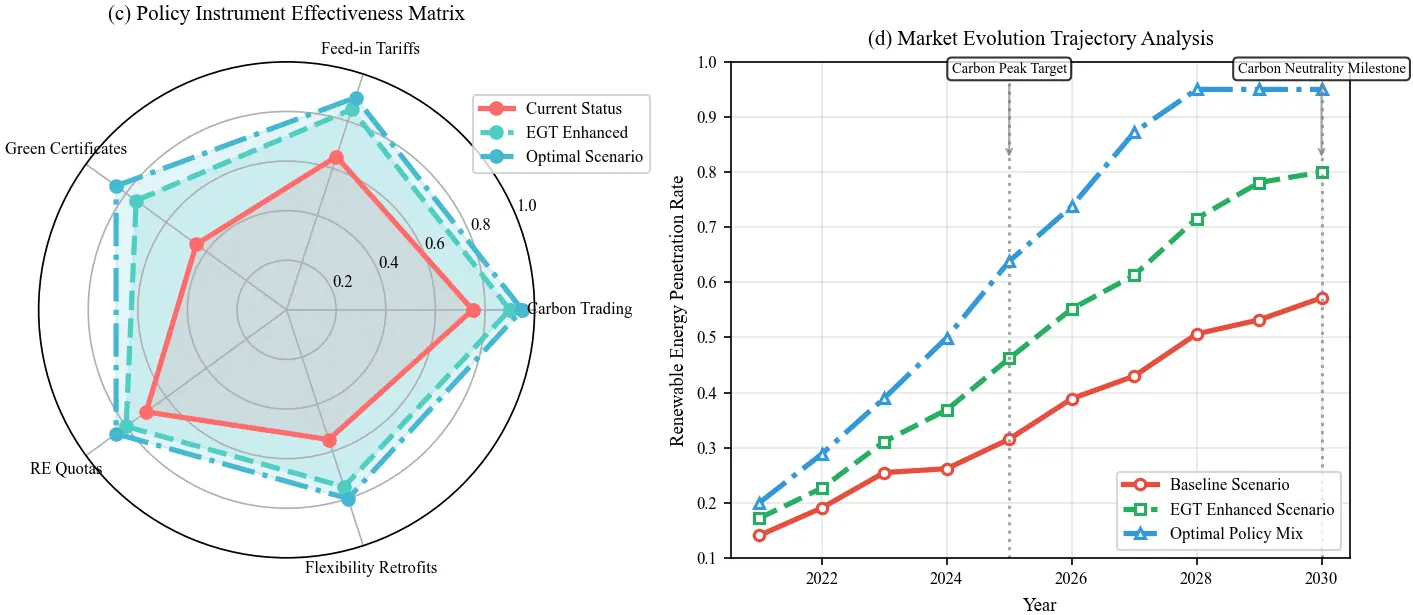
As the world transitions toward a low-carbon economy, carbon pricing mechanisms, including carbon taxes and emissions trading systems, have emerged as fundamental policy instruments for reducing greenhouse gas emissions, particularly within the electricity sector. This comprehensive review examines the impact of these mechanisms on energy market dynamics through the analytical framework of evolutionary game theory (EGT), modeling strategic interactions among power generation companies, renewable energy firms, and regulatory authorities. Our analysis demonstrates that carbon pricing systematically increases operational costs for fossil fuel-based power plants while simultaneously providing competitive advantages to renewable energy producers, accelerating the adoption of cleaner energy technologies. The study emphasizes the critical role of coordinated policy interventions, including subsidies, penalties, and green certificate systems, in facilitating the adoption of clean technologies and optimizing market transition pathways. These findings underscore the importance of well-designed policy frameworks that align economic incentives across all stakeholders to drive sustainable energy system transformation. Additionally, this research demonstrates how EGT can effectively model the strategic bidding behavior of energy firms, providing valuable insights for optimal decision-making under carbon pricing fluctuations. Through comprehensive case studies and simulation analysis, the paper illustrates how firms can leverage evolutionary strategies to optimize investments in clean technologies, enhance inter-firm cooperation, and stabilize market dynamics. This work further explores future research directions, particularly the integration of machine learning and real-time data analytics with EGT to enhance predictive capabilities and strategic decision-making processes. By establishing connections between EGT and real-world energy market dynamics, this study provides a robust analytical framework for understanding long-term behavioral trends in energy markets. The results contribute significantly to the interdisciplinary literature at the intersection of game theory, energy policy, and sustainability science, offering valuable insights for policymakers, researchers, and industry leaders advancing clean energy transition strategies.
Open Access
Article
11 October 2025Catalytic Potential of Green-Synthesized Iron Nanoparticles from Psidium guajava for 4-Nitrophenol Reduction
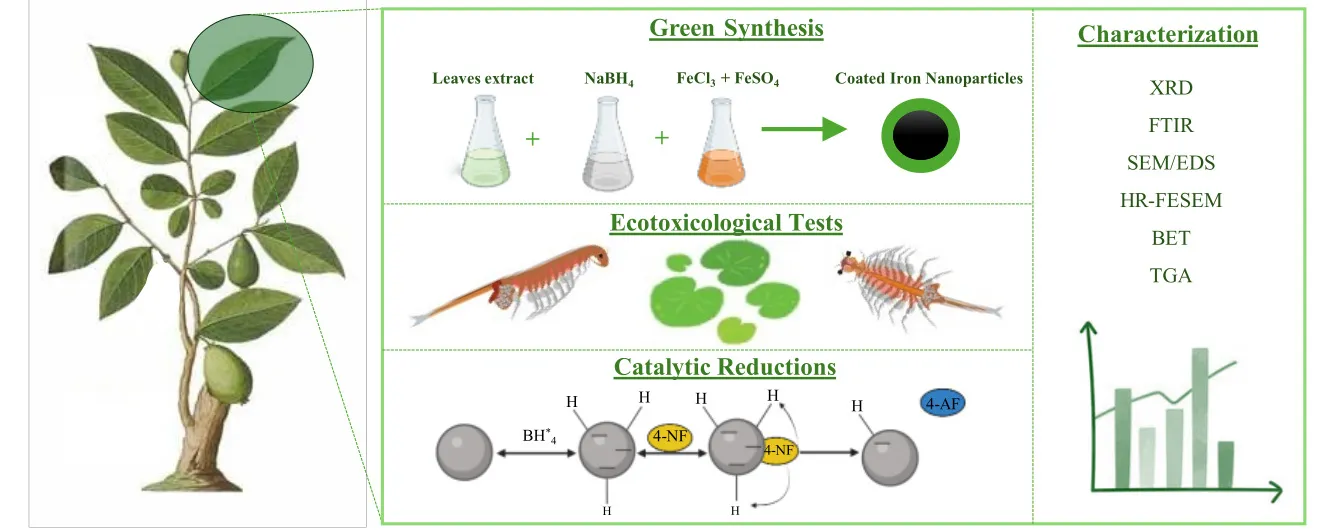
This study presents a sustainable approach for the green synthesis of iron nanoparticles (Fe(NPs)) using an aqueous extract of Psidium guajava (guava leaves) as a reducing and stabilizing agent. The FeNPs were applied in the catalytic reduction of 4-nitrophenol. To minimize the use of sodium borohydride (NaBH4), different volumetric ratios of plant extract and NaBH4 were tested. The influence of these ratios on the physicochemical and morphological properties of the FeNPs was evaluated using X-ray diffraction (XRD), scanning electron microscopy with energy-dispersive X-ray spectroscopy (SEM/EDS), high-resolution field-emission SEM (HR-FESEM), Fourier-transform infrared spectroscopy (FTIR), thermogravimetric analysis (TGA), and N₂ physisorption. Increasing the proportion of plant extract led to reduced crystallinity, larger particle sizes, and lower surface areas. Despite these changes, using up to 40% extract improved catalytic performance, achieving over 90% reduction of 4-nitrophenol. Ecotoxicological assessments confirmed the biocompatibility of the FeNPs, the effective neutralization of 4-nitrophenol toxicity post-reduction, and highlighted the inherent toxicity of NaBH4. These findings demonstrate the potential of Psidium guajava-mediated FeNPs as eco-friendly catalysts for pollutant reduction, combining efficiency with reduced environmental impact.
Open Access
Article
10 October 2025Guidance and Control System for an Unmanned Combat Aerial Vehicle as a Wingman
This study focuses on designing and testing a formation guidance system for a UCAV as a wingman to an F-16 fighter jet. A critical assessment of the UCAV autopilot revealed areas for improvement, which were addressed to refine the stable foundation of the autopilot for implementing the guidance system. This system uses PID controllers to minimise the along-track, cross-track, and vertical-track errors during standard manoeuvres. The system performed exceptionally well in the vertical (z) direction but showed robustness challenges in the along-track (x) and cross-track (y) directions under wind disturbances. A notable outcome was the identification of a novel mathematical relationship between the along-track offset command and its gains, offering a pathway for advanced formation systems. These findings pave the way for future enhancements in diverse formation operations.

Open Access
Article
10 October 2025Immunoprofiling of Alcohol-Activated Hepatic Stellate Cells Reveals Mechanisms of Immune Evasion through NK/T Lymphocyte Checkpoint Signaling
Chronic alcohol consumption induces the pathogenic activation of hepatic stellate cells (HSC) and their conversion into proliferative myofibroblasts (Myo), which together constitute a disease hub in alcohol-associated liver disease (AALD). While natural killer (NK) lymphocytes efficiently target early activated HSC and ameliorate liver fibrosis in mouse models of diet- and alcohol-induced liver disease, late-activated HSC evade immune surveillance. To gain insight into evasive resistance mechanisms, we profiled the expression of immunoregulatory ligands by HSC and showed that HSC dynamically express CD80, a B7-family ligand that suppresses NK and T cell responses. Using a mouse model of acute-on-chronic alcohol consumption, we show that combined blockade of the CTLA-4//TIGIT/PD-1 inhibitory checkpoints overcomes this resistance mechanism, promoting the selective elimination of activated HSC (aHSC)/Myo, yet fails to diminish fibrosis or ameliorate liver function. Single-cell transcriptome profiling of liver non-parenchymal cells revealed that checkpoint blockade promotes hepatic infiltration of pro-fibrotic Th1 and Th17 T cell subpopulations, while decreasing immunosuppressive Treg. Strikingly, antibody-directed engagement of the PD-1 and TIGIT checkpoints also fails to reduce fibrosis or improve liver function. Thus, selective targeting of aHSC/Myo may be necessary to achieve significant therapeutic benefit.

Open Access
Review
29 September 2025Review of Gallium Nitride Devices and Integrated Circuits at High Temperatures
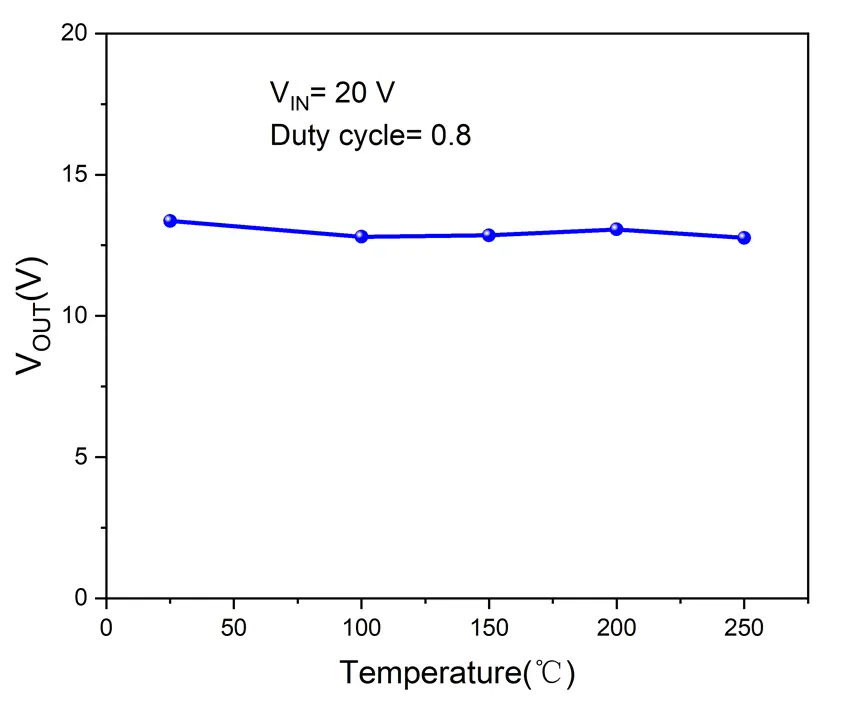
In various industrial applications, including aviation, electric vehicles, and drilling, the demand for semiconductor devices and associated circuits with high thermal stability is progressively increasing. Wide-bandgap semiconductor Gallium Nitride (GaN) devices exhibit the advantages of fast switching capability, low on-resistance, and the ability to operate at high temperatures. These advantages have made them potential candidates for integrated circuits in high-temperature environments in recent years. Lateral GaN devices promote monolithic integration, which consequently increases power density and reduces cost of cooling systems. Hence, it is worthwhile to investigate the performance of GaN devices in high-temperature environments. This review aims to present a thorough review of high-temperature characteristics of GaN devices and integrated circuits. The performance of GaN devices at high temperatures, such as threshold voltage,saturation current and on-resistance, has been reviewed in response to different structures. The underlying degradation mechanisms related to the intrinsic properties of structures and fabrication technology are discussed at high temperatures. The thermal performance of GaN small signal integrated circuits and power converters was presented. This paper systematically examines the advantages and challenges of GaN devices and integrated circuits at high temperature environments.
Open Access
Article
29 September 2025Multivariant Time-Series Forecasting Methodology for Product Demand Using Deep Learning and Large Language Models
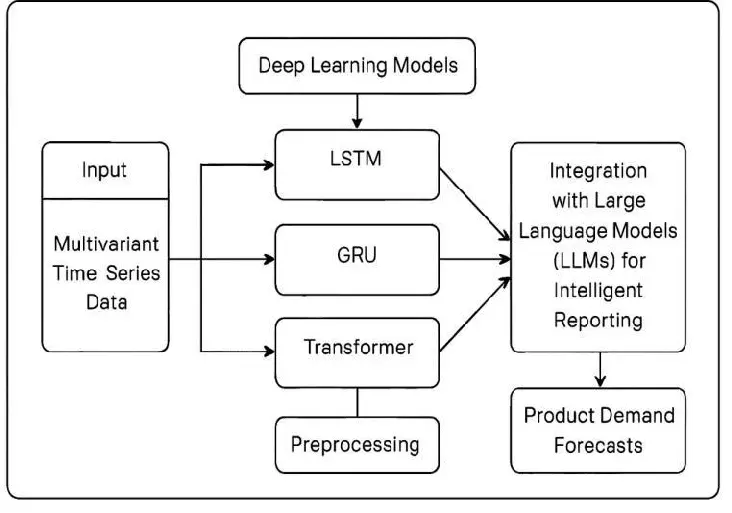
Accurate demand Soothsaying is a crucial element in force chain operation and business planning. Traditional statistical ways don’t consider the nonlinear, dynamic, and interdependent nature of variables that drive product demand, including deal history, prices, seasonality, elevations, request changes, and profitable pointers. This design presents a sophisticated soothsaying frame for guidance from an artificial intelligence system, integrating soothsaying using deep literacy models together with large language models(LLMs), that can negotiate both accurate soothsaying and give practicable intelligence. The deep literacy infrastructures used in this study include Long Short Term Memory(LSTM), Reopened intermittent Units(GRU), and other Motor models for timeseries soothsaying, which optimize temporal dependences and the complex cross-variable relations. To further increase interpretability of the vaticinations, LLMs are useful agents to convert the specialized cast affair into a completely automated and enhanced mortal-readable textbook and reports to develop intelligence for decision timber. Prophetic modeling and naturally generated reporting lead to better delicacy and practicable intelligence for their businesses. This intelligence empowers businesses to create better procurement processes, improve inventory management, and develop more resilient supply chains relevant to today’s business environment.
Open Access
Review
29 September 2025Robot Grinding: From Frontier Hotspots to Key Technologies and Applications
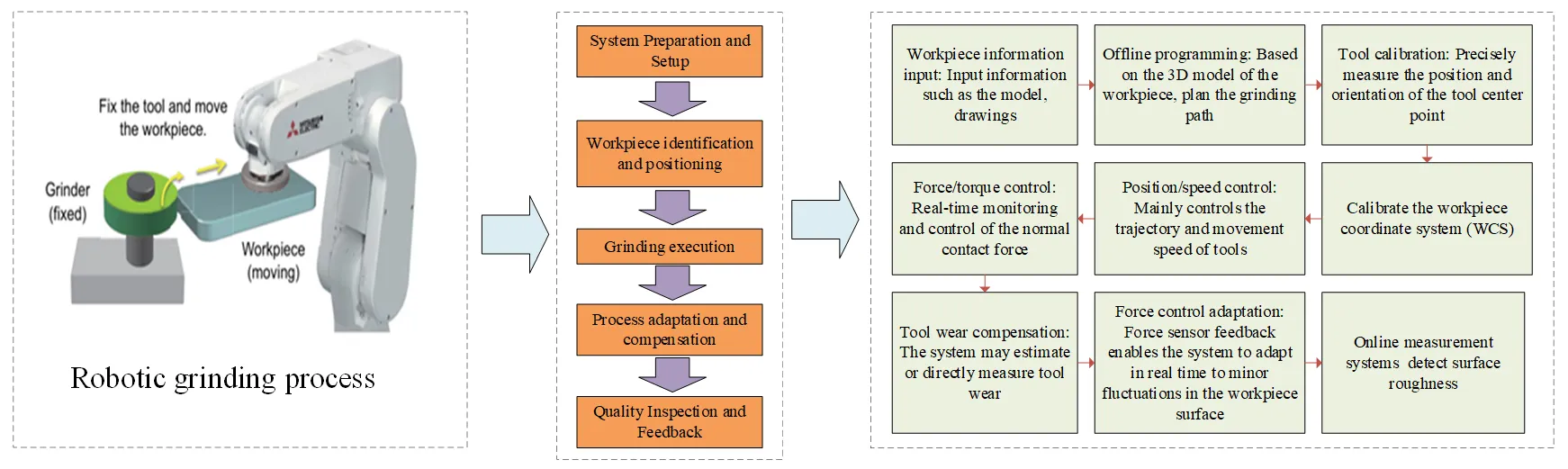
Robot grinding technology has shown broad application prospects in the field of machining complex curved parts due to its high flexibility, strong adaptability, and high automation. However, industrial robots are generally only suitable for rough machining, and for semi-finishing and finishing, improving the machining accuracy of robots and the surface quality of parts is a key issue. This paper summarizes the current research status of robot grinding and provides a reference for realizing robot precision grinding. At present, the research on robot grinding technology mainly focuses on robot pose control, force/position hybrid control strategy, intelligent machining path planning, vibration suppression technology, compliance control, and so on, aiming at solving the key bottleneck problems such as low machining accuracy, large grinding force fluctuation and poor surface quality consistency caused by insufficient robot stiffness. Firstly, the development history of the robot grinding system and the research status of process technology are summarized systematically. Secondly, the analysis focuses on grinding path planning, programming technology, and robot compliance force control technology. Finally, the current status of optimization research in robot grinding technology is summarized. The overarching purpose of this paper is to provide a systematic analysis and a comprehensive reference framework, aiming to address the core challenges hindering the achievement of high-precision, consistent surface quality in robotic grinding manufacturing. Based on the summarized state-of-the-art, robot grinding technology development trend is also predicted.
Open Access
Case Report
28 September 2025Usefulness of Histopathological Examinations in Assessing Cases of Fatal Poisoning with New Psychoactive Substances—Preliminary Studies
Investigating the cause and mechanism of death in cases of suspected fatal poisoning with new psychoactive substances (“legal highs”) is no different from classic post-mortem diagnostics in forensic medicine. There is no characteristic autopsy appearance in individuals poisoned with “legal highs”, therefore, in practice, biological material is most often reserved for complementary histopathological and toxicological examinations. This study aimed to assess the usefulness of microscopic examinations in assessing cases of fatal poisoning with new psychoactive substances. The authors’ analysis of the literature and the results of histopathological examinations of victims of “legal high” poisoning from their own practice at the Department of Forensic Medicine and Forensic Toxicology of the Silesian Medical University in Katowice revealed that the most common pathological or diagnostically questionable changes are observed in the heart, kidneys, and liver. In the heart, signs of early myocardial ischemia are often observed in the absence of atherosclerotic changes in the coronary vessels or changes such as muscle bridging along these vessels. Considering the relatively young age of the deceased, it is highly probable that the pathological changes observed are related to the use of “legal highs”, especially given their known cardiotoxicity. In the kidneys, signs of acute tubular necrosis (ATN) are most frequently seen. These signs are usually mild and overlap with autolytic changes, making their assessment difficult, especially since they may be periagonal (artifacts). Morphological changes in the liver typically represent focal hepatocyte degeneration. Only in one case did they demonstrate signs of active inflammation and developing fibrosis. The nature of the observed changes does not allow for a clear connection with the use of “legal highs”, as the same changes may be associated with metabolic disorders, obesity, alcohol abuse, or viral hepatitis. In summary, microscopic examination of internal organ samples collected during autopsies and post-mortem examinations of individuals who died from legal highs is only supportive, as there is no characteristic microscopic image that would allow for a definitive diagnosis. The extent of the patho-logical changes observed depends primarily on age and whether the poisoned individual was hospitalized. Infectious complications are often observed in cases of long-term stays in intensive care units (e.g., pneumonia associated with respirator therapy, signs of generalized infection).

Open Access
Article
28 September 2025Integrated Consensus Framework for Task Assignment and Path Planning of a Degraded UAV Fleet
Unmanned aerial vehicle (UAV) systems can fail during civil and military operations. This presents a significant challenge for human teleoperators (remote pilots) in determining task reallocation after member loss within the fleet. To alleviate the high cognitive load on teleoperators in critical situations, a decentralized strategy was developed to resolve the combined task assignment and vehicle routing problems. This Integrated Consensus Framework (ICF) not only solves the combined problem but also adds a unique ability to identify the loss of a vehicle and dynamically reroute agents to abandoned tasks to achieve a satisfactory solution. ICF is a two-tiered approach that combines a novel algorithm, the Caravan Auction (CarA) algorithm, with a path-planning strategy to identify when UAVs are lost and reallocate orphaned tasks. The CarA Algorithm consists of three phases: auction, consensus, and validation phases. An experiment using Monte Carlo simulations was conducted to determine the performance of ICF. Teleoperators assigned to complete multiple tasks with UAVs in dangerous environments can allow the proposed system to perform task assignments and reallocation while offering only supervisory control as needed. The results indicate this novel approach provides comparable performance to existing strategies, doing so with the addition of randomized UAV loss.