Found 493 results
Open Access
Article
27 April 2026Physicochemical Characterisation of Commercial Brazilian Sparkling Wines Produced by the Charmat and Traditional Methods
This study provides a physicochemical characterisation of commercial Brazilian sparkling wines, aiming to describe the typicity of products obtained using the Charmat and Traditional methods. A total of 261 wines were analysed, including 119 produced by the Charmat method and 142 by the Traditional method. The results show distinct compositional patterns across the analysed samples. Wines produced by the Traditional method, predominantly based on blends of Chardonnay and Pinot Noir, showed higher levels of lactic acid, volatile acidity, alcohol, and pressure, together with lower residual sugar contents. In contrast, Charmat sparkling wines displayed greater varietal diversity, including the widespread use of Glera, and higher levels of residual sugar, malic, and citric acids. A relatively high proportion of sparkling wines were identified as “Long Charmat”, with maturation periods of six months or more on lees in tanks, while a subset of Traditional method wines showed ageing times shorter than 12 months. In both production methods, Riesling Italico (Welschriesling) ranked among the four most frequently used grape varieties. Overall, the results highlight consistent compositional tendencies within a broad set of commercial wines. This study establishes a reference compositional dataset for Brazilian sparkling wines, contributing to the understanding of this expanding wine category by characterizing production practices and grape variety usage and identifying “Long Charmat” as a distinctive feature in the Brazilian context.

Open Access
Article
24 April 2026Microstructural Evolution and Mechanical Properties of Post-Processed IN 625 Fabricated by Laser Powder Bed Fusion
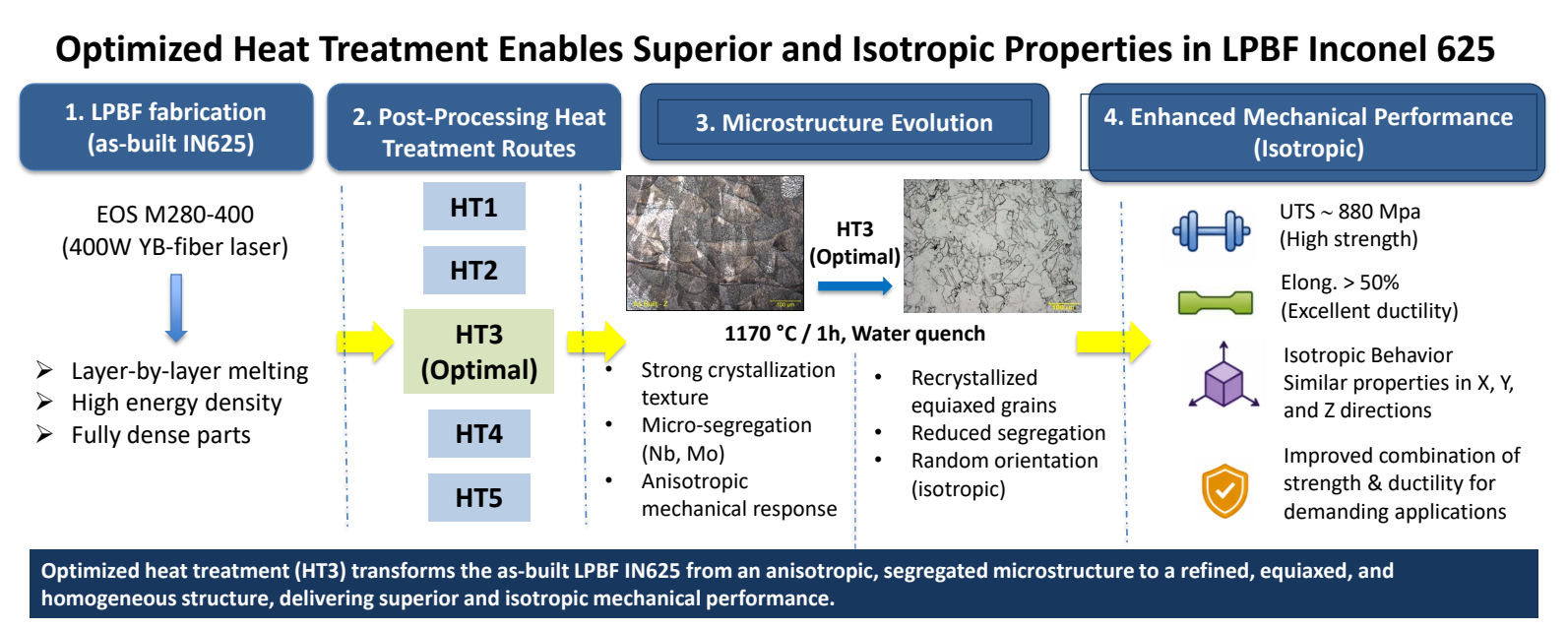
Laser powder bed fusion (LPBF) is widely used for manufacturing nickel-based superalloy components with complex geometries; however, the process produces non-equilibrium microstructures characterized by directional grain growth, cellular substructures, and compositional segregation, which can lead to anisotropic mechanical behavior. In this study, the influence of multiple post-processing heat-treatment routes on the microstructural evolution and mechanical properties of LPBF-fabricated Inconel 625 (IN625) was systematically investigated by combining stress relief, hot isostatic pressing (HIP), and solution annealing. Microstructural characterization was performed using optical microscopy and scanning electron microscopy, while tensile properties were evaluated from room temperature to 700 °C. The HT3 condition resulted in a fully recrystallized, equiaxed grain structure with reduced segregation and minimal Nb-rich Laves phase, leading to nearly isotropic mechanical properties, with an ultimate tensile strength of approximately 880 MPa and an elongation exceeding 50%. Elevated-temperature testing demonstrated stable mechanical performance, with a localized strengthening effect near 600 °C attributed to dynamic strain aging. These results demonstrate that appropriate post-processing can effectively homogenize LPBF IN625 and improve its mechanical reliability.
Open Access
Article
22 April 2026MUGI-Net: A Group-Aware Pedestrian Trajectory Prediction Model for Autonomous Vehicles from First-Person View
With the rapid development of autonomous driving, first-person view (FPV) pedestrian trajectory prediction has emerged as a key research direction to improve transportation system safety and operational efficiency. However, current studies ignore inter-pedestrian group information and long- and short-term dependence, leading to error accumulation at medium and long temporal horizons. To address these problems, we propose an FPV pedestrian trajectory prediction model dubbed MUGI-Net (Mixture of Universals and Group Interaction Network). It adopts a group pooling mechanism to adaptively aggregate group nodes and build sparse intra- and inter-group interaction graphs to fuse group interaction information. Afterward, it employs a Mixture of Universals (MoU) structure that combines MoF (Mixture of Feature Extractors) and MoA (Mixture of Architectures) to capture short-term dynamics and long-term dependencies simultaneously. Extensive experiments on the JAAD and PIE datasets show that MUGI-Net reduces the 1.5 s prediction MSE by 5% compared with the state-of-the-art AANet, and achieves the best performance on multiple key metrics, which is beneficial for autonomous driving in mixed traffic scenarios.

Open Access
Article
20 April 2026Assessing the Role of Renewable Energy, Environmental Taxes, and Energy Use in Shaping Greenhouse Gas Emissions in Nigeria
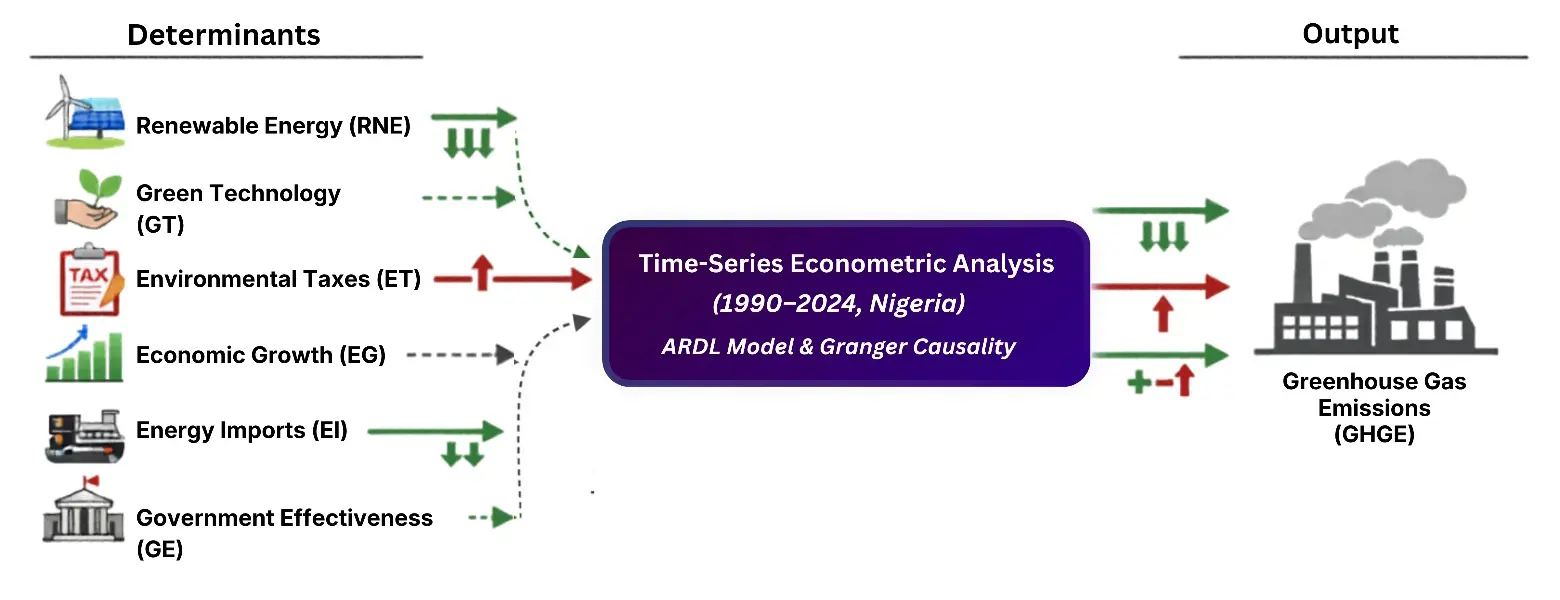
Amid persistent environmental pressures linked to energy dependence and structural inefficiencies, this study represents one of the first empirical attempts to concurrently investigate the effects of renewable energy, green technology, environmental taxes, economic growth, energy imports, and government effectiveness on greenhouse gas emissions (GHGE) using data updated through 2024 for Nigeria’s evolving economy. Using the “Autoregressive Distributed Lag” (ARDL) approach with “Granger causality” analysis, the results confirm a stable long-run association between the indicators. Renewable energy and energy imports indicate a negative correlation with GHGE in both the near and long term, supporting Nigeria’s low-carbon transition. Economic growth reduces emissions in the near term but shows no significant long-run effect. Environmental taxes exhibit a weak positive association with emissions, reflecting enforcement and institutional limitations, while green technology and government effectiveness show negative but insignificant impacts. The causality findings reveal unidirectional links from environmental taxes to emissions and from emissions to government effectiveness. The results highlight the importance of strengthening renewable energy, diversifying energy sources, and enhancing institutional capacity to achieve sustainable environmental outcomes in Nigeria.
Open Access
Article
17 April 2026Electrical and Thermal Performance of SiC Wide-Bandgap Power Devices: Influence of Package Configuration
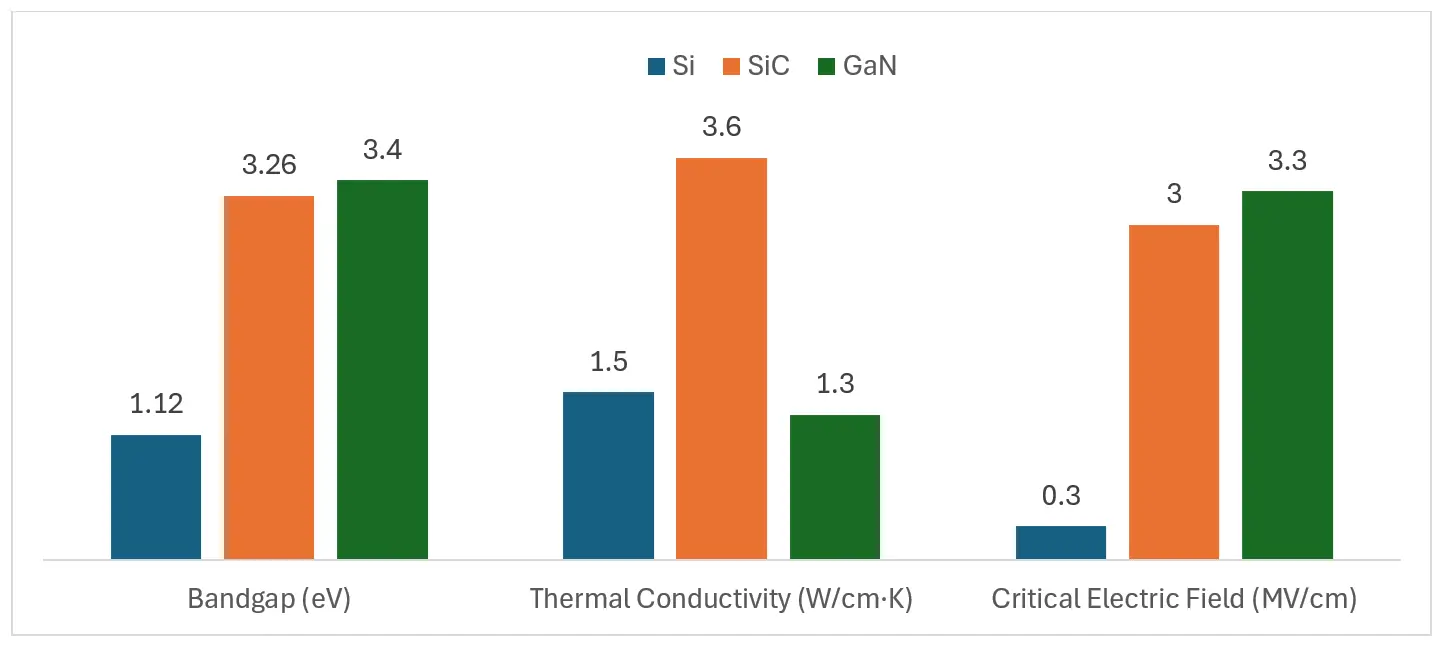
Wide Bandgap (WBG) semiconductors, particularly Silicon Carbide (SiC), have become pivotal in advancing high-efficiency, high-power-density systems. Cascode configurations, combining a high-voltage SiC JFET with a low-voltage Si MOSFET, enable Normally-OFF operation while leveraging SiC’s superior switching and thermal properties. However, co-packaging these devices introduces critical design challenges related to parasitic inductance, thermal management, and reliability. This study investigates the impact of bonding configuration and die-attach material selection on dynamic and thermal performance in SiC-based modules. Double Pulse Test (DPT) results reveal that direct bonding provides a better tradeoff between switching losses and dynamic operation stability, mitigating VDS overshoot, gate oscillation, and EMI risk, thereby improving switching stability under system-level stress. Conversely, indirect bonding increases inductance, amplifying oscillations and dynamic stress during turn-off events. Thermal analysis demonstrates that while system-level cooling dominates Rthja, the adoption of sintered silver (Ag) as a die-attach material achieves ~20% reduction in Rthjc, lowering junction temperatures and enhancing reliability for high-power applications. These findings underscore the importance of interconnect design and attach material optimization in achieving robust, high-efficiency operation of wide-bandgap devices.
Open Access
Review
17 April 2026Optical Fiber Sensing Materials from a Green Chemistry Perspective: Principles, Applications, and a Sustainable Prospectus
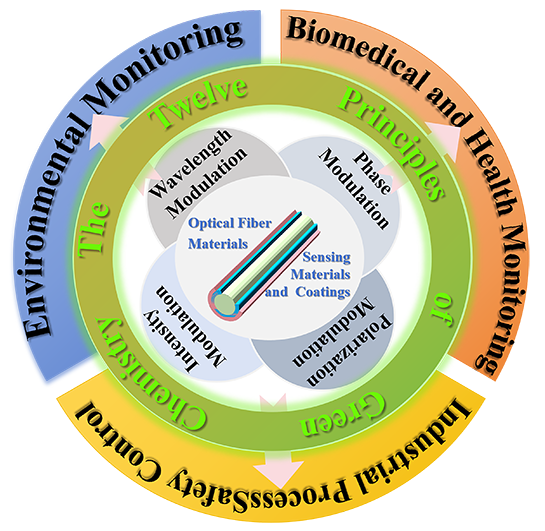
Optical fiber sensing technology offers high sensitivity, electromagnetic immunity, and distributed sensing capabilities, with broad applications in environmental, biomedical, and industrial monitoring. However, its reliance on heavy-metal-doped glasses, rare-earth elements, and non-biodegradable polymers imposes significant environmental burdens across their lifecycle. This review establishes a systematic framework based on the Twelve Principles of Green Chemistry to assess and redesign optical fiber sensing materials, including silica, soft glass, and polymer matrices, as well as functional coatings, fluorescent probes, and plasmonic nanostructures. It highlights green alternatives such as sol-gel synthesis, bio-based polymers, carbon quantum dots, and biosynthesized nanoparticles. A multi-dimensional sustainability assessment, covering performance, environmental impact, economics, and social factors, identifies key challenges such as performance-environment trade-offs and scaling-up costs. Future pathways integrating AI-assisted design, additive manufacturing, modular systems, and policy support are proposed. The study argues that green attributes and high performance are synergistic, positioning green optical fiber sensing as essential for achieving circular economy goals and UN Sustainable Development Goals.
Open Access
Article
16 April 2026Barriers to Low-Carbon Transition: An Empirical Assessment of GHG Emissions and Mitigation Readiness in the Matsapha Industrial Area, Eswatini
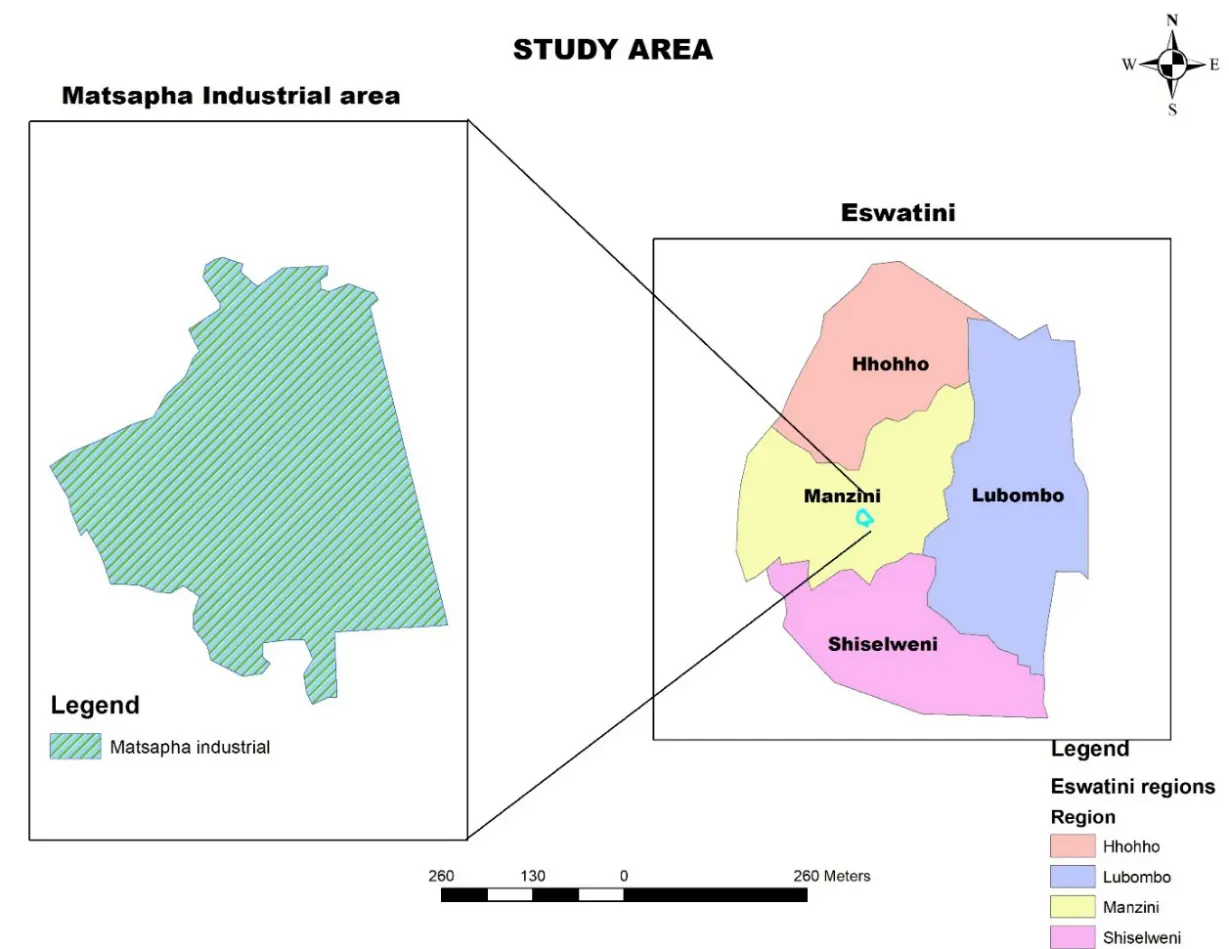
Climate change mitigation in the manufacturing sector is crucial for reducing global greenhouse gas (GHG) emissions. In Eswatini, the industrial sector is the largest contributor to the national GHG inventory. This study provides a comprehensive assessment of the mitigation readiness of this sector through a unique multi-stakeholder approach, using the Matsapha Industrial Area as a case study. Through an extensive survey, between November 2024 and January 2025, of industry managers, achieving an exceptionally high response rate of 91% (n = 21), employees (n = 63), local residents (n = 385), and a key ministry, the study evaluated emission sources, mitigation measures, stakeholder awareness, and the policy framework. The findings reveal a critical awareness-action gap: while basic awareness of climate change is high, a significant limitation was identified where nearly half (48%) of the surveyed industries could not provide quantifiable annual energy use data, and strategic mitigation is limited to cost-saving efficiency measures. Critically, the study confirms a policy vacuum, with no regulations mandating GHG monitoring or mitigation for manufacturing. This governance gap is the primary barrier to decarbonization. The results underscore an urgent need for a sector-specific industrial climate policy with a mandatory Monitoring, Reporting, and Verification (MRV) framework, coupled with targeted capacity-building initiatives to translate awareness into accountable climate action.
Open Access
Review
16 April 2026The Chinese Genetic Traits in Atlantic Azores Archipelago and Its Ancient Anthropology Relationship with Sahara-Canary Islands Circle
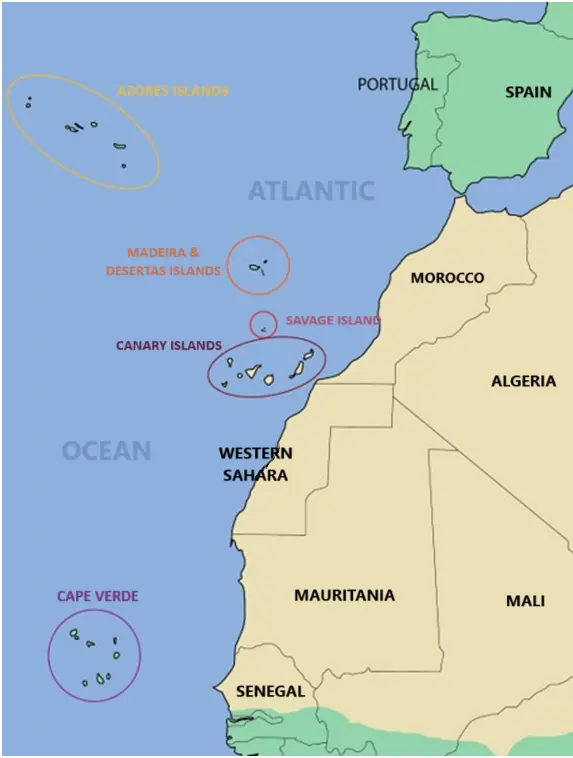
Genetic studies in the Atlantic Azores Islands (1500 km far from Portugal) show that the modern population is composed of both northern and southern European populations. However, a significant Chinese input of HLA characteristic genes is noticed, possibly with people or genes that may have been left by Zheng-He very big crew which sailed seas from China in a long-lasting expedition (1421–1423 AD). This was concluded after Azorean HLA genetics comparison with HLA genes of worldwide populations by both neighbour joining and correspondence methodology. Also, the Machado- Joseph ataxia disease gene variant (ATXN3, Chr 14) is identical in China and the Azores, where this ataxia was discovered, and it has a high frequency. Moreover, the predisposing HLA-B*2707 gene variant to ankylosing spondylitis is the same in Azores and Far East Asian countries. This data may reflect a strong founder Chinese effect followed by isolation in Azores. In addition, “Carthaginian” coins were found in Corvo Is (Azores) of Spanish fabrication. This is contradictory to the official version that pre- Portuguese Azores had been virgin and inhabited. Also, Cart–ruts in Azores indicate a (Atlantic) common culture with Canary Islands and Mediterranean area. On the other hand, genetic studies on Canarians show that they present European, Iberian and Berber characteristics. A prehistoric lunisolar megalithic calendar is found: “Quesera” (Cheeseboard) of Zonzamas, pyramids similar to those found in nearby Western Sahara (90 km far from Canary Islands). In addition, lbero-Guanche rock scripts which can be transcripted with Iberian-Tartessian signary and are also found at Tim Missaw shelter (Sahara Desert, Algeria). Populated green Sahara area dissecation after 5000 years BC and subsequent people migration could be the origin of Canary Islands, Sahara and other Mediterranean culture traits. Thus, we have defined the Saharo-Canarian Circle as a genetic, anthropological, and prehistoric culture radiation area; it might have given raise to the Iberian-Tartessian signary and to other ancient lineal Mediterranean scripts.
Open Access
Article
13 April 2026Br-Doped Nickel-Cobalt Phosphide Nanoarrays on Engineered Porous NF for High-Efficiency Water Oxidation
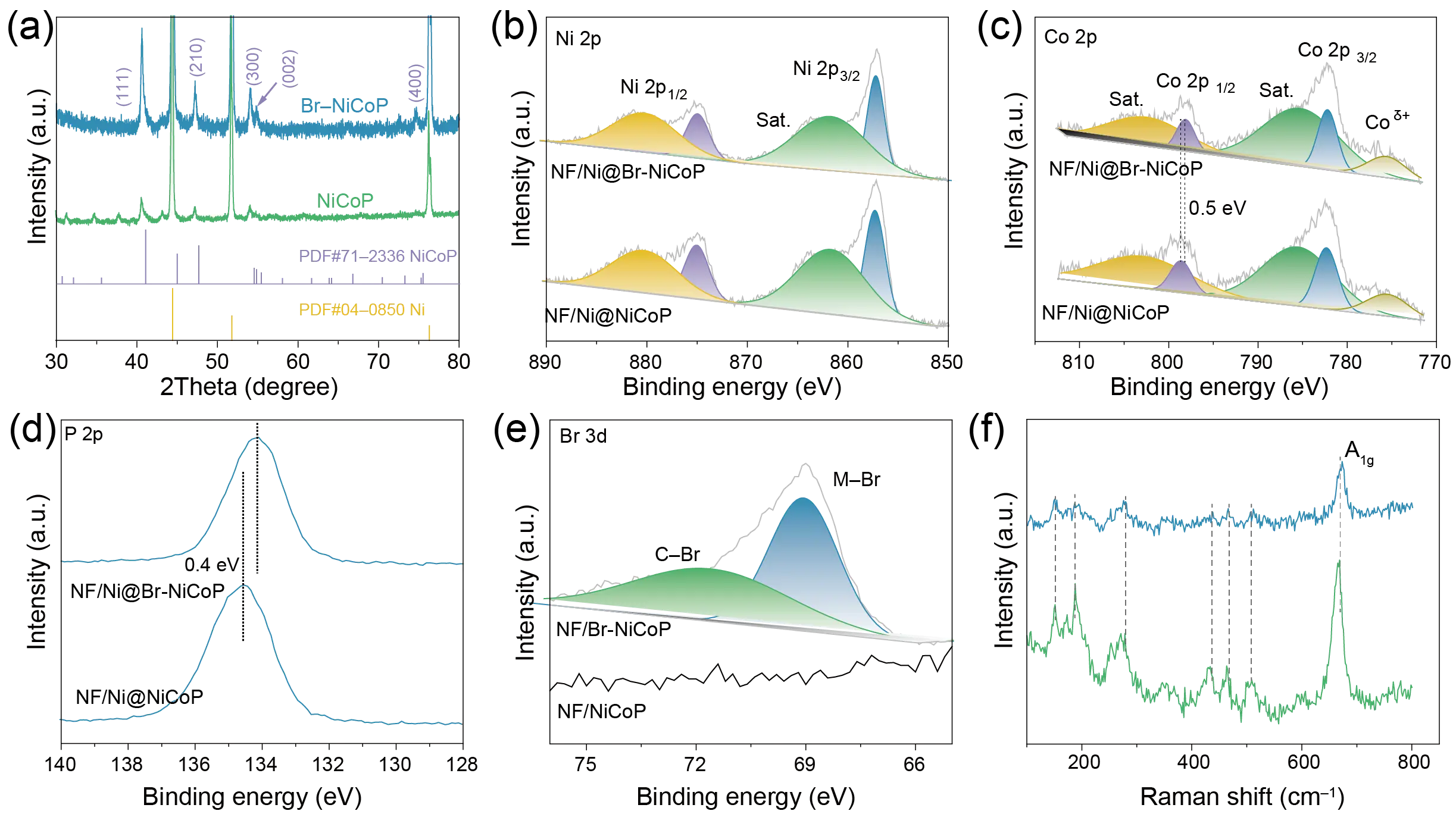
The rational design of cost-effective electrocatalysts for the oxygen evolution reaction (OER) is pivotal for advancing green hydrogen production. This study presents a substrate-engineered Br-doped nickel-cobalt phosphide (NiCoP) electrocatalyst fabricated through a stepwise synthesis protocol. A porous and roughened nickel foam (NF) is initially constructed to provide a 3D conductive scaffold, followed by the hydrothermal growth of vertically aligned NiCo-layered double hydroxide (LDH) nanosheets. Subsequent controlled pyrolysis in the presence of a bromine source yields Br-doped NiCoP nanoarrays securely anchored on the NF/Ni substrate. Comprehensive structural characterization confirms the successful Br incorporation, which induces lattice distortion and optimizes the electronic configuration of NiCoP, while the interconnected porous architecture enhances electrolyte infiltration and gas release. Electrochemical evaluations reveal exceptional OER performance, achieving an ultralow overpotential of 220 mV at 10 mA·cm−2 and a Tafel slope of 61.2 mV·dec−1 in 1 M KOH, surpassing most reported NiCo-based phosphides. In-situ Raman spectroscopy and post-OER characterization uncover dynamic surface reconstruction into Br-enriched (oxy)hydroxide active species, elucidating the dual role of Br as both an electronic modulator and a stabilizer for reactive intermediates. This work demonstrates a substrate-guided heteroatom doping strategy to engineer high-performance bimetallic phosphide electrocatalysts, offering insights into interface engineering for sustainable energy technologies.
Open Access
Review
10 April 2026Hepatic Stellate Cells Interact with the Immune System: A Bidirectional Crosstalk Network Driving Liver Fibrosis
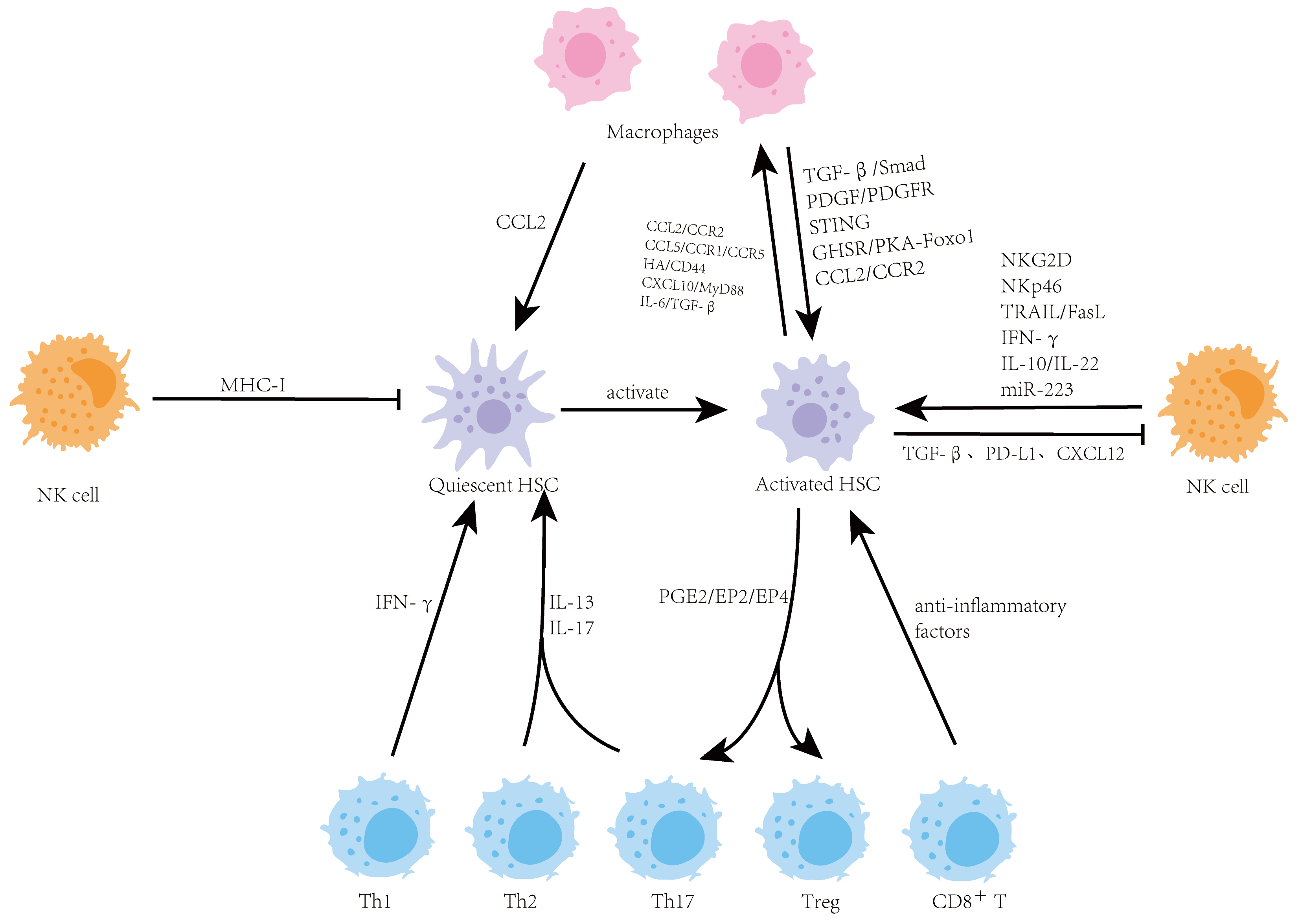
As a central metabolic and immune organ, the liver maintains a unique immune microenvironment which is crucial for sustaining health. When the immune balance in the liver is disrupted, it can drive the occurrence and progression of various chronic liver diseases, including liver fibrosis. Hepatic stellate cells (HSCs) are the key effector cells responsible for producing extracellular matrix (ECM) during liver fibrosis, and the hepatic immune microenvironment precisely regulates their activation. This review focuses on the complex bidirectional interaction network between HSCs and major immune cells in the liver, including macrophages, natural killer (NK) cells, and T cells. It systematically elucidates the central role of these interactions in maintaining hepatic homeostasis, mediating inflammatory responses, and driving the progression of fibrosis. A deeper understanding of the interaction between HSCs and immune cells is essential for elucidating the pathological mechanisms of liver fibrosis and will provide a theoretical basis for developing innovative therapeutic strategies targeting the immune microenvironment.