
The Chinese Genetic Traits in Atlantic Azores Archipelago and Its Ancient Anthropology Relationship with Sahara-Canary Islands Circle
The Chinese Genetic Traits in Atlantic Azores Archipelago and Its Ancient Anthropology Relationship with Sahara-Canary Islands Circle
Antonio Arnaiz Villena * Ignacio Juarez Valentin Ruiz-del-Valle Christian Vaquero-Yuste Jose Manuel Martin-Villa Tomas Lledo
Received: 13 January 2026 Revised: 03 March 2026 Accepted: 17 March 2026 Published: 16 April 2026

© 2026 The authors. This is an open access article under the Creative Commons Attribution 4.0 International License (https://creativecommons.org/licenses/by/4.0/).
1. Introduction
1.1. The Macaronesian Region
The Macaronesian region is located in the North Atlantic Ocean, off the West coast of Africa and Europe, and consists of the Azores Islands, Madeira, Desertas, and Selvajems in Portugal, the Canary Islands in Spain, and the Cape Verde Islands off the coast of Senegal (Figure 1). All these archipelagos share common geological, geographic, and regional characteristics: a volcanic origin, a very diverse orography, and a Mediterranean/subtropical climate dominated by trade winds. These characteristics have created an ideal environment for a particularly rich biodiversity. Large volcanic “calderas”, rugged mountains and cliffs, wide valleys and quiet bays harbour a great variety of species and habitats in all the archipelagos that make up Macaronesia. The islands represent only 0.3% of the EU territory, but host 19% of the habitat types and 28% of all plants listed in the Habitats Directive [1].
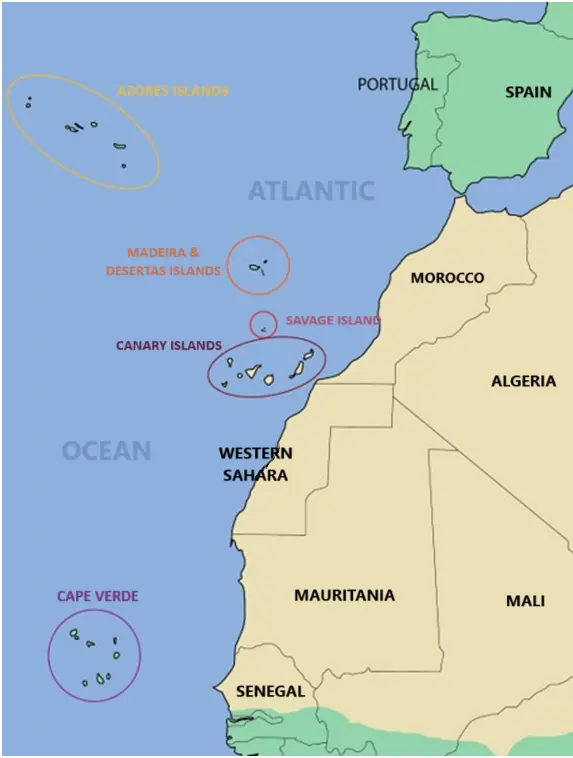
Figure 1. Map of the archipelagos that make up the Macaronesian region, in the North Atlantic Ocean.
The nine islands of the Azores (Figure 1) extend over 600 km in the Atlantic and share a gentle topography and an oceanic climate with mild temperatures and high rainfall. As a result, they have a large number of alpine lakes, ponds, and rivers, as well as rainforests unique in the Macaronesian region. In total, 26 habitat types listed in the Habitats Directive [1] are found here. The closest Island to Lisbon (Portugal), Santa Maria, is 1600 km away.
Further south and closer to the European mainland, the Madeira archipelago includes two main islands, Madeira and Porto Santo. To the south of these two islands are the archipelagos of the Desertas Islands and the Savage Islands, which are often included as parts of Madeira. Madeira Island itself has a subtropical climate strongly influenced by altitude, with much wetter northern slopes on its high mountains and peaks often swept by strong winds and rain. Today, laurel forest covers only 20% of the island, although in the past the island was covered with trees that give the archipelago its name, (Madeira = Wood) [1].
On the other hand, the Canary Islands are the largest and easternmost of the 5 archipelagos of Macaronesia (Figure 1). Close to Africa, the Canary Islands are generally much warmer and drier, although they have a great diversity of climates in a very small geographical area. The low-lying eastern islands, Lanzarote and Fuerteventura, are extremely arid and dominated by huge coastal dunes, wetlands, and, inland, pre-desert bushland and heathland. The westernmost islands are home to deep gorges and steep mountain peaks, with frequent temperature inversions. The climate and terrain of the Canary Islands create a wide range of habitats: the desert landscapes of the coast are within walking distance of the humid cloud forests of the mountains. The jagged coastlines offer many different habitats: rocky shores, salt marshes, lagoons, and vegetated sea cliffs. Inland, there are also lava fields and areas of Spanish juniper and laurel forests unique in the world [1].
1.2. Settlement of the Azores Islands
The Azores Islands (Portugal) are located in the middle of the Atlantic Ocean (Figure 1) and were very important in maritime traffic in the 15th and 16th centuries between Europe (2000 km to the West) and America (2500 km to the East). The islands were officially settled in 1439, when Afonso V, King of Portugal, gave permission to Infant Henry the Navigator to colonize the islands; however, Portuguese sailors had already sighted and reached the islands around 1317. Settlements had already been established by 1432, and their ports were crucial to Portuguese (and European) conquests in North Africa and America [2,3,4,5]. European colonization of the archipelago was surprisingly rapid, as all the major present-day villages were in existence by 1550. Although the Portuguese considered the islands to be uninhabited, this has not been documented; other Atlantic islands, such as the Canaries and Iceland, had been inhabited for a long time by Berbers (Amazigh) from North Africa and, respectively, by Europeans and Scandinavians. Recent studies carried out on sediments from the island of São Miguel [6] lead to the conclusion that there was human activity on the island at least in the 13th century, long before the arrival of the Portuguese in the Azores in the 15th century. Other dating of human artefacts found on the island of Terceira brings this date forward to the 11th century or even earlier [7,8].
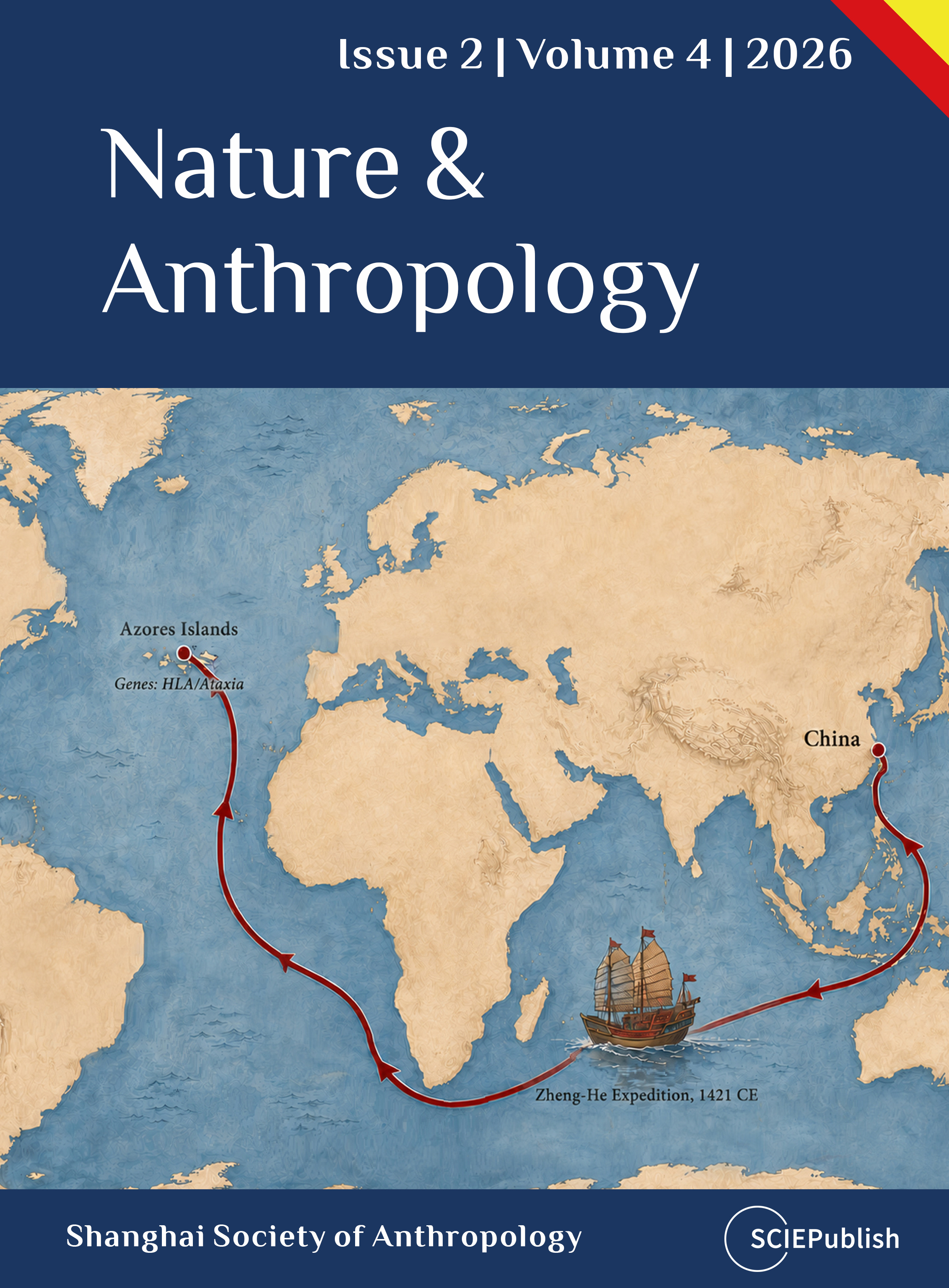
Due to the long distance and the Atlantic winds and currents, it would have been very difficult for a large number of people to reach the Azores from Europe before navigation technology was stable and advanced by the 15th century. Portuguese documents show that the islands were populated after 1432 by Portuguese, Dutch (Flemish), Spanish, Berbers, Jews (expelled by the Spanish and Portuguese kings), and Italians. In addition, black African slaves were brought to the islands [3]. It is likely that Chinese expeditions such as that of the explorer Zheng-He, or at least part of them, reached the west coast of Africa between 1405 and 1433. Our results, which found Oriental HLA genes in the Azores [9], would confirm that the fleet and expedition in the Atlantic by the Chinese explorer Zheng-He in 1421 may have partly populated the Azores Islands [10]. Today, the Azores Archipelago is an autonomous Portuguese region with about 250,000 inhabitants [4].
1.3. Settlement of the Canary Islands
Today, the settlement of the Canary Islands is still unclear. Migration from North Africa to the Canary Islands is proposed when hyper-arid conditions were established in the Sahara [11]; this migration of North Africans also took place towards Iberia through the Strait of Gibraltar [11,12,13] and vice versa; there was a flow of people (and genes) in both directions during a long prehistoric period.
On the other hand, it seems that the first inhabitants of the Canary Islands (Guanches) presented a varied anthropological typology [14,15]. Thus, it is possible that part of the Guanche people had their origin in an African migration to the Canary Islands, but also other groups from other places may have contributed to form the first inhabitants of the Canary Islands. At least two types of individuals anthropologically defined Canary Islanders were found on the islands by the Recco expedition from Genoa in 1341 and related by Bocaccio (“Il Decameron”). Some of these inhabitants were described as tall, blue-eyed (similar to the Sardinians, probably coming from the Atlantic Europeans), and others were more graceful and similar to the Mediterraneans [14,15]. In fact, if North Africa had an exchange of people and genes with Europe thousands of years ago [11,12,13], African-Canarian exchanges would surely also have taken place with Europe.
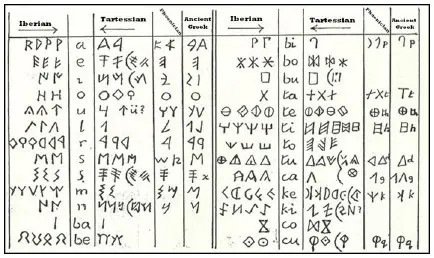
In 1980, the amateur archaeologist Juan Brito discovered and exhibited for the first time some rare inscriptions found on rocks of Lanzarote in the Museum of Arrecife [16]. Subsequently, Pichler found and published at least 280 inscriptions carved on rocks on the islands of Lanzarote and Fuerteventura, many more on the latter island [17,18]. These inscriptions were called “Latin” inscriptions by Pichler but are now classified as Ibero-Guanche writing because of their complete coincidence with the characters found in the Iberian signary [19,20] (Figure 2). The abundance of these inscriptions on the island of Fuerteventura suggests that they were written over a long period of time, and it is certain that the engravings belong to the prehistory of the Canary Islands.
In the 15th century, the Franco-Norman Jean de Bethencourt and his fleet began the invasion and colonization of the Canary Islands. With the support of the Spanish Catholic Monarchs, the invasion proved difficult due to strong Guanche resistance. The fierce opposition of the islanders and the distance from Europe made the invasion last for about a hundred years. In addition to this war, the raids to enslave the Guanches depleted the indigenous population of the Islands [21,22]. The first Basque soldiers who arrived to conquer the Canary Islands realized that the inhabitants of the Canary Islands “spoke Basque”, as recorded in the first written chronicle of the conquest of the Canary Islands: Le Canarien, by Jean de Betencourt. Le Canarien reports how the Guanches understood Alberto de las Casas, the Basque bishop sent to Christianize the islands: “They gave him a very good welcome and even more so because he understood the language of the country (Canary Islands)” [23,24]. The Spanish conquistadors and others killed many Guanches or sold them as slaves in the markets of Seville and Valencia (Spain); many of these lists of slave names have been preserved with aboriginal names that can be translated into Basque, like many Canary place names [21]. However, the original language of the Canary Islands is not officially known, but it is very likely to be close to those of North Africa, and Basque and Berber are related languages [21].
Therefore, there have been contacts of Romans, Iberians, Arabs, and Europeans with the archipelago of the Canary Islands in historical or prehistoric times, so today the current Canarian population may represent a wide mixture of populations.
2. Materials and Methods
2.1. Sample Selection
After signing an informed consent form, peripheral blood was collected from selected individuals from the Canary Islands and the Azores. The blood was collected using a vacuum tube system and preserved together with EDTA as an anticoagulant. The selected individuals had to meet two main characteristics: that their ancestors of at least two generations had been born in the place where the samples were collected, and that all of them spoke the characteristic language of the place.
In this work, an HLA study was carried out on 83 Canarian individuals (samples collected by José García Talavera from the Museum of Natural History, Tenerife), inhabitants of Tenerife, in the Canary Islands (Figure 1). Their four grandparents and themselves lived on the island, and all spoke Spanish. In addition, the HLA genetics of 174 selected individuals from the Azores (Figure 1), whose two previous generations were also natives of the same place, were also analyzed. All of them spoke Portuguese and signed a written consent to participate in this study [9].
2.2. HLA Typing and DNA Sequencing
The analysis of HLA class I (A and B) and class II (DRB1) alleles was performed using the PCR-SSOP-Luminex technique [25]. This methodology consists of: (a) PCR using specific primer pairs provided by the manufacturers (Luminex Corporation, Austin, TX, USA). All these primers are 50% biotinylated and are specific for determining the sequences of exons 2 and 3 (or only exon 2 for HLA class II) of HLA genes; (b) hybridization: the biotin-labeled PCR products were denatured at 97 °C and then hybridized with complementary DNA probes associated with beads; and (c) HLA allele assignment: the complex resulting from hybridization was entered into the Luminex platform, this system identifies the fluorescent intensity of the fluorophores in each oligoprobe that has hybridized to the biotin-labeled PCR product. The Luminex software (DLm version) assigns HLA alleles for each DNA sample according to the pattern of hybridized oligoprobes detected by the cytometer [25]. The automatic sequencing of HLA-A, -B, -DRB1, and -DQB1 (ABI PRISM 3700/ABI PRISM 3730, Applied Biosystems, Foster City, CA, USA) was only performed when HLA typing by PCR-SSOP yielded ambiguous results [26,27].
2.3. Statistical Analysis
Statistical analysis was performed with Arlequin v3.0 software provided by Excoffier and Slatkin. Briefly, this program calculated the HLA-A, -B, -DRB1, and -DQB1 allele frequencies, Hardy-Weinberg equilibrium, and linkage disequilibrium between the alleles found. Their significance level (p) for comparisons was determined as described by Imanishi [28].
Phylogenetic trees (dendrograms) were constructed through the calculation of genetic distances (DA) [29], with HLA-DRB1 allele frequencies using the Neighbour-Joining method [30]. Calculations were performed using the DISPAN (2.0 version) software package containing GNKDST and TREEVIEW [31,32] software. Correspondence analysis in three dimensions and its two-dimensional representation was carried out using VISTA v5.05 [33] software. Correspondence analysis consists of a geometric technique that can be used to show a global view of the relationships between populations according to HLA (or other) allele frequencies. This methodology is based on the variance of the DA genetic distance between populations (similar to the classical principal components methodology) and its subsequent statistical visualization, so that the distance between populations in the graph corresponds to the actual genetic distance between them.
2.4. Linguistic and Epigraphic Methodology of Transcription and Translation
We have followed [34] a methodology similar to that proposed by Greenberg and Ruhlen [35]. Our premises for approaching these Usko-Mediterranean languages, or languages akin to Basque or Euskera, are:
-
The languages can be correctly classified and approached for decipherment with 10–20 “diagnostic” cognates (i.e., personal pronouns and other frequently used cognates, such as plant names, familiar generics, and common tools and terms of life that exist in Neolithic and pre-Neolithic societies). In general, we use phonological and semantic similarities.
-
Most of the ancient written Mediterranean languages previously studied by us (Iberian-Tartessian, Etruscan, or Linear A) refer to an apparently common religion [21,36,37]. This decipherment has been possible thanks to the Basque-Spanish translation of words found in the above-mentioned extinct languages and which show a Basque correspondence. The themes found in this religion are: the Mother (Ama = mother, in Basque (V.)), the path of Zen (dead, in V.) to another life, passing through The Gate or Ata (V.), the flames (Kar, V.), which make the dead fearful, etc.
-
Most of these deciphered “Usko-Mediterranean” languages refer to the following subjects [38,39]: A. Religion and after death (90%). B. Accounting related to food storage and other subjects.
-
This thematically biased writing may be due to the fact that writings have been better preserved in shrines and/or palaces, rather than in ordinary people’s dwellings (the latter built with more perishable materials). In addition, Neolithic and pre-Neolithic societies may have used written words as a magical or totemic sense related to the permanent maintenance of possessions and also to ensure a proper and pleasant afterlife; casts of employees (religiously related or not) could have further driven this tendency to keep up with privileges. In addition, it is obvious that primitive societies felt less secure than today’s ones; this could have led people to consider religion and food recording essential.
-
There are groups of words found together coincidentally in several languages [34], such as Atinas (V.), the door of darkness. Other idiomatic expressions preserved in both Old Iberian and Basque are shown in chapter 7, section 2.6 of the same reference.
-
Word beginnings and endings are problematic and, unless the meaning is known or induced, very difficult to define. Only known and repeated meanings (in various languages) have been taken as sound cognate identification by us.
-
Common and proper names are almost impossible to distinguish. Many proper names come from a common name, as in English “Rose” and mainly in Mediterranean languages such as Basque (for males, Bilebai = Circumcision; Gurutz = Cross; Eztegu = Wedding; Lor = Flower; Aintza = Glory; Sein = Innocent; Lin = Linen; Ama = Mother; Edur = Snow; Gentza = Peace; Deunoro = Saints; Bakarr = Solitude) and Spanish. Ancient societies tended to name people with common names (Ursa Major, Eagle, Sitting Bull), as is well known among North American Indians.
-
The Basque language has remained without almost any changes along the time, since the invasions have not modified this and other characteristics of Basque society [40].
-
Basque was much more widespread than it is nowadays [41,42] and is considered to be an ancient remnant of an ancient Iberian language [11,34,39,43].
Iberian-Tartessian, Etruscan, and Minoan Linear A have been transliterated, and a translation has been proposed, as mentioned in different texts [34,36,43]. The related Basque-Spanish meanings have provided the basis for the translation. Berber has been distinguished from Arabic contamination by comparison with Basque [44,45], Ibero-Tartessian [34], and Arabic [46]. Ancient Lybian scripts were studied on the basis of research by Chabot and Harden [47,48,49]. The directions of the analyzed panels were generally vertical and have been evaluated only for the sense of meaning, semantics, and phonology [43]. The Etruscan texts were taken from the references of D’Aneusa [50]. The Hittite, Sumerian, Eblaic, Elamite, Ugaritic, Egyptian and Guanche texts were taken from the transliterated references of the world’s most recognised and solid specialists.
3. Results
3.1. HLA Genetic Profile of Canarians and Azoreans: Neighbour-Joining Dendrogram
The HLA data of the Canarian population show a mixture of European (mainly Mediterranean) and North African populations. These findings may not reflect the genetic characteristics of the early inhabitants of the Canary Islands since the analysis of only the island of Tenerife and the different invasions of the Canary Islands, particularly the Spanish conquest in the 15th century AC, may have altered the genetic composition of the initial population (Figure 3 and Figure 4).
Other genetic studies on primitive inhabitants of the Canary Islands (today assimilated to “Guanche” in the literature) were carried out using autosomal DNA markers (Alu insertions), mtDNA, and chromosome Y [51,52]. According to these authors, the majority of the current population of the seven Canary Islands comes from the Iberian Peninsula, with some contribution from northwest Africa and a minimum of sub-Saharan Africa, the latter probably coming from the slave trade.
The Iberian, Berber, and Mediterranean characteristics lead to the conclusion that they are the main ancestors of the Guanches. However, autosomal HLA traits common to Iberians and Berbers are found [53], and the joint study of autosomal, mtDNA,, and Y chromosome markers reveals gene flow across the Strait of Gibraltar that has beens ongoing at high rates since preneolithic times [54]. This makes it difficult to distinguish between Iberians and Northwest Africans on the basis of autosomal and sex chromosome markers in the Canarian population.
On the other hand, it is known that Jews, Portuguese, Spanish, Flemish (Dutch), and North Africans (Berbers) have historically been the colonizers of the Azores [3]. Many of the Jews who were expelled from Spain and Portugal took refuge in other Mediterranean areas, and some of them also ended up in the Azores. However, no allele frequencies or HLA haplotypes characteristic of Jews have been found in these islands [9,54,55,56]. The only frequent Iberian haplotype found is HLA-A1-B8-DR3, which is the most frequent in the population of the archipelago [9]. Neither the frequent Berber, Spanish, and Basque A30-B18-DR3, nor the characteristic Mediterranean A33-B14-DR1 is found. No other Berber haplotype [9,57] is found, indicating that there was no significant presence of North Africans (unlike in the Canary Islands) prior to the historically recorded discovery and colonization [58] or substantial Berber immigration thereafter.
Furthermore, the dendrograms (Figure 3) and correspondence analyses (Figure 4) show that the Azorean population is approximately the same distance from the northern and southern Mediterraneans as from other Europeans, and the genetic distances shown in Table 3 of reference [9] further reinforce this claim. The Italians, Portuguese, Spanish, Algerians, and Berbers of Morocco show genetic distances similar to those of the Germans and British from the Azores [9].
The official Portuguese chronicles do not mention any pre-existing population on the islands [2,3,4,5]; however, Silvio Eneas Picolomini describes how “Indian traders” arrived on the German shores, and Bertolomini and Bembo, in his History of Venice, relate how a French vessel encountered another strange ship with “red Indians” [59]. This suggests that there may have been contacts between the Amerindians and the Azores archipelago, since the prevailing winds and currents make it much easier to reach the Azores from America than from Europe [60]. Finally, there is another historical record that also suggests the presence of humans on the westernmost island of Corvo before official colonization: the first Portuguese settlers found an unknown carved figure of a man along with inscriptions of unknown characters, see references 36 and 37 of reference [9] and [58,59,60].
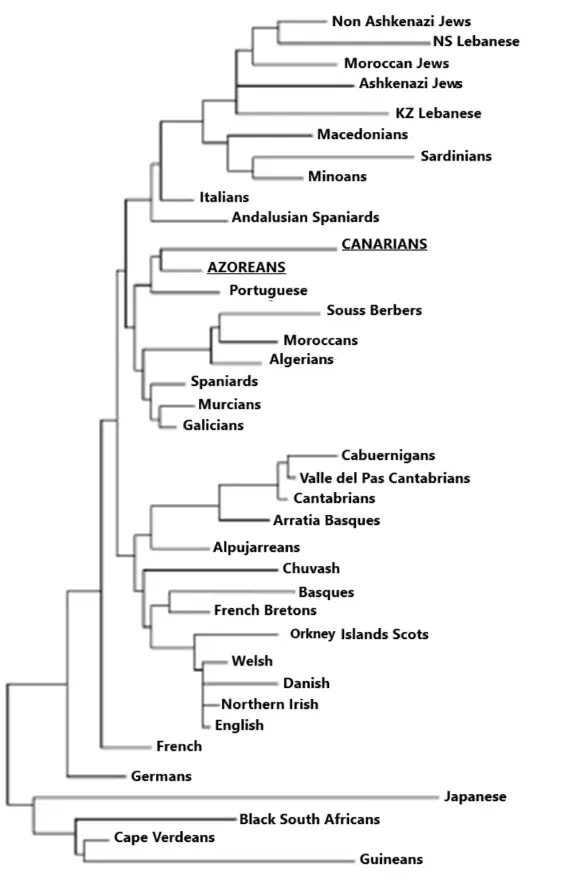
Figure 3. Neigbour-Joining dendrogram constructed with HLA-DRB1 frequencies of Canarians, Azoreans, and the other populations included in the study.
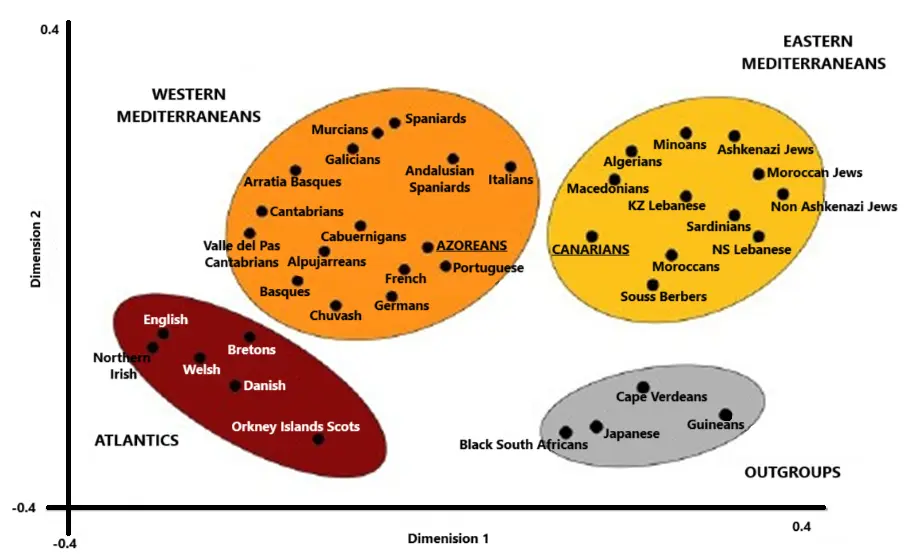
Figure 4. Correspondence analysis carried out with the HLA-DRB1 frequencies of Canarians and Azoreans in comparison with the other populations included in the study. Canaries and Azores are included in the group of Mediterranean populations, confirming the results obtained previously with dendrogram.
3.2. HLA Genetic Profiling of Canaries and Azores: Correspondence Analysis
Correspondence analyses show that the Azorean population is genetically included in the genetic group of Mediterranean people (Figure 4). In addition, the HLA-A24-B44-DR6, A29-B21-DR7, A2-B50-DR7 haplotypes are also very frequent in Azores (apart from those described in Section 3.1 of this work) and are also found in high frequency in Chinese and Japanese, so there is a genetic equidistance of the Azorean population between Mediterraneans and Mongoloids [9]. This, together with the lack of records of Mongoloid genes entering the islands after 1439, raises the question of the presence of Oriental genes before Portuguese colonization. If this were the case, it is more intriguing that the Oriental component of the Azorean HLA genetic profile is more similar to that found in mainland Asian groups than the profile found in American Indians.HLA-B*27:07 is the most frequent haplotype linked to ankylosung spondlitis botth in China and Azores [61].
None of the early Native American groups belonging to the three linguistic branches, i.e., Amerindians (North American Indians, Mazatec), Na-dene (Tlingit, Athabaskan), and Inuit (Eskimo), are as close to Azorians as Orientals. One possible explanation is that the current HLA profile of American Indians is completely distorted by the severe bottleneck and subsequent emergence of new HLA genes (and haplotypes) that Native Americans suffered after facing new pathogens transmitted from Europe after 1492 and slavery conditions. This suggests an arrival of Mongoloid peoples from the Asian continent via the Americas (having previously crossed to this continent via Beringia) and raises the question of the existence of human contact between Americans, Mid-Atlantic islanders, and Europeans before 1492, when Christopher Columbus arrived in the Caribbean.
In addition, in the 18th century, a “treasure” was discovered at Corvo Island (Azores), composed of Punic and Hellenic coins from Cyrenaica (Libya) and dated to the 4th century BC (more precisely 320–300 BC). This treasure was found in 1749 after a heavy storm on the island of Corvo, and it is the Swedish numismatist Johann Frans Podolyn who was the first to make a scientific reference to these coins (see references 36 and 37 of refererence [9]).
4. Discussion
4.1. Azores Genetics and Other Anomalous Findings: Zheng-He Chinese Expedition Through Oceans in 1421
HLA mongoloid genes were found in the Azores Islands, similar to those of mainland China, by general alleles and haplotype studies. In fact, Azoreans were compared with 21 worldwide populations and about 2000 different HLA gene frequencies [9]. Results placed Azoreans midlle way between Asians and Europeans both in neighbour joining dendrograms and correspondence analyses [9]. The closest group lo Azoreans was the Chinese in HLA dendrogram [9].
Also, the HLA-B*27:07 [61] subtype is present in Azores and Orientals, but not in Europeans. This gene predisposes for ankylosis spondylitis. In addition, the a specific type of the mutation (gene ATXN3) causing Machado Joseph’s neuropathy is found in Orientals and Azoreans (Chr 14) [62] and not in Europeans. This disease was described in the Azores, where its frequency, together with that of Chinese and Japanese populations, is one of the highest in the world. A founder effect by Chinese people followed by isolation could explain these genetic Azoreans/Asians generic similarities. Other hypotheses are possible.
Also, a strange statue with unknown inscriptions had been found on the island of Corvo. Likewise, the Swede Joham Podolyn in 1749 found in Madrid (Spain) 9 coins from Corvo Island, belonging to a priest, Father Florez, which he published in Sweden [63]. These coins, extracted from Podolyn’s work, have been further studied by Ma. Paz García Bellido and Blázquez since 2001, and they concluded that they were all minted in Spain after the First Punic War, when the Barca Carthaginian dynasty ruled in Spain, probably around the 1st century BC [64]. Therefore the time of settlement of the Azores may be very old and in any case is uncertain.
Regarding Zheng-He Chinese expedition it is possible that there were genetic contacts with existing Azorean inhabitants by sailor Zheng-He ship big fleet in 1421 AD, as postulated in [10]. This fleet was supported by the first kings of the Chinese Ming dynasty in a renaissance, who included to construct and send this 30,000 sailors big fleet out to explore oceans. This Ming king constructed the Forbidden City al Beiging and restored the Chinese Wall (already constructed by 221–202 years BC). The command of this large fleet of ships was given to Zheng-He, and it apparently set out from Nainjing and surrounding ports towards Africa through the Indian Ocean in 1421, and also reached America and visited the Azores, according to [10]. The expedition returned to China after 2 years and may have left behind people and genes in the Azores, which may explain the genetic Relationship between Azoreans and Orientals.
4.2. Megalithic Structures Found in the Canary Islands and Azores: Cart-Ruts
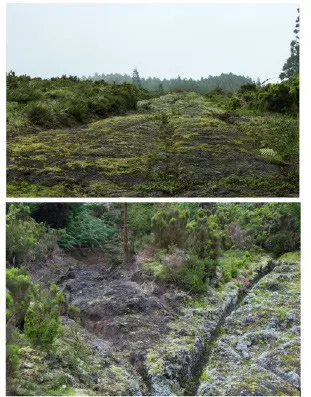
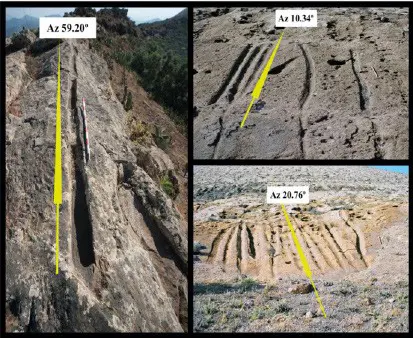
Cart-ruts were first described throughout the Maltese archipelago; they were defined as abundant prehistoric constructions of Bronze Age Man carved in rock. They consist of grooves and channels carved in stone that are rarely strictly parallel. Some of them are convergent or perpendicular to others, and may also abruptly change to curved lines. They are located either on plains or on hill slopes with a variable and high inclination [65,66,67]. The purpose of the Cart-ruts is unknown, as there are no records of images, myths or verbal records of what they were used for. However, representations of Cart-ruts have recently been found on ceramics from Malta, Gozo, and Lanzarote, which have helped to date these structures to the Bronze Age or Malta Temple Epoch (3000 BC) [68]. A joint project of several European Union authors on Cart-ruts has not reached any new conclusions, except to underline where they have been found: Malta and Turkey (Bronze Age), Africa (Tunisia, Libya and Egypt), Spain, Italy, France, Switzerland, Greece, Portugal, England and Azerbaijan [69] However, this study leaves out the existence of Cart-ruts in the Azores and Canary Islands [8,69,70,71] (Figure 5 and Figure 6).
Other Cart-ruts have been described on volcano summits or slopes on the island of Lanzarote (Figure 6) [68,72]; dating has also been proposed for some of them, in the Bronze Age, contemporary with those of Malta [65,66,67,68]. On the other hand, Atoche-Peña and Ramírez-Rodríguez [73] gave the earliest absolute date of human activity on the island of Lanzarote, approximately 1000 years BC. C. Joining the contexts of genetics, and the findings of Cart-ruts,the megalithic calendar of the Quesera de Zonzamas in Lanzarote, the pyramids in Western Sahara, North Africa, including Morocco, and in Tenerife and La Palma, lead us to conclude that there was a non-classic megalithic prehistoric culture in the Canary Islands cultivated by aboriginal inhabitants or Guanches.
4.3. Existence of Pyramids in the Canary Islands, Azores, and the Sahara Desert
Another example of Saharan influence in the Canary Islands and the Mediterranean is the pyramids and other megalithic constructions found in Malta and Gozo (Mediterranean Islands), Tenerife and La Palma (Canary Islands), the Azores, and also throughout the Sahara, often buried by the sands (Figure 7). All of them are the same type of construction (stone tumuli) with a surely ritual or religious intention since incised inscriptions of possible funerary meaning usually surround them. In addition, other rock-carved monuments that appear to be ancient astronomical observatories have been found.
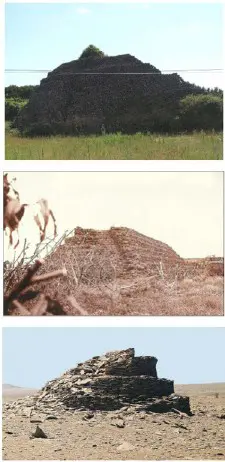
Figure 7. (Top): pyramid found on the island of Pico. (Middle): pyramid of Icod de los Vinos on the island of Tenerife. (Bottom): pyramid found in Western Sahara [74,75]. For Pico pyramid also consult communication of Riveiro et al., 2019 to XXIV Congresso de Antropologia da Ibero-América, Ponta Delgada, San Miguel Island (Azores Archipelago) file: ICDigital_Almogaren_46-47_9_(2016).pdf (accessed on 16 March 2026).
Other common archaeological elements have also been found in Europe and Africa (Canary Islands). The common features between the Canary Islands and Europe are particularly evident with the small Canarian figurines of coarse “goddesses” (such as the Idol of Tara) that have been found in the Islands, which are similar to those found by Gimbutas (6000–3000 years BC) in the Europe of Iberian and Mediterranean cultures. This area of cultural influence by the Canarian, Mediterranean, European, and Maghrebi (North African) cultures is called the Circle of the Strait of Gibraltar. All these findings in the Canary Islands, continental North Africa, and the Mediterranean basin suggest a common ancient culture that may have originated in the ancient, populated green Sahara. The people (and genes) that flowed from the Sahara to the Mediterranean, the Canary Islands, and other parts of Africa could have influenced the ancient cultures of the area, such as the Guanches, the Etruscans, the Iberians, and the Greeks. The findings reported in this study regarding the HLA profiles of Canary Islanders, Azoreans, and other Mediterranean populations support the idea of migration from the Sahara (and sub-Saharan areas) to the Mediterranean basin [38].
4.4. Linear Scripts in the Canary Islands: The Ibero-Guanche
Mr. Juan Brito Martín, local artist and independent archaeologist of Lanzarote, exhibits from 1980 onwards in the Museum of Archaeology of Arrecife, Lanzarote, drawings extracted from Lanzarote rocks inscriptions of unknown affiliation; these were later described by Pichler as Latin scripts [17,18] and were found in Lanzarote and Fuerteventura (Canary Islands). However, it is an incised linear script that lacks the frequent Latin letters Q, H, P, and T, and it has not been possible to translate it into Latin [17,18]. A hypothesis of transcription and translation into Iberian was proposed more than 20 years ago [21,39] because the signs were identical to the Iberian semi-syllabary (or signary) rock scripts used in Iberia and southern France during the first millennium BC, with the Canarian characteristic of joining the signs together.
These “Latin” scripts have been called Íbero-Guanches in the Canary Islands and are mostly religious and funerary [21,34,39]. This type of linear incised writing is present in the seven main Canary Islands and may have gone unnoticed because all the other islands, except Lanzarote and Fuerteventura, are humid and covered with vegetation [76,77,78,79,80,81,82,83] and also in Sahara Desert [77]. Panels with Ibero-Guanche writing have recently been discovered and described on the islands of Lanzarote [83], Tenerife (Roca del Muerto), and La Palma (Calvario de Santo Domingo) [78]. All the panels described are carved on polished basaltic rocks to facilitate writing and are all found in a hypothetical religious/funerary context. The inscriptions studied from La Palma (Figure 8) [76,81] and Lanzarote (Figure 9) [83] refer to invocations to the religion of the Mother Goddess and to rites of cremation of bodies and “the afterlife” according to the transliterations and translations from ancient Basque (a language closer to the Iberian already extinct) and following the methodology described in section 2.4 of this work [34]. This type of writing also exists in El Hierro, La Gomera, and Gran Canaria [76,77,78,79,80]. The people who wrote the Iberian-Guanche inscriptions are aboriginal Canary Islanders and not visitors, which is inferred by the places where the rock panels are found: far from the coast and in steep and difficult places to access.Also, the genes of present-day and past Canarians are difficult to assign solely to North Africa because gene flow between North Africa and Iberia existed in prehistoric times, and distinguishing the Iberian and North African genetic profiles of Canarians is difficult.
On the other hand,this type of Iberian/Tartessian-type linear script (Figure 2) or its precursor Paleolithic/Neolithic Lineal Script (sometimes both of them are admixed) is found scattered in several places in the Iberian Peninsula (Algarve, Huelva, Mediterranean and North Atlantic Iberia), the Canary Islands, and North Africa in a megalithic or non-megalitic rock context [84,85,86,87,88,89,90,91,92,93,94,95,96,97,98,99]; in all these sites the same symbols (letters/syllables) have been found that would be part of the Iberian/Tartessian semi-syllabary [34]. Sometimes they are found mixed with Lybian scripts [76,78] on the same panel, which are mostly found on top of the Iberian-Guanche ones, suggesting that they are more modern [80,81].
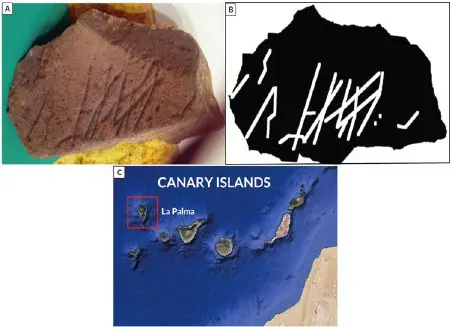
Figure 8. (A) Photograph taken in Las Tricias, Garafía (North of La Palma Island, Canary Islands). (B) Ibero-Guanche scripts highlighted in black and white in Figure 8A. These signs are sometimes joined together and are analyzed in depth in Arnaiz-Villena and SUÁREZ-Trujillo [76,81]. (C) The island of La Palma is the westernmost Canary Island. This type of linear incised Ibero-Guanche scripts are found all over the island, mixed with the typical Atlantic spiral drawings; sometimes it is found that the Ibero-Guanche scripts are older (they are underneath) than the Atlantic engravings [78].
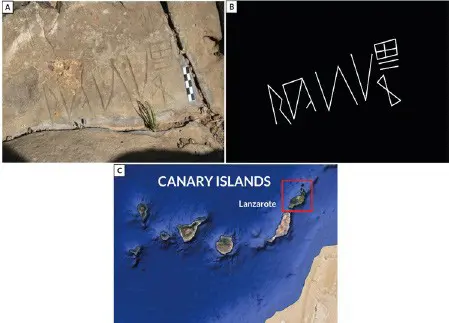
Figure 9. (A) Photograph of an Ibero-Guanche script panel taken at Monte Tenézara (Lanzarote Island, Canary Islands) [84]. It appears that the Ibero-Guanche linear script is found throughout the Canary Islands [77,78,79,80,81,82,83,84]. (B) Signs highlighted in black and white in Figure 9A that are analyzed in depth in Arnaiz-Villena and Medina [84]. (C) Island of Lanzarote located in the eastern region of the Canary Islands.
4.5. Linear Scripts in Continental Africa: Tim-Missaou
A “Latin” inscription painted on sandstone rock (Figure 10 and Figure 11) was discovered in a cave (shelter) in one of the walls of Ouadi Ti-m Missaou [89,90], opposite another wall of the dry riverbed where another shelter containing ancient paintings of galloping horses is located. The inscription is written on the sloping ceiling (about two meters above the cave floor) and is apparently isolated from other inscriptions. The scripts are virtually contained in a regular square 30 cm on a side. The painted letters show a constant size of about 4 cm (Figure 11A,B) and were initially attributed to a Latin alphabet [17]. In addition, other smaller signs (1–2 cm) and incised signs were identified by us, distributed among the ochre colored painted ones that can be identified as belonging to the Iberian semi-syllabary (Figure 2 and Figure 11C,D) [92].
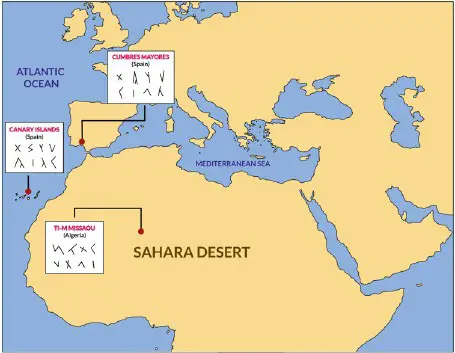
Figure 10. The Ibero-Tartessian semi-syllabic rock carvings (see Figure 2) are found in a wide area. Note that in Cumbres Mayores (Huelva, Spain) Tartessian writings are found in a megalithic context (3000–5000 years BC). Likewise, the Dolmen of San Bartolomé (Huelva, Spain) presents Iberian-Tartessian semi-syllables as described by archaeologists Leisner in 1943 [84,85,86,87,88].
Once the letters were identified, doubts arose as to whether a Latin alphabet was used; instead, they could be characters of a similar linear alphabet/sign [17]. Finally, Pichler suggested that some “Latin” inscriptions found in Lanzarote and Fuerteventura were of the type of this inscription. These Canary Latin inscriptions are now called Ibero-Guanche inscriptions [78,80,85] and are present throughout the Canary Islands [78].
In addition, most of the isolated small incised signs found at Ti-m Missaou by us, among the larger painted signs, may refer to the Old Religion of the Mother (aMa), the Gate (aTa), and the Dead (iL) [34,93]. It is not possible to say whether the ochre painted scripts [91] or these smaller incised scripts were written first. This is the first panel of Ibero-Guanche linear writing found on the African continent, but many more may have been lost under the sands of the Sahara. Nevertheless, this finding of incised linear writing, together with the graffiti described above [17], strongly supports our proposal that the Green Sahara Culture spread to the Mediterranean, the Atlantic, and other areas such as Iberia, and that it gave rise to the Usko- Mediterranean languages and cultures [11,38,39]. Most probably, the Canary Islands were part of the Neolithic and pre-Neolithic Green Sahara Culture Circle. In fact, the Ibero-Guanche rock writings of the Canary archipelago reflect a less elaborate and more primitive form of the Iberian semi-syllabary than that found in Iberia and France. The Saharo-Canarian cultural circle could be proposed in this context to explain many common features of the Mediterranean-Atlantic and Canarian cultures, including the birth of the Iberian semi-syllabary [94].
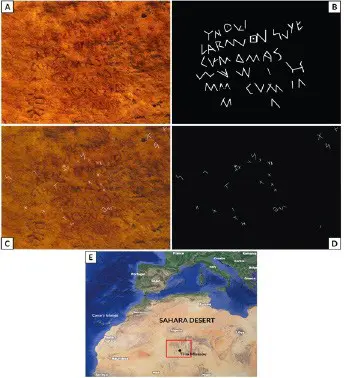
Figure 11. (A) Photograph taken at the Ti-m Missaou shelter (Sahara Desert, Southwest Algeria). Pichler [17] thought the painted phrases to be “Latin”, but a transcription and translation [77,89,90] based on the Ibero-Tatticsemisyllabary has been proposed. (B) Signs in Figure 11A highlighted in black and white [77,89,90]. (C) Photograph of small, apparently incised linear signs mixed with the painted ones shown in Figure 11A [93], also identified as Ibero-Tartessian. (D) Signs from Figure 11C highlighted in black and white. (E) Location of the Ti-m Missaou shelter (Sahara Desert, Algeria) (21°55′39.17″ N, 3º5′27.26″ E). See also IberoTartessian information at Figure 2.
4.6. Linear Scripts in Europe
Linear incised inscriptions have also been found on rocks in western, central and eastern Europe forming reading lines with an established sign and other lines with signs similar to those of the area (Usko- Mediterranean languages) [34] For example, some corresponding to pre-Latin “languages” of northern Italy (Venetic, Rhaetic, Lepontic) even have some signs identical to the Iberian-Guanche, Tartessian, Lybian, Berber and other linear scripts of the Mediterranean and Europe. Likewise, in Eastern Europe [91,92,93,94,95,96,97,98] scripts similar to the Iberian-Guanche ones have been found dated to 4500 years BC. (Sitovo and Gradeshnitza tablets). Other linear incised scripts found on different supports (lead, stone, wood) include the Etruscan [94] and other scripts found in the northern Mediterranean, including Greece, in the fifth millennium BC. Therefore, all these linear and incised rock inscriptions must be taken into account to study the origins, the cultural role, and the precursors of the Iberian semi-syllabary, the Iberian-Guanche inscriptions, the origin and chronology of our own Latin alphabet, and the origin of languages. In this sense, it is also worth studying the relationship of the ancient Berber linear scripts [95,96] with the Usko-Mediterranean languages. Existing languages of this group are Basque (related or very similar to Old Iberian/Tartessian), North African Berber, and Caucasian languages; dead Usko-Mediterranean languages [34] include, for example, Old Iberian/Tartessian, Etruscan, Linear Minoan A, and Hittite [97,98] (Figure 10). All of them may have a common origin coming from the Prehistoric Cultural Circle Sahara-Canary Islands-Iberia Also,both the Sahara easternmost part (Jerusalem) and its westernmost part (Lanzarote,Canary Islands [82]) have the same very specific rock megalithic lunisolar calendar (Figure 12).
4.7. The Green Sahara and the Saharo-Canarian Circle Cultural Influence
The Sahara Desert is the largest hot desert in the world; it extends from the Red Sea in the east to Morocco and the Western Sahara in the west. There is a semi-arid savannah belt to the south, called the “Sahel”, which covers the entire sub-Saharan area. However, the climate of the Sahara has undergone enormous variations over time, from wet to dry over the last few hundred thousand years. This variability is due to a 41,000-year cycle in which the earth’s axis changes between 22° and 24.5° [99]. Currently, it is in a dry period, but the Sahara is expected to become green again in about 15,000 years. Because of these desertification-greening cycles, it is possible that very different human populations inhabited the Sahara in the last wet stage. The Tassili N’Ajjer National Park and the Ahaggar Mountains in Algeria show a record of rock art that proves human settlement in the Sahara at this time, whose pictorial art is very similar to that found in the caves of Iberia [21] or onwards with oscillations, the populations that inhabited the Sahara possibly fled to other more habitable northern areas. The causes of the drying up of the Sahara are now well established after 4000 BC, and infrared photographs from the shuttle Columbia show that the desert was a fertile land with many lakes and rivers [38].
It is well established that North Africans and southern Europeans are genetically related, and this may be due to a long-standing circum-Mediterranean genetic and cultural flow, particularly during the last glacial peak [34,57]. Both Sumerians and Egyptians are believed to have arrived in their respective countries of origin before written and archaeological records of their activities were obtained. Ancient Canaan (now Palestine), including the coast, was populated by peoples of unknown origin, but probably related to both Egyptians and Sumerians [99]. On the basis of our current genetic and linguistic studies, we have postulated that many people from what is now the Sahara Desert began to move east, west, north and also south, being an important part of the primitive people stock of Sumerians, Egyptians, Guanches (Canary Islands), Iberians, Etruscans, Minoans, Anatolians (now called Turks only on linguistic grounds), Kurds and other islanders or from the northern Mediterranean [34,91,92,99] (Figure 13).
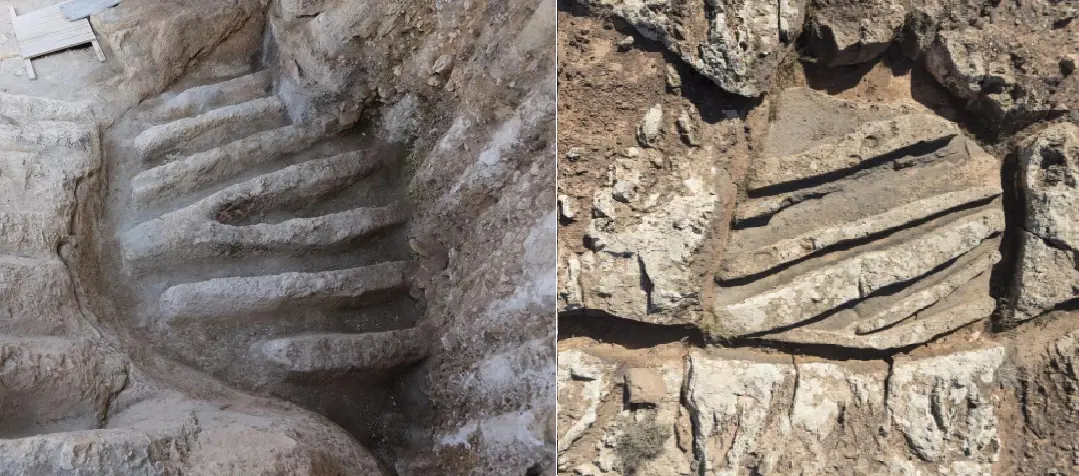
Figure 12. A misterious megalithic channels 2800 years old structure is found in the archaeological site at the City of David (Jerusalem) (Left). It is a lunisolar, megalithic lunisolar calendar identical to that found in Lanzarote Island at Canary Islands Archipelago (Right). Sahara prehistoric culture is probably common throughout Sahara Desert in its prehistoric green phase after 5000 years BC. This very specific megalithic artifact is thus found at both the easternmost and the westernmost Saharian parts and strongly supports this proposed cultural continuity [99,100].
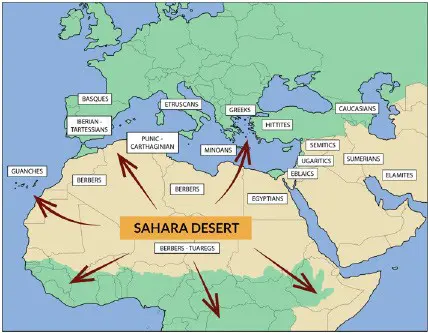
Figure 13. Usko-Mediterranean populations (languages). The Usko-Mediterranean language group comprises a subgroup within the Dene-Caucasian languages that also includes other extinct and living languages (Berber and Basque). Basque and Old Iberian-Tartessian are considered closely related, with differences due to temporal and spatial stratification. Basque-Iberism has made a strong comeback today due to the discovery of the Hand of Irulegui [101]. The linguist Jürgen Untermann named these languages at the end of his life as “Mediterranean substrate” languages. This map shows how the Usko-Mediterranean languages could have originated in part after the episodes of desertification of the green Sahara after 10,000 years BC and subsequent population migrations [34,38,99,100,101,102,103,104].
After 10,000 BC, the Mediterranean area was a densely populated region between the Sahara Desert and the European ice for thousands of years [11,27,38]. This “Mediterranean” people (in a broad cultural sense) comprised a space from the British Atlantic and the Canary Islands, western Europe, and Africa to northern India, including the Caucasus, Greater Persia, and Egypt. The displaced Saharawis probably gave a very important cultural contribution to the beginning of all the civilizations of the Mediterranean area. Thus, the Classical Mediterranean Culture was probably originated in or heavily influenced by people from the Sahara: Atlantic Western Europeans, Africans, Central Mediterraneans, and Eastern Mediterraneans [92] and cannot be attributed solely to Greece and Rome in the studies [38]. In the case of Greece, a genetic relationship with sub-Saharan Africans has unexpectedly been found [91,102,103,104,105], which is not so strange considering the cultural, genetic, and physical anthropological Relationship of sub-Saharan/North Africans with Iberia and other Europeans. An example of these northward (Mediterranean) movements of African peoples is documented in the story of Aeschylus’ Danaids. The Danaids (daughters of Danao) were expelled from Egypt when Danao lost the war and fled northward; they first came to Crete from where they were also expelled because of alliances with Egypt (this could be the reason why sub-Saharan or African alleles are not found in the Minoans) [11,91,102,103,104,105] and then settled further north in Greece [105].
5. Conclusions
-
The settlement of the Azores is uncertain and from population genetics studies, the markers of chromosomes 6 (HLA) and 14 (Machado-Joseph neuropathy) and relatedness as measured by NJ tree and correspondence analyses suggest admixture and also that Azores population was much earlier than those of the Portuguese and related to Asians, possibly to Chinese Zheng-He fleet visit between 1421–1423 years AD. In fact, the Machado-Joseph ATXN3 mutation seems to have appeared about 10,000 years BC. Other hypotheses are also not discarded, but may be more difficult to explain.
-
The appearance of Cart-ruts and pyramids in the Azores Islands supports a very ancient settlement (at least Mediterranean-Malta Bronze Age) [63,64,65].
-
The overall genetic structure of the Azores has elements from both southern and northern Europe, although the genetic distances are closer to Mediterranean populations.
-
The current composition of the human genetics of the Canary Islands is mainly related to Europeans, Iberians, and North African Berbers. The genetic distinction between these Berbers and the Iberians is almost impossible due to the genetic exchange across the Strait of Gibraltar throughout prehistoric times.
-
The prehistory of the Canary Islands has a lunisolar megalithic calendar of Zonzamas (Quesera) identical to that found in Jerusalem (3800 years old), several astronomical observatories, pyramid-mounds, in all the islands, similar to those found in the western Sahara, 90 km from its coast, thick prehistoric Mother-Goddesses similar to those of Malta and the Neolithic and Preneolithic ones of Gimbutas. In addition to that, it has also been found a rupestrian signary translatable directly from the Iberian Tartessian semisyllabary and not from Latin: They probably express a religious-funerary language and are similar to others found in the Algerian Sahara. For that reason it has been denominated Saharo-Canarian Circle to a centre of genetic and cultural irradiation that could influence cultures and Mediterranean linear scripts, even to be the origin of the Ibero-Tartessian signary. It is the Canarian rock signatory called Latin or Ibero-Guanche.
Acknowledgements
We want to thank University Complutense of Madrid for its continuous support of our work.
Author Contributions
Conceptualization, writing of the paper, figures design, A.A.V.; bibliography, iconography and references, V.R.-d.-V., T.L. and C.V.-Y.; critical review of the manuscript, I.J., J.M.M.-V., T.L.; funding, A.A.V. and J.M.M.-V. All authors have read and agreed to the published version of the manuscript.
Ethics Statement
The study was conducted in accordance with the Declaration of Helsinki and approved by the Ethics Committee of Hospital Universitario 12 de Octubre de Madrid and University Complutense of Madrid (UCEC-1260, 10 April 2025).
Informed Consent Statement
Informed consent was obtained from all subjects involved in the study.
Data Availability Statement
Genetic raw data about HLA profile of Chimila, Wayúu, Wiwa and Barranquillans cohorts obtained in present work are available under reasonable request to the corresponding authors in the three following years from publication of this article.
Funding
This research was funded by Universidad Complutense de Madrid, grant number PR3/23-30834.
Declaration of Competing Interest
The authors declare that they have no known competing financial interests or personal relationships that could have appeared to influence the work reported in this paper.
References
- The Macaronesian Islands. Available online: https://en.wikipedia.org/wiki/Macaronesia (accessed on 16 March 2026).
- Amsler J. El Renacimiento (1415–1600). Historia Universal de las Exploraciones; Espasa Calpe: Madrid, Spain, 1989; Volume II. ISBN-10: 8423948781. [Google Scholar]
- Da Silva Ribeiro L. Azoreana ‘Formaçaohistorica do povo dos Azores. 1938–1941’; F. Maduro Dias: Angra do Heroismo, Portugal, 1941; Volume II. [Google Scholar]
- Ellingham M, Fischer J, Kenyon G. Portugal, Madeira and Azores; Anaya: Madrid, Spain, 1997. ISBN 1858283132. [Google Scholar]
- Monod T. Spectacles de la Terre. The Azores; Selection du Reader’s Digest: Paris, France, 1991. ISBN-10: 2709803526. [Google Scholar]
- Rull V, Lara A, Rubio-Inglés MJ, Giralt S, Gonçalves V, Raposeiro P, et al. Vegetation and landscape dynamics under natural and anthropogenic forcing on the Azores Islands: A 700-year pollen record from the São Miguel Island. Quat. Sci. Rev. 2017, 159, 155–168. DOI:10.1016/j.quascirev.2017.01.021 [Google Scholar]
- Rodrigues AF, Martins NO, Ribeiro N, Joaquinito A. Early Atlantic Navigation: Pre-Portuguese Presence in the Azores Islands. Archaeol. Discov. 2015, 3, 104–113. DOI:10.4236/ad.2015.33010 [Google Scholar]
- Rodrigues F, Madruga J, Martins N, Cardoso F. Dating the Cart-Ruts of Terceira Island, Azores, Portugal. Archaeol. Discov. 2018, 6, 279–299. DOI:10.4236/ad.2018.64014 [Google Scholar]
- Bruges-Armas J, Martinez-Laso J, Martins B, Allende L, Gomez-Casado E, Longas J, et al. HLA in the Azores Archipelago: Possible presence of Mongoloid genes. Tissue Antigens 1999, 54, 349–359. DOI:10.1034/j.1399-0039.1999.540404.x [Google Scholar]
- Menzies G. 1421: The Year China Discovered the World; Mondadori SL, Ed.; Random House: Barcelona, Spain, 2002. ISBN 0593050789. [Google Scholar]
- Arnaiz-Villena A, Gomez-Casado E, Martinez-Laso J. Population genetic relationships between Mediterranean populations determined by HLA allele distribution and a historic perspective. Tissue Antigens 2002, 60, 111–121. DOI:10.1034/j.1399-0039.2002.600201.x [Google Scholar]
- Botigué LR, Henn BM, Gravel S, Maples BK, Gignoux CR, Corona E, et al. Gene flow from North Africa contributes to differential human genetic diversity in southern Europe. Proc. Nat. Acad. Sci. USA 2013, 110, 11791–11796. DOI:10.1073/pnas.1306223110 [Google Scholar]
- González-Fortes G, Tassi F, Trucchi E, Henneberger K, Paijmans JLA, Díez-del-Molino D, et al. A western route of prehistoric human migration from Africa into the Iberian Peninsula. Proc. Royal Soc. B Biol. Sci. 2019, 286, 20182288. DOI:10.1098/rspb.2018.2288 [Google Scholar]
- Braem H. Tras las huellas de losaborígenes; Verena Zech: Santa Úrsula, Spain, 2010. ISBN 9788493485795. [Google Scholar]
- González FR. Retrospectivahistórica del pueblo guanche; UthoAlbúm C.A.: Caracas, Venezuela, 1992. ISBN 978-980-07-0823-1. [Google Scholar]
- Brito J, Espino JM. Primeros petroglifos localizados en la Isla; La Provincia: Lanzarote, Islas Canarias, Spain, 1980; p. 20. [Google Scholar]
- Pichler W. A LatinInscription at Ti-M-Missaou (Algeria). Sahara 1997, 9, 150–151. Available online: https://pascal-francis.inist.fr/vibad/index.php?action=getRecordDetail&idt=2024469 (accessed on 3 March 2026).
- Pichler W. Las inscripcionesrupestres de Fuerteventura; Cabildo de Fuerteventura: Puerto del Rosario, Spain, 2003. [Google Scholar]
- Gómez Moreno M. Las lenguas hispánicas; Discurso de recepciónen la Real Academia Española: Madrid, Spain, 1949. [Google Scholar]
- Gómez Moreno M. La escriturabardulo-turdetana; Primitiva Hispánica: Madrid, Spain, 1962. [Google Scholar]
- Arnaiz-Villena A, Alonso-García J. Egipcios, Bereberes, Guanches yVascos; Visión Libros: Madrid, Spain, 2001. ISBN 9788499837994. [Google Scholar]
- Arnaiz-Villena A, Rey D. Iberian Tartessian scripts/graffiti in Iruña-Veleia (Basque Country North-Spain): Findings in both Iberia and Canary Islands-Africa. Int. J. Mod. Anthropol. 2012, 1, 34–38. DOI:10.4314/ijma.v1i5.2 [Google Scholar]
- Krutwig F. Garaldea; Txertoa: San Sebastián, Spain, 1978. [Google Scholar]
- Serra E, Cioranescu A. Le Canarien. Juan V de Béthencourt; CSIC-El Museo Canario (Fontes Rerum Canarium): La Laguna, Spain, 1960; Volume lI, Ch. LXXXVI, pp 348–349. [Google Scholar]
- Itoh Y, Mizuki N, Shimada T, Azuma F, Itakura M, Kashiwase K, et al. High-throughput DNA typing of HLA-A, -B, -C, and -DRB1 loci by a PCR–SSOP–Luminex method in the Japanese population. Immunogenetics 2005, 57, 717–729. DOI:10.1007/s00251-005-0048-3 [Google Scholar]
- Arnaiz-Villena A, Timon M, Corell A, Perez-Aciego P, Martin-Villa JM, Regueiro JR. Primary Immunodeficiency Caused by Mutations in the Gene Encoding the CD3-γ Subunit of the T-Lymphocyte Receptor. N. Engl. J. Med. 1992, 327, 529–533. DOI:10.1056/NEJM199208203270805 [Google Scholar]
- Arnaiz-Villena A, Muñiz E, Campos C, Gomez-Casado E, Tomasi S, Martínez-Quiles N, et al. Origin of Ancient Canary Islanders Guanches: Presence of Atlantic/Iberian HLA and Y chromosome genes and Ancient Iberian language. Int. J. Modern Anthropol. 2015, 1, 67. DOI:10.4314/ijma.v1i8.4 [Google Scholar]
- Imanishi T, Akaza T, Kimura A, Tokunaga K, Gojobori T. Estimation of Allele and Haplotype Frequencies for HLA and Complement Loci; Oxford University Press: Oxford, UK, 1992; pp. 76–79. [Google Scholar]
- Nei M. Genetic Distance between Populations. Am. Nat. 1972, 106, 283–292. DOI:10.1086/282771 [Google Scholar]
- Nei M, Saitou N. The neighbor-joining method: A new method for reconstructing phylogenetic trees. Mol. Biol. Evol. 1987, 4, 406–425. DOI:10.1093/oxfordjournals.molbev.a040454 [Google Scholar]
- Nei M. Analysis of Gene Diversity in Subdivided Populations. Proc. Nat. Acad. Sci. USA 1973, 70, 3321–3323. DOI:10.1073/pnas.70.12.3321 [Google Scholar]
- Nei M, Tajima F, Tateno Y. Accuracy of estimated phylogenetic trees from molecular data. J. Mol. Evol. 1983, 19, 153–170. DOI:10.1007/BF02300753 [Google Scholar]
- Young FW, Bann CM. A visual statistics system. In Statistical Computing Environments for Social Researchs; Stine RA, Fox J, Eds.; Sage Publications: London, UK, 1996; pp. 207–236. ISBN 9780471681601. [Google Scholar]
- Arnaiz-Villena A, Alonso-García J. Chapter 9: The Usko-Mediterranean Languages. In Prehistoric Iberia: Genetics, Anthropology and Linguistics; En Arnaiz-Villena A, Ed.; Kluwer Plenum Press: New York, NY, USA, 2000; pp. 205–246. ISBN 978-1-4613-6900-4. Available online: https://www.academia.edu/111676642/The_Usko_Mediterranean_Languages (accessed on 16 March 2026).
- Ruhlen M. The Origin of Language; John Wiley and Sons, Inc.: New York, NY, USA, 1994. ISBN 0471159638. [Google Scholar]
- Poulianos AN. Anthropological data of the origin of the Creta. In Proceedings of the 2nd International Cretan Studies, Athens, Greece, 1969. Available online: https://www.aee.gr/hellenic/2apoulianos_biogr/apoul_bibliogr/apoul_bibliogr.html (accessed on 3 March 2026).
- Arnaiz-Villena A, Alonso-García J. El Origen de losVascos y otros Pueblos Mediterráneos; Editorial Complutense: Madrid, Spain, 1998. ISBN 8499839134. [Google Scholar]
- Arnaiz-Villena A, Martínez-Laso J, Alonso-García J. Iberia: Population Genetics, Anthropology and Linguistics. Human Biol. 1999, 1, 725–743. Available online: https://www.jstor.org/stable/41465775 (accessed on 16 March 2026).
- Arnaiz-Villena A, Martińez-Laso J, Alonso-Garciá J. The correlation between languages and genes: The Usko-Mediterranean peoples. Human Immunol. 2001, 62, 1051–1061. DOI:10.1016/S0198-8859(01)00300-7 [Google Scholar]
- Collins R. Los Vascos; Alianza Universidad: Madrid, Spain, 1989. ISBN 9788420625928. [Google Scholar]
- Vennemann T. Europa Vasconica; Monton-de-Gruyter: Berlin, Germany, 2003. ISBN 311017054X. [Google Scholar]
- Intxausti J. Euskera, la lengua de losvascos; Elkar-EuskoJourlaritza: San Sebastián, Spain, 1992. [Google Scholar]
- Arnaiz-Villena A, Alonso-García J. Minoicos, cretenses y vascos: Un estudiogenético y lingüístico; Editorial Complutense: Madrid, Spain, 1999. ISBN 84-89784-66-3. [Google Scholar]
- Keretxeta J. Diccionario Amaia de la lengua vasca; Ernesto Gutiérrez: Madrid, Spain, 1990. ISBN 8487279279. [Google Scholar]
- Sota M, Lafitte P, Akesolo L. Diccionario Retana de Autoridades del Euskera; La Gran EnciclopediaVasca: Bilbao, Spain, 1976. ISBN 84-248-0248-9. [Google Scholar]
- Corriente-Córdoba F. Dictionnaire Kabyle-Français; Sela: Paris, France, 1977. ISBN 2852971437. [Google Scholar]
- Chabot JB. Recueil des IncriptionsLibyques (Fascicule Second); ImprimerieNationale: Paris, France, 1941. [Google Scholar]
- Chabot JB, Beguinot F. ‘Apunti di Epigr’. Libicadansl’Africaitaliana. MencionadaenRecueil des InscriptionsLibyques; ImprimerieNationale: Paris, France, 1940. [Google Scholar]
- Harden D. The Phoenicians; Penguins Books: London, UK, 1971. ISBN 0140213759. [Google Scholar]
- D’Aneusa A. CrestomazzaEtruscaEpigrafica; PaidetaEditrice: Brescia, Italy, 1997. ISBN 8839405437. [Google Scholar]
- Maca-Meyer N, Villar J, Pérez-Méndez L, De León AC, Flores C. A Tale of Aborigines, Conquerors and Slaves: Alu Insertion Polymorphisms and the Peopling of Canary Islands. Ann. Human Genet. 2004, 68, 600–605. DOI:10.1046/j.1529-8817.2003.00125.x [Google Scholar]
- Arnaiz-Villena A, Martínez-Laso J, Gómez-Casado E, Díaz-Campos N, Santos P, Martinho A, et al. Relatedness among Basques, Portuguese, Spaniards, and Algerians studied by HLA allelic frequencies and haplotypes. Immunogenetics 1997, 47, 37–43. DOI:10.1007/s002510050324 [Google Scholar]
- Currat M, Poloni ES, Sanchez-Mazas A. Human genetic differentiation across the Strait of Gibraltar. BMC Evol. Biol. 2010, 10, 237. DOI:10.1186/1471-2148-10-237 [Google Scholar]
- Martinez-Laso J, Gazit E, Gomez-Casado E, Morales P, Martinez-Quiles N, Alvarez M, et al. HLA DR and DQ polymorphism in Ashkenazi and non-Ashkenazi Jews: Comparison with other Mediterraneans. Tissue Antigens 2008, 47, 63–71. DOI:10.1111/j.1399-0039.1996.tb02515.x [Google Scholar]
- Brautbar C, Friedmann A, Battat S. HLA in Israeli Jews, Moroccans and Algerians. In HLA; Tsuji K, Aizawa M, Sasazuki T, Eds.; Oxford University Press: Oxford, UK, 1991; Volume 1, pp. 656–658. DOI:10.1111/j.1399-0039.1978.tb01251.x [Google Scholar]
- Arnaiz-Villena A, Benmamar D, Alvarez M, Diaz-Campos N, Varela P, Gomez-Casado E, et al. HLA allele and haplotype frequencies in Algerians. Human Immunol. 1995, 43, 259–268. DOI:10.1016/0198-8859(95)00024-X [Google Scholar]
- Camps G. EncyclopedieBerbere; EDISUD: Aix-en-Provence, France, 1992; Volume 11. ISBN2-85744-201-7. [Google Scholar]
- Taylor-Woots J. Enigmas de la Historia; Cosmos, Edimat Libros S.A.: Madrid, Spain, 1998. ISBN 9788497649421. [Google Scholar]
- Hernández-Armesto F. The Times Atlas of World Exploration; HarperCollins: Singapore, 1991. ISBN 0723003440. [Google Scholar]
- De Goes D. Chronica do Principe Dom Joam; Impresa da Universidade do Coimbra: Coimbra, Portugal, 1905; pp. 24–28. [Google Scholar]
- Yang T, Duan Z, Wu S, Liu S, Zeng Z, Li G, et al. Association of HLA-B27 genetic polymorphisms with ankylosing spondylitis susceptibility worldwide: A meta-analysis. Mod. Rheumatol. 2013, 24, 150–161. DOI:10.3109/14397595.2013.852856 [Google Scholar]
- Gaspar C, Lopes-Cendes I, Hayes S, Goto J, Arvidsson K, Dias A, et al. Ancestral Origins of the Machado-Joseph Disease Mutation: A Worldwide Haplotype Study. Am. J. Human Genet. 2001, 68, 523–528. DOI:10.1086/318184 [Google Scholar]
- Sauren H. The Punic Coins. In Proceedings of the VI Congresso Internacional de Estudios punicos y cartagineses, Lisbon, Portugal, 1 October 2011. Available online: https://repositorio.ulisboa.pt/entities/publication/1db742b3-eef7-4918-8173-18b0e5d1f989 (accessed on 3 March 2026).
- García-Bellido MP, Blázquez J. Diccionario de cecas y pueblos de Hispania; Consejo Superior de Investigaciones Científicas: Madrid, Spain, 2001; Volume 2. ISBN 8400080165. [Google Scholar]
- Trump DH. The Cart Ruts of Malta. Treasur. Malta 1998, 4, 33–37. ISBN:993272094, La Valetta, Malta. [Google Scholar]
- Trump DH. Malta, Prehistory and Temples; MidseaBooks Ltd.: La Valletta, Malta, 2002. ISBN 9990993939. [Google Scholar]
- Trump DH. Cart-Ruts and Their Impact on Maltese Landscape; MidseaBooks Ltd.: La Valletta, Malta, 2008. ISBN 9993272094. [Google Scholar]
- Arnaiz-Villena A, Medina M, López-Nares A, Rodriguez-Rodriguez J, Ruiz-del-Valle V. Cart-ruts in Lanzarote (Canary Islands, Spain) and Malta: First evidence of dating supported by dated ceramics. Int. J. Modern Anthropol. 2019, 2, 115. DOI:10.4314/ijma.v2i12.5 [Google Scholar]
- Bonnici H. The Significance of Cart-Ruts in Ancient Landscapes; European Union Multiauthor founded Project. Culture 2000 Project; Midsea Books: La Valletta, Malta, 2007; ISBN 9789993272038. [Google Scholar]
- Ribeiro N, Joaquinito A, Rodrigues AF, Azevedo MT. Achaeology and Rock Art of Macaronesia: New Contributions; IV Encontro de Doutorandos e Post-Doutorandos: Macau, China, 2015. [Google Scholar]
- Ribeiro N, Joaquinito A, Rodrigues AF, Azevedo MT. Arqueologia e Arte RupestrenaMacronesia, novoscontributos. Techne 2017, 3, 113–124. Available online: https://www.saltodelpastorcanario.org/web/wp-content/uploads/2022/10/ArqueologiaeArteRupestrenaMacron%C3%A9sianovoscontributos%E2%80%93NunoRibeiroyVVAA%E2%80%93Techne3%E2%80%93FSPC%E2%80%93AzoresMadeirayCanariasMarzod201712P%C3%A1gs..pdf (accessed on 16 March 2026).
- Arnaiz-Villena A, Medina M, Palacio-Gruber J, Lopez-Nares A, Ruiz-del-Valle V. Malta and Lanzarote (Canary Islands, Spain) cart-ruts and rock prehistoric calendar at Zonzamas, Lanzarote-“Quesera”/Cheeseboard. Int. J. Modern Anthropol. 2018, 2, 214. DOI:10.4314/ijma.v2i11.10 [Google Scholar]
- Atoche-Peña P, Ramírez-Rodríguez MA. Nueva datacion C14 para la protohistoria Canaria: Yacimiento Buenavista (Lanzarote). Anuario de EstudiosAtlanticos 2011, 57, 139–170. Available online: https://accedacris.ulpgc.es/handle/10553/137213 (accessed on 16 March 2026).
- Sánchez Romero G, López Arencibia S, Bello A. Una pirámide/calendario solar Guanche enelnorte de Tenerife: Referenciashistóricas, características, origen y función. Almogaren 2020, 51, 5–55. Available online: https://dialnet.unirioja.es/servlet/articulo?codigo=7609163 (accessed on 16 March 2026).
- Clarke J, Brooks N. The Archaeology of Western Sahara; Oxford Books: Oxford, UK, 2018. ISBN 978-1-78297-172-6. [Google Scholar]
- Arnaiz-Villena A, Suárez-Trujillo F, Ruiz-del-Valle V, López-Nares A, Pais-Pais FJ. The Iberian-Guanche rock inscriptions at La Palma Is.: All seven Canary Islands (Spain) harbour these scripts. Int. J. Modern Anthropol. 2020, 2, 318–336. DOI:10.4314/ijma.v2i14.5 [Google Scholar]
- Arnaiz-Villena A, Ruiz-del-Valle V, López-Nares A, Suárez-Trujillo F. Iberian inscriptions in Sahara Desert rocks (Ti-m Missaou, Ahaggar Mts. area, Algeria): First evidence of incise Iberian rock scripts in continental North Africa. Int. J. Modern Anthropol. 2021, 2, 440–467. DOI:10.4314/ijma.v2i15.3 [Google Scholar]
- Arnaiz-Villena A, Lopez-Nares A, Juárez I, Ruizdel-Valle V, Callado Á, H-Sevilla A, et al. “Latín” rock scripts in Canary Islands are ancient Iberian inscriptions (Iberian-Guanche) A story of forgotten genetics, scripts, pyramids and other prehistoric artifacts. Int. J. Modern Anthropol. 2019, 2, 189. DOI:10.4314/ijma.v2i12.9 [Google Scholar]
- Nowak H. Die Tejeleita-Felsinschriftvon El Hierro. Almogarén 1994, 24–25, 113–115. [Google Scholar]
- Arnaiz-Villena A. Alonso-García J. Diccionario Íbero-Euskera- Castellano; Visión Libros: Madrid, Spain, 2012. ISBN-10: 8490114102. [Google Scholar]
- Suárez-Trujillo F, Arnaiz-Villena A, López-Nares A, Ruiz-Del-Valle V, Y Pais-Pais FJ. Las inscripcionesibero-guanchesen la Isla de la Palma (Islas Canarias, España). XXIV Coloquio de Historia Canario-Americana (2020). 2021. Available online: https://revistas.grancanaria.com/index.php/chca/ (accessed on 16 March 2026).
- Medina M, Arnaiz-Villena A, López-Nares A, Ruiz-Del-Valle V, Rodríguez-Rodríguez J, Suárez-Trujillo F. Lanzarote: Uncalendario lunisolar (la Quesera de Zonzamas, Teguise), la aparición de inscripcionesibero-guanches y «cart-ruts» sugierenunaprehistoria no clásicaposiblementemegalítica». XXIV Coloquio de Historia Canario-Americana (2020), XXIV-043. 2021. Available online: https://revistas.grancanaria.com/index.php/chca/ (accessed on 16 March 2026).
- Arnaiz-Villena A, Medina M, Ruiz-del-Valle V, Lopez-Nares A, Rodriguez-Rodriguez J, Suarez-Trujillo F. The Ibero-Guanche (Latin) rock inscriptions found at Mt. Tenezara volcano (Lanzarote, Canary Islands, Spain): A Saharan hypothesis for Mediterranean/Atlantic Prehistory. Int. J. Modern Anthropol. 2020, 2, 140–162. DOI:10.4314/ijma.v2i13.5 [Google Scholar]
- Leisner G. Leisner V. Die Megalithgräber der IberischenHalbinsel. In Erster Teil: Der Süden. Collection Römisch-GermanischeForschungen; Verlag Von Walter de Gruyter und Co.: Berlin, Germany, 1943; Volume 17. [Google Scholar]
- Cerdán C, Leisner G, Leisner V. Los sepulcrosmegalíticos de Huelva; Ministerio de Educación: Madrid, Spain, 1952. [Google Scholar]
- Cerdán Márquez C, Leisner G. Leisner V. Los sepulcrosmegalíticos de Huelva. In Huelva: Prehistoria y antigüedad; Editora Nacional: Madrid, Spain, 1975; pp. 41–108. [Google Scholar]
- Vázquez-Hoys AM. Las golondrinas de Tartessos: Sobreelorigen de la escritura; Almuzara: Cordoba, Spain, 2008. ISBN 9788488586902. [Google Scholar]
- Sousa AC, Torquato F, Bragança F, Kunst M. George Leisner e Vera Leisner e o estudo do Megalitismo do Ocidente da PenínsulaIbérica, Contributos para a história da investigaçãoarqueológicaluso-alemão a través do ArquivoLeisner (1909–1972); Ed. UNIARQ, Universidade de Lisboa: Lisbon, Portugal, 2020; p. 553. ISBN 978-989-99146-9-8. [Google Scholar]
- de Cola L, Preisser P. Iscrizionelatinadipinta in località Ti-m Missaou (Sahara Centrale). Sahara 1990, 3, 12. [Google Scholar]
- de Cola L, Preisser P. Iscrizionelatina in località Ti-m Missaou (Sahara Centrale). Sahara 1991, 4, 154. [Google Scholar]
- Arnaiz-Villena A, Juarez I, Palacio-Grüber J, Lopez-Nares A, Suarez-Trujillo F. The Northern Migrations from a drying Sahara (6000 years BP): Cultural and genetic influence in Greeks, Iberians and other Mediterraneans. Int. J. Modern Anthropol. 2021, 2, 484–507. DOI:10.4314/ijma.v2i15.5 [Google Scholar]
- Arnaiz-Villena A, Medina M, Ruíz-del-Valle V, Palacio-Gruber J, Lopez-Nares A, Barrera-Gutiérrez L, et al. The Saharo-Canarian Circle: The forgotten Prehistory of Euro African Atlantic façade and its lack of eastern demic diffusion evidences. Int. J. Modern Anthropol. 2021, 2, 586–600. DOI:10.4314/ijma.v2i16.4 [Google Scholar]
- Link to Vinca Scripts. Available online: https://en.wikipedia.org/wiki/Vin%C4%8Da_symbols (accessed on 16 March 2026).
- Arnaiz-Villena A, Alonso-García J. Diccionario Etrusco, Euskera,Castellano; Vision Libros: Madrid, Spain, 2008. ISBN 8461242149. [Google Scholar]
- Hachid M. Les premier berebers entre Mediterranee, Tassili et Nil; EDISUD: Aix-en-Provence, France, 2000. ISBN 9782744917448. [Google Scholar]
- Hachid M. Postface de L’ouvrage Aux Origines de L’ecritureauMaroc. Corpus des InscriptionsAmarcighes des Sites D’art Rupestre du Marok; RPublication de L’Institute Royal de la Culture Amazighe: Rabat, Morocco, 2003. [Google Scholar]
- Ehret C. The Civilizations of Africa: A History to 1800; University Press of Virginia: Charlottesville, VA, USA, 2002. ISBN 081392880X. [Google Scholar]
- Arnaiz-Villena A, Dimitroski K, Pacho A, Moscoso J, Gómez-Casado E, Silvera-Redondo C, et al. HLA genes in Macedonians and the sub-Saharan origin of the Greeks. Tissue Antigens 2001, 57, 118–127. DOI:10.1034/j.1399-0039.2001.057002118.x [Google Scholar]
- Arnaiz-Villena A, Medina M, Vaquero-Yuste C, Suarez-Sanchez C, Juarez I, Suarez-Trujillo F. Parallelism of Prehistoric Lanzarote (Canary Islands) Quesera/Cheeseboard Lunisolar Calendar and intriguing strip band channels of the City of David archaeological site (Middle East). Int. J. Modern Anthropol. 2023, 2, 1301–1329. DOI:10.4314/ijma.v2i20.2 [Google Scholar]
- Arnaiz-Villena A, Medina M, Lledo T, Ruiz-del-Valle V, Vaquero-Yuste C, Juarez I, et al. The Jerusalem Megalithic Rock Calendar is an identical representation to that found inLanzarotr Island (Canary Islands, Spain). Nat. Anthropol. 2024, 2, 10018. DOI:10.70322/natanthropol.2024.10018 [Google Scholar]
- Arnaiz-Villena A, Juarez I. The Hand of Irulegi Basque-Iberism return after seventy years of dismissal. Int. J. Modern Anthropol. 2023, 2, 1201–1214. DOI:10.4314/ijma.v2i19.8 [Google Scholar]
- Suarez-Trujillo F, Rey D, Bendukidze N, Juarez I, Sanchez-Orta A, Palacio-Gruber J, et al. Class II HLA in Georgia Caucasus Tbilisi Georgians and their Mediterranean ancestry: The Usko Mediterranean languages. Human Immunol. 2022, 83, 739–740. DOI:10.1016/j.humimm.2022.08.005 [Google Scholar]
- Dörk T, El-Harith EHA, Stuhrmann M, Macek M, Egan M, Cutting GR, et al. Evidence for a Common Ethnic Origin of Cystic Fibrosis Mutation 3120+1G→A in Diverse Populations. Am. J. Human Genet. 1998, 63, 656–662. DOI:10.1086/301950 [Google Scholar]
- Hajjej A, Hmida S, Kaabi H, Dridi A, Jridi A, El Gaaled A, et al. HLA genes in Southern Tunisians (Ghannouch area) and their Relationship with other Mediterraneans. Eur. J. Med. Genet. 2006, 49, 43–56. DOI:10.1016/j.ejmg.2005.01.001 [Google Scholar]
- Verdenius WJ. H. FRIIS JOHANSEN and E. W. WHITTLE, Aeschylus: The Suppliants. Copenhagen, Gyldendalske Boghandel, 1980. 3 vols. 120, 517, 480 pp. Pr. DKr 750,-. Mnemosyne 1985, 38, 407–408. DOI:10.1163/156852585X00618 [Google Scholar]