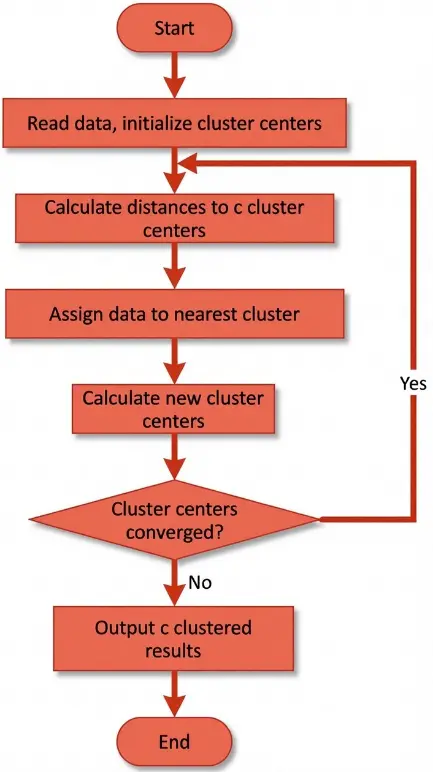
In the operation management of hydropower stations, uneven scheduling often leads to issues such as resource wastage and unequal energy distribution; big data technology offers a new approach for optimizing the scheduling of hydropower stations in the information era. Taking the X Hydropower Station Group as a case study, this paper explores data acquisition, cleaning, clustering analysis, and the formulation of seasonal scheduling strategies to enhance the efficient utilization of hydropower resources and ensure the stable operation of the power grid. K-means clustering analysis is applied to explore typical output curves of cascaded hydropower stations, revealing the relationships between water levels, inflow rates, and load rates. Furthermore, a grey prediction model is developed to forecast future load rates, providing robust data support for short-term operational scheduling plans. The research not only improves monitoring and decision-support capabilities but also enhances the adaptability and response speed to seasonal changes, ensuring the stability and reliability of the power supply.
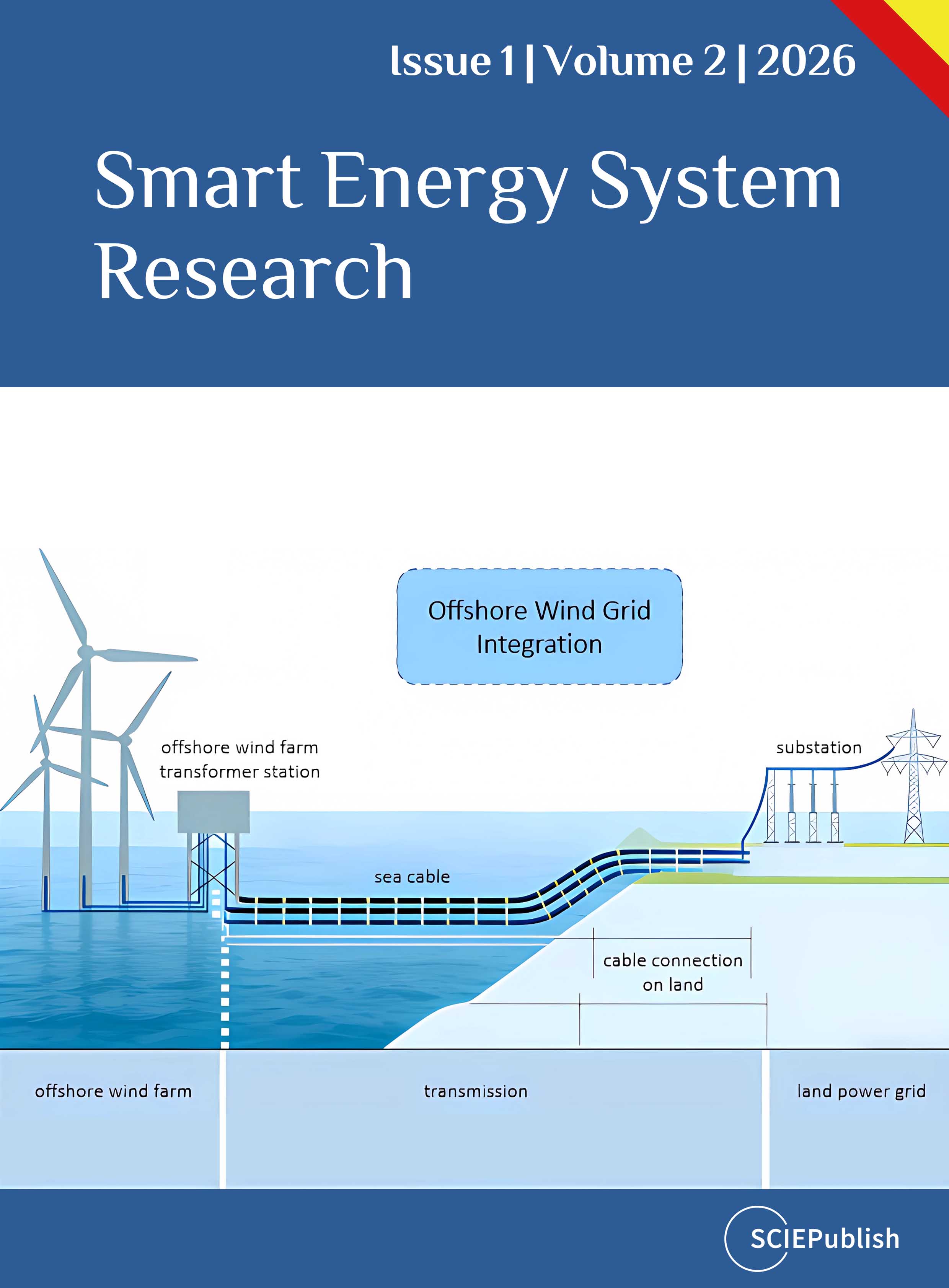
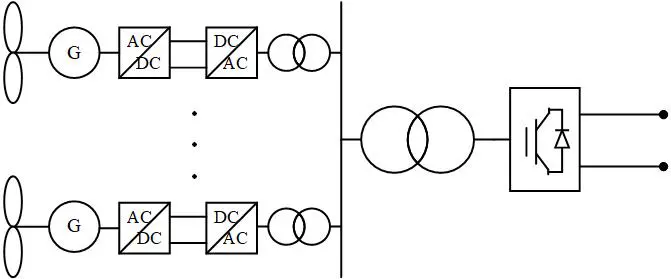
Offshore wind power is a key resource for achieving low-carbon transition in power systems with high penetration of renewable energy and power electronics, and it plays an increasingly important role in the development of modern power systems worldwide. The current research work focuses on aggregation-based development and operation technologies, grid-connected operation methods, and optimal scheduling strategies for offshore wind power, aiming to achieve the stable and healthy development of the offshore wind power industry. This paper reviews the characteristics of offshore wind energy systems and the integrated utilization technology for grid-connected operation. First, the aggregation features and system characteristics of new energy systems with large-scale offshore wind power are examined. Then, the system reviews key technologies for large-scale offshore wind power grid integration based on VSC-HVDC technology and analyzes the source-load characteristics of new energy systems incorporating offshore wind power. Finally, the development trends of offshore wind energy systems and integrated utilization technologies for grid-connected operation, as well as the technical fields that require further research in the future, are prospectively discussed.
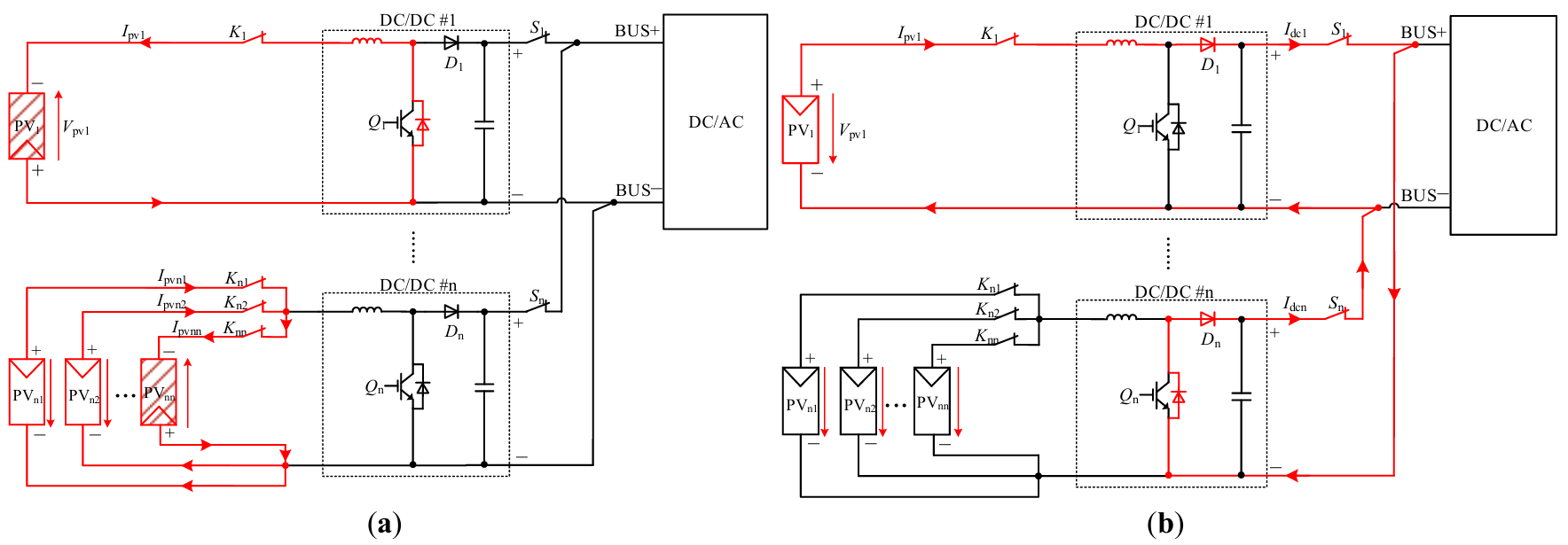
In photovoltaic (PV) systems, precise wiring connections are critical to ensuring safe operation. Thus, effective reverse polarity protection is the first line of defense against polarity reversal caused by wiring errors. This paper systematically reviews existing methods for protecting PV systems against reverse polarity. First, the operating principles of PV side reverse polarity protection techniques are analyzed, along with their advantages and limitations. Additionally, DC-bus side protection methods are examined, and the effectiveness of different approaches is evaluated. Overall, this review provides researchers with the latest advances in reverse polarity protection for PV systems.
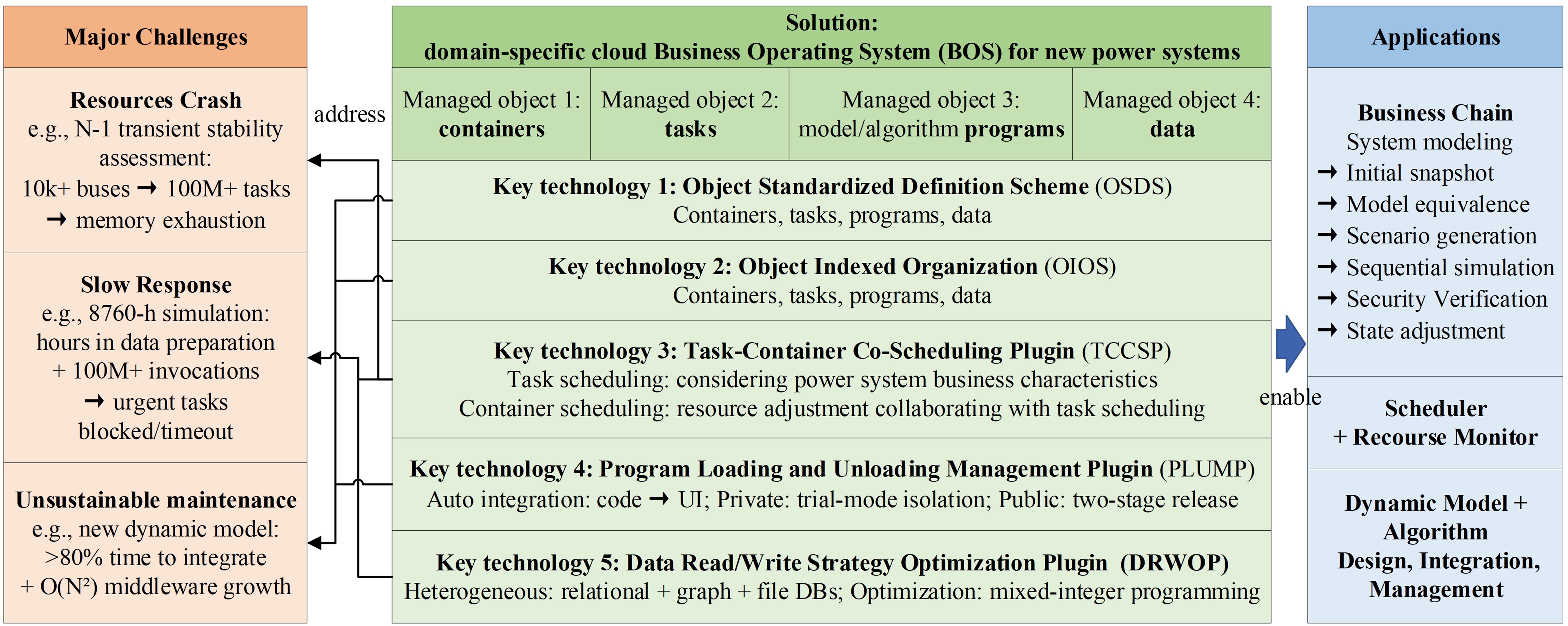
The deep digitization of power system business faces three major challenges: computational resources are prone to crashes, business response is slow, and platform maintenance is unsustainable. To address these issues, this paper proposes a domain-specific cloud Business Operating System (BOS) for new power systems. BOS establishes a unified management paradigm for four core digital objects—Containers, Tasks, Programs, and Data—through their standardized definition and indexed organization. Building upon this foundation, it implements three dedicated plugins to enable synergistic task-container co-scheduling, plug-and-play program integration, and optimized data access. This paper elaborates on BOS’s architecture and its rationale as an operating system, detailing the key technologies for object management. Case studies on a real-world regional power grid demonstrate that BOS effectively ensures the efficient execution of large-scale computational tasks, supports the agile integration of domain-specific models and algorithms, achieves seamless and efficient data connectivity across business chains, thereby providing a robust foundation for next-generation power system digitization.
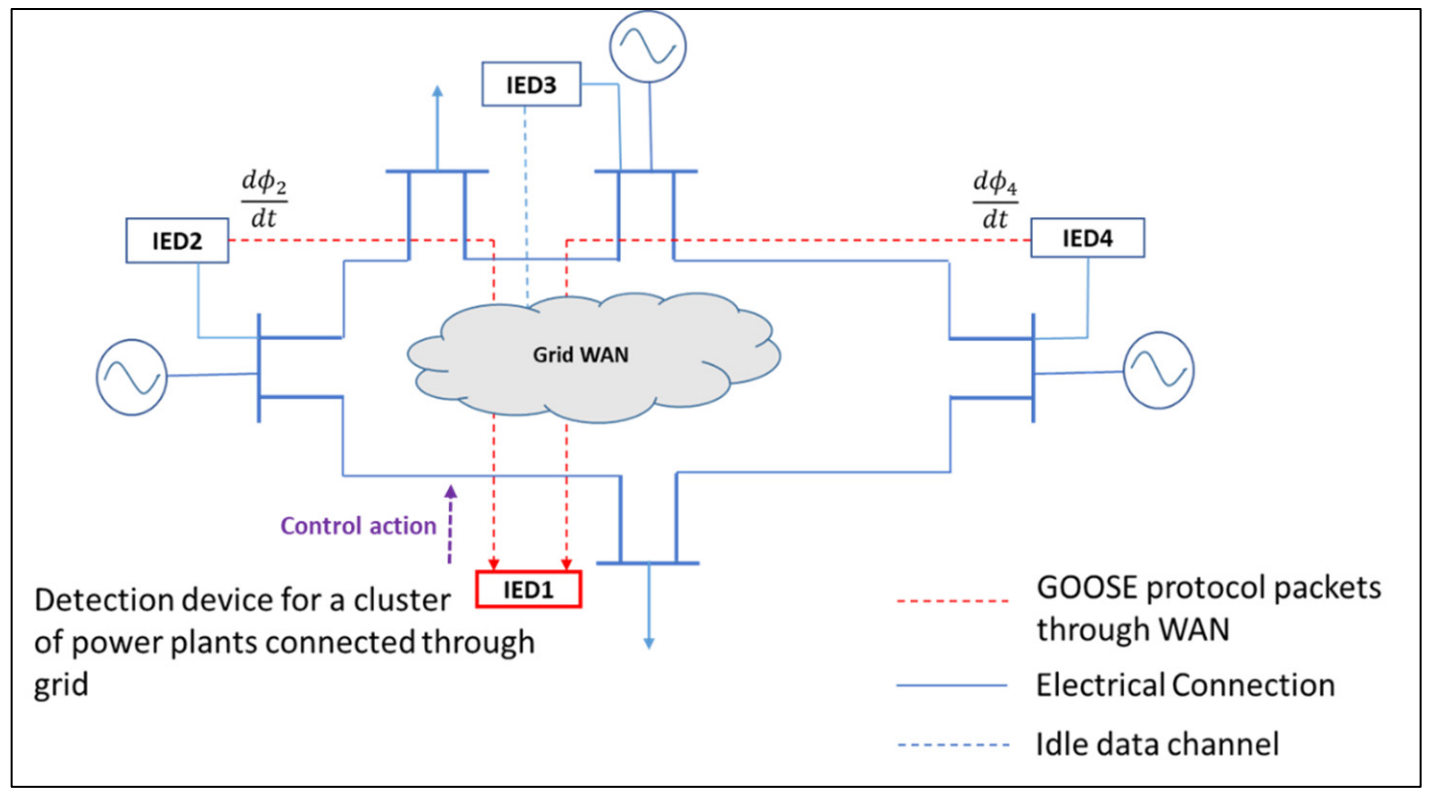
A newly developed stability assessment tool for a power system is proposed in this paper based on estimating the kinetic energy-time variations. It aims to introduce a practical alternative to the Equal Area Criterion (EAC) method that is valid for multi-swing cases. It utilizes the Generic Object Oriented Substation Event (GOOSE) packets launched due to angle variations during swing by the Intelligent Electronic Devices (IEDs) measuring the generator bus angle. The scheme maps the GOOSE packets to quantized energy levels. The detector IED receives the launched GOOSE from disturbed generators through the Wide Area Monitoring, Protection and Control (WAMPAC) System and evaluates the system stability accordingly. The areas under the positive energy intervals above the time axis determine the stability for the oscillatory swing. It has been proven that the area under positive energy levels is proportional to the number of GOOSE packets emitted during these intervals. For the fast monotonic swing, the quantized energy pattern shows quasi-stable intermediate energy levels between two high energy levels, where the scheme detects the transition to the second higher level as an indication of instability, with enough time in advance for corrective measures. The scheme is Phasor Measurement Unit (PMU)-independent, thus eliminating the burden and cost of synchronization requirements. The new scheme has been tested using the IEEE 39 Bus System. The results show the scheme’s capability to predict instability 87 ms prior to its occurrence, which is an adequate time for remedial action.