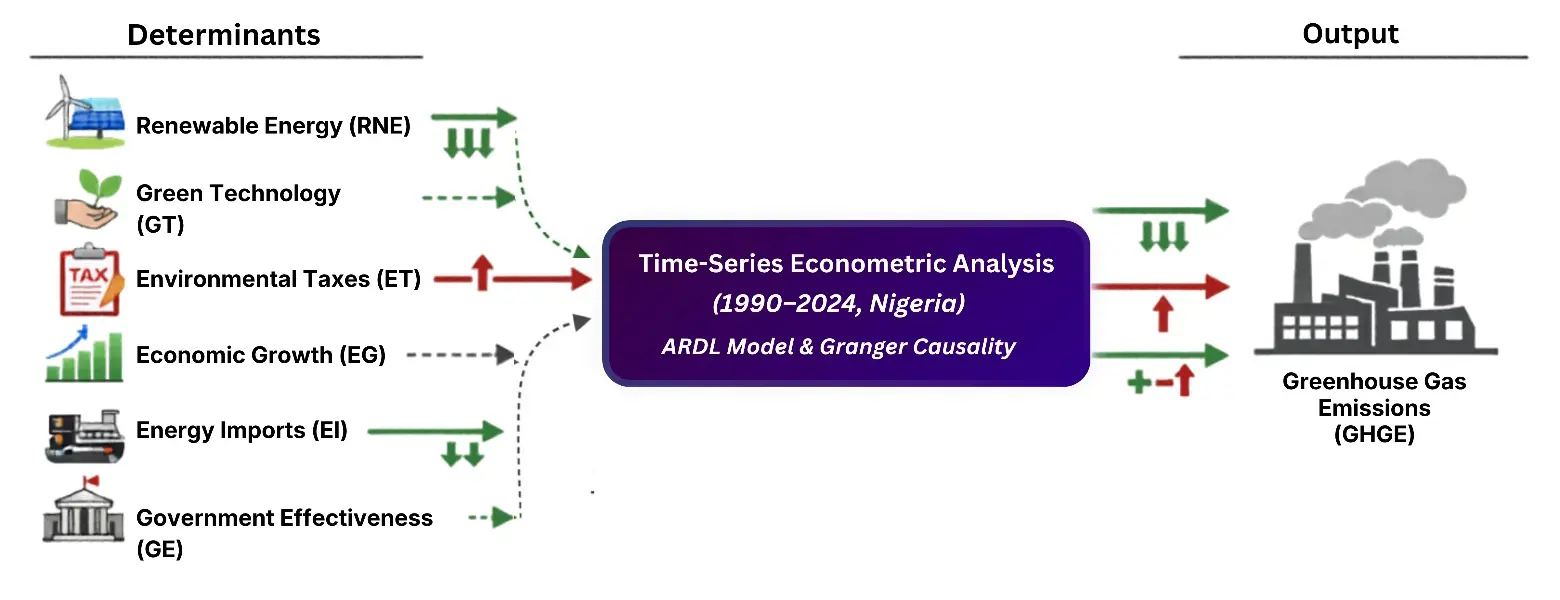
Amid persistent environmental pressures linked to energy dependence and structural inefficiencies, this study represents one of the first empirical attempts to concurrently investigate the effects of renewable energy, green technology, environmental taxes, economic growth, energy imports, and government effectiveness on greenhouse gas emissions (GHGE) using data updated through 2024 for Nigeria’s evolving economy. Using the “Autoregressive Distributed Lag” (ARDL) approach with “Granger causality” analysis, the results confirm a stable long-run association between the indicators. Renewable energy and energy imports indicate a negative correlation with GHGE in both the near and long term, supporting Nigeria’s low-carbon transition. Economic growth reduces emissions in the near term but shows no significant long-run effect. Environmental taxes exhibit a weak positive association with emissions, reflecting enforcement and institutional limitations, while green technology and government effectiveness show negative but insignificant impacts. The causality findings reveal unidirectional links from environmental taxes to emissions and from emissions to government effectiveness. The results highlight the importance of strengthening renewable energy, diversifying energy sources, and enhancing institutional capacity to achieve sustainable environmental outcomes in Nigeria.
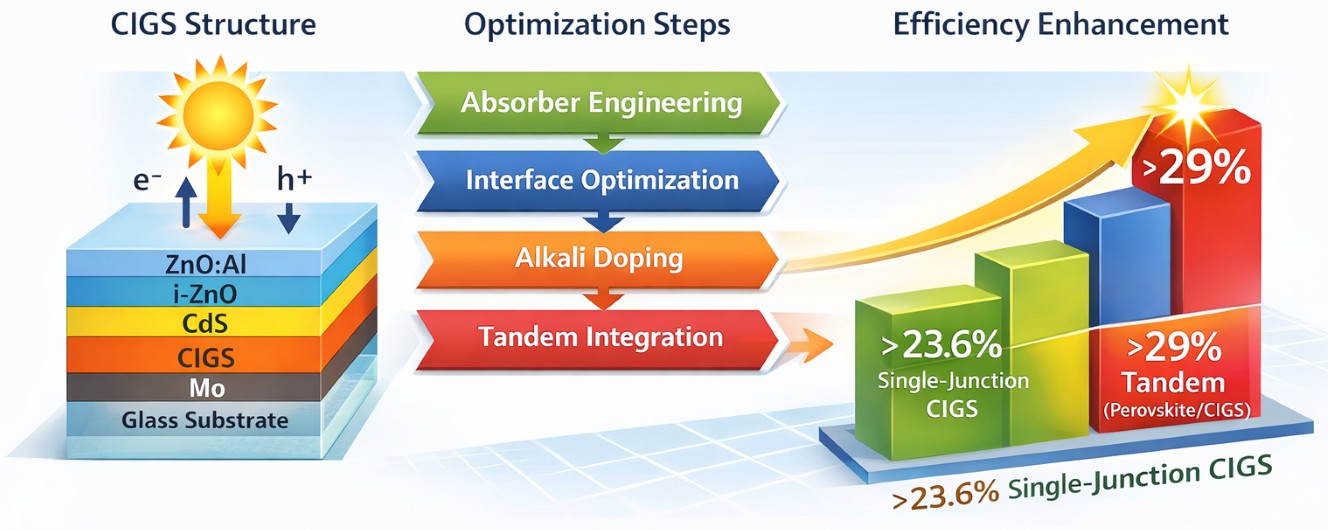
The development of high-efficiency copper indium gallium diselenide (CIGS) solar cells is currently driven by a dual strategy of internal structural refinement and integration into multi-junction tandem architectures. This study aims to systematically analyze the key design and optimization strategies required to overcome the 33.7% Shockley–Queisser limit of single-junction devices. The results demonstrate that bandgap engineering, particularly through double-graded “notch” profiles, significantly enhances charge carrier collection and improves overall device performance, while alkali metal post-deposition treatments effectively reduce interface recombination losses. Furthermore, integrating CIGS with perovskite top cells in two-terminal (2T) and four-terminal (4T) configurations is a promising pathway to achieving efficiencies exceeding 30%. By combining advanced vacuum-based fabrication techniques, such as the three-stage co-evaporation process, with precise optical management, CIGS technology is positioned as a versatile candidate for both high-performance terrestrial and radiation-tolerant space applications.
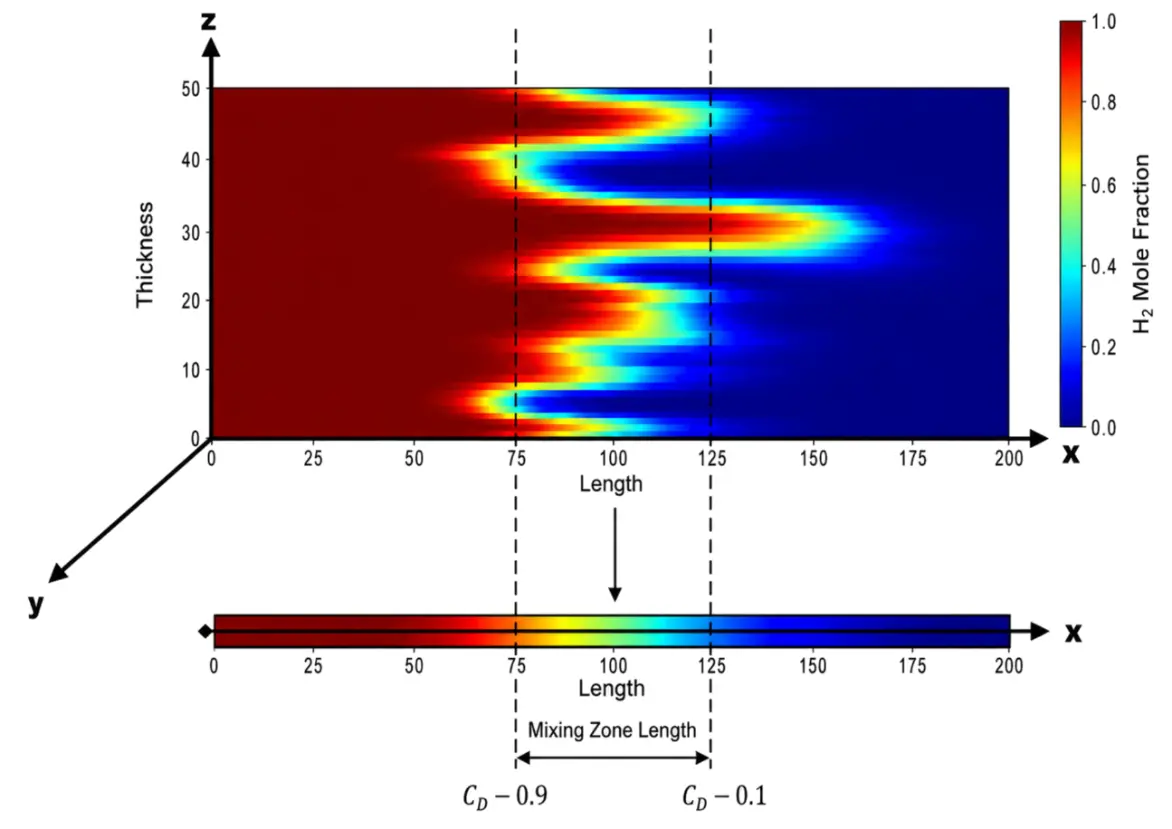
Dispersion in porous media is a multiscale process that governs the distribution and mixing of fluids in the subsurface. In underground hydrogen storage, dispersion is particularly critical due to hydrogen’s low molecular weight and large density contrast relative to natural gas. In addition to this, cyclic operations amplify mixing and transport effects beyond what is typically observed during conventional gas injection and storage. The apparent mixing observed during storage arises from the combined influences of localized dispersion, heterogeneity-driven channeling, and gravity segregation. Distinguishing between local, echo, and transmission dispersion provides a start for understanding reversible and irreversible components of mixing, and for connecting localized processes with field-scale performance. This study develops a systematic method to quantify dispersion in hydrogen storage within depleted gas reservoirs by combining analytical solutions of the convective–diffusive equation with multidimensional numerical simulations. The approach translates concentration fields into effective dispersion coefficients using different methods for mixing-zone length analysis. This enables evaluation across different permeability distributions, anisotropies, and spatial correlation lengths. The method is applied under both linear and radial flow conditions, including cyclic injection and production, to capture the distinct roles of gravity segregation, heterogeneity, and boundary conditions. Across the studied cases, the effective dispersion coefficient increases from approximately 1.03 to 3.5 m2/day as the Dykstra–Parsons coefficient increases from 0.3 to 0.9. Gravity segregation significantly alters plume evolution, reducing effective mixing zone lengths and introducing asymmetric displacement behavior. Under cyclic radial injection–production, incomplete plume reversal leads to persistent concentration halos, indicating irreversible mixing. The ratio of echo to transmission dispersion further quantifies the degree of irreversibility in the system. This work establishes a quantitative framework for characterizing dispersive transport in hydrogen storage systems and provides a basis for evaluating storage performance and reversibility under realistic subsurface conditions.
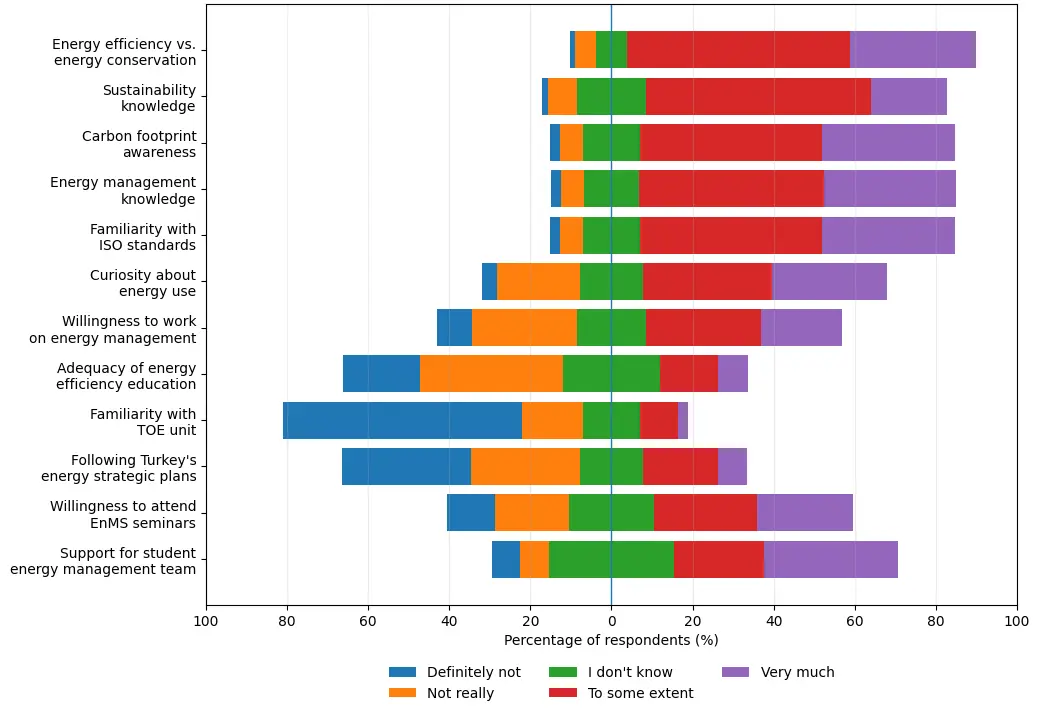
Narrowing the gap between energy demand and supply, while improving the efficiency of energy consumption, has become one of the central sustainability challenges addressed in global policy agendas. Implementing energy management systems in public institutions and organizations is important for achieving this balance. University campuses can be considered small cities, as they serve as living spaces for students. Therefore, since establishing an energy management system is a long-term process, its timely implementation and the creation of an effective system can only be achieved if the students actively using the campus understand and take ownership of the concept. This study explores the role of students as active participants in campus energy management, with a particular focus on integrating the ISO 50001 Energy Management System into higher education environments. A mixed-methods approach was used at Ankara Yıldırım Beyazıt University’s (AYBU) Etlik Campus, combining longitudinal building energy consumption data (2019–2023) with a face-to-face survey of 201 students from nine departments within the Faculty of Engineering and Natural Sciences. The survey assessed students’ knowledge, attitudes, and willingness to participate in energy efficiency and sustainability initiatives. The findings suggest that while students are generally aware of sustainability concepts, their technical familiarity with standards such as ISO 50001 and units such as ton of oil equivalent (TOE) remains limited. Notably, Energy Systems Engineering (ESE) students tended to report higher awareness and stronger support for forming volunteer, student-led energy management units. Based on the findings, student-led energy management units may serve as a participatory mechanism to improve energy-data transparency, strengthen operational energy literacy, and support sustainability-oriented campus practices. This approach offers a repeatable framework for higher education institutions seeking to align operational energy performance with student-led sustainability actions.
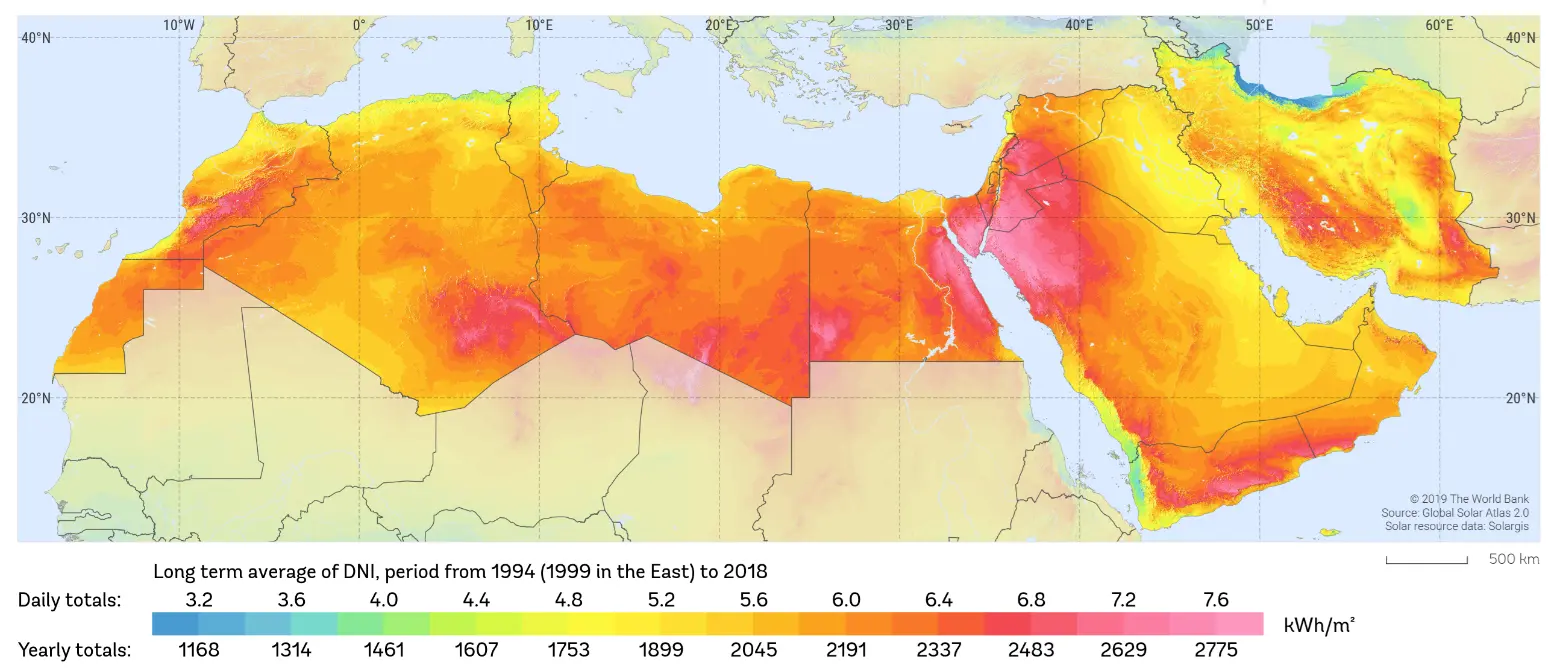
Low carbon energy development is a solid requirement for decarbonization and carbon neutralization of the economy. Hydrogen energy is chosen for achieving a large degree of decarbonization in the fields of industrial, transport, and domestic consumptions. This paper provides an overview on the current state of global hydrogen production and demand, summarizes the momentum of green hydrogen development, and analyzes the possible roles of countries in the global hydrogen trade and cooperation. The status and costs of hydrogen production and transportation in China were systematically examined. While China has become the world’s largest hydrogen producer and consumer, it faces a major structural contradiction that the country’s hydrogen resources are unevenly distributed, abundant in the west but scarce in the east, making long-distance transport costs a key bottleneck for its domestic hydrogen energy development. To address these challenges, three strategic scenarios, including eastward hydrogen transmission, international cooperation, and efficient utilization of wind power for hydrogen production, were proposed to reach the goal that by 2050, the share of coal consumption will drop to 30%, and the share of non-fossil energy will increase to 50%. These scenarios will provide data support and strategic references for the precise positioning of China’s hydrogen market and the construction of a sustainable supply chain.
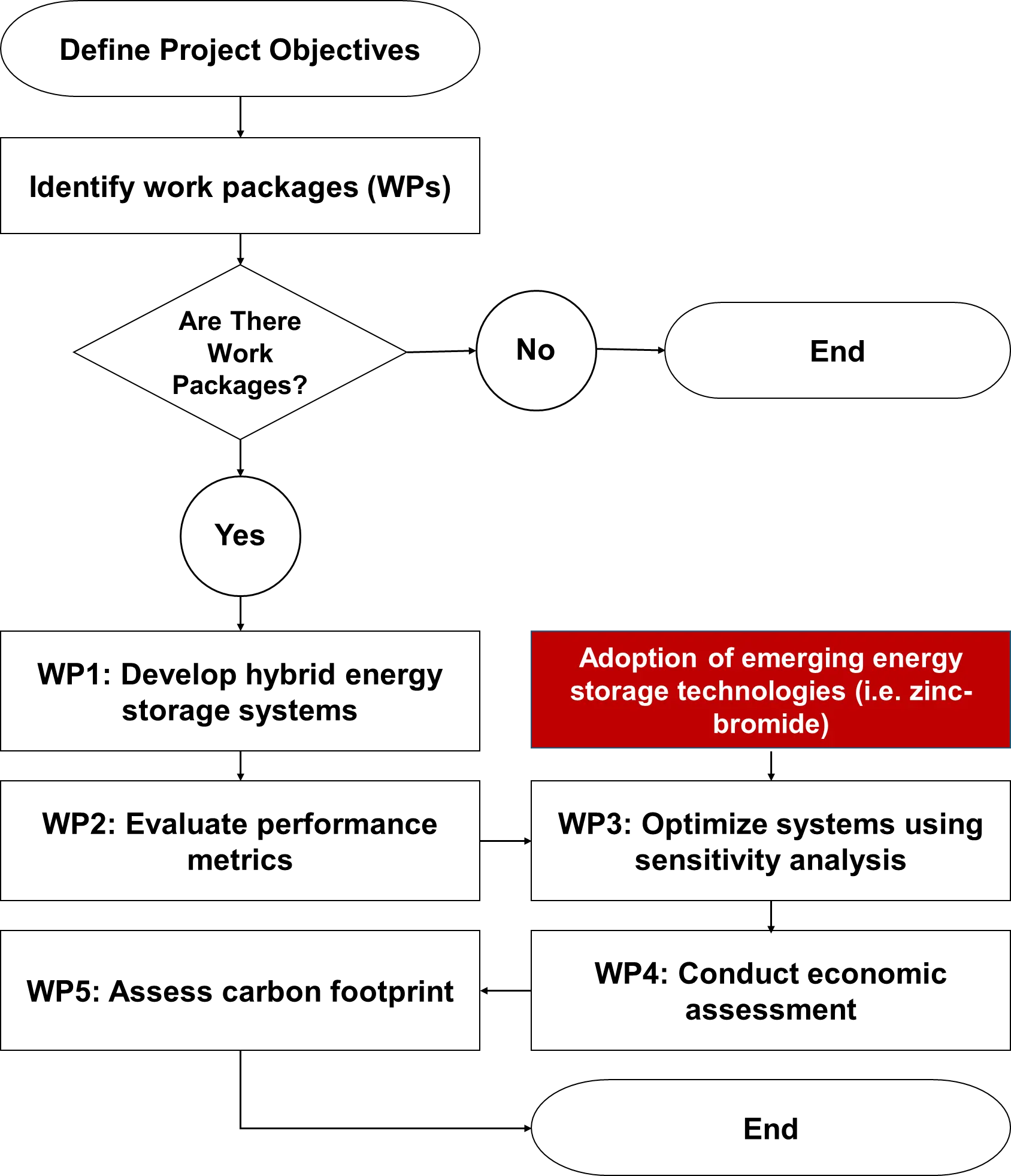
As the world faces the dual challenges of climate change and rising energy demands, renewable energy sources have become a necessity. The global energy mix is projected to have renewables contribute 63% of the total primary energy supply by 2050, a significant increase from 14% in 2015 This transition relies on advancements in energy storage technologies, which are a key solution to solve one of the main issues of renewable sources, which is intermittency. This study aims to develop and optimize hybrid energy storage systems in Malaysia, combining hybrid renewable energy resources with energy storage technologies. The methodology includes a comprehensive analysis of five scenarios, followed by sensitivity analysis on the optimal configuration. The optimal system consists of a grid-connected solar PV and hydropower system with SunPower E20-327 panels and a zinc bromide flow battery as the energy storage system. This system achieved a renewable fraction of 82.8%, a levelized cost of energy (LCOE) of 0.057 USD/kWh, and a return on investment (ROI) of 4.4%. The optimal system also demonstrated a 12.1-year payback period. The SunPower PV-only case achieved a CO2 reduction of 5918 kg/year. When the zinc bromide battery was included, the optimized PV-battery case achieved reductions of 6797 kg/year CO2, 29.5 kg/year SO2, and 14.4 kg/year NOx. These findings support the feasibility of hybrid systems in contributing to Malaysia’s Energy Target 2050 and provide a framework for future energy storage solutions.
This study presents a process design, simulation, and optimization framework for converting septic sludge into biomethane using Aspen Plus®. The sludge was characterized, revealing carbon, hydrogen, and volatile matter contents of 33.80, 5.86, and 34.86 wt.%, respectively. The developed Aspen Plus® model was validated against three literature datasets, achieving percentage errors below unity. Optimization using Response Surface Methodology-Central Composite Design (RSM-CCD) showed that the maximum biomethane yield was 58.227 vol% under optimal conditions: 25 °C hydrolysis temperature, 60 °C digester temperature, 35 days hydraulic retention time (HRT), and an organic loading rate (OLR) of kg·VS·m−3·day−1, with a desirability score of 1.0. A techno-economic evaluation using the Aspen Process Economic Analyser (APEA) demonstrated the system’s economic feasibility, with a total capital investment of USD 3.19 million, an annual operating cost of USD 1.29 million, and a payback period of approximately 3.8 years. The optimized system achieved a net energy gain of 82.6%, IRR of 16.6%, and NPV of $4.64 M, confirming strong economic viability. Sensitivity analysis further revealed that CAPEX, OPEX, feedstock cost, and upgrading energy demand significantly influence system profitability, emphasizing the importance of process optimization and energy-efficient upgrading strategies. Environmental assessment showed that the optimized system improved methane recovery efficiency to 98.7% and achieved a CO2 emission reduction potential of 0.49 kg CO2-eq/kg CH4, demonstrating strong greenhouse gas mitigation potential. Overall, the findings establish anaerobic digestion of septic sludge as a sustainable and cost-effective waste-to-energy pathway suitable for decentralized urban wastewater management, supporting circular economy and clean energy objectives in developing regions.