Found 540 results
Open Access
Article
26 May 2025Electric Vehicles, Artificial Intelligence, and Climate Policy
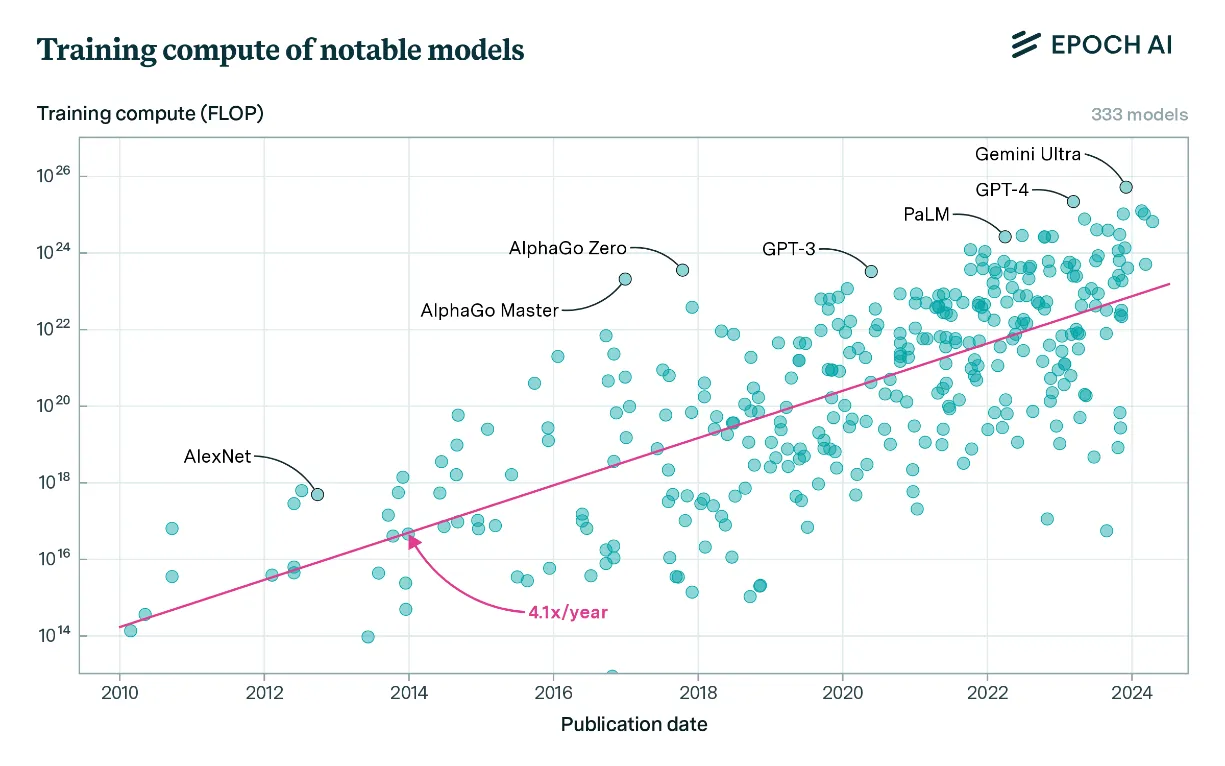
This article explores the environmental implications of electrification and artificial intelligence (AI) infrastructure, emphasizing the importance of aligning technological development with climate goals. There is a lack of academic literature that explains and analyses such issues. Section 1 assesses the climate efficacy of promoting electric vehicles (EVs) and electric heating in regions where electricity is primarily coal-based. While electrification offers substantial climate benefits when powered by clean energy, lifecycle analyses reveal that EVs in coal-reliant grids may emit more greenhouse gases than internal combustion engine vehicles. Similarly, the climate performance of electric heat pumps depends on the carbon intensity of electricity sources. The section advocates for integrated policies that simultaneously promote electrification and grid decarbonization, enhancing emissions reductions and public health while mitigating the negative impacts of increased demand on polluting power plants. Section 2 uses Saudi Arabia as a case study and examines the environmental impact of AI data centers in the context of Saudi Arabia’s energy and climate policies. It highlights AI infrastructure’s energy and water intensity and its potential to strain environmental resources. To align AI development with national sustainability goals, the article recommends policies such as siting data centers near renewable energy sources, enforcing environmental efficiency standards, fostering R&D partnerships, mandating sustainability reporting, and expanding power purchase agreements and demand response participation. These measures aim to ensure responsible AI growth within climate-aligned frameworks. The implications of this study are that electrification and AI infrastructure can significantly reduce emissions and improve efficiency if powered by clean energy, but they also risk increasing environmental strain unless technological growth is carefully aligned with climate and sustainability goals.
Open Access
Article
16 May 2025Application of Principal Component Analysis to Heterogenous Fontan Registry Data Identifies Independent Contributing Factors to Decline
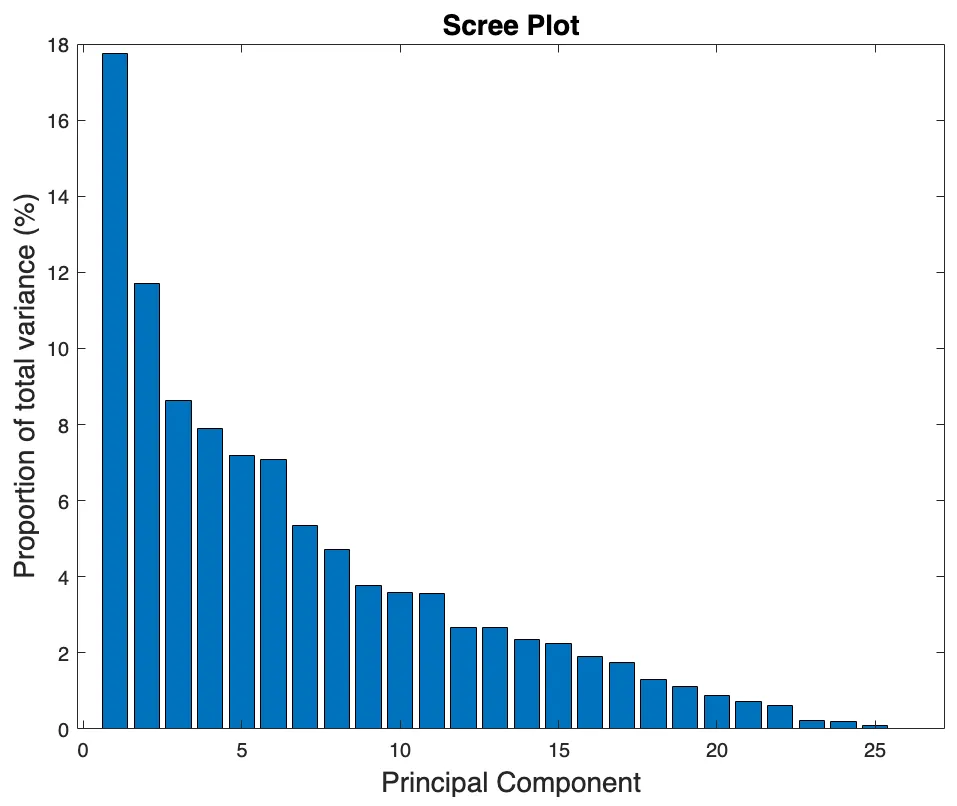
Single ventricle disease is a serious and deadly illness, and advances in clinical management of individuals with Fontan circulation over the past two decades have yet to yield acceptable survival. Patients remain at risk of developing a diverse assortment of Fontan-associated comorbidities that ultimately require a heart transplant. Our goal in this observational cohort study was to determine if application of principal component analysis (PCA) to heterogeneous data collected from a sizable Fontan cohort (n = 140) would predict functional decline. The data, broadly comprised of blood biomarkers, lymphatic biomarkers, measures of cardiac and vascular function, and exercise (VO2max), were collected at a single site over 11 years; 16 events occurred over that time that we consider here as a single composite outcome measure. The standardized data was transformed via PCA, and principal components (PCs) characterizing >5% of total variance were thematically labeled based on their constituents and tested for association with the composite outcome. We found that the 6th PC (PC6), which represents 7.1% of the total variance, is superior to ejection fraction (EF) as a measure of proportional hazard, is greatly influenced by blood serum biomarkers and superior vena cava flow, and displays the greatest accuracy (according to area under the curve analysis) for classifying Fontan patients. In bivariate hazard analysis, we determined that models combining lymphatic dysfunction (PC6) and systolic function (EF or PC5) were most accurate, with the former having the highest c-statistic, and the latter having the greatest AIC. Our findings support our hypothesis that improved prognostication in a Fontan population should utilize a multifactorial model.
Open Access
Article
15 May 2025Enhanced Spatial Transcriptomics Analysis of Mouse Lung Tissues Reveals Cell-Specific Gene Expression Changes Associated with Pulmonary Hypertension
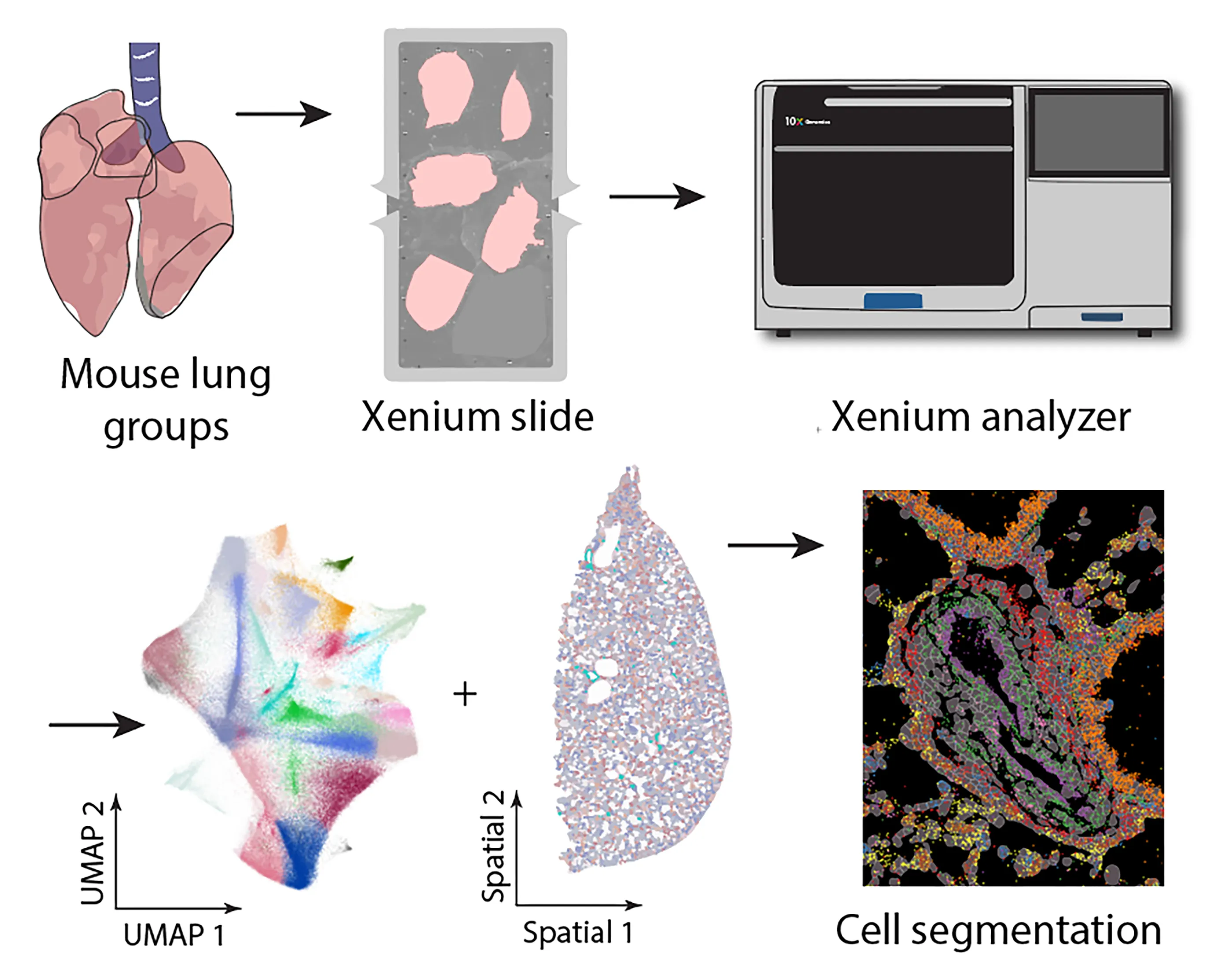
Spatial transcriptomics technologies have emerged as powerful tools for understanding cellular identity and function within the natural spatial context of tissues. Traditional transcriptomics techniques, such as bulk and single-cell RNA sequencing, lose this spatial information, which is critical for addressing many biological questions. Here, we present a protocol for high-resolution spatial transcriptomics using fixed frozen mouse lung sections mounted on 10X Genomics Xenium slides. This method integrates multiplexed fluorescent in situ hybridization (FISH) with high-throughput imaging to reveal the spatial distribution of mRNA molecules in lung tissue sections, allowing detailed analysis of gene expression changes in a mouse model of pulmonary hypertension (PH). We compared two tissue preparation methods, fixed frozen and fresh frozen, for compatibility with the Xenium platform. Our fixed frozen approach, utilizing a free-floating technique to mount thin lung sections onto Xenium slides at room temperature, preserved tissue integrity and maximized the imaging area, resulting in high-fidelity spatial transcriptomics data. Using a predesigned 379-gene mouse panel, we identified 40 major lung cell types. We detected key cellular changes in PH, including an increase in arterial endothelial cells (AECs) and fibroblasts, alongside a reduction in capillary endothelial cells (CAP1 and CAP2). Through differential gene expression analysis, we observed markers of endothelial-to-mesenchymal transition and fibroblast activation in PH lungs. High-resolution spatial mapping further confirmed increased arterialization in the distal microvasculature. These findings underscore the utility of spatial transcriptomics in preserving the native tissue architecture and enhancing our understanding of cellular heterogeneity in disease. Our protocol provides a reliable method for integrating spatial and transcriptomic data using fixed frozen lung tissues, offering significant potential for future studies in complex diseases such as PH.
Open Access
Article
14 May 2025Age Differences and Underlying Psychological Mechanisms in Short Video Use: From an Adult Lifespan Perspective
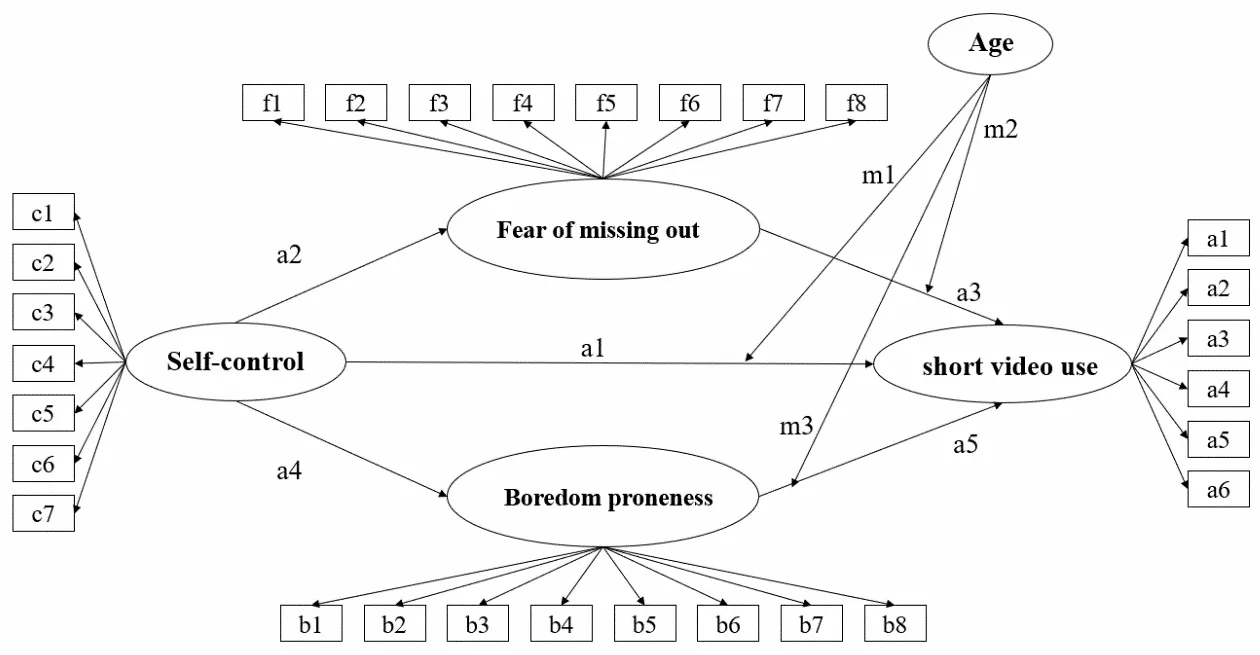
Short videos attract users across various age groups; however, studies focusing on single populations, such as adolescents, have limited the understanding of possible age-related changes and differences in short video use. The aim of this study was to examine age trends in short video use and to identify age differences in the psychological mechanisms underlying use behaviors. A total of 1006 adults aged 18–83 years participated in the study and completed a battery of assessments, including short video use, self-control, social motivation, and covariates. The results showed that age moderated the effects of boredom proneness and fear of missing out on short video use. Self-control was associated with people’s use behavior, and boredom proneness and fear of missing out mediated this association across age. Specifically, older adults’ use was more likely to be associated with alleviating boredom rather than fear of missing out, whereas both were associated with young adults’ use. Investigating these mechanisms may provide a better understanding of the factors that correlate with short video use and help target interventions to different age groups.
Open Access
Article
12 May 2025Drone Operation with Human Natural Movement
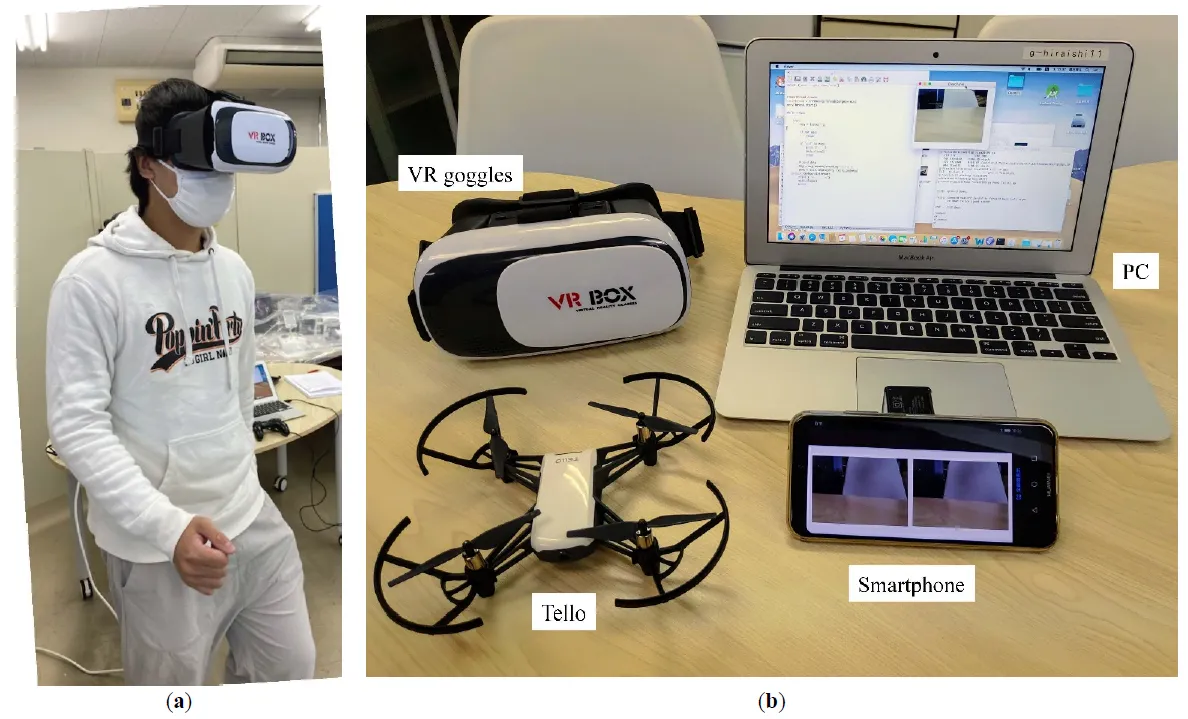
This study proposes a method for operating drones using natural human movements. The operator simply wears virtual reality (VR) goggles. An image from the drone camera was displayed on the goggles. When the operator changes the direction of his or her face, the drone changes the direction to match that of the operator. When the operator moves their head up or down, the drone rises or falls accordingly. When the operator walks in place, rather than walking, the drone moves forward. This allows the operator to control the drone as if they were walking in the air. Each of these movements was detected by the values of the acceleration and magnetic field sensors of the smartphone mounted on the VR goggles. A machine learning method was adopted to distinguish between walking and non-walking movements. Compared with operation via conventional remote control, it was observed that the remote controller performed better than the proposed approach in the early stages. However, when the participants familiarized themselves with the natural operation, these differences became relatively small. This study combined drones, VR, and machine learning. VR provides drone pilots with a sense of realism and immersion, whereas machine learning enables the use of natural movements.
Open Access
Article
09 May 2025Modeling and Assessing Economical Feasibilities for Waste to Energy Conversion/Incineration Process in Context of Municipal Solid Waste
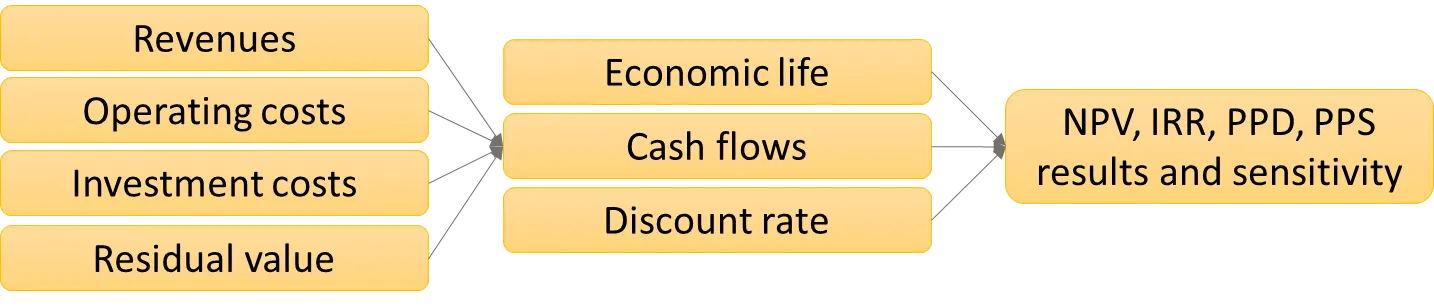
At the time of the study, most of the municipal waste, including solid municipal waste, in the city of St. Petersburg and in the connected larger Leningrad region is processed by landfilling. This sort of waste processing in open landfills causes environmental damage, uncontrollable landfill fires, bad and dangerous odors, nearby rivers/streams, groundwater pollution, CH4 and CO2 emissions, to mention a few. Additionally, landfilling is a waste of energy and material resources present in the content dumped into landfills. In this context, Waste-to-Energy (WtE) incineration is a process that we use to recover the energy the materials have back to usable form, which we use in the form of heat and electricity. Even though a lot of resources and energy are available in the (municipal solid) waste, it does not mean that recovering it would always make sense. Our study analyses and estimates the profitability of a WtE incineration plant(s) in the city of St. Petersburg and the connected Leningrad region. With the available data and following analysis, we have concluded that the WtE incineration is economically feasible in this specific region and city areas, given that the implementations follow more traditional (economically less expensive and easier) technical and process model solutions. As a note of results stability, it needs to be pointed out that the changes in estimates of gate fees, cost of electricity and heat, and so on do impact the economic feasibility a lot, and larger scale changes in the assumed revenues would have a high impact on the outcome of repeatability of the results.
Open Access
Article
08 May 2025Vulnerability Assessment of Food Crop Production and Climate Change: Implication for Agricultural Productivity and Development in Nigeria
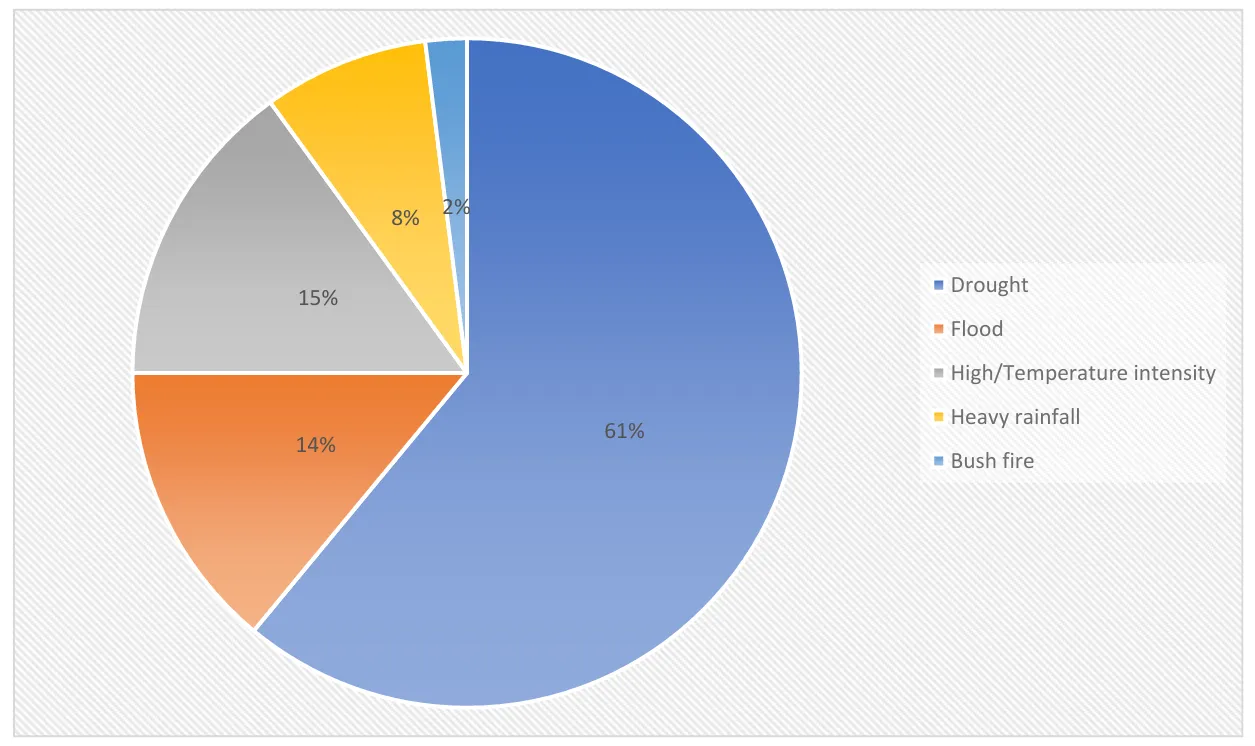
Climate change poses significant challenges to agriculture, particularly in developing nations like Nigeria, where the sector is highly dependent on vulnerable rain-fed farming systems. Extreme weather events such as prolonged droughts, erratic rainfall, flooding, and rising temperatures threaten agricultural productivity, food security, and rural livelihoods. This study examines the vulnerability of food crops to climate change, focusing on smallholder farmers’ perceptions and adaptation strategies. Using a multistage sampling technique, data were collected from 480 smallholder farmers across selected agro-ecological zones in Nigeria. The study employed descriptive statistics and a crop vulnerability scale to assess the susceptibility of key food crops—maize, cassava, sorghum, rice, millet, soybean, and yam—to climate extremes. Findings reveal that drought is the most critical climate-induced stressor affecting food crops, with maize and cassava exhibiting the highest vulnerability indices. Flooding also presents a substantial risk, particularly to maize, while temperature fluctuations have relatively less severe immediate impacts. The study highlights the importance of climate information dissemination, cooperative memberships, and extension services in enhancing farmers’ resilience. However, limited access to climate information remains a significant barrier to adaptation. Given the observed variability in crop vulnerability, it is recommended to implement targeted climate adaptation strategies such as drought-resistant crop varieties, improved drainage systems, and early warning mechanisms. This study underscores the urgent need for climate-smart agricultural policies and resilience-building measures to safeguard food production and rural livelihoods in Nigeria amid escalating climate change threats.
Open Access
Article
08 May 2025Nonlinear Optimal and Multi-Loop Flatness-Based Control for the 6-DOF Autonomous Bicopter
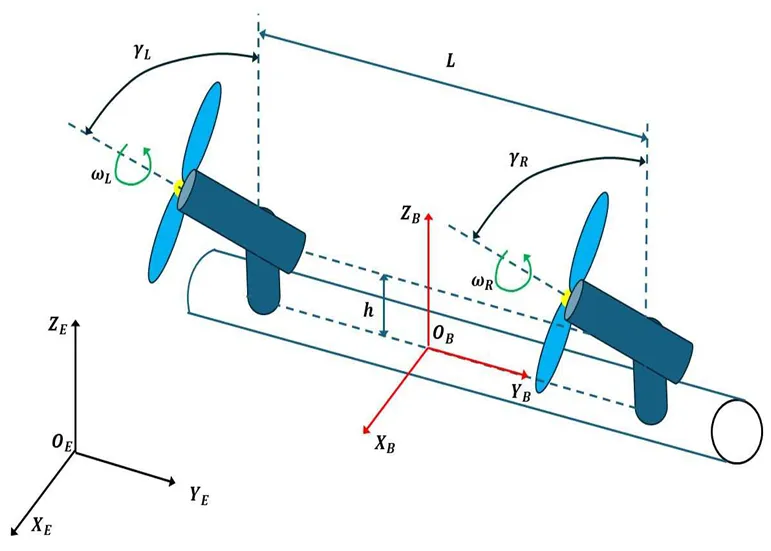
Bicopter UAVs can find use in several civilian and defence applications. In the present article a solution of the nonlinear optimal control problem of 6-DOF bicopters is first attempted using a novel nonlinear optimal control method. This method is characterized by computational simplicity, clear implementation stages and proven global stability properties. At a first stage, approximate linearization is performed on the dynamic model of the 6-DOF bicopter with the use of first-order Taylor series expansion and through the computation of the system’s Jacobian matrices. This linearization process is carried out at each sampling instance, around a temporary operating point. At a second stage, an H-infinity stabilizing controller is designed for the approximately linearized model of the 6-DOF bicopter. To find the feedback gains of the controller an algebraic Riccati equation is repetitively solved, at each time-step of the control method. Lyapunov stability analysis is used to prove the global stability properties of the control scheme. Next, the article examines a multi-loop flatness-based control method for the dynamic model of the 6-DOF bicopter. The drone’s dynamics is written in the form of two chained subsystems which are shown to be differentially flat. The state vector of the second subsystem becomes virtual control input to the first subsystem, while the control inputs of the first subsystem become setpoints for the second subsystem. Local controllers for the individual subsystems invert their dynamics. The global stability properties of the multi-loop flatness-based control scheme are also proven though Lyapunov analysis.
Open Access
Article
08 May 2025Evaluating Orthophoto Mosaic Accuracy Using RTK UAVs and AeroPoints 2 Ground Control Points: A User’s Perspective
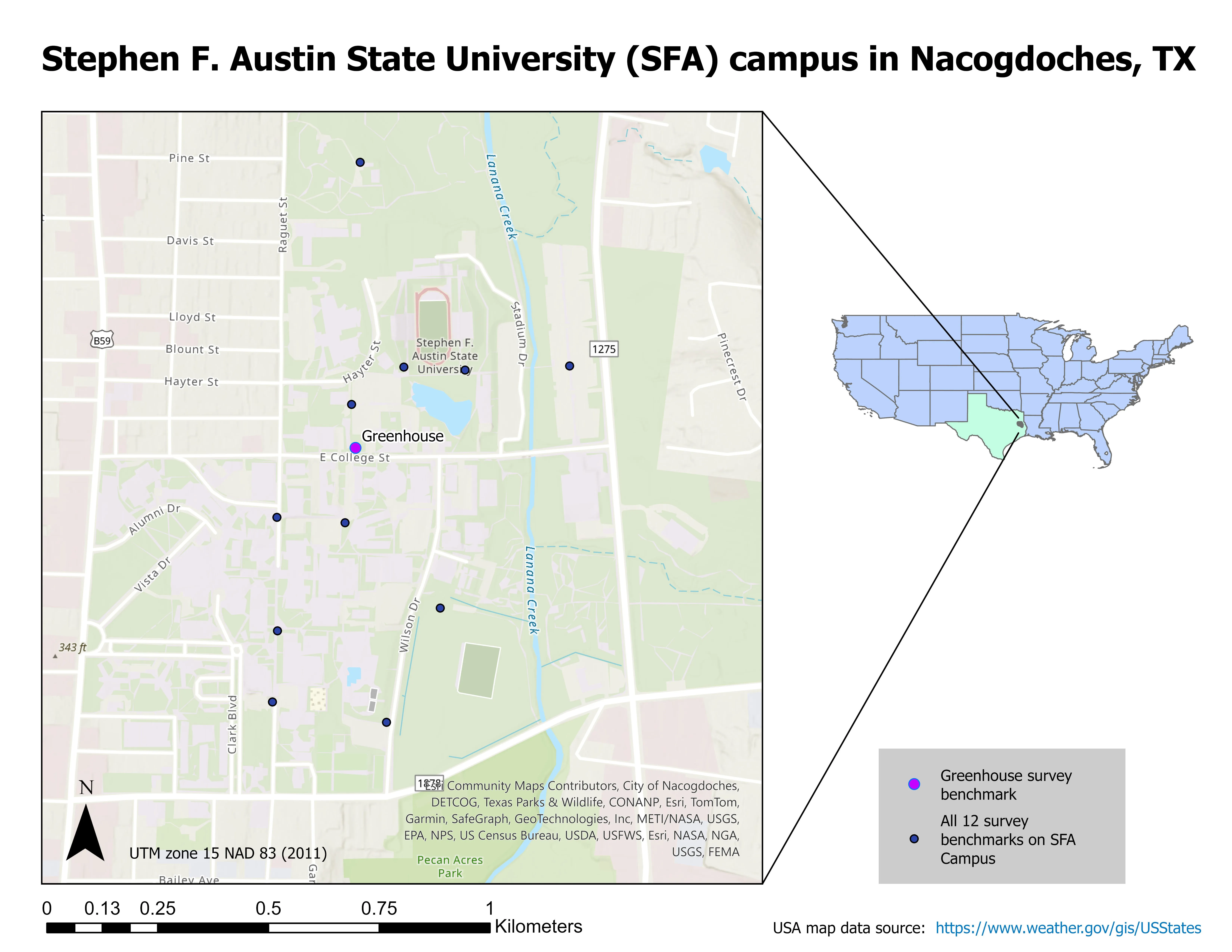
With the growing use of Real Time Kinematics (RTK) Unmanned Aerial Vehicles (UAVs) and advancements in ground control points (GCPs), assessing positional accuracy of UAV derived orthophoto mosaics is crucial. This study aimed to improve UAV aerial image accuracy for more reliable orthophoto mosaics by examining the positional accuracy of orthophoto mosaics derived with (1) an RTK UAV; and (2) an RTK UAV combined with AeroPoints 2 GCPs. We tested two GPS base station methods for the RTK UAV: self-determined and manually assigned coordinates. The manually assigned coordinates resulted in significantly lower root mean square error (RMSE = 0.0729 m) compared to the self-determined method (RMSE = 1.9762 m), indicating improved accuracy. For the AeroPoints 2 GCPs, we recorded coordinates from a central GCP at a known location and four additional GCPs placed in each cardinal direction. The AeroPoints 2 system showed lower RMSE at all points compared to the RTK, with the central GCP at 0.0136 m, indicating high accuracy. These findings suggest that while RTK UAVs improve accuracy with manual base station assignment, incorporating AeroPoints 2 GCPs provides consistently higher precision across multiple locations. The study highlights the potential of AeroPoints 2 GCPs and suggests further research opportunities to enhance RTK UAV accuracy in areas lacking GPS correctional networks.
Open Access
Review
06 May 2025Genetic Insights into Ancient Kinship and Human History: Methods, Applications, and Implications
Recent advances in ancient DNA analysis have transformed our understanding of kinship and underlying social structures in past populations. The application of next-generation sequencing technologies has enabled researchers to reconstruct the genetic makeup of ancient individuals with unprecedented precision, providing new insights into lineage, ancestry, and social organization. Ancient DNA evidence has revealed a wide range of kinship systems, including patrilineal and matrilineal descent, consanguineous marriages, female exogamy, and family-based burial practices. These findings underscore the complexity of human social relationships and the dynamic interactions between genetic inheritance, cultural traditions, and environmental factors in ancient societies. By examining case studies across different geographic and temporal contexts, this review highlights the transformative potential of ancient DNA in deciphering past human relationships. However, it also addresses key ethical concerns, including the importance of respecting cultural sensitivities and avoiding overly deterministic interpretations of genetic data. The integration of genetic evidence with archaeological and anthropological perspectives enables a more comprehensive reconstruction of ancient social systems, moving beyond simplistic genetic determinism to appreciate the intricate interconnections between biology, culture, and identity.