Found 493 results
Open Access
Article
15 September 2025Heat Resistance of Centrifugally Cast Tubes Made of 32%Cr-43%Ni Refractory Alloy and Its Welded Joints at Temperatures up to 1150 °C
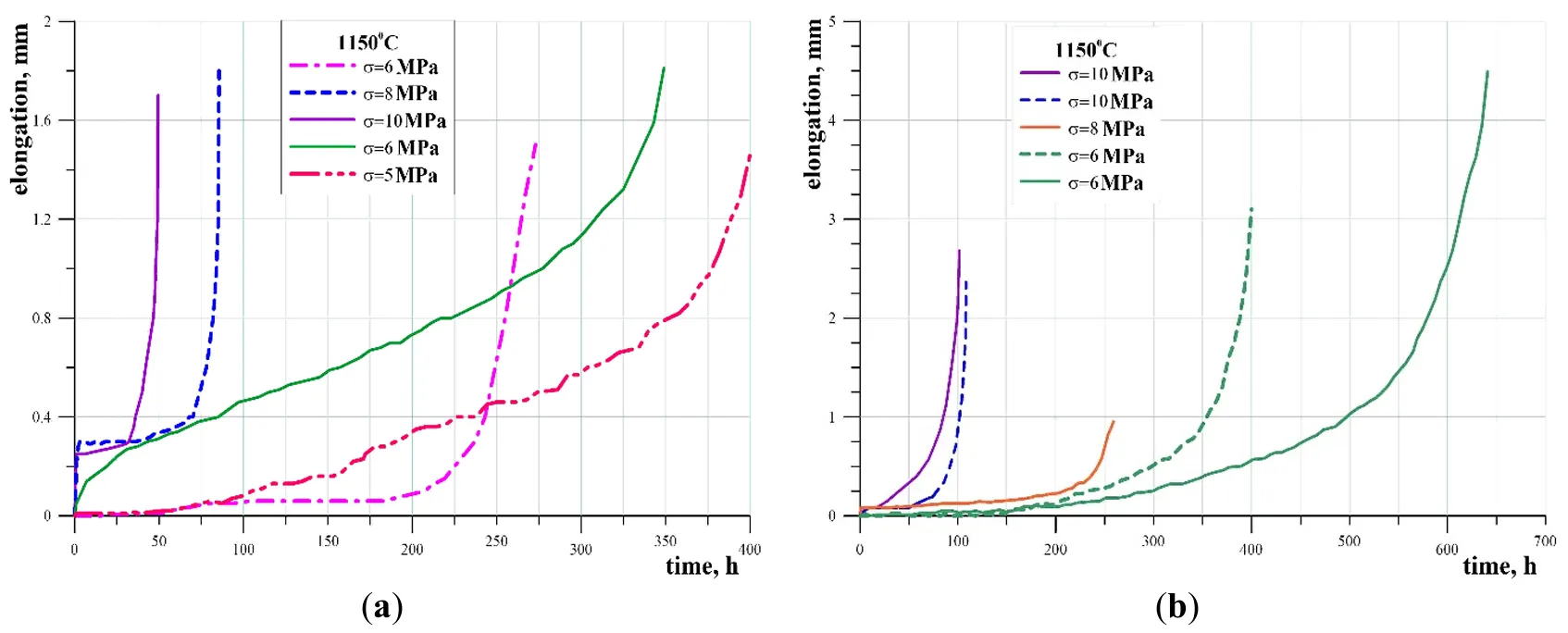
The results of microstructura l analysis, short-term and long-term strength tests of modified sparingly alloyed refractory alloy of 32%Cr-43%Ni and its welded joints are presented. A quantitative analysis of the dispersed phases in the initial state and after long-term strength tests has been carried out. It is shown that the network of carbide-intermetallic precipitates persists after long-term strength tests at a temperature of 1150 °C. This ensures the ability of the developed alloy and its welded joints to withstand high-temperature creep for a long time. It has been established that after long-term strength tests at a temperature of 1150 °C, niobium carbide particles present in the base metal and weld metal are almost completely transformed into an intermetallic phase based on Cr-Ni-Si-Nb-N. The penetration of atmospheric nitrogen into the metal stimulates this process.
Open Access
Article
11 September 2025Investigation of Structure of the High-Entropy Alloy Al0.5CoCrCuFeNi
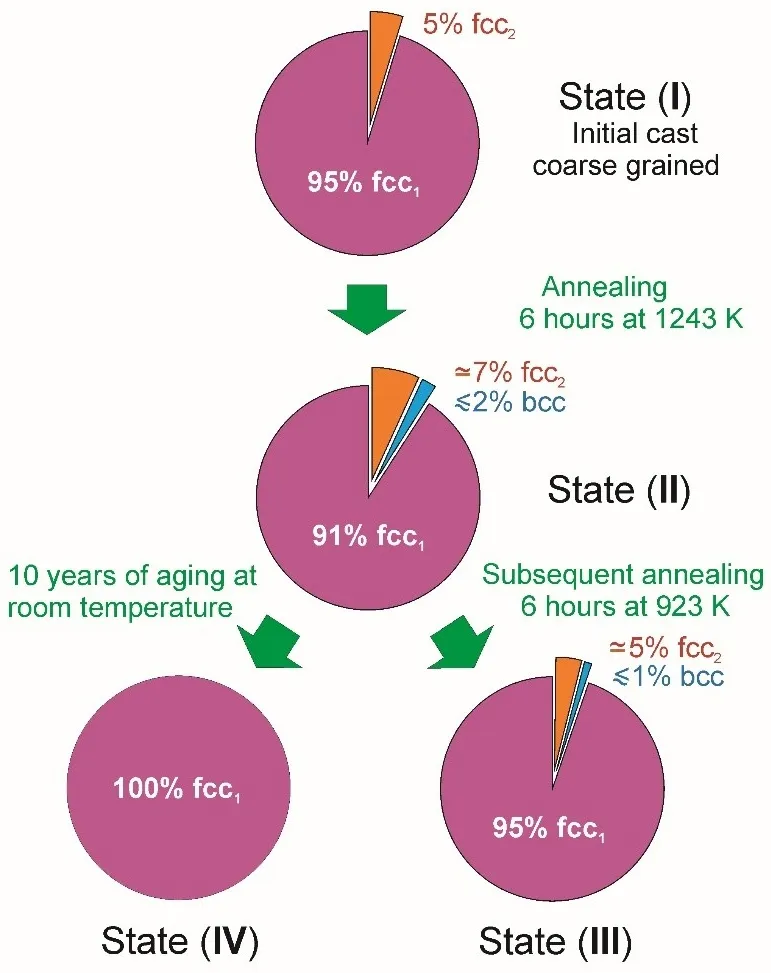
A detailed examination of the structure of the high-entropy alloy Al0.5CoCrCuFeNi at room temperature was carried out using different methods of optical microscopy, electron microscopy and X-ray structural analysis techniques. Numerical estimates of the dislocation density ∼5⋅1015 m−2, the mean size of the ordered (crystalline) domains ~18 nm and lattice micro strain ∼3⋅10−3 were obtained through Williamson-Hall analysis of XRD patterns. The estimates of the dislocation density were found to correlate with the estimates of the total length of dislocation segments per unit volume, which effectively interact with elastic vibrations of the sample ∼4⋅1013 m−2, as previously determined from acoustic relaxation measurements. This is consistent with the idea that a significant portion of dislocations are concentrated in grain boundaries, and only dislocation segments located inside grains and having a favourable orientation with respect to the direction of sound wave propagation can effectively interact with cyclic deformation of the sample.
Open Access
Article
09 September 2025Multi-Response Optimization of Rigid Flange Coupling Using Taguchi Design, ANOVA, and FEA in Dual Environmental Conditions
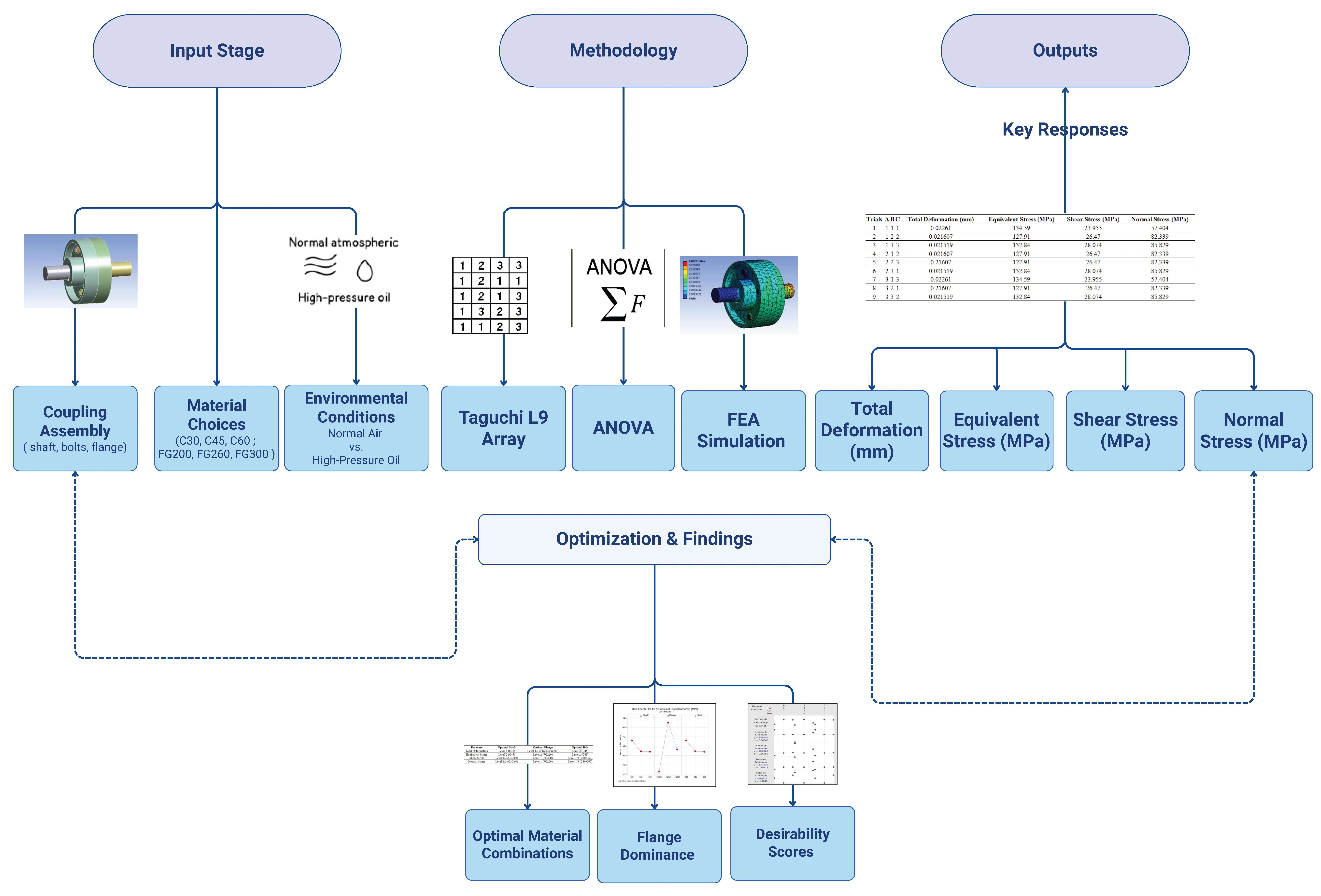
This study investigates the mechanical behaviour and optimization of rigid flange couplings operating under two distinct environmental conditions: normal atmospheric air and high-pressure oil surroundings. A Taguchi L9 orthogonal array was employed to evaluate material combinations for the shaft, flange, and bolt based on four mechanical responses: total deformation, equivalent stress, shear stress, and normal stress. Analysis of variance (ANOVA) and regression modelling were used to identify significant parameters, with flange material consistently emerging as the most influential factor. Desirability analysis was conducted to determine the optimal material configurations for each environment. Under atmospheric conditions, the combination of C30 shaft, FG200 flange, and C45 bolt achieved a composite desirability of 0.6667. In high-pressure oil conditions, the optimal configuration was C45 shaft, FG260 flange, and C45 bolt, with a desirability of 0.7185. These optimal settings, not present in the original matrix, were independently validated using finite element analysis (FEA). The comparison between regression predictions and FEA results showed strong agreement, with a maximum percentage error of 6.02%, within acceptable engineering limits. This study confirms that environmental pressure significantly influences coupling performance and that material selection should be tailored accordingly. The integration of statistical optimization and simulation offers a robust framework for designing couplings in pressure-sensitive applications.
Open Access
Review
08 September 2025Epithelial-Mesenchymal Niche Dysfunction in COPD: Emerging Opportunities for Targeting Cellular Plasticity and Crosstalk
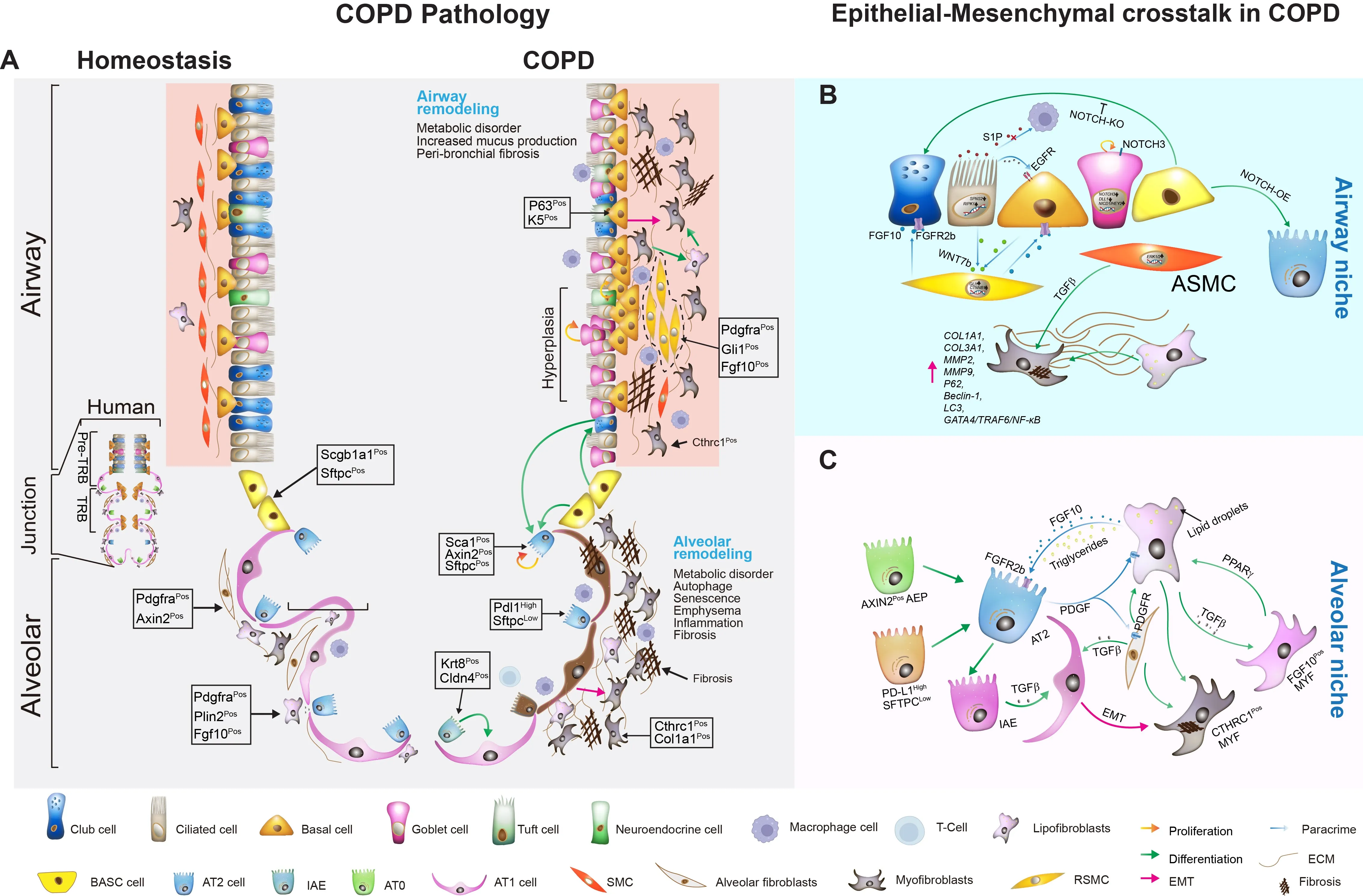
Chronic obstructive pulmonary disease (COPD) is a leading cause of global morbidity and mortality, characterized by progressive airway and alveolar remodeling. The disease pathogenesis is commonly driven by chronic environmental insults, leading to airway obstruction, emphysema, and chronic bronchitis. This review synthesizes emerging evidence that altered epithelial cell behavior and dysfunctional epithelial-mesenchymal interactions serve as pivotal drivers of COPD pathogenesis, orchestrating failed repair and structural degeneration. We detail how altered responses of airway (ciliated, club, basal, goblet) and alveolar (AT1 and AT2) epithelial cells lead to cellular senescence, metaplasia, defective regeneration, and barrier disruption, acting as primary instigators of pathogenesis. We also summarize current knowledge on the mechanisms of activation and pathogenic role of mesenchymal cells, which drive peribronchiolar fibrosis, alveolar destruction, and metabolic reprogramming, alongside the compromised reparative function of mesenchymal stem cells (MSCs). We emphasize how distinct mesenchymal niches (e.g., PDGFRαPos MANCs, FGF10Pos lipofibroblasts, SFRP1Pos fibroblasts) and distinct epithelial stem/progenitor subpopulations critically contribute to pathogenesis. Key signaling pathways—including FGF10/FGFR2b, WNT, Hippo, NOTCH, and TGF-β—mediate epithelial-mesenchymal transition (EMT), stem cell niche function, and structural remodeling. By dissecting how epithelial injury responses and mesenchymal niche failure collaboratively drive COPD progression, we identify actionable targets to disrupt pathogenesis and restore endogenous repair. We propose targeting EMT, including inhibiting EMT/fibrosis, promoting alveolar regeneration, MSC-based therapies, exosome-delivered biomolecules, and precision cell transplantation strategies, as promising future therapeutic strategies.
Open Access
Article
05 September 2025A Green Way for the Synthesis of Ester Oil by an Ionic Liquid as Both a Catalyst and Lubricant Additive
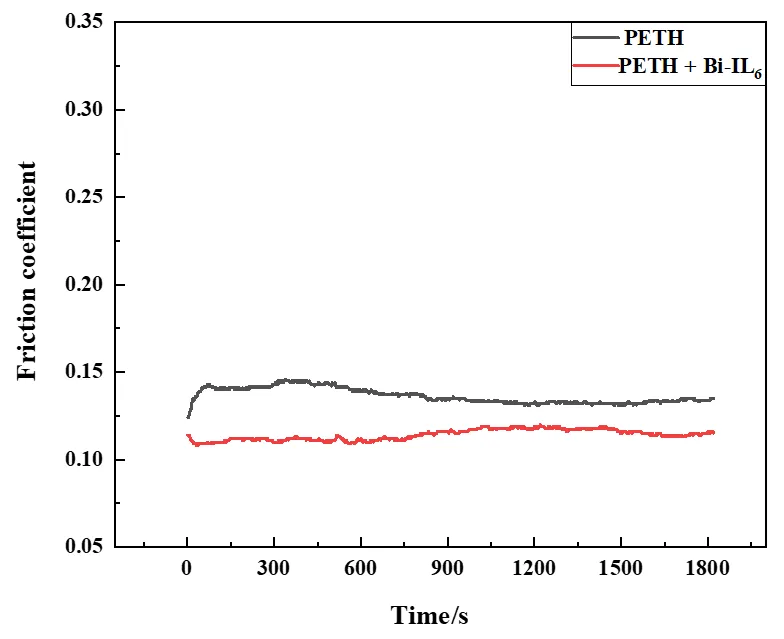
A series of ionic liquids 1-alkyl-3-methylim idazole bis(2-ethylhexyl) phosphate, were prepared, and the catalytic performance of ionic liquids was evaluated through the esterification reaction of pentaerythrotol and hexanoic acid at a stoichiometric ratio as a model reaction. The results showed that the [BMIM][DEHP] and [HMIM][DEHP] exhibited good catalytic activity. The [HMIM][DEHP] was chosen as a lubricant additive to further investigate the tribological properties after the reaction, and the results for both COF and WSD and wear volume indicate that the introduction of [HMIM][DEHP] has improved the friction reducing and anti-wear properties of pentaerythrotol tetra-hexanoate.
Open Access
Review
03 September 2025Defect Engineering in Carbon-Based Metal-Free Catalysts: Active Sites, Reduction Mechanisms, and 3D Architectures for Sustainable 4-Nitrophenol Reduction
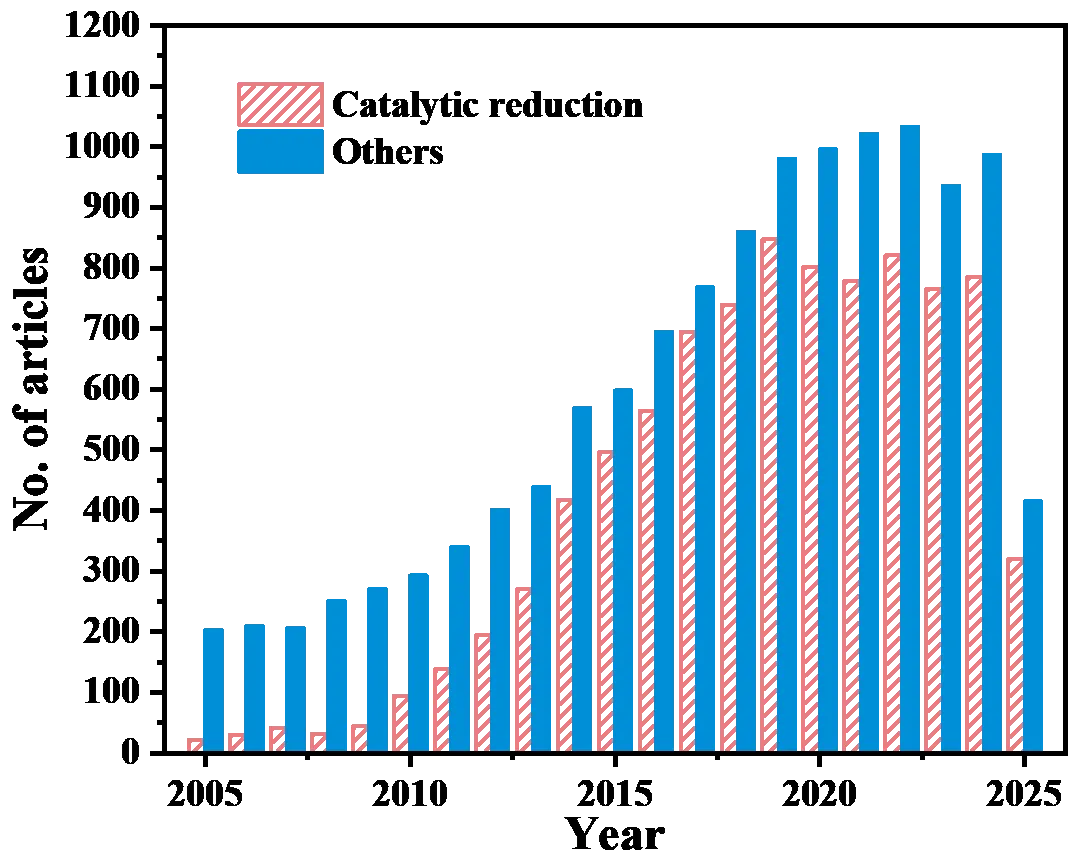
Nitrophenols (NPs), classified as priority pollutants due to their significant toxicity, persistence, and bioaccumulation potential, pose severe threats to ecosystems and human health. Catalytic reduction, particularly the conversion of NPs like 4-nitrophenol (4-NP) to less toxic aminophenols using sodium borohydride (NaBH4), represents a promising remediation strategy. While conventional metal-based catalysts face limitations including high cost, poor durability, and potential metal leaching, carbon-based metal-free catalysts (C-MFCs) have emerged as highly efficient, sustainable, and cost-effective alternatives. However, the precise reaction mechanisms governing NP reduction over C-MFCs remain ambiguous, and significant debate surrounds the nature of the active sites and the structure-activity relationships dictating performance. This review systematically elucidates the catalytic sites and associated reduction mechanisms in C-MFCs. We comprehensively summarize design principles centered on defect engineering strategies, encompassing single-atom (N, S, B, P, O), dual-atom (B,N; N,S; N,P), and tri-atom (B,N,F; N,P,F) doping, alongside non-doping defects such as edge and pore defects. The critical structure-performance relationships linking these engineered active sites to catalytic activity (e.g., turnover frequency, TOF) are analyzed, integrating experimental evidence and theoretical insights. Furthermore, strategies for constructing three-dimensional architectures to enhance active site accessibility and catalyst stability are highlighted. This work provides fundamental insights to guide the rational design of next-generation high-performance C-MFCs for sustainable nitrophenol pollution control.
Open Access
Article
03 September 2025From Fossil to Future: Trade, Technology and Clean Energy Transitions in High-Impact Developing Economies
This study examines the impact of economic growth, renewable energy equipment imports, and energy use on CO2 emissions in seven developing countries over the period 2000–2021, employing second-generation panel estimators (Augmented Mean Group AMG, The Common Correlated Effects Mean Group CCEMG) that account for cross-sectional dependence and slope heterogeneity. Results show that economic growth and energy use significantly increase emissions, while renewable energy equipment imports display no direct or robust mitigating effect. This limited impact likely reflects adoption and integration challenges and the absence of complementary policies, underscoring the need for strategies that link imports to technology transfer and domestic manufacturing capacity. Granger causality tests indicate that growth and renewable energy imports drive emissions, highlighting the necessity for integrated green industrial policies, carbon pricing mechanisms, and sustainable finance instruments. These findings suggest that, for developing economies, achieving low-carbon growth requires a coordinated policy mix that aligns environmental objectives with economic development goals.

Open Access
Article
02 September 2025The Crystallography of Diverse Intermetallic Phases in Binary La-Ni Alloy Obtained by Melting and Its Structural Evolution under High Temperature Sintering
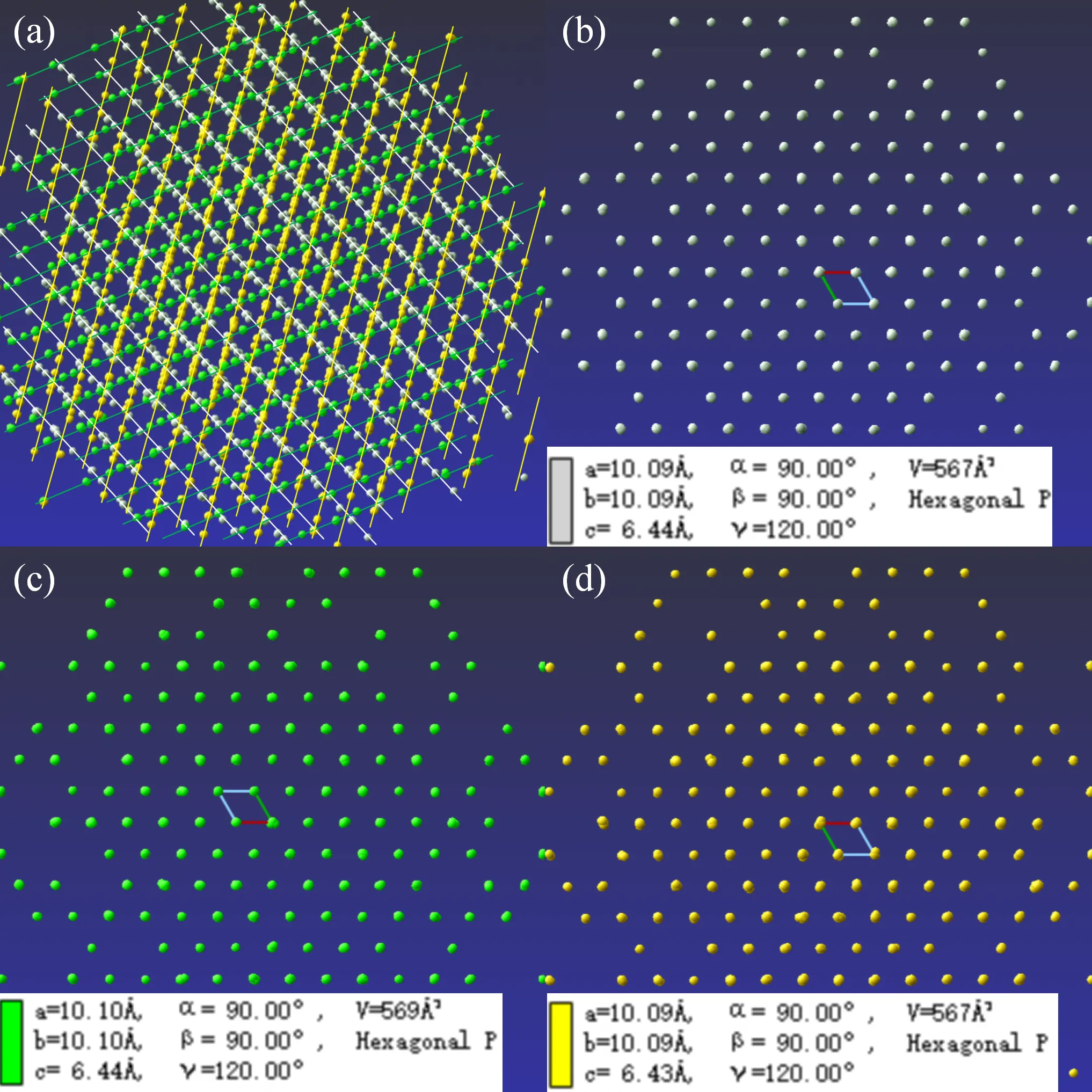
In this study, we have investigated the structural evolution of binary La-Ni alloy under different heat treatments by combing single crystal X-ray diffraction (SXRD) as well as scanning electron microscope (SEM) and transmission electron microscopy (TEM). It has been found that LaNi and La7Ni3 can be successfully synthesized through the arc melting method. Then it was found that LaNi5 appears in the binary La-Ni mixture wrapped by a Tantalum sheet, followed by high-temperature sintering. Next, some pilot experiments have been carried out on the La-Ni mixture by sealing tube technique with some residual oxygen. Serendipitously, oxidation has not been found while La3Ni3Si2 and La2NiSi besides LaNi phase show up. Meanwhile, the detailed crystal structure information and their topological features of the aforementioned phases as well as their high-resolution TEM images, have been obtained. Furthermore, the orientation relationships of the Si-contaminated mixed phases have been thoroughly investigated by advanced precession images of SXRD patterns.
Open Access
Article
29 August 2025Physiopathological Insights into Atrial Fibrillation Onset through Heart Rate Variability Correlations
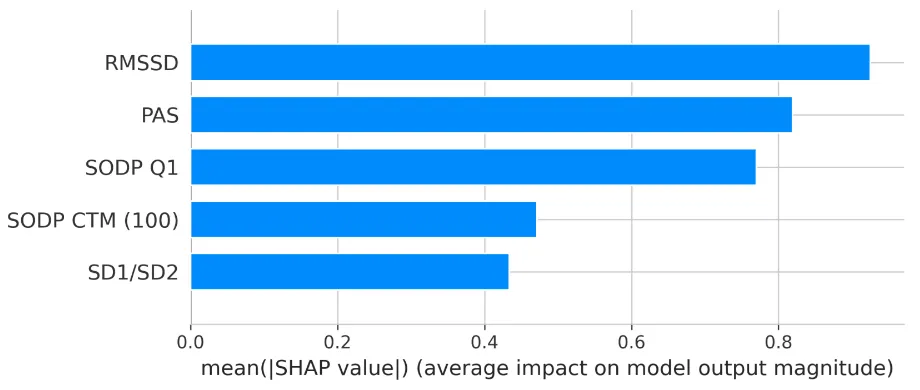
Atrial fibrillation (AF) is the most common
cardiac arrhythmia and is associated with increased morbidity and mortality.
Early prediction of AF episodes remains a clinical challenge. This study aimed
to generate physiopathological hypotheses for AF onset by analyzing
correlations among heart rate variability (HRV) parameters in patients
monitored via long-term Holter ECG. We utilized the IRIDIA-AF database,
comprising 1319 paroxysmal AF episodes from 872 patients. An XGBoost machine
learning model was developed to predict AF onset within 24 h using short- and
long-term HRV features, fragmentation indices, and non-linear metrics extracted
during sinus rhythm. Model interpretation was performed using SHapley Additive
exPlanations (SHAP) values, and dimensionality reduction techniques were
applied for data visualization. The model achieved an area under the receiver
operating characteristic curve of 0.919 and an area under the precision-recall
curve of 0.919, with high accuracy, sensitivity, and specificity. Key
predictive features included short-term vagal activity, HRV fragmentation
indices, and non-linear parameters, highlighting the role of the autonomic
nervous system in AF initiation. Our findings suggest that distinct
physiological profiles, detectable via HRV, may underlie AF susceptibility and
could inform personalized monitoring and prevention strategies.
Open Access
Article
29 August 2025Vocabulary of Chinese Origin in the Language of Russian Residents of Harbin in the First Half of the 20th Century
The purpose of the article is to study the functioning of lexical units of Chinese origin in the speech of representatives of the Far Eastern emigration. The language of everyday communication is the first to respond to socio-cultural, ethnocultural, ethno-religious processes occurring in society. At present, when the culture of Far Eastern emigration in its close interaction with Chinese culture has become a fact of history, the reconstruction of the processes of intercultural communication between Russians and Chinese in Harbin causes great difficulties. This explains the relevance of studying the Chinese influence on the language of Russian emigrants who found refuge in Harbin in the first half of the 20th century. The novelty of the work is due to the lack of comprehensive studies dealing with Chinese borrowings in the everyday language of ordinary Harbin residents. An appeal to the memories and oral histories of Harbin residents allows us to trace how lexemes borrowed from the Chinese language and continuing to live in the linguistic consciousness of people who grew up in Harbin. The methodology of this article is based on historical-cultural, functional, linguocultural, and lexical-semantic approaches, as well as interviewing. The work uses materials from the authors’ field research among Harbin residents. Based on the results of the study, the authors conclude that although most Russians living in Harbin in the first half of the 20th century did not speak Chinese, Chinese borrowings were a constant part of their lives. This is especially true for various lacunae related to everyday realities, cooking, traditional culture, etc. Harbin residents organically assimilated such lexical units and preserved them in their speech for decades—even outside China. Of course, this testifies to close ethnocultural contacts between Russians and Chinese in Manchuria.