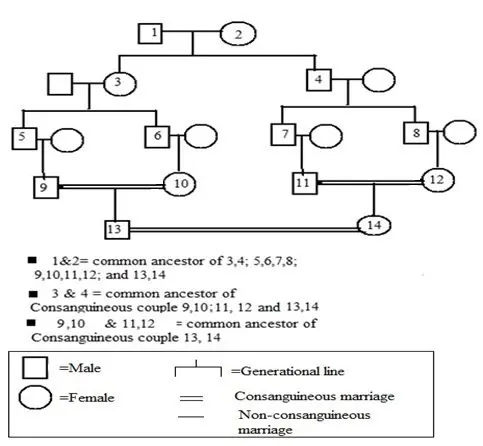
Consanguineous marriage—defined as unions between biologically related individuals, typically first or second cousins—has been a culturally embedded practice across diverse societies for millennia. Drawing on publicly available sources, the study seeks to review both regional and global perspectives of consanguineous marriage across time and space. Rooted in anthropological traditions of kinship and alliance, these unions historically served functions such as preserving lineage, consolidating property, ensuring social trust, and reinforcing group identity. Anthropological scholarship, from Morgan’s kinship classifications to Lévi-Strauss’s alliance theory, situates cousin marriage as a structured and rational social strategy rather than a random or anomalous choice. Contemporary practices, however, are shaped by complex intersections of tradition, religion, gender, and modernity. While biomedical research consistently associates consanguinity with increased risks of congenital disorders, pregnancy wastage, and mental health conditions, many communities continue to view it as beneficial for kin solidarity, economic security, and marital stability. Global prevalence remains heterogeneous: highly normative in South Asia, the Middle East, and North Africa, declining in parts of India and North Africa, and largely absent in Western societies except among diasporas. Recent transformations—including urbanization, women’s education, migration, digital matchmaking, and premarital genetic screening—have shifted perceptions, particularly among youth. Ethnographic accounts highlight tensions between generational expectations and individual autonomy, revealing ambivalence and negotiation rather than outright rejection. This review underscores consanguinity as a dynamic institution at the intersection of anthropology, genetics, religion, and public health. Rather than framing it solely as a biomedical risk or a cultural relic, it should be understood as a multifaceted practice continually redefined in response to social, economic, and political change.
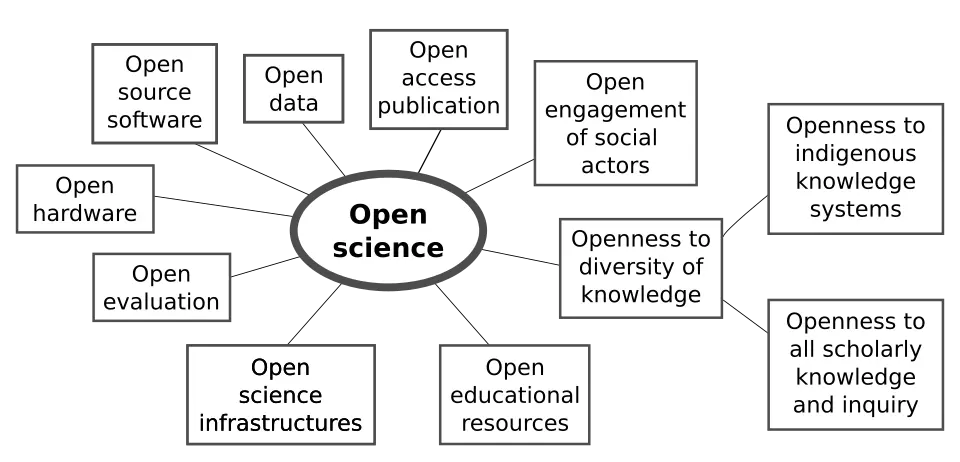
Museum collections are essential for scientific research and are diverse in nature. They include human remains and associated information. Many experience discomfort due to historical legacies and procurement practices that are often not openly discussed, which, in an age that advocates Open Science, need open discussion. Within Open Science, open Data Sharing and the FAIR principles (Findable, Accessible, Interoperable, and Reusable) are key guidelines for research data decisions—emphasizing “as open as possible, as closed as necessary”. This manuscript explores how data management and Open Science practices may impact on human ancestral remains, risking perpetuating practices of human remains objectification, reinforcing historical violence through digital means, if not balanced with restrictive access protocols. There is a growing concern for data care and stewardship amongst museums and allied institutions, and although the argument is based on the fairness of sharing and conscious, ethical sharing, source collection and associated data need to be questioned at its origins. Hence, the emphasis is placed on CARE principles (Collective Benefit, Authority to Control, Responsibility, Ethics) prioritising dignity, sovereignty, relationality, and ethics, moving from data accumulation and universal openness toward context-driven, community-controlled, and ethically reflexive stewardship. This approach advocates restraint, challenging museums, researchers, and funders to reconsider the objectification of ancestors and the ethical responsibilities surrounding their digital and material legacies. Ethical issues no longer relate solely to ancestral remains; they extend to their data and metadata across matters related to governance, circulation, “ownership?”, and repatriation. Alongside FAIR, one must practice CARE, and above all, allow for detachment and critical thinking.
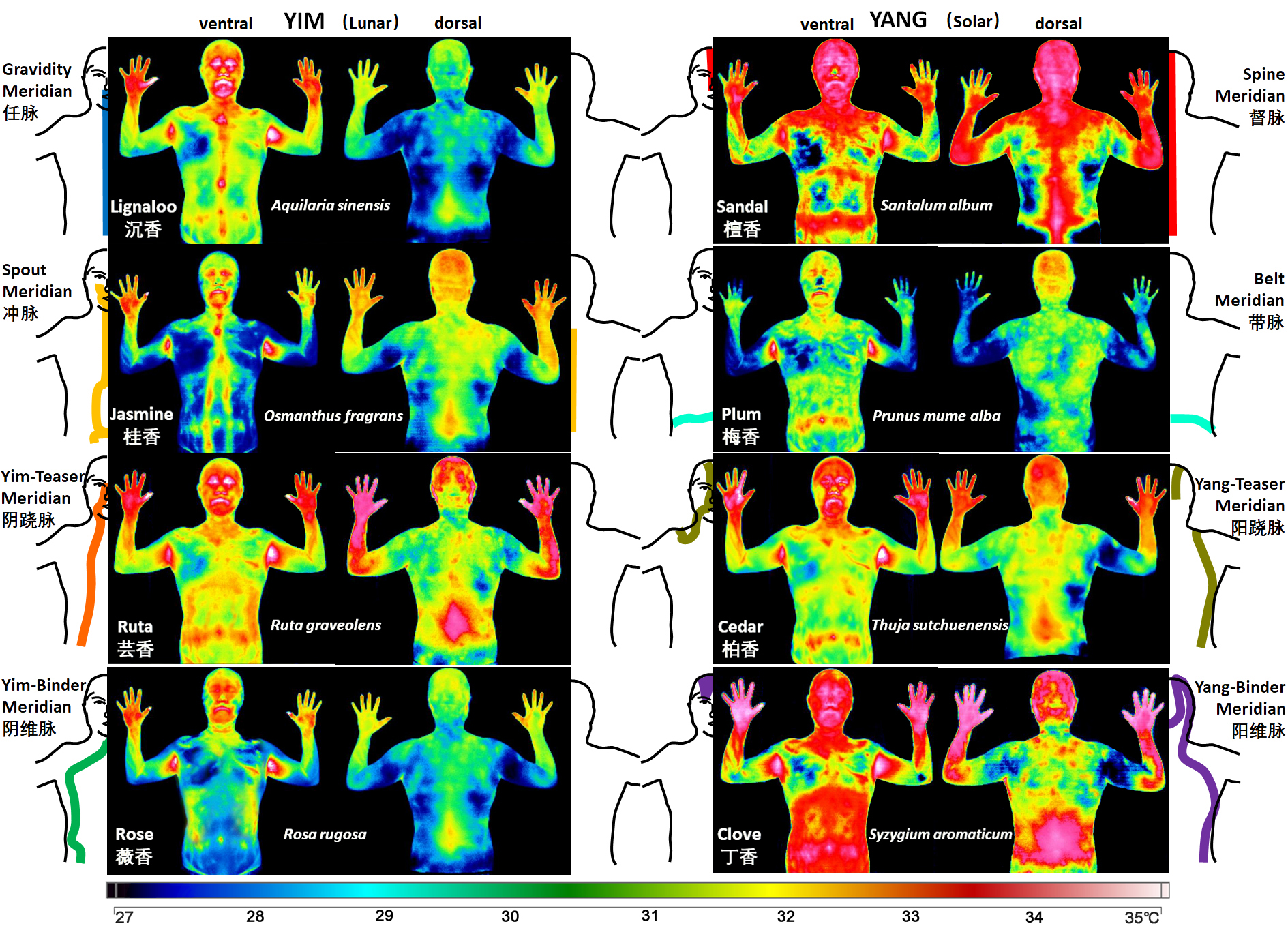
Aromatherapy is a widely used clinical complementary therapy. Incense therapy, as one of the primary methods of aromatherapy, releases volatile aromatic compounds that rapidly interact with the human body. To explore its potential mechanisms, we collected 123 common natural aromatherapy fragrances and employed infrared thermography to record human surface temperature changes after smoke inhalation. The results showed that most incense samples could induce localized temperature increases, exhibiting eight stable and distinct heating patterns. These patterns show a phenomenological correspondence with the eight extra meridians described in traditional Chinese medicine. This phenomenon suggests that natural incense smoke may induce meridian-specific warming effects, which may provide thermographic evidence for the meridian hypothesis while also offering new perspectives for modern aromatherapy research.
This article argues that the discipline of Philosophical Anthropology is directly relevant for comprehending the present human condition, especially regarding our collective ecological predicament and the consequences of climate change. By centralizing relations, focusing on lived experience at various levels, and adopting an interdisciplinary approach, Philosophical Anthropology provides powerful conceptual instruments for making sense of human–biosphere relations. Its focus on explaining the human condition in an antireductionist fashion, emphasizing biological and chemical processes and multiple lifeforms, is a valuable approach. These approaches are critically examined with refers to the works of Scheler, Gehlen, and Plessner, combined with a discussion of the concept of responsivity. This theoretical foundation resonates with current trends in anthropology, environmental philosophy, 4E cognition, and ecocriticism, allowing for greater appreciation of the embeddedness of organisms and the agency of non-human actors, as well as of emotional responses such as eco-anxiety and solastalgia. By integrating results from philosophy, anthropology, the exact sciences, and life sciences, a reinvigorated PA could well provide the conceptual and methodological foundation for a comprehensive theory of the Age of Extinction.
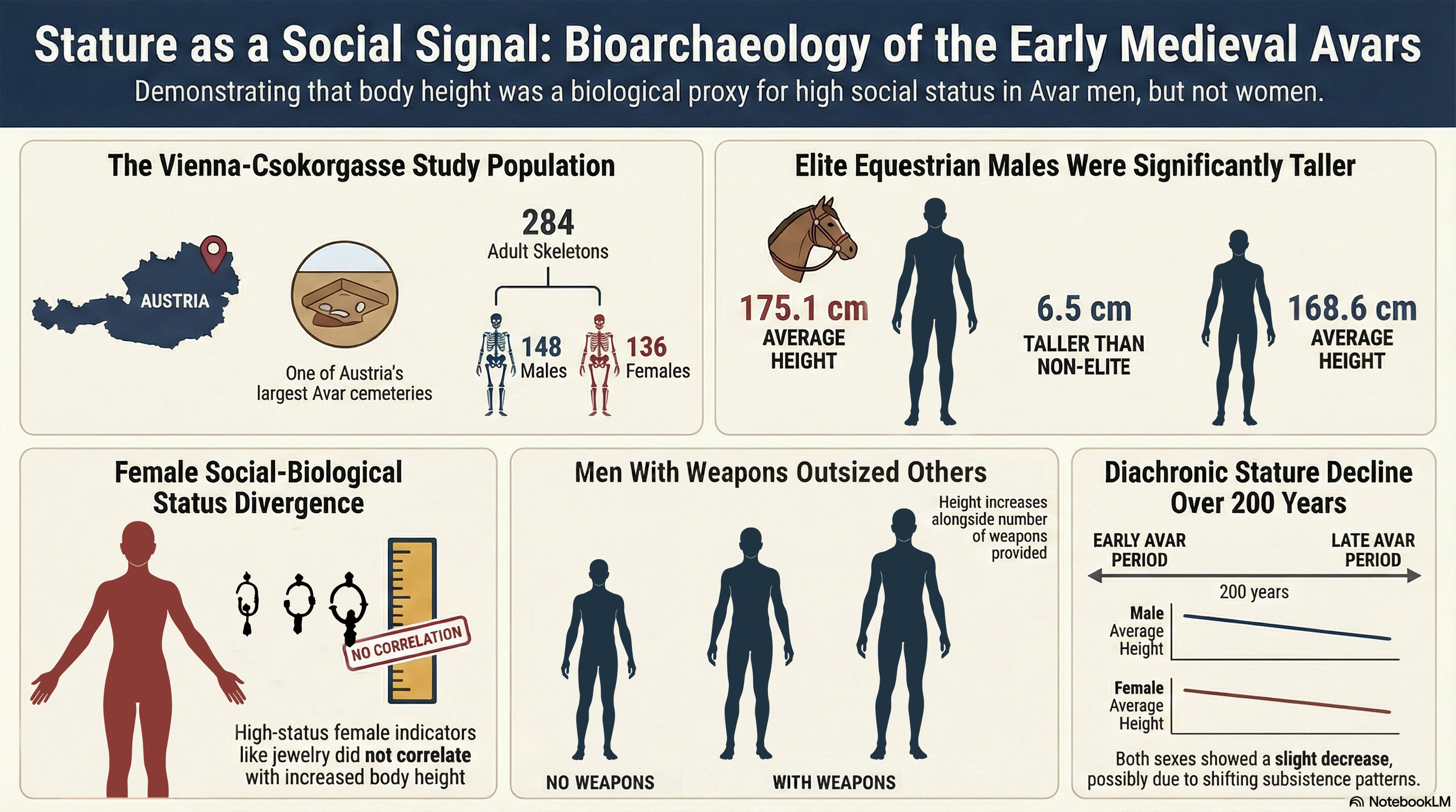
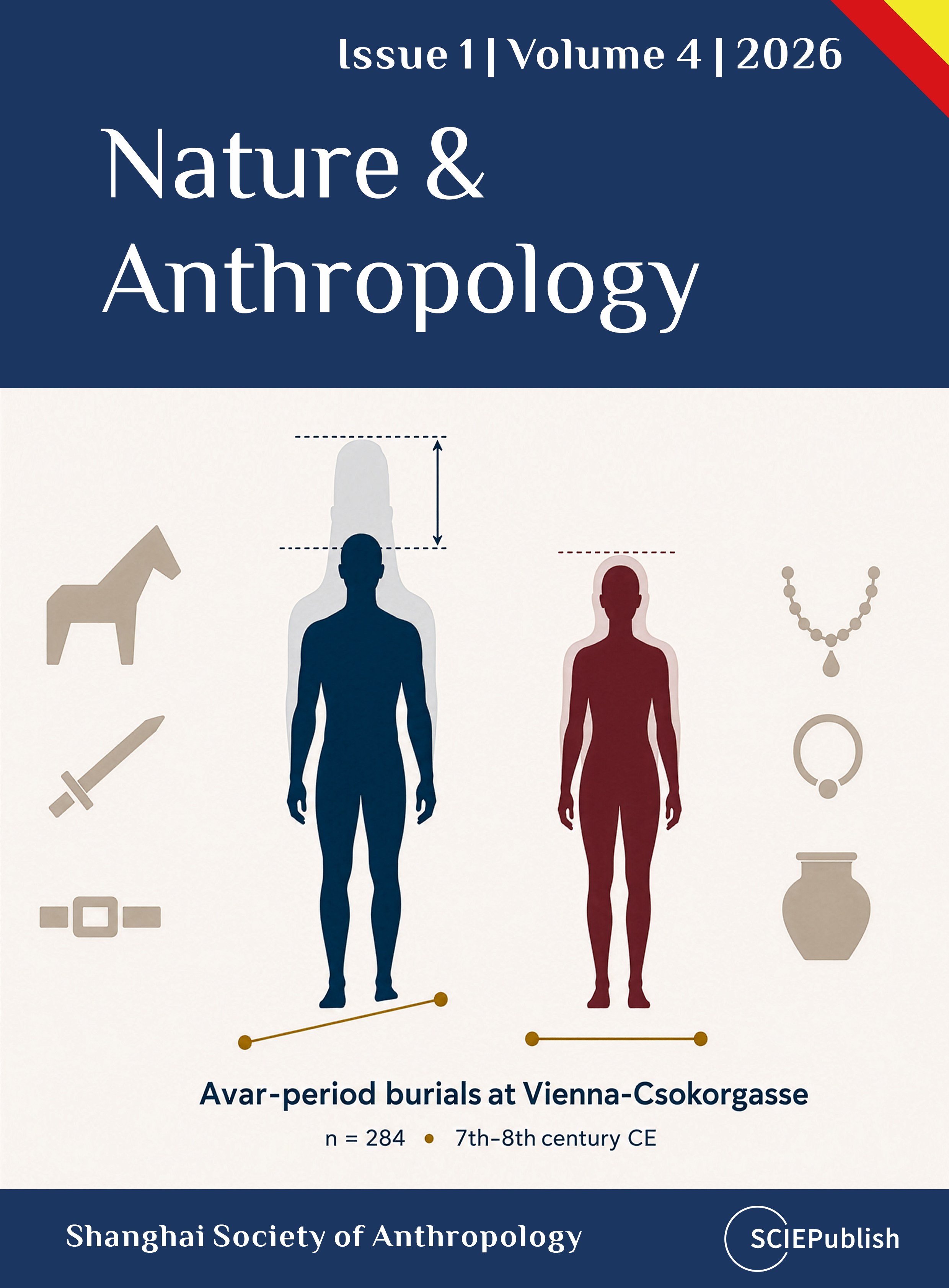
The relationship between material culture and body height, commonly used as a proxy for reconstructing economic conditions and social stratification, has not previously been examined for early medieval Avar populations. Therefore, this study investigates the association between estimated body height and grave goods, funerary characteristics, and activity-related indicators interpreted as markers of elevated social status in 148 male and 136 female individuals from the Avar burial ground Csokorgasse (Vienna, Austria). In addition, diachronic changes in body height from the late 6th to the late 8th century CE, a period marked by substantial transformations in subsistence strategies and lifestyle, are assessed. Overall, body height shows a slight but statistically insignificant decrease over time in both sexes. Among males, individuals interred in equestrian graves together with horses were on average more than 6 cm taller than males buried without horses. Similarly, males identified as warriors based on the presence of weapons as grave goods were significantly taller than those without weapons. Multipart belt sets, commonly interpreted as indicators of high-status males, display only a weak and statistically insignificant positive association with body height. In contrast, patterns observed among females differ markedly: Of the categories examined, only jewelry shows a statistically significant association with body height, with shorter women being buried with a greater quantity of jewelry. Thus, whereas male body height is positively associated with several markers of elevated social status, no comparable pattern can be identified for females. These results indicate a pronounced sex-specific divergence in the relationship between biological status, as reflected by body height, and socially expressed status in early medieval Avar society.