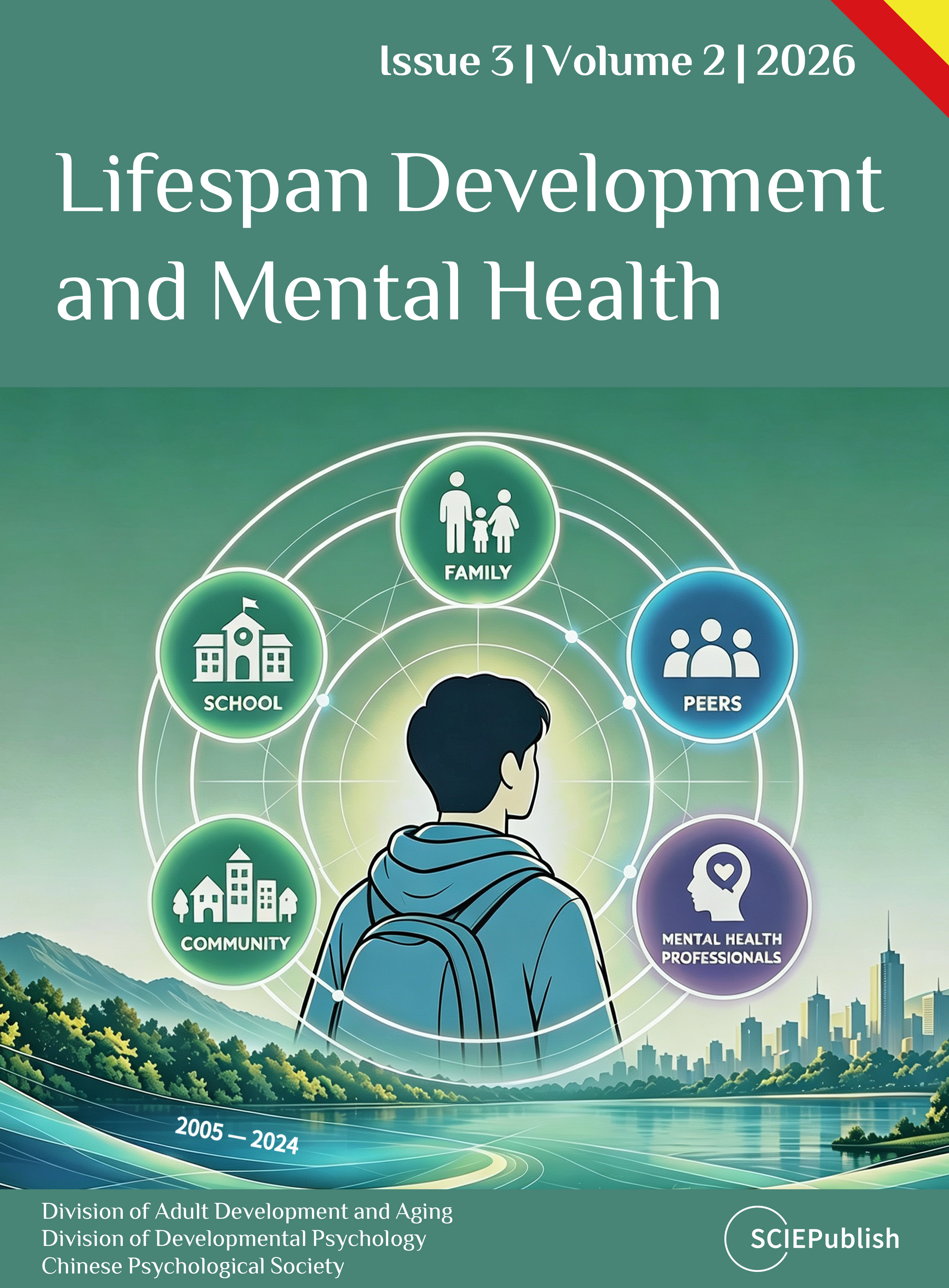
How can families, schools, and community services work together to support adolescents experiencing complex behavioral and mental health challenges? This study explores two decades of experience with Multisystemic Therapy (MST) in Western Australia, drawing on longitudinal data from 749 participants enrolled in the program between 2005 and 2024. By examining treatment outcomes and changes across four cohorts, the study highlights the importance of adaptable, family-centered, and community-based interventions in responding to adolescents’ evolving needs. The findings offer valuable insights into sustaining effective youth mental health services amid changing social environments, technological developments, and service delivery models.
Upward intergenerational mobility is often viewed as a sign of social progress and individual achievement because moving into a higher socioeconomic position can improve access to education, income, occupational opportunities, and other useful resources. These changes may reduce exposure to material hardship and, in some cases, support better psychological well-being. At the same time, upward mobility is not always psychologically beneficial. The effort to attain a higher socioeconomic position often involves prolonged stress, strong performance pressure, repeated social comparison, identity-related tension, and fear of falling behind. In addition, not everyone who strives for upward mobility succeeds. Even when objective gains are made, individuals may still experience psychological strain linked to relative deprivation, feelings of inadequacy, distance from their family or community of origin, and continuing insecurity about their social position. This narrative review examines both the possible benefits and the less visible mental health burdens of upward intergenerational mobility from a lifespan perspective. The current study proposes a developmental framework that distinguishes resource-related benefits from mobility-related psychological costs, with particular attention to aspirational strain, uncertainty, comparative stress, belonging conflict, and the emotional consequences of perceived failure or insufficient progress. A central argument of this review is that the mental health implications of upward mobility depend not only on objective socioeconomic gains but also on how individuals interpret their movement, compare themselves with others, and negotiate identity and belonging across the life course. The review concludes with implications for research, practice, and policy, emphasizing that upward mobility should not be treated as a uniformly protective process for mental health and that efforts to promote mobility should also take account of the emotional burdens attached to it.
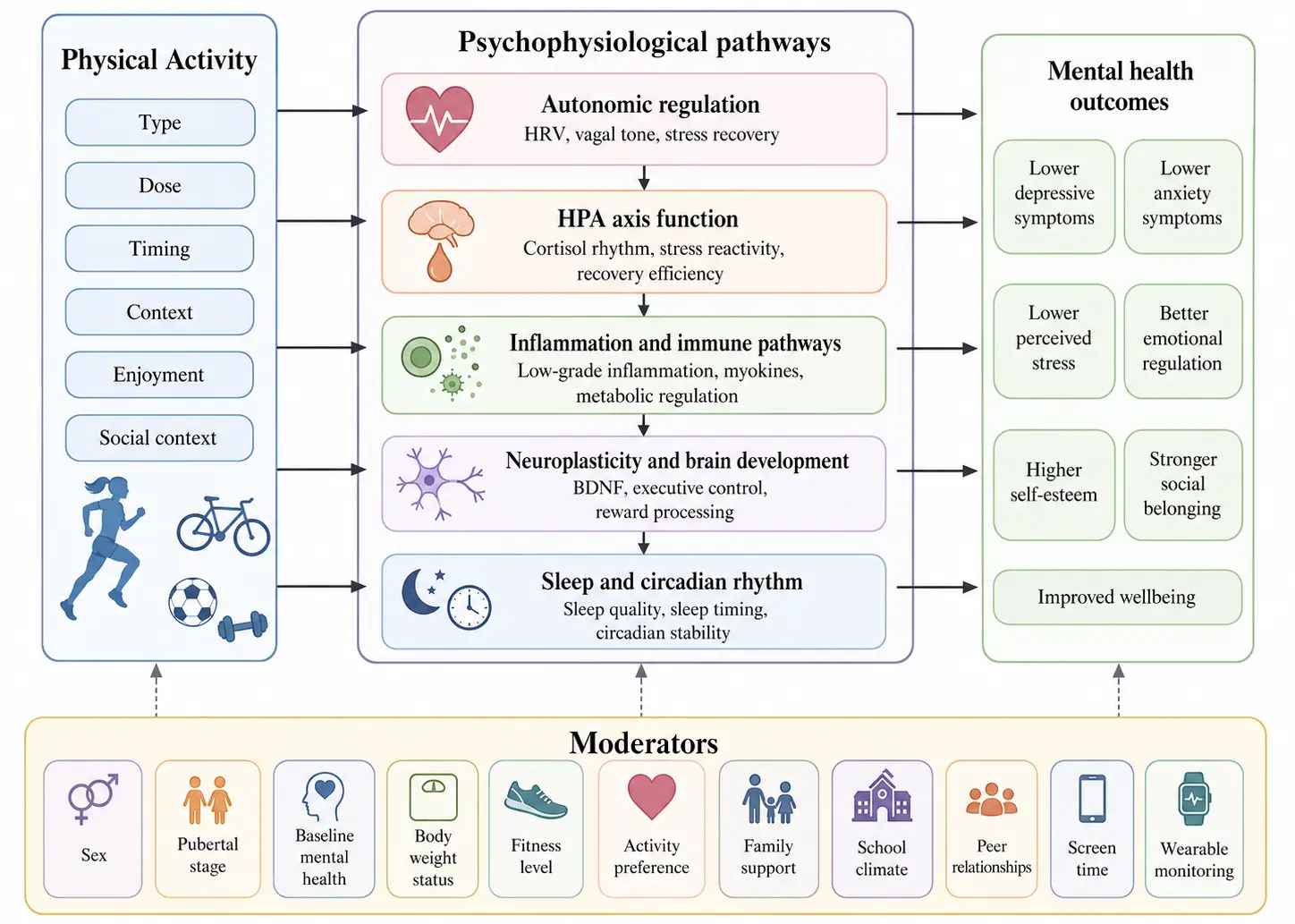
Adolescence is a crucial developmental stage marked by rapid biological maturation, intense social scrutiny, rising academic pressures, and ongoing development of brain systems linked to reward processing, executive control, stress regulation, and emotion regulation. Depressive symptoms, anxiety, perceived stress, sleep problems, sedentary behavior, and excessive screen exposure often occur during this time. Research has extensively explored physical activity as a modifiable behavior that could enhance adolescent mental health, but much of the evidence still focuses on its link to improved psychological outcomes. Less attention has been given to the psychophysiological pathways through which physical activity may impact mental health. This narrative review examines how physical activity affects adolescent mental health, focusing on autonomic nervous system regulation, HPA axis function, inflammatory and immune pathways, neuroplasticity, and sleep–circadian rhythm regulation. There is evidence that suggests physical activity may support adolescent mental health by increasing autonomic flexibility, facilitating stress recovery, boosting neurotrophic signaling, improving executive control and sleep quality, and fostering social connections, while reducing sedentary time and inflammatory burden. However, these effects are not uniform. Factors such as gender, pubertal development, initial mental health status, body weight, fitness, activity preferences, family support, school climate, peer connections, digital lifestyle, and activity dose might all impact the psychological and physiological outcomes. This review makes the case that physical activity shouldn’t be used as a panacea for adolescent mental health problems. Rather, this should be interpreted as a developmentally integrated psychophysiological regulation approach whose benefits depend on dose, timing, context, individual variation, and its combination with sleep, stress management, and supportive social environments.
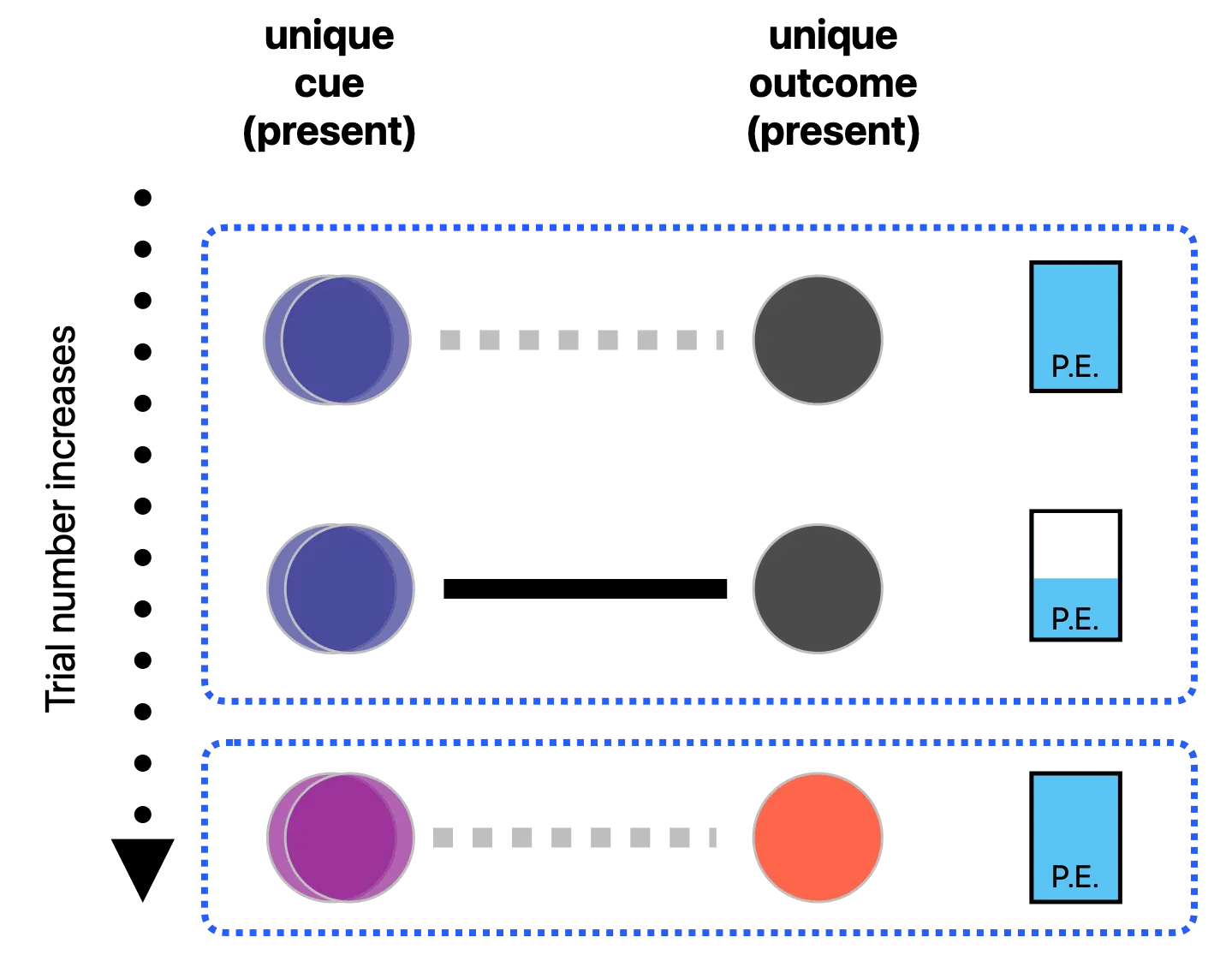
Experience-related neural dynamics in infants may be understood from a prediction-based perspective that incorporates bidirectional interactions between perception and expectation, modulated by sleep-wake states. This simulation study addresses two seemingly contradictory sets of fNIRS findings, which exhibit repetition-induced suppression or enhancement of neural response over trials, accompanied by correspondingly opposing surprise-induced responses. The simulation study demonstrates that, by interacting with tasks of varying complexity, a unified implicit, error-driven learning mechanism that engages both bottom-up perception and top-down expectation can simulate experience-related enhancements in perceptual and frontal responses. The distinction between trial-by-trial neural suppression and enhancement is then interpreted based on differing rates of neural attenuation influenced by the involvement of on- and/or off-task resources. In sleep states, a highly familiarized outcome with higher activation is responded to with shorter latency (decreasing on-task involvement), thus suppressing the overall neural response. In wakeful states, however, neural responses may be maintained by sustained attention but can still be subject to neural attenuation through novelty seeking (increasing off-task involvement). The simulation study raises questions about the interplay between the implicit prediction mechanism and (un)conscious states that contribute to experience-related neural dynamics in infants.
Youth with type 1 diabetes (T1D) often face barriers to recreation participation, disease self-management, and peer connection. This research note examined how a university-based diabetes camp, grounded in a Community of Practice (CoP) model, supported youth learning, self-management, and belonging. Participants were 33 youth, ages 11 to 18, attending a university-based diabetes day camp in Northern Utah. Self-reported, open-ended post-camp evaluation responses were analyzed using Braun and Clarke’s reflexive thematic analysis. Three themes were identified: applied diabetes knowledge, intentional self-management in active settings, and belonging through shared experience. Findings suggest that recreation-based camp programming supported practical diabetes learning, more deliberate self-management behaviors, and meaningful peer relationships, thereby reducing isolation and normalizing living with T1D. Results highlight the value of interdisciplinary, recreation-centered CoP models for creating supportive recreation spaces for youth with chronic health conditions.
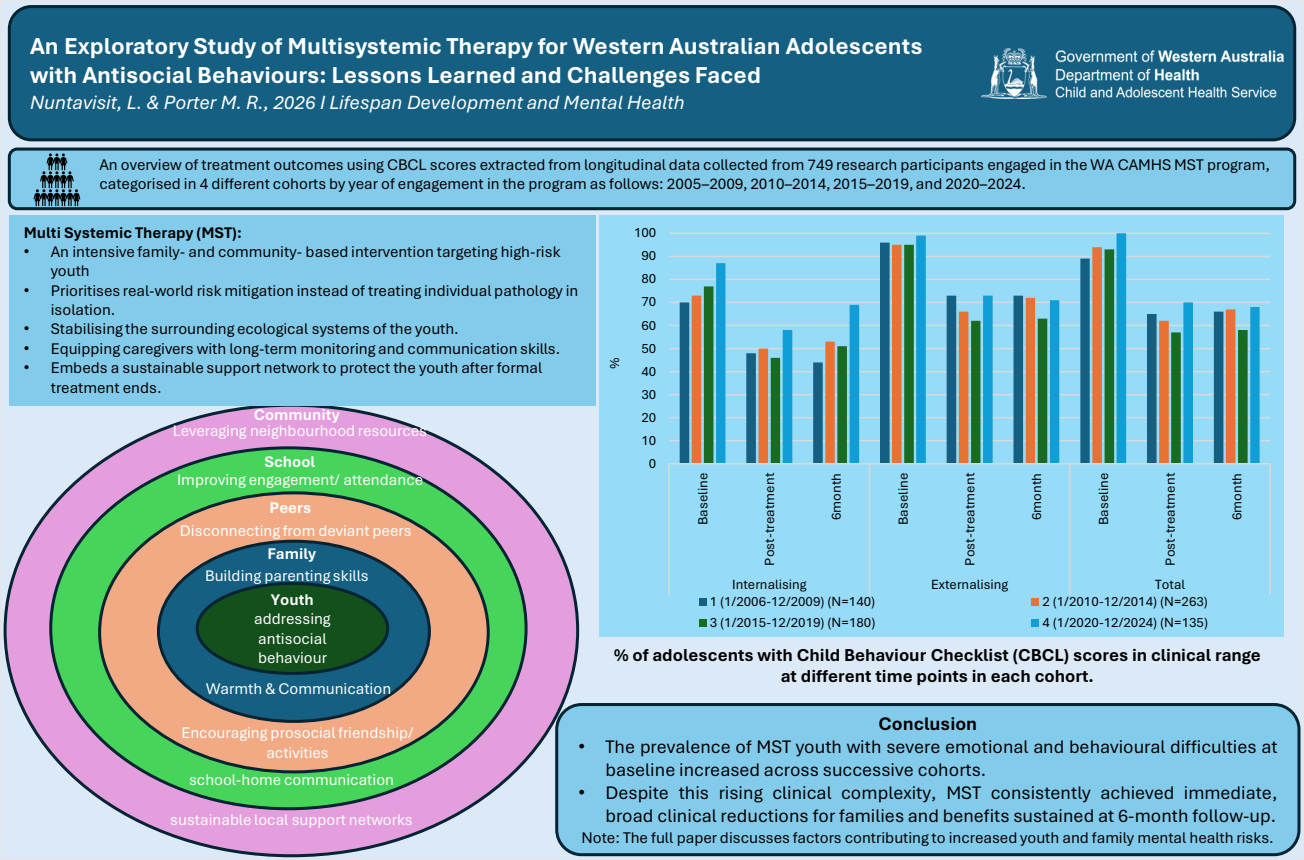
Multisystemic Therapy (MST) is an intensive community-based, family intervention for older children and adolescents exhibiting juvenile antisocial behaviours. The MST intervention was implemented within the Western Australia Department of Health in 2005 and has since operated two clinical teams within the Perth metropolitan area. Adolescents exhibiting antisocial behaviours often meet diagnostic criteria of conduct disorder, a common mental and behavioural problem in children and adolescents, and ranked in the top five of leading causes of disease burden within Australian children. Conduct disorder negatively affects well-being of both the adolescent and family members, who experience repercussions of the adolescent’s behaviours e.g., verbal and physical assault in their home, police involvement, legal sanctions, and social exclusion. In the absence of effective intervention, conduct disorder predicts various adult mental illnesses, substance abuse, chronic unemployment, family and domestic violence, and incarceration. This exploratory study provides an overview of treatment outcomes extracted from longitudinal data collected from 749 research participants engaged in the WA CAMHS MST program between January 2005 and December 2024, including baseline, post-treatment, and limited 6-month follow-up data. The treatment outcomes were categorised in 4 different cohorts by year of engagement in the program as follows: 2005–2009, 2010–2014, 2015–2019, and 2020–2024. In addition to examining treatment outcomes, we explored demographic and clinical variations across cohorts to account for societal changes over the last 20 years. Influences such as rapid technological advancements and the COVID-19 pandemic have reshaped family mental health and well-being as well as service delivery models. Our findings highlight the importance of adaptable and sustainable therapeutic interventions to ensure their relevance, effectiveness, and long-term impact, particularly in ever-changing environments.
The transition from
institutionalized care to alternative family-based care arrangements for
children and youth without available parents is an important policy aim around
the world. To document evidence on de-institutionalization (DI) and identify
gaps that are stalling the translation of DI findings into policy or practice,
we conducted a systematic scoping review of studies on de-institutionalization
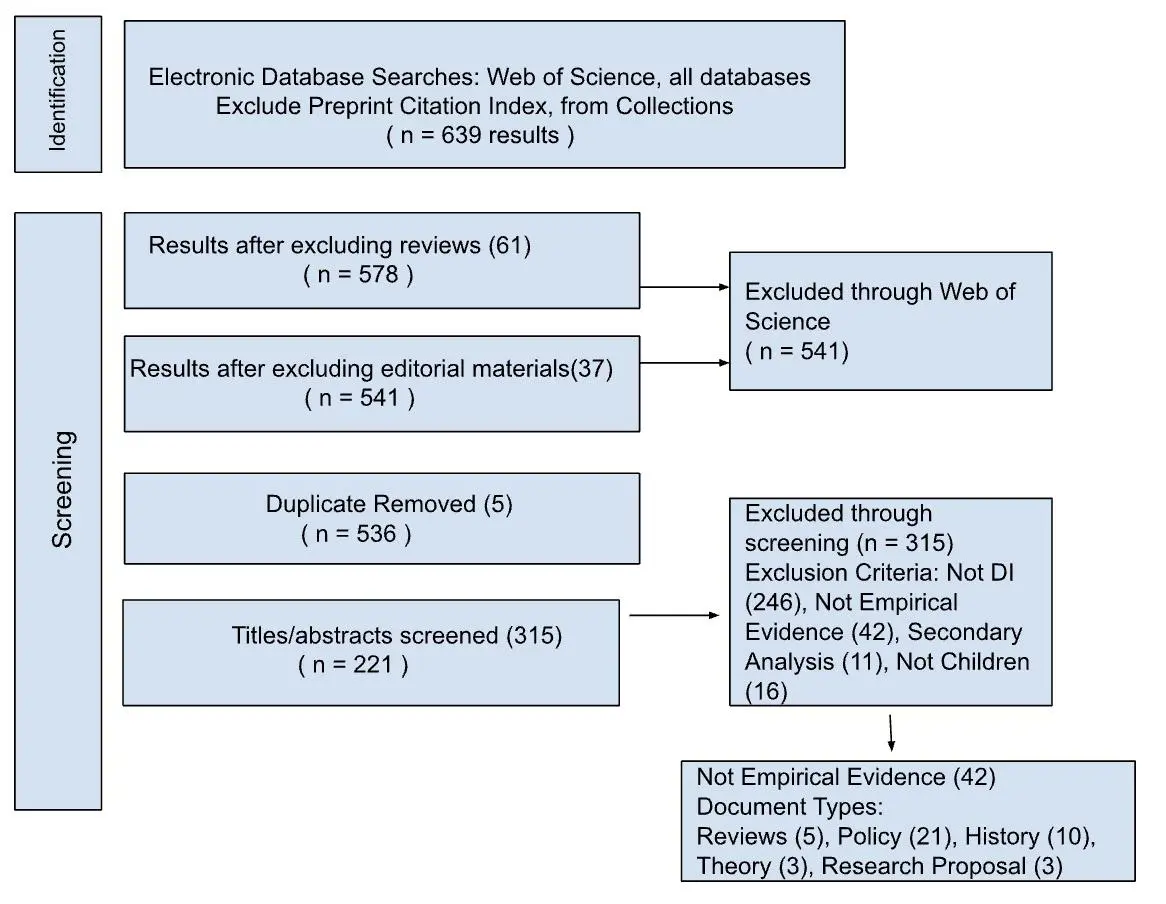
published in the last five years. Our systematic search identified 221
pertinent studies covering 67 countries across most continents. The majority of
the studies were qualitative, used some type of ‘convenience’ sampling, and had
a modest number of participants (but with a broad range, 1–5351). Remarkably
few studies included children under 6 years of age. Despite small samples and
relatively weak designs, the majority of the studies suggested policy
implications of their results. We discuss the gaps in DI research, stressing
the need for transparency and replicability, paying attention to the specific
circumstances of performing DI research. To overcome these gaps, we
This mixed-methods study examined adolescent girls’ perceptions of puberty in Germany and Ghana to better understand cross-cultural differences in the personal evaluation of physical development during puberty. A total of 418 girls (198 from Germany, 220 from Ghana; mean ages 13.73 and 12.57 years, respectively) completed classroom-based questionnaires assessing overall evaluations of puberty, perceptions of specific bodily changes, and body image. Open-ended questionnaire responses and two focus groups (N = 11) provided qualitative insights. Quantitative findings showed that German girls reported significantly more negative perceptions of puberty than Ghanaian girls. The most pronounced cross-cultural difference concerned menstruation, which was evaluated more negatively by German than by Ghanaian participants. German girls also reported greater real-ideal body discrepancy, suggesting greater body dissatisfaction, although perceived body shape did not differ between groups. Qualitative findings supported these results. German participants described puberty as emotionally challenging, marked by self-doubt, social comparison, media influence, and appearance-related insecurities. In contrast, Ghanaian girls more often framed puberty as a natural transition into adulthood and womanhood, emphasizing fertility, responsibility, and guidance from trusted adults. Overall, the findings highlight both shared and culturally specific meanings attached to puberty and underscore the importance of culturally sensitive puberty education and support systems.