
An Exploratory Study of Multisystemic Therapy for Western Australian Adolescents with Antisocial Behaviours: Lessons Learned and Challenges Faced

An Exploratory Study of Multisystemic Therapy for Western Australian Adolescents with Antisocial Behaviours: Lessons Learned and Challenges Faced

Received: 02 June 2026 Revised: 22 June 2026 Accepted: 31 July 2026 Published: 10 August 2026

© 2026 The authors. This is an open access article under the Creative Commons Attribution 4.0 International License (https://creativecommons.org/licenses/by/4.0/).
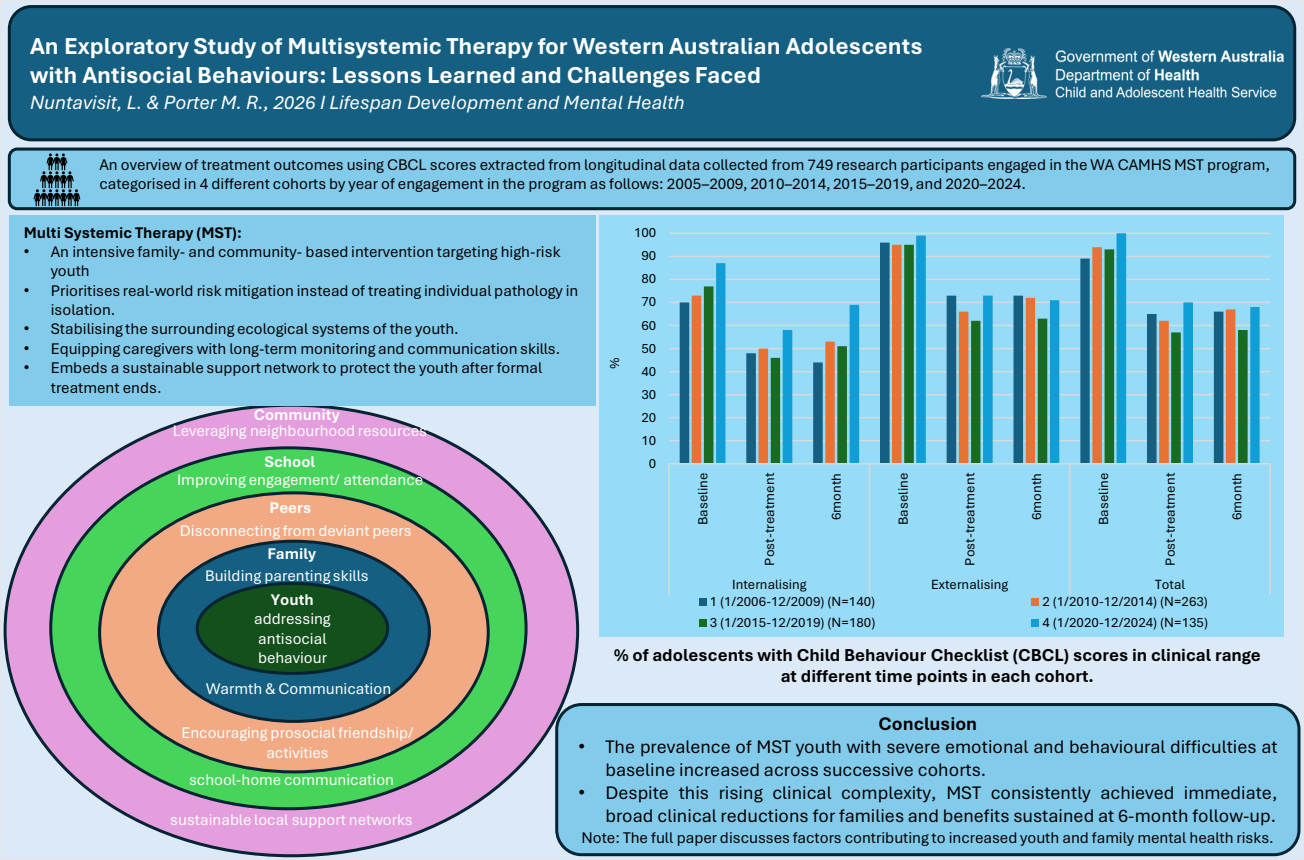
Graphical Abstract
1. Introduction
Scott Henggeler developed the Multisystemic Therapy (MST) model in the 1970s. Following years of rigorous research, practice guidelines for the model were established. This intervention specifically addresses adolescents exhibiting severe problem behaviors, particularly those related to violence and antisocial conduct. MST is an intensive, family- and community-based intervention derived from the social ecological theory of human behavior proposed by Bronfenbrenner in 1979. This theory explores the intricate systems that interact among personal, interpersonal, institutional, societal, and community factors influencing human behavior. MST adopts this concept when analyses the inter-connected systems surrounding a young person, and identifies the most influential factors that will reduce a young person’s emotional and behavioural problems when modified [1]. The MST intervention implements a range of empirically validated treatments, including cognitive behaviour therapy, parental skills training, and structural family therapy, whilst incorporating frameworks from family systems theory [2] and social ecological theory [3]. The role of parent–child interaction has a strong influence on the psychological, emotional, and social well-being of children and adolescents, which has been highlighted in several theoretical works. Enhancing interpersonal relationships and social supports within an adolescent’s social ecology was found to be key to maintaining desired outcomes for adolescents, such as improved physical and mental health, cognitive development, and educational attainment [4,5]. The MST theory of change emphasises the role of the caregiver as the main catalyst for change [6]. Therefore, the aim of MST intervention is to empower caregivers to gain the resources and skills needed to provide quality, effective parenting. Improved caregiver effectiveness has been shown to strengthen their functioning across family, peer, school, and community contexts. This has been shown to improve the overall well-being of adolescents, which can consequently reduce the negative impact of socio-economic disadvantage [7,8].
The MST intervention applies nine core treatment principles that guide both therapeutic assessment and practice [9]. These are as follows: (1) Clinicians should carry out assessments aimed at understanding how identified problems ‘fit’ within the broader context of the individual’s social ecology; (2) clinicians should focus on the positive, and utilise systemic strengths as levers for change; (3) interventions should be designed to promote responsible behaviour and decrease irresponsible behaviour among family members; (4) interventions should be present-focused and action-oriented, targeting specific and well-defined problems; (5) interventions should target sequences of behaviour within and between multiple systems that maintain identified problems; (6) interventions should be developmentally appropriate and fit the developmental needs of the young person; (7) interventions should be designed to require daily or weekly effort by family members; (8) intervention effectiveness should be evaluated continuously from multiple perspectives; (9) interventions should be designed to promote treatment generalisation and long-term maintenance of therapeutic change.
These principles ensure that interventions are deeply embedded within the adolescent’s real-life context, including home, school, peer groups, and neighbourhood. Several studies indicate that MST effectively reduces juvenile recidivism and prevents incarceration or out-of-home placement [6,10,11,12]. Furthermore, evidence indicates that well-modified MST model serves as a robust alternative for youth in psychiatric crisis, successfully alleviating externalising symptoms while enhancing family functioning and school attendance [13,14]. Extensive research from both MST developers and independent investigators confirms that high levels of treatment fidelity directly correlate with superior intervention outcomes [11,15,16,17,18]. Treatment fidelity represents the degree to which an intervention aligns with its original design, encompassing clinical accountability, delivery quality, supervisory support, and protocol adherence [19]. To evaluate clinical adherence to these principles, MST utilises the Therapist Adherence Measure (TAM-R) as a quality assurance tool to track treatment fidelity. The finding from the study conducted within the Western Australian Child and Adolescent Mental Health Service (WA CAMHS) Multisystemic Therapy (MST) program confirmed that TAM-R scores predicted positive changes in adolescent internalizing and externalising behaviours, and improved parental monitoring with a reduction in authoritarianism and permissiveness at post-treatment [20].
The WA CAMHS MST program is delivered by two clinical teams serving the Perth metropolitan area. Each clinical team consists of a clinical supervisor (senior clinical psychologist) and four full-time clinicians (typically clinical Psychologists or social workers) who each maintain intensive, small caseloads of four to six families. Clinicians conduct home or community visits approximately three times per week for each family. Families have 24/7 access to rostered clinician support during the intervention in times of family disruption and distress. The length of the service is typically 4–6 months. The program specifically targets socio-economically disadvantaged families experiencing complex, multi-faceted systemic challenges. To meet the eligibility criteria, a young person must be aged between 11 and 16 years and reside with a primary caregiver (excluding youth living in residential care homes). Additionally, adolescents must exhibit frequent, complex externalising behaviours such as aggression and antisocial conduct, and are at risk of school exclusion or out-of-home placement (e.g., foster care, and/or juvenile detention). Many referred families identify as ethnic minority, i.e., Aboriginal and Torres strait islander, or Culturally and Linguistically Diverse (CALD) families, who may have previously struggled to engage with traditional clinic-based services. By fostering strong relationships with schools and local community services, the MST helps ensure that services can effectively reach out to these marginalised populations. Successful youth engagement and intervention requires a robust working relationship with youth’s caregivers and other significant individuals [21] and facilitating family engagement by working within their natural environment at mutually suitable times, including after normal work-hours [22]. This results in successfully re-engaging youth in educational/vocational settings, decreasing substance use, homelessness, and further contact with the Police and Justice Departments.
Operating for over 20 years since its implementation in 2005, the WA CAMHS MST program has undergone significant organisational and societal changes that influence its service delivery. Firstly, two major organisational evolutions occurred as follows: the governance shift within the WA Department of Health and a change in the local Network Partnership. The governance shift happened in 2015 when the management transitioned from the South Metropolitan Area Health Service (SMAHS) to the Child and Adolescent Health Service (CAHS). This change refined the referral process and prioritised adolescents presenting with increasingly complex mental health needs. In 2021, the program transitioned its clinical consulting provider from the US-based MST Institute to an Australian-based non-Government service “Life Without Barriers”, the designated Australasian network partner. This shift established a local partnership that provides the WA Health MST program with regional expertise and localised perspective. Through weekly consultations and quarterly training, it supports clinical teams in maintaining model fidelity and delivering high-quality services tailored to the local community. Secondly, there are two major societal and environmental impacts that have occurred in recent years, as follows: the rapid evolution of technology and the COVID-19 pandemic and its aftermath. Technological advancements, including the rapid proliferation of smartphones, game consoles, and high-speed internet, have fundamentally altered the environment of the families we serve. These tools present both challenges and opportunities in engaging antisocial adolescents and their families. Furthermore, the pandemic intensified family distress and necessitated an immediate pivot in service delivery. For example, the rapid integration of Telehealth and platforms like Microsoft Teams allowed the clinical teams to maintain essential consultations with referred families and conduct regular meetings with multidisciplinary teams when home visits and face-to-face meetings were restricted. These challenges have only reinforced the value of MST’s flexible, 24/7 model, which remains critical in ensuring continuity of high-quality care with minimal disruption.
This exploratory study provides an overview of treatment outcomes extracted from longitudinal data collected from families engaged in the program between January 2005 and December 2024, including baseline, post-treatment, and limited 6-month follow-up data. The research participants were categorised in 4 different cohorts by year of engagement in the program as follows: 2005–2009, 2010–2014, 2015–2019, and 2020–2024. In addition to examining treatment outcomes, we also explored possible differences in demographic and clinical profiles across the four cohorts, which may be influenced by significant organisational and societal changes the program has undergone in past 20 years. These factors can impact family mental health and well-being, as well as effecting how the WA Health MST program delivered its services.
Research Questions
-
What are the differences in demographic, family-level adverse childhood experiences, and clinical profiles of participants across the four cohorts?
-
Is there a significant main effect of time and cohort on outcomes?
-
Does the longitudinal change in treatment outcomes vary by cohort (Time × Cohort interaction)?
2. Methods
2.1. Study Design
This study is an observational design, using data extracted from the longitudinal data collected from 749 research participants engaged in the MST program operating within the Western Australia Child and Adolescent Mental Health Service (CAMHS) between January 2005 to December 2024. All families who consented to the MST program were invited to participate in the research project. They were assured that their participation in the research was voluntary and that they could withdraw at any time. Once they agreed to take part, written informed consent was obtained from the caregivers. Research staff then scheduled face-to-face meetings with the caregivers at three different time points: baseline, post-treatment, and 6-month follow up. Data collection instruments comprised both questionnaires and face-to-face semi-structured interviews. Due to the intensive nature of the questionnaires and face-to-face interviews, study inclusion was limited to participants with at least basic English proficiency. This criterion was established to minimise participant burden and distress; as a result, families facing language barriers or those requiring interpretation services were excluded from the study. Additionally, the research team retrieved participants’ information from the WA National Outcomes and Casemix Collection (NOCC) database through the Mental Health Clinical Information System (PSOLIS). This NOCC data was routinely collected and entered into PSOLIS by MST clinicians as part of the public mental health service protocol for measuring consumer outcomes. However, Department of Health protocols limit NOCC collection to active treatment windows (baseline and post-treatment). Consequently, six-month follow-up measures were unavailable for this observational analysis. This research project was approved by the WA Health Central Human Research Ethics Committee.
The research participants were categorised in 4 different cohorts by year of engagement in the program as follows: 2005–2009, 2010–2014, 2015–2019, and 2020–2024. As illustrated in Figure 1, schools and healthcare providers accounted for the majority of referrals, significantly exceeding those initiated by the Department of Community Services (e.g., child protection and family services) or from juvenile Justice services. While the Department of Education (including school psychologists and alternative educational programs) initiated almost half of all referrals in cohort 1 and 2, cohort 3 and 4 saw a marked increase in referrals from the Child and Adolescent Mental Health Service (CAMHS) and non-government mental health services.
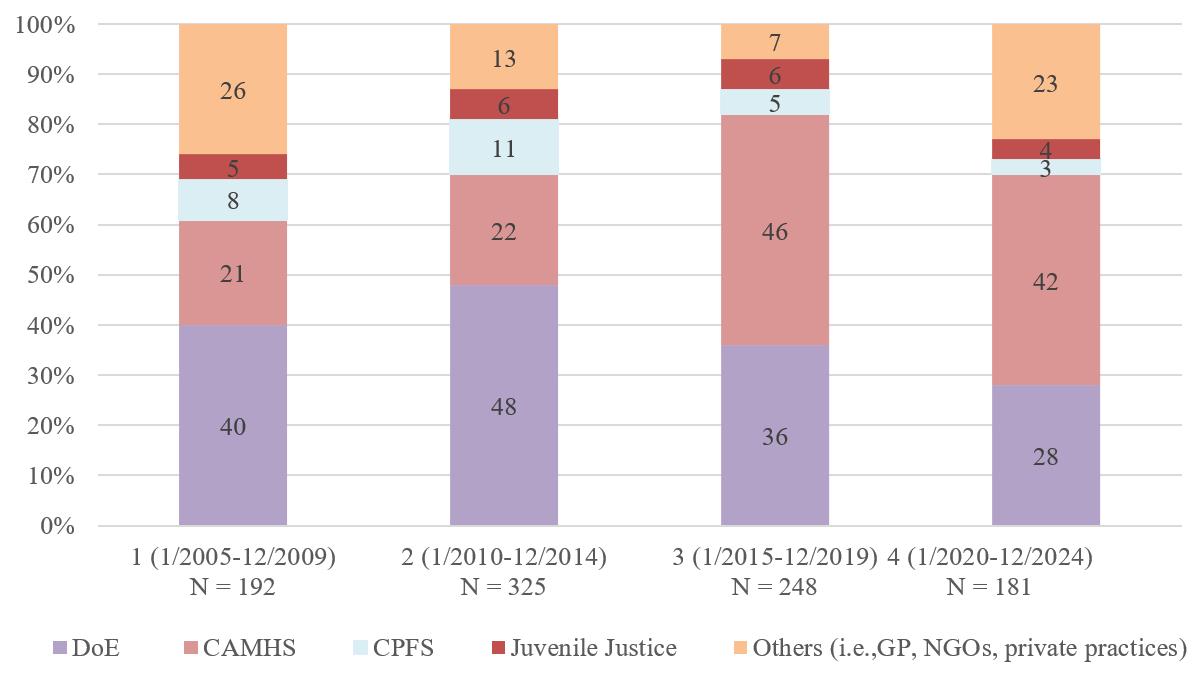
Figure 1. Percentage of referral sources in each cohort. Note: DoE = Department of Education; CAMHS = Child and Adolescent Mental Health Service; CPFS = Child Protection and Family Service; NGOs = Non-government Agencies; GP = General Practitioner.
2.2. Participants
From January 2005 to December 2024, the MST program activated a total of 946 cases, with 859 (91%) completing the program. This analysis includes data from 749 (79%) research participants who engaged in the MST program during that time. Table 1 presents the demographic characteristics and recent childhood adverse experiences reported by MST research participants in each cohort.
Table 1. Socio-economic profiles of MST research participants and percentage of MST completers in each cohort.
|
Total |
Cohort 1 |
Cohort 2 |
Cohort 3 |
Cohort 4 |
||||||
|---|---|---|---|---|---|---|---|---|---|---|
|
Adolescent age (Mean, SD) |
13.65, 1.45 |
13.53, 1.43 |
13.63, 1.48 |
13.74, 1.38 |
13.71, 1.54 |
|||||
|
Caregiver age (Mean, SD) |
42.96, 7.74 |
40.95, 6.86 |
42.04, 7.33 |
43.56, 7.90 |
45.61, 8.24 |
|||||
|
N |
% |
N |
% |
N |
% |
N |
% |
N |
% |
|
|
MST activated cases |
946 |
100 |
192 |
100 |
325 |
100 |
248 |
100 |
181 |
100 |
|
Completers |
859 |
91 |
154 |
80 |
300 |
92 |
233 |
94 |
172 |
95 |
|
Dropouts |
87 |
9 |
38 |
20 |
25 |
8 |
15 |
6 |
9 |
5 |
|
Research participants |
749 |
79 |
171 |
89 |
263 |
81 |
180 |
73 |
135 |
75 |
|
Gender at birth |
||||||||||
|
Male |
543 |
73 |
125 |
73 |
185 |
70 |
127 |
71 |
106 |
79 |
|
Female |
206 |
27 |
46 |
27 |
78 |
30 |
53 |
29 |
28 |
21 |
|
Ethnicity |
||||||||||
|
White |
623 |
83 |
137 |
80 |
222 |
84 |
153 |
85 |
111 |
82 |
|
ATSI * |
69 |
9 |
31 |
18 |
21 |
8 |
11 |
6 |
6 |
5 |
|
CaLD ** |
57 |
8 |
3 |
2 |
20 |
8 |
16 |
9 |
18 |
13 |
|
Family Structure |
||||||||||
|
Intact |
219 |
29 |
38 |
22 |
77 |
29 |
49 |
27 |
55 |
41 |
|
Single parent |
350 |
47 |
92 |
54 |
120 |
46 |
86 |
48 |
52 |
39 |
|
Blended |
140 |
19 |
36 |
21 |
47 |
18 |
39 |
22 |
18 |
13 |
|
Other (i.e., foster family, grandparents or relatives) |
40 |
5 |
5 |
3 |
19 |
7 |
6 |
3 |
10 |
7 |
|
Caregiver Education |
||||||||||
|
High School or lower |
408 |
54 |
121 |
71 |
155 |
59 |
86 |
48 |
46 |
34 |
|
Certificate or diploma |
184 |
25 |
36 |
21 |
63 |
24 |
54 |
30 |
31 |
23 |
|
Bachelor’s degree or higher |
157 |
21 |
14 |
8 |
45 |
17 |
40 |
22 |
58 |
43 |
|
Annual Household Income |
||||||||||
|
Less than or equal national median |
379 |
51 |
106 |
62 |
142 |
54 |
83 |
46 |
48 |
36 |
|
More than national median |
370 |
49 |
65 |
38 |
121 |
46 |
97 |
54 |
87 |
64 |
|
Recent Childhood Adverse Experiences |
||||||||||
|
Parental separation/divorce in the past 3 years |
322 |
43 |
32 |
19 |
100 |
38 |
114 |
63 |
76 |
57 |
|
Financial difficulty |
408 |
54 |
84 |
49 |
137 |
52 |
103 |
57 |
84 |
62 |
|
Family member with drugs or alcohol problems |
358 |
48 |
86 |
50 |
114 |
43 |
94 |
52 |
64 |
47 |
|
Legal problems |
241 |
32 |
36 |
21 |
64 |
24 |
76 |
42 |
65 |
48 |
|
Death of family member or close friend |
326 |
44 |
71 |
41 |
114 |
43 |
76 |
42 |
65 |
48 |
|
Family member with chronic physical illness |
260 |
35 |
35 |
20 |
90 |
34 |
78 |
43 |
57 |
42 |
|
Family member with mental health problem or |
531 |
71 |
88 |
51 |
164 |
62 |
148 |
82 |
131 |
97 |
* Aboriginal and Torres Strait Islander; ** Cultural and Linguistic Diverse.
2.3. Measures
Data for this study were extracted from an existing database and clinical records. Because this data only archived aggregated subscale and total scores rather than individual item-level entries, internal consistency reliability estimate (e.g., Cronbach’s alpha) could not be calculated for the current sample. Consequently, psychometric evaluation relies on established reliability metrics from the standardised validation literature. The psychometric properties of these scales are well-establisehed and derived from both large-scale normative data and extensive clinical validation samples across psychiatric setting, supporting their use in categoriseing clinical range behaviours.
2.3.1. Child Behaviour Checklist (CBCL/6-18)
The CBCL/6-18 is a standardised questionnaire used to evaluate social competence, emotional, and behavioural difficulties in children and adolescents. In this study, the parent-report version was administered longitudinally to monitor symptomatic changes. The measure comprises 113 items rated on a 3-point Likert scale (0 = not true, 1 = somewhat true, 2 = very true). These items form eight subscales: anxious/depressed, withdrawn, somatic complaint, social problems, thought problems, attention problems, rule-breaking behaviour, and aggressive behaviour. These subscales are categorised into two main components: internalising behaviours and externalising behaviours. The CBCL demonstrates robust psychometric properties with internal reliability (Cronbach’s alpha) of 0.97 for total problem scales and subscales alphas ranging from 0.79 to 0.97 [23]. Higher CBCL scores indicated higher levels of adolescent emotional and behavioural problems. For analysis, raw scores were converted into standardised T-scores with values above 63 indicating the clinical range.
2.3.2. Depression, Anxiety and Stress Scale-21 (DASS-21)
Caregiver emotional well-being was evaluated using DASS-21. This 21-items instrument is an abbreviated version of the original scale, designed to measure three distinct negative emotional states. Each 7-items subscale demonstrated acceptable to high internal reliability, with Cronbach’s alpha of 0.81 for depression, 0.73 for anxiety, and 0.81 for stress [24]. To maintain comparability with the full length DASS-42, subscale scores were calculated by summing the relevant items and multiplying the total by two. Higher resulting scores signify increased severity in each psychological domain. Scores were interpreted using standard clinical cut-offs, where “normal” levels are defined as ≤9 for depression, ≤7 for anxiety, and ≤14 for stress. Scores exceeding these thresholds indicate increasing symptom levels from mild to extremely severe.
2.3.3. Health of Nation Outcome Scales, Children and Adolescents (HoNOSCA)
This scale was developed by the Department of Child and Adolescent Psychiatry at the University of Manchester, United Kingdom in 1992 to evaluate clinical outcomes in youth mental health. This study focused on Section A, which consists of 13 sub-scales encompassing four broad domains: behaviour, impairment, symptoms, and social problems. Specific areas of assessment include disruptive or aggressive behaviour, overactivity and attention deficits, scholastic and language skills, peer relationships, and school attendance. Each item is rated on a 4-point scale, where a score of 2 or higher indicates a clinically significant symptom. Because the HoNOSCA covers diverse and often independent clinical domains, its internal reliability (Cronbach’s alpha) is typically lower than measures focusing on single construct: reported values for clinician-rated version generally range from 0.45 to 0.65 [25,26]. Despite this, the measure is widely recognised for its strong inter-rater reliability and its sensitivity to clinical change [27]. As a result, the HoNOSCA is included in the W.A. National Outcomes and Case-mix Collection (NOCC) database as a valuable tool for developing tailored treatment plans and monitoring longitudinal progress [28]. In this study, lower scores over time reflect improvements in young person’s behaviour and functioning following treatment. As the rating is performed by the clinician, it provides a valuable clinician’s perspective on the clinical changes observed in a young person. Given the absence of an official, standardised total score cut-off separating normal and clinical range on the HoNOSCA, tracking youth progress using a reliable change index (RCI) is recommended [29]. In clinical settings, a change of 4 points or more serves as the benchmark threshold for identifying meaningful clinical change. Progress is classified into three specific tiers: improved (score decreased ≥ 4), no reliable change (score variance between −3 and +3), or deteriorated (score increased ≥ 4) [30].
2.3.4. The Strengths and Difficulties Questionnaire (SDQ)
The SDQ is a brief behavioural screening instrument for youth aged 11–17 years. The version used in the W.A. National Outcomes and Case-mix Collection (NOCC) database was adapted from the original version developed by National Institute of Mental Health (NIMH) in 2001. The measure consisted of 25 items divided into five distinct subscales of five items each: emotional symptoms, conduct problems, hyperactivity/inattention, peer relationship problems, and pro-social behaviours. The SDQ has demonstrated acceptable to good psychometric properties within the Australian context [31]. Research generally reports a Cronbach’s alpha of approximately 0.73 to 0.80 for the total difficulties score. While individual subscale reliability can vary, ranging from 0.57 to 0.88, the overall instrument is considered a valid and stable tool for longitudinal monitoring [32,33,34]. In this study, both caregivers and adolescents completed the SDQ at baseline and post-treatment intervals to monitor changes in young person’s behavioural and emotional state. For the four deficit-based scales, a decrease in scores signifies clinical improvement. Conversely, on the pro-social scale, higher scores indicate improved social functioning. According to the tripartite classification system established by Goodman (1997) [35], the SDQ categorised total difficulties and subscale scores based on population percentiles, allocating roughly 80% of youth to the normal range, 10% to the borderline range, and 10% to the clinical range. Clinical-range thresholds are met with a total score ≥ 17, emotional symptoms ≥ 5, conduct problems ≥ 4, hyperactivity ≥ 7, peer problems ≥ 4, and pro-social ≤ 4.
3. Analysis
Extracted data were analysed using the statistical software SPSS version 29. To address research question 1, descriptive statistics (e.g., mean, standard deviation, and percentage) were employed to explore the socio-economic profiles of the total sample and to compare characteristics across cohorts. Bar charts illustrated the prevalence of clinical-level internalising and externalising behaviours in adolescents, alongside clinical levels of depression, anxiety and stress among caregivers across multiple time points. To compare mean scores of CBCL, HoNOSCA, and SDQ across four cohorts, a combination of bar charts and line charts was employed. To address missing scores in the follow-up data, we employed multiple imputation (MI) as recommended by Van Ginkel et al. (2019) [36]. Multiple imputation is the preferred approach because it generates unbiased estimates and accurate standard errors and p-values by explicitly accounting for the uncertainty inherent in missing values. Unlike traditional techniques of handling missing data, such as list-wise deletion, pair-wise deletion or single imputation, MI avoids common pitfalls like data wastefulness, computational errors, and biased p values or confidence intervals. Multiple imputation uses regression models with auxiliary variables to predict missing values based on observed correlations in the data. By filling each gap with multiple plausible values, MI creates several complete versions of the data set that reflect a realistic range of potential.
To address research questions 2 and 3, Linear mixed models (LMMs) for repeated measures were conducted to evaluate longitudinal changes in CBCL, DASS, HoNOSCA, and SDQ scores within and between cohorts. Linear mixed models (LMMs) serve as a versatile alternative to repeated measure ANOVA, particularly when data is missing or unbalanced due to inconsistent measurement frequencies or intervals. Unlike ANOVA, which requires complete cases, LMMs use all available data points for each subject, making them more robust to missing values. Also, there is no strict sphericity assumption for LMMs; instead, they allow for the modeling of diverse covariance structures so that different sources of variability are accurately presented [37]. Both time and Cohorts were treated as categorical variables within LMMs. For the Time factor, three fixed measurement waves were defined: baseline, post-treatment, and 6-month follow-up. Because the study tracks clinical changes at different time points, treating Time categorically allowed the LMMs to model unique, non-linear trajectories across the evaluation windows without assuming a linear trend. Similarly, the Cohort variable comprised four distinct levels (Cohort 1 through 4). Coding Cohort categorically allows the models to capture non-linear, historical fluctuations in baseline clinical profiles across independent groups of families entering the service across different eras.
To evaluate the magnitude of the effects, effect sizes were calculated manually, as SPSS does not provide standardized effect sizes for linear mixed models. For overall fixed effects, an approximate partial eta squared (ղρ2) was computed using the F-statistic and degree of freedom (numerator df × F/[(numerator df × F) + denominator df]). To account for the repeated measures and missing data, a Heterogeneous First-Order Autoregressive (ARH1) covariance structure and Model fit using Restricted Maximum Likelihood (REML) with Satterthwaite degrees of freedom were utilised. This structure was selected as it allows for unequal variances at each time point while accounting for the correlation between sequential measurements. All post-hoc pairwise comparisons were systematically adjusted using the Bonferroni correction to account for multiple testing and maintain the alpha level at 0.05.
4. Results
The average age of adolescents at activation was 13.7 years, while the average age of caregivers was 43 years. Most adolescents were identified as male, comprising over 70% in all cohorts. More than 80% of adolescents across all cohorts were white, with an increasing percentage of Culturally and Linguistically Diverse (CaLD) adolescents in the later cohorts. Approximately half of the adolescents in the first three cohorts lived in single-parent households. However, the last cohort shows a slightly higher percentage of adolescents residing in intact families (41%) compared to single-parent households (39%). Overall, around half of the caregivers had the highest level of education at the high school level, but the last cohort revealed that the percentage of caregivers with a bachelor’s degree or higher (43%) exceeded those with lower education levels. Additionally, about half of the participants reported an annual household income below the national median, while the last cohort showed a significantly higher percentage of families with an annual household income above the national median (64%).
The findings on recent childhood adverse experiences (Table 1) indicate that the percentage of participants reporting parental separation or divorce in the past three years continues to rise across all cohorts. Despite the increased rate of recent parental separations, it is notable that in the last cohort a higher percentage of intact families was observed (41%). This may suggest an increase in reconciliation rates in recent years. More than half of the participants experienced financial difficulties, such as being deeply in debt, job loss, or a reduction in income of more than 20%, with an increasing percentage noted in each cohort. Approximately half of the participants reported having a family member with drug or alcohol problems across all cohorts. The percentage of families facing legal issues—such as custody disputes, violence restraining orders, and juvenile offending sentences—has doubled in the recent cohorts compared to earlier ones. Nearly half of the participants have experienced the death of a family member or a close friend across all cohorts, with rates increasing in recent years. Additionally, the percentage of participants reporting a family member diagnosed with chronic physical illnesses, ongoing mental health issues, or neurodivergent disorders has risen in each cohort, with the most recent cohort showing that 97% of participants reported a family member diagnosed with an ongoing mental health problem or neurodivergent disorders.
As illustrated in Figure 2, most caregivers rated their adolescents’ baseline CBCL scores within the clinical range, with this proportion increasing across successive cohorts. Notably, in the most recent cohort, 100% of adolescents were classified at the clinical level at baseline total score. This trend may be driven by the rising percentage of adolescents presenting with clinical-level internalising problems across the cohorts. Despite these high baseline figures, positive outcomes were observed across all cohorts: the percentage of adolescents in the clinical range decreased by over 30% post-treatment, with minor fluctuations recorded at the 6-month follow-up. The data suggests that while the treatment potentially reduces immediate post-treatment symptoms, long-term sustainability may be compromised by baseline severity levels, which has risen significantly over the last two decades. The most recent cohort (2020–2024) presents with more adolescents with initial scores in the clinical severity range and appears to have more difficulty maintaining treatment gains, especially in internalising problems, at the 6-month mark compared to earlier cohorts.
Figure 3 displays the mean T-scores for CBCL scores categorised into internalising and externalising problems. At baseline, all cohorts exhibited mean T-scores for both internalising and externalising problems within the clinical range, with particularly high scores for externalising problems. While improvements in emotional and behavioral issues were observed post-treatment and maintained at the 6-month follow-up, the mean T-scores continued to fall within the clinical range for all cohorts except for the first cohort, which showed mean T-scores for internalising problems below the clinical range at both post-treatment and the 6-month follow-up. In addition, increased baseline scores in both categories were observed across all cohorts, indicating a more complex clinical profile among adolescents referred to the program in recent years.
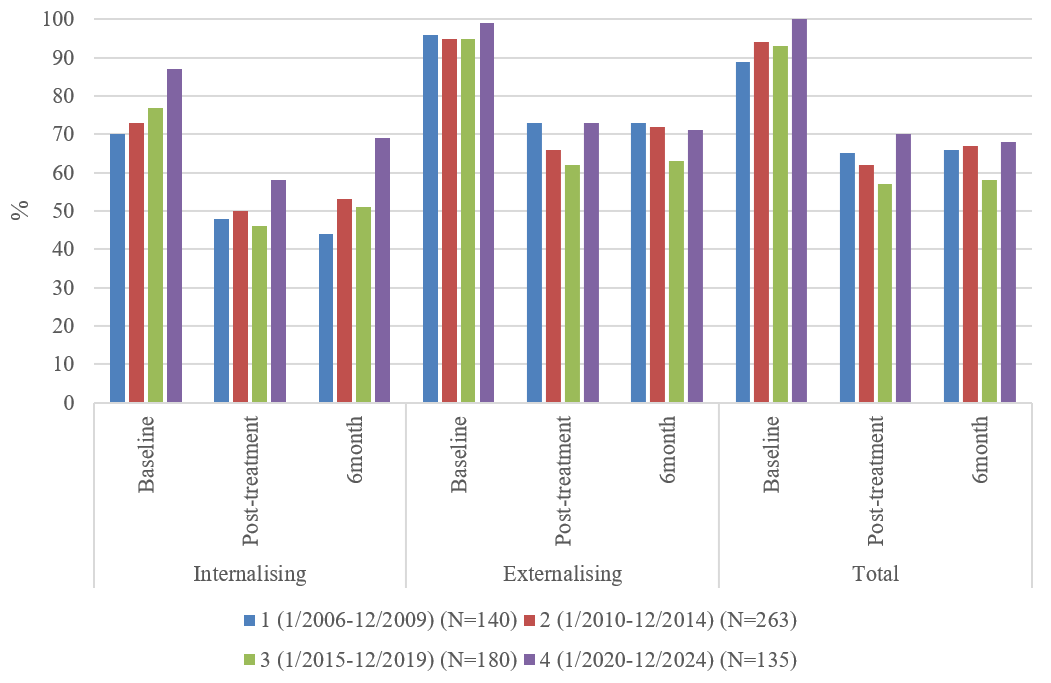
Figure 2. Percentage of adolescents with CBCL scores in clinical range at baseline, post treatment and 6-month follow-up in each cohort.
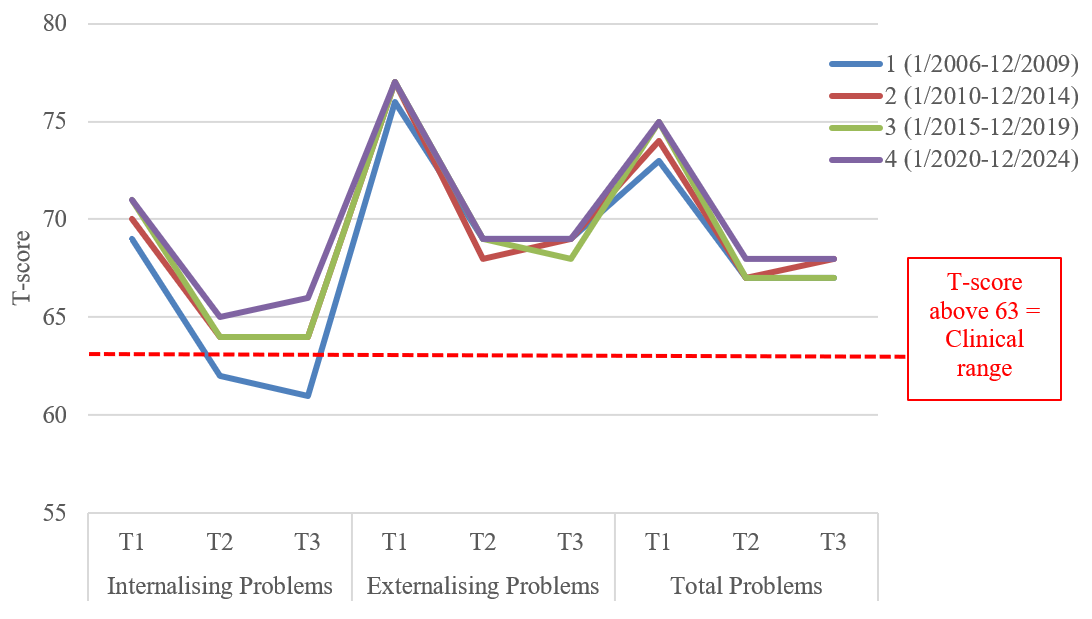
Figure 3. CBCL Mean T-scores at baseline (T1), post treatment (T2), and 6-month follow-up (T3) in each cohort.
To investigate further into the effect of Cohort (4 groups) and Time (Baseline, Post-treatment and 6-month follow up) on CBCL scores, a linear mixed model (LMM) was conducted. Table 2 shows the outcomes from Linear mixed models. Firstly, the analysis of CBCL internalising scores revealed a significant main effect of Time, F(2816.62) = 199.53, p < 0.001, approximate ղρ2 = 0.33, indicating that CBCL internalizing score changed significantly across the time point. There was also a significant main effect of Cohort, F(3695.52) = 4.97, p = 0.002, approximate ղρ2 = 0.02 suggesting overall small differences in symptom severity between the four cohorts. However, the Time × Cohort interaction was not significant F(6822.13) = 0.67, p = 0.678, approximate ղρ2 = 0.00 suggesting that the change in CBCL internalising scores over time did not differ significantly across the four cohorts.
Secondly, the analysis of CBCL externalising scores revealed a significant main effect of Time, F(2678.95) = 397.83, p < 0.001, approximate ղρ2 = 0.54 indicating that CBCL externalising score changed significantly across the time point. However, the main effect of Cohort was not significant, F(3664.32) = 1.06, p = 0.36, approximate ղρ2 = 0.00. The Time × Cohort interaction also was not significant F(6678.77) = 2.04, p = 0.059, approximate ղρ2 = 0.02 suggesting that the change in CBCL externalising scores over time did not differ significantly across the four cohorts.
Thirdly, the analysis of CBCL total scores revealed a significant main effect of Time, F(2716.12) = 395.30, p < 0.001, approximate ղρ2 = 0.52 indicating that CBCL total score changed significantly across the time point. There was also a significant main effect of Cohort, F(3686.29) = 3.95, p = 0.008, approximate ղρ2 = 0.02 suggesting overall small differences in symptom severity between the four cohorts. However, the Time × Cohort interaction was not significant F(6716.13) = 1.47, p = 0.185, approximate ղρ2 = 0.01 suggesting that the change in CBCL total scores over time did not differ significantly across the four cohorts. Because the interaction was non-significant, we can infer that the observed improvements associated with the MST intervention were consistent across four cohorts.
Table 2. Fixed effects results for CBCL scores (N = 713).
|
Source |
Numerator df |
Denominator df |
F |
p |
Effect Size (Approx. ղρ2) |
Interpretation |
|---|---|---|---|---|---|---|
|
CBCL Internalising |
||||||
|
Intercept |
1 |
694.50 |
2155.57 |
<0.001 |
||
|
Time |
2 |
816.62 |
199.53 |
<0.001 |
0.33 |
Large |
|
Cohort |
3 |
695.52 |
4.97 |
0.002 |
0.02 |
Small |
|
Time × Cohort |
6 |
822.13 |
0.67 |
0.678 |
0.00 |
Negligible |
|
CBCL Externalising |
||||||
|
Intercept |
1 |
663.17 |
4965.12 |
<0.001 |
||
|
Time |
2 |
678.95 |
397.83 |
<0.001 |
0.54 |
Large |
|
Cohort |
3 |
664.32 |
1.06 |
0.366 |
0.00 |
Negligible |
|
Time × Cohort |
6 |
678.77 |
2.04 |
0.059 |
0.02 |
Small |
|
CBCL Total |
||||||
|
Intercept |
1 |
685.16 |
4831.84 |
<0.001 |
||
|
Time |
2 |
716.12 |
395.3 |
<0.001 |
0.52 |
Large |
|
Cohort |
3 |
686.28 |
3.95 |
0.008 |
0.02 |
Small |
|
Time × Cohort |
6 |
716.13 |
1.47 |
0.185 |
0.01 |
Negligible |
Post-hoc pairwise comparisons using Bonferroni adjustment showed a substantial and significant reduction in CBCL scores immediately following baseline. CBCL scores from baseline to post-treatment dropped significantly as follow: CBCL internalising from M = 22.11 (SE = 0.44) to M = 14.72 (SE = 0.3), a mean difference of −7.40 (p < 0.001); CBCL externalising from M = 39.41 (SE = 0.43) to M = 25.50 (SE = 0.57), a mean difference of −13.90 (p < 0.001); CBCL total from M = 96.01 (SE = 1.15) to M = 63.87 (SE = 1.36), a mean difference of −32.14 (p < 0.001). The reduction was maintained at the 6-month follow up as follows: CBCL internalising M = 15.03 (SE = 0.47); CBCL externalising M = 24.59 (SE = 0.64); CBCL total M = 62.93 (SE = 1.49). The difference between post-treatment and 6-month follow up was not significant, confirming that the initial improvements were sustained. The outcome from CBCL total scores also indicated that, regardless of time points, Cohort 4 generally exhibited higher symptom scores than the other cohorts. Specifically, Cohort 4 (M = 80.95) had significantly higher scores than Cohort 1 (p = 0.027) and Cohort 3 (p = 0.011). Differences between other cohorts did not reach statistical significance. This indicated that adolescents in the recent Cohort (2020–2024) exhibited more severe in their emotional and behavioural problems compared to previous cohorts.
To account for the longitudinal nature of the CBCL data, several covariance structures were evaluated. The Heterogeneous First-Order Autoregressive (ARH1) structure provided the best fit, confirming that participant variability did not remain constant over time. The variances shift from Baseline to Post-treatment across all domains as follow: CBCL internalising (from 129.73 to 106.57), CBCL externalising (from 123.71 to 184.37), and CBCL total (from 827.80 to 1048.96). The correlation between adjacent time points was moderate to strong as follows: CBCL internalising (ρ = 0.676), CBCL externalizing (ρ = 0.520), and CBCL total (ρ = 0.604). This indicated that overall adolescent who started with the highest scores tended to remine the highest scores later, even if their actual number dropped.
Figure 4 displays the percentage of caregivers scoring within the clinical range for depression, anxiety, and stress across four chronological cohorts at baseline, post-treatment, and 6-month follow-up. Across all categories, there was a sharp decrease in the percentage of caregivers with clinical severity from baseline to post-treatment. Stress appears to be the most persistent issue, as the percentage of caregivers experiencing clinical level stress at baseline has risen steadily with each subsequent cohort. While some fluctuations occurred at the 6-month follow-up, the percentages generally remained lower than baseline. To investigate further into the effect of Cohort (4 groups) and Time (Baseline, Post-treatment, and 6-month follow up) on DASS scores, linear mixed models (LMM) were conducted.
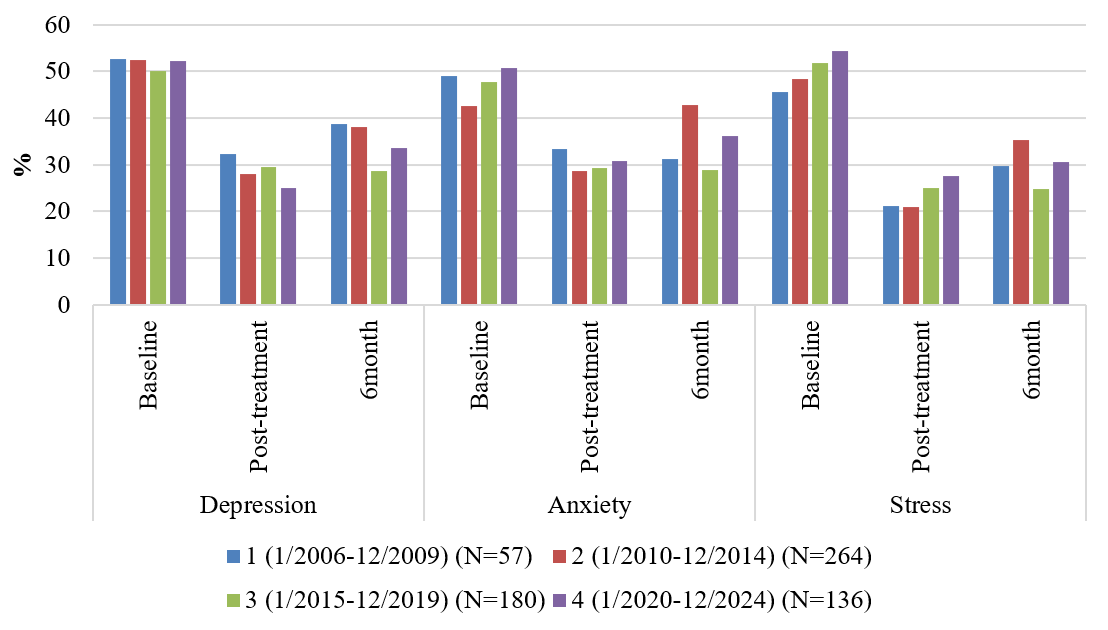
Figure 4. Percentage of caregivers with DASS scores in clinical range at baseline, post treatment and 6-month follow-up in each cohort.
Table 3 shows the outcomes from Linear mixed models conducted to examine the effect of Time (Baseline, Post-treatment, 6-month follow up) and Cohort (4 groups) on DASS scores. Firstly, the analysis of DASS scores revealed a significant main effect of Time as follow: Depression F(2688.33) = 74.03, p < 0.001, approximate ղρ2 = 0.18; Anxiety F(2719.26) = 55.00, p < 0.001, approximate ղρ2 = 0.13; Stress F(2660.76) = 102.75, p < 0.001, approximate ղρ2 = 0.24. These indicated that all DASS scores changed significantly across the time points. However, the main effect of Cohort was not significant for all DASS scores as follow: Depression F(3591.07) = 0.09, p = 0.964, approximate ղρ2 = 0.00; Anxiety F(3613.92) = 0.78, p = 0.504, approximate ղρ2 = 0.00; Stress F(3606.13) = 0.32, p = 0.813 approximate ղρ2 = 0.00. This suggested that there is no difference in DASS overall symptom severity between the four cohorts. The Time × Cohort interaction also was not significant as follow: Depression F(6685.24) = 0.70, p = 0.652, approximate ղρ2 = 0.01; Anxiety F(6715.36) = 1.21, p = 0.298, approximate ղρ2 = 0.01; stress F(6657.93) = 0.61, p = 0.724, approximate ղρ2 = 0.00. This suggested that the change in DASS scores over time did not differ significantly across the four cohorts. Because the interaction was non-significant, we could infer that the observed improvement of caregiver’s mental health associated with the MST intervention were consistent all four cohorts.
Post-hoc pairwise comparisons using Bonferroni adjustment showed a substantial and significant reduction in DASS scores immediately following baseline. DASS scores from baseline to post-treatment dropped significantly as follow: Depression from M = 14.96 (SE = 0.52) to M = 8.77 (SE = 0.46), a mean difference of −6.19 (p < 0.001); Anxiety from M = 10.88 (SE = 0.46) to M = 6.53 (SE = 0.39), a mean difference of −4.35 (p < 0.001); Stress from M = 19.54 (SE = 0.47) to M = 12.75 (SE = 0.45), a mean difference of −6.80 (p < 0.001). The reduction was maintained at the 6-month follow up as follow: Depression M = 9.59 (SE = 0.54); Anxiety M = 7.03 (SE = 0.47); Stress M = 13.79 (SE = 0.54). The difference between post-treatment and 6-month follow up was not significant, confirming that the initial improvements were sustained.
The Heterogeneous First-Order Autoregressive (ARH1) structure confirmed that participant variability did not remain constant overtime. The variances shift from Baseline to Post-treatment as follow: Depression (from 127.85 to 84.74), Anxiety (from 96.81 to 60.34), and Stress (from 105.00 to 79.90). The correlation between adjacent time points was moderate as follow: Depression (ρ = 0.509), Anxiety (ρ = 0.564), and Stress (ρ = 0.509). This indicated that overall caregivers who started with the highest scores tended to remine the highest scores later, even if their total score went down.
Table 3. Fixed effects results for caregivers’ DASS scores (N = 637).
|
Source |
Numerator df |
Denominator df |
F |
p |
Effect Size (Approx. ղρ2) |
Interpretation |
|---|---|---|---|---|---|---|
|
Depression |
|
|
|
|
||
|
Intercept |
1 |
583.67 |
820.31 |
<0.001 |
||
|
Time |
2 |
688.33 |
74.03 |
<0.001 |
0.18 |
Large |
|
Cohort |
3 |
591.07 |
0.09 |
0.964 |
0.00 |
Negligible |
|
Time × Cohort |
6 |
685.24 |
0.70 |
0.652 |
0.01 |
Negligible |
|
Anxiety |
|
|
|
|
||
|
Intercept |
1 |
606.58 |
567.48 |
<0.001 |
||
|
Time |
2 |
719.26 |
54.96 |
<0.001 |
0.13 |
Medium |
|
Cohort |
3 |
613.92 |
0.78 |
0.504 |
0.00 |
Negligible |
|
Time × Cohort |
6 |
715.36 |
1.21 |
0.298 |
0.01 |
Negligible |
|
Stress |
|
|
|
|
||
|
Intercept |
1 |
598.58 |
1708.95 |
<0.001 |
||
|
Time |
2 |
660.76 |
102.75 |
<0.001 |
0.24 |
Large |
|
Cohort |
3 |
606.13 |
0.32 |
0.813 |
0.00 |
Negligible |
|
Time × Cohort |
6 |
657.93 |
0.61 |
0.724 |
0.01 |
Negligible |
Treatment outcomes were further evaluated using data collected from multiple informants. We analysed HoNOSCA scores reported by clinicians and SDQ scores reported by caregivers and adolescents. HoNOSCA scores were compiled and classified using Reliable Change Index (RCI) methodology (Jacobson & Truax, 1991) [29]. Figure 5 illustrates that the proportion of adolescents achieved reliable improvement was consistent across all cohorts (roughly above 60%), with rates of deterioration remined marginal (less than 7%). These data demonstrate that the MST intervention is associated with statistically meaningful and clinically significant symptom reduction for most adolescents treated.
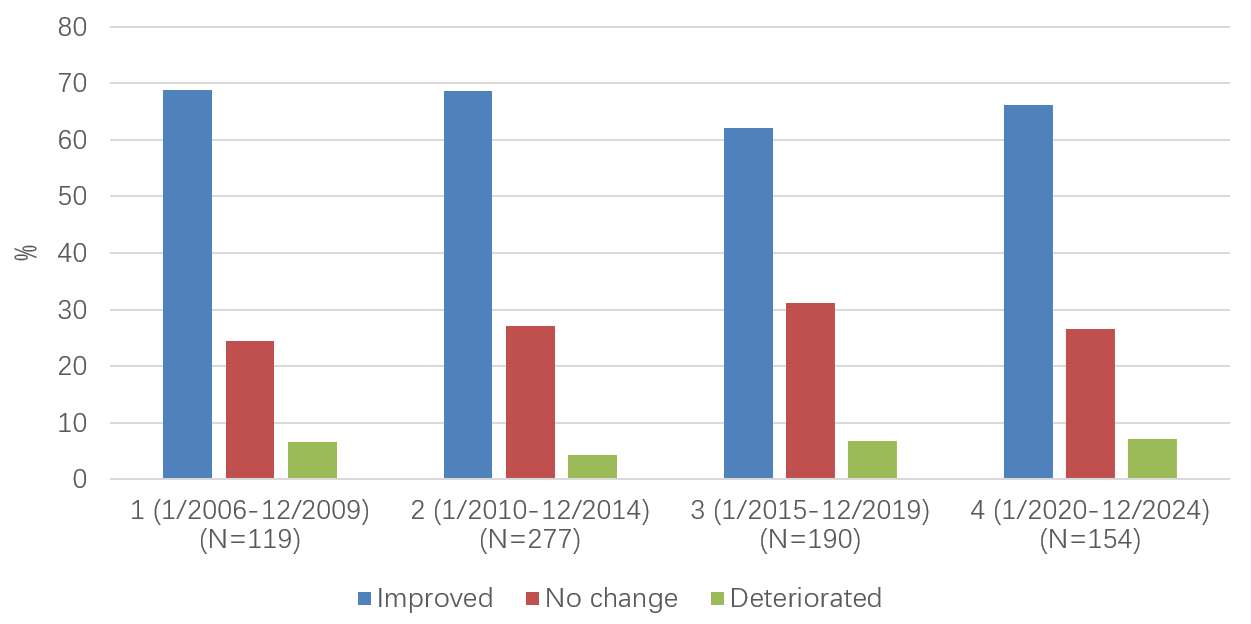
Figure 6 indicates that clinicians also reported a consistent pattern of clinical improvement across all longitudinal cohorts. While the baseline severity fluctuated over the years, peaking significantly in Cohort 3 (2015–2019), the post-treatment scores suggest that the intervention is associated with positive outcomes. Linear mixed models were conducted to examine the effect of Time (Baseline and Post-treatment) and Cohort (4 groups) on HoNOSCA scores.
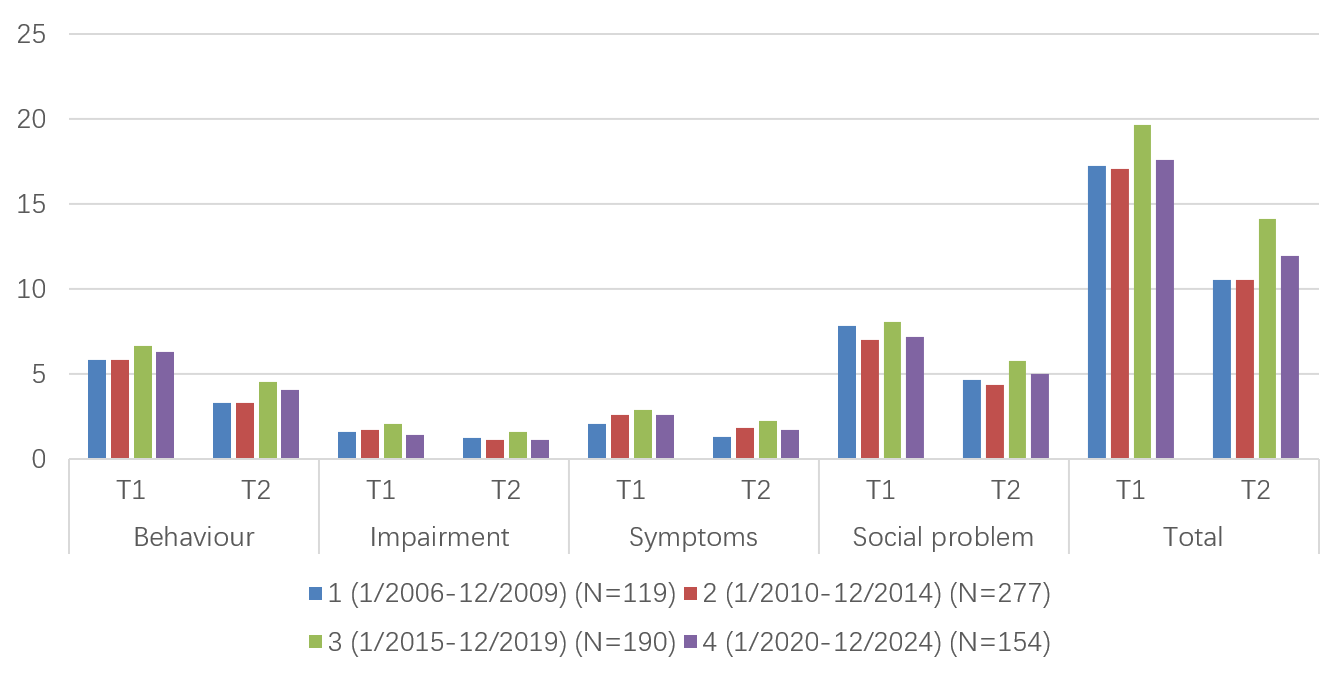
Table 4 presents the results from LMM confirming that there were highly significant main effects for Time across all sub-scores and the Total score (F(1817.68) = 673.87, p < 0.001, approximate ղρ2 = 0.45), indicating substantial clinical change between time points. Significant differences were also observed between the four Cohorts (F(3882.25) = 17.01, p < 0.001, approximate ղρ2 = 0.05), suggesting varying levels of severity at baseline.
Table 4. Fixed effects results for HoNOSCA scores (N = 637).
|
Source |
Numerator df |
Denominator df |
F |
p |
Effect Size (Approx. ղρ2) |
Interpretation |
|---|---|---|---|---|---|---|
|
Behaviour |
||||||
|
Intercept |
1 |
888.06 |
4594.35 |
<0.001 |
||
|
Time |
1 |
817.28 |
640.47 |
<0.001 |
0.44 |
Large |
|
Cohort |
3 |
883.83 |
13.03 |
<0.001 |
0.04 |
Small |
|
Time × Cohort |
3 |
813.62 |
1.58 |
0.194 |
0.01 |
Negligible |
|
Impairment |
||||||
|
Intercept |
1 |
886.63 |
1194.16 |
<0.001 |
||
|
Time |
1 |
818.34 |
46.67 |
<0.001 |
0.05 |
Medium |
|
Cohort |
3 |
882.05 |
8.08 |
<0.001 |
0.03 |
Medium |
|
Time × Cohort |
3 |
814.46 |
1.43 |
0.233 |
0.01 |
Negligible |
|
Symptoms |
||||||
|
Intercept |
1 |
886.00 |
1976.18 |
<0.001 |
||
|
Time |
1 |
818.93 |
141.13 |
<0.001 |
0.15 |
Large |
|
Cohort |
3 |
881.69 |
12.26 |
<0.001 |
0.04 |
Small |
|
Time × Cohort |
3 |
815.24 |
0.70 |
0.553 |
0.00 |
Negligible |
|
Social |
||||||
|
Intercept |
1 |
890.16 |
4989.83 |
<0.001 |
||
|
Time |
1 |
816.10 |
511.611 |
<0.001 |
0.39 |
Large |
|
Cohort |
3 |
885.57 |
10.152 |
<0.001 |
0.03 |
Small |
|
Time × Cohort |
3 |
812.17 |
3.06 |
0.028 |
0.01 |
Small |
|
Total |
||||||
|
Intercept |
1 |
886.48 |
6556.66 |
<0.001 |
||
|
Time |
1 |
817.68 |
673.87 |
<0.001 |
0.45 |
Large |
|
Cohort |
3 |
882.25 |
17.01 |
<0.001 |
0.05 |
Medium |
|
Time × Cohort |
3 |
814.04 |
1.59 |
0.190 |
0.01 |
Negligible |
Post-hoc pairwise comparisons using Bonferroni adjustment showed a substantial and significant reduction in HoNOSCA scores immediately following baseline. HoNOSCA scores from baseline to post-treatment dropped significantly as follow: behaviour problems from M = 6.144 (SE = 0.08) to M = 3.80 (SE = 0.09), a mean difference of 2.34 (p < 0.001); impairment from M = 1.70 (SE = 0.05) to M = 1.30 (SE = 0.05), a mean difference of 0.40 (p < 0.001); symptomatic from M = 2.55 (SE = 0.06) to M = 1.79 (SE = 0.06), a mean difference of 0.76 (p < 0.001); social problems from M = 7.52 (SE = 0.10) to M = 4.96 (SE = 0.11), a mean difference of 2.56 (p < 0.001); total score from M = 17.89 (SE = 0.21) to M = 11.78 (SE = 0.23), a mean difference of 6.11 (p < 0.001).
The outcome also confirms that Cohort 3 (2015–2019) baseline score is significantly higher than every other cohort. This indicated more severe in emotional and behavioural problems in Cohort 3 (2015–2019) adolescents compared to other cohorts. Time × Cohort interaction was found only for social problems (F(3812.17) = 3.06, p = 0.028). This indicates that while all other outcomes followed a similar trajectory of change across cohorts, Cohort 3 not only started with the highest severity of social problems but also had the smallest absolute reduction compared to other cohorts.
Figure 7 illustrates the percentage of adolescent scoring within the clinical range on the SDQ at baseline and post-treatment, utilising both caregiver and youth self-report measures. Across all subscales, caregivers systematically reported higher levels of difficulty than adolescents reported for themselves, which is a common pattern in pediatric mental health tracking. Positive changes in adolescent problems behaviours were observed followed by the intervention. Caregiver-reported clinical levels for total difficulties dropped sharply from around 80% at baseline to between 50 and 60% post-treatment. Conduct problems emerged as the most persistent issues. This aligns directly with the target population for MST referrals, with around 90% of adolescents across all cohorts scoring within the clinical range at baseline. Notably, in the most recent cohort, a higher proportion of adolescents met clinical thresholds at baseline than in previous cohorts, aligning closely with the CBCL score findings detailed in the preceding section. Despite positive outcomes being observed across all cohorts, cohort 4 maintained the highest percentage of adolescents within the clinical range post-treatment. These data suggest that while the MST intervention is associated with symptom reduction, initial clinical severity has risen markedly over the past two decades. Consequently, the most recent cohort presents with more severe baseline symptoms and exhibits greater difficulty returning to sub-clinical thresholds post-treatment.
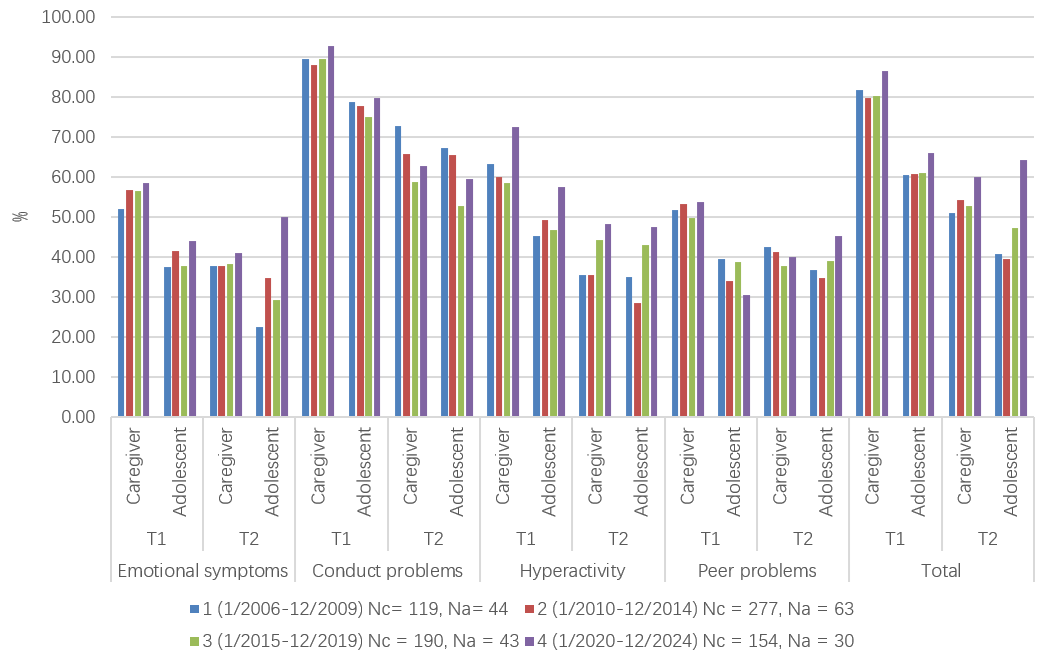
Figure 7. Percentage of adolescents with SDQ scores in clinical range at baseline, and post treatment in each cohort. Nc = Number of caregivers; Na = Number of adolescents.
Figure 8 displays the mean scores of Strengths and Difficulties Questionnaire (SDQ) reported by caregiver and adolescent at baseline and post-treatment. Across all categories, there was a decrease in SDQ scores in both caregiver-report and adolescent self-report, and across all longitudinal cohorts. The baseline severity of adolescent problems fluctuated over the years, with the highest scores in Cohort 4 (2020–2024). Linear mixed models were conducted to examine the effect of Time (Baseline and Post-treatment) and Cohort (4 groups) on SDQ scores.
Table 5 presents the results of Linear mixed models examining the effect of Time (Baseline and Post-treatment) and Cohort (4 groups) on SDQ scores. There were highly significant main effects for Time across all sub-scores and the caregiver-report Total score (F(1663.39) = 338.42, p < 0.001, approximate ղρ2 = 0.34) and adolescent self-report Total score (F(1252.21) = 31.45, p < 0.001, approximate ղρ2 = 0.11) indicating substantial clinical change at post-treatment. Small but significant differences were also observed between the four Cohorts in hyperactivity scores: caregiver-report (F(3795.23) = 3.38, p = 0.018, approximate ղρ2 = 0.01) and adolescent self-report (F(3414.98) = 2.74, p = 0.043, approximate ղρ2 = 0.03), suggesting varying severity of hyperactivity at baseline between the four cohorts. However, the Time × Cohort interaction was significant only for the caregiver-report conduct problems score with small effect size (F(3674.90) = 2.82, p = 0.038, approximate ղρ2 = 0.01). This indicates that while the interaction’s impact slightly on conduct problems varied by cohort, all other outcomes followed a similar trajectory of change across cohorts.
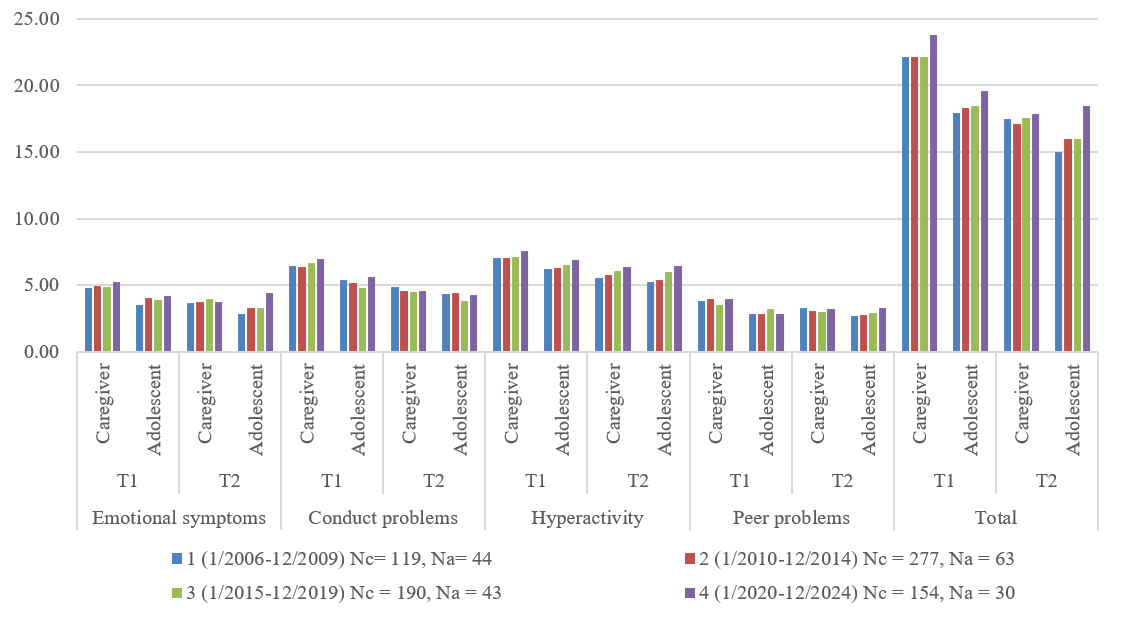
Figure 8. SDQ mean scores at baseline and post-treatment reported by caregivers and adolescents in each cohort. Nc = Number of caregivers; Na = Number of adolescents.
Post-hoc pairwise comparisons using Bonferroni adjustment showed a substantial and significant reduction in SDQ scores immediately following baseline. SDQ caregiver-report scores from baseline to post-treatment dropped significantly as follow: emotional problems from M = 4.97 (SE = 0.09) to M = 3.77 (SE = 0.10), a mean difference of 1.20 (p < 0.001); conduct problems from M = 6.63 (SE = 0.05) to M = 4.62 (SE = 0.10), a mean difference of 2.01 (p < 0.001); hyperactivity from M = 7.21 (SE = 0.08) to M = 5.95 (SE = 0.10), a mean difference of 1.26 (p < 0.001); peer problems from M = 3.80 (SE = 0.08) to M = 3.15 (SE = 0.08), a mean difference of 0.65 (p < 0.001); total score from M = 22.57 (SE = 0.23) to M = 17.52 (SE = 0.28), a mean difference of 5.05 (p < 0.001). SDQ adolescent self-report scores from baseline to post-treatment dropped significantly except peer problems score as follow: emotional problems from M = 3.91 (SE = 0.13) to M = 3.46 (SE = 0.14), a mean difference of 0.44 (p = 0.003); conduct problems from M = 5.24 (SE = 0.11) to M = 4.21 (SE = 0.13), a mean difference of 1.03 (p < 0.001); hyperactivity from M = 6.49 (SE = 0.12) to M = 5.76 (SE = 0.14), a mean difference of 0.73 (p < 0.001); peer problems from M = 2.94 (SE = 0.10) to M = 2.92 (SE = 0.12), a mean difference of 0.02 (p = 0.898); total score from M = 18.58 (SE = 0.31) to M = 16.36 (SE = 0.38), a mean difference of 2.22 (p < 0.001). The outcome from SDQ hyperactivity scores also indicated that, regardless of time points, Cohort 4 generally exhibited higher symptom scores than the cohort 1 and 2 (p < 0.05) in both caregiver-report and adolescent self-report. Time × Cohort interaction was found only for parent-report conduct problems. This indicates that while all other outcomes followed a similar trajectory of change across cohorts, in conduct problems, Cohort 4 not only started with the highest severity, but they also had a rate of improvement significantly higher than the earlier cohorts.
Table 5. Fixed effects results for SDQ scores.
|
Source |
Numerator df |
Denominator df |
F |
p |
Effect Size (Approx. ղρ2) |
Interpretation |
Numerator df |
Denominator df |
F |
p |
Effect Size (Approx. ղρ2) |
Interpretation |
|---|---|---|---|---|---|---|---|---|---|---|---|---|
|
Parent-Report |
Youth-Report |
|||||||||||
|
Emotional symptoms |
||||||||||||
|
Intercept |
1 |
816.52 |
2697.77 |
<0.001 |
1 |
424.04 |
1042.84 |
<0.001 |
||||
|
Time |
1 |
678.27 |
143.67 |
<0.001 |
0.17 |
Large |
1 |
252.49 |
8.90 |
0.003 |
0.03 |
Small |
|
Cohort |
3 |
814.17 |
0.46 |
0.713 |
0.00 |
Negligible |
3 |
424.66 |
3.24 |
0.022 |
0.02 |
Small |
|
Time × Cohort |
3 |
677.88 |
1.80 |
0.146 |
0.01 |
Negligible |
3 |
252.18 |
1.63 |
0.183 |
0.01 |
Negligible |
|
Conduct problems |
||||||||||||
|
Intercept |
1 |
792.52 |
5378.53 |
<0.001 |
1 |
415.96 |
2308.98 |
<0.001 |
||||
|
Time |
1 |
674.9 |
374.28 |
<0.001 |
0.36 |
Large |
1 |
260.24 |
58.99 |
<0.001 |
0.18 |
Large |
|
Cohort |
3 |
790.12 |
0.76 |
0.516 |
0.00 |
Negligible |
3 |
416.51 |
2.09 |
0.101 |
0.01 |
Negligible |
|
Time × Cohort |
3 |
674.9 |
2.82 |
0.038 |
0.01 |
Negligible |
3 |
260.05 |
0.68 |
0.566 |
0.00 |
Negligible |
|
Hyperactivity |
||||||||||||
|
Intercept |
1 |
797.52 |
7803.72 |
<0.001 |
1 |
422.93 |
3254.56 |
<0.001 |
||||
|
Time |
1 |
671.72 |
174.79 |
<0.001 |
0.21 |
Large |
1 |
276.95 |
22.89 |
<0.001 |
0.08 |
Medium |
|
Cohort |
3 |
795.23 |
3.38 |
0.018 |
0.01 |
Small |
3 |
423.35 |
3.68 |
0.012 |
0.03 |
Small |
|
Time × Cohort |
3 |
671.62 |
0.83 |
0.478 |
0.00 |
Negligible |
3 |
276.73 |
0.79 |
0.500 |
0.01 |
Negligible |
|
Peer problems |
||||||||||||
|
Intercept |
1 |
799.88 |
2499.73 |
<0.001 |
1 |
444.53 |
1066.75 |
<0.001 |
||||
|
Time |
1 |
675.87 |
62.69 |
<0.001 |
0.08 |
Medium |
1 |
286.91 |
0.02 |
0.898 |
0.00 |
Negligible |
|
Cohort |
3 |
798.04 |
0.89 |
0.444 |
0.00 |
Negligible |
3 |
444.94 |
0.86 |
0.463 |
0.01 |
Negligible |
|
Time × Cohort |
3 |
675.30 |
1.60 |
0.189 |
0.01 |
Negligible |
3 |
286.43 |
1.48 |
0.219 |
0.01 |
Negligible |
|
Total |
||||||||||||
|
Intercept |
1 |
790.22 |
8802.26 |
<0.001 |
1 |
414.42 |
3648.87 |
<0.001 |
||||
|
Time |
1 |
663.39 |
338.42 |
<0.001 |
0.34 |
Large |
1 |
252.21 |
31.45 |
<0.001 |
0.11 |
Medium |
|
Cohort |
3 |
787.76 |
1.60 |
0.187 |
0.01 |
Negligible |
3 |
414.98 |
2.74 |
0.043 |
0.02 |
Small |
|
Time × Cohort |
3 |
663.64 |
1.20 |
0.310 |
0.01 |
Negligible |
3 |
252.20 |
0.76 |
0.519 |
0.01 |
Negligible |
5. Discussion
This prospective longitudinal observational cohort study follows adolescents with antisocial behaviours and their families over time from the intake into the MST program to discharge and 6-month follow-up. The outcomes reflect the shift in the WA CAMHS MST program implementation and service delivery in the past 20 years since implementation. The demographic data suggest a noticeable shift in participant profiles from low-income, high-risk households toward a more affluent, academic demographic, as evidenced by a rise in family income and caregiver education across cohorts. This transition corresponds with a shift in referral source from educational to clinical settings, such as the government Child and Adolescent Mental Health Services (CAMHS), and non-government mental health services, indicating higher-SES families are accessing the program via different pathways. While this shift correlates with higher engagement rates, it raises questions about ensuring service accessibility for the most vulnerable populations. Primary parent and carer challenges appear to be moving from socio-economic adversity to diagnosed mental health issues.
In this study, the collected data regarding recent childhood adverse experiences indicate that the percentage of participants reporting parental separation or divorce in the previous three years continues to rise in successive cohorts. Notably, however the most recent cohort (2020–2024) concurrently demonstrates a higher proportion of intact family structures (41%). This apparent discrepancy within the 2020–2024 sub-sample may not reflect broader demographic trends; rather points to situational or methodological factors. Situational factors, such as pandemic-related social constraints, mobility restrictions, or limited access to alternative accommodation, could have incentivised some families to maintain shared households out of practical necessity, potentially masking underlying marital distress or separations that did not result in immediate residential changes. More than half of the participants experienced financial difficulties, such as being deeply in debt, job loss, or a reduction in income of more than 20%, with an increasing percentage noted in each cohort. Consequently, remaining in an intact family may have served as a buffer against increasing cost of living pressures. From a methodological perspective, these patterns could have been driven by evolving referral pathways, and service access variations that artificially increased the proportion of higher-SES families in the final cohort. Approximately half of the participants reported having a family member with drug or alcohol problems across all cohorts. The percentage of families facing legal issues—such as custody disputes, family violence restraining orders, and juvenile offending sentences—has doubled in the recent cohorts compared to earlier ones. Nearly half of the participants have experienced the death of a family member or a close friend across all cohorts, with rates increasing in recent years. Additionally, the percentage of participants reporting a family member diagnosed with chronic physical illnesses, ongoing mental health issues, or neurodivergent disorders has risen in each cohort, with the most recent cohort showing that 97% of participants reported a family member diagnosed with an ongoing mental health problems or neurodivergent disorders.
Social restrictions during the COVID-19 pandemic challenged the MST program’s traditional face-to-face delivery model. A lack of established virtual alternatives for community and multidisciplinary consultation initially caused a significant decrease in program capacity and cohort size. The findings align with McLean and McIntosh (2021), who reported that COVID-19 restriction in Victoria, Australia, severely reduced mental health service capacity while driving a surge in community demand, driven by family violence, increased psychological distress, and social isolation. The study concluded that this combination of unsustainable caseloads and limited face-to-face services delivery exhausted resources, reducing practitioner well-being and compromising outcomes for families [38]. To address this, the MST program implemented MS Teams and Telehealth platforms by late 2021. The combination of these digital solutions and the easing of public health mandates in Western Australia in 2022 resulted in a marked recovery in family activation rates. The program transitioning from exclusive face-to-face visits to a hybrid model involving Telehealth and MS Teams illustrates the adaptability required for sustainable intervention. This shift was not merely a crisis response but a necessary evolution in service delivery. By integrating suitable digital platforms, the program ensured service continuity despite pandemic disruptions. This aligns with findings by Lattie et al. (2026) [39], which demonstrated that both clients and therapists experienced positive clinical impacts when utilising digital tools within a blended, telehealth care model. This supports our broader finding that therapeutic frameworks must be technologically flexible to remain effective and relevant in fast changing clinical landscapes. However, we must consider that socio-economically disadvantaged families with low digital literacy, or those living in remote areas with poor internet access, may find these new platforms hurdles that make engagement with the treatment program more difficult [40]. The benefit of adopting a hybrid delivery model that offers both digital and in-person options, and partnering with local community hubs or schools that provide families with reliable internet and private space necessary to participate in digital sessions, can help ensure that technological limitations do not result in a loss of care for more vulnerable populations.
Adolescent CBCL baseline scores reveal an upward trend in the severity of emotional and behavioural difficulties across successive cohorts, especially in Cohort 4 (2020–2024), where 100% of adolescents were reported to have the baseline CBCL total scores within the clinical range. This escalation was likely attributable to a few reasons. Firstly, the 2015 governance transition to the Child and Adolescent Health Service (CAHS) resulted in the refinement of referral pathways, which has facilitated the intake of a more clinically complex population and effectively shifting the program’s baseline demographic toward higher acuity. Secondly, the compounding effects of the COVID-19 pandemic, as noted by Bero et at. (2025) [41] and Sappenfield et al. (2024) [42], showed a notable rise in mental health disorders among youth from year 2020 when the pandemic started, with increased rates of clinical depression, anxiety, and behaviour/conduct problems observed during this period. The pandemic exacerbated stressors in young people and families, such as social isolation, academic setbacks, a lack of physical activity, and financial instability, which are all linked to heightened psychological distress. These finding align with caregiver DASS scores from the same period, which showed the higher percentages of caregivers experiencing clinical-level stress and anxiety compared to other cohorts. In addition, while treatment shows an association with positive outcomes at the post-treatment stage, Cohort 4 shows a much sharper rebound at 6 months for internalising symptoms compared to earlier cohorts. This could be explained by reduced access to consistent face-to-face mental health care, ongoing social isolation, and loneliness during the pandemic. Thirdly, rapid technological growth, driven by smartphones, social media, and gaming, has complicated the treatment of youth antisocial behaviour. While digital tools provide families with instant psychoeducation and support as well as increased therapeutic engagement by reducing the stigma of traditional therapy, the risks are significant. Algorithmic-driven social media platforms can normalise risky behaviours i.e., substance use, self-ham, cyberbullying, and extremism, while the dopamine-driven nature of “screen addiction” often impairs impulse control, mood regulation, and sleep [43]. Furthermore, constant disputes over screen time frequently trigger family conflict and social withdrawal [44]. To remain effective, therapeutic interventions must be as adaptable and fast evolving as the platforms themselves.
To capture a comprehensive view of the adolescent’s ecological system, this observational study utilised multiple informants, incorporating caregiver, clinician, and youth-report data. Linear mixed models across all scales confirmed that despite an upward trend in baseline severity among more recent cohorts, adolescents treated in the MST program was consistently associated with clinically significant symptom reductions. These findings highlight a shifting clinical profile in the adolescent population, marked by rising internalising symptoms, while indicating the intervention’s ongoing utility in managing increasingly complex presentations. Furthermore, the substantial post-treatment improvements and their relative stability at the 6-month follow-up provide compelling evidence that the ecosystemic changes observed during MST correlate with an enduring positive trajectory, irrespective of the adolescent’s initial symptom severity. While the intervention did not successfully transition many adolescents below established clinical thresholds, these observational findings should be interpreted within the context of real-world psychiatric practice for high-risk populations. In complex clinical settings, achieving full symptom remission is often an unrealistic immediate benchmark. Instead, for adolescents presenting with severe, multi-faceted vulnerabilities, a statistically reliable reduction or stabilization of symptom severity represents a highly meaningful therapeutic objective. Preventing further clinical deterioration and maintaining diagnostic stability within this population are vital naturalistic outcomes that mitigate acute crisis, reduce the need for out-of-home care or juvenile Justice placements, and establish a baseline for long-term functional recovery. The stability of these gains at the 6-month follow-up suggests that MST successfully established a sustainable framework for symptom management, even where the complexity of the presentation precludes a total return to normative level within the study’s timeframe. We can conclude that, overall, participants in the MST program, regardless of their socio-economic status or severity of clinical symptoms, were able to benefit sustainably from engaging in the MST intervention.
Given that this is a retrospective/observatory study, there are some methodological limitations that must be taken into consideration when interpreting the results of this study. Firstly, without a control or comparison group, we cannot completely rule out the possible confounding impact of natural variation over time. The positive shift in outcomes observed in the study may be influenced by confounding variables such as regression to the mean and natural development. Consequently, improvements in symptoms must be interpreted as correlational rather than causal. For instance, because baseline data were collected at intake, a period when adolescents often present with peak symptom severity, subsequent post-treatment scores may partially reflect a statistical drift back toward the individual’s true mean rather than a pure therapeutic effect. Furthermore, some degree of symptom reduction may simply reflect the natural fluctuation of environmental stressors over time [45]. Secondly, despite information regarding participant’s recent childhood adverse experience, socio-economic and clinical profile observed in this study, limited information on other risk factors such as historical family trauma, family domestic violence, individual learning disability, and/or cognitive impairment restricts an opportunity to explore these factors and how they might be correlated. We recommend that these other risk factors should be further investigated. Thirdly, although translation and interpretating services were utilised for clinical engagement, these services were unavailable in the research protocol. As a result, basic English proficiency was an inclusion criterion for research participation intended to mitigate participant distress during interviews and questionnaire completion. This restricted participation and omitted data from an expanding CaLD demographic. Future research should address this gap by incorporating quality translation and interpretating services into the data collection process. Lastly, despite efforts to use multiple informants (i.e., caregiver, clinicians and adolescent themselves), not all measures were collected at the 6-month follow up. Department of Health protocols limit routine NOCC collection to active treatment windows (baseline and post-treatment). Consequently, six-month follow-up measures from clinician-report HoNOSCA, caregiver-report and adolescent self-report SDQ were unavailable for this observational analysis. As a result, while the LMMs for the HoNOSCA and SDQ provide valuable insight regarding acute, short-term changes, they cannot speak to the long-term sustainability of these patterns in the same manner as the three-point observation. Nevertheless, utilising LMMs partially mitigates this structure imbalance, as this statistic approach effectively handles missing or unevenly distributed time points without losing statistical power at the individual level. The inclusion of the HoNOSCA and SDQ remains highly valuable, as it preserves the multi-informant baseline and post-treatment profile during the active treatment phase, even if their long-term predictive capacity within this observational study is structurally constrained. To validate these findings, future research should implement comprehensive multi-informant tracking over extended follow-up intervals. Further evaluation may include examining the causal pathways linking childhood adverse experiences, neurobiological vulnerabilities, and environmental factors influences on antisocial outcomes, analysis of comparison groups including cost–benefit analyses, and exploration of other confounding factors that potentially contribute to the successful implementation of the MST intervention. In addition, the strategic integration of technological tools into MST service delivery offers a scalable pathway to overcome geographic barriers and extend care to historically underserved, remote populations. However, further rigorous empirical evaluation is essential to ensure that a purely remote, digital approach maintains the same level of treatment effectiveness as a traditional, face-to-face delivery model.
6. Conclusions
Childhood conduct disorder is a strong developmental predictor of adult antisocial personality disorder. Without effective therapeutic interventions, affected youths face highly adverse life-trajectories characterised by substance abuse, severe mental health problems, criminality, domestic violence, chronic unemployment, homelessness and premature mortality. Entrenchment within the juvenile justice system frequently accelerates these outcomes by exposing adolescents to antisocial peer networks, normalising of delinquent behaviours, and further social marginalisation. This systemic burden extends beyond the affected individuals resulting in disruption of the family unit, compromised community safety, and increased public infrastructure expenses. Mitigating these outcomes requires a deeper understanding of the biological and psychosocial etiologies of conduct disorder to inform targeted therapeutic interventions and scalable, evidence-based policy frameworks. When childhood conduct disorder escalates into adult antisocial personality disorder, it becomes a chronic condition requiring dynamic, long-term therapeutic interventions. Because single treatment modalities rarely achieve complete symptom eradication, managing these disorders demands a sustained, multidisciplinary framework adapted to the individual’s evolving recovery stages. Consequently, clinical efficacy in real-world settings must be measured by cumulative harm reduction and functional improvement rather than the absolute absence of pathology. MST targets adolescents during a critical developmental window when personality structures are consolidating into adulthood. It does not expect an immediate, complete eradication of pervasive behavioural traits. Instead, it prioritises on real-world risk mitigation, i.e., decreasing youth criminal activity, reducing substance use, and preventing institutionalization or incarceration. MST addresses the ecological systems surrounding adolescents rather than treating the pathology in isolation. It focuses on stabilising the adolescent’s natural environment (family, peers, school, and community) to disrupt the trajectory toward adult antisocial personality disorders. By empowering caregivers with resources and skills to appropriately communicate, monitor, and discipline the young person, MST embeds an adaptive, evolving support system that sustains after formal intervention ceases.
Statement of the Use of Generative AI and AI-Assisted Technologies in the Writing Process
During the preparation of this manuscript, the authors used ChatOn AI in order to improve grammar and language readability. After using this assistance, the authors reviewed and edited the content as needed and take full responsibility for the content of the published article.
Acknowledgments
We would like to thank the research participants who generously dedicated their time and shared their experiences for this study. We also deeply appreciate the clinicians for their invaluable support, cooperation and assistance throughout the study.
Author Contributions
Conceptualization, L.N. and M.R.P.; data curation, L.N.; formal analysis, L.N.; investigation, L.N.; methodology, L.N.; project administration, M.R.P.; supervision, M.R.P.; writing—original draft, L.N. and M.R.P.; writing—review and editing, L.N. and M.R.P. All authors have read and agreed to the published version of the manuscript.
Ethics Statement
The study was conducted in accordance with the Declaration of Helsinki and approved by the Western Australia Health Central Human Research Ethics Committee (#2011/79) on 22 March 2023.
Informed Consent Statement
Informed consent was obtained from all subjects involved in the study.
Data Availability Statement
The data that support the findings of this study are the property of the Department of Health, Western Australia, therefore are not publicly available due to their containing information that could compromise the privacy of research participants. As a result, non-identifiable data are only available from the corresponding author upon reasonable request.
Funding
This research received no external funding.
Declaration of Competing Interest
The authors declare that they have no known competing financial interests or personal relationships that could have appeared to influence the work reported in this paper.
References
- Henggeler SW, Borduin CM. Family Therapy and Beyond: A Multisystemic Approach to Treating the Behaviour Problems of Children and Adolescents; Brooks/Cole: Pacific Grove, CA, USA, 1990. [Google Scholar]
- Minuchin S. Families and Family Therapy; Harvard University Press: Cambridge, MA, USA, 1974. [Google Scholar]
- Bronfenbrenner U. The Ecology of Human Development; Harvard University Press: Cambridge, MA, USA, 1979. [Google Scholar]
- Davis-Kean PE. The Influence of Parent Education and Family Income on Child Achievement: The Indirect Role of Parental Expectations and the Home Environment. J. Fam. Psychol. 2005, 19, 294–304. DOI:10.1037/0893-3200.19.2.294 [Google Scholar]
- Repetti RL, Taylor SE, Seeman TE. Risky families: Family social environments and the mental and physical health of offspring. Psychol. Bull. 2002, 128, 330–366. DOI:10.1037/0033-2909.128.2.330 [Google Scholar]
- Henggeler SW, Schoenwald SK, Borduin CM, Rowland MD, Cunningham PB. Multisystemic Therapy for Antisocial Behaviour in Children and Adolescents, 2nd ed.; The Guilford Press: New York, NY, USA, 2009. [Google Scholar]
- Australian Institute of Health and Welfare. Australia’s Children; Australian Institute of Health and Welfare: Canberra, Australia, 2020. [Google Scholar]
- Millward C, Matthews J, Wade C, Forbes F, Seward A. Parent Mental Health (Research Brief); Parenting Research Centre: Melbourne, Australia, 2018. Available online: https://www.parentingrc.org.au/wp-content/uploads/2024/10/Mental-Health-Research-Brief-Oct-2018.pdf (accessed on 1 November 2025).
- Henggeler SW, Schoenwald SK, Borduin CM, Rowland MD, Cunningham PB. Multisystemic Treatment of Antisocial Behaviour in Children and Adolescents, 1st ed.; The Guilford Press: New York, NY, USA, 1998. [Google Scholar]
- Henggeler SW, Melton GB, Smith LA. Family preservation using multisystemic therapy: An effective alternative to incarcerating serious juvenile offenders. J. Consult. Clin. Psychol. 1992, 60, 953–961. DOI:10.1037/0022-006X.60.6.953 [Google Scholar]
- MST Services. Multisystemic Therapy Research at a Glance: Published MST Outcome, Implementation and Benchmarking Studies. MST Services. 2022. Available online: https://info.mstservices.com/researchataglance (accessed on 3 July 2022).
- The Family Services Research Center. Multisystemic Therapy (MST): Research at a Glance. The Family Services Research Center (FSRC). 2013. Available online: http://mstservices.com/outcomestudies.pdf (accessed on 1 November 2025).
- Curtis NM, Ronan KR, Borduin CM. Multisystemic Treatment: A Meta-Analysis of Outcome Studies. J. Fam. Psychol. 2004, 18, 411–419. DOI:10.1037/0893-3200.18.3.411 [Google Scholar]
- Henggeler SW, Rowland MD, Randall J, Ward DM, Pickrel SG, Cunningham PB, et al. Home-Based Multisystemic Therapy as an Alternative to the Hospitalization of Youths in Psychiatric Crisis: Clinical Outcomes. J. Am. Acad. Child Adolesc. Psychiatry 1999, 38, 1331–1339. DOI:10.1097/00004583-199911000-00006 [Google Scholar]
- Henggeler SW, Melton GB, Brondino MJ, Scherer DG, Hanley JH. Multisystemic therapy with violent and chronic juvenile offenders and their families: The role of treatment fidelity in successful dissemination. J. Consult. Clin. Psychol. 1997, 65, 821–833. DOI:10.1037/0022-006X.65.5.821 [Google Scholar]
- Huey SJ, Henggeler SW, Brondino MJ, Pickrel SG. Mechanisms of change in multisystemic therapy: Reducing delinquent behavior through therapist adherence and improved family and peer functioning. J. Consult. Clin. Psychol. 2000, 68, 451–467. DOI:10.1037/0022-006X.68.3.451 [Google Scholar]
- Schoenwald SK, Chapman JE, Sheidow AJ, Carter RE. Long-Term Youth Criminal Outcomes in MST Transport: The Impact of Therapist Adherence and Organizational Climate and Structure. J. Clin. Child Adolesc. Psychol. 2009, 38, 91–105. DOI:10.1080/15374410802575388 [Google Scholar]
- Timmons-Mitchell J, Bender MB, Kishna MA, Mitchell CC. An Independent Effectiveness Trial of Multisystemic Therapy With Juvenile Justice Youth. J. Clin. Child Adolesc. Psychol. 2006, 35, 227–236. DOI:10.1207/s15374424jccp3502_6 [Google Scholar]
- Ellis ML, Weiss B, Han S, Gallop R. The Influence of Parental Factors on Therapist Adherence in Multi-systemic Therapy. J. Abnorm. Child. Psychol. 2010, 38, 857–868. DOI:10.1007/s10802-010-9407-0 [Google Scholar]
- Nuntavisit L, Porter MR. The Influence of Therapist Adherence on Multisystemic Therapy Treatment Outcome for Adolescents with Antisocial Behaviours: A Retrospective Study in Western Australian Families. Int. J. Environ. Res. Public Health 2025, 22, 1310. DOI:10.3390/ijerph22081310 [Google Scholar]
- Adamson NA, Campbell EC, Kress VE. Disruptive, impulse-control, and conduct disorders, and elimination disorders. In Treating Those with Mental Disorders: A Comprehensive Approch to Case Conceptualisation and Treatment, 1st ed.; Kress VE, Paylo MJ, Eds.; Pearson: London, UK, 2015; pp. 384–420. [Google Scholar]
- Miller GE, Prinz RJ. Engagement of families in treatment for childhood conduct problems. Behav. Ther. 2003, 34, 517–534. DOI:10.1016/S0005-7894(03)80033-3 [Google Scholar]
- Achenbach TM, Rescorla LA. Manual for the ASEBA School-Age Forms & Profiles; University of Vermont, Research Center for Children, Youth & Families: Burlington, VT, USA, 2001. [Google Scholar]
- Lovibond SH, Lovibond PF. Manual for the Depression Anxiety Stress Scales, 2nd ed.; Sydney Psychology Foundation: Sydney, Australia, 1995. [Google Scholar]
- Harnett PH, Loxton NJ, Sadler T, Hides L, Baldwin A. The Health of the Nation Outcome Scales for Children and Adolescents in an Adolescent In-Patient Sample. Aust. New Zealand J. Psychiatry 2005, 39, 129–135. DOI:10.1080/j.1440-1614.2005.01533.x [Google Scholar]
- Wambua GN, Kumar M, Falkenström F, Cuijpers P. Routine outcome measurement in adolescents seeking mental health services: Standardization of HoNOSCA in Kenyan sample. BMC Psychiatry 2021, 21, 440. DOI:10.1186/s12888-021-03438-1 [Google Scholar]
- Gowers SG, Harringtion RC, Whitton A, Beevor AS, Lelliott P, Jezzard R, et al. (Eds.). Health of the Nation Outcomes Scales for Children and Adolescents (HoNOSCA); University of Liverpool: Liverpool, UK, 1998. [Google Scholar]
- Department of Health. Western Australia’s Clinicians Guide to Outcome Measurement Children & Adolescents; Office of Mental Health, Department of Health: Phillip, Australia, 2003. [Google Scholar]
- Jacobson NS, Truax P. Clinical significance: A statistical approach to defining meaningful change in psychotherapy research. J. Consult. Clin. Psychol. 1991, 59, 12–19. DOI:10.1037/0022-006X.59.1.12 [Google Scholar]
- Boon AE, de Boer SBB, van Dorp M, Nijssen YAM. Reliable and clinically significant change based on the Health of the Nation Outcome Scales. Psychiatry Res. 2019, 281, 112587. DOI:10.1016/j.psychres.2019.112587 [Google Scholar]
- Hawes DJ, Dadds MR. Australian Data and Psychometric Properties of the Strengths and Difficulties Questionnaire. Aust. New Zealand J. Psychiatry 2004, 38, 644–651. DOI:10.1080/j.1440-1614.2004.01427.x [Google Scholar]
- Ali A, Singh A. Evaluating the reliability and validity of the Strengths and Difficulties Questionnaire in a heterogeneous ethnic young cohort from northeast India. Arch. Ment. Health 2024, 25, 140–145. DOI:10.4103/amh.amh_87_24 [Google Scholar]
- Bøe T, Hysing M, Skogen JC, Breivik K. The Strengths and Difficulties Questionnaire (SDQ): Factor Structure and Gender Equivalence in Norwegian Adolescents. PLoS ONE 2016, 11, e0152202. DOI:10.1371/journal.pone.0152202 [Google Scholar]
- Goodman R. Psychometric Properties of the Strengths and Difficulties Questionnaire. J. Am. Acad. Child Adolesc. Psychiatry 2001, 40, 1337–1345. DOI:10.1097/00004583-200111000-00015 [Google Scholar]
- Goodman R. The Strengths and Difficulties Questionnaire: A Research Note. Child. Psychol. Psychiatry 1997, 38, 581–586. DOI:10.1111/j.1469-7610.1997.tb01545.x [Google Scholar]
- van Ginkel JR, Linting M, Rippe RCA, van der Voort A. Rebutting Existing Misconceptions About Multiple Imputation as a Method for Handling Missing Data. J. Personal. Assess. 2020, 102, 297–308. DOI:10.1080/00223891.2018.1530680 [Google Scholar]
- Muhammad LN. Guidelines for repeated measures statistical analysis approaches with basic science research considerations. J. Clin. Investig. 2023, 133. DOI:10.1172/JCI171058 [Google Scholar]
- McLean SA, McIntosh JE. The mental and physical health of family mental health practitioners during COVID-19: Relationships with family violence and workplace practices. Aust. J. Psychol. 2021, 73, 395–404. DOI:10.1080/00049530.2021.1934118 [Google Scholar]
- Lattie EG, D’Adamo L, Beltzer ML, Varra A, Chen C, Lungu A. Understanding the provider experience with digital tools in blended care therapy delivered via telehealth: A mixed-methods evaluation. Digital Health 2026, 12, 20552076261444044. DOI:10.1177/20552076261444044 [Google Scholar]
- Aldridge G, Reupert A, Wu L, Seguin JP, Olivier P, Pringle G, et al. Developing Pre-Implementation Strategies for a Co-Designed, Technology-Assisted Parenting Intervention Using the Consolidated Framework for Implementation Research (CFIR) and Expert Recommendations for Implementing Change (ERIC) Approach. Int. J. Environ. Res. Public Health 2024, 21, 1599. DOI:10.3390/ijerph21121599 [Google Scholar]
- Bero KM, Teresi GI, Porta G, Poling K, Brent DA, Goldstein TR. Treatment Outcomes of an Adolescent Intensive Outpatient Program for Depressed and Suicidal Youth. JAACAP Open 2025, 3, 576–588. DOI:10.1016/j.jaacop.2024.10.006 [Google Scholar]
- Sappenfield O, Alberto C, Minnaert J, Donney J, Lebrun-Harris L, Ghandour R. Adolescent mental and behavioral health, 2023. In National Survey of Children’s Health Data Briefs (Internet); Health Resources and Services Administration: Rockville, MD, USA, 2024. [Google Scholar]
- American Psychological Association. Health Advisory on Social Media Use in Adolescence. 2023. Available online: https://www.apa.org/topics/social-media-internet/health-advisory-adolescent-social-media-use.pdf (accessed on 1 June 2026).
- Office of the Surgeon General. Social Media and Youth Mental Health: The U.S. Surgeon General’s Advisory. 2023. Available online: https://www.hhs.gov/sites/default/files/sg-youth-mental-health-social-media-advisory.pdf (accessed on 1 June 2026).
- Hess DR. Observational Studies. Respir. Care 2023, 68, 1585–1597. DOI:10.4187/respcare.11170 [Google Scholar]