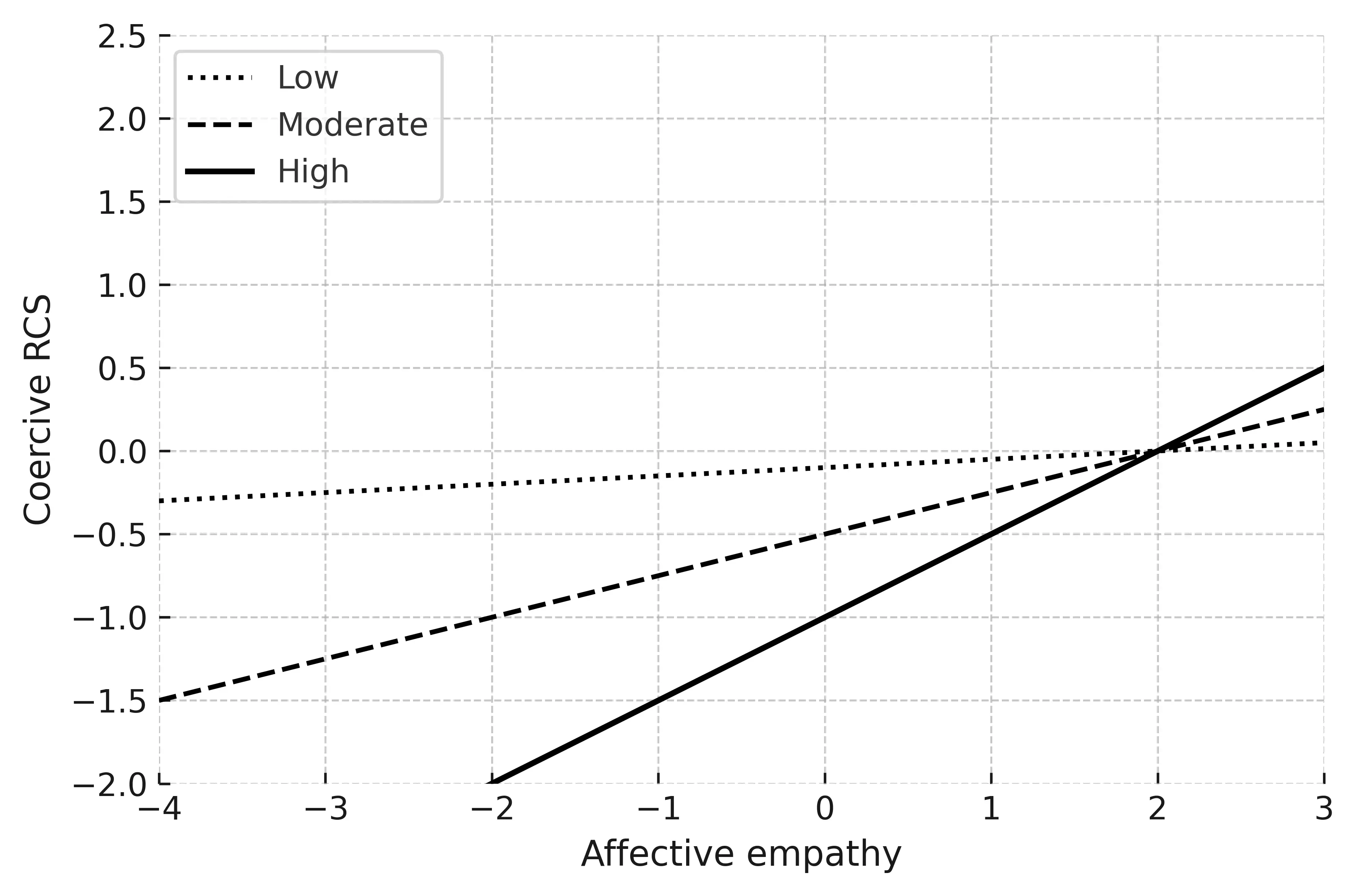
This cross-sectional study examined the associations between affective and cognitive empathy, resource control strategies (RCS), resource control success, and social dominance in preschool children, within the framework of resource control theory. Ninety-two children (ages 4–5) completed assessments of empathy, while teachers rated their prosocial and aggressive behaviors, prosocial and coercive RCS, resource control success, and social dominance. Hierarchical regression analyses indicated that prosocial resource control strategies uniquely predicted children’s resource control success, whereas social dominance, examined as a distinct social status outcome, was explained by a combination of prosocial and coercive strategies, general prosocial behavior, and resource control success. Affective empathy was positively related to both types of RCS, while cognitive empathy moderated the link between affective empathy and coercive RCS. These findings highlight the dual potential of empathy in early peer relations, suggesting that empathy may facilitate both cooperative and coercive tactics in the pursuit of social influence. The findings also underscore the need to distinguish between behavioral strategies, their effectiveness, and broader social status outcomes when examining early social dominance. Implications for interventions that cultivate constructive applications of empathy are discussed.
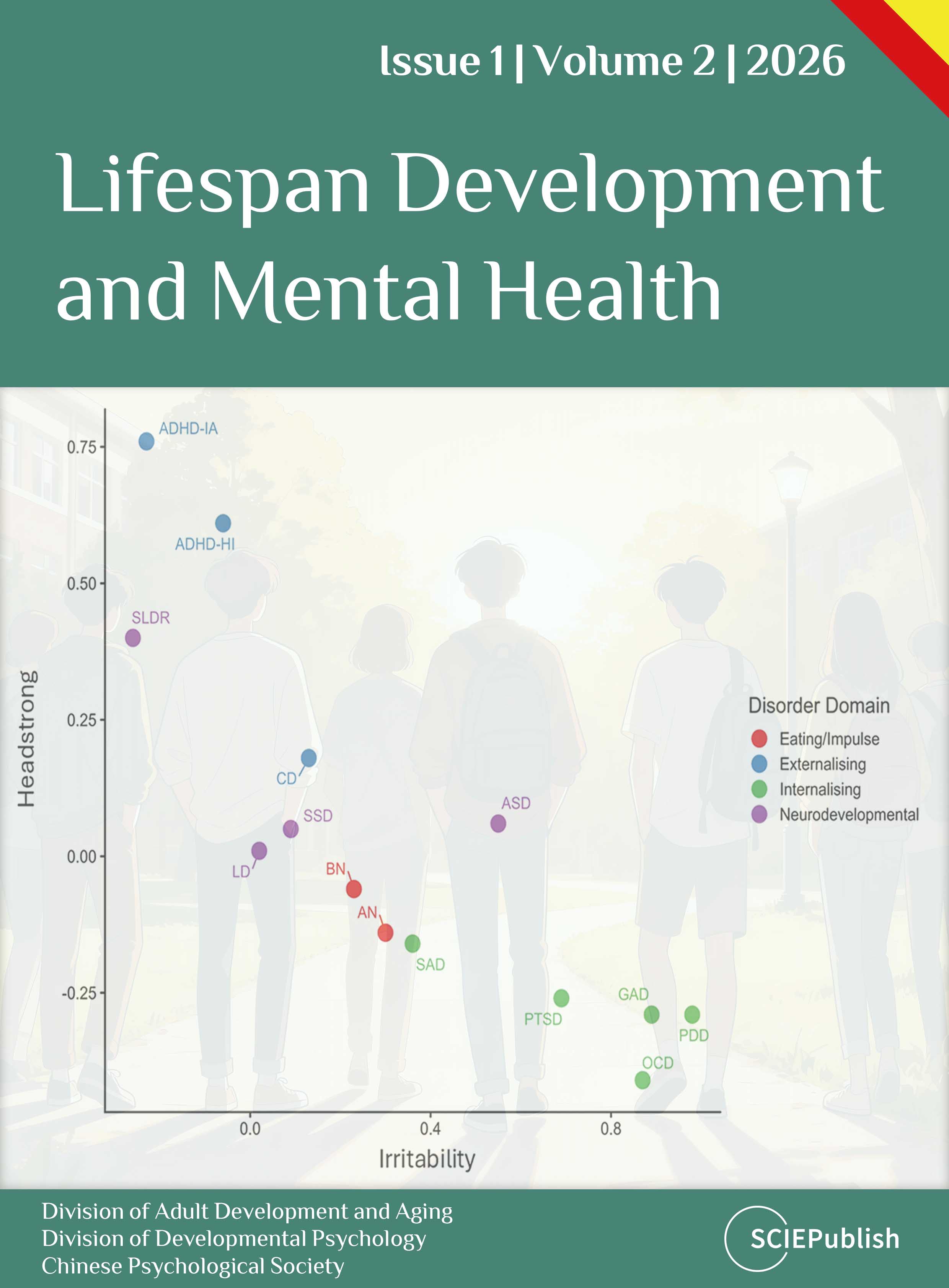
The current study aimed to use both multiple regression analyses (MRA) and latent regression analysis (LRA) to examine unique and suppression effects of DSM-5 oppositional defiant disorder irritability and headstrong dimensions with common DSM-5 internalizing (Generalized Anxiety Disorder, Persistent Depressive Disorder, Separation Anxiety Disorder, Obsessive-Compulsive Disorder, and Posttraumatic Stress Disorder), externalizing (ADHD, and Conduct Disorder), neurodevelopmental (Specific Reading Disorder, Autism Spectrum Disorder, Language Disorder, and Speech Sound Disorder) and eating disorders (Anorexia Nervosa, and Bulimia Nervosa) among clinic-referred adolescents. Parents of 1877 adolescents [boys = 1089, girls = 788; age range = 11 to 17 years] provided ratings of their adolescents’ ODD symptoms and the symptoms for the other 14 disorders. The MRA findings indicated that, generally, internalizing disorders, autism spectrum disorder (ASD), and eating disorders were associated positively and uniquely with the irritability dimension, and externalizing disorders were associated positively and uniquely with the headstrong dimension. With the exception of autism spectrum disorder, the other neurodevelopmental disorders showed little or no associations with irritability or headstrong dimensions. There was little evidence of suppression effects. The LRA findings for unique associations were generally comparable with the MRA findings, except that there was strong evidence for the headstrong dimension suppressing the unique associations involving irritability, and irritability suppressing the unique associations involving the headstrong dimension. These findings raise the possibility that both irritability and headstrong may be transdiagnostic, having a dominant influence on the comorbidity of internalizing (and possibly eating disorders) and externalizing disorders, respectively. To date, there has been little discussion on headstrong being a major transdiagnostic factor for externalizing disorders. Further theoretical, methodological. and clinical implications of the findings are discussed.
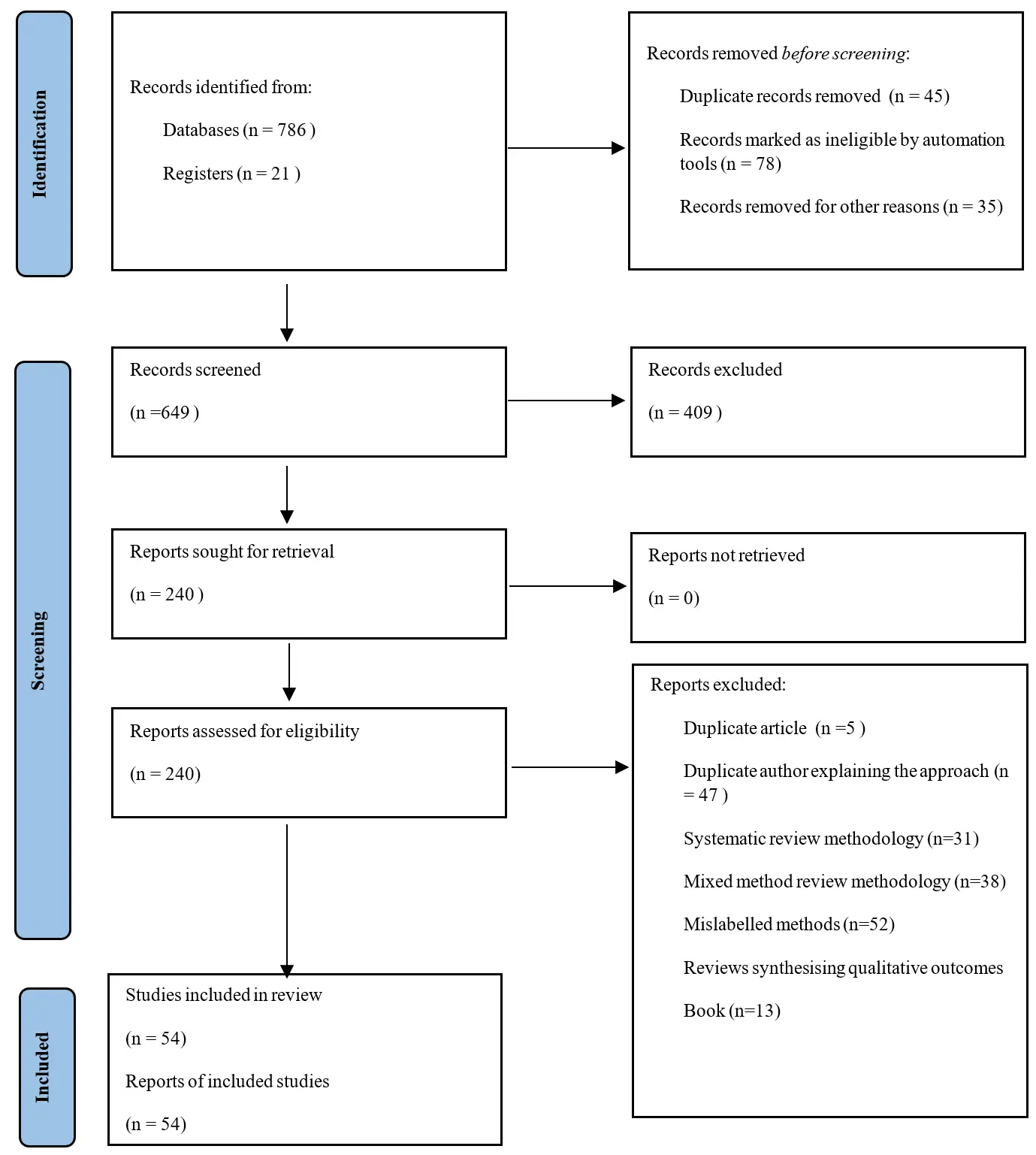
There is a proliferation of terms that are used to define and describe qualitative methods of review synthesis. These terms can make understanding which approach to use difficult, and the ability to generate operational clarity challenging. This is particularly important for lifespan mental health research, and further research is required that examines and maps the terms and approaches to synthesis. This scoping review aims to map the landscape of qualitative synthesis methods, evaluate the ability to operationalise named methods, explore their philosophical foundations and methodological associations, and consider the application within a specifically identified area of lifespan mental health research. Following PRISMA-ScR guidelines, a scoping review was undertaken. A comprehensive search was conducted across multiple databases and grey literature sources. Articles were included that examined a methodological approach to qualitative synthesis. Data extraction and charting focused on synthesis type, frameworks, philosophical alignment, and operational guidance. Fifty-four articles were identified, and within these, 14 qualitative methodologies were identified, 5 types of aggregative methods, and 10 types of interpretive methods of synthesis. Meta-ethnography, meta-synthesis, and framework synthesis were the most frequently cited methodologies. A subset of these methodologies and methods was found to be the more operationalizable, and these are discussed. The review highlights significant terminological and methodological fragmentation in qualitative synthesis. It underscores the need for clearer guidance, standardised terminology, and stronger links between synthesis methodologies, methods, and philosophical traditions. A decision tree is proposed to support researchers in selecting appropriate synthesis methodologies.
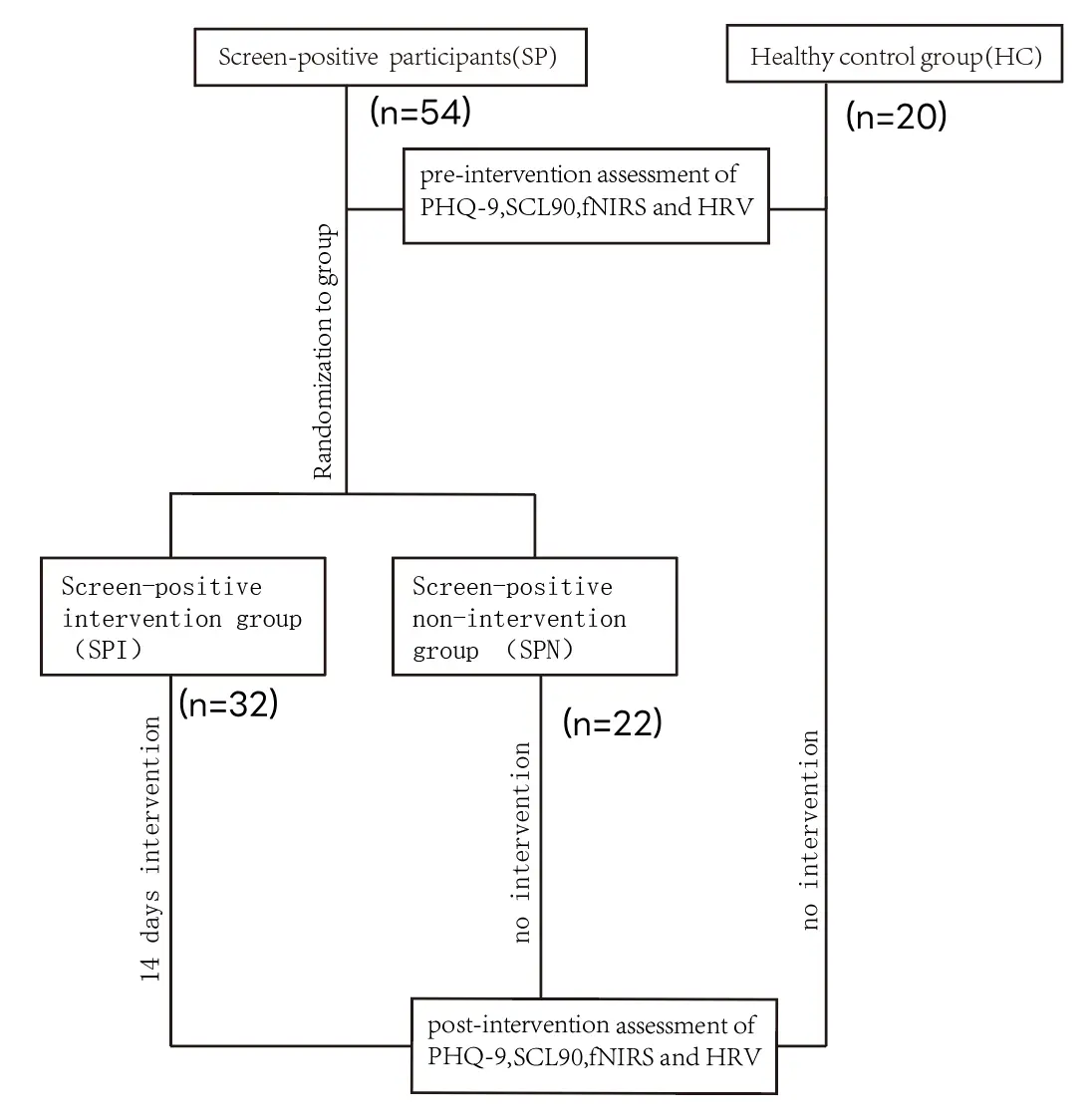
The purpose of this study was to investigate the effects of Mid-infrared light on executive control functions and autonomic nervous system dysregulation in early adulthood in screen-positive for depression and general psychological symptoms group. The Symptom Checklist-90 (SCL-90) and the Depression Screening Questionnaire (PHQ-9) were administered online to 74 adolescent participants aged 18–22 years. Functional near-infrared brain imaging (fNIRS) was used to test brain function during the Stroop task, and heart rate variability (HRV) devices were used to test the autonomic nervous system. After a two-week Mid-infrared light intervention, subjects showed significant improvement in their depressive symptoms and psychological distress. The mean strength of brain functional connectivity was much more increased in the screening positive group, and significantly decreased after intervention. HRV measure showed significant differences across several indicators: LF, HF, LF/HF, SDNN, and RMSSD between screening positive and health control, and significant improvements in several key indicators: LF/HF, RMSSD, and HF after intervention. This integration of mood, HRV, and functional brain imaging data provides a comprehensive view of Mid-infrared light interventions, which can restore autonomic balance and enhance cognitive efficiency, highlighting its potential as a non-pharmacological approach worthy of further investigation for regulating mood and cognitive function. It is important to underscore that this study is exploratory and hypothesis-generating in nature. The modest sample size from a single population limits generalizability. The lack of pre-registration and the control condition, which did not fully mimic the device’s placebo effect, are notable limitations. Consequently, all findings should be interpreted as preliminary, serving primarily to generate hypotheses and guide the design of more definitive future studies, rather than to inform direct clinical practice. Future research necessitates larger-scale, pre-registered, double-blind, sham-controlled trials to verify these initial observations.
AI-based conversational agents are increasingly used for emotional support, companionship, and day-to-day coping. These systems can provide immediate reassurance, reduce distress in the moment, and offer a low-barrier channel for reflection. At the same time, concerns are growing that frequent reliance on AI companions may displace human relationships and narrow users’ exposure to the interpersonal friction that supports psychological growth. This narrative review synthesizes conceptual and empirical themes to explain how AI companion chatbot use may relate to loneliness and depressive symptoms across the lifespan. We propose a developmental framework distinguishing supportive pathways (e.g., perceived availability, emotion regulation scaffolding, and social activation) from risk pathways (e.g., social displacement, dependency, avoidance coping, and affirmation-biased feedback loops). A central contribution is a lifespan account of how positive-only or preference-aligned feedback may undermine constructive stress appraisal, frustration tolerance, resilience, and grit—capacities that are built through repeated experiences of manageable challenge, honest feedback, and relationship repair. We conclude with implications for practice, education, and design, emphasizing developmental tailoring, safeguards against over-reliance, and research priorities needed to clarify causal mechanisms and long-term outcomes.
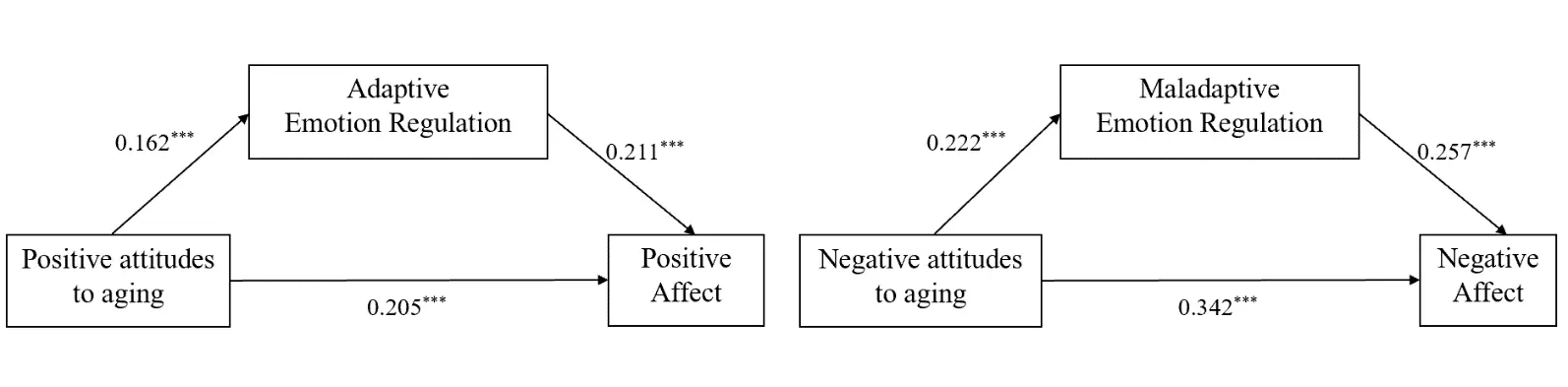
Attitudes to aging exert impacts on emotional well-being, yet the underlying psychological mechanisms and their stability across middle and older adulthood remain insufficiently understood. Based on the dual-factor model of mental health and the constructivist theory of emotional aging, this study aimed to: (1) examine the mediating role of emotion regulation in the relationship between aging attitudes and emotional well-being during the COVID-19 pandemic; (2) test the cross-age consistency of this mediating mechanism between middle-aged and older adults. Middle-aged and older residents (N = 653) participated in this study from 22 April to 24 April 2020. Participants completed questionnaires to assess their attitudes to aging, the use of emotion regulation strategies, and their levels of emotional well-being. Mediation roles and confidence intervals (CIs) were calculated using a bootstrap resampling method. Results showed that (1) Older adults exhibited slightly higher negative attitudes to aging, calmness, and boredom than the middle-aged group. They also used rumination, distraction, and social sharing strategies a little more frequently than middle-aged adults. (2) Full-sample mediation analyses indicated that positive aging attitudes were positively associated with positive affect through adaptive emotion regulation, and negative aging attitudes were positively associated with negative affect through maladaptive emotion regulation. (3) Moderated mediation analyses revealed that age group or age did not significantly moderate either mediating pathway. The mediating effect of emotion regulation on the relationship between aging attitudes and emotional well-being appeared stable across the two age groups. These findings support the constructionist approach to emotional aging. Interventions for successful aging should consider cultivating positive aging attitudes and adaptive emotion regulation, as these approaches are potentially both valuable for middle-aged and older adults.