Found 15 results
Open Access
Article
26 November 2025Machine Learning in Forensic Anthropology: Sex Classification of Fingerprints
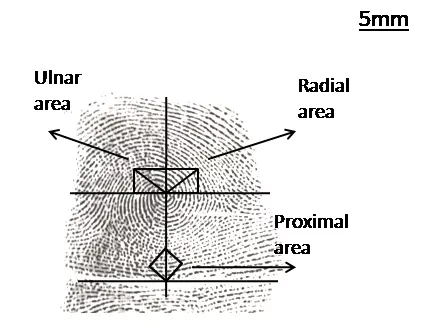
A Fingerprint plays an important role in identifying an individual in forensic and criminal investigations. Fingerprint ridge density is considered one of the most important features for sex classification. The present study intends to classify sex using fingerprint ridge density through a machine learning model, i.e., Random Forest. A total of 2040 fingerprints of 204 participants (102 males and 102 females) were collected from the north Indian population using a standard methodology. Ridge density in the three topological areas of fingerprints,i.e., radial, ulnar, and proximal areas, was assessed. Taking all the areas into consideration, the data of fingerprint ridge density was used to train the Random forest algorithm. The training and testing of the model data were taken in a ratio of 70:30, respectively (training dataset = 1428; testing dataset = 612). Random forest provided an accuracy of 81.53% in sex classification using fingerprint ridge density. The paper discusses the evaluation report of the accuracy of the parameters of the Random forest in detail. The study concludes that the machine learning models, such as Random forest can be utilized for sex classification from fingerprint ridge density. The study proposes its direct application in forensic examinations, especially when there is no clue about the perpetrator, and the sex of the perpetrator can be predicted from fingerprints recovered from the crime scene using the present customized model.
Open Access
Article
07 November 2025Parking Space Detection Using a Machine Learning-Enhanced Unmanned Aerial Vehicle in a Virtual Environment
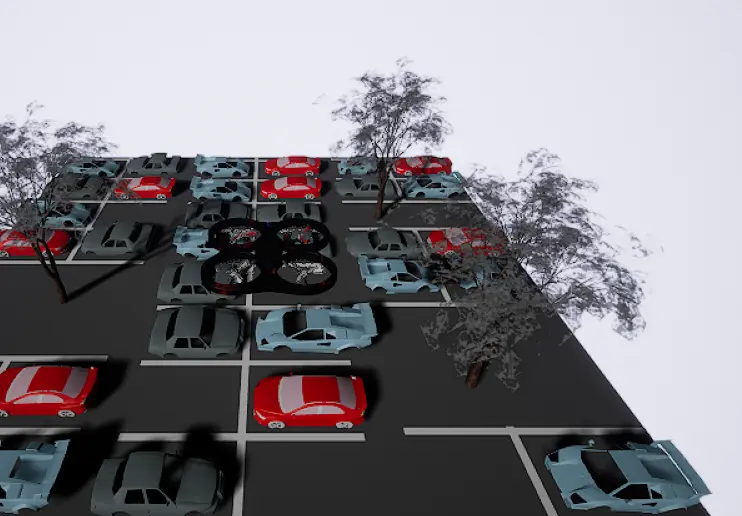
Unmanned aerial vehicles (UAVs) have increased in popularity for several diverse applications over the past few years. Parking, especially in crowded parking lots, can be very time-consuming, as a driver must manually search for vacant spaces among many occupied ones. In this work, reinforcement learning—a category of machine learning in which an agent receives inputs from the environment while outputting actions in order to maximize reward—was utilized in tandem with AirSim, a drone simulator developed by Microsoft, to automate a virtual UAV’s movement. A convolutional neural network (CNN) was then utilized to detect both vacant and filled parking spots, which achieved 98% recall and 93% accuracy. Unreal Engine was used to create a custom environment that resembled a parking lot, and the virtual drone was trained using a Deep Q-Network (DQN). The DQN achieved a mean reward of 394.5 in training and 460.4 in evaluation. A pre-trained CNN integrated with the DQN enables the real-time classification of vacant/occupied parking spaces from drone imagery. Results validate the effectiveness of combining reinforcement learning navigation with CNN image classification, demonstrating deployment-ready performance for real-world congested parking applications.
Open Access
Article
31 October 2025Performance Evaluation of Machine Learning Algorithms for Predicting Organic Photovoltaic Efficiency
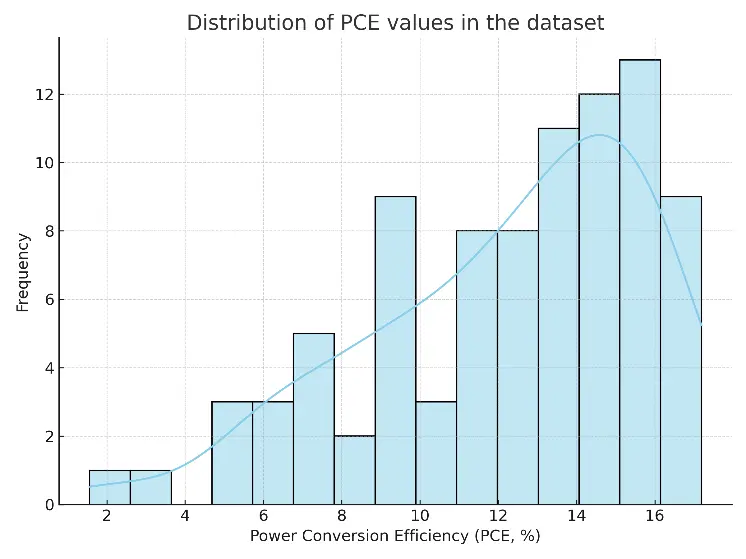
This study forecasts the power conversion efficiency (PCE) of organic solar cells using data from experiments with donors and non-fullerene acceptor materials. We built a dataset that includes both numerical and categorical features by using standard scaling and one-hot encoding. We developed and compared several machine learning (ML) models, including multilayer perceptron, random forest, XGBoost, multiple linear regression, and partial least squares. The modified XGBoost model performed best, achieving a root mean squared error (RMSE) of 0.564, a mean absolute error (MAE) of 0.446, and a coefficient of determination (R2) of 0.980 on the test set. We also assessed the model’s ability to generalize and its reliability by examining learning curve trends, calibration curve analysis, and residual distribution. Plots of feature correlation and permutation importance showed that ionization potential and electron affinity were key predictors. The results demonstrate that with proper tuning, gradient boosting methods can provide highly accurate and easy-to-understand predictions of organic solar cell efficiency. This work establishes a repeatable machine learning process to quickly screen and thoughtfully design high-efficiency photovoltaic materials.
Open Access
Article
26 September 2025Land Use and Land Cover Assessment of Jalandhar, India: A Comparative Analysis of Machine Learning and Visual Interpretation
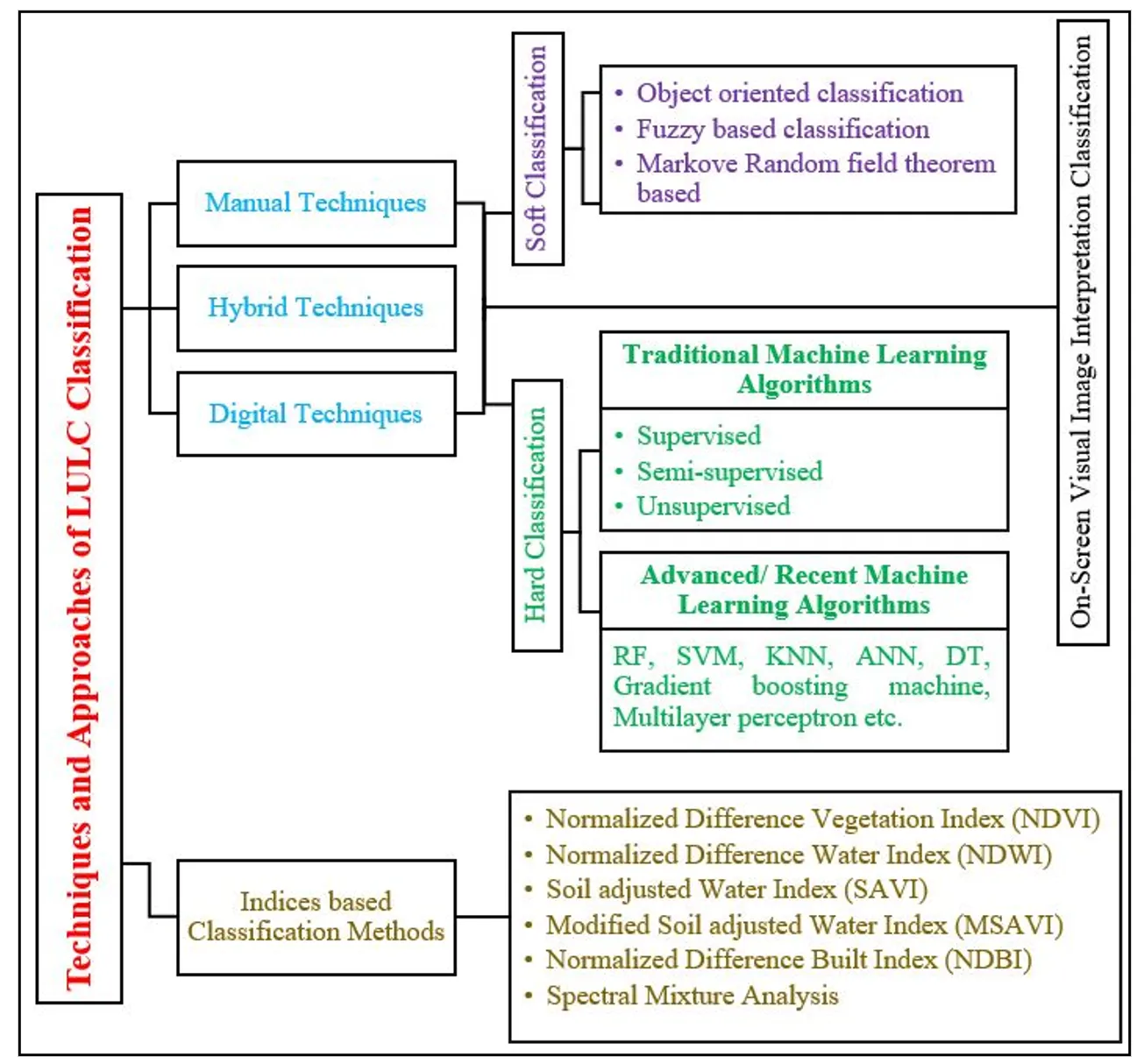
For the sustainable management of natural resources and to understand how the climate affects the landscape, accurate land use and land cover (LULC) classification is essential. Robust classification techniques and high-quality datasets are necessary for precise and effective LULC classification. The effectiveness of various combinations of satellite data and classification techniques must be carefully evaluated to help choose the optimal strategy for LULC classification, given the growing availability of satellite data, geospatial analysis tools, and classification techniques. This study focuses on the LULC classification of Jalandhar, Punjab, India, using machine learning (ML) algorithms and visual image interpretation. Sentinel-2 satellite data, with its high spatial and spectral resolution, has been utilized for feature extraction and classification. Python was employed for implementing various ML algorithms, including Random Forest (RF), Support Vector Machine (SVM), K-Nearest Neighbor (KNN), Gradient Boosting (GB), Multi-Layer Perceptron (MLP), and Decision Tree (DT), while ArcGIS was used to classify LULC using visual image interpretation and for maps preparation. Agriculture was the dominant class across all methods, with GB estimating 1774.26 sq.km, followed by plantation (268.13 sq.km) and built-up areas (171.76 sq.km). Waterbodies were mapped with high precision due to their distinct spectral features, with estimates ranging from 18.34 sq.km (GB) to 26.05 sq.km (Visual interpretation). Among all models, GB outperformed others with the highest overall accuracy (95.0%) and a kappa value of 0.94, followed by RF (94.2%), and SVM (93.8%). Visual interpretation achieved a comparative accuracy of 90.1%, though it showed limitations in distinguishing spectrally mixed classes like plantation and built-up. This study concludes that while Visual interpretation remains a useful and accessible method, especially for real-time interpretation, ML-based approaches, particularly GB and RF, offer superior accuracy and reliability. The study highlights the importance of visual interpretation for a better accurate LULC at a regional level; meanwhile, leveraging advancements in ML algorithms in a hybrid approach will enhance the accuracy in many-fold.
Open Access
Article
19 September 2025Cutting Power Model for Material Identification during Helical Milling of Aerospace Stacks
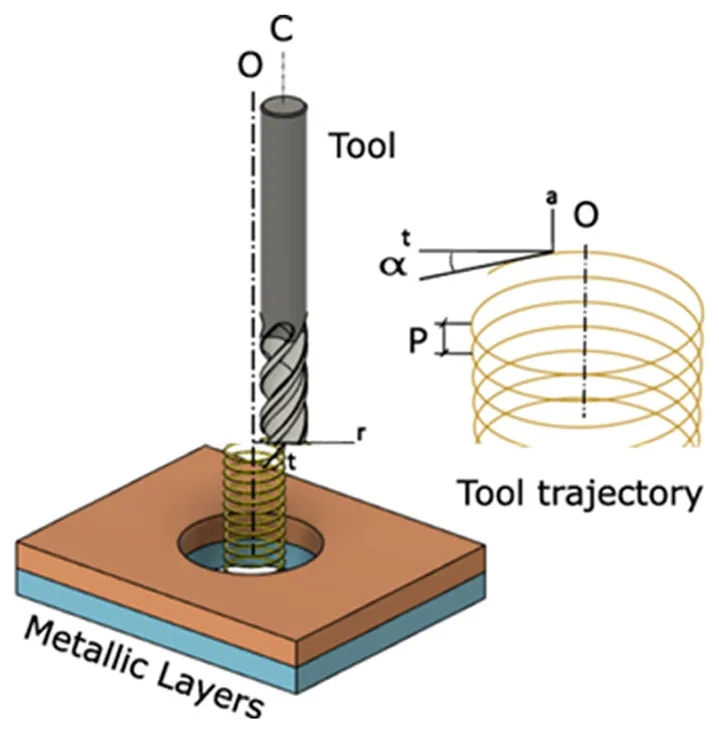
Smart factories increasingly rely on real-time data to optimize manufacturing, yet machining operations, particularly in aerospace stack drilling, still face challenges such as low productivity and accelerated tool wear. While advanced CNC machines already capture rich process data, its full potential for real-time decision-making remains underexplored. This work introduces a novel approach that leverages machine learning (ML) to identify material layers and optimize cutting conditions during drilling (helical milling) of aluminum–titanium stacks. Unlike prior methods that require additional sensors or complex instrumentation, our approach uniquely utilizes only spindle power signals from the CNC machine. Data maps consisting of cutting coefficients are used to train ML models to reliably predict material transitions across multiple layers under a range of cutting conditions. The results demonstrate appropriate material identification in comparison to experiments, enabling significant improvements in the hole-making of aerospace stacks. This study contributes a scalable, sensor-free, and non-intrusive framework for smart machining, establishing a practical pathway for process optimization in aerospace manufacturing without disrupting existing shop-floor setups.
Open Access
Article
29 August 2025Physiopathological Insights into Atrial Fibrillation Onset through Heart Rate Variability Correlations
Atrial fibrillation (AF) is the most common
cardiac arrhythmia and is associated with increased morbidity and mortality.
Early prediction of AF episodes remains a clinical challenge. This study aimed
to generate physiopathological hypotheses for AF onset by analyzing
correlations among heart rate variability (HRV) parameters in patients
monitored via long-term Holter ECG. We utilized the IRIDIA-AF database,
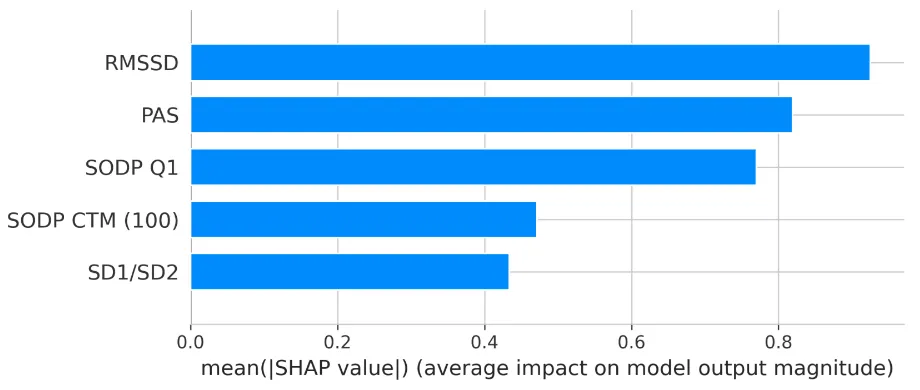
comprising 1319 paroxysmal AF episodes from 872 patients. An XGBoost machine
learning model was developed to predict AF onset within 24 h using short- and
long-term HRV features, fragmentation indices, and non-linear metrics extracted
during sinus rhythm. Model interpretation was performed using SHapley Additive
exPlanations (SHAP) values, and dimensionality reduction techniques were
applied for data visualization. The model achieved an area under the receiver
operating characteristic curve of 0.919 and an area under the precision-recall
curve of 0.919, with high accuracy, sensitivity, and specificity. Key
predictive features included short-term vagal activity, HRV fragmentation
indices, and non-linear parameters, highlighting the role of the autonomic
nervous system in AF initiation. Our findings suggest that distinct
physiological profiles, detectable via HRV, may underlie AF susceptibility and
could inform personalized monitoring and prevention strategies.
Open Access
Article
25 August 2025Feature Selection Technique Using Multiple Linear Regression for Accurate Electricity Demand Forecasting
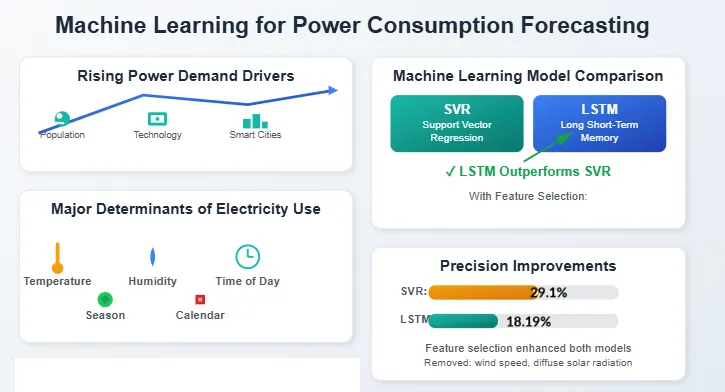
The rising power demand, driven by population growth, technological innovations, and the advent of smart cities, necessitates precise forecasting to ensure efficient energy distribution and align supply with demand. This paper presents a novel methodology for predicting short-term power consumption through machine learning approaches, specifically employing multiple linear regression for feature selection. In this study, two models are implemented and compared: Support Vector Regression (SVR) and Long-Short-Term Memory (LSTM). Exploratory data analysis was used to discover the relationships and associations between variables. It reveals that temperature, humidity, time of day, and season are major determinants of electricity use. The results indicate that the LSTM model surpasses Support Vector Regression (SVR) in terms of accuracy and precision. By incorporating multiple linear regression (MLR) for feature selection, the performance of both models improved, with precision gains of 29.1% for SVR and 18.19% for LSTM. Removing extraneous elements, such as wind speed and diffuse solar radiation, enhanced the models’ efficiency and interpretability, allowing for a focus on the most significant factors. The study’s findings underscore the need to optimize feature selection to enhance forecast accuracy and streamline models. This method provides critical insights for enhancing energy management strategies and facilitating sustainable power distribution in light of rising global energy demand.
Open Access
Article
12 May 2025Drone Operation with Human Natural Movement
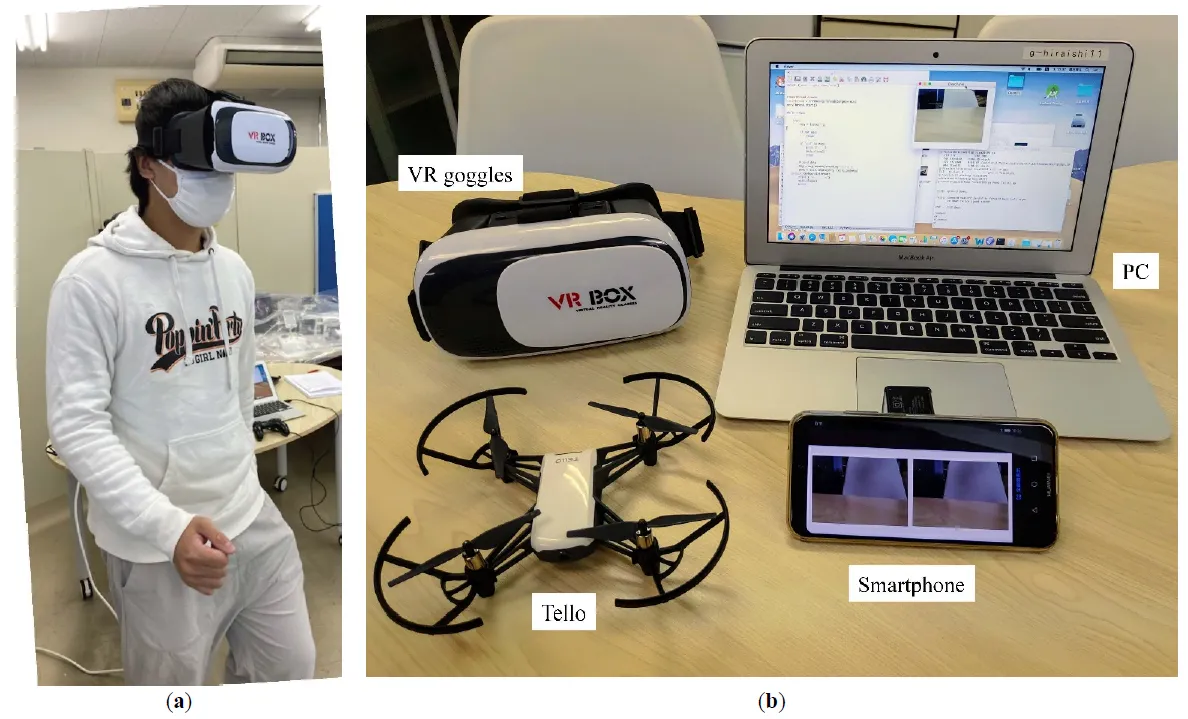
This study proposes a method for operating drones using natural human movements. The operator simply wears virtual reality (VR) goggles. An image from the drone camera was displayed on the goggles. When the operator changes the direction of his or her face, the drone changes the direction to match that of the operator. When the operator moves their head up or down, the drone rises or falls accordingly. When the operator walks in place, rather than walking, the drone moves forward. This allows the operator to control the drone as if they were walking in the air. Each of these movements was detected by the values of the acceleration and magnetic field sensors of the smartphone mounted on the VR goggles. A machine learning method was adopted to distinguish between walking and non-walking movements. Compared with operation via conventional remote control, it was observed that the remote controller performed better than the proposed approach in the early stages. However, when the participants familiarized themselves with the natural operation, these differences became relatively small. This study combined drones, VR, and machine learning. VR provides drone pilots with a sense of realism and immersion, whereas machine learning enables the use of natural movements.
Open Access
Article
15 April 2025Enhancing Streamflow Forecasting in Major West African Rivers by Utilizing Meta-Heuristic Algorithms and Climate Data Time Lag Analysis
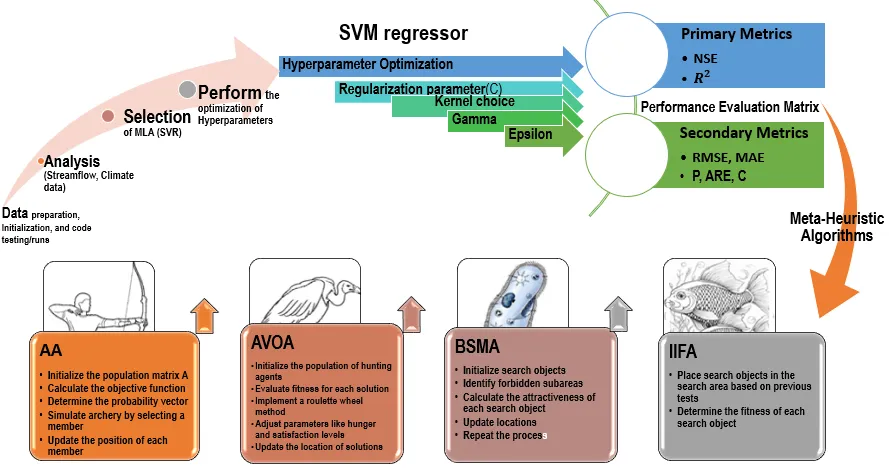
Accurate streamflow prediction is essential for irrigation planning, water allocation, and flood risk management, particularly in water-scarce regions like the Niger River Basin. However, the complexity of hydrological processes and data limitations make reliable predictions challenging. This study optimizes Support Vector Machine (SVM) hyperparameters for daily streamflow prediction using time-lagged climate data and four metaheuristic algorithms—Binary Slime Mould Algorithm (BSMA), African Vulture Optimisation Algorithm (AVOA), Archery Algorithm (AA), and Intelligent Ice Fishing Algorithm (IIFA). Model performance was assessed using eight evaluation metrics, with results showing that AA and IIFA consistently outperform the others, achieving Nash-Sutcliffe Efficiency (NSE) values between 0.986–0.999 and 0.893–0.999, respectively. AVOA and BSMA show less consistent performance, with NSE ranges of 0.524–0.999 and 0.863–0.965, respectively. The study highlights the novel integration of multiple metaheuristic algorithms for optimizing machine learning models, offering insights into their effectiveness for hydrological prediction. By demonstrating the superior performance of AA and IIFA, this research provides a robust framework for enhancing long-term streamflow forecasting. These findings support improved water resource management in West Africa, helping policymakers address climate variability, water scarcity, and hydrological uncertainty.
Open Access
Article
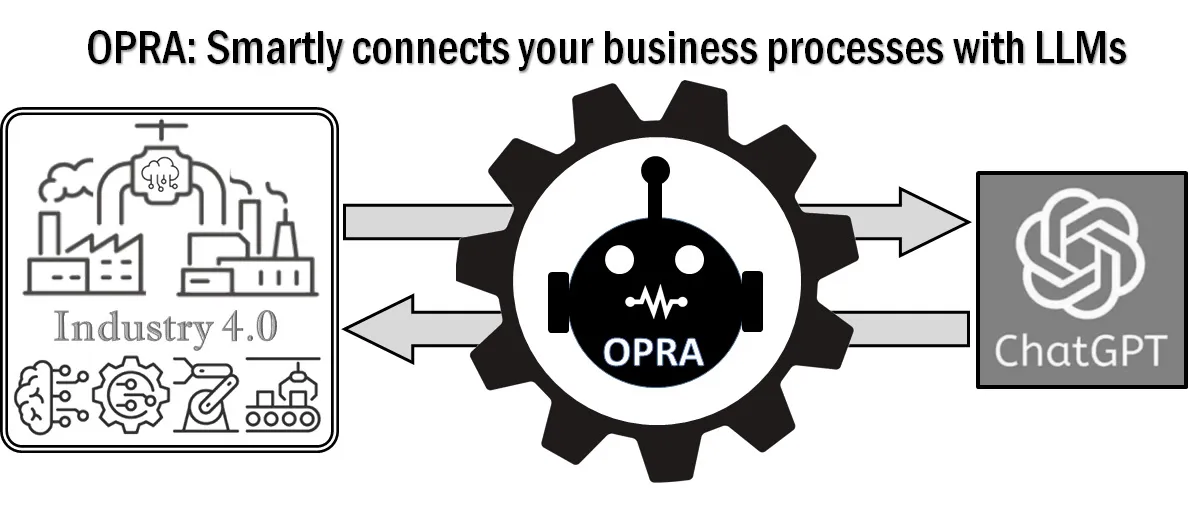
14 March 2025A Conceptual Design of Industrial Asset Maintenance System by Autonomous Agents Enhanced with ChatGPT
This article introduces OPRA (Observation-Prompt-Response-Action) and its multi-agent extension, COPRA (Collaborative OPRA), as frameworks offering alternatives to traditional agent architectures in intelligent manufacturing systems. Designed for adaptive decision-making in dynamic environments, OPRA enables agents to request external knowledge—such as insights from large language models—to bridge gaps in understanding and guide optimal actions in real-time. When predefined rules or operational guidelines are absent, especially in contexts marked by uncertainty, complexity, or novelty, the OPRA framework empowers agents to query external knowledge systems (e.g., ChatGPT), supporting decisions that traditional algorithms or static rules cannot adequately address. COPRA extends this approach to multi-agent scenarios, where agents collaboratively share insights from prompt-driven responses to achieve coordinated, efficient actions. These frameworks offer enhanced flexibility and responsiveness, which are critical for complex, partially observable manufacturing tasks. By integrating real-time knowledge, they reduce the need for extensive training data and improve operational resilience, making them a promising approach to sustainable manufacturing. Our study highlights the added value OPRA provides over traditional agent architectures, particularly in its ability to adapt on-the-fly through knowledge-driven prompts and reduce complexity by relying on external expertise. Motivational scenarios are discussed to demonstrate OPRA’s potential in critical areas such as predictive maintenance.