Found 565 results
Open Access
Article
04 January 2026Valuing Family Farming in Portugal through the Family Farming Statute
Many family farmers depend on public support to maintain their activity, which highlights the need to review the challenges associated with their farming system and marketing. The importance of family farming reinforces the need to include this sector in agricultural, environmental, and social policies, identifying opportunities and promoting the necessary changes to ensure more equitable and balanced development. In Portugal, in 2018, the Family Farming Statute was established to distinguish, recognise, and value family farming through specific local support measures. In this study, farmers with the Family Farming Statute in the North of Portugal were characterised. Interviews were conducted using questionnaires, and the indicators/requirements currently provided in the statute were analysed. Based on the literature review, new indicators have been suggested to help increase the number of family farmers included in the Statute. Despite being a good policy to support family farming, the Family Farming Statute needs revision to ensure wider inclusion. Support should be more attractive and comprehensive, including economic support, technical assistance, training programmes, local marketing channels, valorisation of traditional products, and short supply chains.

Open Access
Article
31 December 2025Diversity and Community Structure of Birds in Urbanized Habitats of a City in the Arid Zone in South-Western Africa
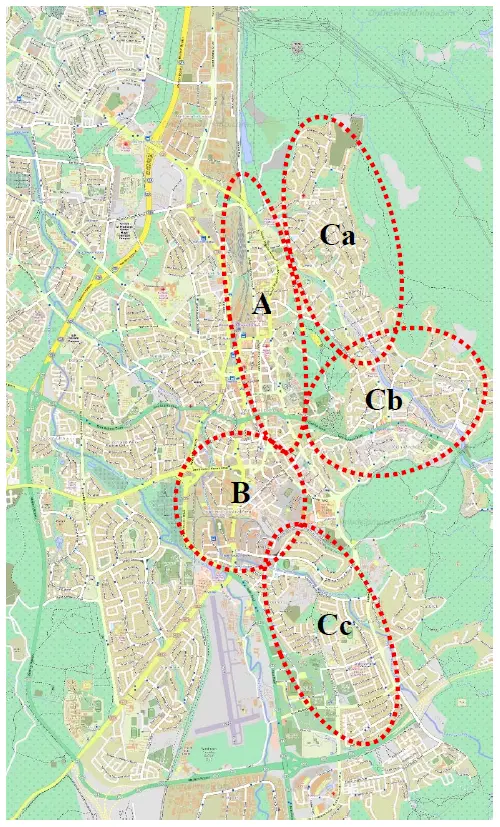
Towns and cities may provide suitable habitats for wildlife, including birds. In Africa, ecological studies on avian communities are, however, rare. Namibia is an exception to the rule, but even here, there is still an urgent need to conduct such studies in various urban habitats. This study has been conducted on breeding bird communities in Windhoek, the largest city in the country. Bird communities were quantified in five distinguished habitats by means of the line transect method. In total, 16 transects were designed, with a total length of 82.8 km. The studies were conducted in August 2020. The avian assemblage was composed of 32–45 resident (breeding) bird species in various habitats of the city, with 4–7 dominant species distinguished in each habitat. In all distinguished habitats, granivores comprised more than half of all birds recorded. Frugivores comprised 20.4–28.0% in most habitats. In most habitats, birds nesting on trees or shrubs comprised at least 50%, except for the city centre, where they comprised only 30.6%. On the other hand, only in the city center, species nesting on/in buildings comprised as much as 68.2%; in all other habitats their contribution ranged between 39.2% and 48.5%. The Shannon’s Diversity Index ranged slightly between 1.17 and 1.26. Also the Pielou’s Evenness Index was much the same (0.31–0.36) in all habitats investigated.
Open Access
Article
31 December 2025Comparative Transcriptome Analyses Highlight Distinct Pathogenetic Mechanisms for Pleuropulmonary Blastoma and Congenital Pulmonary Airway Malformations
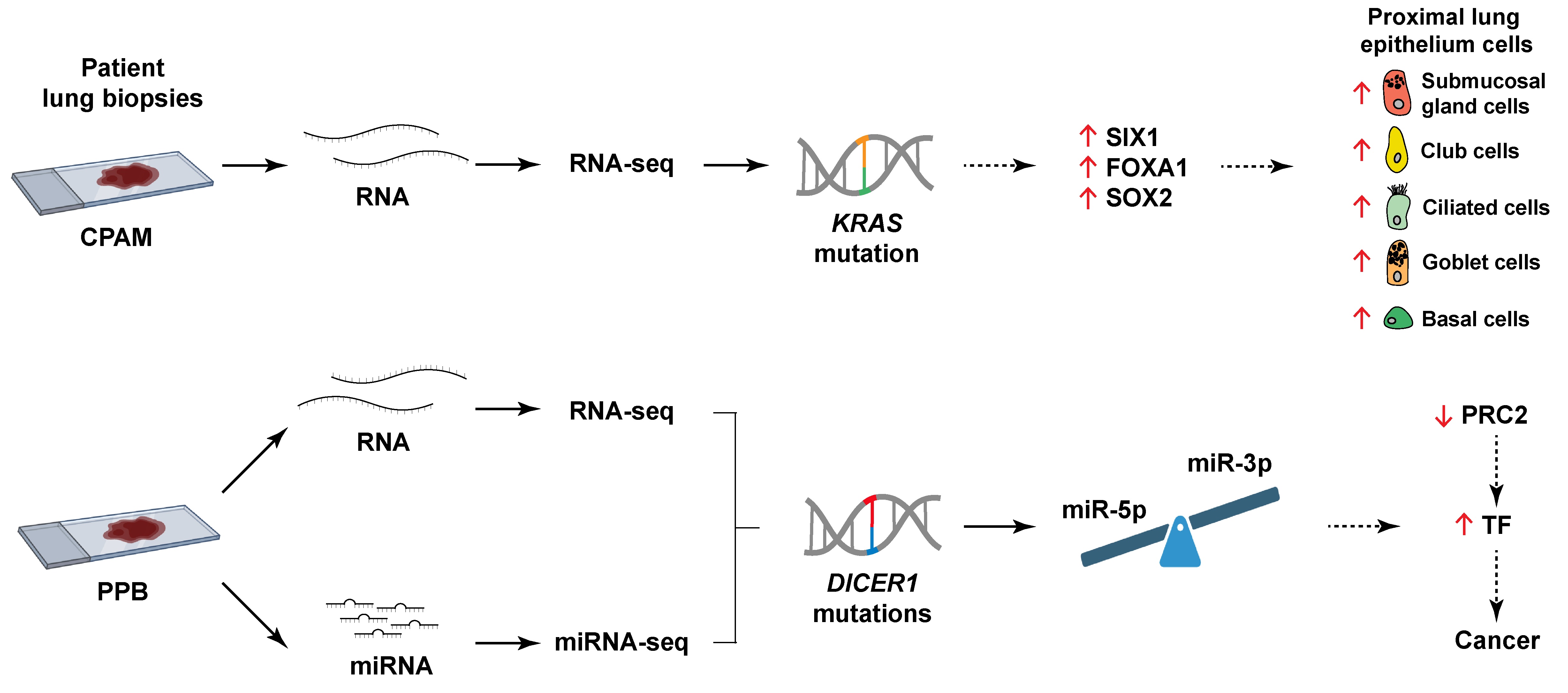
Pleuropulmonary blastoma (PPB) and congenital pulmonary airway malformations (CPAM) are two rare cystic lung diseases occurring in childhood. PPB can evolve from a low-grade epithelial cyst lesion to a high-grade sarcoma with a poor prognosis, whereas CPAM usually has a favorable non-tumorous outcome. Clinical similarities complicate diagnosis and may delay appropriate care. PPB is associated with DICER1 mutations that disturb miRNA biogenesis, altering the miRNA repertoire. Conversely, KRAS mutations are detected in CPAM, but their implication remains unclear. To decipher the mechanisms underlying these diseases, we undertook a comprehensive analysis of molecular variations in CPAM and PPB lung lesions using genome-wide RNA-seq and miRNA-seq assays. Each pathology displayed a distinct expression profile revealing a unique etiology. CPAM presented misexpression of bronchial epithelial markers correlating with KRAS mutation, while changes in expression of distal lung epithelial and mesenchymal markers were PPB-specific. PPB also exhibited abnormal gain of expression of developmental transcription factors, likely due to perturbed Polycomb Repressive Complex 2 (PRC2) activity. Overexpression of miR-323a-3p, which targets the PRC2 subunit EED, correlated with decreased EED expression. Together, these observations propose a PPB pathogenetic mechanism connecting DICER1 mutations and altered miRNA profile to defective PRC2 activity, misexpression of developmental transcription factors, and cancer.
Open Access
Editorial
30 December 2025Immune Escape Mechanisms in Non-Small Cell Lung Cancer: From Biological Complexity to Actionable Targets
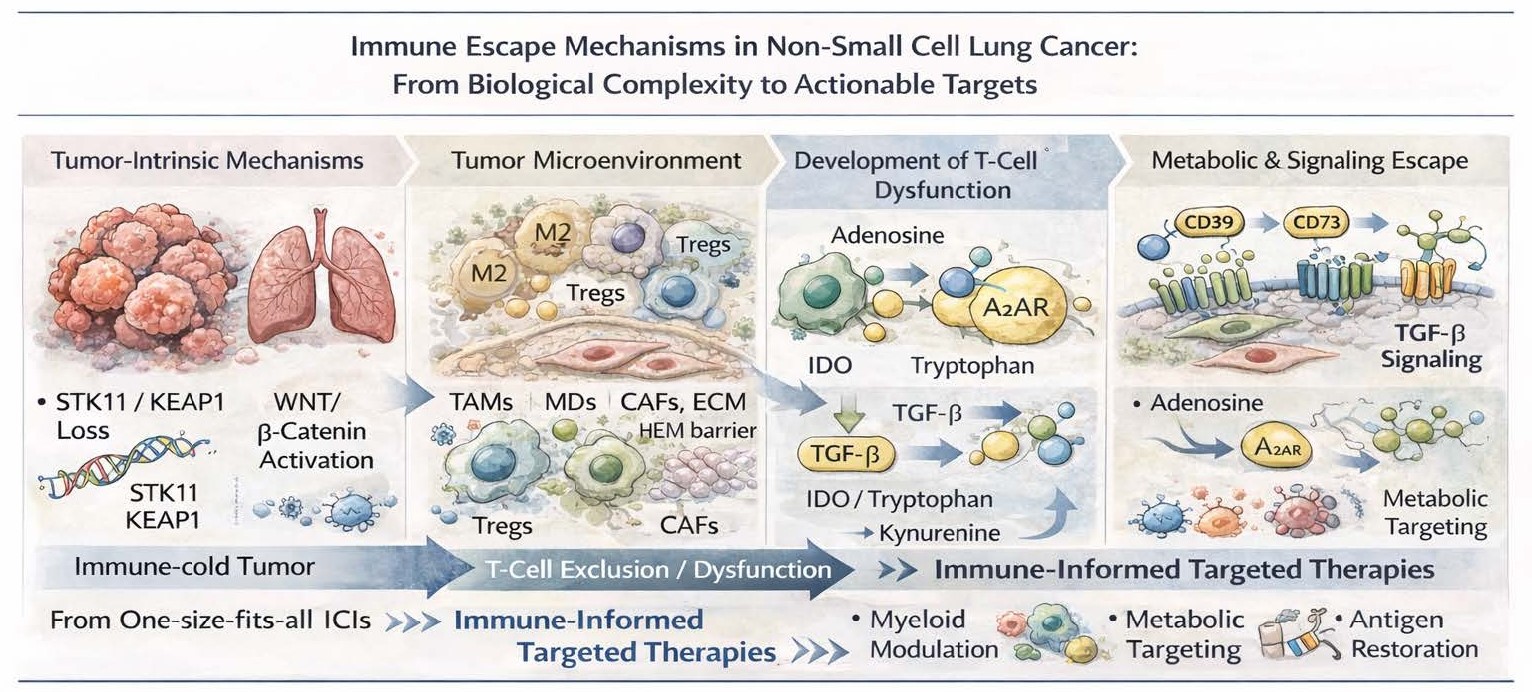
Despite significant progress in immune checkpoint inhibitors (ICIs) and targeted therapies, non-small cell lung cancer (NSCLC) continues to be associated with high rates of primary and acquired resistance. Although PD-1/PD-L1 blockade has revolutionized treatment, its clinical development has largely followed a one-size-fits-all approach, relying on limited biomarkers such as PD-L1 expression or tumor mutational burden. It is now increasingly clear that immune escape in NSCLC is orchestrated by a multifaceted, multilayered network of both tumor-intrinsic alterations and TME (tumor microenvironment)–driven mechanisms. The challenge has been to understand and to therapeutically exploit these immune escape pathways and this knowledge is now needed so that rather than embark on empirical combinations we can advance to rational, immune-informed targeted therapies.
Open Access
Review
30 December 2025Advances in Hydrology of Irrigation Districts in Cold Regions
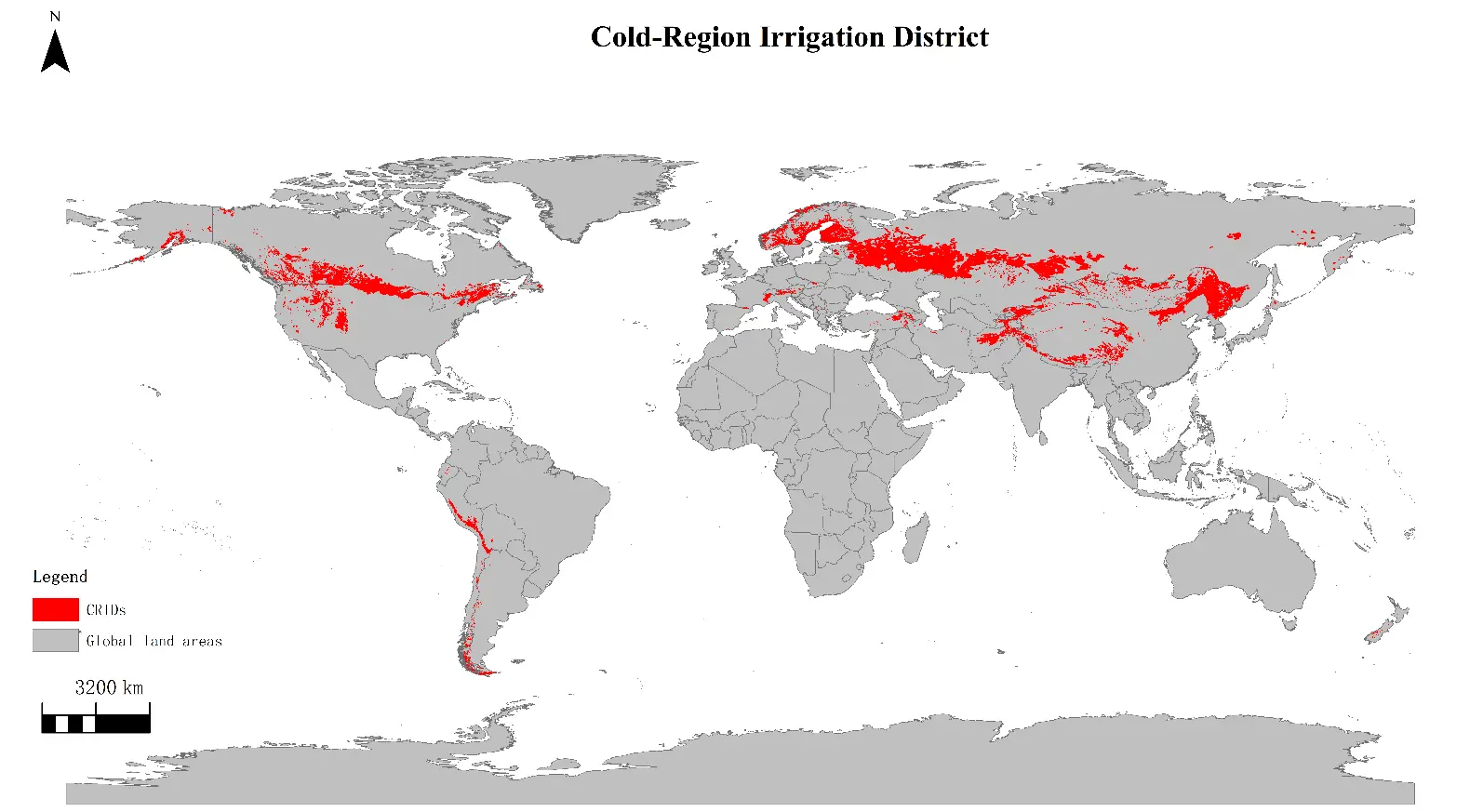
Given the extreme complexity of systems, the strategic importance of water resources, and the high ecological vulnerability in cold-region irrigation districts (CRIDs), research on the hydrological processes in these areas represents not only an interdisciplinary scientific endeavor, but also a critical practical challenge with direct implications for food security, water security, ecological safety, and sustainable regional development in high-altitude and high-latitude regions. The evolution of this field has progressed from early phenomenon identification to mechanistic analysis and, more recently, to multi-process and multi-scale simulation frameworks. This paper provides a systematic review of hydrological processes in CRIDs. It first examines fundamental components such as precipitation, evaporation, snowmelt, and groundwater recharge, highlighting their distinct behaviors under the combined influence of freeze–thaw cycles and irrigation practices, and further discusses the interactions and coupling mechanisms among these processes. Irrigation not only alters soil moisture distribution and freeze–thaw dynamics but also, together with freeze–thaw processes, shapes the transient hydrological dynamics characteristics of water and energy transfer, thereby influencing system stability and agricultural productivity. Hydrological modeling has advanced from simplified empirical approaches to mechanistic frameworks that integrate multiple processes and scales, yet challenges remain in the representation of nonlinear freeze–thaw, the integration of irrigation management, and cross-scale consistency. Moreover, cold-region irrigation districts exhibit heightened sensitivity to extreme events, such as rapid snowmelt, severe droughts or heavy rainfall. Future research should deepen the integration of freeze–thaw mechanisms with crop models, advance multi-scale coupled simulations, enhance long-term monitoring and scenario analysis, and systematically incorporate water–carbon balance and ecological effects into hydrological assessments. These efforts will support sustainable management and precision regulation of water resources in cold-region irrigation districts.
Open Access
Article
29 December 2025Vertical Axis Tidal Turbine Behaviour under Sheared Flow Effects
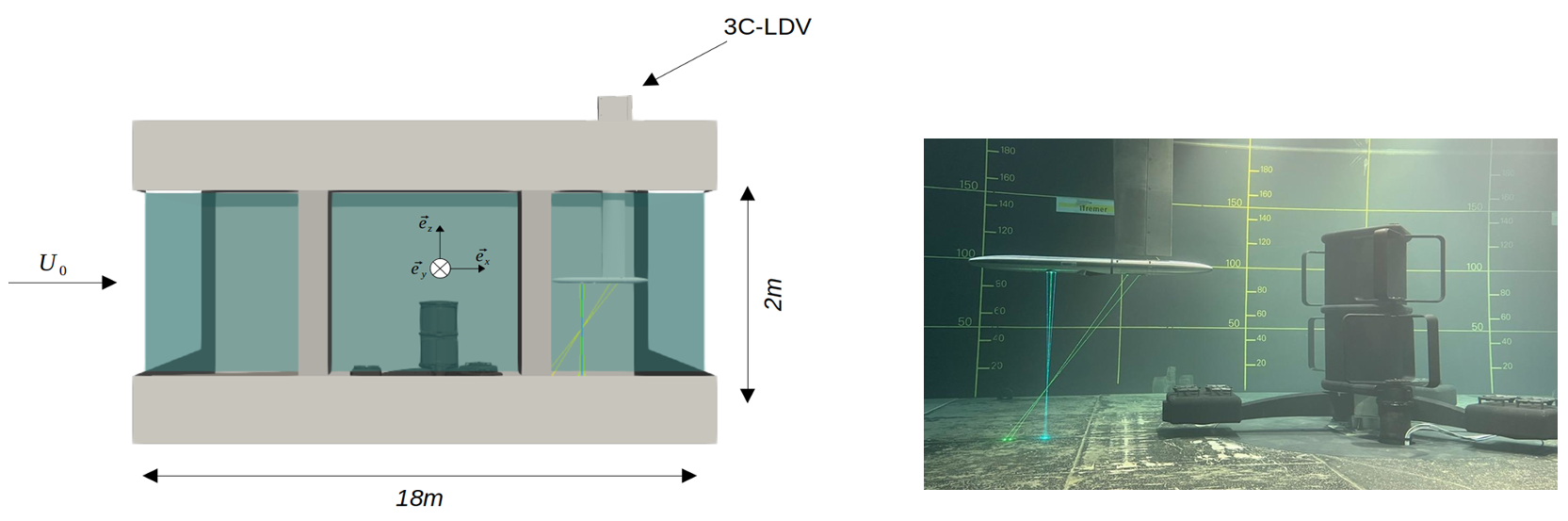
Tidal turbines are often subjected to complex flow conditions that can affect their power output and the risk of failure. In this article, an experimental study on a vertical axis tidal turbine with twin counter-rotating rotors is carried out at 1/20 scale, submitted to a sheared turbulent (ST) flow and a sheared weakly turbulent (SWT) flow. The performance and wake development comparison indicates that the turbine behaves differently depending on the shear rate considered. A 7% decrease in performance is observed at the turbine’s nominal operating point between uniform and ST conditions. The asymmetry of the flow along the vertical axis is reflected in the angular and frequency distributions of the rotor torque, indicating a production asymmetry between the lower and the upper rotors. Analysis of wake development reveals that transport terms constitute the main mechanism of wake dissipation. In the case of SWT and uniform flow, vertical advection largely dominates the other terms, whereas in ST flow, transverse advection is initially predominant. This results in a higher average wake height and a lower average wake width in the ST case compared to the other flow conditions, and a faster wake recovery.
Open Access
Review
29 December 2025Consanguineous Marriage in Global Perspective: Anthropological Roots, Genetic Risks, Contemporary Relevance, and the Way Forward
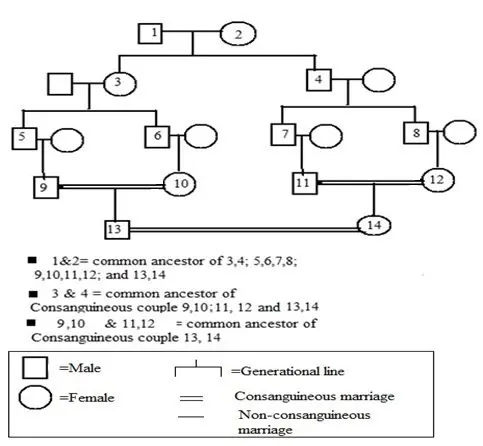
Consanguineous marriage—defined as unions between biologically related individuals, typically first or second cousins—has been a culturally embedded practice across diverse societies for millennia. Drawing on publicly available sources, the study seeks to review both regional and global perspectives of consanguineous marriage across time and space. Rooted in anthropological traditions of kinship and alliance, these unions historically served functions such as preserving lineage, consolidating property, ensuring social trust, and reinforcing group identity. Anthropological scholarship, from Morgan’s kinship classifications to Lévi-Strauss’s alliance theory, situates cousin marriage as a structured and rational social strategy rather than a random or anomalous choice. Contemporary practices, however, are shaped by complex intersections of tradition, religion, gender, and modernity. While biomedical research consistently associates consanguinity with increased risks of congenital disorders, pregnancy wastage, and mental health conditions, many communities continue to view it as beneficial for kin solidarity, economic security, and marital stability. Global prevalence remains heterogeneous: highly normative in South Asia, the Middle East, and North Africa, declining in parts of India and North Africa, and largely absent in Western societies except among diasporas. Recent transformations—including urbanization, women’s education, migration, digital matchmaking, and premarital genetic screening—have shifted perceptions, particularly among youth. Ethnographic accounts highlight tensions between generational expectations and individual autonomy, revealing ambivalence and negotiation rather than outright rejection. This review underscores consanguinity as a dynamic institution at the intersection of anthropology, genetics, religion, and public health. Rather than framing it solely as a biomedical risk or a cultural relic, it should be understood as a multifaceted practice continually redefined in response to social, economic, and political change.
Open Access
Review
29 December 2025Porous Framework Materials for C1 Biotransformation
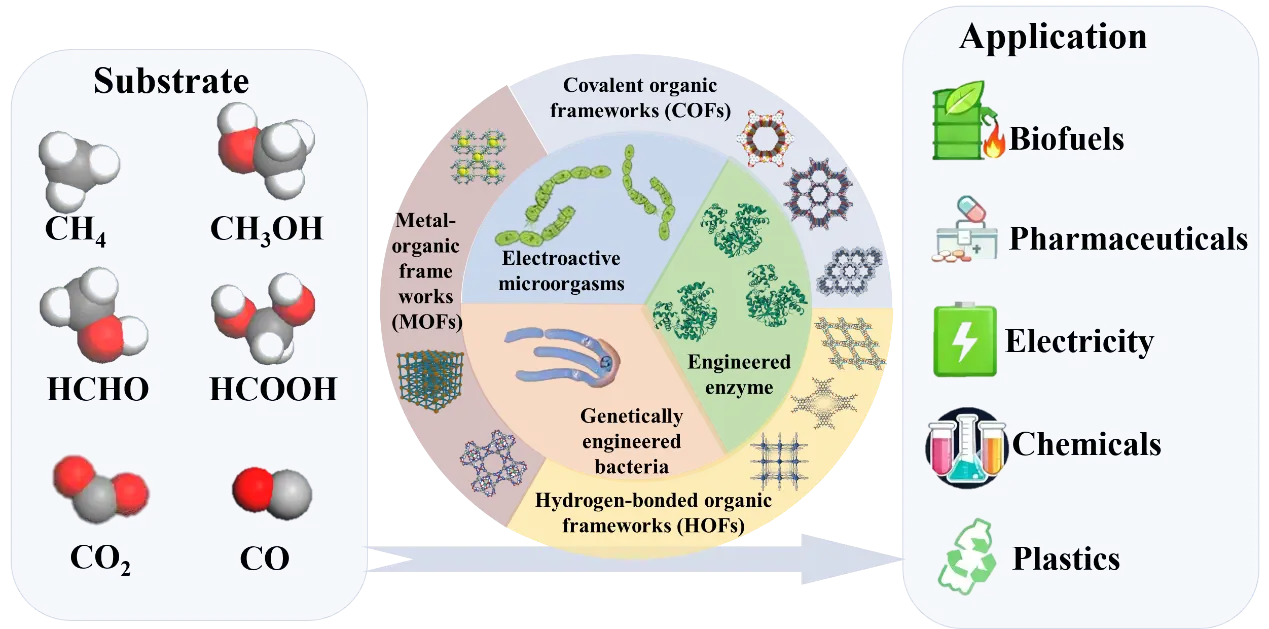
The bioconversion of C1 compounds (CO2, methane, methanol, etc.) constitutes a crucial pathway for green biomanufacturing. However, the process efficiency is constrained by several challenges, including the difficult capture of gaseous substrates, instability of biocatalysts, and the high cost as well as operational complexity of cofactor regeneration. Porous framework materials offer promising solutions due to their high specific surface area, tunable pore structures, and ease of functionalization. This review provides a systematic and forward-looking analysis that moves beyond the conventional view of porous frameworks as simple immobilization matrices. We distinctly highlight their emerging multifunctional and integrative roles in C1 bioconversion, emphasizing several novel strategic contributions: (1) Serving as intelligent immobilization carriers that not only enhance biocatalyst stability and recyclability but also concurrently enable efficient C1 substrate enrichment and localized concentration; (2) Facilitating synergistic energy conversion by interfacing with photocatalysis or electrocatalysis to enable in-situ and sustainable cofactor regeneration, thereby addressing a key economic bottleneck; (3) Actively regulating microbial metabolism and community dynamics through tailored material-microbe interactions, optimizing carbon flux and system resilience; and (4) Mimicking natural enzymes to create robust and tunable biomimetic catalysts for C1 conversion under non-physiological conditions. Remaining challenges, such as mass transfer limitations, the scalability of material synthesis, and the integration of hybrid systems, are analyzed through the lens of these advanced functionalities. We conclude that the synergistic and rational integration of synthetic biology-designed biocatalysts with engineered multifunctional frameworks represents a paradigm shift, paving the way for efficient, stable, and high-value utilization of C1 resources.
Open Access
Article
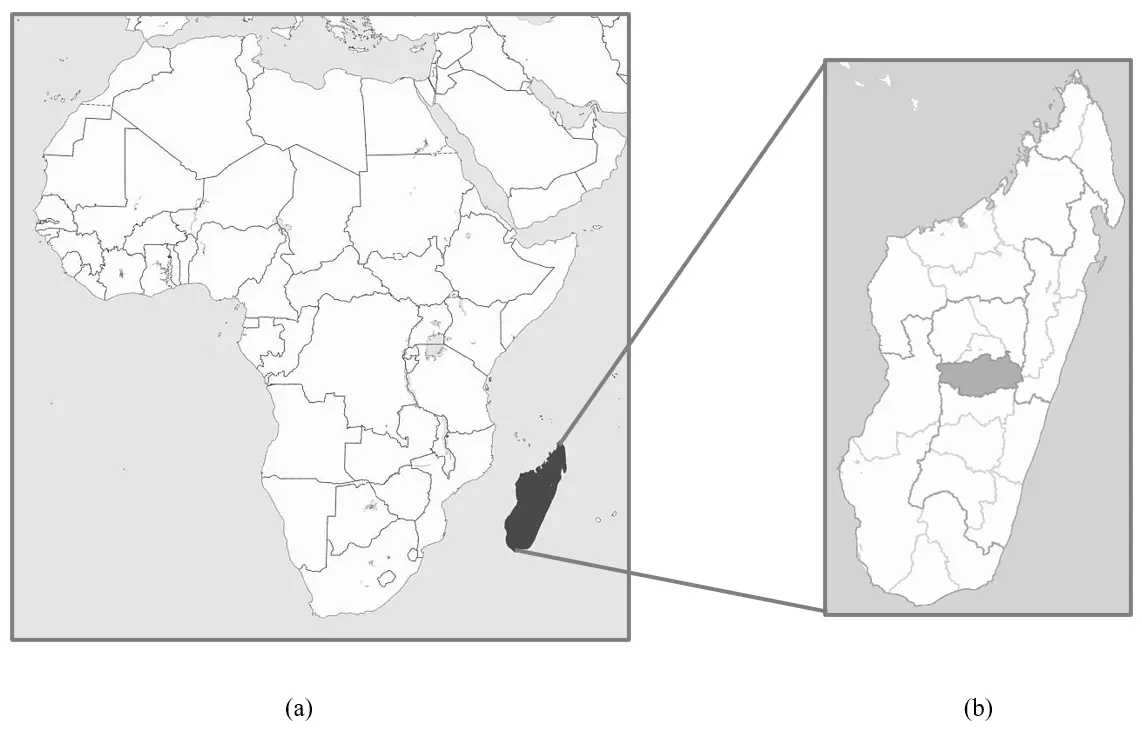
26 December 2025Leveraging Productivity Analysis for Smallholders’ Sustainable Development: Dairy Efficiency in Central Madagascar’s Crop-Livestock Family Farms
Milk production in developing African countries is a viable path for smallholders’ sustainable development. Supporting interventions should be shaped by evidence from comprehensive, context-specific analyses. Using survey data, this study contributes to the development-oriented literature on dairy productivity in African smallholder systems by conducting the first stochastic frontier analysis in the Malagasy context. Focusing on milk producers in central Madagascar’s crop-livestock family farms, a stochastic frontier production function with inefficiency effects is developed. The fitted frontier comprises the number of cows, annual purchased feed expenditure, farmer’s labor, and total household assets owned. Distance from the frontier is explained by the use of improved breeds, integration in the regional milk zone, farmer years of experience, the presence of off-farm income, and the number of oxen owned. Technical efficiency ranged from 4.6% to 90.8% around a mean of 55.5%. Results revealed how, in this context, cows are embedded in diversified family farming systems where resources are allocated across production activities and household needs. The study’s multidisciplinary stochastic frontier analysis provides a more complete picture to guide research and policy for smallholders’ sustainable rural development.
Open Access
Perspective
24 December 2025Revisiting the Conservation Challenges of Wild Argali (Ovis ammon ammon L.) in the Altai Mountain-Steppe under Climate and Anthropogenic Pressures
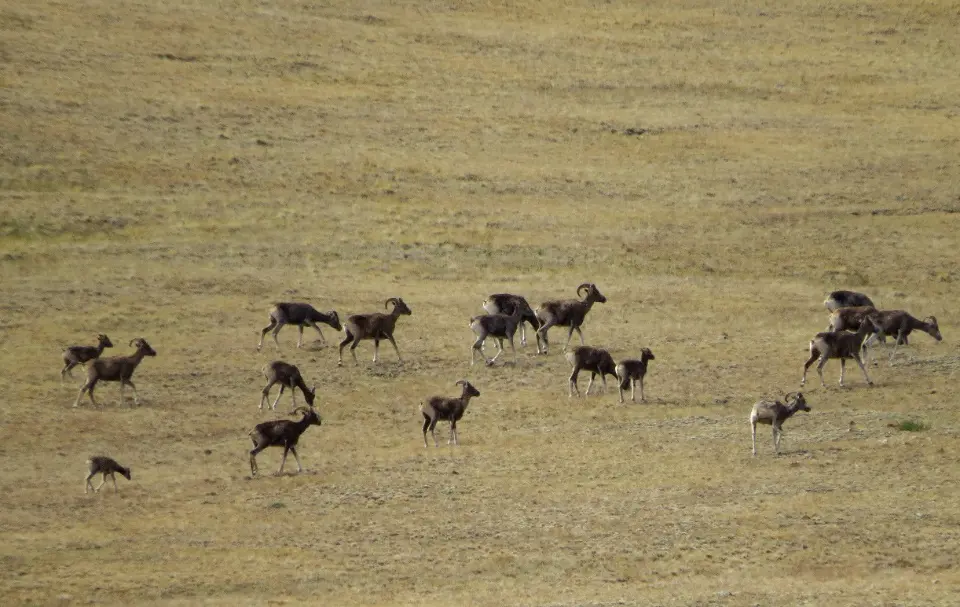
The high-mountain steppes of South-eastern Altai are a valuable resource for pastoralism—almost the only possible type of economic activity in these places—and the conservation of near threatened species, such as the argali. Argali are the largest and most vulnerable wild sheep (Ovis ammon ammon L.), and are listed in the Red Data Book of the Russian Federation and on the IUCN Red List. The argali is also important in the food chain of another rare and protected species, the snow leopard. This paper presents the results of research into the productivity of argali’s high-mountain steppes habitation in various parts of the Sailugem Ridge, and assesses their pasture degradation. We predict how observed declining pasture productivity due to anthropogenic and climate pressure, as well as argali grazing, will threaten their survival. We propose special measures to reduce the impact of the argali population on the degradation of current pastures, while improving argali conservation in other areas of South-eastern Altai and adjacent territories where the species previously existed.