Found 74 results
Open Access
Article
17 April 2024Thermogravimetric Study of the Oxidation Behavior of the Cantor’s Alloy at 1000 °C and Beyond
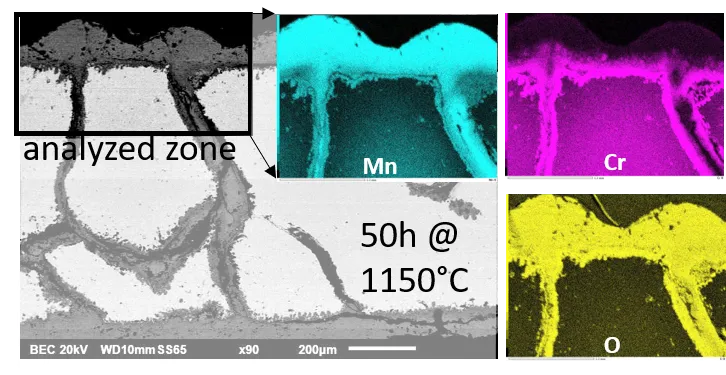
A polycrystalline Cantor alloy, equimolar in Co, Cr, Fe, Mn and Ni, was cast. It was subjected to oxidation in a thermo-balance in a flow of synthetic dry air, at 1000, 1050, 1100 and 1150 °C. The mass gain was globally parabolic but rather irregular. The parabolic constants, ranging from 55 to 700 × 10−12·g2·cm−4·s−1, are much higher than for a chromia-forming alloy. They obey an Arrhenius law with an activation energy equal to 270 kJ/mol. The external oxide scales formed are composed of an outer part made of manganese oxide and an inner part made of (Cr, Mn) oxide containing a thin internal layer of chromia. The Mn and Cr-depleted depths and the Mn and Cr masses lost by the alloy increase with the oxidation temperature. Cr-rich acicular particles precipitated in subsurface at 1100 °C and internal oxidation along the grain boundaries are present in the whole thickness of the sample oxidized at 1150 °C. Oxide spallation occurred during the cooling, at temperatures in the 200–350 °C range, only for the alloys oxidized at 1050 and 1100 °C. Not too thick scale (1000 °C) or deep internal oxidation (1150 °C) may be favorable for scale adherence.
Open Access
Article
11 April 2024Exploring Bi4V2O11 as Photoanode for Water Splitting with a Wide Range of Solar Light Capture and Suitable Band Potential
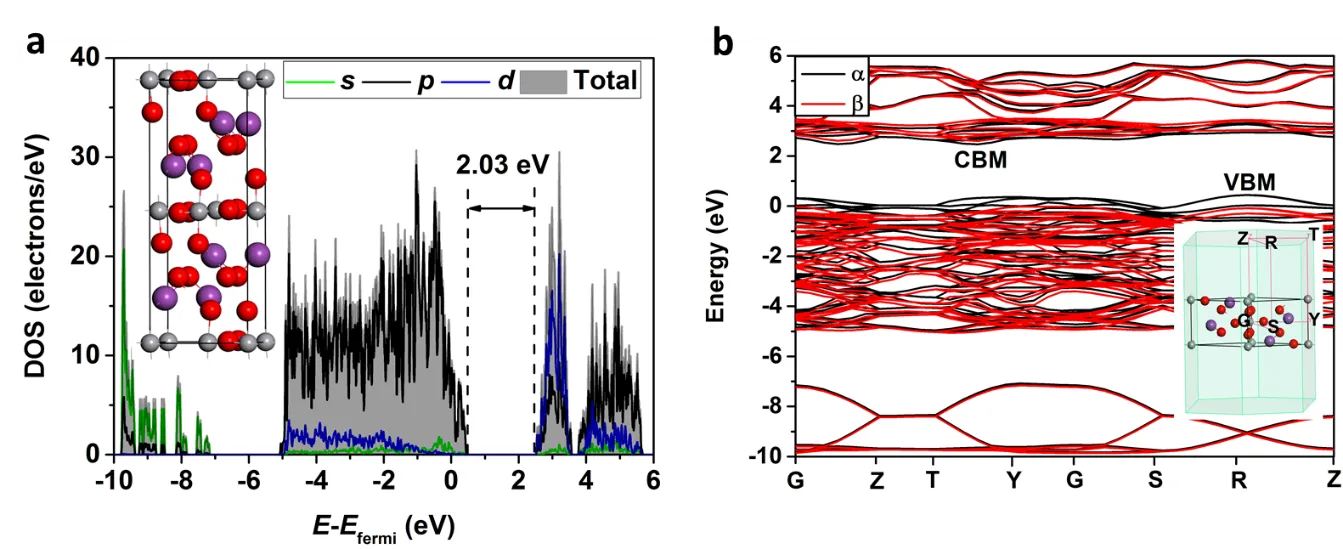
Bi4V2O11 possesses a bandgap of ~1.9 eV, and the band positions of minimum conduction band and maximum valence band straddle the redox potentials of H+/H2 and O2/H2O. In the current work, photoanode made of particulate Bi4V2O11 film displays a wide range of light adsorption. However, when the anode was fabricated by drop-casting and examined for photoelectrochemical water splitting, the photocurrent density of the pristine Bi4V2O11 was low. Improvement has then been carried out by Mo-doping. The Mo-doped Bi4V2O11 photoanode achieves a maximum photocurrent density of 0.3 mA/cm2 after a post deposition necking treatment to improve the connectivity of the drop-cast particles in the film. This material also shows a stability with maintaining 80% photocurrent after 2 h test. Discussion has been made on the displayed performance in PEC water splitting of the Bi4V2O11 materials. Potential solutions have been proposed for this type of promising photoanode material for water splitting.
Open Access
Article
22 March 2024Modulation of the MEP Pathway for Overproduction of 13-R-manoyl Oxide in Cyanobacteria
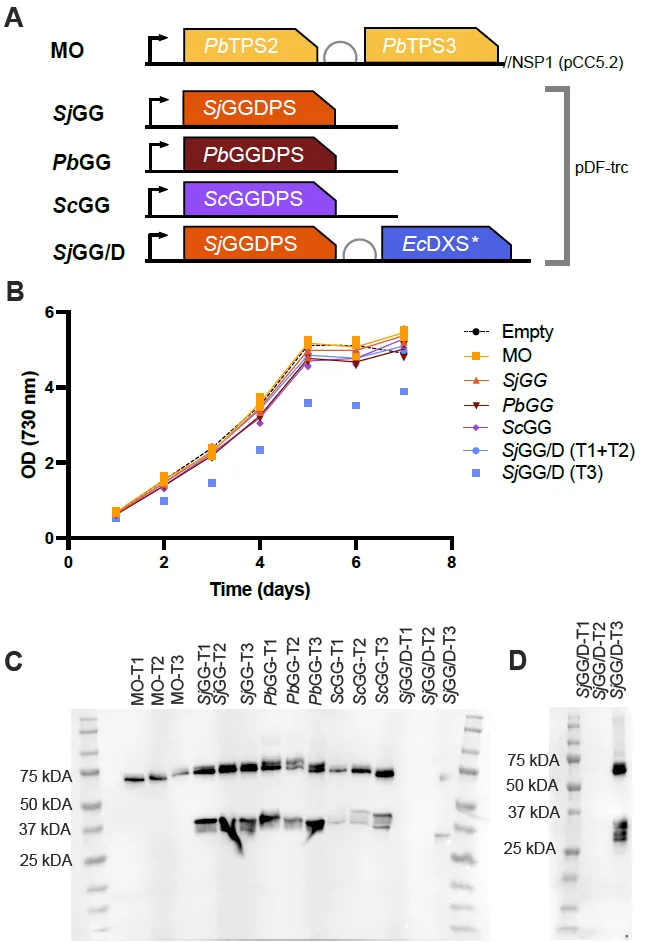
The cyanobacterium Synechocystis sp. PCC 6803 has gained scientific interest for its potential to use solar energy and atmospheric CO2 for the production of high-value chemicals like pharmaceuticals, flavors, and fragrances. Forskolin is a diterpenoid found in the root cork of the plant Plectranthus barbatus and its biosynthetic pathway is initiated by two terpene synthases that convert geranylgeranyl diphosphate (GGDP) into the precursor 13-R-manoyl oxide (13-R-MO). Using the cyanobacterium Synechocystis sp. PCC 6803 as host, we expressed the two terpene synthases resulting in the synthesis of 0.83 mg/L 13-R-MO. Three different geranylgeranyl diphosphate synthases (GGDPSs) were selected for screening; a prokaryotic (Synechococcus sp. JA-3-3Ab (Sj)), a yeast (Saccharomyces cerevisiae (Sc)), and a plant (P. barbatus (Pb)) derived GGDPS. Strains containing the prokaryotic Sj- or the yeast ScGGDPS consistently yielded more 13-R-MO than the base strain. By overexpression of 1-Deoxy-D-xylulose-5-phosphate synthase (DXS) positioned at the entry of the 2-C-methyl-d-erythritol 4-phosphate pathway (MEP) together with the prokaryotic SjGGDPS, the 13-R-MO titer was increased 11-fold to reach 9.7 mg/L by boosting the synthesis of GGDP, the direct substrate for the diterpenoid synthases. We further show that application of a n-dodecane overlay to remove 13-R-MO from the culture medium provided a 2–3 fold increase of the 13-R-MO in a separate cultivation system.
Open Access
Review
29 February 2024Conceptualizing an Informational Paradigm in the Pursuit of Sustainable Cities and Communities
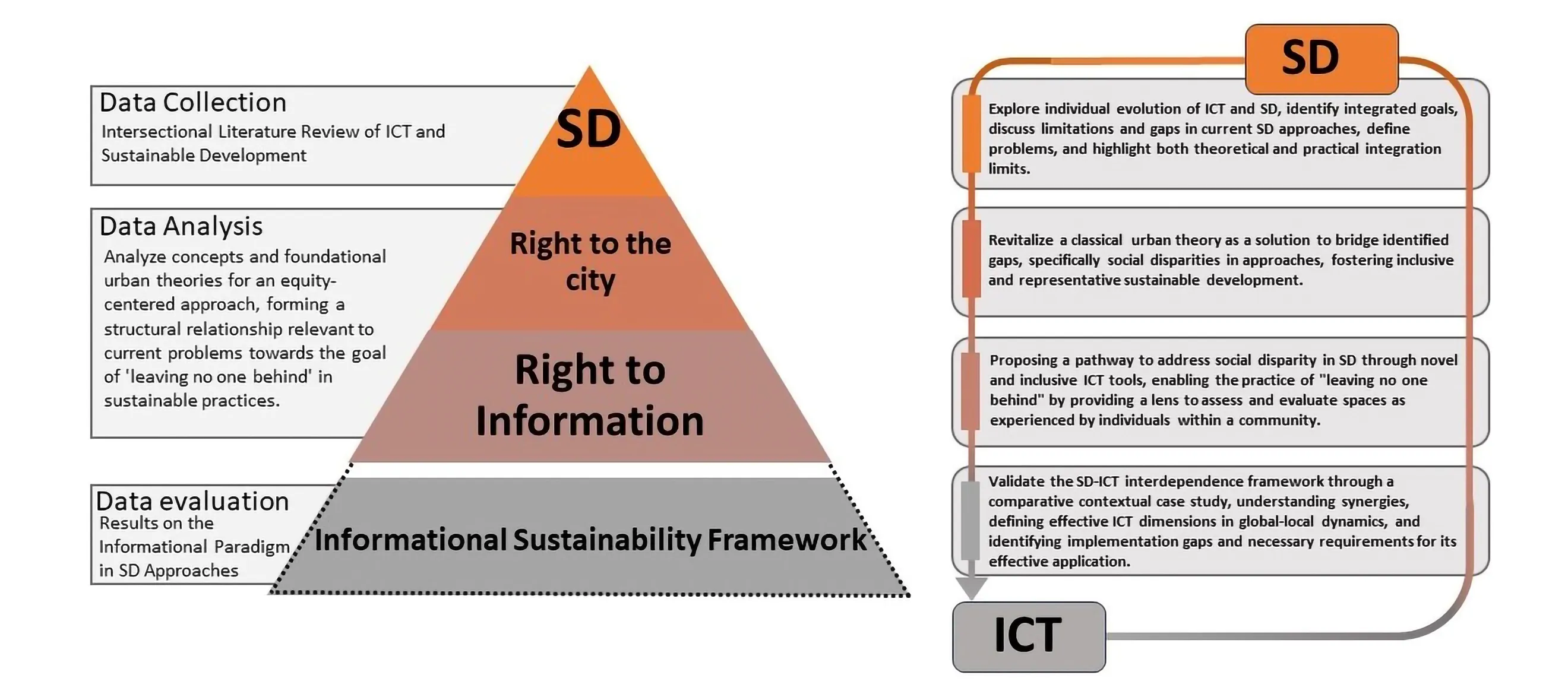
This study seeks to conceptualize ‘Informational Sustainability’ by examining the dynamic relationship between Sustainable Development and the Information and Communication Technologies (ICT) Revolution through the exploration of two prominent urban theories—Lefebvre’s ‘Right to the City’ and Castells’ ‘Rise of the Network Society’—to underscore the importance of knowledge integration in the development of informed, sustainable communities. Conducting a cross-country comparison between developed and developing nations, the study underscores the critical role of informational transformation in enabling resource efficiency, knowledge sharing, innovation, and informed decision-making—key for achieving Sustainable Development Goals (SDGs), while also highlighting potential risks associated with resisting ICT adoption, including hindered growth, increased inequalities, and reduced social engagement and environmental stewardship. The core focus of this conceptual framework is to validate the precursor role of ICT in building sustainable cities and communities by identifying synergies in Sustainable Development, defining dimensions for effective ICT application within the dynamic interplay of global and local levels, and identifying implementation gaps and necessary presumptions for its effective use.
Open Access
Article
19 February 2024Single Cell Analysis of Lung Lymphatic Endothelial Cells and Lymphatic Responses during Influenza Infection
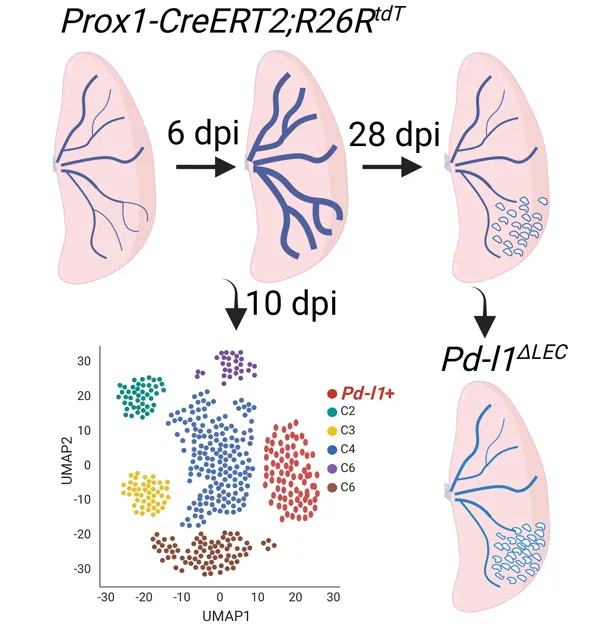
Tissue lymphatic vessels network plays critical roles in immune surveillance and tissue homeostasis in response to pathogen invasion, but how lymphatic system per se is remolded during infection is less understood. Here, we observed that influenza infection induces a significant increase of lymphatic vessel numbers in the lung, accompanied with extensive proliferation of lymphatic endothelial cells (LECs). Single-cell RNA sequencing illustrated the heterogeneity of LECs, identifying a novel PD-L1+ subpopulation that is present during viral infection but not at steady state. Specific deletion of Pd-l1 in LECs elevated the expansion of lymphatic vessel numbers during viral infection. Together these findings elucidate a dramatic expansion of lung lymphatic network in response to viral infection, and reveal a PD-L1+ LEC subpopulation that potentially modulates lymphatic vessel remolding.
Open Access
Article
01 February 2024Molecular Regulation of Transforming Growth Factor-β1-induced Thioredoxin-interacting Protein Ubiquitination and Proteasomal Degradation in Lung Fibroblasts: Implication in Pulmonary Fibrosis
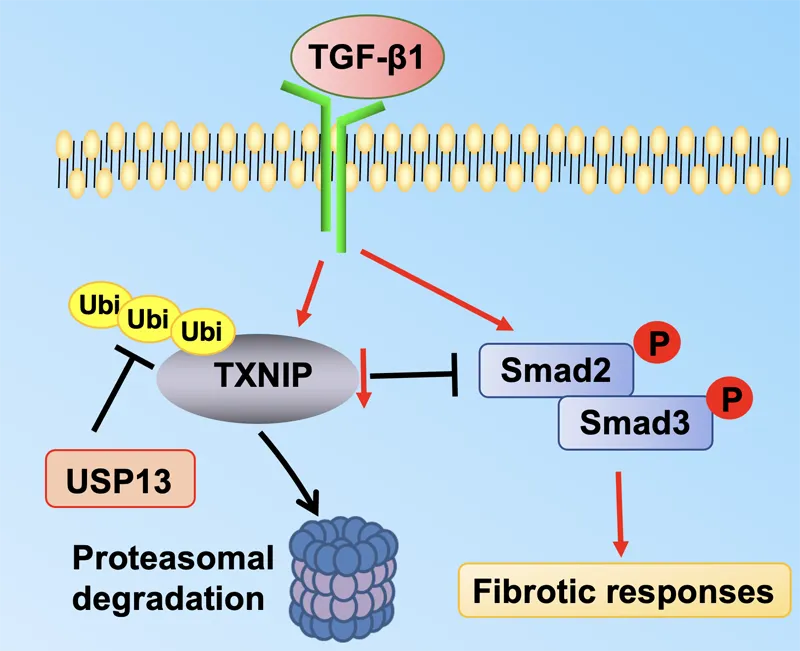
Thioredoxin-interacting protein (TXNIP) plays a critical role in regulation of cellular redox reactions and inflammatory responses by interacting with thioredoxin (TRX) or the inflammasome. The role of TXNIP in lung fibrosis and molecular regulation of its stability have not been well studied. Therefore, here we investigated the molecular regulation of TXNIP stability and its role in TGF-β1-mediated signaling in lung fibroblasts. TXNIP protein levels were significantly decreased in lung tissues from bleomycin-challenged mice. Overexpression of TXNIP attenuated transforming growth factor-β1 (TGF-β1)-induced phosphorylation of Smad2/3 and fibronectin expression in lung fibroblasts, suggesting that decrease in TXNIP may contribute to the pathogenesis of lung fibrosis. Further, we observed that TGF-β1 lowered TXNIP protein levels, while TXNIP mRNA levels were unaltered by TGF-β1 exposure. TGF-β1 induced TXNIP degradation via the ubiquitin-proteasome system. A serine residue mutant (TNXIP-S308A) was resistant to TGF-β1-induced degradation. Furthermore, downregulation of ubiquitin-specific protease-13 (USP13) promoted the TGF-β1-induced TXNIP ubiquitination and degradation. Mechanistic studies revealed that USP13 targeted and deubiquitinated TXNIP. The results of this study revealed that the decrease of TXNIP in lungs apparently contributes to the pathogenesis of pulmonary fibrosis and that USP13 can target TXNP for deubiquitination and regulate its stability.
Open Access
Article
23 January 2024Analysis of a σ54 Transcription Factor L420P Mutation in Context of Increased Organic Nitrogen Tolerance of Photofermentative Hydrogen Production in Cereibacter sphaeroides Strain 2.4.1 Substrain H2
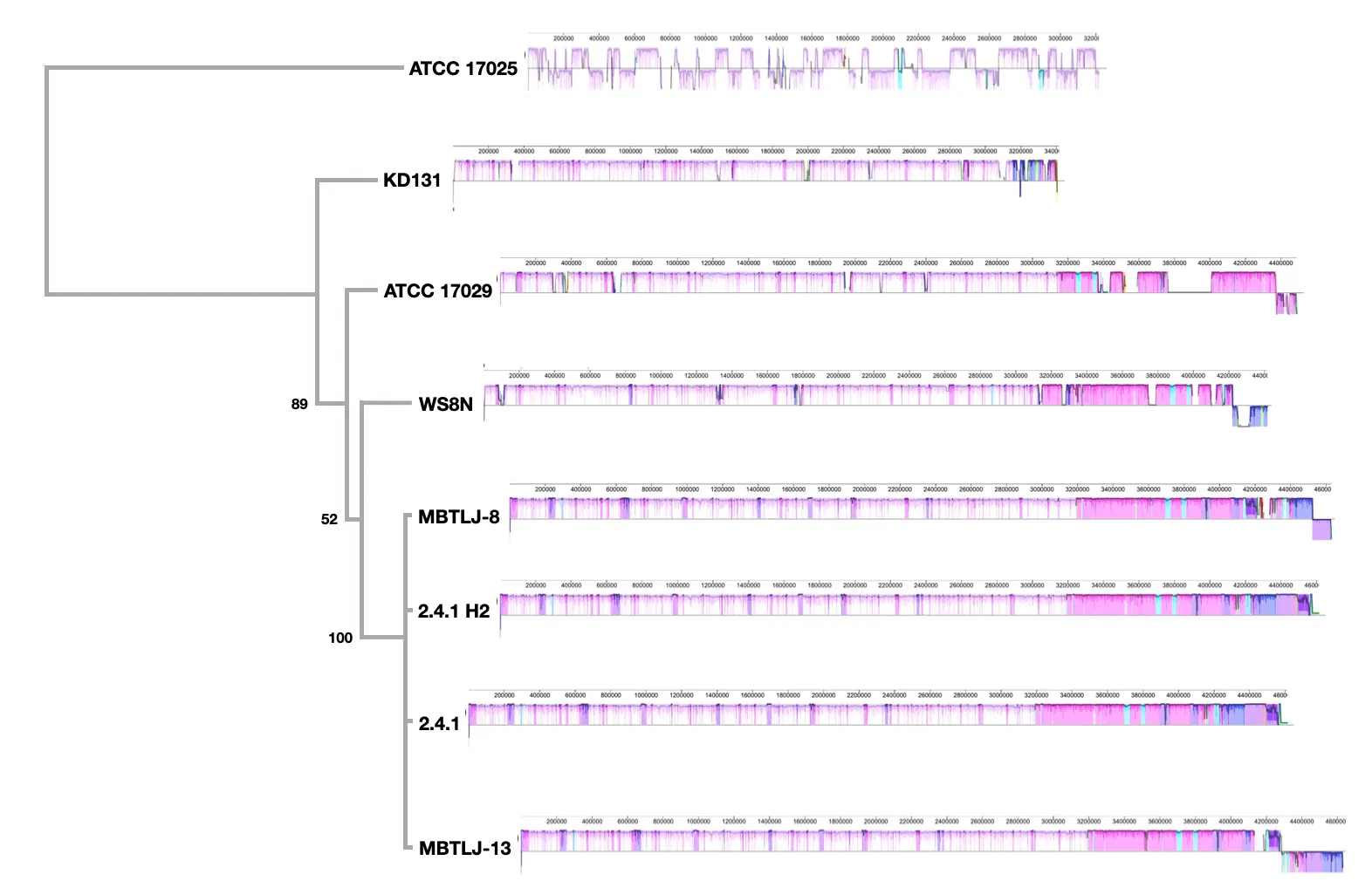
Photofermentative hydrogen production with non-sulfur purple bacteria like Cereibacter sphaeroides (formerly Rhodobacter sphaeroides) is a promising and sustainable process to convert organic waste into the energy carrier hydrogen gas. However, this conversion is inhibited by elevated organic nitrogen concentrations in the substrate, which limits its applicability to nitrogen-poor organic waste. We present genomic and transcriptomic insights into a substrain of Cereibacter sphaeroides strain 2.4.1 that shows unexpected high levels of photofermentative hydrogen evolution when fed with glutamate. Genome sequencing revealed 222 single nucleotide variances (SNVs) between the reference genome of C. sphaeroides strain 2.4.1 and the analyzed substrain H2. These affect 61 protein coding genes. A leucine-proline exchange is present in the σ54 factor (rpoN2 gene), a global hydrogen and nitrogen metabolism regulator. We propose a model how this mutation alters DNA-binding properties that explain the unexpected organic nitrogen tolerance of hydrogen production. Transcriptomic analyses under varying glutamate concentrations support this finding. Thus, we present the first thorough genomic and transcriptomic analysis of a Cereibacter strain that shows promising metabolic characteristics for biotechnological hydrogen gas production from organic waste. These results suggest a potential target for strain optimization. Possibly, our key finding can be transferred to other hydrogen producing microorganisms.
Open Access
Review
21 December 2023TANGO1 Dances to Export of Procollagen from the Endoplasmic Reticulum
The endoplasmic reticulum (ER) to Golgi secretory pathway is an elegantly complex process whereby protein cargoes are manufactured, folded, and distributed from the ER to the cisternal layers of the Golgi stack before they are delivered to their final destinations. The export of large bulky cargoes such as procollagen and its trafficking to the Golgi is a sophisticated mechanism requiring TANGO1 (Transport ANd Golgi Organization protein 1. It is also called MIA3 (Melanoma Inhibitory Activity protein 3). TANGO1 has two prominent isoforms, TANGO1-Long and TANGO1-Short, and each isoform has specific functions. On the luminal side, TANGO1-Long has an HSP47 recruitment domain and uses this protein to collect collagen. It can also tether its paralog isoforms cTAGE5 and TALI and along with these proteins enlarges the vesicle to accommodate procollagen. Recent studies show that TANGO1-Long combines retrograde membrane flow with anterograde cargo transport. This complex mechanism is highly activated in fibrosis and promotes the excessive deposition of collagen in the tissues. The therapeutic targeting of TANGO1 may prove successful in the control of fibrotic disorders. This review focuses on TANGO1 and its complex interaction with other procollagen export factors that modulate increased vesicle size to accommodate the export of procollagen.

Open Access
Book Review
14 December 2023
Open Access
Article
10 October 2023ℒ1 Adaptive Control of Quadrotor UAVs in Case of Inversion of the Torque Direction
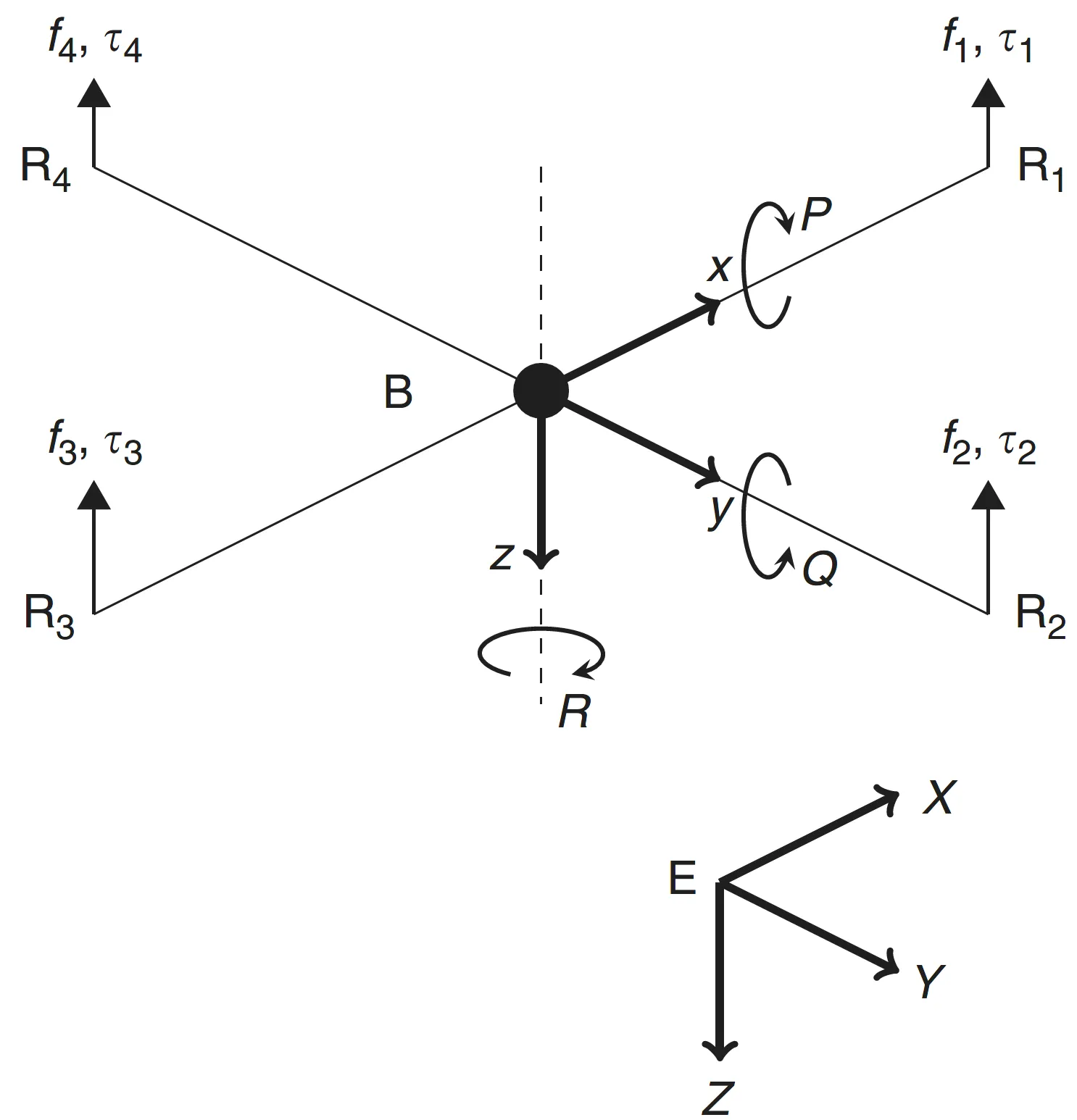
This paper presents a method for fault tolerant control of quadrotor UAVs in case of inversion of the torque direction, a situation that might occur due to structural, hardware or software issues. The proposed design is based on multiple-model ℒ1 adaptive control. The controller is composed of a nominal reference model and a set of degraded reference models. The nominal model is that with desired dynamics that are optimal regarding some specific criteria. In a degraded model, the performance criteria are reduced. It is designed to ensure system robustness in the presence of critical failures. The controller is tested in simulations and it is shown that the multiple model ℒ1 adaptive controller stabilizes the system in case of inversion of the control input, while the ℒ1 adaptive controller with a single nominal model fails.