Found 74 results
Open Access
Review
18 June 2025Coupling Electrocatalysis and Biotransformation for CO2-Based Biomanufacturing
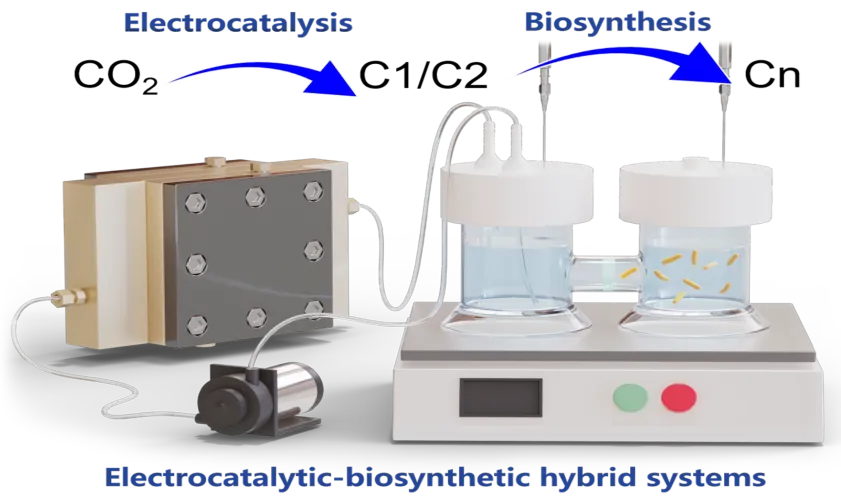
Transformation of CO2 into high-value, long-chain carbon compounds is a long-term goal for CO2 conversion and utilization. Electrocatalytic CO2 reduction can achieve C1/C2 products with a high formation rate, while biosynthesis can utilize these C1/C2 species as substrates for carbon chain elongation. Coupling these two processes offers a promising avenue for efficient CO2 fixation via synergizing the advantages of both sides. However, it is still challenging to realize its widespread application because of the poor compatibility between different modules. This review summarizes and discusses current developments in electrocatalytic-biosynthetic hybrid systems for CO2 upcycling. First, the recent advances of individual modules are introduced, including conversion pathways, representative electrocatalysts and typical reactors for electrocatalytic CO2 reduction process and microbial synthesis and in vitro multi-enzyme cascade catalysis for low-carbon bio-conversion process. Then, key factors that influence system coupling are discussed via analyzing the features of single modules and their cross-interference effects. Finally, several construction strategies are proposed based on different integration scenarios, offering guidance for the design and optimization of these hybrid systems.
Open Access
Commentary
12 June 2025Bone Marrow Transplantation as a Future Therapeutic Strategy for Idiopathic Pulmonary Fibrosis: Lessons from Hematopoietic Aging
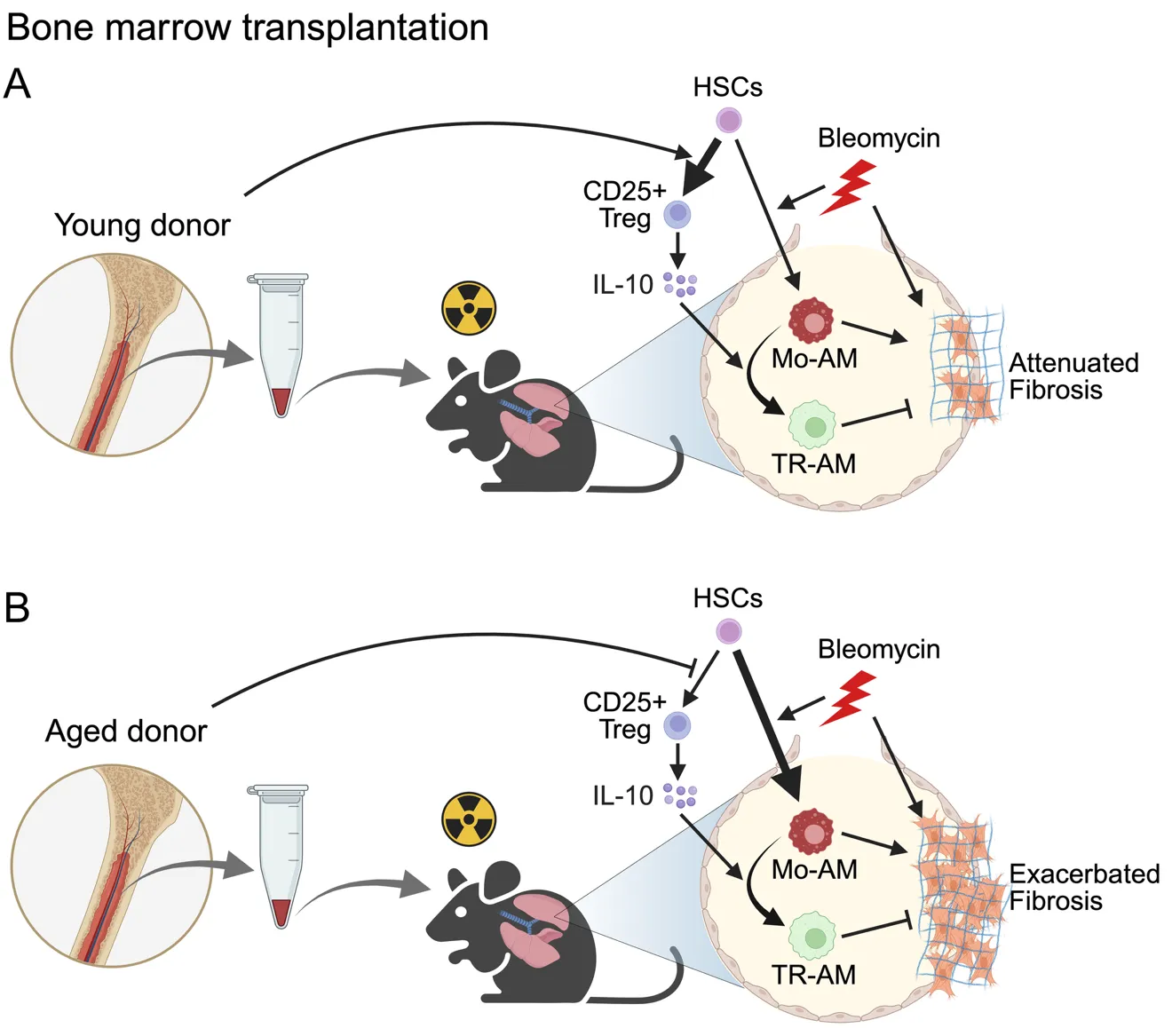
Idiopathic pulmonary fibrosis (IPF) is a fatal disease with limited therapeutic options. Lung transplantation is the only curative treatment, but it is rarely available due to a lack of suitable donors. In a recent publication in Science Immunology, Farhat et al. demonstrated that bone marrow transplantation from young donors alleviates fibrosis by restoring immune resolution in aged hosts in animal models. Aged hematopoietic cells exacerbate fibrosis through the persistence of inflammatory macrophages and impaired Treg-derived IL-10, highlighting bone marrow rejuvenation as a potential treatment strategy for IPF.
Open Access
Opinion
11 June 2025Reflections on Photocatalysis Progress Since the Inspiration of Prof. David Ollis in 1992
Why has photocatalysis not gained the wide-ranging commercial applications in environmental purification of air and water that seemed promising 30+ years ago since the first international conference on TiO2 photocatalytic purification and treatment of water in 1992? The primary reason lies in its low intrinsic efficiency. The progress of R&D to enhance this efficiency has been slow, possibly due to an incomplete understanding of the underlying mechanisms of photocatalysis. There is also the possibility that certain factors, with effects comparable to those of the band gap, significantly influence photocatalytic performance but remain underexplored. Additionally, challenges such as mass transfer limitations and surface contamination hinder the industrial application of photocatalysts. It may be time for scientists to reconsider and address the limitations and practical application scenarios of photocatalysis.

Open Access
Review
22 May 2025NLRP3 Inflammasome and IL-11 in Systemic Sclerosis Pulmonary Fibroblasts
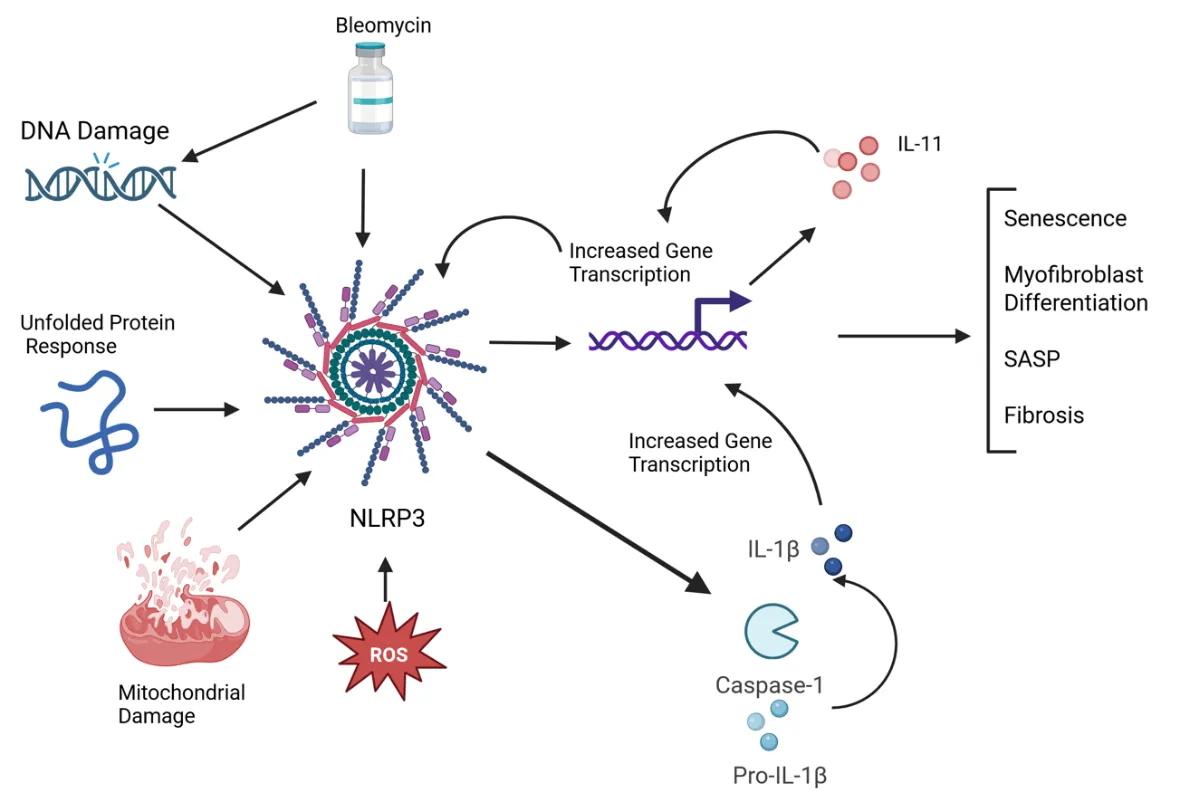
Systemic sclerosis (SSc) is an autoimmune disease characterized by widespread fibrosis affecting multiple organ systems. There is clinical heterogeneity among patients with SSc in terms of the organs affected. However, the pathophysiology of the disease remains elusive. The NLRP3 inflammasome is upregulated in SSc and exerts its fibrotic effects through activation of caspase-1, which in turn activates a fibrotic signaling cascade, resulting in increased collagen deposition and myofibroblast transition. Recently, IL-11 has been shown to be elevated in disease and has been shown to participate in downstream signaling via the NLRP3 inflammasome. A significant number of patients with SSc will develop pulmonary involvement, termed interstitial lung disease (SSc-ILD). Though this type of pulmonary involvement is distinct from other types of pulmonary fibrosis (such as idiopathic pulmonary fibrosis), it may be a valuable model to study mechanisms of fibrosis that could apply to other fibrotic diseases. Here, we discuss recent advances in understanding the mechanisms of the NLRP3 inflammasome and IL-11 in SSc pulmonary fibroblasts. We tie together some of the recent findings, such as senescence, the unfolded protein response, and reactive oxygen species, that contribute to fibrotic pathology via modulating NLRP3 activation, possibly leading to IL-11 expression.
Open Access
Article
18 April 2025Demographic History of Ancient Okunev People and Their Kin across Eurasia: A Patrilineal Perspective
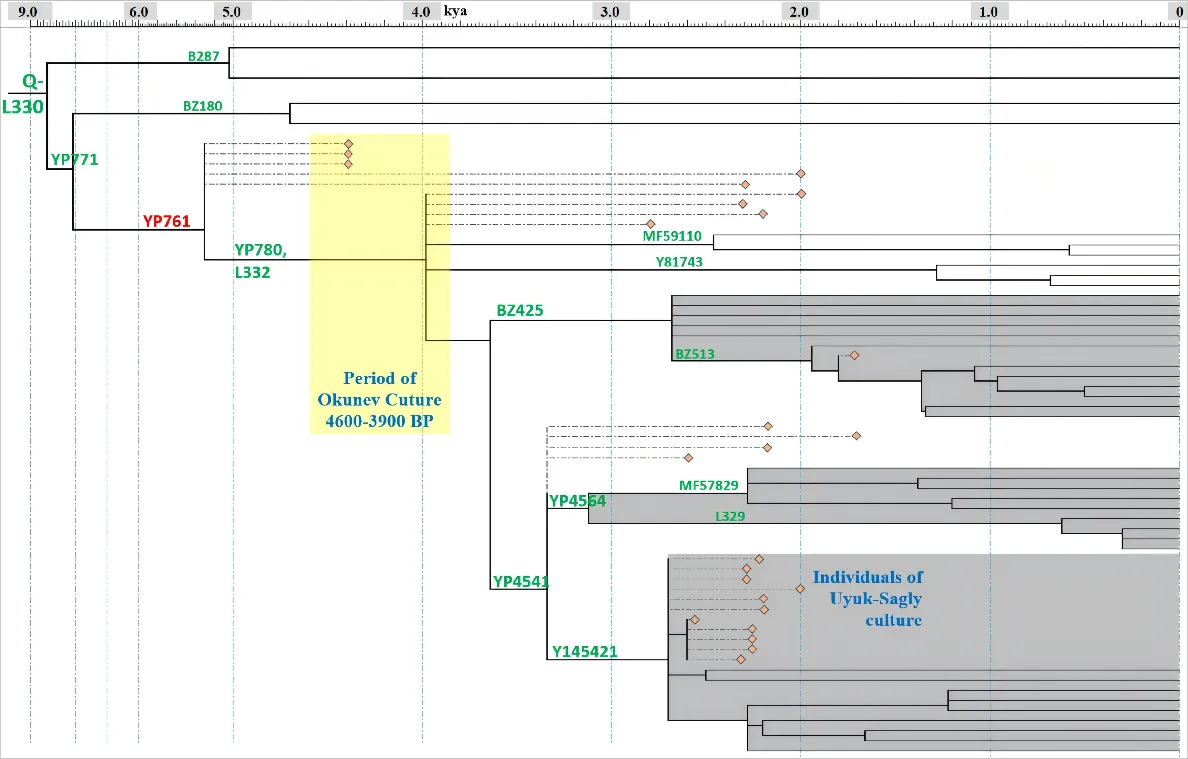
The ancient Okunev culture in South Siberia is renowned for its mysterious artistic and cultural legacy and belief system. Many later, Eurasian steppe peoples are thought to have inherited elements of the Okunev culture, but its origins and evolution remain unclear. Previous research of ancient DNA (aDNA) indicated that the primary paternal lineage of the ancient Okunev people was Q-L330-YP761. In this study, we sequenced 25 modern samples from this haplogroup and analyzed them alongside 26 ancient samples and 10 modern samples from public sources. The updated, high-resolution phylogenetic tree shows paternal lineage Q-L330-YP761 expanded significantly during the Okunev culture. Its downstream subclade Y145421 was the main paternal type of the Chandman culture. Phylogeographic analysis indicates that Q-L330-YP761 largely integrated into the Xiongnu, Tiele, and Han Chinese populations after the Okunev culture. Many downstream branches of Q-L330-YP761 also migrated westward to Central Asia and Europe. In summary, Q-L330-YP761 is considered one of the genetic lineages that have migrated across the Eurasian steppe since the Bronze Age.
Open Access
Article
07 April 2025Evaluating a Motion-Based Region Proposal Approach with Background Subtraction Methods for Small Drone Detection
The detection of drones in complex and dynamic environments poses significant challenges due to their small size and background clutter. This study aims to address these challenges by developing a motion-based pipeline that integrates background subtraction and deep learning-based classification to detect drones in video sequences. Two background subtraction methods, Mixture of Gaussians 2 (MOG2) and Visual Background Extractor (ViBe), are assessed to isolate potential drone regions in highly complex and dynamic backgrounds. These regions are then classified using the ResNet18 architecture. The Drone-vs-Bird dataset is utilized to test the algorithm, focusing on distinguishing drones from other dynamic objects such as birds, trees, and clouds. By leveraging motion-based information, the method enhances the drone detection process by reducing computational demands. Results show that ViBe achieves a recall of 0.956 and a precision of 0.078, while MOG2 achieves a recall of 0.857 and a precision of 0.034, highlighting the comparative advantages of ViBe in detecting small drones in challenging scenarios. These findings demonstrate the robustness of the proposed pipeline and its potential contribution to enhancing surveillance and security measures.

Open Access
Article
24 March 2025USP11 Promotes Endothelial Apoptosis-Resistance in Pulmonary Arterial Hypertension by Deubiquitinating HINT3
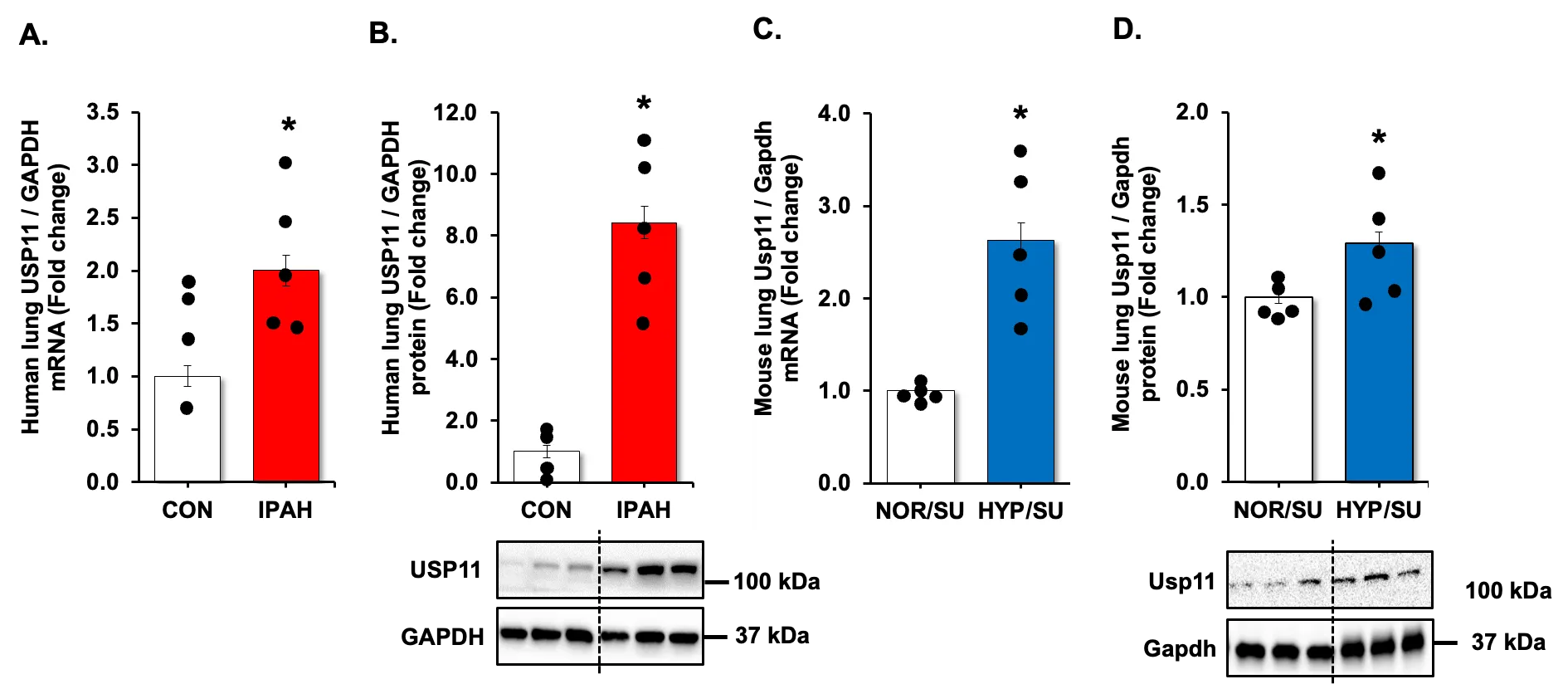
Pulmonary arterial hypertension (PAH) is a progressive, lethal, and incurable disease of the pulmonary vasculature. A previous genome-wide association study (GWAS) with Affymetrix microarray analysis data exhibited elevated histidine triad nucleotide-binding protein 3 (HINT3) in the lung samples of PAH compared to control subjects (failed donors, FD) and the positive correlations of HINT3 with deubiquitinase USP11 and B-cell lymphoma 2 (BCL2). In this study, we aim to investigate the roles and interplay of USP11 and HINT3 in the apoptosis resistance of PAH. The levels of USP11 and HINT3 were increased in the lungs of idiopathic PAH (IPAH) patients and Hypoxia/Sugen-treated mice. USP11 and HINT3 interacted physically, as shown by co-immunoprecipitation (co-IP) assay in human pulmonary arterial endothelial cells (HPAECs). HINT3 was degraded by polyubiquitination, which was reversed by USP11. Furthermore, HINT3 interacted with the anti-apoptotic mediator, BCL2. Overexpression of USP11 increased BCL2 content, congruent to elevated lung tissue levels seen in IPAH patients and Hypoxia/Sugen-treated mice. Conversely, the knockdown of HINT3 function led to a depletion of BCL2. Thus, we conclude that USP11 stabilizes HINT3 activation, which contributes to endothelial apoptosis-resistance of pulmonary arterial endothelial cells in PAH. This can potentially be a novel therapeutic target for ubiquitination modulators for PAH.
Open Access
Article
27 February 2025Thermophysical Properties of Polyamide 6 and High-Density Polyethylene Blends (Part 1. Without Compatibilization)
The structure and thermophysical properties of polymer blends polyamide 6/high-density polyethylene with component ratios of 70:30, 45:55 and 30:70, which not only provide phase inversion of the blended polymers, but also the formation of an interpenetrating network, have been investigated by differential scanning calorimetry, scanning electron microscopy and light flash method. The data on the influence of blends composition on their mechanical properties, density, structure, temperature, as well as melting and crystallization heats of polymer components have been obtained. The regularities of changes in thermal diffusion, heat capacities and thermal conductivity coefficients of polyamide 6 and high-density polyethylene individually and as part of the blends in dependence on their composition and temperature have been established. A nonlinear increase of the thermal conductivity coefficient from temperature was revealed when melting a more easily melting component of the blend. It was found that the maximum increase in thermal conductivity occurs in the blend forming an interpenetrating network. A possible way of creating composites with adaptive thermal conductivity by melting one of the components of the blend is proposed.

Open Access
Article
26 February 2025Autopsies in Poland 1971–2023
Autopsies, depending on their purpose, can be described as forensic or clinical. Both types are intended to determine the cause of death, but their goal is different. For forensic autopsies, this goal is to provide expertise with evidential value in various legal proceedings. For clinical autopsies, they have historically been seen as a tool in the development and investigation of disease processes. The aim of the study was to determine how the percentage of autopsies changed in Poland in the years 1971–2023. Research material was data obtained from the Polish Central Statistical Office. On the basis of this data, we showed changes in the population number, the number of deaths, and the number of autopsies in the indicated period. It was shown that in Poland, the percentage of autopsies in relation to all deaths in the period from 1971 to 2023 (53 years) fell about 4-fold from the initial level of approximately 16% to only approximately 4% now. This downward trend is consistent with the trends in other EU countries.

Open Access
Article
25 February 2025Thermal Characterization Study of Double End Face Grinding Powder Metallurgy Stainless Steel 316L
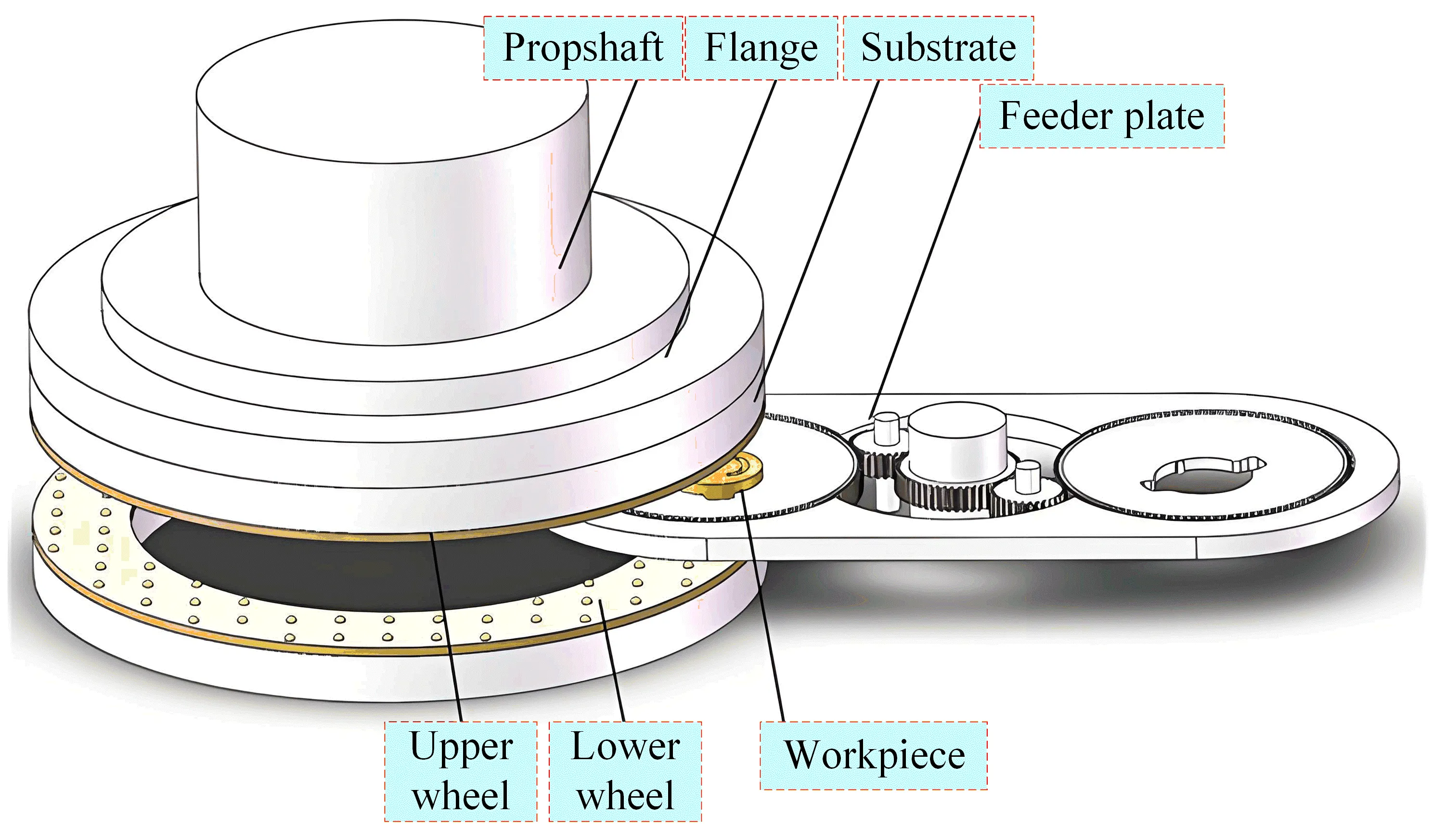
Double end face grinding machining is a highly efficient surface grinding technique. And grinding temperature is an important factor affecting the surface quality of workpieces. However, it is difficult to monitor the surface temperature of the workpiece in real time because of the covered contact between the grinding wheel and the upper and lower surfaces of the workpiece during the machining process. This paper aims to conduct a mechanistic analysis and experimental investigation of the machining process to address this challenge. Initially, the paper conducts an analysis of the kinematic mechanism, modal analysis, and the grinding force mechanism specific to the double end face grinding process. Afterwards, the mechanisms leading to the generation of grinding heat and the associated heat transfer mechanisms are explored in depth. The paper then proceeds to solve the instantaneous temperature field during double end face grinding by the finite element method (FEM). Furthermore, the micro and macro profile heights of the machined workpiece surfaces are measured and analyzed. The results show that the machined workpiece surface shows a high center and low edge. This is due to the fact that the temperature at the edge of the workpiece is higher than the center during machining, resulting in more material removal. Through these investigations, the study is able to determine the optimal process parameters for the machining process. This in turn improves machining efficiency and product conformity. And these findings not only guide practical production processes but also provide a foundation for future theoretical research in this area.