Found 369 results
Open Access
Perspective
06 July 2023An Extremely Long Span of the Sun-Earth Pattern in the History of China
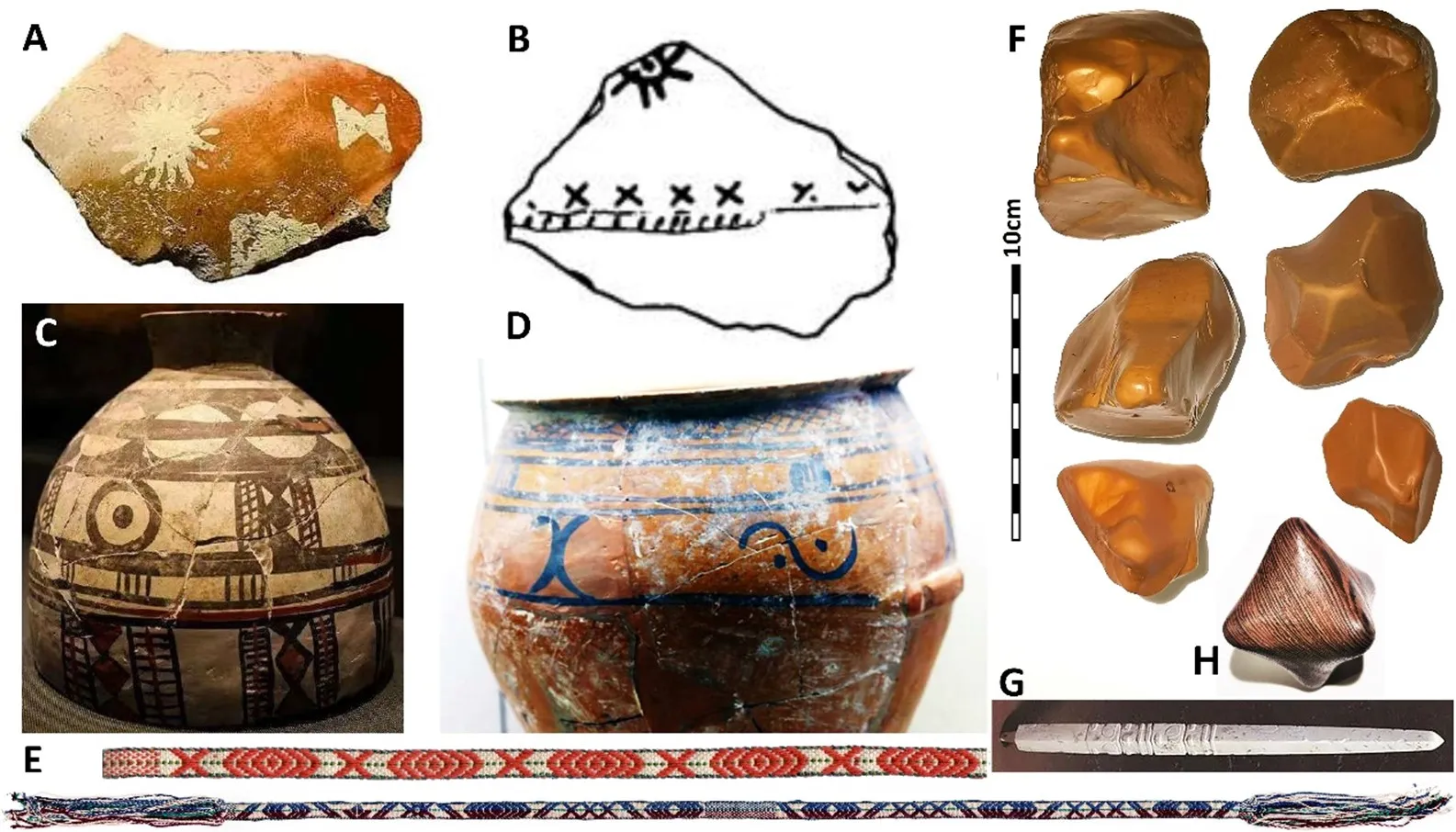
Chinese people believe that they are descendants of the prehistory Emperors Yan and Huang, while Yan (hot/red) and Huang (yellow) are the colors of the sun and earth. In the Dahecun style of Yangshao Culture archaeological culture of the legendary Yan and Huang’s period, the patterns of the sun and earth were frequently painted on the religious potteries, implying that the paired symbols might refer to the two emperors. However, the same paired pattern appeared in Shangshan Culture much earlier than Yangshao, indicating that the worship of Sun-Earth might have a quite long history prior to the two emperors. The pattern was inherited in the populations of China till today. The Jade Bi-Cong group of late Neolithic and early Bronze Age China also showed the same meanings and shapes. We found that the Sun-Earth pattern was quite common on the traditional brocade belts woven in the countryside around Shanghai. The origin of the sun shape was easy to understand, while that of the earth shape, a cross with or without an outline square, was hard to trace. Recent archaeological discovery in Shangshan Culture of a kind of yellow pyramid stone provided a new clue to the origin of earth symbol.
Open Access
Article
31 May 2023Nitrogen-controlled Valorization of Xylose-derived Compounds by Metabolically Engineered Corynebacterium glutamicum
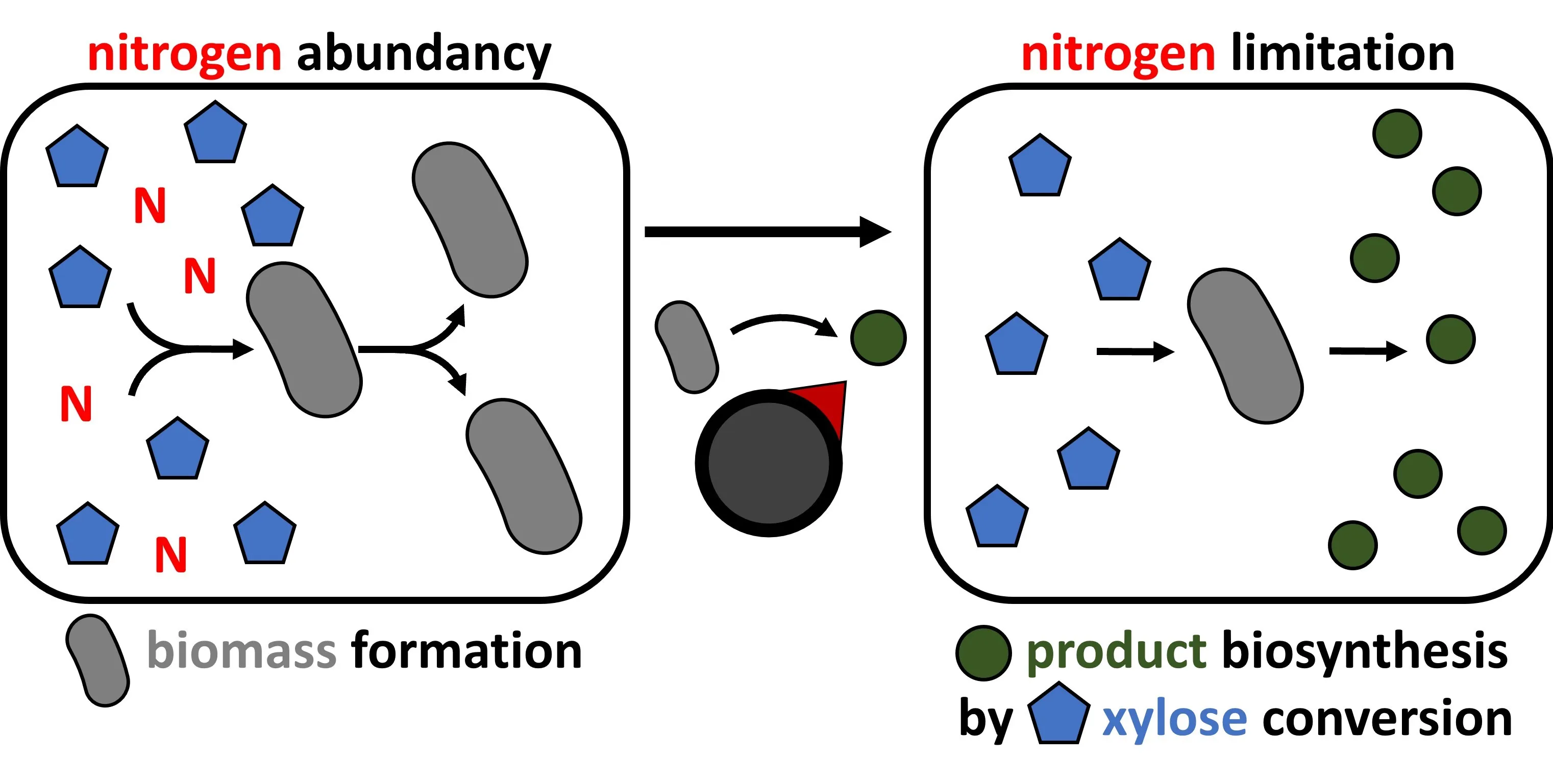
The implementation of bioprocesses in an economically feasible and industrial competitive manner requires the optimal allocation of resources for a balanced distribution between biomass formation and product synthesis. The decoupling of growth and production in two-stage bioprocesses, aiming to ensure sufficient growth before the onset of production, is particularly relevant when target products inhibit growth. In order to avoid expensive inducer molecules, continuing process monitoring, elaborate individual process optimization, and strain engineering, we developed and applied nitrogen deprivation-induced expression of genes for product biosynthesis. Two native nitrogen deprivation-inducible promoters were identified and shown to function for dynamic growth-decoupled gene expression or CRISPRi-mediated gene knockdown in C. glutamicum with superior induction factors than the standard IPTG-inducible Ptrc promoter. Valorization of xylose to produce either the sugar acid xylonic acid or the sugar alcohol xylitol from xylose as sole source of carbon and energy was demonstrated. Competitive titers of up to 34 g·L−1 xylonate and 13 g·L−1 xylitol were achieved in two-stage processes. We discussed that the transfer to bioprocesses with C. glutamicum using carbon sources other than xylose appears straightforward in particular regarding production of growth-inhibitory compounds by their growth-decoupled fermentative production.
Open Access
Article
22 May 2023Fed-batch Self-regulated Fermentation of Glucose to Co-produce Glycerol and 1,3-propanediol by Recombinant Escherichia coli
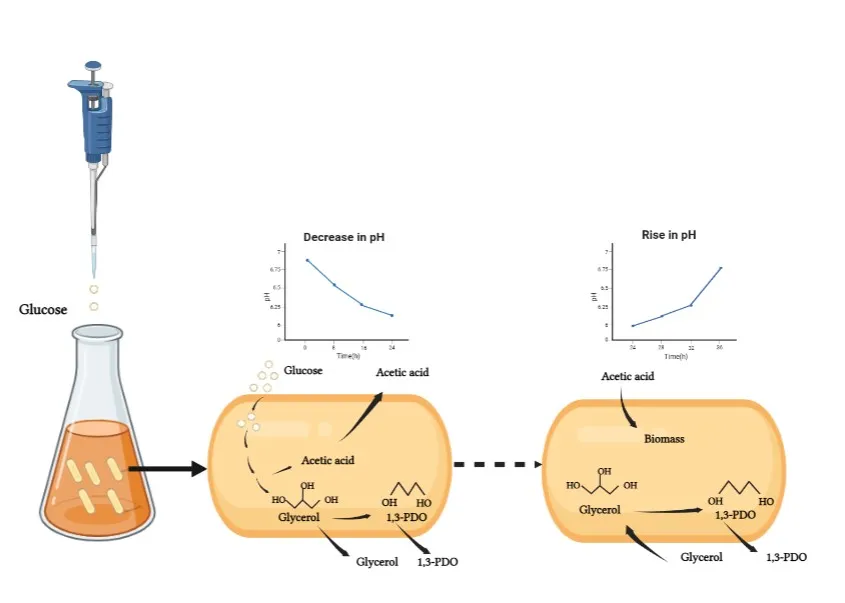
As important bio-chemicals, glycerol and 1,3-propanediol (1,3-PDO) have been widely used in numerous fields, e.g., polymers, cosmetics, foods, lubricants, medicines, and so on. Bio-based 1,3-PDO is generally produced from glycerol or glucose by natural or recombinant strains, during which organic acids are always co-produced. In this work, acetic acid was also co-produced when 1,3-PDO was obtained from glucose by a recombinant strain of E. coli MG1655. Usually, a base was added to adjust the fermentation pH, resulting in the accumulation of organic salts and difficulty in the next down streaming process. Herein, a novel strategy was developed to consume the produced acetic acid by cells self in fed-batch self-regulated fermentation. The recombinant E. coli cells produced 48.33 g/L glycerol and 61.27 g/L 1,3-PDO with a total mass yield of 45.6% and without any other byproducts at the end of 5 fed-batch fermentations. The initial buffer pH, glucose concentration, pulse feeding sugar amount, time for a single batch fermentation and reducing acid were investigated by a series of comparative experiments. This fed-batch self-regulated fermentation has potential for the co-production of 1,3-PDO and glycerol, and will highlight the subsequent modification of recombinant E. coli strain by synthetic biology.
Open Access
Article
22 May 2023Private Property and Public Commons: Narrowing the Gap
Private property and public commons each represent strongly felt concepts of society but in very different ways. While the protection of private property is at the heart of the capitalist system and deeply embedded in our laws, the protection of the public commons is a mere subset of government policies and often lacks firm regulations. Critically, natural commons such as air, water, biodiversity, and a habitable earth, are hardly protected at all. Environmental laws regulate use and protection of natural “resources” in a strict instrumental fashion, ignoring the intrinsic value of Nature and take Earth’s ecological systems for granted. This article traces the “hidden logic” of environmental law and explores some of the history of property and the commons in the European context. It then shows the fundamental importance of ecological integrity for all efforts towards sustainable societies. The overall thesis is that property and commons must be based on ecological sustainability as a fundamental norm of law.
Open Access
Article
10 May 2023Development of a New 1,2,4-butanetriol Biosynthesis Pathway in an Engineered Homoserine-producing Strain of Escherichia coli
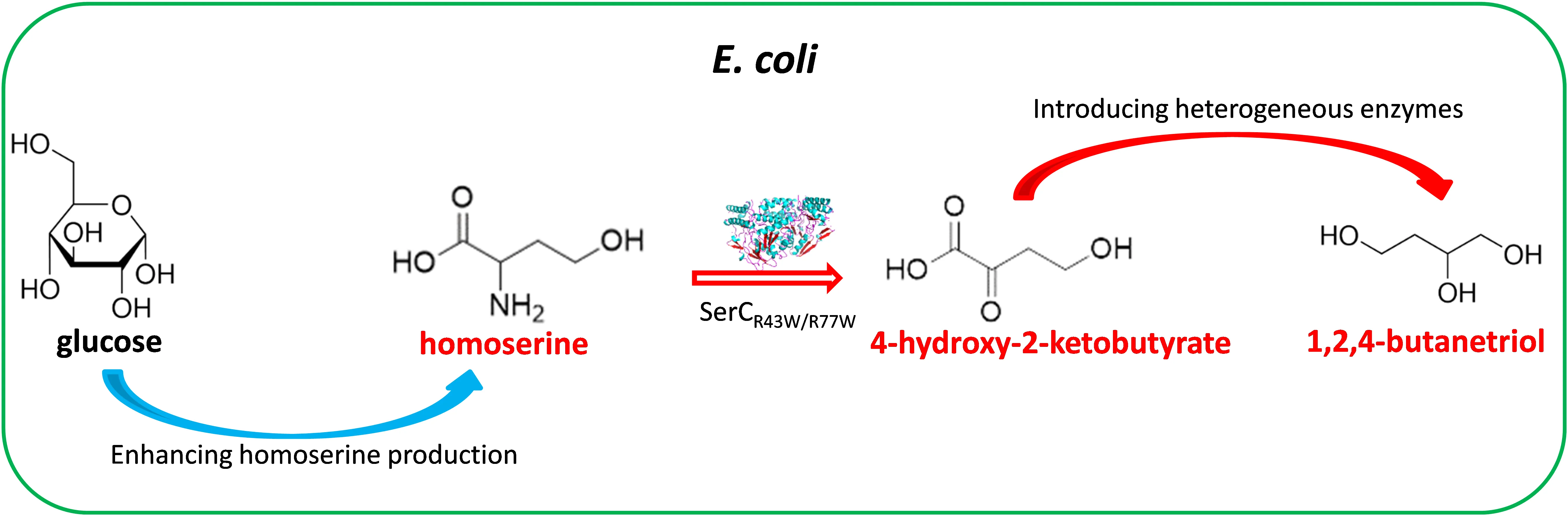
1,2,4-butanetriol (BT) is a compound of high interest with applications in pharmaceutical and materials. In this work, we designed a novel biosynthetic pathway for BT from glucose via a nonessential amino acid homoserine. This non-natural pathway used an engineered phosphoserine transaminase (SerCR42W/R77W) to achieve the deamination of homoserine to 4-hydroxy-2-oxobutanoic acid (HOBA). Three consecutive enzymes including a lactate dehydrogenase, a 4-hydroxybutyrate CoA-transferase and a bifunctional aldehyde/alcohol dehydrogenase are used to catalyze HOBA to BT. To enhance the carbon flux to homoserine, a homoserine-producing Escherichia coli was developed by improving the overexpression of two relevant key genes metL and lysC (V339A). The simultaneous overexpression of the genes encoding these enzymes for the homoserine-derived BT pathway enabled production of 19.6 mg/L BT from glucose in the homoserine-producing E. coli.

Open Access
Article
21 March 2023Waterborne Polyurethane Dispersion Synthesized from CO2 Based Poly (Ethylene Carbonate) Diol with High Performance
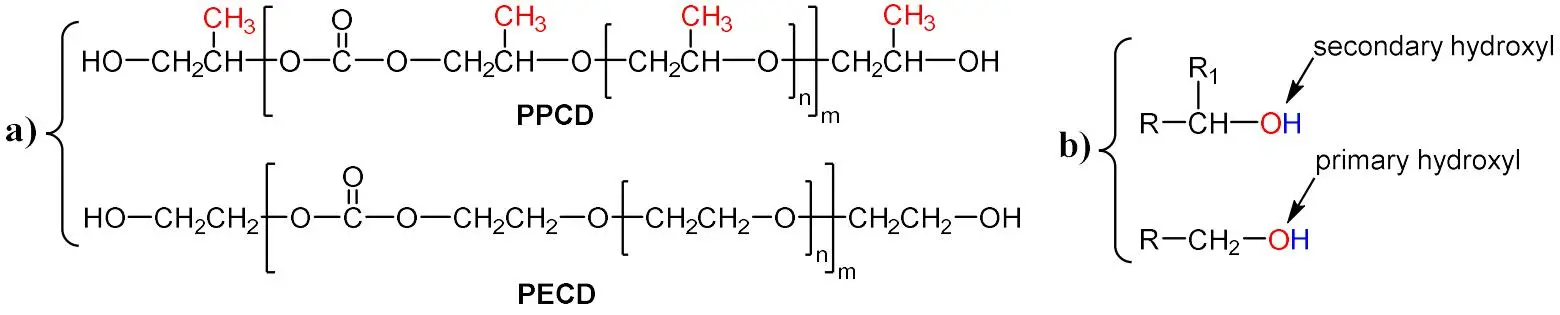
CO2-based aliphatic polycarbonates (APCs) are not widely commercialized due to the poor performance and high cost, compared to the traditional synthetic materials. In this paper, poly(ethylene carbonate) diol (PECD) was synthesized from CO2 and ethylene oxide (EO), and the comprehensive properties were characterized. Furthermore, the preparation and properties of waterborne polyurethane dispersion (WPU) derived from PECD were studied. The result showed that PECD had high reactivity, narrow molecular weight distribution index and excellent thermal stability. The obtained WPU exhibited superior tensile performance, adhesion properties and surface hardness. Due to the low cost of EO and CO2, PECD is expected to be widely used in the preparation of polyurethanes.
Open Access
Review
15 March 2023Thermoanaerobacter Species: The Promising Candidates for Lignocellulosic Biofuel Production
Thermoanaerobacter species, which have broad substrate range and high operating temperature, can directly utilize lignocellulosic materials for biofuels production. Compared with the mesophilic process, thermophilic process shows greater prospects in consolidated bioprocessing (CBP) due to its relatively higher efficiency of lignocellulose degradation and lower risk of microbial contamination. Additionally, thermophilic conditions can reduce cooling costs, and further facilitate downstream product recovery. This review comprehensively summarizes the advances of Thermoanaerobacter species in lignocellulosic biorefinery, including their performance on substrates utilization, and genetic modification or other strategies for enhanced biofuels production. Furthermore, bottlenecks of sugar co-fermentation, metabolic engineering, and bioprocessing are also discussed.

Open Access
Article
13 March 2023Reduced Climate Impacts of Dairy Sludge Management by Introducing Hydrothermal Carbonization
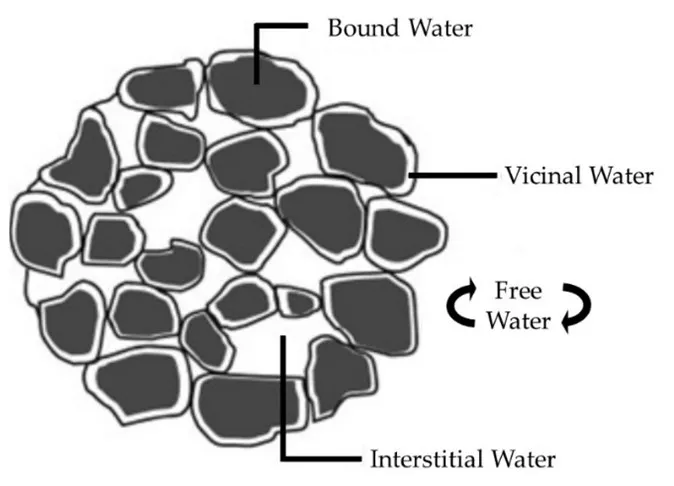
Dairies which produce cheese and milk products can, however, produce large volumes of wastewater that require treatment, usually via activated sludge treatment. Disposal of the resulting activated sludge to land is viewed favorably as the sludge is rich in phosphorus (P) and nitrogen (N) and enables nutrient recycling. Nonetheless, sludge management can significantly influence the greenhouse gas (GHG) emissions to the atmosphere. This manuscript has modelled the GHG emissions arising from two sludge management strategies currently adopted by Danish dairies whereby: (i) sludge is stored and later applied to fields; or (ii) sludge is treated by anaerobic digestion (AD), stored, and the digestate will later be applied to fields. This is compared to (iii) an alternative sludge management strategy with treatment by Hydrothermal Carbonization (HTC). HTC is a technologically simple sludge treatment that could lower the cost for dewatering dairy sludge, forming a biochar-like material known as hydrochar. The produced hydrochar can be applied to the land for the purpose of carbon sequestration, P and N recycling. Our calculations indicate that GHG balances of HTC sludge management can result in a net carbon sequestration of 63 kg CO2eq per ton sludge, as opposed to net emissions of 420 and 156 kg CO2eq per ton sludge for strategies (i) and (ii), therefore offering significant reductions GHG emissions for the dairy sector.
Open Access
Perspective
07 March 2023Pulsed Ultraviolet C as a Potential Treatment for COVID-19
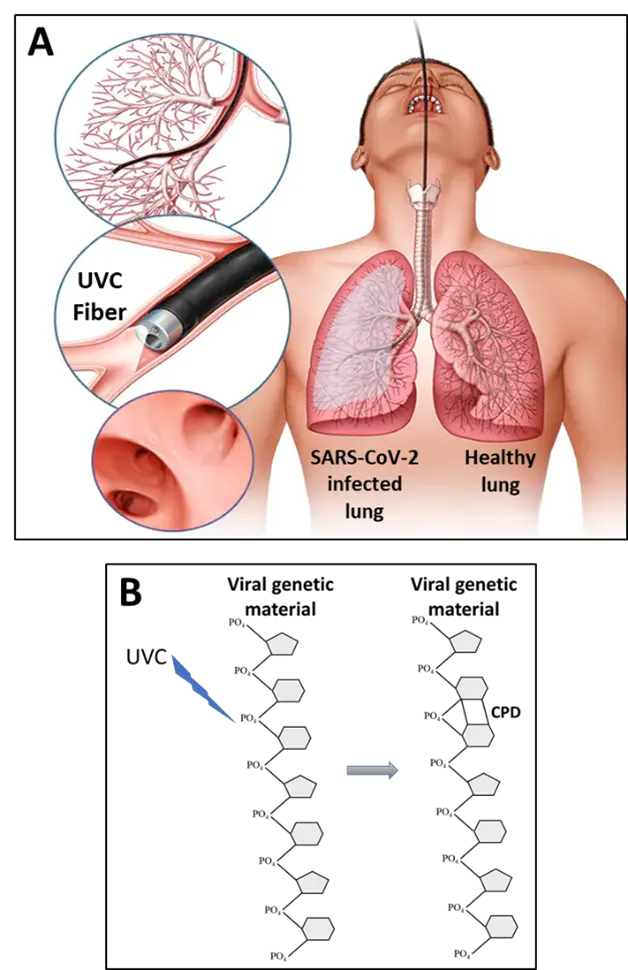
Currently, low dose radiotherapy (LDRT) is being tested for treating life-threatening pneumonia in COVID-19 patients. Despite the debates over the clinical use of LDRT, some clinical trials have been completed, and most are still ongoing. Ultraviolet C (UVC) irradiation has been proven to be highly efficient in inactivating the coronaviruses, yet is considerably safer than LDRT. This makes UVC an excellent candidate for treating COVID-19 infection, especially in case of severe pneumonia as well as the post COVID-19 pulmonary fibrosis. However, the major challenge in using UVC is its delivery to the lungs, the target organ of COVID-19, due to its low penetrability through biological tissues. We propose to overcome this challenge (i) by using pulsed UVC technologies which dramatically increase the penetrability of UVC through matter, and (ii) by integrating the pulsed UVC technologies into a laser bronchoscope, thus allowing UVC irradiation to reach deeper into the lungs. Although the exact characteristics of such a treatment should yet to be experimentally defined, this approach might be much safer and not less efficient than LDRT.