Found 13 results
Open Access
Article
29 April 2026Advances in Smart Structures Using Control Algorithms for Sustainable Manufacturing
This paper presents developments in the intelligent control of smart structures for sustainable manufacturing. This study aimed to develop advanced control approaches for the intelligent control of piezoelectric structures and suppression of oscillations. A significant achievement is the development of advanced-control algorithms. Robust control techniques, such as H-infinity control, guarantee system performance and stability in the face of uncertainties and disruptions. The addition of white noise and uncertainty to advanced finite element models is a novel aspect of this study. The outcomes of the analysis were used to present the advances made using this method. This approach is innovative because it employs intelligent control strategies that consider construction optimization by reducing the oscillations and measurement noise. By accounting for modeling uncertainty, these methods optimize construction. Optimizing smart structures makes them more sustainable and ideal for practical applications. The proposed construction is sustainable and creates an innovative design for civil and mechanical engineering applications.

Open Access
Research Highlight
12 March 2026A Novel Approach to Synthesis Alkyd Resin from Recycled Polyethylene Terephthalate (rPET)
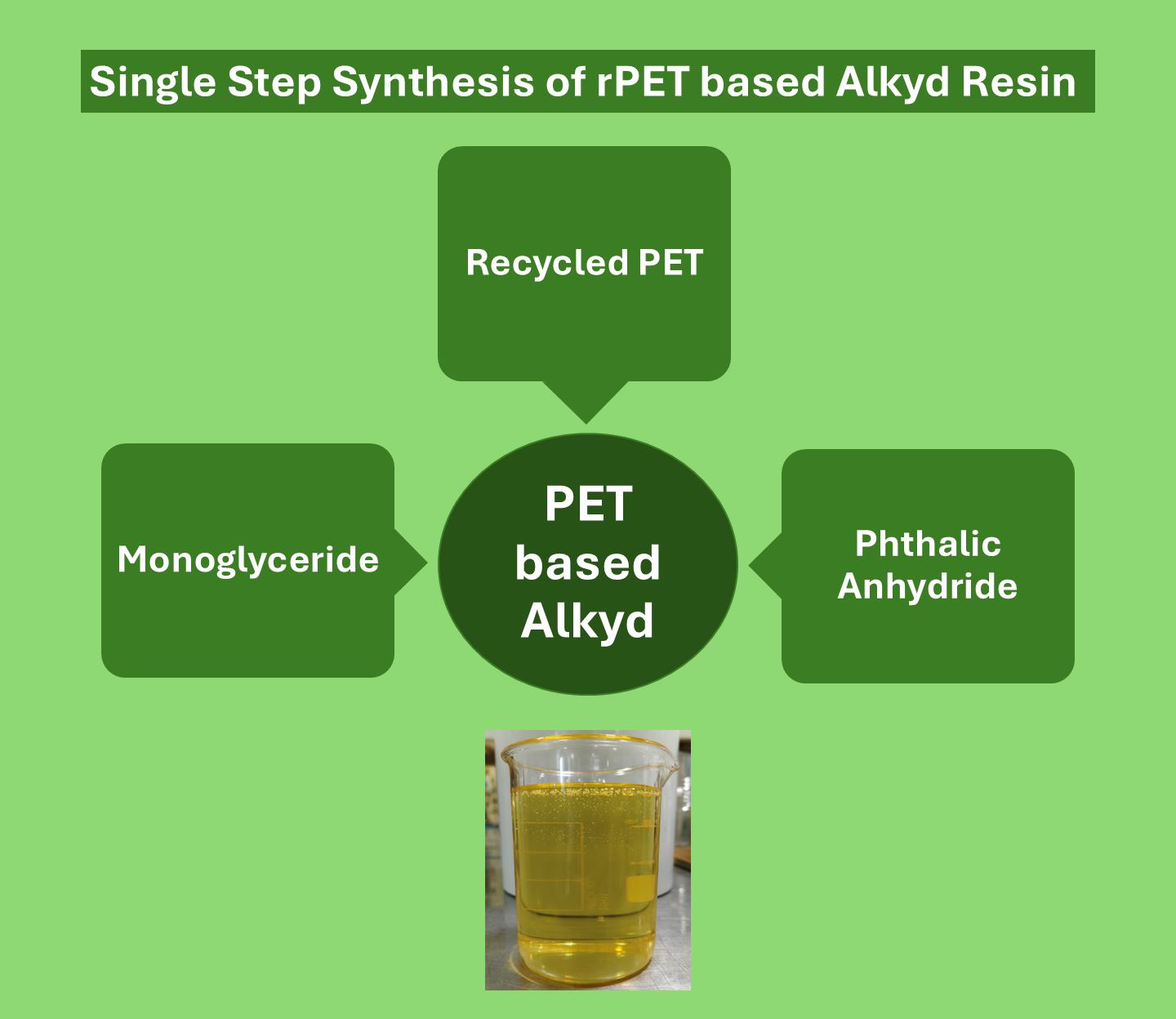
Reducing carbon footprints is an essential requirement in the chemical industry. Researchers are concentrating on creating sustainable products derived from renewable resources or waste materials. Polyethylene terephthalate (PET) waste significantly contributes to carbon footprints; the chemical recycling of PET waste possesses extensive opportunities within the chemical sector. For instance, PET waste can be transformed into valuable alkyd resin, which is utilized in the production of oil-based paints. This research work focuses on the synthesis of long oil alkyd resin using recycled polyethylene terephthalate (rPET). As the incorporation of rPET in alkyd resin has several limitations such as two-step synthesis, inability to produce long oil alkyd, and long drying time. To overcome these limitations, a novel synthesis route has been devised to produce long oil alkyd resin. In this study, three long oil alkyd resins were synthesized, each containing varying amounts of rPET. The presence of rPET in the alkyd resins was confirmed by spectroscopic techniques. To assess the impact of rPET content on alkyd resin, physicochemical properties, performance testing, and instrumental analysis have been conducted. A comparison is made between these resins and the benchmark long oil alkyd resin, and the results are discussed. Furthermore, to synergize the coating applications, viscoelastic behavior and mechanical properties of the dried films were assessed, including exterior durability. Alkyd resin containing 8% rPET shows performance properties that are comparable to the benchmark alkyd resin. This alkyd requires 80 min for surface drying and 4 h to reach a tack-free state. It has a gloss value of 86 at 20° angle. The scratch hardness is recorded as 900 g, while the gloss retention stands at 88.34% following 240 h of QUV exposure. This novel synthesis route helps to incorporate the rPET in the alkyd backbone with reduced carbon footprint to meet the goal of sustainability and the circular economy.
Open Access
Article
06 February 2026Genetic Strategies for Labeling AT2 Cells in Murine Lung via Abca3 and Etv5-Driven Reporters
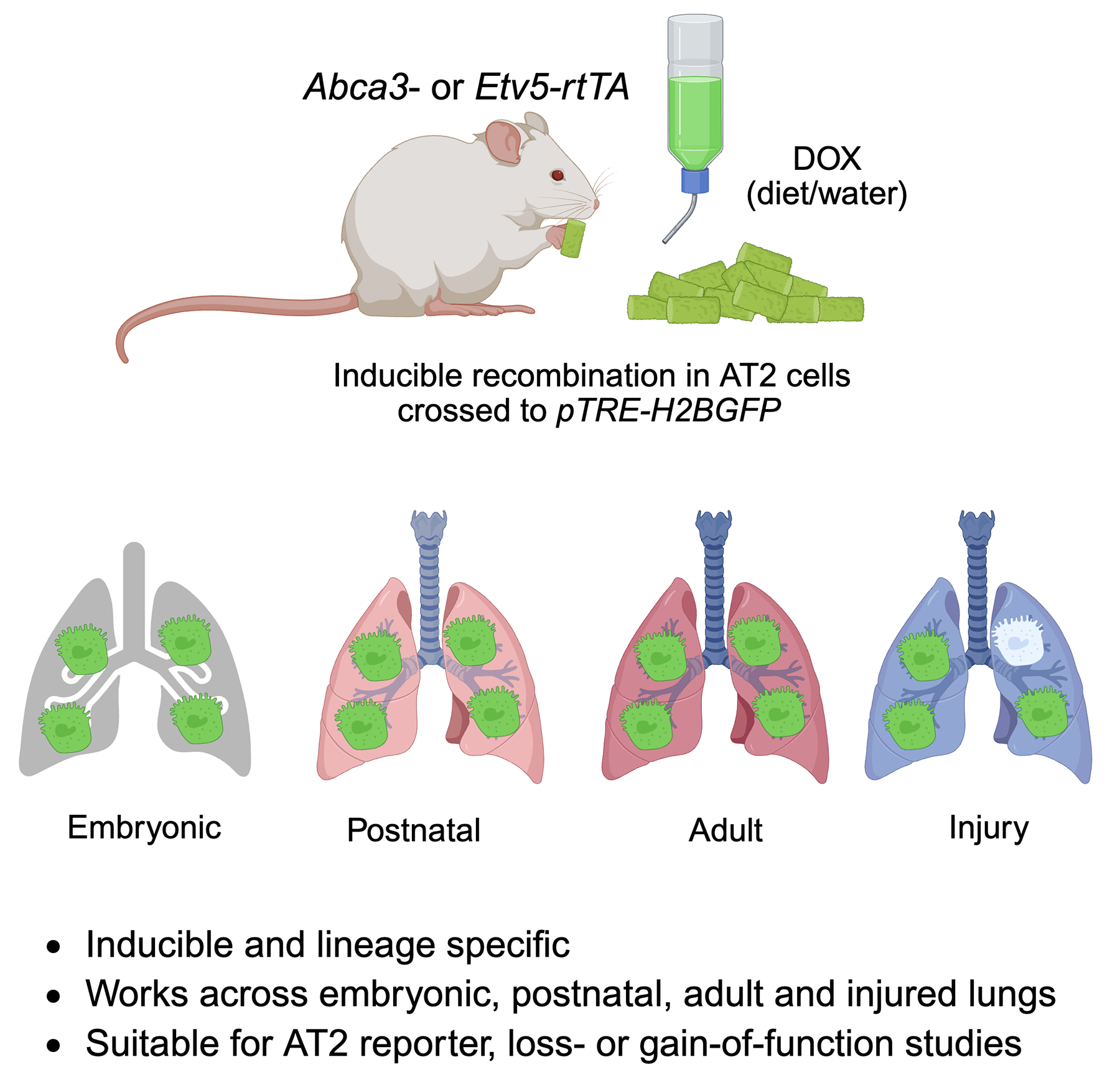
Precise labeling of alveolar type 2 (AT2) cells is essential for elucidating lung development and injury responses. In this study, we evaluated Abca3 and Etv5-based genetic strategies for labeling AT2 cells in murine models. Using targeted genetic approaches, we generated Abca3-rtTA and Etv5-rtTA knock-in mouse lines and crossed them with pTRE-H2BGFP to create inducible reporter models driven by Abca3 or Etv5. Labeling specificity and efficiency were assessed by flow cytometry and co-immunostaining. Our results show that both Abca3 and Etv5 strategies faithfully label AT2 cells across developmental stages and following lung injury. Comprehensive analyses confirmed the high specificity and efficiency of labeling. These Abca3- and Etv5-driven systems offer robust tools for investigating AT2 cell biology and pathology and may serve as effective drivers for tetO-mediated gene knockout or overexpression studies specifically in AT2 cells in mouse models.
Open Access
Article
12 November 2025Topological Optimization for Environmental Sustainability in Civil Engineering Structures Design
The increasing demand for sustainable and cost-efficient construction highlights the need to minimize material consumption in civil engineering structures without compromising safety or performance. This study investigates the optimization of steel purlin cross-sections in metal buildings as a means to enhance structural efficiency and environmental sustainability. Finite Element Analysis (FEA) and the Solid Isotropic Material with Penalization (SIMP) method were employed to identify optimal material distributions and evaluate the effects of varying cross-section geometries. Both rectangular and IPE purlin sections were analyzed under realistic loading conditions to compare stress, deformation, and weight performance before and after optimization. The results demonstrate that substantial reductions in material mass, up to approximately 25–30%, can be achieved while maintaining nearly identical stress and displacement responses. These findings confirm that structural optimization effectively reduces both construction costs and environmental impact. The study concludes by recommending the adoption of topology and cross-section optimization techniques in the design of steel structures, particularly in public projects, to promote resource efficiency and sustainable construction practices.

Open Access
Opinion
29 September 2025Modeling Cardiac Response to Transient Hemodynamic Changes: Beyond dp/dt Max and New Insights from IVCO and ES Point Analysis
Traditional indices such as dp/dt max remain widely used in assessing ventricular contractility, yet their load-dependence limits clinical precision, particularly during dynamic hemodynamic shifts. This letter to the Editor advocates for a more physiologically grounded approach using dual pressure catheters equipped with two high-fidelity sensors, one in the left ventricle (LV) and one in the aorta, to capture real-time pressure gradients and valve events with high temporal resolution. When combined with transient inferior vena cava occlusion (IVCO), this setup enables accurate identification of the true end-systolic (ES) point, typically marked by dp/dt min or the dicrotic notch on the aortic pressure waveform. This method allows for the construction of more physiologically valid end-systolic pressure-volume relationships (ESPVR). It introduces the novel peak pressure end-systolic pressure-volume relationship (PPESPVR) model, which links peak LV pressure to the ES point within a single cardiac cycle. The resulting volume intercept (Vint) and end-systolic fraction (ESF) offer new insights into myocardial performance under varying preload and afterload conditions, without requiring extensive hemodynamic manipulation. This dual-sensor approach not only enhances diagnostic accuracy but also opens the door to real-time, patient-specific contractility assessment in both research and clinical settings.

Open Access
Article
30 July 2025Effects of Virtual Reality (VR) Rehabilitation on Mental Health in SCI Patients: A Randomized Controlled Trial
This randomized controlled trial investigates the effects of virtual reality (VR) rehabilitation on mental health in spinal cord injury (SCI) patients. Seventy-four participants were randomized to 12 weeks of VR-based or traditional rehabilitation, with mental health assessed via the Hospital Anxiety and Depression Scale (HADS) and World Health Organization Quality of Life-BREF (WHOQOL-BREF). The VR group showed significantly greater reductions in HADS scores at 6 weeks (mean change: −4.2 vs. −2.4, p < 0.001) and 12 weeks (mean change: −6.4 vs. −3.9, p < 0.001), with a large effect size (Cohen’s d = 1.21). VR also improved WHOQOL-BREF psychological health scores (+13.5 vs. +6.4, p < 0.001), self-esteem (+7.2 vs. +3.2, p < 0.001), and sleep quality (−5.1 vs. −2.8, p < 0.001). Subgroup analysis indicated greater benefits for younger patients and those with incomplete SCI. VR rehabilitation outperforms traditional methods in enhancing mental health, supporting its integration into comprehensive SCI care.

Open Access
Article
13 June 2025Development of a Tailored Culture Medium for Improved De Novo Biosynthesis of Ferulic Acid in Fed-Batch Biphasic Fermentation with Saccharomyces cerevisiae
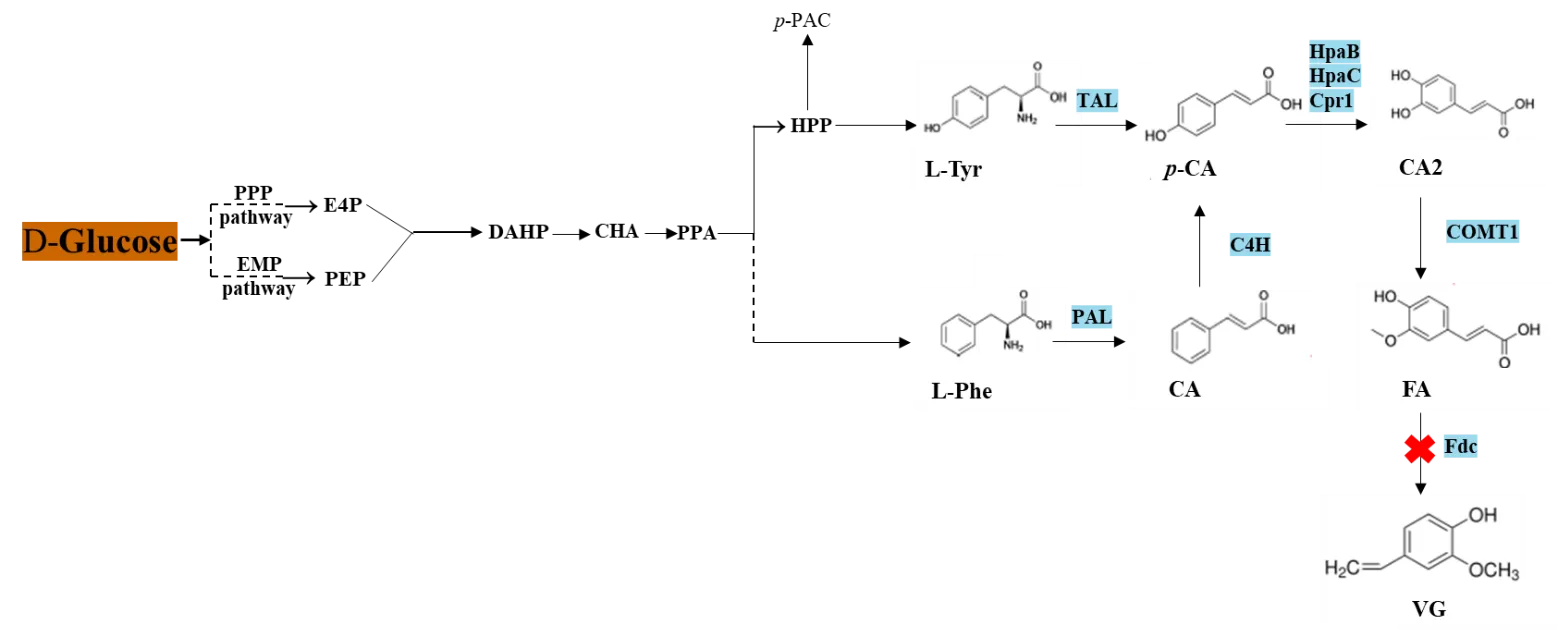
Ferulic acid (FA) is a natural phenolic compound with diverse biological properties, widely used in the food and cosmetic industries. Its production from fermentation is a promising strategy because its extraction from biomass is costly. To enable cost-effective microbial production, medium optimization is mandatory. In this study, we focused on applying a fed-batch biphasic strategy for the production of ferulic acid (FA) from d-glucose. FA production was first assessed in a classically defined medium, 2X Yeast Nitrogen Base (YNB) without amino acids, and complex Yeast Peptone Dextrose (YEPD) medium. Finally, as FA has deleterious antimicrobial properties, continuous extraction from the broth using fed-batch biphasic fermentation was implemented. Our results showed that YEPD medium resulted in the production of 207 mg·L−1 of FA in a medium composed of 30 g·L−1 d-glucose, 10 g·L−1 yeast extract, 1 g·L−1 (NH4)2SO4, 10 g·L−1 peptone, 4 g·L−1 KH2PO4 and 2 g·L−1 K2HPO4. Fed-batch biphasic fermentation system resulted in almost a two-fold increase in FA production compared to batch one (312.6 mg·L−1 and 176.7 mg·L−1, respectively) showing the importance of fed-batch biphasic fermentation and medium detoxification.
Open Access
Article
21 February 2025Porous Cu(Mn)-Doped ZnO-MgO Nanocomposites for Photocatalytic and Antibacterial Applications
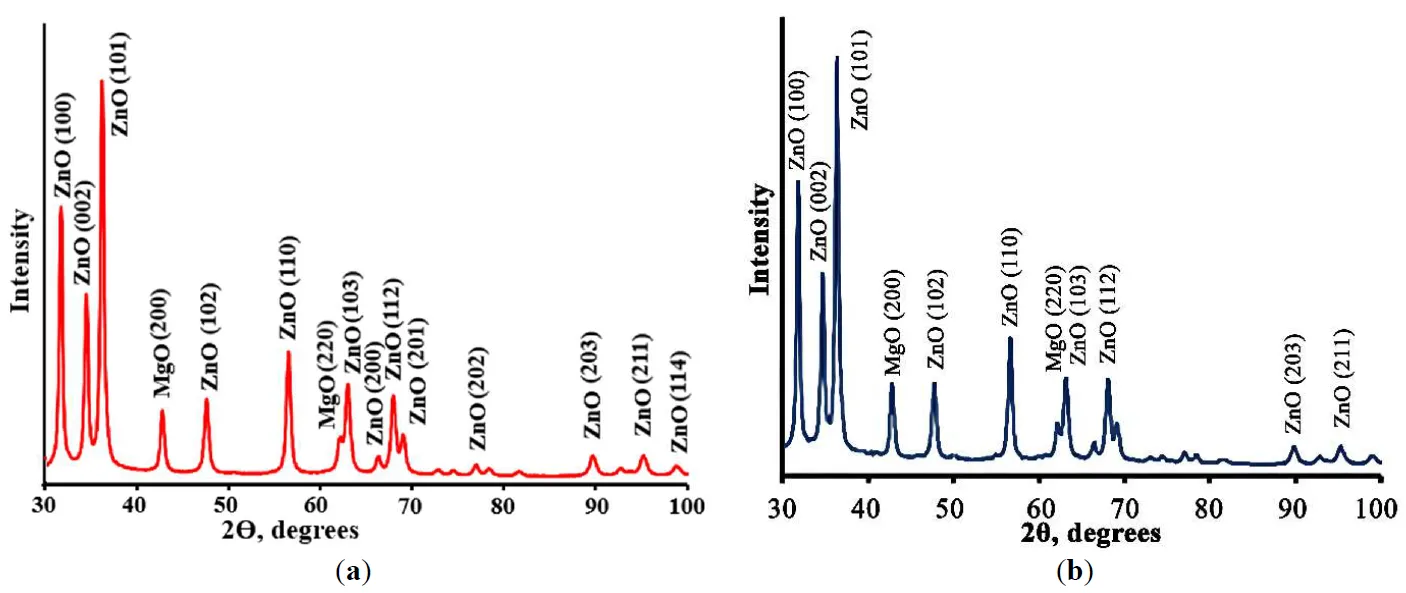
Porous Cu(Mn):ZnO-MgO composites synthesized by polymeric sol-gel method were characterized. The crystal structure, morphology, spectral properties, the ability of the photogeneration of chemically active singlet oxygen under external visible irradiation, photocatalytic and antibacterial properties of porous composites were studied. Obtained composites consist of small ZnO and MgO crystals having size less than 20 nm. It was found that Cu2+ and Mn2+ ions are embedded into the lattices of ZnO and MgO crystals, altering their crystal cell parameters. The band gap values of obtained composites are 3.41 ÷ 3.42 eV which are slightly higher than the band gap of pure ZnO. Prepared materials demonstrate a high ability of photogeneration of chemically active singlet oxygen under blue light (λ = 405 nm) irradiation. It was found that dependencies of the intensity of singlet oxygen photogeneration from the power density of visible irradiation are linear. Photocatalytic decomposition of the diazo dye Chicago Sky Blue in solutions under UV and blue light irradiation proceeds rapidly in the presence of the prepared composites (constants rate of photocatalytic dye decomposition under UV irradiation are 0.024 min−1 and 0.025 min−1 for ZnO-MgO composites doped with Cu and Mn, correspondingly). Porous composites demonstrate superior antibacterial activity against gram-positive bacteria. These materials are promising for practical application in medicine and photocatalytic technologies of air and water cleaning.
Open Access
Article
11 November 2024Rural Local Government Institutional Sustainability Programs and Plans in Cascadia: A Comparative Analysis
This research provides a comparative analysis of institutional sustainability programs in small and rural communities across British Columbia, Oregon, and Washington. The study reveals significant regional differences in the adoption of sustainability initiatives, with Oregon consistently leading in the implementation of various programs such as grant writing, conflict resolution, and e-government. The analysis identifies key factors influencing program adoption, including population growth, economic stability, and remoteness. Communities experiencing significant population growth and financial stability are more likely to adopt multiple sustainability programs, while remoteness and economic challenges, such as inflation, act as barriers. The study underscores the importance of regional context and local conditions in shaping the sustainability efforts of rural communities.

Open Access
Editorial
13 September 2024Hypoxic Ventilatory Response in Highlander and Lowlander Chinese Patients with Sleep Apnea
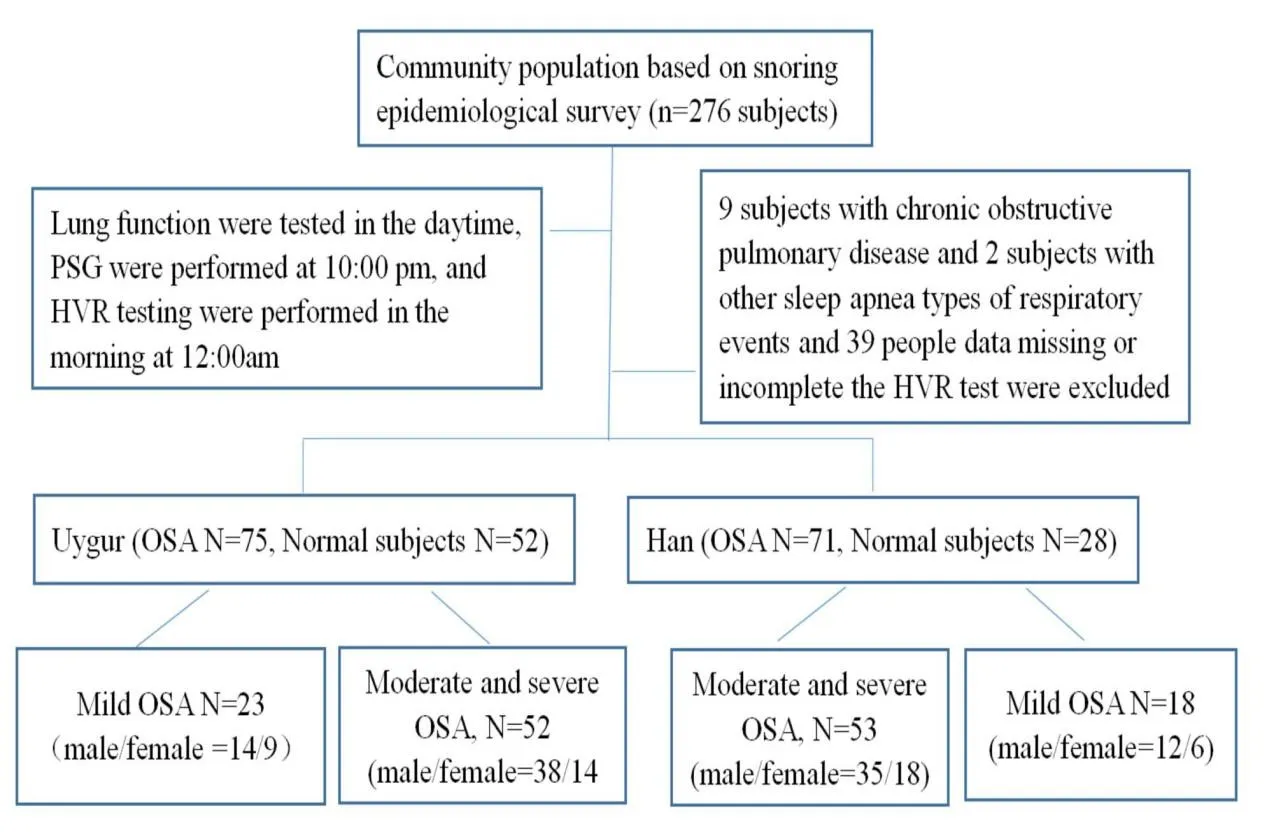
The aim of the study was to compare Hypoxic Ventilatory Response (HVR) of sleep apnea in Uygur patients stemming from higher altitude and Chinese Han patients from sea level. 276 subjects with or without snoring from the Karamay community were recruited. 226 subjects (n = 71 Han OSA patients, n = 75 Uygur OSA patients, n = 52 for Uygur control subjects without OSA, n = 28 Han control subjects without OSA) were matched for age and gender. All patients were assessed via polysomnography (PSG). Lung function was assessed. Apnea-hypopnea index (AHI), mean SaO2 (MSaO2%), lowest SaO2 (LSaO2%), the number of desaturations ≥4% per hour (ODI4), FEV1/FVC ratio, HVR, △VE/△SaO2 and the pulse responses to hypoxia changes (ΔPulse/ΔSaO2) were calculated. A multiple logistic regression using a binary outcome for HVR was applied. (1) In control subjects without OSA, those living at high altitude (Uygur) had a lower HVR than control subjects living at sea level (Han) [−0.35L·min−1 per %SpO2(−0.49 to−0.20 L·min−1 per %SpO2) vs.−0.44 L·min−1 per %SpO2(−0.55 to −0.21 L·min−1 per %SpO2)]. (2) Compared to patients with OSA living at sea level (Han), those OSA patients living at high altitude (Uygur) had a higher neck circumference [43 cm (range 39–45 cm) vs. 42 cm (41–46) cm], higher abdominal circumference [110 cm (102–120 cm) vs. 101 cm (98–111 cm], higher LSaO2 [81% (72–85%) vs. 76% (68–81%)], lower AHI [26 events/h (16–43 events/h) vs. 36 events/h (24–62 events/h)] and lower ODI4 [15/h (7–29/h) vs. 37/h (20–54/h)]. (3) Considering patients with mild OSA, those who lived at high altitude (Uygur) had a weaker HVR compared to Han patients [−0.31 L·min−1 per %SpO2(−0.42 to −0.20 L·min−1 per %SpO2) vs.−0.47 L·min−1 per %SpO2(−0.59 to −0.21 L·min−1 per %SpO2)]. However, in moderate and severe OSA the difference in HVR between people living at high and low altitudes was not significant. In people living at high altitude (Uygur) compared to sea level (Han), HVR is weaker both in control subjects and those with mild OSA, but this difference between populations living at different altitudes in those with moderate and severe OSA is not obvious.