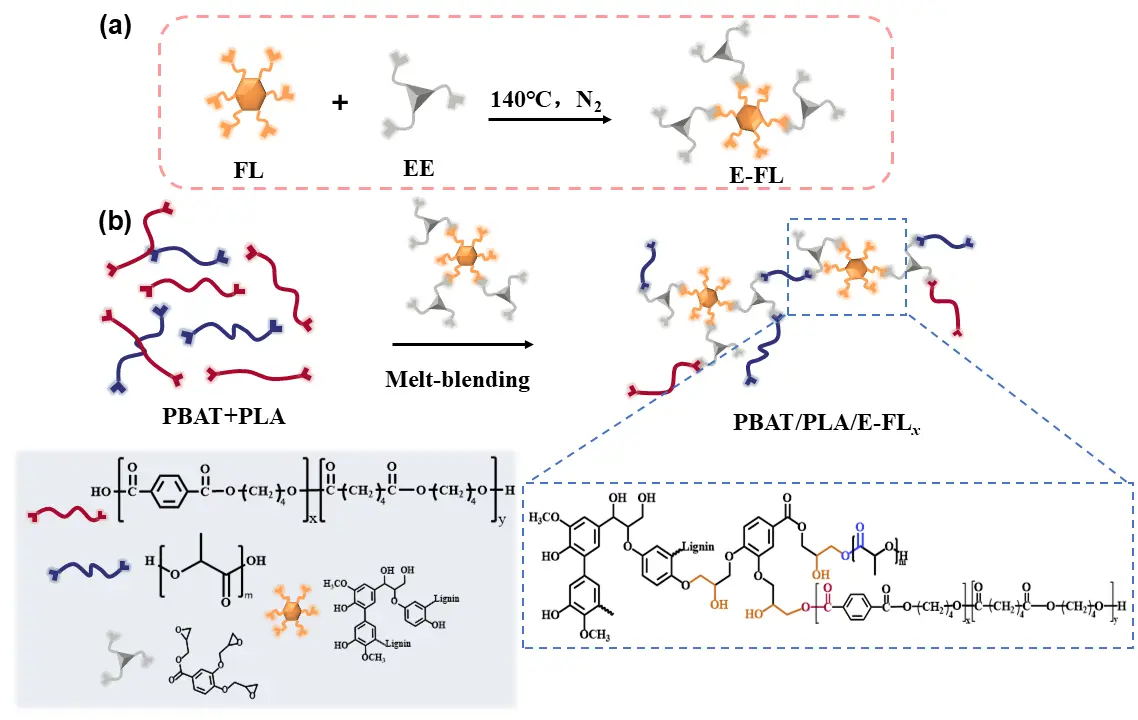
Poly(butylene adipate-co-terephthalate) (PBAT) is a promising biodegradable polyester, but its low strength limits broader application. In principle, blending PBAT with polylactide (PLA) can combine toughness and stiffness, yet severe immiscibility usually leads to poor interfacial adhesion and unsatisfactory overall performance. Here, a bio-based lignin-epoxy composite compatibilizer (E-FL) was developed by premixing ethanol-fractionated lignin (FL) with a protocatechuic-acid-derived epoxy compound and introducing it into PBAT/PLA blends through reactive melt processing. Fractionation enriched lignin fractions with lower molecular weight and higher hydroxyl content, thereby improving reactivity and dispersibility. During melt blending, E-FL promoted interfacial reactions with PBAT and PLA end groups, increased melt torque and molecular weight, refined the dispersed PLA domains, and reduced the Tg gap between the two phases. At an E-FL loading of 3 wt%, the blend exhibited the best balance of performance, with a tensile strength of 36.1 MPa, an elongation at break of 1035%, and a fracture toughness of 238.3 MJ/m3. This work provides a sustainable strategy for converting lignin into a high-efficiency reactive compatibilizer and offers a practical route to high-performance PBAT-based biodegradable blends.
This paper presents a review of studies devoted to the synthesis, characterization, structure, properties, and functionality of grafted silica/polyacrylamide “core-corona” hybrids as effective nanoreactors and silver nanoparticle (AgNP) carriers for modern nanotechnologies. The evidence and features of direct low-temperature radical polymerization of acrylamide from the unmodified surface of SiO2 nanoparticles are considered in the context of the manifestation of dynamic matrix effects. A simple and reliable method for determining the number and length of grafted PAAm chains is indicated. Using a number of hybrid samples, the effect of these parameters on the particle size, surface charge, height, and permeability of the PAAm “corona” is demonstrated. A two-level fractal structure of hybrids in the bulk state and two morphological forms of their particles in aqueous solutions are established. Based on the proposed approach, the kinetics, mechanism of in situ synthesis, and the yield of AgNPs in hybrid solutions are characterized depending on the concentration of reagents and the “corona” structure. Considerable attention is paid to the possible application of AgNP/hybrid nanocomposites in promising nanotechnologies: in the production of biocidal hygienic materials and textiles, in wound healing, agriculture, fish farming and poultry farming, as well as anti-cancer agents.

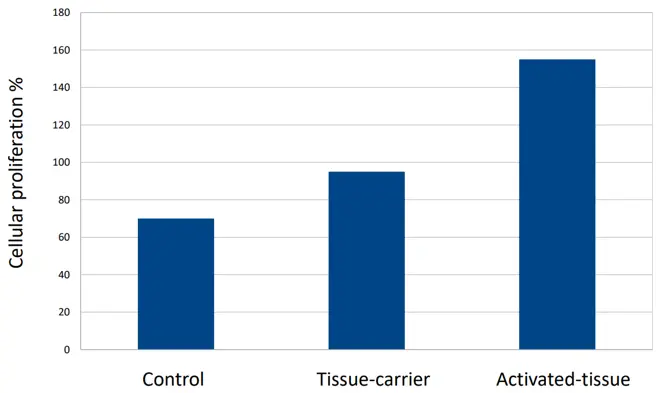
The evolution of the skin Industry, together with the consumer’s dream to maintain a younger appearance for living longer, has pushed the industry to formulate and distribute science-oriented cosmetics and diet supplements. Consequently, the worldwide production and selling of cosmeceuticals (specialized Cosmetics) and nutraceuticals (specialized diet supplements) have been notably increased for the consumer request of the Beauty from Within also. Thus the increased studies, formulations, and consumer requests of products more effective and safe. At this purpose the paper reports some data of a new pro-aging formulation controlled in vitro by the use of aged keratinocytes and fibroblasts and in vivo by controlling the skin of 30 selected women aged between 58 and 67 years. The studies have involved the use of an innovative anti-aging/pro-aging cosmeceutical-formulation con eyes by a specialized tissue (carrier-tissue). This tissue, made by selected active ingredients embedded into a biodegradable tissue-vehicle (activated-tissue), has been compared to the same actives embedded into a normal emulsion. The active ingredients used as anti-aging skin-repairing agents have been Nicotinamide, Allantoin, and sodium ascorbyl phosphate enriched by the fish-Collagen-peptides, considered an ingredient useful to increase the product’s penetrability through the skin’s Stratum Corneum when applied on its surface. On the other hand, both the tissues might be used as nutraceuticals also, due to their water-solubility, effectiveness, and safety. The selected and positive results, obtained by both the in vitro by keratinocytes/fibroblasts cultures and in vivo by engineering methods, will be reported and discussed, trying to show the effectiveness and safety of the realized tissues and the innovative cosme-nutraceutical’formulation.
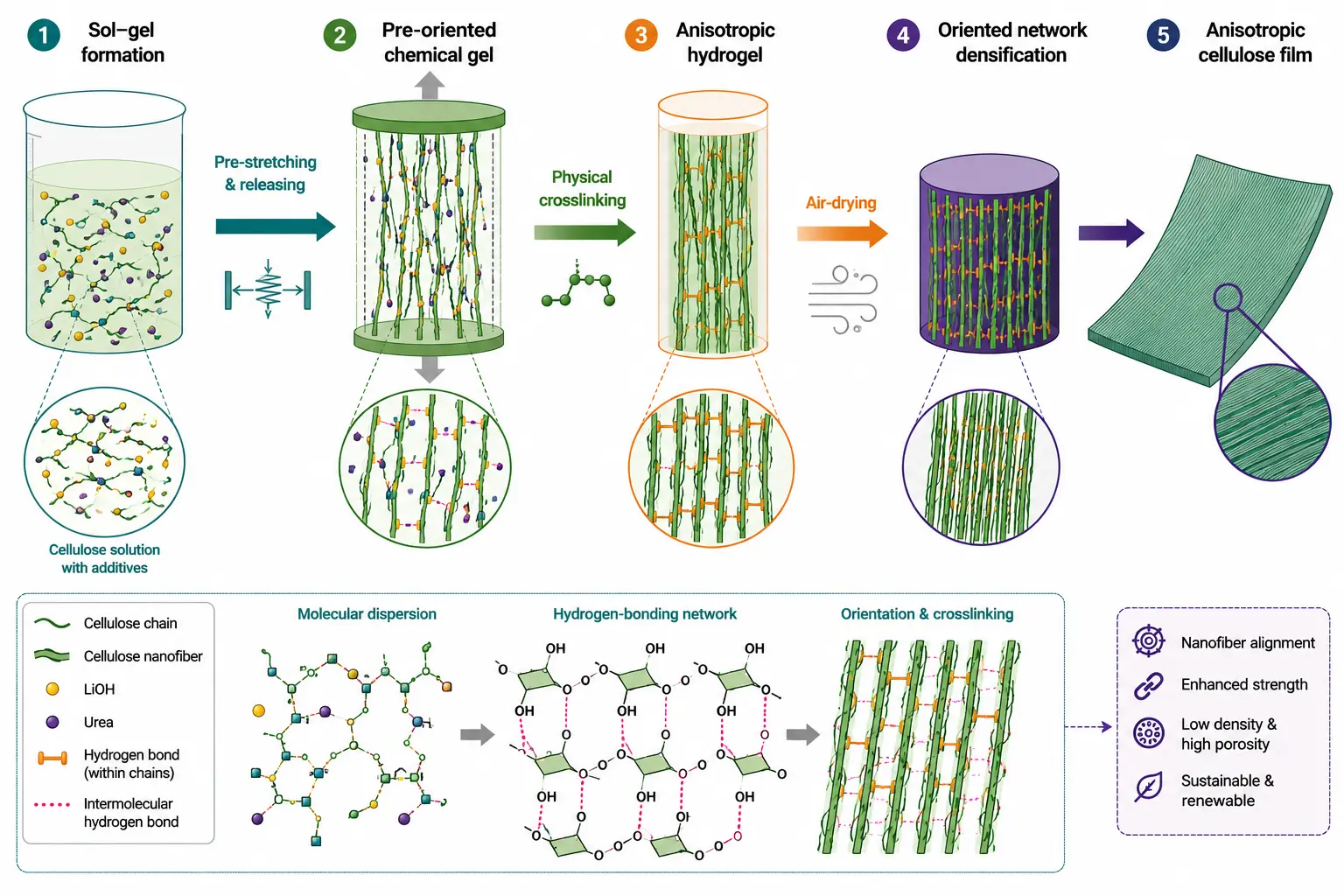
Recent advances in nanostructured biopolymers have positioned cellulose-based aerogels as potential alternatives in the next generation of lightweight porous materials, given their ultralow density, hierarchical porosity, and extremely high surface area. These materials provide a renewable platform for a range of applications such as advanced energy storage, water purification, energy efficient insulation, and biomedical scaffolds. Unlike traditional silica or polymeric aerogels, cellulose derived systems provide a unique combination of mechanical toughness and biodegradability. These systems provide an environmentally safe approach to high-performance architectures. This research critically reviews the design and manufacturing techniques of biopolymer aerogels, including the choice of precursors, sol-gel chemistry, and drying techniques such as freeze-drying and supercritical CO2 extraction that control the structural stability and tunability. Special attention is beneficial to the programmable surface chemistry of cellulose nanofibrils and nanocrystals, which allows for precise control over pore shape, wettability, and hybrid assembly with nanoparticles or bioactive substances. Functionalization, particularly cross-linking, ionic interactions, and the inclusion of conductive fillers, is identified as an important control for improving performance under demanding conditions. Furthermore, life-cycle assessments show that their carbon footprint and embodied energy are much lower than those of their fossil-based counterparts. In the context of the circular economy, cellulose-based aerogels still need to overcome challenges related to cost competitiveness, moisture sensitivity, and large-scale manufacturability. Hybrid architectures and processes that are industrially viable are needed to realise their full potential.
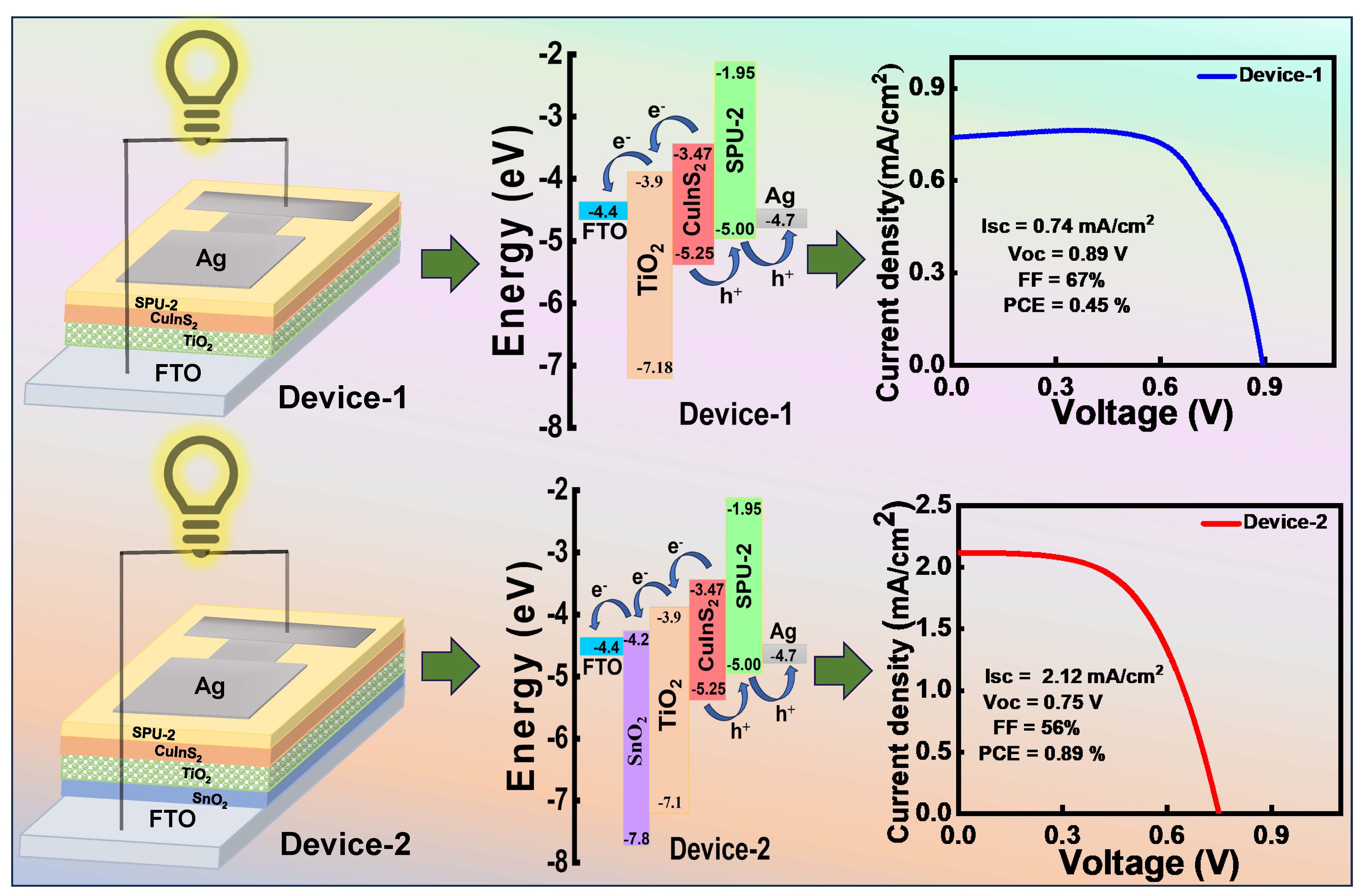
A functionalized polyurethane-based hole transport layer (HTL) for quantum dot-sensitized solar cells (QDSSCs) has been developed by tailoring the redox behaviour of segmented polyurethane. The successful incorporation of ionic moieties into the hard segment was confirmed by Fourier-transform infrared (FTIR) and Nuclear magnetic resonance (NMR) spectroscopy. Sulfonation significantly improved the polymer’s electrical conductivity, electrochemical activity, and optical properties, thereby enabling efficient hole transport through favorable work-function alignment and reduced interfacial energy barriers between the photoactive layer and the Ag counter electrode. Ultrasmall spherical CuInS2 quantum dots with an average size of 3.15 nm were synthesized using a capping-assisted method and characterized by X-ray diffraction (XRD), UV-Vis spectroscopy, and Transmission electron microscopy (TEM). The HOMO-LUMO and valence/conduction band energy levels, determined by cyclic voltammetry and UV-vis spectroscopy, revealed favorable energy level alignment for efficient charge separation and hole extraction. QDSSCs were fabricated with the architectures FTO/TiO2/CuInS2/SPU-2/Ag and FTO/SnO2/TiO2/CuInS2/SPU-2/Ag. The introduction of an SnO2 interfacial electron transport layer enhanced electron extraction by improving the energy band alignment with TiO2, resulting in an increase in photocurrent density from 0.74 to 2.12 mA·cm−2. The corresponding devices exhibited high open-circuit voltages of 0.89 and 0.75 V, fill factors of 67% and 56%, and power conversion efficiencies of 0.45% and 0.89%, respectively. These results demonstrate that the functionalized polyurethane HTL, combined with a SnO2/TiO2 bilayer electron transport layer (ETL), provides an effective strategy to improve charge transport and enhance the photovoltaic performance of CuInS2-based QDSSCs.
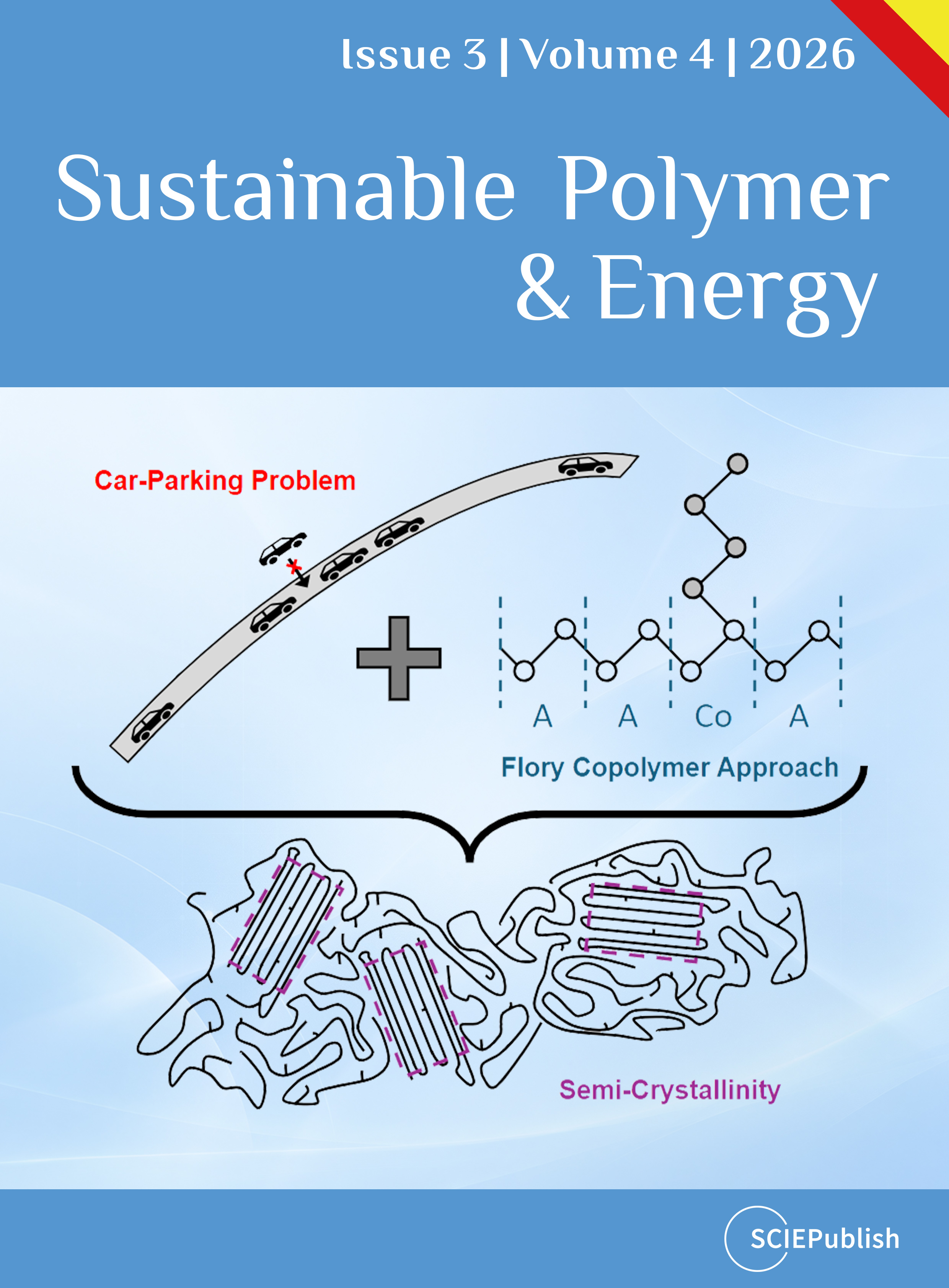
The molecular parameters of polyethylene are characterized by its molecular weight distribution and the branching. Both strongly manipulate the crystalline state, which plays a key role in the predetermination of many product properties such as gas solubility, melting behavior, and tensile strength. This work addresses the question of how the crystallinity of polyethylene can be calculated as a function of molecular parameters (molecular weight and branching) and temperature. The basic idea is to transfer the so-called statistical car-parking problem (CPP) to polyethylene. However, this concept does not consider branching. Therefore, the CPP is coupled with the Flory approach for co-polymers (FCA), which explicitly considers branching. The coupled theory of CPP and FCA correctly predicts the crystallinity of branched polyethylene from molecular parameters and temperature, and reproduces the dependencies of the influencing variables observed in experimental data reported in the literature.