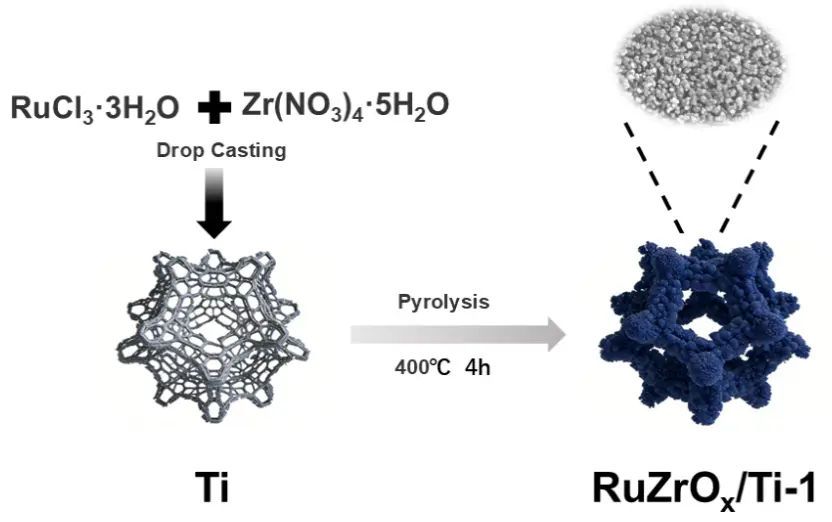
Developing an oxygen evolution reaction catalyst that exhibits both high catalytic activity and robust stability in acidic media remains a significant challenge to date. In this work, a RuZrOx/Ti-1 catalyst was successfully constructed on a Ti mesh substrate via a facile one-step pyrolysis method. Physical characterization reveals that the as-prepared RuZrOx/Ti-1 catalyst exhibits a densely packed nanosphere morphology on its surface, accompanied by abundant pores, which can provide a rich interface for the oxygen evolution reaction. The RuZrOx/Ti-1 catalyst achieves a low overpotential of only 199 mV for the OER at a current density of 10 mA·cm−2 and demonstrates excellent long-term durability, operating stably for 400 h at this current density. In summary, this work provides a viable strategy for designing high-performance acidic OER catalysts, thereby paving the way for the advancement of electrodes for water oxidation.
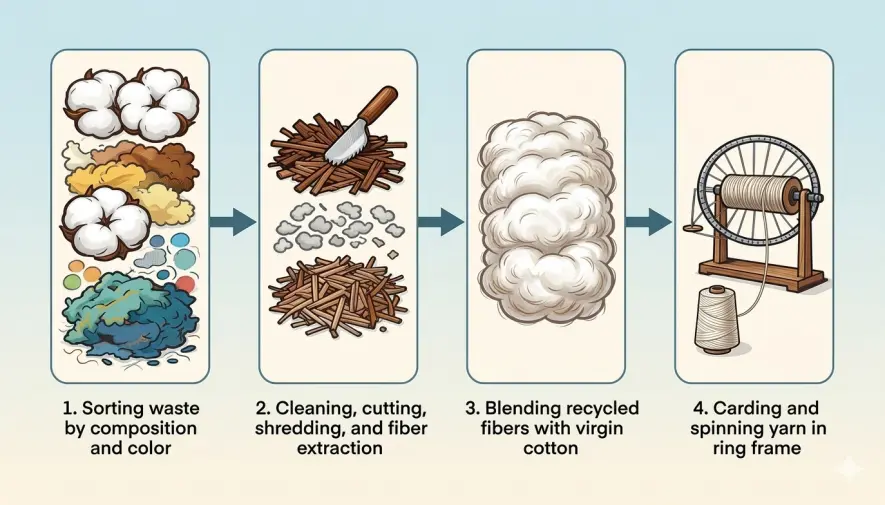
This review aims to address the environmental issues associated with the textile sector and explores innovative and optimal approaches for the zero-waste recycling of post-consumer cotton waste. The textile industry can transition toward a circular economy by implementing various recycling techniques. This will significantly cut the waste and raw material consumption, while promoting sustainability and environmental responsibility in textile manufacturing and consumption practices. This study focuses on several key techniques, including producing carbon fibres from waste, which provides a sustainable alternative to petroleum-based precursors. In addition, the regeneration of viscose fibres is achieved by chemical recycling of cotton waste and enzymatitc recycling. Method of Gasification and Thermochemical Valorisation, ioncell process is also discussed, emphasizing its potential to encourage resource conservation and lessen dependency on virgin resources. It also explains how cellulose nanofibrils (CNFs) can be extracted from post-consumer textiles and utilised to produce high-performance materials. Additionally, despite difficulties in preserving fibre quality, the potential of mechanical recycling techniques to yield viable yarns from recycled fibres is investigated.
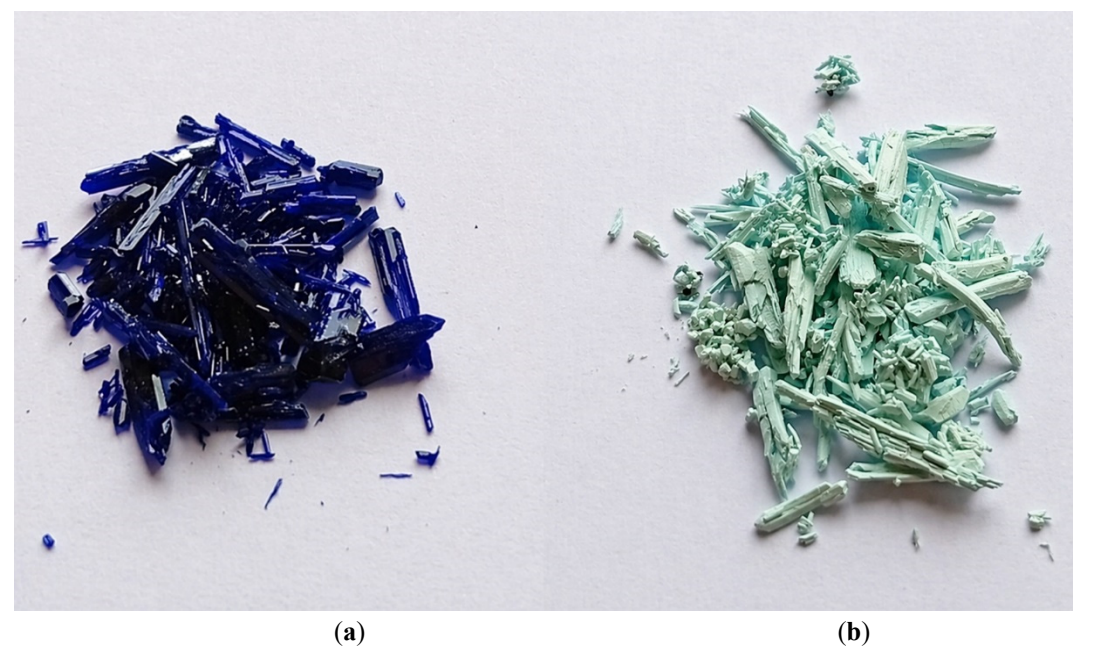
Tetraamminecopper(II) sulfate monohydrate, [Cu(NH3)4]SO4·H2O, can be used as a thermochemical energy storage material. When heated, [Cu(NH3)4]SO4·H2O releases ammonia gas and water, leaving behind CuSO4. When CuSO4 is cooled and exposed to ammonia, the reverse reaction occurs, forming [Cu(NH3)4]SO4 and releasing the stored heat. The reaction occurs at medium temperatures, can store a significant amount of thermal energy, and is highly reversible, allowing repeated cycles of heat storage and release without significant material degradation. This type of thermochemical energy storage can be used in various applications, particularly industrial waste heat recovery and solar thermal energy storage. In this study, tetraamminecopper(II) sulfate monohydrate was synthesized by chemical precipitation and thoroughly characterized via various techniques. Phase identification was performed by powder X-ray diffraction (PXRD) and Fourier transformed infrared spectroscopy (FTIR). The morphology of the sample was examined by scanning electron microscopy (SEM), and its chemical composition and elemental distribution were analyzed by energy-dispersive X-ray spectroscopy (EDS). Thermal properties were investigated via differential scanning calorimetry (DSC) and thermogravimetric analysis (TGA). UV-Vis diffuse reflectance spectroscopy of the solid sample revealed a broad absorption band characteristic of [Cu(NH3)4]SO4·H2O, consistent with its dark blue color. XRD and FTIR analyses confirmed that the obtained sample is [Cu(NH3)4]SO4·H2O. SEM investigation showed that the prepared material consists of agglomerated particles of varying sizes. The process of thermal decomposition of the examined tetraamine copper(II) sulfate monohydrate takes place in three steps below 350 °C, followed by two additional steps at higher temperatures. Thermochemical energy storage potential of the prepared material is assessed on the basis of operating temperature range (20–200 °C), water elimination during the initial cycle, and volume changes in the course of charging/discharging process, yielding volumetric energy storage density estimation of 382 MJ·m−3.
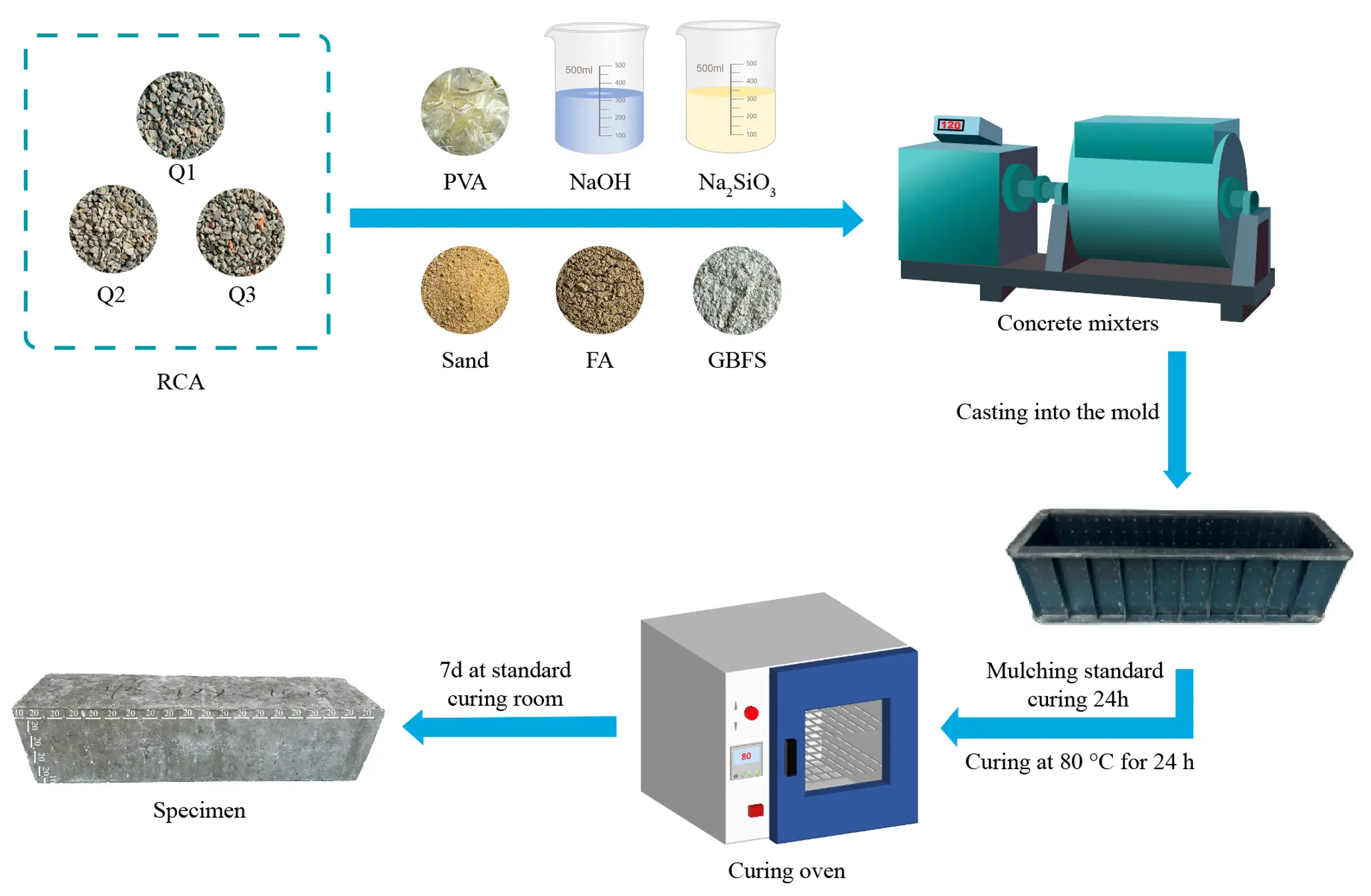
Geopolymer recycled pervious concrete (GRPC) provides a promising solution for low-carbon construction through the utilization of industrial by-products and recycled coarse aggregates (RCA). However, the influence of RCA quality on the durability performance of GRPC remains insufficiently understood. In this study, GRPC was prepared using RCA of high, medium, and low quality, denoted as H-GRPC, M-GRPC, and L-GRPC, respectively. The mechanical properties, permeability, fatigue resistance, freeze-thaw resistance, and microstructural characteristics were systematically investigated. The results showed that RCA quality had a limited effect on permeability, whereas the mechanical performance and durability of GRPC were strongly dependent on RCA quality. The initial compressive strengths of H-GRPC, M-GRPC, and L-GRPC were 79.2, 75.3, and 60.0 MPa, respectively, with corresponding flexural strengths of 7.3, 6.7, and 6.2 MPa. After 100,000 fatigue cycles, compressive strength increased by 3.7%, 4.4%, and 3.0%, respectively. After 200 freeze-thaw cycles, the overall freeze-thaw durability followed the order H-GRPC > M-GRPC > L-GRPC. Microstructural analysis revealed that higher RCA quality promoted a denser matrix, a more intact interfacial transition zone, and a higher degree of geopolymerization. These findings provide guidance on selecting appropriate RCA quality for durable GRPC design.
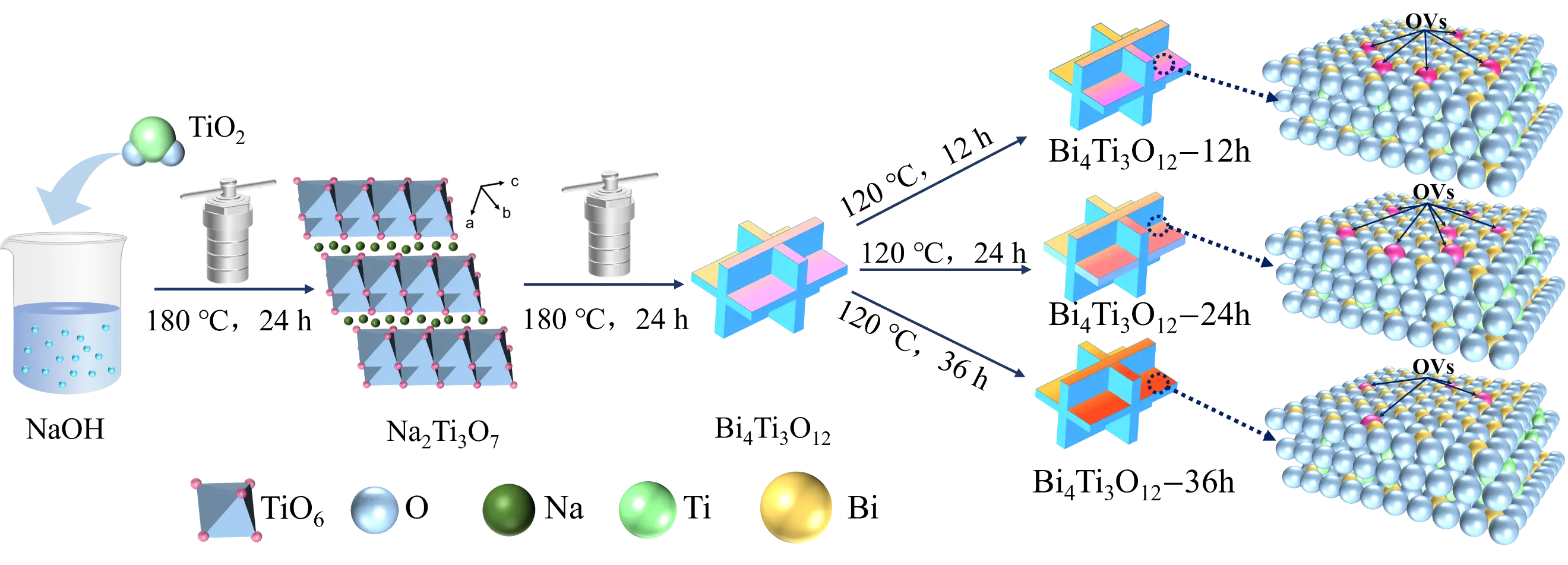
Photocatalytic degradation of antibiotic molecules has great significance in environmental pollution control. Bi4Ti3O12 with a layered structure is one of the emerging visible−light−responsive photocatalysts. However, the environmental effects of antibiotic degradation have not received sufficient attention. This study employed plate−like Bi4Ti3O12 derived from Na2Ti3O7 nanowires for ciprofloxacin (CIP) degradation, and investigated the biotoxicity of degradation products on aquatic organisms and plant seedlings. It was found that an appropriate hydrothermal treatment time with ethylene glycol could slightly enhance the photocatalytic performance of Bi4Ti3O12, and this might be attributed to the increased density of active sites resulting from the regulation of microstructure. Concurrently, the degradation products of CIP were detected and predicted for biotoxicity; the effects of the CIP degradation residual solution on the growth of peas, wheat, and zebrafish larvae were also investigated. Under the present experimental conditions, the Bi4Ti3O12−24h photocatalyst−involved CIP degradation process could reduce the biotoxicity of the CIP solution (40 mg/L) and exhibit low toxicity to several individual organisms, including some actual plants and animals.
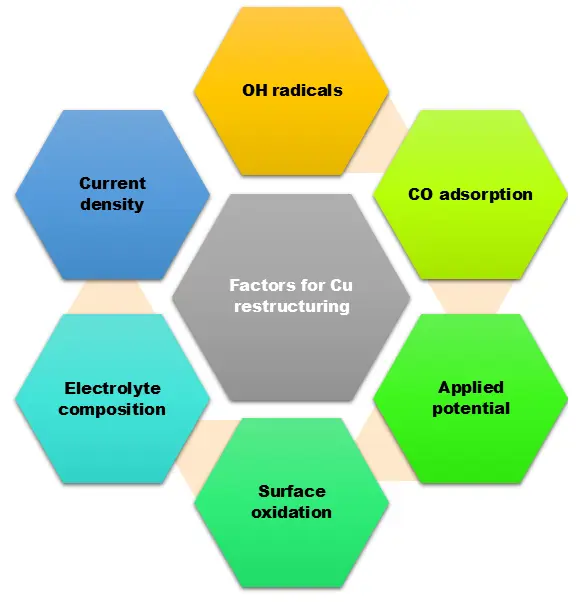
Copper (Cu) is a uniquely versatile catalyst whose performance in reactions, such as the electrochemical CO2 reduction reaction (CO2RR) is intimately linked to the dynamic evolution of its surface under operating conditions. Rather than remaining structurally static, Cu undergoes continuous surface restructuring, forming new morphologies, facets, and defect structures that differ significantly from the as-prepared material. These transformations strongly influence catalytic activity and selectivity, yet the mechanisms governing them remain poorly understood. As a result, Cu surface restructuring has emerged as a “black box” phenomenon in electrocatalysis, marked by contradictory interpretations and a lack of predictive control. In this review, we examine six major factors proposed to drive Cu surface restructuring: (i) adsorbed hydroxyl species, (ii) applied potential, (iii) adsorbed CO intermediates, (iv) surface oxidation, (v) electrolyte composition, and (vi) current density. We discuss how each factor can modify surface energetics, atomic mobility, and local reaction environments, while emphasizing that these influences rarely act independently.
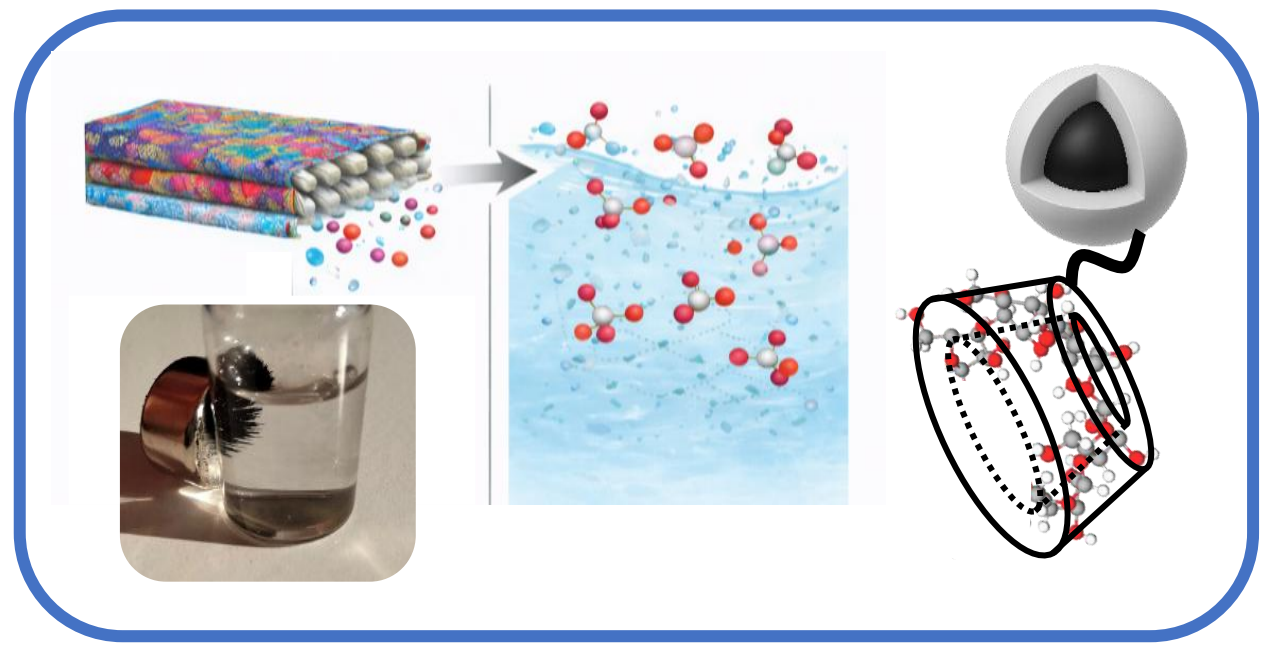
This paper provides a comprehensive review of the synthesis, use, and advantages of cyclodextrin-derivatized ferrimagnetic nanoparticles for the removal of textile dyes from natural waters. Dyes make their way into natural water systems and affect ecosystems and human health. Water soluble natural cyclodextrins (CD) are able to include dyes into their hydrophobic cavities. To extract the pollutant from water, the host molecules need to be tethered to insoluble supports, such as magnetic nanoparticles, making possible the extraction of the pollutant from the water using a simple magnet. Thus, after washing treatment, the pollutant is extracted, and the support is regenerated for a new remediation cycle. We report herein the synthetic strategies to immobilize β-cyclodextrin onto magnetic nanoparticles MNP@CD using weak to strong bindings, and the analytical methods used to characterize and monitor their effectiveness. Hydroxyl groups present on the CD scaffold can chelate iron cores by coprecipitation, solvothermal reaction, polymerization, carboxylic acid coordination, and silica bonding. An assessment of various dye adsorption capacities of MNP@CD is reported, spanning a range of 3 orders of magnitude, from 2.38 to 2780 mg of dye/g. The recyclability of the magnetic nanoparticles, with excellent removal rates of 90% after a few cycles, is also discussed.