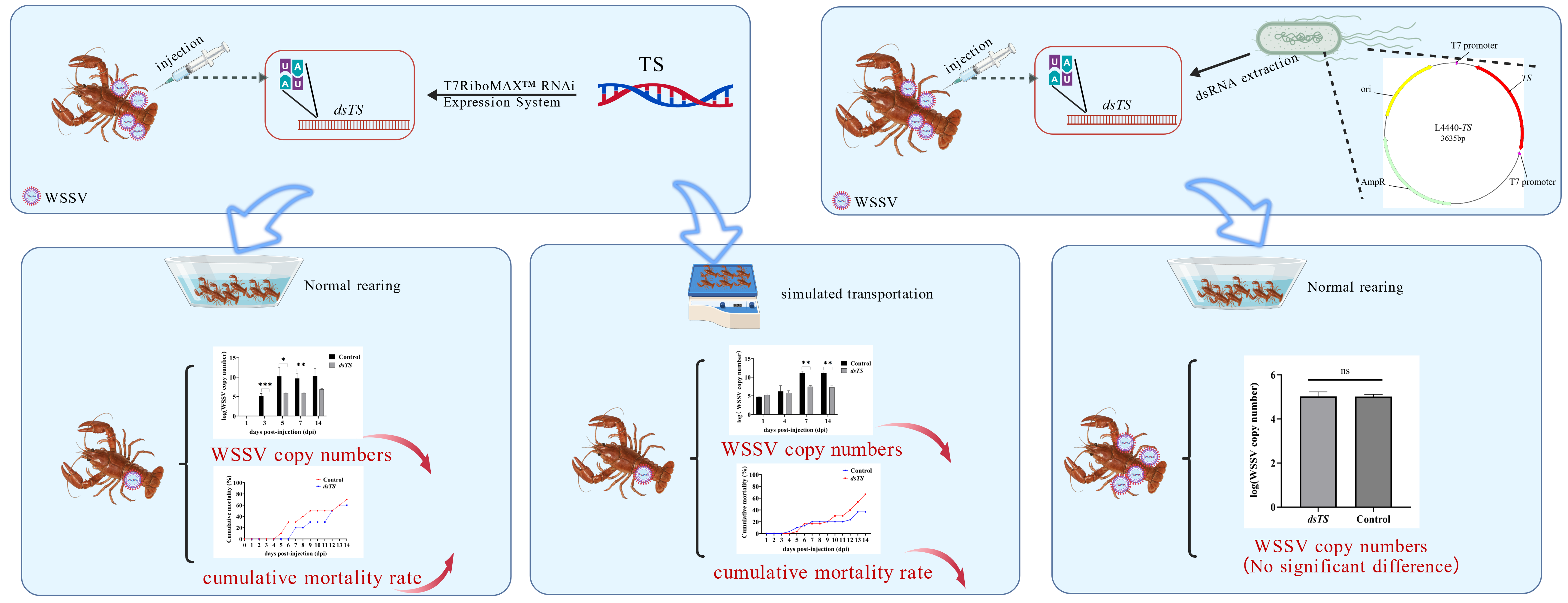
White spot syndrome virus (WSSV) is a highly pathogenic agent that poses a significant constraint on the sustainable aquaculture of the red swamp crayfish (P. clarkii). Thymidylate synthase (TS) and ribonucleotide reductase (RR), two genes involved in viral DNA replication, are potential targets for RNAi-based control, but their functional validation and low-cost use remain limited. Bioinformatics analysis revealed that WSSV TS differs evolutionarily from crustacean TS but shares 64% homology with P. clarkii TS, suggesting potential virus-host substrate competition. In vitro-synthesized dsRNA-TS and dsRNA-RR both significantly suppressed WSSV replication in infected P. clarkii. TS was selected for further study due to its evolutionary profile and potential compatibility with molecular breeding approaches. The dsRNA-TS injection eliminated detectable virus within 3 days and reduced cumulative mortality by 10%. Under simulated transport stress conditions, dsRNA-TS did not enhance survival rates, likely due to immunosuppressive effects; however, it sustained the suppression of WSSV replication from 7 to 14 days post-infection. The dsRNA-TS expressed in Escherichia coli HT115 (DE3) had no significant effect, probably because of low purity, low concentration, and poor delivery. The findings provide a sustainable biological control strategy against WSSV in P. clarkii aquaculture, and lay the foundation for the optimization of prokaryotic dsRNA production systems as well as the integration of RNAi with molecular breeding techniques.
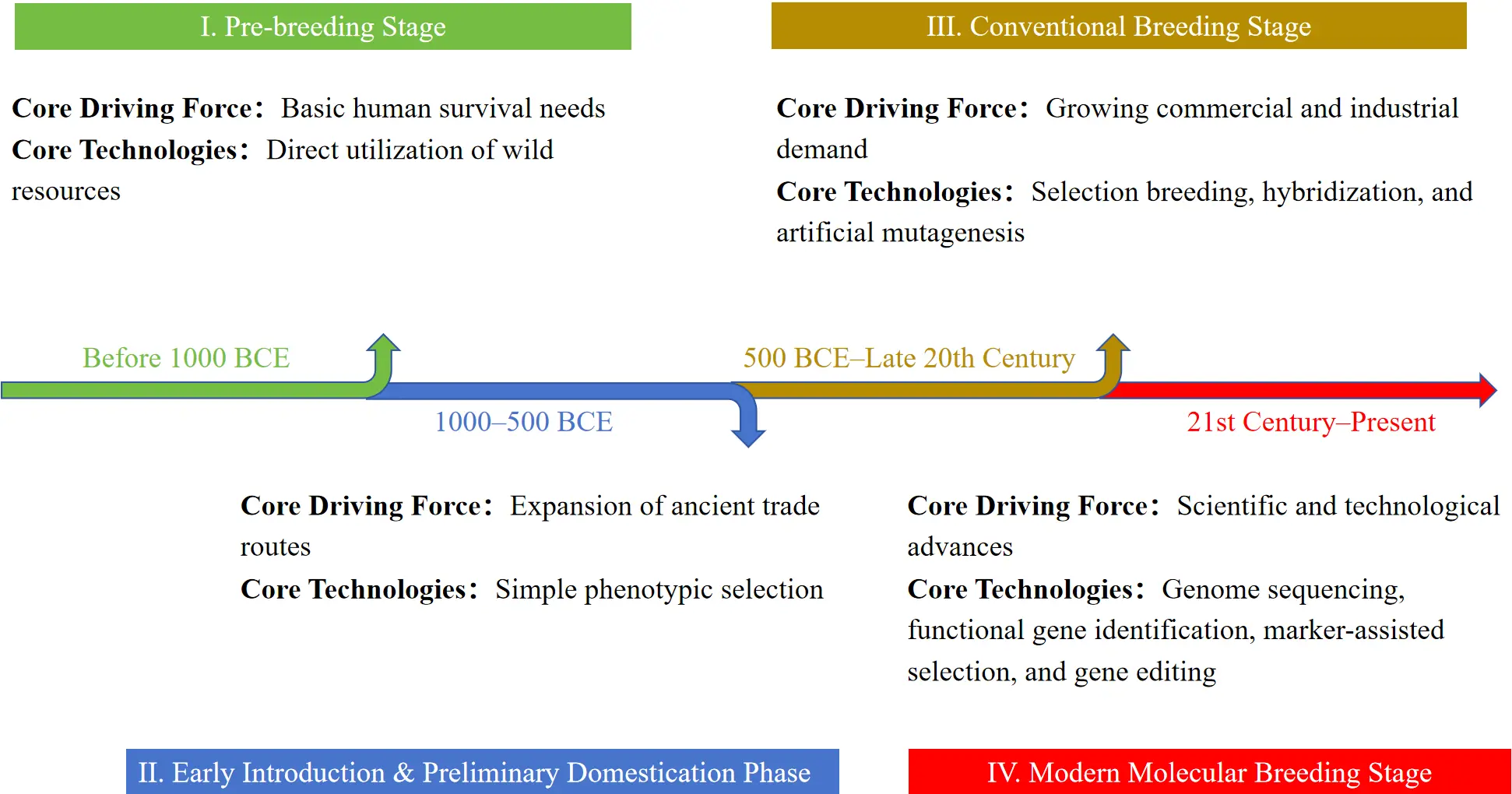
Aromatic herbs of the family Lamiaceae are mainly represented by several economically important genera in the subfamily Nepetoideae, including Mentha, Ocimum, Origanum, Rosmarinus, Thymus, Lavandula, and Perilla. These plants originated mainly in the Mediterranean region, Southwest Asia, and tropical America, and are now widely distributed throughout Europe, Asia, Africa, and the Americas. This paper systematically reviews the global history of breeding within this taxonomic group of, key aromatic genera of Lamiaceae synthesizes the patterns of its utilization and dissemination, and divides its development and evolution into four key phases: The first phase is the pre-breeding stage (before 1000 BCE), driven primarily by basic human survival needs, during which wild resources were utilized directly without the development of artificial cultivation or directed selection; The second stage is the early introduction and preliminary domestication stage (1000–500 BCE), during which the expansion of ancient trade facilitated the cross-regional dissemination of species, and the domestication of germplasm began through simple phenotypic selection under artificial cultivation; The third phase is the conventional breeding stage, from 500 BCE to the late 20th century, which was driven by increasing commercial demand. During this period, clonal selection, phenotypic selection, and hybridization were gradually developed and widely applied, enabling the stable retention of desirable traits and the formation of diverse regionally distinctive local germplasm. The fourth phase is the modern molecular breeding stage, from the 21st century to the present, which has developed alongside scientific and technological advances. This stage includes molecular breeding strategies based on genome sequencing, identification of genes associated with essential oil biosynthesis and stress tolerance, and marker-assisted selection. However, despite significant progress in the breeding of these key aromatic plant genera of Lamiaceae, the commercialization process still faces multiple bottlenecks: low genetic conversion efficiency in most species, scarcity of genomic resources for niche groups, lengthy traditional breeding cycles, and the lack of a comprehensive germplasm evaluation system, as well as the fragmentation of phenotype-genotype association databases. Future research priorities include: (1) establishing a globally standardized database of Lamiaceae aromatic germplasm resources; (2) integrating multi-omics approaches, including transcriptomics, metabolomics, and proteomics, to elucidate the genetic regulatory networks underlying essential oil biosynthesis and stress resistance; and (3) optimizing gene-editing and genetic transformation protocols for both major and underutilized aromatic Lamiaceae species. This review provides a historical and theoretical framework for the genetic improvement, germplasm utilization, and industrial development of key aromatic genera of Lamiaceae.
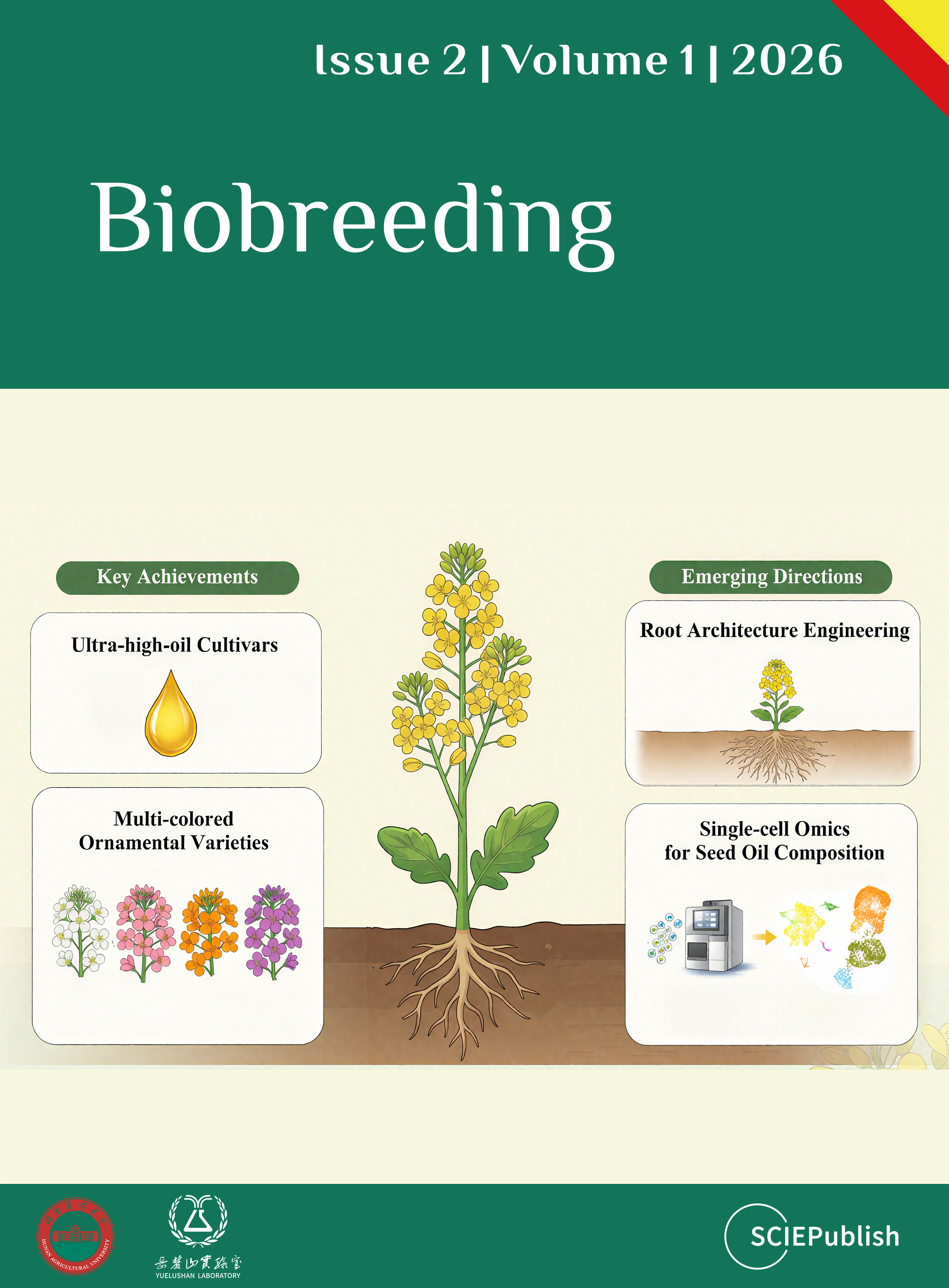
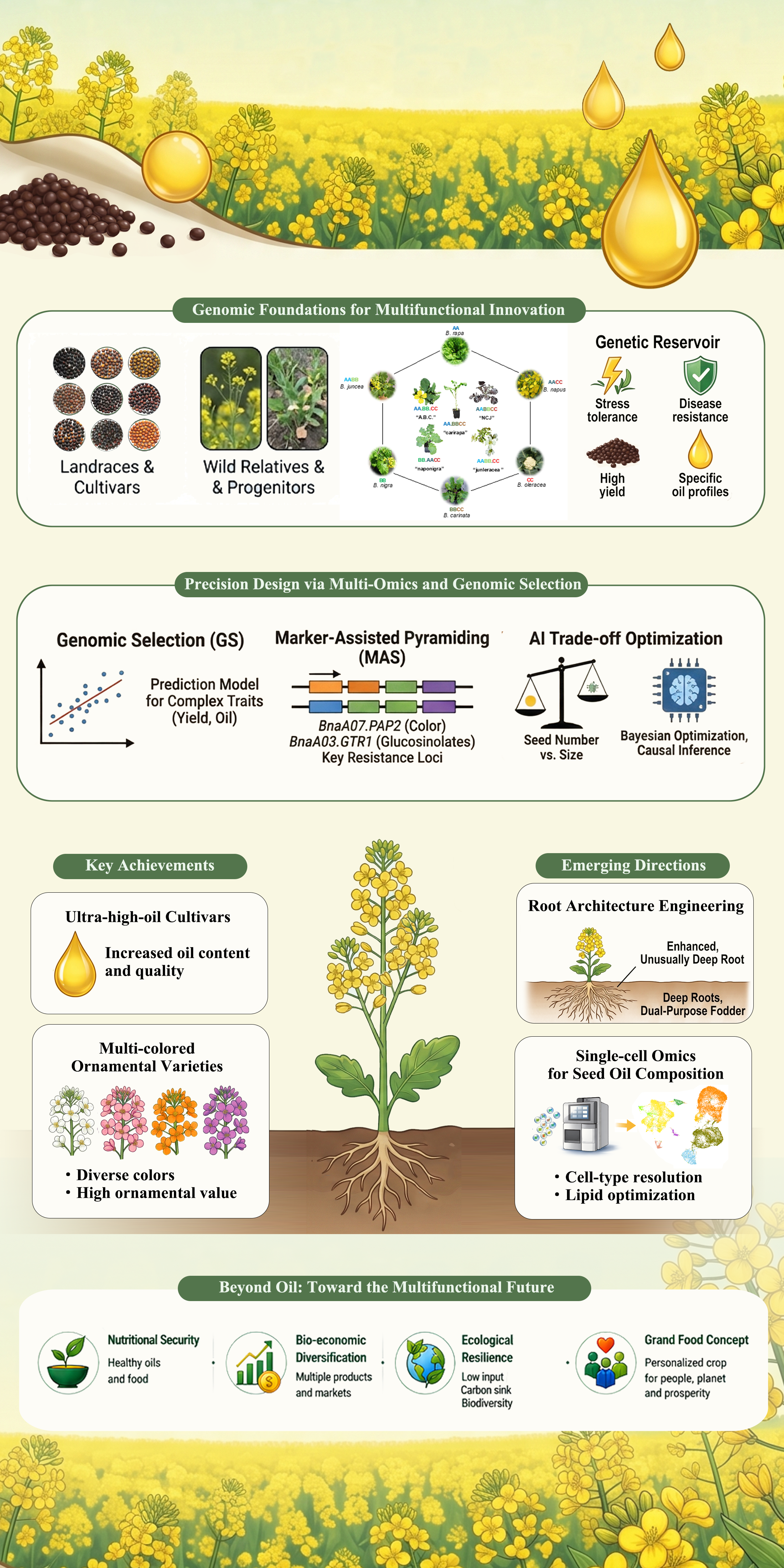
Brassica napus L., one of the world’s most significant oilseeds, is experiencing a paradigm shift from a single-minded focus on edible oil production to a multifactorial approach centered on sustainable agriculture. This review synthesizes the progress in molecular breeding, which has enabled the development of multifunctional B. napus ideotypes. We discuss the genomic plasticity of the crop, based on the genomic mosaicism and allopolyploid origin, which provides a genetic reservoir basis of diversification. Contemporary approaches such as genomic selection, marker-assisted pyramiding, and multi-omics integration are considered in terms of their ability to maximize the properties of multifaceted trait networks, breaking historical trade-offs (e.g., yield vs. quality), and providing new value-added functions. Their success is evidenced by examples, including the development of ultra-high-oil cultivars and multi-colored ornamental varieties. We also describe emerging directions, such as engineering the root architecture of dual-purpose fodder and optimizing seed oil composition with single-cell omics. These molecular tools, combined with precision agriculture technologies, enable the realization of an integrated Agriculture-Processing-Tourism framework. B. napus can move beyond being a commodity and become a personalized crop, capable of fulfilling all three functions in bringing nutritional security, bio-economic diversification, and ecological resilience, and thus, the philosophy of the Grand Food Concept.
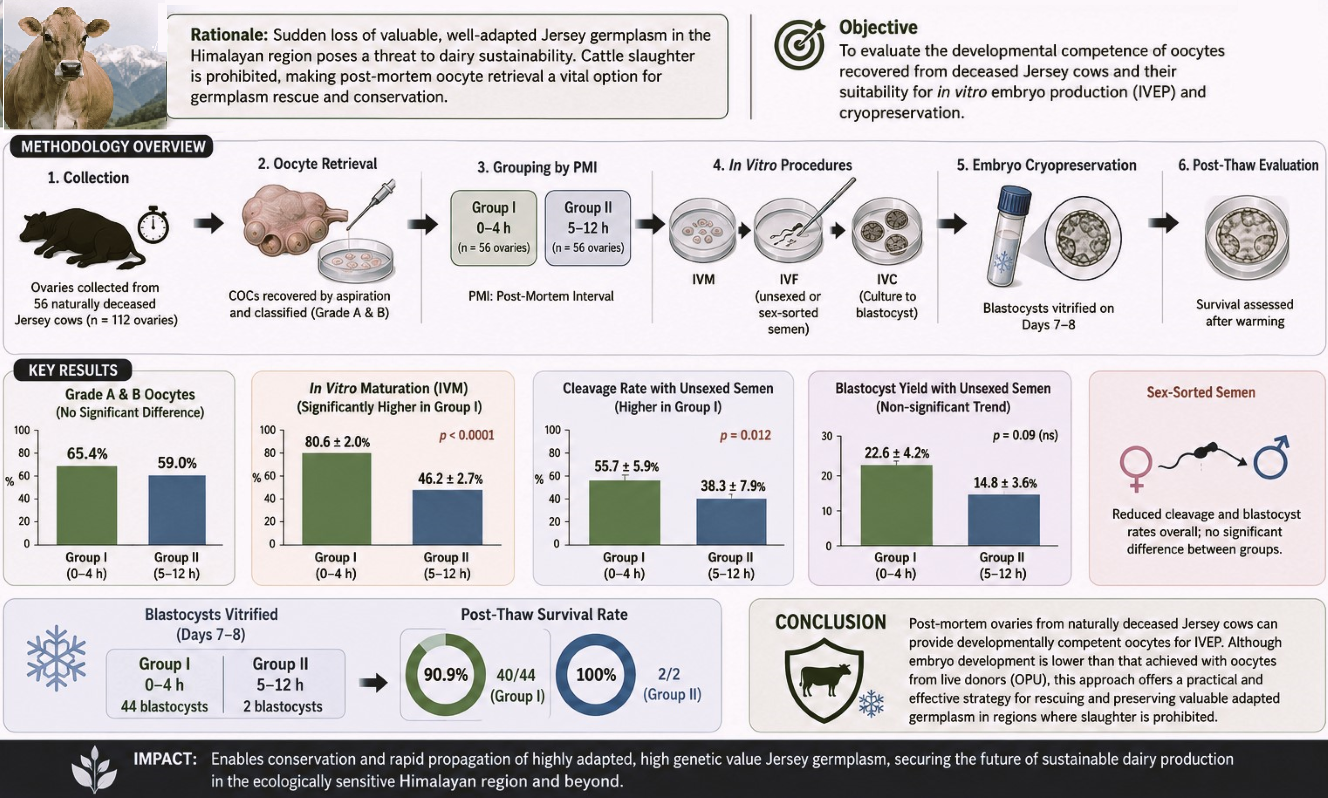
Assisted reproductive techniques offer a valuable tool for rescuing deceased germplasm for the establishment of replacement stock as well as conservation of valuable/threatened germplasm. The techniques assume greater importance for the preservation of the adapted dairy germplasm raised through decades of up-gradation using exotic semen, especially in the ecologically sensitive Himalayan region. Gamete retrieval from deceased animals is of special importance in countries where cattle slaughter is prohibited, thus rendering the abattoir-derived gonad availability impossible. The present study envisages the developmental competence of oocytes retrieved from dead Jersey cows. From 112 ovaries, derived from 56 deceased cows, 847 COCs were recovered and grouped by post-mortem interval (PMI): 0–6 h (Group I) versus 6–12 h (Group II). The proportion of Grade A & B oocytes did not differ significantly between the groups (65.4% vs. 59.0%). In vitro maturation (IVM) was significantly higher in group I (80.6 ± 2.0%) than in group II (46.2 ± 2.7%; p < 0.0001). With unsexed semen, cleavage was higher in Group I than Group II (55.7 ± 5.9% vs. 38.3 ± 7.9%; p = 0.012); while blastocyst yield showed only a non-significant trend in favour of Group I. Sex-sorted semen reduced cleavage and blastocyst rates overall, with no significant difference between groups. On days 7–8, 44 blastocysts from Group I and 2 from Group II were vitrified. Survival after thawing was 90.9% (40/44) and 100% (2/2), respectively. The results demonstrated that post-mortem ovaries from naturally deceased Jersey cows can supply developmentally competent oocytes suitable for IVEP, though demanding further technical refinements to be at par with the results obtained from oocyte retrieval from live animals using the OPU technique.
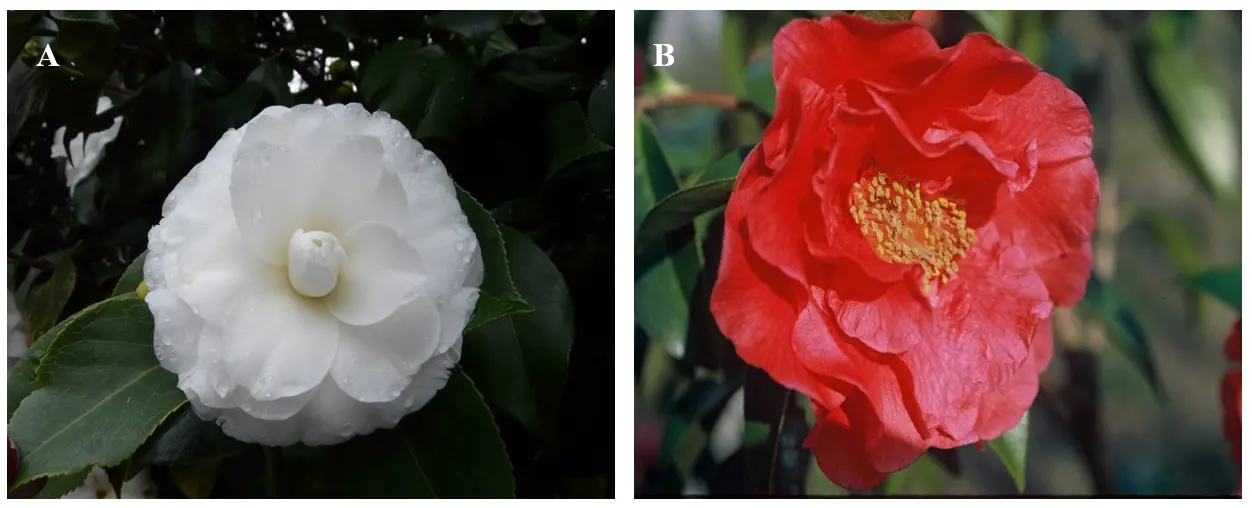
Biotechnological methods, particularly in vitro and tissue culture techniques, represent valuable tools for the large-scale multiplication, genetic improvement, and conservation of numerous plant species. Among these, axillary shoot proliferation based on culture of meristems is the most commonly applied micropropagation strategy, as it generally ensures high genetic stability in the regenerated plants. Here, we review the implementation of this micropropagation technique in two important ornamental species of the genus Camellia: C. japonica cv ‘Alba Plena’ and C. reticulata cv ‘Captain Rawes’, both of notable horticultural interest due to the aesthetic and commercial value of their flowers. Through this micropropagation technique, vigorous and healthy plantlets were obtained, acclimatized, and subsequently transferred to ex vitro conditions, demonstrating the feasibility of this propagation system for the production, maintenance, and potential enhancement of elite Camellia germplasm. In vitro cultures of both species were successfully maintained under cold storage conditions for at least 18 months, preserving their viability and regenerative capacity. Importantly, the protocols described here were established using adult camellia material, a plant material often considered more challenging for in vitro propagation due to reduced morphogenic competence.