Found 74 results
Open Access
Book Review
09 July 2024
Open Access
Meeting Report
26 June 202412th International Workshop on the CCN Family of Genes
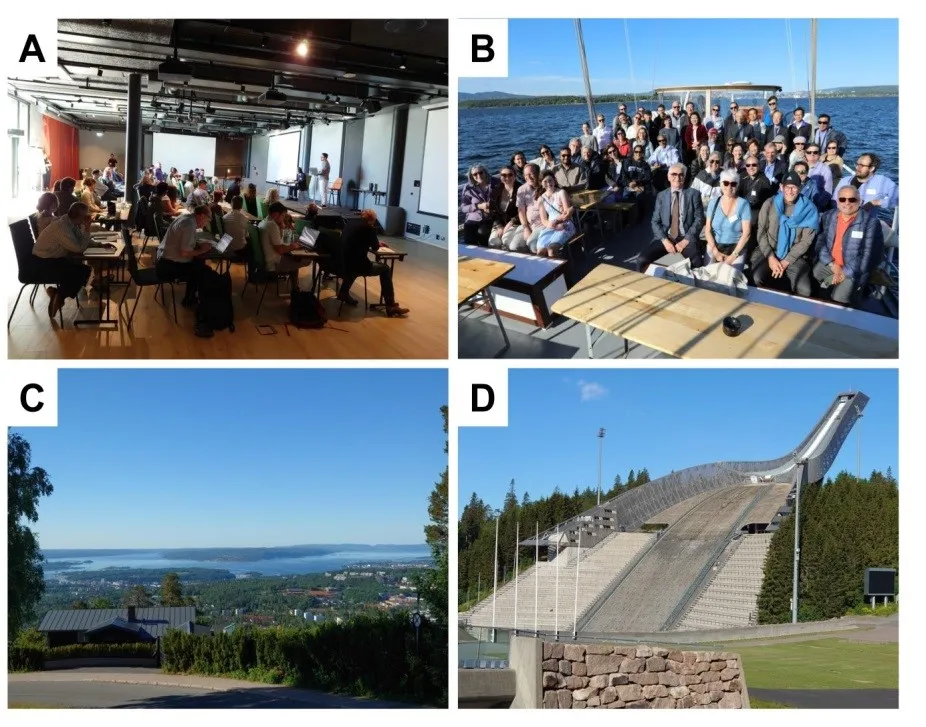
Cellular Communication Network factors 1-6 (CCNs) are matricellular proteins consisting of an N-terminal secretory peptide and four multifunctional structural domains. The CCN1-6 members belonging to this family have a complex network of interacting ligands that can affect diverse signaling pathways through a multitude of mechanisms. Specifically, these proteins play crucial roles in cell proliferation, differentiation, angiogenesis, apoptosis, chondrogenesis, wound repair, and extracellular matrix (ECM) formation/remodeling. This short communication provides a brief summary of the 12th International Workshop on the CCN Family of Genes held at the Scandic Holmenkollen Park Hotel in Oslo, Norway from 20–23 June 2024.
Open Access
Commentary
17 June 2024Unraveling Novel Strategies: Targeting Miz1 for Degradation to Enhance Antiviral Defense against Influenza A Virus
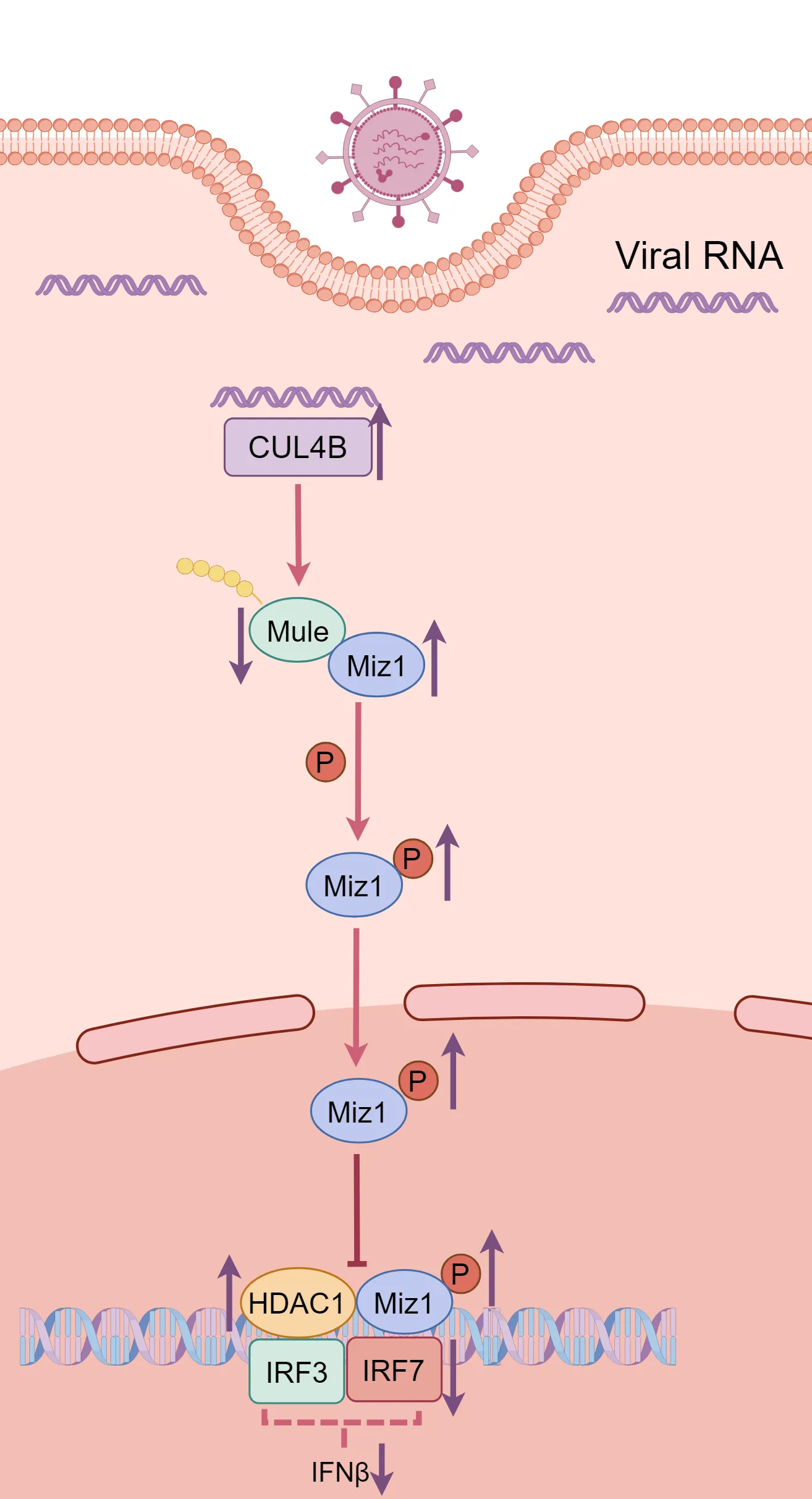
The ubiquitin system has been shown to play an important role in regulation of immune responses during viral infection. In a recent article published in Science Signaling, Wu and colleagues revealed that transcriptional factor Miz1 plays a pro-viral role in influenza A virus (IAV) infection by suppressing type I interferons (IFNs) production through recruiting HDAC1 to ifnb1 promoter. They show that a series of E3 ligases combinatorially regulates Miz1 ubiquitination and degradation and modulates IFNs production and viral replication.
Open Access
Article
13 June 2024Optimizing Performance and Design Simulation of a 100 KW Single Rotor Horizontal Axis Wind Turbine
As wind energy becomes increasingly vital in global energy strategies, optimizing wind turbine design is essential. This research focuses on the development of a 100 kW single rotor horizontal axis wind turbine (HAWT) tailored to meet the energy needs of Jamshoro, Pakistan. The turbine design leverages SolidWorks for structural modeling and is validated through comprehensive simulations using ANSYS and Q-Blade. Operating at an optimal wind speed of 6.9 m/s, the turbine achieves maximum efficiency, as indicated by the highest power factor. This efficiency translates to an estimated power output of approximately 100 kW, suitable for common household consumption. The study integrates regional climatic data and wind conditions to enhance turbine performance and durability. The findings offer a sustainable energy solution for Jamshoro, contributing to Pakistan’s renewable energy infrastructure and addressing local energy demands effectively. The focus of this study will be Jamshoro, a region in Pakistan as a case study. The software simulations will consider a variety of elements, including as wind speeds, variable loads, and environmental factors unique to the chosen region (Jamshoro). This research proposes a sustainable solution for addressing the energy demands in Jamshoro by integrating accurate data based on software analysis with real-world concerns, adding to the larger goal of developing sustainable sources of energy in Pakistan.

Open Access
Communication
30 May 2024A Novel Animal Model for Pulmonary Hypertension: Lung Endothelial-Specific Deletion of Egln1 in Mice
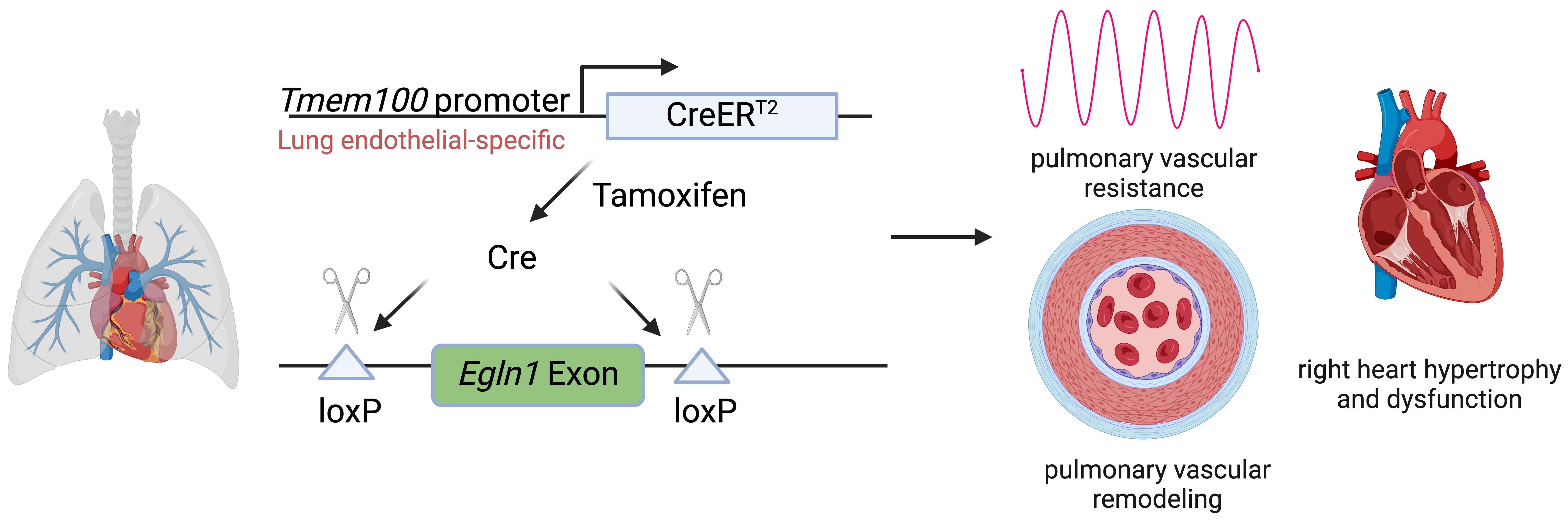
Pulmonary arterial hypertension (PAH) is a devastating disease characterized by high blood pressure in the pulmonary arteries, which can potentially lead to heart failure over time. Previously, our lab found that endothelia-specific knockout of Egln1, encoding prolyl 4-hydroxylase-2 (PHD2), induced spontaneous pulmonary hypertension (PH). Recently, we elucidated that Tmem100 is a lung-specific endothelial gene using Tmem100-CreERT2 mice. We hypothesize that lung endothelial-specific deletion of Egln1 could lead to the development of PH without affecting Egln1 gene expression in other organs. Tmem100-CreERT2 mice were crossed with Egln1flox/flox mice to generate Egln1f/f;Tmem100-CreERT2 (LiCKO) mice. Western blot and immunofluorescent staining were performed to verify the knockout efficacy of Egln1 in multiple organs of LiCKO mice. PH phenotypes, including hemodynamics, right heart size and function, pulmonary vascular remodeling, were evaluated by right heart catheterization and echocardiography measurements. Tamoxifen treatment induced Egln1 deletion in the lung endothelial cells (ECs) but not in other organs of adult LiCKO mice. LiCKO mice exhibited an increase in right ventricular systolic pressure (RVSP, ~35 mmHg) and right heart hypertrophy. Echocardiography measurements showed right heart hypertrophy, as well as cardiac and pulmonary arterial dysfunction. Pulmonary vascular remodeling, including increased pulmonary wall thickness and muscularization of distal pulmonary arterials, was enhanced in LiCKO mice compared to wild-type mice. Tmem100 promoter-mediated lung endothelial knockout of Egln1 in mice leads to development of spontaneous PH. LiCKO mice could serve as a novel mouse model for PH to study lung and other organ crosstalk.
Open Access
Review
20 May 2024
Advancements in the Bio-degradation of Plastic Waste into Value-added Chemicals: A
Recent Perspective
Plastics are an essential component of modern life, but the plastic waste has caused significant environmental pollution and economic losses. The effective solution to these problems is the biodegradation and high-value conversion of plastic waste. After biodegradation, plastic waste is broken into smaller molecules and eventually transformed into innocuous substances like water, carbon dioxide and biomass. High-value conversion enables plastic waste to be converted into products with higher economic value and environmental friendliness. Based on this, we summarize the biodegradation methods of bioplastics and analyze the shortage of these methods. Subsequently, we summarize the progress of converting the degradation products into value-added chemicals, comprehensively analyze the advantages and disadvantages of these bioconversion process, and propose some strategies to address these disadvantages. Finally, we analyze the significance of establishing a microbial-based conversion process that integrates the degradation and the conversion, and propose some potential strategies.

Open Access
Reply
17 May 2024
Open Access
Article
30 April 2024Arrestin beta 1 Regulates Alveolar Progenitor Renewal and Lung Fibrosis
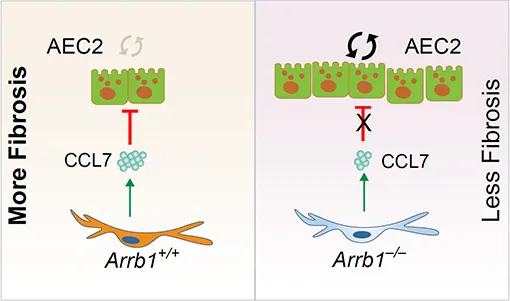
The molecular mechanisms that regulate progressive pulmonary fibrosis remain poorly understood. Type 2 alveolar epithelial cells (AEC2s) function as adult stem cells in the lung. We previously showed that there is a loss of AEC2s and a failure of AEC2 renewal in the lungs of idiopathic pulmonary fibrosis (IPF) patients. We also reported that beta-arrestins are the key regulators of fibroblast invasion, and beta-arrestin 1 and 2 deficient mice exhibit decreased mortality, decreased matrix deposition, and increased lung function in bleomycin-induced lung fibrosis. However, the role of beta-arrestins in AEC2 regeneration is unclear. In this study, we investigated the role and mechanism of Arrestin beta 1 (ARRB1) in AEC2 renewal and in lung fibrosis. We used conventional deletion as well as cell type-specific deletion of ARRB1 in mice and found that Arrb1 deficiency in fibroblasts protects mice from lung fibrosis, and the knockout mice exhibit enhanced AEC2 regeneration in vivo, suggesting a role of fibroblast-derived ARRB1 in AEC2 renewal. We further found that Arrb1-deficient fibroblasts promotes AEC2 renewal in 3D organoid assays. Mechanistically, we found that CCL7 is among the top downregulated cytokines in Arrb1 deficient fibroblasts and CCL7 inhibits AEC2 regeneration in 3D organoid experiments. Therefore, fibroblast ARRB1 mediates AEC2 renewal, possibly by releasing chemokine CCL7, leading to fibrosis in the lung.
Open Access
Article
22 April 2024
Construction of a Comprehensive International Legal
Protection Mechanism for Climate Refugees
Climate refugee has become an unavoidable major right crisis challenge for the international community. However, the corresponding development of positive international law is obviously imperfect. The basic rights of climate refugees cannot be fully guaranteed by international law. They are always facing problems such as unclear legal status lack of protection of basic rights, and imperfect relief mechanism. Those vulnerable groups who lack resources and migration abilities suffer more serious rights violations because they are forced to stay in place. Compared with the risk-management framework and right-protection framework, the comprehensive international legal protection mechanism is the inevitable choice for climate refugees’ rights relief in the post-2012 period. The rights of climate refugees set out in the preamble of the Paris Agreement in 2015, the New York Declaration on Refugees and Migrants in 2016, the Global Refugee Compact in 2018, and the Global Compact for Security, Order and Regular Migration formally incorporated the issues of refugees and migrants caused by climate change, laying the foundation for this choice. However, it is a long and difficult way to build a perfect comprehensive international response to climate change. It is not only necessary to realize the integration of human rights law and climate law at the conceptual level, but also to integrate the different perspectives of the two laws and build a set of scientific and reasonable cooperation mechanism.