Found 492 results
Open Access
Article
16 January 2024The Interplay between Experimental Data and Uncertainty Analysis in Quantifying CO2 Trapping during Geological Carbon Storage
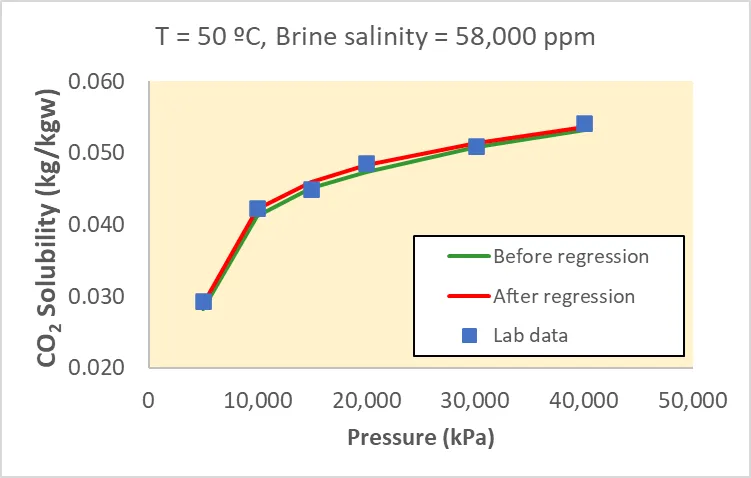
Numerical simulation is a widely used tool for studying CO2 storage in porous media. It enables the representation of trapping mechanisms and CO2 retention capacity. The complexity of the involved physicochemical phenomena necessitates multiphase flow, accurate fluid and rock property representation, and their interactions. These include CO2 solubility, diffusion, relative permeabilities, capillary pressure hysteresis, and mineralization, all crucial in CO2 trapping during carbon storage simulations. Experimental data is essential to ensure accurate quantification. However, due to the extensive data required, modeling under uncertainty is often needed to assess parameter impacts on CO2 trapping and its interaction with geological properties like porosity and permeability. This work proposes a framework combining laboratory data and stochastic parameter distribution to map uncertainty in CO2 retention over time. Published data representing solubility, residual trapping, and mineral trapping are used to calibrate prediction models. Geological property variations, like porosity and permeability, are coupled to quantify uncertainty. Results from a saline sandstone aquifer model demonstrate significant variation in CO2 trapping, ranging from 17% (P10 estimate) to 56% (P90), emphasizing the importance of considering uncertainty in CO2 storage projects. Quadratic response surfaces and Monte Carlo simulations accurately capture this uncertainty, resulting in calibrated models with an R-squared coefficient above 80%. In summary, this work provides a practical and comprehensive framework for studying CO2 retention in porous media, addressing uncertainty through stochastic parameter distributions, and highlighting its importance in CO2 storage projects.
Open Access
Article
16 January 2024A Position-based Hybrid Routing Protocol for Clustered Flying Ad Hoc Networks
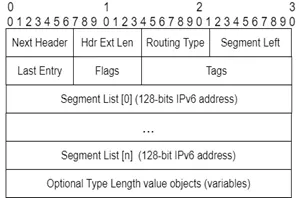
Unmanned aerial vehicles (UAVs) have been used to establish flying ad hoc networks (FANETs) to support wireless communication in various scenarios, from disaster situations to wireless coverage extensions. However, the operation of FANETs faces mobility, wireless network variations and topology challenges. Conventional mobile ad hoc network and vehicular ad hoc network routing concepts have rarely been applied to FANETs, and even then they have produced unsatisfactory performance due to additional challenges not found in such networks. For instance, position-based routing protocols have been applied in FANET, but have failed to achieve adequate performance in large networks. Clustering solutions have also been used in large networks, but with a significant overhead in keeping track of the complete topology. Hence, to solve this problem, we propose a hybrid position-based segment-by-segment routing mechanism for clustered FANETs. This approach facilitates traffic engineering across multiple wireless clusters by combining position-based inter-cluster routing with a rank-based intra-cluster routing approach capable of balancing traffic loads between alternative cluster heads. Simulation results show that our solution achieves, on average, a lower power consumption of 72.5 J, a higher throughput of 275 Mbps and a much lower routing overhead of 17.5% when compared to other state-of-the-art end-to-end routing approaches.
Open Access
Article
05 January 2024Benzene Bridged Carbon Nitride for Efficient Photocatalytic Hydrogen Evolution
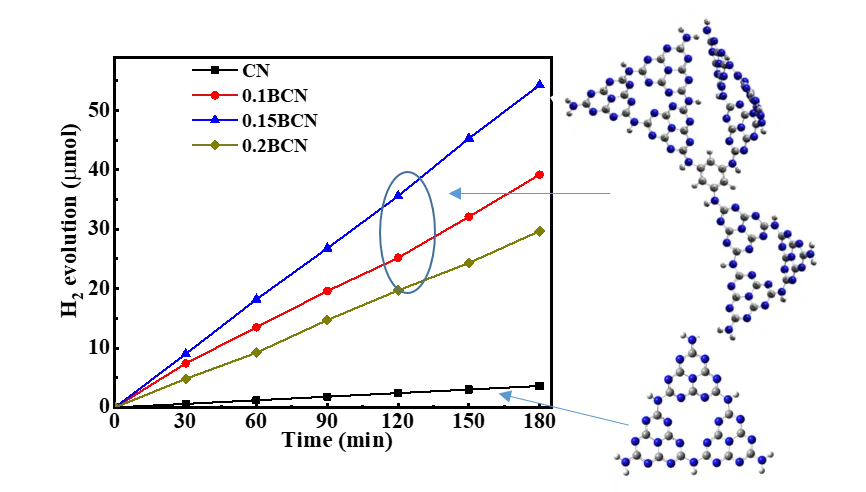
Turing the electronic structure by inserting certain functional groups in graphitic carbon nitride (g-C3N4, CN for short) skeleton through molecular doping is an effective way to improve its photocatalytic performance. Herein, we prepare a benzene bridged carbon nitride (BCN) by calcining urea and 1,3,5-tribromobenzene at elevated temperature. The introduction of benzene ring in g-C3N4 layers improves the separation efficiency and lifetime of photogenerated carriers, inhibits the recombination rate of electron/hole pairs, thus the performance of photocatalytic hydrogen evolution improves. The optimal hydrogen evolution rate of 1.5BCN reaches 1800 µmol/h·g, which is nine times that of the pure g-C3N4. DFT calculation proved the benzene bridged CN increased the distance of charge transfer (DCT) and the push-pull electronic effect of intramolecular electrons. This work may provide a pathway for preparing molecular doped g-C3N4 with improved photocatalytic performance.
Open Access
Review
29 December 2023A State-of-the-art Review on the Intelligent Tool Holders in Machining
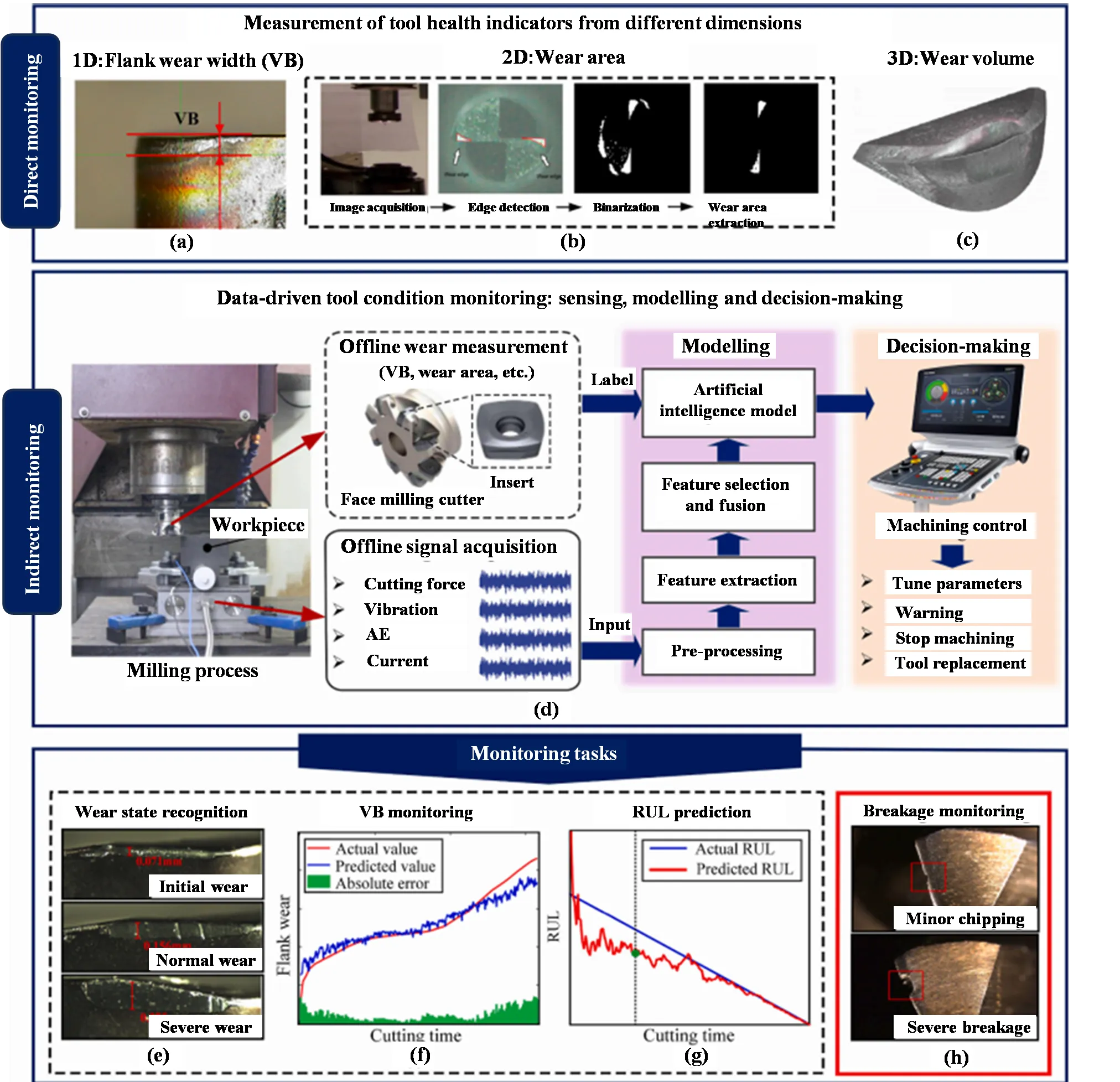
In the manufacturing process, in addition to the properties of material itself, the quality of a product is directly related to the cutting process. Cutting force and cutting heat are two crucial factors in cutting processing. Researchers can analyze various signals during cutting process, such as cutting force signal, vibration signal, temperature signal, etc., which can regulate force and temperature, optimize the cutting process, and improve product quality. Therefore, it is very important to pay attention to various signals in cutting process. Meanwhile, good-quality signal data sets will greatly reduce time, resource and labor costs for subsequent use or analysis of researchers. Therefore, how to collect high-quality signals effectively and accurately is the first step. At present, researchers prefer to use various sensors to collect signals. With the advancement of science and technology, intelligent tool holder appears in researchers’ vision. It integrates multiple systems such as sensors, data collection, data transmission, and power supply on the tool holder. It replaces traditional wired sensors, and it is highly interactive with CNC machine tools. This paper will carry out a systematic review and prospect from three aspects: the structural design of the intelligent tool holder, the signal monitoring technology of the intelligent tool holder, and the tool condition monitoring of the intelligent tool holder.

Open Access
Article
18 December 2023Time-efficient and Semi-automated Production and Screening of Proteins
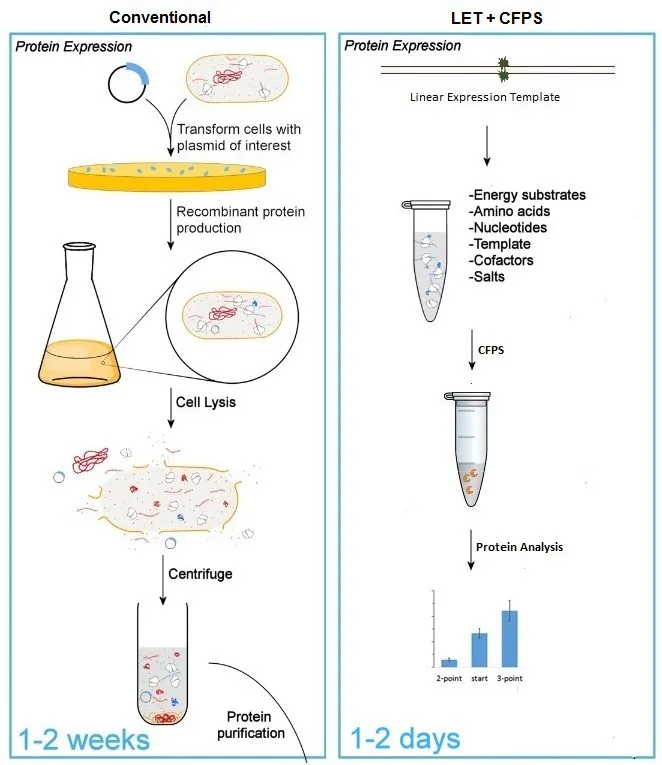
Fast, flexible and non-randomized modification, production and screening of proteins in fully automated system are of high interest in biological research and applications. The conventional methods for protein engineering and screening, especially for mutations of multiple residues. are time consuming and often unreliable. We demonstrate here a new, fast and flexible protein production and screening method which combines linear expression template (LET) based cell free protein synthesis (CFPS) with specific screening methods. This approach is demonstrated using green fluorescence protein, phosphoserine aminotransferase (serC) and aspartokinase III (AKIII) as model systems. The results show that mutants with changes in different protein properties upon multiple point mutations can be produced and screened within 6 to 15 h. This method can be used further to generate mutants of enzymes and multi-enzyme complexes and be implemented within the workflow of a feedback-guided protein optimization and screening system.
Open Access
Book Review
14 December 2023
Open Access
Article
28 November 2023Translational Studies Reveal the Divergent Effects of Simtuzumab Targeting LOXL2 in Idiopathic Pulmonary Fibrosis
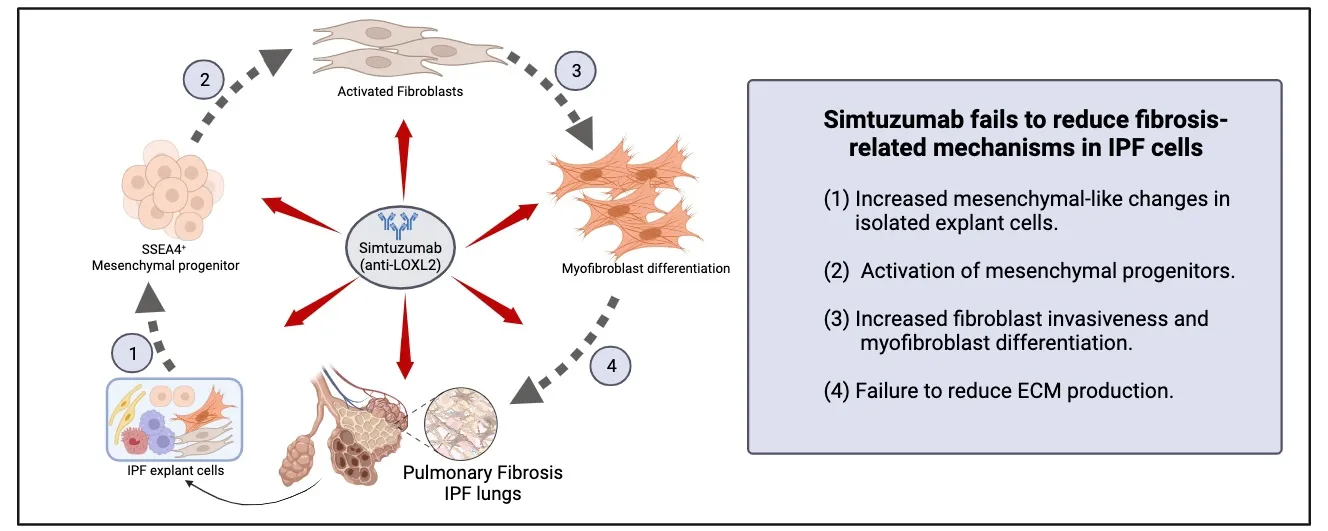
The composition of extracellular matrix (ECM) is altered during pathologic scarring in damaged organs including the lung. One major change in the ECM involves the cross-linking of collagen, which promotes fibroblast to myofibroblast differentiation. We examined the role of lysyl oxidase (LOX)-like 2 in lung progenitors and fibroblasts cultured from normal or IPF lung samples and in a humanized mouse model of IPF using a monoclonal antibody (Simtuzumab). Primary lung fibroblasts from normal donor lungs and IPF lung explants were examined for expression of LOXL2. Targeting LOXL2 with Simtuzumab on normal and IPF fibroblasts was examined both in vitro and in vivo for synthetic, functional, and profibrotic properties. LOXL2 was increased at transcript and protein level in IPF compared with normal lung samples. In a dose-dependent manner, Simtuzumab enhanced differentiation of fibroblasts into myofibroblasts. Inhibition of LOXL2 also enhanced fibroblast invasion and accelerated the outgrowth of fibroblasts from dissociated human lung cell preparations. Finally, preventative or delayed delivery of Simtuzumab enhanced lung fibrosis in a humanized mouse model of pulmonary fibrosis. Consistent with its failure in a Phase 2 clinical trial, Simtuzumab exhibited no therapeutic efficacy in translational in vitro and in vivo assays.
Open Access
Article
27 November 2023Enhancing the Monitoring Protocols of Intermittent Flow Rivers with UAV-Based Optical Methods to Estimate the River Flow and Evaluate Their Environmental Status
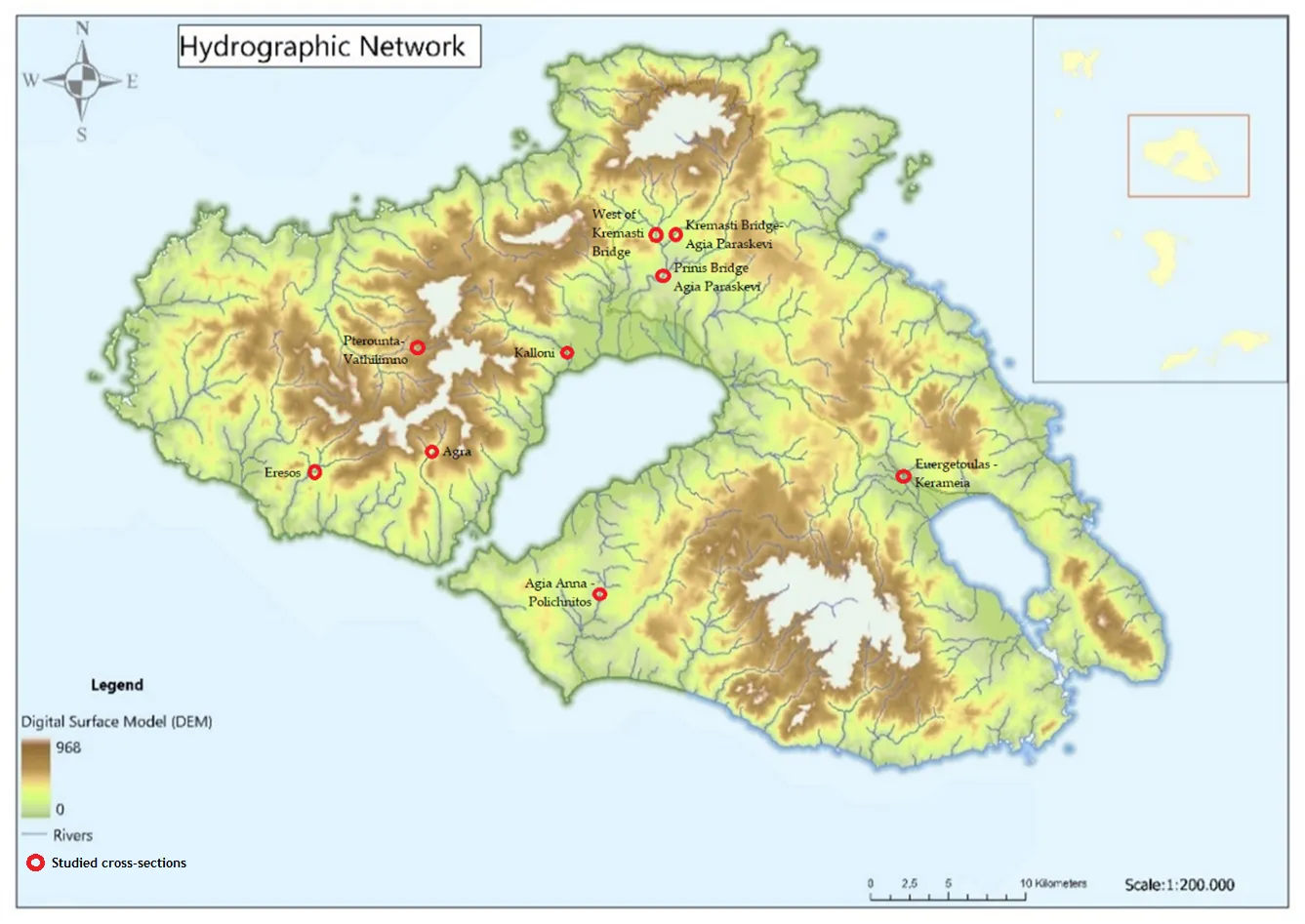
Temporary streams are a key component of the hydrological cycle in arid and semi-arid regions, but their flow is highly variable and difficult to measure. In this paper, we present a novel approach that could be used to assess the flow of temporary streams this allowing to characterize their environmental status. Specifically, we apply the Image Velocimetry (IV) method to estimate surface velocity in temporary streams using Unmanned Aerial Vehicles (UAVs) equipped with optical sensors (IV-UAV method). The IV-UAV method enables the easy, safe and quick estimation of the velocity on the water’s surface. This method was applied in different temporary streams in Lesvos Island, Greece. The results obtained indicate that the IV-UAV can be implemented at low discharges, temporary streams and small streams. Specifically, the water depth ranged from 0.02 m to 0.28 m, while the channel width ranged from 0.6 m to 4.0 m. The estimated surface velocity ranged from 0.0 to 5.5 m/s; thus, the maximum water discharge was 0.60 m3/s for the largest monitored stream of the island. However, there were many occasions that measurements were unable due to various reasons such as dense vegetation or archaeological sites. Despite of this, the proposed methodology could be incorporated in optical protocols which are used to assess the environmental status of temporary streams of Mediterranean conditions. Finally, this would become a valuable tool for understanding the dynamics of these ecosystems and monitoring changes over time.