Found 74 results
Open Access
Commentary
28 September 2025From Crisis to Coordination: How AI Transformed Public Health Policies during COVID-19
The COVID-19 pandemic showed the shortcomings of traditional policy-making procedures and highlighted serious flaws in international public health institutions. Artificial intelligence (AI) became a transformative force in response to the crisis’s urgency, allowing for data-driven, flexible, and better-coordinated public health measures. This viewpoint article examines how AI improved communication, accelerated vaccine development and distribution, enhanced decision-making, and optimized healthcare delivery during the COVID-19 pandemic. These advancements collectively contributed to significant changes in public health policy. Real-time analysis of large, complex datasets, ranging from case numbers and mobility patterns to hospital capacities and disinformation trends, was made possible by AI technologies including machine learning (ML) and natural language processing (NLP). Timely interventions like resource allocation, targeted lockdowns, and control of misinformation were made possible by this capability. AI also played a crucial role in forecasting infection trends, identifying vulnerable populations, and informing evidence-based decisions. AI-powered solutions further enhanced public involvement and cross-sector cooperation through chatbots and digital platforms delivering trustworthy health information. Additionally, AI-powered solutions enhanced public involvement and cross-sector cooperation, including the use of chatbots and digital platforms to provide trustworthy health information. AI sped up supply chain optimization and candidate screening in vaccine development, guaranteeing efficient, and quick delivery. However, ethical issues including bias, data privacy, and equity in healthcare access were also brought about by the integration of AI. This study emphasizes the need for open, inclusive, and morally sound AI governance by highlighting AI’s twin roles as a technological enabler and a tool for policy. The pandemic provides a fundamental lesson for countries preparing for future health emergencies: AI may be a key instrument in creating public health systems that are more robust, responsive, and equitable if it is applied properly.

Open Access
Correction
24 September 2025
Open Access
Review
18 September 2025Programmable Multiplex Genome Editing: Innovations in CRISPR Effectors, crRNA Engineering, and Delivery Strategies
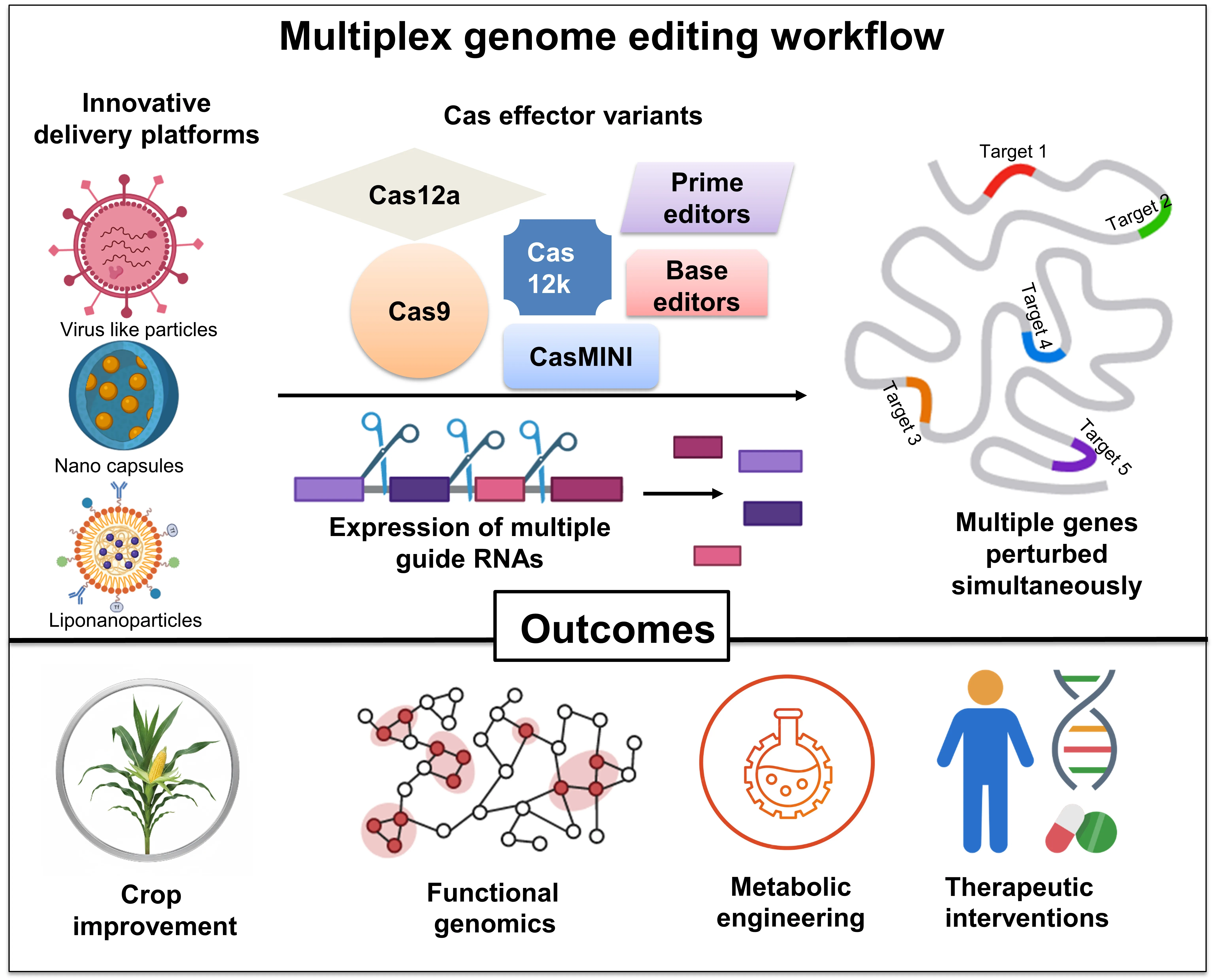
The discovery of CRISPR based technologies has transformed genome engineering and synthetic biology. With advancements in the ability to do multiplex genome editing, it is now emerging as an ideal approach for trait stacking to improve crops, functional genomics, and complex metabolic engineering in various biological systems. This review discusses engineering and optimization of the latest CRISPR effectors for scalable and precise multiplex editing, ranging from well-known systems like Cas9 and Cas12 variants, to newer, smaller variants such as CasMINI, Cas12j2, and Cas12k. We highlight how the emergence of base editors and prime editors enabled efficient editing across multiple loci without double strand breaks. We also elaborate on the expression and processing strategies of crRNA arrays, which are central to any multiplexing approach. These include tRNA-based and ribozyme-mediated methods, synthetic modular designs, and AI-optimized guide RNAs tailored to diverse systems. Additionally, we assess next-generation delivery platforms such as lipid nanoparticles, virus-like particles, and metal-organic frameworks that overcome conventional barriers in in vivo applications. This review provides a critical take on technological advances enabling precise, high-throughput, and programmable multiplex genome editing across biological systems, setting the foundation for future innovations in synthetic biology, crop improvement, and therapeutic intervention in multigene diseases.
Open Access
Article
15 September 2025Heat Resistance of Centrifugally Cast Tubes Made of 32%Cr-43%Ni Refractory Alloy and Its Welded Joints at Temperatures up to 1150 °C
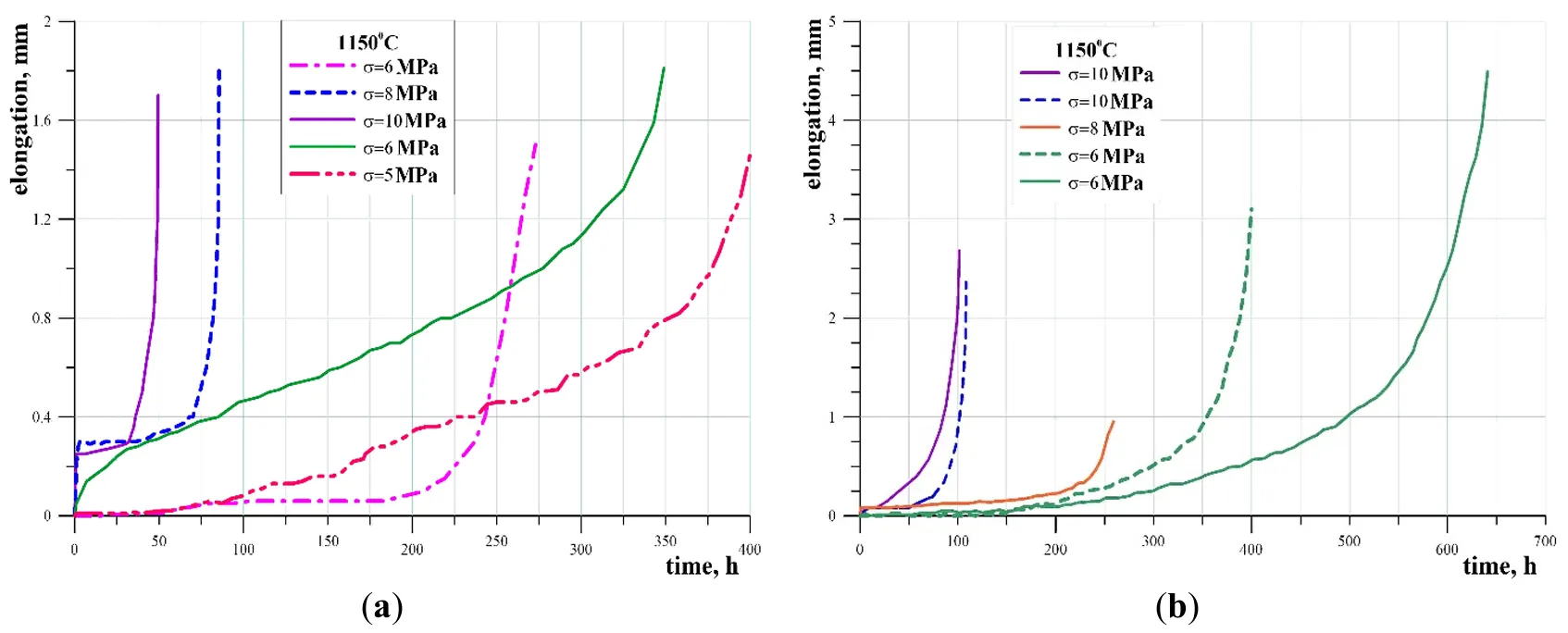
The results of microstructura l analysis, short-term and long-term strength tests of modified sparingly alloyed refractory alloy of 32%Cr-43%Ni and its welded joints are presented. A quantitative analysis of the dispersed phases in the initial state and after long-term strength tests has been carried out. It is shown that the network of carbide-intermetallic precipitates persists after long-term strength tests at a temperature of 1150 °C. This ensures the ability of the developed alloy and its welded joints to withstand high-temperature creep for a long time. It has been established that after long-term strength tests at a temperature of 1150 °C, niobium carbide particles present in the base metal and weld metal are almost completely transformed into an intermetallic phase based on Cr-Ni-Si-Nb-N. The penetration of atmospheric nitrogen into the metal stimulates this process.
Open Access
Article
20 August 2025Mitochondrial Lon Peptidase 1 Controls Diaphragm and Lung Development in a Context-Dependent Manner
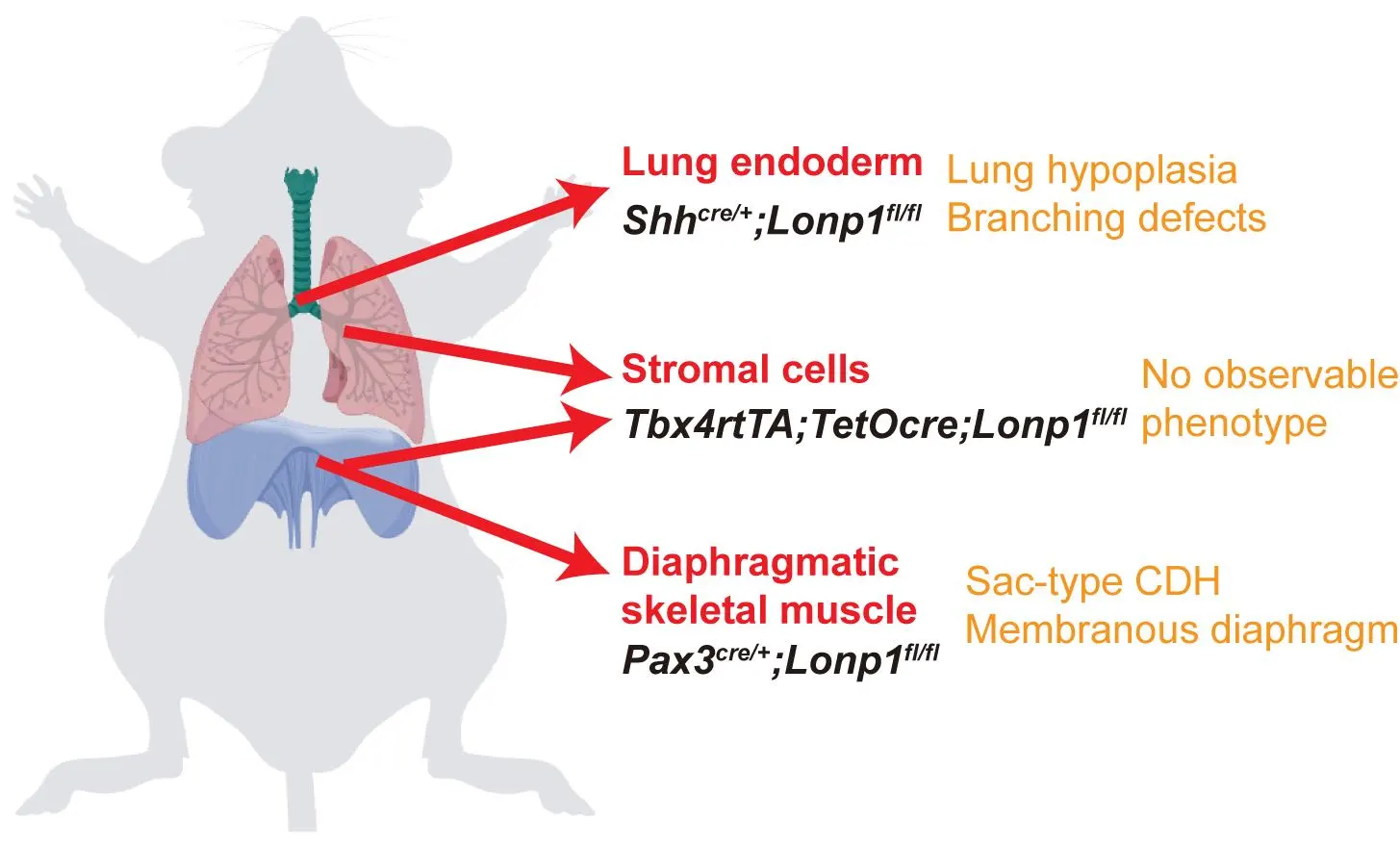
Congenital Diaphragmatic Hernia (CDH) is a rare neonatal disorder causing diaphragmatic defects and cardiopulmonary hypoplasia, traditionally attributed to mechanical compression from organ herniation. However, emerging evidence suggests genetic mutations may independently impair lung development, prompting debate over CDH etiology. Here, we investigated the requirement of mitochondrial function guarded by LON peptidase 1 (Lonp1), a CDH risk gene, in either diaphragm or lung development. Lonp1 loss in skeletal muscles of the diaphragm led to its thinning and membranization, recapitulating the pathology of sac-type CDH. On the other hand, lung-specific inactivation caused severe hypoplasia with defective branching morphogenesis, independent of diaphragm anomalies. Molecularly, Lonp1 disruption dysregulated key transcription factors and signaling pathways known to be critical for early lung development. Our findings here revealed that mitochondrial defects contribute to the pathogenesis of CDH in an organ and cell type specific manner, opening new avenues for drug and therapeutic development.
Open Access
Article
24 July 2025Spermidine Dampens Inflammation by Directly Inhibiting Th17 Cytokine Production through a PRDX1 Associated Antioxidant Pathway
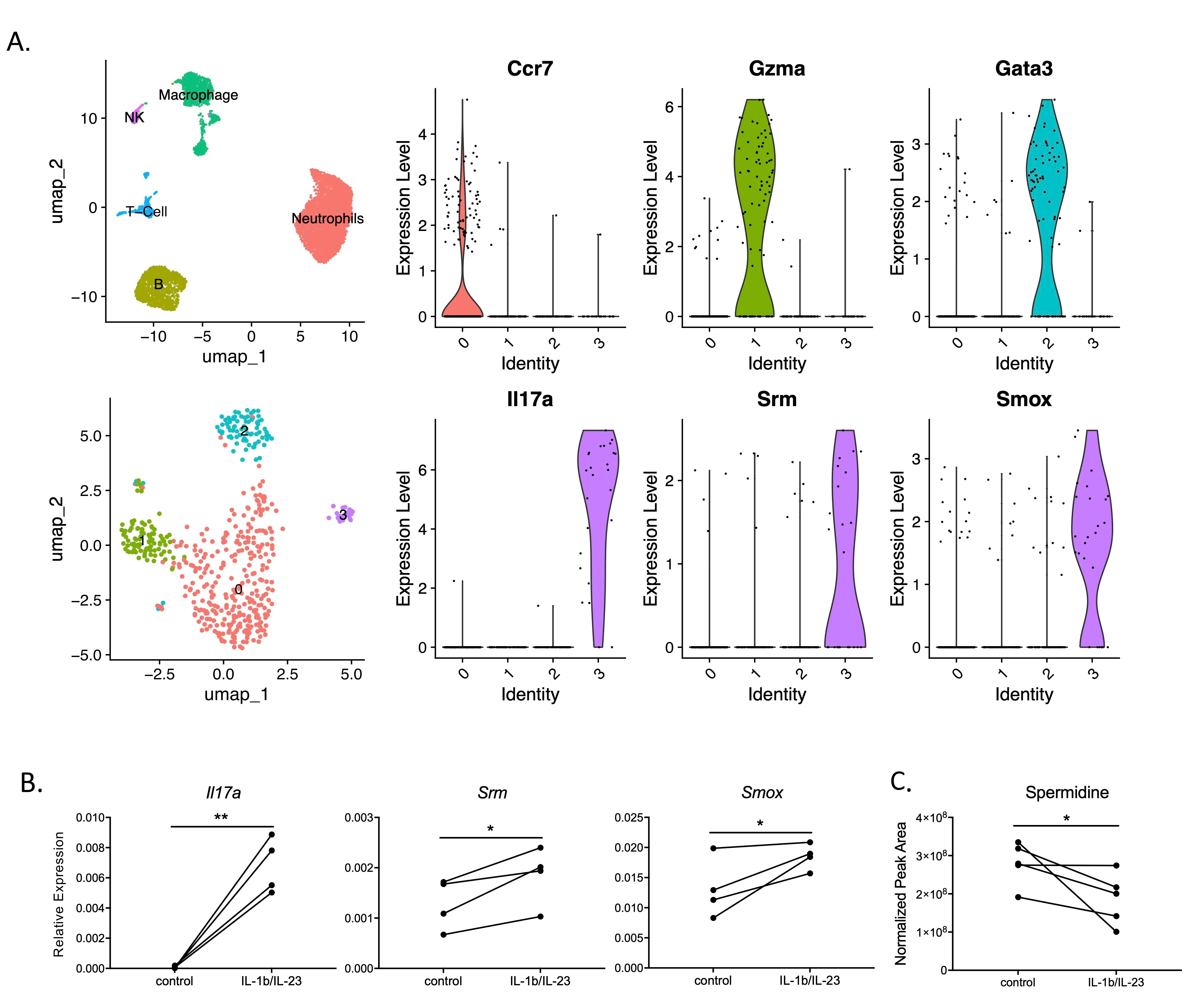
The activation of IL-17 signaling has been linked to the pathogenesis of many chronic, inflammatory lung diseases including cystic fibrosis. Through unbiased single-cell RNAseq screening, we found that IL-17+ T cells highly express Srm and Smox, which encode two key enzymes involved in spermidine synthesis, spermidine synthase and spermine oxidase respectively. Spermidine has been shown to reduce inflammation by regulating macrophage activation and balancing Th17/Treg differentiation; however its direct effects on Th17 cytokine production have not been carefully investigated. Here, using already differentiated Th17 cells from cultured mouse splenocytes, we found that exogenous spermidine directly inhibits IL-1β/IL-23-induced IL-17 production. Blockade of endogenous spermidine synthesis enhanced IL-17 production above native levels, further supporting the notion that spermidine is a direct regulator of cytokine secretion independent of differentiation. In vivo, spermidine alleviates lung inflammation in both Pseudomonas aeruginosa (PA) and LPS induced acute lung injury models. Further RNA-seq analysis suggests that spermidine suppression of Th17 cytokine production is mediated through its PRDX1-dependent antioxidant activity. Our data suggests that spermidine is a direct regulator of Type-17 T cell cytokine production and has potent anti-inflammatory effects against lung inflammation.
Open Access
Article
17 July 2025Energy Drink Consumption among Adolescents between 13 and 18 Years in Lebanon: Prevalence, Patterns, and Predictors of Energy Drink Use and Dependence
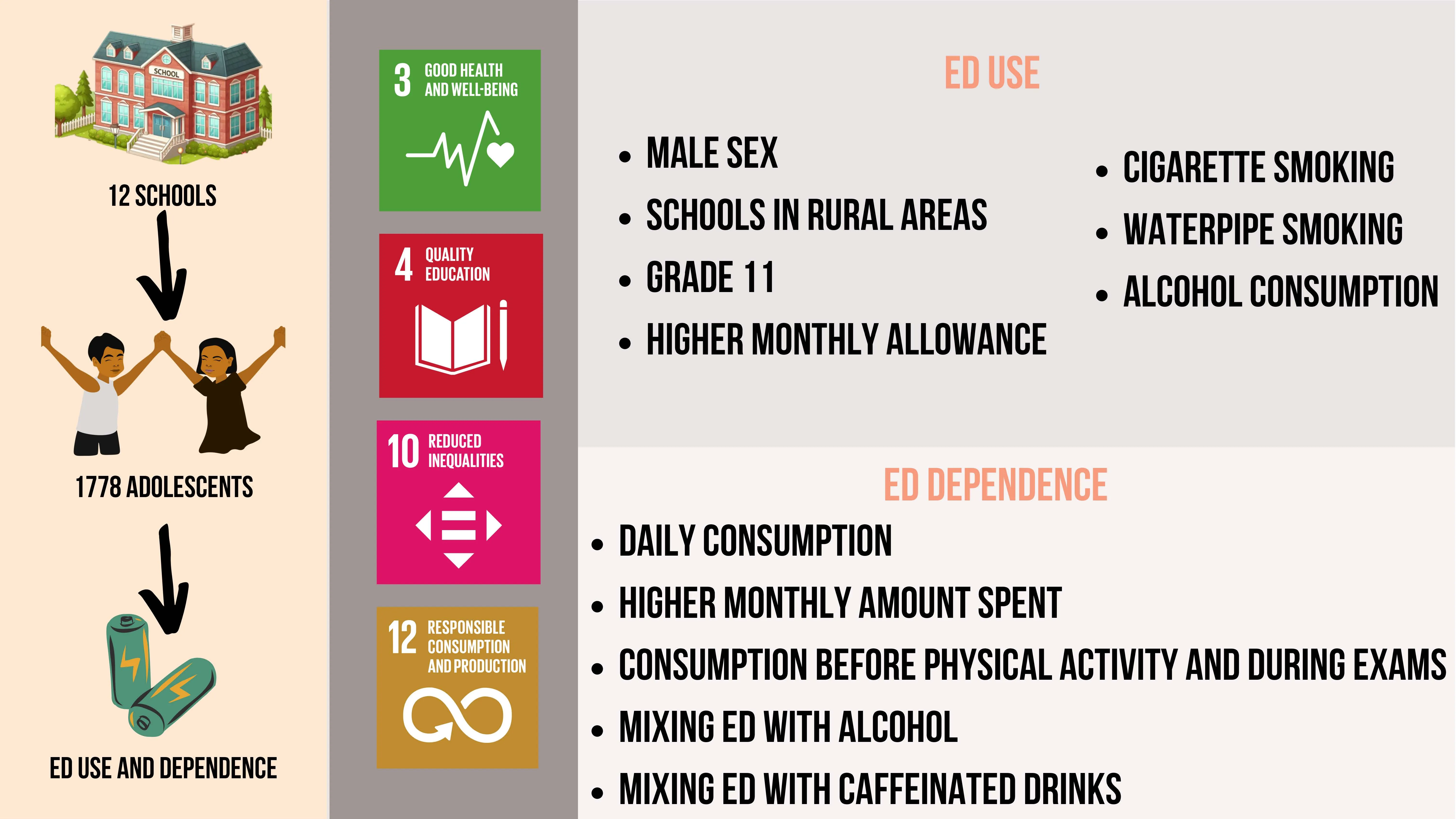
Energy drinks (ED) use and addiction among adolescents is a growing concern, as they contain high levels of caffeine and other stimulants that can be addictive. This study aims to determine the prevalence of ED consumption among adolescents and assess the use and dependence predictors. A cross-sectional study was conducted over eight months, targeting 1855 adolescents from 12 schools during the 2022/2023 academic year. 55.5% of participants consumed EDs at least once last year. Around 15% reported being dependent on EDs, 34.7% reported mixing them with alcohol, and 25.3% said that they mixed them with caffeinated beverages. The odds of ED use were 3.63 among alcohol consumers, 2.67 times higher among waterpipe smokers, and 1.97 among those consuming them as sports drinks. These odds were 53% and 34% lower among females who knew their side effects, respectively. Among others, these. As regards dependence on EDs, those using them daily or weekly had 2.62 times higher odds of dependence than those using them less frequently. Students using EDs before physical activity had 2.33 times higher odds of dependence, in addition to those using them for self-confidence or to enhance their moral state. Spending more than 7 USD on EDs increased 1.72 times the odds of dependence. A high prevalence of ED use was found in this study, in addition to a high risk of dependence. Findings call for parents, educators, and healthcare providers to educate adolescents about the risks.
Open Access
Review
27 June 2025Targeting Collagen Secretion as a Potential Therapeutic Strategy to Modulate Fibrosis
Fibrotic diseases are driven by the excessive accumulation of extracellular matrix (ECM), particularly collagens, leading to progressive tissue stiffness and organ dysfunction. While many factors contribute to fibrosis—including cytokine signaling, integrin-mediated mechanotransduction, and altered ECM degradation—the synthesis and secretion of collagen remain central bottlenecks. Collagen biosynthesis is a complex process involving extensive post-translational modification and intracellular trafficking. The export of procollagen from the endoplasmic reticulum (ER) requires Transport and Golgi Organisation 1 (TANGO1), a transmembrane organizer of ER exit sites that coordinates cargo selection, membrane remodeling, and connectivity between the ER and the ER-Golgi-Intermediate-Comaprtment (ERGIC). By assembling into ring-like structures at ER exit sites, TANGO1 builds a secretory route for bulky cargoes that bypasses conventional vesicle constraints. Loss of TANGO1 disrupts collagen secretion and causes developmental defects across various species. In fibrotic tissues, TANGO1 expression is upregulated, linking secretory machinery to pathological matrix deposition. Recent work has identified specific interfaces within the complex of TANGO1 with its vertebrate paralogue Cutaneous T-cell lymphoma-associated antigen 5 (cTAGE5) as targets for cell-permeant peptide inhibitors. Inhibitors that selectively and specifically block TANGO1 complex formation reduce collagen secretion in fibroblasts and scar formation in vivo, offering a new strategy to modulate fibrotic processes.

Open Access
Article
23 June 2025Asset Management Excellence: A Roadmap for Integrating Lean Six Sigma and ISO 55001 to Achieve Operational Excellence
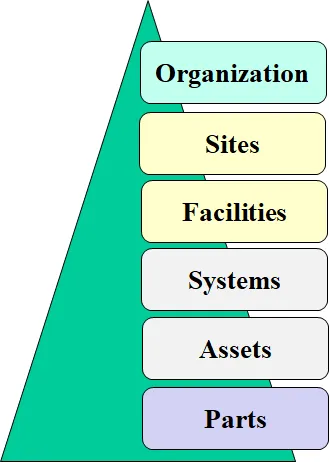
Asset Management Excellence (AME) has become essential for sustaining operational efficiency and long-term competitiveness in today’s digitally driven and increasingly complex industrial landscape. This study introduces an integrated roadmap that aligns Lean Six Sigma (LSS)—specifically the DMAIC methodology—with ISO 55001 standards to enhance asset reliability, optimize lifecycle performance, and support continuous improvement. The proposed model embeds principles such as lifecycle value optimization, risk-based decision-making, and sustainability. It leverages proven tools, including Failure Mode and Effects Analysis (FMEA), Root Cause Analysis (RCA), Statistical Process Control (SPC), predictive maintenance, and real-time monitoring to enable proactive, data-driven asset management. This integration supports efficiency, reduces variability, and extends asset life. Performance is measured through key indicators such as Mean Time Between Failures (MTBF), Overall Equipment Effectiveness (OEE), and lifecycle cost-efficiency. These metrics enable organizations to monitor progress, validate improvements, and ensure alignment with strategic objectives. The study also addresses common implementation challenges across financial, organizational, workforce, technological, and structural domains. It proposes targeted mitigation strategies, including phased implementation, cost-benefit analyses, stakeholder engagement, digital readiness assessments, and capacity-building programs to enhance adoption and long-term sustainability. While conceptual, the roadmap offers a practical, scalable approach to embedding LSS within asset management systems. It fosters a transition from reactive to proactive practices, enhancing resilience, sustainability, and strategic value. Future research will validate the framework through sector-specific case studies and pilot implementations.
Open Access
Book Review
19 June 2025