Found 301 results
Open Access
Editorial
25 January 2024
Open Access
Article
23 January 2024Analysis of a σ54 Transcription Factor L420P Mutation in Context of Increased Organic Nitrogen Tolerance of Photofermentative Hydrogen Production in Cereibacter sphaeroides Strain 2.4.1 Substrain H2
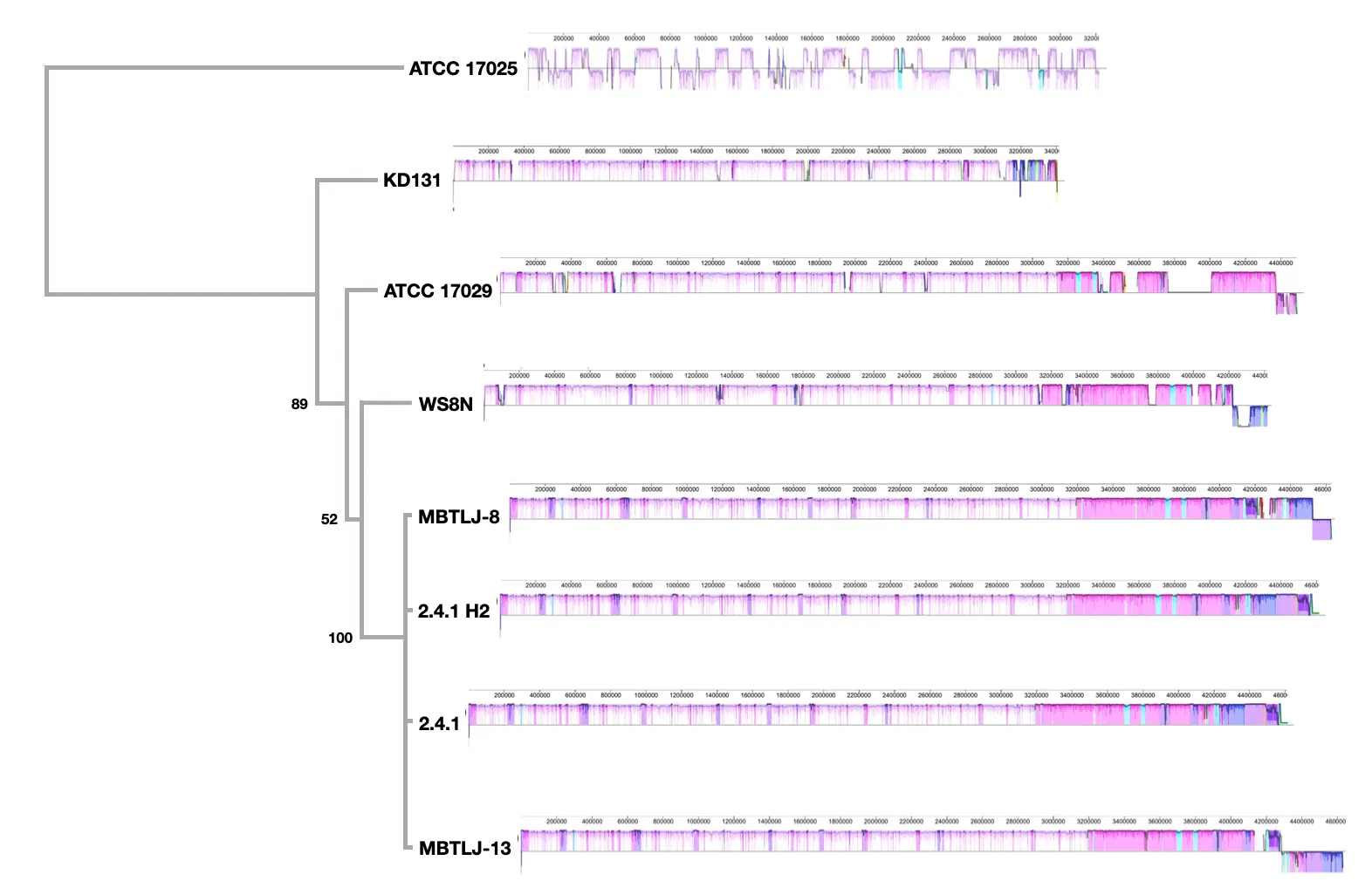
Photofermentative hydrogen production with non-sulfur purple bacteria like Cereibacter sphaeroides (formerly Rhodobacter sphaeroides) is a promising and sustainable process to convert organic waste into the energy carrier hydrogen gas. However, this conversion is inhibited by elevated organic nitrogen concentrations in the substrate, which limits its applicability to nitrogen-poor organic waste. We present genomic and transcriptomic insights into a substrain of Cereibacter sphaeroides strain 2.4.1 that shows unexpected high levels of photofermentative hydrogen evolution when fed with glutamate. Genome sequencing revealed 222 single nucleotide variances (SNVs) between the reference genome of C. sphaeroides strain 2.4.1 and the analyzed substrain H2. These affect 61 protein coding genes. A leucine-proline exchange is present in the σ54 factor (rpoN2 gene), a global hydrogen and nitrogen metabolism regulator. We propose a model how this mutation alters DNA-binding properties that explain the unexpected organic nitrogen tolerance of hydrogen production. Transcriptomic analyses under varying glutamate concentrations support this finding. Thus, we present the first thorough genomic and transcriptomic analysis of a Cereibacter strain that shows promising metabolic characteristics for biotechnological hydrogen gas production from organic waste. These results suggest a potential target for strain optimization. Possibly, our key finding can be transferred to other hydrogen producing microorganisms.
Open Access
Article
16 January 2024The Interplay between Experimental Data and Uncertainty Analysis in Quantifying CO2 Trapping during Geological Carbon Storage
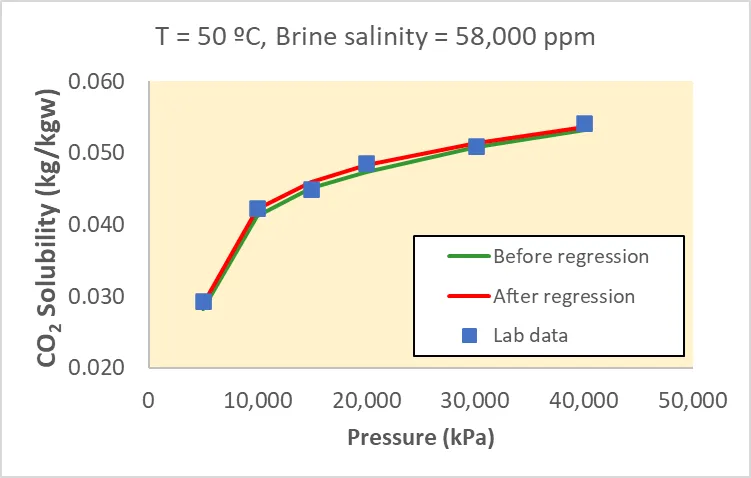
Numerical simulation is a widely used tool for studying CO2 storage in porous media. It enables the representation of trapping mechanisms and CO2 retention capacity. The complexity of the involved physicochemical phenomena necessitates multiphase flow, accurate fluid and rock property representation, and their interactions. These include CO2 solubility, diffusion, relative permeabilities, capillary pressure hysteresis, and mineralization, all crucial in CO2 trapping during carbon storage simulations. Experimental data is essential to ensure accurate quantification. However, due to the extensive data required, modeling under uncertainty is often needed to assess parameter impacts on CO2 trapping and its interaction with geological properties like porosity and permeability. This work proposes a framework combining laboratory data and stochastic parameter distribution to map uncertainty in CO2 retention over time. Published data representing solubility, residual trapping, and mineral trapping are used to calibrate prediction models. Geological property variations, like porosity and permeability, are coupled to quantify uncertainty. Results from a saline sandstone aquifer model demonstrate significant variation in CO2 trapping, ranging from 17% (P10 estimate) to 56% (P90), emphasizing the importance of considering uncertainty in CO2 storage projects. Quadratic response surfaces and Monte Carlo simulations accurately capture this uncertainty, resulting in calibrated models with an R-squared coefficient above 80%. In summary, this work provides a practical and comprehensive framework for studying CO2 retention in porous media, addressing uncertainty through stochastic parameter distributions, and highlighting its importance in CO2 storage projects.
Open Access
Article
11 January 2024Plant Proteins Availability in Europe and Asia: A Causality Analysis of Climate, Demographics, and Economic Factors
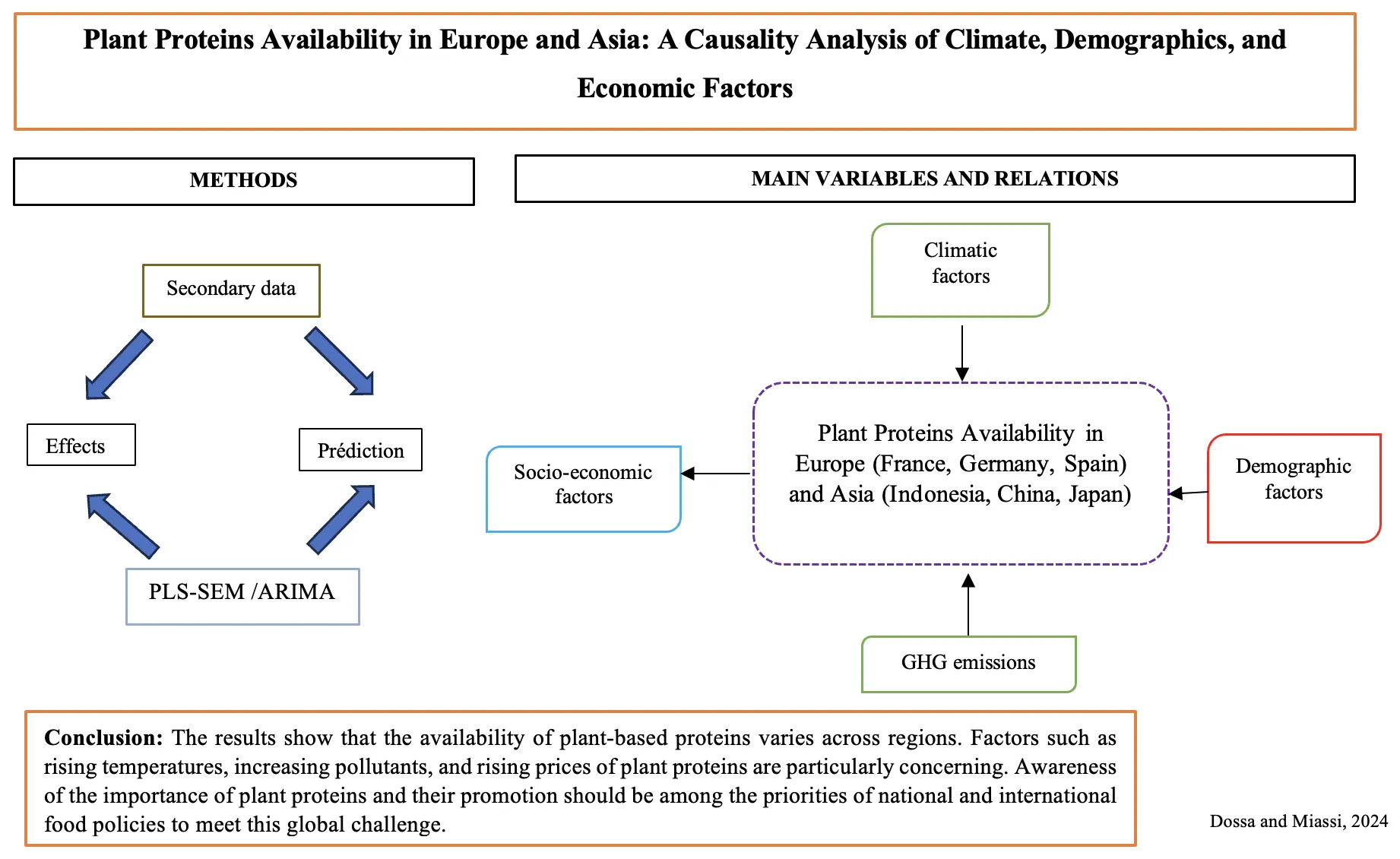
The article examines the availability of plant-based proteins in Europe and Asia, considering the challenges posed by climate, demographics, and economics. The availability of these proteins is crucial given the growing impact of climate, economic, and social variables. Indeed, these factors play a decisive role in the production and accessibility of plant-based proteins across countries. The study employed a causality analysis method using regression models to determine the relative impact of these factors on protein availability. Two indicators were prioritized: total national production and the daily accessible quantity per person. This approach made it possible to construct hypothetical trajectories, showcasing the interrelations between the different variables. The results show that the availability of plant-based proteins varies across regions. Factors such as rising temperatures, increasing pollutants, and rising prices of plant proteins are particularly concerning. In this context, legumes appear as a promising alternative. They offer resilience against climatic variations while being an excellent protein source. The findings also encourage rethinking our consumption. Meat, with its significant ecological footprint, should see its consumption decrease in favor of plant-based proteins, ensuring a more sustainable diet. To facilitate this transition, the importance of appropriate public policies and incentives for producing and consuming plant proteins is emphasized.
Open Access
Article
09 January 2024Climate Change Adaptation Strategies for Grape Cultivation in Yamanashi Prefecture of Japan
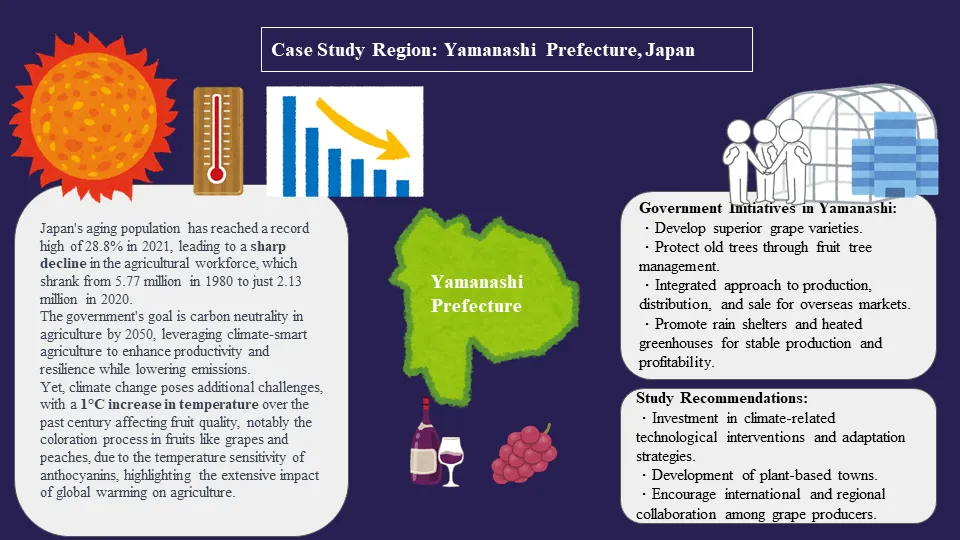
Climate change impacts agricultural production, especially fruits. Amongst fruits, the grape is economically valuable and highly affected by climate change. Therefore, climate adaptation strategies are essential in overcoming the detrimental effects of climate change on grape cultivation. The study summarises adaptation strategies for grape cultivation in general and focuses on climate change. The Yamanashi prefecture in Japan is taken for the case study. Our findings indicate a decline in grape production in Japan and Yamanashi prefecture. This is attributed to the effects of climate change. Following this, various support measures (adaptative, mitigation, others) provided by the Yamanashi government towards grape cultivation are summarised and analyzed. The study concludes by offering recommendations by drawing lessons from the literature review on adaptation strategies for grape cultivation, focusing on overcoming climate change impact in the context of Yamanashi prefecture.
Open Access
Perspective
05 January 2024The Future of Artificial Intelligence Will Be “Next to Normal”—A Perspective on Future Directions and the Psychology of AI Safety Concerns
This paper introduces the AI “next to normal”-thesis, suggesting that as Artificial Intelligence becomes more ingrained in our daily lives, it will transition from a sensationalized entity to a regular tool. However, this normalization has psychosocial implications, particularly when it comes to AI safety concerns. The “next to normal”-thesis proposes that AI will soon be perceived as a standard component of our technological interactions, with its sensationalized nature diminishing over time. As AI’s integration becomes more seamless, many users may not even recognize their interactions with AI systems. The paper delves into the psychology of AI safety concerns, discussing the “Mere Exposure Effect” and the “Black Box Effect”. While the former suggests that increased exposure to AI leads to a more positive perception, the latter highlights the unease stemming from not fully understanding its capabilities. These effects can be seen as two opposing forces shaping the public’s perception of the technology. The central claim of the thesis is that as AI progresses to become normal, human psychology will evolve alongside with it and safety concerns will diminish, which may have practical consequences. The paper concludes by discussing the implications of the “next to normal”-thesis and offers recommendations for the industry and policymakers, emphasizing the need for increased transparency, continuous education, robust regulation, and empirical research. The future of AI is envisioned as one that is seamlessly integrated into society, yet it is imperative to address the associated safety concerns proactively and not take the normalization effects take ahold of it.

Open Access
Article
05 January 2024Benzene Bridged Carbon Nitride for Efficient Photocatalytic Hydrogen Evolution
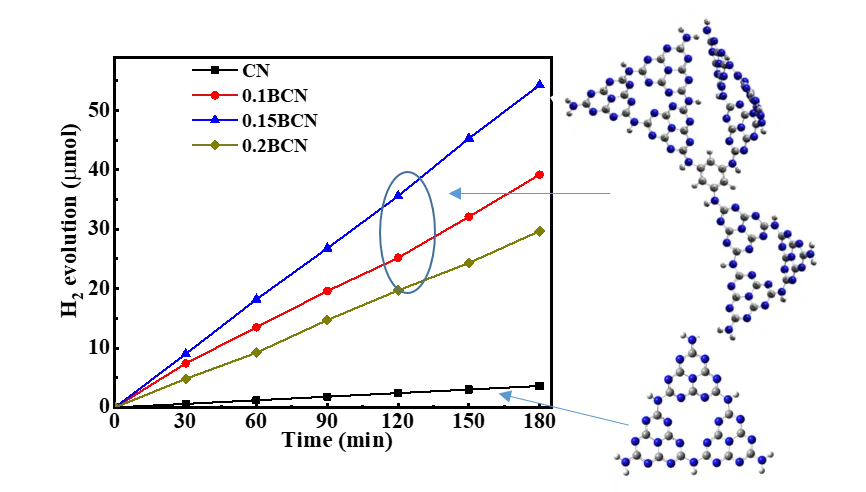
Turing the electronic structure by inserting certain functional groups in graphitic carbon nitride (g-C3N4, CN for short) skeleton through molecular doping is an effective way to improve its photocatalytic performance. Herein, we prepare a benzene bridged carbon nitride (BCN) by calcining urea and 1,3,5-tribromobenzene at elevated temperature. The introduction of benzene ring in g-C3N4 layers improves the separation efficiency and lifetime of photogenerated carriers, inhibits the recombination rate of electron/hole pairs, thus the performance of photocatalytic hydrogen evolution improves. The optimal hydrogen evolution rate of 1.5BCN reaches 1800 µmol/h·g, which is nine times that of the pure g-C3N4. DFT calculation proved the benzene bridged CN increased the distance of charge transfer (DCT) and the push-pull electronic effect of intramolecular electrons. This work may provide a pathway for preparing molecular doped g-C3N4 with improved photocatalytic performance.

Open Access
Editorial
30 November 2023
Open Access
Article
27 November 2023Enhancing the Monitoring Protocols of Intermittent Flow Rivers with UAV-Based Optical Methods to Estimate the River Flow and Evaluate Their Environmental Status
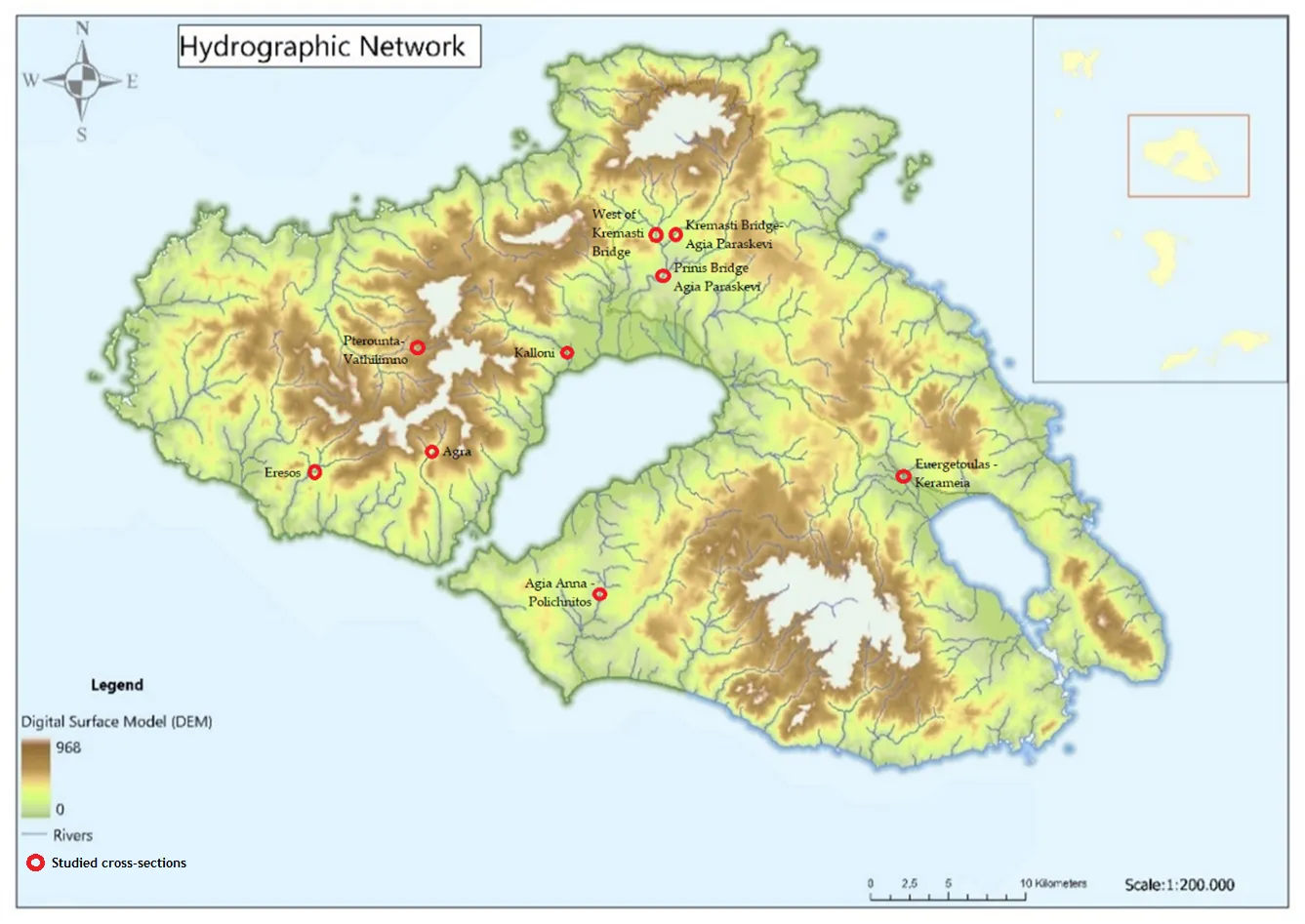
Temporary streams are a key component of the hydrological cycle in arid and semi-arid regions, but their flow is highly variable and difficult to measure. In this paper, we present a novel approach that could be used to assess the flow of temporary streams this allowing to characterize their environmental status. Specifically, we apply the Image Velocimetry (IV) method to estimate surface velocity in temporary streams using Unmanned Aerial Vehicles (UAVs) equipped with optical sensors (IV-UAV method). The IV-UAV method enables the easy, safe and quick estimation of the velocity on the water’s surface. This method was applied in different temporary streams in Lesvos Island, Greece. The results obtained indicate that the IV-UAV can be implemented at low discharges, temporary streams and small streams. Specifically, the water depth ranged from 0.02 m to 0.28 m, while the channel width ranged from 0.6 m to 4.0 m. The estimated surface velocity ranged from 0.0 to 5.5 m/s; thus, the maximum water discharge was 0.60 m3/s for the largest monitored stream of the island. However, there were many occasions that measurements were unable due to various reasons such as dense vegetation or archaeological sites. Despite of this, the proposed methodology could be incorporated in optical protocols which are used to assess the environmental status of temporary streams of Mediterranean conditions. Finally, this would become a valuable tool for understanding the dynamics of these ecosystems and monitoring changes over time.