Found 301 results
Open Access
Article
15 April 2024Impacts on the Legal Framework for Protecting Environmental and Human Rights in Brazil due to Ideological Antagonism: The Interrelated Cases of the Yanomami and the Amazon Fund
The occupation of the Amazon is driven by capitalist production, impacting climate change discussions. Despite constitutional protections since 1934, the influx of non-Indigenous settlers, particularly miners, led to significant conflicts. The Yanomami sought international recourse through the Inter-American Commission on Human Rights (IACHR). In the context of redemocratization, the 1988 Constitution marked a shift, reinforcing Indigenous rights and environmental protection. Brazil’s role in protecting the rainforest intersects with global climate efforts, including the REDD+ mechanism. The creation of the Amazon Fund in 2008, aligned with REDD+ initiatives, involved international cooperation and local governance, leading to a substantial decline in Amazon deforestation between 2004 and 2012. However, exploitative practices endorsed by the State pose threats to environmental and human rights, notably affecting indigenous communities. Amid Brazil’s democracy crisis, deforestation surged in the Amazon from 2013–2022 and the Yanomami face conflicts fueled by State support for non-Indigenous groups. The Yanomami sought international recourse through the IACHR and the Inter-American Court of Human Rights. These issues are intensified by an ideological bias, linked to authoritarian populism rooted in the legacy of the Dictatorship. Recent initiatives aim to enhance environmental and human rights protection. However, political instability poses challenges for the future.

Open Access
Review
08 April 2024Tolerance in Solventogenic Clostridia for Enhanced Butanol Production: Genetic Mechanisms and Recent Strain Engineering Advances
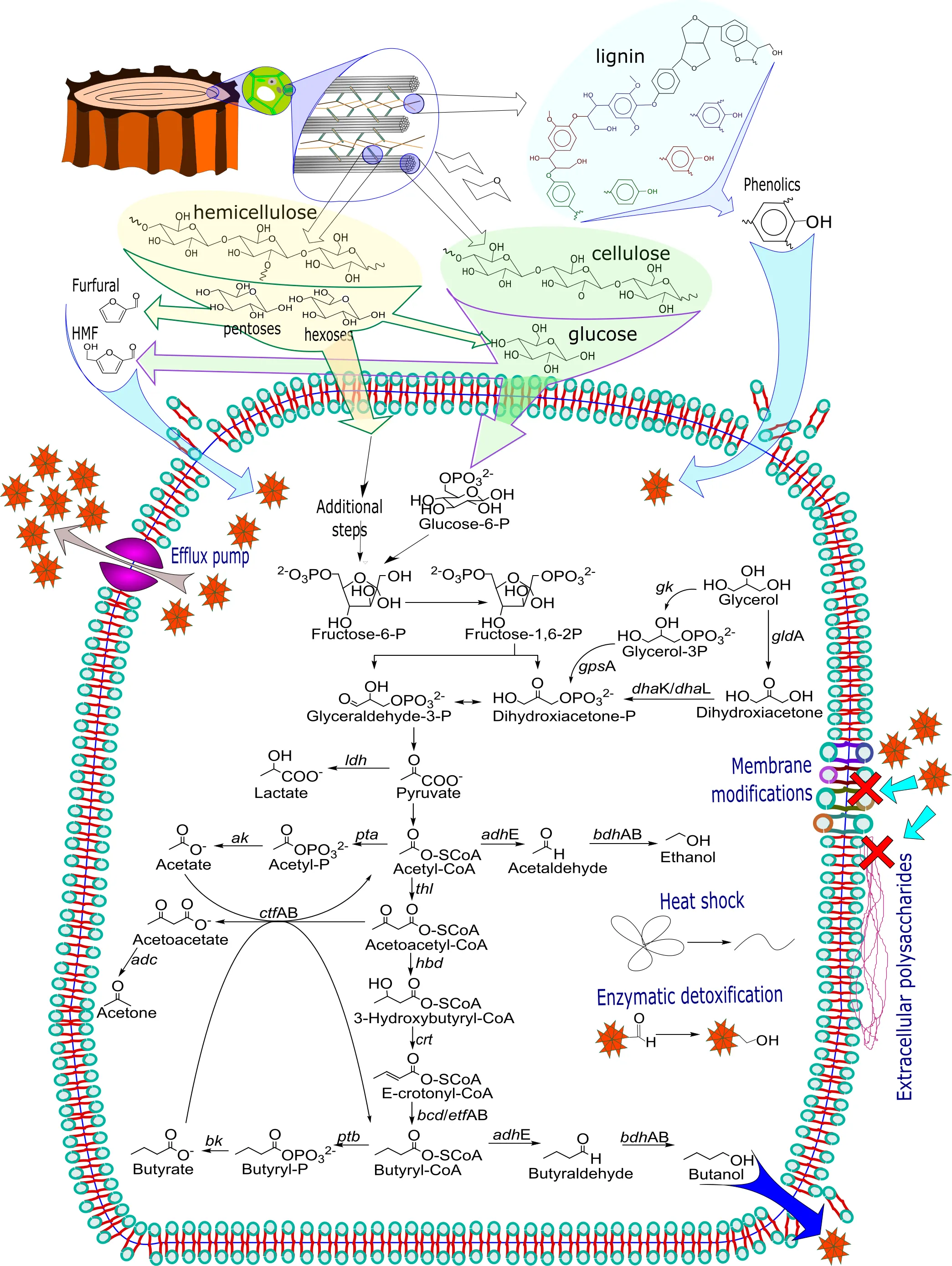
Biobutanol is a promising candidate for replacing fossil fuels due to its superior properties compared to ethanol. Solventogenic clostridia can naturally produce biobutanol among other valuable chemicals. Lignocellulosic material stands out as a promising source for biobutanol production, avoiding competition with food production and making use of residues from both agroindustry and forestry activities. However, Clostridium strains are subject to different chemical stressors, including oxygen, self-product inhibition, inhibitors generated during biomass pretreatment and hydrolysis, and others. Recent advances in genetic engineering tools have enabled the metabolic engineering of Clostridium strains to increase their robustness and tolerance to these stressors. This review provides a summary of the various types of inhibitors, the genetic mechanisms related to tolerance, and recent strain engineering efforts for tolerance enhancement. In addition, we offer a valuable perspective on the future research directions in this area.
Open Access
Review
02 April 2024Mapping the (in)Effective Enforcement of EU Environmental Law in Greece: Lessons from the EU and Domestic Courts
The effective implementation and enforcement of EU environmental law at national level constitutes a thorny issue with both legal and practical aspects. Greece is among the EU Member States which has historically faced difficulties in complying with the EU environmental acquis due to the poor functioning of the Greek administration, the limited manpower, expertise and resources (especially during the recent period of the economic crisis) for the competent authorities, the lack of political will, the low awareness of environmental problems. In this context, this paper aspires to unpack these enforcement challenges at the national level based on the case law of both the Greek Council of State and the Court of Justice of the European Union. Considering that waste management, nature protection, and water and air quality sectors are recognized as areas with the most significant deficiencies in implementation at the domestic level, the analysis will focus on these four key sectors. To this end, by reviewing the relevant EU and Greek jurisprudence, this paper aspires to identify the disparities between the formal requirements and the practical application of EU environmental regulations in Greece in light of the national political, economic, social, and cultural dynamics.
Open Access
Review
01 April 2024Desperately Seeking Sustainable Human Well-Being: A Review of Indicators, Concepts, and Methods
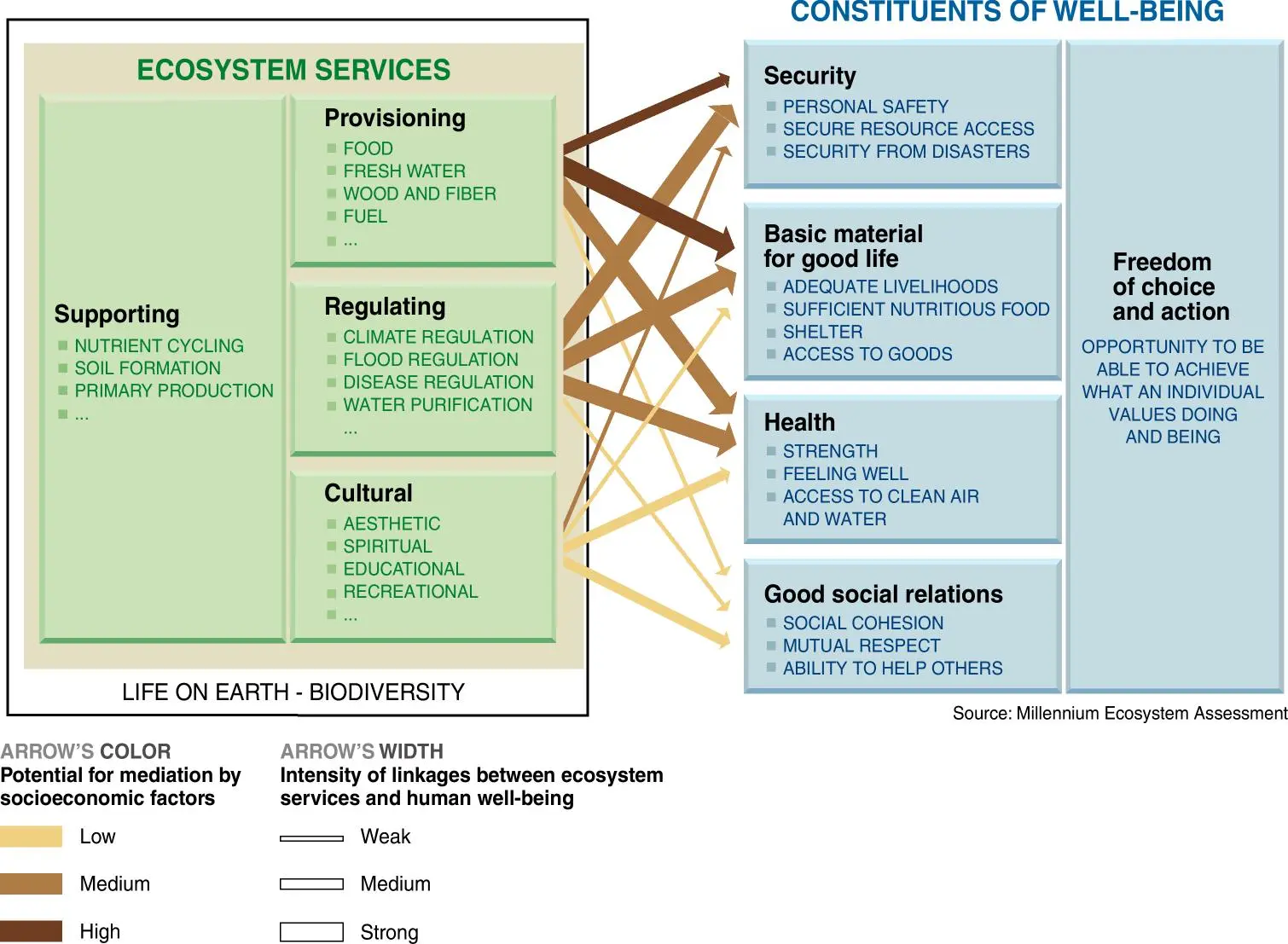
Evaluating progress in human development and well-being is imperative for policymakers to assess the impact of their policies. Traditional measurement methods focus mostly on economic growth and socio-economic objectives, often neglecting vital components of the natural environment, particularly the ecological determinants essential for the sustainability of human well-being. The tension between sustainability and development becomes apparent as the recognition of the dependence of human well-being on the natural environment and ecosystem services is crucial for safeguarding the environment for present and future generations. This highlights the necessity for indicators that capture the intricate relationship between human well-being and environmental changes while addressing the challenges posed by the tension between sustainable practices and traditional development models. This paper presents a literature review examining the domains, dimensions, and indicators related to the sustainability of human well-being regarding economic, social, and natural environments. Emphasizing the multidimensional nature, this paper highlights the drawbacks of relying solely on socioeconomic indicators for assessment. The review explores diverse concepts and methodologies proposed to evaluate the components and multidimensional factors influencing the sustainability of human well-being. Ultimately it offers a holistic understanding serving as a foundation for further research and policy development.
Open Access
Article
01 April 2024Identity, Secondary Vocational Education Options and Return on Investment: Evidence from Children of Rural Chinese Families
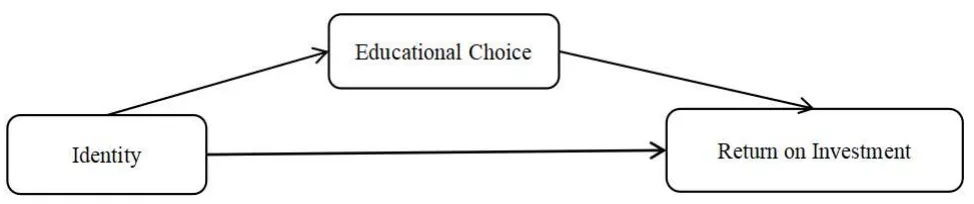
With the continuous improvement of living standards, the importance of educational choice becomes more and more prominent. Based on the data of China General Social Survey (CGSS), a simultaneous equation model of identity, secondary vocational education choice and investment return is constructed. On the basis of fully considering endogeneity and sample selection bias, this paper analyzes the influence of identity on secondary vocational education choice and investment return by means of instrumental variables and propensity score matching (PSM). It is found that class differentiation is the main factor affecting class identity. The more blurred class differentiation, the higher class identity. Class identity has a significant positive impact on identity. The higher class identity, the easier it is to form identity. Identity has a direct positive impact on personal investment return. The stronger the identity, the higher the investment return. At the same time, identity has a significant positive impact on the choice of secondary vocational education. The stronger the identity, the more inclined to choose secondary vocational education. Compared with individuals with junior high school education, individuals with secondary vocational education have a higher return on education investment. Therefore, identity can not only directly improve an individual’s return on investment, but also improve the possibility of an individual’s choice of secondary vocational education, thereby improving an individual’s return on education investment, and ultimately increasing an individual’s return on investment.
Open Access
Article
31 March 2024
The Asthma Risk Gene, GSDMB, Promotes Mitochondrial DNA-induced ISGs Expression
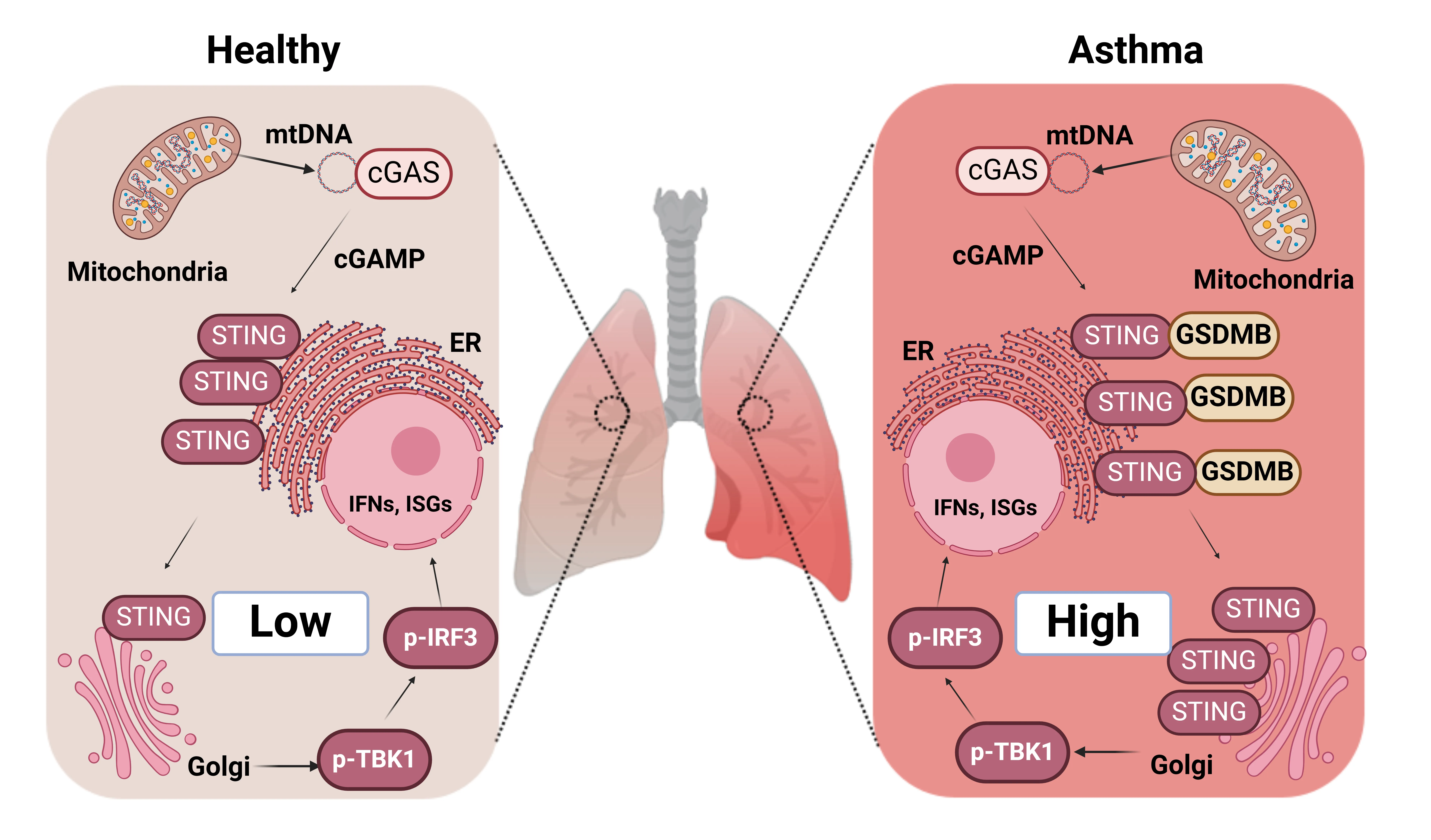
Released mitochondrial DNA (mtDNA) in cells activates cGAS-STING pathway, which induces expression of interferon-stimulated genes (ISGs) and thereby promotes inflammation, as frequently seen in asthmatic airways. However, whether the genetic determinant, Gasdermin B (GSDMB), the most replicated asthma risk gene, regulates this pathway remains unknown. We set out to determine whether and how GSDMB regulates mtDNA-activated cGAS-STING pathway and subsequent ISGs induction in human airway epithelial cells. Using qPCR, ELISA, native polyacrylamide gel electrophoresis, co-immunoprecipitation and immunofluorescence assays, we evaluated the regulation of GSDMB on cGAS-STING pathway in both BEAS-2B cells and primary normal human bronchial epithelial cells (nHBEs). mtDNA was extracted in plasma samples from human asthmatics and the correlation between mtDNA levels and eosinophil counts was analyzed. GSDMB is significantly associated with RANTES expression in asthmatic nasal epithelial brushing samples from the Genes-environments and Admixture in Latino Americans (GALA) II study. Over-expression of GSDMB promotes DNA-induced IFN and ISGs expression in bronchial epithelial BEAS-2B cells and nHBEs. Conversely, knockout of GSDMB led to weakened induction of interferon (IFNs) and ISGs in BEAS-2B cells. Mechanistically, GSDMB interacts with the C-terminus of STING, promoting the translocalization of STING to Golgi, leading to the phosphorylation of IRF3 and induction of IFNs and ISGs. mtDNA copy number in serum from asthmatics was significantly correlated with blood eosinophil counts especially in male subjects. GSDMB promotes the activation of mtDNA and poly (dA:dT)-induced activation of cGAS-STING pathway in airway epithelial cells, leading to enhanced induction of ISGs.
Open Access
Review
28 March 2024Digital Twins Enabling Intelligent Manufacturing: From Methodology to Application
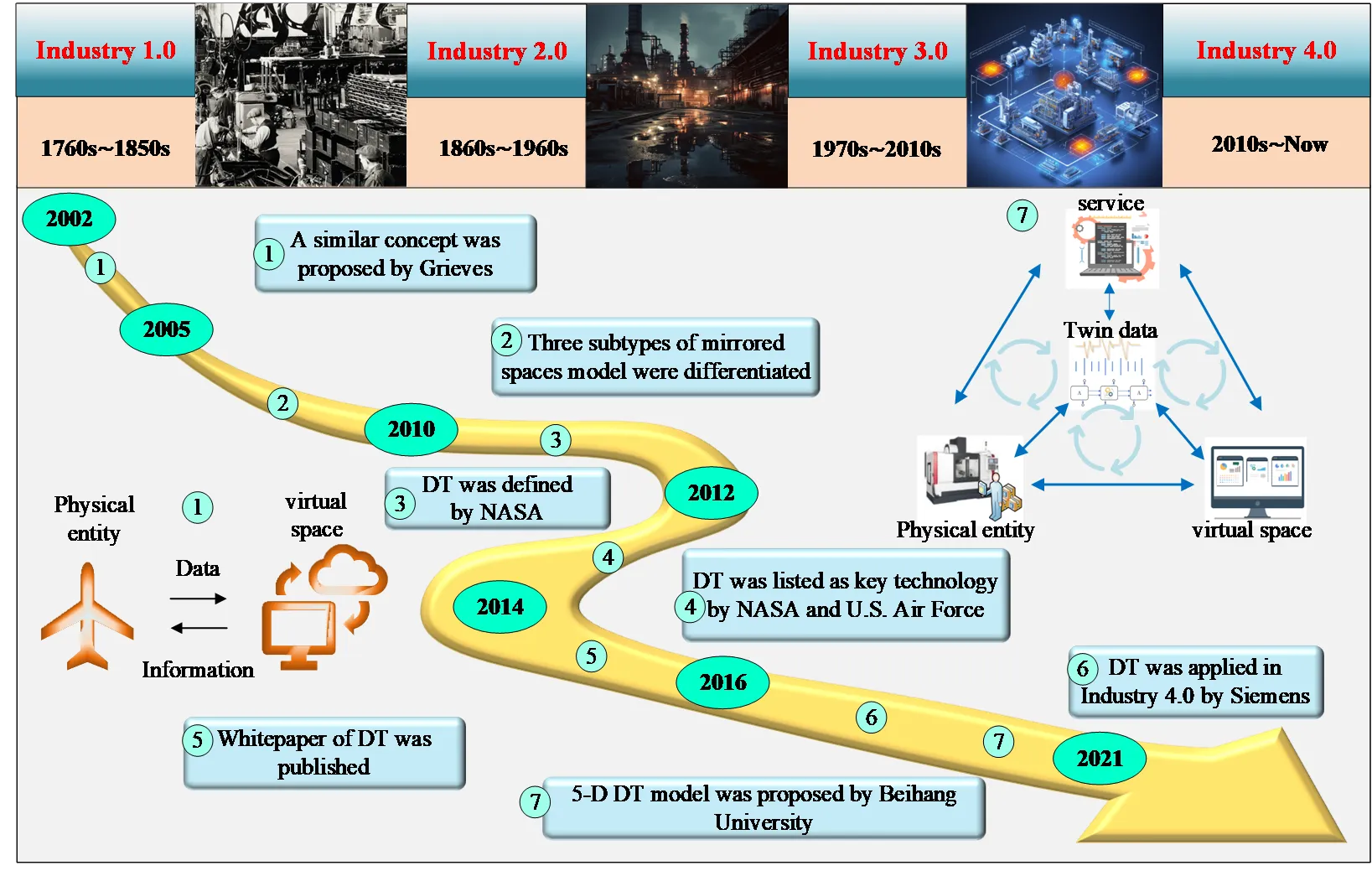
Digital twin technology develops virtual models of objects digitally, simulating their real-world behavior based on data. It aims to reduce product development cycles and costs through feedback between the virtual and real worlds, data fusion analysis, and iterative decision-making optimization. Traditional manufacturing processes often face challenges such as poor real-time monitoring and interaction during machining, difficulties in diagnosing equipment failures, and significant errors in machining. Digital twin technology offers a powerful solution to these issues. Initially, a comprehensive review of the research literature was conducted to assess the current research scope and trends. This was followed by an explanation of the basic concepts of digital twins and the technical pathway for integrating digital twins into intelligent manufacturing including outlining the essential technologies for creating a system of interaction between the virtual and real worlds, enabling multimodel fusion, data sensing, algorithm-based prediction, and intelligent decision-making. Moreover, the application of digital twins in intelligent manufacturing throughout the product life cycle was detailed, covering product design, manufacturing, and service stages. Specifically, in the manufacturing phase, a model based on heat conduction theory and visualization was used to construct a time-varying error model for the motion axis, leading to experiments predicting the time-varying error in the hole spacing of a workpiece. These experiments achieved a minimum prediction error of only 0.2 μm compared to the actual error. By compensating for time-varying errors in real time, the variability in the hole spacing error decreased by 69.19%. This paper concludes by summarizing the current state of digital twins in intelligent manufacturing and projecting future trends in key technologies, application areas, and data use, providing a basis for further research.
Open Access
Article
25 March 2024Discussion on the Marine Protected Area on the High Seas: From the Perspective of Obligations Erga Omnes Partes
The BBNJ Agreement promotes the conservation and sustainable use of high seas marine biodiversity through the establishment of high seas protected areas. The high seas biodiversity protected by the Agreement has the nature of “obligations erga omnes partes” on an ex officio basis, but in judicial practice it is subject to a finding by the International Court of Justice that the adoption of treaty-based institutional arrangements is in the “collective interest” and that it is in the “collective interest” to adopt such arrangements. The BBNJ Agreement is currently not a “collective interest” agreement in terms of the management of the BBNJ Agreement. At present, the hybrid management model adopted in the BBNJ Agreement does not reflect the collective interest in substance, and cannot resolve the conflict between the establishment of protected areas on the high seas and other area-based management tools, so it is necessary to further harmonize the relationship between the Conference of Parties to the BBNJ and the IFB, and to strengthen the mandate of the COP.
Open Access
Article
22 March 2024Community Sport, Australian Sport Policy and Advocacy: A Qualitative Study of Stakeholder Perspectives
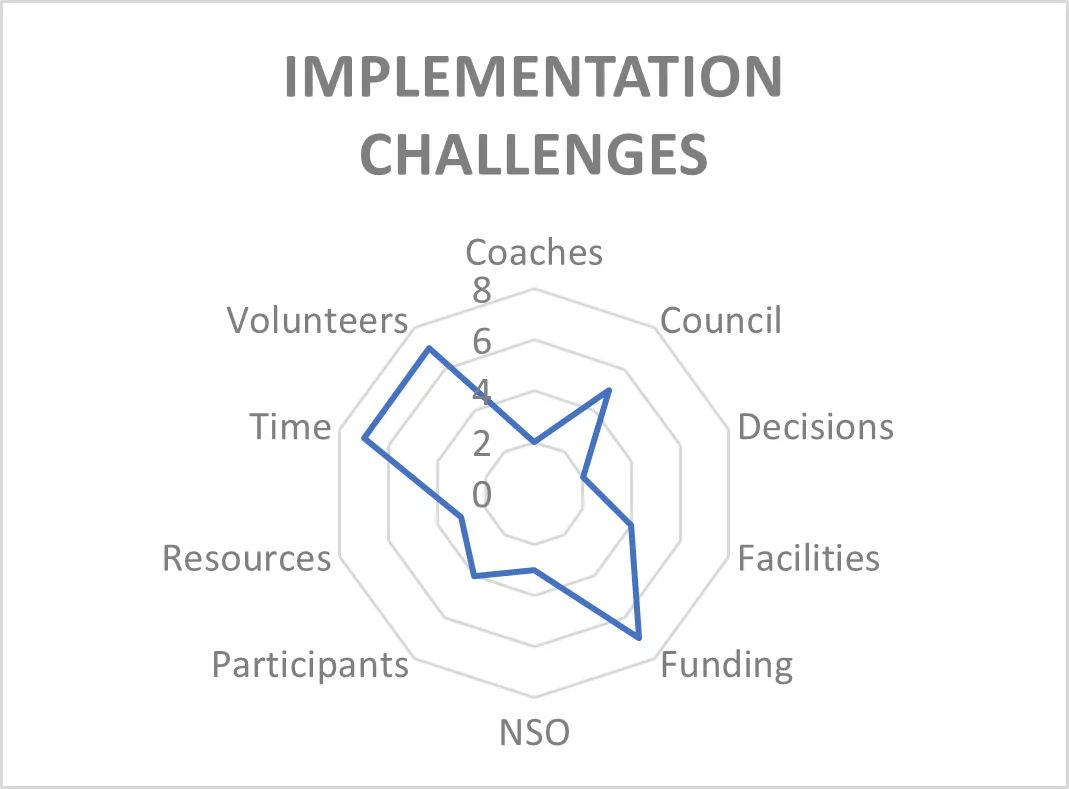
This article explored aspects of the community sport policy process in rural New South Wales, Australia, focusing on the views of community sport club (CSC) officials relating to policy matters. Community sport represents a complicated policy arena, and rural communities face a level of disparity compared with better-resourced urban CSCs, particularly concerning policy implementation and advocacy issues. Officials at CSCs from ten different sports (n = 10) in a rural setting participated in semi-structured interviews to pinpoint themes common in the community sport policy process. Further, the research identified aspects of the connections that impact CSCs, including those with government and National Sporting Organisations (NSOs). To highlight the beliefs and attitudes of the CSC officials, the interviews had two key thematic foci—implementation and advocacy—and the findings highlighted sub-themes relating to the fundamental interests of CSCs. Overall, the research accentuated the hierarchical nature—a power imbalance—of sport policy processes, the potential for CSCs to have a bottom-up role in policy creation, and the consideration of a policy analysis and evaluation structure such as the Advocacy Coalition Framework. Finally, the outcome points to enthusiasm for strengthening community sport by giving CSCs a voice through localized advocacy.
Open Access
Article
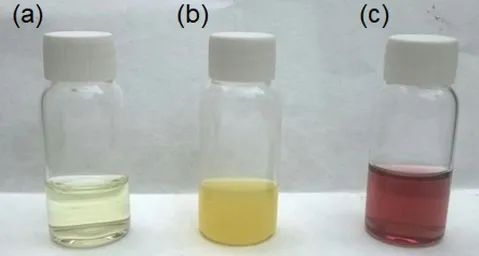
08 March 2024Green Synthesis of Gold Nanoparticles for Catalytic Reduction of 4-Nitrophenol and Methylene Blue for Sustainable Development
Unique structural features and wide applications of gold nanoparticles (GNPs) are inspiring researchers to develop biocompatible, reliable and cost-effective methods for their synthesis. Herein, a clean, eco-friendly and non-toxic method to obtain GNPs was developed by reducing and capping the liquid extract of stem of Lilium longiflorum and highlights the catalytic reduction of 4-nitrophenol (4-NP) and methylene blue (MB). The formation of GNPs was confirmed through the absorption peak at 535 nm in the UV-Vis spectra. TEM and HRTEM analyses reveal GNPs spherical morphology with an average size of 4.97 nm. SEM and EDX analyses further elucidate the spherical nature of GNPs and elemental composition. FTIR spectroscopy analysis demonstrates that the GNPs were coated with organic compounds, which prevent the nanoparticle from aggregation. GNPs exhibit remarkable efficiency in reducing 4-NP and MB. The catalytic efficacy of the synthesized GNPs was demonstrated through the enhanced reduction rates of 4-NP and MB, with rate constants of 1.50 min−1 and 1.29 min−1, respectively. This study develops a novel and eco-friendly technique for the synthesis of gold nanoparticles and opens possibilities for the green synthesis of other metal nanoparticles. The confirmed catalytic activity holds promise for a range of industrial applications and environmental sustainability.