
Research Trends and Emerging Applications of Cardiovascular Treatment-Related Medical Devices: A Bibliometric and Narrative Review">Research Trends and Emerging Applications of Cardiovascular Treatment-Related Medical Devices: A Bibliometric and Narrative Review

Research Trends and Emerging Applications of Cardiovascular Treatment-Related Medical Devices: A Bibliometric and Narrative Review
Ruiyu Zhou 1 Lan Dong 1,2 Yusuf Suleiman Dambatta 1,2 Jingang Sun 1,3 Teng Gao 1,3 Cong Sun 4 Peng Yao 5 Runze Li 6 Min Yang 1,3,*
Received: 10 June 2026 Revised: 17 August 2026 Accepted: 13 October 2026 Published: 22 October 2026

© 2026 The authors. This is an open access article under the Creative Commons Attribution 4.0 International License (https://creativecommons.org/licenses/by/4.0/).
1. Introduction
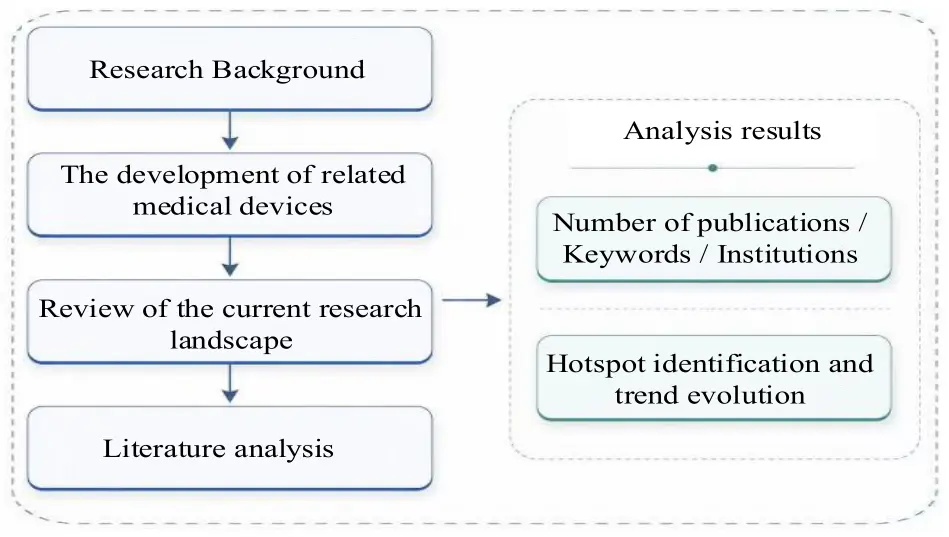
Cardiovascular treatment-related medical devices are situated at the intersection of modern medical engineering [1], clinical intervention [2], and intelligent health management [3]. Their research scope encompasses interventional therapeutic devices [4], implantable devices [5], cardiac rhythm management systems, including pacemakers and implantable cardioverter-defibrillators [6], hemodynamic support devices [7], and data-driven technological frameworks developed for preoperative assessment [8], intraoperative navigation [9], and postoperative monitoring [10]. With advances in materials science [11], minimally invasive therapy [12], sensing technologies [13], and artificial intelligence methods [14], the functional role of medical devices in cardiovascular disease treatment has gradually expanded from replacement or support tools to integrated technological platforms capable of diagnostic-therapeutic coordination [15], dynamic monitoring [16], risk prediction [17], and therapeutic efficacy assessment [18]. Therefore, research on cardiovascular treatment-related medical devices is no longer limited to conventional device design and clinical application, but instead exhibits a clear trend toward multidisciplinary integration [19], making it an active field in biomedical engineering and clinical translational research [20]. The overall research framework of this review is summarized in Figure 1.
From the perspective of field evolution, the development of cardiovascular treatment-related medical devices has not followed a linear trajectory [21]; rather, it has advanced progressively under the combined influence of key technological breakthroughs [22], the expansion of clinical indications [23], and regulatory approvals [24,25]. As shown in Figure 2, this field has experienced several representative milestone events in recent years [26], including the expansion of indications for transcatheter aortic valve replacement [23,26], clinical evaluation of next-generation left atrial appendage occlusion devices [27], introduction of dual-chamber leadless pacemakers [6,28], the re-emergence of renal denervation systems in mainstream clinical practice [29], rapid development of pulsed field ablation technologies [30], and clinical evaluation of transcatheter tricuspid valve treatment devices [31].
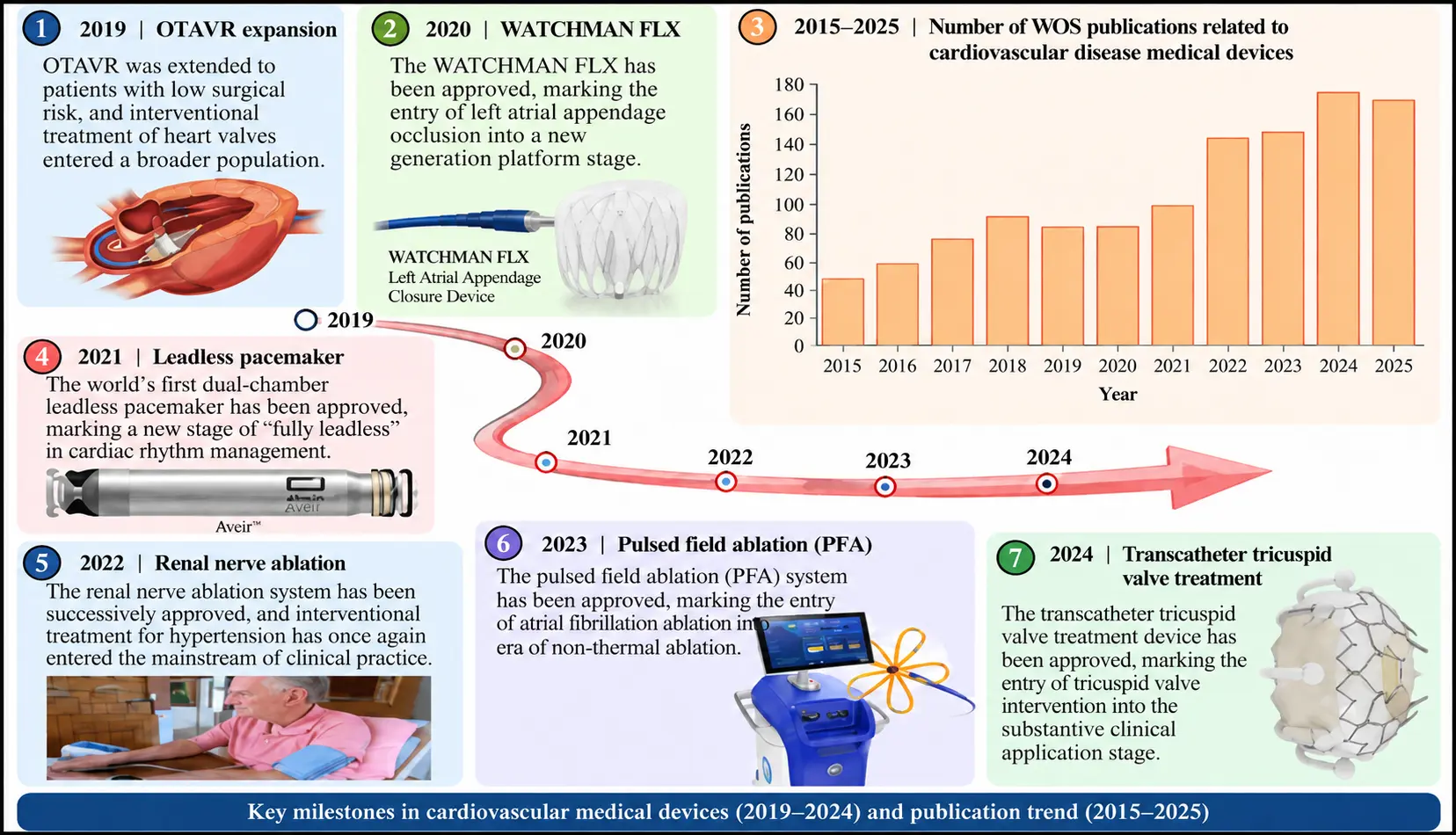
These milestones suggest that cardiovascular treatment-related medical devices are shifting from conventional supportive device systems toward minimally invasive intervention [40], precision therapy [41,42], intelligent functions [43], and platform-based integration [44]. These technological developments provide context for the field's evolving research priorities [45].
Against this background, research on cardiovascular treatment-related medical devices has continued to extend toward more specialized technological branches, gradually forming a relatively complex research spectrum [46]. On the one hand, therapeutic devices represented by stents [47], catheters [48,49], prosthetic heart valves [23], pacemakers [6,7], and left ventricular assist devices [50] have continuously promoted structural optimization [51,52], material upgrading [53], and functional integration [54]. On the other hand, data-analysis technologies associated with remote monitoring [55], post-implantation management [56], individualized parameter adjustment, and intelligent decision support have also become important components of this field [57]. This indicates that this research direction is not a mere aggregation of isolated topics, but has gradually developed into a continuous knowledge chain linking device-oriented research and data processing [58], as well as clinical demand-driven innovation and technology iteration feedback [59]. If this field is summarized only through a conventional narrative review, it is often difficult to reveal the evolutionary relationships among different branches, the underlying knowledge base, and the pathways of hotspot migration, and it is also challenging to further identify the core themes and representative nodes within the current research landscape.
Bibliometric analysis provides a structured approach to systematically addressing the above issues [60,61]. Unlike conventional reviews, which mainly rely on author-led synthesis, bibliometric analysis takes database-indexed publications as the research object and quantitatively reveals the knowledge structure [62], research hotspots [63], and evolutionary trends of a field through indicators such as publication output [64], keyword co-occurrence [65,66], institutional collaboration [67], author networks [68], and co-citation relationships [69]. For cardiovascular treatment-related medical devices, a field characterized by a high degree of interdisciplinarity, multiple technological routes, and continuously expanding research topics, bibliometric analysis can enable hierarchical screening from the overall research landscape to specific technological branches and support hotspot identification and thematic tracing based on temporal evolution and knowledge associations [70]. More specifically, through systematic analysis of high-frequency keywords, annual publication changes, core research institutions, and representative publications, the developmental trajectory of this field can be constructed from three perspectives: what the research topics are, how hotspots emerge, and where the key driving forces originate. On this basis, milestone maps with stage-specific features can be established [71], enabling the formation logic and evolutionary process of the research field to be presented with clear historical continuity rather than as a simple accumulation of fragmented publications [72]. Nevertheless, bibliometric mapping alone is insufficient for a medical-device review if the resulting clusters are not translated into device configurations, engineering constraints, clinical indications, and practical limitations. A clinically and mechanically meaningful review therefore requires an explicit bridge between quantitative knowledge mapping and device-level interpretation.
Although research on cardiovascular treatment-related medical devices has gained increasing attention in recent years and the number of related reviews has also grown [73], existing studies remain largely focused on device-oriented classifications [74], summaries of specific technological advances, or reviews within particular disease scenarios [75]. Most of these reviews concentrate on individual subfields [76], such as stent design [77], valvular intervention [78], implantable electronic devices [79], and remote monitoring systems, whereas systematic screening and structural reconstruction of the entire research field from a bibliometric perspective remain limited [80]. In particular, at the methodological level, existing reviews generally pay greater attention to device function [81], clinical efficacy [82], and material performance [83], while giving less attention to the characteristics of literature data sources [84], the distribution of research forces [85], the evolutionary patterns of keywords [86], and the mechanisms underlying hotspot formation in this field [87,88]. As a result, although readers may understand what research topics exist, it remains difficult to further identify which themes constitute the main research framework, which nodes have transitional significance, and which institutions and research groups are driving field evolution. Therefore, on the basis of existing qualitative reviews, it is necessary to introduce bibliometric methods to re-examine research on cardiovascular treatment-related medical devices from macro to micro levels [89], from the overall field to specific branches [90], and from current status to evolutionary patterns [91], thereby enhancing the systematicity, visualization, and evidence support of review studies [92]. The need for a field-level synthesis is particularly apparent when therapeutic devices, treatment-support systems, and monitoring technologies are discussed together, because their roles, evidence bases, and engineering requirements differ substantially.
The broad scope adopted here is deliberate. Rather than evaluating the efficacy of one device class, the objective is to identify cross-device trends, shared engineering challenges, convergent methodological pathways, and emerging therapeutic directions across the cardiovascular-device landscape. This field-level perspective makes it possible to compare structural interventions, rhythm-management systems, ablation technologies, circulatory-support devices, and data-enabled platforms within a common analytical framework. Device-specific technical depth is then provided through a structured application and engineering synthesis, rather than by treating all device classes as interchangeable.
Based on the above considerations, this study focuses on research related to cardiovascular treatment-related medical devices and conducts a bibliometric analysis from three core dimensions: publication output evolution [93], keyword tracing, and institutional distribution [94]. By further integrating co-occurrence networks, clustering structures [95], and knowledge association relationships [96], this study systematically summarizes the research hotspots, major directions [97], and stage-specific characteristics of the field [98]. The overall research framework is shown in Figure 1 [99,100]. Specifically, this study first reviews the research background and current status of cardiovascular treatment-related medical devices, thereby providing a preliminary overview of the existing research trajectory. Subsequently, bibliometric methods are introduced to conduct structured analyses at the levels of publication output, keywords, and research institutions. Finally, based on this, research hotspots and their evolutionary trends are further identified, leading to a systematic understanding of the knowledge structure and developmental pathway of this field. Unlike conventional reviews that primarily follow device categories as the main narrative line, the contribution of this study lies in three aspects. First, from the perspective of the overall field [101], bibliometric methods are used to enable hierarchical screening from broad subject-level research to specific technological branches [102], thereby reducing the subjectivity associated with experience-based topic selection. Second, keyword evolution, publication trends, and institutional networks serve as the main analytical entry points for constructing the logical chain of hotspot generation and diffusion [103], thereby revealing the basis for the formation and evolutionary trajectory of different research topics [104]. Third, representative stages and key nodes are further extracted from the quantitative analysis results [105], and the developmental history of the field is visualized in combination with the milestone map shown in Figure 2 [106], thereby presenting the historical trajectory of cardiovascular treatment-related medical device research from early exploration to current hotspot convergence. Through these analyses, this study aims to provide a clearer framework for future topic refinement [107], research direction identification, and further integration of the knowledge structure in this field [108].
Accordingly, this study combines two complementary components. First, the bibliometric component is designed to characterize publication trends, research forces, journals, collaboration patterns, keyword structures, thematic evolution, co-citation relationships, and research bursts for cardiovascular treatment-related medical devices from 2015 to 2025. Second, representative application areas are examined using recent literature, with their selection explicitly linked to the bibliometric evidence and an emphasis on device generation, operating principle, materials, manufacturing, mechanical loading, failure modes, bench testing, clinical constraints, and long-term management. This combined strategy is intended to reduce subjective topic selection and to provide a clearer connection between the quantitative evolution of the literature and the engineering and clinical development of cardiovascular medical devices.
2. Data Sources and Research Methods
To provide a clear methodological basis for subsequent research hotspot identification, institutional distribution analysis, and evolutionary trend assessment, this study first provides a systematic description of the literature data acquisition process and data processing workflow before presenting analytical results. Specifically, this section is organized around five aspects: literature data sources and database selection, search strategy and screening criteria, data cleaning and standardization, bibliometric analysis tools and parameter settings, and major analytical indicators and visualization methods. These components not only constitute the technical foundation of the bibliometric analysis conducted in this study, but also determine the boundary conditions, reliability, and interpretability of the subsequent results. Therefore, only when the research object, data sources, and analytical procedures are clearly defined can the publication output analysis, keyword tracing, and identification of institutional collaboration presented in Sections 3 and 4 be reproduced and compared. The bibliometric corpus covers 2015–2025. The 2023–2026 application-oriented narrative literature is a separate evidence set and must not be included in the bibliometric publication counts or network metrics.
2.1. Literature Data Sources and Database Selection
This study focuses on research related to cardiovascular treatment-related medical devices, aiming to systematically examine the knowledge structure, research hotspots, and evolutionary trends of this field from a bibliometric perspective. The treatment-related medical devices referred to in this study mainly include various devices and technological carriers directly involved in cardiovascular disease intervention and treatment, such as interventional therapeutic devices, implantable devices, rhythm management systems, structural heart disease treatment devices, and auxiliary devices or systems developed for therapeutic decision-making, postoperative management, and long-term follow-up. By contrast, publications primarily concerned with disease screening, basic detection, or general health monitoring, but weakly associated with specific therapeutic pathways, were not considered the main analytical objects of this study. This definition of the research object helps ensure sufficient literature coverage while improving the clarity of the research boundary, thereby avoiding overly dispersed retrieval results that may compromise the accuracy and specificity of subsequent bibliometric analysis.
The study focuses on technologies that are directly involved in cardiovascular treatment or that provide clinically actionable support for a device-based therapeutic pathway. To prevent the dataset from mixing fundamentally different technological roles, the revised scope is organized into three levels. Level I comprises therapeutic devices that directly deliver structural, electrical, mechanical, or energy-based treatment, including vascular stents, transcatheter heart valves, occluders, conventional and leadless pacemakers, implantable cardioverter-defibrillators, ventricular assist devices, ablation catheters, and renal denervation systems. Level II comprises treatment-support systems that materially influence patient selection, procedural execution, device programming, post-implantation management, or therapeutic decision-making, such as image-guidance platforms, implantable sensing modules, device interrogation systems, and decision-support tools. Level III comprises monitoring-only technologies. These are to be excluded from the core treatment-related dataset unless the study explicitly connected monitoring outputs to a therapeutic device, treatment adjustment, post-procedural management, or risk-guided intervention.
This taxonomy is specified to address two sources of bias in a broad cardiovascular-device search. First, overly narrow device terms can miss clinically important categories such as implantable cardioverter-defibrillators, cardiac implantable electronic devices, and wearable cardioverter-defibrillators. Second, overly broad digital-health or monitoring terms can introduce studies that are technologically relevant to cardiovascular medicine but do not contribute to device-based treatment. The hierarchical definition therefore prioritizes therapeutic relevance while retaining technologies that have a demonstrable role in the therapeutic pathway.
After defining the research object, the next key issue in bibliometric research is data source selection [109,110]. Unlike traditional narrative reviews, bibliometric studies take database-indexed publications as statistical objects and use visualization tools and quantitative analytical methods to structurally reveal publication characteristics, collaboration networks, knowledge bases, and thematic evolution within a given research field. Therefore, the selection of literature data sources directly affects the completeness, comparability [111], and reliability of the research results [112]. For a review focusing on publication output, keyword co-occurrence, institutional collaboration, and co-citation relationships [113], the database should not only provide broad literature coverage but also include well-developed citation indexing [114], author and affiliation information, and standardized exportable records. On this basis, selecting an appropriate data source is not only a prerequisite for bibliometric analysis, but also an essential methodological foundation for ensuring the validity of subsequent analytical results.
Considering database coverage, the completeness of citation information, and common practices in bibliometric research [115], this study selected Web of Science as the primary source of literature data [116]. This database offers advantages in academic literature quality, citation tracking functions, and bibliographic record standardization [117], and can support analyses of publication trends, keyword co-occurrence, institutional collaboration networks, and co-citation relationships [118]. Compared with PubMed, which is primarily oriented toward biomedical literature retrieval, Web of Science is more suitable for citation network construction and knowledge map visualization. Compared with Scopus, which has broader coverage, Web of Science also offers advantages in high-quality core journal selection, citation relationship identification, and standardized data export, thereby facilitating subsequent bibliometric processing. Therefore, using Web of Science as the primary data source in this study helps ensure data consistency and improves the reproducibility and interpretability of the research findings.
In addition, considering the pronounced interdisciplinary nature of research on cardiovascular treatment-related medical devices, relevant publications are often distributed across multiple disciplinary domains, including cardiovascular medicine, biomedical engineering, materials science, interventional therapy, artificial intelligence, and digital health. If the selected database is insufficiently supported by citation network information, hotspot identification may remain limited to superficial keyword-level statistics, making it difficult to further reveal the knowledge base and evolutionary trajectory of the field. Web of Science offers strong support for cross-disciplinary literature integration and citation relationship presentation, thereby providing stable data support for subsequent analyses of publication output tracing, keyword tracing, institutional tracing, and milestone identification. Accordingly, after clearly defining the research object, this study selected Web of Science as the primary source of literature. On this basis, the next step is to further clarify how the search strategy was constructed according to the predefined research boundary and how appropriate screening criteria were applied to obtain the target literature dataset for subsequent bibliometric analysis.
2.2. Search Strategy and Literature Screening Criteria
After Web of Science was identified as the primary source of literature data [119], the next critical step in the bibliometric analysis was to construct a rational search strategy based on the predefined research boundary and to obtain a representative and analyzable literature sample [120]. To ensure that the search results could accurately reflect the overall development of research on cardiovascular treatment-related medical devices, this study constructed the literature search strategy around three dimensions: disease context, device type, and therapeutic relevance. Web of Science was used as the data source, and the search field was set to Topic Search (TS) to improve coverage across titles, abstracts, author keywords, and Keywords Plus [121]. Considering the highly interdisciplinary nature of research on cardiovascular treatment-related medical devices, a single-keyword search may lead to omissions, whereas an overly broad search scope may introduce a large number of records weakly related to the topic. Therefore, Boolean operators were used to combine the core concepts [122], balancing comprehensiveness and specificity in the retrieval results [123].
Regarding search term selection, this study first used cardiovascular disease as the disease-context qualifier and included topic terms such as cardiovascular disease, heart disease, and cardiovascular disorder, which reflect the overall scope of the field. Second, medical device and representative therapeutic device names were used as object-related qualifiers, including terms such as medical device, cardiovascular device, stent, catheter, pacemaker, heart valve, ventricular assist device, left atrial appendage occlusion, renal denervation, and pulsed field ablation. Finally, treatment-related semantic terms were used to restrict the retrieval focus to studies associated with disease intervention, device-based therapy, and therapeutic assistance, thereby minimizing interference from purely diagnostic studies, basic mechanistic studies, or publications weakly associated with device-based therapeutic pathways. Through this search strategy, the literature sample could largely cover the major technological branches of cardiovascular treatment-related medical device research while maintaining the thematic focus required for subsequent knowledge mapping analysis.
After the preliminary retrieval boundary was defined, the sample also needed to be further restricted from the temporal perspective. According to the research objective of this study, the search period was limited to 2015–2025. This time window was selected mainly for two reasons. On the one hand, the past decade has been an important period of rapid development for cardiovascular treatment-related medical devices, during which representative technologies such as transcatheter valve therapy, left atrial appendage occlusion, leadless pacing, renal denervation, and pulsed field ablation have continuously promoted research activity in the field. On the other hand, if the time span is too long, early publications may differ substantially from current research hotspots in research content, terminology, and technological systems, potentially reducing the focus of hotspot identification and thematic evolution analysis. Therefore, restricting the publication years to 2015–2025 helps present the recent research landscape, hotspot migration, and development trends of this field in a more focused manner.
After determining the time range, sample quality control was further implemented through screening by document type and inclusion scope. To improve literature quality and ensure the academic representativeness of the analytical sample, this study limited the document types to Article and Review [124], and the language to English [125]. Articles can directly reflect original research outputs and technological advances in the field, whereas reviews help reveal stage-specific research hotspots and knowledge integration characteristics. In contrast, meeting abstracts, editorials, book reviews, news items, and corrections often lack complete research information or standardized citation structures, making them unsuitable for keyword co-occurrence analysis, co-citation analysis, and knowledge base identification; thus, they were excluded from this study. In addition, publications that contained the search terms but were weakly related to cardiovascular therapeutic devices, such as studies focusing solely on pharmacological therapy, purely diagnostic equipment, or general health monitoring with limited relevance to therapeutic pathways, were manually excluded during the screening process. Bibliographic records were exported as Full Record and Cited References in plain-text format for subsequent data cleaning and bibliometric analysis. It should be noted that publications from 2025 may be underrepresented because of possible delays in database indexing at the time of data retrieval. Therefore, the publication output for 2025 should be interpreted with caution. The literature search was conducted in the Web of Science Core Collection using the Topic Search (TS) field. The search covered publications from 2015 to 2025 and was restricted to English-language Articles and Reviews. The complete search query was as follows: TS = (...). The final search was conducted on [SEARCH DATE]. Records were exported as Full Record and Cited References in [Plain Text/CSV] format for subsequent bibliometric analysis. The initial search retrieved [N1] records. After removal of [N2] duplicate records, [N3] records remained for title, abstract, and keyword screening. A total of [N4] records were excluded because they focused primarily on pharmacological therapy, purely diagnostic devices, general health monitoring, or other topics with limited relevance to cardiovascular therapeutic devices. Finally, 1218 records were included in the bibliometric analysis.
In implementation, this study followed a workflow consisting of initial retrieval [126], duplicate removal, relevance screening, and final inclusion [127]. First, original bibliographic records were obtained according to the predefined search query. Subsequently, duplicate records in the exported dataset were checked and removed. On this basis, the relevance of each publication to the research topic was further assessed by examining its title, abstract, and keywords. For publications with ambiguous thematic boundaries or overlapping research attributes, further judgment was made based on their research objectives, device types, and application scenarios to minimize both erroneous inclusion and omission. Through this screening process, the final target literature dataset for subsequent bibliometric analysis was obtained. This procedure improved the consistency and comparability of the sample and provided a data foundation for subsequent publication trend analysis, keyword clustering analysis, institutional collaboration network construction, and knowledge evolution identification.
Overall, the search strategy and screening criteria developed in this section were designed to balance research coverage and thematic focus. By appropriately defining the search field, keyword combinations, time span, document types, and inclusion and exclusion criteria, this study obtained representative publications on cardiovascular treatment-related medical devices while providing raw data with clear boundaries and standardized structures for subsequent data cleaning, standardization, and visualization analysis. These steps constitute the foundational stage of the bibliometric research and are essential for ensuring the credibility and interpretability of subsequent analytical results. However, the completion of retrieval and screening does not mean the data can be used directly for analysis. Raw bibliographic records may still exhibit substantial heterogeneity in terms of authors, institutions, and keywords; therefore, further cleaning and standardization of the sample data are necessary.
2.3. Data Classification and Standardization
After literature retrieval and screening, the target literature sample was essentially established [128]. However, the originally exported bibliographic records were not directly suitable for subsequent bibliometric analysis [129]. This is because inconsistencies often exist across different records in terms of author names, institutional affiliations, keyword formats, and abbreviation conventions. If co-occurrence analysis, collaboration network analysis, or clustering identification is performed without preprocessing, the same research object may be counted repeatedly, synonymous terms may be fragmented into separate statistical units, and collaboration relationships may be incorrectly split. These issues can compromise the accuracy and interpretability of analytical results. Therefore, before formal visualization and bibliometric analysis, systematic data cleaning and standardization were required to improve the consistency and comparability of the sample data.
Data standardization was first implemented by controlling the completeness and uniqueness of bibliographic records. After literature screening, this study first checked and removed duplicate records from the exported dataset. Although the data structure of Web of Science is relatively standardized, duplicate entries may still occur during the actual data export due to overlapping search queries, repeated downloads, or record updates. If duplicate records are not removed, they may directly affect annual publication counts, source journal distributions, and high-frequency keyword statistics. Therefore, duplicate records were identified and deleted based on information such as title, authors, publication year, and source title [130], ensuring that each included publication was counted only once in the analytical sample [131]. This step not only improved the reliability of the basic statistical results, but also provided a standardized data foundation for subsequent network relationship analysis.
After duplicate removal, another major source of data heterogeneity was the inconsistency of keyword expressions. In keyword processing, this study focused on normalizing synonyms, abbreviations, capitalization differences, and variant expressions. Because research on cardiovascular treatment-related medical devices is highly interdisciplinary, different authors often use different terms to describe the same research topic. For example, some keywords may appear in both abbreviated and full forms, while certain technical concepts may differ in singular and plural forms, word order, or synonymous expressions. Without unified processing, the same research hotspot may be dispersed into multiple nodes in the keyword co-occurrence network, thereby weakening the accuracy of hotspot identification and thematic clustering. Accordingly, while preserving the original semantic information, this study standardized and merged keywords to ensure that subsequent keyword co-occurrence analysis, clustering analysis, and burst detection could more accurately reflect the distribution characteristics and evolutionary trajectory of research hotspots in the field.
Before network analysis, duplicate records should be removed using title, DOI, authorship, publication year, and source-title information. Keyword preprocessing should be performed separately for Author Keywords and Keywords Plus because these fields have different origins and can produce different thematic structures. Generic terms that do not identify a cardiovascular technology, clinical problem, engineering mechanism, or evidence domain should be excluded from the principal keyword network. Examples identified in the current manuscript include year, month, technology, and model. Terms such as study, method, patient, and similar high-frequency but low-specificity items should also be assessed using a documented stop-word list rather than removed ad hoc after visualization.
Synonyms, spelling variants, abbreviations, and singular/plural forms should be merged using a thesaurus file. At minimum, the revised analysis should unify TAVR/TAVI, LAAO/LAAC, pulsed field ablation/PFA, implantable cardioverter-defibrillator/ICD, cardiac implantable electronic device/CIED, wearable cardioverter-defibrillator/WCD, and other device-specific variants identified during preprocessing. The final thesaurus and stop-word list should be provided in the Supplementary Information so that the keyword network can be reproduced.
In addition to keywords, the standardization of author names and institutional names was also an important component of data preprocessing [132]. Different publications may present author names and institutional affiliations in inconsistent forms because of abbreviations, omissions, prefixes or suffixes, and spelling variations. As a result, the same author or institution may appear in different forms in the raw dataset. If these variations are not unified, collaboration networks may be artificially fragmented, thereby affecting the identification of core authors, major research institutions, and institutional collaboration patterns. For this reason, this study combined author information, affiliation information, and contextual information in the exported records to merge different expressions that clearly referred to the same entity, thereby improving the accuracy and stability of author collaboration network and institutional collaboration network analyses.
Institution names should be normalized to a consistent organizational level before ranking or collaboration analysis. University systems, individual medical schools, affiliated hospitals, and umbrella health networks should not be mixed in a single ranking unless the analytical level is explicitly defined. A normalization file should record each original affiliation string, the standardized institutional name, the organizational level, and any merging rule used. Country and institutional outputs should be reported using both full counting and fractional counting to show the effect of multi-country and multi-institutional collaboration on publication totals.
After standardizing keywords, authors, and institutions, it was also necessary to further ensure the thematic focus of the sample. For some publications that were weakly related to the research topic but overlapped with the search query at the keyword level, this study conducted an additional manual review during the preprocessing stage based on titles, abstracts, and keywords. This step was designed to further exclude marginal records that might affect thematic focus. The purpose was to reduce noise introduced by the relatively broad coverage of search terms and to avoid interference with subsequent hotspot identification and thematic evolution analysis. Through the combined use of automated screening and manual verification, this study maintained sufficient sample coverage while further improving the thematic consistency of the literature dataset.
Dataset validity should be assessed by a documented sample check. A random subset of records should be reviewed against the inclusion criteria to estimate precision, and a sensitivity analysis should examine whether modest changes in search terms or keyword thresholds materially alter the dominant clusters. This validation step is particularly important because the study intentionally adopts a broad field-level scope.
Literature data preprocessing and standardization are not merely technical steps [133], but essential preliminary steps that determine the quality of bibliometric results [134]. By removing duplicate records, normalizing keywords, standardizing author and institutional names, and re-screening marginal publications, this study substantially reduced the interference of raw data heterogeneity with analytical results and improved the accuracy of subsequent publication trend statistics, keyword co-occurrence analysis, collaboration network construction, and knowledge structure identification. These procedures provided a more stable and standardized data foundation for subsequent visualization analysis using tools such as VOSviewer, CiteSpace, and Bibliometrix. After the data foundation was unified and refined, the next issue to be addressed was how to select appropriate bibliometric tools according to different analytical objectives and how to improve the clarity and interpretability of the results through reasonable parameter settings.
2.4. Bibliometric Analysis Tools and Parameter Settings
After cleaning and standardizing the literature data, the sample publications met the basic requirements for quantitative analysis and visual mining. At this stage, selecting analytical tools that are consistent with the research objectives and clarifying the specific analytical tasks undertaken by each tool became a key step in establishing a complete methodological framework. To comprehensively reveal the publication characteristics, knowledge structure, and hotspot evolution patterns of research on cardiovascular treatment-related medical devices, this study employed three bibliometric analysis tools, VOSviewer, CiteSpace, and Bibliometrix, for visualization and quantitative analysis. A single software package was not used to complete all analytical tasks because these tools differ substantially in network construction logic [135], visualization mode, and analytical focus [136]. By comparison, VOSviewer is better suited to constructing and clustering high-frequency keyword co-occurrence, author collaboration, and institutional collaboration networks. CiteSpace places greater emphasis on temporal characteristics of knowledge evolution and is well-suited to burst term detection, co-citation analysis, and research frontier tracking. Bibliometrix, together with its visual interface Biblioshiny, has strong advantages in annual publication statistics, source journal analysis, country and institutional distribution statistics, and thematic evolution description. Based on the complementary functions of these tools, this study adopted a multi-software joint analysis strategy to cross-validate the research object from multiple dimensions, thereby enhancing the systematicity and reliability of the results.
Specifically, VOSviewer was mainly used to construct keyword co-occurrence networks, author collaboration networks, and institutional collaboration networks in research on cardiovascular treatment-related medical devices [137]. This tool is based on nodes and links, where node size reflects the occurrence frequency or influence of a given object, link strength represents the strength of association between different objects [138], and colors are used to distinguish different clustering modules [139]. Owing to its concise visualization interface, clear clustering structure, and intuitive network relationship presentation, VOSviewer is highly applicable to research hotspot identification, characterization of research force distribution, and thematic structure summarization. In this study, VOSviewer was used to analyze co-occurrence relationships among high-frequency keywords, collaboration links among different research institutions, and the distribution characteristics of author groups within the field, thereby providing knowledge map-based evidence for subsequent hotspot clustering and knowledge structure analysis.
If VOSviewer is more oriented toward the presentation of static structural relationships, then tools that emphasize evolutionary characteristics are needed to further capture the dynamic migration of research topics over time. For research on cardiovascular treatment-related medical devices, which is characterized by rapid technological iteration and frequent hotspot updates, high-frequency keyword statistics alone are insufficient to fully reveal frontier directions and stage-specific changes. By contrast, time-slicing analysis and burst term detection using CiteSpace help determine the migration of research focus from a dynamic evolutionary perspective. Accordingly, this study used CiteSpace to analyze keyword bursts and combined co-citation networks to identify the knowledge bases and core publications of different stages, thereby strengthening the interpretability of hotspot formation mechanisms and evolutionary pathways.
On this basis, to integrate the overall statistical characteristics of the sample publications more systematically, an additional tool better suited for descriptive statistics and overall structural summarization was required. Bibliometrix and its visual interface Biblioshiny were mainly used to conduct basic descriptive statistical analysis and partial thematic evolution analysis. This tool can systematically organize basic indicators such as annual publication output, source journals, core authors, and country and institutional distributions, and present the overall characteristics of the research object through standardized statistical charts. Compared with VOSviewer, which excels in network relationship visualization, and CiteSpace, which is more suitable for temporal evolution analysis, Bibliometrix offers greater flexibility in overall bibliographic information integration and statistical analysis, thereby improving the completeness and hierarchy of result presentation. Therefore, this study used Bibliometrix to conduct descriptive statistical analysis of the sample publications, providing basic data for subsequent annual publication trend analysis, journal distribution statistics, and research force distribution analysis.
After clarifying the functions of each tool, parameter control was required to ensure the readability and comparability of different mapping results. In terms of parameter settings, this study appropriately defined thresholds and visualization rules for the relevant tools according to the characteristics of different analytical tasks. For keyword co-occurrence analysis and collaboration network analysis, the minimum occurrence frequency or minimum publication threshold was set according to the overall size of the sample publications, so as to remove low-frequency nodes that were overly scattered and insufficiently representative, thereby improving the clarity and readability of the network structure. For clustering analysis, key nodes that could reflect major research topics and core collaboration relationships were preferentially retained to avoid excessive network density that might obscure cluster boundaries. For temporal evolution analysis in CiteSpace, time slices were defined according to the research period, and research frontiers and key publications were comprehensively evaluated by integrating indicators such as burst strength, burst duration, and node centrality. Through appropriate parameter control, this study aimed to improve the interpretive efficiency and visual expression of mapping results while maintaining information completeness.
It should be noted that different bibliometric analysis tools vary in algorithmic logic and output format; therefore, the same dataset may yield somewhat different visual outputs across different software platforms. Such differences do not necessarily indicate contradictions among analytical results, but rather reflect the complementary emphases of different tools. The purpose of adopting a multi-tool joint analysis strategy in this study was not to repeatedly present the same information, but to reveal the multi-level characteristics of research on cardiovascular treatment-related medical devices from different perspectives. For example, VOSviewer is more suitable for presenting the static association patterns among research topics, CiteSpace is more suitable for revealing the dynamic migration of research frontiers, and Bibliometrix is more advantageous for systematically summarizing overall publication characteristics. The combined use of these three tools enables the construction of a relatively comprehensive analytical framework for this field, ranging from basic statistics to knowledge structure and from hotspot identification to trend assessment.
The combined application of VOSviewer, CiteSpace, and Bibliometrix provided methodological support for publication trend statistics, keyword co-occurrence analysis, clustering structure identification, institutional collaboration network construction, and hotspot evolution analysis in this study. By selecting appropriate tools for different analytical tasks and combining them with reasonable threshold and temporal parameter settings, this study substantially improved the clarity, stability, and interpretability of the bibliometric results. This analytical tool system not only constituted the technical foundation for the subsequent results chapters, but also provided necessary support for systematically identifying the research landscape of this field from three dimensions: publication output tracing, keyword tracing, and institutional tracing. However, tool selection represents only the technical condition for implementing the analysis. The logical presentation of the results is ultimately determined by which analytical indicators are adopted and which types of maps are used to present them. Therefore, it is necessary to further describe the major analytical indicators and visualization methods used in this study. The complementary functions of these tools and the parameter categories to report are summarized in Figure 3.
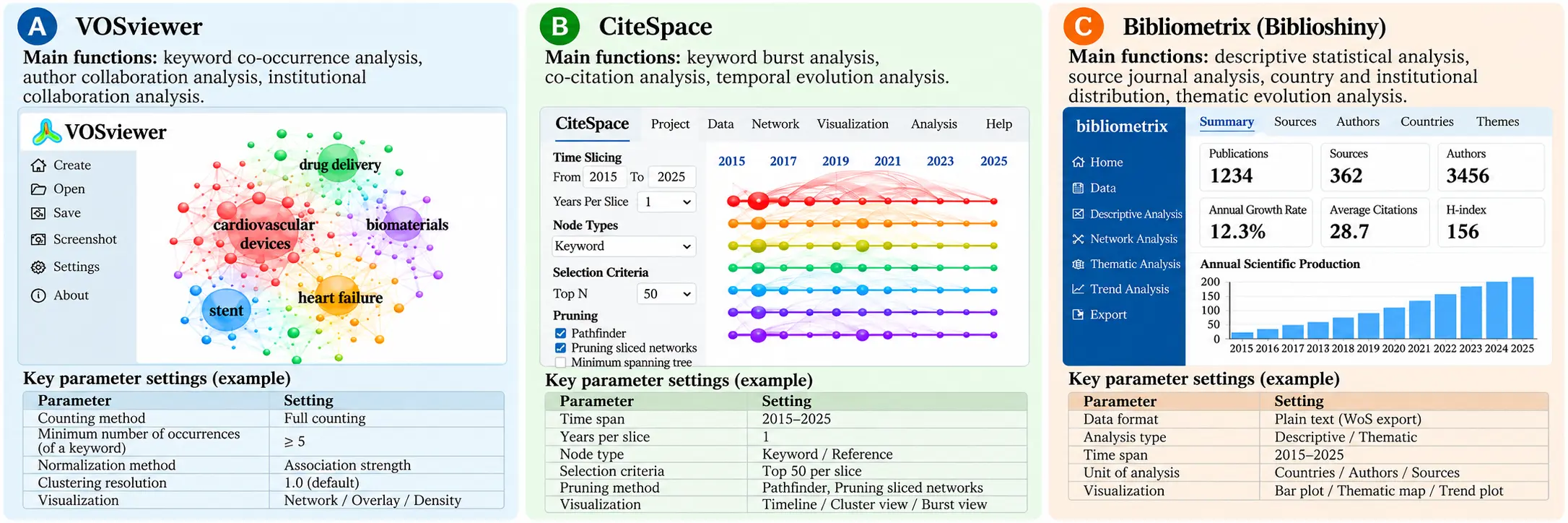
Figure 3. Complementary functions of bibliometric analysis tools and parameter categories for reporting: VOSviewer, CiteSpace, and Bibliometrix/Biblioshiny. This conceptual overview does not display analytical results or prescribe the settings used in this study.
2.5. Major Analytical Indicators and Visualization Methods
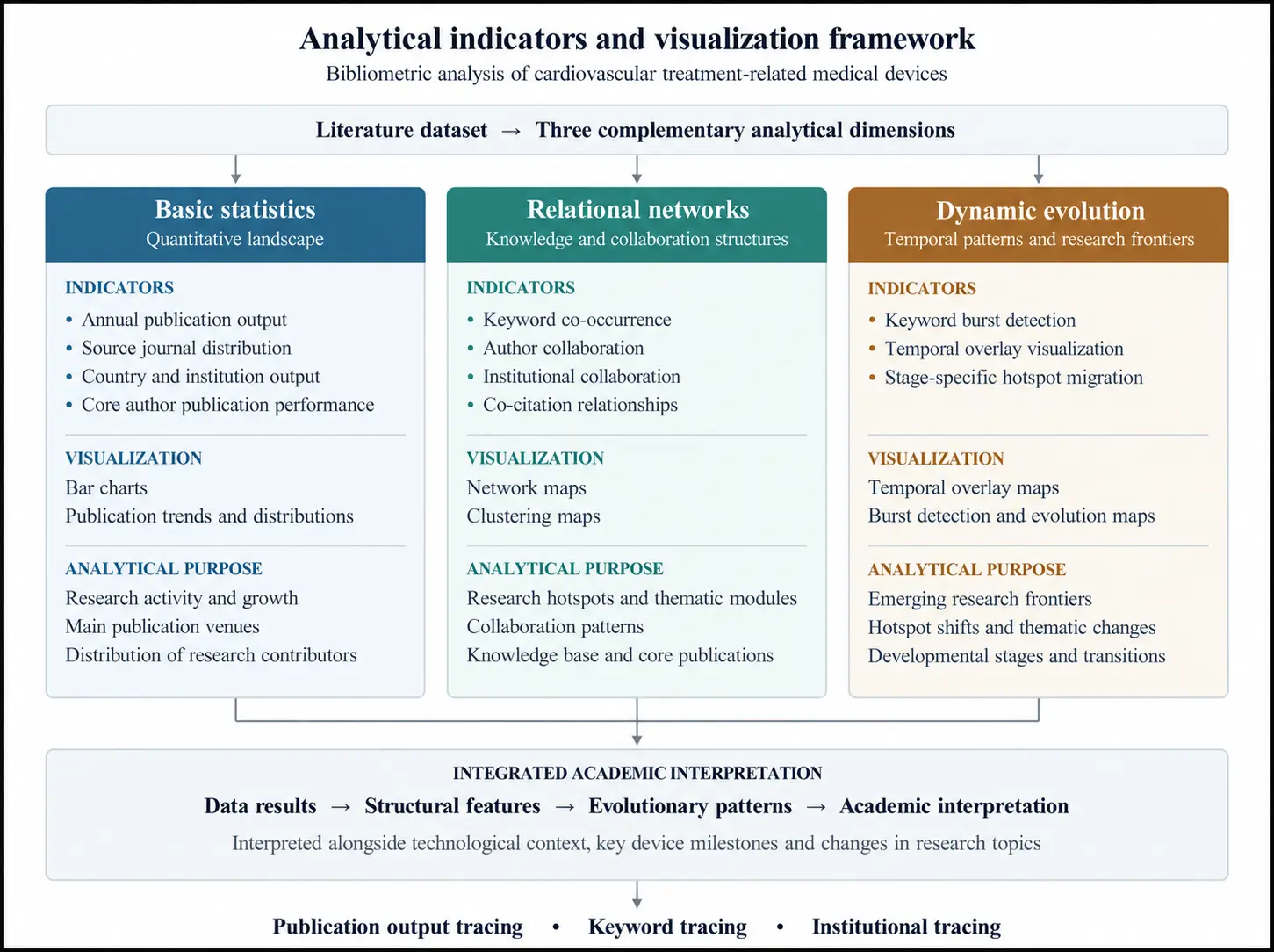
After clarifying the analytical tools and their respective functions, the next step was to further define the specific indicators on which these tools were applied and to determine how the different results should be represented through appropriate knowledge maps. To systematically reveal the overall landscape, thematic structure, and evolutionary patterns of research on cardiovascular treatment-related medical devices, this study constructed an analytical indicator system from three dimensions: basic statistical indicators, relational network indicators, and dynamic evolution indicators. In combination with multiple visualization formats, including bar charts, network maps, clustering maps, overlay visualization maps, and burst detection maps, the results were presented and interpreted. The design of these indicators and maps not only supports an overall understanding of the current research status, but also aims to reveal, from different dimensions, the formation mechanisms of research hotspots, the organization of the knowledge base, and potential future development directions in this field.
In terms of basic statistical indicators, this study focused on annual publication output, source journal distribution, publication counts by countries and institutions, and publication performance of core authors. Among these indicators, annual publication output was mainly used to reflect changes in research activity over time and to further determine the developmental stages and growth characteristics of the field. Source journal distribution helped identify the major publication venues for relevant research outputs, thereby reflecting the journal concentration characteristics of knowledge dissemination in this field. Publication counts by countries, institutions, and authors could, to some extent, reveal the distribution pattern of major research forces and their academic activity. These basic statistical indicators formed the descriptive analytical foundation of the study and provided contextual support for subsequent analyses of collaboration networks, knowledge structures, and hotspot evolution.
After characterizing the overall quantitative features, it was necessary to further examine the association structures among different research objects. In terms of relational network indicators, this study mainly employed keyword co-occurrence, author collaboration, institutional collaboration, and co-citation relationships to analyze the structural associations among research entities in the field. Keyword co-occurrence relationships can be used to identify the co-occurrence frequency and association strength among high-frequency terms within the same literature set, thereby helping summarize current research hotspots and thematic modules. Author collaboration networks and institutional collaboration networks help characterize the collaboration patterns and knowledge exchange relationships among major research groups, reflecting whether research forces exhibit concentration, clustering, or cross-regional collaboration. Co-citation analysis can reveal the knowledge base and representative core publications of the field from the perspective of citation structure, providing a basis for identifying academic development trajectories and important research nodes. Through these relational network indicators, this study structurally analyzed research on cardiovascular treatment-related medical devices from three perspectives: how research topics are associated, how research actors collaborate, and how the core knowledge base is formed.
However, identifying static association relationships alone is insufficient to fully explain the developmental trends of this field. For a research area characterized by rapid technological updates and continuous hotspot migration, the temporal dimension must also be introduced to track research frontiers. Therefore, dynamic evolution indicators were used to trace research frontiers and stage-specific changes in research topics. Keyword burst detection was mainly used to identify terms whose attention increased rapidly during specific periods, thereby helping determine research frontiers and directions of hotspot shifts at different stages. Overlay visualization maps integrate keywords, publications, or nodes with temporal information, allowing the activity level and evolutionary pathway of different research topics to be displayed more intuitively over time. By combining annual publication trends with burst detection results, the developmental stages of the research field can be further divided, and key transition points can be identified, such as the shift from early accumulation to rapid growth and from conventional technologies to emerging technological routes. For cardiovascular treatment-related medical devices, a field with rapid technological renewal and continuous hotspot migration, dynamic evolution indicators enhance the explanatory power of research frontier analysis from the temporal perspective and provide quantitative support for the subsequent construction of milestone maps.
After the analytical indicators were defined, the mode of result presentation became another key factor influencing interpretability. In terms of visualization, this study adopted bar charts, network maps, clustering maps, and evolution maps according to the analytical objectives of different indicators. Bar charts were mainly used to present basic statistical results, such as annual publication output and publication distribution by countries and institutions, providing an intuitive representation of quantitative changes and distributional differences. Network maps were mainly used to display associations among keywords, authors, and institutions, where node size generally represents occurrence frequency or influence, while link strength reflects the closeness of relationships between different nodes. Clustering maps were mainly used to identify thematic modules of keywords or co-cited publications, which helps summarize research directions from an overall perspective. Overlay visualization maps and burst detection maps were used to highlight the temporal evolution characteristics of research hotspots and changes in research frontiers. By combining multiple types of knowledge maps, this study ensured the clarity of visual presentation while enhancing the hierarchy and explanatory depth of the research conclusions. Network maps should report the meaning of node size, link thickness, node color, clustering method, and counting method in the corresponding caption. Software-generated clusters should be distinguished from author-defined thematic categories. Where the manuscript assigns an interpretive label to a software cluster, the label should be presented as an author interpretation based on its highest-weighted terms rather than as a software-generated title.
Figures should be regenerated directly from the analytical software or source data at publication quality. Fonts, line weights, color scales, figure labels, and captions should be standardized across all bibliometric figures. Device photographs or externally sourced product images should be replaced by author-drawn schematics or permission-cleared images, with source and permission information documented where applicable.
It should be noted that mapping results themselves do not directly constitute research conclusions; rather, they provide evidence for further academic interpretation. Therefore, in the process of visualization analysis, this study did not remain at the level of graphical display or superficial description. Instead, the results of various indicators were interpreted in combination with the technological background of the field, key device development milestones, and changes in research topics, so as to further explain the academic implications behind different maps. For example, an increase in annual publication output not only reflects a rise in research volume but may also correspond to the approval of important devices, the expansion of clinical indications, or the emergence of new technological routes. Keyword clustering not only indicates thematic distribution but also reflects the intrinsic logical relationships among different research directions. The occurrence and duration of burst terms can reveal the frontier status and influence range of a given technology during a specific stage. Accordingly, when applying visualization maps, this study consistently followed an analytical approach that integrates data results, structural features, evolutionary patterns, and academic interpretation, thereby enhancing the systematicity of the discussion.
The analytical indicators and visualization methods established in this section together constituted the result-output framework of the bibliometric analysis conducted in this study. By using basic statistical indicators to reveal the overall research landscape, relational network indicators to identify knowledge structures and collaboration patterns, and dynamic evolution indicators to determine research frontiers and stage-specific changes, combined with diverse mapping formats for result presentation, this study comprehensively characterized the quantitative, structural, and temporal features of research on cardiovascular treatment-related medical devices. This indicator system not only provided a clear pathway for the results analyses in Sections 3 and 4, but also enabled the entire study to form a relatively complete analytical loop around three core dimensions: publication output tracing, keyword tracing, and institutional tracing. At this point, Section 2 has completed the methodological description, from data source definition to the construction of the result-output framework, thereby laying the methodological foundation for the subsequent analysis of publication characteristics, research hotspots, and evolutionary trends. The analytical indicators and visualization framework are summarized in Figure 4.
3. Overall Bibliometric Characteristics of Publications in the Medical Device Field
After defining the literature data sources, search and screening criteria, data standardization procedures, and analytical tool system, this study further analyzed the overall bibliometric characteristics of the included publications. Compared with directly conducting keyword clustering or hotspot evolution analysis, an initial examination of basic dimensions, such as annual publication output, country and regional distribution, research institutions, source journals, and highly cited publications, is helpful for understanding the overall research scale, major research forces, and knowledge output pattern of the field. In other words, only after clarifying how the volume of research has changed, where the major research forces are located, and which platforms primarily disseminate the research outputs can the subsequent interpretation of keyword co-occurrence, thematic clustering, and hotspot evolution be supported by a clearer background. Accordingly, this section first examines the annual publication trend to analyze the overall development of research on cardiovascular treatment-related medical devices from 2015 to 2025. On this basis, it further investigates the bibliometric characteristics of countries and regions, institutions, journals, and high-impact publications.
3.1. Annual Publication Trends
As shown in Figure 5, the annual publication output from 2015 to 2025 provides a direct basis for evaluating the developmental activity and changes in research attention in cardiovascular treatment-related medical device research [1]. By counting the number of publications across different years, it is possible to intuitively assess the stage-specific changes, growth rate, and correspondence with key technological milestones within a given research direction. For research on cardiovascular treatment-related medical devices, annual publication trends not only reflect changes in publication volume but also indirectly reveal the evolution of cardiovascular therapeutic technologies from conventional device improvements toward minimally invasive interventions, intelligent assistance, and data-driven approaches. Therefore, before conducting more in-depth analyses of countries, institutions, and keywords, it is necessary to first examine the overall changes in annual publication output in this field [2].
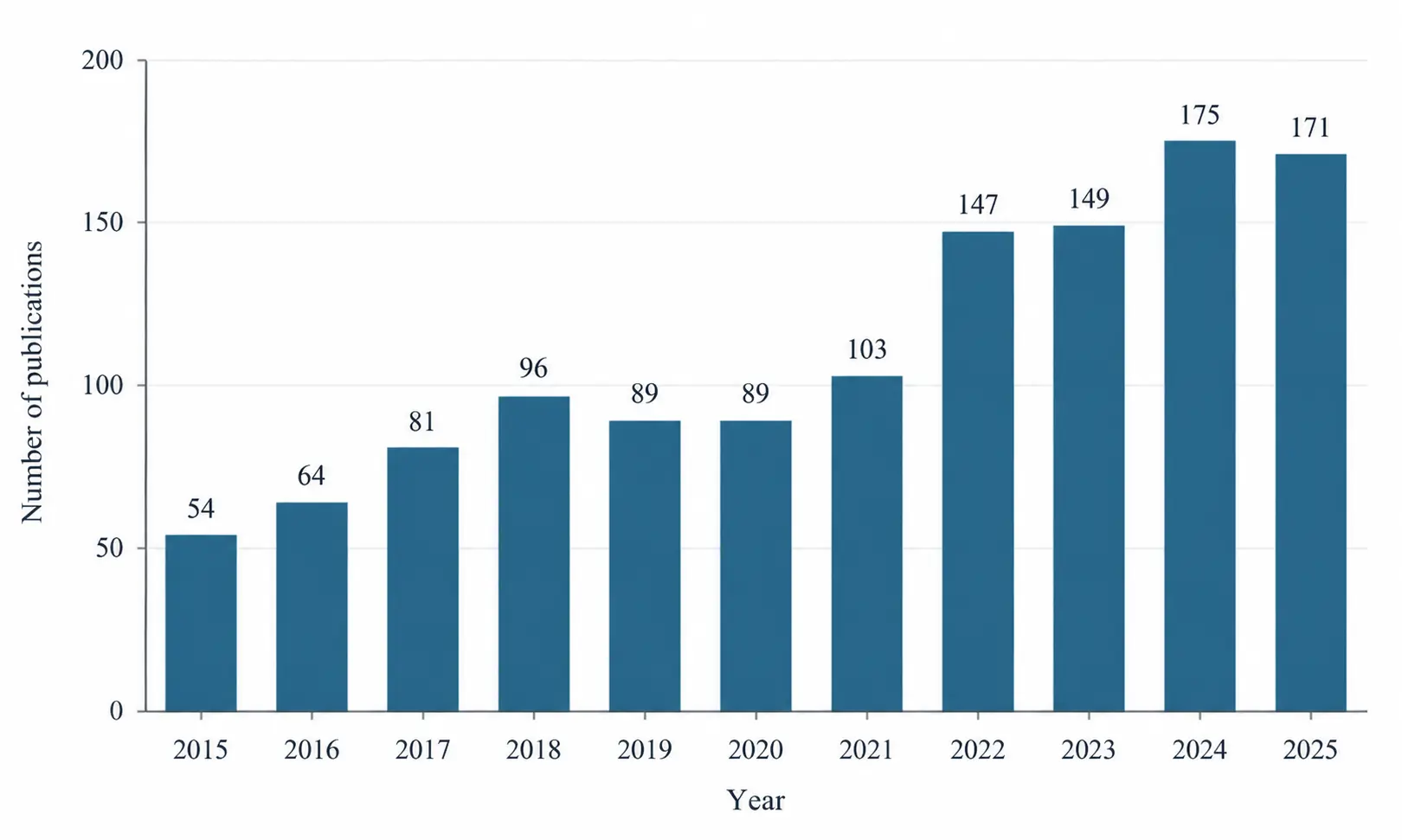
Figure 5. Annual publication output of cardiovascular treatment-related medical device research from 2015 to 2025.
The annual publication output of relevant literature indexed in the Web of Science Core Collection from 2015 to 2025 was statistically analyzed [140], and the annual publication trend is shown in Figure 5 [141]. Overall, the annual number of publications on cardiovascular treatment-related medical devices showed a fluctuating upward trend during 2015–2025. The number of publications was 54 in 2015 and reached 175 in 2024, representing the peak value within the study period. In 2025, the number of publications was 171, remaining at a relatively high level. A total of 1218 relevant publications were identified during the study period, with an average annual output of approximately 111 publications. Compared with 2015, the publication output in 2025 increased by approximately 216.7%, indicating sustained attention from the academic community, clinical medicine, and engineering technology fields over the past decade. These results suggest that research on cardiovascular treatment-related medical devices is not a short-term or incidental hotspot but has gradually evolved into a relatively stable growth area driven by clinical demand, device innovation, and multidisciplinary integration. To further reveal the stage-specific characteristics underlying this growth, it is necessary to analyze the developmental process in terms of annual changes in publications.
From the perspective of stage-specific changes, the publication output in this field from 2015 to 2025 did not follow a simple linear growth pattern, but rather exhibited the characteristics of steady growth in the early stage, moderate fluctuation in the middle stage, and rapid increase in the later stage. The period from 2015 to 2018 can be regarded as a relatively stable growth stage, during which the annual publication output increased from 54 to 96, indicating that research on cardiovascular treatment-related medical devices had already established a relatively stable foundation during this period. Studies in this stage mainly focused on conventional interventional devices, implantable devices, cardiac rhythm management systems, and improvements in cardiovascular therapeutic technologies, with an emphasis on structural device optimization, material performance enhancement, safety evaluation, and validation of clinical application effects [142]. On this basis, the publication outputs in 2019, 2020, and 2021 were 89, 89, and 103, respectively, showing a mild fluctuation overall. Although no continuous rapid increase was observed during this stage, the annual output remained substantially higher than in 2015 and 2016, suggesting that the field had gradually shifted from early accumulation to a relatively stable expansion stage. Subsequently, the annual publication output increased markedly from 2022 to 2025, rising rapidly from 103 in 2021 to 147 in 2022, and reaching 149, 175, and 171 in 2023, 2024, and 2025, respectively, indicating a further increase in research activity in recent years [143].
This stage-specific growth was not merely due to the natural accumulation of publication volume but was closely related to technological iteration and clinical translation of cardiovascular therapeutic medical devices. In recent years, important progress has been made in transcatheter aortic valve replacement, left atrial appendage occlusion, leadless pacemakers, renal denervation, pulsed field ablation, and transcatheter tricuspid valve repair or replacement, which has continuously expanded cardiovascular disease treatment toward minimally invasive, precision-oriented, and device-platform-based approaches. Meanwhile, artificial intelligence, sensing technologies, remote monitoring, and digital health methods have gradually been integrated into cardiovascular device research. As a result, relevant publications are no longer limited to the structural design of individual devices or the evaluation of clinical efficacy, but have also extended to preoperative risk assessment, intraoperative navigation optimization, long-term postoperative follow-up, and therapeutic decision support. Therefore, the increase in annual publication output not only reflects the expansion of research scale, but also indicates the continuous broadening of research objects and technological connotations in this field. These temporal associations should be interpreted as contextual correspondence rather than evidence that any single regulatory event caused the increase in publications.
Further examination of specific time points shows that publication output increased markedly after 2022, suggesting that the field has entered a stage of hotspot convergence and rapid expansion in recent years. The number of relevant publications increased from 103 in 2021 to 147 in 2022, corresponding to an increase of approximately 42.7%, which represents one of the most notable growth points during the entire study period. This change may be associated with the concentrated advancement of multiple emerging cardiovascular therapeutic devices and related clinical studies. For example, the expansion of indications for transcatheter valve therapy promoted the growth of research on structural heart disease interventional devices; the development of leadless pacing technology facilitated the evolution of cardiac rhythm management devices toward miniaturization and reduced invasiveness; the reapproval and clinical reintroduction of renal denervation systems made device-based treatment of hypertension an important direction in cardiovascular intervention once again; and the emergence of pulsed field ablation promoted the transition of atrial fibrillation ablation from conventional thermal ablation toward non-thermal ablation. These technological milestones not only represent changes in clinical treatment strategies, but also reshape the keyword distribution and thematic structure of related research to some extent. Therefore, changes in annual publication output should not be regarded as an isolated quantitative phenomenon, but rather as a comprehensive reflection of the continuous expansion of cardiovascular therapeutic device systems and the ongoing renewal of research themes.
Based on the above trends, research on cardiovascular treatment-related medical devices from 2015 to 2025 can be broadly divided into three stages. The first stage is the foundation accumulation stage, mainly covering 2015–2018, during which the number of publications gradually increased from 54 to 96, indicating that relevant research had established a relatively stable foundation in conventional therapeutic devices and clinical application evaluation. The second stage is the adjustment and expansion stage, mainly covering 2019–2021, during which annual publication output fluctuated between 89 and 103, suggesting that research topics were in a transitional period from conventional device improvement toward the expansion of multiple therapeutic platforms. The third stage is the rapid growth stage, mainly covering 2022–2025, during which annual publication output exceeded 140 each year and peaked at 175 in 2024. This indicates that emerging minimally invasive therapeutic devices, intelligent assistive systems, and data-driven methods are becoming important forces driving the development of the field. This stage-based classification suggests that research on cardiovascular treatment-related medical devices has gradually shifted from conventional device improvement toward a development stage driven by multi-technology collaborative innovation and clinical translation.
It is worth noting that the publication output in 2025 was 171, slightly lower than the 175 publications recorded in 2024, yet still at a high level. This slight decrease does not necessarily indicate a decline in research activity and may be related to the annual statistical period, database indexing lag, or stage-specific adjustments in research topics. From the overall trend, publication output in this field has remained within a high range since 2022, indicating that research on cardiovascular treatment-related medical devices has entered a highly active developmental stage. Particularly under the combined influence of clinical demand, device innovation, digital health, and artificial intelligence methods, this field is expected to continue to grow and undergo further thematic subdivision in the future. The exact search date must therefore accompany the final interpretation of the 2025 endpoint.
Overall, the annual publication trend analysis indicates that research on cardiovascular treatment-related medical devices maintained a high level of activity during 2015–2025 and exhibited an evolutionary trend from conventional therapeutic devices toward minimally invasive, intelligent, and data-driven approaches. Changes in publication output not only reflect the expansion of research scale, but also suggest continuous updates in the knowledge structure and hotspot themes of the field. However, annual publication output can only reveal temporal changes in research activity and cannot explain which countries, regions, or research institutions are the main contributors to this body of work. Therefore, after clarifying the overall growth trend of the field, it is necessary to further analyze the publication distribution and collaboration patterns among major countries, regions, and research institutions to reveal the spatial distribution characteristics and academic organizational structure of research forces in this field.
3.2. Country and Regional Distribution
As shown in Figure 6, the country and regional publication distribution provides a spatial perspective for identifying the major contributing research forces in cardiovascular treatment-related medical device research from 2015 to 2025. Although the annual publication trend clarifies changes in research activity over time, analysis from the temporal dimension alone remains insufficient to fully reveal the developmental landscape of this field. Annual publication output can indicate changes in research activity across different years, but it cannot further explain which countries or regions primarily drive this research, nor can it reflect differences in academic participation and research contributions among countries. Therefore, based on annual publication trend analysis, it is necessary to further conduct publication output statistics by country and region to reveal the spatial distribution characteristics of research forces in this field. In this study, country and regional information exported from the Web of Science Core Collection was used to analyze the major contributing countries and regions in research on cardiovascular treatment-related medical devices from 2015 to 2025.
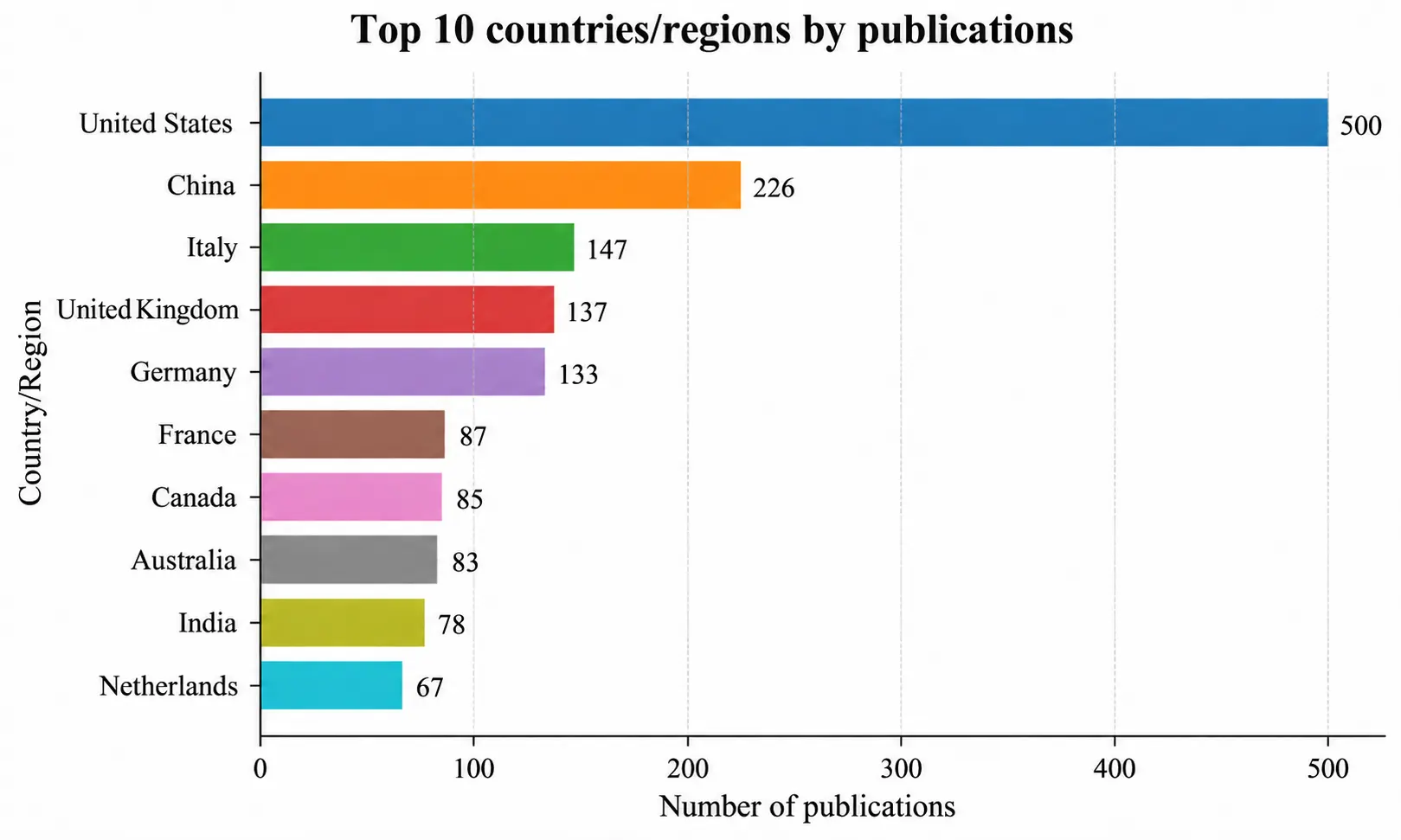
Figure 6. Top 10 countries and regions by publication output in cardiovascular treatment-related medical device research.
The publication output of research on cardiovascular treatment-related medical devices exhibited a relatively pronounced concentration at the country and regional levels. The United States ranked first with 500 publications, well above other countries and regions, indicating its strong research foundation, clinical resources, and sustained output capacity in this field. China ranked second with 226 publications, suggesting that its participation and academic productivity in cardiovascular treatment-related medical device research have continued to increase [144]. Italy, the United Kingdom, and Germany ranked third to fifth with 147, 137, and 133 publications, respectively, constituting important European research forces in this field. France, Canada, Australia, India, and The Netherlands published 87, 85, 83, 78, and 67 publications, respectively, and also formed a certain scale of research accumulation. It should be noted that country and regional publication counts are usually calculated based on the countries of the authors’ affiliations. Publications involving international collaboration may be counted for multiple countries simultaneously; therefore, these results mainly reflect the relative research activity of each country or region in this field, rather than representing the proportion of mutually independent publications [145]. Full-count totals represent participation and do not partition the 1218-paper corpus into mutually exclusive national shares.
From the ranking structure, the United States showed a particularly prominent advantage in this field, with a publication output approximately 2.21 times that of China, indicating a leading position in research on cardiovascular treatment-related medical devices. This phenomenon may be closely associated with its long-established cardiovascular clinical research system, medical device industry foundation, approval mechanisms for innovative devices, and multicenter clinical trial resources [146]. China ranked second, indicating that with the increasing burden of cardiovascular diseases, improvements in independent medical device innovation capacity, and the continuous strengthening of clinical translational research, China has achieved a considerable scale of research output in this direction. Meanwhile, European countries such as Italy, the United Kingdom, Germany, and France also maintained high publication output, reflecting Europe’s sustained academic influence in structural heart disease interventions, rhythm management, implantable devices, and clinical evidence-based research. These findings suggest that an international research landscape has formed in this field, with the United States as the leading contributor, China showing rapid development, and multiple European countries participating actively [147].
Further analysis of regional distribution characteristics shows that research on cardiovascular treatment-related medical devices is mainly concentrated in North America, Europe, and East Asia, where medical research and the medical device industry are relatively well developed. This distribution pattern is closely associated with the demand for cardiovascular disease prevention and treatment, medical device research and development capacity, the maturity of clinical trial systems, and the regulatory and translational environment. On the one hand, as cardiovascular disease is one of the major chronic diseases worldwide, its therapeutic technologies and device innovation have long received extensive attention from both the medical and engineering communities. On the other hand, treatment-related medical devices often involve multiple stages, including material design, device manufacturing, clinical evaluation, regulatory approval, and long-term follow-up, placing high demands on research platforms, clinical resources, and translational capacity. Therefore, countries and regions with higher publication outputs usually not only possess stronger scientific productivity, but also have more advanced healthcare systems, industrial foundations, and clinical translation conditions.
From the internal structure of the top ten countries and regions, the top five contributors, namely the United States, China, Italy, the United Kingdom, and Germany, produced a total of 1143 full-count country credits, accounting for approximately 74.1% of the total publication count among the top ten countries and regions. This indicates that the main literature output in this field is concentrated in a small number of countries with strong research foundations. Among them, the United States accounted for approximately 32.4% of the total publication count among the top ten countries and regions, while China accounted for approximately 14.6%; together, they contributed nearly half of the total output of the top ten countries and regions. This suggests that although research on cardiovascular treatment-related medical devices is characterized by international participation, the core knowledge output still shows a strong leading-country concentration effect. At the same time, the publication differences among European countries such as Italy, the United Kingdom, and Germany were relatively small, indicating that European research forces are not concentrated in a single country, but instead show a pattern of multi-country co-development. The denominator for these descriptive percentages is 1543 country credits across the ten listed countries, not 1218 unique publications. These arithmetic corrections do not substitute for recalculation from a normalized dataset.
Differences in publication output among countries and regions not only reflect the scale of scientific research output, but also, to some extent, indicate differences in research priorities and technological pathways. The United States and European countries have accumulated substantial research foundations in rapidly translated clinical areas such as transcatheter valve therapy, left atrial appendage occlusion, leadless pacing, pulsed field ablation, and cardiac assist devices. China has gradually increased its research investment in cardiovascular interventional devices, artificial intelligence-assisted diagnosis and treatment, remote monitoring, and domestic medical device innovation. Although India, The Netherlands, Australia, and Canada have lower overall publication outputs than the United States and China, they still participate in certain clinical studies, engineering technology research, and multicenter collaborative studies. Therefore, country and regional distribution should not be regarded simply as a quantitative ranking but as a pattern jointly shaped by clinical demands, the medical device industry’s layout, engineering technology accumulation, and policy support across countries.
From an international collaboration perspective, research on cardiovascular treatment-related medical devices has distinct interdisciplinary and cross-regional characteristics. Research in this field generally requires the joint participation of cardiovascular clinical centers, biomedical engineering teams, medical device enterprises, data analysis groups, and regulatory and follow-up platforms. A single research institution or country often cannot independently cover the complete chain from device design and performance evaluation to clinical validation and long-term follow-up [148]. Therefore, countries and regions with higher publication outputs not only represent stronger independent research capabilities, but may also serve as important nodes in international collaboration networks. In particular, countries with high publication outputs, such as the United States, China, the United Kingdom, Germany, and Italy, are generally more likely to participate actively in international multicenter clinical trials, guideline updates, and multicenter data sharing, thereby further promoting the expansion of the knowledge network in this field [149].
It should be noted that publication ranking is not equivalent to academic influence. Although some countries and regions have high publication outputs, their literature impact, international collaboration intensity, proportion of highly cited papers, and originality in core technologies still need to be further evaluated in combination with subsequent analyses. Conversely, some countries or regions with relatively low publication output may still contribute to knowledge base construction through representative achievements in specific device directions or key clinical trials. Therefore, country and regional publication distribution analysis is mainly used to reveal the spatial pattern of research output, whereas the evaluation of specific academic influence and knowledge contribution still requires comprehensive analysis in combination with indicators such as institutional distribution, highly cited publications, and co-citation networks.
Overall, the country and regional publication distribution results indicate that research on cardiovascular treatment-related medical devices has formed an international research landscape involving multiple countries and regions. The United States occupies a clear leading position, China shows strong developmental momentum, and European countries such as Italy, the United Kingdom, Germany, and France also constitute important research forces in this field. This pattern suggests that research on cardiovascular treatment-related medical devices is driven not only by global clinical demands, but also by medical device innovation systems, clinical translation platforms, and international collaboration networks. However, country and regional statistics remain relatively macroscopic and cannot reveal the organizational structure and contribution differences of specific research entities. Therefore, after analyzing the distribution of major countries and regions, it is necessary to further identify the core academic forces in this field from an institutional perspective, to clarify which universities, hospitals, research institutes, or enterprises play key roles in advancing research on cardiovascular treatment-related medical devices.
3.3. Major Research Institutions
As shown in Figure 7, the institutional publication distribution further reveals the specific organizational foundation and major research entities involved in cardiovascular treatment-related medical device research from 2015 to 2025. Based on the country- and region-level publication distribution analysis, further identification of major research institutions helps clarify which universities, hospitals, research institutes, or clinical translation platforms play core driving roles in this field. Country- and region-level statistics can reflect the overall research activity of different areas [150]. However, this analytical scale remains relatively macroscopic and cannot further clarify the contribution differences among specific research organizations. Therefore, after clarifying the distribution pattern of major countries and regions, it is necessary to further analyze literature output at the institutional level to identify the core research entities and their knowledge production characteristics. In this study, institutional information exported from the Web of Science Core Collection was used to analyze the major contributing institutions in research on cardiovascular treatment-related medical devices from 2015 to 2025 [151].
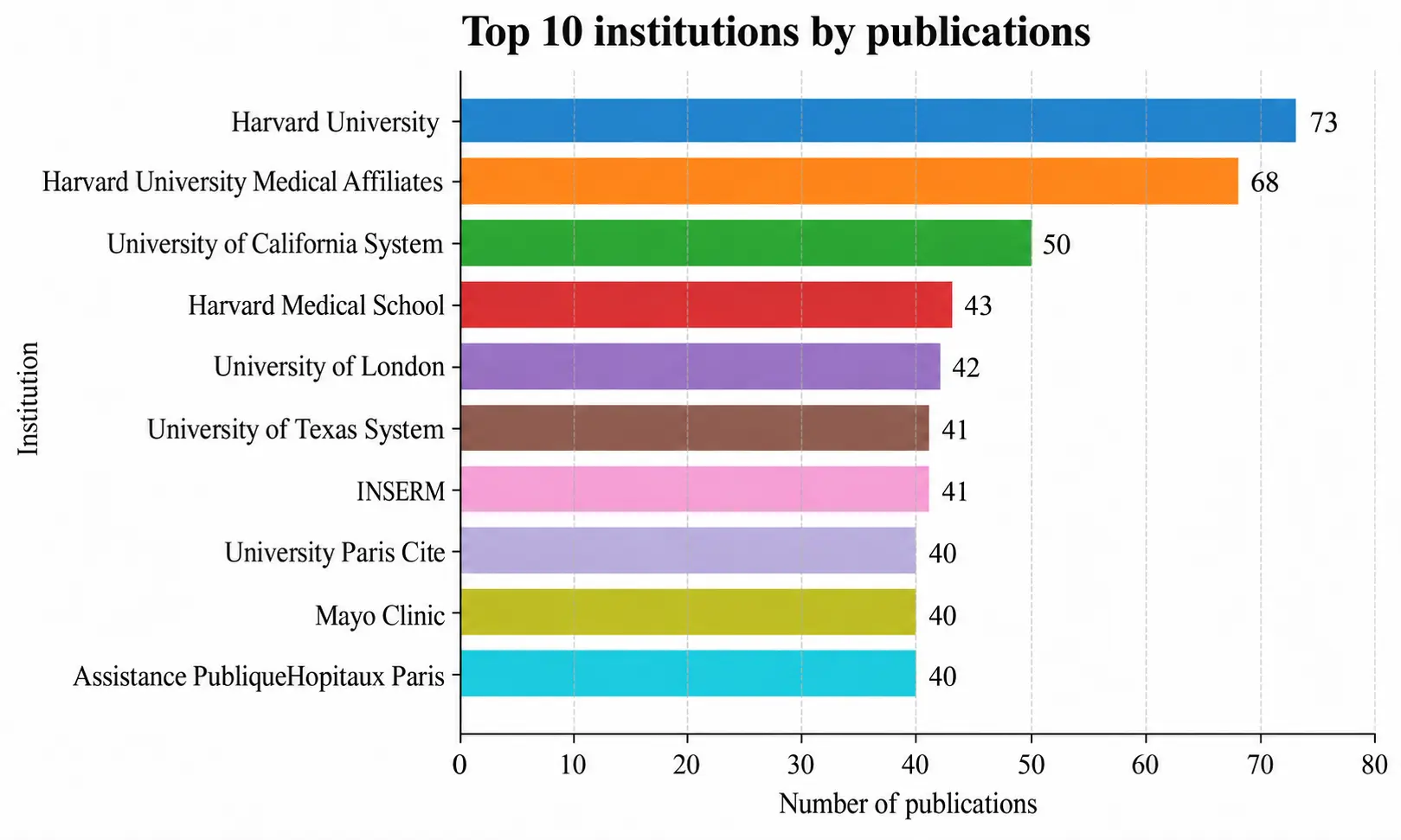
Figure 7. Original unnormalized top-ten institutional output in cardiovascular treatment-related medical device research.
The institutional publication output of research on cardiovascular treatment-related medical devices exhibited a clear leading-group concentration. Harvard University ranked first with 73 publications, indicating its strong research foundation and sustained productivity in this field. Harvard University Medical Affiliates ranked second with 68 publications, further demonstrating the prominent influence of Harvard University and its affiliated medical system in research on cardiovascular treatment-related medical devices [152]. The University of California System ranked third with 50 publications, followed by Harvard Medical School with 43 publications and the University of London with 42 publications. In addition, the Institut National de la Santé et de la Recherche Médicale (INSERM) and the University of Texas System each published 41 papers, while Assistance Publique–Hôpitaux de Paris (APHP), Mayo Clinic, and Université Paris Cité each published 40 papers, together forming the top ten most productive institutional groups in this field [153]. Because these entries mix university systems, medical schools, affiliated organizations, and hospital networks, the original counts are retained as pre-normalization results and are not directly comparable measures of independent institutional output.
In terms of institutional composition, the top ten institutions were mainly concentrated in the United States, France, and the United Kingdom, with U.S. institutions showing a clear advantage. Harvard University, Harvard University Medical Affiliates, the University of California System, Harvard Medical School, the University of Texas System, and Mayo Clinic are all located in the United States, with a combined output of 315 publication counts, accounting for approximately 65.9% of the total publication counts of the top ten institutions. In France, INSERM, APHP, and Université Paris Cité contributed a total of 121 publication counts, accounting for approximately 25.3%. The University of London contributed 42 publication counts, accounting for approximately 8.8%. This distribution is consistent with the country and regional publication output analysis discussed above, indicating that the leading position of the United States in this field is reflected not only at the national level, but also in the sustained contributions of multiple leading universities, medical centers, and clinical research networks. The inclusion of French and British institutions also suggests that Europe maintains strong participation in structural heart disease intervention, cardiovascular clinical research, and multicenter collaboration.
Further analysis shows that the leading institutions are not confined to a single institutional type, but include comprehensive universities, medical schools, university-affiliated medical systems, public hospital networks, national medical research institutes, and large clinical centers. This feature is closely related to the disciplinary nature of research on cardiovascular treatment-related medical devices. This field is neither purely an engineering design problem nor solely a clinical observation problem; rather, it involves multiple components, including device structural design, material and mechanical performance evaluation, imaging and navigation technologies, clinical trials, long-term follow-up, and real-world assessment. Therefore, highly productive institutions usually need to possess basic research platforms, clinical case resources, interdisciplinary collaboration networks, and medical device translational capabilities. Institutional clusters represented by Harvard University and its affiliated medical system can rely on the basic research strengths of comprehensive universities and the clinical resources of affiliated hospitals to generate continuous outputs in cardiovascular interventional devices, implantable devices, treatment strategy optimization, and multicenter clinical studies. Large clinical medical systems, such as Mayo Clinic and APHP, place greater emphasis on clinical application, evaluation of therapeutic efficacy, and the accumulation of real-world follow-up data.
It is noteworthy that Harvard University, Harvard University Medical Affiliates, and Harvard Medical School all appeared among the top ten institutions, indicating a marked cluster effect of the Harvard-related medical research network in this field. From a bibliometric perspective, this phenomenon may partly reflect the fact that different units within the Harvard system are separately counted in the Web of Science institutional enhancement field. At the same time, it indicates the high level of participation by this institutional group in research on cardiovascular treatment-related medical devices [154]. Because cardiovascular device research commonly depends on collaboration among medical schools, affiliated hospitals, engineering laboratories, and clinical research centers, different institutional units within the same university system may appear separately in publication affiliations and institutional statistics. For the sake of data reproducibility, this study retained the institutional enhancement field exported from the Web of Science Core Collection for analysis, while interpreting these entries as evidence of the strong organized output of the Harvard medical research network in this research direction [155].
The correspondence between institutional country distribution and the preceding country and regional analysis further indicates that the relatively large number of highly productive U.S. institutions reflects a leading position supported not merely by a few publications, but by multiple high-level universities, medical centers, and clinical research organizations. As large university systems, the University of California System and the University of Texas System reflect the advantages of U.S. higher education in cross-campus, multidisciplinary, and multicenter research organization. Mayo Clinic represents the important role of large clinical medical centers in the clinical evaluation and translational research of cardiovascular devices. By contrast, highly productive French institutions mainly reflect the linkage among national medical research institutes, high-level public hospital systems, and university-based research networks, as represented by INSERM, APHP, and Université Paris Cité, all of which have strong medical research and clinical collaboration attributes. These findings suggest that research on cardiovascular treatment-related medical devices is not driven solely by isolated academic institutions but rather depends on collaborative innovation among universities, hospitals, and national research platforms.
From the perspectives of research collaboration and translational output, the concentration of highly productive institutions further reflects the dependence of this field on clinical resources and multicenter collaboration. Research on cardiovascular treatment-related medical devices generally requires a complete research chain, ranging from device design and experimental validation to clinical trials and long-term follow-up. This is particularly true for emerging technological directions such as transcatheter valve therapy, left atrial appendage occlusion, leadless pacing, renal denervation, and pulsed field ablation, which often require multidisciplinary teams and multicenter clinical data support. Therefore, institutions with high publication output not only represent strong research productivity but may also contribute to patient sample accumulation, clinical trial organization, the establishment of device evaluation standards, and the optimization of therapeutic pathways. In other words, high institutional output is not an isolated quantitative phenomenon, but reflects the comprehensive dependence of cardiovascular treatment-related medical device research on clinical platforms, engineering technologies, and translational systems.
It should be noted that institutional publication output is not fully equivalent to institutional academic influence or original contribution. Because a publication involving multiple institutions may be counted by several institutions simultaneously, institutional publication output is better suited to measuring institutional participation and research activity than to being interpreted simply as completely independent publication counts among institutions. In addition, some institutions with relatively lower publication outputs may still contribute in specific device directions, key clinical trials, or highly cited studies. Therefore, institutional publication distribution analysis is mainly used to identify the activity level and organizational structure of research entities. Further evaluation of institutional academic influence should be conducted in combination with highly cited publications, co-citation networks, collaboration strength, and keyword clustering results.
Overall, the distribution of major research institutions indicates that research on cardiovascular treatment-related medical devices has formed an organizational structure dominated by high-level comprehensive universities, medical schools, university-affiliated medical systems, and large clinical centers. Harvard University and its affiliated medical system occupy a prominent position, while U.S. institutions such as the University of California System, the University of Texas System, and Mayo Clinic jointly constitute important knowledge-producing forces in this field. French institutions such as INSERM, APHP, and Université Paris Cité reflect the continued participation of the European medical research system. Taken together with the country- and region-level publication distribution results, these findings suggest that knowledge production in this field exhibits both clear regional concentration and institution-level characteristics of clinical translation and multicenter collaboration. However, institutional distribution can only reveal the organizational sources of research forces and cannot explain through which academic platforms the relevant outputs are primarily disseminated. Therefore, after analyzing major research institutions, it is necessary to further examine source journals to clarify the publication venues and disciplinary distribution characteristics of research outputs in this field.
3.4. Source Journal Distribution and Interdisciplinary Characteristics
As shown in Figure 8, the source journal distribution provides a direct basis for understanding the academic dissemination platforms and interdisciplinary affiliations of research on cardiovascular treatment-related medical devices from 2015 to 2025. After clarifying the distribution of major countries, regions, and research institutions, further analysis of source journals can help reveal the academic channels through which relevant findings are disseminated and the disciplinary domains that primarily host the knowledge outputs of this field. Country, regional, and institutional distributions mainly reflect who is conducting the research and where the research forces are concentrated, whereas source journal analysis further answers through which academic channels the relevant findings are disseminated and which disciplinary domains primarily support the knowledge production of this field. Therefore, after completing the analysis at the level of research actors, it is necessary to conduct statistical analysis of the sample publications from the perspective of source journals to further understand the academic publication landscape and interdisciplinary characteristics of this field. In this study, source journal information exported from the Web of Science Core Collection was used to analyze the major journals publishing research on cardiovascular treatment-related medical devices from 2015 to 2025.
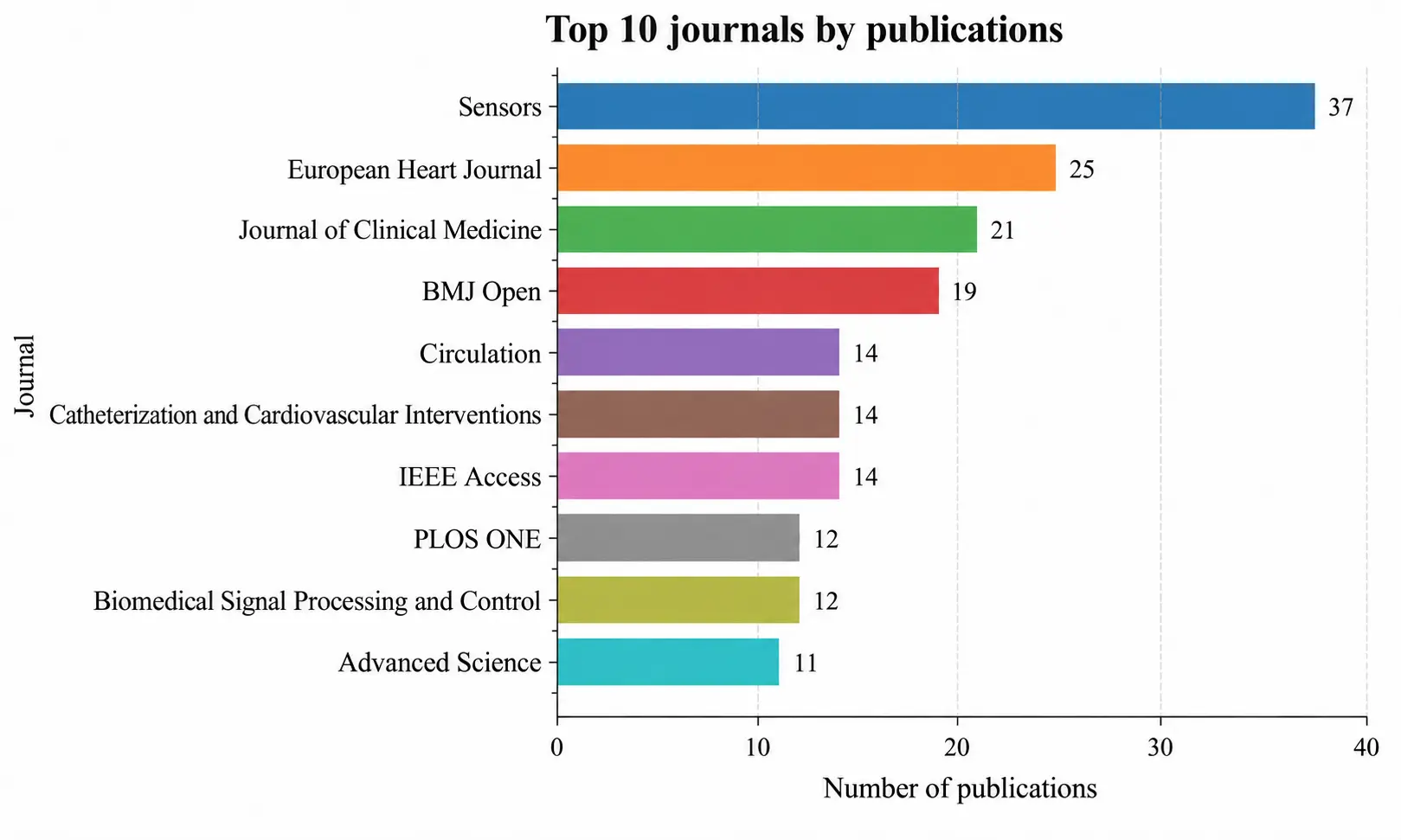
Figure 8. Top 10 source journals by publication output in cardiovascular treatment-related medical device research.
The distribution of source journals for research on cardiovascular treatment-related medical devices exhibited both concentration and interdisciplinarity. Among them, Sensors ranked first with 37 publications, indicating a high level of research activity in sensors, monitoring technologies, signal acquisition, and intelligent sensing within this field. European Heart Journal ranked second with 25 publications, suggesting that research on cardiovascular treatment-related medical devices remains closely associated with high-level cardiovascular clinical studies [156]. Journal of Clinical Medicine ranked third with 21 publications, further indicating that clinical evaluation, therapeutic efficacy analysis, and patient management remain important publication topics in this field. In addition, BMJ Open, Catheterization and Cardiovascular Interventions, Circulation, IEEE Access, Biomedical Signal Processing and Control, PLOS ONE, and Advanced Science entered the top ten with 19, 14, 14, 14, 12, 12, and 11 publications, respectively. The top ten source journals published a total of 179 papers, accounting for approximately 14.7% of the total included literature. This indicates that publications in this field show a certain degree of journal concentration, while they are not highly concentrated in a single journal, but instead are distributed across multiple platforms with different disciplinary attributes [157].
From the perspective of journal categories, the leading source journals can be broadly classified into three groups. The first group consists of cardiovascular medicine and interventional cardiology journals represented by European Heart Journal, Circulation, and Catheterization and Cardiovascular Interventions. These journals primarily focus on cardiovascular disease treatment strategies, interventional device applications, clinical efficacy evaluation, patient prognosis, and optimization of therapeutic pathways, and serve as important dissemination platforms for clinical research outputs in this field. The second group consists of journals related to sensing technologies, engineering applications, and signal processing, represented by Sensors, IEEE Access, and Biomedical Signal Processing and Control. These journals place greater emphasis on sensor systems, remote monitoring, data acquisition, biomedical signal analysis, intelligent algorithms, and digitally assisted diagnosis and treatment, reflecting the expansion of cardiovascular treatment-related medical device research toward intelligent, information-based, and data-driven directions. The third group includes general medical, open-access, and interdisciplinary journals represented by Journal of Clinical Medicine, BMJ Open, PLOS ONE, and Advanced Science. These journals have broad coverage and can accommodate various types of studies, including clinical observations, engineering technologies, material innovation, data analysis, and translational medicine, thereby reflecting the diversification of research topics in this field.
This source journal distribution is highly consistent with the disciplinary attributes of research on cardiovascular treatment-related medical devices. This field is neither a purely clinical medical issue nor a purely engineering technical issue; rather, it represents an interdisciplinary research system jointly composed of clinical demands, device development, material and structural optimization, imaging navigation, signal acquisition, data analysis, and long-term follow-up. The presence of cardiovascular medicine journals indicates that clinical therapeutic efficacy, safety evaluation, and evidence-based evidence remain important foundations of this field. The relatively high publication output in engineering technology and signal processing journals suggests that intelligent monitoring, sensing systems, and data processing are becoming important growth areas in cardiovascular medical device research. The participation of general and interdisciplinary journals also shows that relevant research outputs have transcended single-disciplinary boundaries and show an integrated development pattern involving clinical medicine, engineering technology, data science, and translational medicine.
Further combined with the preceding results on country, regional, and institutional distributions, the diversity of source journals also corresponds to the diversity of research actors. The previous analysis showed that this field is mainly driven by the United States, China, multiple European countries, as well as high-level universities, medical schools, affiliated hospitals, and large clinical centers. Different research actors differ in their research objectives and publication pathways. Studies led by large medical centers and affiliated hospitals are more likely to be published in journals related to cardiology, interventional therapy, and clinical medicine [158]. Studies led by engineering teams, sensor system research groups, or data science teams are more likely to appear in journals related to sensors, signal processing, medical informatics, and engineering applications. Research involving material innovation, intelligent algorithms, multisource data fusion, or interdisciplinary methodological development may be published in general or high-level interdisciplinary journals. Therefore, the structure of source journals essentially reflects the multi-level research chain of this field, extending from clinical application to engineering development and further to intelligent management [159].
From the specific journal distribution, the first-place ranking of Sensors is representative. This suggests that sensor and data acquisition technologies have become important supporting components in research on cardiovascular treatment-related medical devices. With the development of implantable devices, wearable devices, remote monitoring systems, and intelligent assistive therapeutic platforms, cardiovascular treatment-related research has gradually expanded from a narrow focus on device entities and procedural outcomes to a continuous management model centered on patient status monitoring, postoperative follow-up, risk warning, and data-driven decision-making. Meanwhile, the inclusion of IEEE Access and Biomedical Signal Processing and Control further indicates that artificial intelligence algorithms, biomedical signal processing, and digital analytical tools are increasingly involved in research on cardiovascular therapeutic devices. This shift in publication platforms suggests that the field is gradually transitioning from traditional clinical device research toward an integrated research model combining device, data, algorithm, and clinical decision-making.
Corresponding to the engineering and data-oriented journals, the relatively high publication output in cardiovascular specialty journals such as European Heart Journal, Circulation, and Catheterization and Cardiovascular Interventions indicates that clinical medicine remains a core foundation of this field. Treatment-related cardiovascular medical devices ultimately serve patient treatment and clinical benefit; therefore, device safety, efficacy, expansion of indications, perioperative management, and long-term prognosis are always important evaluation dimensions in related research. In particular, emerging technological directions such as transcatheter valve therapy, left atrial appendage occlusion, leadless pacing, renal denervation, and pulsed field ablation often require validation through clinical trials, multicenter studies, and real-world follow-up. Therefore, the important position of cardiovascular clinical journals among source journals reflects the strong clinical translational nature of this field.
It is worth noting that publication output by source journal is not fully equivalent to journal influence or the academic value of individual publications. Some journals with relatively high publication counts may primarily serve as platforms for routine research output in this field, whereas others with fewer publications may publish representative studies with high citation frequency, clinical guideline significance, or critical translational value. For example, a small number of studies published in leading clinical journals or authoritative specialty journals may contribute to co-citation networks and knowledge base construction. Therefore, source journal analysis is primarily used to determine publication concentration and disciplinary distribution characteristics, whereas further evaluation of publication quality, academic influence, and knowledge base structure requires a comprehensive analysis that integrates highly cited publications, co-citation relationships, and thematic clustering results.
Source journal analysis indicates that research on cardiovascular treatment-related medical devices has clear interdisciplinary publication characteristics. Research outputs are mainly distributed across multiple platforms, including cardiovascular medicine, interventional therapy, clinical medicine, sensing technology, biomedical signal processing, artificial intelligence, and general interdisciplinary fields. Sensors, European Heart Journal, and Journal of Clinical Medicine ranked as the top three journals, indicating that this field is jointly driven by intelligent sensing technologies, cardiovascular clinical research, and clinical medical evaluation. These findings further suggest that research on cardiovascular treatment-related medical devices has evolved from traditional device application studies to a comprehensive research direction that integrates engineering design, clinical validation, data analysis, and intelligent decision support. Through source journal analysis, the dissemination channels and disciplinary affiliations of relevant research outputs can be more clearly identified. However, journal distribution analysis alone remains insufficient to reveal the core knowledge base and high-impact research outputs of the field. Therefore, after identifying the major publication platforms, it is necessary to further analyze highly cited publications and co-citation relationships to identify representative studies and key knowledge nodes that have driven the development of this field.
4. Analysis of Research Hotspots and Methodological Characteristics in the Medical Device Field
Section 3 revealed the overall bibliometric characteristics of research on cardiovascular treatment-related medical devices from the perspectives of annual publication output, countries and regions, research institutions, and source journals. The results indicate that this field has exhibited sustained growth, multinational participation, institutional concentration, and interdisciplinary publication patterns over the past decade. However, the above analysis mainly answers questions such as how the research scale has changed, which research forces constitute the field, and through which publication platforms the findings are disseminated. It does not further reveal the specific research topics emphasized within the field or the association structure among different research themes. Therefore, after completing the analysis of macro-level bibliometric characteristics, it is necessary to further explore the research content in depth from the perspective of keywords.
Keywords usually provide a concise representation of the core research objects, technical methods, and problem orientations of a publication, making them an important entry point for identifying research hotspots and thematic structures. Keyword co-occurrence analysis enables the observation of co-appearance relationships among different keywords within the same literature dataset, thereby helping identify intrinsic associations among research topics. Clustering analysis can further summarize the thematic modules represented by different keyword groups. Based on this logic, this section uses VOSviewer to conduct keyword co-occurrence network analysis of the included literature, with emphasis on keyword node distribution, co-occurrence relationships, clustering structures, and thematic connotations. The aim is to reveal the hotspot distribution and knowledge organization characteristics of research on cardiovascular treatment-related medical devices. On this basis, subsequent analysis further integrates keyword evolution and frontier changes to examine the research trends in this field.
4.1. Keyword Co-Occurrence Analysis
As shown in Figure 9, the keyword co-occurrence network provides a visual basis for identifying research hotspots and thematic association structures in cardiovascular treatment-related medical device research. Keyword co-occurrence analysis is an important bibliometric method for revealing the relationships among research topics within a given literature set. Its basic logic is that if two keywords frequently appear in the same publication or within the same literature set, there may be a strong research association between them. For cardiovascular treatment-related medical devices, an interdisciplinary field, keywords not only reflect device types, disease targets, and clinical application scenarios, but also capture changes in technical methods, evaluation indicators, and research paradigms. Therefore, after completing the analysis of publication contributors in Section 3, this study further used VOSviewer to construct a keyword co-occurrence network map to identify the core hotspots and thematic clustering relationships in this field.
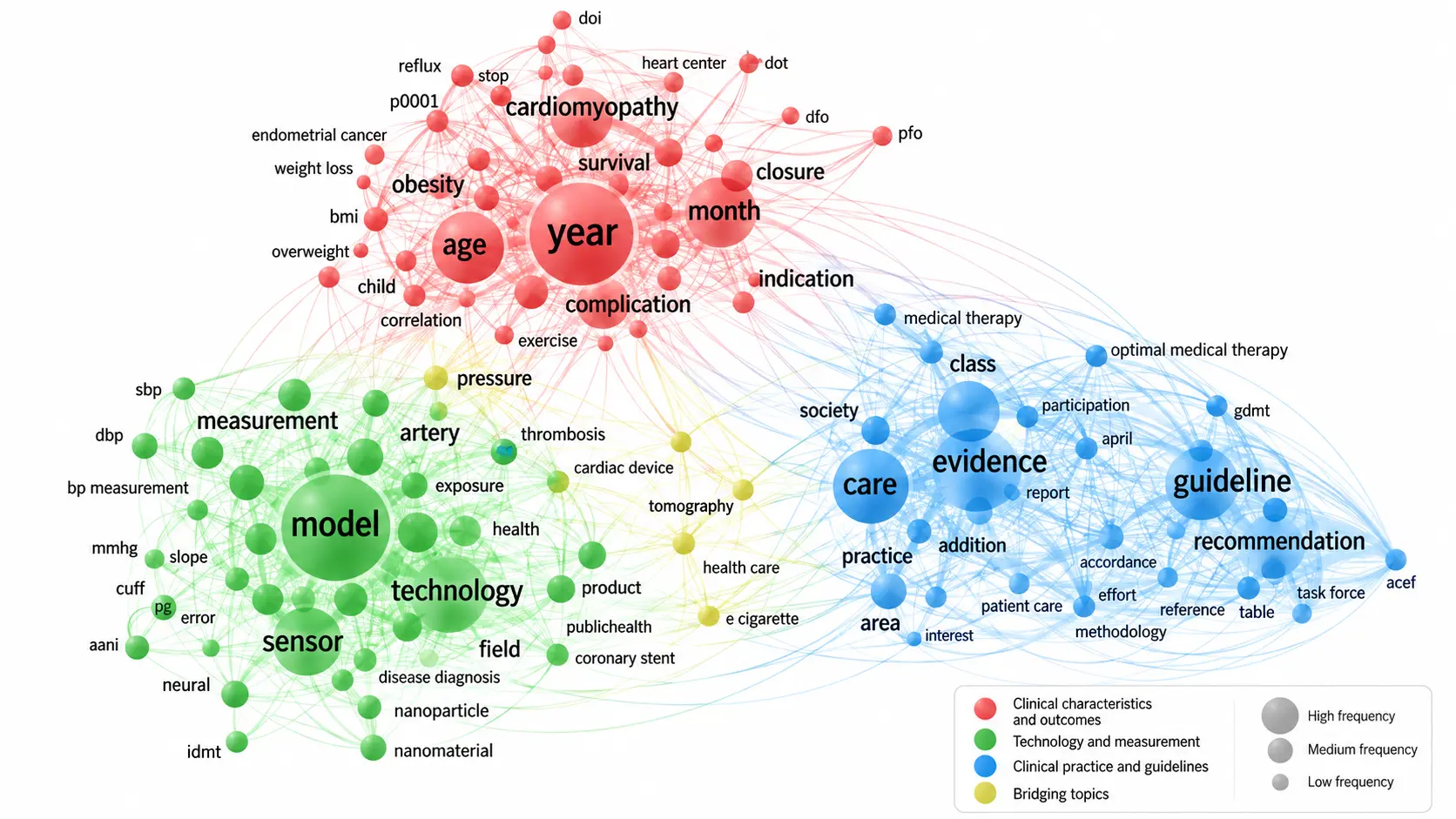
Figure 9. Original, pre-cleaning keyword co-occurrence network of cardiovascular treatment-related medical device research. Node size indicates term occurrence frequency, links indicate co-occurrence, and colors distinguish network clusters. The thematic labels are author interpretations. This pre-cleaning map contains generic and metadata-derived terms and should be interpreted cautiously.
The keyword co-occurrence network of research on cardiovascular treatment-related medical devices exhibited a distinct multi-center clustering pattern. In the map, node size represents the occurrence frequency or relative activity of a keyword, links between nodes indicate co-occurrence relationships among keywords, and denser links suggest stronger associations among different themes. Different colors represent distinct thematic clusters generated based on co-occurrence relationships [160]. From the overall structure, keywords in this field were not concentrated around a single topic, but instead formed several relatively concentrated research modules centered on clinical outcome evaluation, device technology and model construction, blood pressure and sensing-based monitoring, guideline evidence, and therapeutic decision-making. This suggests that research on cardiovascular treatment-related medical devices has gradually expanded from single-device applications to a complex knowledge network integrating clinical evaluation, engineering technology, disease management, and evidence-based decision-making [161].
From the distribution of keyword nodes, terms such as technology, model, evidence, guideline, care, benefit, year, month, measurement, blood pressure, artery, stent, and sensor showed relatively high visibility in the map, indicating that these concepts constitute important components of the research hotspots in this field. Among them, keywords such as technology and model appeared as relatively large nodes and were connected in multiple directions, suggesting that technology development, model construction, and methodological optimization are fundamental themes in research on cardiovascular treatment-related medical devices [162]. Meanwhile, keywords such as evidence, guideline, recommendation, and practice formed a relatively dense network structure on the right side, indicating that this field not only focuses on the development and application of devices themselves, but also places emphasis on clinical evidence, therapeutic standards, and practical translation. Therefore, the hotspots of research on cardiovascular treatment-related medical devices are not limited to device structure or performance evaluation, but also include multiple dimensions such as technological innovation, clinical evidence generation, and therapeutic decision support [163].
Further analysis of the clustering structure indicates that Figure 9 can be broadly summarized into three major thematic modules. The first module is the red cluster, which is mainly associated with clinical outcomes and patient characteristics. Keywords such as year, month, age, complication, survival, cardiomyopathy, closure, and indication appeared in this cluster, suggesting that related studies pay considerable attention to clinical issues such as post-treatment follow-up duration, patient age, complications, survival outcomes, indications, and disease status [164]. This cluster reflects the clinical evaluation attributes of research on cardiovascular therapeutic devices, indicating that device applications ultimately need to be validated through indicators such as safety, efficacy, complication control, and long-term prognosis. In particular, in areas such as left atrial appendage occlusion, valvular intervention, cardiac rhythm management, and circulatory assist devices, patient outcomes and follow-up indicators often serve as important bases for evaluating the clinical value of devices. Therefore, the red cluster can be regarded as a core research module formed around clinical application, therapeutic efficacy, and patient prognosis [165].
The second module is the green cluster, which is mainly associated with technology development, monitoring and measurement, and engineering methods. Keywords such as technology, model, measurement, blood pressure, pressure, artery, sensor, stent, field, and nanomaterial were prominent in this cluster, indicating that this direction mainly focuses on device technology, measurement methods, sensing systems, hemodynamic parameters, and material or structural design. Unlike the red cluster, which emphasizes clinical outcomes, the green cluster more strongly reflects the engineering and technological attributes of cardiovascular treatment-related medical devices [166]. For example, keywords related to blood pressure and pressure reflect the importance of hemodynamic monitoring and therapeutic efficacy evaluation; sensor and measurement indicate the increasing role of sensing and continuous monitoring technologies in cardiovascular device research; and keywords such as stent and nanomaterial suggest that conventional interventional devices and emerging material technologies remain important foundations of this field. Thus, the green cluster represents the engineering research trajectory in this field, extending from device entities and monitoring technologies to modeling methods [167].
The third module is the blue cluster, which is mainly associated with evidence-based medicine, guideline recommendations, and treatment management. Keywords such as evidence, guideline, recommendation, care, practice, physician, benefit, medical therapy, and optimal medical therapy were densely connected within this cluster, indicating that clinical evidence, guideline development, therapeutic recommendations, and patient management are important research directions in this field. Treatment-related cardiovascular medical devices cannot achieve clinical adoption solely on the basis of technical feasibility; instead, they must demonstrate safety and efficacy relative to pharmacological therapy, conventional surgery, or other interventional approaches within an evidence-based medical framework [168]. Therefore, the concentration of keywords related to guidelines, recommendations, and evidence suggests that this field is shifting from the question of whether a device can achieve treatment toward how a device can be incorporated into standardized clinical pathways and how treatment selection can be optimized based on evidence. This also indicates that the connections among medical device research, clinical guidelines, therapeutic standards, and real-world management are becoming increasingly strong [169].
In addition to the three major clusters described above, several bridging keywords that connect different thematic clusters are also observed on the map. For example, keywords such as care, indication, cardiac device, public health, and tomography served as connecting terms among different clusters, suggesting that research on cardiovascular treatment-related medical devices is not composed of completely isolated themes, but rather forms an interconnected knowledge structure among clinical needs, technical approaches, and evidence evaluation. In particular, the keyword indication is associated not only with clinical indications and patient selection, but also with device-based therapeutic strategies and guideline recommendations, indicating that indication expansion serves as an important intermediate link connecting device development, clinical validation, and therapeutic standardization. Similarly, keywords such as care and benefit reflect patient management and therapeutic benefit, while also being closely related to the evaluation of the clinical application value of medical devices, further demonstrating the integrative nature of research in this field.
From the overall hotspot structure, research on cardiovascular treatment-related medical devices shows a trend that extends from device technology development to clinical evidence evaluation and, further, to standardized treatment management. Early medical device research generally placed greater emphasis on device structure, material performance, implantation methods, and engineering feasibility. However, with the continuous expansion of clinical application scenarios, research attention has gradually shifted toward patient benefit, complication control, long-term follow-up, and optimization of therapeutic pathways. Meanwhile, with the development of sensors, data processing, and artificial intelligence methods, device-related research has further expanded toward continuous monitoring, model-based prediction, and individualized management. Therefore, the multi-cluster structure presented by the keyword co-occurrence network essentially reflects the knowledge evolution process of this field from single-device development toward integrated development involving engineering technology, clinical validation, and evidence-based management.
It should be noted that the keyword co-occurrence network mainly reflects co-occurrence relationships and thematic structures among keywords, and cannot be directly equated with research conclusions. Therefore, the interpretation of Figure 9 should be integrated with the developmental background and clinical translation characteristics of cardiovascular treatment-related medical devices. The mapping results show that keywords such as technology, model, measurement, sensor, evidence, guideline, and clinical outcomes collectively constitute the major hotspots in this field [170]. This indicates that current research is no longer limited to a certain type of device or a single therapeutic stage, but has formed a relatively complete research chain around device development, data acquisition, clinical evaluation, and therapeutic decision-making. This finding is consistent with the interdisciplinary characteristics reflected in the source journal and institutional distribution analyses in Section 3 and also provides a basis for subsequent keyword clustering and hotspot evolution analyses [171].
Keyword co-occurrence analysis indicates that research on cardiovascular treatment-related medical devices has formed a multi-theme hotspot structure centered on clinical outcome evaluation, device technology development, sensing and measurement, evidence-based guidelines, and treatment management. The red cluster highlights patient characteristics, complications, and prognostic evaluation; the green cluster emphasizes engineering support such as technology, models, measurement, and sensors; and the blue cluster focuses on translational application issues such as evidence, guidelines, recommendations, and clinical practice. Together, these thematic modules suggest that this field is developing from conventional therapeutic device research toward an integrated direction that emphasizes clinical evidence support, intelligent monitoring assistance, and standardized management. Based on the thematic structure revealed by the keyword co-occurrence network, it is necessary to further combine clustering results and temporal evolution information to analyze the formation mechanisms and developmental trends of different hotspot themes.
4.2. Keyword Classification and Thematic Structure Identification
On the basis of the keyword co-occurrence network revealing the associations among research hotspots, further thematic summarization of the keyword clustering results helps identify the knowledge structure of research on cardiovascular treatment-related medical devices at a higher level. Compared with individual keywords, clustering results can integrate keywords with similar semantic meanings and close co-occurrence relationships into several thematic modules, thereby more clearly reflecting the organizational patterns among different research directions within the field. In other words, keyword co-occurrence analysis mainly answers the question of which keywords are relatively active, whereas keyword clustering analysis further addresses which research themes are jointly formed by these keywords. Therefore, based on the core hotspots identified in Table 1, this section combines the color partitions and node distributions in the keyword co-occurrence network to name the major clusters and extract their thematic connotations.
Table 1. Thematic classification of keyword clusters in cardiovascular medical device research.
|
Cluster Category |
Keyword Subsection |
Representative Keywords |
Subject Name |
Subject Matter Connotation |
|---|---|---|---|---|
|
Red |
Patient characteristics |
age, cardiomyopathy |
Clinical Outcomes and Evaluation of Patient Characteristics |
Pay attention to patient characteristics, indications, complications, follow-up time, and treatment prognosis |
|
Clinical outcomes |
complication, survival |
|||
|
Temporal/follow-up indicators |
||||
|
Indication/intervention |
indication, closure |
|||
|
Green |
Device and engineering technology |
sensor, stent, nanomaterial |
Instrumentation technology, monitoring measurement, and engineering methods |
Focus on equipment design, sensor monitoring, physiological parameter measurement, hemodynamic analysis, and model construction. |
|
Modeling methods |
||||
|
Physiological measurement |
measurement, blood pressure, pressure |
|||
|
Vascular/hemodynamic parameters |
artery |
|||
|
Blue |
Evidence and guidelines |
evidence, guideline, recommendation |
Evidence-based guidelines and treatment management |
Pay attention to clinical evidence, guideline recommendations, therapeutic benefits, doctor practice, and patient management |
|
Clinical practice |
care, practice, physician |
|||
|
Therapeutic management |
benefit, medical therapy |
|||
|
Central connecting |
Clinical indication |
indication |
Cross-connection and transformation applications |
Connection of equipment technology, clinical indications, imaging assessment and public health applications |
|
Device-related terms |
cardiac device, product |
|||
|
Imaging assessment |
tomography |
|||
|
Population-level application |
public health |
The keywords in research on cardiovascular treatment-related medical devices can be broadly classified into four thematic categories: clinical outcomes and patient characteristic evaluation, device technology and monitoring measurement, evidence-based guidelines and treatment management, and cross-linking and translational applications. The first three themes correspond to clinical evaluation, engineering technology, and evidence-based translational validation, respectively, and together constitute the major knowledge structure of this field [172]. The fourth theme primarily reflects the connecting role among different research directions, highlighting the bridging significance of clinical indications, imaging evaluation, device products, and public health in cross-theme integration. This clustering structure indicates that research on cardiovascular treatment-related medical devices is not composed of a single device type or a single technological route, but has formed a relatively complete research chain centered on technology development, clinical validation, evidence-based application, and long-term management [173].
First, the red cluster can be summarized as a theme focused on clinical outcomes and patient characteristic evaluation. This cluster includes representative keywords such as year, month, age, complication, survival, cardiomyopathy, closure, and indication, suggesting that related studies pay considerable attention to clinical issues including patient characteristics, therapeutic indications, follow-up duration, complication occurrence, and long-term survival outcomes. For cardiovascular treatment-related medical devices, the clinical value of a device ultimately needs to be verified by evidence of safety, efficacy, and long-term benefit [174]. Therefore, patient outcome evaluation has always been a central research focus in this field. The formation of this thematic cluster suggests that research on cardiovascular therapeutic medical devices is not limited to the device itself, but remains closely associated with patient prognosis, treatment risk, indication selection, and long-term follow-up. In particular, in areas such as left atrial appendage occlusion, valvular intervention, cardiac rhythm management, and circulatory assist devices, patient age, complication rate, follow-up duration, and survival outcomes are often important indicators for evaluating the clinical value of devices [175].
Second, the green cluster can be summarized as the theme of device technology, monitoring measurement, and engineering methods. Keywords such as technology, model, measurement, blood pressure, pressure, artery, sensor, stent, field, and nanomaterial are prominent in this cluster, indicating that this direction more strongly reflects the engineering and technological attributes of cardiovascular therapeutic devices. Unlike the red cluster, which focuses more on clinical outcomes, the green cluster emphasizes device development, parameter measurement, sensing-based monitoring, model construction, and technological optimization. Among these keywords, technology and model reflect the important role of technological platform construction and model analysis in this field [176]. Measurement of blood pressure and other pressure-related parameters indicates that hemodynamic parameters and physiological indicator measurements are important components of device evaluation. The presence of sensors suggests that sensing technologies and continuous monitoring systems are gradually being integrated into cardiovascular treatment-related research. Keywords such as stent and nanomaterial further indicate that conventional interventional devices and emerging material technologies remain important foundations of this field. Thus, the green cluster reflects the technological evolution of cardiovascular treatment-related medical devices from structural design and material optimization to intelligent sensing and data modeling [177].
Third, the blue cluster can be summarized as the theme of evidence-based guidelines and treatment management. Keywords such as evidence, guideline, recommendation, care, practice, physician, benefit, medical therapy, and optimal medical therapy are densely connected within this cluster, indicating that research on cardiovascular therapeutic devices has expanded beyond device efficacy alone toward clinical evidence systems, guideline recommendations, and therapeutic pathway management. Whether a medical device can be adopted in clinical practice depends not only on technical feasibility, but also on whether its clinical benefit over pharmacological therapy, conventional surgery, or other interventions can be demonstrated within an evidence-based medical framework. Therefore, the concentration of evidence-, guideline-, and recommendation-related keywords indicates that this field is increasingly emphasizing the connection between device-based therapy and clinical standards. In particular, for emerging or rapidly developing technologies such as transcatheter valve therapy, pulsed field ablation, left atrial appendage occlusion, and renal denervation, the generation of high-quality clinical evidence, inclusion in treatment guidelines, and guidance of clinical decision-making are critical issues for promoting their transition from research-stage technologies to standardized clinical applications.
In addition to the three major themes described above, the theme of cross-linking and translational applications summarized in Table 1 is also of considerable significance. This category includes keywords such as indication, cardiac device, tomography, public health, and product. Although the node sizes of these keywords are not necessarily the largest, they are often located between different thematic clusters and play strong bridging roles. For example, indication is related not only to patient selection and clinical indications, but also to device application scope, therapeutic pathways, and guideline recommendations, making it an important keyword connecting clinical evaluation and evidence-based management [178]. Cardiac device directly refers to the cardiovascular therapeutic device itself and can simultaneously connect technological development and clinical application. Tomography serves an auxiliary role in imaging evaluation for preoperative assessment, intraoperative guidance, and postoperative follow-up. Public health suggests that some studies have extended from individual patient treatment to disease burden, health management, and population-level benefit. These connecting keywords indicate that different thematic clusters are not isolated from one another but are linked by issues such as indications, imaging assessment, device products, and public health, thereby forming an interconnected knowledge network [179].
Based on the internal logic among themes, the clustering results shown in Table 1 essentially constitute a progressive relationship among device technology development, clinical efficacy validation, and evidence-based standardization and translation. Device technology, monitoring measurement, and engineering methods provide the technical foundation of this field and determine whether medical devices can achieve stable, reliable, and scalable therapeutic functions. Clinical outcome and patient characteristic evaluation represent the necessary safety and efficacy verification that devices must undergo after entering real clinical scenarios. Evidence-based guidelines and treatment management further transform clinical validation results into standardized therapeutic pathways and decision-making evidence. Meanwhile, the theme of cross-linking and translational applications runs through the above processes, forming continuous connections among device development, clinical indications, imaging evaluation, and public health management. Thus, the research themes in this field are not simply arranged in parallel, but unfold around a complete translational chain from device research and design to clinical application, and further to guideline-based and management-oriented implementation.
This clustering structure also reflects the continuous expansion of disciplinary boundaries in research on cardiovascular treatment-related medical devices. In the traditional sense, medical device research has focused primarily on device materials, structural design, implantation methods, and basic therapeutic efficacy. However, the current keyword clustering results show that research content has gradually expanded toward intelligent sensing, data modeling, evidence-based evaluation, patient management, and public health. This suggests that cardiovascular treatment-related medical devices are evolving from single therapeutic tools into comprehensive technological platforms that connect clinical treatment, data acquisition, risk assessment, and long-term management. In particular, the strong associations formed by keywords such as sensor, model, evidence, and guideline across different thematic clusters indicate that the field is developing toward greater intelligence, precision, and standardization.
From the perspective of research methodology, different thematic clusters also correspond to different data sources and analytical pathways. The theme of clinical outcomes and patient characteristic evaluation usually relies on clinical trial data, follow-up data, and real-world study data. The theme of device technology and monitoring measurement more often involves engineering experimental data, physiological signal data, imaging data, and model simulation results [180]. The theme of evidence-based guidelines and treatment management generally depends on systematic reviews, guideline documents, multicenter studies, and integrated clinical evidence. Therefore, keyword clustering not only reveals the content distribution of research hotspots, but also indirectly reflects the methodological diversity of this field. This is internally consistent with the emphasis of this study on data sources, analytical tools, and methodological characteristics [181].
Overall, the keyword clustering results indicate that research on cardiovascular treatment-related medical devices has formed a thematic structure centered on clinical outcome evaluation, device technology and monitoring measurement, and evidence-based guidelines and treatment management. Clinical outcome evaluation reflects the requirements for device safety and efficacy in application; device technology and monitoring measurement reflect the engineering innovation foundation of the field; and evidence-based guidelines and treatment management represent the direction of clinical translation and standardized application of medical devices. These themes are connected through keywords such as indications, imaging evaluation, device products, and public health, indicating that the field is evolving from single-device research toward the integration of technology development, clinical validation, and evidence-based translational application. Based on the thematic structure revealed by keyword clustering, it is necessary to further incorporate the temporal dimension to analyze the evolutionary process of different hotspot themes and to determine which directions represent long-term stable themes and which are becoming emerging research frontiers. The corresponding optimization directions, implementation pathways, and expected outcomes are summarized in Table 2.
Table 2. Optimization directions, implementation pathways, and expected outcomes for cardiovascular medical devices.
|
Optimization Direction |
Mainly Addressing the Issue |
Specific Optimization Path |
Expected Effect |
|---|---|---|---|
|
Structures and Conveyance System |
Inadequate equipment compatibility, unstable positioning, and release risks |
Optimize the framework structure, anchoring method, transportation system, recyclable design, and size matching |
Increase the implantation success rate, reduce perivalvular leakage, residual leakage, displacement and operational complications |
|
Materials and Surface Functions |
Thrombosis, inflammation, fatigue failure, and the risk of long-term service |
Developing anticoagulant coatings, bioactive surfaces, degradable materials, nano-functional layers and highly durable materials |
Improve blood compatibility, biocompatibility and long-term stability |
|
Image navigation and preoperative planning |
Significant anatomical variations, inaccurate selection of instruments, and difficulties in intraoperative positioning |
Apply 3D reconstruction, image fusion, preoperative simulation, and individualized path planning |
Improve the accuracy of equipment selection and the precision of treatment procedures |
|
Indication screening and risk stratification |
The target population is unclear, and there are significant differences in treatment responses. |
Establish a patient stratification model based on clinical, imaging, physiological, and follow-up data |
Enhance the accuracy of patient selection and reduce the risks of ineffective treatment and complications. |
|
Multi-source data fusion |
Data dispersion, insufficient continuous monitoring, and weak long-term management |
Integrate electronic medical records, imaging, sensor signals, implanted device data, and remote monitoring data |
Support dynamic assessment, risk warning, and full-cycle patient management |
|
Artificial intelligence assistance |
Complex data, low decision-making efficiency, and insufficient individualization |
Build models for risk prediction, image recognition, signal classification, and treatment decision support |
Enhance predictive capabilities, assist in clinical decision-making, and improve the level of individualized treatment. |
|
Real-world evidence and long-term follow-up |
There is a lot of short-term research, but insufficient long-term safety evidence. |
Establish a registration system, a multi-center database, and a long-term follow-up system |
Verify the long-term efficacy, safety, and real-world application value of the device |
|
Standardization and Evidence-Based Transformation |
The research endpoints are not uniform, and it is difficult to integrate the evidence. |
Unify the endpoint indicators, adverse event definitions, data reporting standards, and evidence evaluation system |
Improve research comparability, facilitate guideline incorporation and clinical pathway transformation |
4.3. Keyword Analysis and Research Frontiers
After completing keyword co-occurrence network analysis and thematic clustering, it is still necessary to further deepen the analysis of research hotspots from two perspectives: keyword activity and frontier orientation. Sections 4.1 and 4.2 mainly revealed the co-occurrence relationships among keywords and the thematic structures represented by different clusters. However, these analyses primarily reflect the overall distribution of research hotspots. To further determine which themes have sustained research attention and which directions may represent potential future research areas, it is necessary to comprehensively analyze the frequency of keyword occurrences, network positions, semantic orientations, and their relationships with different thematic modules. Therefore, this section first discusses keyword characteristics to identify the core keywords and bridging keywords in research on cardiovascular treatment-related medical devices. Subsequently, based on the thematic changes reflected by these keywords, the research frontiers of this field are further summarized.
4.3.1. Keywords
Keywords are highly condensed representations of the research content of academic publications and can collectively reflect the research objects, technical methods, disease scenarios, and problem orientations of a study. In bibliometric analysis, keywords can not only be used to identify high-frequency research hotspots, but also reveal the intrinsic associations among research themes through co-occurrence relationships, clustering distributions, and semantic orientations. For research on cardiovascular treatment-related medical devices, the keyword system exhibits clear multi-level characteristics. On the one hand, some keywords directly refer to device entities and technological carriers, such as stents, sensors, cardiac devices, and nanomaterials. On the other hand, some keywords reflect clinical evaluation, evidence-based management, and long-term patient benefit, such as complication, survival, evidence, guideline, and recommendation. Therefore, classifying and summarizing keywords helps further clarify the structural composition and thematic connotations of research hotspots in this field.
From the overall distribution of keywords, the keywords in research on cardiovascular treatment-related medical devices can be broadly classified into five categories: device and technology-related keywords, measurement and model-related keywords, clinical outcome-related keywords, evidence-based management-related keywords, and bridging keywords. These five categories correspond to different links in the research chain of medical devices. Device- and technology-related keywords primarily reflect therapeutic device entities, technological platforms, and material innovations. Measurement and model-related keywords primarily indicate physiological parameter acquisition, hemodynamic evaluation, and data modeling. Clinical outcome-related keywords mainly focus on patient characteristics, indications, complications, and long-term prognosis. Evidence-based management-related keywords point to clinical evidence, guideline recommendations, and standardized therapeutic pathways. Bridging keywords play a connecting role among different thematic modules and reflect the integration of device development, imaging evaluation, patient management, and public health. Thus, the keywords in this field are not isolated lexical units, but together constitute a continuous knowledge chain extending from technology development to clinical validation, evidence-based translation, and patient management.
Among device and technology-related keywords, terms such as technology, stent, sensor, cardiac device, and nanomaterial are highly representative. These keywords mainly reflect the engineering and technological attributes of research on cardiovascular treatment-related medical devices. Specifically, technology reflects the fundamental role of technological platform construction and device innovation in this field. Stent represents an important research foundation of conventional interventional therapeutic devices. Sensor indicates that sensing, real-time monitoring, and data acquisition technologies are being increasingly incorporated into cardiovascular treatment-related research [182]. Cardiac device directly refers to cardiac therapeutic device entities. Nanomaterials suggest the potential of emerging materials to improve device biocompatibility, functional integration, and long-term service stability. The concentrated occurrence of these keywords indicates that research on cardiovascular treatment-related medical devices remains strongly supported by device innovation and engineering foundations, while its technological connotations have gradually expanded from conventional structural design to intelligent sensing, material functionalization, and system integration [183].
Corresponding to device-related keywords, measurement and model-related keywords further reflect the quantitative and data-driven trends in this field. Keywords such as model, measurement, blood pressure, pressure, artery, and field indicate that research on cardiovascular therapeutic devices not only focuses on whether devices can achieve therapeutic functions, but also emphasizes how treatment effects and patient status can be evaluated through quantifiable indicators. Terms such as blood pressure, pressure, and artery are closely associated with hemodynamic status and circulatory function, reflecting the importance of blood pressure, vascular pressure, and arterial status in cardiovascular device evaluation [184]. Measurement indicates that standardized measurement and continuous monitoring are important means of connecting device function with clinical evaluation. The model suggests that researchers are increasingly using predictive models, simulation models, or data-driven models to explain device mechanisms, optimize therapeutic parameters, and support clinical decision-making. Therefore, measurement and model-related keywords form an important transition between device technology and clinical application, enabling related research to move from experience-based evaluation toward data-driven, parameterized, and model-based analysis [185].
Clinical outcome-related keywords reflect the medical evaluation attributes of research on cardiovascular treatment-related medical devices. The occurrence of keywords such as complication, survival, age, month, year, indication, and closure indicates that patient characteristics, therapeutic indications, postoperative complications, follow-up duration, and long-term prognosis have consistently been important concerns in this field. For treatment-related medical devices, technical feasibility does not necessarily equate to clinical application value; their value must ultimately be validated through safety, efficacy, and long-term benefit. In particular, in areas such as transcatheter valve therapy, left atrial appendage occlusion, cardiac rhythm management, circulatory assist devices, and ablation therapy, patient age, disease type, indication scope, complication rate, and survival outcome often directly determine the clinical significance of device-based treatment strategies. Therefore, the activity of clinical outcome-related keywords indicates that this field has consistently developed around the core question of whether device-based therapy is safe and effective, with sustained emphasis on long-term follow-up and risk control.
The concentrated occurrence of evidence-based management-related keywords indicates that research on cardiovascular treatment-related medical devices has gradually expanded from single clinical outcome evaluations to the construction of evidence systems and standardized applications. Keywords such as evidence, guideline, recommendation, benefit, medical therapy, and practice are closely connected, suggesting that research on device-based therapy is increasingly integrated with clinical guidelines, therapeutic recommendations, physician practice, and patient management. For emerging cardiovascular therapeutic devices, the transition from technology development to clinical dissemination usually involves multiple stages, including clinical trial validation, real-world evaluation, guideline incorporation, and therapeutic pathway optimization. Therefore, the activity of evidence- and guideline-related keywords reflects a shift in research focus from whether devices can achieve treatment to how devices should be used in a standardized manner within clinical systems. The presence of these keywords indicates that the field has gradually developed a research logic that extends from technological investigation to clinical evidence, and ultimately to the standardization of therapeutic pathways.
In addition to the above four categories, bridging keywords also have analytical value. Terms such as care, tomography, public health, product, and physician may not necessarily be the most frequent keywords, but their semantic positions often connect multiple research modules. For example, care is related not only to patient management and long-term follow-up, but also to therapeutic benefit, clinical practice, and full-cycle management. Tomography reflects the role of imaging technologies in preoperative assessment, intraoperative guidance, and postoperative evaluation. Public health suggests that some studies have expanded from individual patient treatment to disease burden, health management, and population-level benefit [186]. Physician emphasizes the key role of clinicians in device selection, therapeutic decision-making, and clinical implementation. The product reflects the process through which medical devices move from technology development toward productization and clinical translation. The presence of these keywords indicates that research on cardiovascular treatment-related medical devices is not advanced separately by isolated themes such as devices, patients, guidelines, or data, but is instead organized as an interconnected research network involving multiple links [187].
As summarized in Table 3, the keyword system of cardiovascular treatment-related medical device research can be further classified according to semantic hierarchy and functional orientation. From this perspective, the field has formed a keyword structure composed of device technology, measurement and modeling, clinical outcomes, evidence-based management, and translational connections. Device- and technology-related keywords define the research objects and technical foundation of the field, whereas measurement- and model-related keywords provide pathways for data acquisition, physiological evaluation, and analytical modeling. Clinical outcome-related keywords support the assessment of safety, efficacy, and prognosis, while evidence-based management-related keywords reflect the transition from isolated device evaluation to standardized clinical decision-making. In addition, connectivity-related keywords link imaging assessment, patient management, public health, and product transformation, indicating the cross-disciplinary extension of this research field. Therefore, keyword analysis should not remain limited to occurrence frequency alone, but should further examine the content layers and thematic functions represented by different keyword types.
Table 3. Keyword categories, representative terms, and thematic orientations in cardiovascular medical device research.
|
Keyword Type |
Representative Keywords |
Thematic Orientation |
Subject Matter Connotation |
Representative References |
|---|---|---|---|---|
|
Equipment and Technology |
technology, stent, sensor, cardiac device, nanomaterial |
Device body, technical platform, material innovation and sensor integration |
Reflecting the engineering technology foundation of this field, it demonstrates the expansion of therapeutic devices from structural design to intelligent sensing, functional integration and material optimization. |
|
|
Measurement and Model |
model, measurement, blood pressure, pressure, artery, field |
Physiological parameter measurement, hemodynamic evaluation and model analysis |
Reflects the transformation of research in this field from empirical evaluation to data-based, parameterized and model-based analysis. |
|
|
Clinical outcome |
complication, survival, age, month, year, indication, closure |
Patient characteristics, indications, complications and long-term prognosis |
Reflecting the requirements for safety, effectiveness, risk control and follow-up evaluation after the application of the medical device treatment. |
|
|
Evidence-based management |
evidence, guideline, recommendation, benefit, medical therapy, practice |
Clinical evidence, guideline recommendations, therapeutic benefits, and standardized protocols |
Reflecting the transformation of instrument-based treatment from technical application to evidence-based evaluation, guideline incorporation, and standardized clinical decision-making. |
|
|
Connectivity |
care, tomography, public health, product, physician |
Image assessment, patient management, public health and product transformation |
Connecting the development of medical devices, clinical applications, patient management, and population health, it reflects the cross-disciplinary integration characteristics of this field. |
Based on this classification, the following analysis further explains the thematic implications of different keyword categories. Different types of keywords correspond to different content layers within this field. Device and technology-related keywords reflect the engineering innovation foundation of the field; measurement and model-related keywords reflect the data-driven trend of research methods; clinical outcome-related keywords indicate the requirements for safety and efficacy after device application; evidence-based management-related keywords point to standardized clinical application; and bridging keywords emphasize the integration of imaging evaluation, patient management, public health, and product translation. Overall, these keywords jointly constitute a thematic framework that extends from technology development and parameter measurement to clinical validation and standardized management, thereby providing a basis for understanding subsequent changes in research hotspots.
4.3.2. Research Frontiers
On the basis of the keyword types and thematic orientations summarized in Section 4.3.1, the potential directions of sustained growth in research on cardiovascular treatment-related medical devices can be further identified from the perspective of research frontiers. Keyword analysis mainly reveals the compositional structure of current research content in this field, whereas research frontiers place greater emphasis on the technological potential, clinical translational value, and developmental trends reflected by these keywords. For research on cardiovascular treatment-related medical devices, frontier directions are generally not formed independently by a single device or method, but are jointly driven by multiple links, including device innovation, data acquisition, model analysis, clinical evidence, and long-term management. Therefore, based on the keyword classification presented above, this section further analyzes the field from the perspectives of intelligent monitoring, data modeling, minimally invasive intervention, evidence-based translation, functional device design, and full-cycle management.
First, intelligent monitoring and sensor integration represent a frontier direction in research on cardiovascular treatment-related medical devices. The occurrence of terms such as sensor, measurement, blood pressure, and pressure in the keyword system indicates that related studies have gradually expanded from conventional device-oriented design toward continuous monitoring and dynamic evaluation during the therapeutic process. Cardiovascular diseases are characterized by long disease courses, obvious fluctuations in physiological status, and a relatively high risk of recurrence. A single clinical examination is often insufficient to fully reflect the long-term treatment status of patients. Therefore, integrating sensors, wearable devices, implantable monitoring modules, and remote data acquisition systems with therapeutic devices can provide continuous data support for postoperative follow-up, risk warning, and therapeutic efficacy assessment. In the future, cardiovascular treatment-related medical devices may no longer serve only as tools for vascular dilation, rhythm regulation, valve replacement, or ablation therapy, but may gradually evolve into intelligent platforms capable of real-time sensing, status feedback, and long-term management.
Second, model construction and data-driven decision support are becoming new growth areas in this field. Keywords such as model, technology, field, and measurement show relatively strong connectivity, indicating that model analysis and technological platform construction are playing increasingly important roles in cardiovascular device research. With the continuous accumulation of clinical data, imaging data, physiological signals, and device operating parameters, traditional statistics and experience-based judgment alone can no longer meet the needs of precision therapy and individualized management. Predictive models, risk stratification models, and therapeutic efficacy evaluation models based on multisource data can help clinicians assess patient indications, optimize treatment parameters, and predict the risk of postoperative complications. In particular, in areas such as valvular intervention, pulsed field ablation, leadless pacing, left atrial appendage occlusion, and circulatory assist devices, substantial individual differences exist in anatomical structure, baseline disease status, and postoperative response. Model-based approaches can therefore provide more refined support for individualized therapeutic strategies. Accordingly, data-driven model construction may become a pathway through which cardiovascular therapeutic devices move from standardized application toward precision application.
Third, minimally invasive intervention and the iteration of emerging therapeutic devices remain long-term and stable core frontiers in this field. Keywords such as stent, artery, cardiac device, closure, and indication indicate that conventional interventional devices and implantable devices remain important foundations of cardiovascular therapeutic device research. In recent years, the continuous development of transcatheter valve therapy, left atrial appendage occlusion, leadless pacing, renal denervation, and pulsed field ablation has promoted the transition of cardiovascular disease treatment toward lower trauma, higher precision, and repeatable intervention. Compared with conventional surgical procedures, minimally invasive interventional devices can reduce surgical trauma, shorten recovery time, and expand treatment opportunities for some high-risk patients. Therefore, future research will continue to focus on device structural optimization, delivery system improvement, indication expansion, long-term safety evaluation, and postoperative complication control. The research frontier in this direction is not limited to the emergence of new devices themselves, but is also reflected in the continuous expansion of device application scope, therapeutic pathways, and clinical evaluation systems.
Fourth, evidence-based evaluation and guideline-oriented translation constitute frontiers for moving cardiovascular treatment-related medical device research from technological innovation toward standardized clinical application. The close associations among keywords such as evidence, guideline, recommendation, benefit, medical therapy, and optimal medical therapy indicate that this field has begun to place greater emphasis on the level of evidence for device-based therapies, comparisons of clinical benefits, and the standardization of therapeutic pathways. For emerging medical devices, technical feasibility is only the first step toward clinical application. Their broader acceptance still requires validation of safety and efficacy through randomized controlled trials, real-world studies, multicenter follow-up, and systematic reviews. In cardiovascular disease treatment, many device-based therapeutic strategies need to be compared with pharmacological therapy, conventional surgery, or other interventional approaches. Only after the applicable population, benefit boundaries, and risk profiles have been clarified can these technologies be further incorporated into guideline recommendations and clinical pathways. Therefore, frontier research in this field will increasingly emphasize the generation of high-quality evidence, validation of real-world data, and standardized therapeutic decision-making.
Fifth, emerging materials and functional device design remain directions for improving the performance of cardiovascular therapeutic devices. Keywords such as nanomaterial, stent, and technology suggest that novel materials and functionalized design contribute to improving device biocompatibility, mechanical performance, antithrombotic capacity, and long-term service stability. Cardiovascular therapeutic devices are often required to remain in blood-contacting environments or complex mechanical environments for extended periods, and their material properties directly affect device safety and therapeutic outcomes. For example, vascular stents, prosthetic valves, occluders, catheters, and implantable electronic devices all face challenges related to hemocompatibility, tissue response, fatigue failure, endothelialization, and infection risk. Therefore, future research will continue to focus on emerging metallic materials, polymeric materials, nanocoatings, bioactive surfaces, and biodegradable materials. The integration of material innovation with structural design may enhance the functional integration capacity and long-term clinical performance of cardiovascular devices.
Sixth, multisource data fusion and full-cycle patient management may become extensions of cardiovascular therapeutic device research. Keywords such as care, practice, physician, and public health indicate that research in this field is no longer limited to device implantation or interventional therapy itself, but is gradually expanding toward full-cycle patient management. Cardiovascular diseases usually require long-term follow-up and continuous treatment, and patient management after device-based therapy, remote monitoring, complication identification, treatment adherence evaluation, and follow-up decision-making can all affect final therapeutic outcomes. In the future, the integration of implantable device data, wearable monitoring data, electronic health records, imaging data, and laboratory indicators will help establish a more complete patient management system. Accordingly, cardiovascular treatment-related medical devices may further extend from a single therapeutic stage to a continuous platform covering preoperative assessment, intraoperative assistance, postoperative follow-up, and long-term health management.
To further illustrate the logical relationships among keyword types, thematic orientations, and research frontiers, this study integrates the above analytical results into a framework of keyword prominence and research frontiers, as shown in Figure 10. In this framework, keywords are classified into four categories: core keywords, clinical keywords, evidence-related keywords, and bridging keywords, which further correspond to thematic levels such as device technology innovation, clinical evaluation, evidence-based translation, and data-driven management. These different themes ultimately converge into frontier directions such as intelligent monitoring, model-based decision-making, minimally invasive intervention, and guideline-oriented translation, reflecting the overall pathway through which research on cardiovascular treatment-related medical devices extends from technological innovation toward clinical evidence and long-term management.
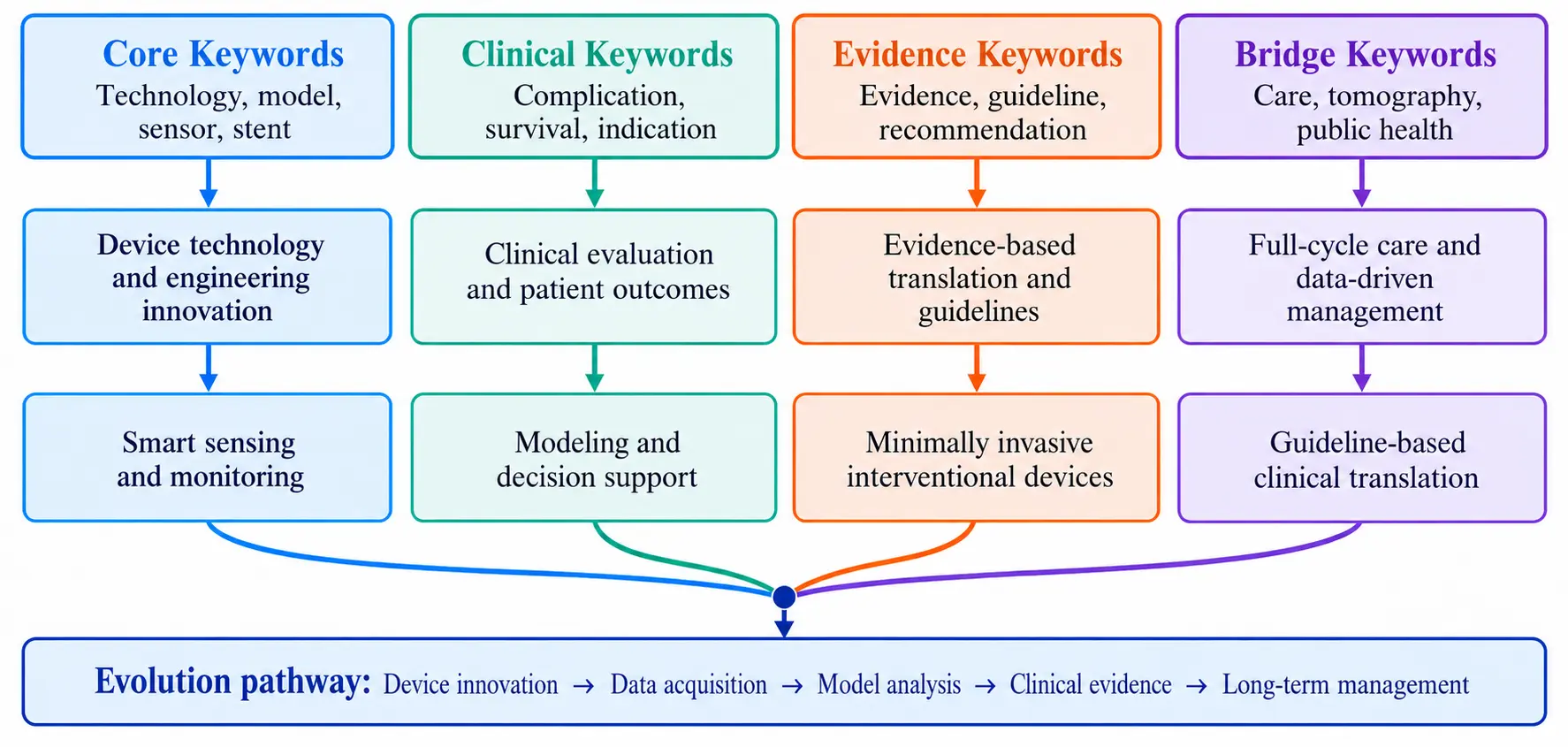
Figure 10. Framework linking keyword categories, thematic orientations, and research frontiers. This is an author-defined conceptual synthesis; arrows indicate interpretive relationships rather than a measured temporal sequence.
The frontier evolution of research on cardiovascular treatment-related medical devices is not driven by a single technology, but is jointly formed by the mutual support of multiple levels. Device technology and engineering innovation provide the material foundation for frontier development. Sensors and data acquisition technologies expand the dynamic monitoring capacity of devices. Model analysis and decision support improve the efficiency of data interpretation. Clinical evidence and guideline recommendations promote the standardized application of technologies, while long-term management further expands the value of device technologies in chronic disease prevention and full-cycle patient management. Therefore, future development in this field will no longer be limited to improving the performance of a single device, but will place greater emphasis on the synergistic integration of devices, data, models, evidence, and management systems.
It should be noted that the identification of research frontiers should not rely solely on keyword occurrence frequency, but should also comprehensively consider the clustering position, connection relationships, and underlying clinical and technological contexts of keywords. Some keywords may appear frequently but represent long-standing stable themes. Conversely, some keywords may currently have lower occurrence frequencies but may indicate emerging technological pathways or future development directions. For example, the significance of keywords such as sensor, model, guideline, evidence, and public health lies not only in their appearance in the keyword network, but also in the fact that they connect different research levels, including engineering technology, clinical evaluation, standardized translation, and long-term management. Therefore, frontier identification should simultaneously consider keyword frequency, thematic association, and the developmental logic of the field.
Overall, the research frontiers of cardiovascular treatment-related medical devices are mainly concentrated in intelligent monitoring and sensor integration, model construction and data-driven decision support, minimally invasive intervention and emerging therapeutic device iteration, evidence-based evaluation and guideline-oriented translation, emerging materials and functional device design, and multisource data fusion with full-cycle patient management. These directions collectively indicate that this field is transitioning from conventional device development and clinical application evaluation toward a developmental stage characterized by intelligent sensing, precision decision-making, evidence-based translation, and long-term management. Based on the keyword analysis and research frontier discussion, future research on cardiovascular treatment-related medical devices will further highlight multidisciplinary integration and promote the transformation of medical devices from single therapeutic tools into intelligent, precise, and systematic therapeutic platforms.
4.4. Analysis of Common Data Source Types in Publications
After completing keyword co-occurrence analysis, thematic clustering, and research frontier identification, it is necessary to further summarize research on cardiovascular treatment-related medical devices from the perspective of data sources. The preceding analysis indicates that the hotspot themes in this field cover multiple directions, including device technology, monitoring and measurement, clinical outcomes, evidence-based guidelines, and patient management. The formation of different themes often depends on different types of data support. In other words, keywords and research frontiers reveal what the research focuses on, whereas data sources further explain what evidence these studies are based on. Therefore, summarizing the common data sources used in related publications helps further clarify the intrinsic relationships among research content, evidence foundations, and methodological pathways in this field.
Overall, the data sources used in research on cardiovascular treatment-related medical devices show clear diversification. They mainly include clinical case data, clinical trial data, real-world follow-up data, device performance testing data, physiological monitoring data, medical imaging data, and literature and guideline data. Among them, clinical case data and clinical trial data are mainly used to evaluate the safety and efficacy of device-based therapy. Real-world data and long-term follow-up data are more often used to examine device stability and patient benefit in actual clinical settings. Device performance testing data are used to validate device structure, materials, mechanical properties, and functional reliability. Physiological monitoring data and imaging data provide evidence for therapeutic process evaluation, risk prediction, and individualized decision-making. Literature and guideline data serve evidence-based evaluation, therapeutic recommendation, and knowledge structure analysis. Thus, the data foundation of this field is not derived from a single source, but is jointly constructed from clinical, engineering, monitoring, imaging, and literature-based evidence.
Clinical case data are among the most fundamental and commonly used data sources in research on cardiovascular treatment-related medical devices. Such data usually include patient age, sex, underlying diseases, cardiovascular lesion types, therapeutic indications, procedural methods, device types, perioperative conditions, and postoperative outcomes, and are mainly used to analyze the applicable population, therapeutic effects, and risk factors of device-based treatment. For research directions such as transcatheter valve therapy, left atrial appendage occlusion, leadless pacing, vascular stents, and circulatory assist devices, clinical case data can directly reflect the application status of devices in real patients. Particularly in studies of patient prognosis, complication rates, and therapeutic benefit, clinical case data often constitute the core evidence base. However, case data alone are often limited by sample size, study center, patient selection, and follow-up completeness; therefore, they need to be further supported by more standardized clinical trial data.
Clinical trial data are an important source of evidence for evaluating the safety and efficacy of cardiovascular treatment-related medical devices. Compared with general retrospective case data, clinical trials usually have clearer inclusion criteria, control designs, endpoint settings, and follow-up protocols, allowing more systematic assessment of the clinical value of a specific device or therapeutic strategy. In studies of emerging interventional devices, implantable devices, and ablation systems, clinical trial data are commonly used to compare the therapeutic effects of device-based therapy with pharmacological therapy, conventional surgery, or other interventional approaches, and to further clarify the applicable population and benefit boundaries. For medical devices, clinical trials are not only an important data source for academic research but also a key evidence base for clinical dissemination and guideline recommendations. However, clinical trials often involve strict sample selection criteria, and their findings may not fully represent complex real-world clinical scenarios. Therefore, the importance of real-world data and long-term follow-up data has become increasingly prominent.
Real-world data and long-term follow-up data have received increasing attention in recent years in research on cardiovascular treatment-related medical devices. Such data are commonly derived from hospital databases, registry systems, multicenter follow-up cohorts, electronic health record systems, and post-implantation device management platforms, and can reflect the long-term performance of medical devices in real clinical environments. Compared with clinical trials, real-world data cover more complex patient populations and can better capture device performance among elderly patients, patients with multiple comorbidities, and high-risk groups. For cardiovascular therapeutic devices, issues such as long-term safety, device failure, reintervention risk, thrombotic events, infection risk, and long-term survival outcomes often require evaluation based on data collected over longer time scales. Therefore, real-world data and long-term follow-up data provide important support for the continuous assessment of devices after clinical translation, shifting research emphasis from short-term efficacy toward long-term benefit and full-cycle management.
In addition to clinical data, device performance testing data are also important data sources in publications in this field. Cardiovascular treatment-related medical devices usually need to function in complex blood-flow environments, mechanical loading environments, and long-term implantation environments. Therefore, structural strength, material stability, fatigue performance, hemocompatibility, delivery performance, and functional reliability directly affect clinical outcomes. Related studies often obtain device performance data through in vitro experiments, bench testing, animal experiments, material characterization, and mechanical analysis. For example, vascular stent studies commonly focus on radial support force, fatigue life, drug release behavior, and endothelialization. Valve device studies focus on valve opening and closing performance, durability, and hemodynamic behavior. Catheter and occluder studies tend to emphasize delivery performance, positioning stability, and structural adaptability. Device performance data serve as an important bridge between device design concepts and clinical application, while also providing an engineering foundation for subsequent clinical evaluation.
With the development of sensing technologies and digital health approaches, physiological monitoring data have become increasingly important in research on cardiovascular treatment-related medical devices. Such data mainly include blood pressure, heart rate, electrocardiographic signals, blood oxygen saturation, hemodynamic parameters, rhythm changes, implanted device operating parameters, and continuous data collected by wearable devices or remote monitoring platforms. Compared with conventional clinical endpoints, physiological monitoring data are continuous, dynamic, and real-time, enabling more sensitive detection of changes in patient status and device treatment effects. For example, in studies of cardiac rhythm management devices, implantable monitoring devices, blood pressure regulation devices, and remote follow-up systems, physiological monitoring data can support risk warning, therapeutic efficacy tracking, and individualized intervention. The increasing use of this type of data indicates that cardiovascular treatment-related medical devices are gradually evolving from single therapeutic tools into intelligent platforms with monitoring, feedback, and management functions.
Medical imaging data are also important data sources in research on cardiovascular treatment-related medical devices. The application of many cardiovascular therapeutic devices depends heavily on imaging evaluation, including preoperative anatomical analysis, device size selection, intraoperative positioning and navigation, and postoperative therapeutic efficacy assessment. Common imaging data sources include echocardiography, computed tomography, magnetic resonance imaging, angiography, and tomographic imaging. For research areas such as transcatheter valve therapy, left atrial appendage occlusion, coronary intervention, structural heart disease intervention, and ablation therapy, imaging data are used not only to determine whether patients are suitable for device-based treatment, but also to evaluate device implantation position, structural matching, blood-flow changes, and postoperative complication risks. With the development of three-dimensional reconstruction, image fusion, and artificial intelligence-based image analysis, imaging data are shifting from purely diagnostic auxiliary information to an important basis for device design, therapeutic planning, and postoperative evaluation.
Literature data and guideline data mainly serve evidence-based evaluation, knowledge synthesis, and research trend analysis. For cardiovascular treatment-related medical devices, the transition of new technologies from clinical exploration to standardized application often requires evidence support from systematic reviews, meta-analyses, guideline recommendations, and consensus documents. The data sources of such studies are not individual patients or single device experiments, but existing publications, clinical trial results, guideline documents, and expert consensus statements. By integrating existing literature evidence, researchers can compare therapeutic differences among different treatment strategies, summarize the applicable scope and risk characteristics of device-based therapy, and provide evidence for clinical decision-making. The bibliometric method adopted in this study is also a research pathway based on literature data, aimed at revealing the knowledge structure, hotspot distribution, and evolutionary trends of research on cardiovascular treatment-related medical devices from a macro-level perspective.
From the perspective of relationships among different data sources, research on cardiovascular treatment-related medical devices has formed a relatively complete data support chain. Device performance testing data mainly answer the question of whether a device has reliable functionality. Clinical case and clinical trial data answer whether the device is safe and effective. Real-world and long-term follow-up data answer whether the device can provide sustained benefit in actual clinical practice. Physiological monitoring and imaging data answer how the treatment process and patient status change dynamically. Literature and guideline data answer how existing evidence can be integrated and translated into clinical recommendations. These data sources are not independent of one another but form a continuous chain of evidence throughout device development, clinical validation, dissemination, and long-term management. It is precisely this multisource data synergy that enables research in this field to move from single-point efficacy evaluation toward full-process, whole-course, and full-cycle analysis.
Nevertheless, the extensive use of multisource data also presents several challenges. First, data sources, follow-up durations, endpoint indicators, and evaluation criteria differ across studies, potentially reducing the comparability of research findings. Second, clinical data, monitoring data, and imaging data differ structurally, and their data formats, acquisition frequencies, and quality-control approaches are not fully standardized, increasing the difficulty of data fusion and integrated analysis. Third, although real-world data are closer to actual clinical practice, they are more susceptible to patient heterogeneity, treatment selection bias, and center-level differences. Therefore, while expanding data sources, future studies also need to strengthen data standardization, endpoint harmonization, multicenter validation, and long-term follow-up system construction.
The analysis of common data sources in publications indicates that research on cardiovascular treatment-related medical devices has formed a multisource data system with clinical data as the core, engineering performance data as the foundation, physiological monitoring and imaging data as supplements, and literature and guideline data as evidence support. Different data sources serve different stages, including device design, performance validation, clinical evaluation, therapeutic efficacy tracking, and evidence translation, jointly supporting the complete research chain from device development to clinical application and long-term management. With the continuous development of intelligent sensing, remote monitoring, medical image analysis, and real-world research, data sources in this field are likely to become more diverse and continuous, laying the foundation for the future development of cardiovascular treatment-related medical device research toward greater precision, intelligence, and evidence-based practice. Table 4 summarizes these complementary evidence sources, typical data, analytical methods, and roles across the device lifecycle.
Table 4. Complementary evidence sources and methods across the cardiovascular-device lifecycle.
|
Evidence Source |
Typical Data |
Common Methods |
Primary Purpose |
|---|---|---|---|
|
Clinical case/trial data |
Baseline characteristics, procedure, endpoints, complications, survival |
Descriptive statistics; regression; survival analysis; propensity methods |
Safety, efficacy, risk stratification, comparative outcomes |
|
Real-world/registry data |
Broad patient populations, post-market outcomes, device status |
Registry analysis; longitudinal modeling; safety surveillance |
Long-term effectiveness, rare events, external validity |
|
Bench/mechanical data |
Geometry, materials, fatigue, radial force, delivery, durability |
Mechanical testing; fatigue testing; material characterization |
Design verification, failure-mode assessment, quality control |
|
Hemodynamic/simulation data |
Flow field, pressure, wall stress, device-tissue interaction |
CFD; FEA; fluid-structure interaction |
Design optimization, mechanistic interpretation, virtual testing |
|
Imaging/physiological signals |
CT, MRI, ultrasound, angiography, ECG, pressure, implanted sensors |
Segmentation; reconstruction; signal processing; time-series analysis |
Planning, navigation, monitoring, dynamic assessment |
|
Multimodal data |
Clinical + imaging + signal + device data |
Machine learning; deep learning; multimodal fusion |
Prediction, patient selection, decision support |
|
Literature/guideline data |
Publications, citations, trials, guidelines |
Bibliometrics; systematic review; meta-analysis |
Knowledge mapping, evidence synthesis, guideline translation |
4.5. Summary of Common Analytical Tools and Methodological Characteristics in Publications
After analyzing common data sources in Section 4.4, it is still necessary to further discuss how these data are typically processed, interpreted, and translated through specific tools and methods. For research on cardiovascular treatment-related medical devices, the diversification of data sources determines the composite nature of analytical tools and research methods. Different types of data usually correspond to different research questions. Clinical data mainly focus on safety and efficacy evaluation; device performance data emphasize structural and functional validation; physiological monitoring and imaging data support dynamic assessment and individualized judgment; and literature and guideline data are primarily used for evidence synthesis and knowledge structure analysis. Therefore, after clarifying data sources, it is necessary to further summarize the analytical tools and research methods commonly used in related publications, so as to reveal the basic characteristics of the research paradigm in this field.
Overall, the analytical tools commonly used in research on cardiovascular treatment-related medical devices can be broadly divided into clinical statistical analysis tools, engineering simulation and device evaluation tools, medical imaging and signal processing tools, intelligent algorithm-based analytical tools, and bibliometric and evidence-based evaluation tools. Clinical statistical tools are mainly used to process patient information, treatment outcomes, and follow-up data. Engineering simulation tools are mainly used to analyze device structures, mechanical performance, and hemodynamic characteristics. Medical imaging and signal processing tools mainly serve preoperative assessment, intraoperative navigation, postoperative follow-up, and continuous monitoring. Intelligent algorithm-based tools are mainly used for multisource data modeling, risk prediction, and decision support. Bibliometric and evidence-based evaluation tools are used to identify research hotspots, integrate existing evidence, and analyze knowledge structures. Thus, the analytical tools in this field are not of a single type, but form a multi-level tool system around clinical evaluation, engineering validation, data modeling, and evidence synthesis. To more clearly present the correspondence between different tools and research tasks, the common analytical tools and research method types are summarized in Table 5.
Table 5. Common data sources, analytical tools, and methodological features in cardiovascular medical device studies.
|
Type of Tool |
Main Processing Object |
Common Methods or Tools |
Main Research Purposes |
|---|---|---|---|
|
Clinical statistical analysis |
Patient information, treatment outcomes, and follow-up data |
Descriptive statistics, inter-group comparison, regression analysis, survival analysis, propensity score matching |
Evaluate the safety, efficacy, prognosis, and risk factors of the device. Representative references: [15,22,31,188]. |
|
Engineering simulation and device evaluation |
Instrument structure, material properties, hemodynamic data |
Finite element analysis, computational fluid dynamics, bench testing, material characterization, fatigue test |
Optimize the design of the equipment and verify the structural stability and functional reliability. Representative references: [51,52]. |
|
Medical Imaging and Signal Processing |
CT, MRI, ultrasound, angiography, electrocardiogram and blood pressure signals |
Image segmentation, 3D reconstruction, filtering, feature extraction, time series analysis |
Support preoperative assessment, intraoperative navigation, postoperative follow-up, and dynamic monitoring. Representative references: [11,17,40,57]. |
|
Intelligent algorithm analysis |
Clinical data, imaging data, physiological signals, multisource data |
Machine learning, deep learning, predictive models, multimodal fusion |
Realize risk prediction, efficacy assessment, assistance in decision-making and individualized treatment. Representative references: [17,57,178,179,186]. |
|
Literature measurement and evidence-based evaluation |
Literature data, guideline documents, clinical evidence |
VOSviewer, CiteSpace, Bibliometrix, Systematic Review, Meta-analysis |
Identify research hotspots, knowledge structures, evidence quality and development trends. Representative references: [60,61,62,63,64,65,66,67,68,69,70,71,72,91,92]. |
The analytical tools and methodological system of research on cardiovascular treatment-related medical devices exhibit clear task-oriented characteristics. Clinical statistical analysis mainly corresponds to patient information and treatment outcomes, making it suitable for evaluating safety, efficacy, and prognostic differences after device-based therapy. Engineering simulation and device evaluation mainly correspond to device structure, material properties, and hemodynamic data, making them suitable for validating the rationality and functional reliability of device design schemes. Medical imaging and signal processing mainly correspond to preoperative assessment, intraoperative navigation, and postoperative monitoring, and can support more refined evaluation of the therapeutic process. Intelligent algorithm-based analysis further targets complex multisource data and supports risk assessment and decision-making through model construction and predictive analysis. Bibliometric and evidence-based evaluation starts from existing publications and clinical evidence, revealing research hotspots, knowledge structures, and evidence quality. Together, these methodological categories indicate that this field has formed a multi-level analytical framework, ranging from raw data processing to clinical interpretation and from engineering validation to evidence synthesis.
In clinical research, statistical analysis remains the most common and fundamental analytical approach. Related publications typically use statistical software to analyze patient baseline characteristics, perioperative indicators, complication rates, follow-up results, and survival outcomes. Common methods include descriptive statistics, between-group comparisons, correlation analysis, multivariable regression, survival analysis, and propensity score matching. For treatment-related medical devices, safety and efficacy are always the core issues of clinical evaluation. Therefore, statistical methods are mainly used to answer questions such as whether device-based therapy improves patient prognosis, which factors influence treatment outcomes, and whether differences exist among different therapeutic approaches. In areas such as transcatheter valve therapy, left atrial appendage occlusion, leadless pacing, and vascular stents, clinical statistical analysis can provide important evidence for device indication selection, complication risk assessment, and long-term benefit evaluation. However, clinical statistical methods rely more heavily on structured data and predefined endpoints. As research objects gradually expand toward continuous monitoring and multimodal data, the explanatory capacity of a single statistical method becomes limited, thereby promoting the introduction of model-based and intelligent algorithmic methods.
Corresponding to clinical statistical analysis, engineering simulation and device performance evaluation methods mainly serve medical device design and functional validation. Cardiovascular treatment-related medical devices usually need to operate in complex blood-flow environments, cyclic mechanical loading conditions, and long-term implantation settings. Therefore, structural stability, fatigue performance, fluid mechanical behavior, and material reliability are important research issues. Related publications often employ finite element analysis, computational fluid dynamics simulation, bench testing, material characterization, fatigue testing, and animal experiments to evaluate device structural strength, delivery performance, flow disturbance, pressure distribution, and long-term stability. The advantage of these methods lies in their ability to predict and optimize device performance before clinical application, thereby reducing development risk and improving design rationality. As device structures become increasingly complex, traditional experimental testing alone is no longer sufficient to fully explain interactions among devices, blood flow, and tissues. Consequently, engineering simulation methods are playing an increasingly important role in this field.
In studies related to medical imaging and physiological signals, image processing and signal analysis tools play an important role. The design, selection, and evaluation of cardiovascular therapeutic devices often depend on imaging data such as ultrasound, computed tomography, magnetic resonance imaging, angiography, and tomographic imaging. Relevant tools can be used for image segmentation, three-dimensional reconstruction, anatomical structure measurement, device size matching, and postoperative outcome assessment. Meanwhile, physiological data such as electrocardiographic signals, blood pressure signals, hemodynamic signals, and implanted device operating parameters also need to be processed through methods such as filtering, feature extraction, frequency-domain analysis, time-series modeling, and anomaly detection. The application of imaging and signal analysis methods enables research on cardiovascular therapeutic devices to move beyond endpoint event evaluation and to further capture dynamic changes and individual differences during the treatment process. With the development of sensors and remote monitoring technologies, these tools will become an important methodological basis for connecting device-based therapy, patient status monitoring, and risk warning.
Against the background of increasing data volume and growing data complexity, intelligent algorithmic methods such as machine learning, deep learning, and multimodal data fusion have gradually become important methodological directions in research on cardiovascular treatment-related medical devices. Compared with traditional statistical analysis, intelligent algorithms are more suitable for processing high-dimensional, multisource, nonlinear, and dynamically changing data, and can contribute to risk prediction, image recognition, signal classification, postoperative prognostic assessment, and therapeutic decision support. For example, predictive models constructed from clinical and imaging data can be used to determine whether a patient is suitable for a specific device-based therapy. Classification models based on continuous monitoring signals can be used to identify rhythm abnormalities, blood pressure fluctuations, or postoperative risks. Decision models based on multimodal data fusion can help improve the accuracy of individualized treatment. It should be noted that although intelligent algorithms can improve prediction and classification performance, their clinical application still faces challenges related to model interpretability, external validation, sample bias, and cross-center generalizability. Therefore, future studies should address not only model performance but also model transparency, clinical interpretability, and validation in real-world scenarios.
In addition to analytical tools applied to raw experimental and clinical data, bibliometric and evidence-based medical methods are also important research pathways commonly used in this field. Bibliometric tools such as VOSviewer, CiteSpace, and Bibliometrix are mainly used to analyze publication trends, keyword co-occurrence, institutional collaboration, co-citation networks, and research frontiers, thereby revealing the knowledge structure and hotspot evolution of research on cardiovascular treatment-related medical devices from a macro-level perspective. Evidence-based medical methods, such as systematic reviews, meta-analyses, guideline interpretation, and evidence quality assessment, are commonly used to integrate existing clinical studies and compare the safety and efficacy of different devices or therapeutic strategies. These methods are complementary to clinical trials and real-world studies. The former can extract evidence from existing publications, while the latter continuously provide new data sources for evidence systems. Therefore, the role of bibliometric and evidence-based evaluation methods in this field has expanded from simple review tools to important approaches for assessing research trends and supporting clinical decision-making.
From the perspective of research method types, publications on cardiovascular treatment-related medical devices can be broadly classified into five categories: clinical evaluation studies, engineering validation studies, data modeling studies, evidence synthesis studies, and integrated translational studies. Clinical evaluation studies mainly focus on the safety, efficacy, complications, and long-term prognosis of device-based therapy. Engineering validation studies focus on device structure, material properties, mechanical behavior, and functional reliability. Data modeling studies mainly focus on modeling analysis based on imaging, signals, clinical indicators, and multisource data. Evidence synthesis studies focus on systematic summarization of existing publications, guidelines, and clinical evidence. Integrated translational studies emphasize the construction of complete technical pathways starting from clinical needs and integrating device development, data analysis, clinical validation, and application management. This classification indicates that the research methods in this field have gradually shifted from single-technology analysis or single clinical observation toward a comprehensive research paradigm combining clinical, engineering, data-driven, and evidence-based approaches.
Further analysis shows that different research methods are not isolated from one another, but undertake different functions within the research chain of cardiovascular treatment-related medical devices. Engineering validation methods mainly answer whether a device has a reliable structural and functional basis. Clinical statistical methods answer whether the device is safe and effective. Imaging and signal analysis methods answer how patient status and therapeutic processes change dynamically. Intelligent algorithmic methods answer how multisource data can be used for prediction and decision support. Evidence-based and bibliometric methods answer how existing research evidence is organized, how hotspots evolve, and how technologies can be translated into standardized applications. These methods together constitute a complete analytical system extending from device development to clinical application, evidence evaluation, and long-term management. It is precisely because of the complementary relationships among these methodological categories that research in this field increasingly exhibits interdisciplinary and translational medical characteristics.
Nevertheless, several limitations remain in the use of analytical tools and methods in existing studies. First, method selection varies considerably across studies, and some publications provide insufficient descriptions of data sources, parameter settings, and model validation procedures, affecting the reproducibility of results. Second, some engineering or algorithmic studies are insufficiently connected with real clinical problems, which may result in favorable technical indicators but limited clinical interpretability. Third, some clinical studies remain dominated by single-center designs, small sample sizes, and short-term follow-up, and further evaluation of long-term safety, real-world performance, and patient benefit boundaries is still needed. In addition, in multisource data fusion and intelligent algorithm applications, data standardization, privacy protection, model interpretability, and cross-institutional validation remain key issues to be addressed in future research. Therefore, future studies in this field should not only continue to expand analytical tools, but also further improve the standardization of research design and the transparency of methodological application.
Overall, the common analytical tools and methodological characteristics of related publications indicate that research on cardiovascular treatment-related medical devices has formed a composite methodological system, with clinical statistics as the foundation, engineering simulation and device evaluation as the support, imaging signal processing and intelligent algorithms as extensions, and bibliometric and evidence-based evaluation as complements. Different methods serve different stages, including device design, performance validation, clinical evaluation, risk prediction, evidence synthesis, and treatment management, thereby jointly advancing the transition of this field from conventional device research toward data-driven, intelligent decision-making and evidence-based translation. In combination with the analysis of data sources in Section 4.4, data diversification and methodological integration can be regarded as important features of current research on cardiovascular treatment-related medical devices, providing a foundation for further summarizing the developmental trends and future directions of this field in the conclusion section.
5. Applications and Optimization of Medical Devices
Bibliometric findings ultimately need to be interpreted in relation to specific medical devices and their clinical application scenarios, so as to further clarify the translational value of different research hotspots in actual disease treatment. Therefore, on the basis of the preceding bibliometric results, this section further discusses the typical applications and optimization directions of cardiovascular treatment-related medical devices. Specifically, Section 5.1 summarizes typical device applications, including transcatheter valve therapy, left atrial appendage occlusion, leadless pacing, pulsed field ablation, renal denervation, and intelligent monitoring and remote management, by integrating representative research cases published in recent years. Section 5.2 further summarizes the optimization pathways of current medical devices in terms of structural design, material performance, clinical indications, long-term safety, data integration, and intelligent translation based on the application analysis. Following the logic of application, problem, and optimization, this section aims to connect the preceding bibliometric results to specific technological developments, thereby more clearly revealing the internal pathway by which cardiovascular treatment-related medical devices move from research hotspots toward clinical translation and continuous improvement.
5.1. Applications
From the perspective of clinical application scenarios, cardiovascular treatment-related medical devices are prominently represented by minimally invasive interventional therapy for structural heart diseases. Device technologies represented by transcatheter valve therapy have gradually expanded from the treatment of aortic valve disease to interventions for mitral and tricuspid valve diseases, reflecting the transition of structural heart disease treatment from conventional open surgery toward minimally invasive interventional pathways. For aortic stenosis, long-term comparative studies of transcatheter aortic valve replacement and surgical aortic valve replacement in low-risk patients have promoted discussion of the boundary of indications for transcatheter aortic valve therapy [15]. For heart failure complicated by functional mitral regurgitation, the RESHAPE-HF2 study showed that adding transcatheter mitral valve repair to guideline-directed medical therapy could reduce heart failure events [189]. For severe tricuspid regurgitation, the TRISCEND II study demonstrated that transcatheter tricuspid valve replacement combined with medical therapy was superior to medical therapy alone for the primary composite endpoint, driven primarily by improvements in symptoms and quality of life [31]. These findings indicate that the application value of transcatheter valve therapy devices lies in reducing procedural trauma, expanding treatment options for selected high-risk patients, and promoting the transformation of structural heart disease treatment from isolated surgical repair toward a multi-valve, multi-pathway, and multi-indication minimally invasive interventional system. From an engineering perspective, the problem is not limited to deployability. Frame geometry, anchoring, sealing, leaflet durability, conduction-system interaction, and patient-prosthesis matching increasingly determine long-term performance.
Left atrial appendage occlusion devices represent a typical application of cardiovascular treatment-related medical devices in stroke prevention for patients with atrial fibrillation [148]. In patients with non-valvular atrial fibrillation, the left atrial appendage is an important source of thrombus formation and stroke risk. Long-term oral anticoagulation can reduce stroke risk, but it may also increase bleeding risk. By mechanically occluding the orifice of the left atrial appendage, left atrial appendage occlusion devices provide an alternative therapeutic pathway for patients who are unsuitable for long-term anticoagulation or who have a high bleeding risk. The OPTION trial showed that, in patients undergoing atrial fibrillation ablation, left atrial appendage occlusion was associated with a lower risk of bleeding than oral anticoagulation and was non-inferior with respect to the composite efficacy endpoint of death, stroke, or systemic embolism [149]. Real-world studies of WATCHMAN FLX in routine clinical practice have also shown that this next-generation left atrial appendage occlusion device achieved a high implantation success rate and relatively stable one-year clinical outcomes in large-scale real-world cohorts [190]. These studies indicate that the significance of left atrial appendage occlusion devices is not limited to structural occlusion itself; rather, by modifying the conditions for thrombus formation, they contribute to stroke prevention, bleeding risk control, and long-term antithrombotic strategy optimization in patients with atrial fibrillation. The principal engineering challenges include anatomical conformity, stable anchoring, residual peri-device leak, device-related thrombosis, surface hemocompatibility, and the interaction between occluder geometry and highly variable appendage morphology.
Cardiac rhythm management should be considered more broadly than leadless pacing alone. Conventional transvenous pacemakers and implantable cardioverter-defibrillators remain foundational therapies for bradyarrhythmia, resynchronization, and prevention of sudden cardiac death, but they introduce chronic challenges related to leads, subcutaneous pockets, infection, generator replacement, and long-term maintenance. CIED infection prevention therefore remains relevant even as leadless technologies expand. Recent clinical literature emphasizes both procedural and patient-related risk stratification, as well as strategies intended to reduce pocket-related infection [191,192].
Cardiac rhythm management devices and leadless pacemakers reflect the trends of miniaturization and reduced invasiveness in long-term implantable cardiovascular medical devices. Conventional pacemakers and implantable cardiac electronic devices have long been used to manage bradyarrhythmias and cardiac rhythm disorders. However, transvenous leads, subcutaneous pockets, infection risk, and long-term maintenance issues have remained important constraints on further optimization [193]. In recent years, leadless pacemakers have enabled miniature pacing devices to be directly implanted into the cardiac chamber via a transcatheter approach, thereby reducing lead- and pocket-related complications. Five-year follow-up results from the post-approval registry of the Micra transcatheter pacing system have further provided real-world evidence regarding the long-term performance of leadless pacemakers [5]. Meanwhile, the development of dual-chamber leadless pacing systems has further overcome the limitations of early single-chamber leadless pacing with respect to atrioventricular synchrony and clinical indications [194]. A 2025 study reported that the one-year safety and performance endpoints of such a system met the prespecified criteria [28]. These findings suggest that cardiac rhythm management devices are evolving from conventional transvenous lead-based systems toward miniaturized, leadless systems designed for durable long-term rhythm management. Safety in patients with low body surface area has also been examined in a matched-pair comparison of leadless and transvenous pacemakers [195]. Important engineering questions include fixation reliability, retrieval or replacement strategies, battery longevity, communication between intracardiac modules, electrode-tissue contact, and lifecycle management when multiple devices are implanted sequentially [5,6,28,194].
Wearable cardioverter-defibrillators occupy a distinct position between wearable monitoring and permanent ICD therapy. Unlike monitoring-only wearables, a WCD can deliver defibrillation for malignant ventricular arrhythmia and is therefore a therapeutic rhythm-management device. Its clinical role is particularly relevant when the arrhythmic risk may be transient or reversible, or when the indication for permanent ICD implantation remains uncertain [196,197]. This category should be included in both the revised search terminology and the narrative application framework.
In the field of arrhythmia treatment, atrial fibrillation ablation devices, particularly pulsed field ablation technology, have become a rapidly developing application direction in recent years. Conventional radiofrequency ablation and cryoablation mainly rely on thermal effects to achieve myocardial tissue ablation, but may be associated with risks such as collateral tissue injury, esophageal injury, or pulmonary vein stenosis. Pulsed field ablation induces non-thermal tissue ablation through electric field effects and has a degree of myocardial tissue selectivity, making it a promising emerging energy platform for catheter ablation of atrial fibrillation. The MANIFEST-17K study, based on more than 17,000 patients with atrial fibrillation [30], evaluated the safety of pulsed field ablation in post-approval clinical practice. The AdmIRE pivotal trial further confirmed the safety and efficacy of a variable-loop pulsed field ablation catheter for the treatment of paroxysmal atrial fibrillation [198]. This technology indicates that innovation in cardiovascular therapeutic devices is reflected not only in device structure and delivery systems, but also in energy modality, tissue selectivity, and treatment safety optimization [198]. Engineering optimization should address electric-field uniformity, electrode geometry, tissue contact, waveform control, lesion durability, and integration with mapping and navigation systems [21,30,198].
Renal denervation devices reflect the expansion of cardiovascular therapeutic devices from local structural cardiac intervention toward systemic cardiovascular risk management. Unlike valves, occluders, and pacemakers, which directly act on cardiac structure or rhythm function, renal denervation primarily assists in lowering blood pressure by modulating renal sympathetic nerve activity, thereby providing a non-pharmacological adjunctive treatment option for patients with resistant hypertension or inadequately controlled hypertension [29,188]. A patient-level pooled analysis of the RADIANCE clinical trial program showed that ultrasound renal denervation still provided blood pressure-lowering benefits after medication escalation [188]. A 36-month follow-up study related to RADIANCE-HTN TRIO further suggested that the antihypertensive effect of ultrasound renal denervation in patients with resistant hypertension had a certain degree of durability, with no obvious safety concerns observed [29]. Therefore, the application value of renal denervation is not limited to a single interventional procedure, but lies in providing a new device-based interventional pathway for chronic blood pressure management and cardiovascular risk control. Remaining challenges include responder identification, anatomical variation, catheter-wall contact, energy-delivery uniformity, and the long-term durability of the antihypertensive response [29,188].
With the development of sensors, wearable devices, implantable monitoring systems, and digital health approaches, intelligent monitoring and remote management devices have gradually become important application directions in cardiovascular disease treatment and management. Compared with conventional therapeutic devices, intelligent monitoring devices place greater emphasis on continuous acquisition of patient status, risk warning, and long-term follow-up management, and can play roles in scenarios such as heart failure, atrial fibrillation, hypertension, and postoperative management [43]. A 2024 review in The Lancet Digital Health reported that digital tools can cover multiple stages of heart failure care, including screening, early diagnosis, treatment initiation, and treatment optimization. A 2025 review of remote hemodynamic monitoring further emphasized that remote monitoring technology is becoming an important tool for continuous real-world physiological parameter monitoring and heart failure management [44]. The emergence of such devices and digital systems indicates that cardiovascular medical devices are expanding from single therapeutic tools to integrated platforms with continuous monitoring, data feedback, remote management, and decision-support functions [199]. The utility of these systems depends on data quality, actionable thresholds, integration with electronic health records, workflow compatibility, and external validation of risk-prediction or decision-support algorithms [18,43,44,45,199].
Taken together, the above typical applications indicate that cardiovascular treatment-related medical devices have formed a multi-scenario application landscape covering structural repair, rhythm management, thrombus prevention, energy-based ablation, physiological regulation, and remote monitoring. Although different device types vary in mechanisms of action and clinical indications, their common goal is to improve cardiovascular disease prevention and treatment by reducing therapeutic trauma, enhancing treatment precision, improving patient prognosis, and supporting long-term management. At the same time, these applications also reveal several common challenges, including long-term device stability, precise indication screening, complication risk control, real-world efficacy validation, data standardization, and clinical translation of intelligent algorithms. These issues constitute important entry points for subsequent optimization research. Therefore, based on the analysis of typical applications, Section 5.2 further discusses optimization pathways for cardiovascular treatment-related medical devices from the perspectives of device structure, material performance, data fusion, intelligent decision-making, and evidence-based evaluation.
5.2. Technical Optimization
Cardiovascular treatment-related medical devices already have an established clinical application base in scenarios such as structural heart disease intervention, stroke prevention in atrial fibrillation, cardiac rhythm management, atrial fibrillation ablation, device-based hypertension treatment, and intelligent remote monitoring. However, different types of devices still face several common challenges during clinical dissemination and long-term use, including insufficient structural adaptability, the need for further validation of long-term stability, inadequate precision in indication screening, difficulties in complication risk control, insufficient accumulation of real-world evidence, and limited efficiency in translating intelligent monitoring data into clinical practice. Therefore, optimization of medical devices should not be confined to isolated structural improvement, but should instead follow a systematic optimization pathway centered on device design, material performance, precise implantation, data fusion, evidence-based evaluation, and long-term management.
First, optimization of device structure and delivery systems remains a fundamental direction for improving cardiovascular treatment-related medical devices. Devices such as transcatheter valves, left atrial appendage occluders, leadless pacemakers, ablation catheters, and renal denervation catheters all need to achieve precise deployment and stable function in complex anatomical structures and dynamic physiological environments. Therefore, device size matching, delivery flexibility, positioning stability, and retrievability directly affect procedural safety and treatment success. For transcatheter valve devices, future optimization should further focus on valve frame structure, anchoring mechanisms, and sealing design to reduce risks such as paravalvular leakage, conduction disturbance, and valve migration. For left atrial appendage occlusion devices, greater emphasis should be placed on anatomical conformity and occlusion completeness across different left atrial appendage morphologies, thereby reducing residual leakage and device-related thrombosis. For leadless pacemakers and ablation catheters, continuous improvements are needed in miniaturization, fixation stability, electrode contact efficiency, and uniformity of energy delivery. Thus, the core objective of structural optimization is not simply to reduce device size but to improve the adaptability of devices to individualized anatomical structures while maintaining minimally invasive characteristics.
Second, material performance and surface functionalization are important pathways for improving the long-term safety of cardiovascular medical devices. Cardiovascular therapeutic devices usually need to be exposed for extended periods to the blood environment, cardiac motion environment, or vascular wall environment. Therefore, hemocompatibility, fatigue resistance, antithrombotic capacity, corrosion resistance, and tissue compatibility of materials directly affect device service stability. For vascular stents, prosthetic valves, occluders, and implantable electronic devices, material failure, thrombus formation, inflammatory responses, and excessive tissue proliferation may all compromise long-term therapeutic outcomes. Accordingly, future optimization can be carried out through the development of novel alloy materials, polymeric materials, bioactive coatings, anticoagulant surfaces, biodegradable materials, and nanoscale functional layers. Through the coordinated regulation of material structure and surface chemistry, it may be possible to reduce thrombosis and inflammatory responses while enhancing long-term device stability. Material optimization and structural optimization are not independent of each other; rather, they determine device performance in complex in vivo environments.
Third, imaging navigation and individualized preoperative planning are important supports for improving the precision of device application. The technologies discussed in Section 5.1, including transcatheter valve therapy, left atrial appendage occlusion, atrial fibrillation ablation, and renal denervation, all rely heavily on preoperative assessment and intraoperative positioning. Significant inter-patient differences exist in valve annulus size, left atrial appendage morphology, pulmonary vein anatomy, renal artery course, and cardiac chamber structure. If device selection relies only on empirical judgment and conventional imaging evaluation, the risks of implantation mismatch, residual leakage, incomplete ablation, and complications may increase. Therefore, future studies should further strengthen the application of imaging data, including computed tomography, magnetic resonance imaging, echocardiography, angiography, and three-dimensional reconstruction, in device selection, procedural planning, and intraoperative navigation. Through image fusion, three-dimensional modeling, and preoperative simulation, the device deployment position, contact status, and potential risks can be predicted more accurately, thereby promoting the transition of cardiovascular therapeutic devices from standardized application toward individualized application.
Precise indication screening and risk stratification are important components of clinical optimization for medical devices. The therapeutic effects of different cardiovascular devices are often influenced by patient age, underlying diseases, anatomical structure, comorbidities, medication use, and disease progression stage. Taking left atrial appendage occlusion as an example, not all patients with atrial fibrillation are suitable for mechanical occlusion, and the potential benefit depends on stroke risk, bleeding risk, and tolerance to long-term anticoagulation. For renal denervation, responses to device-based antihypertensive treatment vary among patients with hypertension, and identifying potential responders is critical for further clinical dissemination. For pulsed-field ablation, different types of atrial fibrillation, atrial structures, and disease stages may affect ablation efficacy and recurrence risk. Therefore, future research should develop more refined patient stratification models based on clinical and imaging data, physiological parameters, and real-world follow-up outcomes, enabling medical device applications to move from being suitable for a disease category to being suitable for a specific patient subgroup.
Intelligent sensing and multisource data fusion represent directions for enhancing the long-term management capacity of devices. Conventional medical devices mainly provide therapeutic or structural support functions, whereas future cardiovascular medical devices are expected to evolve gradually into integrated platforms combining treatment, monitoring, feedback, and management. Implantable sensors, wearable devices, remote monitoring systems, and operating data from implantable electronic devices can continuously record blood pressure, heart rate, electrocardiographic signals, hemodynamic parameters, activity status, and device operating status, thereby providing continuous evidence for postoperative follow-up and risk warning. However, the clinical value of multisource data does not depend on data volume alone, but on whether these data can be effectively integrated, interpreted, and translated into actionable therapeutic decisions. Therefore, future work should strengthen the integration of electronic health records, imaging data, physiological signals, device operating data, and patient self-monitoring data, and establish multimodal analytical models oriented toward clinical problems, thereby improving dynamic evaluation and long-term management after device-based therapy.
Artificial intelligence-assisted decision-making can serve as an important tool for optimizing cardiovascular medical devices, but its application needs to emphasize interpretability and clinical validation. As data sources continue to diversify, artificial intelligence can be used for device size selection, preoperative risk prediction, postoperative complication warning, rhythm abnormality identification, treatment response prediction, and long-term follow-up management. For example, in transcatheter valve therapy, AI can assist in image segmentation and valve size assessment. In atrial fibrillation ablation, AI can help identify recurrence risk and optimize ablation strategies. In remote monitoring, AI can extract abnormal patterns from continuous signals and provide early warning. However, AI models related to medical devices should not pursue algorithmic accuracy alone. They must also address clinical interpretability, cross-center generalizability, control of data bias, and safety in practical application. Only after multicenter external validation and testing in real-world scenarios can intelligent algorithms become reliable tools for medical device optimization and clinical decision support.
The construction of real-world evidence and long-term follow-up systems is critical for advancing device optimization from short-term efficacy evaluation toward long-term value assessment. Many cardiovascular medical devices can demonstrate short-term safety and efficacy in premarket clinical trials, but their long-term durability, rare complications, treatment differences among different populations, and overall benefits in real-world clinical settings still require validation through long-term follow-up and real-world data. Issues such as the durability of transcatheter valves, device-related thrombosis after left atrial appendage occlusion, battery life and retrieval of leadless pacemakers, long-term recurrence after pulsed field ablation, and sustained blood pressure reduction after renal denervation all require continuous observation. Therefore, more comprehensive multicenter registry systems and long-term follow-up databases should be established in the future, incorporating clinical endpoints, device status, patient quality of life, and health economic indicators into an integrated evaluation system. This will enable medical devices to evolve from being merely usable to being long-term effective and sustainably beneficial.
Standardized evaluation systems and evidence-based translation are institutional pathways that cannot be neglected in the optimization of cardiovascular medical devices. Differences in endpoint indicators, follow-up duration, patient inclusion criteria, and complication definitions across studies can affect cross-device comparison and evidence synthesis. Future studies should further promote the standardization of device research endpoints, normalization of data reporting, and unification of adverse event definitions, thereby enabling stronger evidence continuity among clinical trials, real-world studies, and systematic reviews. At the same time, optimization of medical devices should not focus solely on individual technical indicators, but should also comprehensively consider patient benefit, treatment cost, procedural accessibility, physician learning curve, and long-term health economic value. Only with the support of a standardized evidence system can medical device innovation be more smoothly incorporated into guideline recommendations and clinical pathways, thereby achieving an upgrade from technical optimization to clinical translational optimization.
The optimization pathways for cardiovascular treatment-related medical devices can be summarized at multiple levels, including structural adaptability optimization, material functional optimization, imaging navigation optimization, indication screening optimization, data fusion optimization, intelligent decision-making optimization, and evidence-based evaluation optimization. These optimization directions are not merely parallel but jointly constitute a continuous improvement system that extends from device entities to clinical applications, from short-term efficacy to long-term management, and from experience-based to data-driven decision-making. To present these optimization pathways more clearly, the major problems, optimization directions, and expected effects of cardiovascular treatment-related medical devices are summarized in Table 6.
Table 6. Optimization directions, implementation pathways, and expected outcomes for cardiovascular medical devices.
|
Optimization Direction |
Mainly Addressing the Issue |
Specific Optimization Path |
Expected Effect |
|---|---|---|---|
|
Structures and Delivery Systems |
Inadequate equipment compatibility, unstable positioning, and release risks |
Optimize the framework structure, anchoring method, delivery system, retrievable design and size matching |
Increase the implantation success rate, reduce perivalvular leakage, residual leakage, displacement and operational complications. |
|
Materials and Surface Functions |
Thrombosis, inflammation, fatigue failure and the risk of long-term service |
Developing anticoagulant coatings, bioactive surfaces, degradable materials, nano- functional layers and highly durable materials |
Improve blood compatibility, biocompatibility and long-term stability. |
|
Manufacturing and quality control |
Dimensional variability, coating inconsistency, particulate, assembly defects |
Process validation; dimensional metrology; coating/particulate inspection; sterilization and shelf-life validation |
More reproducible performance and lower manufacturing-related failure risk. |
|
Image navigation and preoperative planning |
Significant anatomical variations, inaccurate selection of instruments, and difficulties in intraoperative positioning |
Apply 3D reconstruction, image fusion, preoperative simulation and individualized path planning |
Improve the accuracy of equipment selection and the precision of treatment procedures. |
|
Indication screening and risk stratification |
The target population is unclear and there are significant differences in treatment responses. |
Establish a patient stratification model based on clinical, imaging, physiological and follow- up data |
Enhance the accuracy of patient selection and reduce the risks of ineffective treatment and complications. |
|
Multi-source data fusion |
Data dispersion, insufficient continuous monitoring, and weak long-term management |
Integrate electronic medical records, imaging, sensor signals, implanted device data and remote monitoring data |
Support dynamic assessment, risk warning and full- cycle patient management. |
|
Artificial intelligence assistance |
Complex data, low decision-making efficiency, and insufficient individualization |
Build models for risk prediction, image recognition, signal classification and treatment decision support |
Enhance predictive capabilities, assist in clinical decision-making, and improve the level of individualized treatment. |
|
Real-world evidence and long-term follow-up |
There is a lot of short-term research, but insufficient long-term safety evidence. |
Establish a registration system, a multi-center database and a long-term follow-up system |
Verify the long-term efficacy, safety and real-world application value of the device. |
|
Standardization and Evidence-Based Transformation |
The research endpoints are not uniform and it is difficult to integrate the evidence. |
Unify the endpoint indicators, adverse event definitions, data reporting standards and evidence evaluation system |
Improve research comparability, facilitate guideline incorporation and clinical pathway transformation. |
Optimization of cardiovascular treatment-related medical devices is not the improvement of an isolated link, but a systematic project covering device design, material selection, implantation procedures, patient screening, data management, algorithmic support, and evidence evaluation. Structural and material optimization mainly address the reliability of device entities. Imaging navigation and indication screening mainly improve the precision of clinical use. Multisource data and artificial intelligence methods mainly enhance dynamic monitoring and individualized decision-making capabilities. Real-world evidence and standardized evaluation further promote the transition of devices from clinical application to standardized dissemination. Therefore, the future development focus of cardiovascular treatment-related medical devices will gradually shift from improving the performance of individual devices toward the coordinated optimization of devices, data, evidence, and management. These optimization directions form a lifecycle rather than a set of independent targets. Structural and material design determine whether the device can be manufactured and deployed reliably; bench testing and standards provide preclinical evidence; clinical trials establish safety and efficacy; post-market and real-world evidence reveal long-term durability and rare complications; and data integration can support increasingly individualized follow-up. A stronger connection among these stages is necessary if cardiovascular medical devices are to progress from technically successful products to durable, evidence-based therapeutic systems.
Overall, the typical applications presented in Section 5.1 demonstrate that cardiovascular treatment-related medical devices already contribute in multiple clinical scenarios. This section further indicates that achieving higher-level clinical translation of these applications requires continuous optimization around structural adaptability, material performance, imaging navigation, precise screening, data fusion, intelligent decision-making, and evidence-based evaluation. In the future, with the continued development of minimally invasive interventional technologies, intelligent sensing technologies, artificial intelligence algorithms, and real-world evidence systems, cardiovascular treatment-related medical devices are expected to further evolve from conventional therapeutic tools into comprehensive technological platforms integrating treatment, monitoring, prediction, and long-term management, thereby supporting precision prevention, treatment, and full-cycle management of cardiovascular diseases.
5.3. Mechanical Design, Materials, Manufacturing, Testing, and Standards
The device-engineering comparison complements the preceding optimization pathways. Cardiovascular devices operate under highly device-specific combinations of cyclic pressure, radial strain, bending, torsion, axial motion, fluid loading, electrical stimulation, and long-term blood or tissue contact. Consequently, configuration, materials, manufacturing route, mechanical loading, fluid–structure interaction, fatigue, coating integrity, sterilization compatibility, and quality control must be considered together rather than as separate design topics. Table 7 compares the engineering characteristics, loading conditions, failure modes, testing approaches, and cited standards of representative cardiovascular devices.
Manufacturing and quality-control requirements are especially important for devices whose performance depends on small geometric tolerances or thin functional layers. Stent strut dimensions, heat treatment, electropolishing, and coating uniformity can influence fatigue and particulate generation. Transcatheter valves require consistent frame geometry, leaflet preparation, crimping behavior, and hydrodynamic performance. Catheters require reproducible extrusion, braiding, bonding, steerability, and insulation integrity. Active implantable devices require hermetic packaging, validated electronic performance, battery reliability, and robust lead or fixation interfaces. Sterilization must be compatible with materials, coatings, electronics, and packaging throughout the intended shelf life.
Fluid–structure interaction should be considered when the device materially alters blood flow or deforms under hemodynamic loading. For stents, valves, occluders, and assist devices, CFD, finite-element analysis, and coupled FSI can complement bench testing by identifying regions of elevated stress, disturbed flow, thrombogenic stagnation, or suboptimal device-tissue contact. Computational outputs should not replace verification testing; instead, model assumptions, material constitutive behavior, boundary conditions, and validation data should be reported so that simulations remain mechanistically interpretable and clinically relevant.
Table 7. Engineering characteristics, loading conditions, failure modes, tests, and cited standards for representative cardiovascular devices.
|
Device Class |
Configuration |
Typical Materials |
Manufacturing Considerations |
Dominant Loading/FSI |
Representative Failure Modes |
Bench/Design Metrics |
Relevant Standards |
|---|---|---|---|---|---|---|---|
|
Vascular stents/endovascular devices |
Balloon-expandable or self-expanding scaffold + delivery system |
Co-Cr alloys, stainless steel, nitinol; polymer or drug coatings where applicable |
Laser cutting or forming, heat treatment, electropolishing, coating application |
Cyclic radial deformation, bending, torsion, compression, vessel motion |
Fatigue fracture, recoil, restenosis, thrombosis, coating delamination/particulate |
Radial force, recoil, fatigue, corrosion, coating integrity, particulate, delivery tests |
ISO 25539-2:2020; ASTM F2477-24; ISO 25539-1:2017 as applicable [200,201,202] |
|
Transcatheter heart valves |
Expandable frame + leaflet valve + delivery system |
Nitinol or Co-Cr frame; biological leaflets; polymeric sealing components |
Frame forming/heat treatment, leaflet processing, crimping, assembly, sterilization |
Pulsatile transvalvular pressure, leaflet flexure, frame fatigue, crimp/deployment strain |
Leaflet degeneration, paravalvular leak, frame fatigue, thrombosis, conduction disturbance |
Hydrodynamics, effective orifice area, regurgitation, accelerated wear, frame durability, delivery/deployment |
|
|
Occluders |
Self-expanding mesh/disc with sealing membrane |
Nitinol mesh; polymeric fabric/membrane |
Wire braiding/weaving, shape setting, membrane assembly |
Cyclic atrial/appendage motion, anchoring load, blood-contact loading |
Residual leak, embolization, thrombosis, fatigue, tissue injury |
Anchoring/pull-out, dimensional conformity, fatigue, leak assessment, surface/particulate control |
Risk-based implant testing; ISO 14630 principles where applicable |
|
Ablation/interventional catheters |
Flexible shaft + distal electrodes/balloon + steering and energy-delivery components |
Polymer shafts, braided reinforcement, metallic electrodes/conductors |
Extrusion, braiding, bonding, electrode assembly, tip forming |
Bending, torsion, pushability, trackability, contact force, thermal/electric loading |
Kink, shaft fracture, insulation failure, non-uniform energy delivery, embolic/particulate risk |
Torque, pushability, tensile/bond strength, leakage, electrical safety, energy uniformity |
ISO 10555-1:2023; ISO 11070:2014 for intravascular accessories [205,206] |
|
Pacemakers/ICDs |
Hermetic pulse generator + leads or leadless intracardiac module |
Titanium can, electronics, battery, polymer lead insulation, electrode alloys |
Hermetic sealing, microelectronics assembly, lead extrusion/winding, welding |
Lead bending/fatigue, fixation load, cardiac motion, electrical cycling |
Lead fracture, insulation failure, pocket infection, battery depletion, fixation failure |
Electrical performance, battery longevity, hermeticity, lead fatigue, fixation, biocompatibility |
|
|
Ventricular assist/circulatory support |
Rotary pump, inflow/outflow cannulae, controller and power system |
Titanium alloys, polymers, bearings/magnetic suspension components |
Precision machining, surface finishing, pump assembly, electronics integration |
Continuous blood flow, rotor dynamics, pressure differential, driveline/mechanical loads |
Hemolysis, thrombosis, pump failure, infection, bearing or driveline issues |
Flow/pressure performance, hemolysis, durability, thrombogenicity, controller reliability |
ISO 14708-5:2020 [209] |
6. Conclusions and Prospects
6.1. Conclusions
This study focused on research related to cardiovascular treatment-related medical devices. It introduced bibliometric analysis and knowledge mapping methods to conduct a systematic review from multiple perspectives, including literature data sources, search and screening procedures, analytical tools, publication characteristics, country and institutional distributions, source journals, keyword co-occurrence, thematic clustering, research frontiers, data sources, research methods, typical applications, and optimization pathways. Compared with traditional reviews that mainly follow device categories or advances in individual technologies, this study places greater emphasis on using literature-based evidence to reveal the overall research landscape, hotspot formation mechanisms, and thematic evolution pathways of this field, thereby providing a more structured analytical framework for understanding the current development status of cardiovascular treatment-related medical devices. The clinical and engineering interpretation is complementary to the bibliometric mapping, rather than a substitute for reproducible quantitative analysis.
From the bibliometric results, research on cardiovascular treatment-related medical devices showed an overall fluctuating upward trend from 2015 to 2025, indicating that this field has received sustained attention from multiple disciplines, including clinical medicine, biomedical engineering, materials science, sensing technology, and digital health over the past decade. The distribution of countries and regions showed that the United States, China, and several European countries constitute important research forces in this field, while high-level universities, medical schools, affiliated medical systems, and large clinical centers play prominent roles in knowledge production. The distribution of source journals further indicated that relevant outputs are not only concentrated in cardiovascular medicine and interventional therapy platforms, but are also widely distributed across journals related to sensing technology, signal processing, general medicine, and interdisciplinary research, reflecting the multidisciplinary integration characteristics of cardiovascular medical device research.
From the results of keyword co-occurrence and thematic clustering, research on cardiovascular treatment-related medical devices has formed a multi-theme knowledge network centered on clinical outcome evaluation, device technology development, sensing and measurement, evidence-based guidelines, and treatment management. Keywords related to clinical outcomes reflect the importance of patient characteristics, complications, long-term follow-up, and therapeutic prognosis. Keywords related to device technology and measurement modeling indicate the fundamental role of technological platforms, sensing-based monitoring, physiological parameter acquisition, and model analysis in this field. Keywords related to evidence-based management suggest that clinical evidence, guideline recommendations, and standardized therapeutic pathways are becoming important supports for the clinical translation of medical devices. These themes do not exist in isolation, but are interconnected through bridging keywords related to indications, imaging evaluation, patient management, public health, and product translation, indicating that this field is gradually shifting from single-device development toward an integrated research system linking technology development, clinical validation, evidence-based translation, and long-term management.
From the perspective of data sources and research methods, research on cardiovascular treatment-related medical devices has established a multisource data system supported by clinical case data, clinical trial data, real-world follow-up data, device performance data, physiological monitoring data, medical imaging data, and literature and guideline data. Correspondingly, clinical statistical analysis, engineering simulation and device evaluation, medical imaging and signal processing, intelligent algorithm-based analysis, bibliometric analysis, and evidence-based evaluation jointly constitute a composite methodological system. These findings indicate that this field is no longer limited to single clinical observation or isolated engineering design, but has gradually developed into a comprehensive research paradigm driven by clinical demands, supported by engineering technologies, informed by data acquisition and feedback, optimized through model-based analysis, and translated through evidence-based evaluation.
From the perspective of typical applications, transcatheter valve therapy, left atrial appendage occlusion, leadless pacing, pulsed field ablation, renal denervation, and intelligent monitoring and remote management devices constitute important application scenarios for current cardiovascular treatment-related medical devices. These devices correspond to different therapeutic logics, including structural repair, thrombus prevention, rhythm management, energy-based ablation, physiological regulation, and long-term monitoring, reflecting the development trend of cardiovascular medical devices from conventional therapeutic tools toward minimally invasive, precise, intelligent, and platform-based systems. At the same time, existing applications still face challenges related to structural adaptability, material stability, precise indication screening, long-term safety, accumulation of real-world evidence, data integration, and clinical translation of intelligent algorithms. Therefore, optimization of cardiovascular treatment-related medical devices should not be limited to improving the performance of individual devices, but should be collaboratively advanced from the perspectives of structural design, material functionality, imaging navigation, patient stratification, data fusion, intelligent decision-making, and evidence-based evaluation. Across the device classes, the expanded engineering comparison emphasizes anatomical adaptability, fatigue and durability, hemocompatibility, infection control, delivery and positioning, manufacturing consistency, standardized bench evaluation, and post-market evidence.
In summary, research on cardiovascular treatment-related medical devices has entered a new stage, jointly driven by growth in publication output, the renewal of technological milestones, the expansion of clinical applications, and the integration of multidisciplinary methods. Bibliometric analysis can reveal the distribution of research forces, hotspot thematic structures, and frontier evolution directions at a macro level, while the analysis of typical applications and optimization pathways further explains how these hotspots are implemented in specific medical devices and clinical scenarios. Overall, the developmental trajectory of this field is gradually shifting from single-device research and development toward coordinated optimization of devices, data, evidence, and management. Its future value lies not only in improving therapeutic efficacy and reducing procedural trauma, but also in promoting precision decision-making, long-term follow-up, and full-cycle disease management. The value of this combined approach depends on making the bibliometric-to-application link explicit, while separating confirmed results from interpretive proposals and analyses still requiring completion.
6.2. Prospects
Based on the analysis of research hotspots, application scenarios, and optimization pathways of cardiovascular treatment-related medical devices, the analysis suggests that the future development of this field will no longer be limited to the structural upgrading of individual devices. Instead, greater attention will be paid to integrating device entities, clinical evidence, data systems, and patient management. With the continuous development of minimally invasive interventional technologies, intelligent sensing technologies, artificial intelligence algorithms, and real-world evidence systems, cardiovascular treatment-related medical devices may create new growth opportunities in precision therapy, dynamic monitoring, and standardized translation. Future research may be further deepened in the following three directions.
- (1)
-
At the level of device entities and clinical adaptability, future studies should continue to promote the development of medical devices toward minimally invasive application, precision therapy, and long-term reliability. The development of technologies such as transcatheter valve therapy, left atrial appendage occlusion, leadless pacing, pulsed field ablation, and renal denervation indicates that cardiovascular disease treatment is gradually reducing its dependence on conventional open surgery or long-term pharmacological therapy. Subsequent research should further optimize device structures, delivery systems, anchoring methods, release mechanisms, material properties, and surface functions to improve the matching between devices and individual anatomical structures and pathological conditions. Meanwhile, long-term durability, fatigue failure, thrombotic risk, infection risk, device-related complications, and long-term clinical benefit should remain key evaluation focuses, thereby promoting the transition of cardiovascular medical devices from short-term usability toward long-term reliability and sustained benefit. For repeatedly loaded and long-term implanted devices, performance claims should be linked to lifecycle testing and validated manufacturing consistency rather than short-term procedural success alone.
- (2)
-
At the level of data fusion and intelligent decision-making, future research should further strengthen the application of intelligent sensing, multisource data integration, and artificial intelligence-assisted analysis in cardiovascular medical devices. With the development of wearable devices, implantable sensors, remote monitoring systems, and digital health platforms, cardiovascular medical devices are likely to evolve from single therapeutic tools into integrated platforms with continuous monitoring, risk warning, therapeutic feedback, and long-term management functions. Future studies may further integrate clinical data, imaging data, physiological signals, electronic health records, device operating parameters, and real-world follow-up data to construct multimodal analytical models oriented toward clinical problems. It should be noted that the application of artificial intelligence models in the medical device field should not focus solely on prediction accuracy. It should also emphasize interpretability, external validation, cross-center generalizability, data bias control, and clinical application safety, so that intelligent decision-making truly serves clinical diagnosis, treatment, and patient management. The most useful data-enabled systems will convert continuous measurements into clinically interpretable information for patient selection, treatment adjustment, and post-implantation follow-up, with data quality and workflow integration evaluated alongside predictive accuracy.
- (3)
-
At the level of evidence evaluation and translational standardization, future studies should further improve real-world evidence systems, long-term follow-up frameworks, and standardized evaluation criteria. At present, differences remain among studies in endpoint indicators, follow-up duration, patient inclusion criteria, adverse event definitions, and data reporting formats, which affect cross-device comparison and evidence synthesis. Future research should strengthen the construction of multicenter registry systems, real-world databases, and long-term follow-up platforms, and incorporate device status, patient prognosis, quality of life, reintervention risk, and health economic indicators into comprehensive evaluation systems. In addition, research on cardiovascular medical devices involves multiple disciplines, including clinical medicine, biomedical engineering, materials science, imaging medicine, artificial intelligence, data science, and regulatory science. Therefore, collaboration among hospitals, universities, research institutions, medical device enterprises, and regulatory agencies should be further strengthened to promote more efficient translation of innovative devices from technological development and clinical validation to guideline incorporation and standardized application. This translation should connect reproducible bench verification, internationally aligned testing frameworks, high-quality clinical evidence, and standardized long-term management.
Statement of the Use of Generative AI and AI-Assisted Technologies in the Writing Process
During the preparation of this manuscript, the authors used Codex (OpenAI) to assist with final proofreading, language editing, checking the consistency of citations, figures. After using this tool, the authors reviewed and edited the content as needed and take full responsibility for the content of the published article.
Author Contributions
Conceptualization, R.Z. and M.Y.; Methodology, R.Z. and L.D.; Software, R.Z. and J.S.; Validation, Y.S.D., T.G. and R.L.; Formal Analysis, R.Z. and L.D.; Investigation, J.S. and T.G.; Resources, C.S., P.Y. and M.Y.; Data Curation, R.Z., L.D. and Y.S.D.; Writing—Original Draft Preparation, R.Z.; Writing—Review & Editing, L.D., Y.S.D., J.S., T.G., C.S., P.Y., R.L. and M.Y.; Visualization, R.Z. and R.L.; Supervision, C.S., P.Y. and M.Y.; Project Administration, M.Y.; Funding Acquisition, C.S. and M.Y.
Ethics Statement
Not applicable. This study is a bibliometric and narrative review of published literature and does not involve human participants or animal experiments.
Informed Consent Statement
Not applicable.
Data Availability Statement
The cleaned bibliographic dataset, keyword thesaurus, stop-word list, institution-normalization file, bibliometric parameter table, and analysis scripts/configuration files should be made available as Supplementary Materials or in an appropriate repository, subject to the data-sharing terms of the Web of Science export. The final statement should specify the repository or supplementary-file identifiers used for the resubmission.
Funding
This study was financially supported by the Support plan for Outstanding Youth Innovation Team in Universities of Shandong Province (2023KJ114), the Young Talent Lifting Project for Science and Technology in Shandong, China (SDAST2024QTA043), Qingdao postdoctoral researchers applied research project funding (QDBSH20230102050), and the Taishan Scholars Program of Shandong Province. No article processing charge was payable for this article.
Declaration of Competing Interest
The authors declare that they have no known competing financial interests or personal relationships that could have appeared to influence the work reported in this paper.
References
- Martin SS, Aday AW, Almarzooq ZI, Anderson CAM, Arora P, Avery CL, et al. 2024 Heart Disease and Stroke Statistics: A Report of US and Global Data from the American Heart Association. Circulation 2024, 149, e347–e913. DOI:10.1161/CIR.0000000000001209 [Google Scholar]
- Tsao CW, Aday AW, Almarzooq ZI, Anderson CAM, Arora P, Avery CL, et al. Heart Disease and Stroke Statistics—2023 Update: A Report from the American Heart Association. Circulation 2023, 147, e93–e621. DOI:10.1161/CIR.0000000000001123 [Google Scholar]
- Byrne R, Rossello X, Coughlan J, Barbato E, Berry C, Chieffo A, et al. 2023 ESC Guidelines for the management of acute coronary syndromes. Eur. Heart J. 2023, 44, 3720–3826. DOI:10.1093/eurheartj/ehad191 [Google Scholar]
- Vrints C, Andreotti F, Koskinas KC, Rossello X, Adamo M, Ainslie J, et al. 2024 ESC Guidelines for the management of chronic coronary syndromes Developed by the task force for the management of chronic coronary syndromes of the European Society of Cardiology (ESC) Endorsed by the European Association for Cardio-Thoracic Surgery (EACTS). Eur. Heart J. 2024, 45, 3415–3537. DOI:10.1093/eurheartj/ehae177 [Google Scholar]
- El-Chami MF, Garweg C, Clementy N, Al-Samadi F, Iacopino S, Martinez-Sande JL, et al. Leadless pacemakers at 5-year follow-up: The Micra transcatheter pacing system post-approval registry. Eur. Heart J. 2024, 45, 1241–1251. DOI:10.1093/eurheartj/ehae101 [Google Scholar]
- Knops RE, Reddy VY, Ip JE, Doshi R, Exner DV, Defaye P, et al. A Dual-Chamber Leadless Pacemaker. N. Engl. J. Med. 2023, 388, 2360–2370. DOI:10.1056/NEJMoa2300080 [Google Scholar]
- Glikson M, Nielsen JC, Kronborg MB, Michowitz Y, Auricchio A, Barbash IM, et al. 2021 ESC Guidelines on cardiac pacing and cardiac resynchronization therapy: Developed by the Task Force on cardiac pacing and cardiac resynchronization therapy of the European Society of Cardiology (ESC) With the special contribution of the European Heart Rhythm Association (EHRA). Eur. Heart J. 2021, 42, 3427–3520. DOI:10.1093/eurheartj/ehab364 [Google Scholar]
- Lambiase PD, Maclean E. Review of the National Institute for Health and Care Excellence guidelines on the management of atrial and ventricular arrhythmias. Heart 2024, 110, 313–322. DOI:10.1136/heartjnl-2022-322122 [Google Scholar]
- Rose EA, Gelijns AC, Moskowitz AJ, Heitjan DF, Stevenson LW, Dembitsky W, et al. Long-Term Use of a Left Ventricular Assist Device for End-Stage Heart Failure. N. Engl. J. Med. 2001, 345, 1435–1443. DOI:10.1056/NEJMoa012175 [Google Scholar]
- Slaughter MS, Rogers JG, Milano CA, Russell SD, Conte JV, Feldman D, et al. Advanced Heart Failure Treated with Continuous-Flow Left Ventricular Assist Device. N. Engl. J. Med. 2009, 361, 2241–2251. DOI:10.1056/NEJMoa0909938 [Google Scholar]
- Daghem M, Weidinger F, Achenbach S. Computed tomography to guide transcatheter aortic valve implantation. Herz 2023, 48, 359–365. DOI:10.1007/s00059-023-05203-4 [Google Scholar]
- Voigtländer-Buschmann L, von der Heide I, Goßling A, Waldschmidt L, Hannen L, Grundmann D, et al. Long-Term Mortality and Impact of Implantation-Associated Factors on the Incidence of Patient-Prosthesis Mismatch After Transcatheter Aortic Valve Implantation in Patients With Small Annuli. Am. J. Cardiol. 2025, 236, 23–29. DOI:10.1016/j.amjcard.2024.10.033 [Google Scholar]
- Jinnouchi H, Torii S, Sakamoto A, Kolodgie FD, Virmani R, Finn AV. Fully bioresorbable vascular scaffolds: Lessons learned and future directions. Nat. Rev. Cardiol. 2019, 16, 286–304. DOI:10.1038/s41569-018-0124-7 [Google Scholar]
- Otsuka F, Byrne RA, Yahagi K, Mori H, Ladich E, Fowler DR, et al. Neoatherosclerosis: Overview of histopathologic findings and implications for intravascular imaging assessment. Eur. Heart J. 2015, 36, 2147–2159. DOI:10.1093/eurheartj/ehv205 [Google Scholar]
- Mack MJ, Leon MB, Thourani VH, Pibarot P, Hahn RT, Genereux P, et al. Transcatheter Aortic-Valve Replacement in Low-Risk Patients at Five Years. N. Engl. J. Med. 2023, 389, 1949–1960. DOI:10.1056/NEJMoa2307447 [Google Scholar]
- Sorajja P, Whisenant B, Hamid N, Naik H, Makkar R, Tadros P, et al. Transcatheter Repair for Patients with Tricuspid Regurgitation. N. Engl. J. Med. 2023, 388, 1833–1842. DOI:10.1056/NEJMoa2300525 [Google Scholar]
- Attia ZI, Noseworthy PA, Lopez-Jimenez F, Asirvatham SJ, Deshmukh AJ, Gersh BJ, et al. An artificial intelligence-enabled ECG algorithm for the identification of patients with atrial fibrillation during sinus rhythm: A retrospective analysis of outcome prediction. Lancet 2019, 394, 861–867. DOI:10.1016/S0140-6736(19)31721-0 [Google Scholar]
- Spatz ES, Ginsburg GS, Rumsfeld JS, Turakhia MP. Wearable Digital Health Technologies for Monitoring in Cardiovascular Medicine. N. Engl. J. Med. 2024, 390, 346–356. DOI:10.1056/NEJMra2301903 [Google Scholar]
- Johnson KW, Torres Soto J, Glicksberg BS, Shameer K, Miotto R, Ali M, et al. Artificial Intelligence in Cardiology. J. Am. Coll. Cardiol. 2018, 71, 2668–2679. DOI:10.1016/j.jacc.2018.03.521 [Google Scholar]
- Topol EJ. High-performance medicine: The convergence of human and artificial intelligence. Nat. Med. 2019, 25, 44–56. DOI:10.1038/s41591-018-0300-7 [Google Scholar]
- Reddy VY, Gerstenfeld EP, Natale A, Whang W, Cuoco FA, Patel C, et al. Pulsed Field or Conventional Thermal Ablation for Paroxysmal Atrial Fibrillation. N. Engl. J. Med. 2023, 389, 1660–1671. DOI:10.1056/NEJMoa2307291 [Google Scholar]
- Rubin EJ, Leopold J, Morrissey S. NEJM at ESC—Transcatheter Valve Repair in Heart Failure with Moderate to Severe Mitral Regurgitation. N. Engl. J. Med. 2024, 391, e46. DOI:10.1056/NEJMe2410896 [Google Scholar]
- Généreux P, Schwartz A, Oldemeyer JB, Pibarot P, Cohen DJ, Blanke P, et al. Transcatheter Aortic-Valve Replacement for Asymptomatic Severe Aortic Stenosis. N. Engl. J. Med. 2025, 392, 217–227. DOI:10.1056/NEJMoa2405880 [Google Scholar]
- Fezzi S, Scheller B, Cortese B, Alfonso F, Jeger R, Colombo A, et al. Definitions and standardized endpoints for the use of drug-coated balloon in coronary artery disease: Consensus document of the Drug Coated Balloon Academic Research Consortium. Eur. Heart J. 2025, 46, 2498–2519. DOI:10.1093/eurheartj/ehaf029 [Google Scholar]
- Fraser AG, Butchart EG, Szymański P, Caiani EG, Crosby S, Kearney P, et al. The need for transparency of clinical evidence for medical devices in Europe. Lancet 2018, 392, 521–530. DOI:10.1016/S0140-6736(18)31270-4 [Google Scholar]
- Leon MB, Mack MJ, Pibarot P, Hahn RT, Thourani VH, Kodali SH, et al. Transcatheter or Surgical Aortic-Valve Replacement in Low-Risk Patients at 7 Years. N. Engl. J. Med. 2026, 394, 773–783. DOI:10.1056/NEJMoa2509766 [Google Scholar]
- Doshi SK, Kar S, Sadhu A, Horton R, Osorio J, Ellis C, et al. Two-Year Outcomes With a Next-Generation Left Atrial Appendage Device: Final Results of the PINNACLE FLX Trial. J. Am. Heart Assoc. 2023, 12, e026295. DOI:10.1161/JAHA.122.026295 [Google Scholar]
- Knops RE, Ip JE, Doshi R, Exner DV, Defaye P, Canby R, et al. One-Year Safety and Performance of a Dual-Chamber Leadless Pacemaker. Circ. Arrhythmia Electrophysiol. 2025, 18, e013619. DOI:10.1161/CIRCEP.124.013619 [Google Scholar]
- Bloch MJ, Kirtane AJ, Azizi M, Mahfoud F, Basile J, Daemen J, et al. 36-month durability of ultrasound renal denervation for hypertension resistant to combination therapy in RADIANCE-HTN TRIO. Hypertens. Res. 2024, 47, 3467–3472. DOI:10.1038/s41440-024-01854-w [Google Scholar]
- Ekanem E, Neuzil P, Reichlin T, Kautzner J, van der Voort P, Jais P, et al. Safety of pulsed field ablation in more than 17,000 patients with atrial fibrillation in the MANIFEST-17K study. Nat. Med. 2024, 30, 2020–2029. DOI:10.1038/s41591-024-03114-3 [Google Scholar]
- Hahn RT, Makkar R, Thourani VH, Makar M, Sharma RP, Haeffele C, et al. Transcatheter Valve Replacement in Severe Tricuspid Regurgitation. N. Engl. J. Med. 2025, 392, 115–126. DOI:10.1056/NEJMoa2401918 [Google Scholar]
- U.S. Food and Drug Administration. SAPIEN 3 and SAPIEN 3 Ultra Transcatheter Heart Valve Systems. Approval Order P140031/S085. 2019. Available online: https://www.accessdata.fda.gov/cdrh_docs/pdf14/P140031S085A.pdf (accessed on 16 September 2026).
- U.S. Food and Drug Administration. WATCHMAN FLX Left Atrial Appendage Closure Device. Summary of Safety and Effectiveness Data P130013/S035. 2020. Available online: https://www.accessdata.fda.gov/cdrh_docs/pdf13/P130013S035B.pdf (accessed on 16 September 2026).
- U.S. Food and Drug Administration. AVEIR DR Dual Chamber Leadless System. Premarket Approval Supplement P150035/S003. 2023. Available online: https://www.accessdata.fda.gov/scripts/cdrh/cfdocs/cfpma/pma.cfm?ID=P150035S003 (accessed on 16 September 2026).
- U.S. Food and Drug Administration. Paradise Ultrasound Renal Denervation System P220023. 2023. Available online: https://www.fda.gov/medical-devices/recently-approved-devices/paradise-ultrasound-renal-denervation-system-p220023 (accessed on 16 September 2026).
- U.S. Food and Drug Administration. Symplicity Spyral Renal Denervation System. Premarket Approval P220026. 2023. Available online: https://www.accessdata.fda.gov/scripts/cdrh/cfdocs/cfpma/pma.cfm?id=P220026 (accessed on 16 September 2026).
- U.S. Food and Drug Administration. FDA Roundup December 15 2023. PulseSelect Pulsed Field Ablation System approval. 2023. Available online: https://www.fda.gov/news-events/press-announcements/fda-roundup-december-15-2023 (accessed on 16 September 2026).
- U.S. Food and Drug Administration. Edwards EVOQUE Tricuspid Valve Replacement System P230013. 2024. Available online: https://www.fda.gov/medical-devices/recently-approved-devices/edwards-evoque-tricuspid-valve-replacement-system-p230013 (accessed on 16 September r 2026).
- U.S. Food and Drug Administration. TriClip G4 System P230007. 2024. Available online: https://www.fda.gov/medical-devices/recently-approved-devices/triclip-g4-system-p230007 (accessed on 16 September 2026).
- Belen E, Ozkurt H, Yanc U. Multidetector Computer Tomography Angiography Protocol in the Context of Transcatheter Aortic Valve Implantation. Med. Bull. Sisli Etfal Hosp. 2022, 56, 177–181. DOI:10.14744/SEMB.2022.90836 [Google Scholar]
- Al-Ebrahim EK, Mohamed T. Transcatheter Tricuspid Valve Replacement: Current Evidence, Device Landscape, and Future Directions. Cureus 2026, 18, e101389. DOI:10.7759/cureus.101389 [Google Scholar]
- Teles RC, van Belle E, Parma R, Tarantini G, van Mieghem N, Mylotte D, et al. Percutaneous Valvular and Structural Heart Disease Interventions. 2024 Core Curriculum of the European Association of Percutaneous Cardiovascular Interventions (EAPCI) of the ESC in collaboration with the European Association of Cardiovascular Imaging (EACVI) and the Cardiovascular Surgery Working Group (WG CVS) of the European Society of Cardiology. EuroIntervention 2024, 20, 1370–1379. DOI:10.4244/EIJ-D-23-00983 [Google Scholar]
- Myhre PL, Tromp J, Ouwerkerk W, Ting DSW, Docherty KF, Gibson CM, et al. Digital tools in heart failure: Addressing unmet needs. Lancet Digit. Health 2024, 6, e755–e766. DOI:10.1016/S2589-7500(24)00158-4 [Google Scholar]
- Klein L. Current and Future Landscape of Remote Hemodynamic Monitoring. J. Card. Fail. 2025, 31, 1731–1742. DOI:10.1016/j.cardfail.2025.09.007 [Google Scholar]
- Zwack CC, Haghani M, Hollings M, Zhang L, Gauci S, Gallagher R, et al. The evolution of digital health technologies in cardiovascular disease research. npj Digit. Med. 2023, 6, 1. DOI:10.1038/s41746-022-00734-2 [Google Scholar]
- Morice MC, Serruys PW, Sousa JE, Fajadet J, Ban Hayashi E, Perin M, et al. A Randomized Comparison of a Sirolimus-Eluting Stent with a Standard Stent for Coronary Revascularization. N. Engl. J. Med. 2002, 346, 1773–1780. DOI:10.1056/NEJMoa012843 [Google Scholar]
- Moses JW, Leon MB, Popma JJ, Fitzgerald PJ, Holmes DR, O’Shaughnessy C, et al. Sirolimus-Eluting Stents versus Standard Stents in Patients with Stenosis in a Native Coronary Artery. N. Engl. J. Med. 2003, 349, 1315–1323. DOI:10.1056/NEJMoa035071 [Google Scholar]
- Jiang S, Qian F, Ji S, Li L, Liu Q, Zhou S, et al. Pulsed Field Ablation for Atrial Fibrillation: Mechanisms, Advantages, and Limitations. Rev. Cardiovasc. Med. 2024, 25, 138. DOI:10.31083/j.rcm2504138 [Google Scholar]
- Sundaram S, Alyesh D, Palmeri NO, Osorio J, Lo M. Concurrent SVT and atrial fibrillation ablation using a dual-energy linear ablation catheter. J. Interv. Card. Electrophysiol. 2026, 1–6. DOI:10.1007/s10840-026-02338-2 [Google Scholar]
- Mehra MR, Uriel N, Naka Y, Cleveland JC, Jr, Yuzefpolskaya M, Salerno CT, et al. A Fully Magnetically Levitated Left Ventricular Assist Device—Final Report. N. Engl. J. Med. 2019, 380, 1618–1627. DOI:10.1056/NEJMoa1900486 [Google Scholar]
- Fanni BM, Gasparotti E, Vignali E, Giovannini F, Semplici GB, Vozzi G, et al. Mechanical testing of rubber-like 3D printing materials for cardiovascular modeling applications. J. Mech. Behav. Biomed. Mater. 2025, 170, 107075. DOI:10.1016/j.jmbbm.2025.107075 [Google Scholar]
- Morris PD, Narracott A, von Tengg-Kobligk H, Silva Soto DA, Hsiao S, Lungu A, et al. Computational fluid dynamics modelling in cardiovascular medicine. Heart 2016, 102, 18–28. DOI:10.1136/heartjnl-2015-308044 [Google Scholar]
- Joner M, Finn AV, Farb A, Mont EK, Kolodgie FD, Ladich E, et al. Pathology of Drug-Eluting Stents in Humans. J. Am. Coll. Cardiol. 2006, 48, 193–202. DOI:10.1016/j.jacc.2006.03.042 [Google Scholar]
- Dunn J, Runge R, Snyder M. Wearables and the Medical Revolution. Per. Med. 2018, 15, 429–448. DOI:10.2217/pme-2018-0044 [Google Scholar]
- Abraham WT, Adamson PB, Bourge RC, Aaron MF, Costanzo MR, Stevenson LW, et al. Wireless pulmonary artery haemodynamic monitoring in chronic heart failure: A randomised controlled trial. Lancet 2011, 377, 658–666. DOI:10.1016/S0140-6736(11)60101-3 [Google Scholar]
- Vincy Tam WS, Calderon R, Lu S, Todd A, Rosenbaum A, Stulak JM, et al. Active and passive cardiac indexes as complementary predictors of outcomes after left ventricular assist device implantation. J. Thorac. Cardiovasc. Surg. 2026, 171, 218–228.e5. DOI:10.1016/j.jtcvs.2025.09.005 [Google Scholar]
- Ribeiro AH, Ribeiro MH, Paixão GMM, Oliveira DM, Gomes PR, Canazart JA, et al. Automatic diagnosis of the 12-lead ECG using a deep neural network. Nat. Commun. 2020, 11, 1760. DOI:10.1038/s41467-020-15432-4 [Google Scholar]
- Guo Y, Wang H, Zhang H, Liu T, Liang Z, Xia Y, et al. Mobile Photoplethysmographic Technology to Detect Atrial Fibrillation. J. Am. Coll. Cardiol. 2019, 74, 2365–2375. Available online: https://www.jacc.org/doi/10.1016/j.jacc.2019.08.019 (accessed on 16 September 2026).
- Perez MV, Mahaffey KW, Hedlin H, Rumsfeld JS, Garcia A, Ferris T, et al. Large-Scale Assessment of a Smartwatch to Identify Atrial Fibrillation. N. Engl. J. Med. 2019, 381, 1909–1917. DOI:10.1056/NEJMoa1901183 [Google Scholar]
- Donthu N, Kumar S, Mukherjee D, Pandey N, Lim WM. How to conduct a bibliometric analysis: An overview and guidelines. J. Bus. Res. 2021, 133, 285–296. DOI:10.1016/j.jbusres.2021.04.070 [Google Scholar]
- Öztürk O, Kocaman R, Kanbach DK. How to design bibliometric research: An overview and a framework proposal. Rev. Manag. Sci. 2024, 18, 3333–3361. DOI:10.1007/s11846-024-00738-0 [Google Scholar]
- Lim WM, Kumar S, Donthu N. How to combine and clean bibliometric data and use bibliometric tools synergistically: Guidelines using metaverse research. J. Bus. Res. 2024, 182, 114760. DOI:10.1016/j.jbusres.2024.114760 [Google Scholar]
- Li H, Wu H, Zhang C. A pocket practical guide on bibliometric analysis: Bridging informatics with science in a rapid manner. Ann. Med. Surg. 2024, 86, 6344–6345. DOI:10.1097/MS9.0000000000002436 [Google Scholar]
- Mukherjee D, Lim WM, Kumar S, Donthu N. Guidelines for advancing theory and practice through bibliometric research. J. Bus. Res. 2022, 148, 101–115. DOI:10.1016/j.jbusres.2022.04.042 [Google Scholar]
- Du Q, Zhao R, Wan Q, Li S, Li H, Wang D, et al. Protocol for conducting bibliometric analysis in biomedicine and related research using CiteSpace and VOSviewer software. STAR Protoc. 2024, 5, 103269. DOI:10.1016/j.xpro.2024.103269 [Google Scholar]
- Klarin A. How to conduct a bibliometric content analysis: Guidelines and contributions of content co‐occurrence or co‐word literature reviews. Int. J. Consum. Stud. 2024, 48, e13031. DOI:10.1111/ijcs.13031 [Google Scholar]
- Kumar M, Kumari S, Guntipally SS, Chhabra A, Kumar A, Kumar P. A Step-By-Step Guide of Bibliometric Study for Healthcare and Allied Research. J. Pharm. Bioallied Sci. 2024, 16, S4114–S4116. DOI:10.4103/jpbs.jpbs_1347_24 [Google Scholar]
- Tomaszewski R. Visibility, impact, and applications of bibliometric software tools through citation analysis. Scientometrics 2023, 128, 4007–4028. DOI:10.1007/s11192-023-04725-2 [Google Scholar]
- Moral-Muñoz JA, Herrera-Viedma E, Santisteban-Espejo A, Cobo MJ. Software tools for conducting bibliometric analysis in science: An up-to-date review. Prof. Inf. 2020, 29, 4. DOI:10.3145/epi.2020.ene.03 [Google Scholar]
- Cobo MJ, López-Herrera AG, Herrera-Viedma E, Herrera F. Science mapping software tools: Review, analysis, and cooperative study among tools. J. Am. Soc. Inf. Sci. 2011, 62, 1382–1402. DOI:10.1002/asi.21525 [Google Scholar]
- Aria M, Cuccurullo C. bibliometrix: An R-tool for comprehensive science mapping analysis. J. Informetr. 2017, 11, 959–975. DOI:10.1016/j.joi.2017.08.007 [Google Scholar]
- van Eck NJ, Waltman L. Software survey: VOSviewer, a computer program for bibliometric mapping. Scientometrics 2010, 84, 523–538. DOI:10.1007/s11192-009-0146-3 [Google Scholar]
- Biondi-Zocca G. Artificial Intelligence in Cardiology: General Perspectives and Focus on Interventional Cardiology. Anatol. J. Cardiol. 2025, 29, 152–163. DOI:10.14744/AnatolJCardiol.2025.5237 [Google Scholar]
- Dujardin K, Vander Heyde L, Carlier S, Bertrand P, Koopman P, Nedoszytko M, et al. Belgian position paper on implementing artificial intelligence in cardiology: A roadmap from theory to clinical practice. Acta Cardiol. 2026, 81, 12–27. DOI:10.1080/00015385.2025.2576441 [Google Scholar]
- McDonagh TA, Metra M, Adamo M, Gardner RS, Baumbach A, Böhm M, et al. 2023 Focused Update of the 2021 ESC Guidelines for the diagnosis and treatment of acute and chronic heart failure: Developed by the task force for the diagnosis and treatment of acute and chronic heart failure of the European Society of Cardiology (ESC) With the special contribution of the Heart Failure Association (HFA) of the ESC. Eur. Heart J. 2023, 44, 3627–3639. DOI:10.1093/eurheartj/ehad195 [Google Scholar]
- Madhavan MV, Kirtane AJ, Redfors B, Généreux P, Ben-Yehuda O, Palmerini T, et al. Stent-Related Adverse Events >1 Year After Percutaneous Coronary Intervention. J. Am. Coll. Cardiol. 2020, 75, 590–604. DOI:10.1016/j.jacc.2019.11.058 [Google Scholar]
- Serruys PW, Garcia-Garcia HM, Onuma Y. From metallic cages to transient bioresorbable scaffolds: Change in paradigm of coronary revascularization in the upcoming decade? Eur. Heart J. 2012, 33, 16–25. DOI:10.1093/eurheartj/ehr384 [Google Scholar]
- Praz F, Muraru D, Kreidel F, Lurz P, Hahn RT, Delgado V, et al. Transcatheter treatment for tricuspid valve disease. EuroIntervention 2021, 17, 791–808. DOI:10.4244/EIJ-D-21-00695 [Google Scholar]
- Poole JE, Gleva MJ, Mela T, Chung MK, Uslan DZ, Borge R, et al. Complication Rates Associated With Pacemaker or Implantable Cardioverter-Defibrillator Generator Replacements and Upgrade Procedures. Circulation 2010, 122, 1553–1561. DOI:10.1161/CIRCULATIONAHA.110.976076 [Google Scholar]
- Liu C, Qu Z. EMK-KEN: A high-performance approach for assessing knowledge value in citation network. Knowl. Based Syst. 2025, 326, 113949. DOI:10.1016/j.knosys.2025.113949 [Google Scholar]
- Gibbs KD, Loveless J, Crane S. A guide to using technological applications to facilitate systematic reviews. Worldviews Evid. Based Nurs. 2022, 19, 442–449. DOI:10.1111/wvn.12611 [Google Scholar]
- Liu M, Li S, Yuan H, Ong MEH, Ning Y, Xie F, et al. Handling missing values in healthcare data: A systematic review of deep learning-based imputation techniques. Artif. Intell. Med. 2023, 142, 102587. DOI:10.1016/j.artmed.2023.102587 [Google Scholar]
- Quindroit P, Fruchart M, Degoul S, Perichon R, Martignène N, Soula J, et al. Definition of a Practical Taxonomy for Referencing Data Quality Problems in Health Care Databases. Methods Inf. Med. 2023, 62, 019–030. DOI:10.1055/a-1976-2371 [Google Scholar]
- He L, Wang G, He Z, Luo F, Cen Y, Jin R, et al. Hotspots, evaluation methods and sustainable development of ecological carrying capacity research–based on bibliometric and knowledge mapping analysis. Ecol. Indic. 2025, 176, 113690. DOI:10.1016/j.ecolind.2025.113690 [Google Scholar]
- Ghaleb H, Alhajlah HH, Bin Abdullah AA, Kassem MA, Al-Sharafi MA. A Scientometric Analysis and Systematic Literature Review for Construction Project Complexity. Buildings 2022, 12, 482. DOI:10.3390/buildings12040482 [Google Scholar]
- Li W, Xie Q, Ao J, Lin H, Ji S, Yang M, et al. Systematic review: A scientometric analysis of the status, trends and challenges in the application of digital technology to cultural heritage conservation (2019–2024). npj Herit. Sci. 2025, 13, 90. DOI:10.1038/s40494-025-01636-8 [Google Scholar]
- Saeidnia HR, Hosseini E, Abdoli S, Ausloos M. Unleashing the power of AI: A systematic review of cutting-edge techniques in AI-enhanced scientometrics, webometrics and bibliometrics. Libr. Hi Tech. 2025, 43, 1292–1314. DOI:10.1108/LHT-10-2023-0514 [Google Scholar]
- Xu X, Thien LM. Artificial Intelligence in Higher Education: Insights From a Bibliometric Analysis and Systematic Review of Highly Cited Articles. Euro J. Educ. 2026, 61, e70520. DOI:10.1111/ejed.70520 [Google Scholar]
- Rodrigues D, Lopes A, Batista F. Detecting incoherent citation data among three bibliometric platforms: OpenAlex, Scopus and Web of Science. J. Inf. Sci. 2025, 01655515251330579. DOI:10.1177/01655515251330579 [Google Scholar]
- Singh VK, Singh P, Karmakar M, Leta J, Mayr P. The journal coverage of Web of Science, Scopus and Dimensions: A comparative analysis. Scientometrics 2021, 126, 5113–5142. DOI:10.1007/s11192-021-03948-5 [Google Scholar]
- Page MJ, McKenzie JE, Bossuyt PM, Boutron I, Hoffmann TC, Mulrow CD, et al. The PRISMA 2020 statement: An updated guideline for reporting systematic reviews. BMJ 2021, 372, n71. DOI:10.1136/bmj.n71 [Google Scholar]
- Page MJ, Moher D, Bossuyt PM, Boutron I, Hoffmann TC, Mulrow CD, et al. PRISMA 2020 explanation and elaboration: Updated guidance and exemplars for reporting systematic reviews. BMJ 2021, 372, n160. DOI:10.1136/bmj.n160 [Google Scholar]
- Keene D, Nielsen JC, Burri H, Chavez-Gutierrez CA, Deharo JC, Drossart I, et al. Cardiac implantable electronic device upgrades and downgrades: A Clinical Consensus Statement of the European Heart Rhythm Association (EHRA) of the ESC, the Asia Pacific Heart Rhythm Association (APHRS), Canadian Heart Rhythm Society (CHRS), Heart Rhythm Society (HRS), and the Latin American Heart Rhythm Society (LAHRS). Europace 2025, 27, euaf252. DOI:10.1093/europace/euaf252 [Google Scholar]
- Savage P, Cox B, Shahmohammadi M, Kelly B, Menown I. Advances in Clinical Cardiology 2023: A Summary of Key Clinical Trials. Adv. Ther. 2024, 41, 2606–2634. DOI:10.1007/s12325-024-02877-y [Google Scholar]
- Chandrasekhar J, Saw J. Simulation for Procedural Planning and Intracardiac Echo for Enhancing Precision in Cardiac Interventions With a Focus on Left Atrial Appendage Closure. Struct. Heart 2025, 9, 100427. DOI:10.1016/j.shj.2025.100427 [Google Scholar]
- Kenny R, Bhattarai N, O’Connor N, Gonzalez-Moral SG, O’Keefe H, Hosseini-Jebeli S, et al. Algorithm-based remote monitoring of heart failure risk data in people with cardiac implantable electronic devices: A systematic review and cost-effectiveness analysis. Health Technol. Assess. 2025, 29, 1–160. DOI:10.3310/PPOH2916 [Google Scholar]
- Joza J, Luermans J, Mardigyan V, Burri H, Jastrzębski M, Vijayaraman P, et al. Left bundle branch pacing in patients with structural heart disease: Personalizing cardiac resynchronization therapy. Europace 2025, 27, euaf154. DOI:10.1093/europace/euaf154 [Google Scholar]
- Leuzzi F, Formisano C, Cerrato E, Maione A, Attisano T, Meucci F, et al. Intracardiac Echocardiography in Structural Heart Interventions: A Comprehensive Overview. J. Clin. Med. 2026, 15, 926. DOI:10.3390/jcm15030926 [Google Scholar]
- Robertshaw H, Karstensen L, Jackson B, Sadati H, Rhode K, Ourselin S, et al. Artificial intelligence in the autonomous navigation of endovascular interventions: A systematic review. Front. Hum. Neurosci. 2023, 17, 1239374. DOI:10.3389/fnhum.2023.1239374 [Google Scholar]
- Suzuki T, Suzuki R. Artificial Intelligence and Digital Innovation in Cardiovascular Medicine. JACC Asia 2026. DOI:10.1016/j.jacasi.2025.12.010 [Google Scholar]
- Khaja S, Baijoo K, Aziz R. Artificial intelligence-powered advancements in atrial fibrillation diagnostics: A systematic review. Egypt. Heart J. 2025, 77, 73. DOI:10.1186/s43044-025-00670-y [Google Scholar]
- Kittleson MM, Breathett K, Ziaeian B, Aguilar D, Blumer V, Bozkurt B, et al. 2024 Update to the 2020 ACC/AHA Clinical Performance and Quality Measures for Adults With Heart Failure: A Report of the American Heart Association/American College of Cardiology Joint Committee on Performance Measures. Circ Cardiovasc. Qual. Outcomes 2024, 17, e000132. DOI:10.1161/HCQ.0000000000000132 [Google Scholar]
- Cárdenas J, Ortega JL, Esquinas MF. Networks and innovation: Enhancing the knowledge through a bibliometric network analysis. Int. J. Technol. Manag. 2024, 94, 182–212. DOI:10.1504/IJTM.2024.135712 [Google Scholar]
- Kammari M, Bhavani SD. Time-stamp based network evolution model for citation networks. Scientometrics 2023, 128, 3723–3741. DOI:10.1007/s11192-023-04704-7 [Google Scholar]
- Li H, Deng Y. Local volume dimension: A novel approach for important nodes identification in complex networks. Int. J. Mod. Phys. B 2021, 35, 2150069. DOI:10.1142/S0217979221500697 [Google Scholar]
- Lü L, Chen D, Ren XL, Zhang QM, Zhang YC, Zhou T. Vital nodes identification in complex networks. Phys. Rep. 2016, 650, 1–63. DOI:10.1016/j.physrep.2016.06.007 [Google Scholar]
- George L, Sumathy P. An integrated clustering and BERT framework for improved topic modeling. Int. J. Inf. Tecnol. 2023, 15, 2187–2195. DOI:10.1007/s41870-023-01268-w [Google Scholar]
- Zhao X, Wang X, Liu Y, Chen H, Guo R. Evolution of journal preference based on topic focus: A case study in the technology innovation management field. Scientometrics 2025, 130, 2137–2166. DOI:10.1007/s11192-025-05279-1 [Google Scholar]
- Forchino MV, Torres-Salinas D. The OpenAlex database in review: Evaluating its applications, capabilities, and limitations. J. Informetr. 2026, 20, 101800. DOI:10.1016/j.joi.2026.101800 [Google Scholar]
- Mezquita B, Martín-Delgado L, Wennberg-Capellades L, Borrego Á. A Comparison of OpenAlex With Scopus and Web of Science for Tracking Scholarly Nursing Literature. Sage Open Nurs. 2025, 11, 23779608251361012. DOI:10.1177/23779608251361012 [Google Scholar]
- Gusenbauer M. Beyond Google Scholar, Scopus, and Web of Science: An evaluation of the backward and forward citation coverage of 59 databases’ citation indices. Res. Synth. Methods 2024, 15, 802–817. DOI:10.1002/jrsm.1729 [Google Scholar]
- Martín-Martín A, Thelwall M, Orduna-Malea E, Delgado López-Cózar E. Google Scholar, Microsoft Academic, Scopus, Dimensions, Web of Science, and OpenCitations’ COCI: A multidisciplinary comparison of coverage via citations. Scientometrics 2021, 126, 871–906. DOI:10.1007/s11192-020-03690-4 [Google Scholar]
- Abdul Ghaffar AR, Melethil A, Yusuf Adhami A. A bibliometric analysis of inverse optimization. J. King Saud. Univ. Sci. 2023, 35, 102825. DOI:10.1016/j.jksus.2023.102825 [Google Scholar]
- Velez-Estevez A, Perez IJ, García-Sánchez P, Moral-Munoz JA, Cobo MJ. New trends in bibliometric APIs: A comparative analysis. Inf. Process. Manag. 2023, 60, 103385. DOI:10.1016/j.ipm.2023.103385 [Google Scholar]
- Masic I. Bibliometric Indexes—Advantages and Limitations in Practical Application, for the Scientific Validity of Authors and Their Scientific Contents—Stanford Bibliometric List: Truths and Misconceptions. Acta Inf. Med. 2024, 32, 160. DOI:10.5455/aim.2024.32.160-176 [Google Scholar]
- Martínez Musiño C. Big Data Informetric Analysis of Documents Indexed in Scopus and Web of Science. Investig. Bibliotecol. 2020, 34, 87. DOI:10.22201/iibi.24488321xe.2020.82.58035 [Google Scholar]
- Doğan G, Sezen AN. OpenAlex in focus: Metadata quality of publication type and language fields in an open peer review corpus. Inf. Res. 2026, 31, 1011–1020. DOI:10.47989/ir31iConf64207 [Google Scholar]
- Thelwall M, Jiang X. Is OpenAlex suitable for research quality evaluation and which citation indicator is best? Asso Info Sci. Tech. 2025, 76, 1660–1681. DOI:10.1002/asi.70020 [Google Scholar]
- Repiso R, Cabezas-Clavijo Á. A critique of ‘quick and dirty’ bibliometrics: Issues for assessing complexity in bibliometric analysis. Rev. Panam. Comun. 2025, 7, e3419. DOI:10.21555/rpc.v7i1.3419 [Google Scholar]
- Zurita-Castillo R, Yáñez-Pereira VR, Jiménez-Albornoz J, Contreras-Vera V. Sistematización, una metodología de generación de conocimientos en Ciencias Sociales y Humanas: Análisis bibliométrico a la literatura científica de Web of Science. Prospectiva 2024, 38, e20513437. DOI:10.25100/prts.v0i38.13437 [Google Scholar]
- Hong QN, Bangpan M, Stansfield C, Kneale D, O’Mara‐Eves A, van Grootel L, et al. Using systems perspectives in evidence synthesis: A methodological mapping review. Res. Synth. Methods 2022, 13, 667–680. DOI:10.1002/jrsm.1595 [Google Scholar]
- Brignardello-Petersen R, Guyatt GH. Assessing the certainty of the evidence in systematic reviews: Importance, process, and use. Am. J. Epidemiol. 2025, 194, 1681–1686. DOI:10.1093/aje/kwae332 [Google Scholar]
- Nyanchoka L, Tudur-Smith C, Thu VN, Iversen V, Tricco AC, Porcher R. A scoping review describes methods used to identify, prioritize and display gaps in health research. J. Clin. Epidemiol. 2019, 109, 99–110. DOI:10.1016/j.jclinepi.2019.01.005 [Google Scholar]
- Forbes C, Greenwood H, Carter M, Clark J. Automation of duplicate record detection for systematic reviews: Deduplicator. Syst. Rev. 2024, 13, 206. DOI:10.1186/s13643-024-02619-9 [Google Scholar]
- Moens M, Nagels G, Wake N, Goudman L. Artificial intelligence as team member versus manual screening to conduct systematic reviews in medical sciences. iScience 2025, 28, 113559. DOI:10.1016/j.isci.2025.113559 [Google Scholar]
- López-Pineda A, Nouni-García R, Carbonell-Soliva Á, Gil-Guillén VF, Carratalá-Munuera C, Borrás F. Validation of large language models (Llama 3 and ChatGPT-4o mini) for title and abstract screening in biomedical systematic reviews. Res. Synth. Methods 2025, 16, 620–630. DOI:10.1017/rsm.2025.15 [Google Scholar]
- Wiwatthanasetthakarn P, Ponthongmak W, Looareesuwan P, Tansawet A, Numthavaj P, McKay GJ, et al. Development and Validation of a Literature Screening Tool: Few-Shot Learning Approach in Systematic Reviews. J. Med. Internet Res. 2024, 26, e56863. DOI:10.2196/56863 [Google Scholar]
- Capener D. A Bibliometric Analysis of The American Journal of Economics and Sociology: Identifying Key Contributors, Influential Articles, and Scholarly Impact. Am. J. Econ. Sociol. 2026, 85, 345–348. DOI:10.1111/ajes.70029 [Google Scholar]
- Dennstädt F, Zink J, Putora PM, Hastings J, Cihoric N. Title and abstract screening for literature reviews using large language models: An exploratory study in the biomedical domain. Syst. Rev. 2024, 13, 158. DOI:10.1186/s13643-024-02575-4 [Google Scholar]
- Natukunda A, Muchene LK. Unsupervised title and abstract screening for systematic review: A retrospective case-study using topic modelling methodology. Syst. Rev. 2023, 12, 1. DOI:10.1186/s13643-022-02163-4 [Google Scholar]
- Pilz M, Zimmermann S, Friedrichs J, Wördehoff E, Ronellenfitsch U, Kieser M, et al. Semi-automated title-abstract screening using natural language processing and machine learning. Syst. Rev. 2024, 13, 274. DOI:10.1186/s13643-024-02688-w [Google Scholar]
- Zhu Y. Evaluation methods and empirical research on comprehensiveness, accuracy and timeliness of early access indexing in the Web of Science. J. Inf. Sci. 2025, 01655515251379429. DOI:10.1177/01655515251379429 [Google Scholar]
- Nowakowska M. A comprehensive approach to preprocessing data for bibliometric analysis. Scientometrics 2025, 130, 5191–5225. DOI:10.1007/s11192-025-05415-x [Google Scholar]
- Zhang N, Wu H, Li C. Improving the foundations of bibliometric analysis: A call for search strategy standardization. Int. J. Surg. 2025, 111, 8720–8721. DOI:10.1097/JS9.0000000000002991 [Google Scholar]
- Lee S, Shim W. An empirical analysis of open access citation advantages in library and information science. Inf. Res. 2026, 31, 1733–1750. DOI:10.47989/ir31iConf64133 [Google Scholar]
- Wang Y. Comparison of citation impact between pre-and post-publication peer-selected best papers: The case of Best Paper Awards recipients at computer science conferences. Scientometrics 2024, 129, 641–662. DOI:10.1007/s11192-023-04881-5 [Google Scholar]
- Zhou J, Park S, Dong S, Tang X, Wei X. Artificial intelligence-driven transformative applications in disease diagnosis technology. Med. Rev. 2025, 5, 353–377. DOI:10.1515/mr-2024-0097 [Google Scholar]
- Guo Z, Huang L, Lai S. Global knowledge mapping and emerging research trends in the microbiome and asthma: A bibliometric and visualized analysis using VOSviewer and CiteSpace. Heliyon 2024, 10, e24528. DOI:10.1016/j.heliyon.2024.e24528 [Google Scholar]
- Sun X, Yin H, Zhu Y, Li L, Shen J, Hu K. Bibliometric and visualized analysis of nonpharmaceutical TCM therapies for rheumatoid arthritis over the last 20 years using VOSviewer and CiteSpace software. Medicine 2023, 102, e35305. DOI:10.1097/MD.0000000000035305 [Google Scholar]
- Blankenberg S, Seiffert M, Vonthein R, Baumgartner H, Bleiziffer S, Borger MA, et al. Transcatheter or Surgical Treatment of Aortic-Valve Stenosis. N. Engl. J. Med. 2024, 390, 1572–1583. DOI:10.1056/NEJMoa2400685 [Google Scholar]
- Bleiziffer S, Leuschner F, Rudolph TK, Vonthein R, Meyer AL, Haeusler KG, et al. Sex-specific outcomes after transcatheter or surgical treatment of aortic valve stenosis: The DEDICATE-DZHK6 trial. Eur. Heart J. 2026, 47, 1339–1353. DOI:10.1093/eurheartj/ehaf519 [Google Scholar]
- Reddy VY, Gerstenfeld EP, Schmidt B, Andrade JG, Nair D, Natale A, et al. Pulsed Field Ablation of Persistent Atrial Fibrillation With Continuous Electrocardiographic Monitoring Follow-Up: ADVANTAGE AF Phase 2. Circulation 2025, 152, 27–40. DOI:10.1161/CIRCULATIONAHA.125.074485 [Google Scholar]
- Scherr D, Turagam MK, Maury P, Blaauw Y, van der Voort P, Neuzil P, et al. Repeat procedures after pulsed field ablation for atrial fibrillation: MANIFEST-REDO study. Europace 2025, 27, euaf012. DOI:10.1093/europace/euaf012 [Google Scholar]
- Awad AK, Badran AS, Gonnah AR, Helmy AE, Awad AK, Elbahloul MA, et al. Surgical vs Transcatheter Aortic Valve Replacement for Asymptomatic Severe Aortic Stenosis—An Updated Meta-Analysis of Reconstructed Individual Patient Data. Interdiscip. Cardiovasc. Thorac. Surg. 2026, 41, ivaf308. DOI:10.1093/icvts/ivaf308 [Google Scholar]
- Erdem S, Goel SS, Reardon MJ. Five-year Outcomes of Transcatheter Aortic Valve Replacement Versus Surgery in Low-risk Aortic Stenosis: Insights from the Evolut Low Risk Trial. Heart Int. 2025, 19, 3–4. DOI:10.17925/HI.2025.19.2.5 [Google Scholar]
- Karampinos K, Ktenopoulos N, Apostolos A, Koliastasis L, Kachrimanidis I, Vlachakis P, et al. Navigating the silence: Reconsidering treatment paradigms in asymptomatic severe aortic stenosis. Hell. J. Cardiol. 2026, 87, 101–120. DOI:10.1016/j.hjc.2025.06.004 [Google Scholar]
- Leytón I, Campos J, Gutierrez E, López I, Mendoza JC. Initial Experience With Transcatheter Aortic Valve Replacement in Patients With Severe Aortic Stenosis in Nicaragua. Cureus 2026, 18, e106149. DOI:10.7759/cureus.106149 [Google Scholar]
- Rubin EJ, Leopold J, Morrissey S. NEJM at AHA—Left Atrial Appendage Closure after Ablation for Atrial Fibrillation. N. Engl. J. Med. 2025, 392, e36. DOI:10.1056/NEJMe2414475 [Google Scholar]
- Wazni OM, Saliba WI, Nair DG, Marijon E, Schmidt B, Hounshell T, et al. Left Atrial Appendage Closure after Ablation for Atrial Fibrillation. N. Engl. J. Med. 2025, 392, 1277–1287. DOI:10.1056/NEJMoa2408308 [Google Scholar]
- Verma A, Haines DE, Boersma LV, Sood N, Natale A, Marchlinski FE, et al. Pulsed Field Ablation for the Treatment of Atrial Fibrillation: PULSED AF Pivotal Trial. Circulation 2023, 147, 1422–1432. DOI:10.1161/CIRCULATIONAHA.123.063988 [Google Scholar]
- Gerstenfeld EP, Schmidt B, Natale A, Nair D, Saliba W, Verma A, et al. Pulsed Field Ablation vs Standard Radiofrequency Ablation for Typical Atrial Flutter. J. Am. Coll. Cardiol. 2026, 87, 1764–1778. DOI:10.1016/j.jacc.2025.12.081 [Google Scholar]
- Garweg C, Chinitz JS, Marijon E, Haeberlin A, Winter S, Iacopino S, et al. A leadless ventricular pacemaker providing atrioventricular synchronous pacing in the real-world setting: 12-Month results from the Micra AV post-approval registry. Heart Rhythm. 2024, 21, 1939–1947. DOI:10.1016/j.hrthm.2024.06.008 [Google Scholar]
- Crossley GH, Piccini JP, Longacre C, Higuera L, Stromberg K, El‐Chami MF. Leadless versus transvenous single‐chamber ventricular pacemakers: 3 year follow‐up of the Micra CED study. Cardiovasc. Electrophysiol. 2023, 34, 1015–1023. DOI:10.1111/jce.15863 [Google Scholar]
- Frydman A, Servito M, Muller Moran HR. The New Niche: Transcatheter Aortic Valve Explantation and the Key Issues Concerning the Heart Team. Can. J. Cardiol. 2025, 41, 843–847. DOI:10.1016/j.cjca.2025.01.011 [Google Scholar]
- Rubin EJ, Leopold J, Morrissey S. NEJM at ESC—PCI in Patients Undergoing Transcatheter Aortic-Valve Implantation. N. Engl. J. Med. 2024, 391, e61. DOI:10.1056/NEJMe2410892 [Google Scholar]
- Alimbayeva Z, Alimbayev C, Ozhikenov K, Bayanbay N, Ozhikenova A. Wearable ECG Device and Machine Learning for Heart Monitoring. Sensors 2024, 24, 4201. DOI:10.3390/s24134201 [Google Scholar]
- Zang J, An Q, Li B, Zhang Z, Gao L, Xue C. A novel wearable device integrating ECG and PCG for cardiac health monitoring. Microsyst. Nanoeng. 2025, 11, 7. DOI:10.1038/s41378-024-00858-3 [Google Scholar]
- Lubitz SA, McConnell MV, Selvaggi C, Krishnamoorthy A, Atlas SJ, McManus DD, et al. Wearable Irregular Heart Rhythm Detection Recurrences and Electrocardiographic Atrial Fibrillation Confirmation: The Fitbit Heart Study. Circ. Arrhythmia Electrophysiol. 2025, 18, e013565. DOI:10.1161/CIRCEP.124.013565 [Google Scholar]
- Lin J, Wang S, Xuan W, Chen D, Liu F, Chen J, et al. Portable ECG and PCG wireless acquisition system and multiscale CNN feature fusion Bi-LSTM network for coronary artery disease diagnosis. Comput. Biol. Med. 2025, 191, 110202. DOI:10.1016/j.compbiomed.2025.110202 [Google Scholar]
- Naseer A, Imtiaz M, Zaman MA, Zulfiqar R. Self-expanding or balloon-expandable TAVR in patients with a small aortic annulus: A review. J. Cardiovasc. Thorac. Res. 2025, 17, 231–234. DOI:10.34172/jcvtr.025.33360 [Google Scholar]
- Tani A, Saijo Y, Kusunose K, Takahashi T, Yamada H, Sata M, et al. Association of cardiac reverse remodeling with prognosis after transcatheter aortic valve replacement in patients with mixed aortic valve disease. J. Echocardiogr. 2026, 24, 92–100. DOI:10.1007/s12574-025-00709-8 [Google Scholar]
- Boehmer JP, Cremer S, Abo-Auda WS, Stokes DR, Hadi A, McCann PJ, et al. Impact of a Novel Wearable Sensor on Heart Failure Rehospitalization. JACC Heart Fail. 2024, 12, 2011–2022. DOI:10.1016/j.jchf.2024.07.022 [Google Scholar]
- Alawoad Z, Jensen J, Schou M, Ahmed N, Attia A, Rao S, et al. Redefining endpoints in heart failure clinical trials: The emerging role of wearable technologies in contemporary trial design. Heart Fail. Rev. 2025, 31, 1. DOI:10.1007/s10741-025-10577-0 [Google Scholar]
- Zahr F, Smith RL, Gillam LD, Chadderdon S, Makkar R, von Bardeleben RS, et al. 1-Year Outcomes From the CLASP IID Randomized Trial for Degenerative Mitral Regurgitation. JACC Cardiovasc. Interv. 2023, 16, 2803–2816. DOI:10.1016/j.jcin.2023.10.002 [Google Scholar]
- von Bardeleben RS, Mahoney P, Morse MA, Price MJ, Denti P, Maisano F, et al. 1-Year Outcomes With Fourth-Generation Mitral Valve Transcatheter Edge-to-Edge Repair From the EXPAND G4 Study. JACC Cardiovasc. Interv. 2023, 16, 2600–2610. DOI:10.1016/j.jcin.2023.09.029 [Google Scholar]
- Yang L, Wu H, Lu L, He Q, Xi B, Yu H, et al. A tailored extracellular matrix (ECM)—Mimetic coating for cardiovascular stents by stepwise assembly of hyaluronic acid and recombinant human type III collagen. Biomaterials 2021, 276, 121055. DOI:10.1016/j.biomaterials.2021.121055 [Google Scholar]
- Bhullar SK, Mondal H, Thomas J, Ruzgar DG, Chandrasekaran N, Mukherjee A, et al. Tailored-Biomaterials Based Potential Strategies for Cardiovascular Disease. Discov. Med. 2024, 36, 1544. DOI:10.24976/Discov.Med.202436187.142 [Google Scholar]
- Makkar R, Zahr F, Chakravarty T, Chadderdon S, Makar M, Ruf TF, et al. CLASP IID Trial and Registry 2-Year Outcomes of Transcatheter Repair for Degenerative Mitral Regurgitation. JACC Cardiovasc. Interv. 2025, 18, 2392–2404. DOI:10.1016/j.jcin.2025.07.014 [Google Scholar]
- Smith RL, Lim DS, Gillam LD, Zahr F, Chadderdon S, Rassi AN, et al. 1-Year Outcomes of Transcatheter Edge-to-Edge Repair in Anatomically Complex Degenerative Mitral Regurgitation Patients. JACC Cardiovasc. Interv. 2023, 16, 2820–2832. DOI:10.1016/j.jcin.2023.10.020 [Google Scholar]
- Lurz P, Rommel KP, Schmitz T, Bekeredjian R, Nickenig G, Möllmann H, et al. Real-World 1-Year Results of Tricuspid Edge-to-Edge Repair From the bRIGHT Study. J. Am. Coll. Cardiol. 2024, 84, 607–616. DOI:10.1016/j.jacc.2024.05.006 [Google Scholar]
- Rudolph F, Goncharov A, Narang A, Körber MI, Puthumana JJ, Malaisrie SC, et al. One-Year Outcomes of Screen Failures for Transcatheter Tricuspid Valve Repair: Insights From the TriSelect Study. Circ. Cardiovasc. Interv. 2026, 19, e016124. DOI:10.1161/CIRCINTERVENTIONS.125.016124 [Google Scholar]
- Saeed YB, Deep K, Hagendorff A, Tayal B. Diagnosis and Diagnostic Challenges of Secondary Mitral Regurgitation in the Era of Transcatheter Edge-to-Edge Repair of the Mitral Valve. J. Clin. Med. 2025, 14, 4518. DOI:10.3390/jcm14134518 [Google Scholar]
- Ozdemir D, Basantes de la Calle J, Patel D, Jilaihawi H, Gupta A, Makar M, et al. Transcatheter Tricuspid Valve Replacement for Recurrent Tricuspid Regurgitation After Tricuspid Transcatheter Edge-to-Edge Repair. JACC Case Rep. 2025, 30, 104004. DOI:10.1016/j.jaccas.2025.104004 [Google Scholar]
- Ahmad R, Hussain SS, Frangaj K, Frishman HW, Aronow WS. Annular Aortic Valve Enlargement Versus Transcatheter Aortic Valve Replacement in Women With Small Aortic Annulus: Contemporary Evidence, Challenges, and Future Directions. Cardiol. Rev. 2025, in review. DOI:10.1097/CRD.0000000000001072 [Google Scholar]
- Barbanti M, Costa G, Windecker S, Maisano F, Laterra G, Leipsic J, et al. Bicuspid aortic valve disease: Advancements and challenges of transcatheter aortic valve implantation. Eur. Heart J. 2025, 46, 2760–2775. DOI:10.1093/eurheartj/ehaf307 [Google Scholar]
- Xu C, Wang S, Liu C, Dong X, Gao Y, Zhuang X. A strongly adhesive hyaluronic acid-based coating co-modified with polydopamine and phosphorylcholine for vascular stents with antithrombotic and endothelialization-promoting functions. Bioorg. Chem. 2026, 175, 109797. DOI:10.1016/j.bioorg.2026.109797 [Google Scholar]
- Wang K, Shang T, Zhang L, Zhou L, Liu C, Fu Y, et al. Application of a Reactive Oxygen Species-Responsive Drug-Eluting Coating for Surface Modification of Vascular Stents. ACS Appl. Mater. Interfaces 2021, 13, 35431–35443. DOI:10.1021/acsami.1c08880 [Google Scholar]
- Klein L, Fudim M, Etemadi M, Gordon R, Tibrewala A, Hernandez-Montfort J, et al. Noninvasive Pulmonary Capillary Wedge Pressure Estimation in Heart Failure Patients With the Use of Wearable Sensing and AI. JACC Heart Fail. 2025, 13, 102513. DOI:10.1016/j.jchf.2025.102513 [Google Scholar]
- Ebrahimkhani M, Johnson EMI, Sodhi A, Robinson JD, Rigsby CK, Allen BD, et al. A Deep Learning Approach to Using Wearable Seismocardiography (SCG) for Diagnosing Aortic Valve Stenosis and Predicting Aortic Hemodynamics Obtained by 4D Flow MRI. Ann. Biomed. Eng. 2023, 51, 2802–2811. DOI:10.1007/s10439-023-03342-7 [Google Scholar]
- Jafari N, Yousefi Ghalati S, Shahabi Raberi V, Mohammadzadeh S, Moalemi S, Amin A. Impact of Wearable Technology on Heart Failure Management. Galen. Med. J. 2024, 13, e3469. DOI:10.31661/gmj.v13i.3469 [Google Scholar]
- Yamaoka K, Katsumata Y, Kohsaka S, Shiraishi Y, Kondo M, Nagashima K, et al. Patient-centered medical tools for sustained motivation in cardiac rehabilitation of patients with heart failure: Protocol of a multicenter randomized controlled trial (EXERCISE-HF trial). Contemp. Clin. Trials Commun. 2025, 47, 101522. DOI:10.1016/j.conctc.2025.101522 [Google Scholar]
- Sokoliuk D, Bouhaya R, Haeger P, Godthardt K, Fetting D, Spiecker L, et al. Synergistic Combination of Additive One‐ and Two‐Photon Polymerization Printing Methods to Fabricate 3D Microstructured Perfusable Angiogenesis–on–a–Chip Systems. Eng. Life Sci. 2026, 26, e70059. DOI:10.1002/elsc.70059 [Google Scholar]
- Jing X, Fu H, Yu B, Sun M, Wang L. Two-photon polymerization for 3D biomedical scaffolds: Overview and updates. Front. Bioeng. Biotechnol. 2022, 10, 994355. DOI:10.3389/fbioe.2022.994355 [Google Scholar]
- Amado-Rey AB, Gonçalves Seabra AC, Stieglitz T. Towards Ultrasound Wearable Technology for Cardiovascular Monitoring: From Device Development to Clinical Validation. IEEE Rev. Biomed. Eng. 2025, 18, 93–112. DOI:10.1109/RBME.2024.3410399 [Google Scholar]
- Hu H, Huang H, Li M, Gao X, Yin L, Qi R, et al. A wearable cardiac ultrasound imager. Nature 2023, 613, 667–675. DOI:10.1038/s41586-022-05498-z [Google Scholar]
- Reading Turchioe M, Bang SH, Shamnath A, Lai S, Yee N, Lindmark J, et al. Testing a Novel Design Framework for Patient-Facing Machine Learning–Based Predictions of Heart Failure Decompensation. JACC Adv. 2025, 4, 102171. DOI:10.1016/j.jacadv.2025.102171 [Google Scholar]
- Niu J, Wang K, Wang W, Liu Y, Yang J, Sun Y, et al. Drug-Coated Balloons versus Drug-Eluting Stents for the Treatment of De Novo Coronary Artery Disease: A Meta-Analysis of Randomized Controlled Trials. Rev. Cardiovasc. Med. 2024, 25, 446. DOI:10.31083/j.rcm2512446 [Google Scholar]
- Azizi M, Sharp ASP, Fisher NDL, Weber MA, Lobo MD, Daemen J, et al. Patient-Level Pooled Analysis of Endovascular Ultrasound Renal Denervation or a Sham Procedure 6 Months After Medication Escalation: The RADIANCE Clinical Trial Program. Circulation 2024, 149, 747–759. DOI:10.1161/CIRCULATIONAHA.123.066941 [Google Scholar]
- Anker SD, Friede T, von Bardeleben RS, Butler J, Khan MS, Diek M, et al. Transcatheter Valve Repair in Heart Failure with Moderate to Severe Mitral Regurgitation. N. Engl. J. Med. 2024, 391, 1799–1809. DOI:10.1056/NEJMoa2314328 [Google Scholar]
- Kapadia SR, Yeh RW, Price MJ, Piccini JP, Nair DG, Bansal A, et al. Outcomes With the WATCHMAN FLX in Everyday Clinical Practice From the NCDR Left Atrial Appendage Occlusion Registry. Circ Cardiovasc. Interv. 2024, 17, e013750. DOI:10.1161/CIRCINTERVENTIONS.123.013750 [Google Scholar]
- Matteucci A, Bonanni M, Massaro G, Chiricolo G, Stifano G, Forleo GB, et al. Treatment with gentamicin-impregnated collagen sponges in reducing infection of implantable cardiac devices: 10-year analysis with propensity score matching. Rev. Port. De. Cardiol. 2023, 42, 711–717. DOI:10.1016/j.repc.2023.01.023 [Google Scholar]
- Matteucci A, Pignalberi C, Pandozi C, Magris B, Meo A, Russo M, et al. Prevention and Risk Assessment of Cardiac Device Infections in Clinical Practice. J. Clin. Med. 2024, 13, 2707. DOI:10.3390/jcm13092707 [Google Scholar]
- Toon LT, Roberts PR. The Micra Transcatheter Pacing System: Past, Present and the Future. Future Cardiol. 2023, 19, 735–746. DOI:10.2217/fca-2023-0093 [Google Scholar]
- Ip JE, Rashtian M, Exner DV, Reddy VY, Doshi R, Badie N, et al. Atrioventricular Synchrony Delivered by a Dual-Chamber Leadless Pacemaker System. Circulation 2024, 150, 439–450. DOI:10.1161/CIRCULATIONAHA.124.069006 [Google Scholar]
- Apiyasawat S, Soontornmanokati N, Ngarmukos T, Methachittiphan N. Safety of leadless versus transvenous pacemakers in patients with low body surface area: A matched-pair analysis. BMC Cardiovasc. Disord. 2026, 26, 138. DOI:10.1186/s12872-026-05526-0 [Google Scholar]
- Matteucci A, Bonanni M, Sgarra L, Pignalberi C, Aquilani S, Di Fusco SA, et al. Wearable cardioverter defibrillator for transient arrhythmic risk and sudden cardiac death prevention: A systematic review and updated meta-analysis. Open Heart 2025, 12, e003648. DOI:10.1136/openhrt-2025-003648 [Google Scholar]
- Matteucci A, Pignalberi C, Di Fusco S, Aiello A, Aquilani S, Nardi F, et al. Appropriate use of wearable defibrillators with multiparametric evaluation to avoid unnecessary defibrillator implantation. Open Heart 2024, 11, e002787. DOI:10.1136/openhrt-2024-002787 [Google Scholar]
- Reddy VY, Calkins H, Mansour M, Wazni O, Di Biase L, Bahu M, et al. Pulsed Field Ablation to Treat Paroxysmal Atrial Fibrillation: Safety and Effectiveness in the AdmIRE Pivotal Trial. Circulation 2024, 150, 1174–1186. DOI:10.1161/CIRCULATIONAHA.124.070333 [Google Scholar]
- Guichard JL, Bonno EL, Nassif ME, Khumri TM, Miranda D, Jonsson O, et al. Seated Pulmonary Artery Pressure Monitoring in Patients With Heart Failure. JACC Heart Fail. 2024, 12, 1879–1893. DOI:10.1016/j.jchf.2024.05.017 [Google Scholar]
- ISO 25539-2:2020; Cardiovascular Implants-Endovascular Devices-Part 2: Vascular Stents. ISO: Geneva, Switzerland, 2020. [Google Scholar]
- ASTM F2477-24; Standard Test Methods for In Vitro Pulsatile Durability Testing of Vascular Stents and Endovascular Prostheses. ASTM International: West Conshohocken, PA, USA, 2024. [Google Scholar]
- ISO 25539-1:2017; Cardiovascular Implants-Endovascular Devices-Part 1: Endovascular Prostheses. ISO: Geneva, Switzerland, 2017. [Google Scholar]
- ISO 5840-1:2021; Cardiovascular Implants-Cardiac Valve Prostheses-Part 1: General Requirements. ISO: Geneva, Switzerland, 2021. [Google Scholar]
- ISO 5840-3:2021; Cardiovascular Implants-Cardiac Valve Prostheses-Part 3: Heart Valve Substitutes Implanted by Transcatheter Techniques. ISO: Geneva, Switzerland, 2021. [Google Scholar]
- ISO 10555-1:2023; Intravascular Catheters-Sterile and Single-Use Catheters-Part 1: General Requirements. ISO: Geneva, Switzerland, 2023. [Google Scholar]
- ISO 11070:2014; Sterile Single-Use Intravascular Introducers, Dilators and Guidewires. ISO: Geneva, Switzerland, 2014. [Google Scholar]
- ISO 14708-2:2019; Implants for Surgery-Active Implantable Medical Devices-Part 2: Cardiac Pacemakers. ISO: Geneva, Switzerland, 2019. [Google Scholar]
- ISO 14708-6:2019; Implants for Surgery-Active Implantable Medical Devices-Part 6: Particular Requirements for Active Implantable Medical Devices Intended to Treat Tachyarrhythmia (Including Implantable Defibrillators). ISO: Geneva, Switzerland, 2019. [Google Scholar]
- ISO 14708-5:2020; Implants for Surgery-Active Implantable Medical Devices-Part 5: Circulatory Support Devices. ISO: Geneva, Switzerland, 2020. [Google Scholar]