
Bibliometric Analysis of Humanoid Robot Joint Modules: Structural, Control, Interaction and Biomimetic

Bibliometric Analysis of Humanoid Robot Joint Modules: Structural, Control, Interaction and Biomimetic
Changhe Ji 1 Jingjie Dai 2 Yusuf Suleiman Dambatta 2,3 Guang Wang 4 Guohao Jiang 5 Dezhi He 5 Xianfeng Zhao 6 Shouhai Chen 6 Kaixu Zhang 7 Yihang Fan 8 Huhu Wang 9 Xing Zhao 10 Xiaoming Wang 1,11 Xiaohan Sun 1 Changhe Li 1,11,*
Received: 08 June 2026 Revised: 09 July 2026 Accepted: 28 July 2026 Published: 10 August 2026

© 2026 The authors. This is an open access article under the Creative Commons Attribution 4.0 International License (https://creativecommons.org/licenses/by/4.0/).
1. Introduction
Embodied intelligence has been regarded as a critical development paradigm for next generation artificial intelligence [1]. The limitations of traditional disembodied intelligence, which primarily relies on symbolic computation and virtual environments, have been overcome [2], enabling intelligent agents to interact with real environments through physical embodiments in real time [3]. Autonomous understanding and execution of complex tasks can therefore be achieved within a closed loop consisting of perception, decision making, action, and feedback [4].
From the perspective of scientific challenges, embodied intelligence focuses on how intelligence is generated and evolved in the physical world [5]. The core objective lies in achieving deep coupling among perceptual information, cognitive reasoning, and motion execution [6]. However, conventional artificial intelligence approaches are difficult to apply to complex real world scenarios [7] because effective modeling of physical constraints and dynamic environments has not been sufficiently achieved, which limits their generalization and autonomous adaptation capabilities [8,9].
In recent years, generative artificial intelligence represented by large language models has achieved significant breakthroughs in knowledge representation and reasoning capabilities [10,11], From different dimensions such as morphological self-discovery, entity integration, and cross-embodied generalization [12,13], it is jointly revealed that the cognitive foundation provided by generative artificial intelligence for embodied intelligence is continuously deepening from abstract knowledge representation to the perception, decision-making, and action capabilities of physical entities [13,14]. As a result, the evolution of artificial intelligence from a computation centered disembodied paradigm toward an interaction and execution oriented embodied paradigm has been significantly accelerated [15,16].
In the process of embodied intelligence transitioning from theoretical paradigms to engineering practice, humanoid robots are generally regarded as one of the most promising physical carriers, thanks to their configuration and motion mechanisms that are highly similar to those of humans. This structural convergence enables them to achieve far greater adaptability and versatility in human environments centered-than wheeled or specialized-form robots [17,18]. In recent years, research in this area has extended from simple motion imitation to multi-level substantial breakthroughs: In terms of dynamic control, methods such as simulating the ground reaction force of jumps through a simplified model with detailed foot information, achieving agile standing in multi-contact scenarios using the three-dimensional divergent component, and variable rotation axis torque control for pneumatically-actuated muscle legs, have jointly enhanced the motion stability on highly dynamic and uneven terrains [19,20]. At the bionic structure level, accurate kinematic modeling that incorporates muscle inertia factors makes motion generation more in line with human biomechanical characteristics. Regarding the transfer of manipulation skills and human-robot interaction, a hybrid framework of learning and optimization enables the transfer of whole-body manipulation strategies to mobile robotic arms [21]. The generation of realistic lip movements by facial robots improves the naturalness of interaction, and the cooperative dual-actor reinforcement learning algorithm provides an extensible decision-making basis for multi-robot collaboration [22]. These advancements are not simply a superposition of isolated achievements. Instead, they offer verifiable solutions to specific bottlenecks, jointly promoting the transition of humanoid robots from the laboratory to actual deployment and continuously strengthening their status as an important technological path towards general embodied intelligence [23]. Significant progress has been achieved in stable locomotion, dynamic motion, and complex task execution of humanoid robots [24], driven by continuous advancements in actuation technologies, motion control, and artificial intelligence algorithms [25,26]. Accordingly, both research activities and industrial development have been rapidly accelerated [27]. Nevertheless, challenges associated with performance, reliability, and energy efficiency remain unresolved [28]. One of the critical bottlenecks lies in the realization of high performance motion actuation units. As the core interface connecting high level decision making and low level execution [29], joint modules directly determine the overall performance of humanoid robots in terms of actuation mode, structural design, and control performance [30].
In complex humanoid robotic systems, joint modules serve as the core units for power transmission and motion execution, providing the fundamental basis for achieving overall motion performance and functional expansion [31]. Joint modules are typically integrated with actuation devices, reduction mechanisms, sensing units, and control systems [32]. Their design quality directly affects the comprehensive performance of humanoid robots in terms of precision, stiffness, response speed, and energy efficiency. Over several decades of development, joint module technologies have evolved into multiple key technological branches, and significant breakthroughs have been achieved, as illustrated in Figure 1.
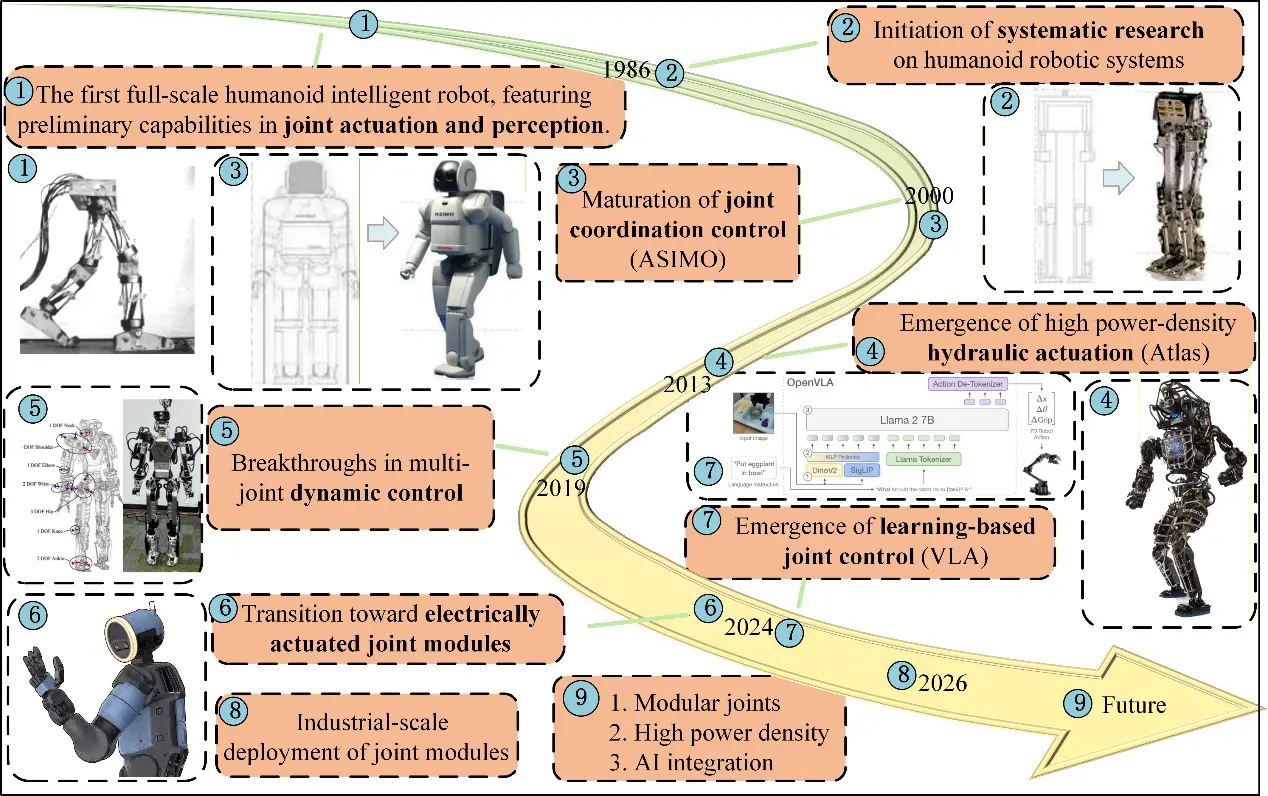
From the perspective of technological evolution, humanoid robot joints have undergone continuous development from early rigid actuation and simple control strategies toward high power density actuation, multi joint coordinated control, and highly integrated modular designs [33,34]. In particular, the actuation mode has gradually evolved from conventional combinations of electric motors and reduction mechanisms to hydraulic actuation and high performance electric actuation systems, followed by further advancements toward lightweight structures, high power density, and compliant control [35]. Lightweight design reduces the rotational inertia of joints and improves dynamic response through high-strength alloys and topologically optimized structures. High power density is manifested as the ability of joint modules to higher output torque under the same volume. In terms of compliant control, from the early rigid position control, series elastic actuators (SEA) have been gradually introduced to achieve low output impedance and impact tolerance, and then solutions such as variable impedance actuators that can dynamically adjust the stiffness according to the interaction environment have been developed [36]. At the control level, conventional rule based trajectory control methods have progressively developed into intelligent control frameworks integrating dynamic modeling and learning algorithms.
Recently, research on humanoid robots and their key technologies has grown rapidly, and significant progress has been made in system architectures, actuation modes, and intelligent control strategies. Existing review studies have systematically summarized the development of humanoid robots from a macroscopic perspective, with emphasis placed on key technological frameworks including structural design, perception and interaction, and control and decision making. It has also been indicated that the coordinated optimization of actuation and control represents one of the core approaches for improving overall system performance. Advances in hardware and algorithms cannot be promoted in isolation. Instead, collaborative design must be carried out across the entire spectrum of drive-control to resolve the inherent contradictions among power density, response bandwidth, and energy efficiency under actual working conditions [37,38]. On this basis, further studies have investigated the evolutionary trend of humanoid robots toward higher intelligence and stronger generalization capability in the context of embodied intelligence and artificial general intelligence [39,40].
At the specific technological level, existing studies have mainly focused on several key directions. In the field of joint actuation and electromechanical systems, high power density electric actuation, lightweight structural design, and high performance actuators have become major research hotspots [41]. Relevant studies have primarily concentrated on improving system efficiency, thermal management, and operational reliability [42,43].
In the field of motion control, whole body control methods based on dynamic modeling, optimization based control strategies, and data driven learning approaches have been continuously developed, enabling humanoid robots to accomplish increasingly complex dynamic tasks, These three paradigms are not mutually exclusive but complementary: Model-based methods can theoretically guarantee stability and constraint satisfaction, but they highly depend on accurate system identification; Optimization-based strategies offer flexibility in handling multiple objectives and physical constraints, but they often face computational burdens during real-time deployment; Data-driven learning excels at capturing unmodeled dynamics and environmental uncertainties, but its generalization ability beyond the training distribution remains an open question [44,45]. Meanwhile, with the integration of artificial intelligence technologies, multimodal fusion and large model driven control frameworks have gradually emerged [46], promoting the transition of robotic systems from rule based control to learning based control paradigms [47].
In addition, continuous advances have been achieved in human robot interaction and application expansion. Studies integrating biological signals, intelligent perception, and cross disciplinary applications, such as rehabilitation robotics and intelligent education, have further extended the application boundaries of humanoid robotic technologies [48,49].
Although the aforementioned studies have promoted the development of humanoid robotic technologies from multiple perspectives, including actuation, control, intelligence, and application expansion, most existing works have primarily focused on individual technological directions. Systematic integration and cross dimensional analysis centered on joint modules, which represent the core functional units of humanoid robots, remain insufficient. Meanwhile, quantitative characterization of research hotspot evolution, knowledge structure characteristics, and development trends based on large scale literature data is still lacking in this field [50,51]. Therefore, it is necessary to introduce bibliometric methods to systematically investigate the research status and evolutionary patterns of humanoid robot joint modules from a macroscopic perspective. Through such analysis, research hotspots, knowledge structure characteristics, and future development trends of this field can be comprehensively revealed.
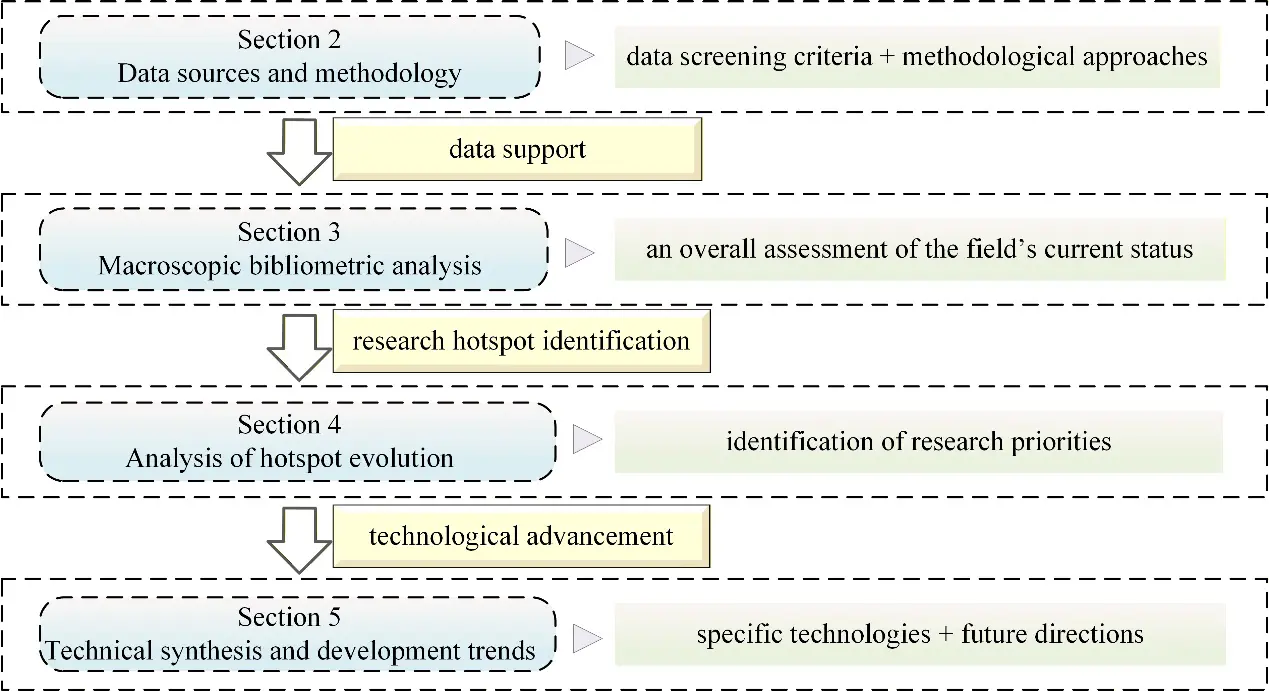
Based on the aforementioned research background, humanoid robot joint modules are taken as the core research subject in this study, and bibliometric methods are introduced to systematically analyze the research progress and development trends in this field. A three-stage hybrid analytical framework—“bibliometric macro-scanning → clustering to identify research hotspots → in-depth technological analysis”—was established, enabling comprehensive coverage ranging from quantitative descriptions of publication trends, collaboration networks, and keyword evolution to qualitative interpretations across four key themes: structural design, motion control, human-computer interaction, and bionic propulsion. This approach ensures mutual validation between the knowledge structure at the macro level and technical details at the micro level, significantly enhancing the systematic rigor and persuasiveness of the review. In Section 2, the data sources and analytical methods are described. In Section 3, a literature dataset is established based on the Web of Science Core Collection database. Quantitative analyses of publication trends, collaboration networks among countries and institutions, author cooperation relationships, and highly cited literature are conducted using visualization tools including CiteSpace and VOSviewer, thereby characterizing the research status from a macroscopic perspective. In Section 4, keyword co-occurrence analysis, clustering analysis, and burst keyword detection are employed to identify research hotspots and reveal their evolutionary pathways. In Section 5, based on the bibliometric analysis results, key technologies of joint modules are systematically summarized from several hotspot perspectives, including structural design, motion control, human robot interaction, and biomimetics. Furthermore, a knowledge framework for the field is established, and future development trends are analyzed. The overall research framework of this study is illustrated in Figure 2.
2. Data Sources and Research Methods
2.1. Database and Retrieval Strategy
In this study, the Web of Science Core Collection database was selected as the primary data source. This database is characterized by high quality journal coverage, broad disciplinary representation, and comprehensive citation records. It has been widely employed in bibliometric studies and can provide a relatively comprehensive and objective reflection of the research status and development trends within the relevant field.
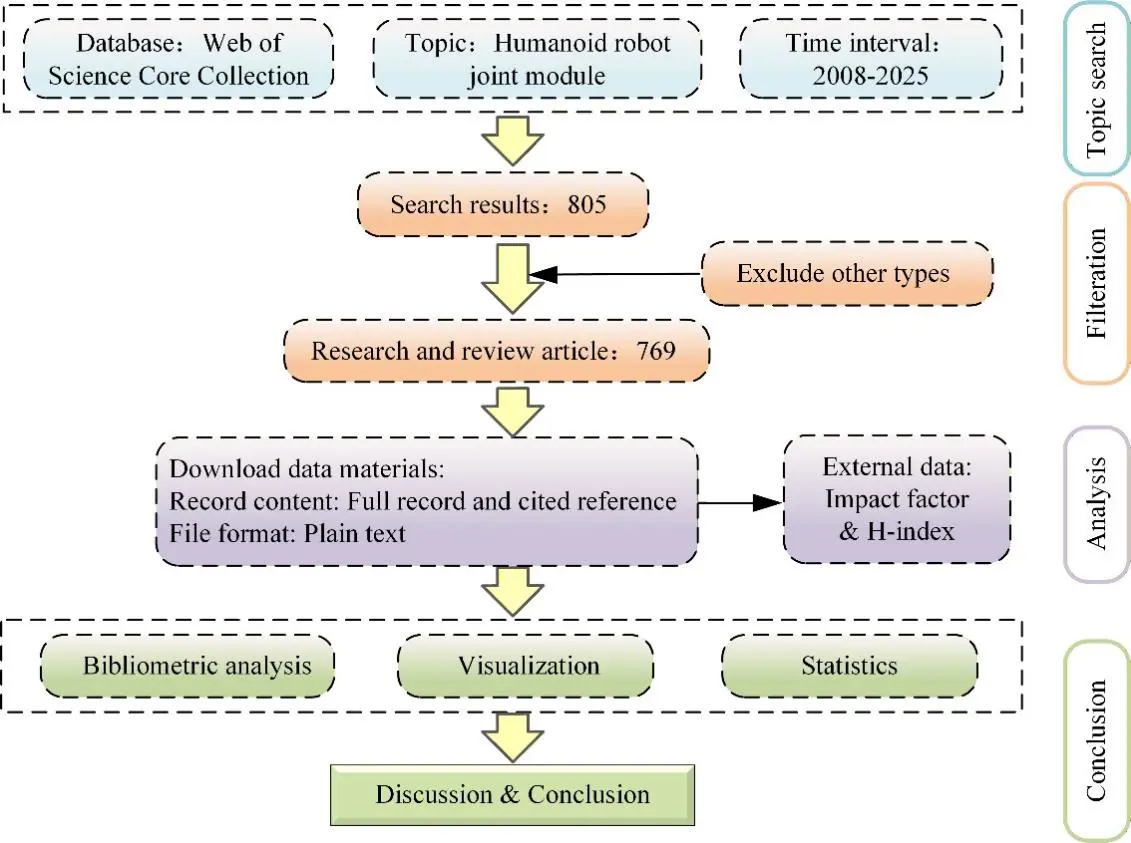
To ensure the representativeness and accuracy of the collected data, a retrieval strategy was established around the topic of humanoid robot joint modules. Considering the diversity of research expressions in this field, keywords including humanoid robot, joint module, actuator, harmonic drive, and robot joint were selected and combined through Topic based retrieval. The retrieval period was defined from 2008 to 2025 in order to cover the critical stage of rapid development in humanoid robot joint technologies. The document types were restricted to Articles and Reviews, while the language was limited to English to ensure the academic standardization and comparability of the dataset.
After the preliminary retrieval of relevant literature data, further screening and data cleaning procedures were conducted. Duplicate records were first removed. Subsequently, literature with low relevance to the research topic was excluded through title and abstract review, and a valid literature dataset for subsequent analysis was ultimately established. All data retrieval and export procedures were completed within the same period in order to avoid potential deviations caused by dynamic database updates. The detailed retrieval strategy is illustrated in Figure 3.
2.2. Analysis Tools and Analytical Dimensions
To achieve a systematic analysis of the research status and development trends in the field of humanoid robot joint modules, the bibliometric visualization tools VOSviewer and Bibliometrix were employed for literature data processing and analysis. These tools exhibit strong performance in constructing and visualizing knowledge network structures. Collaboration networks among authors and institutions, as well as keyword co-occurrence relationships, can be intuitively presented. Furthermore, the intrinsic relationships among different research topics can be revealed through clustering analysis.
In terms of analytical dimensions, the literature data were analyzed from both macroscopic and microscopic perspectives. The macroscopic analysis included publication trends, distributions of countries and regions, and institutional collaboration networks, which were employed to characterize the overall development landscape of the field. The microscopic analysis included author collaboration relationships, highly cited literature, and keyword co-occurrence and clustering analyses, which were utilized to identify the core research contributors and major research hotspots within the field. Through the integration of multidimensional analyses, the knowledge structure characteristics and development trends of the humanoid robot joint module field can be systematically revealed.
3. Analysis of Publication Characteristics and Development Trends
3.1. Annual Global Publication Output
To reveal the development trend of the humanoid robot joint module field, a statistical analysis of the annual publication output from 2008 to 2025 was conducted, as illustrated in Figure 4. Furthermore, the developmental stages of the field were classified and discussed.
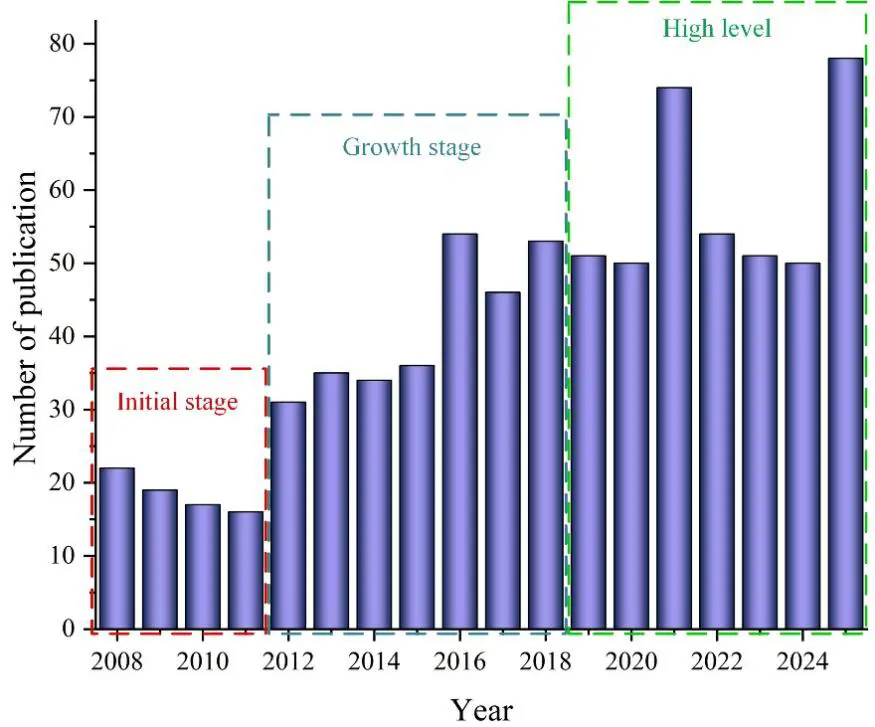
From the overall trend, the publication output in this field exhibits distinct stage based growth characteristics. During the early stage from 2008 to 2011, the research scale remained relatively limited, and the field was still in its initial development phase. Subsequently, from 2012 to 2018, the number of publications increased steadily, indicating that growing attention had been attracted and the field had gradually entered a development stage. Since 2019, although certain fluctuations in publication output have been observed, the overall number of publications has remained at a relatively high level, with significant growth occurring in several years. This phenomenon reflects the continuous expansion and gradual maturation of the field. On the one hand, this trend is closely associated with technological breakthroughs in dynamic motion control and system integration of humanoid robots. On the other hand, it has also been driven by the rapid development of artificial intelligence technologies, which have further advanced and expanded research on joint modules.
3.2. Distribution and Collaboration of Countries and Regions
To reveal the global research landscape of the humanoid robot joint module field, statistical analyses of publication output and collaboration relationships among different countries and regions were conducted. The results are presented in Figure 5.
According to the distribution of publication output shown in Figure 5a, significant differences in research activity can be observed among different countries. China ranks first in terms of publication quantity, demonstrating sustained investment and rapid development in this field. The United States, Japan, South Korea, and Germany also exhibit relatively high publication outputs and constitute the major research contributors in this domain. Most of these countries possess strong research foundations and industrial support in robotics and advanced manufacturing technologies, which have promoted the continuous development of humanoid robot joint module research. In contrast, publication outputs from other countries remain relatively limited, indicating that research activities in this field still exhibit a certain degree of regional concentration.
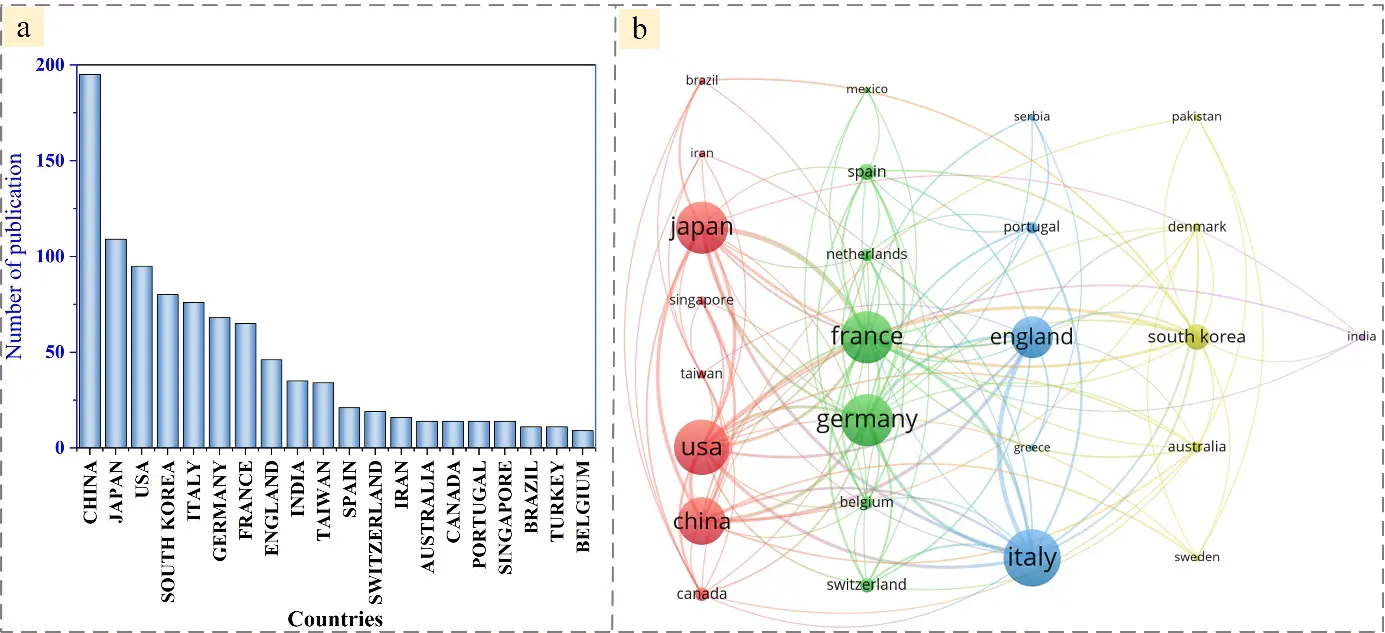
Figure 5. Distribution of publications by country and collaboration network. (a) Distribution of publications by country. (b) collaboration network by country.
From the collaboration network structure shown in Figure 5b, relatively close cooperative relationships have already been established among different countries and regions. In the network, the node size represents publication quantity, while the connecting lines indicate the strength of collaborative relationships. It can be observed that major research countries, including the United States, China, and Japan, occupy central positions within the network and exhibit high connectivity with multiple countries, reflecting their important hub roles in international cooperation. European countries such as France, Germany, and Italy have formed relatively dense collaboration networks, indicating active regional cooperation. Overall, the field has exhibited characteristics of multicenter collaborative development, although differences in collaboration intensity among countries still exist. A global research landscape centered on several technologically advanced countries with broad international participation has gradually been established in the humanoid robot joint module field. Increasing international collaboration has provided important support for the continuous development of this field.
3.3. Major Research Institutions and Collaboration Relationships
To further analyze the core research contributors in the field of humanoid robot joint modules, statistical analyses of publication output and impact indicators of major research institutions were conducted. The results are presented in Table 1. Significant differences in publication output can be observed among different research institutions. Among them, Istituto Italiano di Tecnologia and Centre National de la Recherche Scientifique rank among the leading institutions in terms of publication quantity, demonstrating strong research capabilities and sustained investment in this field. In addition, Harbin Institute of Technology, National Institute of Advanced Industrial Science and Technology, Beijing Institute of Technology, and Korea Advanced Institute of Science and Technology have exhibited high research activity, constituting important contributors to this domain.
On this basis, comprehensive evaluations of the academic influence of major research institutions were further conducted by combining indicators, including total citation frequency, average citations per publication, and the H index. As shown in Table 1, although Istituto Italiano di Tecnologia and Centre National de la Recherche Scientifique occupy leading positions in publication quantity, certain differences in academic influence can still be observed among institutions. For example, the National Institute of Advanced Industrial Science and Technology and the Korea Advanced Institute of Science and Technology exhibit outstanding performance in terms of average citations per publication, indicating that their research achievements possess strong academic influence and dissemination capability. Meanwhile, Centre National de la Recherche Scientifique ranks at the leading position in total citation frequency, reflecting its long term accumulated academic influence. In contrast, several institutions with relatively high publication outputs, such as Harbin Institute of Technology and Beijing Institute of Technology, exhibit comparatively lower average citation frequencies per publication, suggesting that further improvements in research quality and academic impact are still required.
Table 1. Top 10 most productive institutions and their citation impact.
|
Rank |
Institution |
Publications |
Citations |
Per Citations |
H-Index |
|---|---|---|---|---|---|
|
1 |
Istituto Italiano Di Tecnologia Iit |
53 |
960 |
18.82 |
18 |
|
2 |
Centre National De La Recherche Scientifique Cnrs |
51 |
1597 |
31.27 |
16 |
|
3 |
Harbin Institute of Technology |
27 |
253 |
9.37 |
7 |
|
4 |
National Institute of Advanced Industrial Science and Technology, AIST |
27 |
1260 |
46.67 |
12 |
|
5 |
Beijing Institute of Technology |
24 |
213 |
9.26 |
7 |
|
6 |
Korea Advanced Institute of Science and Technology, Kaist |
20 |
844 |
42.2 |
12 |
|
7 |
University of Tokyo |
20 |
321 |
16.05 |
11 |
|
8 |
National Institute of Technology Nit System |
19 |
467 |
25.94 |
11 |
|
9 |
Universite De Montpellier |
19 |
673 |
35.42 |
9 |
|
10 |
Chinese Academy of Sciences |
18 |
137 |
8.56 |
7 |
From the perspective of geographical distribution, the aforementioned high productivity institutions are mainly concentrated in China, Japan, South Korea, and several European countries, indicating that research on humanoid robot joint modules is predominantly led by technologically advanced countries on a global scale. Most of these institutions possess strong research foundations in robotics, intelligent manufacturing, and electromechanical systems. Supported by national level research investment and industrial demand, the continuous development of related studies has been significantly promoted. At present, a research system centered on several high level research institutions with broad participation from multiple organizations has gradually been established in this field. These core institutions play important roles in knowledge production and technological leadership.
3.4. Core Authors and Collaboration Networks
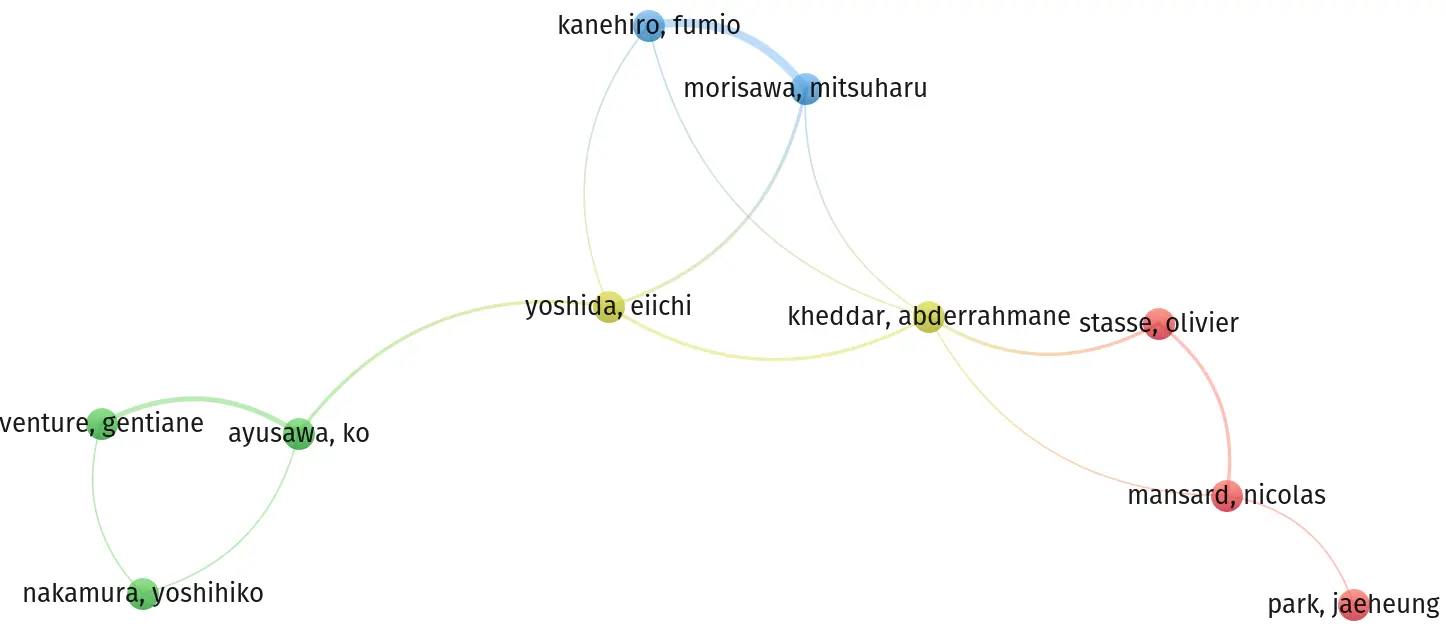
To further analyze the core researchers and their collaborative relationships in the field of humanoid robot joint modules, comprehensive analyses of author publication output and academic influence were conducted. The results are presented in Table 2 and Figure 6, respectively.
Table 2. Top 10 most productive authors and their citation metrics.
|
Rank |
Author |
Total Citations |
Per Citations |
Total Publications |
H-Index |
|---|---|---|---|---|---|
|
1 |
MANSARD N |
947 |
118.4 |
8 |
8 |
|
2 |
SEMWAL VB |
475 |
59.4 |
8 |
8 |
|
3 |
LEE J |
469 |
42.6 |
11 |
8 |
|
4 |
KHEDDAR A |
421 |
42.1 |
10 |
7 |
|
5 |
OH JH |
318 |
35.3 |
9 |
9 |
|
6 |
TSAGARAKIS NG |
309 |
34.3 |
9 |
7 |
|
7 |
WYKOWSKA A |
234 |
19.5 |
12 |
7 |
|
8 |
YU ZG |
162 |
12.5 |
13 |
7 |
|
9 |
CHEN XC |
144 |
11.1 |
13 |
6 |
|
10 |
BALAGUER C |
46 |
7.7 |
6 |
6 |
According to the distribution of author publication output shown in Table 2, an absolutely dominant core author group has not yet been formed in this field. The leading researchers, such as Mansard N, Semwal V.B, and Lee J, exhibit relatively similar publication quantities, and the overall differences among them remain limited. Most authors maintain publication outputs at a moderate level, indicating a certain degree of decentralization in the research community. This distribution characteristic suggests that research on humanoid robot joint modules is still in a developmental stage characterized by broad participation from multiple scholars, and a highly concentrated academic dominance pattern has not yet emerged.
Further analyses combining citation frequency and H-index indicators reveal significant differences in academic influence among authors. Mansard N exhibits relatively high total citation frequency and average citations per publication, indicating a strong academic influence of the corresponding research achievements. Researchers such as Semwal V.B and Lee J have also demonstrated relatively high H-index values while maintaining stable publication output, reflecting the sustained influence of their research contributions. In contrast, several authors with relatively high publication quantities exhibit comparatively lower average citations per publication, suggesting that their research influence still has potential for further improvement.
According to the author, the collaboration network shown in Figure 6, several collaborative subnetworks have been established among different researchers. Certain scholars, including Kaneko Fumio, Morishawa Mitsuharu, and Yoshida Eiichi, exhibit relatively close collaborative relationships and form comparatively stable research groups. However, from the perspective of the overall network structure, connections among different collaborative groups remain relatively limited, and the network exhibits a certain degree of fragmentation, indicating that cross team collaboration still requires further enhancement.
Research on humanoid robot joint modules demonstrates characteristics of distributed research activity and localized collaboration. Although several active research teams have emerged, a highly concentrated and tightly coupled author collaboration network has not yet been established. To some extent, this characteristic reflects that the field is still undergoing continuous development and structural evolution.
3.5. Analysis of Major Publication Journals
Based on the identification of core authors, further statistical analyses were conducted on the major journals in the field of humanoid robot joint modules. The results are presented in Table 3.
Table 3. Top 10 journals ranked by publication output and citation impact.
|
Rank |
Publication Names |
Total Publications |
Total Citations |
H-Index |
|---|---|---|---|---|
|
1 |
International Journal of Humanoid Robotics |
59 |
871 |
14 |
|
2 |
Ieee Robotics and Automation Letters |
54 |
683 |
16 |
|
3 |
Robotica |
30 |
350 |
11 |
|
4 |
International Journal of Advanced Robotic Systems |
28 |
217 |
9 |
|
5 |
Robotics and Autonomous Systems |
27 |
592 |
13 |
|
6 |
Advanced Robotics |
26 |
247 |
10 |
|
7 |
Ieee Transactions on Robotics |
23 |
1335 |
15 |
|
8 |
Ieee Access |
20 |
181 |
6 |
|
9 |
Journal of Intelligent & Robotic Systems |
19 |
258 |
10 |
|
10 |
Ieee-Asme Transactions on Mechatronics |
18 |
392 |
10 |
In terms of publication quantity, International Journal of Humanoid Robotics and IEEE Robotics and Automation Letters rank among the leading journals, both exhibiting relatively high publication outputs. This indicates that these journals possess strong academic carrying capacity in this field and serve as important publication platforms for related research achievements. In addition, journals such as Robotica, International Journal of Advanced Robotic Systems, and Robotics and Autonomous Systems have also maintained relatively high publication activity, collectively constituting the major academic dissemination channels within this research domain.
From the perspective of academic influence, significant differences can be observed among different journals. IEEE Transactions on Robotics exhibits a substantially higher total citation frequency than other journals, demonstrating its authoritative position and strong academic influence in the field of robotics. IEEE Robotics and Automation Letters and Robotics and Autonomous Systems also show relatively high citation levels, indicating a strong academic dissemination capability of their published studies. In contrast, several journals with relatively high publication outputs exhibit comparatively lower total citation frequencies and H-index values, suggesting that academic influence is not entirely consistent with publication scale.
From the perspective of journal categories, related research achievements are primarily concentrated in professional journals in the fields of robotics and mechatronics, reflecting the interdisciplinary nature of humanoid robot joint module research. Robotics journals mainly focus on system control and intelligent algorithms, whereas mechatronics journals place greater emphasis on actuation technologies and structural design. This distribution characteristic demonstrates the deep integration of mechanical engineering and intelligent control within this research field.
4. Analysis of Research Article Characteristics
4.1. Co-Citation Analysis of Literature
Co-cited literature reflects the core studies that are frequently cited together within a research field and can reveal its theoretical foundations and technological origins. To identify the knowledge base and classical theoretical sources in the field of humanoid robot joint modules, statistical analyses of highly co-cited literature were conducted. The results are presented in Table 4.
From the perspective of research content, the co-cited literature is mainly concentrated on bipedal locomotion modeling and stability control theories. Gait generation methods based on the Zero Moment Point (ZMP) and corresponding preview control strategies, together with the Linear Inverted Pendulum Model (LIPM), constitute the core theoretical foundation for stable humanoid robot locomotion. The Capture Point method has further improved the disturbance rejection capability of robotic systems. In addition, studies on passive dynamic walking and operational space control have provided important theoretical support for efficient motion and force control. Based on these theoretical foundations, related studies on Honda humanoid robots and the ASIMO system have promoted the transition of humanoid robotics toward practical system applications.
Table 4. Top 10 co-cited references in humanoid robot joint module research.
|
Rank |
First Author |
Year |
Journal |
Title |
Citations |
References |
|---|---|---|---|---|---|---|
|
1 |
Kajita S |
2003 |
IEEE INT CONF ROBOT |
Biped walking pattern generation by using preview control of zero-moment point |
71 |
[52] |
|
2 |
Vukobratovic M |
2004 |
INT J HUM ROBOT |
Zero-moment point-thirty five years of its life |
68 |
[53] |
|
3 |
Hirai K |
1998 |
IEEE INT CONF ROBOT |
The development of the Honda humanoid robot |
50 |
[54] |
|
4 |
Kajita S |
2001 |
IROS |
The 3D linear inverted pendulum mode: A simple modeling for a biped walking pattern generation |
48 |
[55] |
|
5 |
Pratt J |
2006 |
IEEE-RAS INT C HUMAN |
Capture point: A step toward humanoid push recovery |
35 |
[56] |
|
6 |
Huang Q |
2001 |
IEEE T ROBOTIC AUTOM |
Planning walking patterns for a biped robot |
31 |
[57] |
|
7 |
Sakagami Y |
2002 |
IROS |
The intelligent ASIMO: System overview and integration |
31 |
[58] |
|
8 |
Khatib O |
1987 |
IEEE T ROBOTIC AUTOM |
A unified approach for motion and force control of robot manipulators: The operational space formulation |
28 |
[59] |
|
9 |
Collins S |
2005 |
SCIENCE |
Efficient bipedal robots based on passive-dynamic walkers |
27 |
[60] |
|
10 |
Kajita S |
2010 |
IROS |
Biped walking stabilization based on linear inverted pendulum tracking |
26 |
[61] |
4.2. Analysis of Highly Cited Papers
To analyze the classical studies and key technological directions in the field of humanoid robot joint modules, statistical analyses of highly cited literature were conducted. The top 10 representative papers ranked by citation frequency were selected, and the results are presented in Table 5. From the perspective of temporal distribution, highly cited papers are mainly concentrated in the period from 2008 to 2017, indicating that this stage corresponded to the rapid development of key control and dynamic methods for humanoid robots and provided an important foundation for subsequent studies. From the perspective of research content, these highly cited studies are primarily focused on core topics including motion control methods, dynamic modeling, and actuation and execution systems, thereby reflecting the key technological development trajectory of this field.
Table 5. Top 10 highly cited publications in humanoid robot joint module research.
|
Rank |
First Author |
Year |
Title |
Totoal Citations |
Citations per Year |
References |
|---|---|---|---|---|---|---|
|
1 |
Escande A |
2014 |
Hierarchical quadratic programming: Fast online humanoid-robot motion generation |
400 |
30.77 |
[62] |
|
2 |
Orin De |
2013 |
Centroidal dynamics of a humanoid robot |
333 |
23.79 |
[63] |
|
3 |
Paine N |
2015 |
Actuator Control for the NASA-JSC Valkyrie Humanoid Robot: A Decoupled Dynamics Approach for Torque Control of Series Elastic Robots |
202 |
16.83 |
[64] |
|
4 |
Koolen T |
2016 |
Design of a Momentum-Based Control Framework and Application to the Humanoid Robot Atlas |
197 |
17.91 |
[65] |
|
5 |
Jin M |
2017 |
Model-Free Robust Adaptive Control of Humanoid Robots With Flexible Joints |
195 |
19.5 |
[66] |
|
6 |
Mansard N |
2009 |
A Unified Approach to Integrate Unilateral Constraints in the Stack of Tasks |
191 |
10.61 |
[67] |
|
7 |
Hersch M |
2008 |
Dynamical System Modulation for Robot Learning via Kinesthetic Demonstrations |
179 |
9.42 |
[68] |
|
8 |
Khan Sg |
2012 |
Reinforcement learning and optimal adaptive control: An overview and implementation examples |
172 |
11.47 |
[69] |
|
9 |
Sadeghian H |
2014 |
Task-Space Control of Robot Manipulators With Null-Space Compliance |
160 |
12.31 |
[70] |
|
10 |
Saab L |
2013 |
Dynamic Whole-Body Motion Generation Under Rigid Contacts and Other Unilateral Constraints |
159 |
11.36 |
[71] |
In the field of motion control, methods such as Hierarchical Quadratic Programming (HQP) [62] and the Stack of Tasks (SoT) framework [67] have provided unified and efficient solution frameworks for multi task priority control. Combined with momentum control and whole body motion generation methods [65,71], these approaches have promoted the development of coordinated control for humanoid robots under complex constraint conditions.
In the field of dynamic modeling, the Centroidal Dynamics model [63] has provided a simplified yet effective description for whole body dynamic analysis. By integrating task space control and compliance modeling methods [70], the adaptability of humanoid robots in complex environments has been significantly improved.
In the field of actuation and execution systems, decoupled dynamic control methods for series elastic actuators [64], together with model free adaptive control strategies, have substantially enhanced the force control performance and robustness of robotic systems [66]. Meanwhile, the introduction of reinforcement learning and related approaches has further promoted the evolution of control strategies toward intelligent control paradigms [69]. These classical studies have not only established the theoretical foundations for humanoid robot motion control and dynamic modeling, but have also provided important support for the subsequent development of joint modules in high performance actuation and intelligent control.
4.3. Keyword Co-Occurrence and Clustering Analysis
To identify the research hotspots and knowledge structure of the humanoid robot joint module field, a network map based on keyword co-occurrence relationships was constructed, as illustrated in Figure 7. The research hotspots can generally be divided into several relatively independent yet interconnected thematic clusters.
First, clusters represented by keywords such as design, optimization, walking, and biped robot are mainly concentrated on structural design and motion control of humanoid robot joints, reflecting extensive attention to gait generation, stability control, and system optimization. Second, clusters centered on keywords such as kinematics, inverse kinematics, trajectory, and manipulators represent research topics in kinematic modeling and trajectory planning. Finally, clusters representing human robot interaction, perception, imitation, and joint attention reflect the emergence of research directions in human robot interaction and cognitive intelligence, indicating that the field is gradually expanding toward higher levels of intelligence and interactivity.
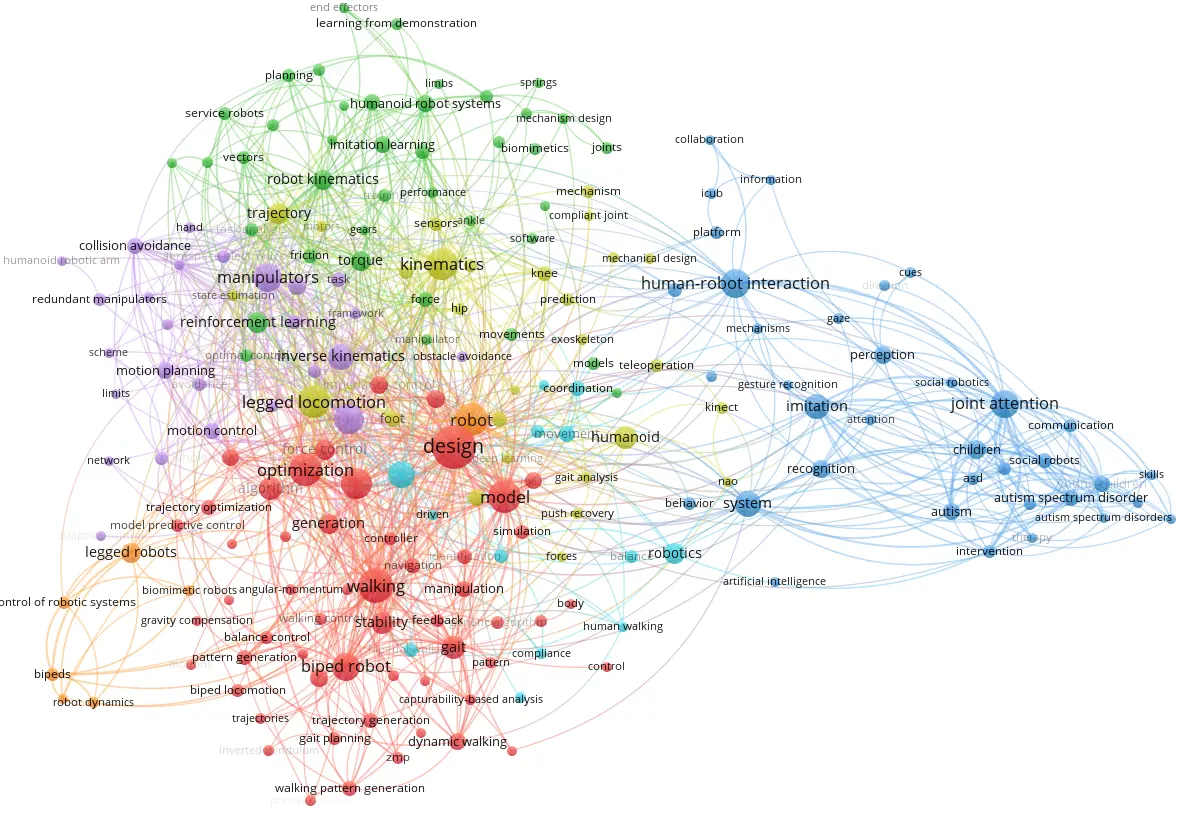
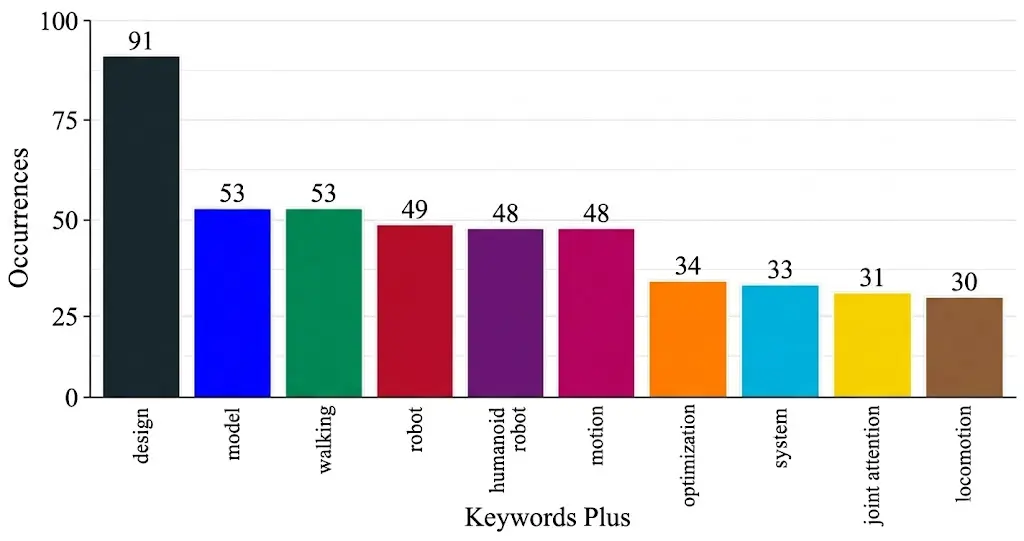
From the distribution of high frequency keywords, terms such as design, model, walking, robot, humanoid robot, and motion appear most frequently, indicating that current research is primarily focused on core issues, including robotic structural design, dynamic modeling, and motion control. Among these, design is the most frequently occurring keyword, highlighting the critical importance of joint modules in structural design and system integration. Keywords such as model and walking further indicate that dynamic modeling and gait locomotion remain fundamental research directions in this field. In addition, the occurrence of keywords such as optimization, system, and locomotion reflects a gradual shift toward performance optimization and system level coordinated development. The frequency of main keywords is illustrated in Figure 8.
4.4. Temporal Evolution of Keywords
To further reveal the evolutionary patterns of research hotspots in the field of humanoid robot joint modules, a temporal distribution map was constructed based on the occurrence time and duration of keywords, as shown in Figure 9. Overall, the research hotspots in this field exhibit a clear stage based evolution pattern.
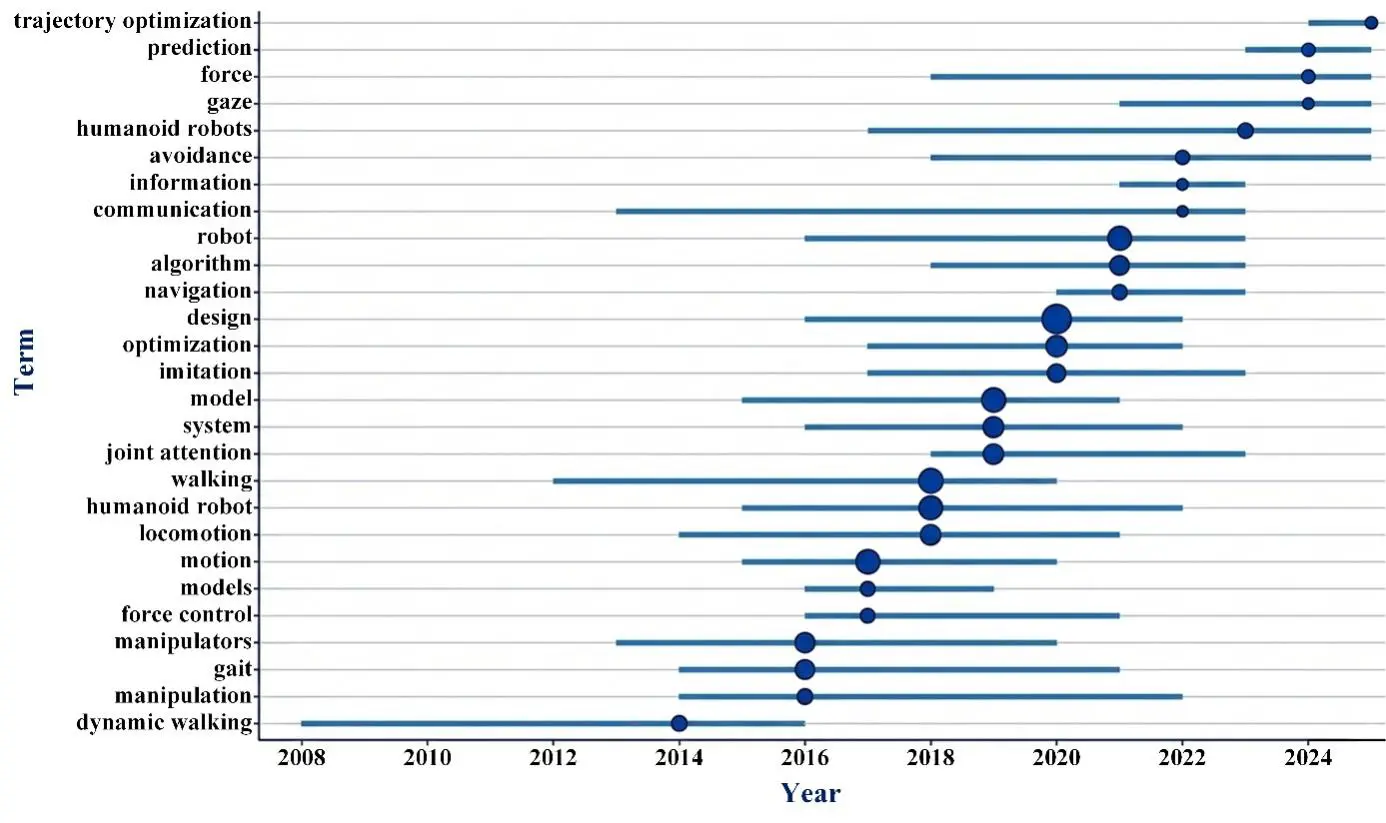
In the early stage (2008–2014), research was mainly concentrated on keywords such as dynamic walking, gait, manipulation, and force control, indicating that this period was primarily focused on fundamental motion control and dynamic problems. The main emphasis was placed on basic issues, including bipedal walking stability, trajectory generation, and force control, which laid the theoretical foundation for subsequent developments.
In the middle stage (2015–2019), with the advancement of research, keywords such as model, system, optimization, design, and motion became increasingly prominent, indicating a shift in research focus toward dynamic modeling, system optimization, and structural design. This stage reflects a transition from single control problems to system level integrated optimization, and also demonstrates the continuous progress of humanoid robot joint modules in terms of engineering implementation.
In recent years (since 2020), keywords such as prediction, trajectory optimization, gaze, communication, and joint attention have gradually emerged as new research hotspots, indicating that the field is evolving toward intelligence and human robot interaction. The introduction of prediction and optimization methods has improved the accuracy and robustness of motion control. Meanwhile, research related to perception, cognition, and interaction has increased significantly, reflecting a transition of humanoid robots from merely being capable of motion to being capable of adaptive motion.
5. Core Research Themes in Humanoid Robot Joint Modules
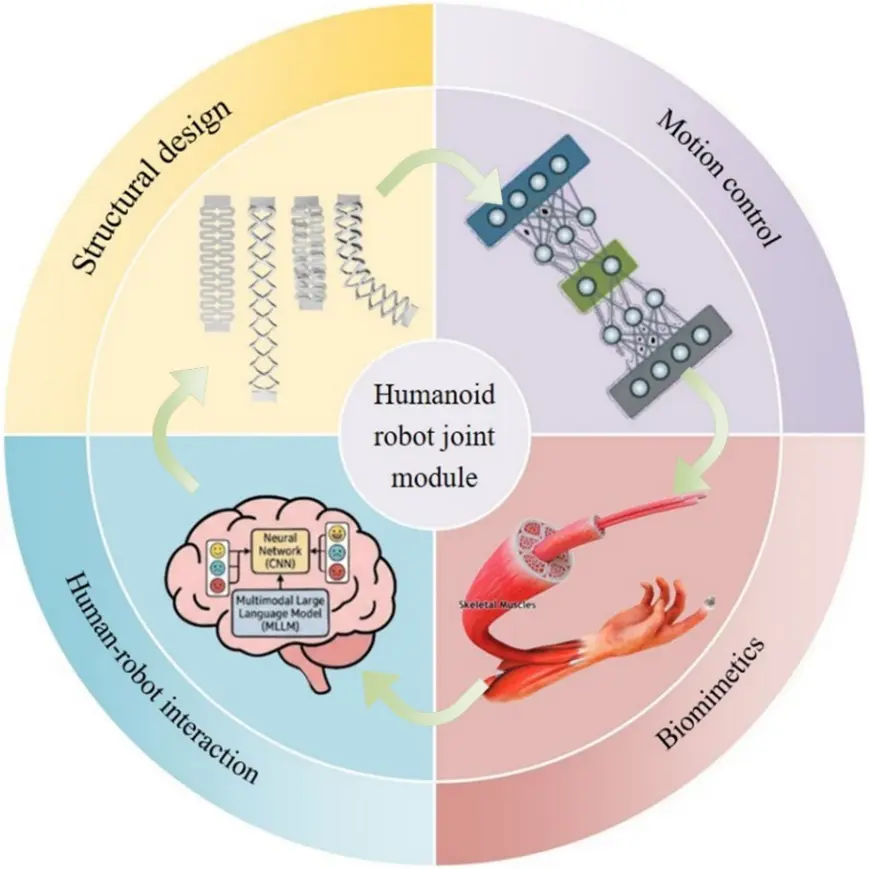
Based on keyword co-occurrence clustering, co citation analysis, and temporal evolution results derived from 769 valid publications, this study categorizes the core research content in the field of humanoid robot joint modules into four major thematic areas: joint module structural design and performance optimization, high precision motion control and trajectory planning, human robot interaction technologies, and biomimetic actuation and human like performance enhancement. These four themes collectively form a complete technological chain spanning hardware foundations, application adaptability, and frontier exploration, as illustrated in Figure 10, and cover the core research landscape of humanoid robot joint modules from 2008 to 2025. Based on the bibliometric results, this chapter systematically reviews the evolutionary trends, key research consensus, critical scientific bottlenecks, and representative achievements associated with each theme.
5.1. Structural Design
As the core execution units of humanoid robots, the structural design and performance characteristics of joint modules directly determine the overall motion capability, payload capacity, interaction safety, and commercialization feasibility of robotic systems [72]. According to the bibliometric statistical results of this study, publications related to this research direction accounted for approximately 32% of the total literature in the field between 2008 and 2025, representing the largest publication proportion and the strongest research continuity among the four major themes. This direction also serves as the physical foundation for all control algorithms and application oriented studies within the field [73].
After nearly two decades of technological iteration, systematic design theories and optimization methods have gradually been established around three core objectives, namely high integration, high precision, and high reliability [74]. In humanoid robotic systems, the structural configurations and actuation schemes of joint modules directly determine their motion performance and application capability [75,76]. Consequently, research has progressively evolved toward high power density and highly integrated designs [77].
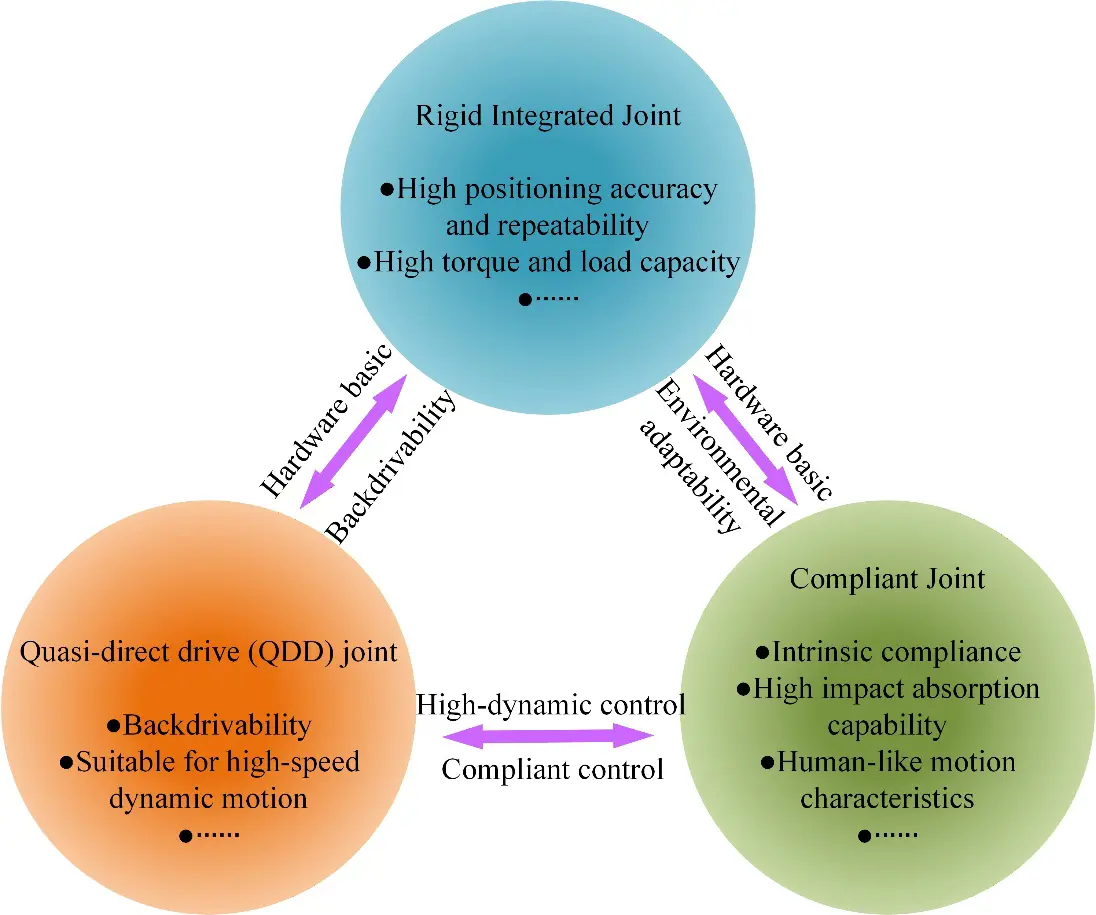
According to differences in transmission structures and actuation principles, humanoid robot joint modules can generally be classified into three representative categories: rigid integrated joints, quasi direct drive joints, and compliant actuation joints. As illustrated in Figure 11, the mature applications of rigid integrated joints have primarily focused on addressing fundamental issues related to positioning accuracy and payload capacity. Quasi direct drive joints have rapidly emerged to overcome limitations related to the dynamic performance and backdrivability of rigid joints. Meanwhile, compliant and biomimetic actuation joints have become a frontier research hotspot, with an emphasis on compliance and environmental adaptability in human-robot collaborative scenarios. These three technological routes have developed in parallel, forming clear application oriented selection principles and technological boundaries, and collectively constitute the current core technological framework of humanoid robot joint modules.
5.1.1. Rigid Integrated Joints
The core structure of rigid transmission integrated joints is based on the highly integrated design of electric motors, precision reducers, dual encoders, and servo drivers [78]. Through high reduction ratio transmission mechanisms, the high speed and low torque output of the motor can be converted into low speed and high torque output, thereby satisfying the fundamental requirements of humanoid robots for high torque density and compact installation space [79]. The transmission schemes of this type of joint have gradually formed clear application oriented selection principles. Harmonic drive mechanisms are widely employed in upper limb joints, including shoulder, elbow, wrist joints, and dexterous robotic hands, where single stage transmission ratios can reach 50:1 to 160:1, transmission errors can be controlled within 30 arcseconds, and repeatability accuracy can achieve the arcsecond level [80]. In contrast, heavy load lower limb joints, such as hip, knee, and ankle joints, are primarily equipped with RV reducers and cycloidal pinwheel reducers [81].
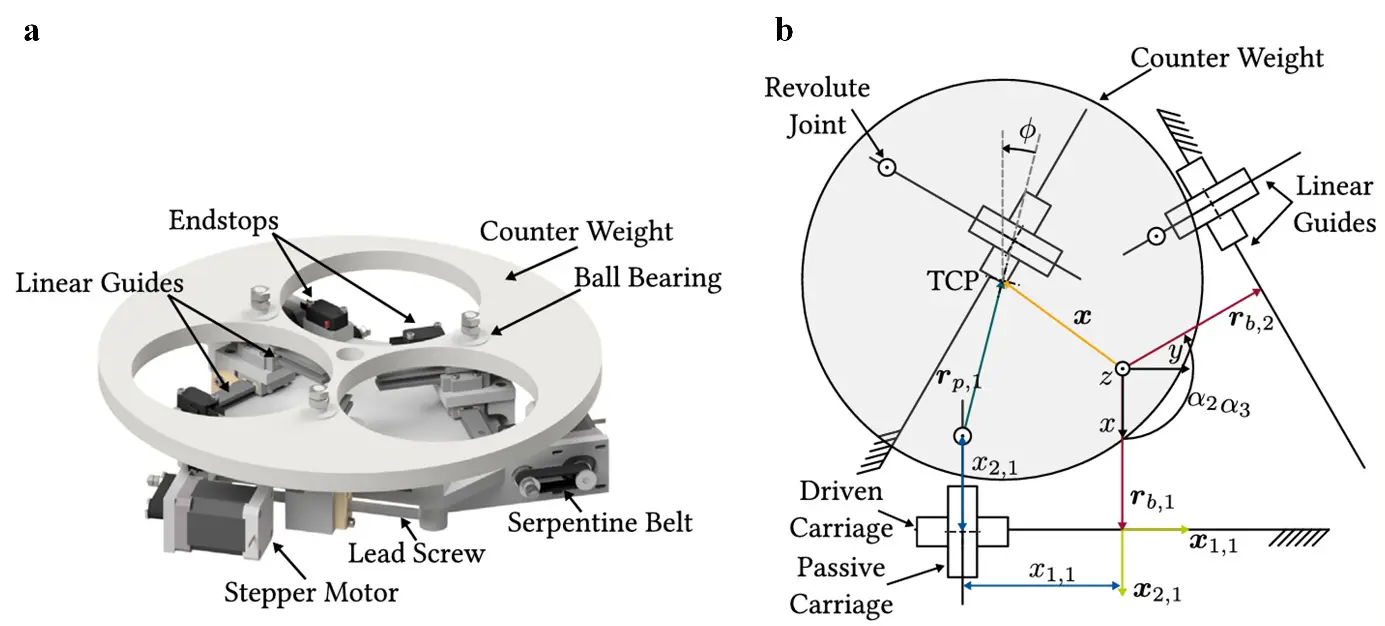
In recent studies, Poon et al. [82] further optimized the integrated design of this type of joint. Through the coaxial nested arrangement of the reducer, crossed roller bearing, and motor, the axial dimension of the joint was reduced by 32%. The torque density of mass production grade joints exceeded 50 Nm/kg, representing an improvement of 65% compared with the industrial level reported in 2020. Meanwhile, the study conducted by Mirz et al. [83] employed trajectory smoothing and dynamic balancing strategies, as illustrated in Figure 12, by which the transmission backlash of the joint was stably controlled within 1 arcmin, while the peak transmission efficiency exceeded 95%. These improvements effectively addressed the limitations of conventional cycloidal reducers associated with large backlash and low transmission efficiency.
Existing studies have primarily focused on high precision, high load carrying capability, and structural integration. By optimizing the tooth profile design and transmission structures of harmonic reducers, repeatability accuracy has been effectively improved, and transmission errors have been reduced [84]. Meanwhile, several studies have enhanced joint compactness and power density through integrated structural design [85]. For heavy load joint applications, RV reducers and cycloidal pinwheel transmission structures have been widely adopted to improve load bearing capability and structural stiffness [86].
Rigid integrated joints are primarily developed with high precision and high load capacity as the core objectives, and therefore occupy dominant positions in industrial execution and stable locomotion scenarios. High reduction ratio transmission mechanisms remain the principal technological approach for this type of joint. In addition, structural designs have gradually evolved toward standardization and modularization, while the degree of integration has continuously increased, exhibiting a clear development trend toward the integration of motors, reducers, and control units.
5.1.2. Quasi Direct Drive Joints
The high reduction ratio transmission structures employed in rigid integrated joints inevitably introduce friction, backlash, and energy loss, thereby limiting their performance in high dynamic motion and force control scenarios. Meanwhile, the complexity of the transmission chain also increases system maintenance costs and control difficulty. Consequently, low reduction ratio actuation schemes have gradually attracted increasing attention [87,88].
Quasi direct drive joints have become the fastest growing technological route in recent years. Their core design is based on high torque density motors capable of low speed and high torque output, combined with low reduction ratio reducers ranging from 3:1 to 10:1 [89]. By substantially reducing the transmission ratio, nonlinear friction and backlash problems associated with conventional high reduction ratio joints can be effectively alleviated [90], while relatively high torque output capability is simultaneously maintained [91]. As a result, quasi direct drive joints combine the load bearing advantages of rigid transmission systems with the high dynamic response and high force control precision characteristics of direct drive joints [92,93].
Wang et al. [94] verified the performance advantages of this actuation scheme. The terminal torque control resolution of quasi direct drive joints reached 0.08 N·m, while the control bandwidth exceeded 1 kHz, representing an improvement of more than 30% compared with conventional harmonic drive joints. In addition, the backdrivability was improved by two orders of magnitude, making this approach more suitable for the core requirements of dynamic lower limb locomotion and compliant human robot interaction in humanoid robots. Otaki et al. [95] further introduced an innovative dual planetary reduction structure, by which the axial space occupancy of quasi direct drive joints was reduced by 50%, while the operational noise level decreased from 78 dB to 63 dB. Meanwhile, a transmission efficiency of 94% was maintained, effectively addressing the limitations of conventional quasi direct drive joints associated with large volume and high noise. By reducing the rotational inertia of the robot legs and employing quasi direct drive actuators, the dynamic motion performance of robotic systems was significantly enhanced. From the perspective of transmission mechanism design, a novel approach for improving the dynamic performance of legged robots was proposed, as illustrated in the corresponding study. Under this design, a 1° rotation of the robot actuator could generate a foot end lifting height of 7 mm, corresponding to approximately 5% of the robot body height. Furthermore, the maximum locomotion speed of the robot reached 390 mm/s, equivalent to 1.3 times its body length per second.
Existing studies have mainly focused on lightweight structural design, low-reduction-ratio transmission optimization, and improvements to stability control strategies. Through the adoption of high torque density brushless motors and lightweight structural configurations, quasi direct drive systems can significantly enhance the dynamic performance of joints [96]. Several studies have further improved system efficiency while reducing rotational inertia by employing dual stage planetary reduction structures or optimized transmission layouts [97]. In addition, studies integrating high bandwidth torque control algorithms have demonstrated that quasi direct drive joints exhibit significant advantages in impact buffering and dynamic stability control [98]. From the overall research perspective, quasi direct drive joints are primarily developed toward high dynamic performance and high bandwidth control objectives. Performance improvements are mainly achieved through low reduction ratio transmission mechanisms and high performance motors. Furthermore, these joints exhibit strong adaptability in force control and human robot interaction scenarios.
5.1.3. Compliant Actuation Joints
Although quasi direct drive systems exhibit significant improvements in back drivability and dynamic response, enabling more precise torque control and more natural motion performance, their output torque capability is still constrained by motor performance and remains insufficient under high load conditions [99,100]. Meanwhile, the high cost of high performance motors and drive systems presents challenges for large scale engineering applications [101]. These limitations have further promoted the development of compliant actuation technologies [102].
Compliant actuation joints are primarily designed to imitate the motion characteristics of the human musculoskeletal system [103]. Through approaches such as series elastic actuators (SEA) [104], variable stiffness actuators and artificial muscle actuators [105,106], active and passive regulation of joint stiffness can be achieved, thereby enabling both high load carrying capability and compliant interaction characteristics [107]. Consequently, compliant actuation technology has become one of the core frontier directions for embodied intelligence applications.
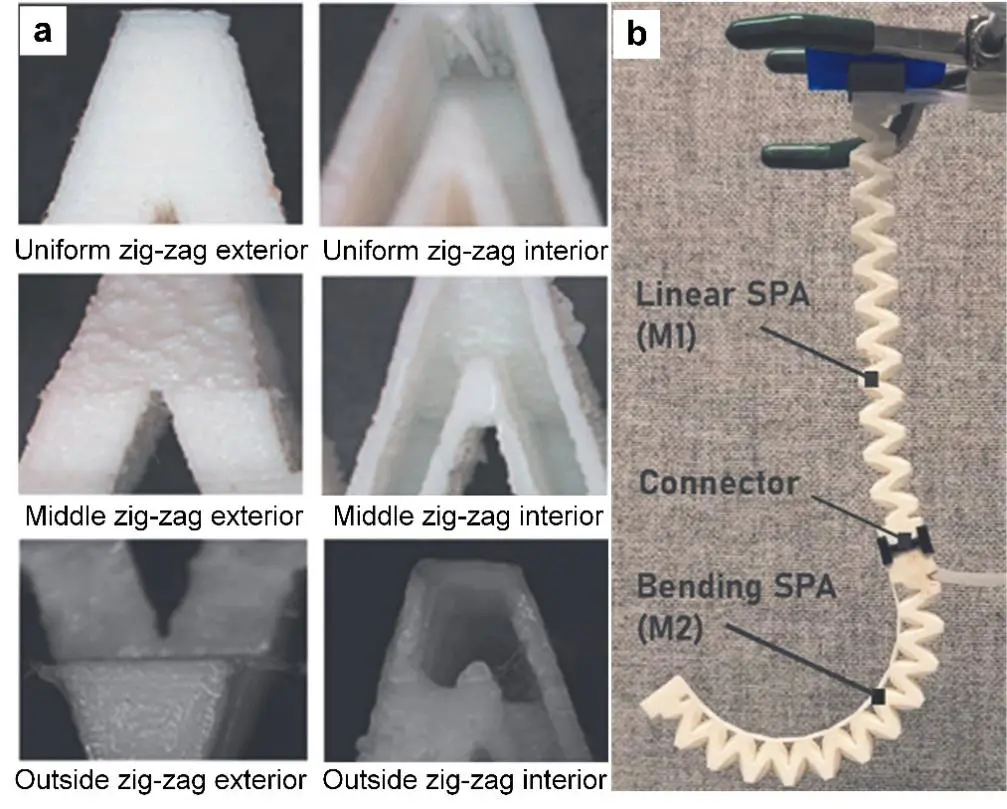
Gunawardane et al. [108] proposed a novel variable stiffness biomimetic joint. As illustrated in Figure 13a, a serrated hollow structure was adopted, and bending motion was achieved by applying different internal gas pressures after constraints were imposed on one side of the structure, as shown in Figure 13b. The proposed joint achieved a maximum contraction ratio of 0.66 and was capable of generating 30% extension and a damping force of 10 N under a pressure of 350 kPa.
Guo et al. [109] developed a biomimetic joint based on a tensegrity structure. Through the coordinated arrangement of rigid rods and flexible tendons, the multi degree of freedom motion characteristics of the human ankle joint were successfully reproduced. In uneven terrain adaptation scenarios, the posture adjustment response time of the joint was maintained within 0.02 s, representing a fourfold improvement compared with conventional rigid joints. In addition, Wang et al. [110] systematically reviewed the technological boundaries and evolutionary trends of various actuation schemes, and clearly identified the long term development framework in which rigid actuation schemes focus on reliability enhancement, quasi direct drive schemes emphasize dynamic performance optimization, and compliant actuation schemes explore biomimetic characteristics. Their work has provided a clear technological roadmap reference for subsequent studies.
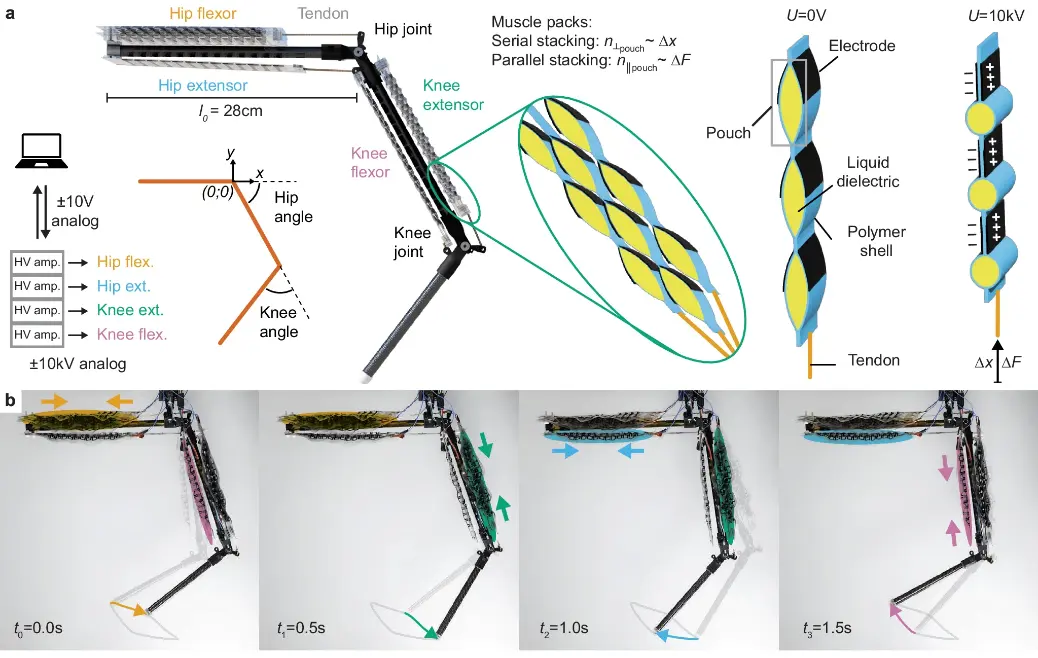
Buchner et al. [111] addressed the core limitations of conventional rigid drive joints, including weak environmental adaptability and high static energy consumption, by proposing a biomimetic musculoskeletal lower limb architecture driven by antagonistic electrohydraulic artificial muscles, as illustrated in Figure 14. The proposed system reproduced the coordinated motion characteristics of biological skeletal muscles. The system exhibited variable stiffness characteristics and capacitive self sensing capability, enabling high dynamic gait motion above 5 Hz and jumping heights reaching up to 40% of the leg length. Furthermore, adaptation to various unstructured terrains could be achieved solely through open loop force control. The transport cost was reduced to as low as 0.73, while the energy consumption during static squatting was only 1.2% of that of conventional electromagnetic drive systems. This study provides a novel paradigm for the design of low energy consumption and highly adaptive biomimetic joints for humanoid robots.
Existing studies have mainly focused on compliant control, biomimetic structural design, and energy efficiency optimization [112]. By introducing series elastic elements, compliant joints can effectively reduce impact loads while improving force control accuracy. Variable stiffness actuation structures enable dynamic adjustment of system stiffness according to task requirements, thereby enhancing motion flexibility [113]. Meanwhile, pneumatic artificial muscles [114] and electrohydraulic drive systems have demonstrated considerable potential in biomimetic motion generation and energy utilization. Compliant actuation joints are primarily developed with safety and environmental adaptability as the core objectives. The introduction of compliance mechanisms can significantly improve human-robot interaction capability. Consequently, a clear trend toward biomimetic development has emerged, and these systems are gradually evolving toward muscle like actuation architectures.
Compared with rigid and quasi direct drive schemes, compliant actuation systems exhibit significant advantages in impact buffering, energy absorption, and safe human robot interaction [115]. However, these systems are characterized by high modeling complexity and increased control difficulty, while challenges in high precision control and system stability still remain. In addition, certain compliant actuation schemes continue to exhibit limitations in response speed and output capability.
To further compare the performance characteristics of different joint actuation schemes, Table 6 systematically compares rigid integrated joints, quasi direct drive joints, and compliant actuation joints from the perspectives of structural configuration, dynamic performance, and human robot interaction capability. Rigid integrated joints rely on high reduction ratio transmission structures and exhibit significant advantages in positioning accuracy, load carrying capability, and engineering reliability, making them the mainstream solution in current engineering applications. However, their relatively large transmission friction and non backdrivable characteristics limit dynamic performance and human robot interaction capability to a certain extent. In contrast, quasi direct drive joints effectively reduce the influence of friction and backlash by lowering the transmission ratio, thereby demonstrating excellent dynamic response and force control precision. These joints possess favorable backdrivability and are well suited for dynamic motion and human robot collaboration scenarios. Nevertheless, their torque density remains constrained by motor performance, and the overall system cost is relatively high. Compliant actuation joints, through the introduction of elastic elements or biomimetic actuation mechanisms, possess inherent advantages in force control accuracy and safe interaction. Higher levels of compliance and environmental adaptability can therefore be achieved. However, such joints are generally associated with increased control complexity and insufficient system stability, which impose higher requirements on both control strategies and structural design.
Table 6. Comparison of three joint actuation schemes.
|
Comparison Dimension |
Rigid Integrated Joint |
Quasi Direct Drive Joint |
Compliant Actuation Joint |
|---|---|---|---|
|
Typical Structure |
Motor + high reduction gearbox (harmonic/RV) |
High torque motor + low reduction ratio (3–10) planetary gearbox |
Elastic elements/artificial muscles + actuation system |
|
Transmission Ratio |
50:1–160:1 |
3:1–10:1 |
Variable, nonlinear |
|
Torque Density |
High (30–80 Nm/kg) |
Medium to high (20–60 Nm/kg) |
Medium (depends on structure and materials) |
|
Transmission Efficiency |
Medium (70–90%) |
High (90–95%) |
Highly variable (60–90%) |
|
Position Accuracy |
Very high (arc-second level) |
High (0.1° level) |
Moderate (affected by compliance) |
|
Force Control Capability |
Moderate (limited by friction and backlash) |
Strong |
Very strong (due to compliance) |
|
Backdrivability |
Poor (non backdrivable) |
Good (backdrivable) |
Excellent (high compliance) |
|
Impact Resistance |
High (high structural rigidity) |
Medium |
Very high (elastic energy absorption) |
|
Human-Robot Interaction |
Low |
Medium |
High |
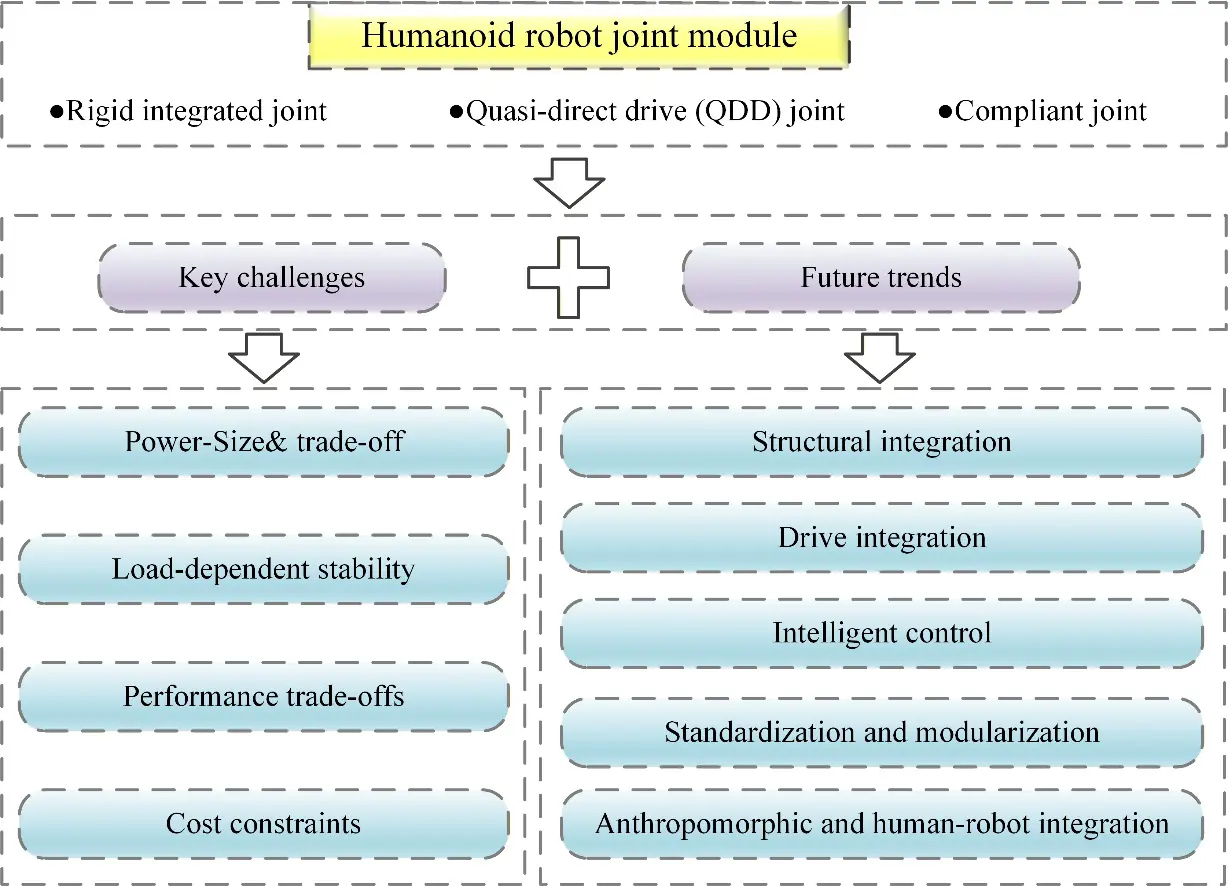
Rigid integrated joints, quasi direct drive joints, and compliant actuation joints should not be regarded as mutually substitutive technologies, but rather as a progressively evolving and complementary technological framework with collaborative support characteristics. Rigid integrated joints establish the engineering foundation for high precision, high load capacity, and high reliability. Quasi direct drive joints overcome the bottlenecks associated with dynamic performance, force control precision, and backdrivability. Compliant actuation joints further explore compliance and environmental adaptability for human robot coexistence and interaction scenarios. As illustrated in Figure 15, these three types of joints collectively face four common technological challenges, including high power density integration [116], precision maintenance under variable loads, the balance between dynamic compliance and reliability [117], and engineering cost control. In the future, these joint technologies are expected to evolve toward structural integration, higher system integration, intelligent control, modularized design, and collaborative interaction capability, ultimately achieving coordinated optimization of precision, dynamic performance, compliance, safety, and reliability.
5.2. High Precision Motion Control and Trajectory Planning
Motion control of humanoid robot joint modules is a core technology for achieving stable gait generation, high dynamic performance, and effective human robot interaction [118]. It serves as the critical technological link connecting joint hardware performance with the task execution capability of the entire humanoid robotic system, and directly determines motion accuracy, dynamic response speed, and overall locomotion performance [119,120]. Publications related to this research direction account for approximately 28% of the total literature in the field, ranking second only to structural design, and therefore constitute the second largest research hotspot in humanoid robot joint module research.
With the increase in robot degrees of freedom and task complexity, the development of control strategies has gradually exhibited characteristics of multilevel and multi objective evolution. Existing studies can generally be categorized into three major approaches: classical control methods, optimization and predictive control methods, and learning based intelligent control methods. With continuous technological advancement, control strategies have progressively evolved from conventional classical approaches toward optimization based predictive control and learning driven intelligent methods.
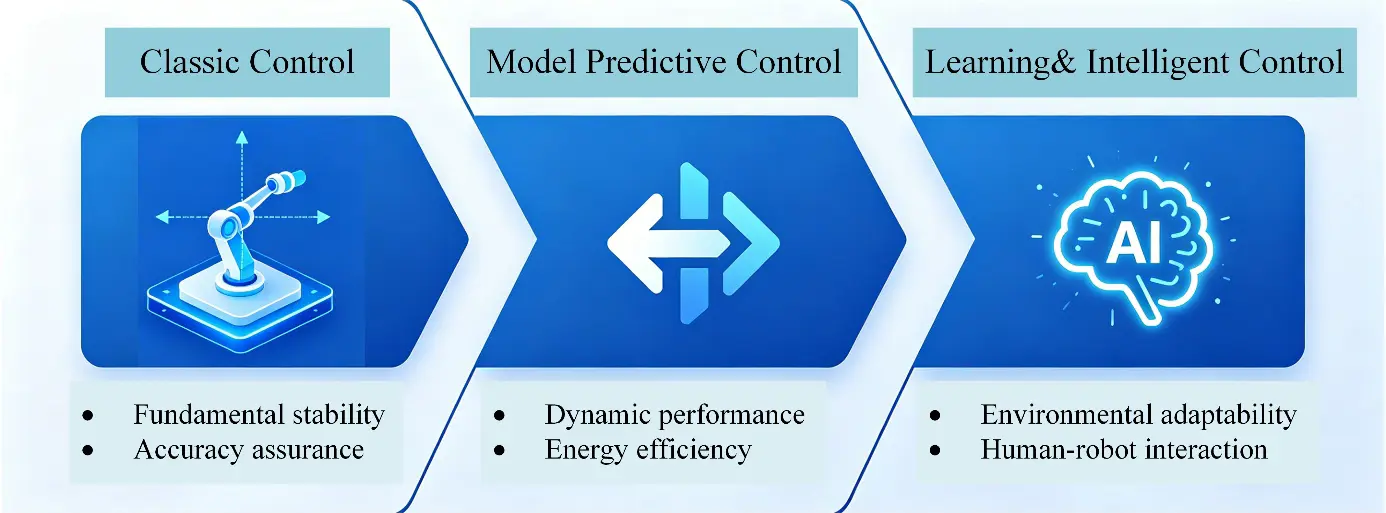
From a technological development perspective, these three categories of control methods exhibit a clear evolutionary relationship, as illustrated in Figure 16. Classical control methods provide fundamental guarantees for system stability and motion precision. Based on this foundation, optimization and predictive control methods further improve dynamic performance and energy efficiency. Learning based intelligent control methods subsequently extend system adaptability and compliant interaction capability in complex environments. These three approaches are interconnected while maintaining distinct technical emphases, thereby forming a progressive technological pathway from stable foundational control toward high dynamic performance and high adaptability. This evolution not only reflects the multi objective trade offs inherent in control strategy development, but also demonstrates the technological transition of humanoid robot joint design from rigid and standardized architectures toward compliant and intelligent systems.
5.2.1. Classical Control Methods
Classical control methods constitute the fundamental technological framework for humanoid robot joint control and remain the most widely adopted control schemes in current industrial grade humanoid robotic applications [121]. The core objectives of these methods are to achieve high steady state precision, high repeatability, and strong disturbance rejection capability in joint control [122]. These approaches are primarily based on linear control theory. By establishing accurate joint kinematic models and employing closed loop feedback architectures, system errors can be effectively compensated [123]. Classical control methods exhibit advantages including simple theoretical principles, low computational complexity, and ease of engineering implementation, making them highly suitable for the high precision positioning requirements of rigid integrated joints [124].
The methodological framework of classical control mainly includes PID control and its improved variants, such as incremental PID and fuzzy PID [125], as well as active disturbance rejection control, feedforward and feedback composite control, dual encoder error compensation, Zero Moment Point (ZMP) gait generation, and trajectory planning based on the Linear Inverted Pendulum Model (LIPM). Related studies have primarily employed dual feedback architectures combining motor side encoders and joint side encoders together with transmission error pre compensation strategies. Through these approaches, the repeatability accuracy of rigid joints can be controlled at the arcsecond level, while trajectory tracking errors can be maintained below 0.01 mm, thereby satisfying the requirements of high precision scenarios such as industrial manipulation and precision assembly.
Hauser et al. [126] proposed a method to reduce the control complexity of humanoid robots. Owing to the high degrees of freedom and nonlinear characteristics of humanoid robotic systems, balance control is inherently complex. Inspired by motion synergy phenomena observed in biological systems, the high dimensional motion space was simplified through linear combinations, thereby reducing the balance control problem to a linear control framework. The proposed approach demonstrated the dynamic balance capability of robots under unknown disturbances across multiple tasks.
As the fundamental solution for humanoid robot joint motion control, this method is characterized by a clear control architecture, ease of implementation, and high reliability, and has therefore been the most widely adopted approach in engineering practice. Supported by mature linear control theory, this class of methods provides intuitive control frameworks and convenient parameter tuning, enabling stable and reliable position closed loop control and trajectory tracking for robotic joints in structured environments. Consequently, favorable steady state accuracy and repeatability performance can be achieved, satisfying the basic requirements of most conventional motion scenarios. At the same time, classical control algorithms are associated with low computational complexity and strong real time capability, making them easy to implement on embedded hardware platforms. These methods can be stably adapted to various joint actuation systems and therefore serve as core technologies for ensuring the fundamental motion capability of humanoid robots. Furthermore, they provide a stable low level control foundation for the subsequent development of more advanced optimization based and intelligent control strategies.
5.2.2. Optimization and Predictive Control
Optimization and predictive control represent a new generation of control frameworks developed to address the limitations of classical control methods in handling multi constraint, multi objective, and strongly coupled dynamic problems [127]. Classical methods such as PID or computed torque control usually rely on linearized models and heuristic gain tuning. It is difficult for them to systematically handle physical constraints such torque as saturation, joint limits, and ground reaction forces, and they are unable to coordinate conflicting objectives such as stability, energy efficiency, and tracking accuracy in a rigorous manner [128]. The core concept of these approaches is to formulate joint and whole body motion control problems as mathematical optimization problems subject to physical constraints [129,130]. By solving optimal control sequences either online or offline [131], global optimization of dynamic performance, energy efficiency, and task execution capability can be achieved [132,133]. Compared with the single loop feedback regulation employed in classical control methods, optimization and predictive control approaches are capable of simultaneously considering kinematic constraints, dynamic constraints, actuator saturation constraints, and environmental contact constraints [134]. Consequently, the motion capability and task adaptability of humanoid robots in complex dynamic scenarios can be significantly improved [135].
The core methodological framework of optimization and predictive control includes Hierarchical Quadratic Programming (HQP), Model Predictive Control (MPC), centroidal dynamics control, impedance and admittance control, torque servo control, and Disturbance Observer (DOB) based methods. These approaches address multi objective trade offs and dynamic constraint problems in humanoid robot motion control from different perspectives, and collectively constitute the core technological framework for current high dynamic motion control systems.
Optimization and predictive control methods mainly include strategies such as Model Predictive Control (MPC) and trajectory optimization. Through online solutions of joint and whole body dynamic models, high dynamic performance, energy efficiency, and coordinated multi joint control can be achieved. With the rapid advancement of robotic hardware, computational processors, and control algorithms, MPC has attracted increasing attention in walking and humanoid robotic systems, while its problem formulation and solution algorithms have continuously evolved. Katayama et al. [136] developed control frameworks based on low order models and whole body dynamic models, as illustrated in Figure 17, and further integrated constrained optimization algorithms to satisfy joint torque, contact force, and balance constraints simultaneously.
Existing studies in this area are primarily based on explicit modeling and constraint handling, where global optimization objectives are achieved through online or offline numerical solutions. Precise descriptions of joint states and whole body motion are established through kinematic, dynamic, or momentum based formulations, while engineering constraints are simultaneously incorporated into the control framework [137]. Through the tight coupling of motion planning and control, the adaptability of robotic systems to complex tasks and dynamic environments can be significantly enhanced.
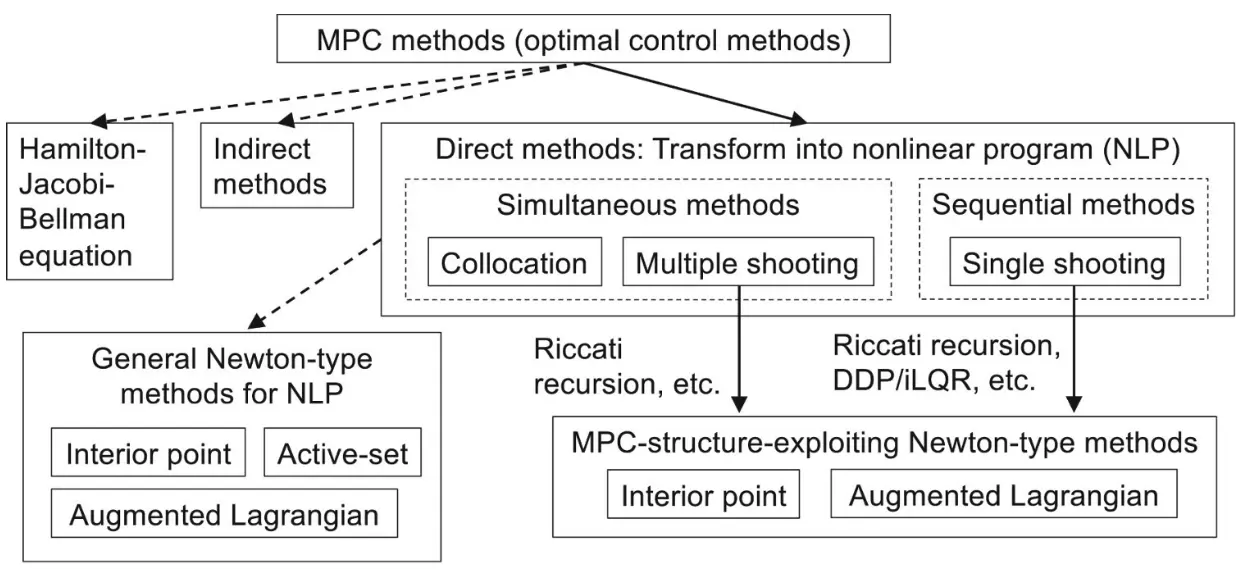
5.2.3. Learning and Intelligent Control
Although optimization and predictive control methods can significantly improve motion performance under multiple constraints, they are highly dependent on accurate dynamic models, associated with high computational complexity, and exhibit relatively weak adaptability to environmental uncertainties [138]. Consequently, they encounter difficulties when addressing complex interaction tasks in unstructured environments [139,140]. In contrast, learning based intelligent control methods do not rely on precise system models and therefore possess stronger adaptability, generalization capability, and disturbance rejection capability [141]. Through data driven approaches, control strategies can be autonomously learned, effectively compensating for the limitations of traditional model based methods in complex dynamic environments [142,143,144]. As a result, learning based intelligent control has become a core technological pathway for achieving compliant interaction and human like motion [145,146].
Learning based intelligent control is fundamentally driven by data and achieves high precision adaptive regulation of nonlinear, strongly coupled, and uncertain systems through online or offline learning processes [147]. The major technical directions mainly include model free adaptive control, reinforcement learning, imitation learning, deep learning, and large model driven control approaches [148].
Van et al. [84] addressed a key limitation in compliant actuation systems, namely that the constraints of accompanying control hardware restrict system integration and practical deployment. To overcome this issue, they proposed a functionally embedded biomimetic actuation design concept. By exploiting the buckling-induced hysteresis behavior of an embedded conical shell within the actuator structure, complex actuation sequences can be generated under a single pressure input, while the output characteristics can be flexibly tuned through geometric parameters. The study further established a mapping relationship between actuation parameters and system performance, along with a corresponding design toolchain. Experimental validation demonstrated that a six-unit actuation system could achieve high precision time-sequenced motion using only a single supply source. This provides a new technological pathway for the design of highly integrated biomimetic joints in humanoid robots.
Compared with the two model driven control paradigms, this approach leverages data driven learning and autonomous adaptation to overcome the limitations of model based methods, such as high dependence on accurate system modeling and insufficient adaptability to environmental uncertainties. As a result, it has become a key technological pathway for enabling adaptive motion and compliant interaction in humanoid robot joint systems. These methods generally do not require precise dynamic models and therefore exhibit strong adaptability, generalization capability, and superior interaction performance. They can maintain stable control performance under uncertain conditions such as joint compliance, parameter perturbations, and external disturbances. Moreover, by learning from data, these approaches can generate motion trajectories that are closer to human movement patterns, significantly enhancing the overall adaptability of humanoid robots in complex and unstructured environments.
Despite their advantages, learning based intelligent control methods still face several practical challenges. Their learning process typically relies on large amounts of data and iterative trial and error, resulting in low sample efficiency and high training costs [149]. In addition, the black box nature of these algorithms makes it difficult to rigorously interpret, verify, or guarantee their control behavior in terms of stability, safety, and explainability. Moreover, the significant computational burden introduced by complex learning architectures limits their ability to ensure real time performance in high frequency and highly dynamic joint control scenarios. Their generalization capability also exhibits clear limitations when deployed in entirely new environments or under unseen tasks.
Classical control, optimization, and predictive control, and learning based intelligent control form a progressively evolving hierarchy. Classical control serves as the foundational layer, providing stable and reliable basic motion capabilities. Optimization and predictive control act as a performance enhancement layer, enabling high dynamic and multi constraint optimal motion generation. Learning based intelligent control represents an intelligent expansion layer, improving environmental adaptability and compliant interaction capabilities of robots. As illustrated in Figure 18, current joint motion control still faces several critical challenges, including model uncertainty, difficulties in compensating nonlinearities, trade offs among multiple performance objectives, and insufficient real time capability and robustness. In the future, joint control systems are expected to evolve toward multi method integration, lightweight computation, online learning, safe and controllable learning frameworks, and perception control integration, ultimately achieving more stable, intelligent, compliant, and high precision motion control.
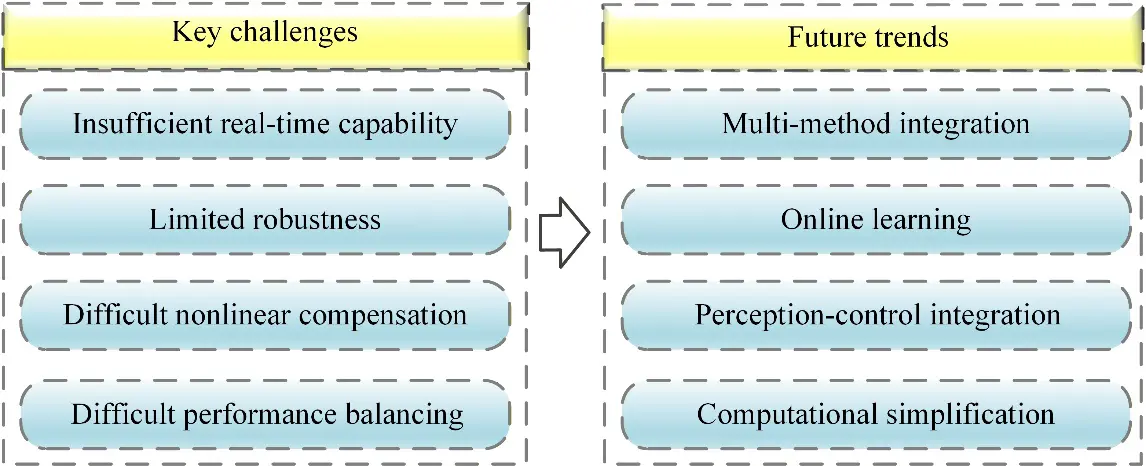
Figure 18. Challenges and development trends of motion control technologies for humanoid robot joint modules.
5.3. Human-Robot Interaction Technologies
Human-robot interaction (HRI) technologies constitute a key enabler for the transition of humanoid robots from mechanical execution tools to human collaborative partners, and also represent a critical pathway for joint modules to evolve from single motion execution units into intelligent interaction interfaces [150,151]. Based on the bibliometric analysis of 769 publications in this study, HRI related research accounts for approximately 21% of the total publications in the field, ranking as the third largest research hotspot after structural design and motion control.
It mainly includes three categories of interaction technologies: force based physical interaction, tactile perception and contact state interaction, and multimodal fusion based natural interaction. Force based physical interaction addresses the fundamental safety issues in human-robot contact and serves as the physical basis for all interaction modalities. Tactile perception and contact state interaction extend the perceptual dimensions of interaction, enabling a precise understanding of contact details. Multimodal fusion and natural interaction further enhance the intelligence level and naturalness of interaction, making human-robot collaboration more closely resemble human-human communication patterns. These three types of interaction technologies form a coherent technical framework ranging from safe physical contact to precise perception and ultimately to natural collaborative interaction.
5.3.1. Force Based Physical Interaction
The primary objective of force based physical interaction is to address safety issues during physical contact between humans and robots, enabling joints to actively yield in a compliant manner when collisions occur with humans or the environment, thereby preventing potential injury [152]. This technology is centered on joint torque control and mainly includes three categories of methods: impedance and admittance control, sensorless force control, and collision detection and safety response strategies [153]. By establishing a dynamic mapping relationship between position and contact force, these methods enable joints to exhibit active compliance behavior during physical interaction [154].
Ferraguti et al. [155] proposed a variable admittance control strategy to address the stability challenges caused by changes in human arm stiffness. They analyzed the performance variation of admittance controllers under different human arm stiffness conditions and developed a real-time variable admittance parameter adjustment mechanism to maintain system stability during human-robot contact.
Force based physical interaction is currently the foundational technology for humanoid robot joint interaction and the only interaction solution that has achieved large scale industrial deployment. It provides a solid physical basis for the development of subsequent interaction technologies. By employing relatively simple and effective mechanisms, it addresses the core safety problem in human robot contact, enabling robots to operate safely in close proximity to humans. However, the limitations of this approach are also evident. It can only perceive the magnitude of contact forces but fails to identify richer contact information, such as contact location, contact type, and surface texture. As a result, the interaction modality is limited and lacks active perception capability. The system can only respond passively to external contact, making it difficult to achieve fine force manipulation and complex human robot collaboration tasks. These limitations have further driven the development of tactile perception and multimodal fusion based interaction technologies.
5.3.2. Tactile Perception and Contact State Interaction
The primary objective of tactile perception and contact state interaction is to extend the perceptual dimension of force based interaction. By utilizing distributed tactile sensors to acquire rich contact information, this approach enables comprehensive understanding of contact states and thereby supports more precise and intelligent human robot interaction [156]. This technology mainly consists of three components, including tactile sensing, contact state recognition and understanding, and tactile feedback [157,158]. It can provide multi dimensional information such as contact location, contact force distribution, surface texture, and sliding state. As a result, this class of methods is characterized by rich interaction dimensions and high sensing accuracy, enabling humanoid robots to acquire tactile perception capabilities that are closer to those of humans [159].
Bao et al. [160] proposed an Integrated Intelligent Tactile System (IITS) that enables real time perception of contact pressure distributions through the integration of multi channel tactile sensors, data processing units, and feedback control, as shown in Figure 19. The system was shown to support compliant grasping and tactile interaction under closed loop control. Albini and Cannata [161] developed a deep learning based contact state recognition method for whole body tactile sensing in robots. By mapping three dimensional pressure distributions into two dimensional tactile images, accurate identification of human hand contact regions and pressure distribution characteristics was achieved.
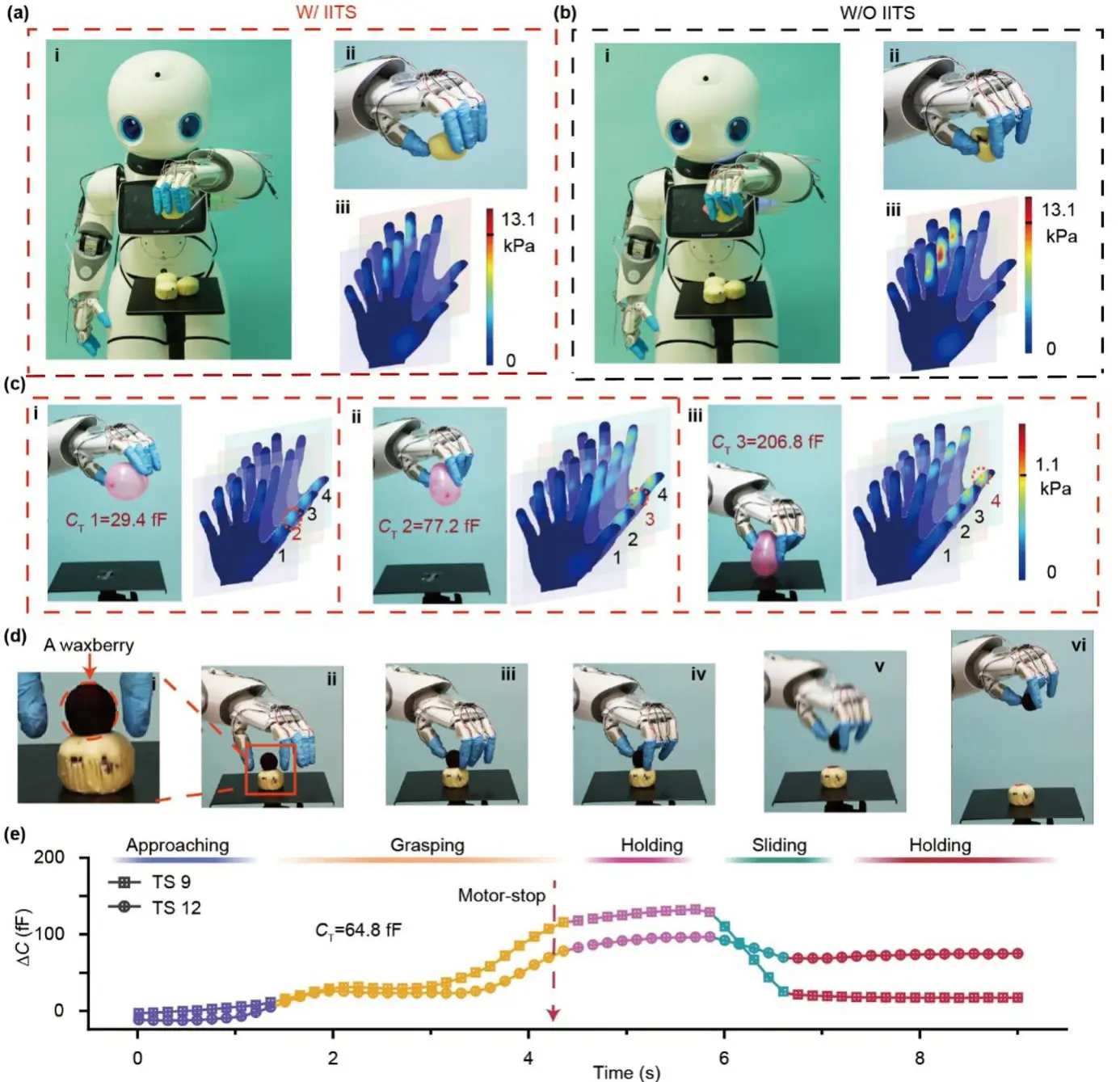
Figure 19. Compliant grasping experiments using the Integrated Intelligent Tactile System (IITS), demonstrating real-time pressure perception and adaptive grasp control for objects with different stiffness characteristics [160]. (a) Demonstration of tactile sensing during human–robot interaction with integrated tactile sensors (ITSs). The tactile pressure distribution of the robotic hand during contact is visualized; (b) Comparison of tactile responses between the robotic hand with and without integrated tactile sensors, showing the enhanced perception capability enabled by ITSs; (c) Tactile sensing responses under different contact conditions with varying contact capacitance values, demonstrating the capability of the sensor to detect contact location and pressure variation; (d) Sequential process of the robotic hand grasping and manipulating a fragile object (waxberry), illustrating real-time tactile feedback during object handling; (e) Temporal evolution of capacitance variation during different grasping stages, including approaching, grasping, holding, sliding, and holding, indicating the dynamic tactile perception capability of the robotic hand.
Tactile perception and contact state interaction serve as a critical bridge between fundamental force based interaction and higher level intelligent interaction [162]. This technology significantly enhances the richness and precision of human robot interaction, enabling robots to perform complex tasks that are difficult to achieve using conventional force based methods, such as dexterous grasping, precision assembly, and minimally invasive surgical operations. By enabling a comprehensive understanding of contact states, robots can better perceive environmental changes and infer human intent, allowing them to proactively adjust control strategies and achieve more natural and intelligent human robot collaboration. However, this technology still faces several challenges. Flexible sensors are susceptible to environmental disturbances, such as temperature and humidity variations, which limit their robustness. In addition, real time processing and analysis of large volumes of tactile data impose high demands on computational resources. These limitations restrict the widespread application of tactile perception technologies in humanoid robotic systems.
5.3.3. Multimodal Fusion and Natural Interaction
The primary objective of multimodal fusion and natural interaction is to integrate multiple sensory modalities, including vision, audition, tactile perception, and force sensing, to achieve natural, intuitive, and intelligent interaction comparable to human human communication [163]. This paradigm enables human robot interaction to shift from command based interaction to dialogue based interaction, and from passive response to active understanding [164,165]. This technology is mainly implemented through the integration of heterogeneous perceptual modalities combined with machine learning and data driven approaches [166,167]. Vision force fusion interaction combines global environmental perception from vision with local contact feedback from force sensing, enabling coordinated perception and action [168]. Imitation learning and skill transfer allow robots to acquire complex motor skills from human demonstrations without the need for manually programmed control policies [169]. Finally, large model driven end to end interaction leverages the commonsense reasoning capability of multimodal foundation models to directly translate high level natural language instructions into executable low level joint control sequences.
In natural interaction scenarios, multimodal perception and fusion can significantly enhance a robot’s ability to understand and respond to complex environments. Mao et al. [170] proposed a vision tactile fusion framework that processes visual and tactile signals in a unified manner, enabling fine grained recognition of object properties and efficient grasping strategies, thereby supporting natural interaction in multi task scenarios, as shown in Figure 20. Recent studies have also integrated multimodal perception with interaction control within a single framework to achieve more natural human robot collaboration. For example, Gong et al. [171] developed an interactive control system that integrates visual, force, and positional information, allowing real time responses to human actions and environmental changes in dynamic settings, thereby improving the naturalness of interaction and control stability of intelligent robots.
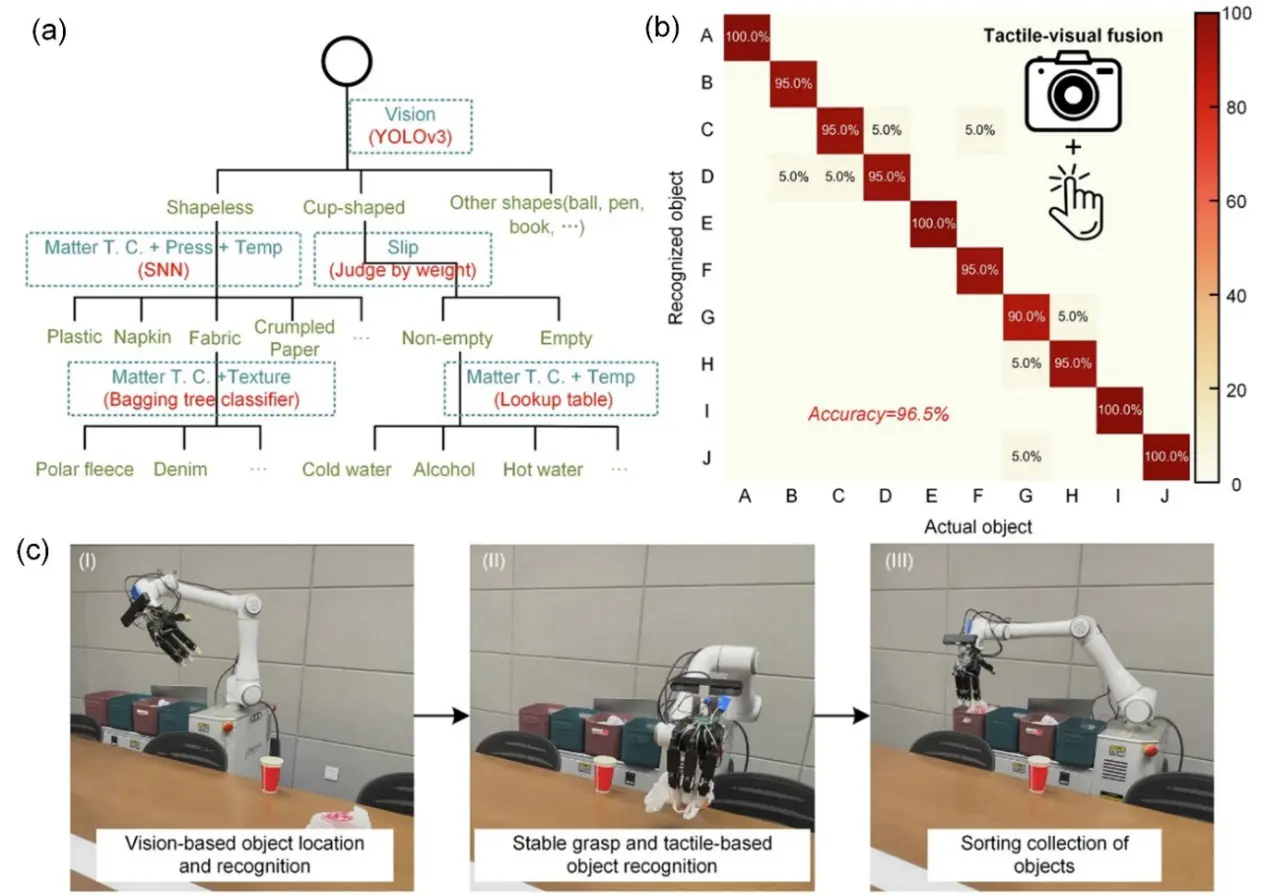
Multimodal fusion and natural interaction represent the most advanced stage of human robot interaction technologies and constitute a key enabling technology for general purpose humanoid robots. By integrating information from multiple perceptual modalities, this approach enables robots to comprehensively understand both the environment and human intent, thereby achieving truly natural and fluent human robot communication. However, this technology is still largely at the laboratory research stage and faces several significant challenges. Multimodal data fusion remains difficult due to issues such as cross modality alignment, information redundancy, and noise interference. In the future, multimodal fusion and natural interaction must be deeply integrated with conventional force based and tactile based control technologies in order to achieve truly safe, reliable, and intelligent human robot coexistence.
To further compare the performance characteristics of different human robot interaction technologies, Table 7 systematically evaluates force based compliant physical interaction, tactile perception, and contact state interaction, and multimodal fusion and natural interaction in terms of core principles, interaction modalities, real time performance, and control accuracy. Force based compliant physical interaction relies on mature torque control theory and demonstrates significant advantages in real time performance, safety, and engineering reliability. It remains the dominant solution in industrial collaboration and mass production humanoid robot applications. However, its reliance on a single force sensing modality limits interaction richness and fine manipulation capability to some extent. In contrast, tactile perception and contact state interaction extend the perceptual dimension by introducing distributed tactile sensors. This approach exhibits strong performance in contact state recognition and dexterous manipulation, and also supports bidirectional interaction, making it suitable for teleoperation and precision assembly tasks. Nevertheless, flexible sensors are susceptible to environmental disturbances, and the system cost remains relatively high. Multimodal fusion and natural interaction integrate multiple perceptual modalities such as vision, audition, and touch, providing inherent advantages in interaction naturalness and intelligence level. This enables higher levels of task generalization and active understanding capability. However, this class of methods typically faces challenges such as difficulty in multimodal data fusion and limited model interpretability, while also imposing higher requirements on computational resources and safety verification.
Table 7. Comparison of three joint actuation schemes.
|
Comparison Dimension |
Force Based Compliant Interaction |
Tactile Perception Interaction |
Multimodal Intelligent Interaction |
|---|---|---|---|
|
Core Principle |
Force-position dynamic mapping |
Perception and recognition of contact signals |
Multimodal data fusion and learning |
|
Interaction Dimension |
1D (force) |
3D (position, force, texture) |
Multi-dimensional (vision, voice, force, emotion) |
|
Real-Time Performance |
Very high |
High |
Medium |
|
Control Accuracy |
High |
Very high |
Medium |
|
Interaction Naturalness |
Low |
Medium |
Very high |
|
Typical Applications |
Industrial collaboration, assembly |
Precision manipulation |
Service robots, domestic assistants |
Force based compliant physical interaction, tactile perception, and contact state interaction, and multimodal fusion and natural interaction are not mutually exclusive approaches, but rather constitute a hierarchical, complementary, and synergistic technological framework. Force based compliant physical interaction establishes the engineering foundation for safe human robot contact and basic force control. Tactile perception and contact state interaction overcome the limitations of single modality sensing and enable precise understanding of contact details. Multimodal fusion and natural interaction represent a frontier direction toward general purpose humanoid robots, focusing on natural interaction and intelligent decision making. As illustrated in Figure 21, these three categories of technologies share several common challenges, including the trade off between sensing accuracy and robustness, the balance between interaction naturalness and control precision, conflicts between intelligence level and safety assurance, and constraints related to engineering cost. In the future, human robot interaction technologies are expected to evolve toward integrated multimodal perception and control, fusion of foundation models with classical control methods, active safety interaction, enhanced skill generalization, and on device real time inference, ultimately achieving safe, natural, intelligent, and reliable human robot coexistence.
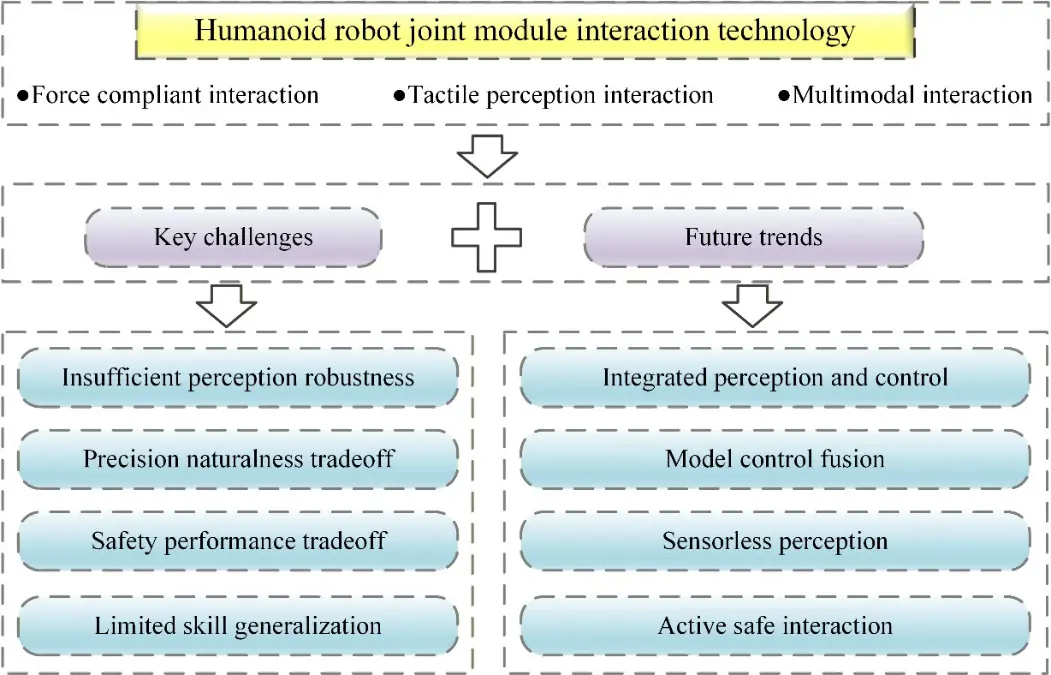
Figure 21. Challenges and development trends of interaction technologies for humanoid robot joint modules.
5.4. Biomimetic Actuation and Human Like Performance Enhancement
Biomimetic actuation and human like performance enhancement constitute a key technological pathway for overcoming the performance limitations of conventional electromechanical systems and enabling humanoid robots to progress from superficial anthropomorphic resemblance toward human like functionality and behavior [172]. This research direction also represents an inevitable evolution of joint modules from simple functional execution units toward biologically inspired systems. Based on the bibliometric analysis of 769 publications included in this study, research related to biomimetic actuation and human like performance enhancement accounts for approximately 19% of the total publications in the field, making it one of the fastest growing research directions in humanoid robotics.
Research in this area is primarily conducted from three perspectives, namely biomimetic structural design, human like motion and compliant dynamic performance enhancement, and perception motion integration. Biomimetic actuation structures emulate the mechanical characteristics of the human musculoskeletal system at the hardware level, thereby providing the physical foundation for human like motion. Human like motion and compliant dynamic performance enhancement seek to reproduce human movement patterns and biomechanical characteristics through advanced control strategies, enabling more natural and coordinated dynamic behaviors. Perception motion integration aims to emulate the human neural process from perception and decision making to action execution at the system level, thereby promoting the evolution of joint modules toward human like intelligence.
5.4.1. Biomimetic Human Like Actuation Structures
The core objective of biomimetic human-like actuation structures is to replicate the coupled working mechanisms of human skeletal muscles [173], bones, and joints [174], and to develop novel actuators that exhibit high compliance, high power density, and impact resistance [175]. These structures fundamentally address the inherent limitations of traditional motor and gearbox drive systems, which include excessive rigidity, poor back-drivability, and low energy efficiency [176]. In recent years, numerous studies have drawn inspiration from the properties of biological muscles and tendons to advance human-like biomimetic actuation structures [177]. Antagonistic variable-stiffness actuators mimic the coordinated operation of agonist and antagonist muscles, achieving continuously adjustable joint stiffness through differential control of two actuator groups [178]. Pneumatic artificial muscle actuators generate contraction force through pressure variations and provide a power-to-weight ratio and intrinsic compliance comparable to human muscles. Dielectric elastomer actuators achieve motion by electrically induced material deformation, offering rapid response and high energy conversion efficiency [179].
Jeong et al. [180] proposed a multifunctional magnetic artificial muscle that achieves coordinated regulation of actuation force output and stiffness through the integration of phase change polymers and ferromagnetic particles, as shown in Figure 22. The actuator exhibits high compliance, high power density, and variable stiffness characteristics, demonstrating excellent biomimetic actuation performance in complex motion tasks. This work provides a promising technological approach for the development of next generation muscle inspired robotic joints.
Biomimetic human like actuation structures overcome the performance limitations of conventional electromechanical systems at the hardware level and provide a solid physical foundation for human like motion. They serve as a key hardware enabler for achieving highly compliant and dynamic human robot interaction. However, the complexity of these structures significantly increases the difficulty of control, while their structural reliability continues to pose substantial challenges.
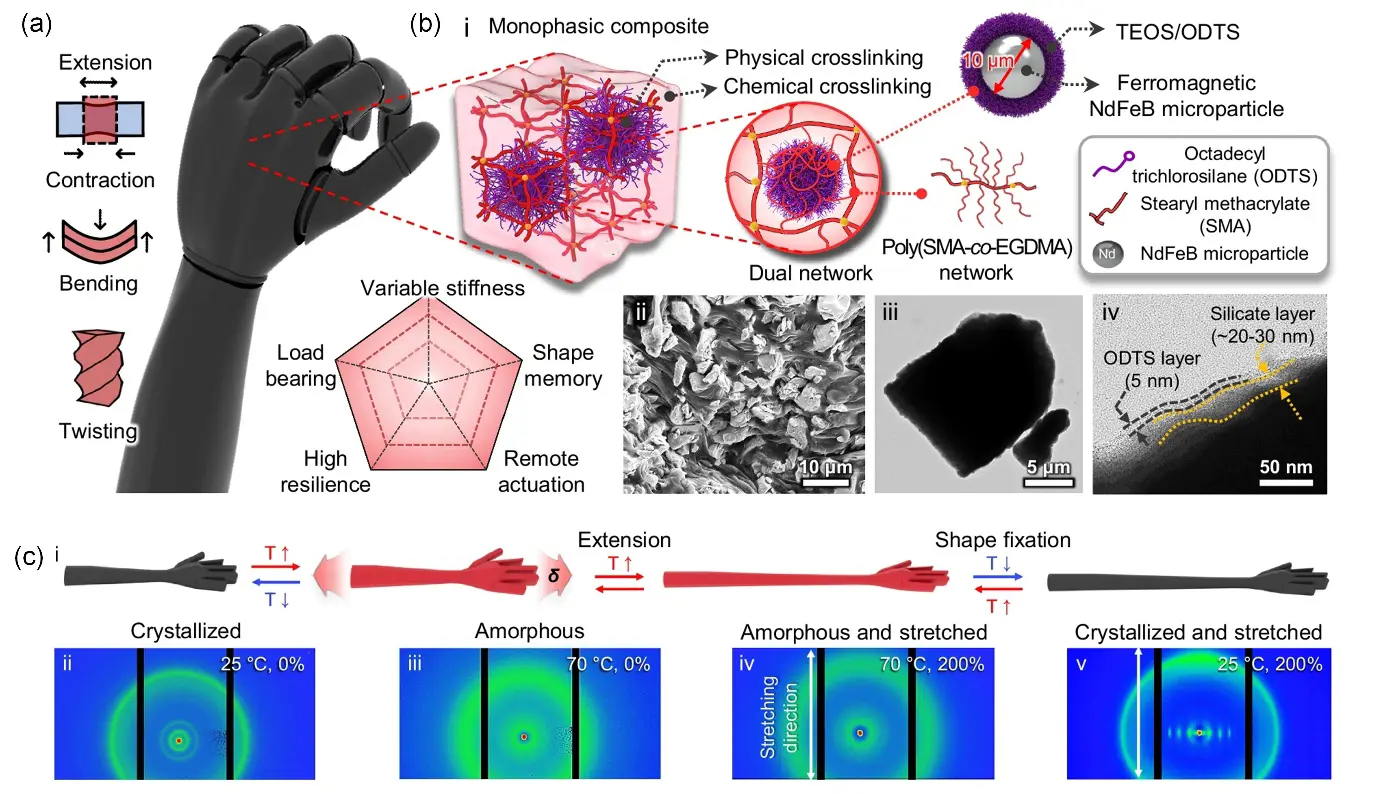
Figure 22. Structure and working mechanism of the monophasic composite artificial muscle. (a) Conceptual illustration of the multifunctional artificial muscle. (b) Material composition and microstructural characterization. (c) Actuation mechanism and WAXS analysis under different crystallization and deformation states [180].
5.4.2. Human Like Motion and Compliant Dynamic Performance Enhancement
Building upon the hardware foundation provided by biomimetic human like actuation structures, a central challenge in enhancing the human likeness of robotic joints is how to fully exploit their compliant mechanical characteristics through optimized control strategies [181] and to generate natural motions that conform to human biomechanical principles [182]. The primary objective of human like motion and compliant dynamic performance enhancement is to optimize joint motion control strategies and dynamic response characteristics based on principles of human physiology and biomechanics [183], thereby generating natural, smooth, and energy efficient motion trajectories while improving compliance and disturbance rejection capability in complex environments [184,185]. This technology is mainly realized through motion capture based trajectory mapping, in which human motion data are collected and utilized for trajectory generation [186,187]. Biomechanics driven motion optimization is then employed to establish human musculoskeletal dynamic models, and joint motion trajectories are optimized with energy efficiency and motion naturalness as the primary objectives [188]. Finally, autonomous exploration and imitation learning are adopted to generate highly dynamic motion strategies with human like characteristics [189].
Hwangbo et al. [190] proposed a reinforcement learning–based framework for motion skill acquisition that combines simulation training with real-robot transfer, enabling quadruped robots to perform high-speed running, fall recovery, and complex dynamic motion control. The study demonstrates that learning-driven control can significantly enhance robot agility, energy efficiency, and environmental adaptability, providing a new technical pathway for generating high-dynamic motions in humanoid robots. Peng et al. [191] introduced the DeepMimic framework, which integrates deep reinforcement learning with human motion capture data to generate a variety of high-dynamic humanoid movements, including walking, running, jumping, and backflips.
Human like motion and compliant dynamic performance enhancement serve as a critical bridge between hardware biomimicry and intelligent biomimicry, playing a pivotal role within the overall human likeness enhancement framework. This approach enables the hardware advantages of biomimetic actuation structures to be translated into practical motion performance benefits, allowing robotic motion to evolve from rigid mechanical movement toward smooth, biologically inspired behavior [192]. At the same time, energy consumption can be significantly reduced and operational endurance improved. However, motion capture based approaches generally exhibit limited generalization capability and are difficult to adapt to complex, unstructured environments. In addition, the high computational complexity of these methods poses significant challenges for real time implementation.
5.4.3. Perception Motion Integration
When both hardware actuation and motion control have achieved human-like breakthroughs, the traditional serial architecture of separate perception and hierarchical decision-making can be overcome [193,194]. Achieving deep integration from perception through decision-making to execution becomes an inevitable direction for the evolution of joints toward human-like intelligence [195,196]. The core objective of perception-motion integration is to emulate the parallel working mechanism of the human central nervous system, where perception, decision-making, and execution are integrated [197]. This approach eliminates information loss and delays in intermediate layers, enabling joints to perform autonomous perception, real-time decision-making, and adaptive motion, thereby promoting the development of humanoid robots toward human-like intelligence [198]. This technology primarily encompasses three key directions. Firstly, joint-embedded multimodal perception integrates force, tactile, and position sensors within the joint, achieving tight coupling between perception and execution [199]. Secondly, end-to-end perception-motion control directly maps raw sensory signals to joint control commands, simplifying the system hierarchy. Thirdly, embodied intelligence driven by large models leverages the commonsense reasoning and generalization capabilities of multimodal large models to enable autonomous task planning and adaptive motion for the joints.
Prabhakar et al. [200] proposed a mechanical intelligence framework for embodied intelligence, in which autonomous modeling of object-environment relationships is achieved through learning the closed-loop coupling between perception and motion behaviors. The robot is capable of constructing environmental understanding through coordinated perception–action interactions without relying on prior models, providing a novel approach for the development of perception–motion integrated systems. Gupta et al. [201] developed an embodied intelligence framework based on learning and evolutionary mechanisms, in which robot morphology, environmental perception, and motion control are jointly incorporated into a unified optimization process, as Figure 23. The emergence of intelligent behavior is driven by the co-evolution of perception, motion, and environmental interactions, further demonstrating the fundamental role of perception–motion integration in embodied intelligent systems.
Perception motion integration represents the most advanced stage in the development of humanoid robot joint technologies and serves as a key technological foundation for the realization of general purpose humanoid robots. Through the deep integration of perception, decision making, and execution, robots can be endowed with human like autonomous motion capabilities and environmental adaptability, enabling the autonomous completion of complex tasks in unstructured environments. This paradigm is largely dependent on the multimodal fusion and large model driven technologies discussed previously, which also result in challenges related to system integration and reliability.
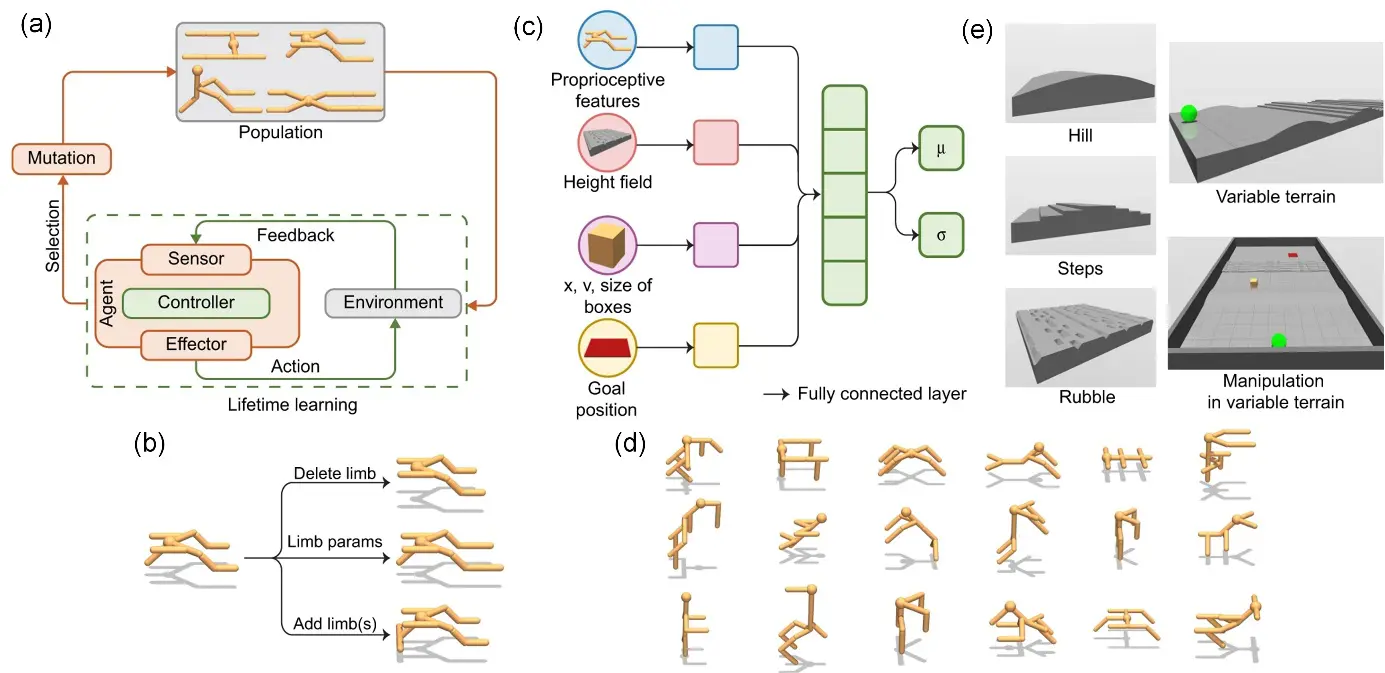
Figure 23. Embodied intelligence framework integrating morphology evolution, control learning, and environment interaction. (a) Overall embodied intelligence framework. (b) Morphological evolution process. (c) Learning based control optimization. (d) Generated robotic morphologies. (e) Adaptive interaction and manipulation in complex environments [201].
Biomimetic actuation and human like performance enhancement are driving the evolution of humanoid robot joint modules from conventional electromechanical actuation units toward biologically inspired systems with compliant actuation, autonomous perception, and dynamic adaptation capabilities. Several key trends can characterize the development trajectory of this research area. Actuation technologies are evolving from high stiffness motor driven systems toward compliant biomimetic actuation. Motion control strategies are advancing from high precision trajectory tracking toward compliant and dynamically coordinated control. Meanwhile, system architectures are being transformed from separated perception and control frameworks to integrated perception, motion, and decision making systems, as illustrated in Figure 24. At the same time, the rapid advancement of embodied intelligence, large model driven technologies, and multimodal perception techniques is further accelerating the transition of joint modules from simple motion execution units toward systems capable of autonomous understanding and adaptive interaction.
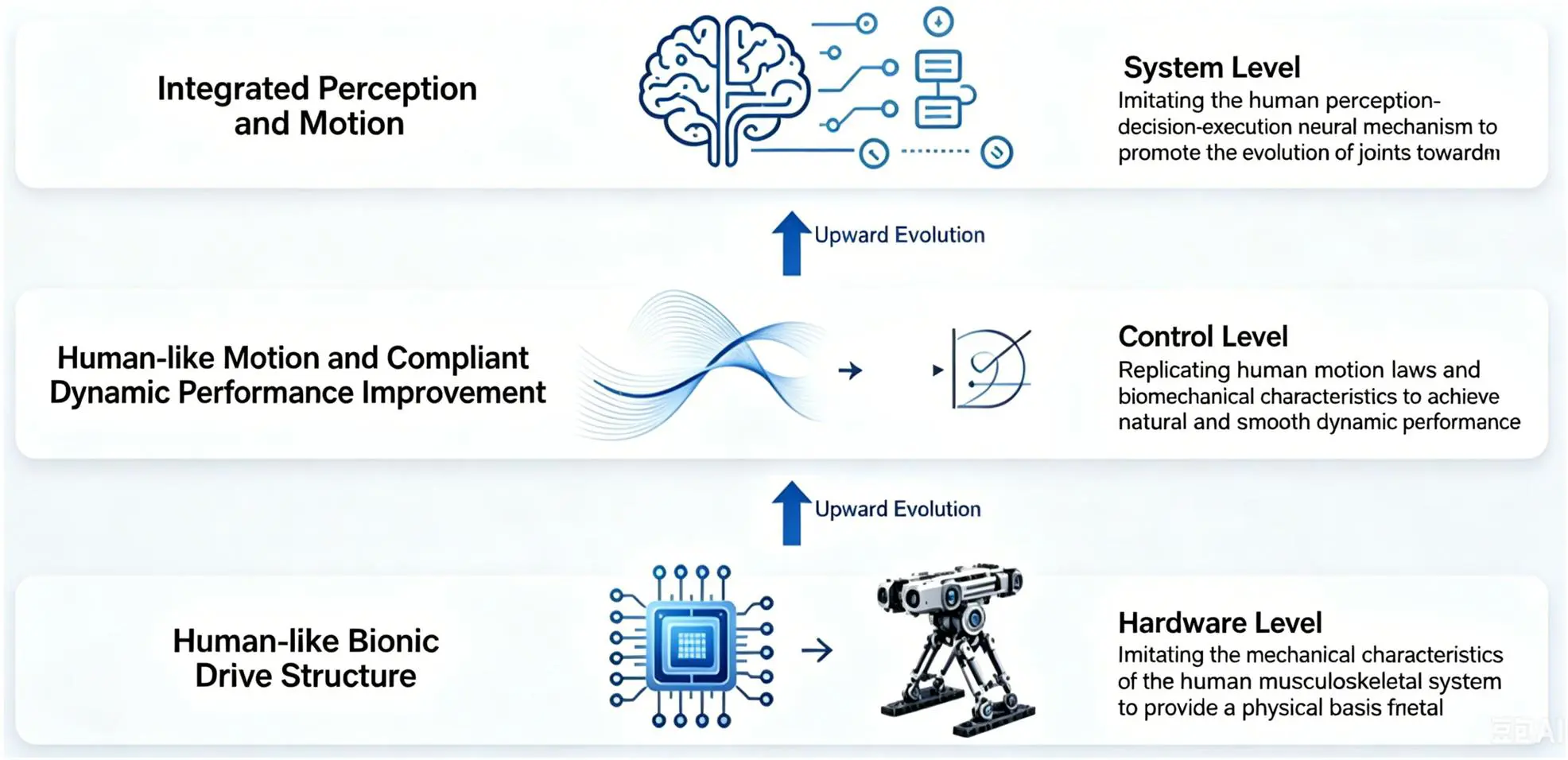
6. Conclusions and Perspectives
6.1. Conclusions
This study employed bibliometric methods to systematically analyze the research status, major research themes, and technological evolution trends in the field of humanoid robot joint modules. Through quantitative statistical analysis and visualized knowledge mapping of 769 relevant publications retrieved from the Web of Science Core Collection database, the overall development trajectory of the field was revealed, demonstrating a transition from conventional electromechanical actuation toward highly integrated, intelligent, and human-like systems. Furthermore, key technologies, including structural design, motion control, human–robot interaction, and biomimetic actuation, were systematically reviewed and summarized.
- (1)
-
Based on the results of the bibliometric analysis, it can be observed that the publication output in the field of humanoid robot joint modules has shown a sustained growth trend, with a rapid increase particularly after 2018. This indicates that the field has gradually transitioned from early exploratory research toward engineering implementation and large-scale applications. Co-occurrence and clustering analyses of keywords reveal that current research hotspots are primarily focused on actuation structures, compliant control, human–robot interaction, and embodied intelligence.
- (2)
-
In the area of humanoid robot joint structural design, research efforts have gradually shifted from conventional rigid integrated architectures toward lightweight designs, high power density configurations, and compliant actuation structures. Quasi direct drive joints and compliant joints have increasingly become important research directions due to their favorable backdrivability, superior dynamic performance, and enhanced impact absorption capability. Overall, the development trend is characterized by a transition from high stiffness actuation toward structural integration, compliant actuation, and modular standardization.
- (3)
-
In the field of humanoid robot motion control, control methodologies have progressively evolved from traditional trajectory tracking and stability control toward optimization-based and learning-driven approaches. Techniques such as model predictive control, reinforcement learning, and imitation learning have significantly enhanced the dynamic motion capabilities and environmental adaptability of robots. Overall, control strategies exhibit a clear trend from rigid position regulation toward compliant dynamic coordination and intelligent adaptive control.
- (4)
-
In the areas of human-robot interaction and human-like performance enhancement, compliant control, tactile perception, and multimodal fusion technologies have gradually become central research themes. Methods such as impedance control and admittance control have improved interaction safety and environmental adaptability, while biomimetic actuation, perception–motion integration, and embodied intelligence technologies have further promoted the evolution of joint modules from conventional electromechanical actuation units toward human-like intelligent systems capable of autonomous perception, autonomous decision making, and autonomous motion.
6.2. Perspectives
Humanoid robot joint modules are evolving from conventional electromechanical actuation components toward systems characterized by high compliance, superior dynamic performance, advanced intelligence, and embodied capabilities. With the rapid development of artificial intelligence, multimodal perception, advanced actuation materials, and foundation model technologies, future joint modules are expected to place greater emphasis on the coordinated optimization of structural design, motion control, perception, and interaction. Such developments will facilitate autonomous locomotion and natural interaction in complex unstructured environments. Nevertheless, several critical challenges remain in the field of humanoid robot joint modules. These include the difficulty of simultaneously achieving high power density and high compliance, insufficient motion stability in complex environments, and the high complexity associated with system integration. Consequently, further research efforts are still required in several key directions.
- (1)
-
Future research needs to further coordinate the interplay between lightweight structural design, high torque density actuation, thermal management, and compliant mechanisms, in order to develop highly integrated joint modules that combine both high dynamic performance and intrinsic compliance. At the same time, it is essential to enhance the structural reliability and engineering readiness of the joints to ensure stable operation under prolonged usage and high-load, complex working conditions. To this end, it is recommended to employ an optimization framework based on machine learning agent models, using joint torque density, transmission efficiency, adjustable stiffness range, and temperature rise as multi-objective functions to construct a Pareto front, thereby achieving parameter-based collaborative optimization across three architectures: rigid transmission, collinear drive, and smooth drive. This approach provides systematic guidance for selecting optimal transmission solutions across various application scenarios.
- (2)
-
Most current robotic systems still adopt a hierarchical control architecture, in which significant delays and insufficient coupling exist between perception, control, and actuation. Future research will increasingly focus on the deep integration of multimodal perception, adaptive control, and autonomous decision-making, promoting the evolution of joint modules from single motion execution units into embodied intelligent systems with real-time environmental awareness, autonomous decision-making, and adaptive motion capabilities. To achieve the aforementioned objectives, it is imperative to establish a standardized performance testing and validation system for joint modules. It is recommended to develop a unified testing platform based on the national standard currently under development, Electromechanical Integrated Joints for Humanoid Robots Part 1: Technical Requirements and Test Methods for Rotational Joints, which should encompass core test items such as torque-speed characteristics, transmission accuracy and backlash, step response and bandwidth, compliant response under impact loads, and temperature rise during continuous operation. This will provide a foundation for performance calibration and validation for the deep integration of perception, control, and execution.
- (3)
-
Current biomimetic actuation systems still exhibit limitations in terms of energy efficiency, motion naturalness, and structural reliability. Future research should further investigate muscle-like actuation materials, biological neuromuscular coordination mechanisms, and human motion imitation methodologies, thereby enabling the evolution of robots from simple mechanical motion imitation toward human-like biological movement. Such advances are expected to enhance further the naturalness, compliance, and environmental adaptability of robotic motion. In the performance evaluation of the new-generation bionic drive system, it is recommended to conduct comprehensive validation across three typical operating conditions on a unified testing platform: High-precision positioning condition, to assess transmission accuracy and stiffness stability; High-dynamic-response condition, to evaluate power density and bandwidth limits; Human-machine interaction condition, to verify smooth control performance and safe interaction capabilities. These multi-condition tests enable a comprehensive determination of the technical boundaries and applicable scenarios for various bionic drive solutions.
Statement of the Use of Generative AI and AI-Assisted Technologies in the Writing Process
During the preparation of this manuscript, the authors used ChatGPT (OpenAI) for language polishing and improving the clarity and readability of the manuscript.
Author Contributions
Conceptualization, C.J. and C.L.; Methodology, C.L.; Investigation, C.J., J.D., Y.S.D., G.W. and G.J.; Data Curation, C.J., D.H., X.Z. (Xianfeng Zhao), S.C. and K.Z.; Formal Analysis, C.J. and J.D.; Visualization, C.J., Y.F. and H.W.; Writing-Original Draft Preparation, C.J.; Writing & Review & Editing, J.D., Y.S.D., G.W., G.J., D.H., X.Z. (Xianfeng Zhao), S.C., K.Z., Y.F., H.W., X.Z. (Xing Zhao), X.W., X.S. and C.L.; Supervision, C.L. and X.W.; Project Administration, C.L.; Funding Acquisition, C.L.
Ethics Statement
Not applicable.
Informed Consent Statement
Not applicable.
Data Availability Statement
This study is based on publicly available literature data obtained from the Web of Science Core Collection database. The data used for bibliometric analysis are available from the corresponding database and can be accessed according to its terms of use.
Funding
This study was financially supported by Key Technology Tackling and Industrialization Demonstration Project of Qingdao City (25-1-1-gjgg-12-gx), National Natural Science Foundation of China (52375447), Taishan Scholars Program of Shandong Province.
Declaration of Competing Interest
The authors declare that they have no known competing financial interests or personal relationships that could have appeared to influence the work reported in this paper.
References
- Zhao Z, Wu Q, Wang J, Zhang B, Zhong C, Zhilenkov AA. Exploring Emb A Comprehensive Review of Humanoid Robotsodied Intelligence in Soft Robotics: A Review. Biomimetics 2024, 9, 248. DOI:10.3390/biomimetics9040248 [Google Scholar]
- Sheng Q, Zhou Z, Li J, Mi X, Xiang P, Chen Z, et al. A Comprehensive Review of Humanoid Robots. SmartBot 2025, 1, e12008. DOI:10.1002/smb2.12008 [Google Scholar]
- Yang HJ, Lee H, Shim K, Kwak J, Kim H, Kim D, et al. Advancing Multi-Robot Networks via MLLM-Driven Sensing, Communication, and Computation: A Comprehensive Survey. IEEE Commun. Surv. Tutor. 2026, 28, 5833–5871. DOI:10.1109/COMST.2026.3683120 [Google Scholar]
- Radosavovic I, Xiao T, Zhang B, Darrell T, Malik J, Sreenath K. Real-world humanoid locomotion with reinforcement learning. Sci. Robot. 2024, 9, eadi9579. DOI:10.1126/scirobotics.adi9579 [Google Scholar]
- Qi H, Yu Z, Chen X, Li Q, Liu Y, Yi C, et al. A Three-Step Optimization Framework With Hybrid Models for a Humanoid Robot’s Jump Motion. IEEE Trans. Automat. Sci. Eng. 2025, 22, 14120–14132. DOI:10.1109/TASE.2025.3557162 [Google Scholar]
- Ye H, Song Y, Lam J, Ioannou PA. Decentralized Prescribed-Time Control of Robotic Arm-Finger Systems for Grasping and Moving Tasks. IEEE Trans. Cybern. 2025, 55, 4386–4399. DOI:10.1109/TCYB.2025.3586153 [Google Scholar]
- Rozlivek J, Roncone A, Pattacini U, Hoffmann M. HARMONIOUS—Human-Like Reactive Motion Control and Multimodal Perception for Humanoid Robots. IEEE Trans. Robot. 2025, 41, 378–393. DOI:10.1109/TRO.2024.3502216 [Google Scholar]
- Han YH, Park MH, Cho BK. ADAPT: Advanced Differential and Agile Parallel Transmission Mechanism for High-Performance Humanoid Robots. IEEE Robot. Autom. Lett. 2026, 11, 7452–7459. DOI:10.1109/LRA.2026.3686707 [Google Scholar]
- Cao Q, Oh JC, Gu J. A 65-nm Humanoid Robot System-on-Chip Using Time-Domain 3-D Footstep Planning and Mixed-Signal ZMP Gait Scheduler with Inverse Kinematics. IEEE J. Solid-State Circuits 2025, 60, 1339–1348. DOI:10.1109/JSSC.2025.3541484 [Google Scholar]
- Díaz Ledezma F, Haddadin S. Machine learning–driven self-discovery of the robot body morphology. Sci. Robot. 2023, 8, eadh0972. DOI:10.1126/scirobotics.adh0972 [Google Scholar]
- Li X, Xiao X, Xiao X, Liu Z, Gong J, Lin Z, et al. Magnetic field–enhanced vertical integration enables embodied intelligence in untethered soft robots. Sci. Adv. 2025, 11, eadv9572. DOI:10.1126/sciadv.adv9572 [Google Scholar]
- Padmanabhan S, Miyazawa K, Horii T. LocoGPT: GPT-Based Multi-Humanoid-Task Policy for Humanoid Locomotion. IEEE Access 2026, 14, 20905–20915. DOI:10.1109/ACCESS.2026.3661568 [Google Scholar]
- Lento B, Segas E, Leconte V, Doat E, Danion F, Péteri R, et al. 3D-ARM-Gaze: A public dataset of 3D Arm Reaching Movements with Gaze information in virtual reality. Sci. Data 2024, 11, 951. DOI:10.1038/s41597-024-03765-4 [Google Scholar]
- Shang X, Jiang R, Wong SC, Gao Z, Weng W. Development and experimental validation of a humanoid pedestrian model that captures stepping behavior and body rotation. Transp. Res. Part C Emerg. Technol. 2024, 158, 104446. DOI:10.1016/j.trc.2023.104446 [Google Scholar]
- Sathuluri A, Sartore C, Dafarra S, Traversaro S, Zimmermann M, Pucci D. Maximising Tolerance to Disturbances via Combined Control-Actuation Optimisation for Robust Humanoid Robot Walking. IEEE Robot. Autom. Lett. 2025, 10, 4348–4355. DOI:10.1109/LRA.2025.3549660 [Google Scholar]
- Li Y, Zheng D, Jiang L, Liu Y, Du Y, Cong M. Design and Evaluation of a Rigid-Soft Coupling Anthropomorphic Hand System for Grasping Performance Enhancement. IEEE Trans. Ind. Inf. 2025, 21, 5755–5765. DOI:10.1109/TII.2025.3558335 [Google Scholar]
- Zhao J, Tassi F, Huang Y, De Momi E, Ajoudani A. A combined learning and optimization framework to transfer human whole-body loco-manipulation skills to mobile manipulators. Robot. Auton. Syst. 2025, 189, 104958. DOI:10.1016/j.robot.2025.104958 [Google Scholar]
- Baltes J, Akbar I, Saeedvand S. Cooperative dual-actor proximal policy optimization algorithm for multi-robot complex control task. Adv. Eng. Inform. 2025, 63, 102960. DOI:10.1016/j.aei.2024.102960 [Google Scholar]
- Yi C, Chen X, Zhang Y, Yu Z, Qi H, Liu Y, et al. Simulating the GRF of Humanoid Robot Vertical Jumping Using a Simplified Model with a Foot Structure for Foot Design. J. Bionic Eng. 2024, 21, 112–125. DOI:10.1007/s42235-023-00429-8 [Google Scholar]
- Zambella G, Schuller R, Mesesan G, Bicchi A, Ott C, Lee J. Agile and Dynamic Standing-Up Control for Humanoids Using 3D Divergent Component of Motion in Multi-Contact Scenario. IEEE Robot. Autom. Lett. 2023, 8, 5624–5631. DOI:10.1109/LRA.2023.3297060 [Google Scholar]
- Hu Y, Lin J, Goldfeder JA, Wyder PM, Cao Y, Tian S, et al. Learning realistic lip motions for humanoid face robots. Sci. Robot. 2026, 11, eadx3017. DOI:10.1126/scirobotics.adx3017 [Google Scholar]
- Parsian A, Korayem MH, Allahverdi F. Kinematic modeling of musculoskeletal systems considering muscle inertia for monoarticular muscles. Sci. Rep. 2025, 15, 38393. DOI:10.1038/s41598-025-22338-y [Google Scholar]
- Wang B, Wang Y, Huang J, Zeng Y, Liu X, Zhou K. Computed torque control and force analysis for mechanical leg with variable rotation axis powered by servo pneumatic muscle. ISA Trans. 2023, 140, 385–401. DOI:10.1016/j.isatra.2023.06.014 [Google Scholar]
- Park B, Park J. Heel-strike and toe-off walking of humanoid robot using quadratic programming considering the foot contact states. Robot. Auton. Syst. 2023, 163, 104396. DOI:10.1016/j.robot.2023.104396 [Google Scholar]
- Djeha M, Gergondet P, Kheddar A. Robust Task-Space Quadratic Programming for Kinematic-Controlled Robots. IEEE Trans. Robot. 2023, 39, 3857–3874. DOI:10.1109/TRO.2023.3286069 [Google Scholar]
- Haarnoja T, Moran B, Lever G, Huang SH, Tirumala D, Humplik J, et al. Learning agile soccer skills for a bipedal robot with deep reinforcement learning. Sci. Robot. 2024, 9, eadi8022. DOI:10.1126/scirobotics.adi8022 [Google Scholar]
- Bonnet V, Mirabel J, Daney D, Lamiraux F, Gautier M, Stasse O. Practical whole-body elasto-geometric calibration of a humanoid robot: Application to the TALOS robot. Robot. Auton. Syst. 2023, 164, 104365. DOI:10.1016/j.robot.2023.104365 [Google Scholar]
- Li S, Han K, He P, Li Z, Liu Y, Xiong Y. Human-like redundancy resolution: An integrated inverse kinematics scheme for anthropomorphic manipulators with radial elbow offset. Adv. Eng. Inform. 2022, 54, 101812. DOI:10.1016/j.aei.2022.101812 [Google Scholar]
- Liu R, Wang J, Chen Y, Liu Y, Wang Y, Gu J. Proximal Policy Optimization with Time-Varying Muscle Synergy for the Control of an Upper Limb Musculoskeletal System. IEEE Trans. Automat. Sci. Eng. 2024, 21, 1929–1940. DOI:10.1109/TASE.2023.3254583 [Google Scholar]
- Liu N, Cheng Y. Humanoid-Recognition-Guided Generative Design: Integrating Biomimetic Semantic Features and Human–AI Co-Creation for Creative Furniture Concept Development. Int. J. Human. Robot. 2026, in press. DOI:10.1142/S0219843626400050 [Google Scholar]
- Wolf S, Bahls T, Deutschmann B, Dietrich A, Harder M, Höppner H, et al. neoDavid: A Humanoid Robot with Variable-Stiffness Actuation and Dexterous Manipulation Skills. IEEE Robot. Automat. Mag. 2026, 33, 167–182. DOI:10.1109/MRA.2025.3599706 [Google Scholar]
- Wang S, Piao S, Leng X, He Z. Learning Responsive Humanoid Motion Skills from Graph-Powered Motion Matching. IEEE Trans. Consum. Electron. 2024, 70, 2909–2916. DOI:10.1109/TCE.2023.3296249 [Google Scholar]
- Lee J, Cho BK. Design of 9-DOF humanoid arms inspired by the human’s inner shoulder to enhance versatility and workspace. Robot. Auton. Syst. 2023, 166, 104447. DOI:10.1016/j.robot.2023.104447 [Google Scholar]
- Qi H, Chen X, Yu Z, Huang G, Liu Y, Meng L, et al. Vertical Jump of a Humanoid Robot with CoP-Guided Angular Momentum Control and Impact Absorption. IEEE Trans. Robot. 2023, 39, 3154–3166. DOI:10.1109/TRO.2023.3271136 [Google Scholar]
- Huang Z, Dong C, Yu Z, Chen X, Meng F, Huang Q. Task-space Whole-body Control with Variable Contact Force Control for Position-controlled Humanoid Adaptation to Unknown Disturbance. J. Bionic Eng. 2023, 20, 2069–2087. DOI:10.1007/s42235-023-00378-2 [Google Scholar]
- Wang Z, Ren X, Tang H, Jin H, Zhao J. Human-Inspired Holistic Control for Mobile Humanoid Robots. Biomimetics 2026, 11, 130. DOI:10.3390/biomimetics11020130 [Google Scholar]
- Tong Y, Liu H, Zhang Z. Advancements in Humanoid Robots: A Comprehensive Review and Future Prospects. IEEE/CAA J. Autom. Sin. 2024, 11, 301–328. DOI:10.1109/JAS.2023.124140 [Google Scholar]
- Chi P, Wang Z, Liao H, Li T, Wu X, Zhang Q. Application of artificial intelligence in the new generation of underwater humanoid welding robots: A review. Artif. Intell. Rev. 2024, 57, 306. DOI:10.1007/s10462-024-10940-x [Google Scholar]
- Li W, Wu J, Yang G, Wang B, Zhang Q, Wu Y, et al. Humanoid robots: Progress, challenges, and future research directions. Sci. China Inf. Sci. 2025, 68, 216201. DOI:10.1007/s11432-025-4532-0 [Google Scholar]
- Zhao W, Yuan Y. Development of intelligent robots in the wave of embodied intelligence. Natl. Sci. Rev. 2025, 12, nwaf159. DOI:10.1093/nsr/nwaf159 [Google Scholar]
- Liu W, Piao Z, Tu Z, Luo W, Ma L, Gao S. Liquid Warping GAN with Attention: A Unified Framework for Human Image Synthesis. IEEE Trans. Pattern Anal. Mach. Intell. 2022, 44, 5115–5133. DOI:10.1109/TPAMI.2021.3078270 [Google Scholar]
- Gu Z, Li J, Shen W, Yu W, Xie Z, McCrory S, et al. Humanoid Locomotion and Manipulation: Current Progress and Challenges in Control, Planning, and Learning. IEEE/ASME Trans. Mechatron. 2026, 31, 2300–2330. DOI:10.1109/TMECH.2025.3579247 [Google Scholar]
- Pozzi M, Malvezzi M, Prattichizzo D, Salvietti G. Actuated Palms for Soft Robotic Hands: Review and Perspectives. IEEE/ASME Trans. Mechatron. 2024, 29, 902–912. DOI:10.1109/TMECH.2023.3328944 [Google Scholar]
- Li Y, Zhu L, Zhang Z, Guo M, Li Z, Li Y, et al. Humanoid robot heads for human-robot interaction: A review. Sci. China Technol. Sci. 2024, 67, 357–379. DOI:10.1007/s11431-023-2493-y [Google Scholar]
- Sheng Q, Tang W, Qin H, Kong Y, Dai H, Zhong Y, et al. A review on an AI-driven face robot for human-robot expression interaction. Sci. China Technol. Sci. 2025, 68, 2010301. DOI:10.1007/s11431-025-3027-x [Google Scholar]
- Odesanmi GA, Wang Q, Mai J. Skill learning framework for human–robot interaction and manipulation tasks. Robot. Comput. Integr. Manuf. 2023, 79, 102444. DOI:10.1016/j.rcim.2022.102444 [Google Scholar]
- Huang J, Gao J, Yu Z. Orchestrating mechanics, perception and control: Enabling embodied intelligence in humanoid robots. Inf. Process. Manag. 2026, 63, 104363. DOI:10.1016/j.ipm.2025.104363 [Google Scholar]
- Zhaisanbek A, Karibzhanova S, Hayat I, Abdikalyk A, Khawaja AR, Mussina D, et al. Social robots in cognitive and speech rehabilitation for children with cerebral palsy: A scoping review. J. NeuroEng. Rehabil. 2025, 23, 34. DOI:10.1186/s12984-025-01852-0 [Google Scholar]
- Palioura M, Sapounidis T. Storytelling and educational robotics: A scoping review (2004–2024). Comput. Educ. 2025, 225, 105186. DOI:10.1016/j.compedu.2024.105186 [Google Scholar]
- Xu Y, Yang W, Tu W, Zhu X. Humanoid robotics in material and chemistry experiments. Sci. China Mater. 2025, 68, 2240–2245. DOI:10.1007/s40843-025-3384-9 [Google Scholar]
- Zhang H, Wu J, Fan J, An Y, Jin X, Cui D, et al. A Review of Fall Coping Strategies for Humanoid Robots. J. Bionic Eng. 2025, 22, 480–512. DOI:10.1007/s42235-024-00643-y [Google Scholar]
- Kajita S, Kanehiro F, Kaneko K, Fujiwara K, Harada K, Yokoi K, et al. Biped walking pattern generation by using preview control of zero-moment point. In Proceedings of the 2003 IEEE International Conference on Robotics and Automation (Cat. No.03CH37422), Taipei, China, 14–19 September 2003; pp. 1620–1626. DOI:10.1109/ROBOT.2003.1241826 [Google Scholar]
- Vukobratović M, Borovac B. Zero-moment point—Thirty five years of its life. Int. J. Human. Robot. 2004, 1, 157–173. DOI:10.1142/S0219843604000083 [Google Scholar]
- Hirai K, Hirose M, Haikawa Y, Takenaka T. The development of Honda humanoid robot. In Proceedings of the 1998 IEEE International Conference on Robotics and Automation (Cat. No.98CH36146), Leuven, Belgium, 20 May 1998; pp. 1321–1326. DOI:10.1108/01439919910277431 [Google Scholar]
- Kajita S, Kanehiro F, Kaneko K, Yokoi K, Hirukawa H. The 3D linear inverted pendulum mode: A simple modeling for a biped walking pattern generation. In Proceedings of the 2001 IEEE/RSJ International Conference on Intelligent Robots and Systems. Expanding the Societal Role of Robotics in the the Next Millennium (Cat. No. 01CH37180), Maui, HI, USA, 29 October–3 November 2001; pp. 239–246. DOI:10.1109/IROS.2001.973365 [Google Scholar]
- Pratt J, Carff J, Drakunov S, Goswami A. Capture Point: A Step toward Humanoid Push Recovery. In Proceedings of the 2006 6th IEEE-RAS International Conference on Humanoid Robots, Genova, Italy, 4–6 December 2006; pp. 200–207. DOI:10.1109/ICHR.2006.321385 [Google Scholar]
- Huang Q, Yokoi K, Kajita S, Kaneko K, Arai H, Koyachi N, et al. Planning walking patterns for a biped robot. IEEE Trans. Robot. Automat. 2001, 17, 280–289. DOI:10.1109/70.938385 [Google Scholar]
- Sakagami Y, Watanabe R, Aoyama C, Matsunaga S, Higaki N, Fujimura K. The intelligent ASIMO: System overview and integration. In Proceedings of the 2002 IEEE/RSJ International Conference on Intelligent Robots and Systems, Lausanne, Switzerland, 30 September–4 October 2002. [Google Scholar]
- Khatib O. A unified approach for motion and force control of robot manipulators: The operational space formulation. IEEE J. Robot. Automat. 1987, 3, 43–53. DOI:10.1109/JRA.1987.1087068 [Google Scholar]
- Collins S, Ruina A, Tedrake R, Wisse M. Efficient Bipedal Robots Based on Passive-Dynamic Walkers. Science 2005, 307, 1082–1085. DOI:10.1126/science.1107799 [Google Scholar]
- Kajita S, Morisawa M, Miura K, Nakaoka S, Harada K, Kaneko K, et al. Biped walking stabilization based on linear inverted pendulum tracking. In Proceedings of the 2010 IEEE/RSJ International Conference on Intelligent Robots and Systems, Taipei, China, 18–22 October 2010; pp. 4489–4496. DOI:10.1109/IROS.2010.5651082 [Google Scholar]
- Escande A, Mansard N, Wieber PB. Hierarchical quadratic programming: Fast online humanoid-robot motion generation. Int. J. Robot. Res. 2014, 33, 1006–1028. DOI:10.1177/0278364914521306 [Google Scholar]
- Orin DE, Goswami A, Lee SH. Centroidal dynamics of a humanoid robot. Auton. Robot. 2013, 35, 161–176. DOI:10.1007/s10514-013-9341-4 [Google Scholar]
- Paine N, Mehling JS, Holley J, Radford NA, Johnson G, Fok C, et al. Actuator Control for the NASA‐JSC Valkyrie Humanoid Robot: A Decoupled Dynamics Approach for Torque Control of Series Elastic Robots. J. Field Robot. 2015, 32, 378–396. DOI:10.1002/rob.21556 [Google Scholar]
- Koolen T, Bertrand S, Thomas G, de Boer T, Wu T, Smith J, et al. Design of a Momentum-Based Control Framework and Application to the Humanoid Robot Atlas. Int. J. Human. Robot. 2016, 13, 1650007. DOI:10.1142/S0219843616500079 [Google Scholar]
- Jin M, Lee J, Tsagarakis NG. Model-Free Robust Adaptive Control of Humanoid Robots with Flexible Joints. IEEE Trans. Ind. Electron. 2017, 64, 1706–1715. DOI:10.1109/TIE.2016.2588461 [Google Scholar]
- Mansard N, Khatib O, Kheddar A. A Unified Approach to Integrate Unilateral Constraints in the Stack of Tasks. IEEE Trans. Robot. 2009, 25, 670–685. DOI:10.1109/TRO.2009.2020345 [Google Scholar]
- Hersch M, Guenter F, Calinon S, Billard A. Dynamical System Modulation for Robot Learning via Kinesthetic Demonstrations. IEEE Trans. Robot. 2008, 24, 1463–1467. DOI:10.1109/TRO.2008.2006703 [Google Scholar]
- Khan SG, Herrmann G, Lewis FL, Pipe T, Melhuish C. Reinforcement learning and optimal adaptive control: An overview and implementation examples. Annu. Rev. Control 2012, 36, 42–59. DOI:10.1016/j.arcontrol.2012.03.004 [Google Scholar]
- Sadeghian H, Villani L, Keshmiri M, Siciliano B. Task-Space Control of Robot Manipulators with Null-Space Compliance. IEEE Trans. Robot. 2014, 30, 493–506. DOI:10.1109/TRO.2013.2291630 [Google Scholar]
- Saab L, Ramos OE, Keith F, Mansard N, Soueres P, Fourquet JY. Dynamic Whole-Body Motion Generation Under Rigid Contacts and Other Unilateral Constraints. IEEE Trans. Robot. 2013, 29, 346–362. DOI:10.1109/TRO.2012.2234351 [Google Scholar]
- Ko HK, Yoon D, Kim M, Ahn J, Kim T, Yu G, et al. Design and Control of a Novel Hybrid Typed Outdoor Mobile Robot Platform: MobED. IEEE Robot. Autom. Lett. 2026, 11, 4259–4266. DOI:10.1109/LRA.2026.3662632 [Google Scholar]
- Dong C, Chen X, Yu Z, Liu H, Meng F, Huang Q. Swift Running Robot Leg: Mechanism Design and Motion-Guided Optimization. IEEE/ASME Trans. Mechatron. 2024, 29, 1702–1713. DOI:10.1109/TMECH.2023.3319821 [Google Scholar]
- Guo P, Zhou J, Qian C, Cao W, Yu Y, Cheng L, et al. Integrated conductive hydrogel soft actuators for remote photothermal actuation and multimodal self-sensing. Mater. Horiz. 2026, 13, 1421–1432. DOI:10.1039/D5MH01647A [Google Scholar]
- Yin M, Wang H, Shang D, Li M, Xu T, Wu X. Disturbance Compensation Control for Humanoid Robot Hand Driven by Tendon-Sheath Based on Disturbance Observer. IEEE Trans. Automat. Sci. Eng. 2025, 22, 13387–13397. DOI:10.1109/TASE.2025.3540797 [Google Scholar]
- Lee C, Suthar B, Jeong S. Twisted String Actuation Module for Compact Robotic Finger with Extended Stroke, Reduced Hysteresis, and Bidirectional Operation. IEEE Robot. Autom. Lett. 2026, 11, 1602–1609. DOI:10.1109/LRA.2025.3644173 [Google Scholar]
- Li Y, Xu Z, Yang X, Zhao Z, Zhuang L, Zhao J, et al. MRSRS: Modular Reconfigurable Space Robotic System for Future Space Exploration and Its Standard Interface. IEEE/ASME Trans. Mechatron. 2025, 30, 6175–6186. DOI:10.1109/TMECH.2025.3560803 [Google Scholar]
- Ahn HJ. Precision Reducers as Embodiment Enablers for Physical AI–Driven Humanoid Manufacturing Robots. Int. J. Precis. Eng. Manuf. 2026, 1–18. DOI:10.1007/s12541-026-01504-w [Google Scholar]
- García PL, Crispel S, Saerens E, Verstraten T, Lefeber D. Compact Gearboxes for Modern Robotics: A Review. Front. Robot. AI 2020, 7, 103. DOI:10.3389/frobt.2020.00103 [Google Scholar]
- Deng J, Zhang Q, Lu J, Yan Q, Pan J, Chen R. Prediction of the surface roughness and material removal rate in chemical mechanical polishing of single-crystal SiC via a back-propagation neural network. Precis. Eng. 2021, 72, 102–110. DOI:10.1016/j.precisioneng.2021.04.012 [Google Scholar]
- Zeng X, Zhang G, Ma X, Xie A, Li Y. Design and Control of the Rotor-Assisted Planar Folding-Leg Robot KOU. IEEE/ASME Trans. Mechatron. 2025, 30, 309–320. DOI:10.1109/TMECH.2024.3392940 [Google Scholar]
- Poon R, Hunter I. Advances in Hybrid Modular Climbing Robots: Design Principles and Refinement Strategies. IEEE Robot. Autom. Lett. 2026, 11, 6018–6025. DOI:10.1109/LRA.2026.3678003 [Google Scholar]
- Mirz C, Corves B, Takeda Y, Huesing M. Trajectory planning and active dynamic balancing for highly dynamic handling tasks, a comparative study. Mech. Mach. Theory 2025, 214, 106147. DOI:10.1016/j.mechmachtheory.2025.106147 [Google Scholar]
- Van Raemdonck B, Milana E, De Volder M, Reynaerts D, Gorissen B. Nonlinear Inflatable Actuators for Distributed Control in Soft Robots. Adv. Mater. 2023, 35, 2301487. DOI:10.1002/adma.202301487 [Google Scholar]
- Wang R, Jiang L, Li J, Dai Z, Liu M, Lv P, et al. Tactile and kinesthetic communication glove with fusion of triboelectric sensing and pneumatic actuation. Nano Energy 2024, 131, 110273. DOI:10.1016/j.nanoen.2024.110273 [Google Scholar]
- Zhang J, Yang X, Li W, Liu H, Yin Z, Chen Y, et al. 4D printed multifunctional wearable strain sensors with programmable sensing characteristics. Compos. Part B Eng. 2024, 275, 111346. DOI:10.1016/j.compositesb.2024.111346 [Google Scholar]
- Shao C, Li Q, Dai F, Zhu Y, Hou Y, Zhang J. Learning Time-Varying Joint-Motor Mapping for Precise Control of Cable-Driven Humanoid Robots Under Transmission Uncertainties. IEEE Robot. Autom. Lett. 2026, 11, 4601–4608. DOI:10.1109/LRA.2026.3664669 [Google Scholar]
- Hu B, Qu H, Laribi MA, Wang K, Zhou Z, Guo S. Design and analysis of a redundant actuated humanoid wrist joint parallel mechanism. Mech. Mach. Theory 2025, 215, 106175. DOI:10.1016/j.mechmachtheory.2025.106175 [Google Scholar]
- Lee J, Kim H, Cheon S, Kim T, Yang W. A modular-type robotic arm design having effective torque-speed performance as configuration of coaxial-torque synthesis modules. Eng. Sci. Technol. Int. J. 2025, 70, 102157. DOI:10.1016/j.jestch.2025.102157 [Google Scholar]
- Klas C, Asfour T. Reaching Torque–Velocity Profiles of Human Muscles: The Adaptive Cycloidal Linear Drive. IEEE/ASME Trans. Mechatron. 2023, 28, 3470–3479. DOI:10.1109/TMECH.2023.3268556 [Google Scholar]
- Hou Y, Hu X, Zeng D, Zhou Y. Biomimetic shoulder complex based on 3-PSS/S spherical parallel mechanism. Chin. J. Mech. Eng. 2015, 28, 29–37. DOI:10.3901/CJME.2014.0820.137 [Google Scholar]
- Zuo G, Liu L, Wu Q, Zhou J, Cui H, Sun L, et al. High-Fidelity and Efficient Torque Estimation for Quasi-Direct Drive Actuators With an Incremental Recurrent Cascade Broad Learning System. IEEE Trans. Instrum. Meas. 2026, 75, 1–11. DOI:10.1109/TIM.2026.3682796 [Google Scholar]
- Ba KX, Song YH, Yu B, Wang CY, Li HS, Zhang JX, et al. Kinematics correction algorithm for the LHDS of a legged robot with semi-cylindrical foot end based on V-DOF. Mech. Syst. Signal Process. 2022, 167, 108566. DOI:10.1016/j.ymssp.2021.108566 [Google Scholar]
- Wang Y, Chen T, Rong X, Zhang G, Li Y, Xin Y. Design and Control of SKATER: A Wheeled- Bipedal Robot with High-Speed Turning Robustness and Terrain Adaptability. IEEE/ASME Trans. Mechatron. 2025, 30, 1310–1321. DOI:10.1109/TMECH.2024.3420390 [Google Scholar]
- Otaki D, Sato R, Ming A. Energy-Efficient Design and Motion Control of Leg Mechanisms Using Redundant Drive Systems and Parallel Elasticity. IEEE Robot. Autom. Lett. 2026, 11, 5765–5772. DOI:10.1109/LRA.2026.3673931 [Google Scholar]
- Wang Z, Jia W, Sun Y, Bao T, Ding Z, Chen Q. A Differential-Mechanism-Based Leg Configuration Balances the Load and Dynamic Contribution for All Actuators of the Quadruped Robot. IEEE Trans. Robot. 2025, 41, 2014–2030. DOI:10.1109/TRO.2025.3543262 [Google Scholar]
- Shi G, Wang Z, Lu G, Nigatu H. Novel screw fastening manipulator for small-batch production: Multi-phase operations and Bayesian torque estimation. Robot. Comput. Integr. Manuf. 2026, 100, 103230. DOI:10.1016/j.rcim.2026.103230 [Google Scholar]
- Yan X, Yan X, Zhang T, Chen M, Luo Y, Wang Z, et al. Soft and Stretchable Optical Fibers with Gradient Color Coding for Multipoint Bending and Tactile Perception in Dexterous Hands. ACS Sens. 2025, 10, 4832–4840. DOI:10.1021/acssensors.4c02742 [Google Scholar]
- Chen Y, Huang Y, Tan Q, Chu X, Au KWS, Zhang X. Stiffness Modeling and Experiments on a Low-Tension, Fully Actuated, Cable-Driven Manipulator With a Stiffness Regulator Module. IEEE/ASME Trans. Mechatron. 2026, 1–12. DOI:10.1109/TMECH.2026.3670275 [Google Scholar]
- Ali AR, Abdullah HS. Development of a compliant spine mechanism for enhanced humanoid robotics locomotion. Sci. Rep. 2025, 15, 44646. DOI:10.1038/s41598-025-32165-w [Google Scholar]
- Spyrakos-Papastavridis E, Dai JS. Stable Flexible-Joint Floating-Base Robot Balancing and Locomotion via Variable Impedance Control. IEEE Trans. Ind. Electron. 2023, 70, 2748–2758. DOI:10.1109/TIE.2022.3169848 [Google Scholar]
- Shao S, Lin C, Du G, Cao Z, Zhou M. DIH2H: Decomposed Imitation for Humanoid Locomotion from Human to Humanoid. IEEE Trans. Ind. Electron. 2026, 1–12. DOI:10.1109/TIE.2026.3672827 [Google Scholar]
- Yu Z, Duan A, Zhu Z, Zhang W. Biomimetic soft-legged robotic locomotion, interactions and transitions in terrestrial, aquatic and multiple environments. Sustain. Mater. Technol. 2024, 40, e00930. DOI:10.1016/j.susmat.2024.e00930 [Google Scholar]
- Park S, Park L, Lee S, Kim S. Whole-body control of redundant hybrid cable-driven robot with manipulator: Hierarchical quadratic programming approach. Nonlinear Dyn. 2024, 112, 20047–20062. DOI:10.1007/s11071-024-10082-3 [Google Scholar]
- Liow L, Brett J, Pinskier J, Hanson L, Tidswell L, Kottege N, et al. A Compliant Robotic Leg Based on Fibre Jamming. IEEE Trans. Robot. 2024, 40, 4578–4597. DOI:10.1109/TRO.2024.3443714 [Google Scholar]
- Bai X, Xue Y, Xu Y, Shang J, Luo Z, Yang J. Bio-Inspired New Hydraulic Actuator Imitating the Human Muscles for Mobile Robots. Front. Bioeng. Biotechnol. 2022, 10, 923383. DOI:10.3389/fbioe.2022.923383 [Google Scholar]
- van Laake LC, de Vries J, Malek Kani S, Overvelde JTB. A fluidic relaxation oscillator for reprogrammable sequential actuation in soft robots. Matter 2022, 5, 2898–2917. DOI:10.1016/j.matt.2022.06.002 [Google Scholar]
- Gunawardane PDSH, Cheung P, Zhou H, Alici G, de Silva CW, Chiao M. A Versatile 3D-Printable Soft Pneumatic Actuator Design for Multi-Functional Applications in Soft Robotics. Soft Robot. 2024, 11, 709–723. DOI:10.1089/soro.2023.0102 [Google Scholar]
- Guo J, Li Z, Low JH, Han Q, Chen CY, Liu J, et al. Kirigami-Inspired 3D Printable Soft Pneumatic Actuators with Multiple Deformation Modes for Soft Robotic Applications. Soft Robot. 2023, 10, 737–748. DOI:10.1089/soro.2021.0199 [Google Scholar]
- Wang Y, Li W, Togo S, Yokoi H, Jiang Y. Survey on Main Drive Methods Used in Humanoid Robotic Upper Limbs. Cyborg Bionic Syst. 2021, 2021, 9817487. DOI:10.34133/2021/9817487 [Google Scholar]
- Buchner TJK, Fukushima T, Kazemipour A, Gravert SD, Prairie M, Romanescu P, et al. Electrohydraulic musculoskeletal robotic leg for agile, adaptive, yet energy-efficient locomotion. Nat. Commun. 2024, 15, 7634. DOI:10.1038/s41467-024-51568-3 [Google Scholar]
- Wang R, Wang L, Jia B, Liu T, Deng S. A novel Piezoelectric-Actuated robotic arm for extreme Environments: Design, Modelling, and experimental investigation. Measurement 2026, 273, 121145. DOI:10.1016/j.measurement.2026.121145 [Google Scholar]
- Sun J, Wang Z, Zhang M, Zhang S, Qian Z, Chu J. A Novel Metamorphic Foot Mechanism With Toe Joints Based on Spring-Loaded Linkages. IEEE Robot. Autom. Lett. 2023, 8, 97–104. DOI:10.1109/LRA.2022.3223197 [Google Scholar]
- Kobayashi R, Tanaka S, Nabae H, Endo G, Suzumori K. McKibben Muscle With Elastic Thread Embedded in Parallel Extending Range of Motion of Muscle-Driven Robots. IEEE Robot. Autom. Lett. 2025, 10, 2534–2541. DOI:10.1109/LRA.2025.3528662 [Google Scholar]
- Fan J, Xu H, Ma H, Jin J, Wang Q. PBO-SAC: Optimized soft actor-critic for a 7-DoF pneumatic humanoid robotic arm with Bowden cable transmission. Bioinspir. Biomim. 2026, 21, 046007. DOI:10.1088/1748-3190/ae6e82 [Google Scholar]
- Suh J, Choi W. Design and Verification of Parallelogram Mechanism with Geared Unit Rolling Joints for Reliable Wiring. IEEE Robot. Autom. Lett. 2023, 8, 3756–3763. DOI:10.1109/LRA.2023.3264716 [Google Scholar]
- Bai K, Luo M, Li T, Wu J. The impulse excitation joint servo drive design and adaptive backstepping control of humanoid robots. J. Bionic Eng. 2018, 15, 114–125. DOI:10.1007/s42235-017-0009-1 [Google Scholar]
- Ling C, Lei J, Zhang S, Coit DW. Reliability modeling of systems under dependent competing failures using bilateral coupling variables. Reliab. Eng. Syst. Saf. 2026, 272, 112625. DOI:10.1016/j.ress.2026.112625 [Google Scholar]
- Zhang K, Yin Y, Wu J, Jiang L, Yao YA. Gravity-Compensated Model Predictive Control and Whole-Body Optimization for Humanoid Locomotion. J. Mech. Robot. 2026, 18, 031007. DOI:10.1115/1.4070890 [Google Scholar]
- Hong Z, Huang Z, Zhang S, Fan C. Real-time gait control for 16-DoF humanoid via diffusion-augmented lightweight PPO on RISC-V. Ind. Robot Int. J. Robot. Res. Appl. 2026, 53, 638–651. DOI:10.1108/IR-08-2025-0277 [Google Scholar]
- Schuller R, Mesesan G, Englsberger J, Lee J, Albu-Schäffer A. Centroidal Angular Momentum-Aware Planning for Legged Locomotion Integrating 3D-DCM and Swing-Leg Trajectory Optimization. IEEE Robot. Autom. Lett. 2026, 11, 5930–5937. DOI:10.1109/LRA.2026.3656798 [Google Scholar]
- Liu Y, Chen X, Yu Z, Yu H, Meng L, Yokoi H. High-precision dynamic torque control of high stiffness actuator for humanoids. ISA Trans. 2023, 141, 401–413. DOI:10.1016/j.isatra.2023.06.031 [Google Scholar]
- Ortega Palacios MA, Palomino-Merino A, Reyes Cortés F. Modeling of an 18 DoF Humanoid Robot Using a Recursive Analytical Method. IEEE Lat. Am. Trans. 2026, 24, 43–52. DOI:10.1109/TLA.2026.11334051 [Google Scholar]
- Liu C, Xiao K, Hu M, Fang Q, Xu Z, Chen Q. Reinforcement Learning-Based Whole-Body Motion Control for Humanoids With Position-Controlled Joints. IEEE Trans. Automat. Sci. Eng. 2026, 23, 6564–6578. DOI:10.1109/TASE.2026.3673779 [Google Scholar]
- Mahapatro A, Dhal PR, Parhi DR, Muni MK, Sahu C, Patra SK. Towards stabilization and navigational analysis of humanoids in complex arena using a hybridized fuzzy embedded PID controller approach. Expert Syst. Appl. 2023, 213, 119251. DOI:10.1016/j.eswa.2022.119251 [Google Scholar]
- Hauser H, Neumann G, Ijspeert AJ, Maass W. Biologically inspired kinematic synergies enable linear balance control of a humanoid robot. Biol. Cybern. 2011, 104, 235–249. DOI:10.1007/s00422-011-0430-1 [Google Scholar]
- Chen Z, Zhong S, Bai J, Zhang C, Qiao H. A Force-Position Hybrid Control for Full-Size Humanoid Robots Based on Adaptive Parameters. IEEE/ASME Trans. Mechatron. 2025, 30, 4193–4203. DOI:10.1109/TMECH.2025.3583018 [Google Scholar]
- Zhou J, Liang B, Huang J, Zhang H, Zhang I, Wang Y, et al. Singularity-Avoidant Motion Mappings for Pose-Tracking Teleoperation with Operational Jacobian Analysis. IEEE/ASME Trans. Mechatron. 2026, 1–11. DOI:10.1109/TMECH.2026.3682948 [Google Scholar]
- Zhang S, Wu J, Liu G, Zhu H, Liu J, Li Z, et al. Dynamic Whole-Body Dancing with Humanoid Robots: A Model-Based Control Approach. IEEE Robot. Automat. Mag. 2026, 2–14. DOI:10.1109/MRA.2026.3687281 [Google Scholar]
- Chignoli M, Adrian N, Kim S, Wensing PM. A Propagation Perspective on Recursive Forward Dynamics for Systems with Kinematic Loops. IEEE Trans. Robot. 2025, 41, 5584–5603. DOI:10.1109/TRO.2025.3593081 [Google Scholar]
- Liu X, Li X, Gao Y, Li J, Gao L. An enhanced model-free adaptive predictive control framework for parallel mechanism in hydraulic humanoid robots. Control Eng. Pract. 2026, 172, 106873. DOI:10.1016/j.conengprac.2026.106873 [Google Scholar]
- Yin H, Jin H, Ju F, Liu J, Zhao M, Zhao J. Kinematic Control of Humanoid Upper Body Robot Using Virtual Flexible Joint Dynamics Primitive and Quasi-Sliding Mode Observer. IEEE Trans. Ind. Electron. 2025, 72, 11464–11477. DOI:10.1109/TIE.2025.3558063 [Google Scholar]
- Luo X, Zhang R, Yang S, Sun Z, Zhang R, Wang J. Reactive Self-Collision Avoidance for Dual-Arm Robots Using a Temporal Feature Modeling and Fusion Network. IEEE Trans. Automat. Sci. Eng. 2025, 22, 22625–22637. DOI:10.1109/TASE.2025.3620883 [Google Scholar]
- Chen Z, Fan X, Ni F, Ren Y, Liu H. Reactive motion planning framework based on control barrier function and sampling-based MPC for humanoid upper-body robots. Sci. China Technol. Sci. 2025, 68, 2120301. DOI:10.1007/s11431-025-3053-1 [Google Scholar]
- Vikas, Parhi DR, Kashyap AK. Humanoid robot path planning using memory-based gravity search algorithm and enhanced differential evolution approach in a complex environment. Expert Syst. Appl. 2023, 215, 119423. DOI:10.1016/j.eswa.2022.119423 [Google Scholar]
- Katayama S, Murooka M, Tazaki Y. Model predictive control of legged and humanoid robots: Models and algorithms. Adv. Robot. 2023, 37, 298–315. DOI:10.1080/01691864.2023.2168134 [Google Scholar]
- Kashyap AK, Parhi DR, Pandey A. Multi-objective optimization technique for trajectory planning of multi-humanoid robots in cluttered terrain. ISA Trans. 2022, 125, 591–613. DOI:10.1016/j.isatra.2021.06.017 [Google Scholar]
- Wang Z, Shi X, Ding Z, Wang Y, Sun Z, Ma C, et al. CROSSER: Learning Generalizable Humanoid Locomotion Through Inverse Dynamics-Guided Cross-Simulator Adaptation. IEEE Robot. Autom. Lett. 2025, 10, 13336–13343. DOI:10.1109/LRA.2025.3630544 [Google Scholar]
- Ju F, Jin H, Yin H, Liu J, Zhang X, Zhao M, et al. A Joint-Space Humanoid Robot Torso Motion Planning Method Based on Spiking Neural Networks. IEEE/ASME Trans. Mechatron. 2026, 31, 1377–1387. DOI:10.1109/TMECH.2025.3604896 [Google Scholar]
- Fan J, Xu H, Ma H, Jin J, Wang Q. MuHRL: Hierarchical reinforcement learning control framework for a 7-DoF humanoid musculoskeletal robotic arm. Proc. Inst. Mech. Eng. Part C J. Mech. Eng. Sci. 2026, 240, 1948–1964. DOI:10.1177/09544062251406970 [Google Scholar]
- Chai Y, Gao Y, Lu W, Lu X. VertInspect: Learning-based humanoid whole-body control for glass curtain wall inspection. Adv. Eng. Inform. 2026, 73, 104590. DOI:10.1016/j.aei.2026.104590 [Google Scholar]
- Yan Y, Lee D. Cross-Embodiment Imitation: Learning a Unified Latent Space for Multirobot Control. IEEE Robot. Automat. Mag. 2026, 33, 167–179. DOI:10.1109/MRA.2026.3651673 [Google Scholar]
- Wang J, Li K, Wang X, Li G, Li ZM, Zhang N, et al. Humanoid Five-Digit Robotic Grasping via Multi-Agent Reinforcement Learning with Potential-Guided Optimization and Weight Scheduling. IEEE Trans. Automat. Sci. Eng. 2026, 23, 6299–6314. DOI:10.1109/TASE.2026.3672621 [Google Scholar]
- Tsunekawa Y, Tanaka M, Sekiyama K. Cross-Embodiment Kinematic Behavioral Cloning (X-EKBC): An Energy-Based Framework for Human–Robot Imitation Learning with the Embodiment Gap. Machines 2025, 13, 1134. DOI:10.3390/machines13121134 [Google Scholar]
- Kadokawa Y, Frey J, Miki T, Matsubara T, Hutter M. DAPPER: Discriminability-Aware Policy-to-Policy Preference-Based Reinforcement Learning for Query-Efficient Robot Skill Acquisition. IEEE Robot. Automat. Mag. 2026, 33, 151–166. DOI:10.1109/MRA.2026.3650847 [Google Scholar]
- Wang J, Lu X, Li H, Huang X, Xia J. VR table tennis techniques learning for humanoid robot via AMP-Former. Vis. Comput. 2025, 41, 11555–11570. DOI:10.1007/s00371-025-04119-w [Google Scholar]
- Luo Y, Zhang M, Liu Y, Lin J, Zhang Z. Dynamic neural learning for obstacle avoidance of humanoid robot performing cooperative tasks. Neurocomputing 2025, 633, 129727. DOI:10.1016/j.neucom.2025.129727 [Google Scholar]
- Kumagai I, Murooka M, Morisawa M, Kanehiro F. Reinforcement Learning of Contact Preferability in Multi-Contact Locomotion Planning for Humanoids. IEEE Robot. Autom. Lett. 2025, 10, 1768–1775. DOI:10.1109/LRA.2024.3524890 [Google Scholar]
- Armleder S, Bergner F, Guadarrama‐Olvera JR, Nakanishi J, Cheng G. Real‐Time Control of a Humanoid Robot for Whole‐Body Tactile Interaction. Adv. Intell. Syst. 2025, 7, e202500149. DOI:10.1002/aisy.202500149 [Google Scholar]
- Haddadin S, De Luca A, Albu-Schaffer A. Robot Collisions: A Survey on Detection, Isolation, and Identification. IEEE Trans. Robot. 2017, 33, 1292–1312. DOI:10.1109/TRO.2017.2723903 [Google Scholar]
- Yoon J, Lee Z. Collision Detection and Body-Part Classification in Collaborative Robots Using a Multi-Task Deep Learning Model with Hybrid Time-Series Augmentation. IEEE Access 2026, 14, 9758–9777. DOI:10.1109/ACCESS.2026.3654108 [Google Scholar]
- Chen X, Peng B, Huang R, Wang S, Yang Z. Force distribution of thumb-index finger power-grasp during stable fruit grasp control. Comput. Electron. Agric. 2022, 198, 107058. DOI:10.1016/j.compag.2022.107058 [Google Scholar]
- Han B, Wang J, Yu X, Zhang H, Li X, Niu J, et al. Hybrid Force-Velocity Model Predictive Control Framework for Coordinated Manipulation of Humanoid Dual-Arm Robots. IEEE Trans. Automat. Sci. Eng. 2026, 23, 7280–7302. DOI:10.1109/TASE.2026.3675353 [Google Scholar]
- Chen Y, Yu S, Xu J. Research on Structural Optimization of High-Sensitivity Torque Sensors for Robotic Joints. Sensors 2026, 26, 649. DOI:10.3390/s26020649 [Google Scholar]
- Ferraguti F, Talignani Landi C, Sabattini L, Bonfè M, Fantuzzi C, Secchi C. A variable admittance control strategy for stable physical human–robot interaction. Int. J. Robot. Res. 2019, 38, 747–765. DOI:10.1177/0278364919840415 [Google Scholar]
- McCrory S, Orsolino R, Thanki D, Penco L, Griffin R. Stability-Aware Retargeting for Humanoid Multi-Contact Teleoperation. IEEE Robot. Autom. Lett. 2025, 10, 12397–12404. DOI:10.1109/LRA.2025.3621978 [Google Scholar]
- Nasonov K, Kakanov M, Skvortsova V, Zaliaev E, Borisov I. Task-Aware Actuator Parameter Allocation for Multibody Robots. IEEE Robot. Autom. Lett. 2026, 11, 5869–5874. DOI:10.1109/LRA.2026.3674006 [Google Scholar]
- Selvaggio M, Garg A, Ruggiero F, Oriolo G, Siciliano B. Non-Prehensile Object Transportation via Model Predictive Non-Sliding Manipulation Control. IEEE Trans. Contr. Syst. Technol. 2023, 31, 2231–2244. DOI:10.1109/TCST.2023.3277224 [Google Scholar]
- Murooka M, Hoshi T, Fukumitsu K, Masuda S, Hamze M, Sasaki T, et al. TACT: Humanoid Whole-Body Contact Manipulation Through Deep Imitation Learning With Tactile Modality. IEEE Robot. Autom. Lett. 2025, 10, 7819–7826. DOI:10.1109/LRA.2025.3580329 [Google Scholar]
- Bao R, Tao J, Zhao J, Dong M, Li J, Pan C. Integrated intelligent tactile system for a humanoid robot. Sci. Bull. 2023, 68, 1027–1037. DOI:10.1016/j.scib.2023.04.019 [Google Scholar]
- Albini A, Cannata G. Pressure distribution classification and segmentation of human hands in contact with the robot body. Int. J. Robot. Res. 2020, 39, 668–687. DOI:10.1177/0278364920907688 [Google Scholar]
- Cai Z, Zhu X, Gergondet P, Chen X, Yu Z. A Friction-Driven Strategy for Agile Steering Wheel Manipulation by Humanoid Robots. Cyborg Bionic Syst. 2023, 4, 0064. DOI:10.34133/cbsystems.0064 [Google Scholar]
- Zhong L, Tian X, Wang J, Song X, Li J, Peng Y. Soft sensor for omnidirectional posture perception in humanoid dexterous hands. Microsyst. Nanoeng. 2026, 12, 60. DOI:10.1038/s41378-026-01179-3 [Google Scholar]
- Ma J, Peng Y, Liu X, Chen Z, Li S, Xu L, et al. MXene-enhanced tussah silk-spandex fabric for simultaneous strain/pressure dual-mode sensing in bio-inspired robotics. Surf. Interfaces 2026, 86, 108731. DOI:10.1016/j.surfin.2026.108731 [Google Scholar]
- Galatolo A, Winkle K. Simultaneous text and gesture generation for social robots with small language models. Front. Robot. AI 2025, 12, 1581024. DOI:10.3389/frobt.2025.1581024 [Google Scholar]
- Gao J, Zha F, Zhang L, Guo W, Wang P, Sun L, et al. HR2-KILO: A High-Rate, Robust, Kinematic-Inertial-LiDAR Odometry for Humanoid Robots. IEEE Robot. Autom. Lett. 2025, 10, 12708–12715. DOI:10.1109/LRA.2025.3623002 [Google Scholar]
- Xu J, Chen L. Action Recognition of Humanoid Robots Based on Image Processing and Multi-Sensor Data Fusion. Int. J. Human. Robot. 2026, 2640007. DOI:10.1142/S0219843626400074 [Google Scholar]
- Prasad V, Heitlinger L, Koert D, Stock-Homburg R, Peters J, Chalvatzaki G. Learning Multimodal Latent Dynamics for Human–Robot Interaction. IEEE Trans. Robot. 2025, 41, 4418–4438. DOI:10.1109/TRO.2025.3582829 [Google Scholar]
- Sun J, Foroutani Y, Rosen J. Virtually Constrained Admittance Control Using Feedback Linearization for Physical Human-Robot Interaction with Rehabilitation Exoskeletons. IEEE/ASME Trans. Mechatron. 2025, 30, 898–909. DOI:10.1109/TMECH.2024.3480157 [Google Scholar]
- Mao Q, Liao Z, Yuan J, Zhu R. Multimodal tactile sensing fused with vision for dexterous robotic housekeeping. Nat. Commun. 2024, 15, 6871. DOI:10.1038/s41467-024-51261-5 [Google Scholar]
- Gong T, Chen D, Wang G, Zhang W, Zhang J, Ouyang Z, et al. Multimodal fusion and human-robot interaction control of an intelligent robot. Front. Bioeng. Biotechnol. 2024, 11, 1310247. DOI:10.3389/fbioe.2023.1310247 [Google Scholar]
- Yu J, Zhang S, Wang A, Li W, Ma Z, Yue X. Humanoid control of lower limb exoskeleton robot based on human gait data with sliding mode neural network. CAAI Trans. Intel. Technol. 2022, 7, 606–616. DOI:10.1049/cit2.12127 [Google Scholar]
- Brașoveanu FA, Hulea M, Burlacu A. SpiKon-E: Hybrid Soft Artificial Muscle Control Using Hardware Spiking Neural Network. Biomimetics 2025, 10, 697. DOI:10.3390/biomimetics10100697 [Google Scholar]
- Lee S, Gilday K, Hughes J. Tendon-Driven Robotic Shoulder Joint with Passive Stabilization for Large Workspace. IEEE/ASME Trans. Mechatron. 2026, 1–11. DOI:10.1109/TMECH.2026.3674717 [Google Scholar]
- Zhu H, Luo M, Lv Z, Luo Y, Li J, Liu R, et al. Investigation of Musculoskeletal‐Inspired Architecture and Honeycomb Lightweight Design for Electro‐Hydraulic Humanoid Robot Legs. Ann. NY Acad. Sci. 2026, 1556, e70175. DOI:10.1111/nyas.70175 [Google Scholar]
- Farhat M, Kali Y, Saad M, Rahman MH, Lopez-Herrejon RE. New Fixed-Time Observer-Based Model-Free Fixed-Time Sliding Mode of Joint Angle Commanded NAO Humanoid Robot. IEEE Trans. Contr. Syst. Technol. 2025, 33, 304–315. DOI:10.1109/TCST.2024.3469051 [Google Scholar]
- Zhu Z, Luo Z, Zhu Y, Jiang T, Xia M, Chen S, et al. Bio-inspired Design and Inverse Kinematics Solution of an Omnidirectional Humanoid Robotic Arm with Geometric and Load Capacity Constraints. J. Bionic Eng. 2024, 21, 778–802. DOI:10.1007/s42235-023-00475-2 [Google Scholar]
- Manoharan P, Palanisamy K. Energy-Efficient Bipedal Locomotion Through Parallel Actuation of Hip and Ankle Joints. Symmetry 2025, 17, 1110. DOI:10.3390/sym17071110 [Google Scholar]
- Shi X, Geng Z, Guo W, Xu W, Yang Z, Sheng X. Generalization of Humanoid Arm Manipulation Based on Keypoints Synergetic Guidance. IEEE Robot. Autom. Lett. 2025, 10, 7334–7341. DOI:10.1109/LRA.2025.3575645 [Google Scholar]
- Seong M, Sun K, Kim S, Kwon H, Lee SW, Veerla SC, et al. Multifunctional Magnetic Muscles for Soft Robotics. Nat. Commun. 2024, 15, 7929. DOI:10.1038/s41467-024-52347-w [Google Scholar]
- Li B, Qiu S, Ye H, Guo Y, Wang H, Bai J. Motion planning for 7-degree-of-freedom bionic arm: Deep deterministic policy gradient algorithm based on imitation of human action. Eng. Appl. Artif. Intell. 2025, 140, 109673. DOI:10.1016/j.engappai.2024.109673 [Google Scholar]
- Song H, Zhu H, Yu T, Liu Y, Yuan M, Zhou W, et al. Gait-Adaptive Perceptive Humanoid Locomotion with Real-Time Under-Base Terrain Reconstruction. IEEE Robot. Autom. Lett. 2026, 11, 4969–4976. DOI:10.1109/LRA.2026.3664167 [Google Scholar]
- Xu W, Geng Z, Shi X, Guo W, Sheng X. Anthropomorphic Grasp Motion Planning for Humanoid Robots via Learned Riemannian Metric and Dextrous Grasp Evaluator. IEEE/ASME Trans. Mechatron. 2026, 31, 534–545. DOI:10.1109/TMECH.2025.3593513 [Google Scholar]
- Fu Y, Xie F, Xu C, Xiong J, Yuan H, Lu Z. DemoHLM: From One Demonstration to Generalizable Humanoid Loco-Manipulation. IEEE Robot. Autom. Lett. 2026, 11, 4393–4400. DOI:10.1109/LRA.2026.3666395 [Google Scholar]
- Cun C, Wu X, Xia H, Li Z. Decentralized Repetitive Learning for Whole-Body Planning and Control of Humanoid Robots with Centroidal Momentum Dynamics. IEEE Trans. Automat. Sci. Eng. 2026, 23, 7932–7946. DOI:10.1109/TASE.2026.3679544 [Google Scholar]
- Zhang H, Chen Z, Xu H, Hao L, Wu X, Xu S, et al. Unified Cross-Structural Motion Retargeting for Humanoid Characters. IEEE Trans. Visual. Comput. Graph. 2025, 31, 3863–3876. DOI:10.1109/TVCG.2024.3386923 [Google Scholar]
- Kim BH. Interphalangeal Joint Coordination Analysis for Humanoid Robot Fingers. Int. J. Control Autom. Syst. 2025, 23, 2678–2686. DOI:10.1007/s12555-024-0744-0 [Google Scholar]
- Wang H, Huang W. Gait Generation and Motion Implementation of Humanoid Robots Based on Hierarchical Whole-Body Control. Electronics 2025, 14, 4714. DOI:10.3390/electronics14234714 [Google Scholar]
- Wang X, Guo W, He Z, Li R, Zha F, Sun L. Bionic Jumping of Humanoid Robot via Online Centroid Trajectory Optimization and High Dynamic Motion Controller. J. Bionic Eng. 2024, 21, 2759–2778. DOI:10.1007/s42235-024-00586-4 [Google Scholar]
- Hwangbo J, Lee J, Dosovitskiy A, Bellicoso D, Tsounis V, Koltun V, et al. Learning agile and dynamic motor skills for legged robots. Sci. Robot. 2019, 4, eaau5872. DOI:10.1126/scirobotics.aau5872 [Google Scholar]
- Peng XB, Abbeel P, Levine S, van de Panne M. DeepMimic: Example-Guided Deep Reinforcement Learning of Physics-Based Character Skills. ACM Trans. Graph. 2018, 37, 143. DOI:10.1145/3197517.3201311 [Google Scholar]
- Dong R, Chang Q, Er MJ, Zhong J, Ikuno S. Motion Capture-Based Robotic Imitation: A Keyframeless Implementation Method Using Multivariate Empirical Mode Decomposition. IEEE/ASME Trans. Mechatron. 2025, 30, 1947–1958. DOI:10.1109/TMECH.2024.3440642 [Google Scholar]
- Tang Z, Chen Y, Rouxel Q, Li D, Wu S, Chen F. CaFe-TeleVision: A Coarse-to-Fine Teleoperation System with Immersive Situated Visualization for Enhanced Ergonomics. IEEE Robot. Autom. Lett. 2026, 11, 1426–1433. DOI:10.1109/LRA.2025.3641110 [Google Scholar]
- Ciardo F, De Tommaso D, Wykowska A. Human-like behavioral variability blurs the distinction between a human and a machine in a nonverbal Turing test. Sci. Robot. 2022, 7, eabo1241. DOI:10.1126/scirobotics.abo1241 [Google Scholar]
- Sorrentino I, Romualdi G, Moretti L, Traversaro S, Pucci D. Physics-Informed Neural Networks with Unscented Kalman Filter for Sensorless Joint Torque Estimation in Humanoid Robots. IEEE Robot. Autom. Lett. 2025, 10, 5705–5712. DOI:10.1109/LRA.2025.3562792 [Google Scholar]
- Yu X, Dong N, Zhu L, Peng H, Tao D. CLIP-Driven Semantic Discovery Network for Visible-Infrared Person Re-Identification. IEEE Trans. Multimed. 2025, 27, 4137–4150. DOI:10.1109/TMM.2025.3535353 [Google Scholar]
- Siri G, Abubshait A, de Tommaso D, D’Ausilio A, Wykowska A. The Impact of Humanoid Robot’s Presence on Human’s Cognitive Control in a Stop-Signal Task. Q. J. Exp. Psychol. 2026, 79, 1248–1265. DOI:10.1177/17470218251383530 [Google Scholar]
- Navare UP, Ciardo F, Kompatsiari K, De Tommaso D, Wykowska A. When performing actions with robots, attribution of intentionality affects the sense of joint agency. Sci. Robot. 2024, 9, eadj3665. DOI:10.1126/scirobotics.adj3665 [Google Scholar]
- Yin G, Liang X, Zhang Y, Li J, Wei S. Fountain-inspired triboelectric nanogenerator as rotary energy harvester and self-powered intelligent sensor. Nano Energy 2025, 137, 110779. DOI:10.1016/j.nanoen.2025.110779 [Google Scholar]
- Prabhakar A, Murphey T. Mechanical intelligence for learning embodied sensor-object relationships. Nat. Commun. 2022, 13, 4108. DOI:10.1038/s41467-022-31795-2 [Google Scholar]
- Gupta A, Savarese S, Ganguli S, Li F. Embodied intelligence via learning and evolution. Nat. Commun. 2021, 12, 5721. DOI:10.1038/s41467-021-25874-z [Google Scholar]