
Sustainable Business Models in Agri-Food Systems: A Systematic Review of Environmental Performance, Economic Resilience and Sustainability Trade-Offs
Sustainable Business Models in Agri-Food Systems: A Systematic Review of Environmental Performance, Economic Resilience and Sustainability Trade-Offs
Franca Ikioukenigha Omokaro
1,*
 David Onojiede Edokpa
1
Enyinda Chike
1
John Phiri
2
Shirley Adanma Ogboi
3
Mezino Igbogine
4
David Onojiede Edokpa
1
Enyinda Chike
1
John Phiri
2
Shirley Adanma Ogboi
3
Mezino Igbogine
4
Received: 29 March 2026 Revised: 09 June 2026 Accepted: 26 June 2026 Published: 23 July 2026

© 2026 The authors. This is an open access article under the Creative Commons Attribution 4.0 International License (https://creativecommons.org/licenses/by/4.0/).
1. Introduction
The growing intensity of environmental challenges has positioned sustainability at the center of policy and business research agendas. Achieving the Sustainable Development Goals requires reconfiguring economic systems to balance economic performance with ecological integrity and social equity [1]. Agri-food systems are central to this transition, as they support food security and rural livelihoods while placing significant pressure on land, water, biodiversity, and climate systems [2,3]. Continued reliance on resource-intensive agricultural practices has contributed to soil degradation, ecosystem decline, and increased climate vulnerability, reinforcing the need for systemic transformation in how agri-food production and distribution are organized [4,5,6]. At the same time, rising food demand and environmental constraints have intensified calls for sustainable intensification within planetary boundaries [7,8]. Business model research provides a useful lens for understanding how sustainability can be embedded in firm-level decision making and value creation. Business models have been conceptualized as structures that define how firms create, deliver, and capture value [9], and more recent scholarship positions them as key mechanisms for sustainability transitions [10,11]. Strong sustainability perspectives further extend this view by embedding firms within social and ecological systems rather than treating environmental impacts as externalities [12]. At the same time, research on business model innovation emphasizes the dynamic and systemic nature of value creation, highlighting the need to align innovation processes with sustainability goals [13,14]. This growing body of work reflects increasing recognition that long-term business resilience depends on alignment with ecological limits and societal expectations [15,16].
Empirical studies demonstrate how sustainability-oriented business models are applied across agri-food sectors. In aquaculture, sustainability strategies have improved resilience to environmental and market pressures, while biofloc-based systems have reduced environmental impacts and enhanced cost efficiency [17,18]. In the dairy sector, value-creating strategies have strengthened competitiveness while maintaining environmental performance [19]. Broader evidence also indicates that integrating ecological principles into agricultural systems can generate both environmental and economic benefits [5]. These cases illustrate the potential of sustainable business models to translate sustainability principles into measurable outcomes. Technological and organizational changes are further shaping sustainability transitions in agri-food systems. Digital innovations, including precision agriculture and data-driven decision support systems, improve resource efficiency and adaptive capacity [20,21]. Evidence also suggests that sustainability-oriented development pathways can enhance both environmental performance and economic resilience [22]. However, digital transitions remain uneven and are influenced by issues such as data governance, access and institutional capacity [23]. Resilience in agri-food systems, therefore, depends not only on technological innovation but also on interactions among ecological resources, institutions, and social networks [24].
Circular economy approaches provide additional pathways for linking environmental conservation with economic value creation. By emphasizing resource efficiency, waste reduction and closed-loop systems, circular strategies enable the conversion of agricultural by-products into energy, biomaterials, and animal feed [25,26]. Sectoral applications, including wine production, demonstrate how circular practices can be integrated into business models and linked to performance outcomes [27]. Alternative food networks and sufficiency-oriented strategies further challenge conventional growth-centered models by reshaping production and consumption patterns [28,29]. At the systems level, policy frameworks increasingly emphasize the role of innovation, governance, and sustainable business practices in enabling agri-food transitions [30,31]. Despite these advances, the literature remains fragmented and often descriptive, with limited critical synthesis of how different business model types balance environmental, economic, and social objectives. In particular, insufficient attention has been given to structural tensions such as trade-offs between economic growth and ecological limits, uneven distributional outcomes, and context-specific implementation barriers. These gaps are reinforced by the complexity of food systems, in which sustainability outcomes are shaped by interactions among production, consumption, governance, and innovation processes [4,32].
Despite growing interest in sustainable business models within agri-food systems, several important gaps remain in the literature. First, studies on sustainable business model innovation have largely focused on conceptual development, typologies, and firm-level applications, with limited synthesis of how business models influence environmental performance and economic resilience across different agri-food contexts [15,33,34,35]. Second, research on digitalization and circular economy practices has primarily examined these approaches independently, providing insufficient understanding of their interactions, trade-offs and implementation constraints within sustainable business models [26,36]. Third, food systems and sustainability transition studies frequently emphasize environmental outcomes and governance processes, but provide limited integration of economic resilience, distributional effects, and sustainability trade-offs across diverse stakeholder groups [3,4,32]. Thus, addressing these gaps, this review provides an integrated assessment of sustainable business models in agri-food systems by examining the relationships among environmental performance, economic resilience, governance, digitalization, and sustainability trade-offs. The review further synthesizes evidence across sectors and identifies key limitations, tensions, and future research priorities shaping sustainability transitions.
2. Methodology
This study adopted a structured literature review design, drawing on established approaches to scoping reviews to ensure transparency, rigor, and reproducibility. Following Arksey and O’Malley [37], the review was conducted as a scoping study with the objective of mapping, synthesizing, and critically analyzing the breadth of academic evidence on sustainable business models in agri-food systems. This approach was considered appropriate given the interdisciplinary nature of the topic and the diversity of theoretical perspectives, sectoral applications, and methodological approaches within the literature.
2.1. Data Sources and Search Strategy
A comprehensive literature search was conducted across major academic databases commonly used in environmental science, agriculture, and business research. These included Scopus, Web of Science Core Collection, and ScienceDirect. To improve coverage, supplementary searches were carried out using Google Scholar to identify additional relevant studies, including reports and foundational works that may not be fully indexed in the primary databases. The search covered publications released between 2010 and 2024 and was limited to English-language sources. A Boolean search strategy was employed to identify relevant studies. Search strings combined key concepts related to sustainability, business models, and agri-food systems using logical operators AND, OR, and NOT. Core terms included “sustainable business models”, “business model innovation”, “agriculture”, “agribusiness”, “agri-food systems”, “circular economy”, “digitalization” and “resilience”. These terms were applied to titles, abstracts, and keywords across databases to ensure consistency. While efforts were made to ensure comprehensive coverage, some relevant studies may not have been captured due to database limitations and language restrictions.
2.2. Inclusion and Exclusion Criteria
Clear inclusion and exclusion criteria were applied to ensure relevance and quality. Included studies met the following conditions: publication in peer reviewed journals or recognized academic outlets; explicit focus on sustainable business models, business model innovation, or closely related concepts within agri-food or agricultural systems; and provision of substantive theoretical, empirical, or methodological contributions. High quality reports from reputable international organizations were also considered, where they provided conceptual or policy relevant insights. Studies were excluded if they focused solely on technical agricultural practices without clear relevance to business models, addressed sustainability outside the agri-food domain, or lacked sufficient methodological clarity or analytical depth. Non peer reviewed opinion pieces, conference abstracts, and studies without clear links to sustainability or business models were also excluded.
2.3. Screening and Selection Process
The screening process was conducted in two sequential stages. First, titles and abstracts were reviewed to assess relevance based on the predefined inclusion criteria. Second, the full texts of potentially eligible studies were examined to confirm their suitability for inclusion. This stepwise approach enhanced consistency and reduced the likelihood of including irrelevant studies. The study selection process followed the PRISMA 2020 guidelines and is illustrated in Figure 1. The completed PRISMA 2020 Checklist and PRISMA 2020 Flow Diagram are provided in the Supplementary Materials (Files S1 and S2). The initial database search identified 512 records across Scopus, Web of Science Core Collection, ScienceDirect, and supplementary Google Scholar sources. After removing duplicate entries, 438 unique studies remained and were screened based on titles and abstracts. Of these, 162 articles were selected for full-text assessment. Following evaluation against the inclusion and exclusion criteria, approximately 60 studies were retained for final synthesis, forming the core evidence base of the review. While the process was conducted systematically, some degree of subjective judgment was unavoidable, particularly in borderline cases where study relevance was not immediately clear. Efforts were made to apply the inclusion criteria consistently throughout the screening process.
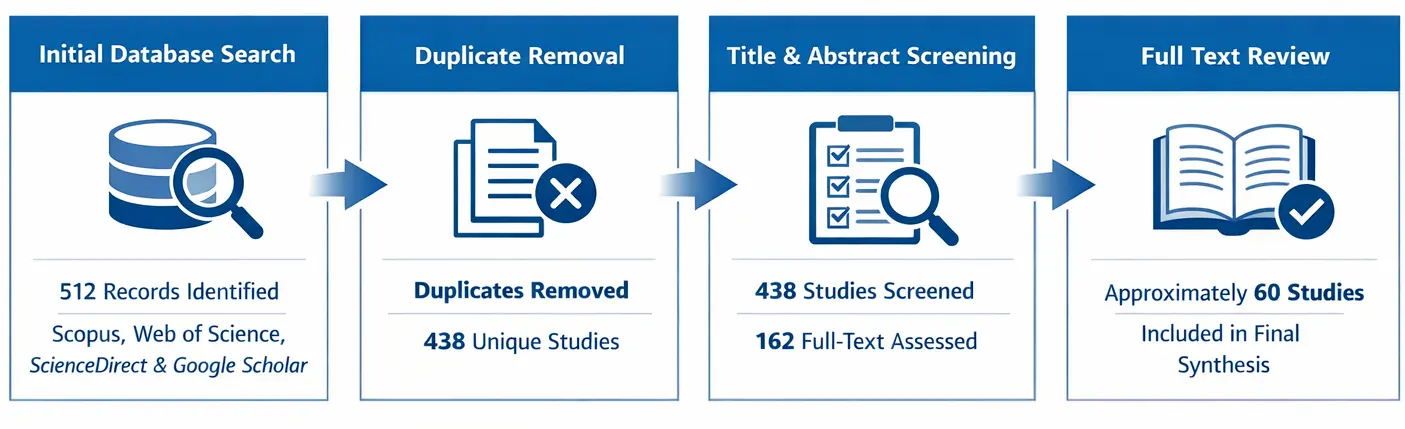
Figure 1. PRISMA flow diagram illustrating the screening and selection process of studies included in the systematic review of sustainable business models in agri-food systems.
2.4. Synthesis and Analytical Approach
To integrate evidence from diverse study designs and disciplinary traditions, the review employed a narrative synthesis approach [38]. This method enabled systematic comparison and interpretation of findings across qualitative, quantitative, and conceptual studies. Themes were identified inductively through iterative coding and grouping of recurring concepts related to sustainable business models, environmental performance, economic resilience, governance, digitalization, and circular economy practices, thereby allowing patterns, contradictions, and knowledge gaps to emerge. Consistent with Snyder [39], the literature review was treated as a methodological approach in its own right, aimed at generating conceptual clarity and theoretical insight rather than aggregating effect sizes. Studies were grouped and analyzed across three main analytical dimensions: theoretical foundations of sustainable business models, sectoral applications within agri-food systems and enabling mechanisms such as digitalization, circular economy practices, governance and performance measurement. This approach ensured that the review remained systematic while allowing critical interpretation of the literature. However, as with most narrative syntheses, the findings are interpretive in nature and depend on the scope and selection of included studies.
3. Theoretical Foundations: Business Models and Sustainability
Research on business models and sustainability has developed along two main trajectories: general frameworks explaining value creation, delivery, and capture, and sector specific adaptations reflecting the ecological and institutional realities of agri-food systems. Within management literature, business models are conceptualized as systems of interdependent activities that shape how firms create and appropriate value [9,13,14]. Recent scholarship positions them as central mechanisms for embedding sustainability into organizational practice rather than peripheral tools [10,11]. This shift is reflected in the rapid expansion of sustainable business model research, particularly within agriculture and food systems [15,16]. However, conventional business model frameworks remain largely growth oriented, often treating environmental impacts as externalities rather than core constraints. Strong sustainability perspectives challenge this assumption by embedding firms within ecological and social systems, emphasizing that economic activity must operate within biophysical limits [12,25]. While conceptually robust, these approaches offer limited operational guidance in agri-food systems characterized by uncertainty, biological constraints, and market volatility. Efforts to bridge this gap have led to the development of sustainable business model archetypes and design patterns, though tensions between scalability and sustainability remain unresolved [40,41].
Economic resilience is a multidimensional concept that refers to the capacity of firms, supply chains and broader food systems to withstand disturbances, adapt to changing conditions, and, where necessary, transform their structures while maintaining essential functions and value creation processes [42,43,44]. Within agri-food systems, resilience extends beyond short-term survival or competitiveness to encompass the ability to absorb environmental, economic, and market shocks without prolonged disruption. The literature commonly distinguishes between absorptive resilience, which reflects the capacity to resist and recover from shocks; adaptive resilience, which involves adjustments in practices, technologies, and organizational arrangements; and transformative resilience, which refers to more fundamental changes in business models and system structures when existing approaches become unsustainable [42,44]. Economic resilience should not be viewed as synonymous with competitiveness, profitability, or adaptability alone. While these attributes may contribute to resilience, resilience specifically concerns the capacity to absorb disturbances, recover from disruptions, and maintain essential functions under changing conditions [42,43].
Food systems theory provides a complementary perspective by framing agri-food systems as interconnected social ecological systems linking production, distribution, and consumption [2]. From this view, environmental degradation directly undermines productivity and food security, requiring systemic rather than firm level interventions. At the same time, food system narratives often reflect tensions between efficiency and equity, highlighting trade-offs that sustainable business models must navigate [4,32]. Sector specific research further demonstrates how these theoretical tensions manifest in practice. Sustainable business model innovation in agriculture is shaped by biological cycles, spatial dispersion, and perishability, which constrain scalability while creating opportunities for localized adaptation [33,34]. Empirical evidence shows that sustainability-oriented strategies can enhance competitiveness while also strengthening economic resilience through diversification, adaptive capacity, and improved responses to environmental and market disturbances [5,17,19]. More so, business models provide a useful framework for linking strategy and sustainability outcomes, but they risk oversimplifying complex system dynamics. An integrated perspective that combines value creation logic with ecological limits and food system interdependencies is therefore required.
4. Food Systems and Sustainability Frames
Food systems are widely conceptualized as complex social ecological systems linking production, processing, distribution, consumption, and waste management across multiple spatial and institutional scales [2]. Their interconnected nature means that sustainability challenges cannot be addressed through isolated farm level interventions, but require integrated approaches that link environmental, economic, and social dimensions [45,46]. Global assessments further emphasize that food systems must operate within environmental limits while ensuring food security and equitable access [3,32]. However, food system sustainability is shaped by competing priorities. Efficiency oriented approaches emphasize productivity and resource optimization, whereas equity-oriented perspectives prioritize access, inclusivity, and fair distribution [4]. These differences are reflected in business model orientations. Circular and efficiency driven models focus on environmental performance and cost reduction, while cooperative and alternative food networks emphasize social participation and localized value creation [28,46]. Growth oriented models, in contrast, prioritize scalability and economic resilience, often creating tensions with ecological limits.
These dynamics reveal a structural contradiction. Business models that maximize growth frequently struggle to operate within planetary boundaries, while socially and ecologically oriented models face constraints related to scale and financial viability [47,48]. As a result, trade-offs between environmental, economic, and social objectives are inherent rather than exceptional. Recent studies suggest that these trade-offs reflect structural features of agri-food systems, requiring governance and institutional coordination rather than purely technological solutions [31]. Governance therefore, plays a central role in mediating sustainability outcomes. Collaboration, certification, and institutional support are key mechanisms for embedding sustainability into agri-food business models [33,34]. Empirical evidence shows that circular strategies can enhance resilience and environmental performance, but their effectiveness depends on market conditions and policy support [49,50]. Thus, sustainability outcomes are shaped not only by business model innovation but by how competing priorities are managed within specific institutional and ecological contexts.
5. Digitalization and Smart Circular Supply Chains
Digitalization has become a key driver of sustainability transitions in agri-food systems. Technologies such as precision agriculture, data driven platforms, and smart monitoring systems improve input efficiency and support adaptive decision making across production and supply chains [20,21]. Evidence also shows that digitalization aligned with sustainability objectives can enhance both environmental performance and economic resilience [22]. These developments have supported the emergence of service-oriented business models that extend value creation beyond traditional production activities [51]. At the supply chain level, digitalization increasingly interacts with circular economy practices. Smart, sustainable, circular supply chains integrate technologies such as traceability systems, reverse logistics, and coordinated governance to improve resource efficiency and align with sustainability goals [36,52]. These processes reshape value creation and coordination by linking environmental performance with market mechanisms. Recent evidence also indicates that digital economy development can contribute to environmental improvement through technological innovation, industrial upgrading, and resource-use efficiency, although outcomes remain dependent on governance and implementation conditions [53].
However, digitalization also introduces important trade-offs. Digital infrastructure is energy intensive and contributes to rising emissions through data processing and storage [54]. In addition, data ownership is often concentrated among large agri-tech firms, raising concerns about power asymmetries, farmer dependency, and reduced autonomy [55,56]. Adoption is also uneven, with smallholders facing constraints related to cost, infrastructure, and technical capacity [23]. Efficiency gains may further generate rebound effects, where reduced input costs lead to increased production or intensification, offsetting environmental benefits [57]. More so, digital and circular innovations are central to transforming agri-food systems, but their effectiveness depends on how the technological, institutional and social dimensions are coordinated in practice, as summarized in Table 1.
Table 1. Digitalization and circular economy practices in agri-food systems.
|
Practice or Technology |
Application in Agri-Food Systems |
Sustainability Contribution |
References |
|---|---|---|---|
|
Precision farming and smart platforms |
Farm level digital monitoring, sensing and data driven decision support |
Reduced input intensity and improved resource use efficiency, with potential gains in environmental performance |
[20] |
|
Green efficiency analysis |
Regional agricultural systems in Northeast China |
Joint improvement of environmental efficiency and economic resilience under sustainability-oriented development pathways |
[22] |
|
Service oriented business models |
Digital advisory, monitoring and optimization services for farmers |
Diversification of value creation mechanisms and support for sustainability-oriented entrepreneurship |
[51] |
|
Smart sustainable circular supply chains |
Supply chain integration of Industry 4.0 technologies and reverse logistics |
Enhanced coordination for circularity and alignment with selected Sustainable Development Goals |
|
|
Waste valorization technologies |
Processing and transformation of agri-food by products into feed, energy and biomaterials |
Partial closure of resource loops and generation of additional revenue streams from residues |
[26] |
|
By product valorization and digital traceability |
Olive oil supply chain |
Improved transparency, resilience, and environmental performance through traceability enabled circular practices |
[49] |
6. Circular Economy and Waste Valorization in Agri-Food
The circular economy has become a central framework for rethinking agri-food business models, particularly with respect to resource use and waste management. It is widely conceptualized as a systemic approach that aims to decouple economic activity from resource depletion by closing material loops, minimizing waste, and extending product lifecycles [25]. Within agri-food systems, technologies for valorizing food by products enable residues from processing and distribution to be transformed into bio-based materials, animal feed, and energy, thereby closing resource loops and enhancing both environmental and economic performance [26]. Large scale applications, such as those observed in Polish agro-food consortia, demonstrate how circular models can be integrated with cleaner production systems to improve overall resource efficiency [58]. Sectoral case studies provide further evidence of the potential of circular strategies. Performance measurement systems in wine supply chains have been used to assess the sustainability contributions of circular practices, improving managerial decision making [27]. In the potato industry, circular business models have reduced environmental burdens while generating new market opportunities through by product innovation [59]. Similarly, circular strategies in the olive oil sector have enhanced business resilience by reducing dependence on volatile inputs and improving environmental outcomes [50]. These cases illustrate that circular economy principles can transform waste streams into sources of value creation, reinforcing the role of business model innovation in linking environmental conservation with economic resilience.
At the same time, critical scholarship highlights important scale and feasibility limitations of circular economy approaches. Not all agricultural waste streams are technically recoverable or economically viable, and only a fraction of total biomass flows can realistically be valorized at scale [60,61]. Economic thresholds related to collection, transport, and processing costs, as well as market demand, constrain the widespread adoption of circular practices, particularly for small and spatially dispersed producers [25,62]. These limitations are compounded by logistical challenges, fragmented supply chains, and uneven access to infrastructure, especially in developing regions. As a result, circular economy strategies cannot fully offset primary production pressures or substitute for reductions in overall resource use, reinforcing arguments that efficiency gains must be complemented by sufficiency-oriented approaches and systemic demand side changes [32].
Circular practices also intersect with broader corporate social responsibility and governance frameworks. Evidence from Italian agri-food firms shows that combining circular economy strategies with corporate social responsibility can integrate environmental protection, social inclusion, and market performance, although benefits remain uneven across actors [50]. Innovations in food waste management in food service and hospitality sectors further illustrate how circularity can create sustainability-oriented value, yet remain context dependent [63]. Studies of German wineries similarly indicate that circular practices are embedded within sustainable business models that balance environmental performance with consumer expectations [64]. Digitalization and circular economy practices are increasingly viewed as complementary approaches to sustainability in agri-food systems. Digital technologies can improve resource monitoring, supply chain transparency, and value recovery, thereby supporting circular business model implementation [20,22,25]. However, digital infrastructures may increase energy demand, generate electronic waste, and reinforce inequalities in access to technology, potentially offsetting some of the environmental benefits of circular practices [23,55,56]. The literature suggests that successful integration depends on enabling conditions such as reliable digital infrastructure, technical capacity, stakeholder collaboration, and supportive governance frameworks [23,36].
7. Performance Measurement, Governance, and Stakeholder Engagement
Atienza-Sahuquillo and Barba-Sánchez [65] emphasized that measuring sustainability performance is central to embedding ecological and social goals into agri-food business models. Their measurement model for environmental performance in the food sector demonstrated how indicators can guide firms in evaluating operational impacts and aligning business strategies with sustainability objectives. In the wine industry, circular economy strategies have also been assessed through performance measurement frameworks, which show their contribution to value chain sustainability [27]. Without systematic approaches such as these, sustainability risks are being reduced to symbolic commitments rather than operationalized strategies. Effective performance models therefore provide firms with essential tools to monitor progress, compare investments, and integrate environmental and social considerations into decision making processes [11]. Governance and collaboration are equally decisive in shaping sustainable transitions. Hubeau et al. [66] found that new governance forms, including partnerships and cooperative networks, were critical to scaling sustainability experiments in agri-food systems.
While environmental performance has received considerable attention in sustainability assessment frameworks, economic resilience remains less systematically operationalized within agri-food business model research. Existing resilience literature suggests that economic resilience can be assessed through indicators that capture the ability of firms and food systems to withstand, adapt to, and recover from disturbances. Common measures include revenue stability, income diversification, liquidity capacity, supply chain redundancy, recovery speed following disruptions, market adaptability, and the ability to maintain production under adverse conditions [43,67]. At the organizational level, resilience may be reflected in the capacity to sustain value creation despite environmental shocks, market volatility, or resource constraints, whereas at the supply chain level it may involve diversification of suppliers, logistical flexibility, and continuity of critical functions.
Similarly, leadership and stakeholder engagement have been identified as critical success factors for transitions to sustainable business models in the Dutch food and beverage sector [68]. Fowler et al. [62] further demonstrated that inclusive participation by stakeholders can determine whether agribusiness shifts from resilience to sustainability are durable. These findings align with broader innovation system perspectives, which emphasize that sustainability transitions require coordinated action across multiple actors, including firms, governments, and civil society [31]. Emerging models reinforce the importance of stakeholder engagement in driving sustainability. For instance, De Lauwere et al. [69] showed that circular and nature inclusive agricultural models succeed only when multi stakeholder participation integrates environmental goals into farm level practices. Service oriented business models in farming, according to Vidickienė and Lankauskienė [51], thrive when stakeholders such as farmers, advisors and consumers are actively engaged in innovation. Stakeholder alignment is also critical in smart sustainable circular supply chains, where coordinated technological adoption depends on multiple actors [36].
8. Sectoral Insights: Aquaculture, Dairy, and Wine Models
Sustainable agri-food business models have become increasingly significant across multiple sectors, as illustrated in Table 2. In aquaculture, Rajchamaha et al. [17] demonstrated that pisciculture firms in Thailand strengthened adaptability to market and environmental fluctuations by adopting sustainability-oriented strategies. These firms integrated ecological principles into feed management and waste reduction, ensuring long term viability. Complementary evidence comes from Sudaporn et al. [18], who analyzed Nile tilapia farms in Chiang Mai and found that biofloc technology reduced environmental impacts while yielding favorable cost benefit results. More so, these studies illustrate that ecological integration can improve competitiveness while also strengthening economic resilience by reducing vulnerability to environmental shocks, input disruptions, and market uncertainty. Alvarez et al. [19] analyzed dairy farm entrepreneurship in northern Spain and found that strategies such as certification and product differentiation produced both environmental and economic benefits. In Egypt, territorialized inclusive business models demonstrated that milk collection centers and cooperative arrangements not only improved efficiency but also enhanced fairness in value distribution [70]. These examples show that sustainable business models in dairy extend beyond ecological measures to encompass inclusivity, governance, and equity as well.
More broadly, these findings align with evidence that sustainable agricultural system redesign requires integration of environmental practices with institutional and market innovations to achieve long term resilience [5]. The wine sector provides further evidence of how sustainability can be embedded in practice. Performance measurement frameworks have been used to assess the contribution of circular strategies in wine supply chains, making sustainability visible in decision making [27]. German wineries have also shown that consumer preferences can align with ecological goals when circular practices are embedded into business models [64]. Moreover, De Bernardi and Tirabeni [28] highlighted that sufficiency-oriented strategies and alternative food networks are reshaping wine and broader agri-food systems. Collectively, these findings demonstrate that aquaculture, dairy, and wine sectors provide practical and comparative insights into how sustainable business models translate ecological and social challenges into opportunities for resilience and growth.
Table 2. Sectoral case studies of sustainable business models in agri-food.
|
Sector |
Case/Study |
Sustainable Strategy Adopted |
Outcomes (Environmental, Economic, Social) |
References |
|---|---|---|---|---|
|
Aquaculture |
Pisciculture firms in Thailand |
Sustainability-oriented strategies for feed and waste management |
Improved resilience against environmental and market shocks. |
[17] |
|
Aquaculture |
Nile tilapia in Chiang Mai |
Biofloc technology (environmentally friendly aquaculture system) |
Reduced ecological impact and positive cost–benefit performance. |
[18] |
|
Dairy |
Dairy farms in Spain |
Value-creating strategies such as certification and differentiation |
Enhanced competitiveness and environmental stewardship. |
[19] |
|
Dairy |
Inclusive dairy businesses in Egypt |
Territorialized models with cooperative milk collection centers |
Greater smallholder participation and fairer benefit distribution. |
[70] |
|
Wine |
Wine value chains in Italy |
Circular performance measurement systems |
Visibility of sustainability in managerial decision-making. |
[27] |
|
Wine |
German wineries |
Circular and sustainable business practices |
Alignment of environmental goals with consumer preferences. |
[64] |
A comparison across aquaculture, dairy, and wine sectors reveals important differences in the conditions shaping sustainable business model implementation. In aquaculture, sustainability outcomes are strongly influenced by environmental risks, input costs, and technological requirements, making resilience dependent on production efficiency and resource management [17,18]. Dairy systems are more strongly shaped by value chain coordination, certification requirements, and cooperative governance arrangements, with sustainability outcomes influenced by both market access and equitable benefit distribution [19,70]. In contrast, wine sector sustainability models rely heavily on product differentiation, certification schemes, and consumer willingness to pay for environmentally responsible production practices [27,64]. Despite these differences, all three sectors face common challenges associated with balancing environmental performance, economic viability, and long-term resilience.
9. Typologies and Roadmaps for Sustainable Agri-Food Business Models
Typologies of sustainable business models provide essential frameworks for designing, comparing, and evaluating sustainability strategies in the agri-food sector. Rather than treating sustainability as a set of isolated practices, typologies help organize the diverse ways firms combine value creation, resource efficiency, stakeholder inclusion, and market positioning. Donner and de Vries [34] conducted a comprehensive literature review that identified categories of business models ranging from circular systems to inclusive and collaborative networks. Their typology demonstrates that sustainable food system innovation requires more than isolated practices; it involves structured models that align resource use, stakeholder participation, and market strategies. This insight is consistent with broader scholarship showing that business model typologies and archetypes are useful not only for classification but also for guiding strategic redesign toward sustainability objectives [40,41]. Ranjbari et al. [71] expanded this perspective by analyzing circular economy startups in agri-food supply chains and identifying common features across 79 firms, including waste valorization, resource sharing, and digital platform integration. These studies illustrate that typologies are not only analytical tools but also design guides for practitioners aiming to operationalize sustainability. They help identify recurring patterns, boundary conditions, and innovation pathways, while also revealing that no single model can simultaneously optimize ecological, economic, and social objectives across all contexts. In this sense, typologies provide conceptual clarity in a field characterized by diversity, fragmentation, and strong contextual dependence.
Roadmaps for sustainable business model innovation highlight how organizations can move from conceptual design to large scale implementation. Minatogawa et al. [16] emphasized that systematic approaches to sustainable innovation should be grounded in experimentation, iterative learning, and scaling processes. Their study drew lessons from broader business model innovation research, adapting them to sustainability contexts. This aligns with innovation scholarship emphasizing that business model transformation is a dynamic process involving trial, adaptation, and reconfiguration rather than one time design choices [13,14]. Kayikci et al. [36] demonstrated how stakeholder theory can guide the prioritization of drivers for smart, sustainable circular supply chains, providing a roadmap for the stepwise adoption of technologies and governance mechanisms. These approaches reveal that roadmaps must be flexible, context sensitive, and rooted in both ecological limits and market realities to ensure that sustainability transitions are effective and durable.
Emerging business strategies further refine these roadmaps by addressing sufficiency and consumption-oriented challenges. For instance, Bocken et al. [29] examined sufficiency strategies in the food industry through the case of Oatly, showing how business models can promote reduced consumption while remaining commercially viable. Spada et al. [49] confirmed that circular strategies in the olive oil sector improved resilience by reducing input dependency and integrating by product use, reinforcing the alignment between sufficiency and circularity. Perçin et al. [52] added that Industry 4.0 adoption in agri-food supply chains provides opportunities to align roadmaps with the Sustainable Development Goals, demonstrating that digitalization, sustainability, and circularity can converge within coherent frameworks. At the same time, these developments indicate that viable roadmaps must move beyond idealized pathways and incorporate institutional support, access to finance, governance quality, and producer capabilities if they are to be realistic across different agri-food settings [30,31]. Figure 2 presents a conceptual framework that synthesizes the relationships identified in the reviewed literature. The framework illustrates how sustainable business models are supported by enabling mechanisms such as digitalization, circular economy practices, governance systems, and stakeholder engagement, which collectively influence environmental performance and economic resilience. These outcomes are shaped by sustainability trade-offs associated with ecological limits, social equity, technological access, and economic objectives.
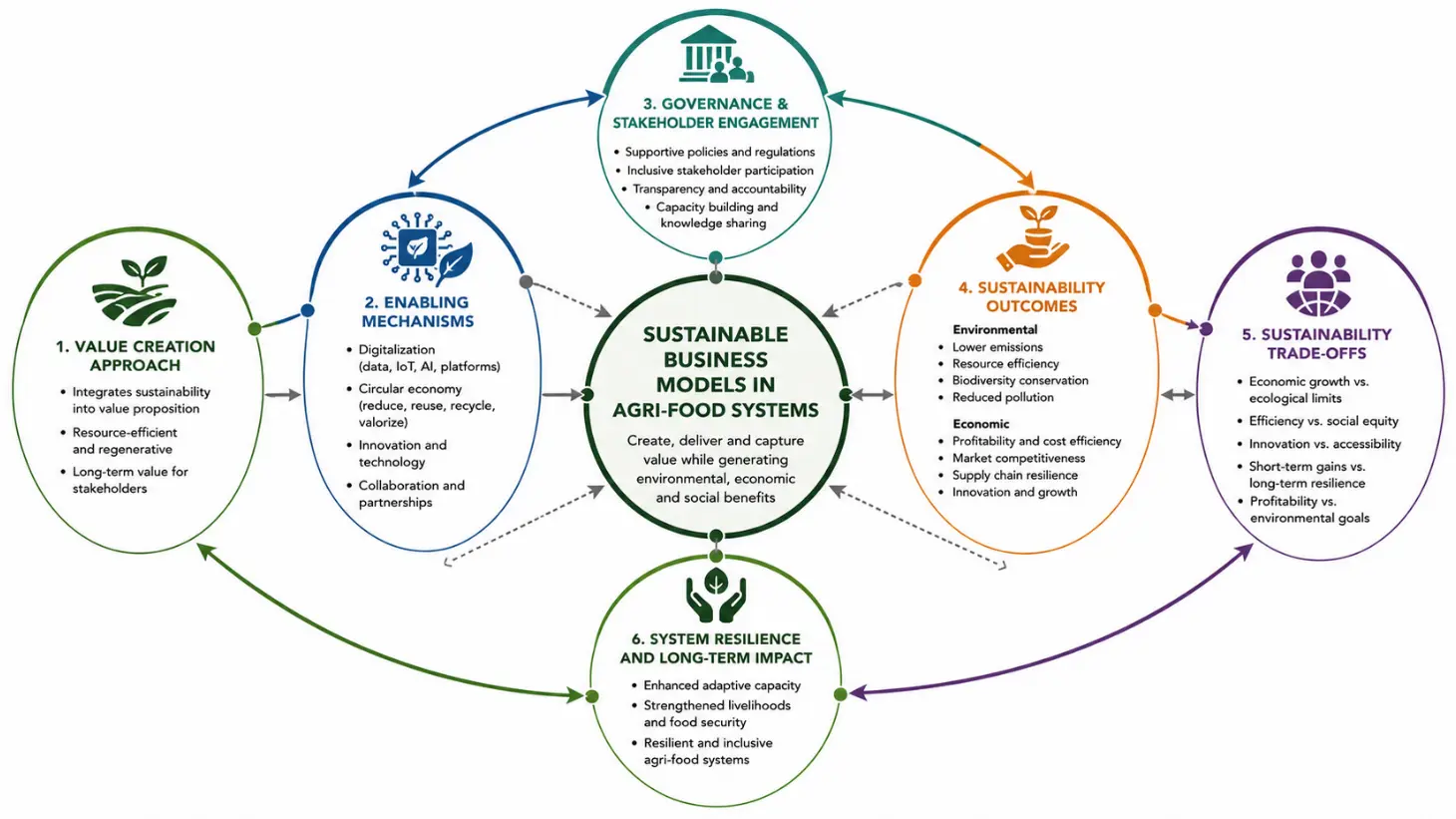
Figure 2. Conceptual framework relationships among sustainable business models, enabling mechanisms, sustainability outcomes and trade-offs in agri-food systems.
10. Policy Implications for Developing Countries and Smallholder Farming Systems
Sustainable business models offer significant opportunities for improving environmental performance and economic resilience in developing-country agri-food systems, but their successful implementation depends on supportive institutional and policy environments. Many smallholder producers face persistent constraints related to finance, market access, infrastructure, technological capacity, and information availability, limiting their ability to adopt sustainability-oriented innovations [23,72]. Policies that improve access to affordable credit, extension services, digital infrastructure, and technical training can reduce these barriers and facilitate wider participation in sustainable business model transitions [30,31]. Governments can also support sustainability transitions through investments in circular economy infrastructure, local processing facilities, farmer cooperatives, and value-chain integration mechanisms that enhance resource efficiency and market participation [25,36]. Regulatory frameworks, certification programs, and sustainability incentives should be designed to encourage innovation while avoiding the exclusion of smaller producers who often lack the resources needed to comply with complex standards [27,64]. Strengthening stakeholder participation and inclusive governance arrangements will be particularly important for ensuring that sustainability benefits are equitably distributed among different actor groups within agri-food systems [68,69]. As sustainability transitions accelerate, policies that simultaneously promote environmental stewardship, economic resilience, and social inclusion will be essential to supporting resilient, sustainable food systems in developing countries.
11. Discussion
The literature shows that sustainable business models in agri-food systems are increasingly positioned as mechanisms to balance environmental objectives with economic performance, yet it also indicates that such integration remains constrained by structural tensions within food systems. Food systems operate as interconnected social-ecological systems in which environmental degradation directly affects productivity and long-term sustainability [2]. Economic resilience should not be conflated with competitiveness, profitability, or adaptability, as firms may remain vulnerable to external shocks despite strong market performance [43]. Resilience encompasses the capacity to absorb disturbances, adapt to changing conditions, and, where necessary, transform organizational structures in response to environmental and economic pressures [42,44]. These distinctions are important because sustainability transitions are shaped by competing priorities between efficiency, equity, and ecological limits, creating tensions that growth-oriented business models often struggle to reconcile [4,47,48].
Evidence from aquaculture, dairy, and wine systems demonstrates that sustainability-oriented business models can generate environmental and economic benefits, although outcomes remain highly context dependent. Sustainability strategies in aquaculture have improved resilience to environmental and market disturbances, while biofloc systems have reduced ecological impacts and improved economic performance [17,18]. In dairy systems, certification, product differentiation, and cooperative arrangements have strengthened competitiveness while supporting more inclusive value distribution [19,70]. Similarly, circular practices in wine supply chains have improved environmental performance and market positioning, although benefits often depend on certification mechanisms and consumer willingness to pay, potentially limiting participation by smaller producers. These findings indicate that environmental and economic synergies are achievable but remain mediated by governance structures, market conditions, and institutional support [5,11,64].
Digitalization and circular economy strategies have emerged as important drivers of sustainable business model innovation. Digital technologies improve traceability, resource efficiency, and decision-making capacity, while circular practices such as waste valorization reduce resource dependence and create additional revenue opportunities [20,22,26]. However, these approaches involve significant trade-offs. Investments in digital infrastructure, circular technologies, and diversified supply chains may strengthen resilience but often require substantial capital expenditure and may reduce short-term profitability [36,43]. Digital systems also increase energy demand, concentrate control over data, and remain unevenly accessible, particularly among smallholders and resource-constrained producers [23,55,56]. Furthermore, efficiency gains can generate rebound effects that offset anticipated environmental benefits [57], demonstrating that technological innovation alone cannot guarantee sustainability outcomes [21]. The literature further highlights that the benefits of resilience are unevenly distributed among actors. Resilience is shaped by differential access to resources, technologies, and institutional support, meaning that business models that strengthen the resilience of large agribusiness firms may not necessarily enhance resilience among smallholders, informal producers or marginalized communities [44,73]. Capital-intensive sustainability transitions may reinforce existing inequalities by concentrating economic opportunities among actors with greater financial and technological capacity [23,67].
Similar constraints affect circular economy initiatives, as only a proportion of agricultural waste streams can be economically valorized due to logistical, processing, and market limitations [60,61]. The evidence suggests that sustainable business model development is an iterative process shaped by the interaction between governance mechanisms, stakeholder participation, and performance assessment. Governance structures establish the institutional conditions for collaboration and accountability, while stakeholder engagement facilitates knowledge exchange and identification of sustainability priorities [66,68]. Performance measurement provides feedback on environmental, economic and social outcomes, enabling organizations to identify implementation gaps and adjust business model configurations accordingly [27]. Hence, these findings suggest that sustainable business models can contribute to environmental performance and economic resilience, but their effectiveness depends on the quality of governance, institutional support, and equitable access to innovation systems [36,52]. They also indicate the need for stronger integration of business model theory with food systems, resilience, and political economy perspectives to better explain why sustainability transitions remain uneven and difficult to scale.
12. Conclusions
This review confirms that sustainable business models in agri-food systems play a critical role in addressing contemporary environmental and socio-economic challenges, but their effectiveness depends on how ecological, economic, and social objectives are balanced in practice. Evidence from aquaculture, dairy, and wine systems shows that ecological integration, innovation, and governance mechanisms can enhance resilience and competitiveness, while also exposing persistent tensions related to scale, equity, and growth imperatives. Theoretical perspectives such as strongly sustainable business models and food systems approach frame sustainability as a structural necessity rather than a peripheral choice, yet empirical evidence demonstrates that implementation remains uneven and context dependent. Digitalization, circular economy strategies and Industry 4.0 practices offer important opportunities for aligning profitability with ecological stewardship, but they also introduce new risks related to energy demand, power concentration and unequal access. Stakeholder engagement and performance measurement emerge as essential mechanisms for translating sustainability commitments into operational outcomes, particularly when combined with supportive policy and investment environments. At the same time, the review shows that sustainability transitions are shaped by trade-offs that cannot be fully eliminated. In many cases, improvements in one dimension of sustainability may generate new pressures or exclusions in another, especially where market incentives, ecological thresholds, and social justice concerns do not align neatly.
13. Future Research Directions
Future research should focus on three priority areas. First, greater attention is needed to understand how sustainable business models can be adapted to smallholder farming systems, particularly in developing countries where constraints related to finance, technology, and institutional support remain significant. Second, comparative studies across regions, countries, and production systems are needed to evaluate how different governance arrangements, environmental conditions, and socio-economic contexts influence sustainability outcomes. Third, more empirical research should examine the unintended consequences of digitalization and the adoption of the circular economy, including rebound effects in energy consumption, electronic waste, and unequal access to technological benefits. Addressing these areas would strengthen understanding of the opportunities, limitations, and long-term impacts of sustainability transitions in agri-food systems.
Supplementary Materials
The following supporting information can be found at: https://www.sciepublish.com/article/pii/1127, Supplementary File S1: PRISMA 2020 Checklist; Supplementary File S2: PRISMA 2020 Flow Diagram.
Author Contributions
F.I.O.: Conceptualization, Methodology, Formal Analysis, Manuscript Design, Write—original, Review and Edited the Final Draft; D.O.E., E.C. and J.P.: Manuscript Design, Write—original, Review and Edited the Final Draft; S.A.O. and M.I.: Write—original, Review and Edited the Final Draft.
Ethics Statement
Not applicable.
Informed Consent Statement
Not applicable.
Data Availability Statement
Not applicable.
Funding
This research received no external funding.
Declaration of Competing Interest
The authors declare that they have no known competing financial interests or personal relationships that could have appeared to influence the work reported in this paper.
References
-
United Nations. Sustainable Development Goals; United Nations Development Programme: New York, NY, USA, 2020. Available online: http://www.undp.org/content/undp/en/home/sustainable-development-goals.html (accessed on 25 June 2026).
-
Ericksen PJ. Conceptualizing food systems for global environmental change research. Glob. Environ. Change 2008, 18, 234–245. DOI:10.1016/j.gloenvcha.2007.09.002 [Google Scholar]
-
Springmann M, Clark M, Mason-D'Croz D, Wiebe K, Bodirsky BL, Lassaletta L, et al. Options for keeping the food system within environmental limits. Nature 2018, 562, 519–525. DOI:10.1038/s41586-018-0594-0 [Google Scholar]
-
Béné C, Oosterveer P, Lamotte L, Brouwer ID, de Haan S, Prager SD, et al. When food systems meet sustainability: Current narratives and implications for actions. World Dev. 2019, 113, 116–130. DOI:10.1016/j.worlddev.2018.08.011 [Google Scholar]
-
Pretty J, Benton TG, Bharucha ZP, Dicks LV, Flora CB, Godfray HCJ, et al. Global assessment of agricultural system redesign for sustainable intensification. Nat. Sustain. 2018, 1, 441–446. DOI:10.1038/s41893-018-0114-0 [Google Scholar]
-
Zhang QF. From sustainable agriculture to sustainable agrifood systems: A comparative review of alternative models. Sustainability 2024, 16, 9675. DOI:10.3390/su16229675 [Google Scholar]
-
Tilman D, Balzer C, Hill J, Befort BL. Global food demand and the sustainable intensification of agriculture. Proc. Natl. Acad. Sci. USA 2011, 108, 20260–20264. DOI:10.1073/pnas.1116437108 [Google Scholar]
-
van Zanten HHE, Herrero M, van Hal O, Röös E, Muller A, Garnett T, et al. Defining a land boundary for sustainable livestock consumption. Glob. Change Biol. 2018, 24, 4185–4194. DOI:10.1111/gcb.14321 [Google Scholar]
-
Teece DJ. Business models, business strategy and innovation. Long Range Plan. 2010, 43, 172–194. DOI:10.1016/j.lrp.2009.07.003 [Google Scholar]
-
Boons F, Lüdeke-Freund F. Business models for sustainable innovation: State of the art and steps towards a research agenda. J. Clean. Prod. 2013, 45, 9–19. DOI:10.1016/j.jclepro.2012.07.007 [Google Scholar]
-
Schaltegger S, Hansen EG, Lüdeke-Freund F. Business models for sustainability: Origins, present research and future avenues. Organ. Environ. 2016, 29, 3–10. DOI:10.1177/1086026615599806 [Google Scholar]
-
Upward A, Jones P. An ontology for strongly sustainable business models. Organ. Environ. 2016, 29, 97–123. DOI:10.1177/1086026615592933 [Google Scholar]
-
Zott C, Amit R, Massa L. The business model: Recent developments and future research. J. Manag. 2011, 37, 1019–1042. DOI:10.1177/0149206311406265 [Google Scholar]
-
Spieth P, Schneckenberg D, Ricart JE. Business model innovation: State of the art and future challenges for the field. RD Manag. 2014, 44, 237–247. DOI:10.1111/radm.12071 [Google Scholar]
-
Pan L, Xu Z, Skare M. Sustainable business model innovation literature: A bibliometrics analysis. Rev. Manag. Sci. 2023, 17, 757–785. DOI:10.1007/s11846-022-00548-2 [Google Scholar]
-
Minatogawa V, Franco M, Rampasso IS, Holgado M, Garrido D, Pinto H, et al. Towards systematic sustainable business model innovation: What can we learn from business model innovation? Sustainability 2022, 14, 2939. DOI:10.3390/su14052939 [Google Scholar]
-
Rajchamaha K, Pornparnomchai M, Vorrakkatham K, Pichyangkul C, Otakanon B, Raungpaka P, et al. Sustainable business model strategy for resilience among pisciculture firms in Thailand. Int. J. Agric. Sustain. 2024, 22, 2303894. DOI:10.1080/14735903.2024.2303894 [Google Scholar]
-
Sudaporn T, Somkane N, Sompong U, Thiammueang D. A cost and benefit analysis of Nile tilapia culture in biofloc technology, the environmentally friendly system: The case of selected farms in Chiang Mai, Thailand. Maejo Int. J. Energy Environ. Commun. 2021, 2, 45–49. DOI:10.54279/mijeec.v2i1.244952 [Google Scholar]
-
Alvarez A, García-Cornejo B, Pérez-Méndez JA, Roibás D. Value-creating strategies in dairy farm entrepreneurship: A case study in northern Spain. Animals 2021, 11, 1396. DOI:10.3390/ani11051396 [Google Scholar]
-
Finger R. Digital innovations for sustainable and resilient agricultural systems. Eur. Rev. Agric. Econ. 2023, 50, 1277–1309. DOI:10.1093/erae/jbad021 [Google Scholar]
-
Klerkx L, Jakku E, Labarthe P. A review of social science on digital agriculture, smart farming and agriculture 4.0. NJAS Wagening. J. Life Sci. 2019, 90–91, 100315. DOI:10.1016/j.njas.2019.100315 [Google Scholar]
-
Gai M, Yang Q. Synergistic study of the green efficiency and economic resilience of agriculture from a sustainable development perspective: Evidence from Northeast China. Environ. Sci. Pollut. Res. 2023, 30, 77568–77592. DOI:10.1007/s11356-023-27697-5 [Google Scholar]
-
Rose DC, Chilvers J, Giampietro M. The challenges of making smart agriculture real: The case of digital farming. Sustain. Sci. 2021, 16, 1387–1403. DOI:10.1007/s11625-021-00974-3 [Google Scholar]
-
Yletyinen J, Kuhmonen I, Stahlmann-Brown P. Resilient and sustainable natural resource production: How are farmers and foresters coping? Ecol. Soc. 2024, 29, 6. DOI:10.5751/ES-14752-290106 [Google Scholar]
-
Geissdoerfer M, Savaget P, Bocken NMP, Hultink EJ. The circular economy: A new sustainability paradigm. J. Clean. Prod. 2017, 143, 757–768. DOI:10.1016/j.jclepro.2016.12.048 [Google Scholar]
-
Castro-Muñoz R, Díaz-Montes E, Gontarek-Castro E, Boczkaj G, Galanakis CM. A comprehensive review on current and emerging technologies toward the valorization of bio-based wastes and by-products from foods. Compr. Rev. Food Sci. Food Saf. 2022, 21, 46–105. DOI:10.1111/1541-4337.12894 [Google Scholar]
-
Cavicchi C, Vagnoni E. The role of performance measurement in assessing the contribution of circular economy to the sustainability of a wine value chain. Br. Food J. 2021, 124, 1551–1568. DOI:10.1108/BFJ-08-2021-0920 [Google Scholar]
-
De Bernardi P, Tirabeni L. Alternative food networks: Sustainable business models for anti-consumption food cultures. Br. Food J. 2018, 120, 1776–1791. DOI:10.1108/BFJ-12-2017-0731 [Google Scholar]
-
Bocken N, Morales LS, Lehner M. Sufficiency business strategies in the food industry: The case of Oatly. Sustainability 2020, 12, 824. DOI:10.3390/su12030824 [Google Scholar]
-
FAO. Sustainable Food Systems: Concept and Framework; Food and Agriculture Organization of the United Nations: Rome, Italy. 2018. Available online: https://openknowledge.fao.org/server/api/core/bitstreams/b620989c-407b-4caf-a152-f790f55fec71/content (accessed on 25 June 2026).
-
OECD. Innovation, Agricultural Productivity and Sustainability in Food Systems; OECD Publishing: Paris, France, 2020. Available online: https://www.oecd.org/content/dam/oecd/en/topics/policy-issues/agricultural-productivity-and-innovation/innovation_productivity_and_sustainability_in_food_and_agriculture.pdf (accessed on 25 June 2026).
-
Garnett T. Food sustainability: Problems, perspectives and solutions. Proc. Nutr. Soc. 2013, 72, 29–39. DOI:10.1017/S0029665112002947 [Google Scholar]
-
Barth H, Ulvenblad PO, Ulvenblad P. Towards a conceptual framework of sustainable business model innovation in the agri-food sector: A systematic literature review. Sustainability 2017, 9, 1620. DOI:10.3390/su9091620 [Google Scholar]
-
Donner M, de Vries H. Business models for sustainable food systems: A typology based on a literature review. Front. Sustain. Food Syst. 2023, 7, 1160097. DOI:10.3389/fsufs.2023.1160097 [Google Scholar]
-
Zhang D, Jiang D, He B. Empowering agricultural economic resilience with smart supply chain: Theoretical mechanism and action path. Sustainability 2025, 17, 2930. DOI:10.3390/su17072930 [Google Scholar]
-
Kayikci Y, Kazancoglu Y, Gozacan-Chase N, Lafci C. Analyzing the drivers of smart sustainable circular supply chains for sustainable development goals through stakeholder theory. Bus. Strategy Environ. 2022, 31, 3335–3353. DOI:10.1002/bse.3087 [Google Scholar]
-
Arksey H, O’Malley L. Scoping studies: Towards a methodological framework. Int. J. Soc. Res. Methodol. 2005, 8, 19–32. DOI:10.1080/1364557032000119616 [Google Scholar]
-
Popay J, Roberts H, Sowden A, Petticrew M, Arai L, Rodgers M, et al. Guidance on the Conduct of Narrative Synthesis in Systematic Reviews: A Product from the ESRC Methods Programme; University of Lancaster: Lancaster, UK, 2006. DOI:10.13140/2.1.1018.4643 [Google Scholar]
-
Snyder H. Literature reviews as a research methodology: An overview and guidelines. J. Bus. Res. 2019, 104, 333–339. DOI:10.1016/j.jbusres.2019.07.039 [Google Scholar]
-
Bocken NMP, Short SW, Rana P, Evans S. A literature and practice review to develop sustainable business model archetypes. J. Clean. Prod. 2014, 65, 42–56. DOI:10.1016/j.jclepro.2013.11.039 [Google Scholar]
-
Lüdeke-Freund F, Carroux S, Joyce A, Massa L, Breuer H. The sustainable business model pattern taxonomy—45 patterns to support sustainability-oriented business model innovation. Sustain. Prod. Consum. 2018, 15, 145–162. DOI:10.1016/j.spc.2018.06.004. [Google Scholar]
-
Folke C, Carpenter SR, Walker B, Scheffer M, Chapin T, Rockström J. Resilience thinking: Integrating resilience, adaptability and transformability. Ecol. Soc. 2010, 15, 20. DOI:10.5751/ES-03610-150420 [Google Scholar]
-
Martin R. Regional economic resilience, hysteresis and recessionary shocks. J. Econ. Geogr. 2012, 12, 1–32. DOI:10.1093/jeg/lbr019 [Google Scholar]
-
Béné C, Headey D, Haddad L, von Grebmer K. Is resilience a useful concept in the context of food security and nutrition programmes? Some conceptual and practical considerations. Food Secur. 2016, 8, 123–138. DOI:10.1007/s12571-015-0526-x [Google Scholar]
-
Halberg N, Westhoek H. SCAR SWG Food Systems Policy Brief: The Added Value of a Food Systems Approach in Research and Innovation; European Union Publication: Luxembourg, 2019. Available online: https://scar-europe.org/images/FOOD/Deliverables/Policy_Brief_Food_Systems_RI-KI-03-19-466-EN-N.pdf (accessed on 25 June 2026).
-
Hingley M, Mikkola M, Canavari M, Asioli D. Local and sustainable food supply: The role of European retail consumer co-operatives. Int. J. Food Syst. Dyn. 2011, 2, 340–356. DOI:10.22004/ag.econ.121953 [Google Scholar]
-
Rockström J, Steffen W, Noone K, Persson Å, Chapin FS, Lambin EF, et al. A safe operating space for humanity. Nature 2009, 461, 472–475. DOI:10.1038/461472a [Google Scholar]
-
Dyllick T, Muff K. Clarifying the meaning of sustainable business: Introducing a typology from business-as-usual to true business sustainability. Organ. Environ. 2016, 29, 156–174. DOI:10.1177/1086026615575176 [Google Scholar]
-
Spada E, Carlucci D, Cembalo L, Chinnici G, D'Amico M, Falcone G, et al. Evaluating circular strategies for the resilience of agri-food business: Evidence from the olive oil supply chain. Bus. Strategy Environ. 2025, 34, 2748–2764. DOI:10.1002/bse.4121 [Google Scholar]
-
Fortunati S, Morea D, Mosconi EM. Circular economy and corporate social responsibility in the agricultural system: Case studies of the Italian agri-food industry. Agric. Econ. Czech 2020, 66, 489–498. DOI:10.17221/343/2020-AGRICECON [Google Scholar]
-
Vidickienė D, Lankauskienė R. Sustainability through the prism of innovative service-oriented business model in farming. Discov. Sustain. 2025, 6, 286. DOI:10.1007/s43621-025-01151-7 [Google Scholar]
-
Perçin S, Bayraktar Y, Kumar V. Evaluating the adoption of Industry 4.0, sustainability and circular economy drivers to achieve SDG-oriented agri-food supply chains. Bus. Strategy Environ. 2025, 34, 4871–4895. DOI:10.1002/bse.4221 [Google Scholar]
-
He B, Ding W, Zhang D. Does the Digital Economy Matter for Carbon Emissions in China? Mechanism and Path. Pol. J. Environ. Stud. 2025, 34, 7123–7135. DOI:10.15244/pjoes/193384 [Google Scholar]
-
Jones CM, Kammen DM. Quantifying carbon footprint reduction opportunities for U.S. households and communities. Environ. Sci. Technol. 2011, 45, 4088–4095. DOI:10.1021/es102221h [Google Scholar]
-
Hongladarom S. Review of the age of surveillance capitalism: The fight for a human future at the new frontier of power. AI Soc. 2023, 38, 2359–2361. DOI:10.1007/s00146-020-01100-0 [Google Scholar]
-
van der Velden D. Exploring Agency, Knowledge and Power in the Digital Transformation of Agriculture. Ph.D. Thesis, Ghent University, Faculty of Bioscience Engineering, Ghent, Belgium, 2024. Available online: http://hdl.handle.net/1854/LU-01HZ747NCE4AC1V0C8EKGSZF5Q (accessed on 25 June 2026).
-
Sorrell S, Dimitropoulos J, Sommerville M. Empirical estimates of the direct rebound effect: A review. Energy Policy 2009, 37, 1356–1371. DOI:10.1016/j.enpol.2008.11.026 [Google Scholar]
-
Kowalski Z, Makara A. The circular economy model used in the Polish agro-food consortium: A case study. J. Clean. Prod. 2021, 284, 124751. DOI:10.1016/j.jclepro.2020.124751 [Google Scholar]
-
Klein O, Nier S, Tamásy C. Circular agri-food economies: Business models and practices in the potato industry. Sustain. Sci. 2022, 18, 643–659. DOI:10.1007/s11625-022-01106-1 [Google Scholar]
-
Korhonen J, Honkasalo A, Seppälä J. Circular economy: The concept and its limitations. Ecol. Econ. 2018, 143, 37–46. DOI:10.1016/j.ecolecon.2017.06.041 [Google Scholar]
-
de Wit M, Hoogzaad J, Ramkumar S, Friedl H, Douma A. The Circularity Gap Report: An Analysis of the Circular State of the Global Economy; Circle Economy: Amsterdam, The Netherlands, 2018. Available online: https://coilink.org/20.500.12592/296r56 (accessed on 25 June 2026)
-
Fowler A. Monteiro G, Morales de Queiroz Caleman S, Silva Mendes J. From resilience to sustainability: Exploring key stakeholders in agribusiness. RAUSP Manag. J. 2025, 60, 41–57. DOI:10.1108/RAUSP-10-2023-0218 [Google Scholar]
-
Martin-Rios C, Hofmann A, Mackenzie N. Sustainability-oriented innovations in food waste management technology. Sustainability 2021, 13, 210. DOI:10.3390/su13010210 [Google Scholar]
-
Dressler M, Paunović I. Towards a conceptual framework for sustainable business models in the food and beverage industry: The case of German wineries. Br. Food J. 2020, 122, 1421–1435. DOI:10.1108/BFJ-03-2019-0214 [Google Scholar]
-
Atienza-Sahuquillo C, Barba-Sánchez V. Design of a measurement model for environmental performance: Application to the food sector. Environ. Eng. Manag. J. 2014, 13, 1435–1446. DOI:10.30638/eemj.2014.162 [Google Scholar]
-
Hubeau M, Marchand F, Van Huylenbroeck G. Sustainability experiments in the agri-food system: Uncovering the factors of new governance and collaboration success. Sustainability 2017, 9, 1027. DOI:10.3390/su9061027 [Google Scholar]
-
Rose A. Economic resilience to natural and man-made disasters: Multidisciplinary origins and contextual dimensions. Environ. Hazards 2007, 7, 383–398. DOI:10.1016/j.envhaz.2007.10.001 [Google Scholar]
-
Long TB, Looijen A, Blok V. Critical success factors for the transition to business models for sustainability in the food and beverage industry in the Netherlands. J. Clean. Prod. 2018, 175, 82–95. DOI:10.1016/j.jclepro.2017.11.067 [Google Scholar]
-
de Lauwere C, Smits MJ, Dijkshoorn-Dekker M, Brummelhuis AKT, Polman N. Understanding circular and nature-inclusive agricultural business models. Circ. Econ. Sustain. 2025, 5, 161–192. DOI:10.1007/s43615-024-00433-y [Google Scholar]
-
Daburon A, Alary V, Ali A, Osman MA, Hosni Abdelsabour T, Tourrand JF. Toward territorialised dairy inclusive businesses: Insights from an Egyptian case study. Dev. Pract. 2021, 31, 1034–1049. DOI:10.1080/09614524.2021.1937535 [Google Scholar]
-
Ranjbari M, Kuděj M, Kubálek J, Ferraris A. A typology of circular economy startups in agri-food supply chains: An analysis of 79 innovative startups. Bus. Strategy Environ. 2025, 34, 3057–3076. DOI:10.1002/bse.70062 [Google Scholar]
-
Hall J, Matos S, Sheehan L, Silvestre B. Entrepreneurship and innovation at the base of the pyramid: A recipe for inclusive growth or social exclusion? J. Manag. Stud. 2012, 49, 785–812. DOI:10.1111/j.1467-6486.2012.01044.x [Google Scholar]
-
Cote M, Nightingale AJ. Resilience thinking meets social theory: Situating social change in socio-ecological systems (SES) research. Prog. Hum. Geogr. 2012, 36, 475–489. DOI:10.1177/0309132511425708. [Google Scholar]