AI-Empowered Marine Renewable Energy: Advances and Applications

Deadline for manuscript submissions: 31 January 2027.


Guest Editors (3)

Nigel D. P. Barltrop
Prof. Dr. Nigel D. P. Barltrop 
1. Barltrop Engineering LLP, 39 Kirklee Road, Glasgow G12 0SP, UK<br /> 2. University of Strathclyde, 100 Montrose Street, Glasgow G4 0LZ, UK
Interests: Fixed and Floating Wind Turbines; Offshore Structures; Ship Structures; Marine Renewables; Fatigue; Fracture; Wind Loading; Waves; Wind Turbulence; Current Turbulence; Failure Investigation
Lin  Cui
Prof. Dr. Lin Cui 
Marine Technology Innovation Centre (Yangtze Delta), Nantong, China
Interests: Wave Energy Conversion; Offshore Wind; Offshore Solar; Offshore Hybrid Power System; Autonomous Subsea Vehicle
Lars  Johanning
Prof. Dr. Lars Johanning 
Faculty of Science and Engineering, University of Plymouth, Plymouth, UK
Interests: Fluid-Structure interactions; Fluid Flow; Ocean Technology; Hydrodynamics; Underwater Acoustics; Offshore Renewable Energy; Offshore Wind; Marine Renewable Energy

Special Issue Information

The global transition to sustainable energy has intensified interest in Marine Renewable Energy (MRE)—encompassing wave, tidal, offshore wind, and ocean thermal energy. Yet the harsh, unpredictable ocean environment poses significant challenges to efficiency and reliability. This Special Issue examines how Artificial Intelligence is transforming the field: machine learning, deep learning, and digital twins now enable unprecedented accuracy in resource forecasting, structural health monitoring, and autonomous underwater maintenance. AI-driven optimization is also reshaping energy converter design and stabilizing smart grids that integrate offshore power.

We invite original contributions addressing:
 
  • Predictive analytics for ocean state parameters
  • AI-optimized design and control of MRE harvesting systems
  • Intelligent robotics for offshore asset inspection
  • Smart algorithms for grid integration and energy storage management

This issue aims to showcase innovative AI strategies that mitigate intermittency and high operational costs, accelerate technological advancement and industrial deployment, and support the low-carbon transition and sustainable development of coastal marine energy resources.
 

Published Papers (1 Papers)

Open Access

Review

19 August 2026

Drone-Assisted Vision for Offshore Wind Turbine Inspection and Maintenance: A Systematic Review

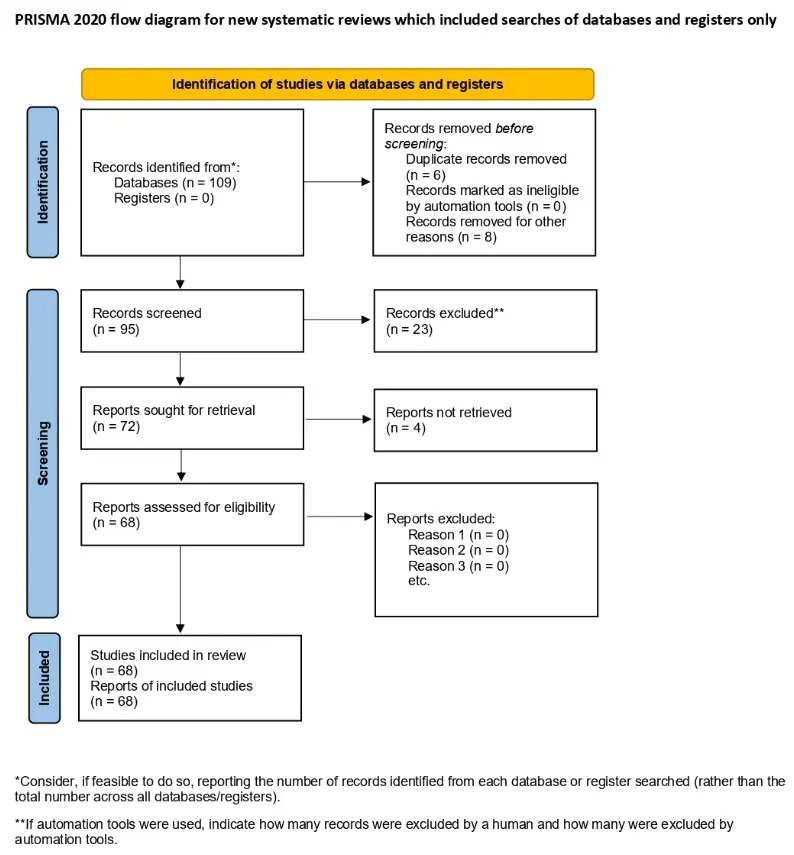
Offshore wind turbines are exposed to harsh marine conditions that accelerate degradation and make inspection costly, hazardous, and weather-dependent. Early fault detection is needed to reduce downtime and prevent structural failure. This review investigates offshore wind turbine failure mechanisms, inspection technologies, unmanned aerial vehicles (UAVs) and robotic systems, computer-vision-based defect detection, infrared thermography, and drone-assisted maintenance. A structured literature review methodology was used to synthesise studies across offshore engineering, robotics, sensing, and machine learning. The findings show that autonomous offshore fault detection remains limited by a lack of real-world experimentation and data. UAV inspection systems offer strong remote inspection capability but often lack real-time perception and adaptive autonomy, while deep learning models remain highly dependent on controlled datasets and are vulnerable to offshore environmental noise. The literature is disconnected, with few studies integrating autonomous navigation, multimodal sensing, and onboard intelligence into a unified offshore inspection framework. These findings demonstrate the need for robust drone-based systems capable of reliable visual and thermal fault detection in real offshore environments.

Owen Fiddy*
Dena Bazazian
Asiya  Khan
Lars  Johanning
Deborah  Greaves
Mar. Energy Res.
2026,
3
(3), 10016; 
TOP