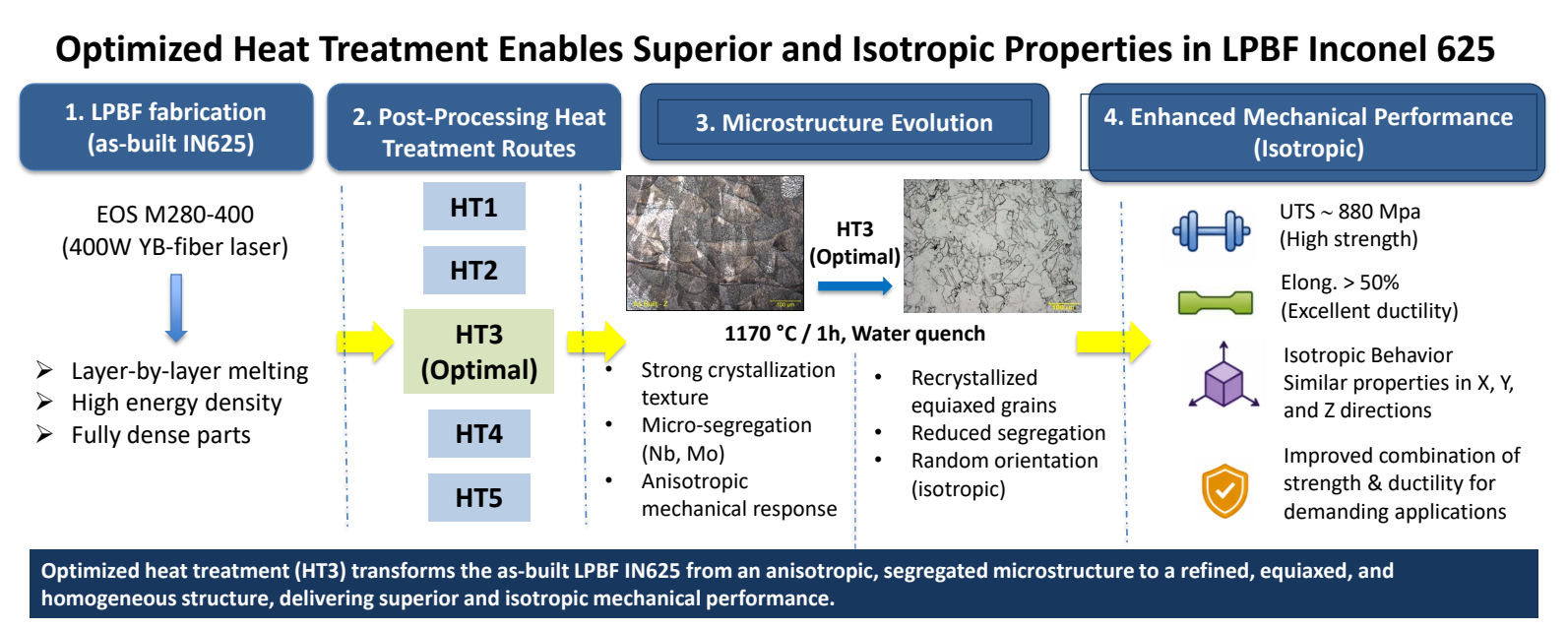
Laser powder bed fusion (LPBF) is widely used for manufacturing nickel-based superalloy components with complex geometries; however, the process produces non-equilibrium microstructures characterized by directional grain growth, cellular substructures, and compositional segregation, which can lead to anisotropic mechanical behavior. In this study, the influence of multiple post-processing heat-treatment routes on the microstructural evolution and mechanical properties of LPBF-fabricated Inconel 625 (IN625) was systematically investigated by combining stress relief, hot isostatic pressing (HIP), and solution annealing. Microstructural characterization was performed using optical microscopy and scanning electron microscopy, while tensile properties were evaluated from room temperature to 700 °C. The HT3 condition resulted in a fully recrystallized, equiaxed grain structure with reduced segregation and minimal Nb-rich Laves phase, leading to nearly isotropic mechanical properties, with an ultimate tensile strength of approximately 880 MPa and an elongation exceeding 50%. Elevated-temperature testing demonstrated stable mechanical performance, with a localized strengthening effect near 600 °C attributed to dynamic strain aging. These results demonstrate that appropriate post-processing can effectively homogenize LPBF IN625 and improve its mechanical reliability.
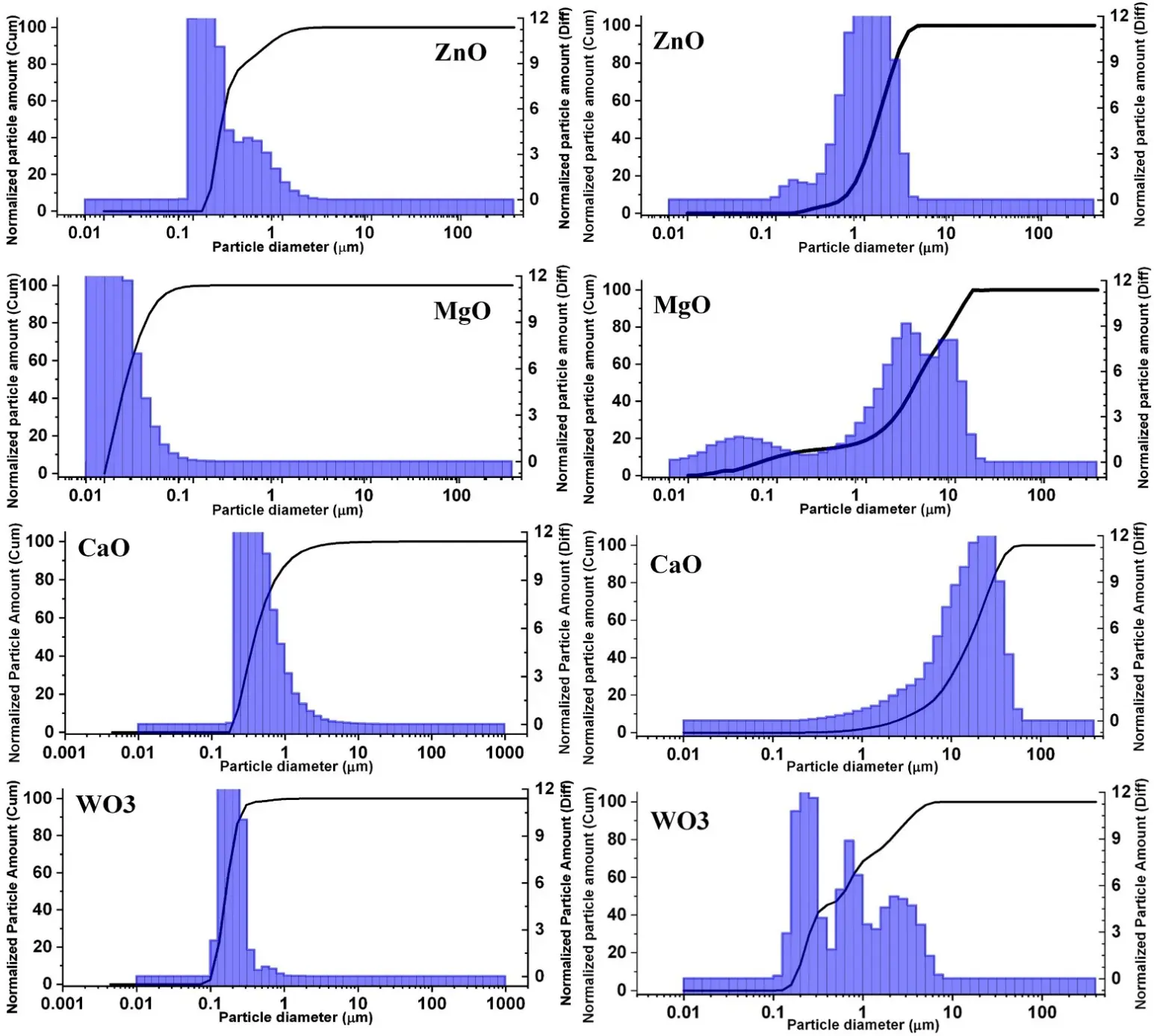
We report the results of MeWO4 ceramics synthesis by the direct exposure of metal (Mg, Ca, Zn, W) oxides mixture to a high-power flux of high-energy electrons. The oxide powder particle sizes are 1–10 microns. The synthesis occurs with high efficiency in less than 1 s without the use of any additional substances and energy sources. The purpose of this work is to establish the main processes that ensure the effective synthesis of MgWO4, CaWO4, and ZnWO4 ceramics from ZnO, CaO, MgO, and WO4 oxides, which differ significantly in their physical and chemical properties. It has been found that the dependence of synthesis efficiency on the electron beam power density and the power density threshold at which synthesis begins varies significantly for simple metal oxides and is very close for the tungstates of these metals. The most probable explanation for the observed effect is redistribution of absorbed radiation energy. WO3 powder particles have a high absorptance of the incident electron radiation. The result is a cascade multiplication of primary electrons into secondary electrons with much lower energy. Secondary electrons are efficiently absorbed by MgO, CaO, and ZnO particles, leading to their efficient decomposition and the formation of a new phase.
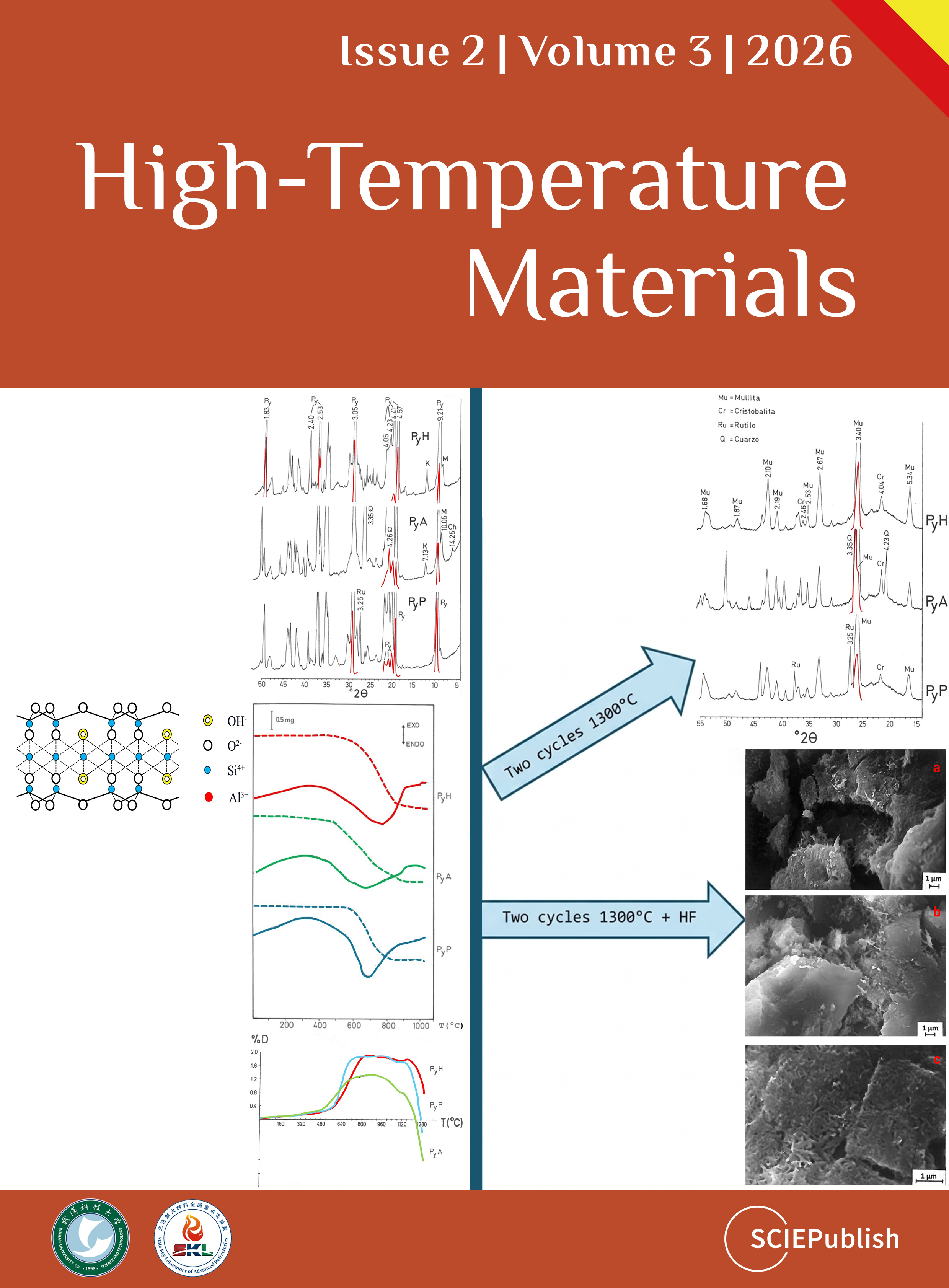
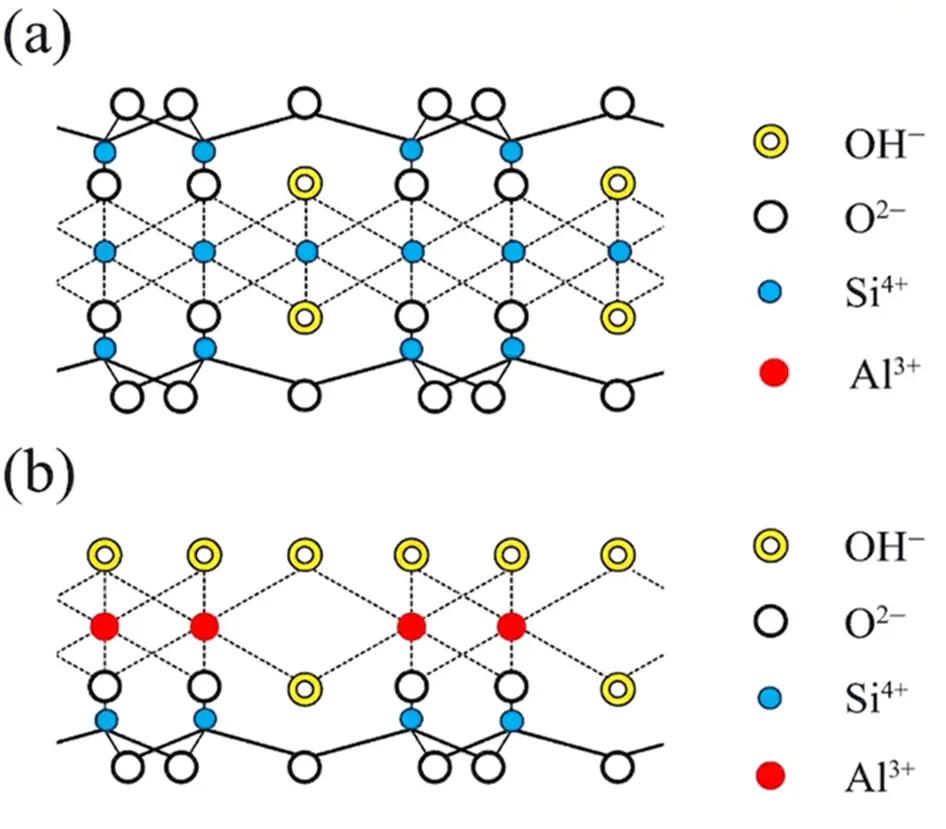
Pyrophyllite is a 2:1 layered silicate with interest in ceramics, refractories, and several other important applications. In this work, an investigation into the thermal behaviour of several natural and purified pyrophyllite samples, including a pyrophyllite clay, has been conducted. A previous characterization of these samples has been carried out by AA, XRD, thermal analysis by thermo-dilatometry and DTA-TG, surface area, and SEM-EDX. Thus, relevant chemical, mineralogical, thermal, and textural data of these samples have been obtained. As a second step of this investigation, the thermal behaviour of these pyrophyllite samples has been investigated by XRD and SEM after several thermal treatments at 800, 1100 and 1150 °C during 24 h. The formation of dehydroxylated pyrophyllite as a crystalline phase in the samples was established after 1050 °C by XRD, and its permanency above this temperature, with little changes in morphological features, as revealed by SEM. When thermal treatment was progressive at higher temperatures (1300 °C) the following was evidenced by XRD: (a) the formation and crystallization of mullite (3Al2O3·2SiO2), with a progressive destruction of dehydroxylated pyrophyllite, and (b) the formation of cristobalite (SiO2). This later phase was formed by crystallization of the amorphous silica, detected as a hump by XRD, which is segregated in the solid-state reaction of formation of mullite. This treatment produces a new microstructure with elongated and needle-like crystals of mullite according to SEM observations. All these results have been found of interest for the preparation of ceramic materials, mullite-based ceramics, and refractories using these pyrophyllite samples.
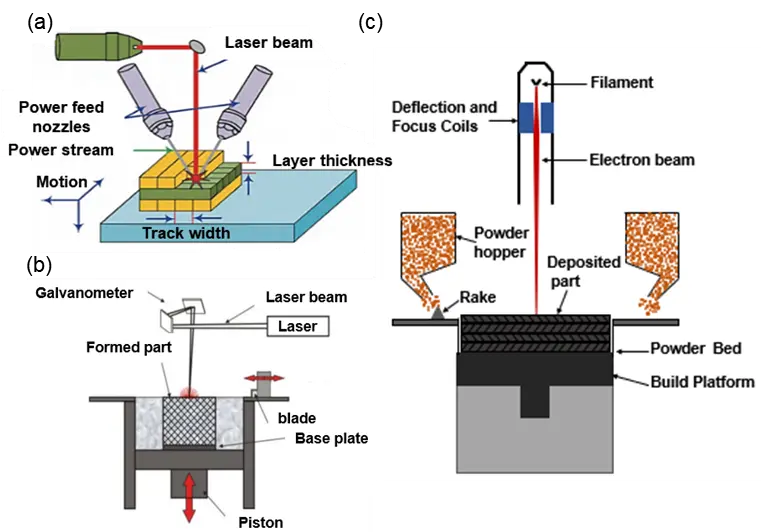
Ti2AlNb alloy, a new generation of low-density titanium aluminide intermetallic compound, possesses excellent high-temperature strength, creep resistance, and moderate density, making it a promising candidate for high-temperature aerospace structural components. Powder-based additive manufacturing technology provides an effective approach for fabricating high-performance Ti2AlNb components, featuring high design freedom, efficient forming, and a controllable microstructure. This paper systematically reviews the research progress of powder-based additive manufacturing of Ti2AlNb alloys, focusing on three mainstream powder-based processes, including Selective Laser Melting (SLM), Selective Electron Beam Melting (SEBM), and Direct Laser Deposition (DLD). The regulation effect of the extreme non-equilibrium thermal cycle during powder-based additive manufacturing on the alloy microstructure is analyzed, and the correlation between process parameters and mechanical properties of components is summarized. Meanwhile, the key challenges in this field are identified, such as the difficulty in completely eliminating typical forming defects, insufficient precision of microstructure regulation, and a lack of theoretical guidance for process optimization. Finally, combined with technological development trends, future research directions are prospected from the aspects of defect control, microstructure, and mechanical property regulation, as well as engineering application.
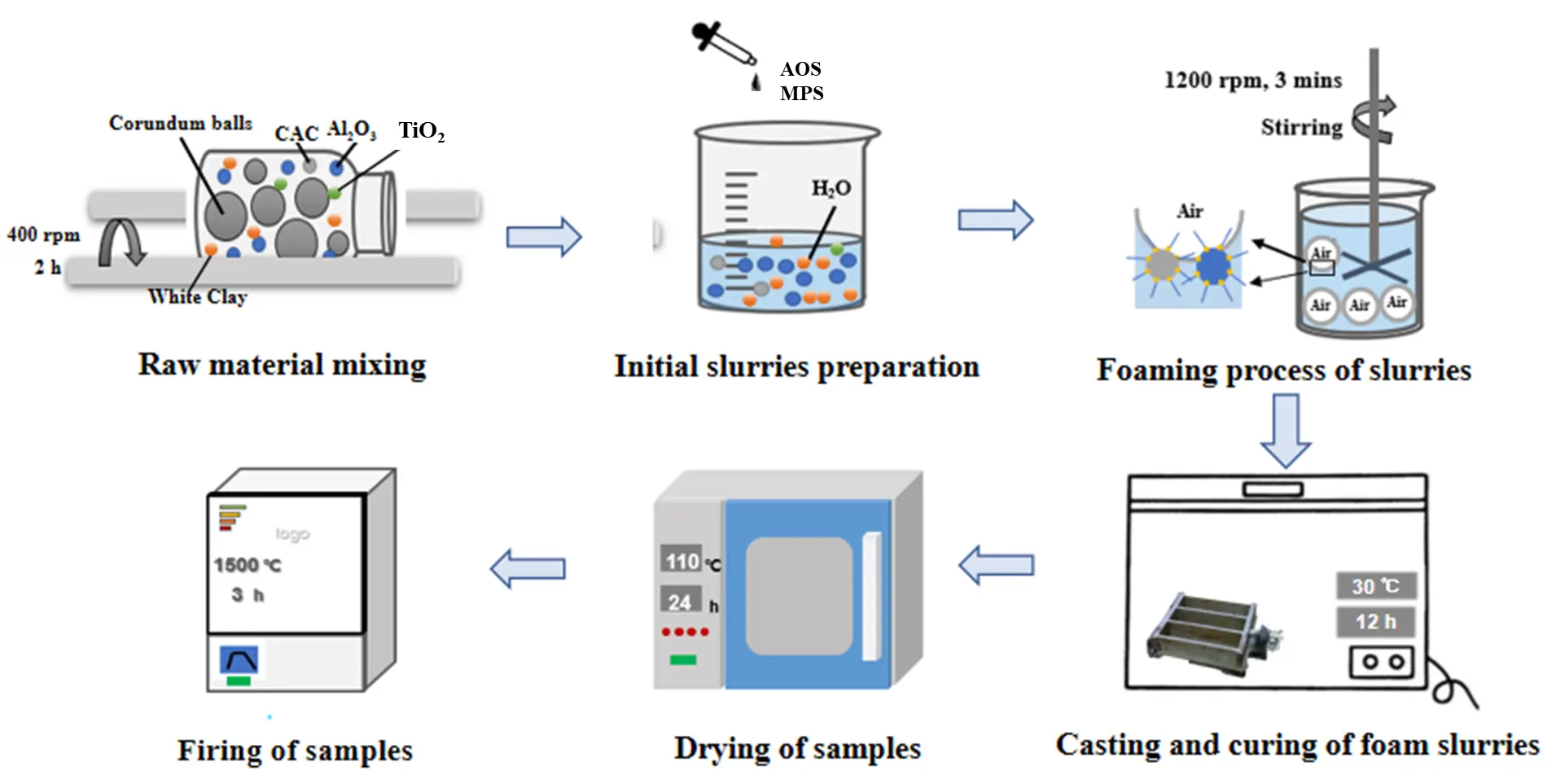
In the context of the global implementation of the dual carbon strategy, enhancing the thermal insulation performance of kiln insulation layers to reduce energy consumption is a highly effective route to achieving energy conservation and emission reduction. In this work, mullite foamed ceramics were fabricated via a direct-foaming method using industrial alumina and white clay as raw materials, and the thermal conductivity was decreased by introducing a secondary phase and increasing the interfacial thermal resistance. The influence of the TiO2 addition on the phase composition, pore characteristics, and properties was systematically investigated by means of XRD, SEM, and EDS. The results indicate that the foamed ceramics are mainly composed of mullite, with minor phases including corundum and aluminum titanate. It has been demonstrated that increasing the TiO2 addition decreased the ceramic’s thermal conductivity, due to the formation of low-thermal-conductivity Al2TiO5 phases and the elevation of the interfacial thermal resistance. The specimen exhibiting the optimal properties is characterized by a porosity of 77.8%, a strength of 1.86 MPa, and a thermal conductivity of 0.216 W/(m·K) (1000 °C), achieved with a TiO2 addition of 6 wt%.
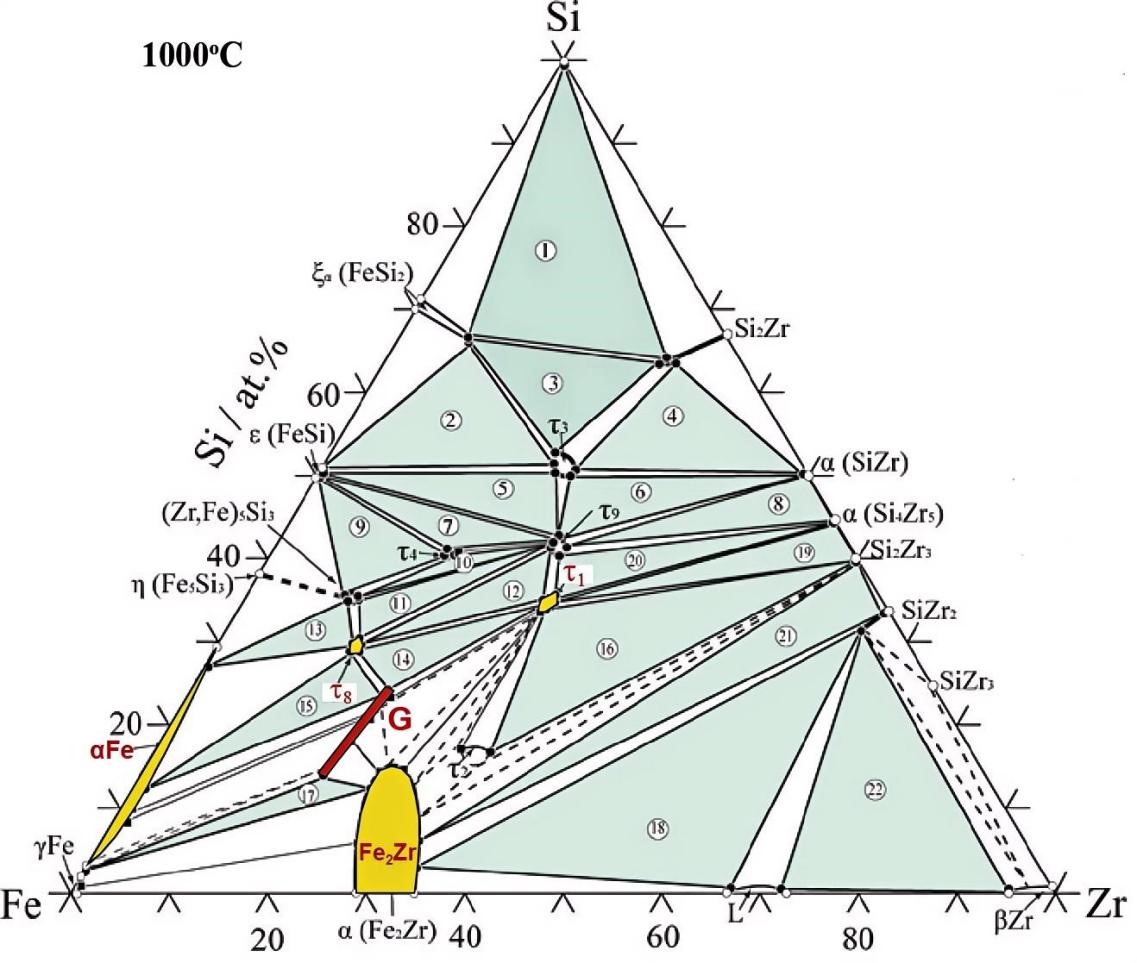
Extensive investigations have revealed the precipitation of nanometer-scale silicides, identified as G-phase, within the ferritic matrix of duplex stainless steels during prolonged thermal aging. These silicides typically exhibit a well-defined coherent orientation relationship with the ferrite matrix, specifically (100G//100F, 110G//110F, 111G//111F). Consequently, the authors and their research team proposed a novel concept in 2015: utilizing the G-phase as a primary strengthening phase. It was proposed that through strategic alloy design, these silicides—ordinarily considered deleterious in duplex stainless steels—could be used to develop a new generation of dispersion-strengthened ferritic stainless steels. This approach aims to significantly enhance the yield strength of the alloy while maintaining excellent tensile ductility. Over the past decade, the authors and their research team have focused on nanoscale G-phase dispersion-strengthened ferritic stainless steels. By combining first-principles calculations with thermodynamic database-driven alloy design, a series of new ferritic stainless steel systems based on G-phase strengthening has been developed. These efforts have yielded extensive fundamental results regarding the compositional control, microstructural design, and mechanical properties of silicide-strengthened 20Cr ferritic stainless steels. Based on a comprehensive review of the existing literature, this paper further summarizes the compositional design criteria and microstructural control strategies for G-phase strengthened steels. It is hoped that this work will encourage further fundamental research and industrial applications in this field.