Found 74 results
Open Access
Article
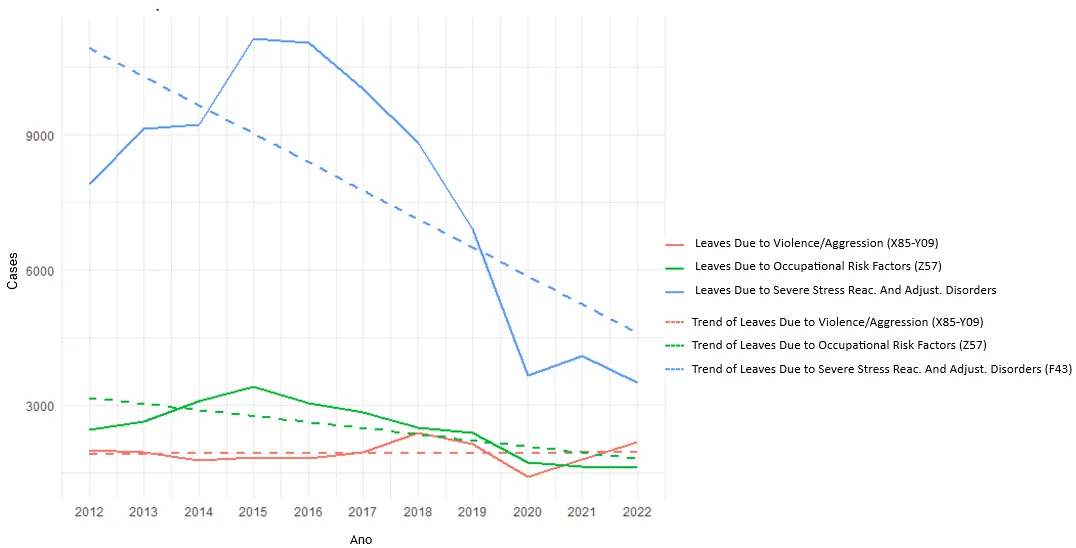
18 February 2025Unemployment, Inequality, and Occupational Stress: Mental Health Outcomes in Brazil (2012–2022)
This study examines the relationship between occupational stress-related leaves, classified under International Classification of Diseases code F43, and socioeconomic factors such as unemployment, income inequality, and worker income in Brazil from 2012 to 2022. Work-related stress disorders, especially those involving severe stress reactions and adjustment disorders, are big problems for occupational health. Bad working conditions and differences in income can make these problems worse. This research utilized secondary data from official Brazilian databases to perform time-series analyses and structural equation modeling. Results revealed a decline in stress-related leaves during the COVID-19 pandemic, likely influenced by remote work adoption and reduced exposure to workplace hazards. Structural modeling identified key relationships: unemployment rates and occupational risk exposure were positively associated with stress-related leaves, while higher income levels were protective. Unexpectedly, income inequality influenced aggression-related leaves but had no significant direct impact on stress-related leaves. These findings underscore the multifaceted impact of socioeconomic and workplace factors on occupational health, highlighting the need for policies addressing mental health at work and fostering equitable labor conditions. The study also identifies limitations, including potential underreporting and the exclusion of demographic nuances. Future research should adopt a multidisciplinary approach and consider disaggregated data to enhance understanding and intervention strategies.
Open Access
Book Review
14 February 2025
Open Access
Article
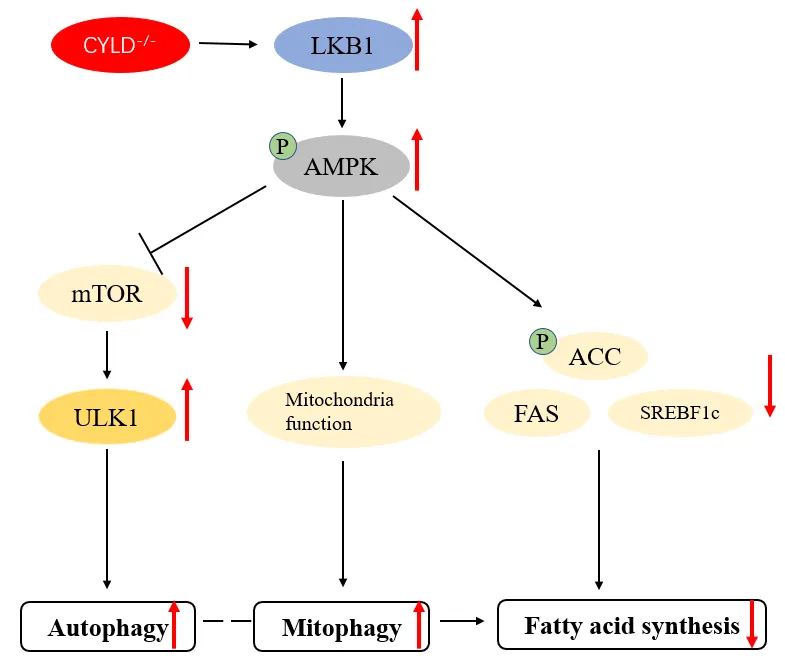
14 January 2025CYLD Regulates T Cell Metabolism and Mitochondrial Autophagy through LKB1/AMPKα Pathway
The deubiquitinating enzyme cylindromatosis (CYLD) plays a fundamental role in regulating T cell development and activation. Previous studies have shown that CYLD is associated with autophagy, while AMP activated protein kinase (AMPK) pathway regulates the development of autophagy and affects cell metabolism. However, the mechanism by which CYLD affects autophagy and whether it affects the downstream metabolism of AMPKα remains unclear. In this study, we used the CYLD gene knockout model in Jurkat cells to investigate the mechanism of CYLD and autophagy and its relationship with cellular metabolism. The results show that CYLD deletion promotes autophagy through AMPKα/mTOR/ULK1 signaling pathway, promotes mitochondrial autophagy to improve mitochondrial function and attenuates cell lipid metabolism in Jurkat cells.
Open Access
Perspective
31 December 2024
Offshore Renewable Energy Advance
Offshore renewable energy generation has become an important means to address the energy crisis and climate change, which has gained widespread attention in recent years. This article presents classic domestic and international cases that introduce the development and industrial transformation of generation technologies for offshore wind, offshore photovoltaics, ocean wave energy, tidal energy and temperature difference energy. Offshore power generation projects face challenges in design, safety, long-term operation and economic feasibility. Offshore renewable energy generation is gradually moving towards industrialization, and is expected to become a key component of global energy supply in the future with technological advancements and policy support, providing strong support for tackling climate change and achieving sustainable development goals.
Open Access
Article
18 December 2024EU Energy Law: Insufficient for the 1.5-Degree Celsius Limit—The Examples of EU Emissions Trading and Hydrogen Policies
This article examines the extent to which the current EU climate protection law fulfils the 1.5-degree limit from Article 2 of the Paris Climate Agreement. To this end, a qualitative governance analysis is applied. On this methodological basis, the main instrument for fossil phasing-out—the emissions trading scheme—and the promotion of hydrogen are discussed as examples. The results show that the EU must further intensify its efforts on its territory and cooperate with other countries since the reformed ETS 1 and ETS 2, the SCF and the CBAM are not sufficiently effective to stay within the 1.5-degree limit of the Paris Agreement. This is also the case with regard to hydrogen policies. The primary focus of energy law on the ETS is therefore fundamentally convincing; however, it should be implemented more consistently, for example, in terms of the breadth of the approach, closing loopholes and the level of ambition.

Open Access
Article
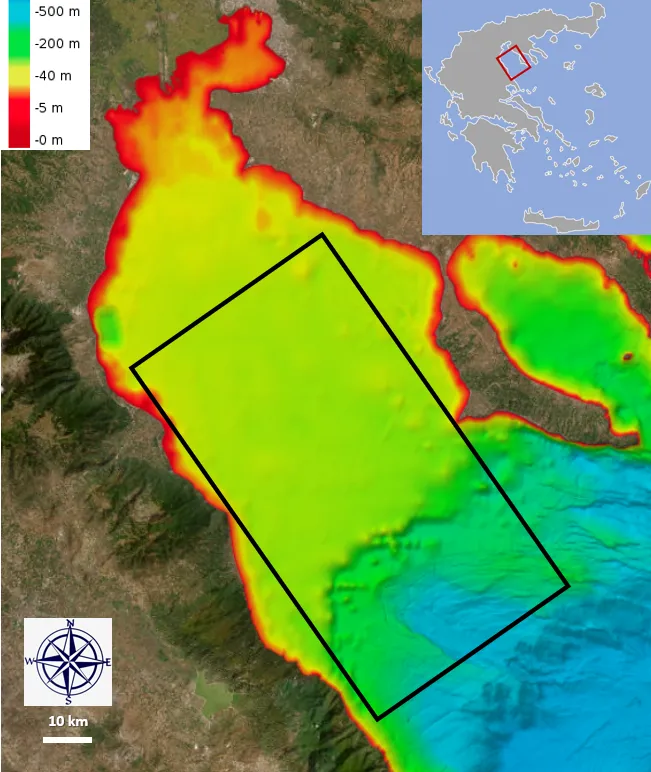
06 December 2024Population Dynamics and Stock Assessment of the Spottail Mantis Shrimp Squilla mantis (Linnaeus, 1758) in the North Aegean Sea, Greece
In Greek waters, the spottail mantis shrimp Squilla mantis (Linnaeus, 1758) presents significant ecological and low to moderate economic value. This study investigates the population dynamics and stock assessment of the species in the north Aegean Sea. A total of 856 individuals were collected using commercial bottom trawls between April 2021 and April 2023. Key population parameters such as size distribution, sex ratio, growth, size at maturity and spawning seasonality were assessed. Results indicate a relatively stable population with a slight male dominance and peak spawning activity occurring in late spring to early summer. Growth parameters were estimated using the von Bertalanffy growth model, revealing moderate growth rates and a maximum length slightly higher than previously recorded for this species in other Mediterranean regions. Stock assessment, conducted through yield-per-recruit analysis, suggests that the current exploitation levels are approaching sustainable limits. However, potential overfishing risks necessitate continuous monitoring and the implementation of adaptive management strategies. This study underscores the importance of integrative approaches combining biological and fisheries data to ensure the sustainable management of S. mantis populations in the Aegean Sea.
Open Access
Article
27 September 2024Evaluation of the Efficacy of Chinese Inactivated COVID-19 Vaccines against the Delta Variant in the Nanjing Outbreak: A Cohort Study
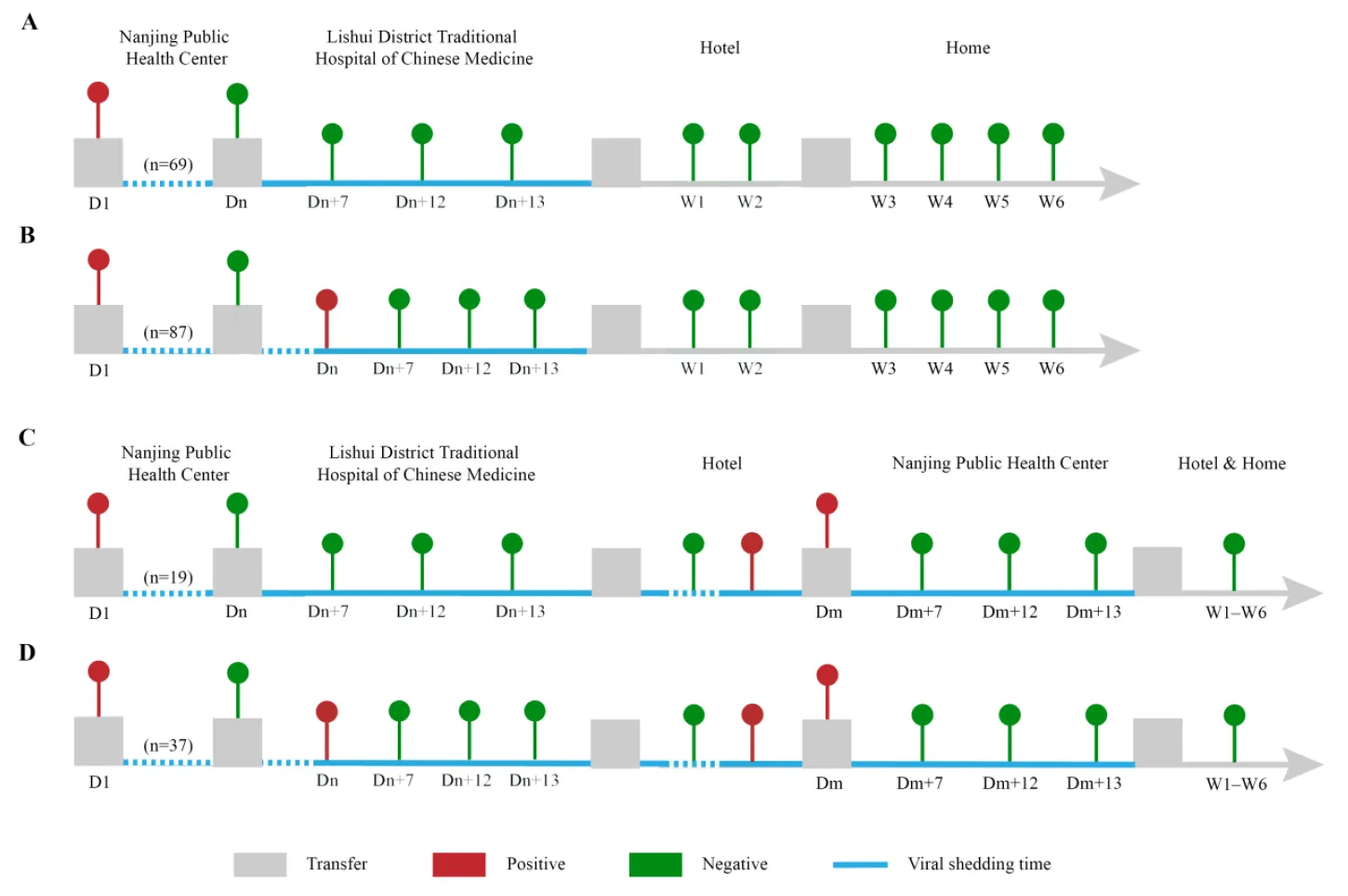
Background: The strains of COVID-19 are constantly mutating, and the effectiveness of Chinese inactivated vaccines against the COVID-19 Delta variant has not been described clearly. Methods: The clinical data of patients with the COVID-19 Delta variant in the 2021 Nanjing outbreak were retrospectively reviewed. Results: There were 212 patients with the COVID-19 Delta variant (unvaccinated, n = 56, 26.42%; vaccinated, n = 156, 73.58%) included in our cohort study. The median age was 45.5 (38, 53) years old. Eighty-seven subjects (41.04%) were airport staff, and 94 patients (44.34%) in 32 families were infected. There were 53 (25.00%) and 103 (48.58%) cases with one-dose and two-dose vaccination, respectively, and 55 (25.94%), 147 (69.34%) and 10 (4.72%) had mild, moderate and severe symptoms, respectively. The duration of viral shedding, or viral shedding time (VST), was significantly longer in unvaccinated individuals compared to vaccinated individuals (p = 0.0008). Moreover, the duration was significantly longer in patients who received one vaccine dose than those who received two doses (p < 0.0001). The mild patients had significantly shorter VSTs than the moderate subjects (p < 0.0001). Disease severity and vaccination dose were independent predictors for VST by Cox regression models. Conclusions: These results suggest that two-dose vaccination could reduce VST in patients with the COVID-19 Delta variant. Chinese inactivated vaccines may decrease the disease severity of cases with the COVID-19 Delta variant.
Open Access
Research Highlight
19 September 2024
Open Access
Article
28 August 2024Metallurgical Characteristics of 316L Stainless Steel by Laser Additive Manufacturing
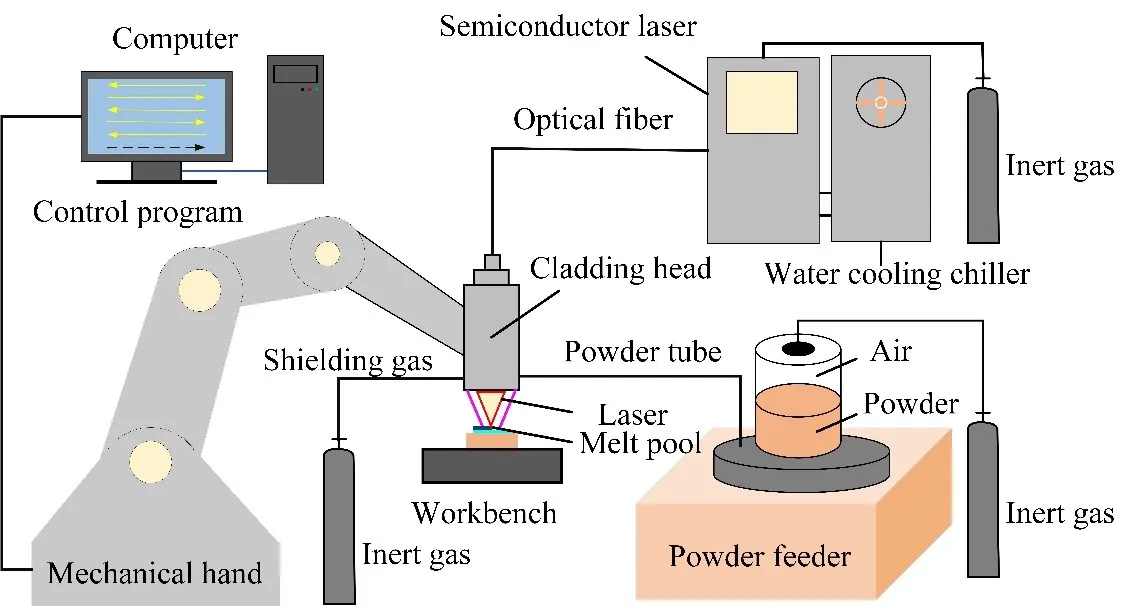
Laser Additive Manufacturing (LAM), an avant-garde technology in manufacturing, harnesses the precision of laser energy to fabricate intricate parts through the meticulous process of melting and subsequently depositing layers of metal powders. Among the esteemed materials employed, 316L stainless steel (316L SS) stands out for its unparalleled corrosion resistance, exceptional high-temperature tolerance, and remarkable creep strength, making it a ubiquitous choice in the aerospace, medical, and nuclear power sectors. LAM has distinguished itself in the fabrication of intricate 316L SS components, yet enhancing the metallurgical bonding strength within these structures remains a pivotal area of ongoing research. This research endeavor delves into the intricate microstructure and mechanical properties that characterize the interface between the LAM-produced 316L SS cladding layer and its substrate, further investigating how varying laser energy densities (E) subtly influence these properties within the additive manufactured components. Remarkably, the interface region exhibits a tensile strength of 615.1 MPa, surpassing that of both the deposited layer and the substrate by 5.4% and 7.4% respectively, underscoring a robust bond between the two layers. This investigation not only sheds light on the unique process capabilities and performance merits of LAM in crafting 316L SS cladding layers but also pioneers novel approaches and conceptual frameworks for bolstering the metallurgical bonding strength of this esteemed material. As such, it constitutes a treasure trove of insights for subsequent research endeavors and practical applications across related disciplines.
Open Access
Article
07 August 2024Airway Serous Cells: A Comparative Study of Spatial Distribution and Abundance among Species
The conducting airways of the respiratory system play a crucial role in filtering, humidifying, and directing air into the lungs. Among the specialized cell types within these airways, airway serous cells are notable for their secretion of watery, protein-rich fluids and enzymes, which contribute to maintaining airway surface liquid homeostasis and defending against pathogens. However, the distribution and abundance of serous cells across different species in the conducting airways remain poorly understood. In this study, we addressed this gap by investigating the spatial distribution of the airway serous cell-specific marker BPI fold containing family A member 1 (BPIFA1) in humans, pigs, and mice. Our findings demonstrate significant variations in the distribution and abundance of serous cells among these species, potentially reflecting their different respiratory anatomy and evolutionary adaptations to diverse environmental challenges and respiratory demands. In humans and pigs, airway serous cells are predominantly found in the submucosal glands of the trachea and segmental bronchi, frequently overlapping with lysozyme-positive secretory cells. In contrast, rodents like mice exhibit a distinct pattern where serous cells are scarce in submucosal glands. Instead, rodent serous cells are primarily located at the epithelial surface from the trachea to the main bronchi, where many co-express the Club cell-specific protein SCGB1A1. The abundance of serous cells diminishes progressively in the intrapulmonary airways. Given that rodent models are widely utilized in respiratory research, understanding anatomical and cellular differences in airway serous cells is critical for interpreting experimental outcomes and translating findings to human respiratory diseases and therapeutic strategies. This comparative analysis enhances our understanding of airway biology across species and informs the selection and interpretation of animal models in respiratory studies.
